
Custom Knit Yarn OEM Manufacturing for Apparel Brands
Develop custom knit yarn and production-ready knitwear with OEM/ODM support, fit-focused sizing, and low 100-unit MOQs.
Featured Products for custom knit yarn Development




Related Product Catalogue and Quotation





Why Brands Source Custom Knit Yarn Through JUNSHEEN
From low-MOQ development to reliable global delivery, JUNSHEEN combines fit-led knitwear production with integrated manufacturing support.
100-Unit MOQ Flexibility
Launch custom knit yarn capsule styles from 100 units per style and color, with practical support for emerging labels and established programs.
Fit-Focused Size Development
Pattern makers refine proportions, mobility and grading from XS to 3XL for normal, oversized, extended-size and plus-size knitwear.
Integrated Decoration
Coordinate embroidery, printing, custom patches, labels, trims and branded packaging through one experienced apparel manufacturing supply chain.
Scalable Production Capacity
More than 200 skilled workers and 80,000-plus monthly units support both controlled launches and repeat bulk production.
Global Export Support
Receive clear production coordination, quality control and export assistance for fashion programs shipping to markets worldwide.
Custom Knitwear & Apparel Production
From knit yarn selection to finished private-label garments, JUNSHEEN develops fit-focused categories for capsule launches, wholesale programs and scalable bulk production.

Custom Hoodies
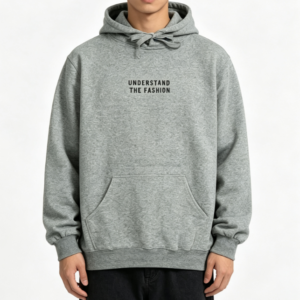
Develop custom hoodies in fleece, French terry or jersey with your preferred weight, fit and finish. JUNSHEEN supports XS–3XL grading, oversized proportions, embroidery, screen printing, labels and packaging from 100 units per style and color.
Request a Quote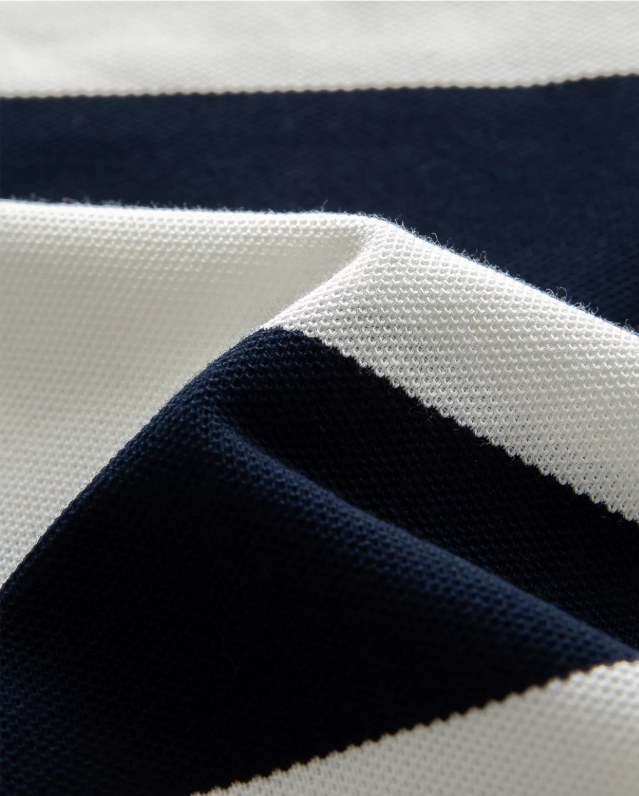
Custom T-Shirts
Produce custom T-shirts from combed cotton, Pima cotton, organic options or performance blends. We refine necklines, body length, sleeve balance and grading, then apply screen print, DTG, DTF, embroidery or private-label trims for retail-ready programs.
Request a Quote
Custom Jeans
Develop custom jeans in rigid, stretch or recycled denim with fit-specific rises, leg shapes and wash targets. Pattern, grading, hardware, pockets, distressing, embroidery and branded labels are managed through sampling and bulk production.
Request a Quote
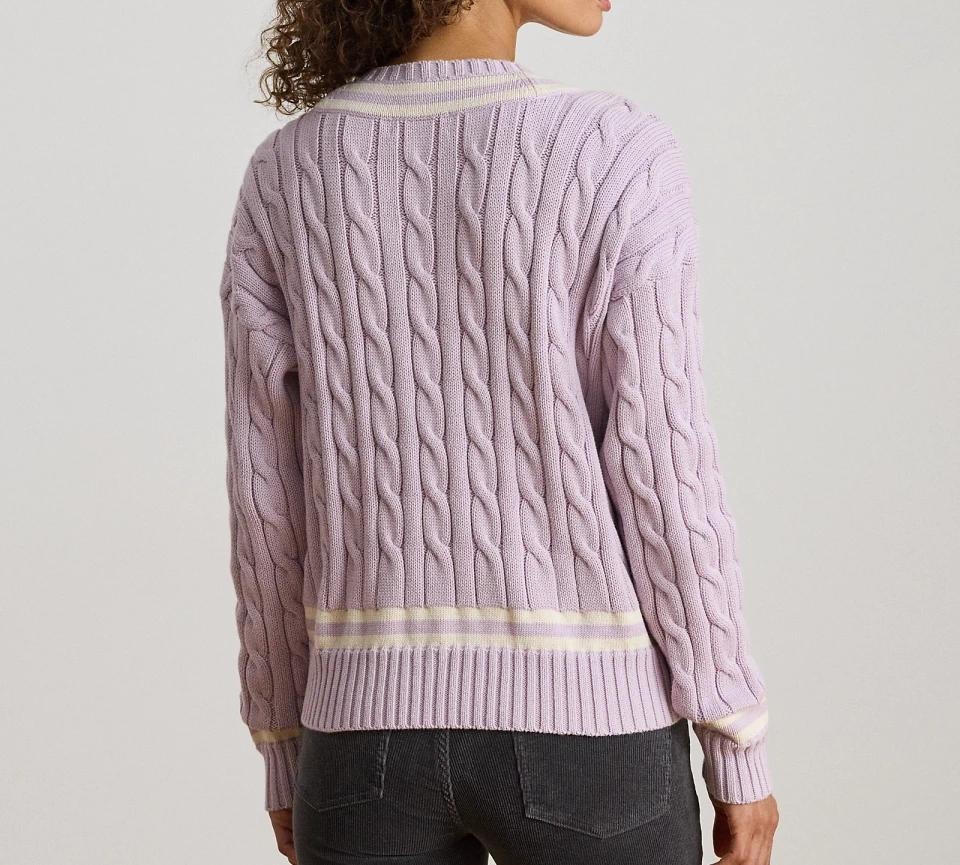
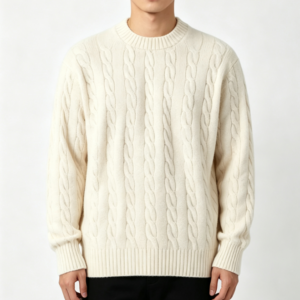
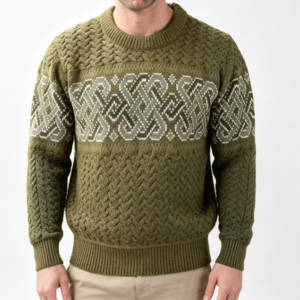
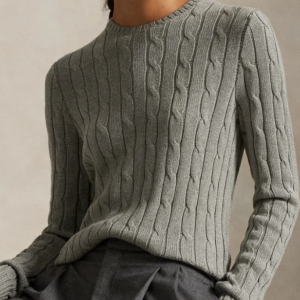
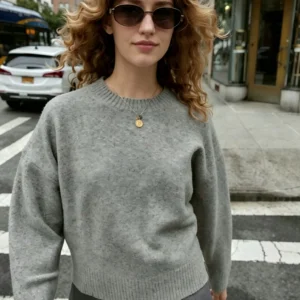
Custom Sweaters
Source turtle neck sweater bulk programs with yarn, gauge and construction matched to target hand feel, warmth and cost. JUNSHEEN develops turtlenecks, mock necks and fitted or oversized silhouettes with graded XS–3XL sizing and private-label finishing.
Request a Quote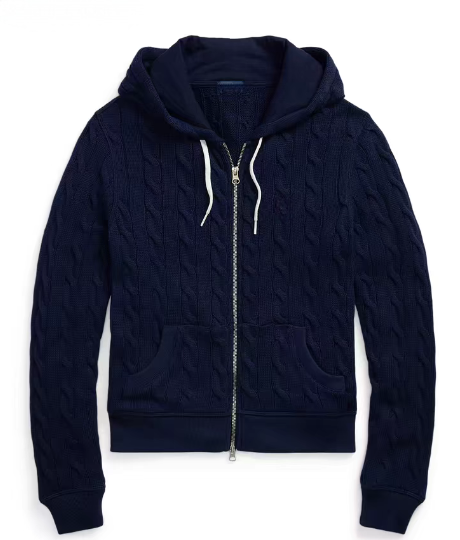
Custom Jackets
Create custom jean jackets and other denim outerwear with selected fabric weight, wash, hardware and trim details. Our team develops patterns, fit samples, pockets, collars, closures and branded components for coordinated private-label production.
Request a Quote
Custom Sweatshirts & Crewnecks
Build custom crewneck hoodie and sweatshirt programs in fleece, French terry or brushed jersey. We manage rib specifications, neckline recovery, oversized or standard fits, logo decoration, washes and graded size sets before bulk approval.
Request a Quote
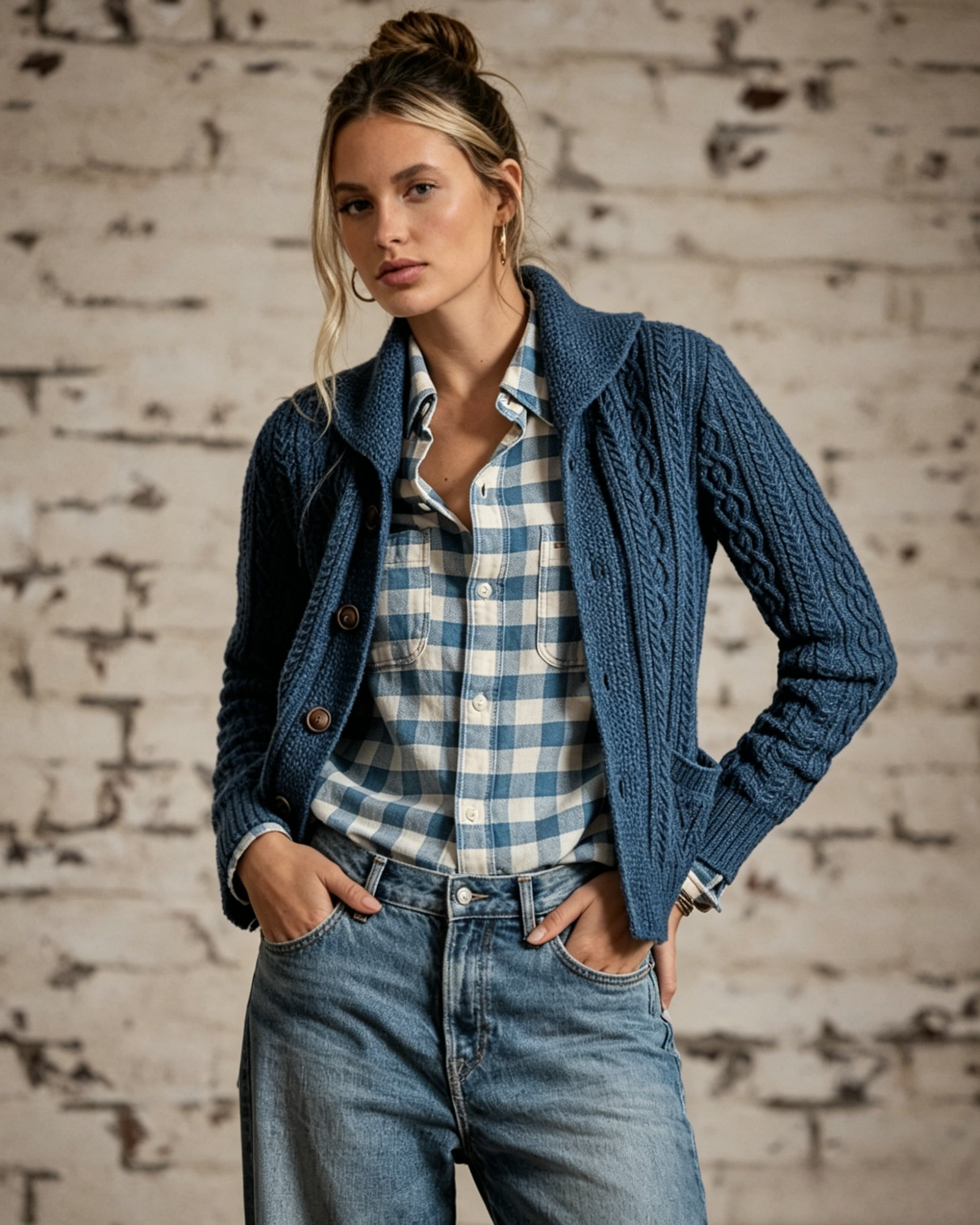
Custom Cardigans
Develop custom cardigans in sweater constructions suited to your silhouette, season and target cost. Choose yarn blends, gauges, button or zipper closures, rib details and labels, with fit refinement for normal, extended-size and oversized ranges.
Request a Quote
Custom Puffer & Down Jackets
Produce custom puffer jackets with shell fabric, insulation, quilting layout and hardware selected for your market. JUNSHEEN develops fit, hood, pocket and closure details, then manages branded trims, labels, packaging and export-ready quality checks.
Request a Quote
Custom Denim Shorts
Develop custom jean shorts in rigid or stretch denim with controlled inseams, rises, hems and wash effects. We support fit grading, pocket construction, distressing, hardware, embroidery and private-label finishing for women’s, men’s and unisex programs.
Request a Quote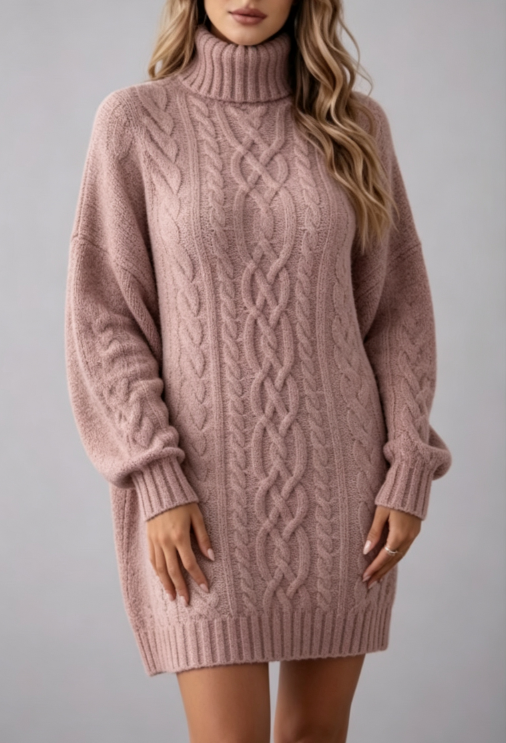
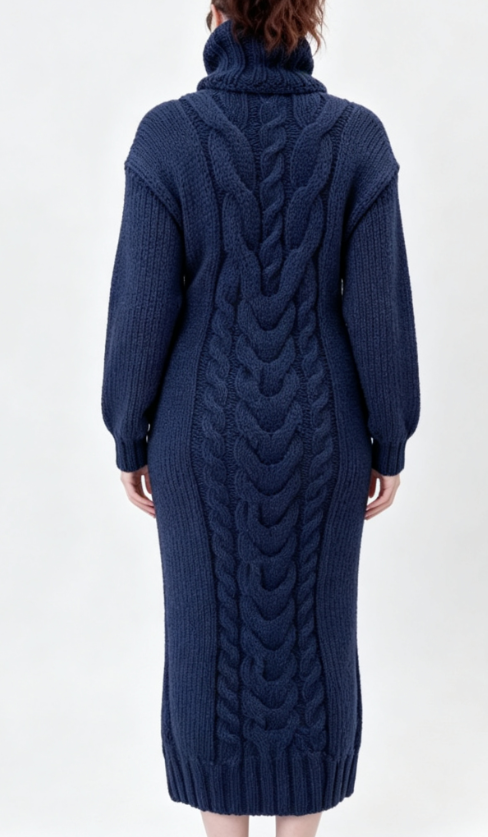
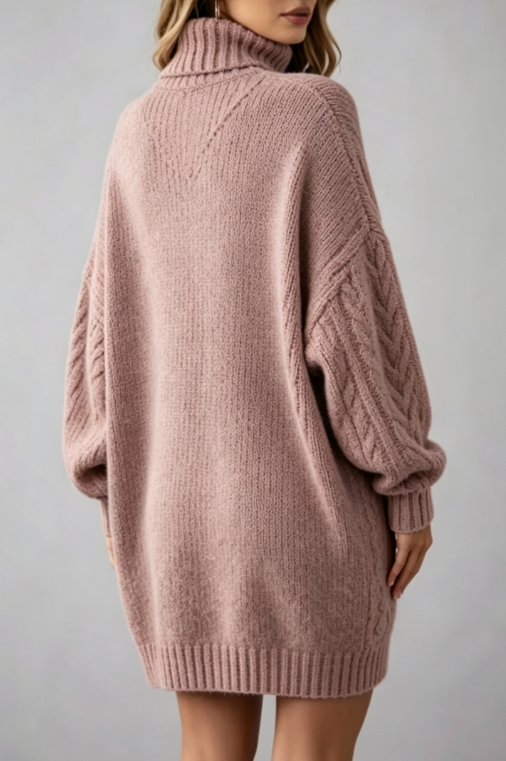
Custom Sweater Dresses
Create custom sweater dresses with yarn, gauge, stretch and drape specified for the intended silhouette. Pattern makers develop body length, sleeve proportion and size grading across XS–3XL, with options for ribbing, texture, buttons and branded labels.
Request a Quote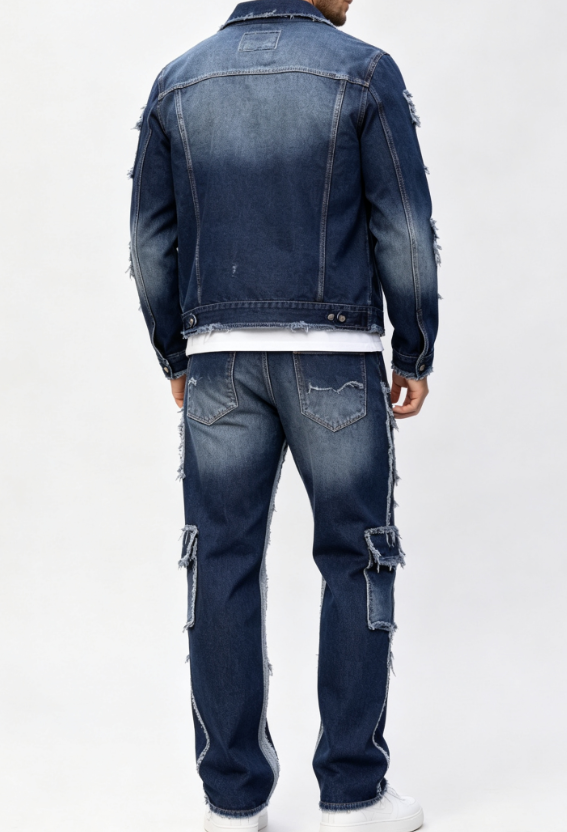
Custom Denim Sets
Produce mens denim suits wholesale programs as coordinated denim jackets, overshirts and trousers. JUNSHEEN aligns fabric shade, wash, fit, hardware and size grading across the set, supporting low-MOQ development and repeatable bulk production.
Request a Quote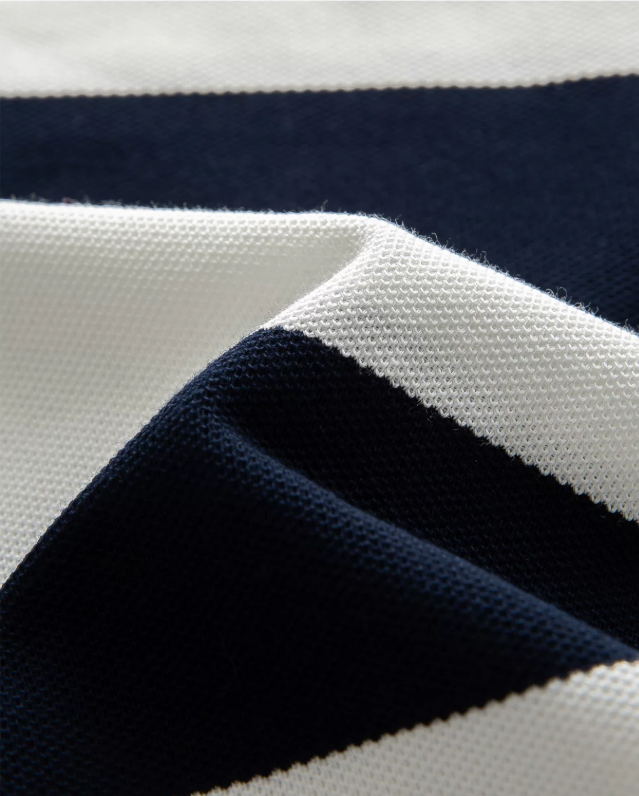
Custom Polo Shirts
Manufacture custom polo shirts in piqué, jersey or performance knit fabrics with branded collars, plackets and trims. We develop fit, sleeve length and grading, then add embroidery, printed details, labels and packaging for wholesale or retail use.
Request a Quote
Custom Sweatpants
Develop custom sweatpants in fleece, French terry or jersey with your preferred rise, leg shape and cuff construction. Options include elastic or drawcord waists, pockets, embroidery, printing, washes and coordinated sizing with matching tops.
Request a Quote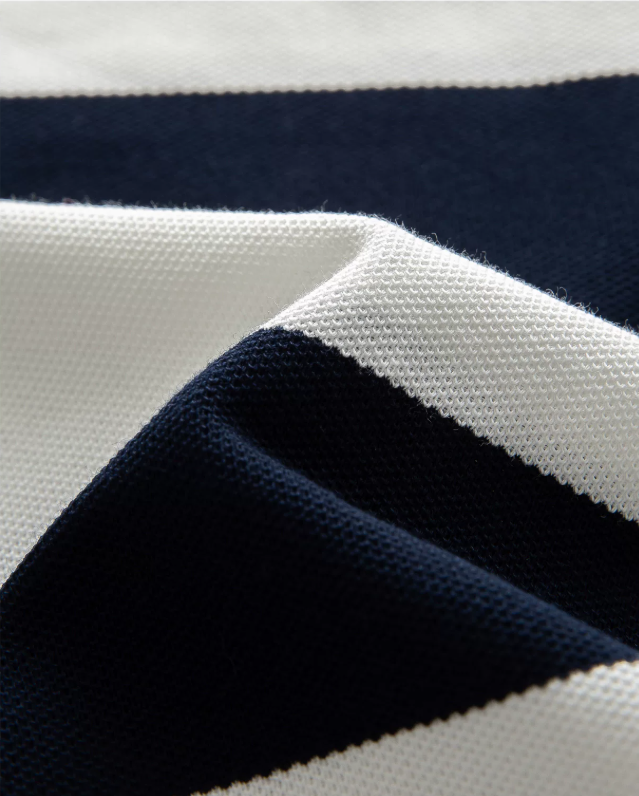
Custom Shorts
Produce custom shorts for casualwear, active-inspired or coordinated set programs. We source fabric for weight, stretch and wash performance, then develop inseams, waist construction, pockets, decoration and branded finishing from sampling through bulk delivery.
Request a Quote
Custom Pullovers
Create custom pullovers in knit, fleece, French terry or jersey constructions for seasonal collections. JUNSHEEN develops neckline, fit, sleeve balance and grading, with logo decoration, washes, labels and packaging tailored to your private-label requirements.
Request a QuoteCustom Knit Yarn, Knit and Fabric Materials

Wool Blend Yarns
Warm, resilient yarns for sweaters, cardigans and premium pullovers. Wool blends offer a naturally soft hand feel and dependable shape retention, with fiber ratios adjusted to balance warmth, cost, weight and care requirements.

Cotton Knit Yarns
Breathable, skin-friendly yarns suited to lightweight sweaters, polo knits and transitional layers. Combed cotton delivers a cleaner, smoother hand feel, while yarn count and gauge help define garment weight, texture and drape.

Recycled Fiber Blends
Recycled cotton and polyester blends support responsible knitwear collections without sacrificing everyday wearability. They work well for casual pullovers and cardigans, offering adjustable softness, durability and yarn composition for brand sustainability targets.

Performance Knit Blends
Stretch-focused yarn blends for active-inspired tops, fitted knits and versatile layering pieces. Polyester, nylon and elastane combinations provide recovery and moisture management, while engineered knit structures improve movement, breathability and shape stability.

Textured Sweater Constructions
Rib, cable, jacquard and other sweater constructions add visual depth to custom knitwear. Gauge selection controls density and warmth, while stitch programming helps achieve defined texture, balanced stretch and consistent panel proportions.
Custom Knit Yarn Decoration and Finishing Options

Logo Embroidery
Flat, 3D puff, chain-stitch and logo embroidery add dimension and durable brand detail to sweaters, cardigans and knit accessories. Stitch density, backing and placement are reviewed to preserve knit structure and a clean finished surface.

Screen Printing
Plastisol, water-based, puff, high-density, foil and discharge screen printing create clear artwork on compatible knit panels and garments. JUNSHEEN selects ink systems and curing controls for strong color coverage, flexible hand feel and wash durability.

Appliqué Details
Fabric, knit and embroidered appliqué layers introduce tactile logos, varsity lettering and contrast texture. Secure stitching, edge treatment and material matching help the decoration hold its shape while complementing the garment’s drape and construction.

Garment Dyeing
Garment dyeing delivers rich, lived-in color with tonal variation that gives knitwear a more individual character. Color trials and wash testing help align shade, hand feel and shrinkage expectations before bulk production begins.

Washing Treatments
Enzyme, softening, anti-pilling, acid-wash and stone-wash treatments can refine surface character and softness. Each program is tested against the selected custom knit yarn, gauge and fiber blend to protect appearance, recovery and wear life.

Surface Finishing
Brushing, napping and softening finishes adjust warmth, loft and next-to-skin comfort for targeted knitwear looks. JUNSHEEN evaluates the finish with fabric weight, stitch structure and intended use to maintain a consistent premium result.
Custom Knit Yarn Trims and Private-Label Accessories

Woven Labels
Custom woven main labels, size labels and wash-care labels give sweaters, cardigans and knit separates a finished private-label identity. We coordinate placement, weave quality, color matching and compliance details for consistent production.

Branded Hang Tags
Custom hang tags communicate your collection story, sizing, material information and retail presentation before the garment is worn. Choose branded paper stock, cords, shapes and print finishes that suit premium knitwear or accessible casual programs.

Custom Zippers
Add branded zipper pullers, metal or nylon zipper options and coordinated tape colors to zip-up cardigans, knit jackets and outerwear. Hardware is selected for garment weight, opening function, durability and your intended market position.

Drawcord Tipping
Custom drawcords, aglets and contrast tipping create a polished functional detail for knit hoodies, sweater dresses and casual layers. JUNSHEEN can match colors, lengths and end finishes to your approved sample and brand direction.

Logo Snap Buttons
Branded snap buttons and custom closures add utility and recognizable detail to knit polos, cardigans, jackets and layered styles. We help align finish, logo treatment, strength and placement with the garment construction and usage needs.
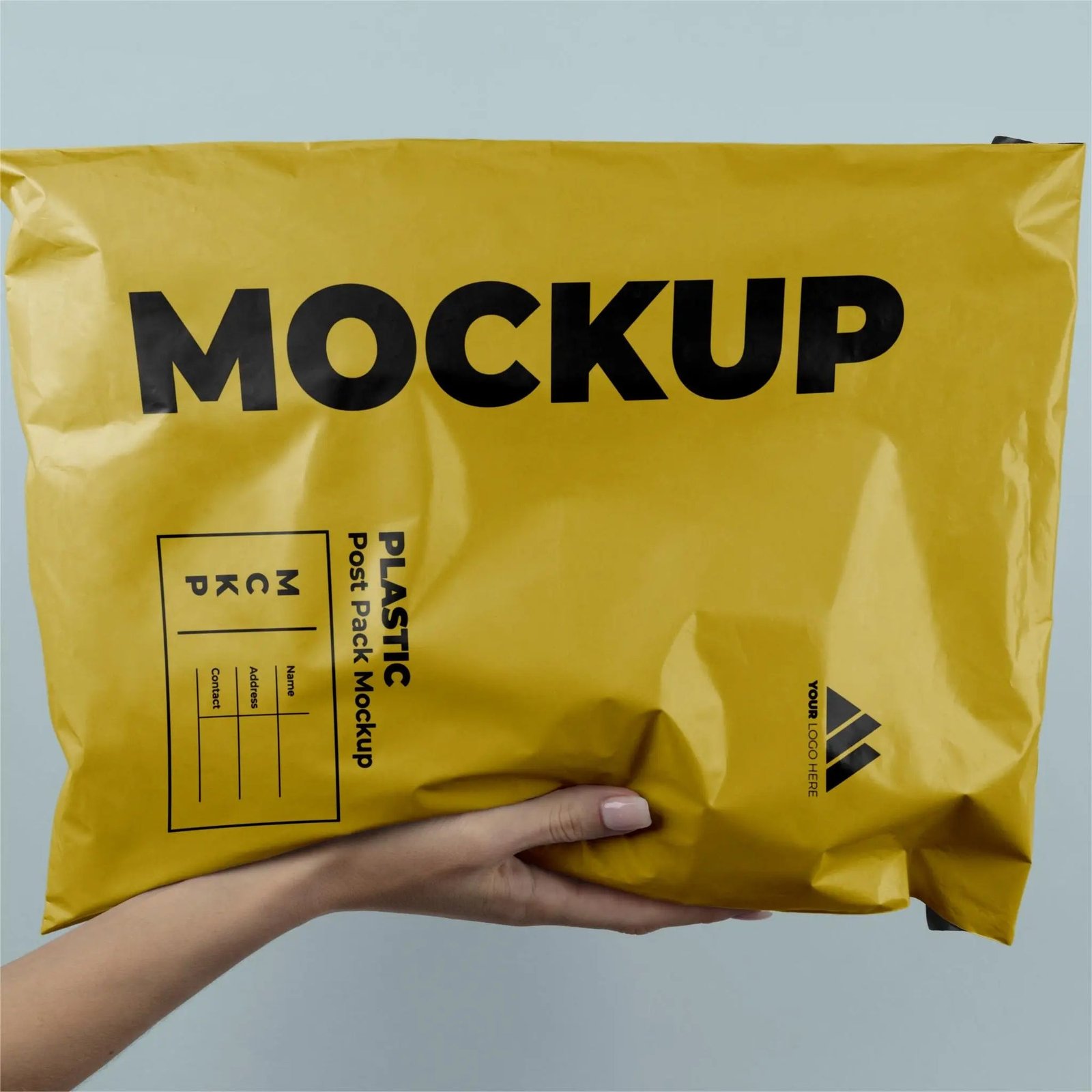
Branded Packaging
Complete private-label orders with custom polybags, tissue, stickers, insert cards and shipping-ready packaging. Branded packing details help protect knitwear, support retail presentation and create a more cohesive unboxing experience for your customers.
About JUNSHEEN Custom Knit Yarn
Founded in 2010 in Humen Town, Dongguan, JUNSHEEN helps fashion brands turn custom knit yarn and apparel concepts into production-ready collections. Our one-stop OEM, ODM and private-label team supports development from initial references and yarn selection through sampling, bulk production and export coordination.
With more than 200 skilled workers and monthly capacity above 80,000 units, we serve both 100-unit capsule launches and scalable repeat programs. Our knitwear capability is backed by fabric sourcing, pattern making, XS–3XL grading, embroidery, printing, finishing, custom trims, labels and packaging.
What distinguishes JUNSHEEN is a fit-first, practical development approach. We refine proportions and grading for standard, extended-size, plus-size and oversized apparel instead of simply scaling a base pattern. More than 2,000 fashion-brand clients have relied on this technical focus and responsive production support.

Custom Knit Yarn Development Capabilities
Yarn Sourcing With Purpose
JUNSHEEN sources custom knit yarn and supporting materials around your target hand feel, gauge, weight, durability, color and cost. Our supplier network helps align swatches and sample garments before bulk material approval, reducing avoidable surprises in production.
- Cotton, wool, recycled and blended yarn options
- Recommendations based on gauge, drape and wear performance
- Swatch and sample review before bulk commitment

Fit Built Into Patterns
Knitwear development starts with proportions, not simple size enlargement. Our team refines body length, shoulder balance, sleeve shape and grading from XS to 3XL, helping normal-size, extended-size, plus-size and oversized programs maintain a consistent intended silhouette.
- Fit-focused XS–3XL pattern development
- Extended-size and modern oversized grading
- Size sets for approval before bulk production

Decoration Planned Early
We integrate brand decoration and finishing into the custom knit yarn development path so placement, substrate compatibility and production sequencing are considered before approval. This creates a clearer route from knitted garment to a complete private-label product ready for retail.
- Logo embroidery, patches and applique options
- Screen print, DTF and heat-transfer coordination
- Custom labels, trims and branded packaging

Controlled Repeat Production
For repeat knitwear programs, JUNSHEEN retains approved patterns, graded size sets and material records to support faster, more consistent reorders. With 200+ skilled workers and 80,000+ units of monthly capacity, production can scale beyond an initial 100-unit MOQ.
- Retained development records for reorder consistency
- In-line measurements, construction and final QC
- Scalable production with global export support
Custom Knit Yarn Production Built for Growing Brands
Compare a fit-first, fully integrated OEM partner with the limits of a typical supplier.
← 左右滑动查看 →
Custom Knit Yarn Production Process
A clear, controlled workflow that moves your knitwear concept from yarn selection to export-ready bulk goods.
Review Specs and Feasibility
Share a tech pack, sketch, reference garment, or idea. Our team reviews knit construction, yarn requirements, fit, MOQ, decoration, and production feasibility.
Source Yarn and Develop
We recommend custom knit yarn, gauges, stitches, colors, trims, and grading from XS to 3XL, then create production-ready specifications and patterns.
Sample and Approve Details
Prototype samples confirm hand feel, measurements, construction, colors, labels, and finishing. Feedback is incorporated before size-set or pre-production sample approval.
Produce and Monitor Quality
Approved orders move into scalable knitting and assembly. In-line checks monitor yarn consistency, stitch quality, measurements, fit, decoration, and workmanship throughout production.
Inspect Pack and Ship
Final quality control verifies finished garments and packed goods before branded packaging, export documentation, and coordinated global shipment to your destination.
Work With Our Custom Knit Yarn OEM Team
Move from concept to delivered knitwear with a clear, fit-focused development and production workflow.
Send Your Product Brief
Share a tech pack, sketch, reference garment, mood board, target quantities, size range, and custom knit yarn or knitwear requirements for feasibility review.
Confirm Specifications and Quote
Our team reviews construction, yarn or fabric options, trims, decoration, fit requirements, MOQ, lead time, and target cost before issuing a detailed quotation.
Approve Development Samples
Review prototype samples, swatches, measurements, grading, and workmanship. We refine fit from XS–3XL and confirm all production details before bulk approval.
Launch Controlled Bulk Production
After approval, our 200+ skilled workers manage yarn sourcing, knitting, cut-and-sew operations, finishing, labels, packaging, and in-line quality checks.
Inspect and Arrange Delivery
We complete final measurement, appearance, decoration, and packing inspections, then coordinate export documentation and global shipping for your approved custom knitwear order.
Custom Clothing Manufacturer Credentials and Compliance Documents


Custom Knit Yarn Results From Global Apparel Brands
JUNSHEEN turned our yarn and sweater concept into approved samples in three rounds. Their grading corrections reduced fit comments by 40%, and we launched our first 120-unit colorway on schedule.
We needed a low-risk knitwear test before committing to bulk. The 100-unit MOQ let us launch two cardigan colors, and 78% of the first run sold within six weeks.
Their team kept our repeat knit program consistent as volumes grew from 150 to 2,400 units per style. Clear sample approvals, labeling, and export coordination made the expansion much easier.
Custom Knit Yarn FAQs for Apparel Brands
Clear answers on development, ordering, quality control and global delivery for custom knitwear programs.
What is the MOQ for custom knit yarn and knitwear orders?
How long do custom knit yarn samples take, and what do they cost?
Can you help choose the right custom knit yarn for my design?
What payment terms do you offer for new apparel brands?
Do you ship custom knitwear internationally?
How do you protect my designs, tech packs and custom knit yarn specifications?
How do you keep bulk knitwear consistent with the approved sample?
Can you develop inclusive sizes and oversized knitwear fits?
The Complete Buyer’s Guide to custom knit yarn
Use this practical framework to evaluate custom knit yarn options, supplier capabilities, quality standards, pricing, and production risks—so you can source confidently, protect your brand standards, and avoid costly sampling or bulk-order mistakes.
1. What Is custom knit yarn?
100-unit apparel programs can begin with a production-ready sweater specification, but custom knit yarn refers to the yarn-engineering brief behind that garment—not merely a custom logo, silhouette, or finished cardigan. It is the deliberate selection or development of yarn characteristics so the material performs correctly after knitting, washing, wearing, and grading. 2/30 Nm, 1/15 Nm, and ply notation such as 2/28 Nm describe yarn fineness and construction; buyers can also define fiber content, staple length, ring-spun or open-end processing, twist level, and blend ratios. A brief may call for cotton/nylon for abrasion resistance, wool/acrylic for accessible warmth, or viscose blends for drape, then specify low-pilling, stretch recovery, softness, moisture handling, or machine-wash performance. Pantone standards, melange effects, yarn-dyed stripes, space dye, and piece dye are color decisions made at different stages, with different minimums, lead times, and repeat-order controls. The intended structure matters equally: the same yarn behaves differently in 7-gauge rib, 12-gauge jersey, cable, intarsia, or fully fashioned panels. 1 sourcing question governs the guide: can the supplier translate a brand’s target hand feel, cost, gauge, color, durability, and market requirements into a yarn and knit construction that can be sampled and reproduced in bulk? For JUNSHEEN buyers, that evaluation should connect yarn choices to product development, swatches, fit approval, testing expectations, and the final knitwear program.
2. How custom knit yarn Evolved
Pre-industrial knitwear relied on hand-spun wool, cotton, silk, and linen, so yarn diameter, twist, and color varied more from batch to batch than modern buyers expect. Mill spinning standardized count systems and ply construction, giving manufacturers a more reliable base for repeatable gauges, shrinkage control, and bulk replenishment. By the 20th century, ring-spun cotton, worsted wool, acrylic, nylon, and elastane blends expanded knitwear beyond basic warmth. Blending let mills tune recovery, abrasion resistance, softness, drape, and wash durability; engineered yarns then made performance expectations—such as moisture management, anti-pilling behavior, and shape retention—part of the product specification rather than an afterthought. Today, a 100-unit-per-style-and-color development program still depends on mill discipline: approved yarn count, fiber composition, Pantone lab-dip, gauge, and lot records must travel with the sample into bulk. Recycled cotton, recycled polyester, organic cotton, and traceable wool programs add responsible-material choices, but OEM teams should verify certification scope, color continuity, minimum mill quantities, and lead times before selling a fabric story. For repeat orders, Junsheen can align yarn sourcing with the approved sweater sample, fit specification, color standard, and target cost. That approach gives emerging labels fashion-color flexibility for capsule launches while preserving a documented path to consistent bulk production as demand grows.
3. Types of custom knit yarn
Six yarn decisions determine whether a knit reads as refined, dimensional, or utility-led. For custom knit yarn programs, buyers should match yarn structure to gauge, silhouette, wash target, and acceptable unit-cost variation before sampling.
| Yarn Type | Hand And Appearance | Best Use | Trade-Off |
|---|---|---|---|
| Carded spun | Lofty, matte | Casual sweaters | Lower cost; more fuzz |
| Combed plied | Smooth, stable | Premium cardigans | Higher cost; cleaner finish |
| Filament | Sleek, lustrous | Fine-gauge layers | Strong; less natural warmth |
| Fancy textured | Dimensional | Statement knitwear | High impact; variable knitting |
| Core-spun elastic | Stretchy, resilient | Ribs and fitted styles | Better recovery; added cost |
Spun And Filament Yarns

Spun yarns use staple fibers twisted into a soft, matte strand; they suit sweaters, cardigans, and brushed pullovers. Filament yarns use continuous fibers, producing cleaner luster, smoother stitch definition, and stronger abrasion resistance for fine-gauge layers.
Singles, Plies, And Fiber Preparation
Single yarns are lighter and lower cost but can skew or pill more readily in relaxed jersey-like constructions. Two-ply and three-ply yarns improve roundness, recovery, and seam stability, while combed yarn removes shorter fibers for a cleaner hand than carded yarn.
Textured And Elastic Options
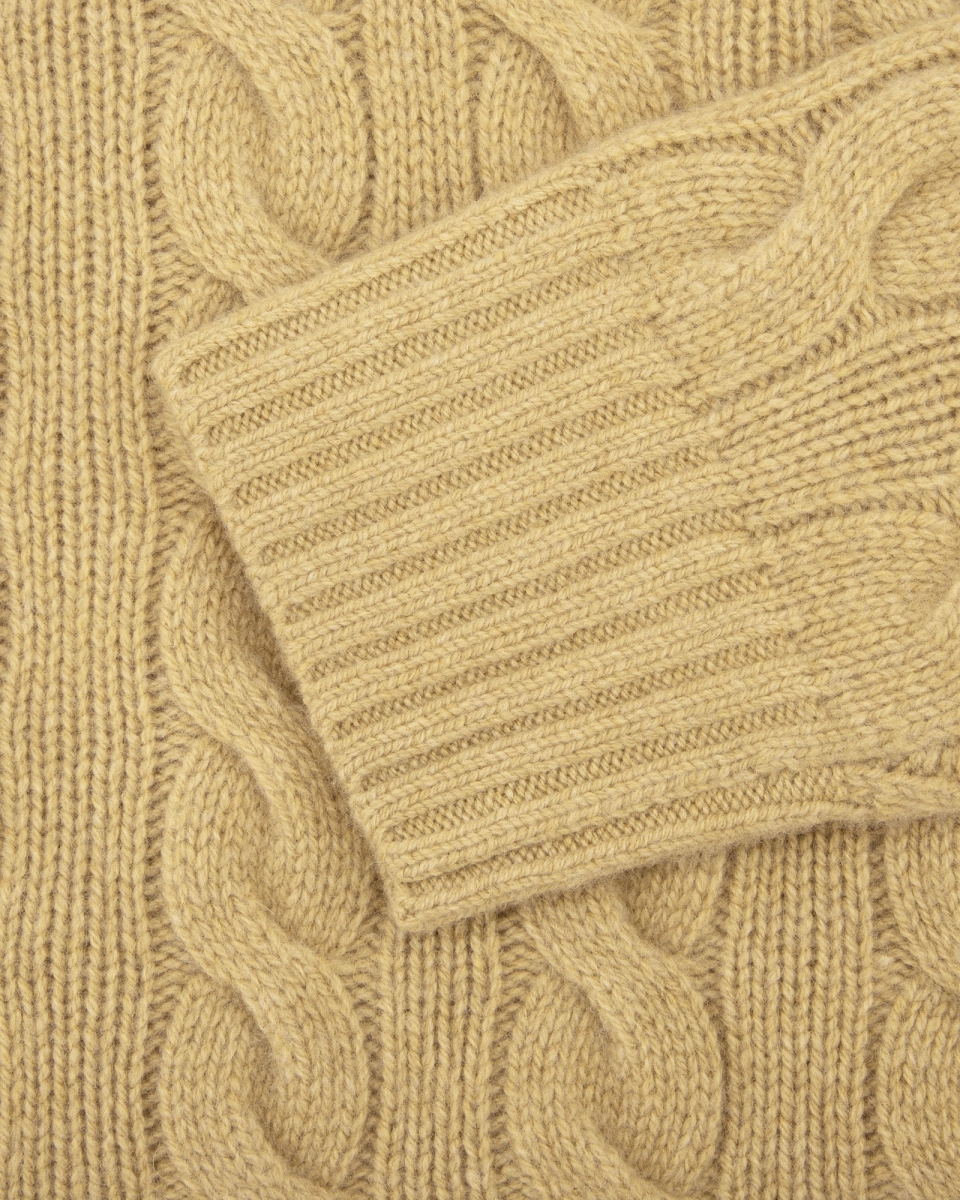
Textured and fancy yarns—bouclé, slub, chenille, and marl—create immediate surface interest but complicate gauge control and color consistency. Core-spun yarn wraps cotton, viscose, or polyester around elastane, supporting fitted ribs, cuffs, bodycon dresses, and recovery-sensitive silhouettes.
Performance Specialty Yarns
Performance yarns can add moisture management, anti-pilling behavior, recycled content, or thermal function for active knits and travel layers. Specify the claimed function, test method, and wash-cycle target in the tech pack, since finishes and fiber blends affect cost and repeatability.
4. custom knit yarn Materials Compared
Fiber content determines hand feel, recovery, care burden, and the selling season before a gauge or stitch is chosen. For custom knit yarn, compare performance after washing—not only the first swatch.
| Fiber | Softness/Warmth | Breathability/Pilling | Care And Best Use |
|---|---|---|---|
| Cotton | Soft; low warmth | High; low | Easy wash; spring sweaters, polos |
| Wool | Warm; medium-soft | High; medium | Gentle care; winter cardigans |
| Cashmere | Very soft; very warm | High; high | Hand wash; luxury pullovers |
| Merino | Soft; warm | High; medium | Gentle wash; next-to-skin knits |
| Viscose/Modal | Soft, drapey; low warmth | Medium; medium | Gentle wash; lightweight sweaters |
| Acrylic | Soft; warm | Low; high | Easy care; value knitwear |
| Polyester/Nylon | Firm; low warmth | Low; low | Easy care; durable ribs |
| Recycled/Blends | Varies by ratio | Varies | Verify GRS/OEKO-TEX; casualwear |
Natural Fiber Choices

100% cotton is breathable, strong, and machine-washable, but offers limited warmth; use it for spring sweaters, polo knits, and casual rib programs. Merino regulates temperature with finer softness than standard wool, while cashmere delivers premium warmth with higher pilling and dry-clean sensitivity. Wool blends suit winter cardigans when shrinkage control is specified.
Regenerated And Synthetic Fibers

Viscose and modal add drape and softness to lightweight pullovers, but need blending for abrasion resistance and dimensional stability. Modal generally retains softness better through laundering. Acrylic supplies economical warmth but can pill; polyester improves strength and color retention, while nylon adds abrasion resistance and recovery. These fibers are practical in durable casualwear and fitted rib knits.
Blends And Certifications
70/30 cotton-polyester and wool-nylon blends balance natural hand feel with durability, but the correct ratio depends on gauge, silhouette, and wash target. Request wash tests on the approved sample before bulk confirmation. OEKO-TEX Standard 100 addresses harmful substances, GOTS applies to qualifying organic textile chains, and GRS supports verified recycled content. Ask suppliers for scope certificates matching the yarn and dye lot.
5. Customization Options for custom knit yarn
Three specifications—fiber blend, yarn structure, and color effect—should be locked before a development sample is knitted. For custom knit yarn, early decisions make fit samples, costing, and later bulk repeats materially more reliable.
| Customization | Approval Before Sampling | Bulk Impact |
|---|---|---|
| Blend, count, ply, twist | Yes; confirm specification | Changes gauge, cost, and hand feel |
| Solid dyed color | Lab dip | Adds dye approval time |
| Melange, space dye, mouliné | Knitted swatch | Natural variation requires a standard |
| Yarn-dyed stripes | Stripe swatch | Repeat and color minimums affect lead time |
Lock Construction Before Sampling

Two-ply versus single-ply, yarn count, twist direction, and blend ratio change gauge, weight, recovery, and hand feel. Confirm them with the approved knit construction before sampling. 5% elastane or a metallic filament can alter feeding tension and require machine trials. Bouclé and brushed yarns also need an approved reference swatch because surface character varies by lot.
- Blend ratio and responsible-material claim
- Count, ply, twist, and elasticity
- Bouclé, metallic, and brushed effects
Approve Color Effects Properly

Pantone-referenced solid shades require lab dips under agreed lighting before bulk dyeing. Melange, mouliné, space dye, and yarn-dyed stripes require knitted swatches, not only loose yarn cards. 2–3 lab-dip rounds are common when shade tolerance is tight. Stripe repeat, mélange contrast, and space-dye placement must be signed off because visual variation is inherent to these effects.
- Request a retained bulk standard
- Specify stripe width and repeat
- Review swatches in the intended stitch
Plan Repeatability And Claims
100 units per style and color can support capsule development, but specialty yarn availability may raise color minimums or extend sourcing. Confirm supplier stock, dye-house capacity, and replenishment timing before promising a repeat order. OEKO-TEX or GOTS claims need traceable supporting documents for the actual yarn and colorway. Keep approved swatches, lot details, and claim records with the tech pack for bulk consistency.
- Approve a sealed knit swatch
- Record yarn lot and color standard
- Verify certificates before labeling
6. Knit Yarn Quality and Construction
A 12-gauge sweater and a 7-gauge cardigan can use similar fiber content yet perform very differently. Approve yarn and construction together, using measurable tolerances and wash-tested garment standards before bulk release.
Yarn Acceptance Controls
Each incoming lot should be checked for count tolerance, twist consistency, evenness, tensile strength, hairiness, and splice quality. Excessive hairiness raises pilling risk; weak or bulky splices can create visible stitch faults. A retained cone sample gives the factory and buyer a reference if bulk performance differs. Require lot identification on cones and confirm substitutions in writing.
- Count and twist within approved specification
- Evenness checked for thick and thin places
- Splices smooth enough for the selected gauge
- Cone labels retained by dye lot
Gauge And Stitch Density
A 12-gauge machine needs finer, more even yarn than a 5- or 7-gauge construction. Yarn count, ply, twist, and stitch density determine cover, weight, stretch, and whether the fabric looks compact or transparent. A 10 × 10 cm stitch-density standard should accompany the approved sample. Measure courses and wales after relaxation, not immediately off the machine.
Wash And Wear Testing
Three wash cycles are a practical pre-production screen for shrinkage, torque, pilling, and dimensional stability. Record body length, chest, sleeve length, and rib recovery before and after the agreed care method. Grade 3–4 colorfastness to washing and rubbing is a common approval target for many fashion programs. Confirm the test method, water temperature, detergent, and drying process in the tech pack.
Dye-Lot Approval Criteria
One bulk color should be controlled against an approved lab dip or sealed garment standard under D65 lighting. Dye-lot variation becomes more visible across large flat panels, rib trims, and matched sweater sets. A Pantone reference alone is insufficient because fiber blend, gauge, and finishing change perceived shade. Review body yarn and trim yarn together before knitting bulk.
7. Choosing a custom knit yarn Supplier
A supplier’s development discipline matters more than its yarn swatch library. Before approving custom knit yarn, verify who controls sourcing, sampling, testing, quality decisions, and export documentation.
Verify Development Ownership
Two questions reveal the operating model: Does the supplier develop specifications and lab dips internally, and which mills spin or dye the yarn? Outsourced spinning and dyeing can work, but require named mill accountability and confirmed lead times.
- Request a yarn specification sheet and fiber percentages
- Ask for Pantone lab-dip approval records
- Confirm sample and bulk production mills
Test Sample Accuracy
One approved sample should match the proposed bulk yarn in count, ply, twist, color, hand feel, and wash behavior. Compare the sample against a signed specification, not photographs or a verbal description.
- Retain a sealed approval swatch
- Request shrinkage and pilling results
- Check color under daylight and store lighting
Audit Quality Evidence
Three evidence groups should be available before bulk approval: incoming-material controls, in-process inspection records, and final release criteria. For regulated or sustainability-led programs, request current OEKO-TEX, GOTS, WRAP, or BSCI documents only where applicable to the actual mill or factory.
- Ask for test reports with batch references
- Review defect and color-tolerance standards
- Verify certificate scope and expiry dates
Confirm Commercial Readiness
A 100-unit style-and-color starting point can suit a capsule program, while repeat orders require documented capacity and replenishment planning. Ask for a written critical path covering yarn booking, dyeing, sampling, bulk production, inspection, packing, and export handoff.
- Confirm MOQ by color, yarn, and construction
- Name the production contact and response window
- Request recent export-market and shipping documentation examples
8. Common custom knit yarn Sourcing Mistakes
100-unit capsule orders make small specification errors expensive because development costs spread across fewer sweaters. Treat each custom knit yarn approval as a controlled production decision, not a swatch selection.
Buying On Price Alone
A $0.20-per-kilogram yarn saving can be erased by poor hand feel, uneven twist, or high rejection rates. Compare delivered yarn specifications, testing, yield, and knitting loss—not only the quoted price.
Skipping Color And Construction
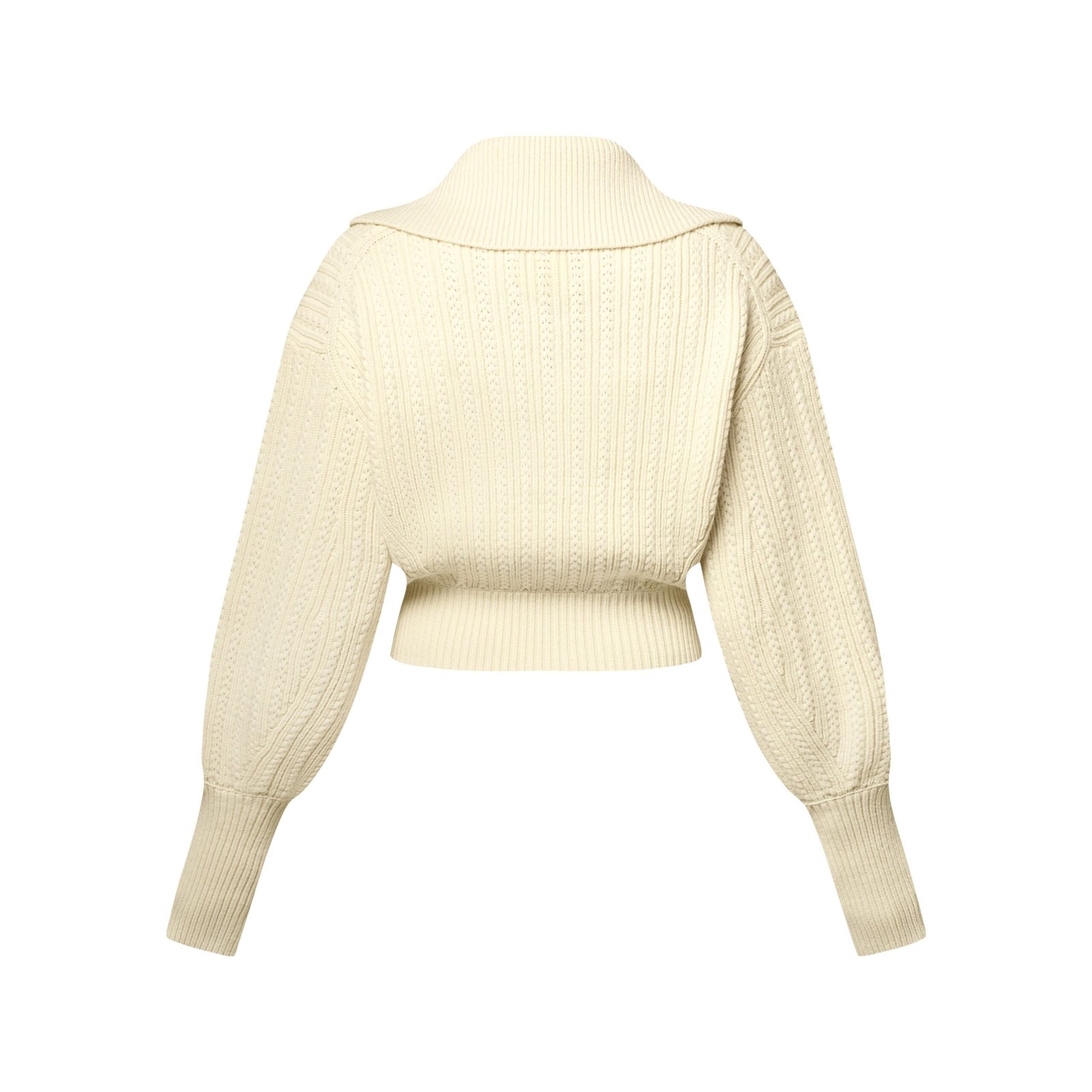
Pantone references are targets, not dye approvals; fiber, dye lot, and knit structure shift the final shade. Require lab dips under agreed lighting, then approve a knitted strike-off in the intended yarn count and machine gauge. 12-gauge and 7-gauge machines require very different yarn linearity and ply choices. Confirm count, ply, gauge, stitch density, and finished measurements before sampling.
Ignoring Performance Tests
5% elastane or a recycled-fiber blend can change recovery, shrinkage, and pilling behavior materially. Test the actual blend and construction for wash shrinkage, spirality, colorfastness, and pilling before bulk release. 3 to 5 wash cycles give sourcing teams an early durability screen. Set acceptable tolerances in the tech pack rather than accepting a supplier’s generic standard.
Assuming Repeatability And Capacity
2 dye lots can appear different even with the same Pantone callout, especially in heather, mélange, and natural fibers. Record approved lab dip, yarn lot, knitting parameters, and wash recipe for replenishment. 100 units per style and color may be feasible at Junsheen, but specialty yarn suppliers can impose higher color or spinning minimums. Confirm replenishment windows, available stock yarns, and future lot constraints before launch.
Releasing Without A Sealed Standard

1 sealed reference garment prevents disputes over hand feel, gauge, color, measurements, and finishing. Sign and retain the approved sample alongside the tech pack, grading, yarn specification, and QC tolerances before bulk cutting or knitting.
9. Launching a Knitwear Program
A 100-unit knitwear launch succeeds when approvals occur in sequence, not after bulk booking. Start with the target wearer, retail price, delivery date, and a single accountable decision-maker for each approval gate.
Build The Production Brief
One product brief should state silhouette, target size range, gauge, measurements, yarn composition, color count, labels, packaging, and approved reference images. A tech pack with point-of-measure tolerances prevents pattern, trim, and grading assumptions. Two calendar milestones should be fixed before sampling: final approval date and required ex-factory date. Junsheen can review a tech pack, sketch, reference garment, or mood board for manufacturability before development.
- Target customer and retail-price range
- Size chart with grading direction
- Construction and decoration callouts
- Named approver and response deadline
Approve Yarn And Knit Downs
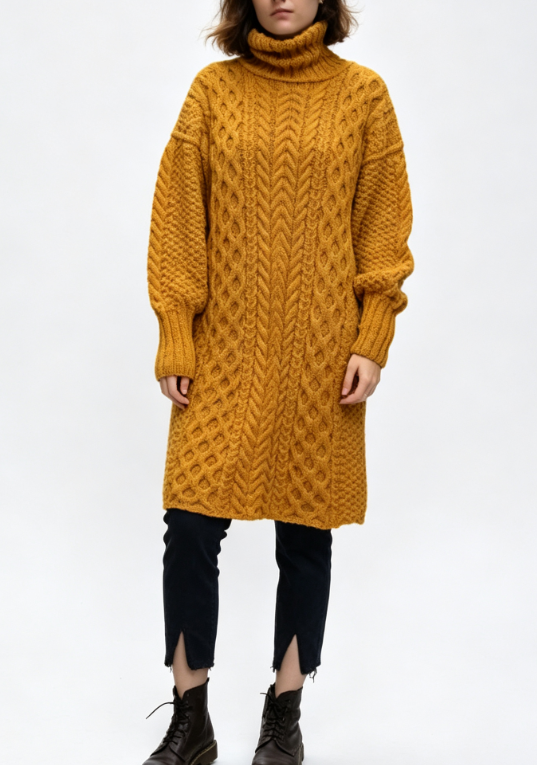
Three to five yarn swatches give the buyer a practical hand-feel and cost comparison before committing bulk material. Confirm fiber blend, yarn count, ply, gauge, weight, color standard, and care expectations in writing. Pantone lab dips and knit-down panels are separate gates: a dip checks color, while a knit-down proves stitch definition, recovery, drape, and opacity. Approve both against retained physical standards, not screen images alone.
- Yarn composition and sourcing record
- Pantone reference and light source
- Gauge, stitch, and panel dimensions
- Wash-test requirement
Control Sampling Through Bulk
One prototype sample should be measured, worn, and washed before comments are consolidated into one revision file. Test shrinkage, pilling, torque, seam behavior, and color change using the intended care method. A signed pre-production sample, final measurement sheet, approved trims, and packing specification form the bulk release gate. During production, inspect incoming yarn, in-line measurements, appearance, and final packed goods against those approved records.
- Consolidated sample comments only
- Approved PP sample retained
- Final inspection checklist
- Balance settled before shipment
10. custom knit yarn Pricing and MOQ
100 units per style and color is JUNSHEEN’s practical starting point for capsule knitwear programs. The ranges below are planning estimates in USD per finished piece; yarn-backed sweaters, cardigans, and pullovers should be quoted only after the approved specification is reviewed. 2.5–12 gauge, fiber type, yarn count, and blend complexity are the largest material-cost levers. Combed cotton generally differs from wool, cashmere, recycled fibers, or high-elastane blends; custom dyeing, marl effects, brushing, embroidery, and wash testing add labor, minimums, or development charges. 15–35 days is a typical bulk-production window after sample and material approval, while sampling commonly adds 7–15 days. Final pricing depends on approved gauge, stitch map, Pantone color count, trims, packaging, testing, inspection level, shipment method, and destination requirements.
| Quantity Tier | Indicative USD Unit Price | Expected Production Lead Time | Primary Cost Drivers |
|---|---|---|---|
| 100–299 units | $18–$42 | 20–35 days | Small yarn-dye minimums, sampling allocation, gauge, finishing |
| 300–499 units | $15–$34 | 18–32 days | Fiber blend, yarn count, colorways, knit complexity |
| 500–999 units | $13–$29 | 15–30 days | Gauge efficiency, dye lot size, trims, testing |
| 1,000+ units | $11–$25 | 15–28 days | Volume purchasing, repeat yarns, stable specifications |
Start Your Custom Knit Yarn Project Today
Send your tech pack, design reference, or sourcing brief for fit-focused custom development, 100-unit MOQs, and scalable OEM production.