
Custom Tailored Jeans OEM From 100 Units
Develop fit-focused custom tailored jeans with OEM, ODM and private-label support, precise XS–3XL grading, denim sourcing and scalable global production.
Featured Products for custom tailored jeans Development








Related Product Catalogue and Quotation




Why Brands Choose Junsheen for Custom Tailored Jeans
Fit-focused denim development, integrated finishing, and dependable production support for launches and growing global programs.
100-Unit Starting MOQ
Launch a denim capsule from 100 units per style and color, with practical support for emerging labels and test orders.
Fit-Focused Size Development
Patterns and grading from XS to 3XL refine rise, proportions, mobility, and measurements instead of simply enlarging a base size.
Denim Development Support
Bring a tech pack, sketch, reference garment, or concept; our team reviews construction, fabrics, washes, and production feasibility.
Integrated Wash and Decoration
Coordinate embroidery, printing, patches, labels, trims, and denim washes through one manufacturing team for clearer execution and brand consistency.
Scalable Global Production
With 200+ skilled workers and 80,000+ monthly units of capacity, Junsheen supports repeat programs, bulk growth, quality control, and export.
Private-Label Ready
Complete each custom tailored jeans program with branded leather labels, care labels, hang tags, hardware, packaging, and finishing details.
Custom Denim and Casualwear Categories We Produce
From first-fit development to scalable bulk production, Junsheen builds branded casualwear, denim, knitwear and outerwear from 100 units per style and color.
Custom Hoodies
Custom hoodies developed in fleece or French terry with fit-focused XS–3XL grading, custom rib, drawcords, labels and packaging. Choose screen print, embroidery, appliqué, washes and branded trims for capsule drops or repeat programs.
Request a Quote
Custom T-Shirts
Custom T-shirts in combed cotton, organic cotton, blended jersey or performance knits, developed from a tech pack, sketch or reference sample. We support neckline, weight, silhouette and size-set refinement, plus screen printing, DTG, DTF and embroidery.
Request a Quote
Custom Jeans
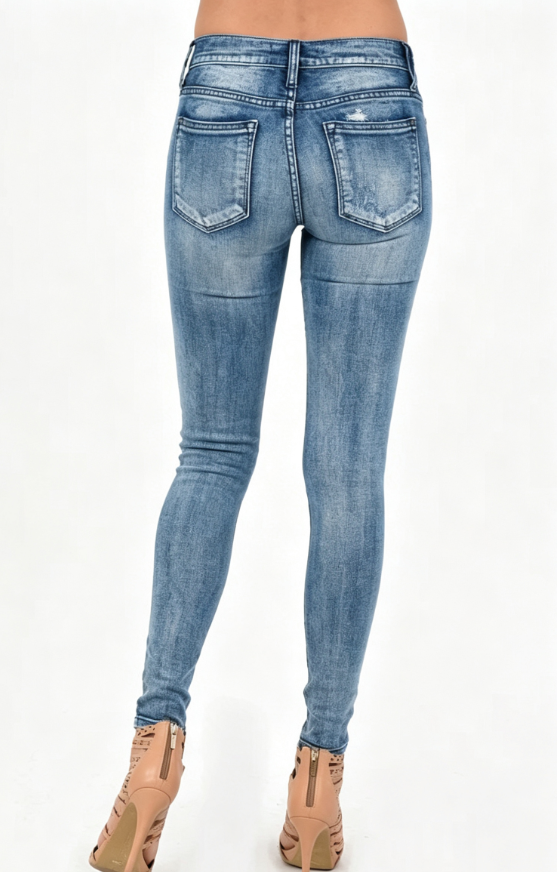
Custom jeans produced in rigid or stretch denim with patterns refined for rise, hip balance, leg shape and mobility across XS–3XL. Specify washes, distressing, hardware, pockets, labels and branded trims before bulk approval.
Request a Quote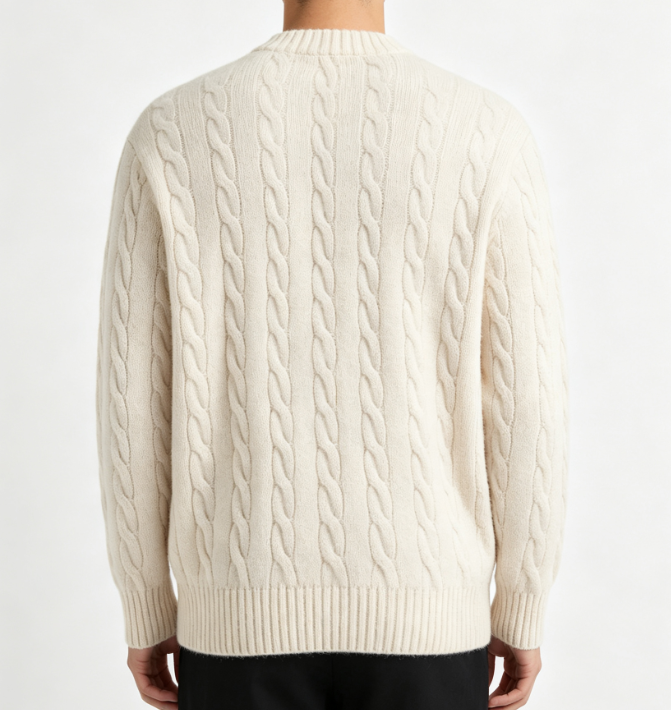
Custom Sweaters
Bulk turtleneck sweaters developed in wool, cotton blends or sweater-knit constructions for your target hand feel, warmth and price point. Our team supports gauge selection, neck shape, fit grading, custom labels and size-set sampling.
Request a Quote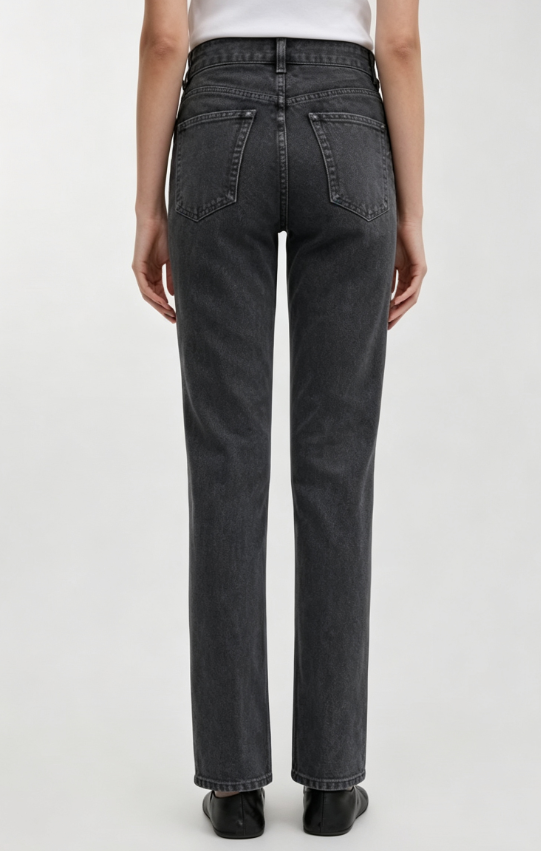
Custom Jackets
Custom jean jackets built in denim or stretch denim with development support for silhouette, seam placement, pocket construction and fit. Add garment washes, embroidery, patches, custom buttons, labels and packaging for a complete private-label program.
Request a Quote
Custom Sweatshirts & Crewnecks
Custom crewneck hoodies and sweatshirts made in fleece or French terry, with options for relaxed, oversized and standard fits. Refine rib specifications, garment weight, grading and decoration through prototype and pre-production samples.
Request a Quote
Custom Cardigans
Custom cardigans developed in knit constructions suited to your desired weight, drape and durability. We support button or zip closures, rib details, stripe layouts, logo embroidery, labels and fit grading from XS through 3XL.
Request a Quote
Custom Puffer & Down Jackets
Custom puffer jackets produced with specified shell fabrics, insulation, lining, quilting and hardware. Development includes silhouette, sleeve mobility, pocket placement, fill distribution, branded trims and sampling before scalable bulk production.
Request a Quote
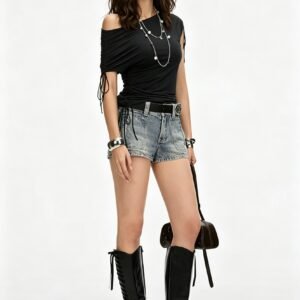
Custom Denim Shorts
Custom jean shorts developed in rigid or stretch denim with controlled rise, inseam, hem and leg-opening proportions. Choose washes, distressing, raw or finished hems, hardware, pockets, labels and decoration for your market.
Request a Quote
Custom Sweater Dresses
Custom sweater dresses produced in sweater-knit constructions with attention to body length, shoulder balance, stretch recovery and shape retention. We support fitted, relaxed and oversized silhouettes, size grading, custom trims and private labeling.
Request a Quote
Custom Denim Sets
Men’s denim suits for wholesale programs, developed as coordinated denim jackets and jeans with consistent fabric, wash and color matching. Junsheen supports scalable production, custom hardware, fit approvals, labels and export-ready packing.
Request a Quote
Custom Polo Shirts
Custom polo shirts in piqué, jersey or performance knits, tailored to your collar structure, placket, sleeve length and fit requirements. Add embroidery, contrast trims, custom buttons, labels and size grading for wholesale or branded collections.
Request a Quote
Custom Sweatpants
Custom sweatpants developed in fleece, French terry or performance knit with fit control across waist, rise, inseam and cuff. Specify elastic, drawcords, pockets, washes, embroidery, printing, labels and coordinated set options.
Request a Quote
Custom Shorts
Custom shorts made in jersey, fleece, twill, denim or woven fabrics for casual, athletic or fashion-led assortments. We refine inseam, rise, leg opening and pocket construction, then add decoration, trims, labels and packaging.
Request a Quote
Custom Pullovers
Custom pullovers developed in fleece, French terry, jersey or knit constructions for the intended silhouette and season. Our team supports hood, collar or quarter-zip details, fit-focused grading, washes, decoration and private-label finishing.
Request a QuoteCustom Tailored Jeans Materials for Fit and Performance

Rigid Cotton Denim
A structured, authentic denim with a substantial hand feel for straight-leg, relaxed and vintage-inspired custom tailored jeans. Available in varied weights, it develops distinctive character through enzyme, stone and acid washes.

Stretch Denim
Cotton-rich denim blended with elastane for comfortable recovery and controlled movement. Ideal for slim, tapered and body-contouring jeans, with stretch levels tailored to the intended fit, rise and daily wear performance.

Organic Cotton Denim
Organic cotton denim offers a natural hand feel for brands seeking material traceability and a premium casual look. Its durable woven construction suits clean finishes, garment dyeing and customized wash development.

Cotton Twill
A smooth, tightly woven cotton fabric with a clean surface and dependable shape retention. Use it for tailored denim-look trousers, lightweight jeans alternatives and coordinated bottoms requiring a softer, less rigid hand.

Recycled Denim Blends
Recycled cotton and fiber blends support lower-impact denim programs while maintaining practical durability. Suitable for contemporary jeans and denim sets, these fabrics can be specified for weight, texture, stretch and wash response.
Custom Tailored Jeans Washing, Printing and Decoration

Denim Wash Treatments
Enzyme, stone and acid washes create controlled color variation, softness and worn character. Junsheen tests wash recipes on samples to help OEM buyers approve the intended shade, texture and repeatable bulk result.

Garment Dyeing
Garment dye adds saturated color or vintage tonal depth after construction, supporting fashion-led denim capsules. Process trials help balance color absorption, seam contrast, hand feel and wash performance before production is released.

Logo Embroidery
Flat, 3D puff, chain-stitch and applique embroidery place durable brand detail on pockets, waistbands or panels. Stitch settings are matched to denim weight so artwork stays defined while preserving comfortable garment movement.

Screen Print Effects
Plastisol, water-based, puff, flocking, silicone and high-density screen printing add graphic impact to custom tailored jeans. Junsheen reviews artwork placement and ink behavior on denim to deliver clear, durable prints through repeated wear.

Patch Application
Custom woven, leather and embroidered patches create recognizable private-label branding across jeans and denim sets. Junsheen supports placement, attachment methods and material selection for a secure finish that complements your wash and trim direction.

Softening Finishes
Softening, brushing and anti-pilling finishes refine the hand feel and surface performance of denim garments. These treatments help brands achieve a more comfortable, premium feel while maintaining construction quality and visual consistency at scale.
Custom Tailored Jeans Trims and Private-Label Accessories

Custom Denim Buttons
Add branded metal shank buttons, tack buttons or snap closures to custom tailored jeans. Select finishes, logo treatments and construction options that match your wash, hardware direction and target retail positioning.

Branded Zipper Systems
Specify reliable fly zippers in the required length, finish and pull style for your denim construction. Junsheen can coordinate branded pulls and zipper components with buttons, rivets and other garment hardware.

Leather Logo Labels
Create debossed, embossed or printed leather and faux-leather back patches for jeans waistbands. These durable labels reinforce private-label identity while complementing raw, washed, vintage or premium denim presentations.

Woven Brand Labels
Use custom woven main labels, size labels and wash-care labels to deliver clear brand identification and compliant garment information. Label specifications can be matched to your fit range, fabric choice and finishing process.

Custom Hang Tags
Complete your launch with branded hang tags, barcode labels and attachment options tailored to wholesale or direct-to-consumer retail. Junsheen coordinates tag materials, print finishes and placement during final packing.
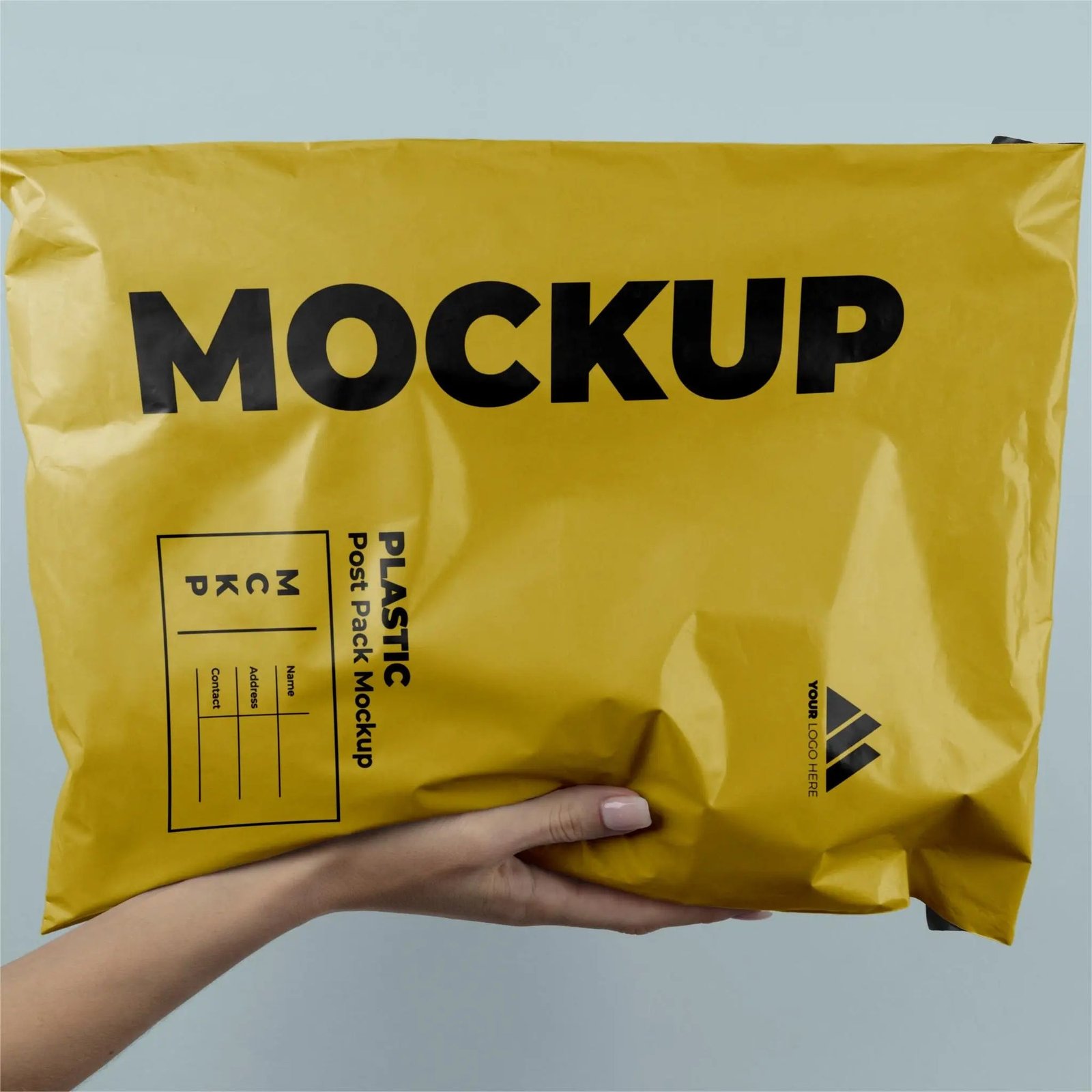
Branded Denim Packaging
Choose custom polybags, tissue, stickers, cartons and packing inserts that protect finished jeans in transit and create a consistent unboxing experience. Packaging can be prepared for export, retail distribution or fulfillment workflows.
Custom Tailored Jeans Manufacturing Since 2010
Founded in 2010 in Humen Town, Dongguan, JUNSHEEN helps fashion brands turn custom tailored jeans concepts into production-ready collections. Our mission is fit-first, dependable denim manufacturing for emerging labels and established sourcing teams, with OEM, ODM and private-label support from initial idea through export.
Our integrated supply chain brings fabric sourcing, pattern making, size grading, cut-and-sew production, washes, decoration, labels, packaging and quality control under one manufacturing partner. With more than 200 skilled workers and monthly capacity above 80,000 units, we support 100-unit capsule launches as confidently as scalable bulk programs.
What sets JUNSHEEN apart is practical fit development across XS–3XL, extended-size, plus-size and modern oversized ranges. Rather than simply scaling a base pattern, our team refines rise, balance, mobility and grading for consistent wear. More than 2,000 global fashion-brand clients rely on this technical approach and responsive production support.

Custom Tailored Jeans Fit and Development Capabilities
Pattern Making That Fits
JUNSHEEN converts tech packs, sketches, reference jeans, or early concepts into production-ready denim patterns. Our team refines rise, hip balance, leg shape, pocket placement, and mobility before sampling, helping custom tailored jeans arrive closer to your intended silhouette.
- Pattern creation from concepts or technical files
- Fit review for rise, balance, and movement
- Prototype and size-set sampling support
- Manufacturability improvements before bulk approval
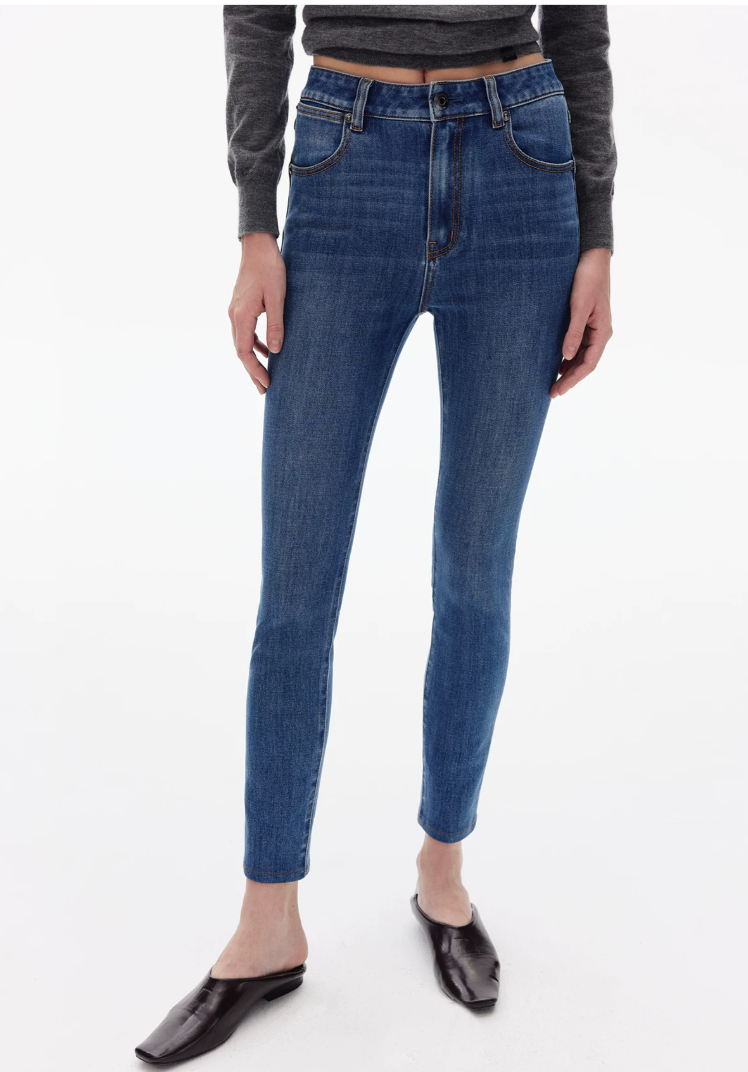
XS–3XL Grading Precision
A strong denim size range requires more than scaling one base pattern. We grade custom tailored jeans from XS through 3XL with attention to body proportion, waist-to-hip relationships, thigh ease, inseam length, and silhouette consistency for standard, extended-size, plus-size, and oversized programs.
- XS–3XL and extended-size development
- Balanced grading increments across sizes
- Plus-size and oversized fit refinement
- Size-set checks before production

Denim Sourcing With Purpose
Our supplier network supports rigid denim, stretch denim, cotton blends, recycled options, and complementary pocketing or trim materials. JUNSHEEN recommends fabrics around your target weight, hand feel, recovery, durability, wash behavior, cost position, and intended customer use before you commit bulk materials.
- Rigid, stretch, and recycled denim options
- Fabric selection by weight and hand feel
- Swatches and sample-garment review
- Cost, durability, and wash-performance guidance

Wash, Decoration, Repeat Control
Develop signature character through stone wash, enzyme wash, acid wash, garment dye, distressing, embroidery, patches, or printed details, then retain approved production records for repeatability. In-line inspections, measurement checks, and final packed-goods control help keep repeat custom tailored jeans orders consistent as volume grows.
- Custom wash and finishing development
- Embroidery, patches, and print applications
- Retained patterns, graded sets, and material records
- In-line and final quality inspections

Why Choose JUNSHEEN for Custom Tailored Jeans OEM
A fit-focused manufacturing partner for brands that need dependable development, scalable production, and export-ready denim programs.
← 左右滑动查看 →
Custom Tailored Jeans Production Process
A controlled denim manufacturing workflow that turns your concept into production-ready jeans, from feasibility review through export-ready delivery.
Review Feasibility and Specs
We assess your tech pack, reference garment or concept, confirming construction, target fit, MOQ, cost direction and practical production requirements.
Source Denim and Trims
Our team selects denim, stretch blends, washes, hardware, labels and packaging based on hand feel, durability, target price and brand requirements.
Build Patterns and Samples
Pattern makers develop fit-focused XS–3XL grading, then produce prototype samples for measurement, wash, construction and approval before bulk production.
Approve Details for Production
We finalize size sets, fabric and trim records, wash standards, artwork, labels and pre-production specifications to reduce avoidable bulk revisions.
Produce Inspect and Ship
Skilled teams manage cutting, sewing, finishing, in-line checks, final inspection, branded packing and global export support for your approved jeans.
How to Start Your Custom Tailored Jeans Project
Move from concept to export-ready denim with a clear four-step development and production process.
Submit Your Design Brief
Send a tech pack, sketch, reference garment, or mood board. Our team reviews construction, fit, fabric, washes, trims, and your 100-unit MOQ requirements.
Review Quote and Samples
Confirm the quotation, material options, and production specifications, then evaluate prototype samples and size-set refinements for your custom tailored jeans before bulk approval.
Approve Bulk Production
Approve the final sample, graded XS–3XL size set, labeling, packaging, and delivery details. Junsheen then coordinates fabric sourcing, cut-and-sew production, washing, and quality control.
Receive Shipped Goods
Final inspections verify measurements, construction, decoration, and packed goods. Your completed denim order is prepared for global export and shipped according to your confirmed logistics plan.
Custom Clothing Manufacturer Credentials and Compliance Documents



Custom Tailored Jeans Results From Global Fashion Brands
Junsheen refined the rise, thigh, and leg opening across our XS–3XL size set. We approved the second fit sample and launched 240 pairs without the usual grading revisions, which kept our seasonal timeline on track.
Their 100-unit MOQ let us test two custom tailored jeans washes before committing to a larger program. The first 200-unit capsule sold through in six weeks, and we moved directly into a 1,000-unit repeat order.
Our repeat production matched the approved sample measurements and wash character closely across 1,800 pairs. Junsheen also organized export packing and documentation, helping us deliver to UK and Canadian retail partners on schedule.
Custom Tailored Jeans FAQ for OEM Buyers
Clear answers on denim development, MOQ, sampling, fit, payment, shipping, and brand protection.
What is the MOQ for custom tailored jeans?
How long does a custom tailored jeans sample take?
How much does a custom tailored jeans sample cost?
Can you develop jeans in XS through 3XL and plus sizes?
What denim fabrics and wash options can you source?
What payment terms do you offer for OEM denim orders?
Do you ship custom jeans internationally?
How do you protect my designs, patterns, and private-label details?
The Complete Buyer’s Guide to custom tailored jeans
Use this decision framework to specify custom tailored jeans, compare supplier capabilities, control quality and costs, and avoid the sourcing mistakes that delay launches or weaken your brand’s denim program.
1. What Are custom tailored jeans?
2010 is a useful dividing line for B2B buyers: custom tailored jeans are not simply retail denim shortened at a local tailor. They are jeans developed to a defined fit block and production specification, then cut, sewn, washed, graded, labeled, and repeated for a brand’s size range and order program. 100 units per style and color is a practical low-MOQ starting point for many private-label OEM programs, while true made-to-measure work uses an individual customer’s body measurements for each garment. Private-label production instead standardizes approved measurements and grading across sizes; off-the-rack jeans with hemming, tapering, or waistband adjustments retain the original factory pattern and are a different service. XS through 3XL commonly requires more than enlarging one base pattern: rise, hip ease, thigh balance, inseam, leg opening, and grading increments must work together. Emerging labels, designers, retailers, wholesalers, and sourcing teams can customize the silhouette, fabric weight and stretch, wash, thread, hardware, pocket shape, branding, labels, and packaging at scale. Before requesting samples or quotes, provide a technical brief with a reference fit, measurement chart, size range, target wash, fabric composition, trim details, Pantone references, quantities by color, and target price; it turns subjective denim ideas into comparable factory decisions.
2. Evolution of custom tailored jeans
1873 marked the patenting of riveted waist overalls by Levi Strauss and Jacob Davis, establishing denim as durable workwear rather than a fit-led fashion product. Bespoke tailoring later brought individual measurements, rise balance and leg-shape adjustment into the category, creating the foundation for custom tailored jeans. 1960s stretch-denim adoption shifted development from rigid shrinkage management toward recovery, comfort and silhouette control. Premium programs now combine ring-spun cotton, elastane or polyester blends, enzyme, stone and acid washes, and carefully approved wash standards to differentiate products without compromising measurement consistency. 100-unit-per-style-and-color launch quantities reflect a current private-label need: test a capsule before committing to broad depth. Buyers increasingly expect inclusive XS–3XL grading, not simple pattern enlargement; traceable fabric and trim records; Pantone-aligned wash references; and faster development from a tech pack, sketch or reference garment through fit samples and pre-production approval. 2010-founded JUNSHEEN applies this evolution as a production workflow rather than a fashion timeline. Its Humen, Dongguan team can support pattern making, fit refinement, fabric sourcing, wash and decoration choices, size sets and retained production records, helping labels repeat proven custom tailored jeans while updating fits and finishes for new drops.
3. Types of custom tailored jeans
A three-style opening capsule makes custom tailored jeans easier to fit, photograph, and replenish than a broad launch. Select one dependable core silhouette, one trend-led volume shape, and one customer-specific fit extension.
Core Narrow Silhouettes
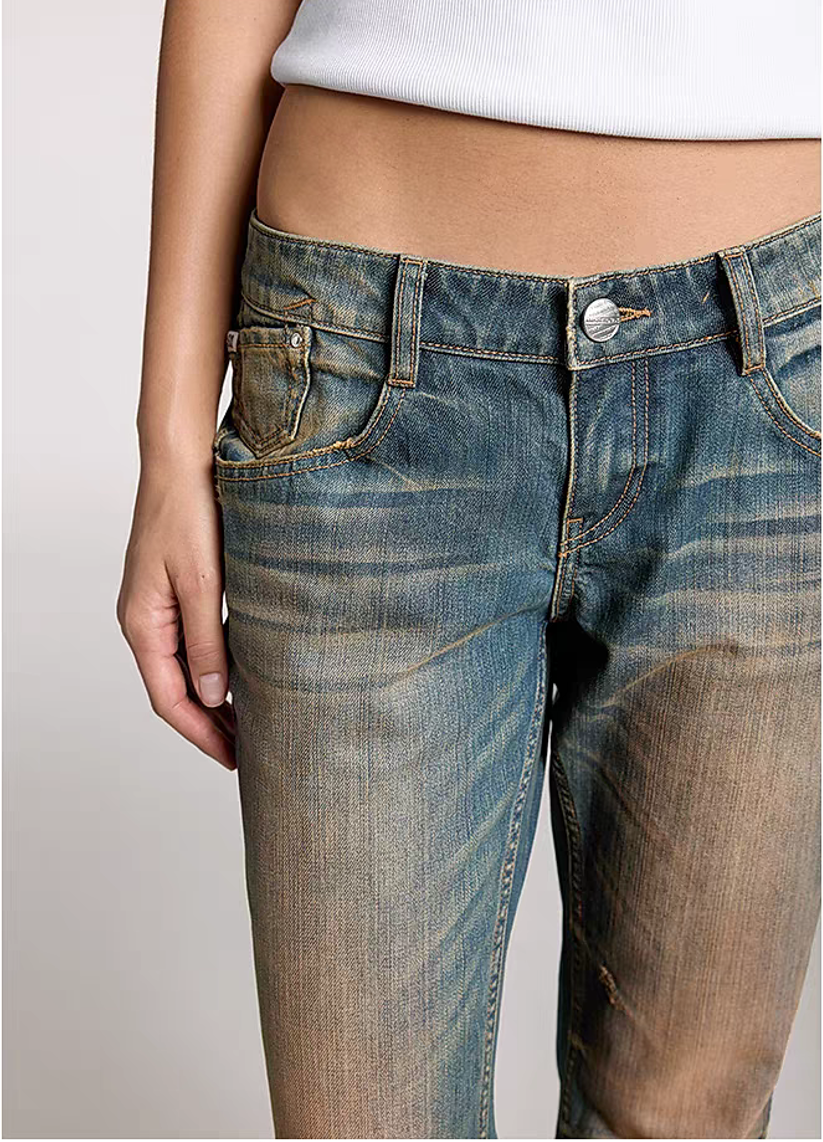
Straight jeans serve the widest repeat customer base; a mid rise, balanced thigh, and 12–14 oz rigid or low-stretch denim keep the leg clean. Use them as the permanent anchor for washes and seasonal tops. Slim and skinny fits target customers seeking definition; control knee and calf ease before approving the grade. Stretch denim with 1–3% elastane improves recovery, while dark indigo or black supports sharper merchandising.
Volume And Statement Shapes

Relaxed jeans suit streetwear and casual capsules; extra seat, thigh, and rise ease require clear back-rise and inseam specifications. Rigid 12–15 oz denim holds the silhouette and pairs well with oversized jerseys or outerwear. Wide-leg and flare jeans create the fashion statement; verify hem opening, knee position, and footwear clearance on fit models. Softer denim or lyocell blends drape more fluidly, making them useful for editorial drops and women’s collections.
Utility And Extended Sizes

Utility jeans add cargo pockets, tool loops, or reinforced panels; pocket placement must remain accessible without distorting the hip. Midweight stretch twill or denim supports daily wear and gives a capsule a functional hero style. XS–3XL programs need separate grading logic, not scaled-up base patterns; refine rise, thigh, waistband, and knee balance by size. Launch extended sizes beside the core straight fit to build inclusive continuity without multiplying silhouettes.
4. Materials for custom tailored jeans
Denim decisions start with fiber, weight, weave, and finish—not a wash reference. For custom tailored jeans, specify these variables before sampling so fit, shrinkage, hand feel, and repeat-order consistency can be evaluated against the intended wearer.
| Material specification | Best end use | Feel and durability | Buyer tradeoff |
|---|---|---|---|
| 100% cotton, 12–14 oz | Everyday rigid denim | Structured; strong fading | Less immediate comfort |
| 98–99% cotton, 1–2% elastane, 10–12 oz | Comfort-stretch fashion jeans | Softer; better mobility | Recovery must be tested |
| 100% cotton, 15–16 oz | Workwear and heritage styles | Highly durable; firm hand | Heavier freight and break-in |
| Cotton blend, 8–10 oz | Summer and lightweight styles | Fluid; lower bulk | Reduced abrasion resistance |
Fiber And Stretch

100% cotton rigid denim gives the most authentic break-in, abrasion character, and vintage fading. Ring-spun cotton generally feels cleaner and softer than open-end yarn. 1–2% elastane creates comfort stretch without turning the garment into a jegging. State recovery expectations, because excessive stretch or weak recovery can bag at the knee and seat.
- Specify cotton origin and recycled-content percentage separately.
- Request shrinkage and stretch-recovery test results.
- Confirm whether elastane is core-spun yarn.
Weight And Weave

8–10 oz denim suits lightweight shirts, summer jeans, and layered fashion pieces. It drapes readily but sacrifices some abrasion resistance. 12–14 oz denim is the versatile core range for everyday five-pocket programs. 15 oz and above supports workwear or rigid heritage styles, with a longer break-in period.
Finishes And Claims

3×1 right-hand twill is the common jeans construction and develops recognizable diagonal fades. Sanforization controls residual shrinkage, but buyers should still approve washed measurements. OEKO-TEX certification addresses tested harmful substances, while GOTS applies to certified organic textile processing. Ask suppliers for current scope certificates rather than relying on a generic sustainability claim.
5. Custom tailored jeans customization options
Two fit decisions—block and rise—shape the silhouette before any wash or trim is selected. For custom tailored jeans, lock the target retail price and expected volume first, then choose visible details that the factory can repeat consistently.
| Customization | Development Need | Scale Consideration |
|---|---|---|
| New fit block | Pattern and fit sample | Suitable from 100 units |
| Custom wash | Wash test approval | Higher complexity raises cost |
| Embossed hardware | New tooling or mold | Best for repeat volume |
| Embroidery or print | Production-ready artwork | Placement affects labor |
Fit Blocks And Measurements

Five core blocks—skinny, slim, straight, relaxed, and wide-leg—cover most denim programs. Specify front rise, back rise, thigh, knee, leg opening, and inseam by size rather than scaling one sample. XS through 3XL grading needs proportion review, especially for rise and thigh balance. A new block usually requires pattern development and fit sampling; inseam changes alone are simpler.
Wash, Color, And Distressing

Three wash stages—enzyme, stone, and acid—can materially change shade, shrinkage, and hand feel. Approve a wash test on the production denim before bulk cutting, particularly for stretch fabric or dark indigo. Pantone color, whiskers, sanding, holes, and repair patches should be marked on artwork or a reference sample. Complex hand distressing increases labor and can raise minimums.
Branding And Finishing

Four high-visibility details—contrast stitching, metal hardware, back patches, and labels—often differentiate a line more efficiently than adding many effects. Use approved artwork for embroidery, prints, woven labels, leather patches, and branded packaging. Custom buttons, rivets, zipper pulls, and embossed patches may require new molds or tooling. Reserve these investments for repeat programs or higher-volume colorways.
- Contrast topstitching and bartacks
- Woven main and size labels
- Leather or vegan back patches
- Custom hang tags and polybags
6. Construction quality in custom tailored jeans
Two samples—the development sample and the pre-production sample—should prove construction before bulk cutting begins. For custom tailored jeans, durable seams, controlled washing, and repeatable measurements matter more than a convincing first appearance.
Seams And Reinforcement

Eight to 10 stitches per inch is a practical target for denim assembly; overly sparse stitching opens under stress, while excessive density can pucker heavy fabric. Three-needle felled inseams and durable chain-stitched hems suit hard-wearing styles. Bar tacks should reinforce pocket corners, the fly base, belt-loop ends, and crotch stress points.
- Inspect seam allowance consistency inside and out.
- Check bartacks for balanced thread tension.
- Pull-test inseam, rise, and pocket corners.
Pockets And Hardware
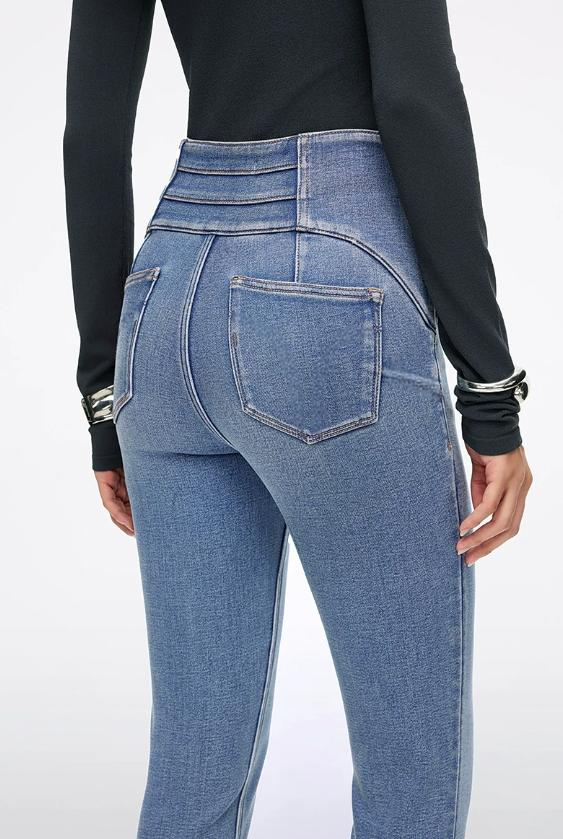
A back-pocket placement deviation of even 5–10 mm can visibly change balance on the body. Approve pocket size, angle, yoke alignment, and stitch placement on the graded size set—not only a single base size. YKK or equivalent tested zippers, securely clinched rivets, and firmly attached shank buttons reduce returns. Operate the fly repeatedly and inspect hardware after washing for corrosion, sharp edges, or loosening.
Waistband And Measurement Control

Five or more belt loops, a stabilized waistband, and secure center-back joining help the waistband retain shape. Match waistband facing, labels, and buttonhole placement to the approved construction sheet. At least two wash-and-measure checks should confirm shrinkage before bulk approval. Set clear tolerances by point of measure; waist, inseam, rise, thigh, and leg opening require recorded targets across every size.
Wear-Test Sample Checks
Thirty minutes of sitting, squatting, walking, and stair climbing exposes tight rises, twisting legs, fly strain, and pocket pull. Review fit after laundering because stretch recovery and seam torque can alter the silhouette. Junsheen can retain approved patterns, graded size sets, and material records to support repeat programs. Buyers should sign off on shade, abrasion placement, hand feel, measurements, and packed-garment inspection standards before production.
7. How to choose a jeans manufacturer
Choose a partner by evidence, not by a denim mood board or a low quote. For custom tailored jeans, verify the factory’s development depth, wash control, quality records, capacity, and response discipline before issuing a purchase order.
Verify Denim Development

100-unit programs need a supplier that can turn a tech pack, sketch, or reference garment into a corrected pattern and graded size set. Ask to see a comparable sample, measurement sheet, construction notes, and revision history. 8–14 oz denim behaves differently after washing, so assess fit only after the proposed wash. Review rise, hip, inseam, leg twist, seam puckering, shrinkage, and stretch recovery across at least two sizes.
- Request a pre-wash and post-wash measurement report
- Confirm grading through XS–3XL where required
- Ask who approves pattern changes and tolerances
Check Materials And Washes

3 fabric options are usually enough for a focused development round: confirm composition, weight, stretch percentage, shade, and minimum yardage for each. Request swatches and wash test results for the actual mill fabric, not only a generic hanger. 5 wash variables—enzyme, stone, bleach, tint, and hand sanding—can alter color and dimensions. Ask whether wash-house instructions, sealed standards, and lot-to-lot shade controls are documented.
Audit Production Reliability
200 skilled workers and capacity above 80,000 units monthly give Junsheen a meaningful operating benchmark, but capacity must be checked against the production calendar. Ask for the critical path, in-line inspection points, final AQL method, and realistic ex-factory date. 3 documents deserve review before commitment: applicable social or environmental compliance records, inspection reports, and export paperwork examples. Reference checks should cover communication speed, corrective-action handling, and on-time shipment performance.
- Confirm MOQ by style, color, and wash
- Request a sample-to-bulk approval procedure
- Speak with two relevant brand references
8. Common custom tailored jeans sourcing mistakes
A 100-unit first run leaves little room to absorb preventable development errors. For custom tailored jeans, control the specification, wash approval, fit data, and calendar before committing bulk fabric.
Lock The Tech Pack
One missing measurement or construction callout can create a full sample revision and delay bulk booking. Specify POMs, tolerances, stitch type, hardware finish, Pantone references, wash recipe, and approved reference photos before sampling.
Approve Washes Physically

A phone image cannot reliably show cast, abrasion contrast, hand feel, or back-staining after enzyme or stone wash. Approve a labeled physical wash panel or garment under agreed lighting; otherwise the commercial risk is unsellable color variation.
Test Fabric And Fit
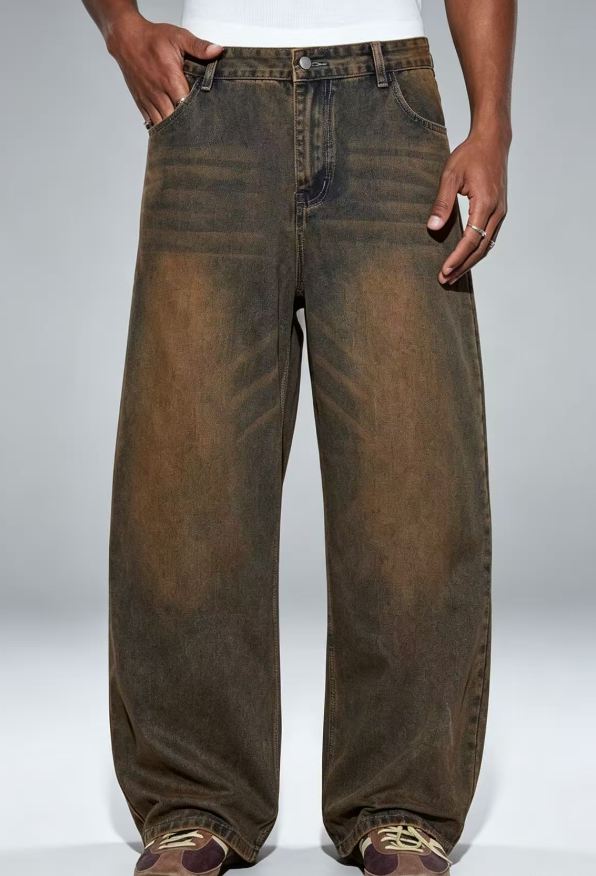
2–5% shrinkage after wash can move inseams, rises, and waist measurements outside tolerance. Test the actual bulk candidate, then build shrinkage allowances and graded XS–3XL rules into the pattern instead of enlarging one base size.
Simplify The First Run

Four washes, three colors, custom rivets, leather patches, and special packaging multiply MOQs, approvals, and inventory exposure. Launch with one core fabric, one wash, and limited trims; add variants only after fit and reorder demand are proven.
Protect The Development Calendar
Two sample rounds commonly require several weeks once pattern work, fabric sourcing, wash trials, and courier transit are included. Reserve time for a prototype, size set, and pre-production sample; rushing approval shifts costly corrections into bulk production.
9. Steps to launch custom tailored jeans
A 100-unit-per-style-and-color launch works best when commercial positioning is locked before development starts. Assign one shared specification file as the decision record for design, sourcing, sales, and the factory.
Position The Assortment
Week 1 should define the target customer, retail price, margin target, fit category, and two-to-four-color launch range. Freeze the mood board, competitive references, silhouette, and non-negotiable brand details before requesting quotes. One owner should log every revision, approval date, and open question in a shared tracker. Sales then validates price and delivery expectations while sourcing checks material availability.
Build The Tech Pack
A complete tech pack specifies front and back flats, point-of-measure chart, construction callouts, Pantone colors, artwork placement, labels, and packaging. Freeze measurements, stitch details, hardware finish, and tolerance rules before pattern work. Each revision should carry a version number and annotated change list. Junsheen can review a tech pack, sketch, or reference garment for manufacturability before sampling.
Approve Materials And Fit

Fabric selection should confirm denim weight, fiber blend, stretch recovery, shade, shrinkage, and wash response; 10–14 oz denim suits many rigid or comfort-stretch programs. Freeze approved swatches, zipper or button specification, thread, labels, and trim quantities before cutting. The first fit sample validates rise, hip, thigh, inseam, leg opening, and mobility on the intended fit model. Approve wash panels separately, then approve a graded size set rather than enlarging the base size mechanically.
Release Production And Ship
A pre-production sample must match the approved fabric, wash, pattern, decoration, trims, labels, and packing method. Freeze it as the bulk reference, with signed approval and an inspection checklist shared by every team. During bulk production, inspect incoming fabric, in-line measurements and construction, then final packed goods against the approved sample. Confirm carton marks, shipping documents, balance payment, and delivery handoff before shipment.
10. Custom tailored jeans pricing and costs
100 units per style and color is a practical entry tier for custom tailored jeans, but small runs absorb more pattern, marker, setup, and wash-development cost per garment. A 12–14 oz cotton denim is often less expensive than premium ring-spun, organic, or specialty selvedge fabric, while elastane raises material cost and requires wash testing to protect recovery. 3 cost decisions—wash, hardware, and presentation—usually separate a basic five-pocket jean from a premium private-label program. Enzyme, stone, acid, tint, hand-sanding, whiskering, or distressed finishes add labor and reject risk; YKK zippers, branded buttons, leather patches, woven labels, hang tags, and custom boxes add both component and packing cost. 35–60 days is a typical production window after sample and material approval, excluding development time and destination transit. Final pricing requires an approved specification, including fabric, wash recipe, graded measurements, quality standard, packing method, order split, and destination-specific freight, duty, and logistics details.
| Order quantity | Indicative FOB unit price | Production lead time |
|---|---|---|
| 100–299 units | US$18–35 | 45–60 days |
| 300–499 units | US$13–25 | 40–55 days |
| 500+ units | US$10–20 | 35–50 days |
Ready to Develop Your Custom Tailored Jeans?
Send your tech pack, reference garment, sketch, or product idea for feasibility review, fit-focused sampling, and a production quote from 100 units.