
Custom Sweater Embroidery for Private-Label Brands
Launch fit-focused XS–3XL sweater programs with custom sweater embroidery, OEM/ODM development, and scalable global production.
Featured Products for custom sweater embroidery Development
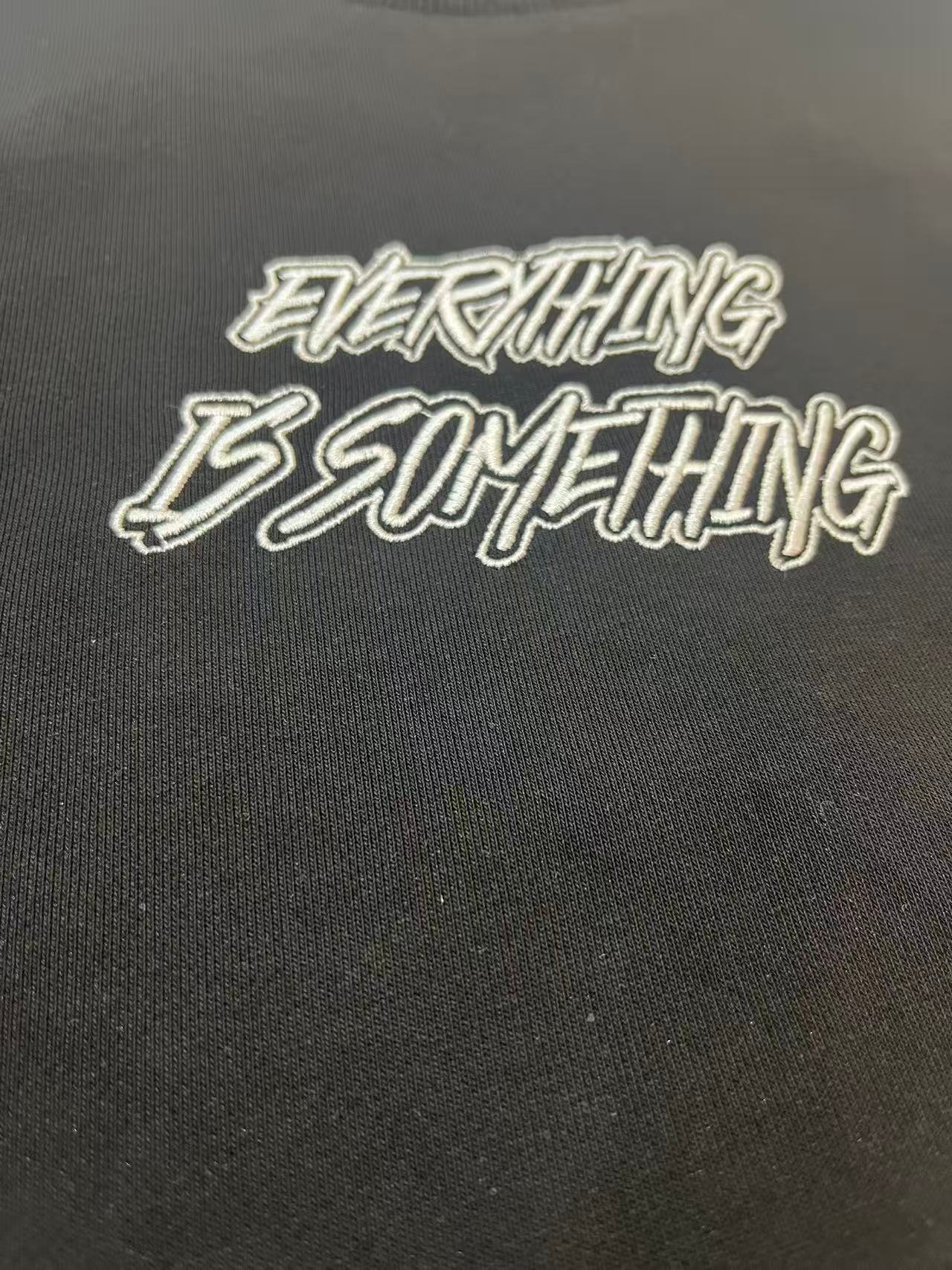


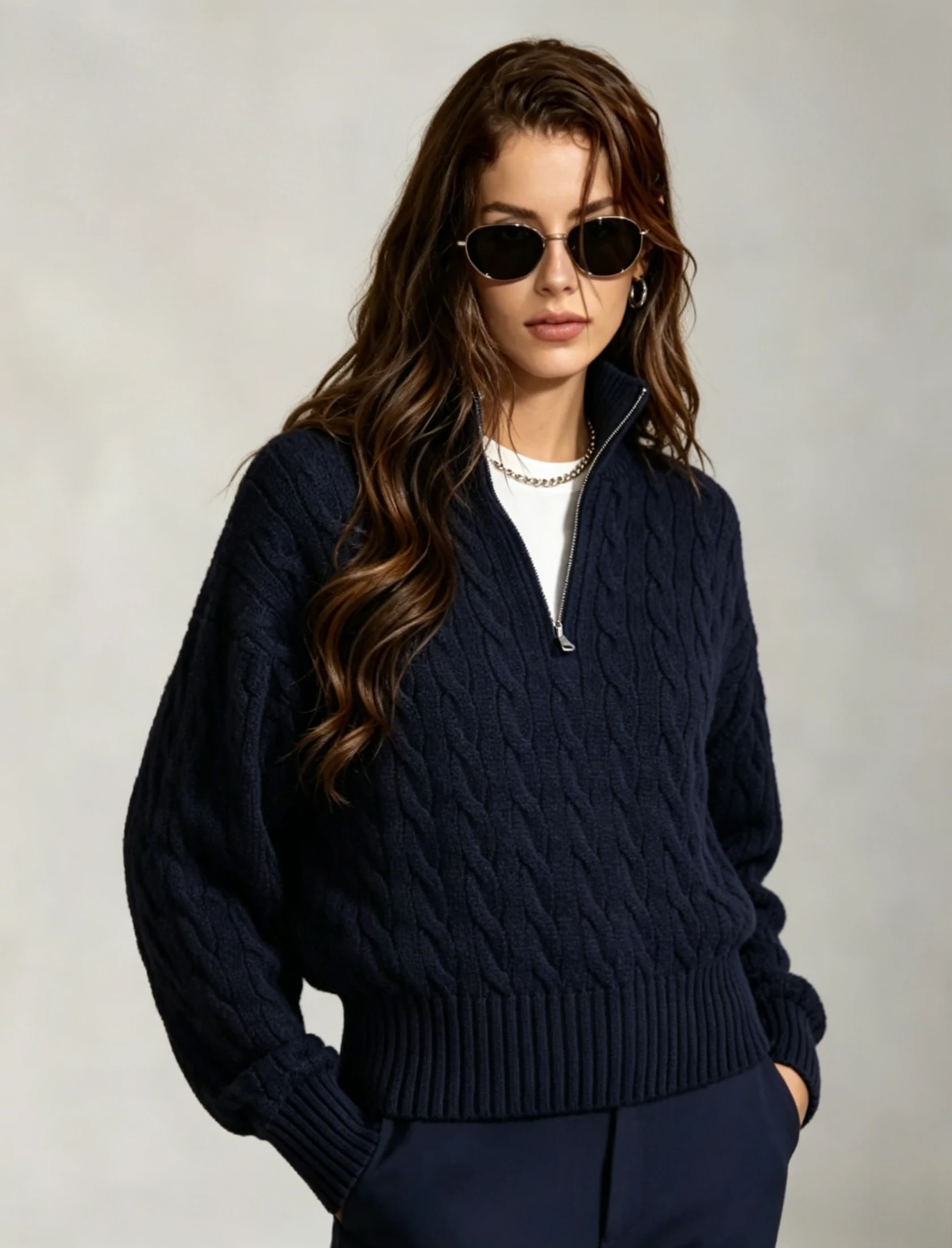

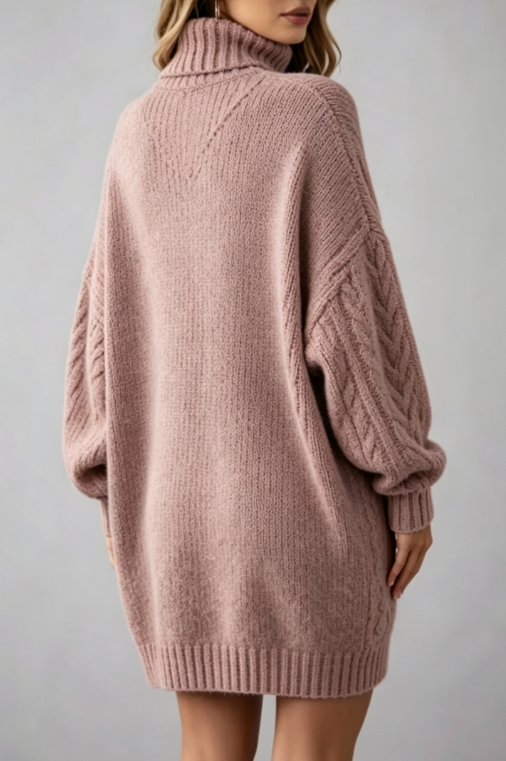


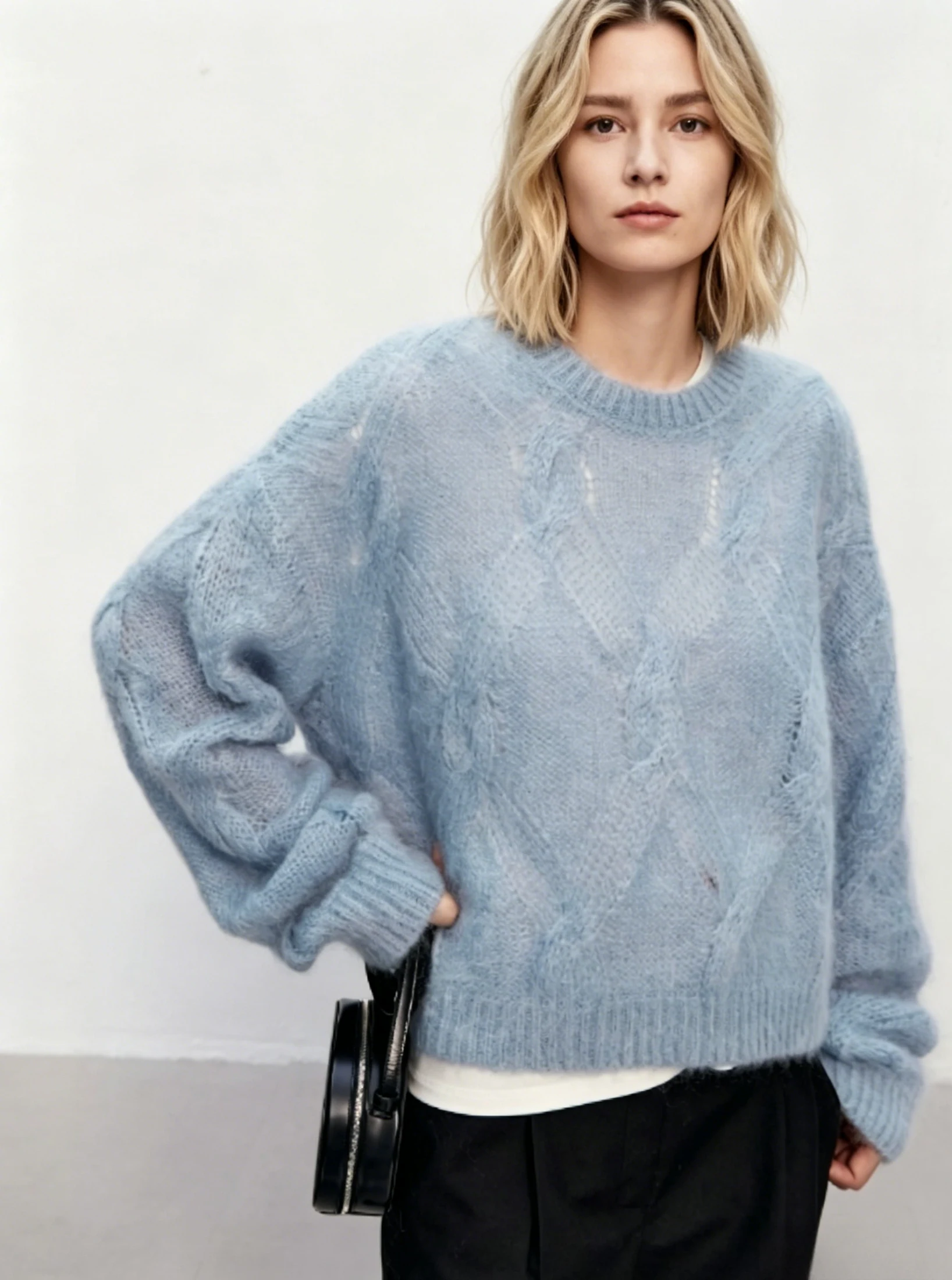


Related Product Catalogue and Quotation

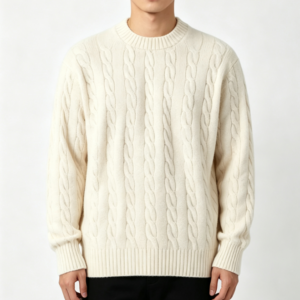


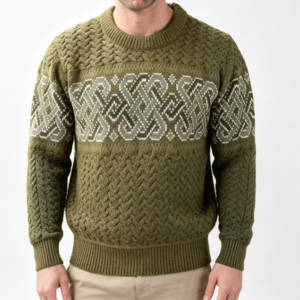
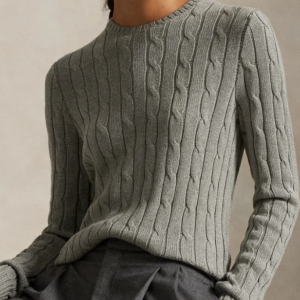
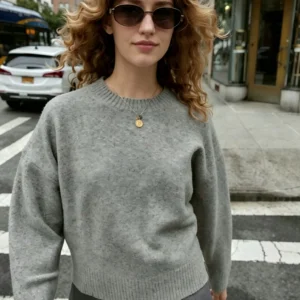


Why Brands Choose Custom Sweater Embroidery by JUNSHEEN
From fit development and embroidery execution to export-ready delivery, JUNSHEEN supports sweater programs built for launch and scale.
100-Unit MOQ
Launch custom sweater embroidery capsules from 100 units per style and color, with practical support for emerging labels and test runs.
In-House Decoration
Coordinate flat, 3D puff, chain-stitch, applique, patch, and logo embroidery with sweater construction through one accountable production team.
Fit-First Development
Develop XS–3XL, plus-size, and oversized sweater fits with refined proportions, mobility, and grading instead of simple pattern enlargement.
Material Sourcing
Select yarns and sweater materials for target cost, hand feel, weight, durability, drape, and wash performance before bulk confirmation.
Scalable Production
Move from capsule quantities to repeat bulk programs with 200+ skilled workers and monthly capacity above 80,000 units.
Export-Ready Support
Receive coordinated quality control, branded packaging, documentation, and global shipping support for reliable delivery to international markets.
Custom Knitwear and Apparel OEM Categories
From fit development and material selection to branded finishing, Junsheen develops scalable apparel programs for launch quantities and repeat production.

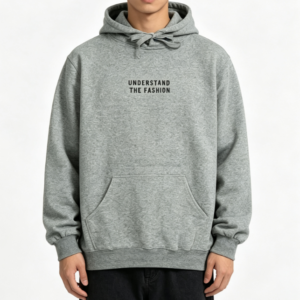
Custom Hoodies
Develop custom hoodies in fleece, French terry, and heavyweight jersey with fit-focused XS–3XL grading. Select fabric weight, hood construction, pockets, rib trims, embroidery, printing, labels, and packaging for private-label launches starting at 100 units per style and color.
Request a Quote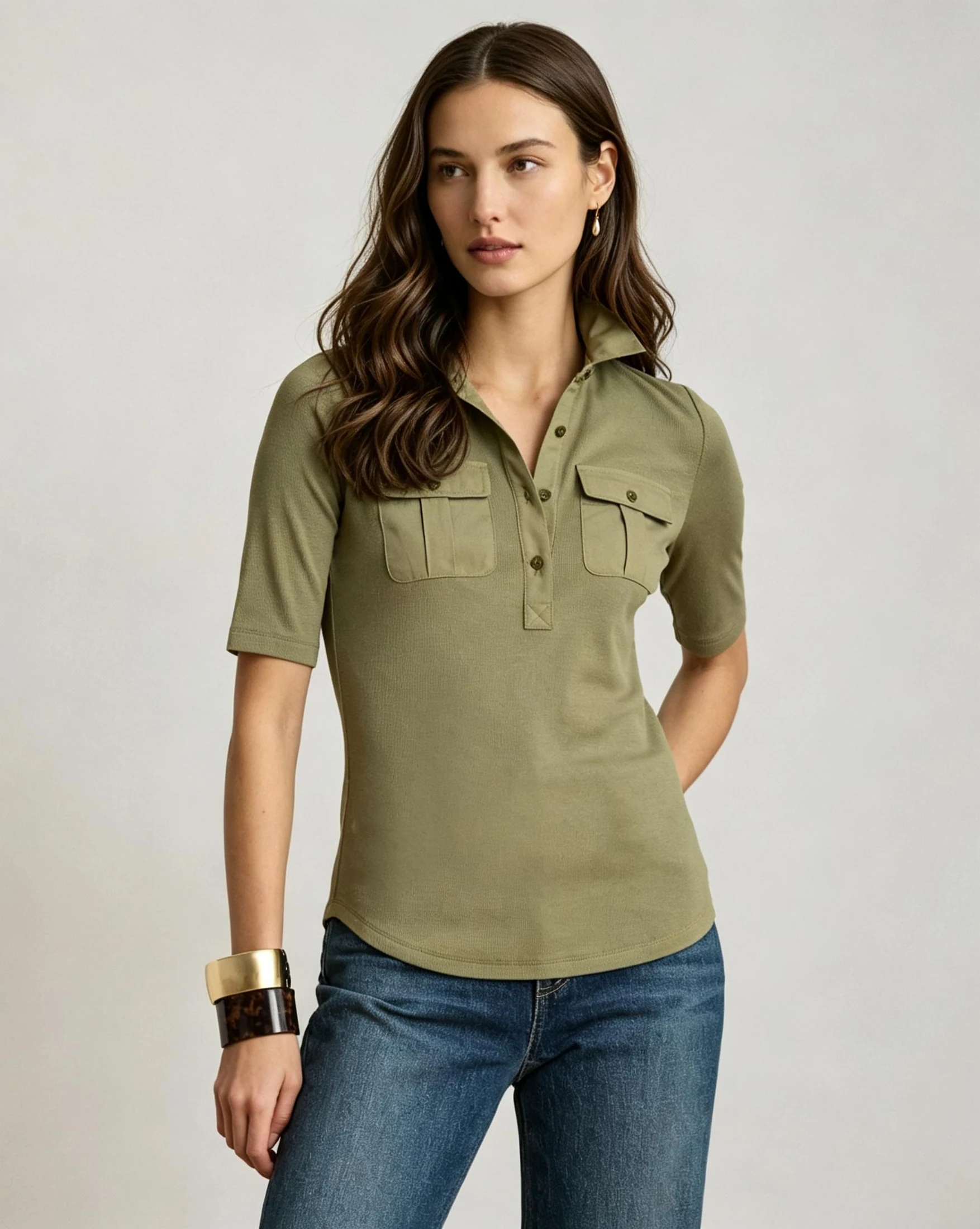
Custom T-Shirts
Produce custom T-shirts in combed cotton, Pima cotton, organic blends, and performance jersey. Junsheen supports silhouette development, necklines, graded sizing, screen printing, DTG, DTF, embroidery, washes, and complete private-label trims for retail-ready programs.
Request a Quote
Custom Jeans
Develop custom jeans in rigid, stretch, and comfort-stretch denim with tailored rises, leg shapes, washes, and hardware. Pattern makers refine fit across XS–3XL, while production can include custom pockets, embroidery, patches, labels, and branded packaging.
Request a Quote
Custom Sweaters
Source turtle neck sweater bulk programs in knit constructions suited to your target hand feel, weight, and price point. Junsheen develops turtlenecks, mock necks, and fashion sweaters with rib details, size grading, logo embroidery, labels, and repeat-order material records.
Request a Quote
Custom Jackets
Build custom jean jackets with denim weights, washes, silhouettes, and hardware aligned to your collection. Production includes pattern development, distressing, embroidery, patches, custom buttons, labels, and graded fits for standard, oversized, and extended-size ranges.
Request a Quote
Custom Sweatshirts & Crewnecks
Create custom crewneck hoodie and sweatshirt programs in fleece, French terry, or brushed jersey. Define body shape, collar and rib specifications, garment weight, decoration, washes, labels, and packaging, with scalable production from 100 units per style and color.
Request a Quote
Custom Cardigans
Develop custom cardigans in sweater knits with your preferred gauge, yarn blend, closure, and silhouette. Junsheen supports button or zipper selection, ribbed finishes, logo embroidery, size grading, private labels, and sampling before bulk approval.
Request a Quote
Custom Puffer & Down Jackets
Produce custom puffer jackets with insulation, shell fabric, quilting layout, and trim specifications matched to seasonal performance and target cost. Junsheen manages fit development, zippers, snaps, reflective details, labels, packaging, quality control, and export-ready production.
Request a Quote
Custom Denim Shorts
Make custom jean shorts in stretch or rigid denim with tailored inseams, rises, hems, pockets, washes, and distressing. Junsheen develops graded fits, including extended-size options, then completes branding through patches, embroidery, labels, hardware, and packaging.
Request a Quote
Custom Sweater Dresses
Develop custom sweater dresses with knit structures, yarn blends, necklines, sleeve proportions, and body lengths tailored to your customer. Pattern and grading work addresses shape, mobility, and consistency from XS through 3XL, with labels and branded finishing available.
Request a Quote
Custom Denim Sets
Produce mens denim suits wholesale programs as coordinated denim jackets and trousers, with matching fabric, wash, hardware, and grading standards. Junsheen supports sampling, fit approval, private labels, embroidery, patches, and scalable bulk production for wholesale or retail assortments.
Request a Quote
Custom Polo Shirts
Create custom polo shirts in pique, jersey, knit, or performance fabrics with defined collars, plackets, cuffs, and fit blocks. Add embroidered logos, printed details, custom buttons, labels, and packaging for uniforms, retail collections, or private-label programs.
Request a Quote
Custom Sweatpants
Develop custom sweatpants in fleece, French terry, and jersey with your preferred rise, leg shape, waistband, cuffs, and pockets. Junsheen supports coordinated sets, XS–3XL grading, embroidery or printing, washes, labels, and low-MOQ production.
Request a Quote
Custom Shorts
Produce custom shorts in denim, twill, jersey, fleece, and performance fabrics for casual, active, or resort programs. Define inseam, rise, pocket layout, waist treatment, decoration, and branded trims, then approve samples before bulk production.
Request a Quote
Custom Pullovers
Develop custom pullovers in knitwear, fleece, French terry, or jersey with crew, mock-neck, quarter-zip, or hooded constructions. Junsheen manages fabric selection, fit grading, embroidery, printing, washes, labels, trims, packaging, and repeat-order consistency.
Request a QuoteCustom Sweater Embroidery Materials We Source and Develop

Cotton Blend Knits
Soft, breathable cotton-blend knits suit everyday crewnecks, cardigans, and logo pullovers. Their stable surface supports clean custom sweater embroidery, while blended fibers improve shape retention and provide a medium-weight, comfortable hand feel.

Wool Blend Yarn
Wool-blend yarn brings warmth, natural texture, and a premium touch to heritage-inspired sweaters and elevated private-label collections. We adjust wool content and gauge to manage insulation, softness, durability, and stitch definition.

Recycled Yarn Blends
Recycled cotton, polyester, and mixed-fiber yarns support sustainability-led sweater programs without sacrificing practical wear. Ideal for contemporary labels, these blends can deliver durable medium-weight constructions, dependable color performance, and a balanced hand feel.

Performance Knit Blends
Performance knit blends are suited to active-inspired layers, travel sweaters, and technical casualwear. Polyester, nylon, or stretch fibers add quick-drying durability and recovery, while controlled elasticity helps embroidered areas retain their intended shape.

Fine Gauge Constructions
Fine-gauge sweater constructions create a smooth, refined surface for lightweight pullovers, fitted cardigans, and layering pieces. Their compact stitch structure offers a clean hand feel and requires embroidery backing matched carefully to the fabric.

Chunky Knit Constructions
Chunky knit constructions deliver visible texture and substantial warmth for oversized sweaters, statement cardigans, and seasonal capsules. Heavier gauges create a lofty, tactile hand feel, with embroidery placement planned around stitch density and stretch.
Custom Sweater Embroidery and Decoration Techniques

Flat Embroidery
Clean, tightly stitched logo embroidery adds precise color and durable definition to sweater chest marks, sleeves, cuffs, and hems. It is ideal for detailed artwork, understated branding, and repeatable private-label programs.

3D Puff Embroidery
Raised foam-backed stitching creates a sculpted, dimensional logo with strong visual depth. Our team reviews artwork, stitch density, and knit structure to achieve a bold finish that holds its shape through regular wear.

Chain Stitch Embroidery
Looped threadwork delivers an artisanal, heritage-inspired surface with expressive texture. Chain stitch works especially well for varsity lettering, larger graphics, and fashion-led sweater collections seeking a handcrafted character.

Appliqué and Patches
Layered fabric appliqué and custom embroidered patches add contrast in color, texture, and material. We can develop placement, edge finishing, and attachment methods for durable badges, collegiate graphics, and standout logo applications.

Sequin Embellishment
Sequins introduce controlled shine and movement for elevated knitwear, women’s fashion, and occasion-focused capsules. We assess design scale, backing, and stitch construction to help the decoration remain secure and visually balanced.

Custom Logo Work
From small tonal emblems to multi-technique artwork, JUNSHEEN develops custom sweater embroidery around your logo, yarn, and fit specifications. Sampling helps confirm stitch quality, placement, and decoration performance before bulk production.
Custom Sweater Embroidery with Private-Label Trims

Woven Brand Labels
Add woven main labels, size labels, and wash-care labels to custom sweater embroidery programs for clear brand ownership, consistent size communication, and care instructions tailored to yarn blends, knit construction, and target markets.

Custom Hang Tags
Branded hang tags give retailers and customers product details at first touch, including collection messaging, fiber content, fit notes, barcode information, and care guidance. JUNSHEEN can coordinate tag stock, printing, strings, and attachment.

Logo Zippers
Custom zipper pulls and branded zipper options elevate zip-up sweaters, cardigans, and knit outerwear. We help match finish, pull shape, tape color, and function to your garment weight, design direction, and price target.

Branded Snap Buttons
Use custom snaps or buttons on sweater cardigans, collar plackets, detachable details, and layered knit styles. Select finishes, colors, logo treatments, and attachment methods that complement embroidery placement without compromising garment function.

Drawcords And Ribs
Custom drawcords, tipped ends, rib trims, and contrast knit details create a more finished private-label look on hooded sweaters and casual knitwear. Our team coordinates color, texture, stretch, and durability across the complete garment.
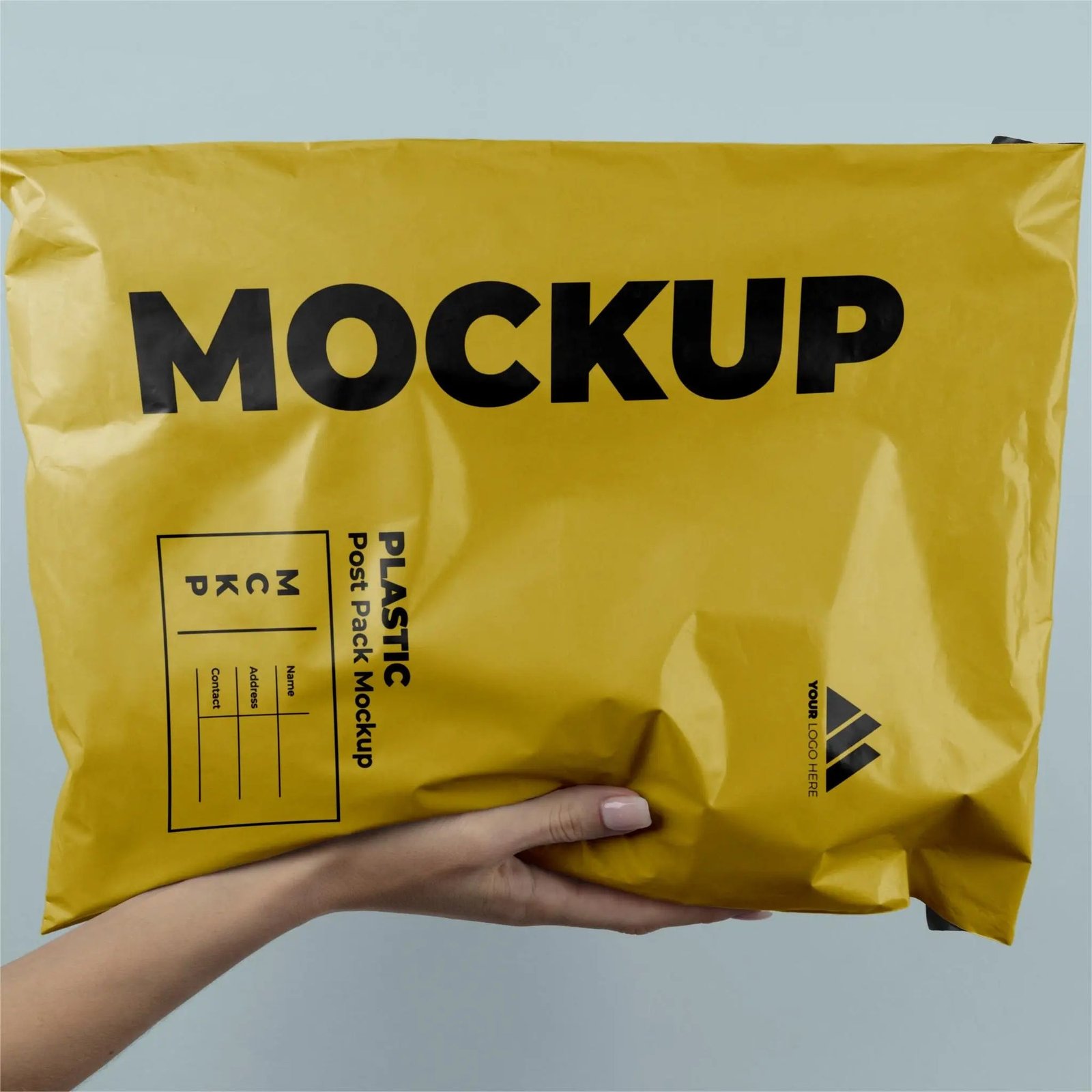
Branded Packaging
Finish production with custom polybags, tissue, stickers, cartons, and packing inserts prepared for wholesale, retail, or direct fulfillment. Packaging specifications can be aligned with labeling requirements, shipping protection, and your unboxing experience.
About JUNSHEEN Custom Sweater Embroidery
Founded in 2010 in Humen Town, Dongguan, JUNSHEEN helps fashion brands turn custom sweater embroidery concepts into production-ready private-label programs. Our one-stop OEM and ODM team supports product development, knitting and cut-and-sew coordination, fabric sourcing, pattern development, decoration, quality control, packaging and export support.
With more than 200 skilled workers and monthly capacity above 80,000 units, we serve capsule launches and scalable repeat programs alike. Brands can start from 100 units per style and color, then grow with a manufacturing partner equipped for sweaters, knitwear, casualwear, denim and outerwear.
What distinguishes JUNSHEEN is fit-focused development from XS through 3XL paired with in-house decoration expertise, including flat, 3D/puff, chain-stitch and applique embroidery. Having served more than 2,000 global fashion-brand clients, we combine responsive development with dependable production for labels building long-term collections.

Custom Sweater Embroidery Capabilities for Consistent Programs
Fit-Focused Pattern Development
Our development team builds sweater patterns for standard, extended-size, plus-size, and modern oversized fits from XS through 3XL. We refine proportion, shoulder balance, sleeve length, mobility, and grading increments before bulk production, helping reduce costly fit revisions.
- XS–3XL grading tailored to your target customer
- Prototype, size-set, and pre-production approval support
- Pattern adjustments based on knit structure and intended silhouette

Knits and Cut-and-Sew Together
JUNSHEEN combines sweater knitting capability with cut-and-sew production, so brands can develop coordinated casualwear programs through one manufacturing partner. Source matching pullovers, cardigans, sweatshirts, denim, and outerwear while maintaining consistent fit, color direction, and private-label details.
- Sweaters, cardigans, pullovers, and sweater dresses
- Coordinated casualwear, denim, and outerwear development
- OEM, ODM, and private-label support from 100 units per style/color

Decoration Built Into Development
Custom sweater embroidery is planned alongside fabric selection, construction, and sampling rather than added as an afterthought. Our team evaluates placement, stitch density, backing, thread selection, and decoration scale to protect the garment hand feel and deliver a clean branded finish.
- Flat, 3D/puff, chain-stitch, applique, and patch embroidery
- Artwork review for stitch-ready production
- Combined embroidery, printing, labels, and finishing options

Repeat Orders Under Control
For ongoing sweater programs, JUNSHEEN retains approved patterns, graded size sets, material records, and production specifications. Incoming-fabric, in-line, measurement, decoration, and final-pack inspections help maintain the consistency brands need as orders move from capsule quantities to scalable global production.
- Retained records for faster repeat development
- Multi-stage quality control before shipment
- 200+ skilled workers and 80,000+ monthly unit capacity

Why Choose JUNSHEEN for Custom Sweater Embroidery
A production partner built for scalable sweater programs, precise fit, integrated decoration, and dependable global delivery.
← 左右滑动查看 →
Custom Sweater Embroidery Production Process
A clear, fit-focused workflow for private-label sweater programs, from feasibility review to export-ready delivery.
Review Feasibility and Specifications
Our team reviews your tech pack, artwork, reference garment, sizing needs, target cost, and 100-unit MOQ requirements before confirming a practical production route.
Source Yarn, Fabric, Trims
We recommend sweater materials, rib constructions, backing, labels, and trims based on hand feel, durability, embroidery detail, wash performance, and brand positioning.
Develop Fit and Samples
Pattern makers refine XS–3XL grading, oversized proportions, and key measurements, then produce prototype samples for fit, construction, material, and embroidery approval.
Produce Embroidery and Garments
Approved programs move into knitting or cut-and-sew production, with in-house logo embroidery, patches, applique, or chain stitch applied to approved placement specifications.
Inspect, Pack, and Ship
In-line and final checks verify measurements, construction, decoration, and packed goods before branded packaging, export documentation, and global shipment coordination.
Start Your Custom Sweater Embroidery Program
Move from design reference to delivery with clear feasibility review, sampling, production control, and export coordination from JUNSHEEN.
Send Your Design Brief
Share a tech pack, sketch, reference sweater, size range, embroidery artwork, target quantity, and preferred materials for a practical OEM review.
Review Feasibility and Pricing
Our team confirms construction, yarn or fabric options, embroidery method, fit requirements, 100-unit MOQ eligibility, lead time, and a detailed quotation.
Approve Development Samples
Review prototype samples, swatches, embroidery placement, measurements, and XS–3XL grading. We refine approved details before preparing bulk production specifications.
Confirm Bulk Production
Approve the final sample and order details, then confirm materials, private-label trims, packaging, payment terms, and production schedule with your project team.
Inspect and Arrange Delivery
JUNSHEEN checks construction, measurements, decoration, and packed goods before coordinating export documentation and global delivery for your custom sweater embroidery order.
Custom Clothing Manufacturer Credentials and Compliance Documents


What Fashion Brands Say About Custom Sweater Embroidery With JUNSHEEN
JUNSHEEN turned our artwork into clean chain-stitch and 3D embroidery without compromising the sweater’s shape. We approved the fit sample in two rounds and launched our 180-piece capsule on schedule.
Their pattern team corrected the shoulder balance and sleeve grading across XS–3XL before bulk. Returns on our embroidered knit drop were 22% lower than the previous program, and we reordered two colorways.
We started with a 100-unit private-label test, then scaled to 1,200 units across three deliveries. Embroidery, labels, packaging, and export coordination stayed consistent, which made repeat ordering much easier.
Custom Sweater Embroidery FAQ
Clear guidance on MOQ, sampling, timelines, fit, shipping, payments and brand protection for OEM sweater programs.
What is the MOQ for custom sweater embroidery?
Can I order a custom sweater embroidery sample before bulk production?
How long does custom sweater embroidery production take?
Which embroidery techniques can you use on custom sweaters?
Can you develop custom sweater embroidery in XS through 3XL?
What payment terms do you offer for sweater orders?
Do you ship custom embroidered sweaters internationally?
How do you protect our designs and embroidery artwork?
The Complete Buyer’s Guide to custom sweater embroidery
Use this decision framework to select embroidery styles, sweater materials, construction details, and a reliable supplier—while avoiding costly sampling, pricing, quality-control, and production-planning mistakes.
1. What Is custom sweater embroidery?
Two elements define custom sweater embroidery: artwork translated into thread stitches and a stable way to anchor those stitches to a knit or fleece garment. Buyers may source direct logo embroidery, lettering, crest emblems, appliqué, or embroidered patches; the request normally includes the garment base, artwork file, placement, thread colors, backing requirement, and approved sample—not merely a logo application. Three production variables determine whether the result looks premium after wear and washing: stitch density, backing, and the fabric’s stretch. Dense fills can create a crisp emblem but may pucker or feel board-like on lightweight knits; cutaway or tearaway backing must stabilize the area without distorting ribs, French terry, fleece, or sweater panels. Placement also changes risk: a small left-chest mark behaves differently from a large center-front design crossing stretch zones, seams, pockets, or zipper tape. JUNSHEEN treats custom sweater embroidery as a garment-development specification, not a generic decoration add-on. Unlike screen print, which lays ink on the surface, embroidery builds dimension with thread and can add texture and durability, while requiring review of stitch file, thread coverage, garment weight, backing, placement, and post-wash appearance before bulk approval.
2. The Evolution of Embroidered Sweaters
18th-century hand embroidery established the visual language still used on sweaters: placed crests, initials, borders and raised motifs. Heritage knitwear later combined those marks with wool and cotton constructions, giving collegiate and workwear garments recognizable identity before mass logo programs existed. 1970s commercial multi-head machines made repeatable logo placement practical, while computerized embroidery digitizing brought stitch paths, density and color sequencing under controlled production. For buyers, that shift means a crest or wordmark can be sampled, approved and repeated across 100-unit capsule runs or larger replenishment programs with less variation than hand-applied work. 1990s streetwear and luxury-logo demand turned embroidery into a brand-signature tool rather than a purely decorative finish. Collegiate programs favor chenille-style patches and mascots; workwear uses durable chest logos; streetwear adopts oversized back graphics, chain stitch and appliqué; luxury collections often rely on restrained tonal monograms. 2020s private-label collections use custom sweater embroidery to differentiate familiar silhouettes without rebuilding the garment from scratch. A capable manufacturer should review the artwork, knit structure, placement, backing and wash expectations together, because a design that works on a dense fleece sweatshirt may distort or pucker on a lightweight sweater knit.
3. Types of custom sweater embroidery
Six formats cover most custom sweater embroidery briefs, from quiet tonal logos to varsity-scale graphics. Match stitch height and backing to the sweater gauge: dense embroidery can distort fine knits and stretch ribs.
Flat And Fine-Detail Logos

0.8-3 mm flat stitches create a clean, low-profile surface for lettering, line art, and small chest marks. Fine-detail logo embroidery works best on stable sweater panels; avoid hairline artwork below about 1 mm and use cutaway backing on stretch knits. 40-60 weight thread preserves small detail, but excessive density can pucker lightweight gauges. Choose flat embroidery for refined retail, corporate, or minimalist label aesthetics.
Puff, Appliqué And Chenille
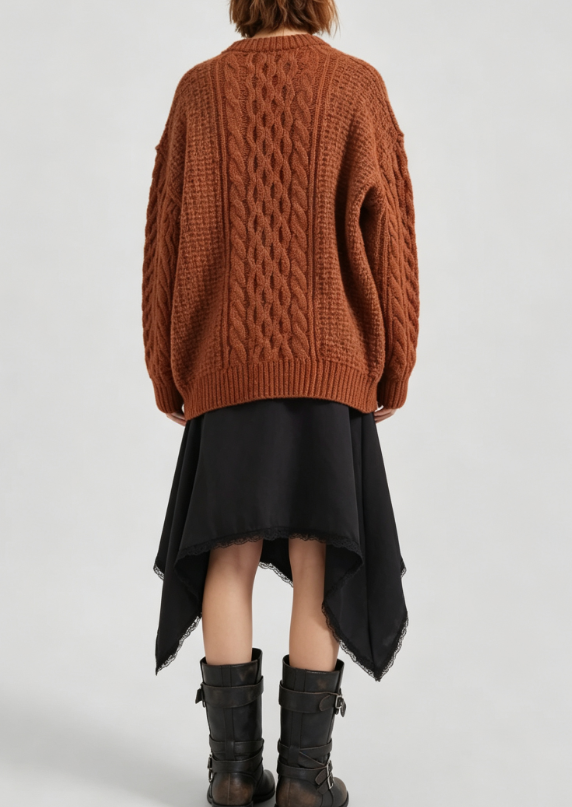
3D puff embroidery places foam beneath satin stitches for raised block letters and bold monograms. It is strongest on dense fleece or heavyweight sweaters, while narrow curves, tiny text, and highly elastic ribs can crack, collapse, or distort. 2-4 mm appliqué layers fabric onto the garment for collegiate shapes; chenille adds a soft, looped varsity texture. Both need secure edge stitching and perform better on stable body panels than loose open-knit constructions.
Patches For Flexible Branding

1-3 mm embroidered patches isolate the decoration on a separate twill, felt, or woven base before sewing it onto the sweater. They suit crest artwork, seasonal badges, and designs too dense for a delicate knit panel. Sewn patches generally outlast heat-applied options through repeated washing, but their edges add bulk and can irritate skin-facing placements. Specify a merrowed, satin, or laser-cut edge according to the intended brand aesthetic.
4. Materials for custom sweater embroidery
Base fabric determines whether custom sweater embroidery stays crisp or puckers after wash. Select density, stretch recovery, warmth and shrinkage behavior before digitizing; Junsheen can review swatches and sample garments before bulk approval.
| Base Material | Typical Weight | Embroidery Behavior | Best Use |
|---|---|---|---|
| Cotton/heavyweight jersey | 280–420 GSM | Very stable; sharp stitch definition | Crewnecks, graphic pullovers |
| Cotton-poly fleece | 300–420 GSM | Stable; backing for large fills | Warm hoodies, sweatshirts |
| Acrylic knit | Medium knit weight | Stretchy; stabilize and test | Value sweaters, seasonal programs |
| Wool blend | Medium-to-heavy knit | Warm; test for puckering | Premium outer layers |
| Merino blend | Fine-to-medium knit | Soft, elastic; backing essential | Refined lightweight sweaters |
Material Comparison

280–420 GSM cotton and heavyweight jersey provide the firmest, flattest embroidery ground. Cotton may shrink unless pre-shrunk, while dense ring-spun surfaces retain fine lettering well.
Knit And Fleece Choices
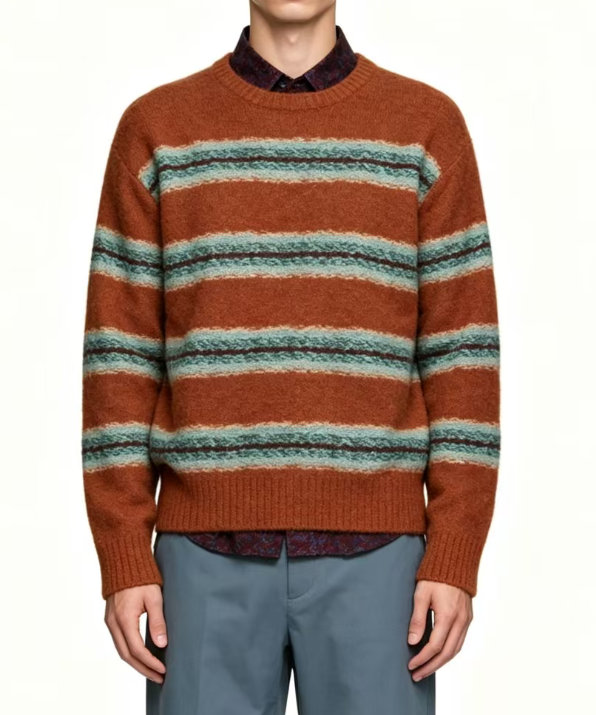
300–420 GSM cotton-poly fleece offers warmth, moderate stability and reliable logo work; a cutaway stabilizer is prudent for large fills. Acrylic knit and wool blends are warmer but more elastic, so test samples should confirm tension, distortion and needle marks.
Merino Requires Testing

Merino blends typically use finer yarns and softer, stretchier knit structures than acrylic. Use backing, lower-density digitizing and a sew-out sample; avoid dense fills that can pull the knit or leave a stiff hand.
5. Custom sweater embroidery Design Options
Before sampling, freeze the decoration brief and the private-label brief as separate approvals. For custom sweater embroidery, a 100-unit program benefits from one annotated placement sheet, thread chart, and branding checklist.
| Decision | Production Brief | Approval Check |
|---|---|---|
| Chest embroidery | Size, placement, stitch type | Measure from neckline or side seam |
| Specialty thread | Pantone target and thread effect | Review stitch-out under light |
| Patch | Edge finish and backing | Check curl, bulk, and adhesion |
| Private label | Neck label, hangtag, packaging | Confirm copy, size, and pack order |
Logo Scale And Placement
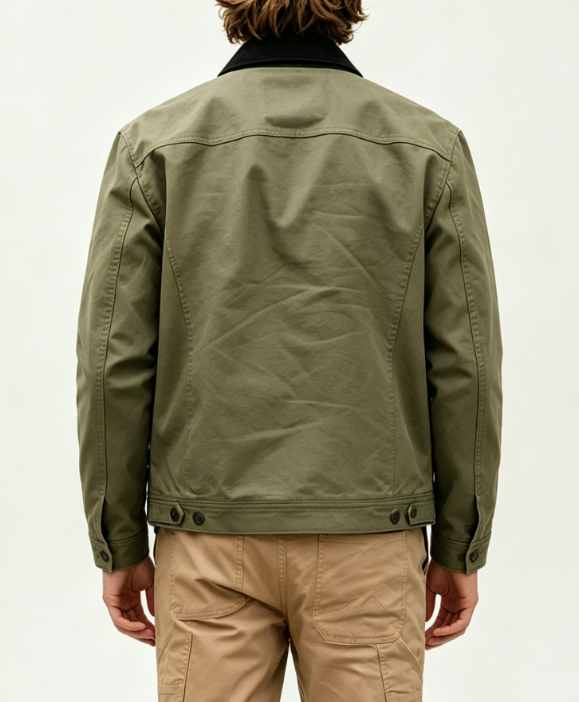
3–10 cm chest logos and 20–30 cm back motifs require different stabilizing, stitch density, and production time. Mark center-front, wearer’s-left, sleeve, hem, or back-neck placement from fixed garment points. 1 cm shifts are visible on a sweater, especially across XS–3XL graded sizes. Approve placement on the sample rather than relying only on a flat artwork mockup.
Artwork And Thread Specification

AI, EPS, or SVG vector artwork gives the digitizer clean shapes; supply Pantone references for each thread color. Set a practical minimum line width and enlarge tiny lettering when stitches would close counters. 2–6 thread colors keep many logos readable, while metallic, glow, or variegated thread needs a physical stitch-out approval. Specify flat, 3D puff, chain stitch, or applique before sampling because each changes detail tolerance.
Decoration Versus Private Label

Decoration defines the visible embroidered logo, patch, backing, edge finish, and thread treatment on the garment. Patch briefs should name merrowed, laser-cut, satin-stitched, or heat-sealed edges and whether backing remains exposed. Private-label branding covers woven neck labels, size labels, wash-care labels, hangtags, polybags, cartons, and inserts. JUNSHEEN can coordinate these items alongside sweater production, but approve their artwork and packing order separately.
6. Construction Quality for Embroidered Sweaters
For a 100-unit custom sweater embroidery order, approve the garment and decoration as one system. A polished logo cannot compensate for uneven knit density, weak ribs, distorted seams, or poor wash stability.
Evaluate The Base Garment
At 280–420 GSM, compare fabric weight across multiple panels and garments; meaningful variation can change drape and embroidery support. For knitted sweaters, confirm gauge, stitch density, yarn evenness, and seam alignment against the approved sample.
- Measure chest, body length, sleeve length, and rib openings.
- Check shoulder seams for skipped stitches or twisting.
- Stretch cuffs and hem, then confirm rib recovery.
- Inspect inside seams for bulk, abrasion, and loose yarn ends.
Inspect Embroidery Execution

At 1:1 artwork scale, verify embroidery registration against seams, pockets, plackets, and neckline placement. A stable design has balanced thread tension, smooth fills, clean outlines, and no visible backing through the face fabric.
- Check for puckering around dense fill areas.
- Confirm thread trims are secure on the reverse.
- Compare logo size and placement across sampled units.
- Review appliqué edges for consistent stitching.
Verify Wash And Bulk Control
After 1–3 wash tests, compare shrinkage, torque, color change, rib recovery, and embroidery distortion to the retained approval sample. During bulk QC, inspect random units from each color and size run before packing, not only finished cartons.
- Record post-wash measurements against tolerance.
- Check embroidery for thread breaks and lifted edges.
- Confirm backing remains concealed after laundering.
- Reject garments with loose threads, holes, or seam damage.
7. How to Choose a custom sweater embroidery Manufacturer
For a 100-unit custom sweater embroidery order, choose evidence over a polished quotation. Ask suppliers to prove comparable knitwear experience, digitizing control, sampling discipline, and export readiness before approving deposits.
Verify Product And Digitizing Experience
Request 3–5 recent reference samples with stitch counts, backing type, thread brand, and wash results. Ask whether digitizing is in-house and who adjusts density, pull compensation, and registration on rib, jersey, or chunky knit. 100-unit programs need a supplier that can show similar logo scale and placement, not only flat fabric embroidery. Confirm machine type, maximum hoop area, and whether test sew-outs are approved against Pantone thread standards.
- Comparable sweater reference samples
- Digitized artwork and sew-out photos
- Stitch-count and backing specification
Test Sampling, Fit, And Materials
XS–3XL sweater programs require graded patterns rather than simply enlarged base sizes. Request a measurement chart, grade rules, fit photos on relevant body types, and a pre-production sample after size-set approval. 300–500 GSM fleece or midweight knit choices change embroidery stability, shrinkage, and hand feel. Ask for swatches, fiber content, weight tolerance, color-lot controls, and post-wash embroidery appearance before bulk fabric is reserved.
- Prototype and size-set timing
- Fabric swatches and wash tests
- MOQ by color, size, and decoration
Audit Controls And Communication
A credible manufacturer documents incoming-fabric checks, in-line measurements, decoration inspection, and final packed-goods review. Request current social-compliance evidence where needed—such as BSCI, WRAP, or audited factory reports—plus their defect-rework procedure. 7–14 day sampling and 30–45 day bulk lead-time estimates should identify fabric, digitizing, approval, and shipping dependencies. Confirm one accountable contact, written approval checkpoints, carton specifications, export documents, and air or sea freight support.
- Inspection report example
- Compliance documents, if required
- Written production and shipping schedule
8. Common custom sweater embroidery Buying Mistakes
Most embroidery failures are locked in before bulk cutting, when an approved screen image substitutes for a sewn-and-washed sample. For custom sweater embroidery, purchasing teams should convert every visual preference into measurable artwork, material, color, and timeline controls.
Test Artwork at Production Scale
1 mm linework and tiny lettering can fill in, break, or disappear once thread tension meets a knitted surface. Approve a full-size strike-off on the intended gauge and colorway before releasing bulk. 75/11 or 90/14 needles, thread weight, and stitch density must match the artwork’s smallest features. Simplify details below the factory’s tested threshold rather than relying on enlarged digital proofs.
- Request a production-size sew-out
- Specify minimum letter height
- Approve stitch file revisions
Match Fabric, Thread, And Backing

5–15% stretch in sweater ribs or knit panels can distort embroidery after wear if backing is omitted or poorly selected. Confirm cut-away, tear-away, or wash-away stabilizer through a fit and recovery test. Pantone references—not calibrated screens alone—should govern thread approval, especially for tonal logos and contrast lettering. Review physical thread cards beside the actual yarn or sweater swatch under daylight and store lighting.
- Test stretch recovery after embroidery
- Approve physical thread colors
- Record backing and placement specifications
Protect Approval And Delivery Controls
3–5 wash cycles can expose puckering, color migration, thread breakage, or backing show-through before bulk production begins. Include a wash test in sample approval and freeze the approved BOM, artwork file, measurements, and placement map. 2 quotes are not comparable unless garment yarn, gauge, stitch count, backing, colors, labels, packaging, MOQ, and inspection standard match. Build time for sampling, revisions, material booking, production, quality control, and export; late specification changes usually reset part of that schedule.
- Compare like-for-like quote specifications
- Lock changes through written approval
- Add revision and freight contingency
9. Steps to Launch an Embroidered Sweater Line
A launch calendar should start 4–6 months before the intended selling season, leaving time for knit development, embroidery sampling, approvals, freight, and product photography. For custom sweater embroidery, lock commercial decisions before artwork enters production.
Define The Product Brief
At a 100-unit minimum per style and color, choose a narrow opening assortment: one sweater body, two core colors, and a disciplined size run. Define target customer, retail price, margin, channel, and replenishment trigger before requesting quotes. XS–3XL grading needs fit intent, not simple enlargement; specify cropped, regular, or oversized body proportions and sleeve length. Reserve 10–15% of units for likely high-demand sizes when prior sales data is unavailable.
Prepare Artwork And Specifications
Pantone references, artwork dimensions in millimeters, stitch type, thread colors, and embroidery placement belong in the tech pack. Supply editable vector files for logos and identify whether flat embroidery, chain stitch, applique, or 3D puff is required. 280–420 GSM knit or brushed sweater constructions should be selected against climate, hand feel, embroidery density, and retail position. Include measurements, tolerance, label placement, packaging, care instructions, and approved trims in the same document.
Approve Samples And Production
One development sample should test fit, embroidery registration, thread coverage, puckering, and wash performance before bulk approval. Record revisions in writing, then approve a sealed pre-production sample against the final tech pack and color standard. In-line inspections should check measurements, knit defects, decoration, labels, and packing; final inspection should use the agreed AQL standard. Book freight after carton dimensions and ready date are confirmed, then prepare SKU data, imagery, launch stock allocation, and reorder thresholds.
10. Custom Sweater Embroidery Pricing and Costs
100 units is JUNSHEEN’s practical starting point per style and color, so first-run custom sweater embroidery carries more development cost per garment than repeat bulk orders. A working budget should separate the sweater blank, embroidery, trims, packing, sampling and freight rather than relying on one all-in unit figure. 2 variables usually move decoration cost fastest: stitch count and placement count; a large back design or sleeve placement consumes more machine time than a small left-chest logo. Material and garment weight, thread-color changes, woven labels, hangtags, branded packaging and order volume also affect cost; final quotes require approved specifications, artwork, graded sizes, packing requirements and shipping destination.
| Order quantity | Indicative unit-cost position | Digitizing/setup | Typical production lead time |
|---|---|---|---|
| 100–299 units | Highest per-unit cost; knit yarn, gauge and stitch count dominate | US$30–100 per design, depending on artwork complexity | 25–35 days after approvals |
| 300–999 units | Better material and machine-time allocation | Usually one digitized file per embroidery design | 20–30 days after approvals |
| 1,000+ units | Lowest unit-cost position when specifications remain consolidated | Setup spread across more garments | 18–28 days after approvals |
Start Your Custom Sweater Embroidery Program
Send your tech pack, sketch, reference garment, or idea for a tailored 100-unit MOQ quotation from JUNSHEEN’s OEM team.