Custom Muscle Tees Made for Better Fit
Launch custom muscle tees with XS–3XL fit development, private-label options, and 100-unit MOQs from JUNSHEEN.
Featured Products for custom muscle tees Development


Related Product Catalogue and Quotation





Why Brands Source Custom Muscle Tees From JUNSHEEN
Develop fit-led muscle tee programs with low-MOQ flexibility, integrated production, and dependable global delivery support.
100-Unit MOQ
Launch capsule collections from 100 units per style and color, with practical support for emerging labels and established replenishment programs.
Fit-Focused XS–3XL Grading
Pattern makers refine shoulder balance, armhole shape, body length, and grading increments for regular, oversized, extended-size, and plus-size fits.
One-Stop Development
Move from sketch, tech pack, or reference sample through fabric sourcing, pattern making, sampling, size sets, and production-ready approvals.
Custom Decoration Options
Add screen printing, embroidery, puff effects, DTG, DTF, garment dye, washes, labels, trims, and branded packaging in one supply chain.
Scalable Global Production
Rely on 200+ skilled workers, 80,000+ monthly units of capacity, quality control, and export support as your custom muscle tees grow.
Custom Muscle Tees and Complete Casualwear Production
Build coordinated apparel programs with low-MOQ development, fit-focused grading, decoration, finishing, private labeling, and scalable production from one manufacturing partner.

Custom Hoodies
Develop custom hoodies in fleece, French terry, or performance knits, with oversized or standard fits graded from XS–3XL. Junsheen supports custom hoodies from pattern development through embroidery, screen printing, washes, branded trims, labels, and packed bulk production.
Request a Quote
Custom T-Shirts
Produce custom tshirt programs in jersey, Pima cotton, organic cotton, and blended fabrics. Teams can develop muscle tees, fitted basics, oversized silhouettes, and extended sizes, then apply DTG, screen printing, DTF, embroidery, garment dye, or custom labels.
Request a Quote
Custom Jeans
Manufacture custom jeans in rigid, stretch, or washed denim with fit development for different rises, leg shapes, and body proportions. Junsheen supports pattern making, grading, hardware sourcing, embroidery, patches, distressing, stone wash, acid wash, and private-label finishing.
Request a Quote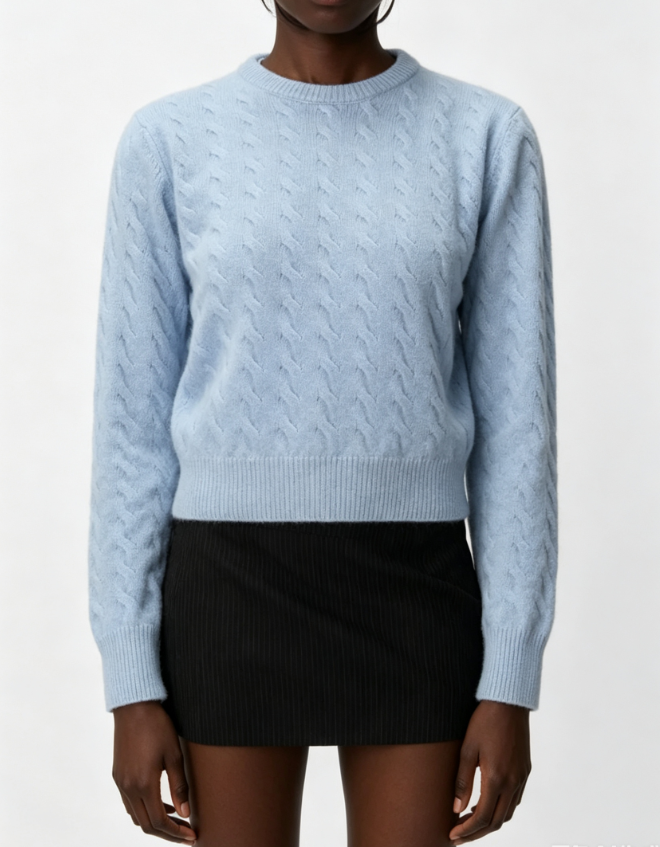
Custom Sweaters
Source turtle neck sweater bulk programs in knit constructions suited to your target hand feel, warmth, and price point. Junsheen develops gauges, neck shapes, rib details, size grading, and branded labels for wholesale collections and repeat production.
Request a Quote
Custom Jackets
Create custom jean jacket programs in denim, stretch denim, twill, or mixed-material constructions. Development includes fit refinement, pocket placement, branded buttons, zippers, patches, embroidery, washes, and size sets before approving scalable bulk production.
Request a Quote
Custom Sweatshirts & Crewnecks
Develop custom crewneck hoodie and sweatshirt styles in fleece or French terry, including crewneck, dropped-shoulder, cropped, oversized, and standard-fit options. Junsheen manages pattern grading, rib trims, printing, embroidery, washes, labels, and low-MOQ production from 100 units per style and color.
Request a Quote
Custom Cardigans
Produce custom cardigan collections in sweater knits with defined gauges, yarn blends, button placements, plackets, and rib structures. Fit-focused grading supports regular, oversized, and extended-size programs, while custom labels, trims, and packaging complete private-label delivery.
Request a Quote
Custom Puffer & Down Jackets
Manufacture custom puffer jacket programs with shell, lining, insulation, quilting, pocket, hood, and closure specifications aligned to your market. Junsheen supports sampling, branded hardware, reflective details, labels, packing requirements, quality control, and export-ready bulk production.
Request a Quote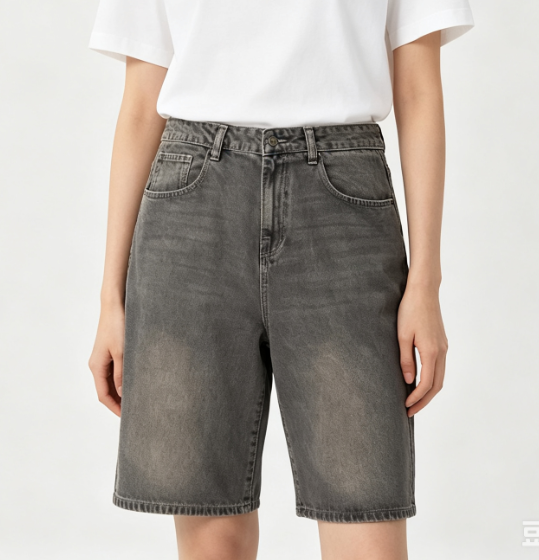
Custom Denim Shorts
Develop custom jean shorts in rigid or stretch denim with fit options across inseams, rises, hems, and leg openings. Junsheen handles grading, pocket construction, branded hardware, embroidery, patches, distressing, garment washes, and private-label packaging.
Request a Quote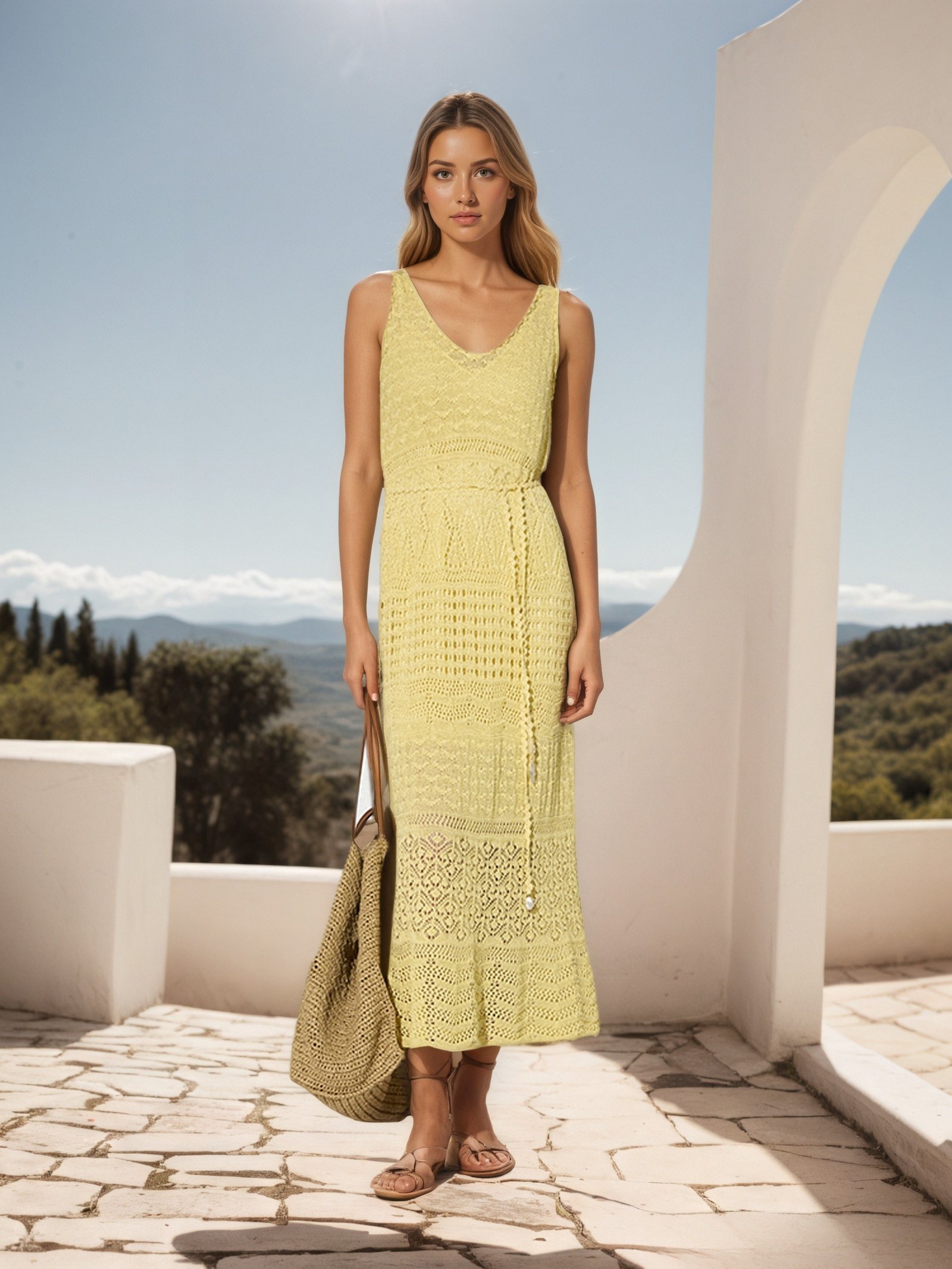
Custom Sweater Dresses
Produce custom sweater dresses in knit structures selected for drape, recovery, warmth, and target cost. The development team refines neckline, body length, sleeve balance, and grading from XS–3XL, then coordinates trims, labels, and quality checks for bulk production.
Request a Quote
Custom Denim Sets
Build mens denim suits wholesale programs with coordinated denim jackets and jeans, consistent fabric lots, matched washes, and repeatable sizing. Junsheen supports pattern development, hardware, decoration, finishing, private labels, and production planning for wholesale replenishment or capsule drops.
Request a Quote
Custom Polo Shirts
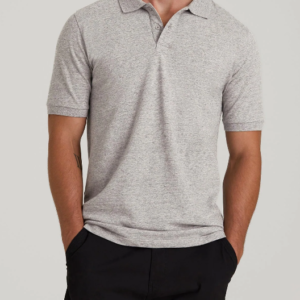
Manufacture custom polo shirts in pique, jersey, performance knits, or blended fabrics for retail, uniforms, and private-label collections. Options include collar construction, plackets, contrast details, logo embroidery, printing, size grading, custom labels, and branded packaging.
Request a Quote
Custom Sweatpants
Develop custom sweatpants in fleece, French terry, or performance fabrics with jogger, straight-leg, wide-leg, and oversized fits. Junsheen supports waistband and pocket specifications, drawstrings, rib cuffs, printing, embroidery, washes, labels, and coordinated set production.
Request a Quote
Custom Shorts
Produce custom shorts in jersey, fleece, twill, denim, or performance fabrics for casualwear and coordinated sets. Pattern makers refine rise, inseam, leg opening, and size grading, while production covers pockets, drawcords, decoration, washing, labels, and packing.
Request a Quote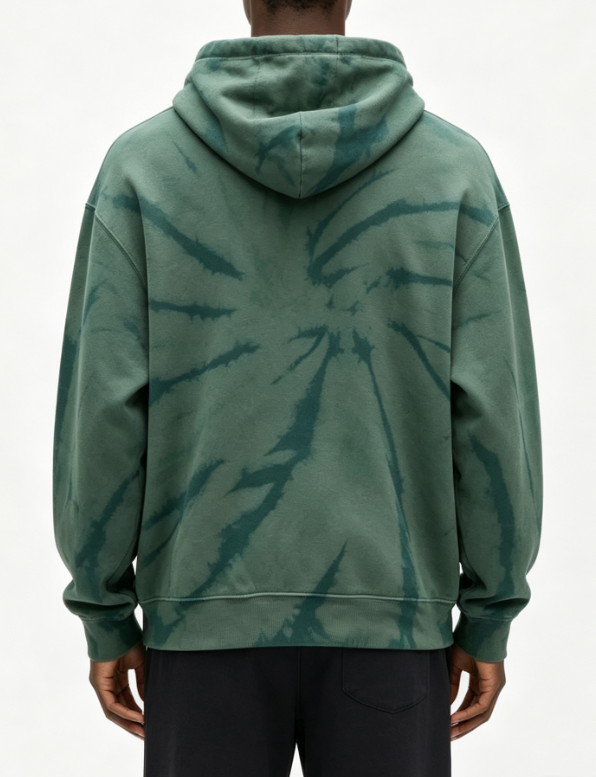
Custom Pullovers
Manufacture custom pullovers in sweatshirt, fleece, French terry, woven, or knit constructions, including quarter-zip, half-zip, hooded, and standard styles. Junsheen manages fit development, zipper and trim sourcing, printing, embroidery, finishing, private labels, and scalable bulk production.
Request a QuoteCustom Muscle Tees Materials for Performance, Comfort & Drape

Cotton Jersey
A breathable, soft-hand staple for everyday custom muscle tees. Choose lightweight to heavyweight jersey for relaxed, vintage or structured silhouettes, with dependable absorbency and easy compatibility with screen printing and garment washing.

Pima Cotton
Long-staple Pima cotton creates a smoother, softer surface with refined drape for premium muscle tees. Its stronger fibers help support durability and reduced surface fuzz, making it well suited to elevated retail collections.

Organic Cotton
Organic cotton jersey offers a natural hand feel for responsibly positioned muscle-tee programs. Available in multiple weights, it supports breathable daily wear and can be paired with low-impact finishes, labels and private-label packaging.

Cotton Stretch Blends
Cotton blended with elastane or performance fibers adds controlled stretch and recovery for close-to-body muscle tees. The fabric improves mobility through the chest and arm opening while helping the garment retain its intended shape.

Performance Knits
Moisture-managing performance knits are built for activewear-inspired muscle tees and training collections. Polyester or nylon blends can provide quick-dry performance, mechanical stretch and a lighter technical hand without restricting movement.

Recycled Fiber Blends
Recycled polyester and recycled cotton blends support sustainability-led custom muscle tees while balancing durability, weight and cost. Material selection can be matched to target hand feel, stretch requirements and decoration method before bulk approval.
Custom Muscle Tees Decoration and Finishing Options

Screen Printing
Plastisol, water-based, puff, silicone, foil, and high-density screen printing deliver bold logos and artwork with dependable color coverage, wash resistance, and the tactile finish your collection requires.

Logo Embroidery
Flat, 3D puff, chain-stitch, and applique embroidery add dimension and premium texture to custom muscle tees, with reinforced stitching engineered for clean placement and long-lasting wear.

DTG Printing
Direct-to-garment printing reproduces detailed, full-color artwork with a soft hand feel, making it well suited to cotton-rich muscle tees, small runs, photographic graphics, and complex gradients.

DTF Transfers
DTF transfers create sharp, flexible graphics across cotton blends and performance fabrics, offering strong color vibrancy, reliable adhesion, and efficient decoration for multi-color logos or personalized runs.

Heat Transfer
Heat transfer applies precise logos, numbers, and specialty films with a smooth, lightweight finish. It is ideal for athletic-inspired muscle tees, placement details, and small-batch branded programs.

Garment Washes
Enzyme, softening, garment-dye, acid-wash, and anti-pilling treatments refine hand feel and visual character, helping your muscle tees achieve a broken-in, vintage, washed, or elevated retail-ready appearance.
Custom Muscle Tees With Branded Trims

Woven Labels
Add custom woven main labels, size tabs, and wash-care labels to custom muscle tees for clear brand identification, consistent sizing, and compliant garment information across every production run.

Custom Hang Tags
Branded hang tags can carry your logo, collection story, barcode, pricing, and care details, helping custom muscle tees arrive retail-ready for wholesale, ecommerce fulfillment, and in-store presentation.

Drawcord Tipping
For hooded or layered casualwear programs, custom drawcords, metal aglets, and contrast tipping add a considered branded finish that coordinates seamlessly with your muscle tee collection.

Zippers And Snaps
Select custom zipper pulls, branded snaps, and durable hardware for companion outerwear or utility styles, creating a cohesive private-label range alongside your custom muscle tees.

Logo Patches
Use embroidered, woven, leather, silicone, or applique patches to place your identity on the chest, hem, back neck, or packaging while adding tactile value to the finished garment.
Branded Packaging
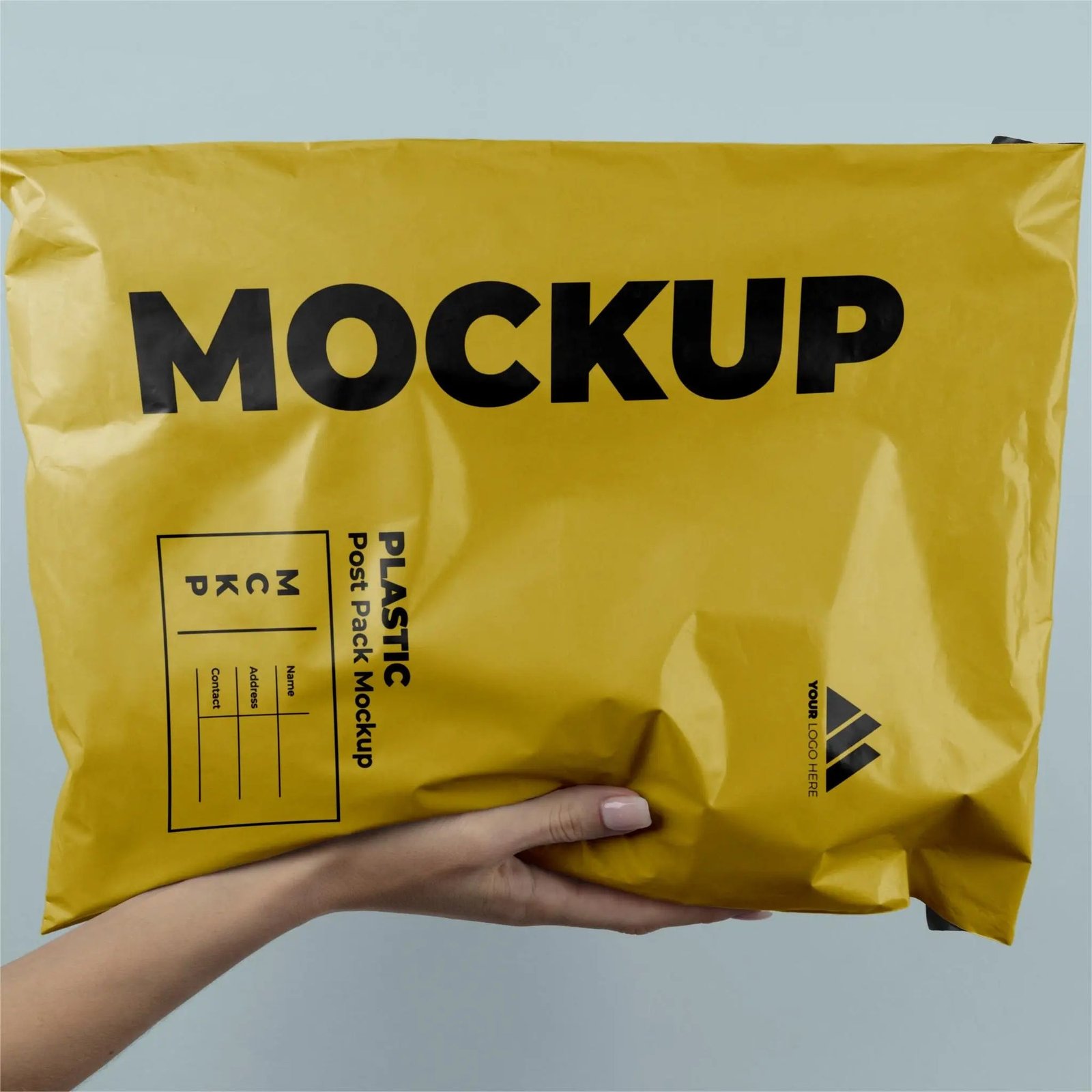
Complete orders with custom polybags, tissue, stickers, cartons, and packing inserts designed around your brand requirements, helping protect finished custom muscle tees through global shipment and delivery.
About JUNSHEEN Custom Muscle Tees
Founded in 2010 in Humen Town, Dongguan, JUNSHEEN helps fashion brands turn custom muscle tees and casualwear concepts into production-ready collections. Our mission is straightforward: combine responsive development, dependable quality control and scalable manufacturing so emerging labels and established retailers can launch with confidence.
With 200+ skilled workers and monthly capacity exceeding 80,000 units, we manage cut-and-sew, knitting, fabric sourcing, decoration, washing, labels, packaging and export support within one supply chain. From 100-unit capsule orders to ongoing bulk programs, our team supports OEM, ODM, private-label and wholesale partners worldwide.
What sets JUNSHEEN apart is fit-first development. We refine patterns, proportions and grading from XS through 3XL, including extended-size, plus-size and oversized fits, rather than simply scaling a base garment. Having served 2,000+ fashion-brand clients, we retain technical records that help repeat programs stay consistent as volume grows.

Custom Muscle Tees Fit and Production Capabilities
XS–3XL Fit Engineering
JUNSHEEN develops custom muscle tees with proportion-led patterns from XS through 3XL. Our pattern makers refine chest ease, shoulder balance, armhole shape, body length and grading increments so each size retains the intended athletic silhouette and everyday mobility.
- Normal, extended-size, plus-size and oversized grading
- Fit review for shoulder, chest, armhole and body proportion
- Prototype samples and size sets before bulk approval
- Pattern and measurement records retained for reorders

Development From Any Starting Point
Bring a finished tech pack, sketch, reference garment, mood board or product idea. Our OEM and ODM team reviews construction feasibility, recommends jersey weights and trims, creates production specifications and turns your direction into a sample-ready muscle tee program.
- Tech-pack review and manufacturability guidance
- Fabric, rib, label and trim sourcing support
- Cut-and-sew development for branded silhouettes
- Low MOQ from 100 units per style and color

Integrated Branding and Finishing
Keep decoration and finishing aligned with the garment from development through production. JUNSHEEN coordinates screen printing, embroidery, transfers, washes, labels and packaging in one supply chain, helping your muscle tees arrive consistent with your brand presentation.
- Screen print, puff, silicone, DTF and DTG options
- Flat, 3D/puff and logo embroidery
- Garment dye, acid wash, softening and anti-pilling finishes
- Custom labels, hang tags and branded packaging

Scale With Controlled Quality
Launch a focused capsule, then scale with a production partner built for repeatability. With 200+ skilled workers and monthly capacity above 80,000 units, JUNSHEEN inspects fabrics, construction, measurements, decoration and packed goods before global shipment.
- In-line and final inspection across key production stages
- Capacity for capsule launches and ongoing bulk programs
- Consistent retained records for faster repeat orders
- Global export support for fashion brands worldwide

Why Choose JUNSHEEN for Custom Muscle Tees?
Compare fit-focused development, low-MOQ flexibility, and integrated production support for your next muscle tee program.
← 左右滑动查看 →
Custom Muscle Tees: From Fabric Sourcing to Global Shipping
A clear, fit-focused workflow that moves approved designs into dependable bulk production and export-ready delivery.
Review Brief and Feasibility
We review your tech pack, reference garment or concept, confirm fit requirements, target cost, decoration details, MOQ and production feasibility.
Source Fabrics and Trims
Our team recommends jersey weights, stretch, hand feel and durable trims, then prepares swatches or options aligned with your target market.
Develop Patterns and Samples
Pattern makers refine armholes, shoulder balance and body proportions from XS–3XL, producing prototype samples for fit, construction and branding approval.
Approve Specs and Production
After sample approval, we finalize materials, graded measurements, decoration files, labels, packaging and production schedule before bulk cutting begins.
Inspect, Pack and Dispatch
In-line and final inspections verify measurements, construction, prints and packed goods, followed by branded packing and coordinated global export dispatch.
How to Start Your Custom Muscle Tee Order
Move from concept to production with clear development, approval and quality-control milestones.
Submit Your Design
Send a tech pack, sketch, reference garment or mood board. Share target fit, size range, fabric preferences, decoration details, quantities and destination market.
Review Specifications
Our team evaluates manufacturability, recommends fabrics and trims, refines XS–3XL grading requirements, and prepares a clear quotation from the 100-unit MOQ.
Approve Your Sample
We create a prototype custom muscle tee for fit, measurements, construction, print or embroidery review. Confirm revisions, size sets and pre-production details before bulk approval.
Launch Bulk Production
After approval, we source confirmed materials and begin production. In-line and final inspections check construction, measurements, decoration, packing and export readiness before global shipping.
Custom Clothing Manufacturer Credentials and Compliance Documents



Results From Global Custom Muscle Tee Partnerships
JUNSHEEN corrected the shoulder balance and armhole grading across XS–3XL before bulk. Our return rate on the first custom muscle tee drop landed 18% below our previous supplier’s comparable launch.
We launched two colorways at the 100-unit MOQ without sacrificing our premium hand feel. Sampling took fewer revisions, and the finished run sold through 72% of inventory in the first six weeks.
Our repeat order matched the approved fit, wash, and logo placement with no production surprises. JUNSHEEN also coordinated export paperwork, helping us receive 1,200 units in Toronto on schedule.
Custom Muscle Tees Manufacturing FAQ
Clear answers on minimums, sampling, fit development, quality control, payment, shipping and confidentiality.
What is the MOQ for custom muscle tees?
How long does a custom muscle tee sample take?
How much does a custom muscle tee sample cost?
Can you develop custom muscle tees from a sketch or reference garment?
Can you grade muscle tees from XS to 3XL?
What quality control do you use for muscle tee production?
What payment terms are available for a first order?
Do you ship custom muscle tees internationally?
How do you protect designs and private-label information?
The Complete Buyer’s Guide to custom muscle tees
Use this practical framework to specify custom muscle tees, compare fabrics and decoration methods, vet OEM/ODM suppliers, control costs, and avoid sampling, fit, quality, and production mistakes before placing an order.
1. What Are custom muscle tees?
100-unit production runs are a practical starting point for custom muscle tees: sleeveless knit T-shirts with a crew, ribbed crew, or slightly dropped neckline, a full shoulder panel, and enlarged armholes. Buyers are sourcing a deliberate silhouette rather than merely a T-shirt with sleeves removed—typically a straight or relaxed body that exposes the upper arm while retaining enough shoulder coverage for a substantial streetwear or gymwear profile. 2 common look-alikes require different specifications. A tank top usually has narrow straps and deeper shoulder exposure; a cut-off tee is often an altered short-sleeve garment with raw armholes; and a performance singlet is engineered for athletic movement, frequently with racerback shaping and lightweight technical fabric. A muscle tee instead relies on a finished armhole, balanced shoulder width, controlled chest ease, and a hem length that works tucked, untucked, or layered. JUNSHEEN develops these styles for training collections, graphic streetwear drops, staff or event merchandise, and private-label capsules from sketches, reference garments, or tech packs. Brands commonly specify the intended fit, 160–240 GSM jersey weight, neckline depth, armhole opening, logo placement, Pantone color direction, labels, and size range from XS through 3XL before sampling; those decisions determine what is actually produced, not the generic name ‘muscle tee’.
2. Evolution of custom muscle tees
1970s bodybuilding and gym training helped establish the muscle tee as a practical sleeveless knit: deep armholes reduced restriction during presses and pull-ups, while a close chest fit made physique development visible. Early versions were usually cotton jersey cut from T-shirt blocks, so rib binding, armhole shape and recovery mattered more than fashion detailing. 1990s skate, surf and festival styling shifted the silhouette toward dropped armholes, wider bodies and longer hems, then streetwear made graphic placement and garment washing central to the product. That history explains why custom muscle tees now need a deliberate fit brief: a cropped women’s block, a unisex relaxed block and a body-conscious training block cannot share one graded pattern without compromising balance. 2010s branded fitness culture accelerated the move from basic workout gear to identity merchandise, with teams using logos, event drops and coordinated sets across gyms, studios and online communities. For sourcing, specify the intended wearer mix, chest and sweep measurements, armhole depth, neck rib width, print zone and wash target before sampling; a 100-unit-per-style-and-color launch can then validate fit and decoration before a wider color program. Junsheen’s pattern and grading process can develop normal, extended and oversized size ranges rather than merely scaling one base size.
3. Types of custom muscle tees
Six distinct silhouettes cover most custom muscle tees assortments, from gym-specific tanks to streetwear layers. Buyers should select each block around intended movement, torso coverage, fabric weight, and the role it plays in a coordinated drop.
Classic Sleeveless Crewneck
180–220 GSM ring-spun cotton suits an everyday unisex crewneck with balanced armholes and regular body length. Merchandise it as the accessible logo tee, multipack base, or warm-weather companion to shorts.
Deep-Cut Gym Tank
140–180 GSM cotton-modal or stretch jersey supports a deep armhole tank for bodybuilders and training customers. Its open side profile prioritizes mobility and makes it effective for fitness capsules or gym-uniform programs.
Oversized Drop-Armhole

200–260 GSM cotton jersey gives a drop-armhole style enough drape without collapsing at the neck. Target fashion-led men and unisex buyers, using it as a layering piece with oversized sweats or denim.
Cropped Or Fitted Fashion
160–220 GSM rib, baby rib, or cotton-elastane jersey works for cropped and close-fitting fashion blocks. Target womenswear and trend capsules, where a higher hem or shaped side seam supports outfit-driven merchandising.
Heavyweight Streetwear

260–320 GSM dense cotton creates a structured muscle tee with a premium, boxier hand. Position it for graphic drops, garment-dye programs, and higher-ticket streetwear collections where substantial weight reinforces perceived value.
Performance-Oriented Option

130–180 GSM polyester-spandex or nylon-spandex knit suits athletes needing moisture management and recovery. Use a closer athletic fit, flatlock seams, and reflective branding for training ranges, event merchandise, or teamwear.
4. Fabrics for custom muscle tees
160–220 GSM fabric usually gives custom muscle tees enough opacity without losing the close-to-body drape this silhouette needs. Fiber choice also determines shrinkage control, breathability, and whether prints or embroidery stay clean after washing.
| Fabric | Typical GSM | Best Use | Strengths | Trade-Offs |
|---|---|---|---|---|
| 100% cotton | 160–220 | Classic retail tee | Breathable, opaque, print-friendly | Higher shrinkage; slower drying |
| Cotton-poly | 150–200 | Everyday active casual | Shape retention, durability | Less natural hand; dye migration risk |
| Recycled blend | 160–210 | Responsibility-led collections | Durable, faster drying | Verify content and print testing |
| Modal/rayon blend | 150–190 | Premium fashion fits | Soft hand, fluid drape | Lower opacity and recovery |
| Performance knit | 140–180 | Training tees | Moisture management, quick dry | Decoration needs fabric-specific testing |
Cotton And Blended Jersey

100% ring-spun cotton delivers a dry, familiar hand and reliable screen-print surface; pre-shrinking and wash testing are essential because untreated cotton can contract noticeably. 60/40 cotton-poly jersey dries faster, wrinkles less, and holds shape better, but its smoother surface can feel less premium and may require low-bleed inks on dark colors.
Drape And Responsible Fibers
TENCEL modal or rayon blends create a cooler, softer hand and more fluid drape, making them useful for fashion-led fitted tees. Their lower structure can reduce opacity, so confirm recovery and fabric weight before approving light shades. 30–50% recycled polyester can support recycled-content goals while improving durability and drying speed. Ask suppliers for fiber-content documentation and test dye migration before finalizing prints.
Performance Fabric Selection

140–180 GSM polyester or nylon performance knits move moisture and dry quickly for training-focused programs. Sublimation suits polyester, while silicone transfers and tested heat applications are often safer than conventional water-based printing on technical faces.
5. Custom muscle tees decoration options
At a 100-unit starting program, decoration should be chosen with the garment’s fabric, artwork scale, and reorder plan in mind. Custom muscle tees need ink, stitch, and label placements that retain stretch and avoid bulky underarm zones.
| Technique | Color/Setup | Durability And Texture | Best Fit |
|---|---|---|---|
| Screen print | Spot colors; screen setup | High; soft to raised | Fashion and gym reorders |
| DTG | Full color; minimal setup | Soft on cotton | Detailed small runs |
| DTF/transfer | Full color; minimal setup | Flexible film feel | Events and names |
| Embroidery/appliqué | Thread colors; digitizing | Very durable; dimensional | Premium logos |
| Woven label/neck print | Limited colors; artwork setup | Durable; low bulk | Private-label finishing |
Print Method Selection

Pantone screen printing delivers opaque spot colors and a soft hand when matched to water-based or plastisol ink. DTG suits detailed cotton artwork; DTF and heat transfers suit short runs, gradients, and variable names.
- Use neck prints to replace scratchy main labels.
- Keep large prints clear of armholes and side seams.
- Request wash testing on stretch jersey.
Stitch And Label Details

3D embroidery, flat embroidery, and appliqué add dimensional branding but can stiffen lightweight 160–200 GSM jersey. Woven labels work best at the hem or side seam, while a neck print keeps the interior clean.
- Use embroidery for compact chest logos.
- Choose appliqué for varsity-style fashion capsules.
- Specify folded edges for woven hem labels.
Specialty Effects And Placement
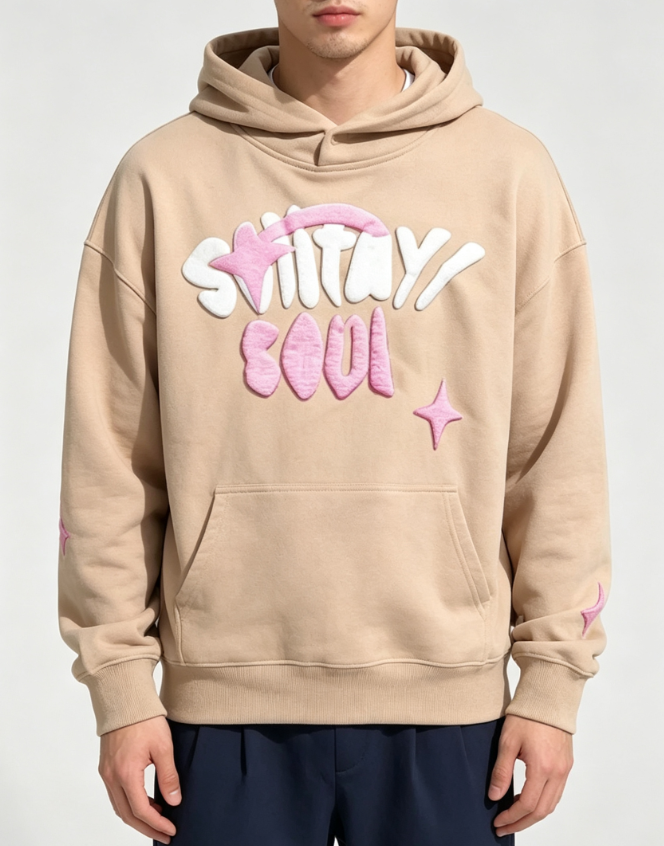
Puff, silicone, high-density, foil, flocking, discharge, and reflective effects create distinct texture. Test each finish after repeated laundering, especially across rib binding and high-stretch panels.
- Gym brands favor reflective or silicone details.
- Event orders favor fast DTF personalization.
- Fashion labels can layer print with appliqué.
6. Construction details that signal quality
Quality in custom muscle tees is visible before it is worn: clean bindings, balanced proportions, and stable seams reveal disciplined sampling. Inspect one approved size set and one washed sample before releasing bulk production.
Armholes And Necklines
12–16 mm armhole binding should lie flat without cutting into the underarm; uneven stretch creates gaping and abrasion. Check both armholes against the same measurement point. 1×1 rib neckbands need adequate recovery after stretching. Match rib weight and stitch tension to the body jersey so the neckline remains smooth after laundering.
Shoulder And Seam Balance
A 6–10 mm shoulder seam allowance, securely taped or cleanly overlocked where specified, helps retain the intended shoulder line. Compare left and right shoulder slope, armhole depth, and side-seam twist on a flat table. Side seams should hang vertically and meet the hem evenly. Torque after wash signals fabric, grain, cutting, or sewing-tension issues that can make a premium fit look careless.
Hems And Stitching
A 20–25 mm double-needle hem is a common benchmark for a durable casual tee finish. Skipped stitches, roping, puckering, or inconsistent coverstitch width reduce both lifespan and perceived retail value. Stitch density must suit the fabric weight rather than chase a single number. Ask the factory to record stitch type, SPI target, thread, and seam allowance in the approved construction sheet.
Wash And Label Checks
One wash test should confirm measurement change, neckline recovery, seam twisting, color bleeding, and print or trim performance. Set acceptable tolerances in the tech pack before approving the production sample. Labels need centered placement, secure edge stitching, and a soft hand against the neck. Verify main, size, and care labels are attached in the approved order and remain legible after washing.
7. Choosing a custom muscle tees manufacturer
A 100-unit MOQ may suit a capsule, but it does not prove a factory can execute fitted sleeveless jersey. Approve a supplier only after its technical evidence, sample discipline, and inspection records answer the same brief.
Verify Category Capability
Three recent muscle-tee or sleeveless jersey samples reveal more than a generic factory portfolio: inspect armhole binding, neck recovery, side-seam twist, and post-wash shape. Ask for comparable fabric weights, production photos, and references that can be shared appropriately.
- Request measurements before and after wash
- Compare binding stretch and stitch density
- Confirm experience with fitted and oversized blocks
Test Fit And Sampling
XS–3XL grading requires shoulder, chest, body length, and armhole changes—not uniform enlargement. Request the base pattern, grade rules, a measurement specification, and at least one size-set sample before bulk approval.
- Ask who owns pattern revisions
- Check tolerance points on the sample
- Wear-test movement at chest and armhole
Control Materials And Decoration

160–220 GSM ring-spun cotton jersey is a common range for muscle tees, while blends change recovery and shrinkage. Obtain swatches, fiber content, wash-test results, Pantone targets, and strike-offs for screen print, DTG, embroidery, or transfers.
- Confirm approved bulk fabric matches swatch
- Check print stretch and cracking
- Specify acceptable shade variation
Audit Production Readiness
7–14 days for development samples and roughly 30–60 days for bulk production are planning ranges, not promises. Ask for a critical-path schedule, in-line and final inspection procedure, defect-standard agreement, and applicable OEKO-TEX, GOTS, WRAP, or BSCI documentation where required.
- Name one accountable production contact
- Require photo updates at key stages
- Review final measurement and packing reports
8. Common custom muscle tees sourcing mistakes
A 100-unit launch can fail on details that cost little to document but are expensive to correct after cutting. For custom muscle tees, preventable sourcing errors usually begin before the first sample is sewn.
Measure The Reference
Three reference measurements are not enough: record body length, chest width, shoulder width, armhole curve, neck drop and hem opening. A sample room should receive a measured spec sheet, not only photos or a garment to copy. One approved reference may also hide wash stretch or prior shrinkage. Compare it against the intended finished garment after the specified wash test.
Specify Fit And Fabric
180 GSM cotton can feel radically different when it is open-end, ring-spun, combed, compacted or blended with elastane. Define GSM, knit structure, hand feel, recovery, target shrinkage and wash method before fabric approval. 2 fit points deserve particular attention on a muscle silhouette: chest ease and armhole depth. Approve a graded size set from XS through 3XL where relevant, checking mobility as well as flat measurements.
Lock Artwork And Production

1 artwork file is incomplete without print dimensions, placement coordinates, Pantone references, technique, ink finish and acceptable tolerance. Request a strike-off or decorated sample before bulk approval, especially for puff, high-density or water-based prints. 100-unit orders should not be released solely on the lowest quote. Compare sampling discipline, material traceability, measurement control, inspection process and communication alongside unit price.
- Confirm shrinkage after the agreed wash method
- Approve every graded size before bulk cutting
- Document print placement from neck and side seams
9. Steps to launch custom muscle tees
A 100-unit-per-style-and-color starting point lets a label test custom muscle tees without committing to a broad first run. Lock each approval gate before the next stage; late changes to fabric, fit, artwork, or packaging create avoidable sampling and freight costs.
Define The Production Brief
One customer profile should set the intended silhouette, price point, size range, and use case before development begins. Specify whether the tee is a cropped gym layer, relaxed streetwear piece, or extended-size core style. One complete tech pack should list graded measurements, construction, stitch details, artwork placements, label copy, and packing method. Attach reference photos and Pantone codes rather than relying on verbal color descriptions.
- Target customer and retail price
- XS–3XL size strategy
- Front, back, and neck measurements
- Pantone colors and logo positions
Approve Materials And Fit

160–220 GSM combed cotton jersey suits many muscle tees, while cotton-elastane blends add recovery around armholes and neck ribs. Approve swatches, shrinkage expectations, and color lab dips before a fit sample is cut. One fit sample reveals shoulder balance, armhole exposure, body length, and grade logic across the size set. Confirm the base size and measurement tolerances in writing before requesting revised samples.
- Fabric hand feel and weight
- Rib recovery after washing
- Wash shrinkage target
- Approved color lab dip
Freeze Artwork Before Production
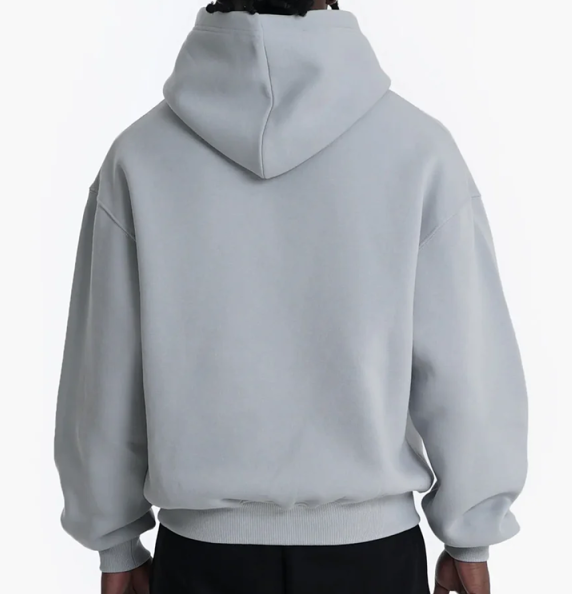
One artwork approval should confirm print scale, placement, ink colors, and decoration method, whether screen print, DTF, embroidery, or silicone. Supply vector files and approve strike-offs when color matching or texture matters. One pre-production sample is the final gate for bulk fabric, labels, packaging, grading, and workmanship. Do not release production until its measurements and visual details match the signed specification.
- Print or embroidery strike-off
- Main, size, and care labels
- Hang tag and polybag layout
- Carton marks and assortments
Plan Production And Delivery
Two inspection points—during sewing and before packing—help catch measurement drift, decoration defects, stains, and incorrect labels before shipment. Retain approved patterns, graded specifications, and material records for repeat-order consistency. Four delivery inputs should be fixed before production: ex-factory date, inspection window, shipping mode, and destination clearance requirements. Build buffer time for sample approvals, rework, and international freight rather than promising against the earliest factory date.
- In-line construction inspection
- Final packed-goods inspection
- Freight booking deadline
- Destination customs documents
10. custom muscle tees pricing and costs
100 units is Junsheen’s practical starting point per style and color for a capsule program; the ranges below are illustrative ex-factory planning figures, not a quotation. Confirm fabric, decoration artwork, size mix, packing method, Incoterm, and destination before setting retail margin. 180–220 GSM ring-spun cotton jersey usually costs less than heavier 240–280 GSM cotton or cotton-elastane blends because yarn consumption, cutting weight, and freight cube rise together. A new custom pattern, extended-size grading, curved armholes, contrast panels, or a revised fit adds development time, but retained patterns and graded size sets can lower repeat-order cost. 1-color screen printing is generally the most economical route at volume, while DTG, DTF, puff ink, silicone, embroidery, or multi-location artwork raises labor or setup cost. Woven labels, hangtags, custom polybags, cartons, duties, and air versus sea freight determine landed cost; compare supplier quotes on the same FOB or DDP basis.
| Order quantity | Illustrative ex-factory unit range | Typical sample/setup planning | Bulk lead-time range |
|---|---|---|---|
| 100–299 units | US$5.50–11.50 | US$50–150 sample; screen fee may apply | 25–40 days after approval |
| 300–999 units | US$4.50–9.50 | US$50–150 sample; setup spread across units | 20–35 days after approval |
| 1,000+ units | US$3.80–8.00 | Sample and setup depend on artwork | 18–30 days after approval |
Ready to Develop Your Custom Muscle Tees?
Send your tech pack, reference, sketch, or product idea for a tailored quotation with 100-unit MOQs and fit-focused XS–3XL development.