Sweater OEM ODM Manufacturer for Better-Fitting Private Label Knitwear
JUNSHEEN is your sweater OEM ODM manufacturer for 100-unit MOQ development, XS–3XL grading, custom yarns, labels, and scalable production.
Featured Products for sweater oem odm manufacturer Development








Related Sweater Catalogue and Quotation





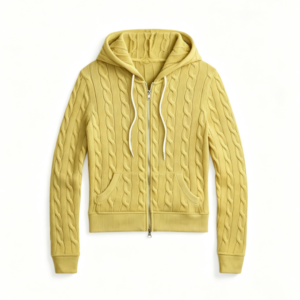
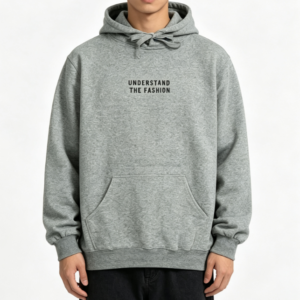
Why Choose a Sweater OEM ODM Manufacturer Built for Brand Growth
From first sample to global shipment, Junsheen combines responsive knitwear development, fit control and scalable private-label production.
100-Unit Launch MOQs
Start capsule sweater programs from 100 units per style and color, with practical support for emerging labels and test-market launches.
Fit-Focused XS–3XL Grading
Pattern makers refine proportions, mobility and grading increments across normal, extended-size, plus-size and modern oversized sweater fits.
Integrated Product Development
Move from a tech pack, sketch or reference garment through yarn selection, knit construction, sampling and production-ready specifications.
Scalable Knitwear Capacity
More than 200 skilled workers and 80,000 monthly units support reliable sweater production as seasonal demand and reorder volumes grow.
In-House Branding Details
Add logo embroidery, custom labels, hang tags, trims, washing effects and branded packaging through one coordinated manufacturing partner.
Global Export Coordination
Receive clear production communication, quality inspections and export support for sweater orders serving fashion brands across international markets.
Custom Sweater, Knitwear and Casualwear Manufacturing
Develop fit-consistent knitwear and coordinated casualwear programs with low-MOQ sampling, scalable production, private labeling and export-ready quality control.

Custom Hoodies
Develop custom hoodies in fleece, French terry, jersey, or heavyweight cotton blends. Junsheen supports pattern development, XS–3XL grading, embroidered or printed branding, custom drawcords, labels, washes, and production from 100 units per style and color.
Request a Quote
Custom T-Shirts
Produce custom T-shirts from combed cotton, Pima cotton, organic options, and blended jersey. Teams can refine fit, weight, neckline, decoration placement, and wash performance before approving samples for capsule drops, retail replenishment, or wholesale programs.
Request a Quote
Custom Jeans
Build custom jeans with denim or stretch-denim sourcing, fit development, rise and inseam refinement, size grading, washes, hardware, labels, and packaging. This supports brands needing repeatable fits across standard, extended-size, and modern oversized denim programs.
Request a Quote
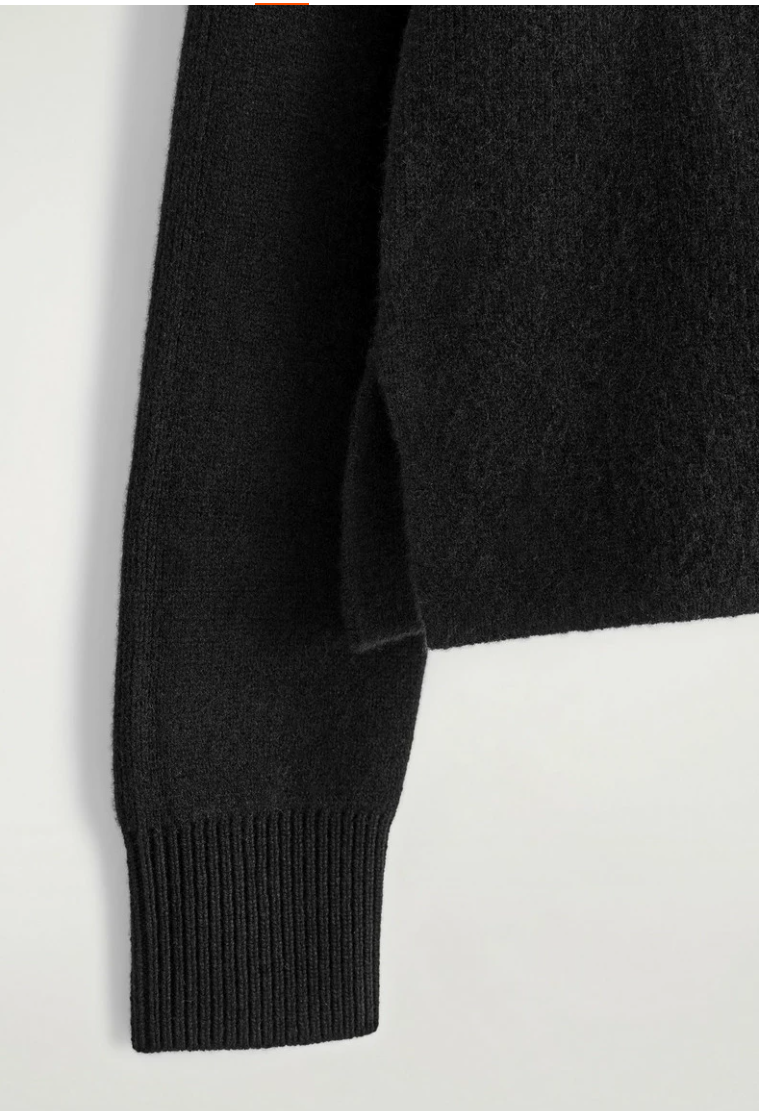
Custom Sweaters
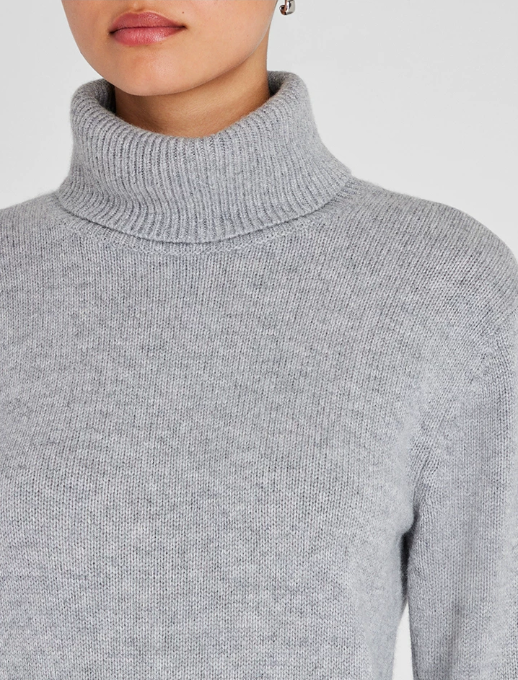
Source turtle neck sweater bulk programs with sweater constructions suited to the intended hand feel, warmth, and silhouette. Junsheen develops yarn, gauge, rib, neckline, grading, labels, and samples so buyers can approve a consistent size set before bulk production.
Request a Quote
Custom Jackets
Manufacture custom jean jackets with denim weight, wash, distressing, seam construction, pockets, hardware, patches, and branded trims aligned to the collection. Pattern makers can adjust shoulder balance and body proportion across XS–3XL for more dependable fit consistency.
Request a Quote
Custom Sweatshirts & Crewnecks
Create custom crewneck hoodie and sweatshirt programs in fleece, French terry, or jersey. Production can include rib specifications, relaxed or oversized proportions, screen printing, embroidery, garment washes, private labels, and size-set approval before scaling.
Request a Quote
Custom Cardigans
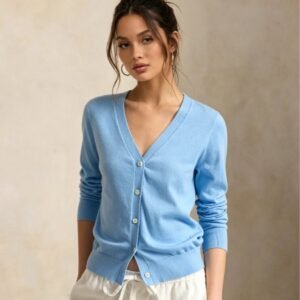
Develop custom cardigan collections with appropriate yarn selection, knit construction, button or zipper options, plackets, rib details, and fit grading. Sampling helps brands verify drape, layering ease, durability, and color consistency before placing retail or wholesale bulk orders.
Request a Quote
Custom Puffer & Down Jackets
Produce custom puffer jackets with shell, lining, insulation, quilting, zippers, snaps, pockets, reflective details, and private-label components. Development focuses on warmth, mobility, size balance, and construction quality for outerwear programs from low-MOQ launches to ongoing supply.
Request a Quote
Custom Denim Shorts
Make custom jean shorts with denim or stretch-denim sourcing, rise, inseam, hem treatment, wash, distressing, pockets, hardware, and labels. Fit-focused grading helps maintain proportion across sizes for seasonal retail, wholesale, and private-label assortments.
Request a Quote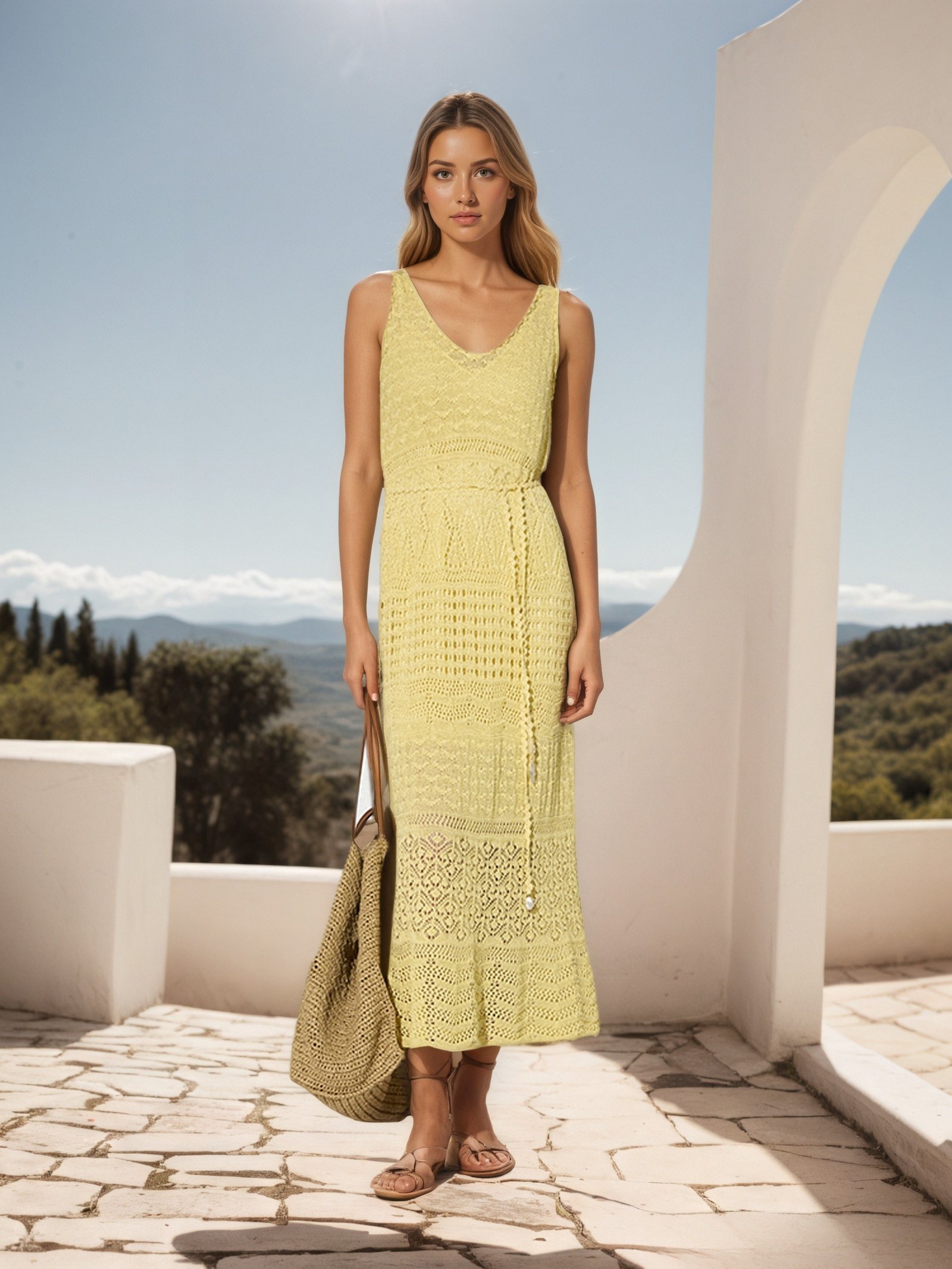
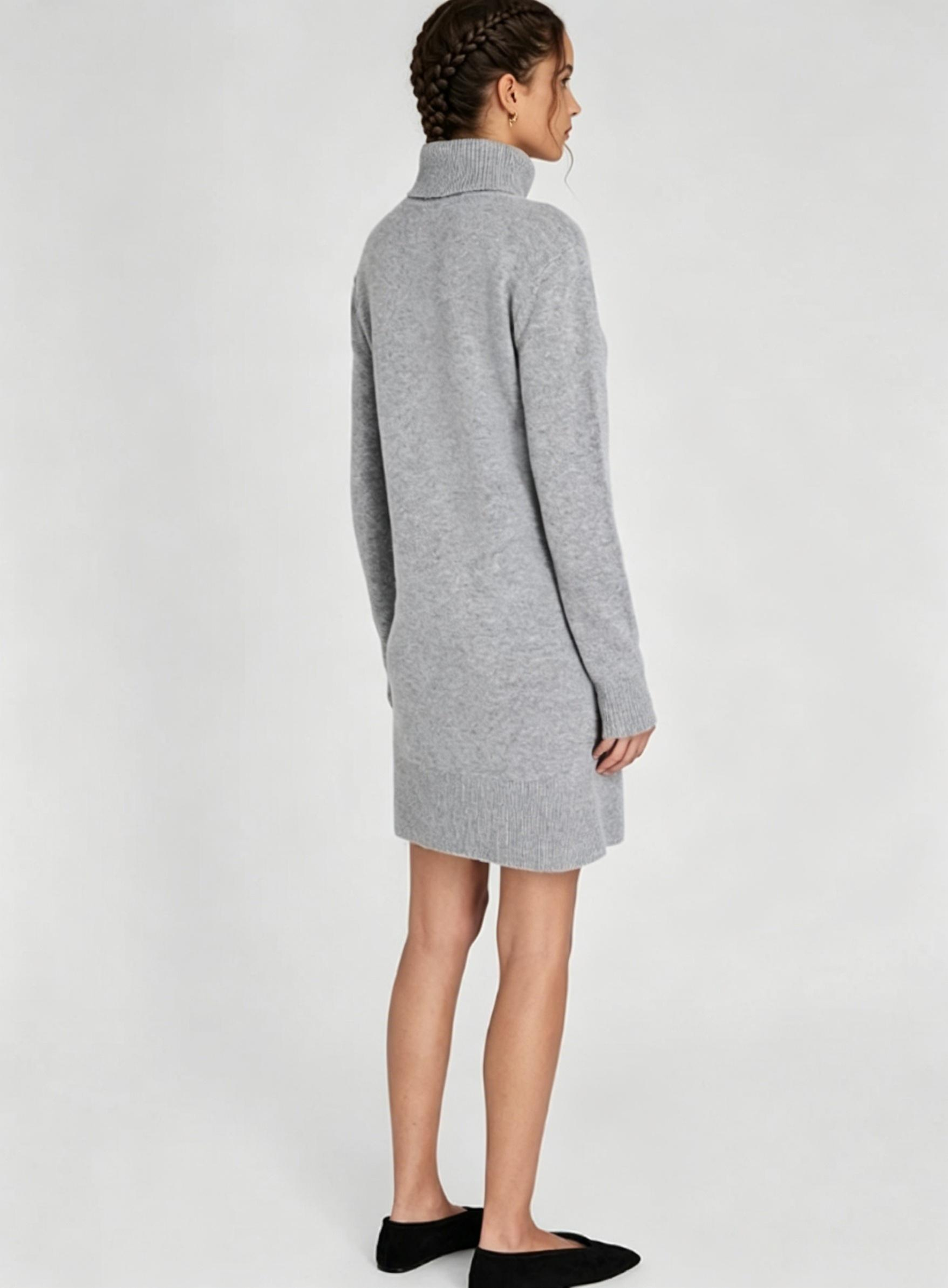
Custom Sweater Dresses
Develop custom sweater dresses with yarn and construction choices matched to silhouette, drape, coverage, and seasonal weight. Junsheen supports neckline, sleeve, rib, shaping, extended-size grading, labels, and samples to confirm fit before bulk production.
Request a Quote
Custom Denim Sets
Produce mens denim suits wholesale programs with coordinated denim jackets and trousers or matching sets. Junsheen aligns fabric, washes, shade, hardware, pattern proportions, grading, and branding details so wholesale buyers receive consistent two-piece assortments across repeat orders.
Request a Quote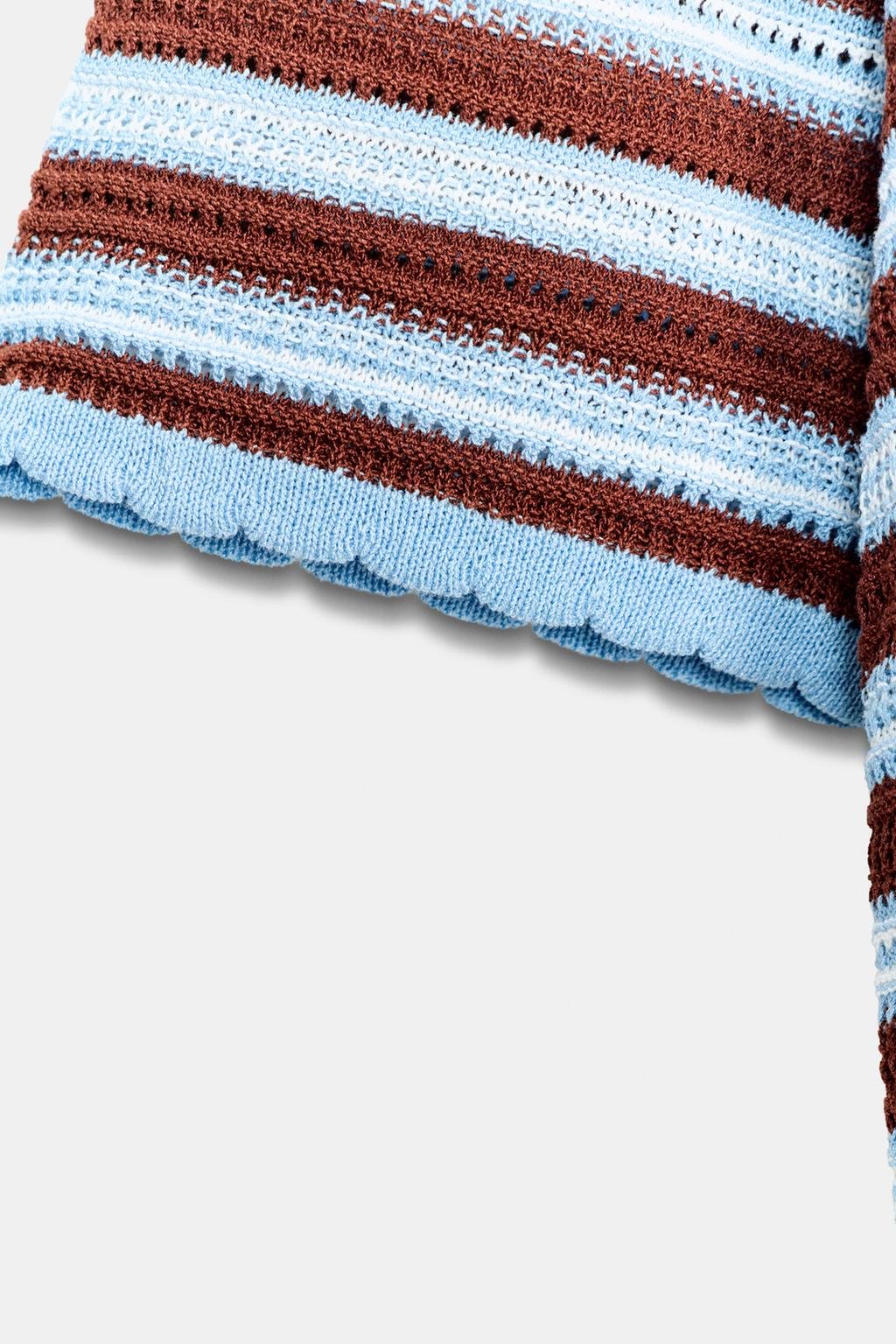
Custom Polo Shirts
Manufacture custom polo shirts in piqué, jersey, performance knits, or blended fabrics. Buyers can specify collar construction, plackets, buttons, embroidery, color blocking, fit, size grading, labels, and packaging for uniform, retail, or private-label programs.
Request a Quote
Custom Sweatpants
Develop custom sweatpants in fleece, French terry, or jersey with relaxed, tapered, oversized, or straight-leg fits. Junsheen manages waistband and cuff details, pockets, drawcords, decoration, wash finishes, XS–3XL grading, and coordinated set production.
Request a Quote
Custom Shorts
Produce custom shorts in jersey, fleece, twill, denim, or woven fabrics for seasonal assortments. Development covers inseam, rise, pockets, waist construction, trims, printing or embroidery, wash treatment, and fit approval for retail and wholesale production.
Request a Quote
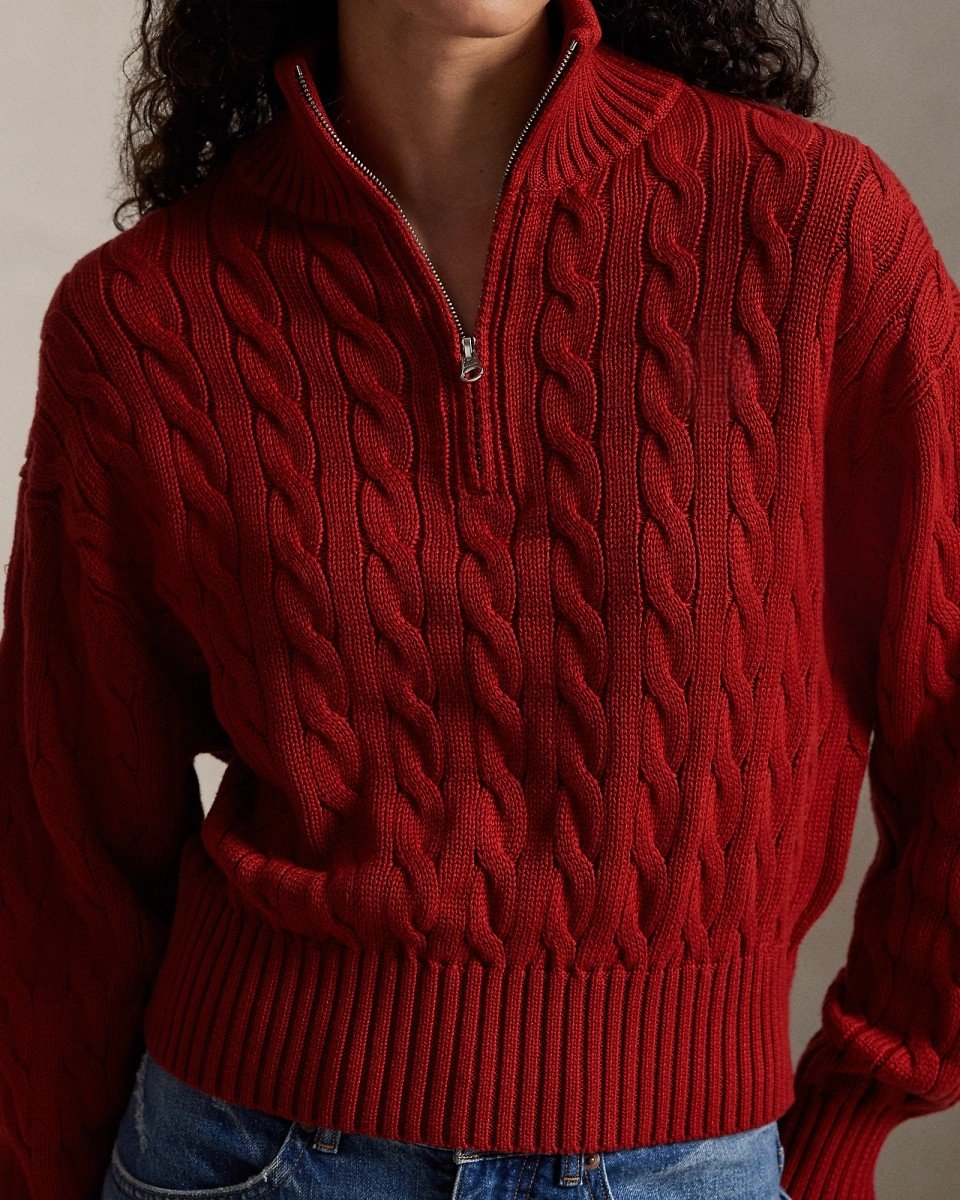
Custom Pullovers
Create custom pullovers in knit, fleece, French terry, or jersey constructions. Junsheen supports crew, quarter-zip, mock-neck, and oversized silhouettes with fabric or yarn sourcing, fit refinement, decoration, labels, and scalable production after sample approval.
Request a QuoteSweater OEM ODM Manufacturer Materials for Custom Knitwear

Merino Wool
Soft, breathable merino wool brings natural warmth and refined drape to premium pullovers, cardigans and sweater dresses. Its fine fibers offer a smooth hand feel, moisture management and dependable temperature regulation across lighter gauge knit constructions.

Cotton Yarn
Cotton yarn creates breathable, skin-friendly sweaters for transitional seasons, everyday layers and relaxed lifestyle collections. It delivers a clean matte hand feel, good moisture absorption and stable structure for crewnecks, polos and lightweight cardigans.

Organic Cotton
Organic cotton supports responsibly positioned knitwear with a soft, natural touch for casual sweaters and elevated basics. Available in combed options for a smoother surface, it offers breathable comfort, low irritation and reliable color application.

Recycled Blends
Recycled polyester, recycled cotton and blended yarn options help brands develop lower-impact sweaters without sacrificing commercial versatility. These blends can improve durability, shape retention or warmth while supporting defined sustainability claims and repeat bulk production.

Performance Knits
Performance knit blends combine fibers such as polyester, nylon, viscose and elastane for active-inspired sweaters and modern fitted silhouettes. They provide controlled stretch, quick-drying performance and improved recovery for rib knits, slim layers and travel-ready styles.

Wool Blend Yarns
Wool blends balance warmth, softness and cost control for fashion sweaters, oversized layers and seasonal capsule collections. Adding acrylic, nylon or viscose can enhance abrasion resistance, reduce weight or create a softer, more fluid hand feel.
Sweater OEM ODM Manufacturer Knitting and Decoration Techniques

Knit Constructions
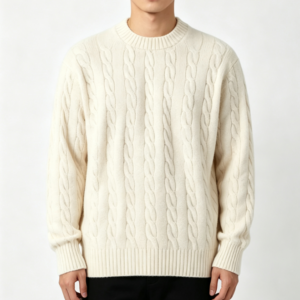
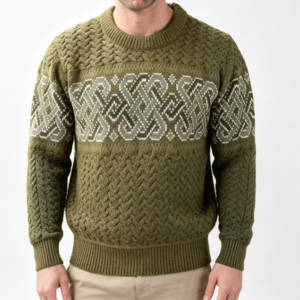
Choose fully fashioned, flat-knit, ribbed, cable, jacquard or textured sweater constructions. Our team aligns yarn, gauge and stitch structure to achieve the intended hand feel, shape retention, drape and visual depth.

Logo Embroidery
Flat, 3D puff, chain-stitch and logo embroidery add dimensional branding with dependable stitch definition. Placement, backing and thread selection are reviewed to preserve knitwear comfort while supporting durable, premium-looking decoration.

Appliqué Details
Appliqué combines layered fabric, embroidery and custom patches to create tactile graphics and varsity-inspired identity. We match materials and edge finishing to the sweater construction for clean attachment, controlled bulk and lasting visual impact.

Screen Printing
Screen printing delivers bold, repeatable artwork for suitable knitwear panels and sweater components. Options including water-based, puff, silicone, high-density and foil inks help brands create clear color, texture and wash-resistant graphic effects.

Custom Transfers
DTF, heat transfer and specialty transfer methods reproduce detailed logos, gradients and small graphics with accurate color. JUNSHEEN selects compatible films and application settings to maintain adhesion, flexibility and a refined finished appearance.

Garment Finishing
Softening, enzyme washing, anti-pilling treatment, brushing and napping refine the final sweater hand feel and appearance. Finishing is tested against yarn and construction so the garment retains comfort, dimensional stability and brand-ready quality.
Private-Label Trims for Your Sweater OEM ODM Manufacturer Program

Woven Brand Labels
Custom woven main labels give sweaters a polished retail identity. Choose folded, flat or hem labels with your logo, color palette and placement for crewnecks, cardigans, pullovers and sweater dresses.

Care Size Labels
Add compliant wash-care and size labels with fiber content, care instructions and country-of-origin details. JUNSHEEN coordinates label specifications to support clear sizing across XS–3XL and international retail programs.

Custom Hangtags
Branded hangtags communicate your collection story, material details and pricing presentation at retail. Select custom shapes, card stocks, finishes, strings and barcode-ready layouts to complement premium knitwear packaging.

Zippers and Buttons
Specify branded zippers, snap closures or custom buttons for zip sweaters, cardigans and knit outerwear. Hardware options are reviewed during sampling for color matching, durability, function and a cohesive garment finish.

Drawcords and Tipping
Elevate hooded sweaters and knit sets with custom drawcords, metal tips, aglets and contrast tipping. These details reinforce your brand colors while improving the finished look and everyday usability of the garment.
Branded Packaging
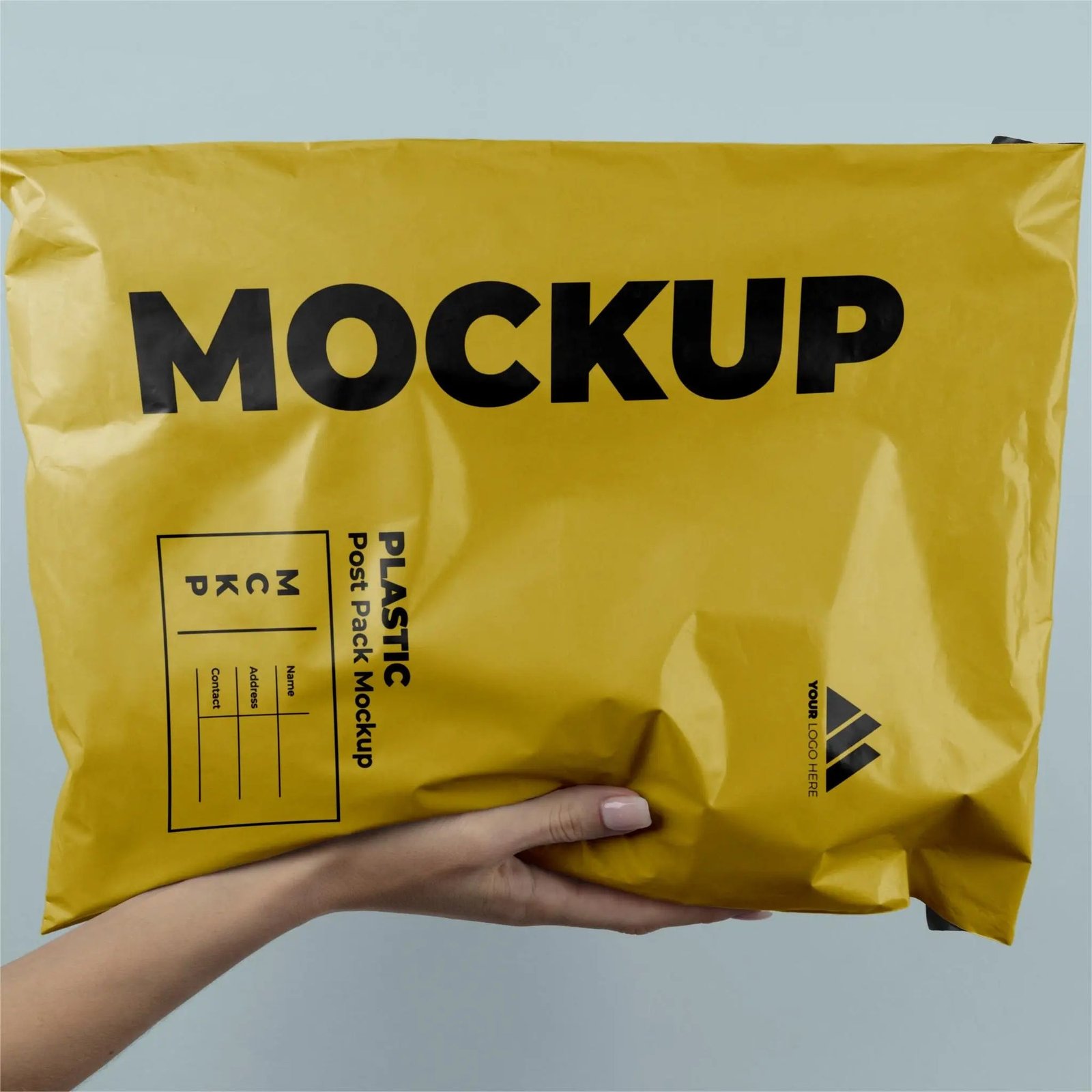
Complete your order with custom polybags, tissue, stickers, size markers and shipping-ready branded packaging. Coordinated packing helps protect sweaters in transit and creates a more consistent unboxing experience for customers.
About JUNSHEEN Apparel Manufacturing
Founded in 2010 in Humen Town, Dongguan, JUNSHEEN helps fashion brands turn sweater concepts into production-ready private-label collections. As a sweater OEM ODM manufacturer, we unite product development, yarn and trim sourcing, sampling, knitting, finishing, quality control, packaging, and export support within one responsive supply chain.
Our 200+ skilled workers and monthly capacity above 80,000 units support everything from 100-unit style-and-color launches to repeat bulk programs. We have served more than 2,000 fashion-brand clients worldwide, providing OEM, ODM, wholesale, and private-label manufacturing for emerging labels and established retail teams alike.
What sets JUNSHEEN apart is a fit-first approach across XS–3XL, extended-size, plus-size, and modern oversized knitwear. Our team refines patterns, proportions, grading, materials, decoration, labels, and packaging so each sweater program is built for dependable approvals and consistent growth.

Sweater OEM ODM Manufacturer Capabilities for Consistent Production
Fit Engineering Across Sizes
JUNSHEEN develops sweaters from XS through 3XL with fit-focused pattern grading for normal, extended-size, plus-size and modern oversized silhouettes. Our team refines shoulder balance, sleeve length, body proportion and mobility instead of simply scaling up a base size.
- XS–3XL pattern development and grading
- Extended-size, plus-size and oversized fits
- Size-set reviews before bulk approval
- Reduced fit revisions across size ranges

Development That Clarifies Production
Bring a tech pack, sketch, reference garment, mood board or early concept. Our sweater OEM ODM manufacturer team turns it into production-ready specifications through yarn recommendations, construction planning, sampling and practical adjustments that protect the intended look, hand feel and target cost.
- Tech-pack and concept feasibility review
- Yarn, gauge and construction guidance
- Prototype and pre-production sampling
- Cost-aware manufacturability improvements

Integrated Decoration and Finishing
Keep knitwear branding and finishing coordinated within one manufacturing supply chain. JUNSHEEN supports logo embroidery, patches, labels, custom trims and packaging, alongside carefully selected wash and finishing options that help each sweater program achieve a distinct retail-ready presentation.
- Flat, 3D and chain-stitch embroidery
- Custom patches, labels and hang tags
- Branded buttons, zippers and drawstrings
- Coordinated packaging and finishing details
Repeat Orders Under Control
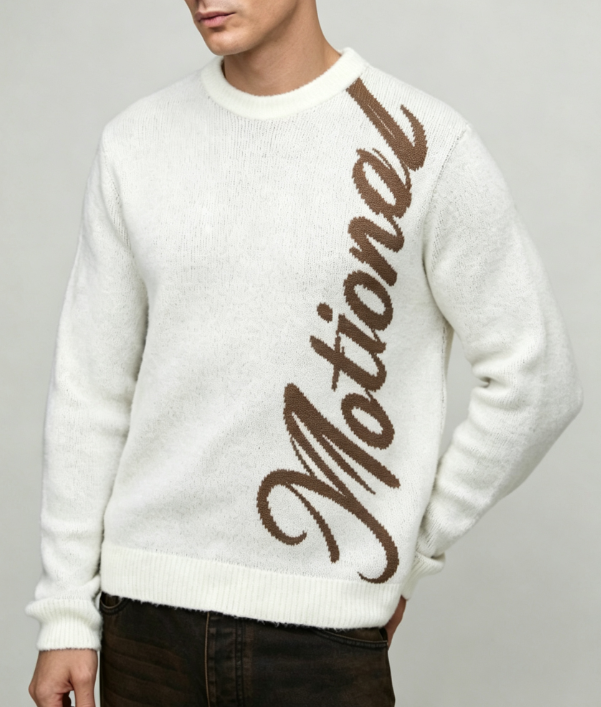
For repeat sweater programs, JUNSHEEN retains approved patterns, graded size sets and material records to improve consistency and response time. Incoming-material checks, in-line measurement control, decoration inspections and final packed-goods reviews support reliable quality as your order volume scales.
- Retained patterns and material records
- Incoming, in-line and final inspections
- Measurement and decoration quality checks
- 100-unit MOQ with scalable capacity

Why Choose JUNSHEEN as Your Sweater OEM ODM Manufacturer
Built for fit-led knitwear development, low-MOQ launches, and scalable global production.
← 左右滑动查看 →
Sweater OEM ODM Manufacturer Production Process
A controlled knitwear workflow that takes your concept from yarn selection and fit development to inspected, export-ready private-label sweaters.
Review Design Feasibility
Our team reviews your tech pack, sketch, or reference sample, confirming gauge, construction, fit requirements, target cost, and 100-unit MOQ feasibility.
Source Yarns and Trims
We recommend yarns, blends, colors, labels, and trims based on hand feel, durability, weight, wash performance, sustainability goals, and your market positioning.
Develop Samples and Fit
Pattern and knitting teams create prototype samples, refining XS–3XL grading, shoulder balance, sleeve proportions, measurements, and construction details before approval.
Knit Cut and Decorate
Approved orders move into knitting or cut-and-sew production, with embroidery, printing, washes, and private-label finishing coordinated to your approved specifications.
Inspect Pack and Ship
Multi-stage quality control checks materials, construction, measurements, decoration, and packed goods before branded packaging, final balance, and global export shipping.
Work with Our Sweater OEM ODM Manufacturer
Move from concept to approved bulk delivery with a clear, fit-focused development process.
Submit Your Concept
Send a tech pack, sketch, reference sweater, mood board, or product idea. Share target quantities, size range, materials, decoration, and delivery requirements.
Review Feasibility and Quote
Our team evaluates construction, yarns, gauges, fit grading, trims, and production timing, then recommends workable specifications and prepares a detailed quotation.
Approve Development Samples
Review prototype and size-set samples for silhouette, measurements, hand feel, color, decoration, and wash performance. We refine details before pre-production approval.
Confirm Bulk Production
Approve final specifications and order details, then our 200-plus skilled workers coordinate knitting, assembly, finishing, labeling, in-line inspection, and final quality control.
Arrange Global Shipment
Receive packed, inspected sweaters with export support for your destination. Retained patterns and material records help streamline consistent repeat orders as your brand grows.
Custom Clothing Manufacturer Credentials and Compliance Documents



Results from Global Sweater OEM ODM Manufacturer Programs
JUNSHEEN helped us launch our first merino-blend cardigan capsule at the 100-unit MOQ. Their team refined the shoulder and sleeve grading, and we approved the second sample without delaying our autumn launch.
Our oversized pullover fit was inconsistent across sizes before we moved production. JUNSHEEN rebuilt the XS–3XL grade rules, cutting fit comments by 60% and helping us approve a complete size set on the first round.
We have placed four repeat sweater orders with JUNSHEEN because the quality stays dependable as volume grows. Their production updates, label packing, and final measurements kept our 3,200-unit replenishment program on schedule.
Sweater OEM ODM Manufacturer FAQ
Clear answers on MOQ, sampling, fit development, payment, shipping, and confidential production for custom knitwear programs.
What is the minimum order quantity for a sweater OEM ODM manufacturer?
Can a sweater OEM ODM manufacturer make a sample before bulk production?
How long does custom sweater sampling and bulk production take?
Can you grade sweater fits from XS to 3XL?
How does payment work for a first sweater order?
Does JUNSHEEN ship custom sweaters internationally?
How does a sweater OEM ODM manufacturer protect my designs and product information?
Can you add private labels, embroidery, and custom packaging to sweaters?
Complete Guide to a sweater oem odm manufacturer
Use this decision framework to compare supplier capabilities, materials, quality controls, MOQ and pricing, while avoiding costly sampling, specification, sourcing and production mistakes before launching your sweater collection.
1. What Is a sweater oem odm manufacturer?
2010 is the founding year of Dongguan Junsheen Clothing Co., Ltd., a full-service sweater OEM ODM manufacturer in Humen, Dongguan. In OEM production, the buyer owns the product brief: a finished tech pack normally specifies yarn composition, gauge, stitch structure, measurements, Pantone colors, labels, packing, and approved sample standards; the manufacturer converts those instructions into patterns, samples, bulk production, and quality control. 100 units per style and color is a practical starting point for a capsule program when specifications are sufficiently defined. OEM suits brands with an in-house designer, established block patterns, and clear approval authority, while the factory should still flag knit feasibility issues such as gauge limits, shrinkage risk, rib recovery, linking methods, or incompatible decoration. ODM shifts more early development work to the manufacturer. The buyer selects or adapts an existing construction, or brings a concept, sketch, mood board, or reference garment; the development team then proposes yarns, silhouettes, stitch details, grading, trims, and sampling options, while the buyer retains control of the final branded product and approval decisions. 200+ skilled workers and integrated development capability distinguish a full-service partner from a production-only factory, a trading company, or a catalog-only private-label supplier. A capable partner coordinates product development, fabric or yarn sourcing, fit refinement, labeling, inspection, packaging, and export support in one workflow—making ODM useful for buyers needing technical design support and OEM best for buyers arriving with production-ready documentation.
2. Evolution of Sweater Manufacturing Partnerships
Before the 1980s, sweater sourcing was often organized around regional knitting mills: buyers selected standard gauges, yarn counts, and color cards, then relied on manual linking, hand-finishing, and separate trim or washing workshops. This model suited large repeat orders but made fit changes, specialty stitches, and small color tests slow and expensive. Since the 1980s, computerized flat-knitting machines have shortened the route from knit program to sample by controlling stitch density, shaping, intarsia, jacquard, and panel dimensions more consistently. A capable sweater oem odm manufacturer now pairs knitting with yarn sourcing, pattern review, grading, washing, labeling, and packing, so development decisions are checked before bulk commitments. 100-unit minimums per style and color have changed what buyers expect from a manufacturing partnership. Emerging brands can test a capsule, revised oversized fit, or limited Pantone colorway without funding a traditional mill-scale run; established teams can use the same approach for regional drops and replenishment. 2–3 approved reference points—yarn specification, knit swatch, and sealed size sample—are increasingly important for traceability across repeat orders. Buyers should expect clear records for fiber composition, gauge, stitch construction, color standard, measurements, and approved finishing, because speed only adds value when the next production run remains reproducible.
3. Types of sweater oem odm manufacturer Services
Six service models give buyers different control over product development, speed, and exclusivity. A sweater oem odm manufacturer should match the model to the brief, target quantity, and degree of knit engineering required.
| Service Model | Design Flexibility | Speed | Best Fit |
|---|---|---|---|
| OEM cut-and-sew | High | Moderate | Custom capsule brands |
| ODM adaptation | Limited to moderate | Fast | Retail and wholesale programs |
| Fully fashioned or flat-knit | High technical control | Moderate to slow | Differentiated knit collections |
| Full package | High with supplier support | Moderate | Teams needing end-to-end execution |
OEM Cut-And-Sew Knitwear

100-unit style-and-color runs can suit capsule labels using cut panels sewn into sweaters, cardigans, or sweater dresses. Buyers supply a tech pack or reference; deliverables typically include patterns, samples, graded sizes, sourcing, and bulk production. 2D panel construction permits flexible necklines, color blocking, patches, and mixed fabrics, but it cannot replicate every fully fashioned shape. This model suits brands prioritizing custom silhouettes over fast catalog launch.
ODM Catalog Adaptation
1 existing base style can be adapted through color, yarn, gauge, labels, and limited trim changes. ODM shortens development because the supplier already understands the pattern, machine setup, and construction risks. 3 to 5 buyer changes are usually practical before a catalog style becomes a new development project. It suits retailers and wholesalers needing quicker market entry, with less design exclusivity than OEM.
Private Label Programs
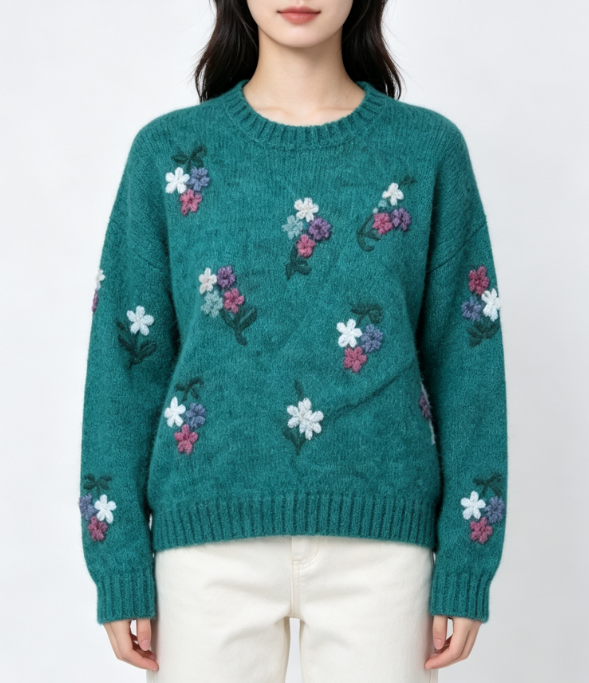
3 core deliverables—main label, size label, and wash-care label—turn an approved sweater into a branded product. Hang tags, branded packaging, custom buttons, and care instructions can be added where the order supports setup costs. 100-unit starting quantities reduce entry barriers, although custom yarn dyeing, unique hardware, and multiple colors raise MOQs. Private label fits buyers validating demand before investing in original knit development.
Engineered Knit And Full Package
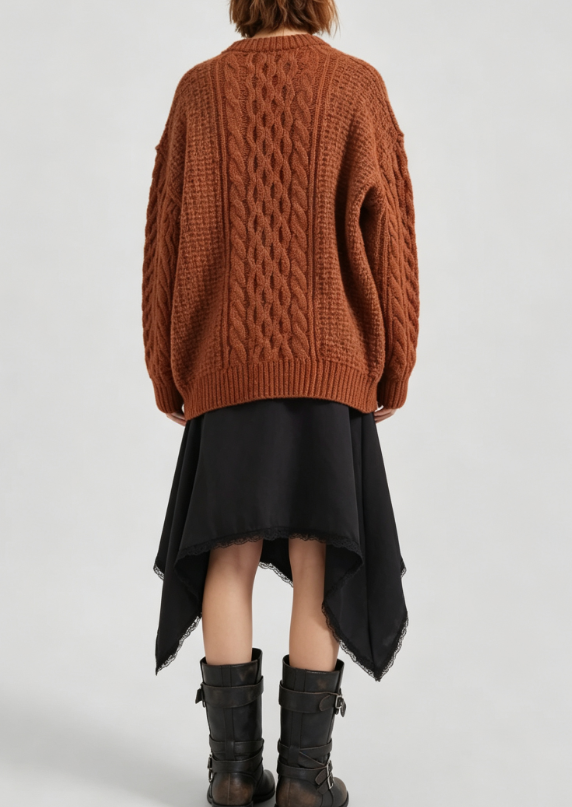
3D fully fashioned knitting shapes panels during production, reducing cut waste and enabling cleaner shoulder, armhole, and neckline joins. Computerized flat-knit programs can execute intarsia, jacquard, rib structures, and engineered placement, but require technical yarn and gauge approvals. 1 full-package workflow combines feasibility review, yarn sourcing, pattern or program development, sampling, QC, packaging, and export support. It best serves brands wanting one accountable production partner; development takes longer but creates stronger differentiation.
4. Materials for sweater oem odm manufacturer Programs
12–18 gauge and yarn count determine both perceived value and performance before color or trim decisions. A sweater oem odm manufacturer should match fiber, ply, and finished weight to the target retail tier, climate, and care expectation.
| Fiber Or Blend | Hand And Warmth | Pilling And Care | Best Use |
|---|---|---|---|
| Cotton | Dry, breathable; low warmth | Low-medium; machine wash | Crews, polos, spring layers |
| Wool/Merino | Elastic, warm; merino softer | Medium; wool-care wash | Premium layering |
| Cashmere | Very soft, light warmth | Medium-high; gentle care | Luxury capsules |
| Viscose Blend | Smooth, drapey; moderate warmth | Medium; reshape dry | Fashion cardigans |
| Acrylic Blend | Soft, warm, economical | Medium-high; test abrasion | Value bulk programs |
| Recycled/Performance | Variable; recovery or durability | Verify claims; test wash | Responsible or fitted styles |
Fiber Selection By Position

100% cotton delivers a dry, breathable hand for transseasonal crews and polos, but needs stable knitting and controlled wash testing. Ring-spun cotton generally feels smoother than open-end yarn. 100% wool and merino provide resilient warmth; merino’s finer fibers reduce next-to-skin itch. Cashmere creates premium softness and light warmth, yet requires gentler care and tighter pilling control.
- Cotton: accessible casual essentials
- Merino: refined lightweight warmth
- Cashmere: premium limited programs
Blends And Performance
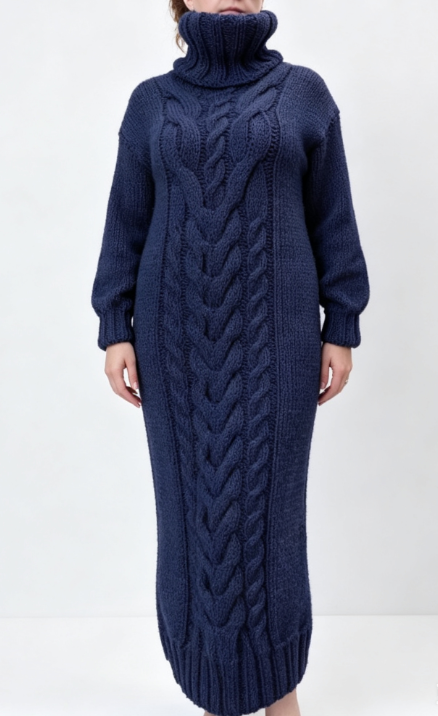
50/50 wool-acrylic is a common value-warmth blend, while viscose blends add drape and a cool, silky touch. Acrylic improves price control but can pill unless yarn quality, twist, and abrasion testing are specified. 30–50% recycled content can support a recycled-material claim only with transaction certificates and clear fiber disclosure. Nylon or elastane performance blends improve recovery, durability, and shape retention for fitted or active-inspired styles.
- Request fiber percentages by colorway
- Approve wash and pilling standards
- Verify recycled-content documentation
Specify The Knit
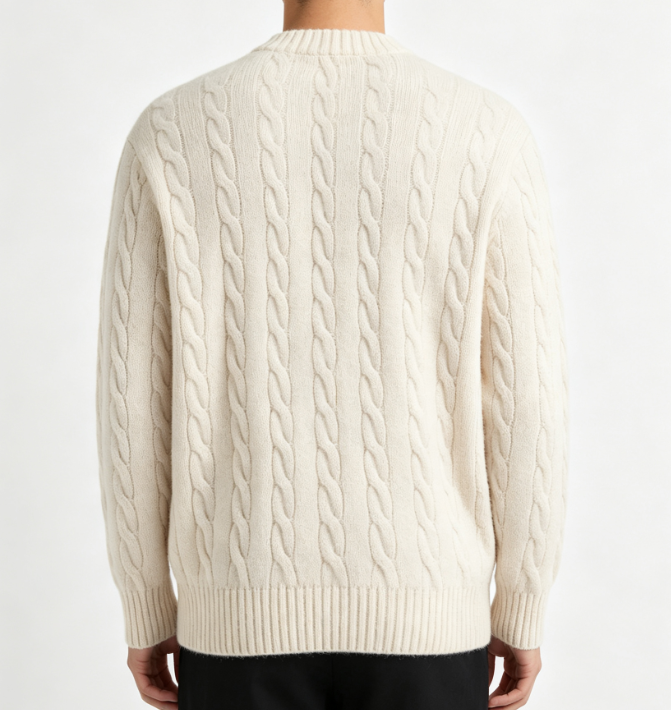
7–9 gauge suits heavier, structured pullovers; 12–18 gauge suits finer layers and cardigans. Confirm finished garment weight in grams, stitch density, ply, and dimensional-change tolerance rather than relying on gauge alone.
5. Sweater Customization and Decoration Options
A sweater OEM ODM manufacturer should lock silhouette, gauge, structure, and branding before approving yarn colors. These choices affect sampling time, hand feel, visual depth, and the practical MOQ for each style.
| Method | Visual Effect | Durability | Development And MOQ |
|---|---|---|---|
| Jacquard | Repeated color motifs | High | Programming and yarn setup; higher complexity |
| Intarsia | Large clean color blocks | High | More labor-intensive; best for planned volume |
| Cable Knit | Raised texture | High | Machine setup and gauge testing required |
| Embroidery Or Patch | Localized logo or badge | Medium–high | Flexible artwork; low-volume friendly |
Silhouette And Knit Build
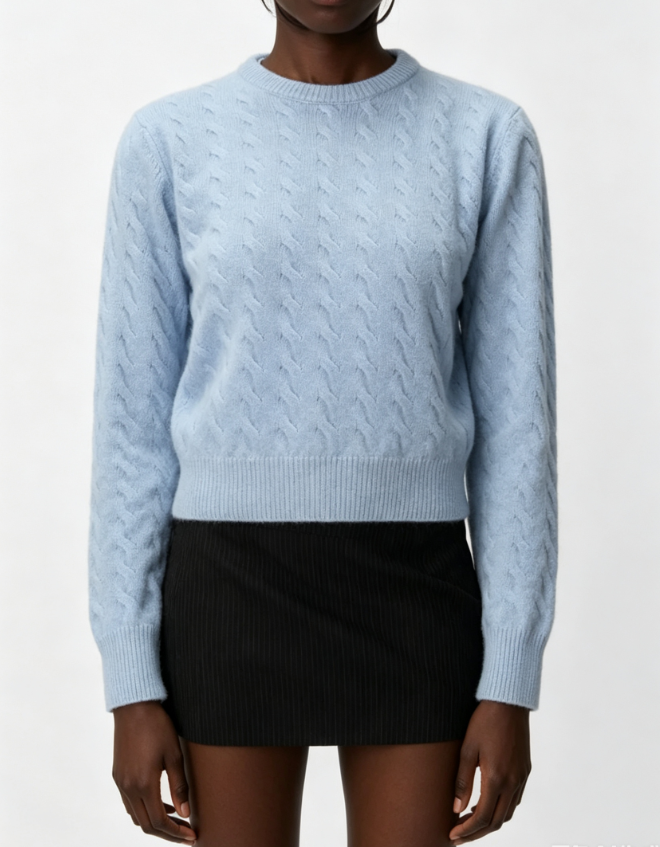
XS–3XL programs can use crewneck, V-neck, polo, cardigan, vest, cropped, relaxed, or oversized silhouettes. Gauge selection commonly ranges from 3GG for heavy textures to 12GG for finer, cleaner knits. Rib widths, drop shoulders, sleeve volume, hem length, and neck shape should be recorded in the tech pack. Junsheen can refine patterns and grading instead of merely enlarging a base size.
- 3GG–5GG: chunky, dimensional sweaters
- 7GG: versatile midweight programs
- 12GG: fine-gauge, smoother appearance
Integrated Versus Applied Decoration

Jacquard, intarsia, and cable patterns are formed during knitting, so the design becomes part of the garment structure. They offer lasting visual depth but require programmed artwork, yarn planning, and sample confirmation. Embroidery, patches, labels, and heat-applied graphics are added after knitting. They can simplify small logo updates, although placement, backing, and stitch density must protect stretch and drape.
Branding And Finishing
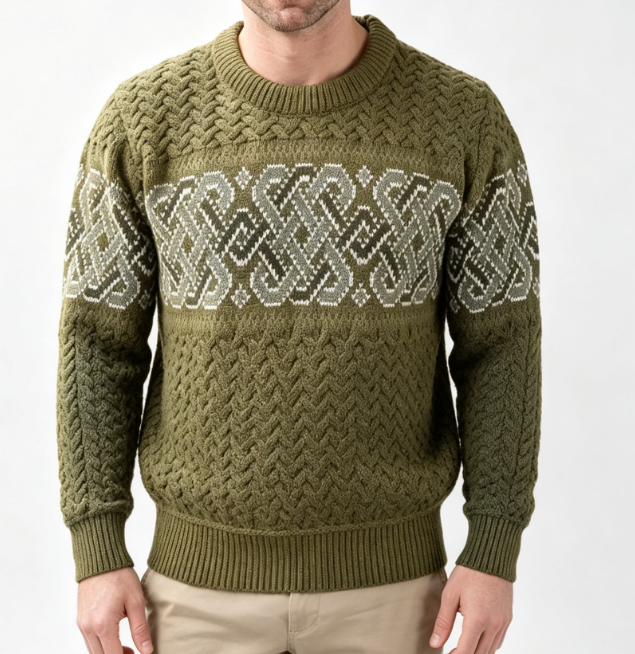
100-unit orders per style and color can support private-label details when specifications are finalized early. Options include woven main labels, size labels, wash-care labels, hang tags, custom buttons, zippers, drawstrings, branded bags, and cartons. Enzyme softening, anti-pilling treatment, garment dye, brushing, and napping can alter the final hand feel. Test washes on samples first because shrinkage, color migration, and surface change vary by yarn blend.
6. Construction Quality in Sweater Production
A sweater sample should be approved as a measurable construction standard, not merely a visual prototype. Buyers should verify the same points during size-set, in-line, and final inspection.
Yarn And Stitch Control
One yarn lot should show consistent count, twist, color, and hand feel across panels. Mixed lots can create barré, uneven shrinkage, or visible shade variation. Gauge determines stitch size and fabric density; a 7GG sweater generally feels heavier than a 12GG equivalent. Confirm stitch density against an approved measurement after relaxation.
Shaping And Assembly
Fully fashioned shaping uses decreases and increases knitted into the panel, supporting cleaner armholes and less bulky seams. Cut-and-sew panels can work, but require stable edges and accurate overlock construction. Linked shoulder, side, and sleeve seams should be even, secure, and free of dropped stitches. Pull-test representative seams and inspect rib cuffs and hems for recovery after repeated extension.
Fit, Stability, And Evidence
XS–3XL grading must preserve shoulder balance, body length, sleeve proportion, and neckline shape rather than simply adding width. Measure every size-set garment against the approved spec and tolerance chart. Three wash cycles can reveal dimensional change, twisting, pilling, color bleed, and distorted ribs before bulk approval. Request gauge records, yarn-lot details, measurement reports, wash-test results, pilling ratings, colorfastness results, and dated inspection photos.
7. Choosing a sweater oem odm manufacturer
A 100-unit minimum can suit a capsule, but supplier selection should begin with sweater-specific evidence rather than a low quote. Compare the same specification across candidates before reserving a seasonal production slot.
Verify Category Experience

Three recent production references should show comparable gauge, yarn blend, silhouette, and finishing—not only generic knitwear photos. Request close-ups of linking, neck rib recovery, seam allowance, labels, and washed garments. Two approved samples reveal more than a quotation. Ask for the tech pack revision history, measurement chart, size-grade rules, and a retained pre-production sample reference.
Test Sampling And Materials

One fit sample and one wash-tested sample should be reviewed before bulk approval. Check shrinkage, pilling, colorfastness, torque, stitch security, and measurement change against stated tolerances. Three material records matter: yarn composition, fabric or yarn weight, and color standard. Request swatches, supplier test reports where available, and confirmation whether OEKO-TEX, GOTS, or recycled claims are documentable.
- What gauge and stitch structure is proposed?
- Which tests occur before bulk cutting or knitting?
- Can bulk yarn lot and Pantone approval be matched?
Confirm Production Readiness
Eight weeks is a common planning window for approved materials, sampling, production, inspection, and export, but yarn availability and decoration add risk. Ask for a dated critical path, capacity allocation, and escalation contact. 200-plus workers and 80,000-plus monthly units indicate Junsheen can support repeat programs, while its 100-unit style-and-color starting point helps test demand. Confirm the actual MOQ by yarn, color, gauge, and trim before commitment.
Audit Controls And Shipping
Four checkpoints should be defined: incoming materials, in-line construction, measurement and decoration checks, then final packed-goods inspection. Request an inspection checklist, acceptable-quality-level approach, defect photos, and rework procedure. Three export questions prevent late surprises: who prepares commercial documents, which Incoterm applies, and when is the balance due. Verify recent destination-market references, carton marks, packing specifications, and shipping handover responsibility.
- Ask for factory and production-floor videos.
- Confirm payment milestones in writing.
- Request references for comparable export destinations.
8. Common Sweater Sourcing Mistakes
Seven recurring sourcing errors turn a workable sweater concept into delayed deliveries, unexpected rework, or compressed margin. A disciplined sweater oem odm manufacturer brief converts those risks into measurable approvals before bulk yarn and production are committed.
Specify The Tech Pack
One incomplete tech pack can produce different interpretations of gauge, stitch, measurements, and trims. Define yarn composition, gauge, Pantone color, knit structure, BOM, graded measurements, and approved artwork before quoting. ±1 cm is not a universal sweater tolerance; rib openings, body length, and chest width require separate limits. Record tolerances and a signed size-set standard so factory QC and brand inspection use the same benchmark.
Compare Total Cost, Not Quotes
Three low quotes may conceal lower yarn weight, fewer stitches per inch, or excluded testing and packaging. Compare like-for-like BOMs, sample charges, MOQ by color, freight terms, and defect handling before selecting a supplier. 10% saved on ex-factory price can disappear through returns or air freight after a failed bulk run. Request a written substitution policy and costed options that preserve target retail margin.
Test Yarn And Wash Performance

One unapproved yarn substitution can alter pilling, shrinkage, hand feel, and color consistency. Lock fiber content, yarn count, gauge, and acceptable mill alternatives against a swatch or approved sample. Three wash cycles expose problems a fresh sample can hide, particularly for wool blends, brushed finishes, and dark colors. Approve measurement change, twisting, pilling, colorfastness, and recovery after the intended care process.
Protect The Critical Path

Four to eight weeks is a realistic development window when patterns, yarn sourcing, knit trials, samples, revisions, and size sets are involved. Build approval gates backward from launch rather than treating sampling as instant. 100-unit capsule orders still need labels, care content, country-of-origin marking, HS classification, and destination-market checks. Confirm these requirements before bulk so relabeling, customs holds, and missed delivery windows do not absorb margin.
9. Steps to Launch a Sweater Brand
100-unit programs work best when the launch begins with a defined customer, price band, and two-to-four-style capsule. Set decision gates early so a sweater oem odm manufacturer receives approved technical inputs rather than changing assumptions.
Plan The Capsule
2-4 core styles usually give a new label enough merchandising range without spreading development spend across too many yarns. Define target retail price, margin, color count, size range, and delivery window before requesting quotes. 1 customer profile should drive silhouette decisions: cropped cardigan, oversized crewneck, fitted pullover, or sweater dress. Gather competitor references and annotate the intended gauge, hand feel, neckline, length, and trim details.
- Target customer and retail channel
- Planned styles, colors, and size curve
- Target wholesale cost and delivery date
Build Production Specifications
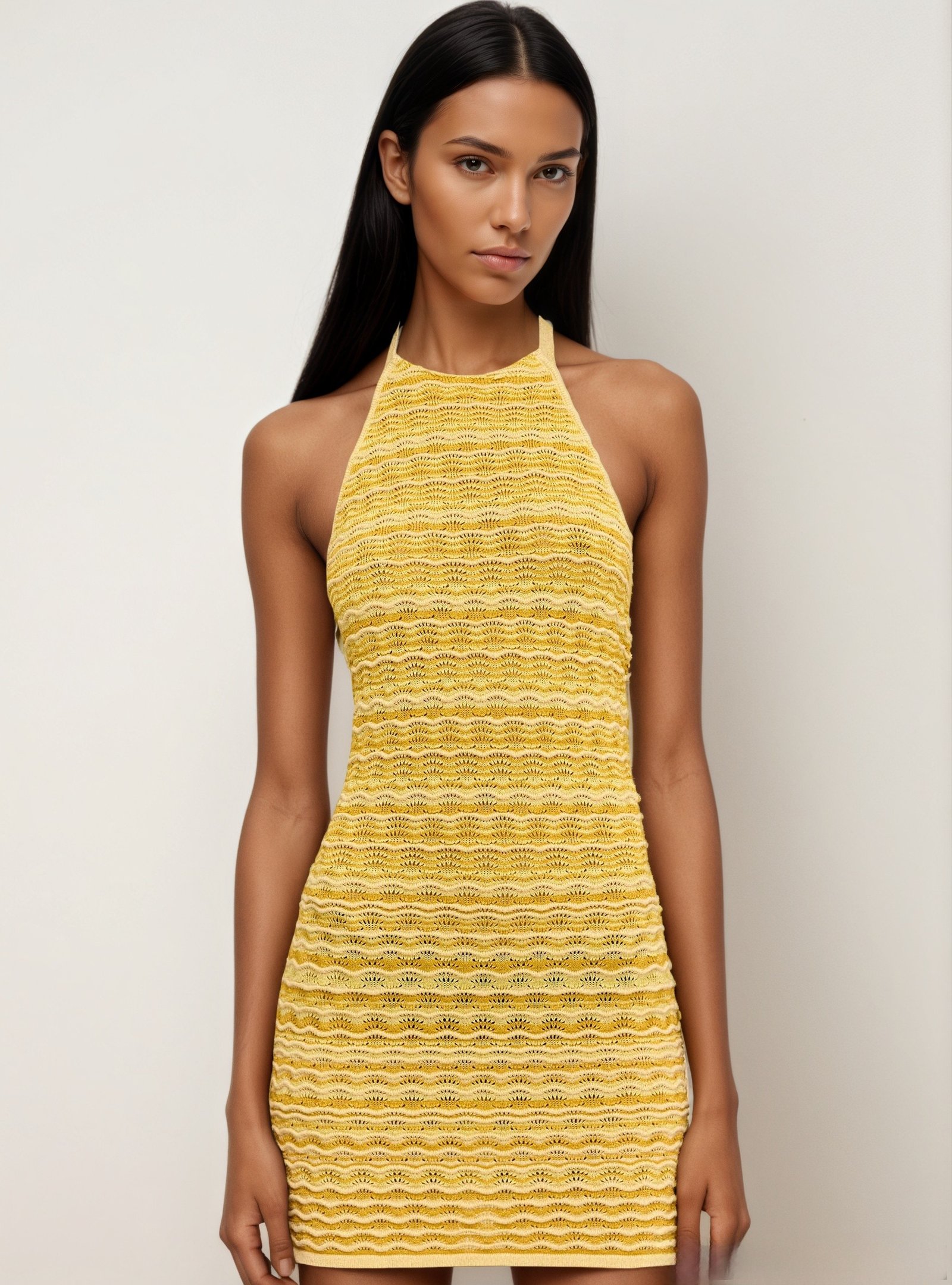
1 usable tech pack converts a reference into measurable instructions: flats, point-of-measure chart, construction callouts, Pantone colors, labels, packaging, and artwork files. State fiber content, gauge, stitch type, yarn count, and care requirements where known. 100-unit MOQ is feasible only after the factory confirms yarn availability, knitting method, trims, and decoration compatibility. Approve the quotation and sample plan before development starts; unresolved specifications become cost or lead-time changes.
- Graded measurement chart
- Pantone and artwork files
- Label and packaging placement
Approve Before Bulk
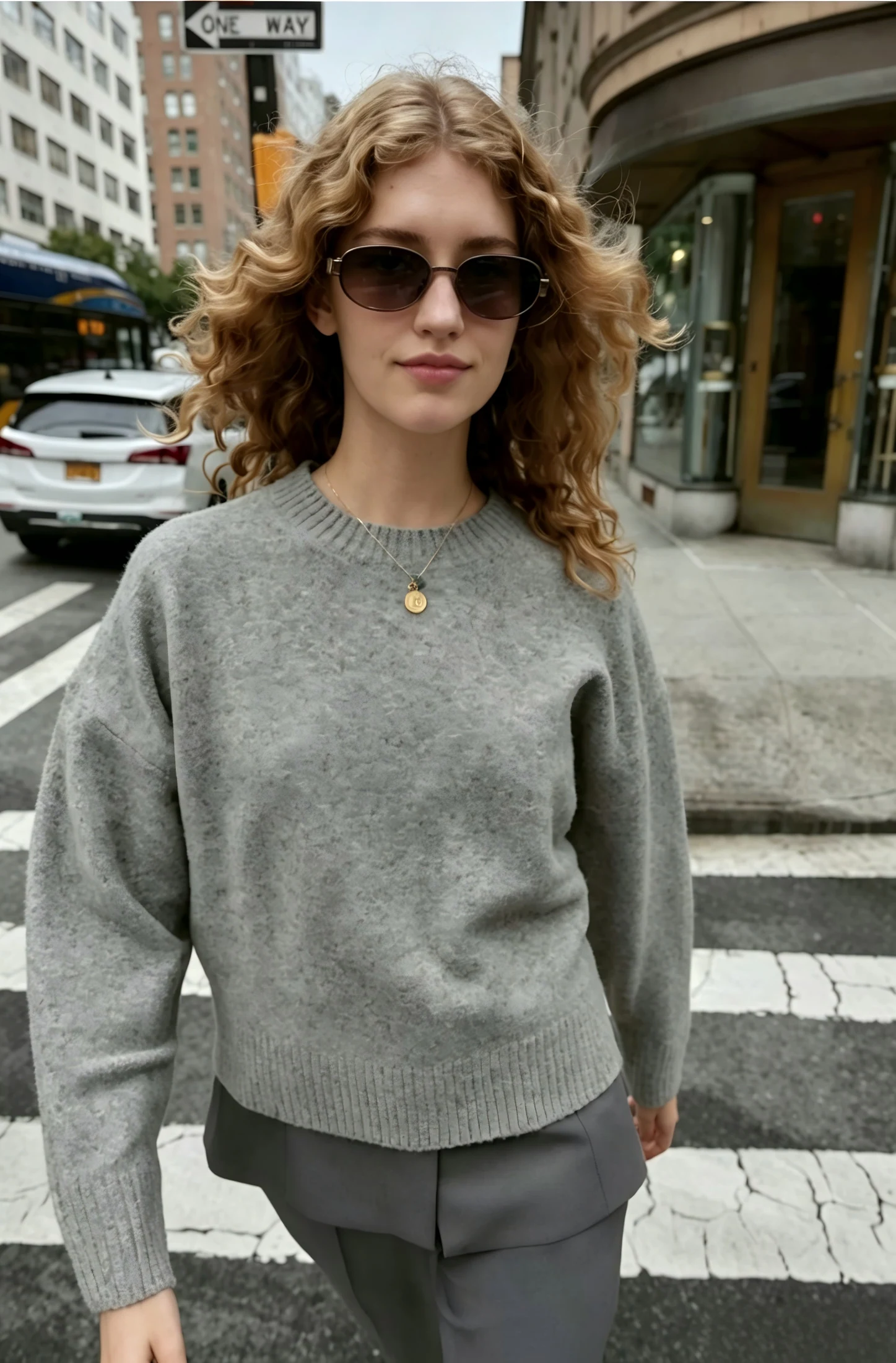
1 first sample tests silhouette, yarn hand feel, stitch density, measurements, and decoration; record every revision in a dated comment sheet. Request a size set when fit across XS-3XL or extended sizes is central to the launch. 1 pre-production sample is the final production gate. Approve fabric or yarn shade, measurements and tolerances, workmanship, labels, packing ratio, carton marks, inspection standard, freight method, and shipment-ready retail assets before bulk manufacturing begins.
- Signed sample comments
- Approved color and yarn lot
- Final packing and carton instructions
- Freight booking and launch inventory plan
10. Sweater OEM ODM Pricing and Cost
100 units per style and color is a practical MOQ for a capsule, but the highest unit cost comes from spreading yarn booking, programming, linking, and inspection across fewer pieces. A sweater oem odm manufacturer should quote only after yarn composition, gauge, stitch map, color count, measurements, labels, and packing are approved. 7–14 days is a typical sampling window after materials are confirmed; sample charges, knit programming, embroidery digitizing, and print screens are normally separate development costs. Custom cartons, hang tags, third-party testing, freight, duties, and expedited production should remain distinct quote lines rather than being hidden in garment price. 30–45 days is a common bulk-production range after pre-production approval, subject to yarn availability and order complexity. Lower quantities, wool blends, fine gauges, intarsia, jacquard, fully fashioned shaping, and multi-location decoration all raise cost; repeat programs can reduce development expense when patterns and materials are retained.
| Program profile | Indicative unit-cost effect | Development and lead-time effect | Main cost drivers |
|---|---|---|---|
| 100–299 units; cotton or acrylic blend; 7–12 gauge | Highest baseline per unit | Sample and programming charged separately; 30–45-day bulk target | Low volume, yarn MOQ, basic labels |
| 300–999 units; cotton blend or mid-grade wool blend; 7–12 gauge | Improved unit economics | Setup spread across more units; 30–45 days | Gauge, color count, rib ratio, packaging |
| 1,000+ units; repeat yarn and approved pattern | Lowest unit-cost opportunity | Repeat sampling may be limited; capacity booking required | Consolidated yarn, stable specifications, fewer changes |
| Any quantity; intarsia, jacquard, fine gauge, fully fashioned or embroidery | Premium above base construction | Longer sampling or production may apply | Complex stitch map, linking, decoration, testing |
Start Your Sweater OEM ODM Manufacturer Project
Send your tech pack, reference garment, sketch, or product idea for fit-focused sampling and a tailored 100-unit MOQ quote.