Wholesale Jeans Manufacturing From 100 Units
Build fit-focused wholesale jeans with OEM, ODM and private-label support, from XS–3XL development to scalable global production.
Featured Products for wholesale jeans Development




Related Product Catalogue and Quotation




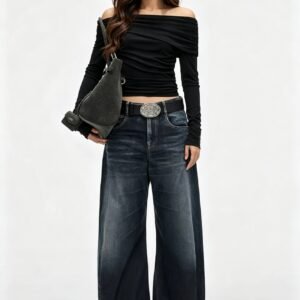


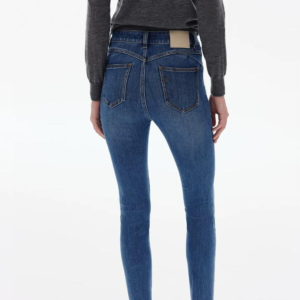
Why Source Wholesale Jeans from JUNSHEEN
From first sample to export-ready bulk orders, our integrated denim supply chain supports dependable quality at every production stage.
100-Unit Starting MOQ
Launch a denim capsule from just 100 units per style and color, then scale proven wholesale jeans programs with confidence.
XS–3XL Fit Grading
Refined patterns balance rise, leg shape, mobility and proportions across standard, extended-size, plus-size and oversized denim fits.
Integrated Denim Finishing
Coordinate embroidery, printing, labels, trims and stone, enzyme or acid washes through one accountable production team.
In-Process Quality Control
Fabric, construction, measurements, wash effects, decorations and packed goods receive structured inspections before your order ships.
Export-Ready Production
With 200+ skilled workers and 80,000+ monthly units of capacity, JUNSHEEN supports global denim delivery as demand grows.
Wholesale Denim Styles and OEM Categories
Develop fit-focused casualwear, denim, knitwear and outerwear programs from low-MOQ launches to repeatable global bulk production.
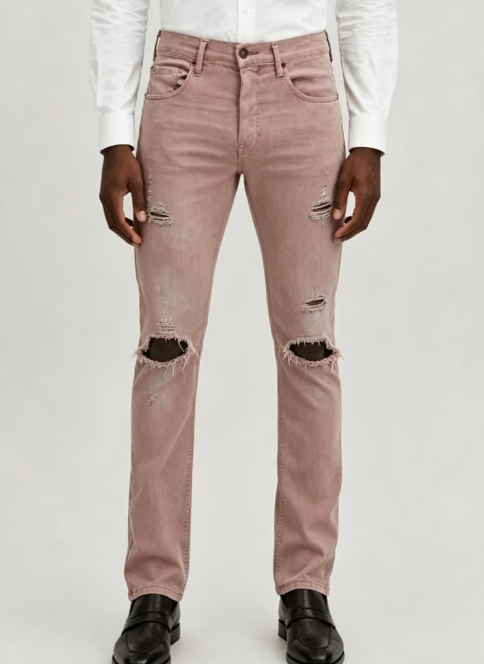
Custom Hoodies
Develop custom hoodies in fleece or French terry with fit specifications, graded XS–3XL size sets, logo decoration, custom rib trims and private labels. Suitable for capsule drops and scalable replenishment programs from 100 units per style and color.
Request a Quote
Custom T-Shirts
Build custom T-shirt programs in cotton, combed jersey, blends or performance knits. Junsheen supports neckline, weight, silhouette, grading, printing, embroidery and labeling decisions, helping brands turn a reference or tech pack into production-ready merchandise.
Request a Quote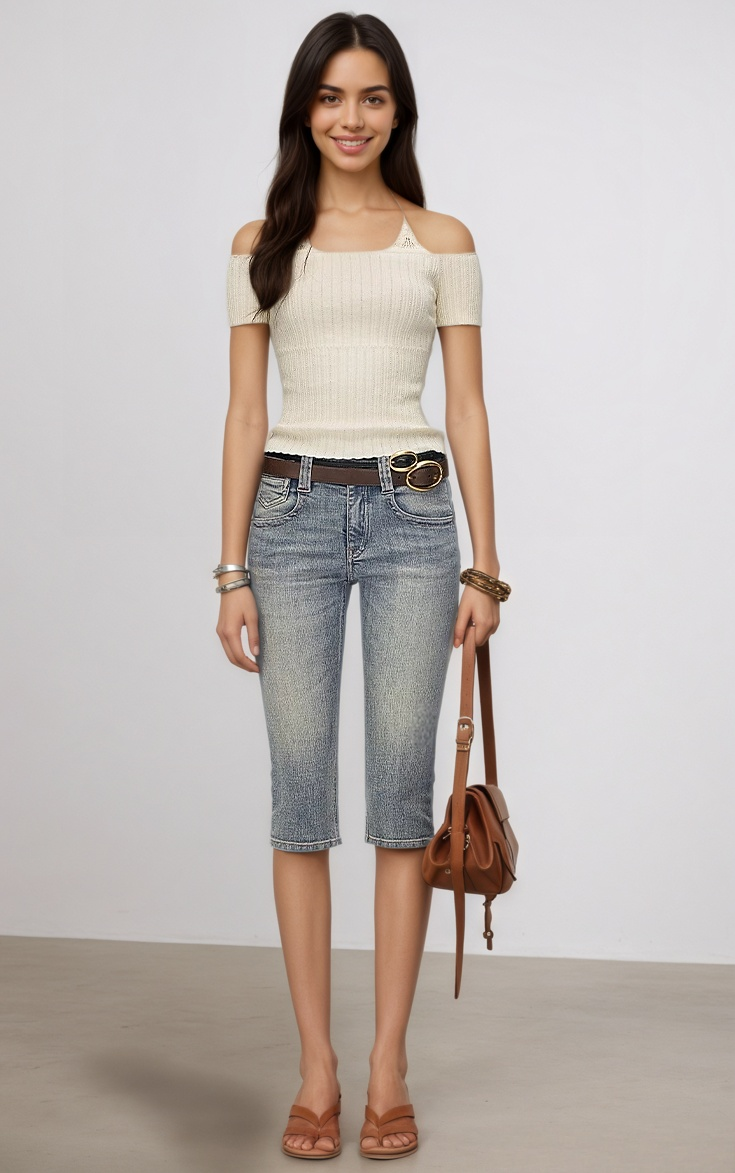
Custom Jeans
Develop custom jeans with denim-weight, wash, stretch and fit requirements aligned before sampling. Pattern makers refine rise, leg shape, mobility and grading from XS–3XL, while washing, hardware, labels and packed-goods quality control are managed in one program.
Request a Quote
Custom Sweaters
Source turtle neck sweater bulk programs with yarn, gauge, hand feel and construction matched to your target market. Junsheen develops fit, rib details, neck height, color options and size grading for private-label knitwear orders from 100 units per style and color.
Request a Quote
Custom Jackets
Produce custom jean jackets with denim fabric, silhouette, pocket layout, hardware and wash effects specified for your collection. Development includes pattern making, grading, embroidery or patches, branded buttons and labels, supporting coordinated denim programs and repeat orders.
Request a Quote
Custom Sweatshirts & Crewnecks
Create custom crewneck hoodie and sweatshirt programs in fleece, French terry or jersey. Teams can define body proportion, neckline, rib recovery, print placement, embroidery and washes, then approve samples and size sets before bulk production.
Request a Quote
Custom Cardigans
Develop custom cardigan collections in knit or cut-and-sew constructions with selected yarns, gauges, closures and trim details. Junsheen supports fit development, extended-size grading, custom buttons, labels and packaging for branded seasonal programs.
Request a Quote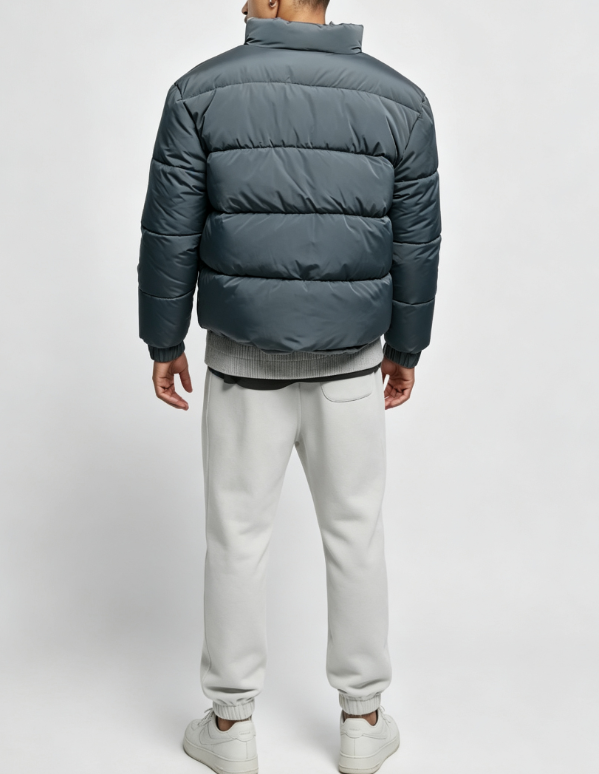
Custom Puffer & Down Jackets
Manufacture custom puffer jackets with shell fabrics, insulation, quilting layouts, zippers, snaps and reflective details selected for the intended price point and climate. Sampling verifies fit, mobility and construction before production, with private-label packaging available.
Request a Quote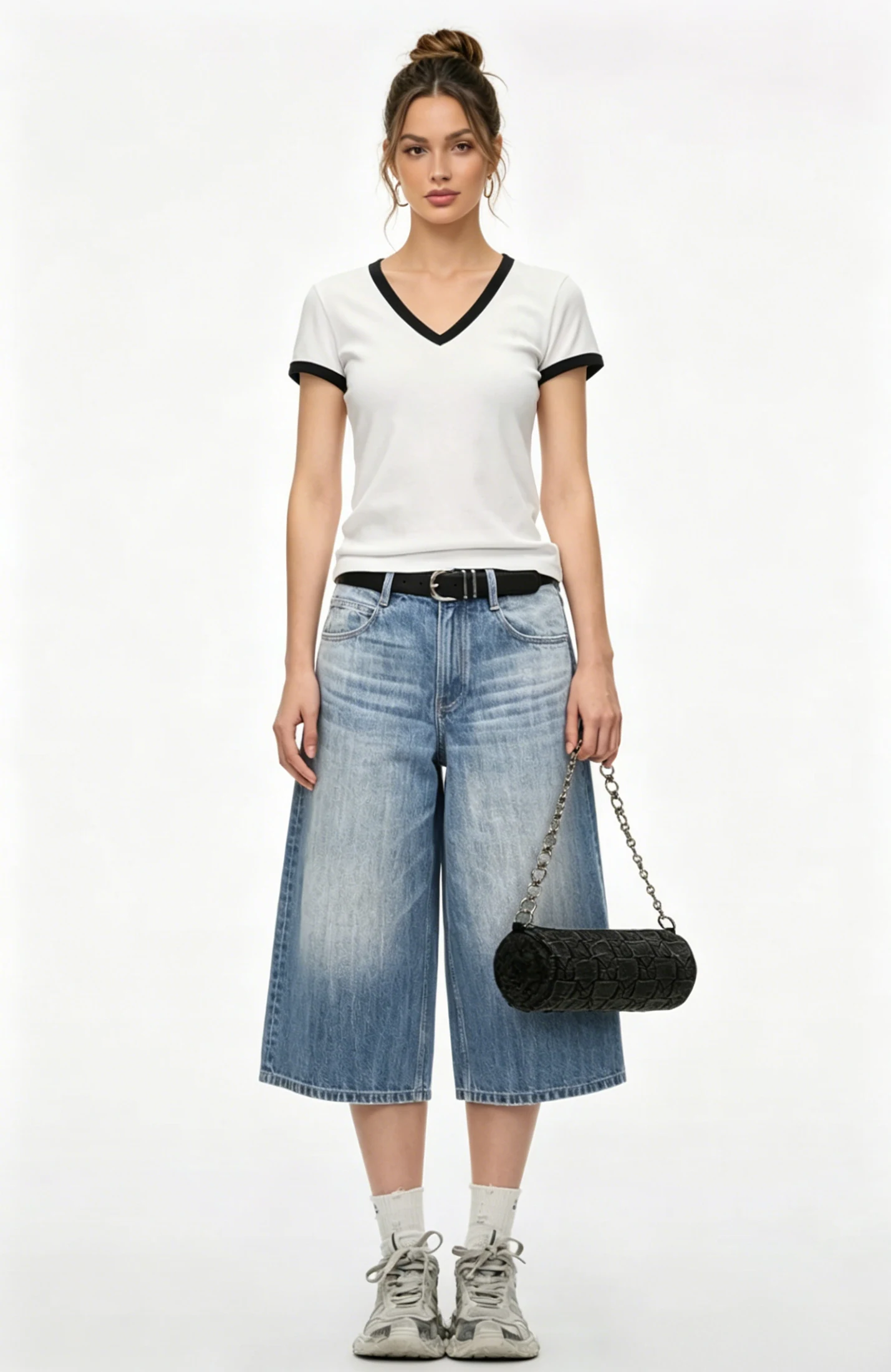
Custom Denim Shorts
Produce custom jean shorts with defined rise, inseam, leg opening, stretch recovery and wash treatment. Junsheen can coordinate distressing, raw hems, embroidery, patches, hardware and XS–3XL grading to maintain a consistent fit across the size range.
Request a Quote
Custom Sweater Dresses
Develop custom sweater dresses with yarn selection, gauge, stitch structure and silhouette suited to your collection. Pattern and knitting teams address length, shaping, stretch, sleeve balance and extended-size grading, then add branded labels, trims and packaging.
Request a Quote
Custom Denim Sets
Build mens denim suits wholesale programs as coordinated jackets and jeans with matched fabric, color and wash standards. Junsheen manages fit consistency, pocket and hardware specifications, pattern grading, sample approval and scalable bulk production for retailers and wholesalers.
Request a Quote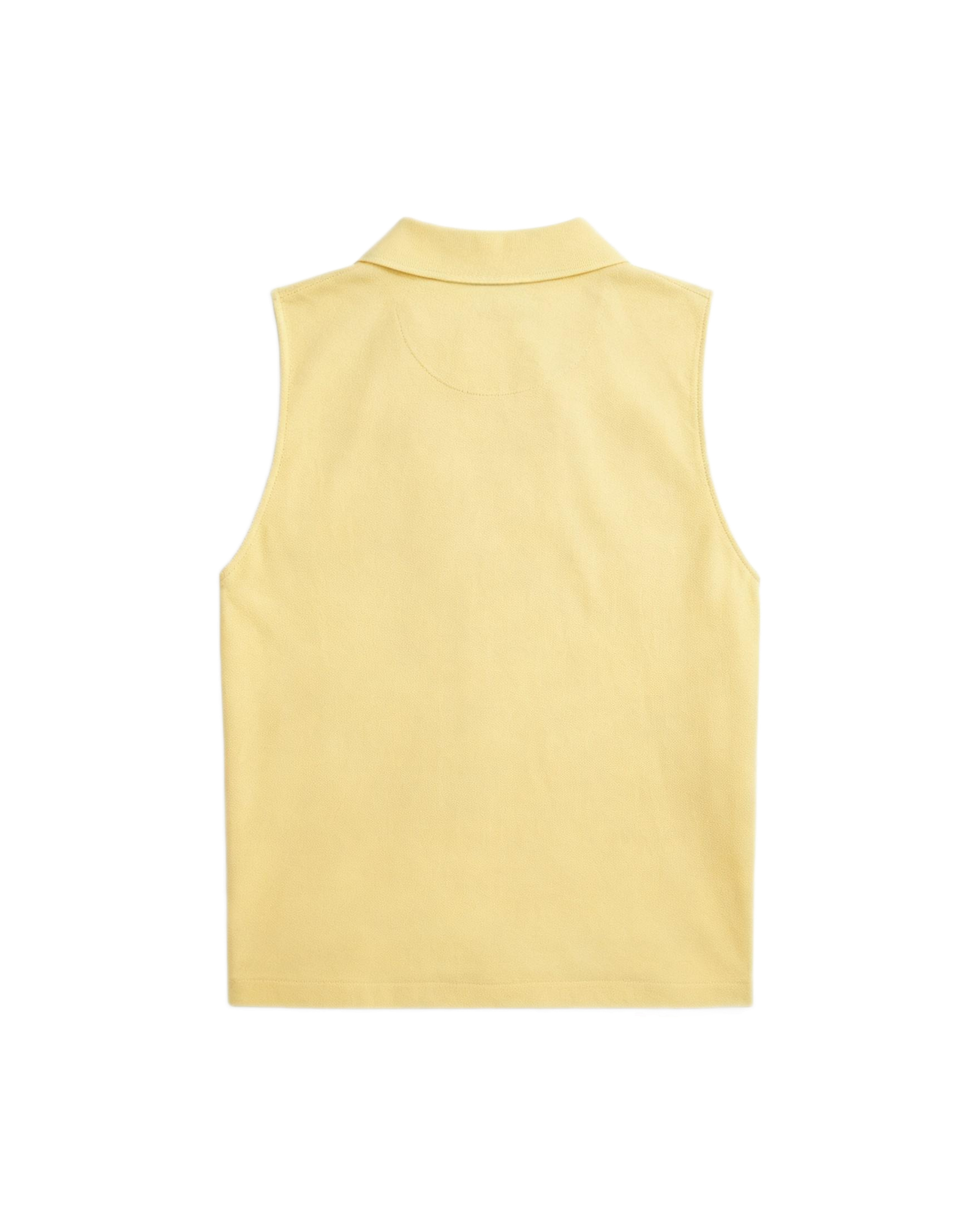
Custom Polo Shirts
Produce custom polo shirts in pique, jersey or performance knit fabrics with collar construction, placket details and fit matched to your customer. Add embroidery, printed branding, custom buttons, labels and graded sizes for wholesale or private-label programs.
Request a Quote
Custom Sweatpants
Develop custom sweatpants in fleece, French terry or performance knits with controlled rise, leg shape, cuff options and pocket construction. Junsheen supports XS–3XL grading, drawstrings, embroidery, prints, washes and coordinated hoodie or crewneck sets.
Request a Quote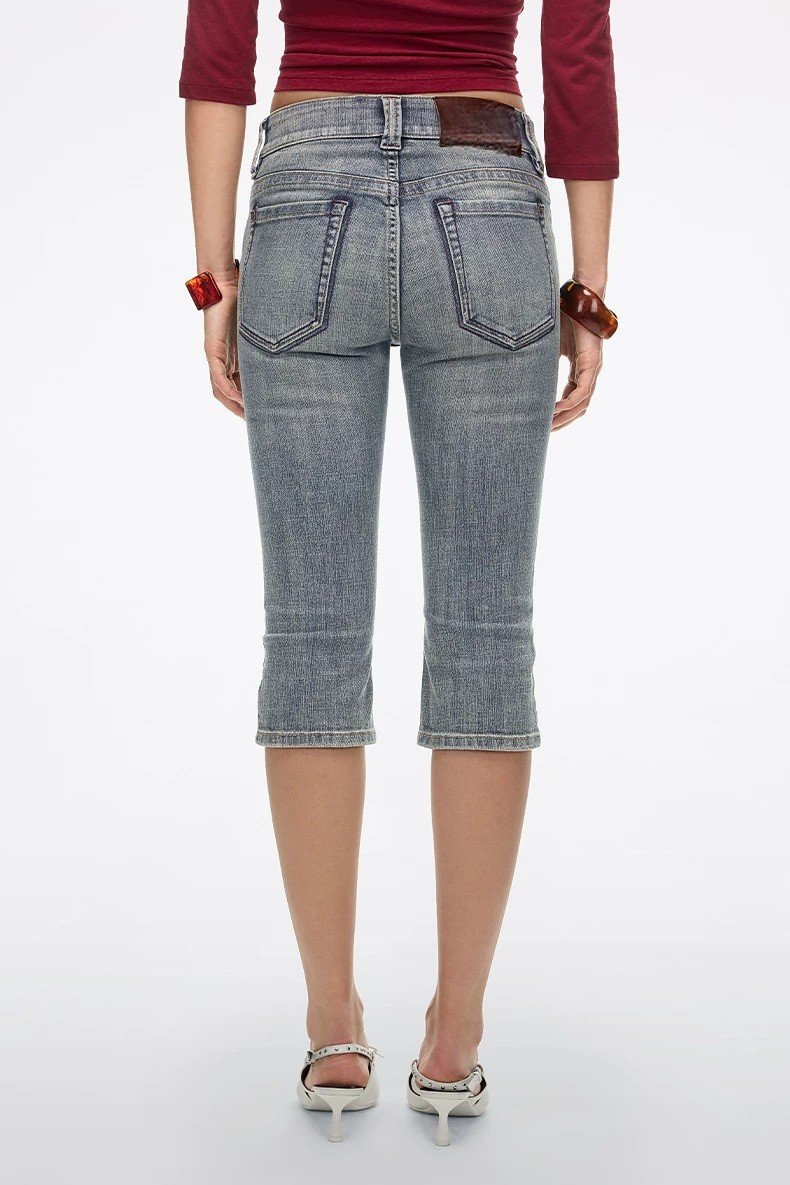
Custom Shorts
Create custom shorts in jersey, twill, denim or performance fabrics with inseam, waistband, pocket and finishing details specified for your market. Sampling and size grading help brands confirm fit before low-MOQ launches or continuing bulk orders.
Request a Quote
Custom Pullovers
Manufacture custom pullovers in knit, fleece, French terry or jersey constructions, from lightweight layers to heavier seasonal styles. Development covers silhouette, neckline, fabric weight, grading, decoration and private-label trims, supported by sampling and production quality checks.
Request a QuoteWholesale Jeans Materials for Fit, Feel and Performance

Rigid Cotton Denim
A structured, authentic denim with a dry-to-soft hand that develops character through wear and washing. Ideal for straight-leg, relaxed and vintage-inspired wholesale jeans; typically 11–14 oz with minimal mechanical stretch.

Stretch Denim
Cotton denim blended with elastane for flexible recovery and comfortable movement. Suited to skinny, slim and body-contouring jeans, with controlled stretch that helps maintain shape through repeated wear and wash cycles.

Cotton Blend Denim
Balanced cotton blends can combine polyester, rayon or Tencel-like fibers for a softer hand, improved drape or added durability. A versatile choice for fashion jeans requiring comfort, color retention and reliable production performance.

Denim Twill
Durable twill constructions offer a clear diagonal texture and dependable abrasion resistance. Used for utility jeans, carpenter styles and denim sets, with weights selected to support structured silhouettes, pockets and reinforced seams.

Recycled Denim Blends
Recycled cotton or recycled polyester blends support lower-impact material directions without sacrificing commercial wearability. Available in varied weights and stretch levels for jeans programs that need responsible sourcing, durable construction and consistent hand feel.
Wholesale Jeans Washing, Printing and Decoration

Garment Washing
Enzyme, stone, acid and softening washes create vintage fades, broken-in hand feel and controlled color variation. JUNSHEEN tests wash performance during sampling to help wholesale jeans retain their intended character through production.

Laser Finishing
Laser finishing adds precise whiskers, fading, abrasion patterns and branded artwork without relying on manual distressing alone. The result is repeatable denim detailing that supports consistent visual placement across approved production runs.

Logo Embroidery
Flat, 3D puff, chain-stitch and applique embroidery add dimensional logos or artwork to pockets, waistbands and panels. Stabilized construction and thread selection help the decoration remain defined through wear and washing.

Screen Printing
Plastisol, water-based, puff, high-density, foil and discharge printing create bold graphic treatments for denim. We match ink method to fabric weight, wash plan and artwork so prints achieve strong adhesion and the intended finish.

Distressing Details
Controlled abrasions, rips, fraying and repair effects give jeans an authentic worn-in aesthetic. Placement is reviewed against garment construction and fit to preserve mobility, reinforce stress points and maintain repeatability in bulk.

Custom Dye Effects
Garment dye, tie-dye and tonal overdye treatments build distinctive color depth beyond standard indigo. Sample approvals define shade, contrast and wash-down behavior before scalable production for private-label denim collections.
Custom Trims and Accessories for Wholesale Jeans

Branded Metal Buttons
Custom shank and tack buttons add durable closure performance and a recognizable brand signature to waistbands and fly areas. Choose finishes, engravings and colors that complement your wholesale jeans wash and hardware story.

Denim Zippers
Specify dependable zippers for jean flies, pockets and utility details, with custom pulls, tape colors or branded marks available. Junsheen matches zipper selection to garment construction, wash process and intended wear performance.

Custom Rivets
Reinforce high-stress pocket corners with custom rivets designed around your denim collection. Branded caps, antique finishes and tonal plating help turn a functional detail into a cohesive private-label hardware element.

Leather Waist Labels
Add embossed, debossed or printed leather-style labels at the back waistband for a premium denim presentation. Material, logo treatment and stitch placement can be developed to suit your wash, fit and target price point.

Woven Labels Hangtags
Complete wholesale jeans with woven main labels, size labels, wash-care labels and custom hang tags. Clear branding and compliance information create a polished retail handoff while helping customers identify fit, fabric and care details.
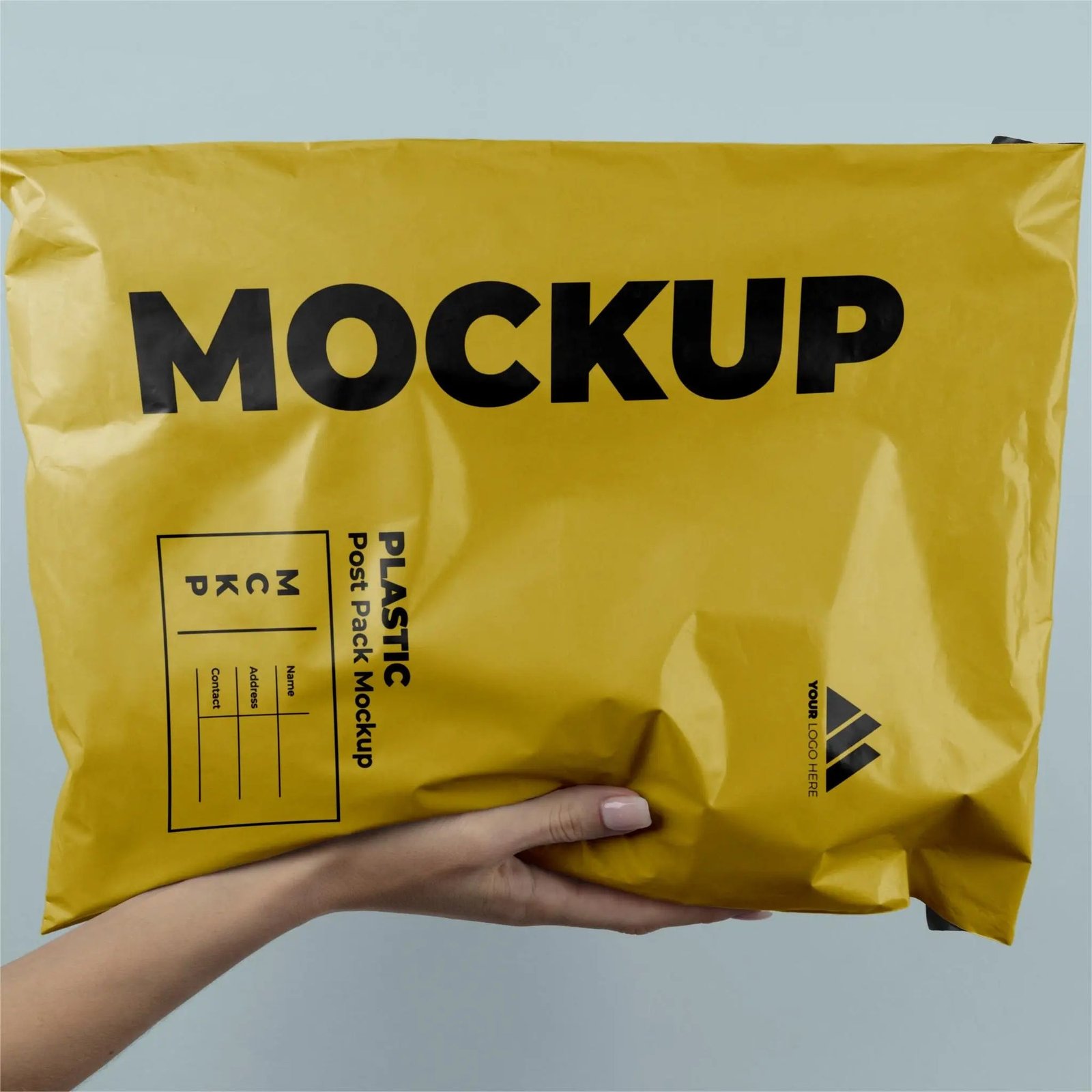
Branded Denim Packaging
Prepare production for retail, wholesale delivery or e-commerce fulfillment with custom polybags, cartons, stickers and inserts. Junsheen coordinates packaging specifications with your label system to protect jeans through global shipment.
About JUNSHEEN Wholesale Jeans Manufacturing
Founded in 2010 in Humen Town, Dongguan, JUNSHEEN helps fashion brands turn denim concepts into production-ready wholesale jeans. Our mission is to make OEM, ODM and private-label manufacturing more responsive, with practical development support from the first specification review through export-ready delivery.
Our integrated supply chain combines product development, pattern making, fit grading, fabric sourcing, cut-and-sew production, washing, decoration, quality control, labels and packaging. For jeans programs, this means one accountable team can manage stretch denim selection, fit samples, washes, branded trims and repeatable bulk standards.
With more than 200 skilled workers, monthly capacity above 80,000 units and experience serving 2,000+ fashion-brand clients worldwide, JUNSHEEN scales from 100-unit style-and-color launches to ongoing denim programs. Fit-focused XS–3XL grading and global export support help brands build dependable assortments for diverse markets.

Wholesale Jeans Capabilities for Consistent Production
Fit-Focused Pattern Grading
JUNSHEEN develops wholesale jeans from XS to 3XL with pattern adjustments that account for rise, hip balance, thigh ease, leg shape and mobility. Each graded size is reviewed as a wearable denim product, helping reduce costly sampling revisions before bulk approval.
- Normal, extended-size, plus-size and oversized denim development
- Refined rise, inseam, knee and leg-opening proportions
- Size sets and pre-production fit approval support
- Starting from tech packs, sketches or reference jeans

Denim Fabric and Wash Development
Select denim constructions and wash directions that match your target price, hand feel and end use. Our team coordinates fabric sourcing, stretch performance, sample testing and finishing development so the approved wholesale jeans standard can be reproduced reliably at scale.
- Rigid, stretch and comfort-stretch denim options
- Fabric weight, recovery, durability and wash-performance review
- Stone, enzyme, acid, garment-dye and softening washes
- Wash samples aligned to your color and vintage direction

Private-Label Denim Execution
Turn approved jeans into a complete branded retail product with coordinated decoration, trims and packaging. JUNSHEEN manages the production details across cut-and-sew, embroidery, printing, labels and hardware for OEM, ODM and private-label denim programs from 100 units per style and color.
- Woven or leather patches, main labels and wash-care labels
- Custom buttons, rivets, zippers, hang tags and packaging
- Embroidery, screen printing, patches and specialty effects
- Low-MOQ launches with scalable repeat-order support

Multi-Stage Denim Quality Control
Quality control follows wholesale jeans through incoming materials, in-line construction, measurements, wash results, decoration and final packing. Retained pattern, graded-size and material records help JUNSHEEN protect consistency across repeat production as your denim program grows.
- Incoming fabric and trim checks before cutting
- In-line inspection of seams, measurements and construction
- Final review of fit, wash appearance and branded details
- Export-ready packing and global shipping coordination
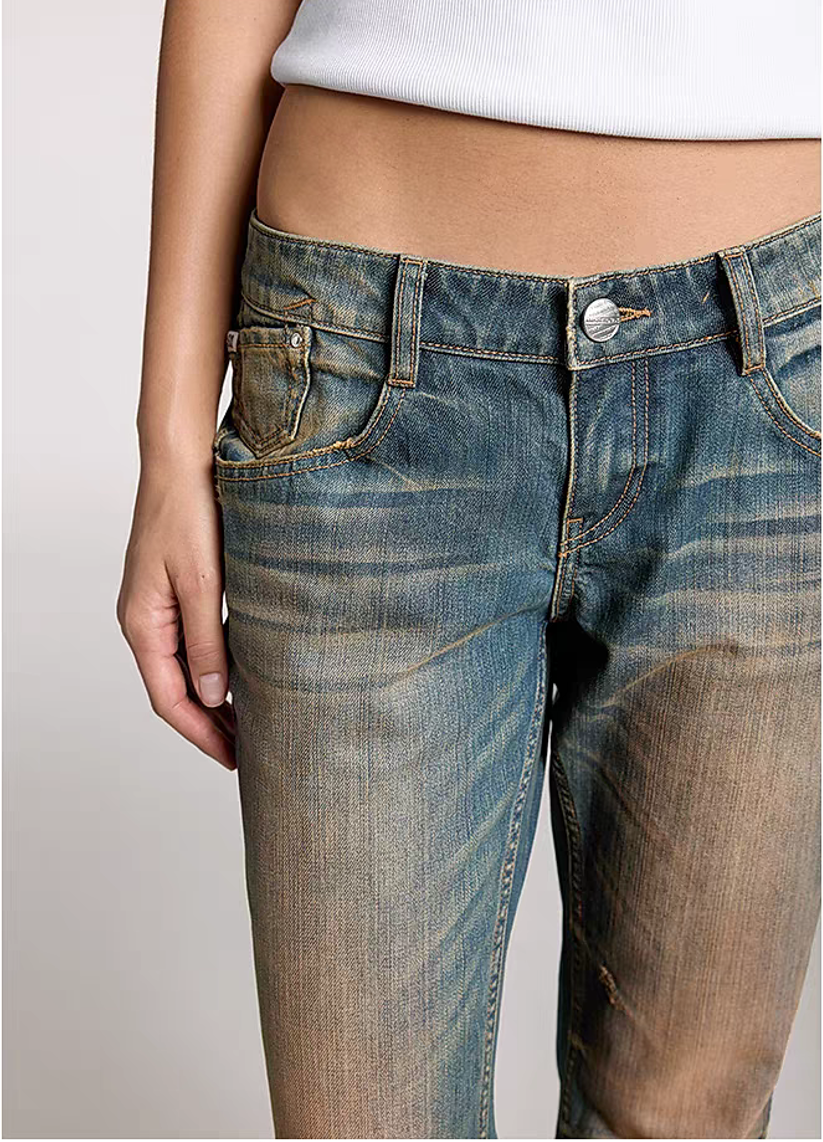
Why Choose JUNSHEEN for Wholesale Jeans
A fit-focused, production-ready denim partner for low-MOQ launches and scalable repeat orders.
← 左右滑动查看 →
Wholesale Jeans Production Process
A controlled denim workflow that moves your approved concept through development, finishing, quality checks and export-ready delivery.
Technical Review and Sourcing
We review tech packs or references, confirm fit targets and costing, then source denim, stretch components, trims and wash-compatible materials.
Patterning and Sample Approval
Our team creates patterns and XS–3XL grading, develops samples, refines construction and measurements, and secures your approval before bulk production.
Cutting and Sewing
Approved materials are inspected, cut and sewn by skilled teams, with in-line checks for seam strength, measurements, pocket placement and construction.
Washing and Decoration
Jeans receive approved washes, distressing, printing, embroidery or labels, with finish tests confirming color, hand feel and appearance consistency.
Final QC and Global Shipping
We inspect finished wholesale jeans, verify packing details, apply branded packaging and coordinate export documentation and shipment for your destination.
Start Your Wholesale Jeans Production
Move from concept to approved bulk denim with one accountable OEM team.
Submit Your Denim Concept
Send a tech pack, sketch, reference garment, or mood board. Our team reviews fit, wash, fabric, trim, and manufacturing requirements for your wholesale jeans program.
Review Your Quote and Sample
Confirm recommended materials, MOQ, pricing, and timeline, then review a development sample. We refine patterns and XS–3XL grading before production approval.
Approve Pre-Production Details
Approve the final sample, measurements, wash effect, decoration, labels, trims, packaging, and color standards. We lock production specifications to prevent avoidable bulk-order revisions.
Launch Bulk Production
JUNSHEEN manages cutting, sewing, washing, finishing, quality control, packing, and export support. Scale from 100 units per style and color with consistent production oversight.
Custom Clothing Manufacturer Credentials and Compliance Documents



Wholesale Jeans Client Results and Manufacturing Cases
JUNSHEEN helped us take a four-wash denim capsule from sketches to bulk with a 100-unit MOQ per style. Their fit revisions reduced our sample round from three revisions to one, and our first drop sold through 72% in six weeks.
We needed wholesale jeans with consistent grading from XS to 3XL. The team corrected the rise and thigh balance across the size range before bulk production, cutting customer fit-related returns by 28% compared with our previous supplier.
JUNSHEEN combined custom leather patches, branded trims, enzyme washing, and export-ready packing in one program. They scaled our reorder from 300 to 2,400 pairs without changing the approved fit or wash standard, which kept our retail launch on schedule.
Wholesale Jeans FAQ
Clear answers for sourcing teams planning custom denim programs with JUNSHEEN.
What is the minimum order quantity for wholesale jeans?
Can I order custom wholesale jeans with my own design?
How long does wholesale jeans sampling and bulk production take?
Can you help choose denim fabric and washes?
Do you offer private labels and custom hardware for jeans?
How are wholesale jeans payments structured?
Can JUNSHEEN ship wholesale jeans internationally?
How do you protect my jeans designs and brand information?
The Complete Buyer’s Guide to wholesale jeans
Use this practical framework to compare wholesale jeans styles, fabric and construction standards, OEM/ODM supplier capabilities, pricing drivers, and launch steps—while avoiding sourcing mistakes that erode quality, margins, and delivery reliability.
1. What Are wholesale jeans?
100 units per style and color is a practical low-MOQ benchmark for wholesale jeans when a buyer needs a production run rather than cartons of generic inventory. In B2B terms, wholesale jeans are denim products bought for resale, a brand collection, uniform supply, or onward distribution—not a single consumer purchase. 2 supply models are often confused. Ready-stock wholesale means selecting finished, supplier-held jeans in existing washes, fits, sizes, and packaging; it is faster but offers limited differentiation. Private label adds the buyer’s labels, hang tags, or packaging to an established style, while OEM makes jeans to the buyer’s approved tech pack and specifications. ODM starts with the manufacturer’s development capability and adapts an existing or proposed product into a buyer-ready style. A supplier such as JUNSHEEN can support pattern development, grading, fabric sourcing, sampling, labeling, and bulk production, allowing independent designers, retailers, wholesalers, and established brands to move from concept to repeatable stock. 3 buyer questions should guide the decision: Does the fit suit the intended customer, from standard sizing to extended sizes? Does the wash, fabric weight, and trim level support the brand’s price position? And can the MOQ, lead time, and packaging work for the chosen channel—direct-to-consumer, boutique, marketplace, or wholesale distribution?
2. The Evolution of wholesale jeans
1873 established the riveted blue-jean template: hard-wearing indigo denim, reinforced stress points and a five-pocket layout built for labor. For wholesale jeans buyers, that legacy still sets the baseline—durable seams, reliable pocket placement, stable sizing and wash performance matter as much as the silhouette. 1950s through the 1990s moved jeans from utility into youth fashion, then into successive slim, bootcut, baggy and low-rise cycles. Modern sourcing therefore requires factories to react quickly to revised rises, leg openings, washes and pocket proportions while protecting the approved fit through samples, graded size sets and pre-production controls. 100 units per style and color can now support a focused capsule where bulk-only programs once dominated denim purchasing. Buyers increasingly expect inclusive grading from XS to 3XL, traceable fabric and trim records, recycled or organic material options, and customization such as garment washes, embroidery, patches, branded labels and packaging; they should confirm each claim, wash recipe and approval standard before bulk cutting.
3. Types of wholesale jeans to Source
Eight core silhouettes let a wholesale jeans range serve distinct fits without betting every unit on one trend. At a 100-unit-per-style-and-color starting point, buyers should separate evergreen replenishment shapes from seasonal fashion tests.
| Silhouette | Target Customer | Merchandising Role | Wash And Inventory Consideration |
|---|---|---|---|
| Straight | Broad casual customer | Core replenishment | Indigo and black are dependable |
| Slim | Contemporary customer | Clean fitted option | Stretch recovery requires testing |
| Skinny | Fitted-denim buyer | Niche add-on | Keep depth conservative |
| Relaxed | Streetwear customer | Volume alternative | Works with rigid washes |
| Wide-Leg | Trend-led customer | Statement fit | Limit initial colors |
| Flare | Fashion customer | Seasonal capsule | Buy shallowly |
| Cargo | Utility-streetwear buyer | Feature style | Test pocket wash abrasion |
| Utility | Workwear-inspired buyer | Premium detail option | Standardize trims |
Core Fitted Shapes
Straight, slim, and skinny jeans target customers who want familiar proportion and easy wardrobe pairing. Straight is the safest replenishment anchor; slim and skinny work best in stretch denim and controlled color counts.
- Straight: broadest age range and lowest fit risk
- Slim: cleaner merchandising for contemporary casualwear
- Skinny: narrow demand; avoid deep seasonal buys
Relaxed And Volume Fits
Relaxed, wide-leg, and flare fits create higher-fashion range depth for younger and trend-led customers. Relaxed silhouettes suit rigid or low-stretch denim; wide-leg and flare need size-set review because rise, inseam, and hem break strongly affect fit.
- Relaxed: versatile year-round casual option
- Wide-leg: strong washed-denim presentation
- Flare: seasonal fashion test, not a core reorder
Cargo And Utility Styles
Cargo and utility-inspired jeans add pocket details, loops, panels, or adjustable hems for streetwear and workwear capsules. Each added component raises sampling checks and inventory risk, so standardize hardware and test enzyme or stone washes before bulk approval.
- Use reinforced pocket corners and bartacks
- Limit trims to proven supplier stock
- Check wash abrasion around seams and pockets
4. wholesale jeans Materials and Fabric Weights
10–16 oz denim determines drape, abrasion resistance, and the silhouette a buyer can realistically achieve. For wholesale jeans, specify fiber content, weave, finished weight, stretch direction, and wash target before sampling.
| Finished Weight | Fabric Behavior | Climate Suitability | Recommended End Use |
|---|---|---|---|
| 8–10 oz | Soft, fluid, quick break-in | Warm | Summer jeans, shirts, relaxed fits |
| 11–12.5 oz | Balanced drape and durability | All-season | Straight, tapered, everyday jeans |
| 13–14.5 oz | Structured, durable, slower break-in | Cool to temperate | Rigid straight, workwear, vintage fits |
| 15–16 oz | Firm, high abrasion resistance | Cool | Heritage denim, overshirts, heavy utility styles |
Fiber And Weave Choices

100% cotton rigid denim, usually 3×1 right-hand twill, delivers a dry hand, visible fading potential, and long wear life. Ring-spun yarn generally feels cleaner and denser than open-end yarn. 20–40% recycled cotton can reduce virgin-fiber use, but shorter recycled fibers may need virgin cotton or polyester support for tensile strength. Organic cotton should be requested with applicable transaction documentation when certification claims will appear on labels.
Stretch And Drape

1–3% elastane provides practical comfort stretch; recovery depends on yarn quality, fabric construction, heat setting, and wash process. Use weft stretch for slim or straight fits, and test knee bagging after laundering. 10–30% polyester improves abrasion resistance, shape retention, and drying speed, though it can reduce the natural cotton hand. Lyocell blends create a softer, cooler drape suited to relaxed, wide-leg, and warm-climate silhouettes.
Weight Selection

8–10 oz denim is lighter and more breathable, while 14–16 oz constructions develop a firmer hand and stronger structure. Confirm finished ounce weight after wash, because enzyme, stone, and softener treatments can alter hand feel and yield.
5. Customization Options for wholesale jeans
At a 100-unit-per-style-and-color starting point, wholesale jeans should prioritize one or two visible signatures before adding every option. Fit, wash and trim decisions interact, so lock the block and fabric before approving decoration.
| Customization Tier | Typical Added Cost Per Unit | Sampling Impact | MOQ Effect |
|---|---|---|---|
| Stock wash plus labels | US$0.80–2.50 | Low; 1 sample round | Usually fits 100 units |
| Custom wash or distressing | US$2.00–5.00 | Medium; wash trial required | May require color commitment |
| Embroidery, patch or print | US$1.50–6.00 | Medium; strike-off required | Trim minimum may apply |
| Custom rivets and buttons | US$1.00–4.00 | High; hardware approval | Often higher trim MOQ |
| Custom box and packaging | US$1.50–5.00 | Medium; dieline approval | Packaging MOQ may apply |
Fit Blocks And Grading

XS–3XL grading requires more than scaling a sample: rise, thigh, knee, inseam and waistband must be balanced by size. Approve a base sample and size set before bulk cutting. 2 fit blocks—such as straight and baggy—usually create clearer assortment value than several minor wash variants. Extended-size grading adds development work but reduces costly fit revisions.
- Confirm front rise, back rise and inseam
- Test mobility in seated and squatting positions
- Keep approved patterns for repeat orders
Wash And Surface Effects
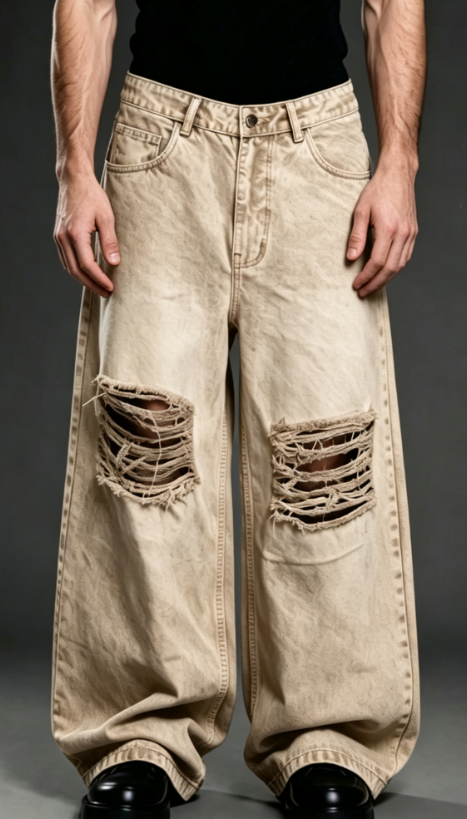
12–14 oz rigid denim commonly supports enzyme, stone, acid, garment-dye and softening treatments, while stretch denim needs wash trials to protect recovery. Distressing, whiskers and hand sanding require repeatable placement specifications. 1 approved wash standard should accompany every bulk order because shade, abrasion and shrinkage vary by lot. Test wash durability, crocking and residual chemicals against the destination market’s requirements.
- Specify Pantone or physical wash standard
- Mark distress placement on front and back
- Check labeling and chemical compliance
Branding And Hardware
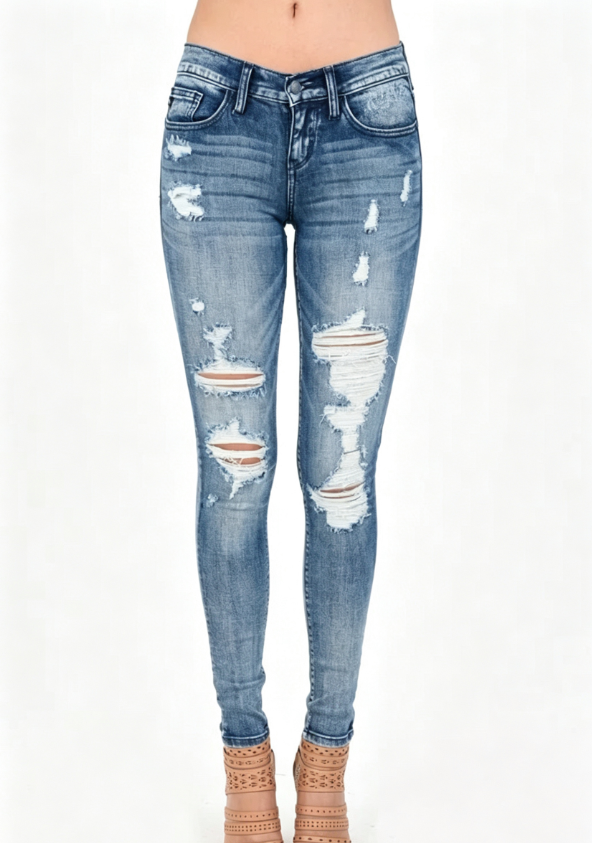
1 woven label, hangtag and branded polybag can establish private-label identity with less risk than multiple custom metal components. Rivets, buttons, leather patches, embroidery and prints need artwork, placement files and physical approval. 2 hardware finishes increase sourcing complexity and may raise trim minimums. Verify sharp-edge safety, nickel restrictions, colorfastness and attachment strength before production.
- Use logo artwork in vector format
- Specify rivet pull strength requirements
- Approve label wording and care content
6. Construction Quality in wholesale jeans
Construction quality determines whether wholesale jeans retain fit and appearance after transport, selling-floor handling, and repeated laundering. Lock measurable standards before bulk approval, then verify them at fabric receipt, sample review, inline production, and final inspection.
Fabric And Shrinkage Controls

100% of bulk denim should be checked for shade, defects, width, weight, and stretch recovery against the approved swatch. Test washed shrinkage before grading is frozen; garment-dyed and stone-washed programs need the approved wash recipe tied to the production lot.
- Record fabric lot and roll inspection results
- Approve wash panel before bulk processing
- Confirm post-wash measurements, not cut measurements
Stitching And Stress Points
8–10 stitches per inch is a common denim benchmark, but the tech pack should specify thread size, stitch type, and seam allowance for each operation. Inspect inseams, seat seams, belt loops, fly ends, and pocket corners for skipped stitches, roping, and secure bartacks.
- Pull-test inseam and seat-seam strength
- Check bartacks at pocket and fly stress points
- Run zipper, button, and rivet function tests
Fit, Placement, And Final Checks
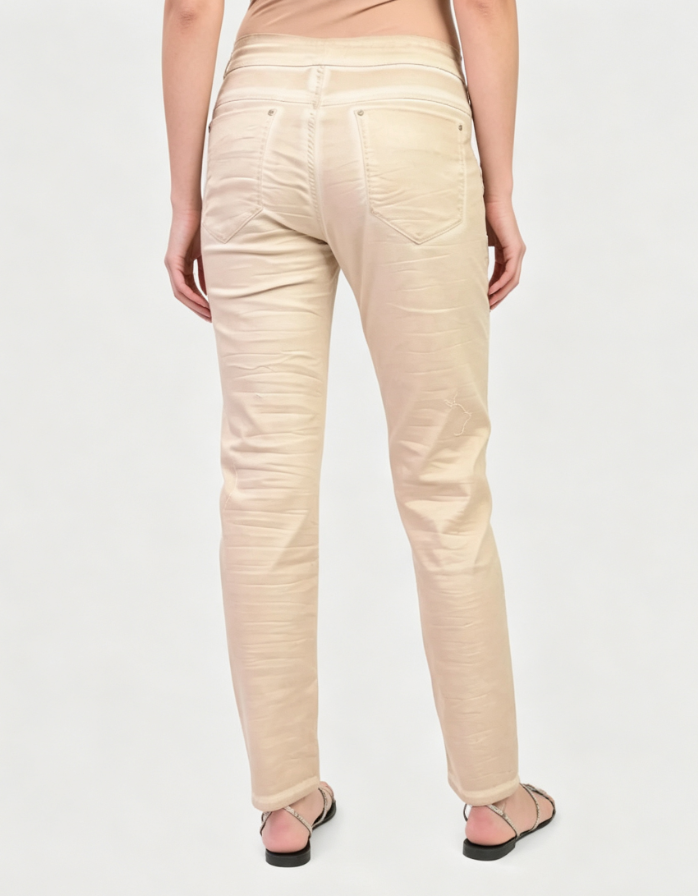
±0.5–1.0 cm tolerances are typical for key finished-garment measurements, while a brand’s tech pack should identify the exact points of measure and grading rules. Compare pocket placement, waistband pitch, rise, and leg twist to the sealed sample during inline checks and final packed-goods inspection.
- Use a signed measurement specification
- Review a size set after washing
- Inspect shade consistency across cartons
7. How to Choose a Jeans Manufacturer
100-unit MOQ programs can suit a focused capsule, but the factory must prove it can repeat the approved jeans across sizes, washes and replenishment orders. Evaluate evidence from comparable denim work, not a generic apparel capability list.
Check Denim Relevance

3 comparable styles are a useful starting point: ask for recent examples matching your silhouette, fabric weight, stretch level, wash and hardware. Verify whether the supplier controls pattern, sewing, washing and finishing directly or coordinates outside partners.
- Request measurement specs and wash test results
- Compare pocket shape, rise and inseam consistency
- Confirm experience with rigid and stretch denim
Test Development Discipline
1 prototype should precede bulk commitment. Supply a tech pack or reference garment, then review pattern comments, fabric swatches, graded measurements and wash standard before approving a size set. 2 sample rounds are common when fit and wash require correction; record every revision in a dated approval sheet. OEM should follow your specifications, while ODM should provide documented design and material proposals.
Verify Scale And Controls
80,000-plus monthly-unit capacity is meaningful only when the factory can allocate a realistic production window for your order. Ask for the critical path from material booking through pre-production sample, in-line checks, final inspection and export handoff. 100% final inspection is not a substitute for in-line control; require reports for fabric, measurements, decoration, wash appearance and packed goods. For destination requirements, request current applicable compliance documentation and confirm export experience for your market.
- Name one accountable production contact
- Confirm lead times in writing
- Review defect handling and rework procedures
8. Common wholesale jeans Sourcing Mistakes
Most wholesale jeans failures begin before the purchase order: a low quote, attractive sample, or broad launch plan masks a production variable. Lock technical decisions before bulk so margin, fit, and delivery stay controllable.
Price-Only Supplier Selection
$2–$5 saved per pair can disappear through shade variation, rework, claims, or missed delivery. Compare like-for-like quotations covering fabric composition, wash, trims, packaging, inspection, and freight terms. 100-unit programs need a costed specification, not a headline price. Ask suppliers to identify excluded processes and approve a pre-production sample before bulk.
Unproven Wash And Fabric

10–14 oz denim behaves very differently after enzyme, stone, or acid washing; shrinkage and color loss can change fit. Wash-test the approved fabric and sample through the intended process before releasing production. 1–3% dimensional change may be tolerable only when the pattern and tolerance allow it. Specify target weight, stretch recovery, wash recipe, and acceptable shade range.
Loose Specifications And Tolerances
1 cm of uncontrolled variance at the waist, rise, or inseam can create costly returns. Supply a graded tech pack with point-of-measure diagrams, construction notes, Pantone references, and tolerance limits. 3–5 key fit measurements should be checked on every size-set approval. Confirm pocket placement, seam allowance, thread color, and labeling alongside measurements.
Hardware, Timing, And Variants
YKK-grade zippers, rivets, buttons, and leather patches require pull, corrosion, and wash checks; weak hardware damages perceived quality. Approve trim samples and retain a signed trim card. 30–60 days is a common bulk planning window after approvals, while custom fabric, washes, and packing add time. Start with one or two proven washes and limited colorways, then reorder from retained patterns and material records.
9. Steps to Launch a Jeans Brand
A first jeans launch is most manageable when it begins with one customer, one price band, and two or three proven silhouettes. Use decision gates before sampling so creative ambition remains compatible with wholesale jeans margins, MOQ, and delivery dates.
Define The Commercial Brief
3 competitor price checks and 10 customer interviews can expose gaps in rise, inseam, wash, and size availability. Select a target retail price, channel, and margin before choosing details. 2–3 core styles, two washes, and one fit block keep the debut assortment readable. Freeze the product brief only after confirming the intended units per color meet the supplier’s MOQ.
- Customer and channel profile
- Target retail and landed cost
- Silhouette, wash, and size range
Engineer Fit And Materials

11–13 oz rigid denim suits structured straight or wide legs, while 10–12 oz stretch denim supports close-fitting shapes. Specify fiber content, recovery, shrinkage tolerance, wash effect, Pantone references, and approved hardware in the tech pack. XS–3XL grading requires more than enlarging a base pattern. Approve rise, thigh, knee, hem, and inseam measurements on a representative size set before bulk.
Sample, Approve, And Launch
2–3 sample rounds are common when fit, wash, and trim are reviewed together. Shortlist suppliers by denim experience, sample clarity, QC checkpoints, capacity, lead time, and documented MOQ—not quotation alone. 100-unit programs should receive a sealed pre-production sample and measurement tolerances before cutting. Plan freight, duties, photography, SKU naming, size charts, and launch allocations while final inspection checks measurements, construction, wash consistency, and packed quantities.
- Approve PPS before bulk cutting
- Book freight against launch date
- Merchandise complete fit and wash stories
10. wholesale jeans Pricing and Cost Factors
100 units per style and color is a practical starting point for custom wholesale jeans, but small runs carry more development, fabric allocation, and cutting cost per garment. A basic 12–13 oz cotton-stretch five-pocket jean costs less than a heavier rigid ring-spun denim program with specialty yarns or recycled fibers. 15–35 days is a typical production window after sample approval and bulk-material confirmation; wash development can add time. Enzyme, stone, acid, bleach, hand-sanding, whiskering, repairs, laser effects, and multiple rinse stages each raise labor, water-treatment, rejection, and quality-control costs. $8–$35 per unit is an illustrative ex-works range, not a final quote. Branded YKK hardware, leather patches, embroidery or prints, custom packaging, lab testing, freight, insurance, import duties, and destination taxes determine landed cost; quotations should follow approved specifications and shipping destination.
| Quantity Tier | Illustrative Ex-Works Unit Price | Typical Lead Time |
|---|---|---|
| 100–299 units | $22–$35 | 25–35 days |
| 300–999 units | $14–$24 | 20–30 days |
| 1,000–2,999 units | $10–$18 | 18–28 days |
| 3,000+ units | $8–$15 | 18–25 days |
Start Your Wholesale Jeans Project Today
Send your tech pack, reference garment, or product idea for a tailored OEM quote, fit review, and 100-unit MOQ plan.