
Custom Tshirt Printing Built for Brand Growth
Launch fit-focused XS–3XL custom tshirt printing from 100 units per style and color, with one-stop development, decoration, labels, and global production support.
Featured Products for custom tshirt printing Development


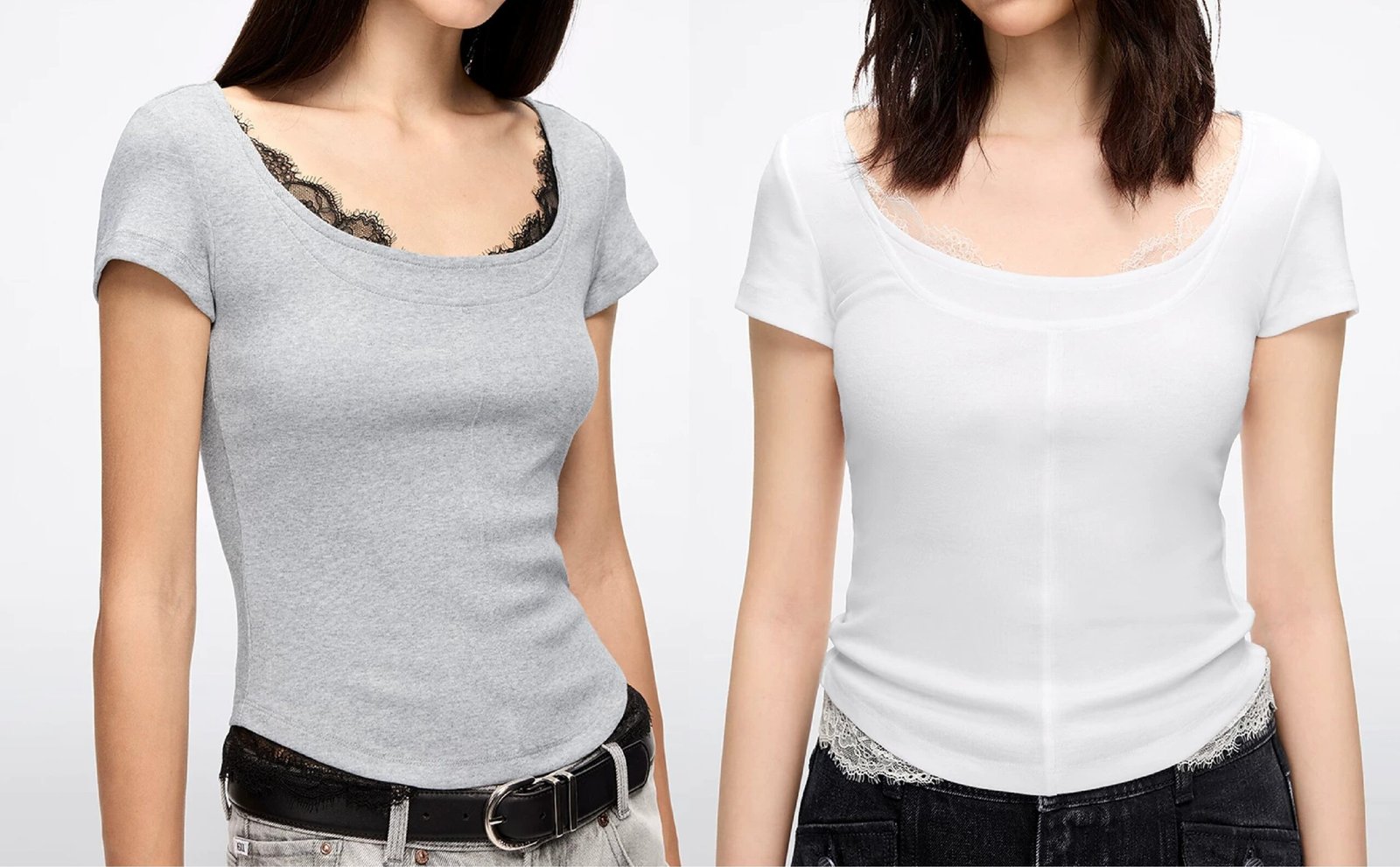


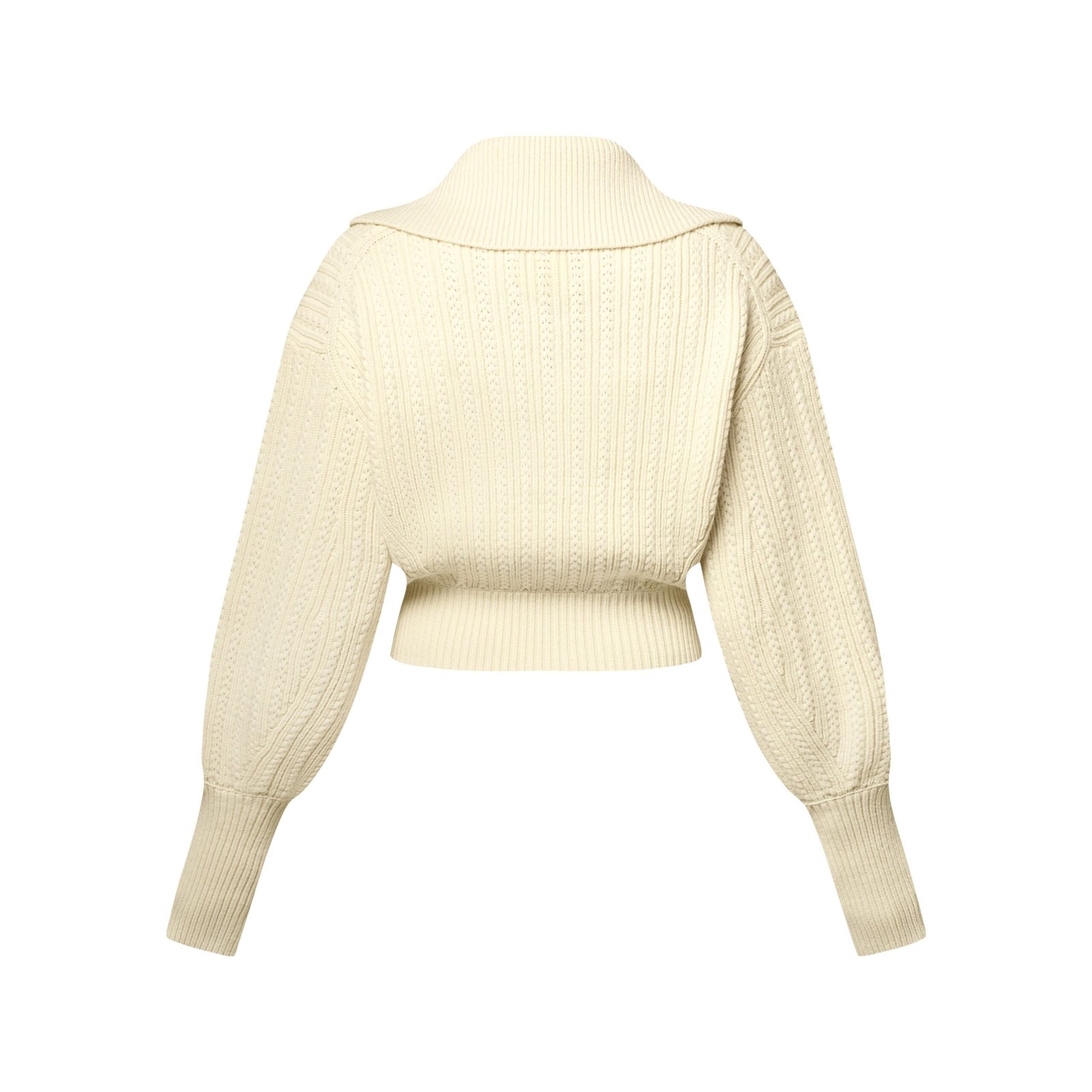


Related Product Catalogue and Quotation





Why Brands Choose JUNSHEEN for Custom Tshirt Printing
One integrated manufacturing partner for low-MOQ launches, fit-led development, branded finishes, and dependable global delivery.
100-Unit MOQ Flexibility
Launch capsule collections from 100 units per style and color, then scale confidently into repeat and bulk production programs.
Fit-Focused XS–3XL Development
Pattern makers refine proportions, mobility, and grading for standard, extended-size, plus-size, and modern oversized T-shirt fits.
Integrated Print and Embroidery
Create distinctive custom tshirt printing with screen print, DTG, DTF, puff, silicone, foil, embroidery, and specialty finishes.
Fabric Sourcing That Performs
Select jersey, organic cotton, Pima cotton, blends, and performance knits against your target hand feel, weight, durability, and cost.
Private Labels, Ready Built
Complete each T-shirt with custom labels, hang tags, patches, packaging, trims, and branded details managed within one supply chain.
Export-Ready Quality Control
From fabric inspection through final packed goods, our team checks measurements, construction, decoration, and consistency before global shipment.
Custom Apparel for Every Collection Stage
Develop fit-focused casualwear, denim, knitwear and outerwear from 100 units per style and color, with sampling and production support in one supply chain.

Custom Hoodies
Develop custom hoodies in fleece, French terry or jersey with fit-focused grading from XS to 3XL. Choose embroidery, screen printing, washes, labels, drawstrings and branded packaging for capsule drops, merchandise programs or repeat wholesale orders.
Request a Quote
Custom T-Shirts
Produce custom T-shirts from combed cotton, Pima cotton, organic options or performance blends. Junsheen supports necklines, weights, oversized and extended-size fits, plus DTG, DTF, screen printing, embroidery and private-label finishing from development through bulk production.
Request a Quote
Custom Jeans
Build custom jeans in rigid, stretch or recycled denim with patterns developed for rise, leg shape, mobility and consistent XS–3XL grading. Add custom washes, distressing, hardware, labels and packaging for fashion collections or wholesale denim programs.
Request a Quote
Custom Sweaters
Source turtle neck sweater bulk programs with yarn, gauge and construction selected for target price, hand feel and durability. Develop fitted, relaxed, oversized and extended-size silhouettes, then confirm samples and size sets before scalable knitwear production.
Request a Quote
Custom Jackets
Produce custom jean jackets in denim, twill or stretch constructions with tailored measurements, washes and hardware. Junsheen supports embroidery, patches, printing, branded buttons, labels and size grading for coordinated collections, merchandise and wholesale programs.
Request a Quote
Custom Sweatshirts & Crewnecks
Develop custom crewneck hoodie and sweatshirt programs in fleece, French terry or jersey. Refine body length, rib proportions and sleeve balance across XS–3XL, then apply screen printing, puff effects, embroidery, washes and private-label trims.
Request a Quote
Custom Cardigans
Create custom cardigans with knit structures, yarn blends, button options and fit specifications aligned to your collection. Pattern and size-set development supports regular, oversized and extended-size proportions, while labels, hang tags and branded packaging complete the program.
Request a Quote
Custom Puffer & Down Jackets
Manufacture custom puffer jackets with shell fabric, insulation, lining, quilting and hardware chosen around warmth, bulk and target cost. Develop size-graded samples, pockets, hoods, reflective details, labels and packaging before production for global delivery.
Request a Quote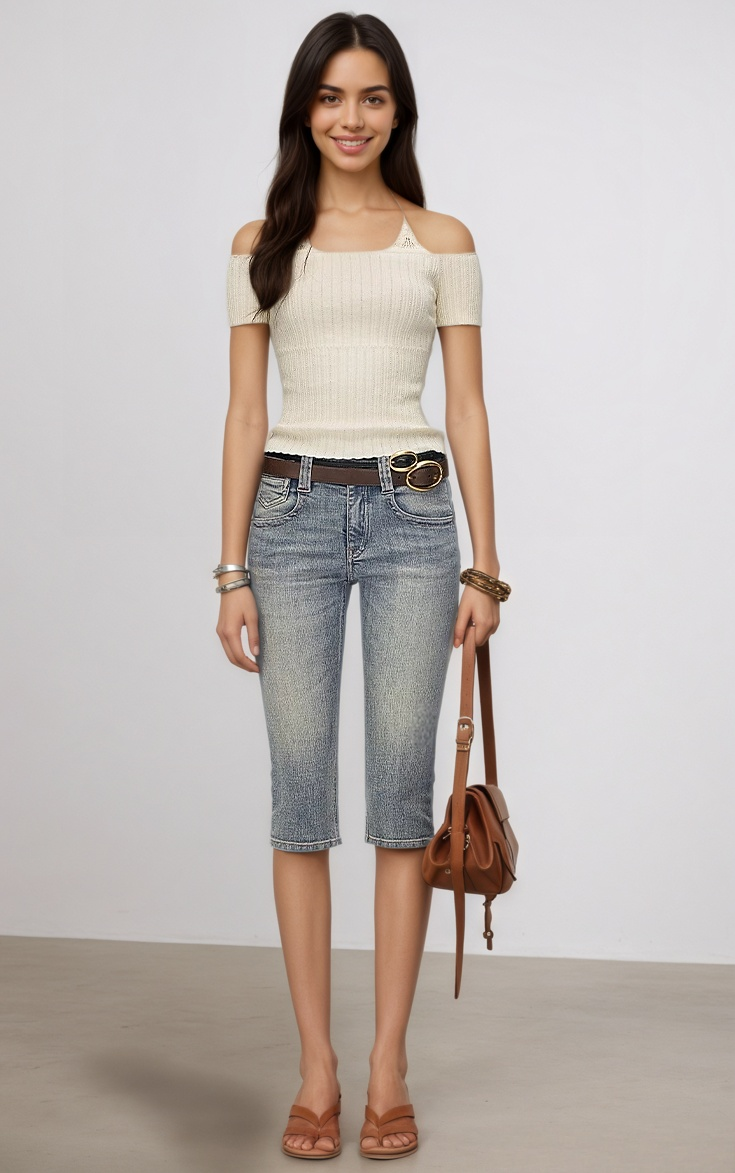
Custom Denim Shorts
Produce custom jean shorts in rigid or stretch denim with rise, inseam, leg opening and wash effects matched to your market. Add distressing, raw hems, embroidery, patches, hardware and fit-focused XS–3XL grading for seasonal denim assortments.
Request a Quote
Custom Sweater Dresses
Develop custom sweater dresses with yarn, gauge, stitch pattern and length specified for the intended silhouette. Junsheen supports fitted, relaxed, oversized and extended-size grading, then manages sampling, labels, trims, packaging and scalable knitwear production.
Request a Quote
Custom Denim Sets
Build mens denim suits wholesale assortments as coordinated denim jackets and jeans using consistent fabric, wash and hardware specifications. The team manages separate fit development, graded size sets, decoration and private-label details for repeatable wholesale or retail programs.
Request a Quote
Custom Polo Shirts
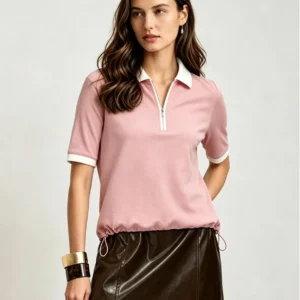
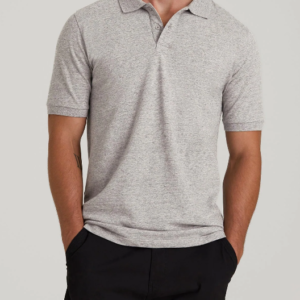
Produce custom polo shirts in pique, jersey or performance knit fabrics with collar, placket, cuff and fit specifications for uniforms, merchandise or retail. Add logo embroidery, screen printing, custom buttons, labels and extended-size grading from XS to 3XL.
Request a Quote
Custom Sweatpants
Develop custom sweatpants in fleece, French terry or jersey with waistband, rise, inseam and cuff measurements refined for movement and fit. Choose pockets, drawstrings, embroidery, printing, washes and branded trims for coordinated sets or standalone programs.
Request a Quote
Custom Shorts
Produce custom shorts in jersey, fleece, twill, woven or performance fabrics for casualwear, active-inspired collections and merchandise. Specify inseam, rise, pockets, waistband and decoration, with sample approval and XS–3XL grading before low-MOQ bulk production.
Request a Quote
Custom Pullovers
Create custom pullovers in fleece, French terry, jersey or knit constructions, including quarter-zip, mock-neck and oversized styles. Junsheen supports pattern development, fabric sourcing, size grading, embroidery, printing, labels and packaged production from 100 units per style and color.
Request a QuoteMaterials for Custom Tshirt Printing Programs

Combed Cotton Jersey
A smooth, soft everyday jersey for branded tees, retail basics, and graphic collections. Combed fibers create a cleaner surface for screen printing and DTG, with dependable breathability and a refined hand feel.

Pima Cotton Jersey
A premium, exceptionally soft jersey suited to elevated essentials and upscale private-label T-shirts. Its longer fibers support a smoother hand, strong color clarity, and durable wear while maintaining breathable comfort.

Organic Cotton Jersey
A natural-feel option for responsible apparel programs, from minimalist logo tees to capsule collections. Available in light to heavyweight constructions, it offers breathable comfort and a soft, authentic cotton hand.

Cotton Blend Jersey
A versatile cotton-polyester or cotton-stretch jersey for promotional, fashion, and repeat-order programs. Blended construction can improve shape retention, drying speed, and durability while keeping a familiar soft T-shirt feel.

Performance Knit Fabric
A lightweight technical knit for activewear-inspired tees, uniforms, and travel collections. Moisture-management fibers and controlled stretch support movement and quicker drying, while suitable constructions accept sublimation and transfer decoration.

Recycled Fiber Blends
A forward-looking material choice for brands seeking recycled-content T-shirts without sacrificing daily wearability. Recycled cotton or polyester blends can balance soft hand feel, durability, and consistent performance across bulk production.
Custom Tshirt Printing and Decoration Techniques

Screen Printing
Ideal for bold graphics and repeat bulk orders, screen printing delivers opaque color, strong wash durability and consistent placement. JUNSHEEN supports plastisol, water-based, puff, flocking, silicone, high-density, foil and discharge effects.

DTG Printing
Direct-to-garment printing applies detailed, full-color artwork directly onto suitable cotton-rich T-shirts. It is well suited to photographic designs, fine gradients and smaller runs requiring a soft, integrated hand feel.

DTF Transfers
Direct-to-film transfers produce vivid, flexible graphics that can be applied across cotton, blends and selected performance fabrics. This method handles intricate logos and multicolor artwork with dependable stretch and wash performance.

Heat Transfer
Heat transfer decoration uses pre-produced graphics bonded under controlled heat and pressure. It supports precise logos, names and small placements, creating clean edges and reliable results for varied fabrics and colorways.

Logo Embroidery
Flat, 3D puff and chain-stitch embroidery add raised texture and premium dimension to T-shirt logos. Reinforced stitching and suitable backing help the decoration retain shape, definition and durability through repeated wear.

Specialty Effects
Combine puff, metallic foil, flocking, silicone, high-density or discharge inks to create tactile, reflective or dimensional artwork. Our team reviews fabric, artwork and placement to select an effect that remains production-ready.
Private-Label Trims for Custom Tshirt Printing

Woven Brand Labels
Add woven main labels at the neck, hem, or side seam to give custom T-shirts a durable, premium brand signature. We can coordinate logo weaving, color matching, folding style, and attachment during production.

Wash-Care Labels
Custom wash-care labels communicate fiber content, care instructions, sizing, origin, and required compliance details. JUNSHEEN helps position them cleanly inside the garment while keeping the information legible and comfortable against skin.

Custom Hang Tags
Printed hang tags create a stronger retail presentation for launch collections, wholesale orders, and direct-to-consumer fulfillment. Choose custom shapes, paper stocks, finishes, barcode fields, stringing, and messaging aligned with your private-label identity.

Neck Tapes
Branded neck tape reinforces the inside back neck while adding a polished detail to custom T-shirt printing programs. Select printed, woven, or contrast tape options that support comfort, seam stability, and recognizable brand presentation.

Custom Packaging
Finish packed garments with branded polybags, size stickers, folding instructions, tissue paper, cartons, or retail-ready packaging. Packaging specifications can be planned alongside labels and hang tags to streamline quality control and global shipping.
Custom Patches
Use embroidered, woven, leather, silicone, or printed patches to add dimensional branding beyond the artwork. Patches work well on chest placements, sleeves, hems, and coordinated apparel programs requiring a more tactile premium finish.
About JUNSHEEN Apparel Manufacturing
Founded in 2010 in Humen Town, Dongguan, JUNSHEEN helps global fashion brands turn custom tshirt printing concepts into production-ready private-label apparel. Our mission is straightforward: combine responsive development, dependable manufacturing and export-ready support so emerging labels and established sourcing teams can build confidently.
With 200+ skilled workers, monthly capacity above 80,000 units and 2,000+ fashion-brand clients served, we support capsule launches from 100 units per style and color through scalable repeat programs. Our integrated supply chain covers product development, fabric sourcing, cut-and-sew production, decoration, quality control, labeling, packaging and global shipping.
What sets JUNSHEEN apart is a fit-first approach across XS–3XL, extended-size, plus-size and oversized garments. We refine patterns, grading and proportions rather than simply enlarging a base size, then unite that technical work with in-house printing, embroidery, washing and private-label finishing for more consistent custom T-shirt programs.

Custom Tshirt Printing Capabilities Beyond the Artwork
Fit Engineering That Holds
Custom tshirt printing succeeds when the base garment fits as deliberately as the artwork looks. JUNSHEEN develops XS–3XL, extended-size, plus-size and oversized silhouettes with balanced proportions, mobility and grading rules built for your intended customer.
- Pattern development from tech packs, sketches or reference garments
- Shoulder, sleeve, body-length and neckline proportions refined by size
- Extended-size and oversized grading without simply scaling a base pattern
- Fit samples and size sets reviewed before bulk approval

From Concept to Sample
Bring a finished specification or an early creative direction. Our product-development team reviews manufacturability, recommends fabrics and trims, creates patterns, and turns your custom T-shirt concept into an approval-ready sample before production commitments are made.
- Fabric weight, hand feel, stretch and wash-performance guidance
- Specification review to identify practical production improvements
- Prototype sampling, revisions and pre-production approval support
- Low MOQ from 100 units per style and color

Decoration With Garment Expertise
Artwork is matched to fabric, garment construction and desired hand feel—not handled as an afterthought. Integrated custom tshirt printing, embroidery, washing and finishing help brands coordinate visual impact, durability and consistent production results in one supply chain.
- Screen print, water-based, puff, silicone, high-density and discharge effects
- DTG, DTF, heat transfer and dye sublimation options
- Flat, 3D/puff, chain-stitch and patch embroidery
- Garment dye, acid wash, softening and anti-pilling finishes

Repeatable Bulk Consistency
JUNSHEEN retains approved patterns, graded size sets and material records to help repeat orders move faster and stay aligned. Incoming-fabric, in-line, measurement, decoration and final-pack inspections support dependable quality as programs scale internationally.
- 200+ skilled workers and 80,000+ units monthly capacity
- Documented approvals for patterns, materials and decoration details
- Quality checks across construction, measurements, fit and packed goods
- Global export support for ongoing brand and wholesale programs

Custom Tshirt Printing Built for Brand Growth
Compare the fit, development, production, and export support behind a more dependable apparel program.
← 左右滑动查看 →
Our Custom Tshirt Printing Production Process
A controlled OEM workflow that turns approved artwork and specifications into consistent, private-label T-shirts ready for global distribution.
Review Feasibility and Specs
Our team reviews your tech pack, artwork, target quantity, fit requirements, decoration method, budget, and delivery needs before confirming a practical production plan.
Source Fabrics and Trims
We recommend jersey weight, fiber content, color, labels, packaging, and trims based on hand feel, print performance, durability, target cost, and brand positioning.
Develop Patterns and Samples
Pattern makers build and grade fit-focused XS–3XL specifications, then produce samples for measurement, construction, artwork placement, wash, and approval review.
Cut Decorate and Assemble
After approval, fabrics are inspected and cut, then printed or embroidered in-house before skilled operators assemble each custom T-shirt to approved specifications.
Inspect Pack and Ship
In-line and final quality checks cover measurements, seams, decoration, and packed goods before branded packing and coordinated global shipment of your completed order.
How Custom Tshirt Printing Moves From Concept to Shipment
A clear, fit-focused workflow for private-label T-shirt programs from 100 units per style and color.
Send Your Concept
Share a tech pack, sketch, reference garment, artwork, size range, target quantity, and price goals for an initial custom tshirt printing review.
Review Feasibility and Quote
Our team confirms construction, fabric, printing method, fit requirements, lead time, MOQ, and quotation, then recommends practical adjustments before development begins.
Approve Your Samples
Review prototype and size-set samples for measurements, XS–3XL grading, hand feel, color, artwork placement, and finishing before releasing the final production specification.
Confirm Bulk Production
Approve the order details and payment terms while we source materials, manage cutting and printing, complete in-line quality checks, and retain records for repeat programs.
Coordinate Global Shipment
We complete final inspection, packing, export documentation, and shipment coordination, helping your custom T-shirts arrive production-ready for wholesale, retail, or launch fulfillment.
Custom Clothing Manufacturer Credentials and Compliance Documents




What Global Clients Say About Our Custom Tshirt Printing
JUNSHEEN translated our reference tee into a production-ready sample with the correct heavyweight hand feel and placement print on the first revision. We launched with 240 units and received only three fit-related customer exchanges across XS–3XL.
Their grading team fixed the shoulder and body-length inconsistencies we had with our previous supplier. Our second 1,200-unit custom tshirt printing order matched the approved size set closely, which let us reorder without rebuilding the specs.
Communication was notably faster than our prior factories: artwork questions, fabric options, and sample comments were answered within one business day. From approved sample to packed 600-piece run, the production process stayed clear and dependable.
Custom Tshirt Printing FAQ for B2B Buyers
Clear answers on minimums, sampling, fit, production, artwork, payment and global delivery for private-label T-shirt programs.
What is the MOQ for custom tshirt printing?
Can I order a sample before starting custom tshirt printing?
How long does custom tshirt printing take from artwork approval to shipment?
What artwork files do you need for custom tshirt printing?
Can you develop T-shirt fits from XS to 3XL?
What payment terms do you offer for a first apparel order?
Do you arrange international shipping for custom T-shirt orders?
How do you protect my designs and private-label details?
The Complete Buyer’s Guide to custom tshirt printing
Use this decision framework to compare print methods, fabrics, construction standards, supplier capabilities, pricing factors, and launch requirements—while avoiding common sourcing mistakes that can compromise quality, margins, and delivery timelines.
1. What Is custom tshirt printing?
100 units per style and color is a practical starting point for custom tshirt printing in a B2B program: a buyer specifies the garment, artwork, decoration process, quantity, and approved finish as one production brief. The result may start with a stocked blank, but it is not simply blank-shirt resale; the supplier must control print placement, color matching, curing, measurement tolerance, and packed presentation. 2010 is the year Dongguan Junsheen Clothing Co., Ltd. began operating in Humen, Dongguan, where a printed-tee order can also be developed as a fully custom cut-and-sew garment. That route adds fabric selection—such as 160–220 GSM combed cotton jersey—pattern, collar rib, size grading, labels, washes, and trims before decoration, unlike buying a ready-made blank and applying a logo. Pantone artwork, screen count or transfer specification, print dimensions, fabric color, order split by size, and required hand feel determine whether plastisol, water-based screen printing, puff, DTG, DTF, or another method is commercially appropriate. A usable sourcing specification also records strike-off approval, wash expectations, carton packing, delivery window, and acceptance standards. 2 buyer groups benefit most: emerging labels validating a 100-unit capsule and established brands or wholesalers standardizing repeatable programs. Defining these inputs early lets sourcing teams compare quotations fairly, protect margin assumptions, approve samples with fewer revisions, and decide when a blank-based launch is sufficient versus when custom manufacturing creates a stronger product.
2. Evolution of custom tshirt printing
1907 marked the U.S. patenting of a screen-printing process, and the method later became central to concert merchandise because one setup could repeat the same graphic across a large run. For buyers, that legacy still matters: screen printing rewards consolidated quantities, supports opaque plastisol and specialty effects, and makes Pantone-controlled color more practical when the art uses a defined number of spot colors. 1990s direct-to-garment development shifted the workflow from making screens to sending digital artwork to a printer. Modern DTG and DTF workflows make short runs, photographic gradients, variable names, and test drops more accessible, but they require disciplined artwork preparation, pretreatment or film selection, wash testing, and realistic expectations about hand feel and color behavior on dark garments. 100-unit production is a useful modern middle ground for a private-label launch: it is far below traditional high-volume merchandise programs while still allowing a factory to manage fit, fabric, labels, and repeatable decoration. Water-based inks, discharge systems where fabric and dye allow, and lower-waste digital workflows have expanded sustainability choices; buyers should still request sample approvals, wash tests, color targets, and inspection standards rather than treating an ink label as proof of finished-garment quality.
3. Types of custom tshirt printing
Six production routes create very different cost, feel, and color results. Before requesting a quote, match artwork and fabric to the method, then compare durability against the intended order quantity.
| Method | Best Artwork | Fabric And Feel | Volume Fit | Main Limitation |
|---|---|---|---|---|
| Screen print | Spot-color logos | Cotton/blends; soft to medium hand | 100+ | Setup per color |
| DTG | Photographic detail | High-cotton; soft hand | Low runs | Pretreatment sensitivity |
| DTF | Full-color transfers | Most fabrics; film hand | Low to mid | Heavier feel |
| Vinyl | Names and numbers | Most fabrics; firm hand | 10–50 | Large areas feel stiff |
| Sublimation | All-over color | Polyester; no hand | Low to bulk | Light polyester only |
Screen Printing
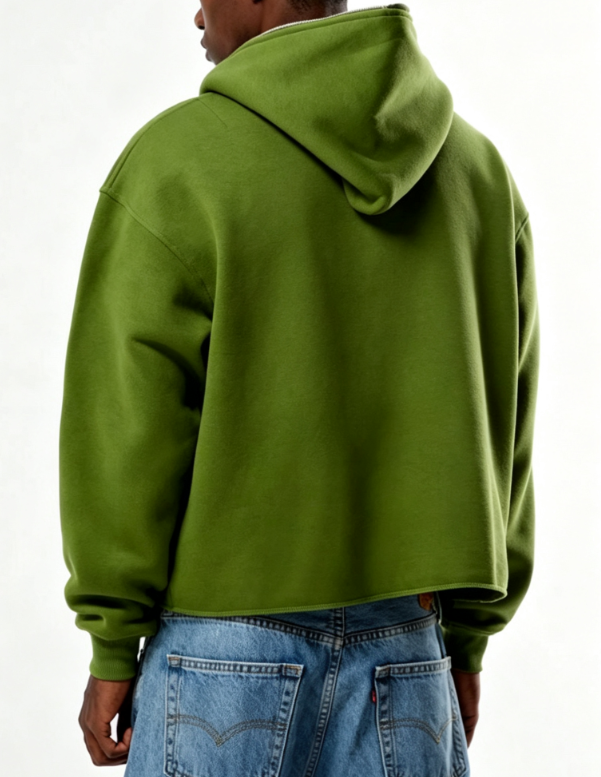
1–6 spot-color graphics on cotton jersey or blends suit screen printing. Opaque plastisol gives strong dark-garment color; water-based ink feels softer. 100+ units usually spreads screen setup efficiently. Properly cured prints wash well, but photo art and frequent color changes add separations and cost.
DTG And DTF

DTG reproduces detailed, full-color artwork on high-cotton tees with a soft result. Pretreatment and fabric color affect brightness and consistency. DTF handles cotton, blends, and polyester with vivid color and low setup. Its transferred film can feel heavier and requires controlled pressing for wash durability.
Vinyl And Heat Transfer

1–2 color names, numbers, and simple logos suit cut vinyl or heat transfer. Cotton, polyester, and blends accept it, including small personalized runs. 10–50 pieces can be practical because artwork setup is minimal. Large solid areas feel plasticky, and edge lifting is the principal wash-risk.
Sublimation And Specialty Effects

100% polyester white or pale garments are required for dye sublimation. The dye becomes part of the fiber, producing all-over color with virtually no added hand. Discharge, puff, foil, flock, silicone, and high-density effects add texture or dimension. Each needs fabric and wash testing; discharge performance varies with garment dye chemistry.
4. Fabrics for custom tshirt printing
150–180 GSM single jersey is a versatile starting point for custom tshirt printing, but fiber and yarn quality determine ink coverage, hand feel, and positioning. Confirm shrinkage, opacity, and print testing on the approved bulk fabric—not only on a swatch.
| Program | Fabric | Weight | Best Print Method |
|---|---|---|---|
| Fashion | Combed cotton jersey | 180–220 GSM | Water-based, screen, DTG |
| Promotional | Carded cotton or 50/50 blend | 150–180 GSM | Plastisol screen print |
| Activewear | Polyester or recycled polyester | 140–180 GSM | Sublimation, DTF |
| Premium | Heavyweight combed cotton | 220–260 GSM | High-density screen, embroidery |
Cotton And Organic Cotton

100% cotton accepts water-based, discharge, DTG, and screen inks well because its absorbent surface anchors color. Combed ring-spun yarn is smoother and less fuzzy than carded or open-end yarn, producing sharper fine detail. 160–220 GSM cotton suits retail tees; organic cotton requires a documented certification chain when GOTS claims are planned. Allow for controlled wash shrinkage and use opaque underbases on dark shades.
Blends And Performance Fibers

50/50 cotton-poly blends reduce shrinkage and add durability, but polyester can cause dye migration under heat. Low-bleed inks and a production cure test are essential for deep polyester colors. 100% polyester and recycled polyester manage moisture and dry quickly, making them appropriate for activewear. Sublimation requires high-polyester, usually light-colored fabric; DTF and screen print broaden design options.
Weight, Knit, And Opacity

180–260 GSM heavyweight jersey creates a structured premium silhouette and improves opacity for bold graphics. A compact single jersey surface generally prints cleaner than loose, uneven knitting. 4.5–6.5 oz promotional tees prioritize cost and breathability, while 6–8 oz fashion programs support a more substantial hand. Request finished-GSM tolerances after wash, especially for garment-dyed cotton.
5. custom tshirt printing Customization Options
A custom tshirt printing brief should specify every visible and hidden brand touchpoint before sampling. Junsheen can coordinate cut-and-sew, decoration, labels, trims, packaging, and export support from a 100-unit style-and-color program.
| Option | Best Use | Feasibility | Cost And Timing |
|---|---|---|---|
| Front or back screen print | Core graphic | Best on cut panels | Color screens add setup |
| Sleeve and neck prints | Secondary branding | Needs measured placement | Adds handling time |
| Embroidery or patch | Premium logo detail | May need backing | Higher unit labor |
| All-over sublimation | Full-coverage artwork | Polyester-based garments | Pre-cut production planning |
| Labels and packaging | Private-label identity | Artwork approval required | Adds trim lead time |
Print Placement And Scale
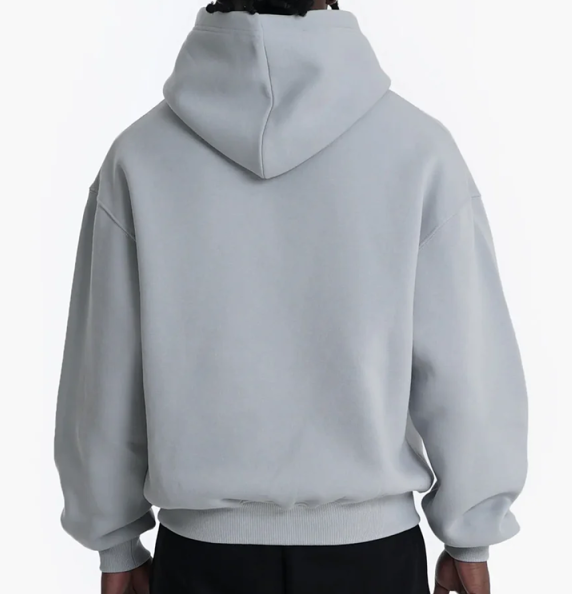
A 28–32 cm full-front print reads like a graphic tee, while a 7–10 cm left-chest mark suits retail uniforms or understated labels. A 5–8 cm sleeve print and inside-neck print add recognition without competing with the front artwork. Specify placement from center-front, maximum dimensions, Pantone colors, and tolerance on the tech pack.
- Full front: strongest graphic impact
- Sleeve print: visible in layered outfits
- Neck print: replaces a separate label
Decoration Combinations
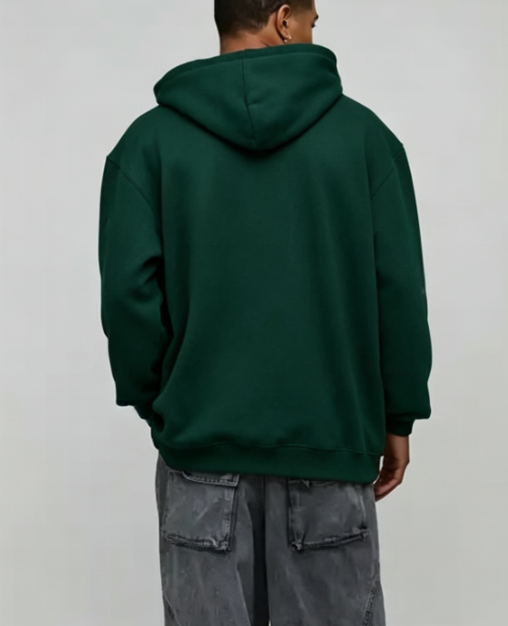
One primary decoration method usually produces a clearer product than three competing effects. Water-based screen print suits soft cotton hand feel; puff, high-density, foil, flocking, silicone, DTF, and embroidery create different height, sheen, and wash-risk profiles. Two decoration locations raise setup, handling, and inspection time. All-over sublimation requires polyester or a compatible blend and is planned before garment assembly; dense embroidery may need backing and can distort lightweight jersey.
Private Label Finish
Three private-label components—main label, size label, and wash-care label—make a blank garment identifiable as a branded product. Woven labels, neck tape, hangtags, custom patches, and branded mailers increase perceived value but add approvals and material lead time. One cohesive brief should match logo scale, ink colors, patch material, and packaging to the target price. Request digital artwork, label copy, placement drawings, and a pre-production sample before bulk approval.
6. Construction Quality for Printed Tees
A printed tee can look correct at packing yet fail after three washes. Construction decisions made before custom tshirt printing determine whether customers keep the fit, comfort, color, and premium impression they paid for.
Pattern, Fit, And Grading
XS–3XL size sets should be checked on body-relevant forms, not scaled blindly from one sample. Confirm shoulder slope, chest ease, body length, sleeve opening, and grading increments before approving bulk.
- Measure against the approved spec sheet
- Compare all sizes, not only the base size
- Check print placement after size grading
Collar And Shoulder Stability

1×1 or 2×1 rib collars need enough recovery to return after repeated stretching; a loose neck opening is a frequent return trigger. Inspect neck tape or shoulder-to-shoulder reinforcement, clean coverstitching, and balanced seam tension.
- Stretch the collar and allow full recovery
- Check tape ends and shoulder seams
- Look for skipped stitches or seam puckering
Fabric And Color Control

160–220 GSM jersey commonly suits premium printed tees, but the fabric must be stable before artwork is positioned. Request pre-shrinking or wash testing, then compare shade consistency under daylight against the approved Pantone or lab dip.
- Record wash shrinkage in length and width
- Inspect spirality after laundering
- Approve bulk shade against retained standard
Sample And Bulk Inspection
3 wash cycles provide a practical early screen for shrinkage, cracking, bleeding, and collar distortion before production release. During bulk QC, inspect measurements, stitch density, seams, print registration, and packed-garment appearance against the sealed sample.
- Retain an approved sealed sample
- Audit random cartons from each production lot
- Photograph defects and record corrective action
7. Choosing a custom tshirt printing Manufacturer
A 100-unit production threshold can make a supplier viable for a capsule, but it does not prove print control. Evaluate the factory’s T-shirt development workflow, documentation, and ability to repeat an approved sample at bulk scale.
Verify Category And Capacity

Ask for recent reference samples matching your jersey weight, color count, placement, and print effect. A factory experienced in custom tshirt printing should explain whether screen print, DTF, DTG, discharge, water-based, puff, or silicone suits the artwork and expected wash life. Junsheen can support programs from 100 units per style and color and reports monthly capacity above 80,000 units. Confirm the available production slot, quoted lead time, and whether sampling or peak-season orders change that schedule.
- Which comparable tees were produced in the last 12 months?
- What is the MOQ by color, size run, and print method?
- Can you provide an approved bulk-reference sample?
Lock Materials And Artwork
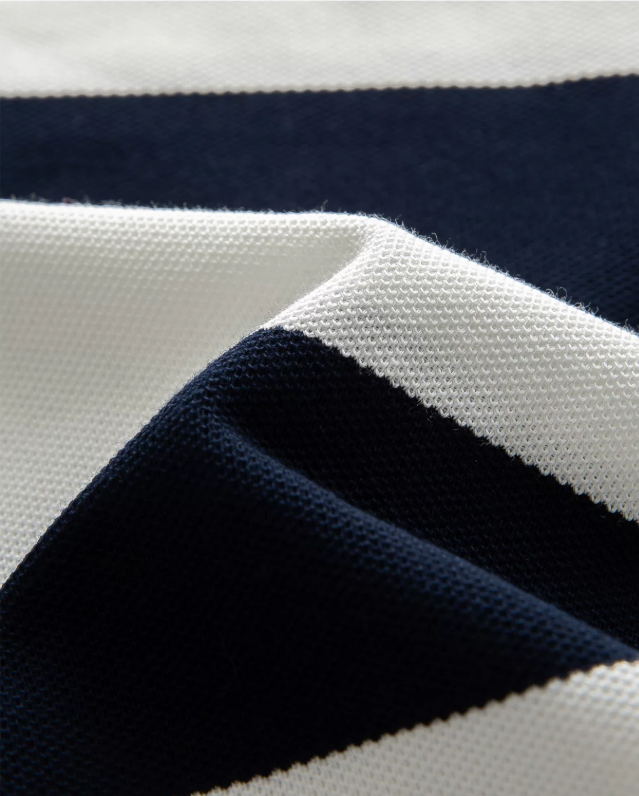
Specify a fabric target before approving price: for example, 180–220 GSM ring-spun cotton jersey or a defined cotton blend. Request swatches, composition, shrinkage expectations, color standard, and any applicable OEKO-TEX, GOTS, WRAP, or BSCI documentation rather than assuming certification applies. Provide vector artwork, Pantone references, dimensions, placements, and print layers for preflight. Ask the supplier to flag fine lines, gradients, underbase needs, registration risk, and color limitations before a deposit is paid.
- Which fabric lot will the bulk order use?
- Will preflight include a print-size and placement proof?
- Which compliance documents apply to this exact material?
Approve Sampling And Quality Gates

Require a prototype, then a size set or pre-production sample when fit, decoration, or wash performance is critical. Junsheen’s development workflow can include pattern review, grading, fabric selection, and pre-production approval; record every approved measurement and trim detail. Set inspection checkpoints for incoming fabric, in-line sewing, measurements, decoration, wash appearance, and final packed goods. Before bulk approval, ask who signs off deviations, what AQL standard is used, and how reprints, rejects, or delivery delays are handled in writing.
- Is the bulk print matched to the approved sample?
- What measurement tolerances apply by size?
- Who sends inspection photos and reports before shipment?
8. Common custom tshirt printing Mistakes
A 100-unit run can become costly when preproduction assumptions reach the press unchecked. For custom tshirt printing, lock artwork, fabric, color, tolerances, testing, and timing before authorizing bulk production.
Deliver Production-Ready Artwork
300 dpi artwork at final print size prevents soft edges, unintended halftones, and costly redraws. Supply vector AI, PDF, or EPS files, define Pantone references, and request a prepress proof before sampling.
Match Method To Fabric

180 GSM ring-spun jersey, fleece, and stretch blends accept ink differently; the cheapest method can crack, bleed, or feel heavy. Compare screen-print, DTF, DTG, and discharge on the actual fabric, not a paper quote.
Specify Tolerances And Color
±1–2 cm garment measurement tolerances and approved Pantone targets prevent disputes after delivery. State print placement, maximum variation, and color standard in the tech pack; approve a strike-off under normal viewing light.
Test Before Bulk Approval
3–5 wash cycles can reveal dye migration, ink cracking, shrinkage, or poor adhesion that a fresh sample hides. Wash-test the strike-off, record the method and temperature, then approve only the tested construction.
Protect Schedule And Design
2–4 weeks for sampling and additional bulk-production time can be lost to artwork revisions or late approvals. Build approval buffers and limit a tee to compatible embellishments; excessive prints, embroidery, patches, and washes increase distortion and rejection risk.
9. Steps to Launch a Printed T-Shirt Brand
A 100-unit style-and-color run can test a focused brand without committing to a broad inventory position. Launch custom tshirt printing as a controlled sequence: lock product-critical choices before sampling, then refine commercial choices from approved samples and sales data.
Define Audience And Assortment
One target customer and two to four core SKUs are enough for a first capsule; define intended fit, retail price, climate, and competitor references. Established retailers should also forecast channel allocation and replenishment depth. Three locked inputs before sampling are the size range, garment silhouette, and initial colorway count. Oversized proportions or XS–3XL grading require pattern decisions early; names, campaign imagery, and seasonal color extensions can evolve later.
Build Production-Ready Artwork
300 dpi artwork at final print size, Pantone references, placement measurements, and vector logos prevent interpretation errors. Supply AI, EPS, PDF, or editable source files alongside a tech pack. Two approval files should separate visual intent from factory instruction: a presentation mockup and a print-placement sheet. Lock ink colors, print dimensions, neckline, labels, and tolerance expectations before the sample is cut.
Select Fabric And Print Method

180–220 GSM ring-spun cotton jersey suits many premium tees, while 240 GSM supports a heavier streetwear hand feel. Match decoration to artwork: water-based screen print for soft coverage, plastisol for opacity, and DTF for detailed small runs. One physical swatch review should confirm shrinkage, opacity, hand feel, and wash behavior before bulk fabric booking. Finish treatments, alternate blanks, and extra artwork colorways can be tested after the first approved sample.
Sample, Approve, And Replenish
One prototype, one revision round, and a signed pre-production sample create a practical approval gate. Check chest width, body length, print registration, wash-care content, packing ratio, and final carton marks. Three compliance checks commonly affect export readiness: fiber content, country-of-origin marking, and destination-specific care labeling. Confirm quotation, production schedule, inspection standard, shipping terms, and branded packaging before bulk; reorder from retained patterns and material records after sell-through proves demand.
10. custom tshirt printing Pricing and Costs
100 units per style and color is a practical starting point for a capsule order, but custom tshirt printing cost is driven by the approved garment specification rather than MOQ alone. A 180–220 GSM ring-spun cotton tee generally costs more than a lighter open-end blank because fabric yield, sewing time, shrinkage control, and hand feel differ. 1–2 print placements and 1–3 screen colors keep screen-print jobs efficient; each extra color, oversized placement, puff, foil, silicone, discharge, or high-density effect adds labor, materials, and setup. DTG and DTF avoid some screen setup but can carry higher per-unit cost at volume, especially on dark garments requiring a white underbase. 2 samples are often the sensible allowance: one development sample and one revised or pre-production sample before bulk approval. Labels, hang tags, branded polybags, carton requirements, inspection, freight, duties, and destination delivery determine landed cost; request a final quote only after fabric, Pantone colors, artwork, size breakdown, packaging, Incoterm, and approved sample are confirmed.
| Method and quantity | Typical unit-price driver | Typical setup cost | Expected production lead time |
|---|---|---|---|
| Screen print, 100–299 units | Color count, placements, garment color | Screens and color separations per artwork | 15–25 days after approval |
| Screen print, 300–1,000+ units | Lower unit cost through longer runs | Setup spread across more units | 15–30 days after approval |
| DTF or DTG, 100–300 units | Artwork coverage, underbase, transfer or machine time | Low to moderate artwork preparation | 10–20 days after approval |
| Specialty print, 100–500 units | Puff, foil, silicone, discharge, curing tests | Higher sampling and setup allowance | 20–30 days after approval |
Start Your Custom Tshirt Printing Project
Send your tech pack, reference garment, sketch, or product idea for a tailored quotation and fit-focused production plan from 100 units.