
Custom Patch Jeans From 100 Units
Develop custom patch jeans with OEM/ODM support, private labeling, and fit-focused XS–3XL grading for global fashion brands.
Featured Products for custom patch jeans Development


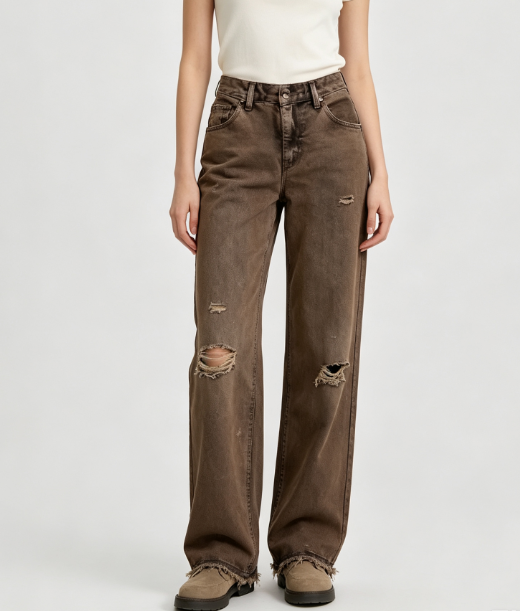
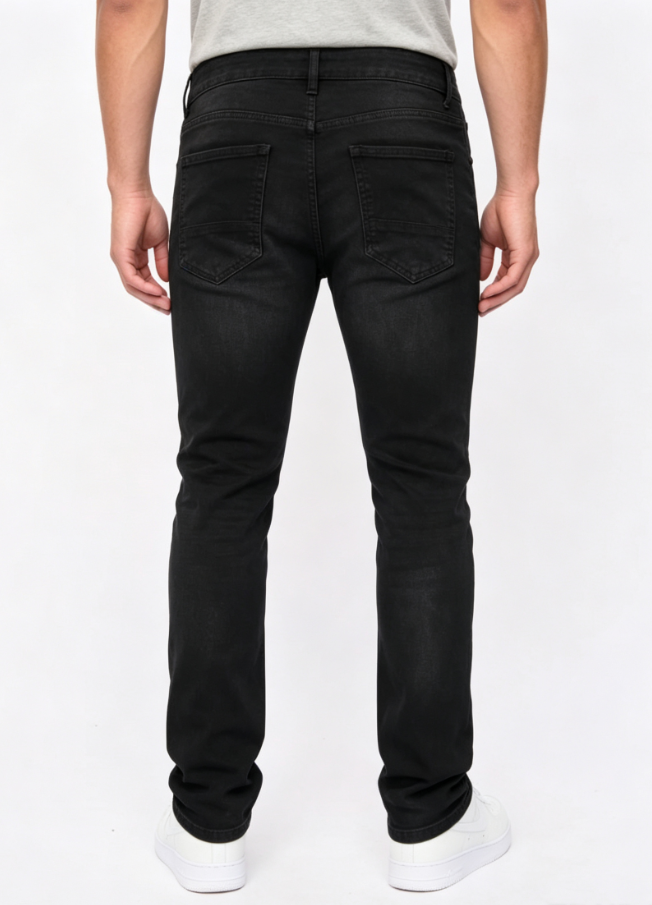

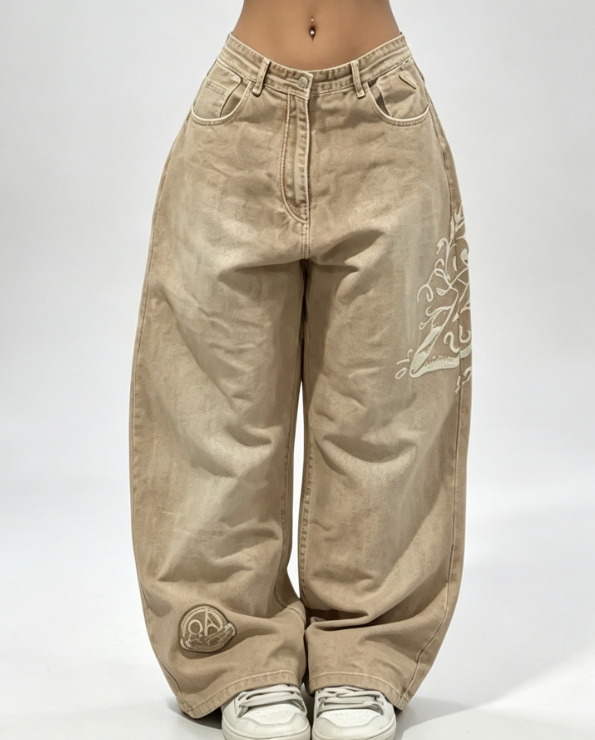


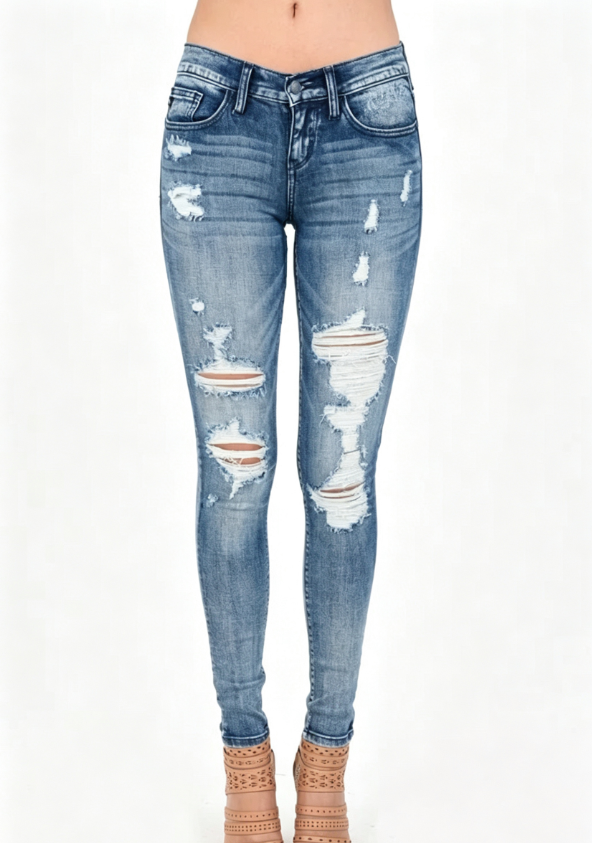

Related Product Catalogue and Quotation




Why Brands Source Custom Patch Jeans With JUNSHEEN
From first sample through export packing, our integrated team supports dependable denim development built for brand growth.
100-Unit MOQ Launches
Start custom patch jeans from 100 units per style and color, giving emerging labels a practical path to test capsule collections.
Fit-First Size Engineering
Pattern makers refine rise, hip balance, inseam, mobility and grading from XS to 3XL for consistent normal, oversized and plus-size fits.
Integrated Patch Decoration
Coordinate custom patches, applique, embroidery, printing, washes and finishing through one production team for cleaner execution and fewer handoffs.
Scalable Denim Capacity
With 200+ skilled workers and capacity above 80,000 units monthly, JUNSHEEN supports repeat programs as demand grows.
Export-Ready Quality Control
Fabric, measurements, construction, decoration and packed goods receive staged inspections, backed by private-label packaging and global shipping support.
Custom Denim and Apparel Programs
Build coordinated capsules and repeatable private-label styles with fit development, low-MOQ sampling, and scalable production support.

Custom Hoodies
Develop custom hoodies in fleece, French terry, or jersey with your weight, silhouette, rib details, embroidery, printing, labels, and packaging. Start from 100 units per style and color, with XS–3XL grading for capsule drops or replenishment programs.
Request a Quote
Custom T-Shirts
Produce custom T-shirts in combed cotton, Pima cotton, organic blends, or performance jersey. Junsheen supports neckline, fit, fabric weight, screen printing, DTG, DTF, garment dye, labels, and size grading for branded essentials and promotional collections.
Request a Quote
Custom Jeans
Build custom jeans with your chosen denim weight, stretch level, wash, hardware, pocket construction, patch, and fit block. Pattern makers refine rise, leg shape, mobility, and XS–3XL grading for women’s, men’s, unisex, plus-size, and oversized denim programs.
Request a Quote
Custom Sweaters
Source turtle neck sweater bulk programs with knit constructions suited to your target hand feel, warmth, and price point. Define yarn composition, gauge, neck shape, rib details, fit, grading, labels, and packaging before bulk production.
Request a Quote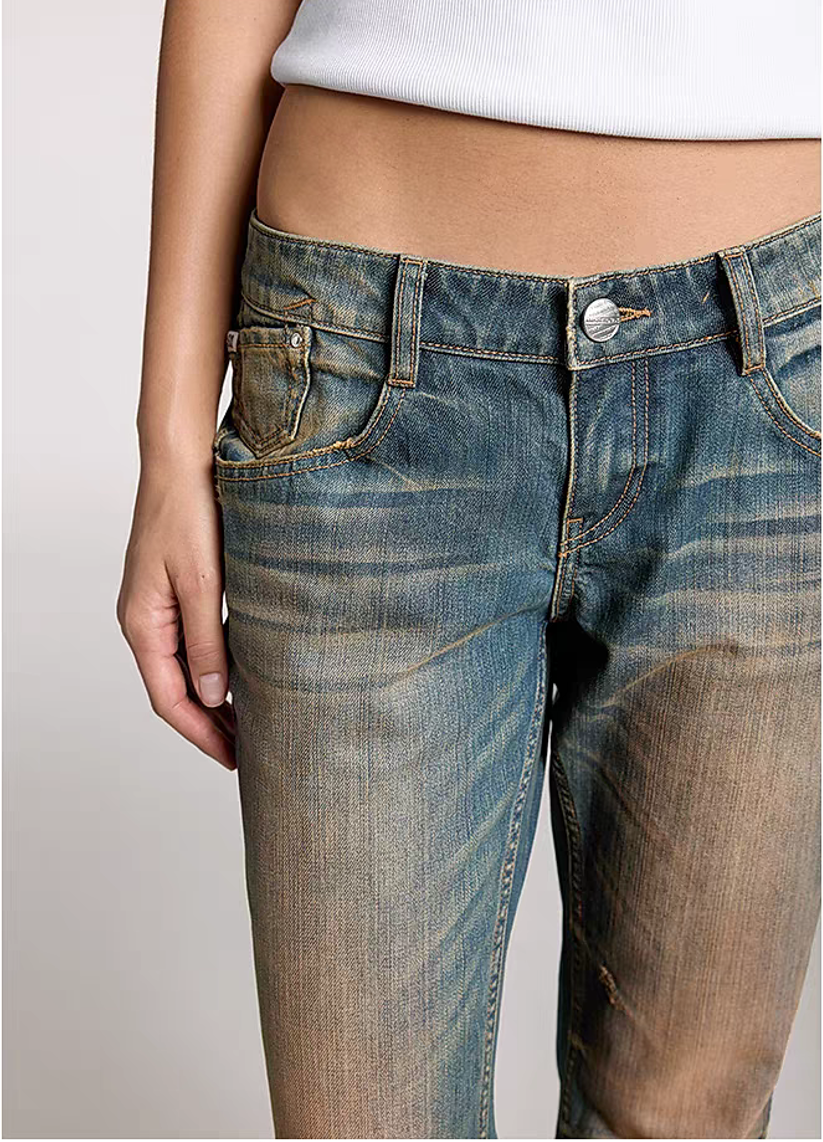
Custom Jackets
Produce custom jean jackets with denim selection, collar and pocket specifications, branded buttons, patches, embroidery, printing, and wash development. Junsheen can match jackets to jeans or shorts for coordinated denim capsule programs.
Request a Quote
Custom Sweatshirts & Crewnecks
Create custom crewneck hoodie and sweatshirt programs in fleece or French terry, with defined necklines, rib trims, seam details, graphics, embroidery, and washes. Fit development supports regular, oversized, and extended-size ranges from XS through 3XL.
Request a Quote
Custom Cardigans
Develop custom cardigans in sweater knits with selected yarns, gauges, button or zipper closures, pocket details, and branded trims. Technical sampling confirms shape retention, drape, sizing, and finishing before repeatable bulk production.
Request a Quote
Custom Puffer & Down Jackets
Manufacture custom puffer jackets with specified shell fabric, insulation, quilting layout, lining, closures, pockets, and reflective or branded details. Development reviews warmth, bulk, mobility, and construction feasibility for outerwear programs at your required price point.
Request a Quote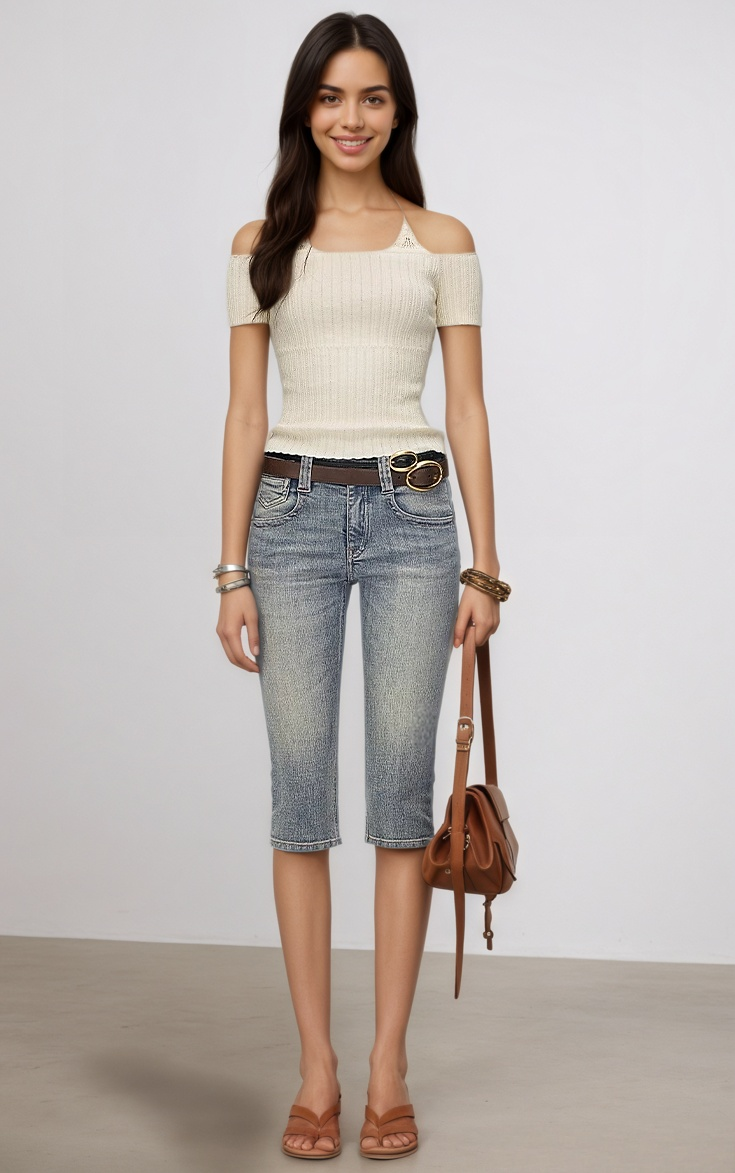
Custom Denim Shorts
Produce custom jean shorts using your denim fabric, inseam, rise, hem treatment, pocket construction, wash, distressing, hardware, and branding. Coordinate fits and finishes with jean or jacket programs for consistent seasonal denim assortments.
Request a Quote
Custom Sweater Dresses
Develop custom sweater dresses with yarn, gauge, neckline, body length, shaping, and rib specifications tailored to your collection. Sampling validates drape, recovery, comfort, and graded proportions across standard, extended, and plus-size ranges.
Request a Quote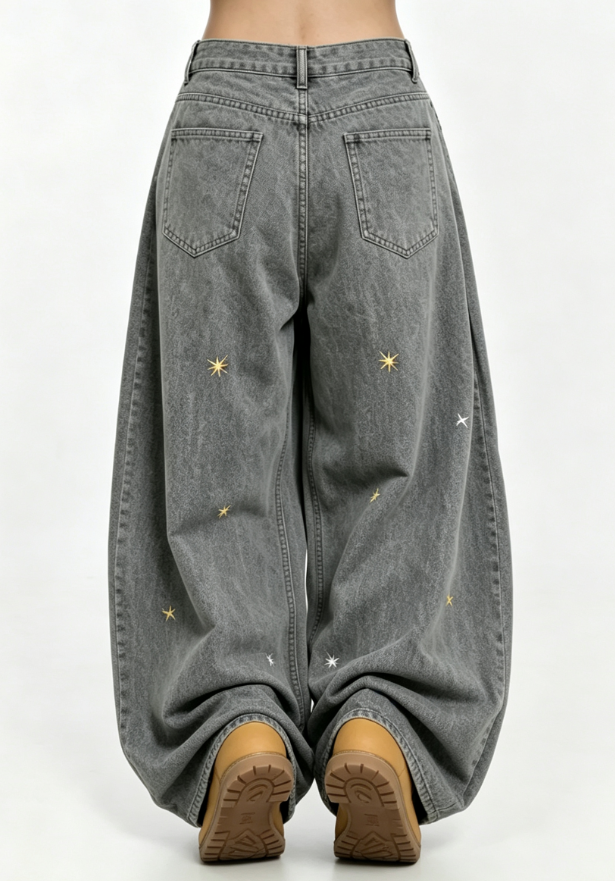
Custom Denim Sets
Build men’s denim suits wholesale programs with coordinated denim jackets and jeans, matched fabrics, washes, hardware, and branded trims. Junsheen manages fit blocks and production specifications to keep each two-piece set consistent across repeat orders.
Request a Quote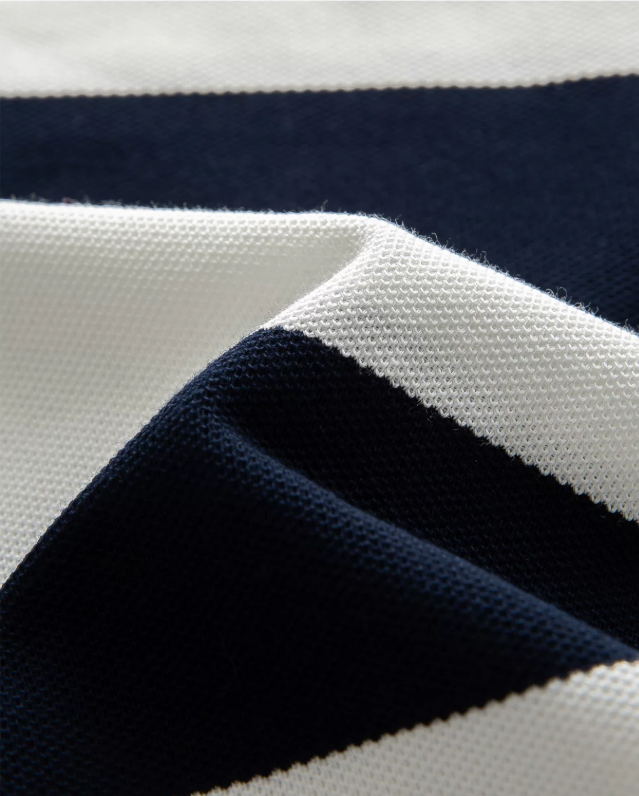
Custom Polo Shirts
Produce custom polo shirts in piqué, jersey, or performance knits with defined collar construction, plackets, buttons, embroidery, color blocking, and labels. Suitable for retail collections, uniforms, wholesale assortments, and private-label basics.
Request a Quote
Custom Sweatpants
Manufacture custom sweatpants in fleece, French terry, or performance fabrics with your preferred fit, waistband, drawcord, pockets, cuffs, graphics, and washes. Pattern grading supports regular, oversized, and extended-size loungewear programs.
Request a Quote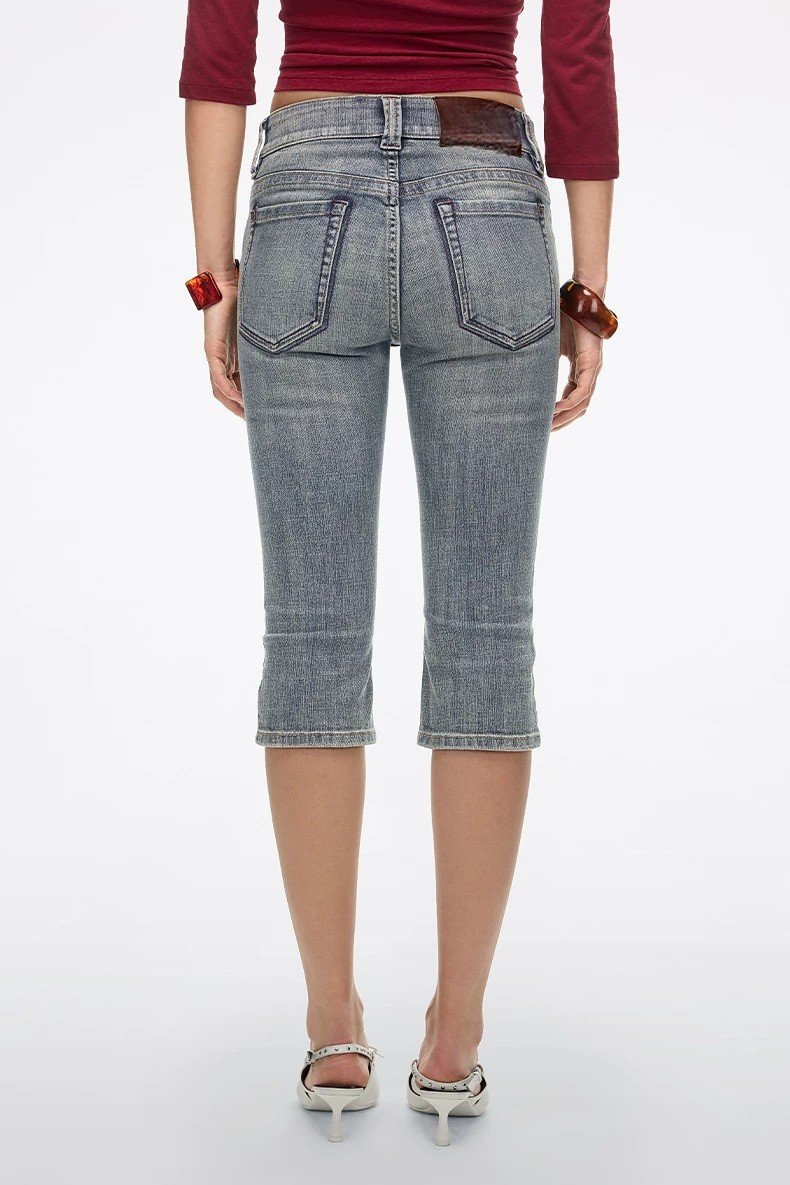
Custom Shorts
Produce custom shorts in jersey, fleece, twill, woven, or performance fabrics with specified inseams, waists, pockets, linings, trims, and decoration. Develop coordinated sets with tees, hoodies, polos, or sweatshirts for seasonal capsule production.
Request a Quote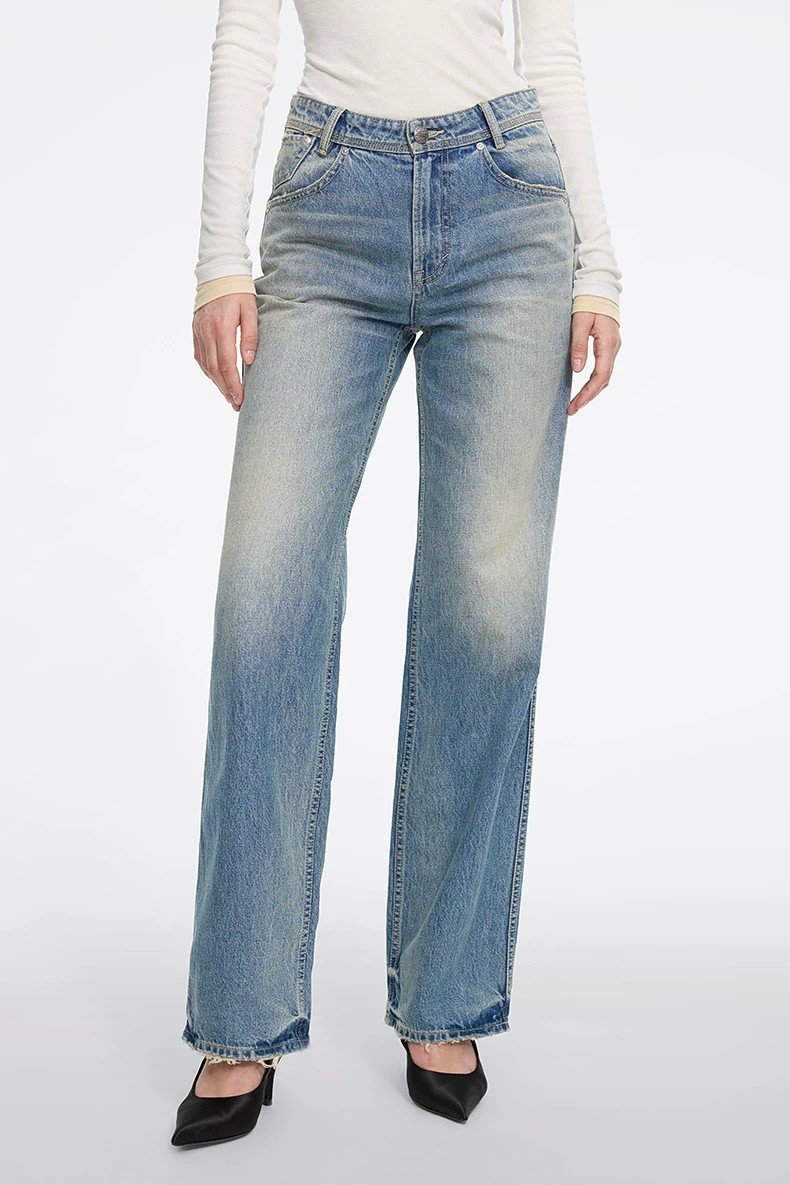
Custom Pullovers
Develop custom pullovers across fleece, jersey, woven, and sweater constructions, with defined closures, necklines, pockets, trims, and branding. Junsheen supports specification review, sampling, fit refinement, and scalable OEM or private-label production.
Request a QuoteCustom Patch Jeans Materials for Lasting Comfort

Rigid Cotton Denim
A classic, structured denim with a firm hand and dependable abrasion resistance for vintage-inspired custom patch jeans. Available in varied ounce weights, it develops character through stone washing, enzyme treatments, and repeated wear.

Stretch Denim
Cotton-rich denim blended with elastane for easier movement and body-contouring comfort. Ideal for fitted jeans, skinny silhouettes, and extended-size programs, it balances recovery, softness, and reliable seam performance across graded sizes.

Comfort Stretch Denim
A softer midweight denim with modest mechanical or elastane stretch for relaxed straight-leg, wide-leg, and everyday jeans. It delivers a flexible hand feel while retaining the durable appearance and washability brands expect from denim.

Denim Patch Twill
Dense cotton or cotton-blend twill suited to contrast patches, appliqué panels, pocket details, and workwear accents. Its stable weave supports clean cutting and embroidery, while its durable surface withstands garment washing and regular wear.

Cotton Jersey Lining
Soft, breathable cotton jersey used for pocket bags, waistband facing, and comfort-focused casualwear details. Its smooth hand helps reduce bulk against the skin, with weight and composition selected to complement the denim construction.
Custom Patch Jeans Decoration and Finishing Options

Custom Patch Application
Woven, embroidered, chenille, leather, or PVC patches are positioned and secured to denim for clear brand recognition. Junsheen reviews placement, stitching, edge treatment, and wash compatibility for a durable, intentional result.

Logo Embroidery
Flat, 3D puff, chain-stitch, and applique embroidery add dimensional logos or artwork to custom patch jeans. Thread, backing, stitch density, and placement are selected to preserve definition and hold through repeated wear and washing.

Denim Screen Printing
Screen printing applies plastisol, water-based, puff, foil, high-density, or discharge graphics directly to selected denim panels. The process creates bold visual contrast while Junsheen aligns ink choice and curing with fabric weight, stretch, and wash requirements.

Garment Wash Effects
Stone wash, enzyme wash, acid wash, garment dye, and softening treatments develop depth, fade, and character in denim. Sample approvals help control shade, hand feel, shrinkage, and patch or embroidery performance before bulk production.

Surface Finishing Details
Brushing, napping, distressing, whiskering, and selective abrasion refine the texture and lived-in look of each style. Junsheen can coordinate these finishing details with patches, prints, trims, and fit specifications for cohesive branded denim.
Custom Patch Jeans With Branded Trims

Leather Logo Patches
Add debossed, embossed, printed, or laser-engraved leather and vegan-leather patches at the waistband or pocket. A durable signature detail for custom patch jeans that reinforces brand identity through washing and wear.

Woven Brand Labels
Custom woven main labels, size labels, and wash-care labels provide clear brand and compliance information. They can be matched to your denim colorway, sewn into waistbands or pockets, and specified for global retail programs.

Branded Metal Hardware
Develop custom jean buttons, rivets, snaps, and logo hardware in selected finishes. These functional accents secure high-stress areas while giving premium patch-jean collections a cohesive, recognizable denim identity.

Custom Zipper Options
Choose reliable zipper constructions for fly fronts, cargo pockets, or detachable details, with branded pullers available where appropriate. Junsheen helps align zipper type, finish, and strength with your fit, wash, and target price.

Retail Packaging Sets
Complete your order with custom hang tags, barcode stickers, polybags, tissue, and branded cartons. Packaging is coordinated with labels and trims to support wholesale presentation, e-commerce fulfillment, and export-ready delivery.
About JUNSHEEN Apparel Manufacturing
Founded in 2010 in Humen Town, Dongguan, JUNSHEEN helps global fashion brands turn custom patch jeans and casualwear concepts into production-ready collections. Our mission is straightforward: provide responsive, dependable OEM, ODM and private-label manufacturing from early development through export.
Our one-stop supply chain combines product development, pattern making, fabric sourcing, cut-and-sew production, knitting, decoration, washing, labeling, packaging and quality control. With more than 200 skilled workers and monthly capacity exceeding 80,000 units, we support capsule launches from 100 units per style and color through scalable bulk programs.
What sets JUNSHEEN apart is fit-focused development and practical brand support. We refine patterns and grading from XS to 3XL, including extended-size, plus-size and oversized fits, while retaining production records for more consistent repeat orders. Brands worldwide rely on us for clear technical collaboration and reliable delivery.

Custom Patch Jeans: Fit-First Development and Integrated Production
XS–3XL Pattern Grading
JUNSHEEN develops custom patch jeans with proportion-aware grading from XS through 3XL. Pattern makers refine rise, hip balance, leg shape, inseam, and mobility across the size set, helping brands avoid the fit inconsistencies caused by simply enlarging one base pattern.
- Normal, extended-size, plus-size, and oversized fits
- Size-set reviews before bulk approval
- Fit refinements for different denim weights and stretch levels

From Design to Sample
Bring a tech pack, sketch, reference garment, mood board, or initial concept. Our development team reviews manufacturability, recommends denim, patches, trims, and washes, then creates patterns and prototypes that give your team a production-ready custom patch jeans sample.
- Fabric, patch, trim, and wash sourcing
- Pattern making and prototype sampling
- Clear specification and quotation review

Integrated Patch Decoration
Keep patch placement, embroidery, printing, and garment finishing coordinated within one apparel supply chain. JUNSHEEN combines custom patches with applique, logo embroidery, screen printing, leather labels, and denim washes so each visual element is checked against the garment’s final fit and construction.
- Woven, leather, embroidered, and applique patches
- Flat, 3D, puff, and chain-stitch embroidery
- Stone wash, enzyme wash, garment dye, and more

Repeatable Bulk Controls
After sample approval, retained patterns, graded size sets, and material records support more consistent repeat orders. Incoming fabric, in-line sewing, measurements, decoration, and final packed goods are inspected throughout production, while 200+ skilled workers support scalable programs from 100 units per style and color.
- Low MOQ from 100 units per style and color
- 80,000+ units of monthly production capacity
- Global export support for growing denim programs

Custom Patch Jeans Manufacturing: JUNSHEEN vs. Typical Suppliers
A fit-focused, integrated production partner for denim programs from launch quantities to repeat bulk orders.
← 左右滑动查看 →
Custom Patch Jeans Production Process
A fit-focused denim workflow that moves from feasibility review to export-ready packed goods.
Review Feasibility and Specs
Our team reviews your tech pack, references, target fit, patch placement, fabric weight, colorway, MOQ, and cost requirements before development begins.
Source Denim and Trims
We source denim, stretch components, backing materials, patches, labels, hardware, and packaging aligned with the required hand feel, durability, wash performance, and budget.
Develop Patterns and Samples
Pattern makers build and grade fit-focused XS–3XL patterns, then produce prototype samples for measurement, rise, mobility, construction, and approval review.
Execute Patches and Finishing
Approved production combines cut-and-sew denim construction with custom patches, embroidery, applique, printing, washes, distressing, and finishing according to your confirmed specifications.
Inspect, Pack, and Ship
In-line and final inspections verify measurements, stitching, decoration, wash results, and packed quantities before branded packaging and coordinated global export shipment.
How to Start Your Custom Patch Jeans Project
Move from concept to approved bulk production with a clear, fit-focused OEM workflow built for launches from 100 units per style and color.
Send Your Design Direction
Share a tech pack, sketch, reference garment, mood board, target quantities, and patch details. Our team reviews feasibility, fit needs, fabrics, and decoration requirements.
Review Quote and Materials
Confirm recommended denim, patch construction, trims, sizing, lead time, and pricing. We align specifications with your target cost before sampling begins.
Approve Development Samples
Review prototype and size-set samples for fit, wash, patch placement, embroidery, and overall construction. Pattern makers refine XS–3XL grading when revisions are needed.
Confirm Pre-Production Details
Approve the final pre-production sample, production measurements, materials, labels, packaging, and quality standards. Retained specifications keep repeat custom patch jeans orders consistent.
Launch Bulk Manufacturing
JUNSHEEN manages cutting, sewing, patch application, washing, inspection, packing, and export coordination, scaling reliable production from low-MOQ capsules to ongoing denim programs.
Custom Clothing Manufacturer Credentials and Compliance Documents



Custom Patch Jeans Results From Brand Partners
JUNSHEEN turned our reference jean into an approved sample in two rounds. Their team corrected the rise and leg balance across XS–3XL, helping us launch 240 units with far fewer fit comments than our previous run.
Our patch placement, chain-stitch embroidery, and wash finish stayed consistent across a 600-unit reorder. The retained patterns and clear pre-production checks saved us roughly three weeks compared with rebuilding specifications from scratch.
We started with the 100-unit MOQ to test a capsule, then scaled to 1,200 units after sell-through exceeded our forecast. JUNSHEEN handled labels, leather patches, packing, and export coordination in one workflow.
Custom Patch Jeans OEM FAQs
Clear answers on MOQ, sampling, fit, approvals, payment and global delivery for private-label denim programs.
What is the MOQ for custom patch jeans?
Can you develop custom patch jeans from a sketch or reference garment?
How long does custom patch jeans sampling and bulk production take?
Do you provide XS–3XL and plus-size grading for denim?
Can I approve samples before custom patch jeans go into bulk production?
How do you protect my custom patch jeans designs and artwork?
What payment terms do you offer for OEM denim orders?
Do you ship custom patch jeans internationally?
The Complete Buyer’s Guide to custom patch jeans
Use this practical framework to compare styles, fabrics, patch applications, production standards, supplier capabilities, and launch costs while avoiding the sourcing mistakes that delay sampling, weaken durability, or erode margins.
1. What Are custom patch jeans?
100-unit capsule runs make custom patch jeans a defined denim product, not merely jeans with a logo added. The specification combines a base jean—fit, fabric weight, wash, color and hardware—with one or more branded, decorative, repair-style or statement patches fixed at named locations. 3 common patch constructions are sewn-on woven or embroidered badges, leather or faux-leather panels, and appliqué fabric shapes. A sewn patch is a separate component secured by stitching; a printed patch effect is ink placed directly on denim, while embroidery forms thread artwork directly on the garment or on a separate badge. 1 standard waistband logo label serves identification, usually in a small, expected position. Patch jeans use patches as visible design components: they can alter the leg, pocket, seat, knee or back-yoke composition and therefore require dimensions, edge finish, placement tolerances and attachment method in the tech pack. 2 buyer groups drive most programs: fashion labels building a seasonal denim statement and retailers or wholesalers seeking a differentiated private-label item. Before sampling, the essential question is what exact product is being specified—base silhouette, denim and wash, patch material and artwork, quantity per garment, locations, sewing method, size range and target order volume.
2. The Evolution of custom patch jeans
1873 established riveted blue jeans as hard-wearing workwear, and patches first served the practical job of extending the life of torn knees, seats, and pockets. That repair logic still gives custom patch jeans credibility: visibly reinforced areas should follow stress zones and use denim or twill weights compatible with the base fabric. 1960s counterculture turned denim into a personal canvas, while 1970s punk made DIY patching, band graphics, contrast stitching, and purposeful imperfection part of the garment’s message. Buyers can translate those references into controlled production details—placement maps, Pantone-approved patch colors, defined edge finishes, and wash tests—rather than random decoration. 1990s luxury fashion elevated reconstructed denim and logo treatments, proving that a familiar five-pocket silhouette can support premium storytelling when fit, material contrast, and finishing are deliberate. For a private-label drop, limit the first run to one core fit and two or three patch narratives; this protects sampling budgets and makes each colorway easier to merchandise. 2020s upcycling-inspired denim has strengthened demand for authenticity, personalization, and small limited releases, even when garments are newly made. A credible direction combines repair-inspired panels with consistent grading, durable stitching, and clear care labeling, so the product looks individual without becoming difficult to reproduce at a 100-unit MOQ.
3. Types of custom patch jeans
Six product routes let buyers balance statement value against sewing time, material yield, and repeatability. Select custom patch jeans by customer identity first, then match the complexity to retail price and planned volume.
| Type | Visual Effect | Best Customer | Complexity | Market Position |
|---|---|---|---|---|
| Repaired-look | Authentic worn repair | Streetwear buyers | Medium | Mid-price capsule |
| All-over patchwork | Bold collage surface | Fashion-forward customers | High | Premium limited drop |
| Logo patch | Clear brand signature | Wholesale accounts | Low-medium | Core program |
| Embroidered patch | Textured color detail | Graphic denim shoppers | Medium | Elevated casual |
| Appliqué | Layered handcrafted surface | Designer-label customers | High | Premium fashion |
| Removable patch | Customizable interaction | Trend-led direct-to-consumer | High | Small-run statement |
Repair-Look And Patchwork

Repaired-look jeans place panels over abrasions, tears, or distressed zones for a worn-in streetwear effect; they suit youth capsules and mid-price programs. All-over patchwork creates stronger visual impact but needs cut-plan control and more sewing operations, making it better for limited premium drops.
Brand And Embroidered Patches
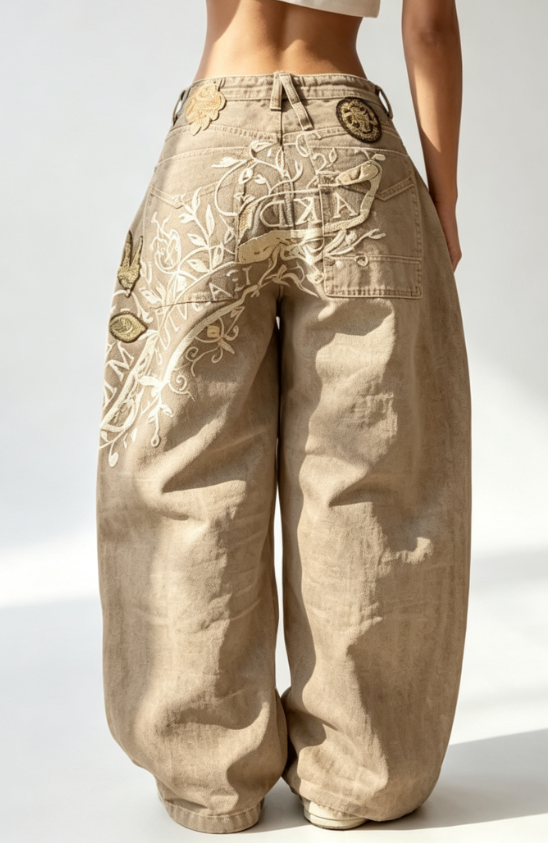
Logo-patch jeans use a repeatable woven, leather, or silicone badge to build recognizable branding with manageable labor; they work well for wholesale and ongoing core styles. Embroidered patches add texture and color, but dense stitching and placement approvals support a higher retail position.
Applique And Removable Concepts

Appliqué denim layers shaped fabric directly onto the garment, producing a handcrafted look suited to fashion-led labels. Removable patches require secure snaps, hook-and-loop, or button systems; reserve them for interactive small runs where extra hardware cost is justified.
4. Fabrics for custom patch jeans
11–14 oz denim gives most custom patch jeans the balance of structure, abrasion resistance, and sewability needed for patches. Composition, weave, and wash must be approved together because each changes shade, shrinkage, and patch behavior.
| Fabric Choice | Typical GSM | Feel And Durability | Recommended End Use |
|---|---|---|---|
| 100% cotton rigid denim | 340–475 | Crisp, highly durable | Vintage straight or workwear |
| Cotton-stretch denim | 280–400 | Flexible, good recovery | Slim and comfort fits |
| Recycled cotton blend | 300–420 | Structured; verify strength | Lower-impact collections |
| Washed denim | 340–450 | Broken-in, variable shade | Fashion-led patch jeans |
Choose The Denim Base

100% cotton rigid denim, usually 12–14 oz, develops personal fading and holds a firm silhouette; ring-spun yarn improves surface refinement over open-end yarn. 1–3% elastane blends at 10–12 oz improve recovery and comfort for slim or extended-size fits, but need stretch testing after wash.
Plan Wash And Color

3–8% residual shrinkage is a practical pre-wash allowance for cotton denim, depending on sanforization, wash recipe, and drying temperature. Indigo, black, and sulfur-dyed denim require crocking and wash-fastness checks before contrast patches are approved. Enzyme, stone, and acid washes can distress patch edges or alter adhesive-backed materials.
Specify Patch-Compatible Fabrics
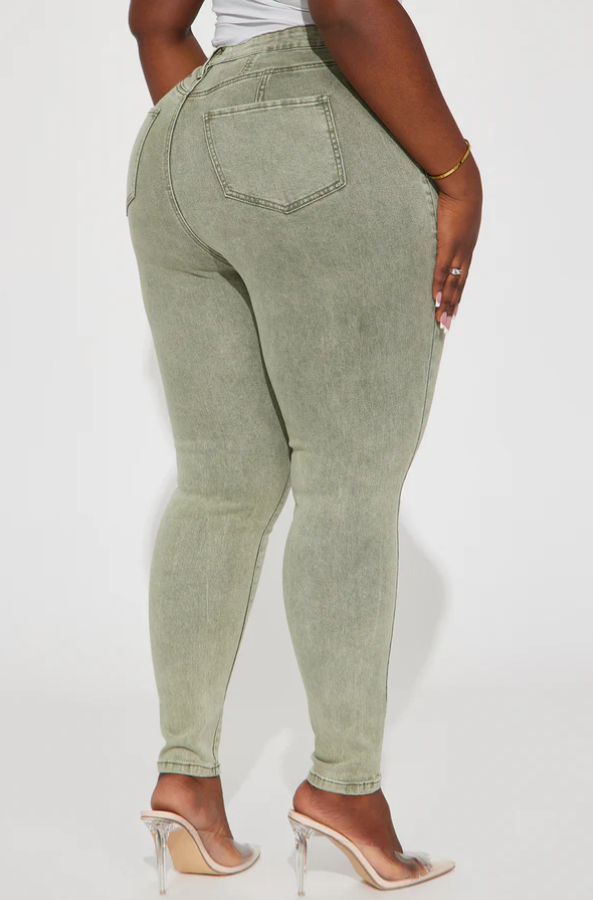
8–12 oz canvas, twill, leather, and woven labels suit different patch effects; the base must tolerate the planned garment wash. Recycled-cotton blends can reduce virgin-fiber content, although fiber length and tensile performance should be confirmed by mill data.
5. Custom Patch Jeans Decoration Options
Custom patch jeans gain their identity from the relationship between patch material, attachment method, and wash treatment. Specify decoration before sampling, because a rigid leather badge, dense embroidery, or heat transfer reacts differently on 10–14 oz denim.
| Method | Durability | MOQ/Setup | Cost And Aesthetic |
|---|---|---|---|
| Woven label | High | Low setup; 100 units feasible | Low; precise, understated branding |
| Embroidery/chenille | High with stitching | Digitizing; 100 units feasible | Medium-high; textured heritage look |
| Leather or vegan leather | High if riveted or stitched | Die or laser setup | Medium; premium waistband identity |
| Screen print/heat transfer | Medium-high | Screen or transfer setup | Low-medium; graphic color coverage |
| Rhinestones/mixed media | Variable | Artwork and placement setup | High; statement fashion detail |
Patch Materials And Edges

Woven labels deliver fine type and small logos; embroidered patches add raised texture, while chenille creates varsity-scale dimension. Merrowed edges suit casual badges; laser-cut, satin-stitched, or raw denim-appliqué edges support cleaner or deconstructed branding.
- Leather or vegan leather for premium back-waist branding
- Screen print or heat transfer for flat graphic layers
- Rhinestones for controlled sparkle and limited wash cycles
Placement And Attachment
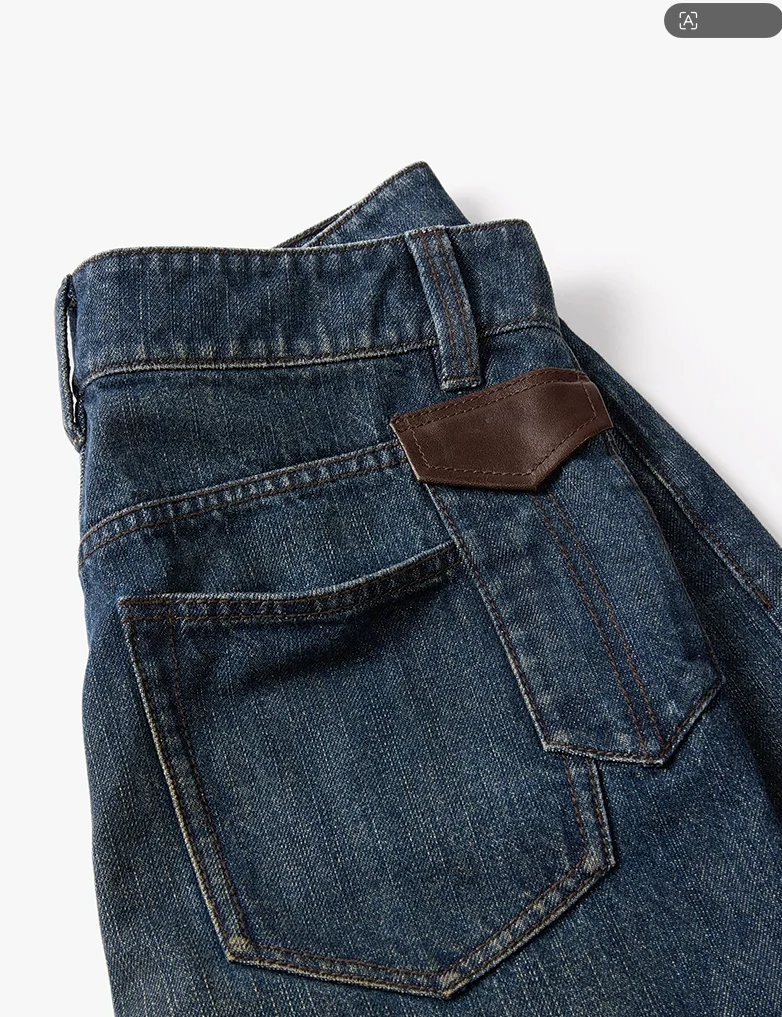
Back-waist patches, rear pockets, knees, side seams, and full-thigh appliqué each produce a different read at retail. Use lockstitch or zigzag perimeter stitching for flexible patches; reinforce heavy chenille with backing so corners do not lift after laundering.
- Keep pocket patches clear of bartacks and rivets
- Test large patches across the intended knee bend
- Use Pantone approvals for thread and printed color
Wash Testing And Mixed Media
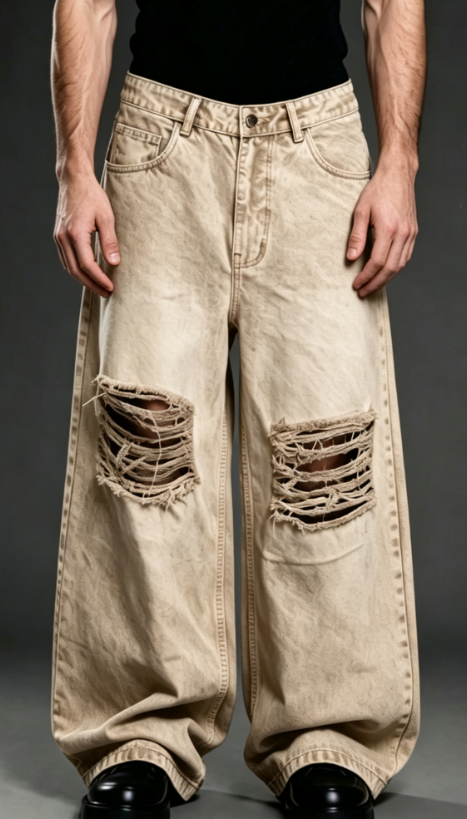
Three to five home-laundry cycles should be tested on the approved sample before bulk release. Mixed media—such as embroidered patches over screen print or rhinestones beside denim appliqué—needs separate adhesion and abrasion checks, especially with stone or enzyme washes.
- Wash before attaching sensitive heat transfers when possible
- Specify tumble-dry and iron restrictions on care labels
- Approve placement from a graded size set
6. Construction Quality for custom patch jeans
12–14 oz denim is a practical starting range for durable custom patch jeans, provided the mill delivers consistent weight, stretch recovery, and shade across roll lots. Construction quality is revealed most clearly at stress points, after washing, and during fit approval.
Seams And Stress Points

8–10 SPI lockstitching is common for durable denim seams, while felled or flat-felled inseams improve abrasion resistance and a clean interior. Specify core-spun polyester thread for strength and colorfastness. 3–5 bartacks should reinforce pocket corners, the fly base, belt loops, and patch-adjacent stress areas. Inspect rivets for secure setting, smooth backs, and no damage to the fabric.
- Check aligned double-needle topstitching
- Confirm no skipped stitches or loose thread ends
- Pull-test belt loops and pocket corners
Fly And Pocket Build

1 zipper fly or button fly must be approved as a complete assembly, not only by hardware appearance. A branded zipper should run smoothly without wave distortion, while buttons require firm shank attachment. 2 front and 2 rear pockets need matching placement, symmetrical openings, and clean pocket-bag seams. Review pocket-bag fabric for sufficient weight to resist seam show-through and tearing.
Patch Attachment And Wash Testing
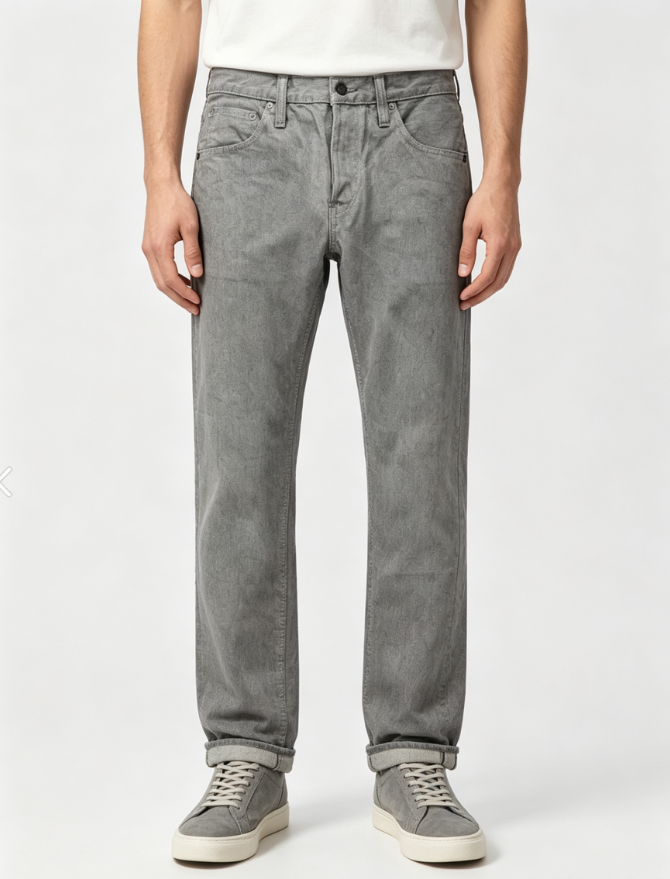
2 sample checkpoints—sealed fit sample and pre-production sample—should confirm patch placement, stitch density, and edge behavior. Leather, woven, embroidered, and appliqué patches need secure perimeter stitching without puckering or needle cuts. 3 measurement checks per key point should stay within agreed tolerances, commonly ±0.5 cm for critical waist and rise points and ±1 cm elsewhere. Wash and wear-test patch edges for lifting, curling, color bleed, abrasion, and contact discomfort.
- Measure before and after approved wash
- Inspect patch edges after flexing and laundering
- Compare shade and shrinkage across sizes
7. How to Choose a Jeans Manufacturer
Choose the manufacturer that can reproduce your approved sample at your target volume, not simply the supplier with the lowest quote. For custom patch jeans, verify technical control before committing to bulk fabric or trims.
Verify Denim Development

2010-established Junsheen develops jeans from tech packs, sketches, reference garments, and mood boards, then reviews construction feasibility before sampling. 100-unit per style-and-color starting quantities suit capsule launches, while retained patterns and material records support repeat programs.
- Request comparable denim sample photos
- Confirm wash and patch sequence
- Approve a production-ready specification
Test Fit And Sampling
XS through 3XL grading requires more than scaling one base pattern. Review the prototype, graded size set, rise, thigh, inseam, and mobility before approving pre-production. 2 sample rounds are often more economical than correcting a bulk run. Ask who owns pattern revisions and how measurement tolerances are checked.
Audit Materials And Decoration

10–14 oz denim, stretch recovery, wash behavior, patch backing, embroidery, and edge finishing must be tested as one system. Confirm fabric swatches, trim alternatives, and approved Pantone references before bulk booking. Junsheen can source denim and coordinate custom patches, flat or 3D embroidery, applique, screen printing, labels, and branded packaging.
Confirm Production Controls
80,000-plus monthly unit capacity matters only when incoming fabric, in-line sewing, measurements, decoration, and packed goods receive documented inspection. Ask for QC checkpoints, defect handling, and requested compliance documentation such as OEKO-TEX, GOTS, WRAP, or BSCI. 7–14 day communication gaps create avoidable risk; set approval owners, response expectations, critical-path dates, and photo-report requirements in writing.
Assess Logistics And Scale
100 units can validate a new fit, but confirm the supplier’s capacity and lead-time plan for replenishment before launch. Junsheen supports export coordination and global shipping after final balance settlement. 3 factors decide reliability: clear quotations, realistic sample-to-bulk timing, and one accountable contact for production updates.
8. Common Custom Patch Jeans Buying Mistakes
Most custom patch jeans failures start before cutting: a patch, wash, fit, or quote is approved without the constraints behind it. Lock technical decisions during development, then approve a representative sample before bulk.
Validate Patch And Wash

1 wash test can expose curl, dye bleed, adhesive failure, or abrasion on leather, PVC, embroidery, and woven patches. Confirm the intended enzyme, stone, acid, or garment-dye process on the actual denim and patch combination before production.
Engineer Placement And Reinforcement

5 mm can change whether a patch crosses a pocket edge, side seam, yoke seam, or heavy topstitching. Provide a placement map from fixed garment points and specify backing, stitch density, bartacks, or reinforcement where the patch carries stress.
Approve Production-Ready Artwork

300 dpi raster art and vector files prevent vague edges, missing stitch paths, and incorrect Pantone colors. Approve a digital proof plus a physical strike-off showing patch dimensions, thread colors, border construction, and logo legibility.
Protect Fit And Sampling Time
XS–3XL grading cannot be treated as uniform enlargement when rises, hip balance, and pocket placement must remain proportional. Budget prototype, revised fit sample, and pre-production sample rounds; approve measurements and patch placement in each relevant size.
Compare Like-For-Like Quotes
100-unit MOQ quotations only compare fairly when denim weight, wash, patch material, patch count, reinforcement, labels, packaging, and inspection standard match. Send one specification sheet and ask suppliers to identify every excluded operation before selecting a price.
9. Steps to Launch Custom Patch Jeans
A 100-unit-per-style-and-color launch needs a locked decision trail before bulk cutting begins. Treat the approved sample, measurement chart, wash standard, patch artwork, and packing specification as one controlled production file.
Build The Development File
Week 1 starts with a reference board showing front, back, fit, wash, patch placement, and target customer. Supply a tech pack with flat sketches, Pantone colors, BOM, graded measurements, labeling, and carton requirements. One reference garment is useful, but record its fabric weight, stretch, rise, inseam, and wash behavior. Identify non-negotiables versus details Junsheen may refine for manufacturability.
- Front and back artwork files
- Patch size, material, and placement
- Size range and grading rules
- Target quantity by color
Confirm Materials And Quote
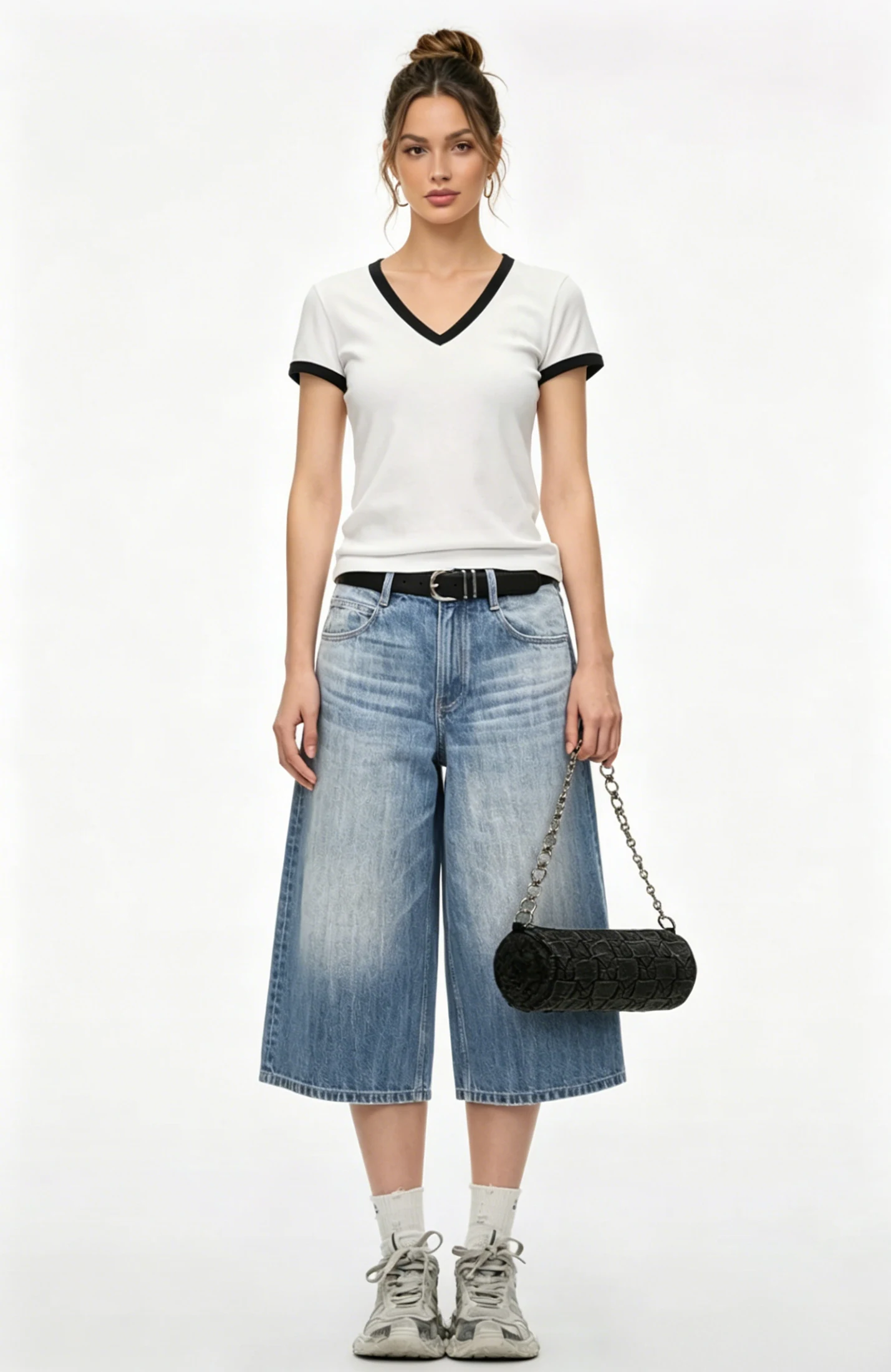
Week 2 should lock denim composition, weight, wash target, hardware, and patch construction before pricing. Request swatches or patch strike-offs when shade, hand feel, embroidery, chenille, or leather-like materials affect approval. A quotation must separate sampling, unit price, MOQ, lead time, packaging, freight basis, and payment terms. Confirm whether patch application occurs before or after washing.
Approve Samples And Sizes
Weeks 3–6 commonly cover prototype review, corrections, and a revised sample. Compare every change against the tech pack; approve photos only for direction, not final fit or color. Before bulk, sign off a size set or clearly approved graded measurements from XS through 3XL where applicable. Retain the sealed approval sample, approved wash panel, patch sample, and revision log as the bulk reference.
Control Bulk And Shipment
During production, require checkpoints for incoming denim, cut panels, patch placement, in-line measurements, wash, and final packing. Inspect against the sealed sample and agreed tolerance chart, not memory or informal chat notes. Before shipment, review final inspection results, quantity by size and color, carton marks, labels, and packing list. Keep patterns, grading, material records, and approved samples for repeat-order consistency.
10. Custom Patch Jeans Pricing and Cost
100 units is a practical starting point for a custom patch jeans capsule, but it carries higher unit costs because pattern work, patch setup, wash testing, and cutting are spread across fewer garments. The illustrative ranges below assume mid-weight cotton denim, a standard five-pocket construction, one to two patches, and bulk freight excluded. 12–20 working days is a typical bulk-production planning range after fit, wash, materials, and pre-production approval; sampling commonly needs additional time. Final OEM pricing requires a complete tech pack, approved denim and trims, confirmed quantity by color and size, packaging specification, inspection standard, and destination-specific labeling or shipping requirements. 3 variables often change a quote fastest: heavier or stretch denim, complex stone or acid washes, and patch count or technique. Embroidered, chenille, leather, woven, or multi-layer appliqué patches add labor; custom rivets, YKK zippers, branded packaging, extended-size grading, and sample revisions should be costed separately before purchase-order approval.
| Quantity Tier | Illustrative Unit Price | Bulk Lead Time | Typical Scope |
|---|---|---|---|
| 100–199 units | US$22–38 | 18–28 working days | Lower-volume run; standard denim, basic wash, 1–2 patches |
| 200–499 units | US$18–32 | 15–25 working days | Better material utilization; custom labels and hardware possible |
| 500–999 units | US$15–28 | 12–22 working days | More efficient cutting and decoration setup allocation |
| 1,000+ units | US$13–25 | 12–20 working days | Program pricing depends on colorways, wash complexity, and delivery plan |
Ready to Develop Your Custom Patch Jeans?
Send your tech pack, reference garment, or idea to JUNSHEEN for a fit-focused production quotation from 100 units per style and color.