
Custom Embroidered Hoodies From 100 Units
Develop fit-focused custom embroidered hoodies from XS–3XL with OEM, ODM, private-label support, in-house decoration, and scalable global production.
Featured Products for custom embroidered hoodies Development

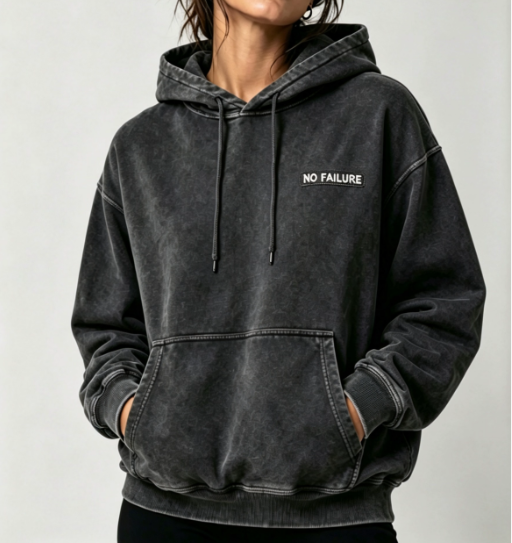
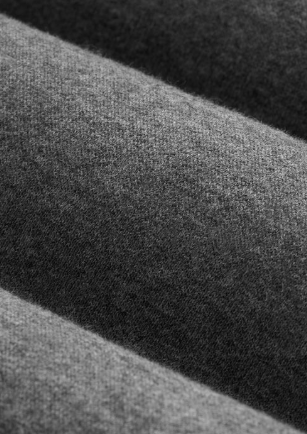
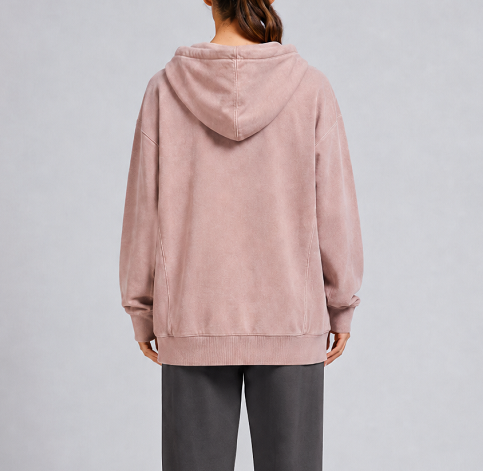
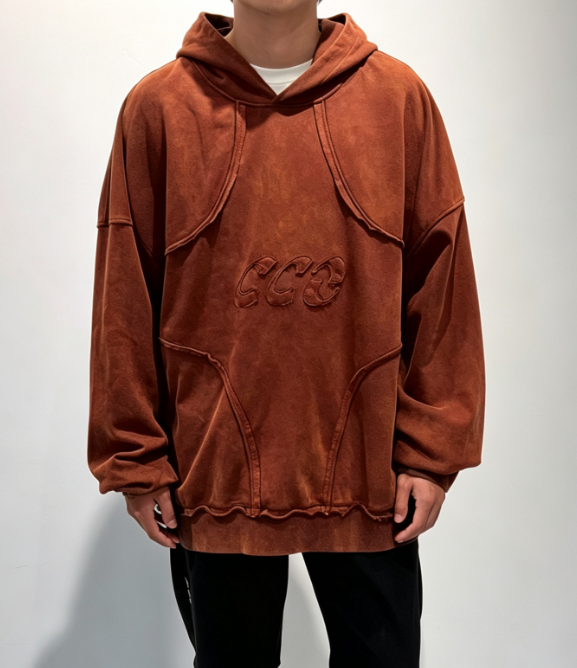


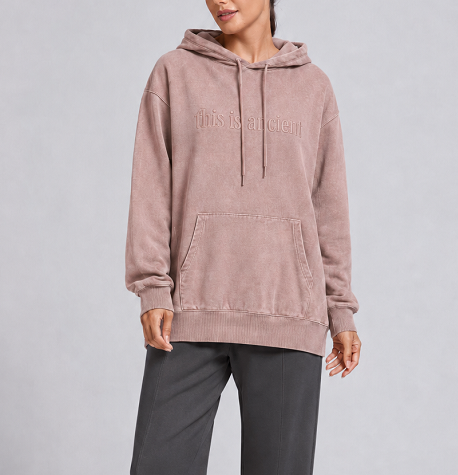
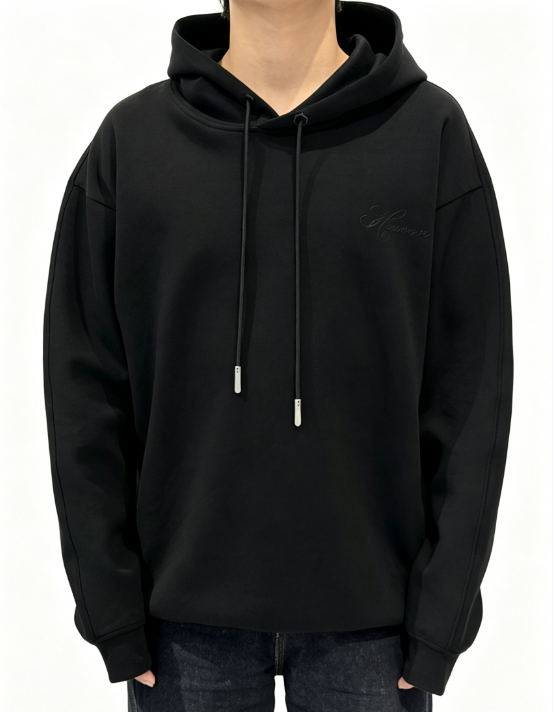
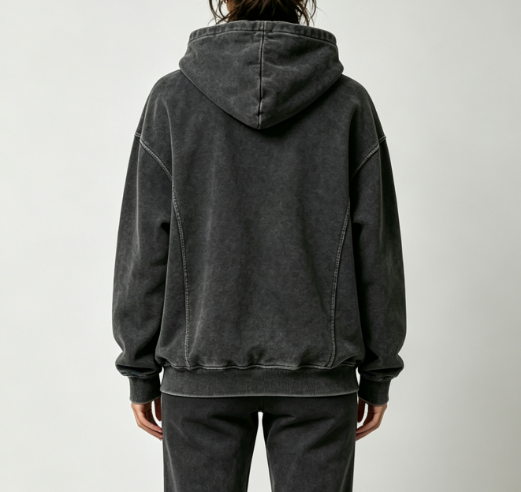

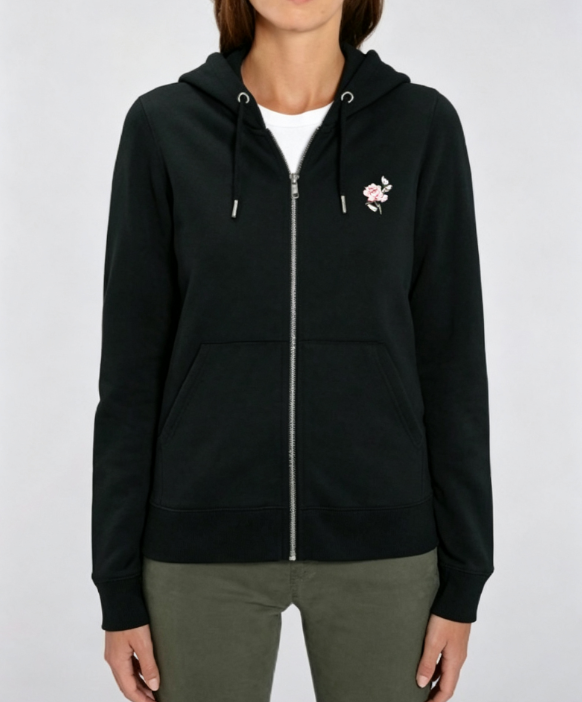

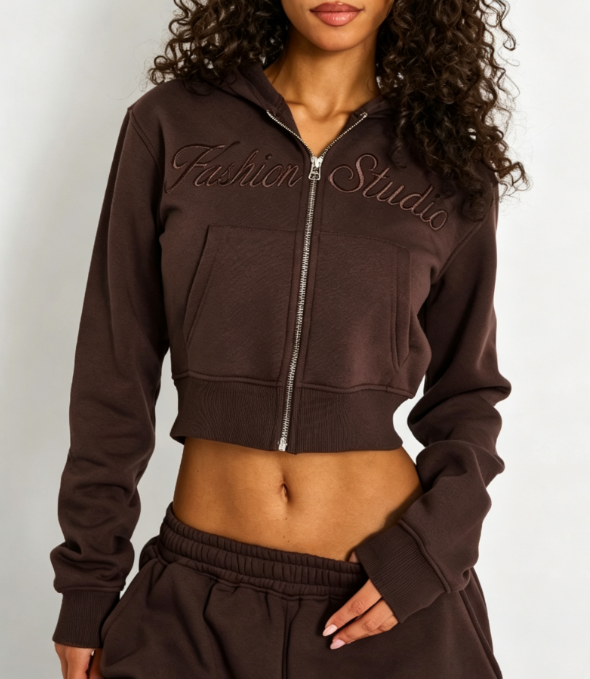
Related Product Catalogue and Quotation

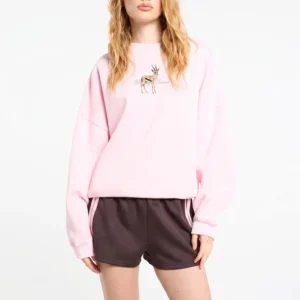
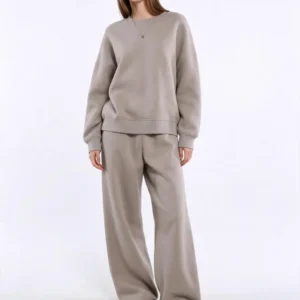

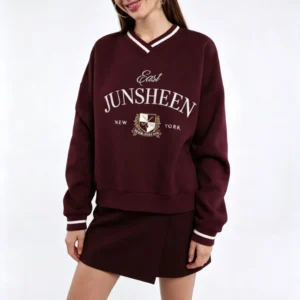

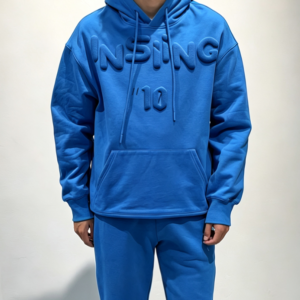

Why Source Custom Embroidered Hoodies From JUNSHEEN
One integrated manufacturing partner for development, decoration, fit control, and global delivery.
100-Unit Starting MOQ
Launch capsule custom embroidered hoodies from 100 units per style and color without sacrificing production-ready quality standards.
Integrated Product Development
Turn a tech pack, sketch, or reference into approved hoodie samples with fabric sourcing, patterns, trims, and technical review.
Fit-Focused XS–3XL Grading
Refined grading supports regular, oversized, extended-size, and plus-size hoodie fits with balanced proportions across the complete size range.
In-House Decoration Options
Specify flat, 3D puff, chain-stitch, applique, patch, or logo embroidery alongside printing, washes, labels, and branded packaging.
Scalable Factory Capacity
More than 200 skilled workers and 80,000 monthly units support confident progression from limited drops to repeat bulk programs.
Global Export Support
Experienced export coordination, quality inspections, and retained production records help international brands reorder custom hoodies with greater consistency.
Custom Apparel Categories, Developed for Your Brand
Build fit-focused casualwear, denim, knitwear and outerwear programs from 100 units per style and color.
Custom Hoodies
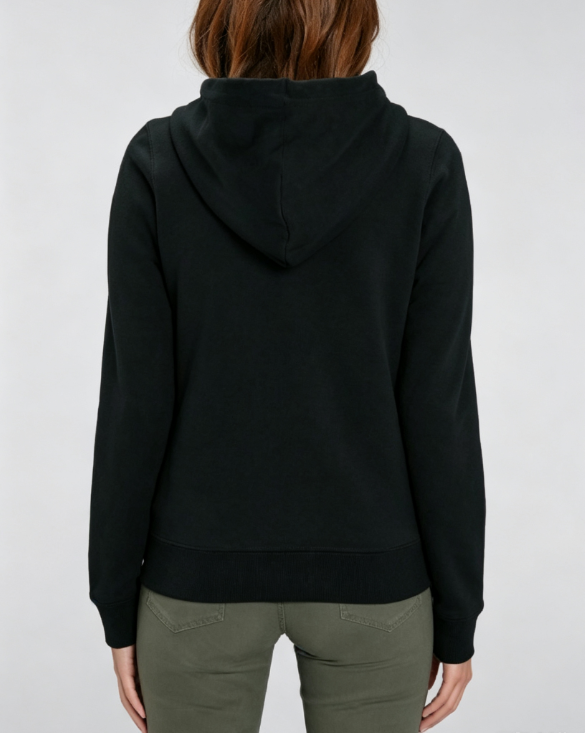
Develop custom hoodies in fleece, French terry or jersey with pullover or zip-front construction, fit grading from XS–3XL, and private-label details. Add embroidery, screen printing, patches, custom drawcords, rib trims and branded packaging.
Request a Quote
Custom T-Shirts
Produce custom T-shirts from combed cotton, Pima cotton, organic cotton or performance blends. Junsheen supports specification review, pattern development, oversized and extended-size grading, screen printing, DTG, DTF, embroidery and private-label finishing.
Request a Quote
Custom Jeans
Develop custom jeans in rigid, stretch or washed denim with fit-specific patterns, rises, leg shapes and size grading. Source custom hardware, labels and trims, then select garment washes, distressing, stone wash or acid wash treatments for the intended market.
Request a Quote
Custom Sweaters
Source turtle neck sweater bulk programs with sweater constructions suited to your target hand feel, gauge, warmth and price point. Develop neck shape, body proportion, sleeves and graded sizing, with yarn, label and packaging options coordinated for repeat production.
Request a Quote
Custom Jackets
Build custom jean jackets and other outerwear with denim, twill or woven constructions. Junsheen supports fit development, pocket layouts, closures, custom patches, embroidery, washes, branded hardware and production-ready specifications from sample through bulk.
Request a Quote
Custom Sweatshirts & Crewnecks
Create custom crewneck hoodie and sweatshirt programs with crewneck, pullover or hybrid styling. Choose fleece or French terry weights, refine body and sleeve proportions, then apply logo embroidery, puff print, silicone details, garment dye or wash finishes.
Request a Quote
Custom Cardigans
Develop custom cardigans in knit constructions with yarn selection based on softness, durability, weight and cost. Define gauge, button or zip closures, rib details, fit and XS–3XL grading, then complete the program with branded labels and packaging.
Request a Quote
Custom Puffer & Down Jackets
Produce custom puffer jackets with shell, lining, insulation, quilting and closure specifications matched to the season and market. Junsheen supports fit sampling, custom zippers, snaps, pockets, reflective details, labels and export-ready bulk production.
Request a Quote
Custom Denim Shorts
Create custom jean shorts in rigid or stretch denim with tailored rises, inseams, hems and graded fits. Select washes, fading, distressing, raw edges, hardware, leather labels and decoration details that align with your denim collection.
Request a Quote
Custom Sweater Dresses
Develop custom sweater dresses with controlled silhouette, length, neckline and sleeve proportions across the size set. Junsheen supports yarn and construction selection, fitted or oversized styling, ribbed details, private labels and coordinated knitwear production.
Request a Quote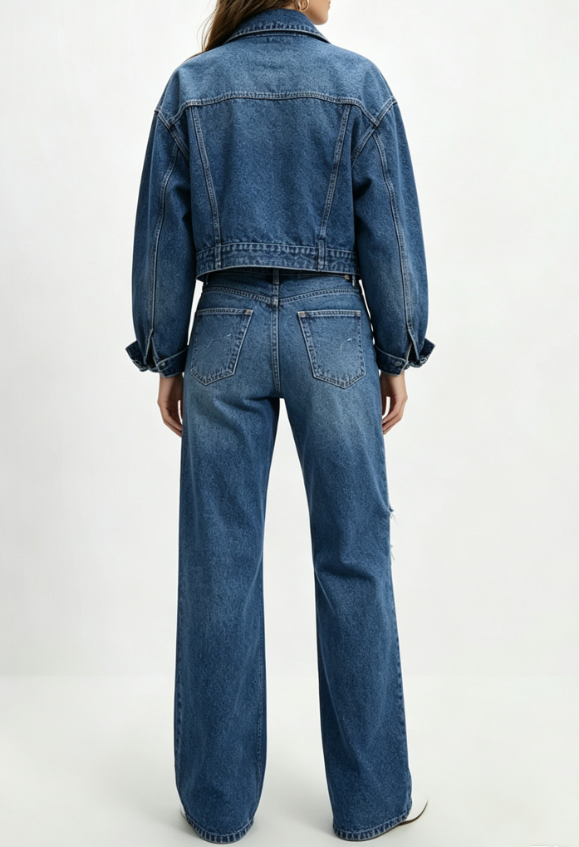
Custom Denim Sets
Build mens denim suits wholesale programs as coordinated denim jackets and jeans, with matching fabric, wash and hardware control. Patterns, size grading and production records are retained to help maintain consistency across repeat and larger-volume orders.
Request a Quote
Custom Polo Shirts
Produce custom polo shirts in jersey, pique or performance knits with collar construction, plackets and fit tailored to your market. Add embroidered logos, custom buttons, labels, contrast trims and XS–3XL grading for branded retail or wholesale programs.
Request a Quote
Custom Sweatpants
Develop custom sweatpants in fleece, French terry or jersey with straight, tapered, wide-leg or oversized fits. Refine rise, inseam, waistband and pocket construction, then add embroidery, prints, garment washes, custom drawcords and matching hoodie options.
Request a Quote
Custom Shorts
Create custom shorts for casualwear, active-inspired and coordinated capsule collections. Junsheen supports fabric selection, inseam and fit development, elastic or tailored waistbands, pockets, printing, embroidery, labels and scalable production from 100 units per style and color.
Request a Quote
Custom Pullovers
Develop custom pullovers across fleece, French terry, jersey and knit constructions. Define neckline, fit, sleeve shape and trim details, then add private-label components, embroidery, printing or wash effects for cohesive seasonal casualwear programs.
Request a QuoteCustom Embroidered Hoodies: Fabrics We Support

Cotton Jersey
Soft, breathable cotton jersey suits lightweight embroidered hoodies and transitional layers. Its smooth face supports clean logo placement, while typical 180–260 GSM weights provide a flexible, easy-wearing hand feel.

French Terry
French terry pairs a smooth outer face with unbrushed loopback texture, making it ideal for premium midweight hoodies. Usually 280–360 GSM, it offers breathable warmth, structure and stable embroidery placement.

Brushed Fleece
Brushed fleece delivers a plush inner surface for cold-weather, oversized and streetwear hoodies. At roughly 300–450 GSM, its insulating loft and substantial body create a warm, premium-feeling garment.

Organic Cotton
Organic cotton is a natural choice for elevated private-label and sustainability-led hoodie programs. Available in jersey, terry or fleece constructions, it offers a soft hand feel and can be specified in durable heavyweight qualities.

Recycled Blends
Recycled cotton and recycled polyester blends support responsible hoodie collections without sacrificing practicality. These fabrics can add strength, shape retention and consistent color performance, especially for repeat-wash promotional or retail programs.

Performance Knits
Performance knit blends bring moisture management, stretch and recovery to active, travel and team hoodies. A polyester-elastane construction maintains mobility and helps garments retain shape while supporting carefully stabilized embroidery zones.
Custom Embroidered Hoodies: Decoration and Finishing Options

Flat Embroidery
Clean, tightly stitched logo embroidery creates a refined, durable finish for chest marks, sleeves, hoods, and small placements. Ideal for detailed brand identities that need reliable color definition through regular wear and washing.

3D Puff Embroidery
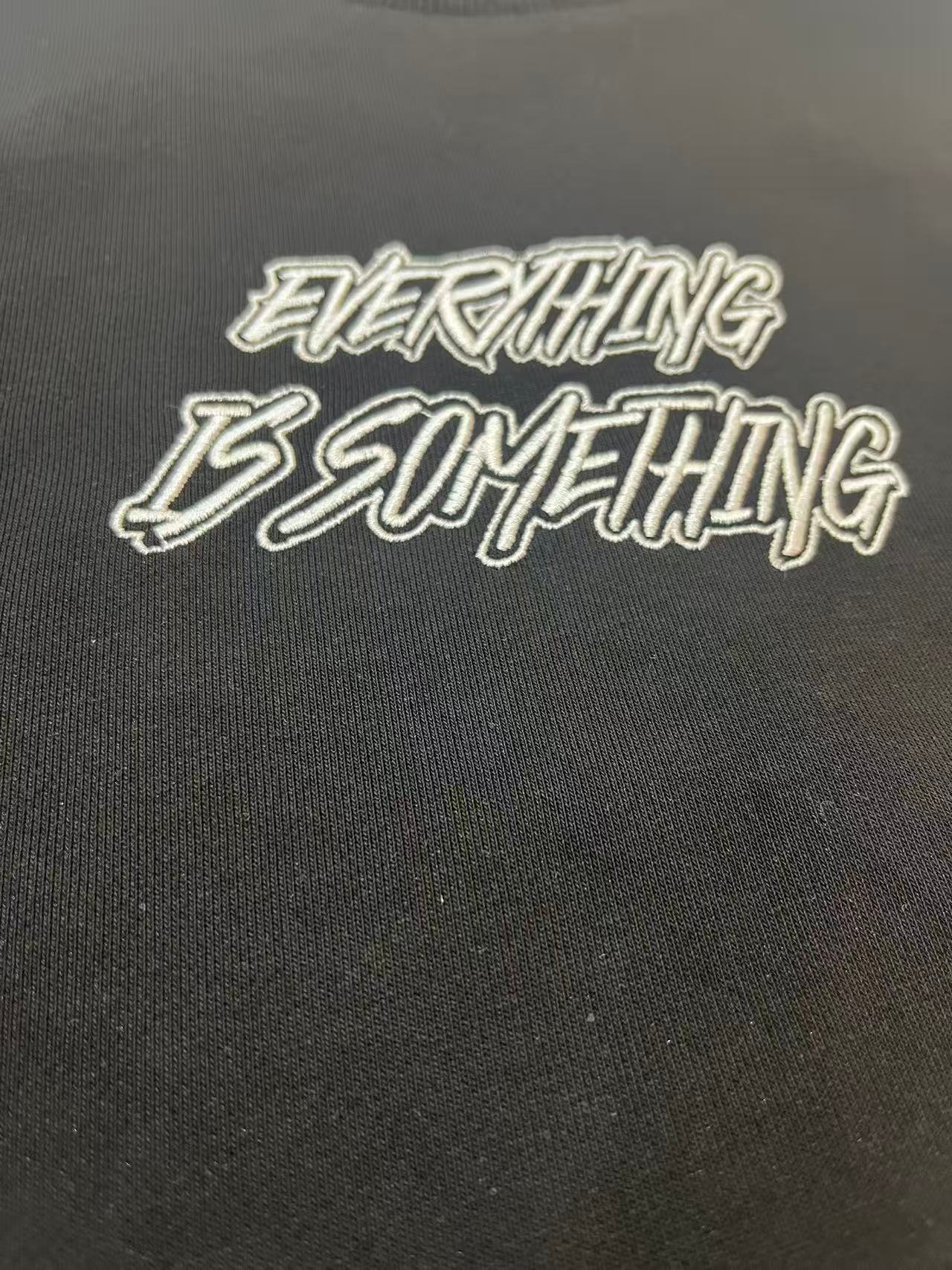
Raised foam-backed stitching gives logos and lettering a bold dimensional profile. This high-impact option is especially effective for simplified artwork, varsity-inspired graphics, and premium streetwear custom embroidered hoodies with tactile visual depth.

Chain Stitch
Looped thread construction delivers a textured, heritage-inspired look with expressive movement across larger graphics and lettering. Chain stitch suits vintage, collegiate, and workwear-led hoodie programs seeking visible craft character and lasting stitch definition.

Appliqué Patches
Layered fabric shapes, custom patches, or embroidered badges add contrast in color, texture, and scale. Appliqué is well suited to teamwear, varsity concepts, and statement branding where a sewn-on construction creates a substantial finish.

Screen Print Effects
Plastisol, water-based, puff, flocking, silicone, high-density, foil, and discharge printing create flexible graphic options for hoodie artwork. We recommend the right process for line detail, coverage, hand feel, fabric weight, and expected wash performance.

Garment Washes
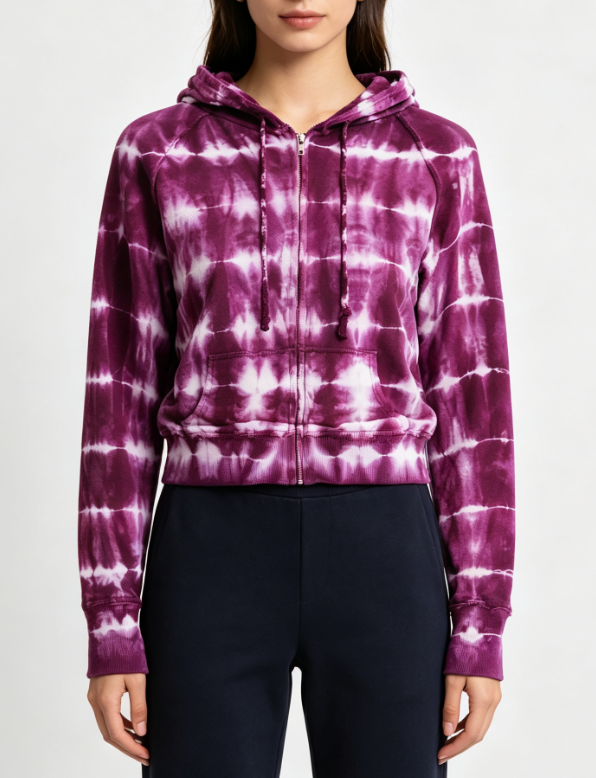
Enzyme, anti-pilling, garment-dye, acid-wash, stone-wash, brushing, and napping treatments adjust softness, color character, and surface texture. These finishes help branded hoodies achieve a worn-in, elevated, or deliberately vintage retail presentation.
Custom Embroidered Hoodies With Branded Trims

Custom Drawcords
Choose cotton, flat, round, reflective or contrast drawcords with metal, silicone or dipped tipping. Custom cords add a controlled color accent and premium finish to hood openings across fleece and French terry styles.

Branded Zippers
Specify metal, nylon or molded zippers for full-zip hoodies, pockets and utility details. Junsheen matches zipper color, puller shape and finish to your design while checking smooth operation during quality control.

Woven Labels
Add woven main labels, size labels and care labels to establish clear brand identity and compliance. Labels can be sewn into necklines, side seams or pockets, with artwork and placement reviewed before bulk production.

Custom Patches
Use embroidered, chenille, applique, leather-look or woven patches for chest, sleeve, hood or pocket branding. Patches create dimensional identity and work especially well alongside flat, puff or chain-stitch embroidery.

Rib Trim Details
Customize rib cuffs, hems and collar trims by color, stripe, weight and recovery. Well-specified rib trims help custom embroidered hoodies retain shape, improve wear comfort and reinforce a consistent fit across XS–3XL grading.
Hang Tags Packaging
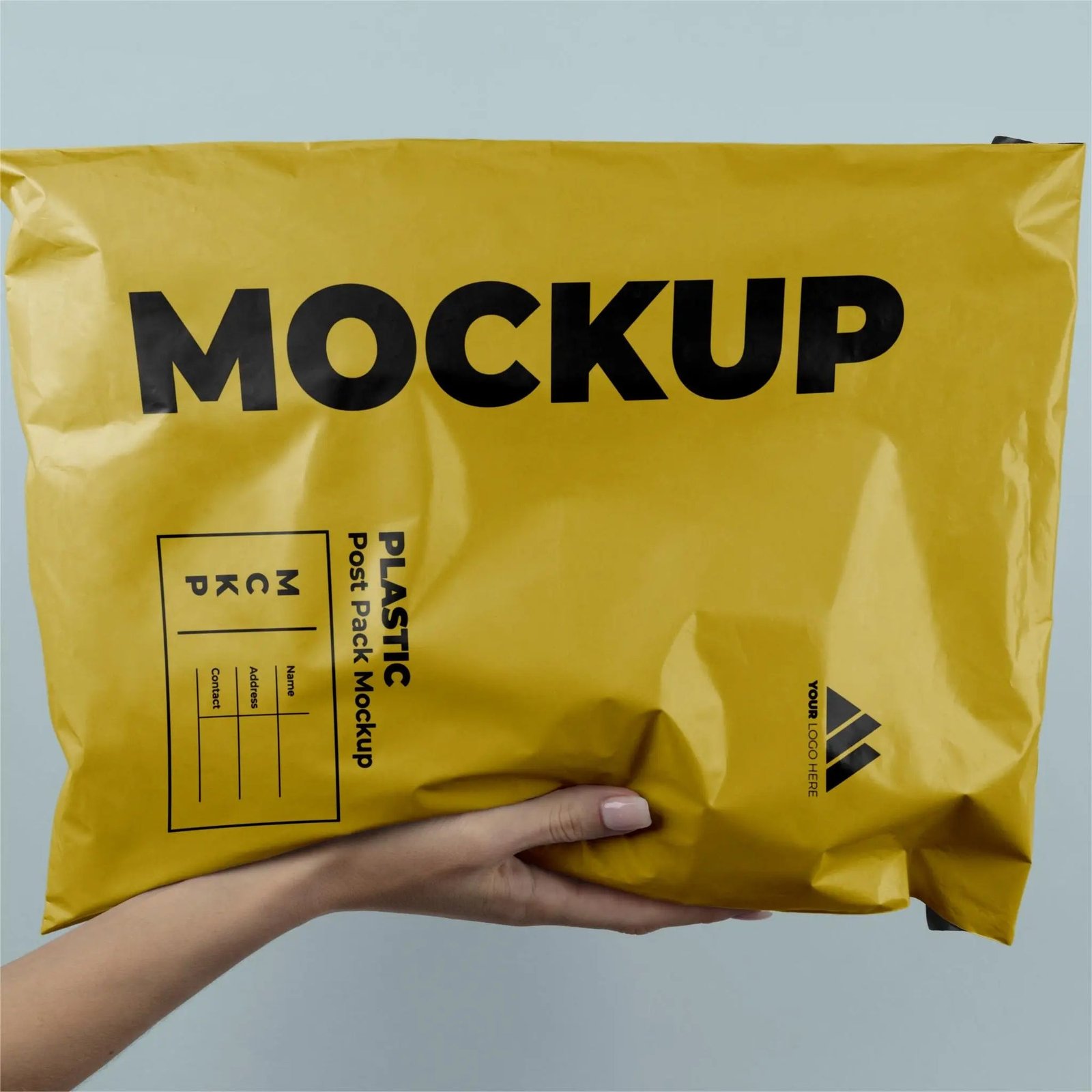
Complete each order with branded hang tags, polybags, tissue, stickers, carton marks and retail-ready packaging. JUNSHEEN coordinates materials and pack instructions so your hoodies arrive ready for wholesale, retail or direct fulfillment.
About JUNSHEEN Custom Embroidered Hoodies
Based in Humen Town, Dongguan, JUNSHEEN has provided OEM, ODM and private-label apparel manufacturing for global brands since 2010. We turn custom embroidered hoodies from a tech pack, sketch or reference into production-ready garments, supporting emerging labels, retailers, wholesalers and sourcing teams with clear development guidance.
Our 200+ skilled workers and monthly capacity of more than 80,000 units support both 100-unit capsule launches and scalable repeat programs. Having served 2,000+ fashion-brand clients, we combine cut-and-sew production, knitwear capability, embroidery, printing, finishing, quality control and export support under one roof.
What sets JUNSHEEN apart is a fit-first, one-stop supply chain. From fabric sourcing and XS–3XL pattern grading to logo embroidery, private labels, trims and branded packaging, our team manages the details that help custom hoodie collections fit consistently and move confidently from sample approval to bulk production.

Custom Embroidered Hoodies Built for Consistency
Fit-Focused Pattern Development
Our pattern team develops custom embroidered hoodies from XS to 3XL with deliberate grading, including plus-size and oversized fits. Shoulder balance, sleeve length, body proportion and mobility are refined before bulk production to reduce sampling revisions.
- Pattern making from tech packs, sketches or reference garments
- XS–3XL grading for normal, extended-size and oversized fits
- Prototype, size-set and pre-production approval support
- Manufacturability review before bulk commitment

Embroidery That Holds Its Shape
In-house embroidery planning helps protect fabric hand feel, placement accuracy and stitch quality across repeat runs. We support flat, 3D puff, chain stitch, applique, sequins, patches and logo embroidery for custom hoodie programs.
- Flat, 3D puff, chain stitch and applique embroidery
- Logo placement checks for chest, sleeve, back and hood panels
- Backing and stitch-density choices matched to fabric weight
- Decoration reviewed during sampling and final inspection
Fabric Sourcing With Purpose
JUNSHEEN sources fleece, French terry, cotton blends and recycled options through an established supplier network. Recommendations balance target cost, garment weight, softness, durability, shrinkage control and embroidery performance for the intended market.
- French terry, brushed fleece, cotton and blended constructions
- Fabric weight and hand-feel recommendations by season
- Swatches and sample garments before bulk material confirmation
- Material options aligned with cost and wash-performance goals
Controlled From Cutting to Packing
With 200+ skilled workers and capacity above 80,000 units monthly, JUNSHEEN manages each hoodie program through incoming material checks, in-line inspection, measurement review, embroidery verification and final packed-goods control before global shipment.
- Incoming fabric and trim inspection
- In-line construction, measurement and fit checks
- Final review of embroidery, labels, packaging and quantities
- Scalable production from 100 units per style and color
Why Choose JUNSHEEN for Custom Embroidered Hoodies
Evidence-led production support from first sample through global delivery.
← 左右滑动查看 →
Custom Embroidered Hoodies Production Timeline
A clear, fit-focused workflow that takes your hoodie program from feasibility review to export-ready delivery.
Review Feasibility and Specs
Share a tech pack, sketch, reference garment, or idea. Our team reviews construction, embroidery placement, fit targets, quantities, and 100-unit MOQ feasibility.
Source Fabrics and Trims
We recommend fleece, French terry, or other materials by weight, hand feel, target cost, wash performance, and decoration requirements, then confirm labels and trims.
Build Patterns and Samples
Pattern makers develop and grade XS–3XL or oversized fits, followed by prototype sampling, embroidery trials, measurements, and size-set approval before bulk production.
Cut, Sew and Decorate
Approved materials move into cutting and sewing, with in-house flat, 3D puff, chain-stitch, applique, patch, or logo embroidery applied to specification.
Inspect, Pack and Ship
Quality teams check fabric, construction, measurements, fit, decoration, and packed goods. We add private-label packaging and coordinate export support for global delivery.
How to Work With Our Custom Embroidered Hoodies Team
Move from concept to approved bulk production with clear development support, fit-focused sampling, and scalable manufacturing from 100 units per style and color.
Share Your Hoodie Concept
Send a tech pack, sketch, reference garment, mood board, or product idea, including target quantities, markets, embroidery requirements, and desired price positioning.
Review Feasibility and Quote
Our team reviews construction, fabrics, fit, trims, and decoration, then recommends production-ready options and prepares a clear quotation for your custom embroidered hoodies.
Develop and Approve Samples
Confirm fabrics, embroidery placement, labels, and XS–3XL grading through prototype and size-set samples, refining details before pre-production approval.
Launch Controlled Bulk Production
Approve the final sample, place your order, and let JUNSHEEN manage bulk cutting, embroidery, quality checks, branded packaging, and global export support.
Custom Clothing Manufacturer Credentials and Compliance Documents




Custom Embroidered Hoodies: Client Results
JUNSHEEN turned our tech pack into a wearable sample in 18 days and corrected the shoulder and sleeve balance across XS–3XL. Our first 300-unit custom embroidered hoodies launch sold through faster than forecast.
The team matched our 420 GSM fleece target and delivered clean puff embroidery on three colorways. Sampling revisions dropped from four rounds with our previous supplier to two, helping us launch six weeks earlier.
We began with 100 units per color, then expanded to 2,400 units across repeat orders. The retained patterns and consistent grading made reorders straightforward, while branded labels and packaging arrived production-ready.
Custom Embroidered Hoodies FAQ
Clear answers on MOQ, sampling, fit, decoration, payment, shipping, and brand protection for your hoodie program.
What is the MOQ for custom embroidered hoodies?
How long does a custom embroidered hoodie sample take, and what does it cost?
Can you develop custom embroidered hoodies from a sketch or reference garment?
Which embroidery options can you produce for hoodies?
Can you grade hoodie fits for plus sizes and oversized silhouettes?
What payment terms do you offer for a first custom embroidered hoodie order?
Do you ship custom hoodie orders internationally?
How do you protect our hoodie designs and embroidery artwork?
The Complete Buyer’s Guide to custom embroidered hoodies
Use this practical framework to compare hoodie styles, fabrics, embroidery options, construction standards, supplier capabilities, pricing factors, and avoid sourcing mistakes before placing a production order.
1. What Are Custom Embroidered Hoodies?
3 elements define custom embroidered hoodies: a cut-and-sew or blank hoodie, stitched artwork, and brand-specific trims or labels. Buyers normally specify the shell fabric, hood shape, rib cuffs and hem, kangaroo or seam pockets, drawcords, zipper if applicable, fit block, color, placement, and embroidery file before sampling. 280–420 GSM is a common weight range for premium French terry and brushed fleece hoodies, although fabric choice depends on season and target hand feel. Unlike screen print, where ink sits on or penetrates the surface, embroidery builds a raised thread structure using stitches; it adds tactile depth and durability but requires stabilizer, suitable backing, and artwork simplified for stitch count and small-detail clarity. 100 units per style and color is a practical starting point for many capsule and private-label programs, where embroidery can make a basic silhouette read as a branded product. Fashion buyers source these hoodies for logo-driven retail capsules, oversized streetwear, staff uniforms, event merchandise, wholesale assortments, and creator collections because a flat, 3D puff, chain-stitch, applique, patch, or logo treatment can create a more premium perceived value than a standard print. 2 approval points matter before bulk production: the sample must confirm both garment fit and embroidery execution. For a manufacturer such as JUNSHEEN, that means reviewing thread color, placement, scale, backing visibility, puckering risk, wash performance, labels, and packaging as one production-ready specification rather than treating the decoration as a separate afterthought.
2. Evolution of Custom Embroidered Hoodies
1930s athletic sweatshirts established the heavy cotton base later adapted into hooded teamwear, while varsity crests and chenille lettering made chest decoration a visible sign of affiliation. That collegiate language still informs custom embroidered hoodies: a left-chest logo, sleeve emblem, or oversized back graphic can signal heritage before a buyer reads the label. 1950s workwear programs extended embroidery from school identity to practical branding, using durable name, service, and union marks on garments expected to survive repeated laundering. For sourcing teams, that legacy makes stitch density, backing selection, and placement around pockets, zippers, and seams more consequential than a flat graphic on the same 280–400 GSM fleece. 1990s streetwear recast the hoodie as a limited-release canvas, mixing sports references, premium blanks, and deliberately restrained logo placements. Modern digitizing converts artwork into stitch paths, while multi-head machines repeat the same file across production runs; this makes clean logo embroidery accessible from a 100-unit style-and-color launch rather than only large uniform orders. 2020s private-label manufacturing lets brands combine those references with custom labels, Pantone-matched threads, patches, and developed fits. A heritage cue should support the collection’s price position: compact chest embroidery often reads refined, whereas large back or sleeve placements increase stitch time, thread use, and the perceived value buyers expect to see at retail.
3. Types of Custom Embroidered Hoodies
Six core silhouettes let a buyer build custom embroidered hoodies across entry, core, and premium tiers. Select the block before approving artwork, because pockets, zippers, hood seams, and proportions determine usable embroidery space.
Pullover And Cropped

280–340 GSM pullovers suit logo-led core programs and unisex gifting. Use left-chest, center-chest, sleeve, or hood embroidery; keep dense designs clear of the kangaroo-pocket seam. 18–22 inch cropped bodies target women’s fashion capsules. Place small crests on the chest or cuff, and stabilize lighter rib hems to prevent embroidery distortion.
Zip-Up Hoodies
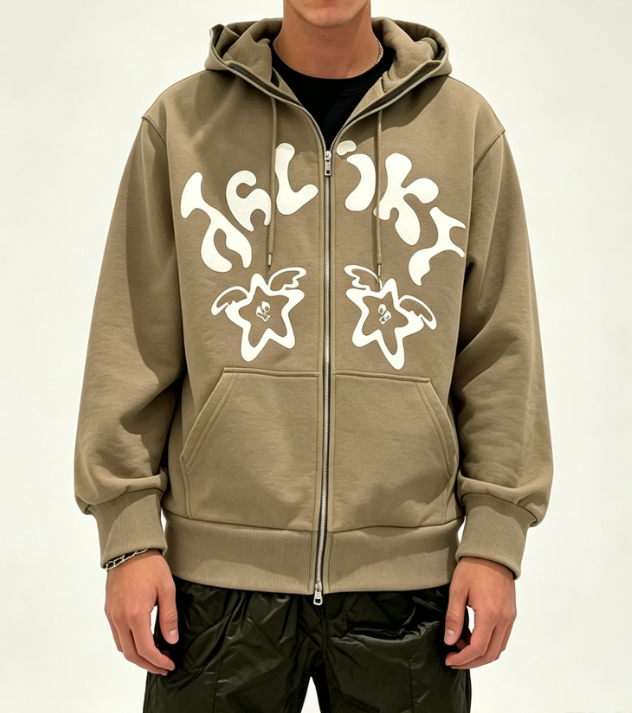
Two-way or full-front zip-ups serve layering collections, travel retail, and higher perceived-value assortments. Divide artwork into left-chest and sleeve placements; never bridge embroidery across the zipper tape. 5 mm nylon-coil or molded zippers need a clean zipper garage and sufficient placket support. Reserve larger back embroidery for styles without a hood seam crossing the design.
Oversized And Relaxed
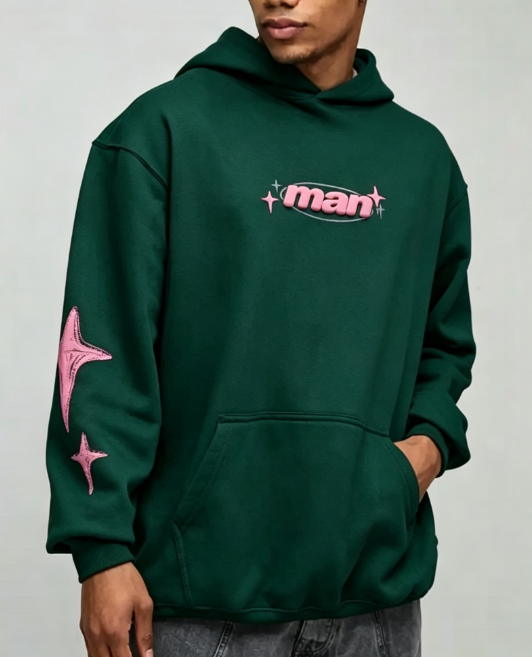
Drop-shoulder oversized fits appeal to streetwear customers and benefit from 320–450 GSM fleece or French terry. Large back motifs, wide chest designs, and applique read well on the expanded panels. XS–3XL grading requires shoulder, sleeve, and body-balance adjustments rather than simple enlargement. A size set is essential when the collection promises a deliberate relaxed fit.
Heavyweight Premium Styles
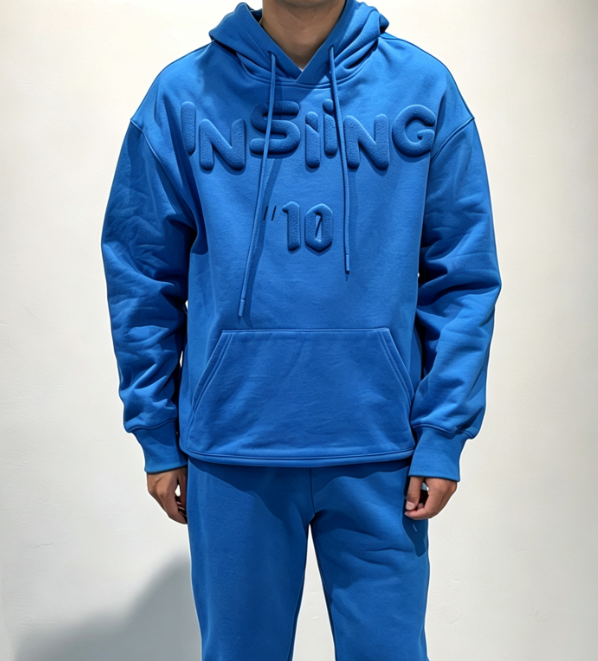
400–500 GSM heavyweight hoodies support premium cold-season drops and higher retail pricing. Dense embroidery holds securely when the shell, hood, and rib specifications are matched to the added weight. 1×1 or 2×2 rib, reinforced pocket corners, and a double-layer hood help maintain shape. Limit oversized high-stitch-count art where it could make the panel stiff.
Assortment Selection
Three-tier assortments often pair a standard pullover as the volume driver, a zip-up as the upgrade, and an oversized or cropped style as the fashion statement. Choose one hero silhouette per season before multiplying colors. 100 units per style and color can suit a focused capsule, while repeat programs can add fit options after sales data confirms demand.
4. Fabrics for Custom Embroidered Hoodies
280–500 GSM is the practical range for custom embroidered hoodies. Weight affects warmth and retail positioning, while fiber blend, surface construction, and pre-shrinking determine how cleanly embroidery performs after washing.
| Fabric | GSM | Hand And Performance | Best Use |
|---|---|---|---|
| Cotton French terry | 280–340 | Breathable; moderate warmth; low pile | Premium trans-seasonal hoodies |
| Cotton-poly fleece | 300–360 | Soft; stable; moderate shrinkage | Core retail and teamwear |
| Brushed fleece | 360–420 | Warm; plush; monitor pilling | Winter and oversized styles |
| Heavyweight cotton fleece | 420–500 | Dense; premium; embroidery-stable | Elevated streetwear |
| Recycled poly blend | 320–400 | Resilient; verify lot consistency | Sustainability-led collections |
Fiber And Knit Choices

100% ring-spun cotton offers a natural hand and premium feel, but can shrink unless pre-shrunk; stable backing is important for dense logos. French terry has unbrushed loops, moderate warmth, and lower pilling risk. Brushed fleece traps more air and suits cold-weather programs, although low-quality open-end fleece pills sooner.
Embroidery Stability

320 GSM cotton-poly fleece is often the safest all-round base for left-chest embroidery because polyester improves dimensional stability. A tightly knit face reduces puckering and keeps small lettering clearer. 400 GSM and heavier fabrics support substantial appliqué or puff embroidery, but require test stitching to prevent needle marks and hoop impressions.
Recycled Blend Considerations
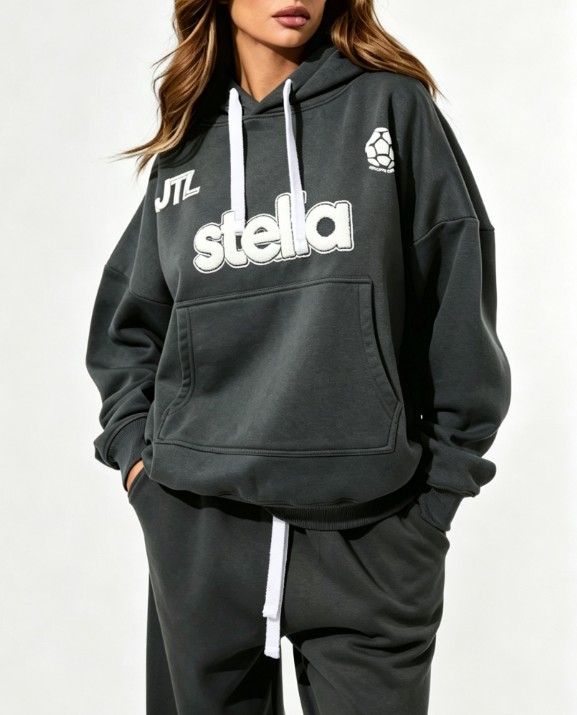
20–50% recycled polyester blends can support responsible material goals while retaining fleece resilience. Request composition confirmation, wash testing, and shade approval because recycled fiber lots may vary in hand feel and color uptake.
5. Customizing Custom Embroidered Hoodies
100-unit programs benefit from locking artwork, placement, and thread colors before sampling. For custom embroidered hoodies, digitizing converts the approved logo into stitch paths suited to the selected fabric and decoration.
| Method | Visual Effect | Durability | Best Positioning |
|---|---|---|---|
| Flat | Clean, detailed | High | Premium basics |
| 3D puff | Raised, bold | High | Streetwear |
| Appliqué | Layered textile | High | Varsity |
| Chenille | Soft looped pile | Medium | Heritage |
| Patch | Badge-like | High | Workwear |
Choose The Decoration Method
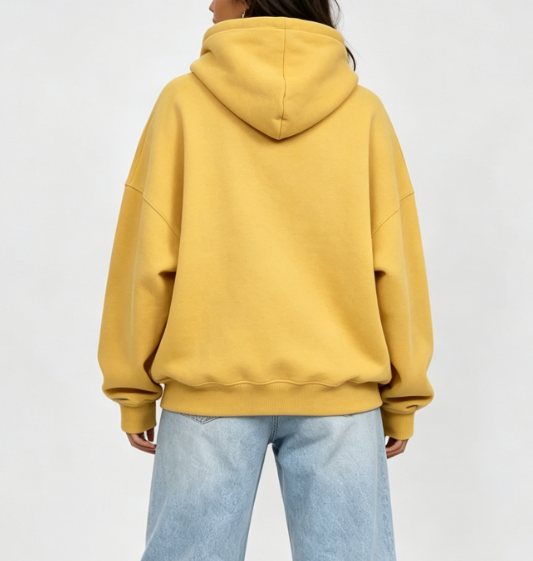
Flat embroidery gives crisp lettering and fine logo detail; 3D puff creates raised, bold shapes on stable fleece. Appliqué and chenille add collegiate texture, while woven or embroidered patches suit repeatable badge artwork.
Control Artwork And Stitches

6,000–10,000 stitches is a practical range for a chest logo; large dense fills add cost, stiffness, and puckering risk. Digitizers should adjust underlay, pull compensation, and stitch density rather than simply trace artwork. 12 thread colors are common machine limits, though fewer colors improve setup speed and visual clarity. Rayon offers sheen, polyester improves colorfastness and abrasion resistance, and metallic thread needs slower production settings.
Plan Placement Around Construction

8–10 cm below the collar is a typical left-chest starting point, but the graded sample must confirm placement across sizes. Avoid embroidering through pocket openings, center-front zippers, thick seams, drawcord channels, or rib joins. 280–450 GSM brushed fleece supports substantial embroidery, yet dense artwork still needs suitable cutaway backing. Test embroidery after washing because backing, thread tension, and heavy pile can change drape or reveal puckering.
6. Construction Quality for Embroidered Hoodies
Construction determines whether custom embroidered hoodies retain their silhouette after repeat wear and present the logo cleanly. Approve quality against a physical sample, then convert every critical point into measurable inspection criteria before bulk cutting.
Recovery And Rib Stability

320–420 GSM fleece should recover after a hand stretch without a bagged elbow or distorted body. Request a wash-tested sample and record body length, chest width, cuff opening, and hem opening before and after laundering. 2×2 rib cuffs and hems should contain enough elastane to spring back and sit flat. Warning signs include rippled rib, a loose neck seam, or more than 3–5% unapproved shrinkage after the agreed wash method.
- Measure shrinkage after the approved wash cycle
- Check cuff recovery after 10 manual stretches
- Compare graded measurements to the approved spec
Hood And Pocket Construction

Three-panel hoods generally hold a more rounded profile than basic two-panel constructions. Check that the center seam is straight, the neckline joins smoothly, and matching drawcord lengths exit from reinforced eyelets without twisting. 6 mm twin-needle or coverstitch pocket attachment helps a kangaroo pocket resist corner pull. Look for bar tacks at pocket openings, even seam allowance, and no skipped stitches where bulky seams intersect.
- Confirm drawcord length and end finish
- Pull-test pocket corners on the sample
- Inspect hood symmetry on a worn form
Embroidery Finish Inspection
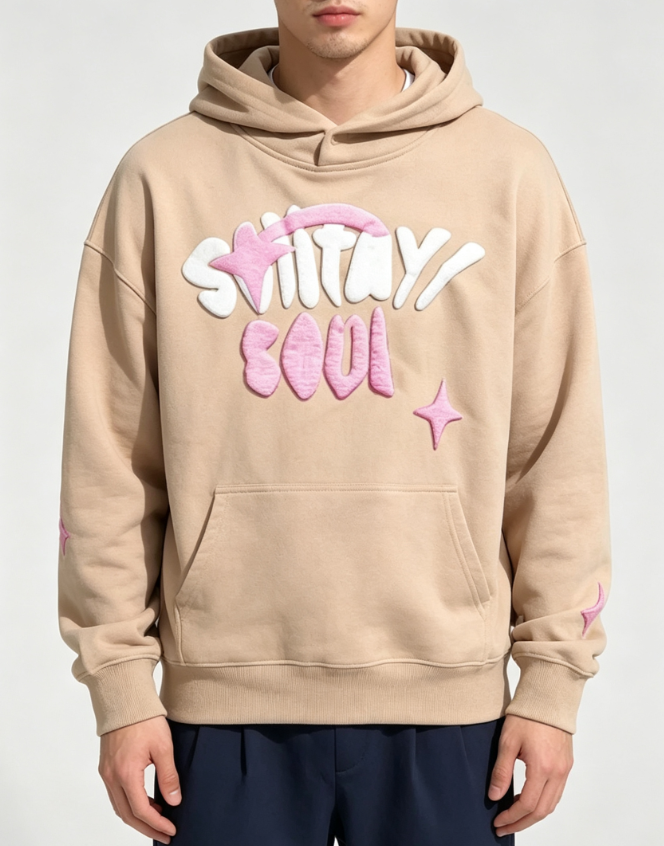
75/11 to 90/14 embroidery needles and suitable stabilizer selection should support dense logos without puckering the face fabric. Request front and reverse photos, plus a worn sample, because distortion often appears only when the chest panel is under tension. 100% backing cleanup matters on interior comfort and premium presentation. Reject loose cutaway edges, exposed bobbin nests, needle holes, uneven fill density, or thread tails that can snag during wear or washing.
- Inspect logo alignment from the center front
- Check backing edges after one wash
- Verify thread colors against approved Pantone references
7. Choosing a Custom Hoodie Manufacturer
A 100-unit MOQ can suit a capsule, but repeatable branded production depends on technical control beyond the minimum. Vet the supplier’s development workflow, embroidery process, records, inspection points, and export handoff before approving a deposit.
Verify Development Capability
100 units per style and color is a practical starting point only when the factory can develop patterns, source fabric, and produce a fit sample. Ask for a sampling calendar, specification-review notes, and a graded measurement chart from XS through 3XL. 2 approved samples—fit and pre-production—reduce bulk surprises. Confirm whether pattern, grading, Pantone, fabric-lot, thread, and trim records are retained for reorders.
- What is the MOQ by color and embroidery placement?
- Can you quote sampling, revision, and bulk lead times separately?
- Who approves the final measurement tolerances?
Test Embroidery And Fabric Control

1 production-ready logo requires digitizing matched to stitch type, fabric weight, backing, and placement. Request a sewn strike-off on the selected French terry or fleece—not merely a digital embroidery preview. 280–420 GSM fleece and 300–500 GSM French terry behave differently under dense stitching. Ask whether the team manages flat, 3D puff, applique, chain stitch, thread trims, backing removal, and post-wash distortion in-house.
- Request stitch count and embroidery dimensions.
- Check puckering after wash testing.
- Confirm thread-color and placement tolerances.
Audit Production And Delivery
3 checkpoints—incoming materials, in-line sewing, and final packed-goods inspection—should cover measurements, decoration, defects, labels, and carton counts. Request applicable OEKO-TEX, GOTS, WRAP, or BSCI documentation where your market or retailer requires it; do not assume certification applies to every material. 1 named production contact and written update milestones make offshore sourcing manageable. Confirm bulk lead time after approval, balance-before-shipment terms, Incoterms, export documents, and whether the supplier can arrange courier, air, or sea freight.
- Ask for defect-handling and rework procedures.
- Confirm photo reports before final payment.
- Verify commercial invoice, packing list, and shipping support.
8. Common Custom Hoodie Sourcing Mistakes
Most bulk failures begin before cutting: an untested logo, an undefined wear use, or an incomplete specification. For custom embroidered hoodies, lock technical decisions against physical samples before releasing fabric or production.
Approve A Sew-Out First

1 sew-out on the actual hoodie fabric is essential before bulk approval. Screen artwork cannot show thread coverage, small-text loss, puckering, or whether a 3D/puff design holds its shape. 100% of logo approvals should include the stitch file, thread colors, finished dimensions, placement, and a photographed or couriered sew-out. Revise density and underlay before production.
Define End Use Before Fabric

280–360 GSM fleece suits different needs than 320 GSM French terry. Choosing solely by swatch hand feel can produce a hoodie that is too warm, too light, or unstable after washing. State climate, layering, target retail position, decoration method, and wash expectation first. Then approve a finished sample in the selected fabric, color, and rib combination.
Control Distortion And Shrinkage
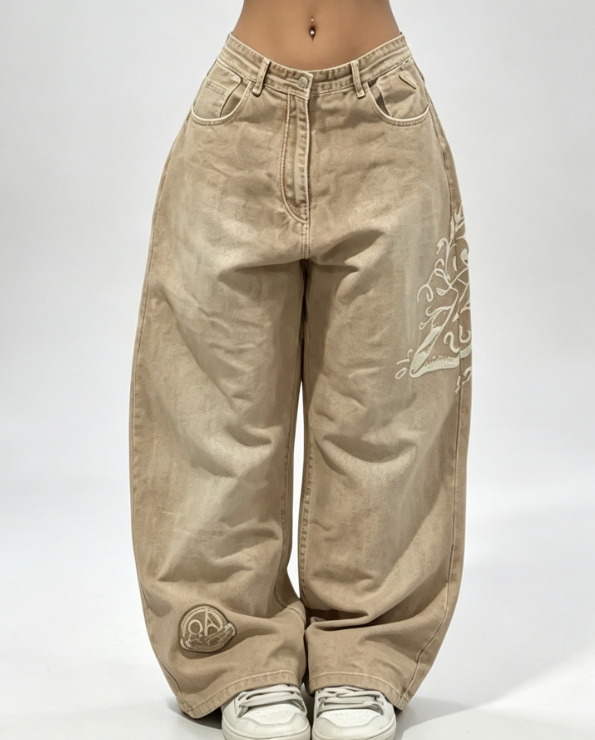
8,000–12,000 embroidery stitches can pull lightweight knit fabric toward the logo. Ignoring backing, stabilizer, and hooping can leave chest panels rippled or off-grain. 3–5% wash shrinkage is common for many cotton-rich knits unless fabric and garment tests prove otherwise. Specify the wash method, tolerance, and post-wash measurement standard before grading.
Release Complete Production Specs
±1–2 cm measurement tolerances mean vague notes such as ‘oversized fit’ are not production instructions. Missing points of measure, grade rules, Pantone references, and placement coordinates create inconsistent size sets. 1 pre-production sample should match approved fabric, trims, artwork, labels, packaging, and measurements. Compare quotes only after every supplier receives this same specification package.
9. Launching Custom Embroidered Hoodies
A 100-unit launch succeeds when commercial choices are frozen before bulk commitments begin. Start with a collection brief that fixes customer, silhouette, target retail price, color count, delivery date, and acceptable landed-cost ceiling.
Set The Development Brief
One target retail price should drive the fabric, decoration coverage, trims, and packaging budget before a supplier quotes. A $60 retail hoodie cannot carry the same construction and embroidery density as a $120 premium piece. One tech pack should specify measurements, graded size range, GSM target, Pantone colors, stitch locations, label placement, and packing ratio. Junsheen can develop from a sketch or reference garment, but written tolerances reduce sampling loops.
Lock Artwork And Materials

Seven to 14 days of embroidery digitizing and strike-off review should be planned before sample approval. Submit vector artwork, final placement dimensions, thread colors, and backing requirements early; late file changes can reset the critical path. 320–400 GSM brushed fleece suits a substantial cold-weather hoodie, while 280–360 GSM French terry offers a lighter launch option. Confirm swatches, shrinkage expectations, hand feel, and color approval before reserving bulk fabric.
Approve Samples Before Bulk
One prototype should check silhouette, hood shape, pocket position, embroidery registration, and wash performance before revisions. Allow at least one revision round rather than treating the first sample as production-ready. XS–3XL size-set approval should verify shoulder balance, body length, sleeve length, and grading increments on actual bodies or fit forms. Approve sealed samples, measurement tolerances, and final materials before releasing a 100-unit bulk run.
Control Production And Delivery
In-line checks should inspect fabric defects, seam construction, measurements, and embroidery consistency before packing begins. Final inspection should also confirm labels, hang tags, polybags, carton marks, and packed quantities against the purchase order. One delivery calendar should include sampling, revisions, fabric booking, production, final balance, and freight cutoff dates. Keep a buffer for embroidery corrections and export handoff, especially when launch inventory supports a fixed campaign date.
10. Custom Embroidered Hoodie Pricing
100 units per style and color is a practical starting point for custom embroidered hoodies, but an indicative factory price should be treated as a budgeting range rather than a confirmed quotation. A 280–360 GSM cotton-rich fleece hoodie with one small flat-embroidery placement generally costs less than a heavier garment with multiple locations, puff embroidery, applique, or a high stitch count. 280–360 GSM fabric, garment dyeing, enzyme washing, custom rib, YKK zippers, labels, hang tags, and branded packaging should be specified before comparing quotes. Share artwork in vector format and state Pantone references, embroidery dimensions, placement, thread colors, and estimated stitches; digitizing and approved samples can create separate one-time costs. 7–14 days is a common development window after materials and specifications are confirmed, while bulk timing depends on fabric availability, decoration capacity, and inspection requirements. Request a line-item quotation covering sample, bulk unit price, packaging, shipping terms, and any test or certification costs so the landed-cost model remains accurate.
| Order quantity | Indicative unit-price driver | Embroidery complexity | Estimated bulk lead time |
|---|---|---|---|
| 100–299 units | Higher setup allocation; stock fabric helps | One small 5,000–8,000-stitch logo | 25–35 days |
| 300–999 units | Better fabric and sewing efficiency | One or two 8,000–15,000-stitch placements | 25–40 days |
| 1,000+ units | Volume fabric buying can reduce unit cost | Multiple placements, applique, or 3D/puff work | 30–45 days |
Start Your Custom Embroidered Hoodies Sample Today
Send your tech pack, reference garment, or product idea for fit-focused development and a tailored 100-unit MOQ quotation from JUNSHEEN.