
Embroidered Shorts Manufacturer for Private-Label Brands
Launch fit-focused XS–3XL embroidered shorts with a 100-unit MOQ, in-house decoration, and scalable OEM production from JUNSHEEN.
Featured Products for embroidered shorts manufacturer Development

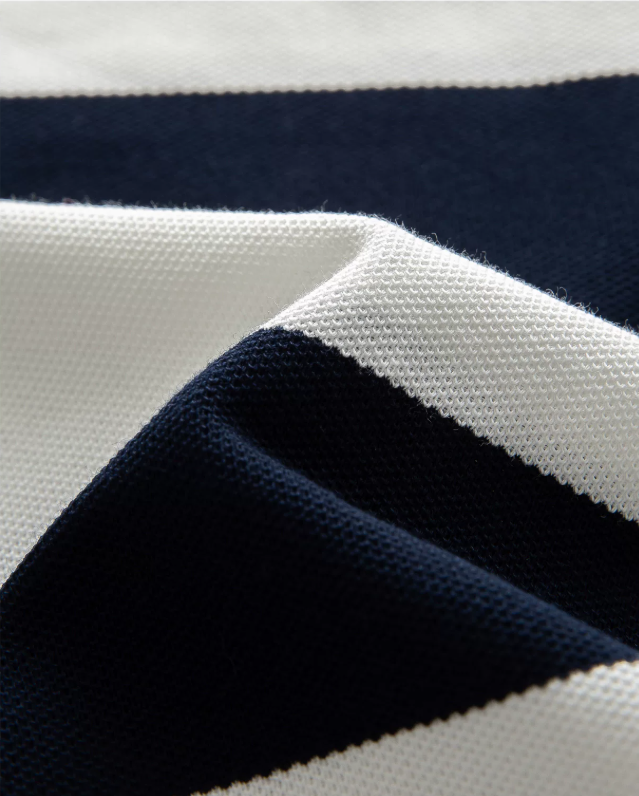


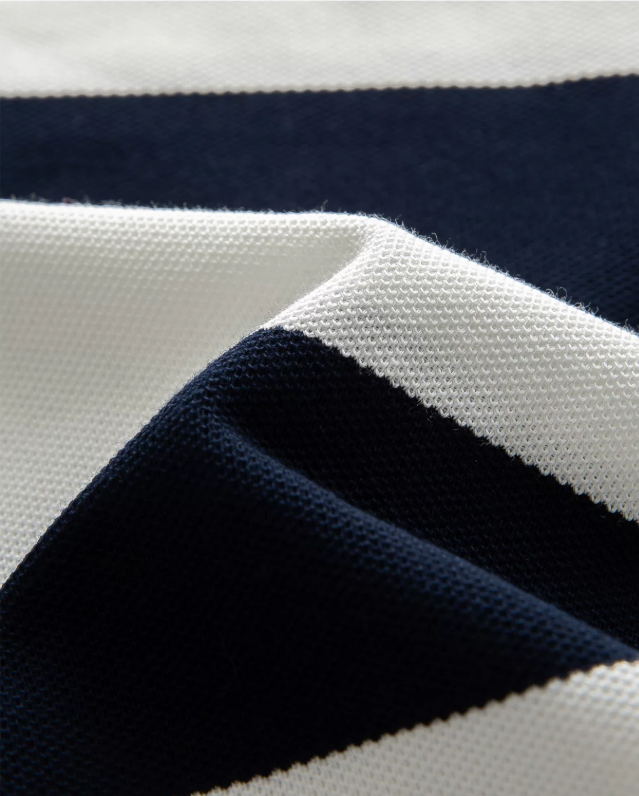
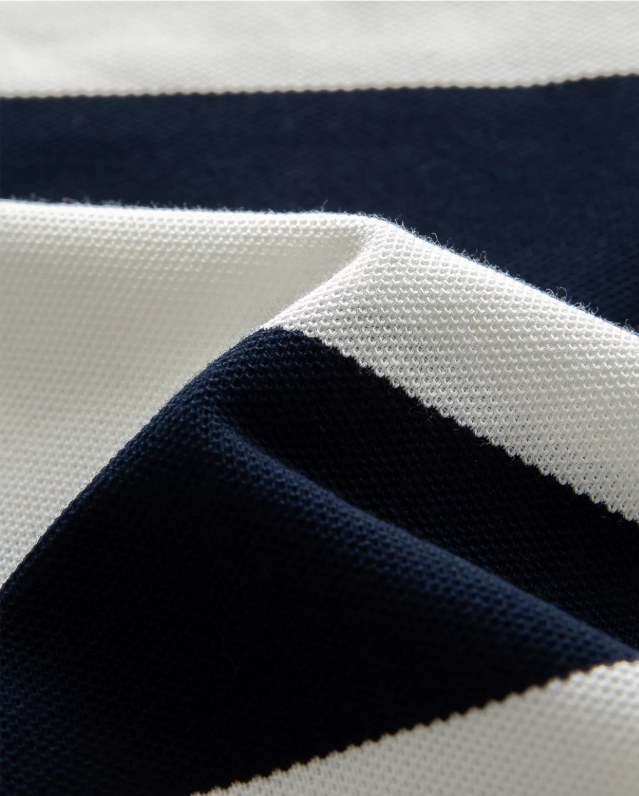


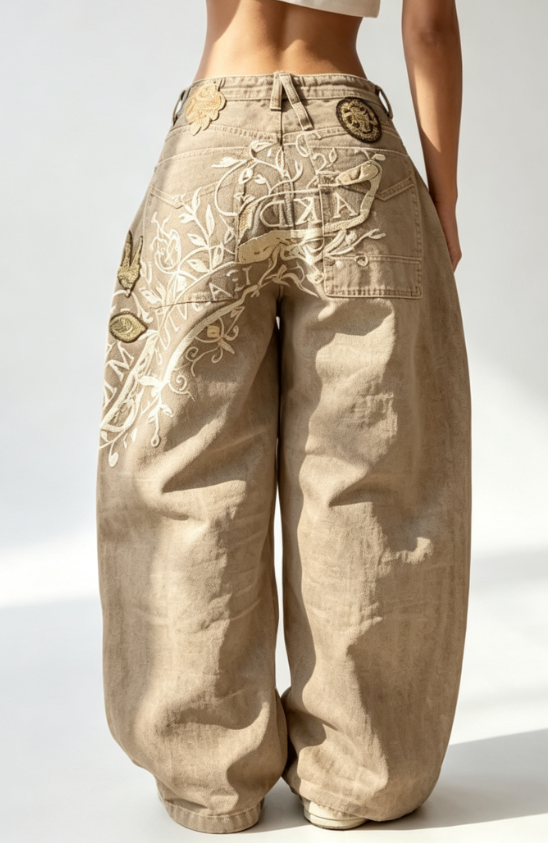


Related Product Catalogue and Quotation




Why Brands Choose Our Embroidered Shorts Manufacturer
From first sample to global delivery, JUNSHEEN combines low-MOQ flexibility, fit-led development, in-house decoration, and scalable production for custom shorts programs.
100-Unit Starting MOQ
Launch capsule collections or test new colorways with minimums from 100 units per style and color, without sacrificing production support.
Fit-Focused Size Development
Pattern makers refine rise, leg opening, proportions, and grading from XS through 3XL for standard, oversized, and extended-size shorts.
In-House Embroidery Expertise
Create durable flat, 3D puff, chain-stitch, applique, patch, or logo embroidery with decoration placement reviewed before bulk production.
Scalable Production Capacity
More than 200 skilled workers and monthly capacity above 80,000 units support growth from limited drops to ongoing wholesale programs.
Global Export Support
Our team manages quality checks, branded packaging, shipment coordination, and export support for fashion brands sourcing worldwide.
Custom Apparel Programs We Manufacture
From capsule launches to scalable bulk production, Junsheen develops fit-focused casualwear, denim, knitwear and outerwear from 100 units per style and color.

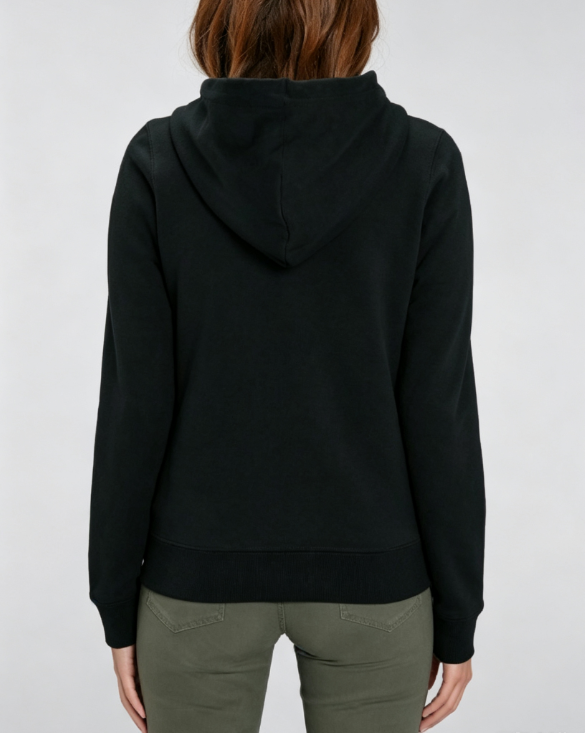
Custom Hoodies
Custom hoodies developed in fleece, French terry or heavyweight jersey, with pattern making, XS–3XL grading, embroidery, screen printing, washes and complete private-label trim options for branded collections.
Request a Quote
Custom T-Shirts
Custom T-shirts produced in combed cotton, Pima cotton, organic cotton and blended jersey. Junsheen supports fit specifications, oversized and extended-size grading, DTG, DTF, screen printing, labels and packaging for retail-ready programs.
Request a Quote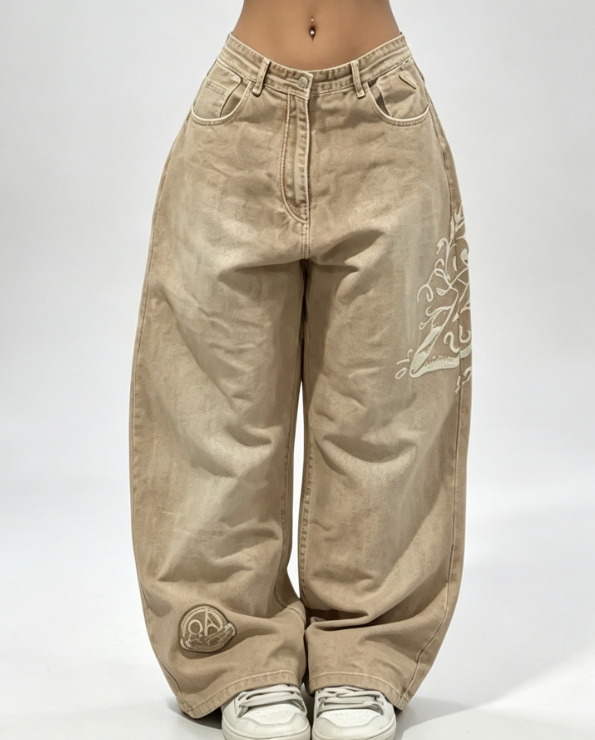
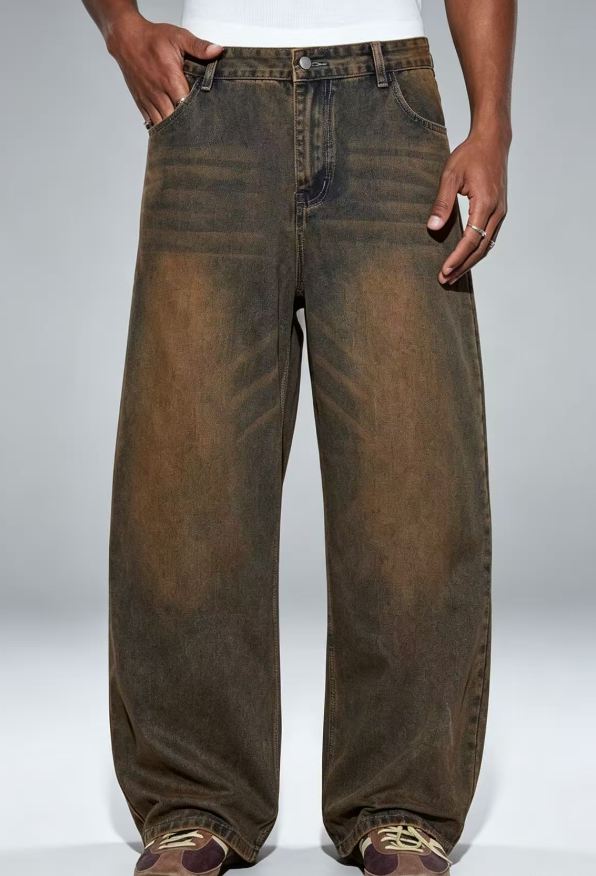
Custom Jeans
Custom jeans manufactured in rigid or stretch denim with fit development across XS–3XL. Options include custom washes, distressing, garment dye, branded hardware, leather labels, embroidery and consistent grading for repeat bulk orders.
Request a Quote
Custom Sweaters
Bulk turtleneck sweaters and other custom sweater programs developed in suitable yarns and knit constructions. Junsheen supports gauge, silhouette, color, rib details, size grading, labels and sampling before production approval.
Request a Quote
Custom Jackets
Custom jean jackets and other woven jackets built with denim, twill or performance fabrics. Development includes construction review, fit refinement, washes, embroidery, patches, branded snaps or zippers, and private-label finishing.
Request a Quote
Custom Sweatshirts & Crewnecks
Custom crewneck hoodie and sweatshirt programs produced in fleece, French terry or jersey. Choose crewneck, hooded or oversized silhouettes, then add puff print, embroidery, washes, rib trims, labels and graded size sets.
Request a Quote
Custom Cardigans
Custom cardigans developed with knitwear capability for branded layering collections. The team supports yarn and gauge selection, button or zipper details, rib construction, fit grading, logo embroidery, woven labels and production-ready samples.
Request a Quote
Custom Puffer & Down Jackets
Custom puffer jackets developed for outerwear programs with shell, lining, insulation, quilting and trim specifications reviewed before sampling. Add branded zippers, reflective details, patches, labels and size grading for global distribution.
Request a Quote
Custom Denim Shorts
Custom jean shorts manufactured in rigid or stretch denim with tailored rises, inseams and leg openings. Programs can include raw hems, distressing, stone or acid washes, embroidery, branded hardware and XS–3XL grading.
Request a Quote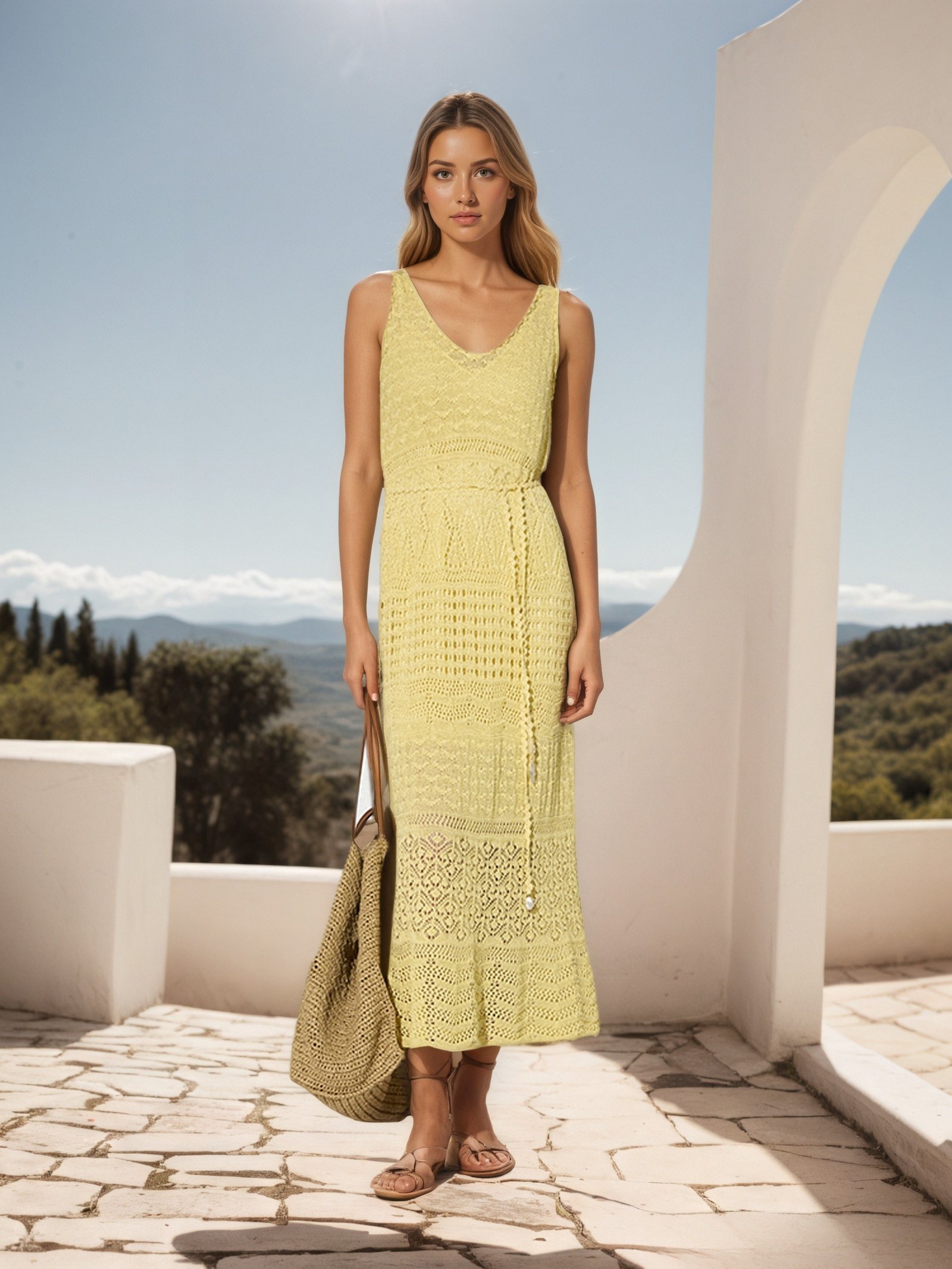
Custom Sweater Dresses
Custom sweater dresses developed in knit constructions with attention to body length, shoulder balance, sleeve proportion and mobility. Junsheen supports yarn selection, rib details, fitted or oversized silhouettes, grading and private-label finishing.
Request a Quote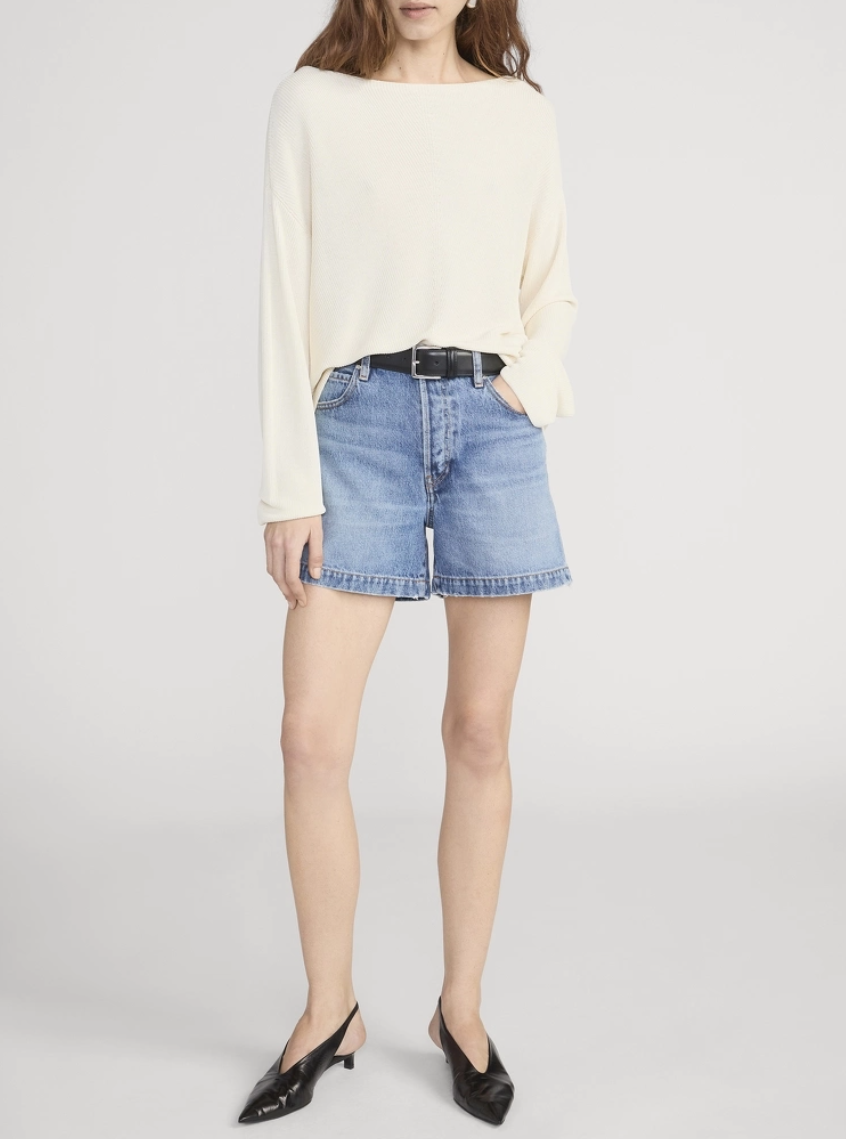
Custom Denim Sets
Men’s denim suits and coordinated denim sets produced as matching jackets, shirts, jeans or shorts. Junsheen aligns fabric lots, wash effects, hardware and sizing across each piece for consistent wholesale and retail presentation.
Request a Quote
Custom Polo Shirts
Custom polo shirts developed in pique, jersey or performance knits for fashion, uniform and wholesale programs. Specify collar construction, plackets, contrast details, embroidery, printing, fit grading, labels and packaging.
Request a Quote
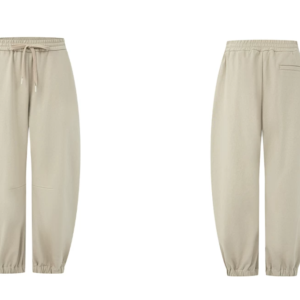
Custom Sweatpants
Custom sweatpants produced in fleece, French terry or jersey with refined rise, inseam and leg-shape grading. Options include elastic or rib cuffs, drawstrings, pockets, embroidery, prints, washes and coordinated sets.
Request a Quote
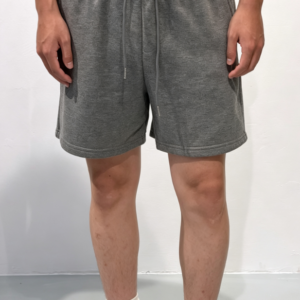
Custom Shorts
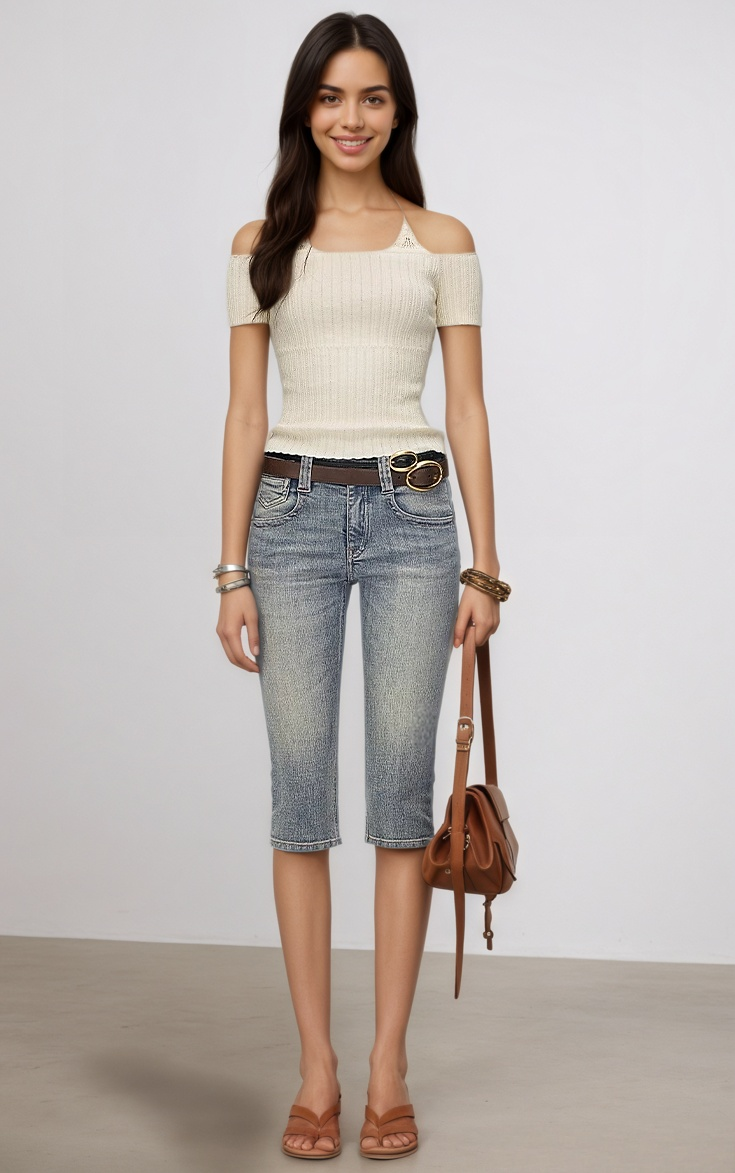
Custom shorts developed for casualwear programs in jersey, fleece, twill, denim and performance fabrics. Junsheen supports inseam, pocket and waistband specifications, XS–3XL grading, decoration, washes and branded trims from 100 units.
Request a Quote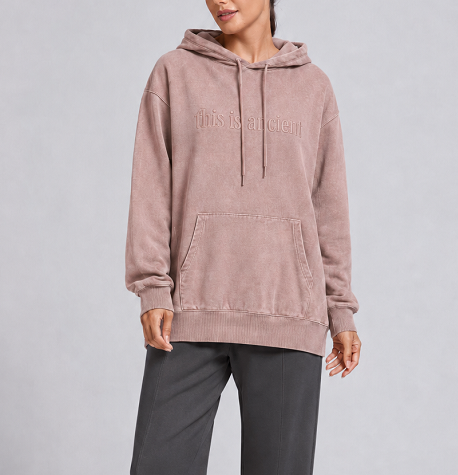
Custom Pullovers
Custom pullovers developed in knitwear, fleece, French terry or jersey according to the intended silhouette and season. The team manages fabric or yarn selection, pattern grading, embroidery, printing, labels, trims and bulk quality control.
Request a QuoteMaterials for Comfortable, Durable Embroidered Shorts

Cotton Jersey
Soft, breathable cotton jersey suits lightweight lounge, sport, and casual embroidered shorts. Its smooth face supports crisp logo placement, while optional elastane adds comfortable recovery and movement for everyday wear.

French Terry
French terry offers a smooth outer face with soft loopback texture inside, making it ideal for premium sweat shorts. Medium-weight construction provides breathable warmth, stable embroidery backing, and a relaxed drape.

Brushed Fleece
Brushed fleece creates a plush, insulating feel for colder-season shorts and coordinated sets. Its heavier weight and soft napped interior deliver comfort, while a stable surface helps embroidered logos retain clean definition.

Cotton Denim
Cotton denim brings structured durability to embroidered jean shorts, workwear-inspired styles, and fashion capsules. Available in rigid or stretch constructions, it develops character through washes while holding dense embroidery securely.

Cotton Twill
Cotton twill has a clean diagonal weave, durable hand feel, and polished appearance for chino, utility, and tailored casual shorts. Its tightly woven structure supports precise embroidery and dependable abrasion resistance.

Performance Knits
Performance knits provide moisture management, stretch, and fast-drying comfort for active or athleisure embroidered shorts. Polyester-spandex blends offer flexible recovery and lightweight durability, with fabric selection adjusted for embroidery density.
Embroidery and Decoration Methods from an Embroidered Shorts Manufacturer

Flat Embroidery
Clean logo embroidery stitched directly into custom shorts for crisp lines and dependable wash durability. Ideal for chest-style marks repositioned to the thigh, hem, pocket, or back yoke.

3D Puff Embroidery
Raised foam-backed stitching gives bold logos and lettering a dimensional, premium look. Our team reviews stitch density, placement, and fabric weight to maintain a clean shape through repeated wear.

Chain Stitch
Looped thread construction creates a heritage-inspired, handcrafted texture for lettering, mascots, and statement graphics. Chain stitch adds visible depth while retaining the relaxed character suited to casual shorts.

Applique Details
Layered fabric shapes are stitched onto shorts to build collegiate, varsity, or contrast-color graphics. We can match applique materials with the base fabric, trim palette, and intended garment wash.

Custom Patches
Woven, embroidered, leather-look, or silicone patches add a distinct branded finish without overcrowding the garment. Placement options include pockets, hems, waistbands, and back panels for durable identity details.

Print Effects
Screen print, puff, silicone, high-density, foil, DTF, and heat-transfer effects can complement embroidery on one short. We recommend the right combination for artwork detail, fabric type, and target wash performance.
Private-Label Trims for Embroidered Shorts

Custom Drawcords
Choose cotton, polyester, flat, round, braided, or tipped drawcords for elastic-waist embroidered shorts. Match colors, add metal or silicone ends, and reinforce the waistband for dependable everyday wear.

Branded Zippers
Specify nylon coil, metal, waterproof, or concealed zippers for pocket openings and secure utility details. JUNSHEEN can coordinate zipper color, puller shape, logo treatment, and placement with your short design.

Snap Buttons
Add custom snap buttons to cargo pockets, adjustable hems, or detachable details. Available finishes include matte, glossy, antique, rubberized, and logo-engraved options to support both function and a cohesive brand look.

Woven Labels
Finish embroidered shorts with woven main labels, size labels, and wash-care labels tailored to your private-label specifications. Our team helps position labels cleanly while keeping comfort, compliance, and production consistency in view.

Custom Hang Tags
Create retail-ready hang tags with your logo, product information, barcode space, and material messaging. Select paper stock, print finish, string, seal, and attachment method to suit your collection’s price point and visual identity.
Branded Packaging
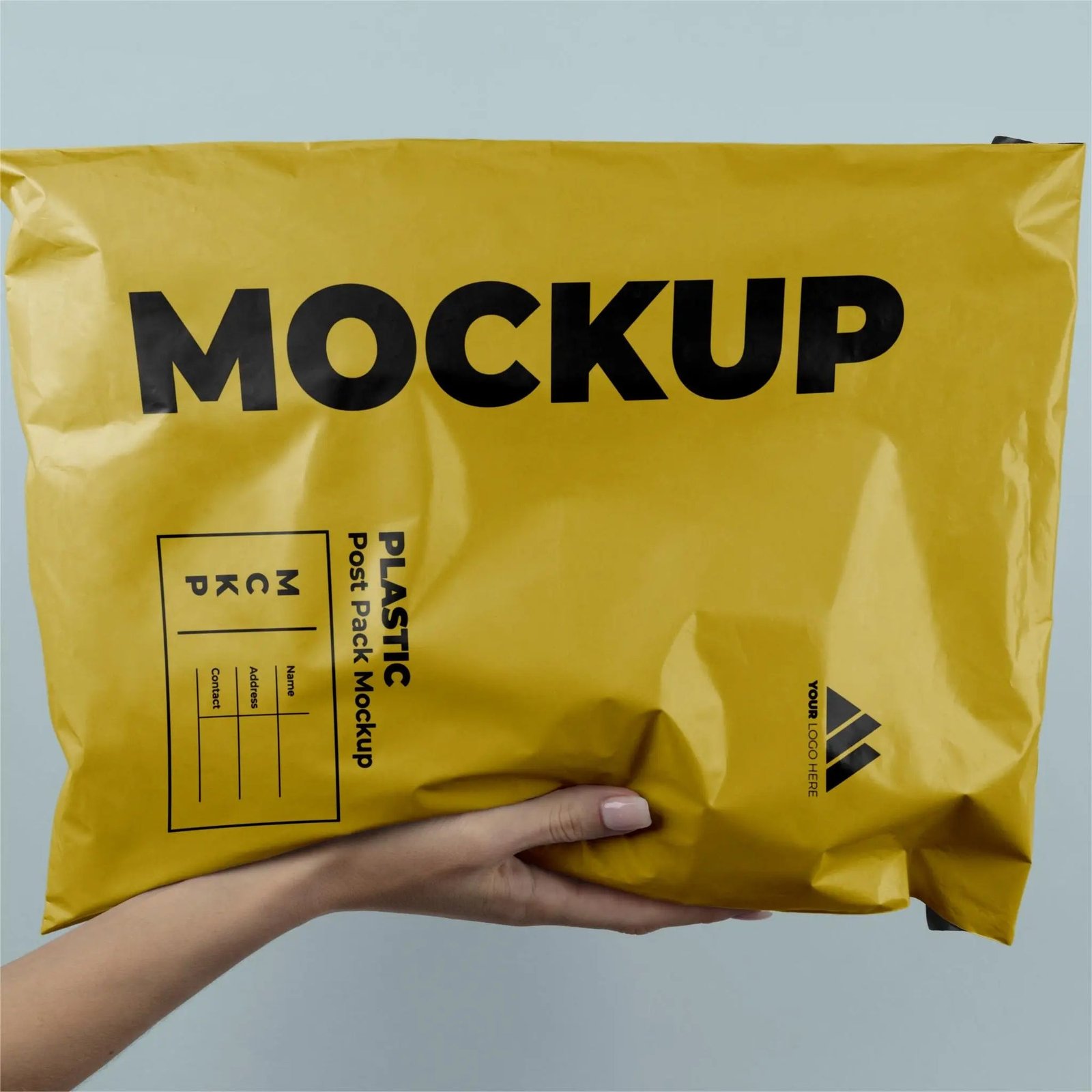
Protect finished embroidered shorts in custom polybags, tissue paper, mailer bags, cartons, or sticker seals. Branded packaging supports cleaner fulfillment, stronger unboxing, and more consistent presentation for wholesale or direct-to-consumer orders.
About JUNSHEEN, Your Embroidered Shorts Manufacturer
Based in Humen Town, Dongguan, JUNSHEEN has delivered OEM, ODM and private-label apparel manufacturing since 2010. We help fashion brands turn embroidered shorts concepts into production-ready programs, from development and material selection through sampling, bulk production, quality control and global export support.
Our 200+ skilled workers and monthly capacity of more than 80,000 units support both focused capsule launches and repeat bulk orders. With low MOQs from 100 units per style and color, we give emerging labels, wholesalers and established retailers a practical path to scale.
As an embroidered shorts manufacturer, JUNSHEEN combines fit-focused XS–3XL pattern development with in-house embroidery, cut-and-sew production, labels, trims, packaging and finishing. More than 2,000 fashion-brand clients have relied on our responsive manufacturing team for consistent quality and long-term production support.

Embroidered Shorts Manufacturer Capabilities That Improve Fit
Fit-First Pattern Development
As an embroidered shorts manufacturer, JUNSHEEN develops shorts from XS to 3XL with proportion-led patterns rather than simple size enlargement. We refine rise, leg opening, inseam, waistband balance and grading increments to help every size feel intentional.
- Normal, extended-size, plus-size and oversized grading
- Pattern development from tech packs, sketches or samples
- Prototype, size-set and pre-production fit review
- Retained pattern records for repeat-order consistency
Embroidery Built Into Production
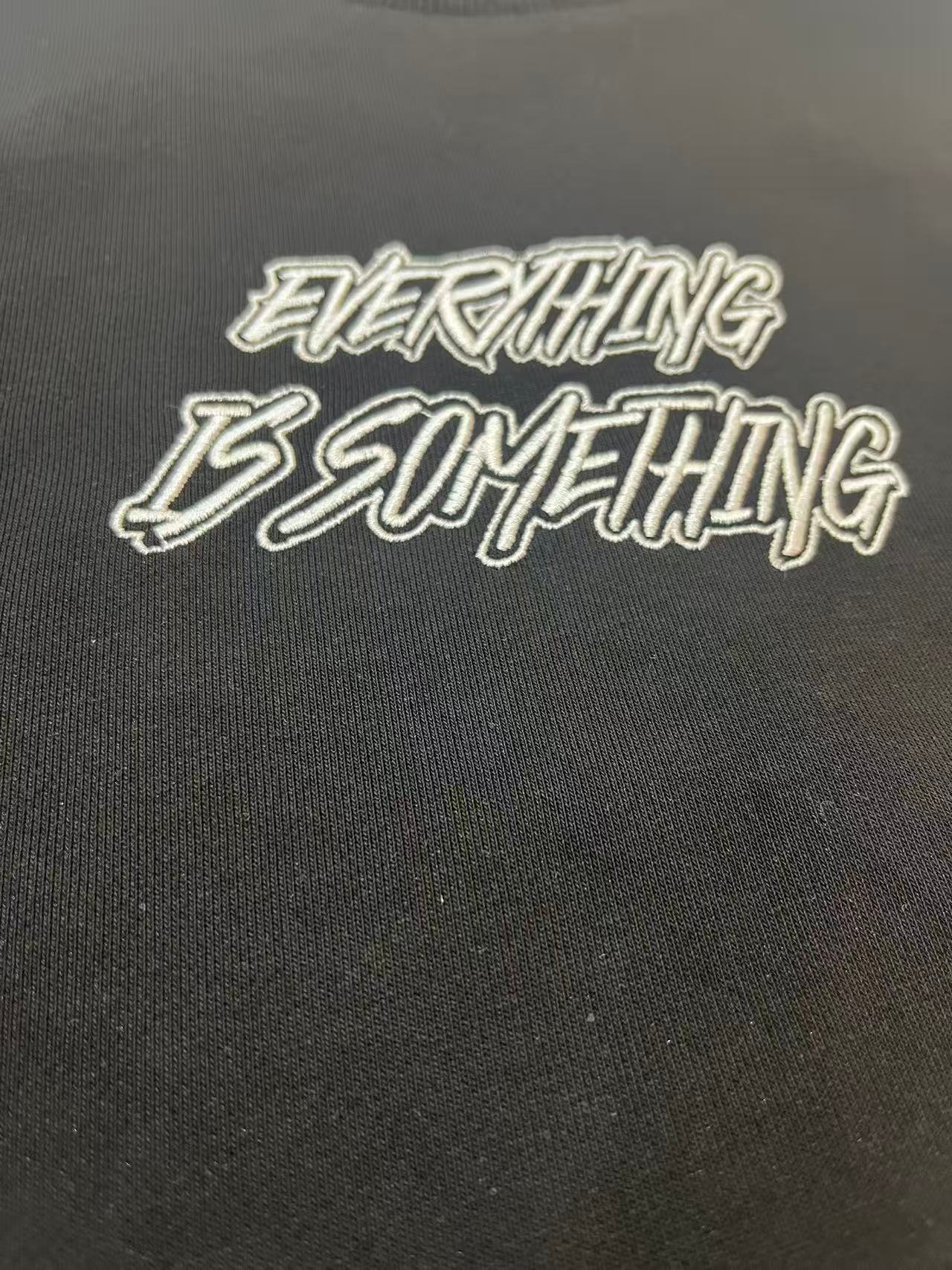
Keep decoration and garment construction aligned with in-house embroidery support. JUNSHEEN evaluates logo placement, stitch density, backing, thread color and panel behavior before bulk production, helping brands achieve a clean embroidered finish without compromising comfort or shape.
- Flat, 3D puff, chain stitch and applique options
- Logo placement checked against pocket and seam positions
- Custom patches, sequins and embroidered branding
- In-line and final decoration quality checks
Fabric Sourcing With Purpose
Our sourcing team matches fabric to the intended weight, hand feel, wash performance and embroidery requirements of each shorts program. From French terry and jersey to twill, fleece and denim, recommendations balance product character, durability and target cost.
- Swatches and sample garments before bulk confirmation
- Cotton, blends, recycled options and stretch fabrics
- Fabric weight and drape matched to silhouette
- Wash and finishing options for branded character

Private Label, Ready to Scale
JUNSHEEN brings cut-and-sew, labels, trims, packaging and export support into one production workflow. Start at 100 units per style and color, then scale through a manufacturer with 200+ skilled workers and capacity above 80,000 units monthly.
- OEM, ODM and private-label production support
- Woven labels, hang tags and wash-care labels
- Custom drawstrings, hardware and branded packaging
- Global shipping support for growing fashion brands

Why Choose JUNSHEEN Over a Typical Apparel Supplier
A fit-focused embroidered shorts manufacturer built for low-MOQ launches and scalable repeat production.
← 左右滑动查看 →
Our Embroidered Shorts Manufacturer Production Process
A clear, fit-focused workflow for private-label embroidered shorts, from feasibility review to export-ready delivery.
Review Design Feasibility
Send a tech pack, sketch, reference garment, or idea. Our team reviews construction, placement, sizing, MOQ, target cost, and production requirements before development.
Source Fabrics and Trims
We recommend shorts fabrics, linings, elastic, drawcords, labels, and packaging based on hand feel, durability, wash performance, embroidery compatibility, and your target price.
Develop Patterns and Samples
Pattern makers build and grade fit-focused shorts from XS through 3XL, then create samples to confirm rise, proportion, mobility, embroidery placement, and specifications.
Approve Embroidery and Bulk
After sample approval, we confirm artwork, thread colors, stitch techniques, and production details. Bulk manufacturing includes in-line checks for construction, measurements, and decoration quality.
Inspect Pack and Ship
Final inspections verify fit, measurements, embroidery, finishing, labels, and packed goods. We organize branded packaging and global export support after the balance is settled.
Work With Your Embroidered Shorts Manufacturer
Move from initial concept to approved bulk production with clear technical reviews, fit-focused sampling, and dependable production coordination.
Submit Your Product Brief
Send a tech pack, sketch, reference garment, mood board, or product idea. Share target quantities, size range, embroidery placement, materials, and preferred delivery market.
Review Construction Details
Our OEM team confirms manufacturability, recommends fabrics and trims, refines measurements and grading, and prepares a clear quotation for your custom embroidered shorts program.
Approve Your Sample
Review the prototype for fit, fabric hand feel, embroidery quality, colors, labels, and finishing. We revise agreed details before size sets or pre-production approval.
Confirm Bulk Production
Approve final specifications and place your order from 100 units per style and color. JUNSHEEN manages fabric preparation, decoration, sewing, quality control, packaging, and export support.
Custom Clothing Manufacturer Credentials and Compliance Documents




Results From Brands That Chose JUNSHEEN as Their Embroidered Shorts Manufacturer
JUNSHEEN turned our sketch and embroidery placement notes into an approved size set in two sample rounds. We launched 320 pairs across XS–3XL on schedule, with noticeably fewer fit comments from customers than our previous shorts program.
The team matched our heavyweight cotton hand feel, cleaned up the grading, and kept the puff embroidery consistent across 1,200 units. The first run sold through in eight weeks, and we placed a repeat order with two additional colorways.
For our resort capsule, JUNSHEEN handled fabric sourcing, chain-stitch embroidery, labels, and packing under one production plan. Starting at 100 units per color let us test demand confidently; the collection generated a 34% reorder rate with our wholesale accounts.
Embroidered Shorts Manufacturer FAQ
Clear answers for brands planning custom embroidered shorts, from first sample to global delivery.
What is the MOQ for an embroidered shorts manufacturer?
Can an embroidered shorts manufacturer make samples before bulk production?
How long does custom embroidered shorts production take?
What embroidery specifications should I provide for custom shorts?
Can you develop embroidered shorts in XS through 3XL?
What payment terms does your embroidered shorts manufacturer offer?
Does JUNSHEEN protect designs and private-label details?
Can you arrange international shipping for embroidered shorts orders?
Complete Buyer’s Guide to an embroidered shorts manufacturer
Use this decision framework to compare supplier capabilities, fabrics, embroidery standards, pricing, and production readiness—while avoiding sourcing mistakes that create weak samples, missed launches, and costly quality issues.
1. What Is an Embroidered Shorts Manufacturer?
2010 is the founding year of Dongguan Junsheen Clothing Co., Ltd., a full-service embroidered shorts manufacturer: it turns a brand brief, sketch, reference garment, or tech pack into a production-ready short. The work normally combines feasibility review, pattern making and grading, fabric and trim sourcing, prototype sampling, embroidery placement, garment assembly, measurement control, packing, and export support. 100 units per style and color is a practical starting scale for a capsule program at Junsheen, while repeat orders can move into bulk production. This factory model suits brands needing custom inseams, waistband construction, pockets, fabrics, labels, and embroidery integrated into one accountable workflow—not merely a logo added to a ready-made short. 3 supplier models are commonly confused with a factory. A trading company coordinates outside mills and workshops; a blank-garment supplier sells stock shorts with limited modification; and an embroidery-only vendor decorates customer-supplied or purchased blanks. A full-service factory is the stronger fit when custom shorts require development, sample approval, cut-and-sew construction, flat or 3D/puff embroidery, final inspection, branded packaging, and shipment coordination.
2. Evolution of Embroidered Shorts Production
19th-century work shorts and military uniforms used embroidery sparingly, usually for regimental insignia, repairable patches, or durable identity marks. Early athletic shorts then carried sewn crests and felt appliqué, establishing the link between a hard-wearing base garment and visible team or club recognition. 1960s resortwear and collegiate sportswear broadened the look from utility to lifestyle, while streetwear later made oversized logos, varsity motifs, chain stitch, and patchwork commercially relevant. Multihead computerized embroidery changed production by allowing repeatable stitch files, color sequencing, and placement control across small runs as well as bulk orders. 100-unit capsule orders now often require the same discipline once reserved for larger programs: approved artwork, Pantone thread references, strike-offs, placement measurements, and a defined tolerance for finished garment dimensions. An embroidered shorts manufacturer must plan pocket bags, inseams, elastic waists, lining, and fabric backing with the decoration from the start; adding dense embroidery after pattern approval can cause puckering, distortion, uncomfortable stitch backs, or blocked access for machine frames. 2020s buyers increasingly expect personal labels, limited colorways, extended sizing, and social-ready details without sacrificing wash durability. That demand makes construction and decoration one development decision: fabric weight, stabilizer choice, stitch density, and logo location should be approved together before a pre-production sample releases bulk cutting.
3. Types from an Embroidered Shorts Manufacturer
Six core bases divide embroidered-shorts sourcing by customer, silhouette, and cost. An embroidered shorts manufacturer should select the base garment before digitizing artwork, since seams, stretch, washes, and lining change workable placements.
Denim And Fleece Shorts

10–14 oz denim shorts suit streetwear and premium casual labels; relaxed five-pocket silhouettes take embroidery on back pockets, coin pockets, or thigh panels. Approve washing before stitching to control puckering and shade variation. 280–400 GSM fleece sweat shorts target elevated athleisure and merchandise programs; loose fits favor a left thigh, hem, or rear-pocket logo. Brushed fleece needs stabilizer selection, while French terry offers a cleaner embroidery face.
Jersey And Twill Shorts

180–260 GSM jersey shorts fit value-conscious sport-casual collections; elastic-waist silhouettes work best with small thigh or hem embroidery. Use backing carefully because lightweight knits can tunnel around dense fills. 200–280 GSM twill or chino shorts serve polished resort, golf, and uniform customers; tailored flat-front shapes support discreet pocket, hem, or waistband branding. Garment-dyed twill requires colorfastness testing before embroidery.
Nylon And Resort Shorts

90–160 GSM nylon athletic shorts suit running, basketball, and outdoor capsules; above-hem or thigh placements avoid pocket bags and mesh liners. Test needle holes, water-repellent coatings, and puckering on a production-like sample. 110–180 GSM woven resort shorts appeal to vacation and lifestyle brands; relaxed drawstring silhouettes carry all-over motifs, patch embroidery, or a leg emblem. Printed yarn-dyes and lightweight viscose blends need stable backing and restrained stitch density.
4. Fabrics for Embroidered Shorts Manufacturing
180–360 GSM is the practical range for most embroidered shorts programs. Fabric weight, construction and recovery determine whether stitches sit cleanly, pucker after washing, or distort the garment panel.
| Fabric | Construction / GSM | Hand Feel | Embroidery Stability | Best Use |
|---|---|---|---|---|
| Denim | Twill, 280–400 GSM | Substantial | High | Premium vintage |
| Cotton twill | Woven, 240–320 GSM | Crisp | High | Uniform or utility |
| French terry | Knit, 280–360 GSM | Soft loopback | Medium-high | Streetwear |
| Jersey | Knit, 160–220 GSM | Light, soft | Medium | Summer basics |
| Nylon | Taslan/woven, 120–180 GSM | Crisp, light | Medium | Sport or resort |
| Cotton-poly blend | Knit/woven, 220–300 GSM | Balanced | Medium-high | Value programs |
Structured Wovens

10–14 oz denim and 240–320 GSM cotton twill give the firmest embroidery base. Dense plain, broken-twill or stretch-twill constructions support detailed logos with light cutaway backing. 2–5% elastane improves movement but can cause post-wash puckering if stitch density is excessive. Denim suits premium, workwear and vintage-wash positioning; preshrinking and wash tests are essential.
- Use medium cutaway backing for dense chest-style motifs
- Avoid embroidery across heavy seam intersections
- Test enzyme or stone washes before bulk approval
Knits And Soft Handfeel
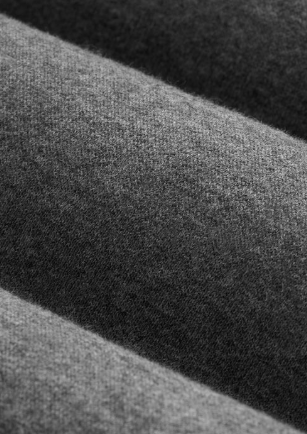
280–360 GSM French terry offers a stable face, breathable loopback and elevated casual comfort. A fusible stabilizer plus cutaway backing limits hoop marks and stretching. 160–220 GSM jersey is lighter and more seasonal, but ring-spun cotton with added spandex needs careful hoop tension. Large fills can tunnel, while lightweight open-end jersey may twist or shrink more visibly.
- French terry fits premium lounge and streetwear capsules
- Jersey favors small logos and lower stitch counts
- Approve wash-tested samples at finished garment stage
Nylon And Blended Options

120–180 GSM nylon taslan or woven nylon creates lightweight sport and resort shorts. Because slick, low-stretch shells can show needle holes, use fine needles, lighter backing and restrained stitch density. 60/40 cotton-poly or cotton-spandex blends balance cost, recovery and color retention. An embroidered shorts manufacturer should match backing to the fabric rather than applying one standard recipe.
- Nylon supports technical and travel-oriented price points
- Polyester blends resist wrinkles and repeated laundering
- Request colorfastness and shrinkage testing for each lot
5. Embroidered Shorts Manufacturer Customization Options
For a 100-unit capsule, lock the silhouette and decoration before sampling; each change affects pattern work, labor, and cost. A capable embroidered shorts manufacturer should translate those choices into measurable specifications, not reference photos alone.
| Method | Visual Effect | Suitable Fabric | Durability | Cost Implication |
|---|---|---|---|---|
| Direct embroidery | Crisp raised logo | Twill, fleece, denim | High with proper backing | Stitch count drives cost |
| Appliqué | Layered graphic | Fleece, twill, denim | High when edge-stitched | Extra material and labor |
| Chenille | Soft varsity texture | Fleece, heavyweight knit | Moderate; avoid abrasion | Specialized patch cost |
| Embroidered patch | Defined badge edge | Most stable fabrics | High with secure attachment | Efficient for repeat logos |
| Mixed decoration | Dimensional contrast | Fabric-dependent | Test each component | Highest setup complexity |
Specify Garment Architecture

A 5- to 7-inch inseam suits most above-knee casual shorts; 9 inches creates a longer basketball or workwear proportion. An elastic waistband needs finished circumference, elastic width, rise, leg opening, pocket type, drawcord length, panel seams, and Pantone color callouts.
- Choose relaxed, straight, oversized, or athletic silhouette
- State side, welt, cargo, or back-patch pockets
- Specify garment dye, pigment dye, acid wash, or enzyme wash
Choose Decoration Method

Direct embroidery gives a crisp raised stitch field on stable twill, fleece, denim, and heavyweight jersey. Appliqué, chenille, patches, and mixed decoration add texture but require placement control, backing review, and a wash test.
Build The Tech Pack
A complete tech pack includes flat sketches, graded measurement chart, BOM, construction notes, colorways, artwork files, stitch counts, and placement dimensions. A 1:1 artwork file should identify thread colors, appliqué edges, patch attachment, backing, and the approved sample reference.
- Include label artwork and placement
- List hangtag stock, string, and barcode needs
- Define polybag, carton, folding, and packing ratio
6. Construction and Embroidery Quality Checks
A pre-production sample should be inspected inside out, on-body, and after laundering before an embroidered shorts manufacturer receives bulk approval. This sequence exposes balance, decoration, and durability faults that photographs routinely miss.
Pattern And Seam Balance

Two matched legs should hang evenly, with inseams, outseams, crotch curve, and pocket openings aligned when the shorts lie flat. Compare key points against the approved spec; commonly used measurement tolerance is ±1 cm unless the tech pack states otherwise. Three stress zones need special attention: crotch junction, pocket corners, and elastic waistband joins. Inspect for skipped stitches, open seams, loose bartacks, and uneven seam allowance; gently pull each area to reveal weak reinforcement.
- Check left and right pocket depth
- Test pocket openings with a hand
- Stretch waistband, then confirm recovery
Embroidery Execution
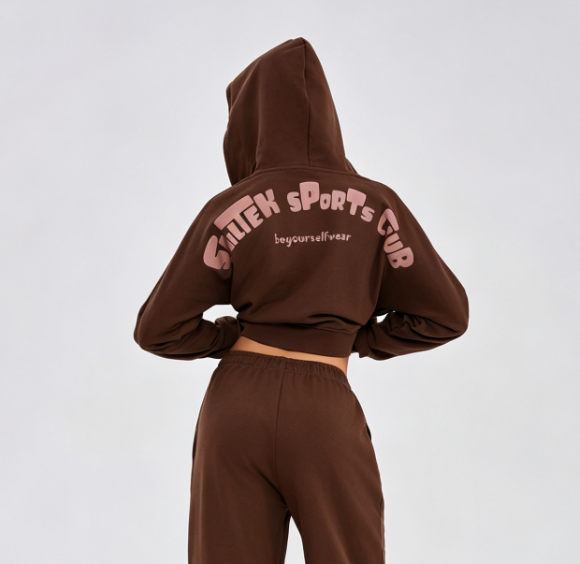
7,000 to 10,000 stitches per inch is a common embroidery density range, but the correct setting depends on fabric weight and artwork. Examine filled areas for puckering, thread breaks, gaps, and distorted lettering rather than approving from a digital mockup. One finished sample should show clean registration where colors meet and no visible backing beyond the design edge. Confirm stabilizer removal does not leave residue, holes, or a stiff patch that changes the garment drape.
- Compare logo placement to graded pattern marks
- Check thread tension on face and reverse
- Trim jump threads and loose ends
Color And Wash Approval
One wash test should follow the intended care method before bulk release, with measurements recorded before and after laundering. Check color consistency against the approved Pantone or physical standard under daylight-equivalent lighting. Five wash cycles can reveal dye bleeding, embroidery shrinkage, waistband loss of recovery, and loose trims earlier than a single visual review. Approve only after the washed sample still meets fit, color, and decoration standards.
- Photograph sample before and after washing
- Record shrinkage at waist, rise, and inseam
- Check embroidery edge after laundering
7. How to Choose an Embroidered Shorts Manufacturer
Shortlist an embroidered shorts manufacturer on verifiable operating evidence, not a polished catalog. Compare the same tech pack, target quantity, delivery country, decoration placement, and required compliance documents across every candidate.
Verify Relevant Production Experience
3 recent shorts programs reveal more than generic embroidery photos: ask for comparable fabric weights, placement maps, size ranges, and close-up images after washing. 100-unit orders need different controls from 10,000-unit repeats. Confirm the factory has produced your short type—fleece, denim, twill, or performance knit—and can grade the intended fit.
- Request anonymized production samples
- Ask for wash-test photographs
- Review measurement and placement tolerances
Confirm Embroidery And Sampling Control

1 accountable production path reduces handoff errors. Ask whether digitizing, hooping, embroidery, trimming, and repair are in-house or outsourced; outsourced work requires named responsibility and inspection records. 2 approvals should precede bulk: an embroidery strike-off and a finished garment sample. Require Pantone references, stitch-density notes, backing specification, approval dates, and signed comments.
- Who owns digitizing revisions?
- What is the sample turnaround?
- Who approves outsourced decoration?
Test Long-Term Reliability
80,000-plus monthly capacity is useful only when capacity allocation, material traceability, and final inspection are documented. Ask for incoming-fabric records, in-line reports, final AQL method, production calendar, and export markets served. 3 suppliers is a practical shortlist. Score their response clarity, MOQ flexibility, lead-time realism, compliance evidence such as BSCI, WRAP, GOTS, or OEKO-TEX where applicable, and ability to explain corrective action.
- Confirm MOQ by style and color
- Request fabric lot and trim records
- Ask for export documentation examples
- Define communication response times
8. Common Embroidered Shorts Sourcing Mistakes
Most embroidered-shorts losses begin before bulk cutting: an untested logo, unmatched quote, or vague approval can turn a 100-unit launch into rework. Lock technical decisions before paying a deposit.
Test Artwork Before Approval

A 3–5 inch logo can distort, sink, or pucker differently on actual garment fabric than on screen. Approve a stitch-out on the selected fabric, with backing and thread colors confirmed. A digitized file should specify stitch density, underlay, thread count, placement, and finished dimensions. This prevents costly redigitizing after samples are already sewn.
Match Fabric To Embroidery
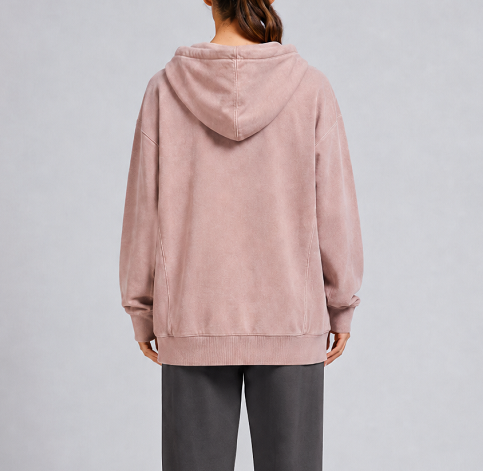
240–320 GSM French terry, twill, and stable denim generally support embroidery more predictably than thin jersey or highly stretchy fleece. Choose fabric only after assessing logo size, density, and placement. Large dense fills add weight and can pull lightweight panels out of shape. Ask the embroidered shorts manufacturer to test stabilizer, needle, and tension on the intended base cloth.
Compare Like-For-Like Quotes
Three quotes can differ because one excludes digitizing, backing, wash, labels, or individual packing. Compare the same tech pack, fabric composition, GSM, embroidery stitch count, quantities, colorways, and delivery terms. A low unit price can become the highest landed cost when setup charges and missing trims appear later. Request an itemized quotation before order confirmation.
Control Fit And Approval Gates
±1–2 cm measurement tolerances can materially change inseam, waist, and leg-opening consistency across a size run. State points of measure, tolerances, grading rules, and wash condition in the specification. A pre-production sample should be signed off after fabric, color, embroidery placement, labels, and measurements are final. Allow time for digitizing, sampling, revisions, and approval before setting a launch date.
9. Launching Your Embroidered Shorts Brand
A 100-unit MOQ can launch a focused embroidered-shorts capsule when the brand fixes its customer, retail position, target cost and delivery date before development. Junsheen can turn a tech pack, sketch, reference garment or mood board into a production-ready program, but each approval gate needs one accountable brand decision-maker.
Set The Product Brief
Week 1 starts with one defined customer, one price architecture and a focused mood board; avoid mixing streetwear, resort and performance requirements in one first style. The brand supplies logo files, Pantone references, competitor fit references and intended size range, while the manufacturer flags construction, placement and minimum-order feasibility.
- Target retail price and target ex-factory cost
- One to three colorways for a 100-unit order
- Sales region, launch date and size breakdown
Build The Technical Package

A usable tech pack specifies finished measurements, inseam, rise, hem opening, pockets, waistband, drawcord, labels and stitch details. Measurement tolerances and graded XS–3XL rules must be agreed before a sample is cut. Embroidery artwork requires vector art or high-resolution source files, exact placement dimensions and thread-color references. The digitizer returns a sew-out for approval; revise density, underlay or backing before sampling.
Approve Materials And Samples

Fabric selection follows the target hand feel, weight, shrinkage and embroidery stability; cotton twill and French terry commonly need different backing and needle settings. Review swatches before booking bulk fabric. Sample 1 tests silhouette, embroidery and construction; the brand consolidates comments into one revision list. A fit-approved size set is the decision gate for issuing the purchase order.
Control Bulk And Delivery
After the purchase order confirms quantity, color split, price, packaging and shipping terms, approve a pre-production sample made with bulk-intended materials. Do not release bulk sewing on unapproved labels, artwork or measurements. During production, inspect incoming fabric, in-line measurements, embroidery and final packed goods. The brand approves carton marks and delivery documents before the final balance and shipment.
10. Embroidered Shorts Pricing and Costs
100 units per style and color is JUNSHEEN’s practical capsule threshold; an embroidered shorts manufacturer should quote it separately from repeat-order volume because cutting efficiency and setup allocation change materially. The ranges below are planning estimates in USD, excluding duties and destination freight. $35–$100 is a typical embroidery digitizing allowance per logo or artwork file, while a development sample commonly carries fabric, sewing, decoration, and courier charges. Reusing approved patterns and digitized files can reduce repeat-order setup costs, but revised artwork, a new placement, or a new fabric may require fresh sampling. 7 quote variables drive most differences: fabric weight and composition, pocket or panel complexity, stitch count, embroidery placements, private labels, washes, and packaging. Final pricing requires approved specifications, graded measurements, Pantone artwork, placement files, label and packaging details, order quantity, and agreed Incoterms such as EXW, FOB, or DDP.
| Order tier | Indicative unit-price driver | Setup costs | Typical production lead time |
|---|---|---|---|
| 100–299 units | Lower cutting efficiency; simple cotton jersey or twill costs less than heavy French terry | Sample plus $35–$100 digitizing | 25–35 days after approvals |
| 300–999 units | Better fabric and embroidery cost allocation | Digitizing often amortized across order | 20–30 days after approvals |
| 1,000+ units | Bulk fabric buying and stable line loading improve unit economics | New labels, wash tests, or packaging may add cost | 18–28 days after approvals |
Start Your Embroidered Shorts Manufacturer Project
Send your tech pack, sketch, or reference garment for a fit-focused OEM quotation from JUNSHEEN, with 100-unit MOQs and private-label support.