Cashmere Agency OEM Apparel From 100 Units
Choose a cashmere agency partner for fit-focused OEM, ODM and private-label casualwear, denim, knitwear and outerwear production that scales globally.
Featured Products for cashmere agency Development




Related Cashmere Agency Product Catalogue and Quotation





Cashmere Agency Production Built to Scale
From first sample to global delivery, JUNSHEEN combines fit-led development, flexible minimums and integrated apparel production.
100-Unit MOQ
Launch capsule collections from 100 units per style and color, then scale proven designs into ongoing bulk programs.
XS–3XL Fit Development
Refined patterns, grading and size sets support normal, extended-size, plus-size and oversized apparel with consistent proportions.
One-Stop Development
Move from sketch, tech pack or reference garment through fabrics, patterns, sampling, approvals and production with one team.
Integrated Brand Details
Add embroidery, printing, washes, labels, trims and branded packaging without coordinating separate decoration and finishing suppliers.
80,000+ Monthly Capacity
More than 200 skilled workers support responsive sampling and dependable volume production for growing global fashion programs.
Global Export Support
JUNSHEEN helps brands coordinate quality-controlled production, final packing and export-ready shipment for international sourcing programs.
Custom Apparel for Every Collection Plan
From low-MOQ launches to scalable bulk programs, Junsheen develops fit-focused casualwear, denim, knitwear and outerwear from XS through 3XL.

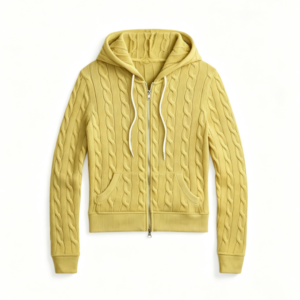
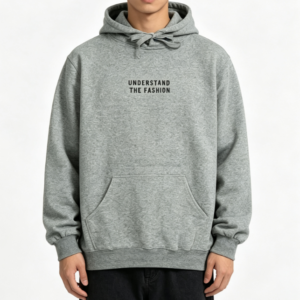
Custom Hoodies
Develop custom hoodies in fleece, French terry, jersey, or heavyweight blends with proprietary patterns, size grading, embroidery, screen printing, washes, labels, and packaging. Start at 100 units per style and color with sample approval before bulk production.
Request a Quote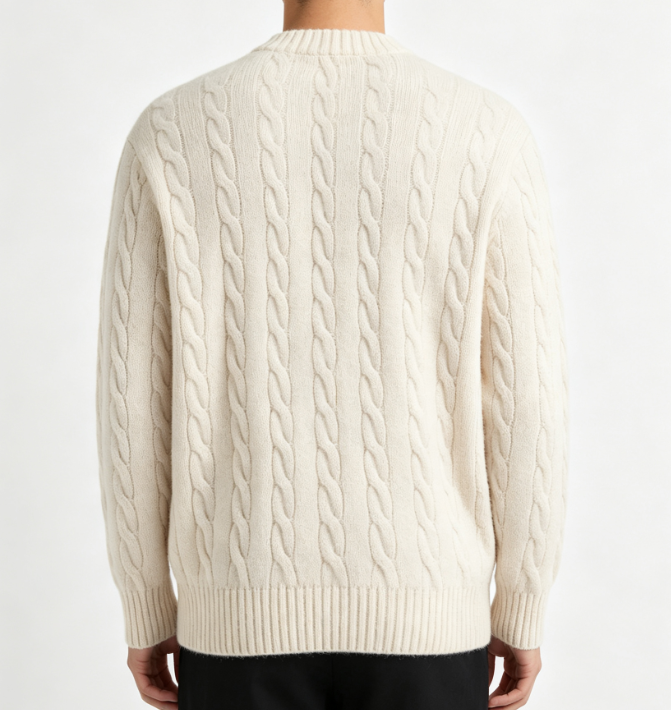
Custom T-Shirts
Produce custom T-shirts in cotton, Pima cotton, organic cotton, combed jersey, or performance blends. Junsheen supports neck construction, fabric weight selection, oversized and extended-size grading, DTG, screen printing, transfers, branded labels, and export-ready packing.
Request a Quote
Custom Jeans
Develop custom jeans in rigid or stretch denim with fit-specific patterns, rises, washes, hardware, pocket details, embroidery, and branded trims. Pattern makers refine grading from XS to 3XL for consistent proportions across regular, oversized, and plus-size denim programs.
Request a Quote
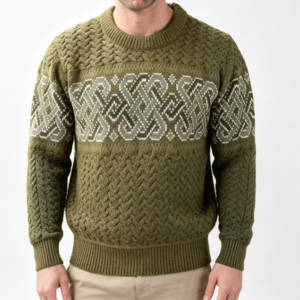
Custom Sweaters
Source turtle neck sweaters in bulk through an integrated knitwear development process. Choose yarn, gauge, stitch construction, rib finishes, colorways, labels, and packaging, then confirm prototypes and graded size sets before scalable production.
Request a Quote
Custom Jackets
Create custom jean jackets in denim, stretch denim, twill, or mixed-material constructions. Development covers fit, seam placement, wash effects, distressing, embroidery, patches, snaps, zippers, labels, and size grading for men’s, women’s, or unisex collections.
Request a Quote
Custom Sweatshirts & Crewnecks
Manufacture custom crewneck hoodies, sweatshirts, and crewnecks in fleece or French terry with controlled weight, rib specifications, fit development, decoration, garment washes, and private-label finishing. Low MOQs support capsule drops, while retained patterns streamline repeat orders.
Request a Quote
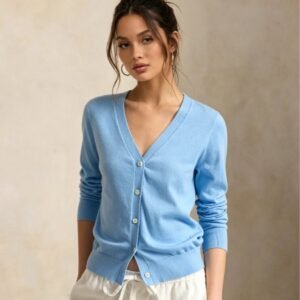
Custom Cardigans
Develop custom cardigans in knitted constructions tailored to your target silhouette, yarn hand feel, gauge, button or zipper closure, rib trim, and size range. Sampling verifies drape, shape retention, and grading before production for wholesale or branded retail programs.
Request a Quote
Custom Puffer & Down Jackets
Produce custom puffer jackets with development support for shell fabric, insulation, quilting layout, lining, pockets, zippers, snaps, reflective details, and branded packaging. Fit and mobility are reviewed through samples before bulk outerwear production.
Request a Quote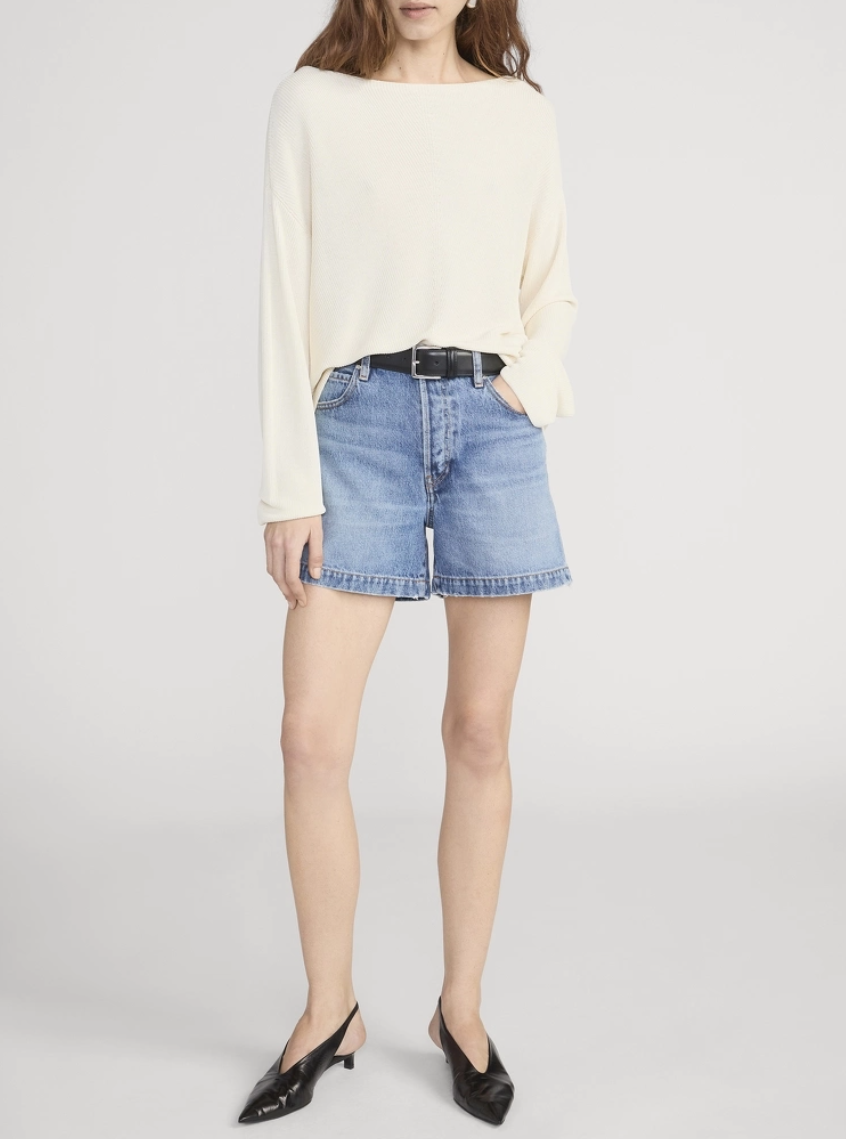
Custom Denim Shorts
Manufacture custom jean shorts in rigid or stretch denim with specified inseams, rises, hems, pockets, washes, distressing, hardware, and logo treatments. Junsheen supports regular, oversized, and extended-size grading from development through bulk delivery.
Request a Quote
Custom Sweater Dresses
Develop custom sweater dresses with knit construction, yarn selection, gauge, silhouette, neckline, rib details, and length tailored to your collection. Size-set sampling helps confirm proportion, stretch recovery, and fit across XS through 3XL before production.
Request a Quote
Custom Denim Sets
Produce men’s denim suits for wholesale programs, including coordinated denim jackets and jeans with matched fabric, washes, hardware, and sizing. Junsheen manages pattern development, sampling, branded trims, quality control, and scalable export production.
Request a Quote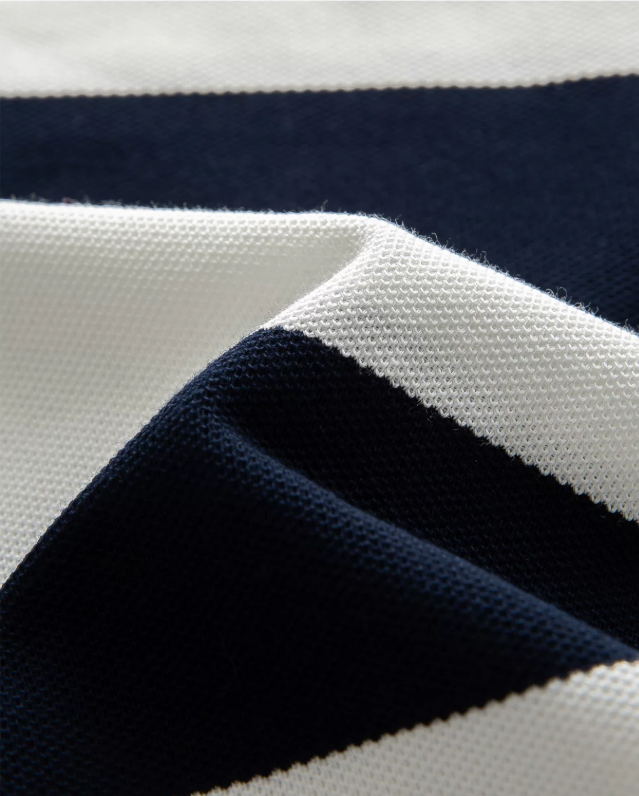
Custom Polo Shirts
Create custom polo shirts in piqué, jersey, or performance knit fabrics with specified collars, plackets, buttons, sleeve finishes, embroidery, printing, labels, and packaging. Development supports uniform, retail, promotional, and private-label requirements from 100 units per style and color.
Request a Quote
Custom Sweatpants
Manufacture custom sweatpants in fleece, French terry, jersey, or performance fabrics with defined fit, rise, inseam, waistband, cuffs, pockets, drawcords, decoration, and washes. Fit-focused grading supports coordinated sets and extended-size programs.
Request a Quote
Custom Shorts
Develop custom shorts across jersey, fleece, twill, woven, denim, and performance fabrics. Specify inseam, rise, waistband, pockets, liners, trims, printing, embroidery, and wash effects, with prototyping and size grading completed before bulk production.
Request a Quote
Custom Pullovers
Produce custom pullovers in knitted, fleece, French terry, or jersey constructions with defined neckline, fit, fabric weight, cuffs, hems, decoration, washes, labels, and packaging. Junsheen supports sampling, XS–3XL grading, and repeatable bulk production.
Request a QuoteCashmere Agency Fabrics Selected for Hand Feel, Performance and Cost

Cotton Jersey
Soft, breathable cotton jersey suits premium T-shirts, polos and lightweight casualwear. Available in combed, Pima and blended qualities, with fabric weight and stretch selected for a clean hand feel and reliable recovery.

French Terry
French terry delivers a smooth face with looped backing for transitional hoodies, sweatshirts and joggers. Its medium-weight construction offers breathable comfort, structured drape and dependable performance for year-round collections.

Brushed Fleece
Brushed fleece provides a warm, plush interior for hoodies, sweatpants and cold-weather layers. Junsheen can source different weights, cotton blends and anti-pilling finishes to balance insulation, softness and garment durability.

Stretch Denim
Stretch denim supports jeans, denim sets, shorts and fashion jackets with durable texture and improved mobility. Fabric options vary by ounce weight, stretch content, wash response and rigidity to achieve the intended silhouette.

Performance Knits
Performance knits suit active-inspired tops, fitted layers and technical casualwear needing mobility and moisture management. Polyester, nylon and elastane blends can be specified for controlled stretch, quick drying and resilient shape retention.

Recycled Blends
Recycled cotton and polyester blends help brands develop lower-impact casualwear, fleece and outerwear programs. Material selection considers certification availability, hand feel, fabric weight, color consistency and the performance required after repeated washing.
Cashmere Agency Decoration and Finishing That Make Your Brand Visible

Logo Embroidery
Flat, 3D puff, chain-stitch and applique embroidery add tactile dimension and durable logo definition to hoodies, polos, jackets and knitwear. Thread, placement and backing are matched to the fabric for a clean, long-lasting result.

Screen Printing
Plastisol, water-based, puff, flocking, silicone, high-density, foil and discharge screen prints create bold graphics with controlled texture. This scalable option delivers strong color coverage and wash durability for branded tees, fleece and casualwear.

DTG and DTF
DTG and DTF printing reproduce detailed artwork, gradients and multi-color designs without conventional screen setup. They suit smaller runs, sample development and graphic-focused pieces while maintaining flexible prints and clear visual detail.

Dye Sublimation
Dye sublimation bonds vivid, all-over artwork into compatible polyester performance fabrics rather than sitting on the surface. The finished print remains lightweight, breathable and resistant to cracking, making it ideal for activewear and custom teamwear.

Garment Dyeing
Garment dyeing colors completed pieces for a rich, lived-in tone and softer character. It gives tees, sweatshirts and cotton casualwear a distinctive collection look while allowing color, shrinkage and wash performance to be approved in sampling.

Specialty Washes
Enzyme, anti-pilling, acid, stone, softening, brushing and napping washes refine texture, fade and hand feel. These finishing processes help denim, fleece and outerwear achieve intentional vintage, worn-in or elevated tactile effects.
Private-Label Trims and Accessories for a Complete Product

Woven Brand Labels
Custom woven main, size and wash-care labels give hoodies, denim, knitwear and outerwear a polished private-label finish while keeping fiber content, care instructions and sizing clear for retail-ready production.

Custom Hang Tags
Branded hang tags can communicate your logo, collection story, pricing information and garment details at point of sale. Choose custom shapes, paper stocks, strings and finishes that match your label positioning.

Logo Zippers
Custom zipper pulls, branded sliders and selected zipper specifications add functional distinction to jackets, hoodies, denim and outerwear. JUNSHEEN can coordinate zipper color, finish and placement with your garment design.

Snap Button Hardware
Custom snaps, buttons and rivets provide durable closures for denim sets, jackets, shirts and utility styles. Select logo embossing, metal finishes and color options that reinforce the collection’s intended aesthetic.

Drawcords and Tipping
Branded drawcords, metal aglets and contrast tipping refine hoodies, sweatpants and shorts. These details improve perceived value while allowing color, texture and logo treatments to stay consistent across coordinated pieces.
Custom Logo Patches
Embroidery, woven, leather-look and applique patches create visible branding on casualwear, denim, outerwear and knitwear. JUNSHEEN can match patch construction, backing and placement to wash requirements and garment fabric.
Your Cashmere Agency Manufacturing Partner
Founded in 2010 in Humen, Dongguan, JUNSHEEN helps fashion brands turn apparel ideas into production-ready collections. As a cashmere agency manufacturing partner for global sourcing teams, we provide responsive OEM, ODM and private-label support from early development through export-ready delivery.
Our 200+ skilled workers and integrated supply chain support cut-and-sew, knitwear, denim, outerwear, decoration, finishing, labels, packaging and quality control in one coordinated program. With capacity exceeding 80,000 units monthly, we can support 100-unit capsule launches as confidently as scalable repeat orders.
Fit-first development sets JUNSHEEN apart. We refine patterns and grading from XS to 3XL, including extended-size, plus-size and modern oversized silhouettes, rather than simply scaling a base size. More than 2,000 fashion-brand clients have relied on this technical focus to sample clearly, revise efficiently and grow with consistent production.

Cashmere Agency Technical Capabilities for Consistent Production
Fit-Focused Pattern Development
JUNSHEEN turns sketches, tech packs and reference garments into production-ready patterns built for the intended silhouette, fabric behavior and construction. Development reviews identify manufacturability details early, helping cashmere agency clients reduce avoidable sampling revisions before bulk approval.
- Pattern making, specification review and prototype sampling
- XS–3XL grading for standard, extended-size and oversized fits
- Refined shoulders, sleeves, rise and mobility across size sets
- Size-set and pre-production approval support

Materials and Trims, Matched
Fabric and trim sourcing is managed against the collection’s target cost, hand feel, weight, stretch, durability and wash performance. JUNSHEEN uses its supplier network to coordinate suitable materials, branded components and swatches so design decisions remain practical for repeatable production.
- Cotton, fleece, denim, twill, performance knits and recycled options
- Fabric swatches and sample garments for review
- Custom labels, hang tags, zippers, buttons and drawstrings
- Material choices aligned with bulk production requirements

In-House Brand Finishing
Decoration and finishing are planned as part of the garment, not added as an afterthought. In-house capabilities let JUNSHEEN coordinate logo placement, artwork methods, washes and branded details with construction teams, supporting clearer quality control from sample through packed goods.
- Embroidery, patches, applique and chain stitch
- Screen print, DTF, DTG, silicone and high-density effects
- Garment dye, enzyme, acid wash and anti-pilling finishes
- Private-label packaging and branded presentation details

Records That Support Reorders
Retained patterns, graded size sets and material records create a more reliable foundation for repeat programs. Combined with incoming, in-line and final inspections, this documentation helps JUNSHEEN maintain consistency as a cashmere agency order moves from a 100-unit launch to scalable global production.
- Patterns and graded size sets retained for repeat orders
- Incoming fabric, measurement and final packed-goods inspections
- 200+ skilled workers and 80,000+ monthly unit capacity
- Export support for global fashion sourcing teams

Why This Cashmere Agency Fits Modern Fashion Sourcing Programs
Compare one integrated apparel partner with the fragmented supplier model that can slow development, compromise fit and complicate repeat production.
← 左右滑动查看 →
Cashmere Agency Production Timeline: Idea to Global Shipment
A clear, fit-focused path from feasibility review to approved bulk goods, packing and export support.
Review Product Feasibility
Share a tech pack, sketch, reference garment or mood board. Our team reviews construction, fit goals, MOQ, target cost and production requirements.
Source Fabrics and Trims
We recommend fabrics, colors, labels and hardware based on hand feel, durability, stretch, wash performance, brand positioning and budget.
Develop Patterns and Samples
Pattern makers create and grade fit-focused XS–3XL specifications, then produce prototype samples for measurement, construction, decoration and approval review.
Confirm Specifications and Pricing
After sample feedback, we finalize materials, measurements, artwork, packaging, quotation, production schedule and pre-production standards before order confirmation.
Manufacture and Inspect Bulk
JUNSHEEN manages cut-and-sew, knitting, decoration and finishing while inspections verify incoming materials, in-line construction, measurements, fit and final quality.
Pack and Ship Worldwide
Approved goods receive branded labels, trims and packaging, then move through final packing checks and coordinated global export shipment support.
Start Your Cashmere Agency OEM Apparel Project
Move from concept to approved bulk production with clear technical reviews, fit-focused samples and production planning from JUNSHEEN.
Send Your Product Brief
Share a tech pack, sketch, reference garment or mood board with quantities, target market and requirements for your cashmere agency apparel program.
Review Feasibility Together
Our development team reviews construction, fabrics, grading, decoration and MOQ, then recommends practical adjustments to support quality, fit and target cost.
Approve Samples and Pricing
Review prototype and size-set samples, confirm materials and private-label details, then approve the quotation, lead time and production specifications before ordering.
Launch Controlled Bulk Production
JUNSHEEN retains approved patterns and records, monitors fabric, measurements and finishing in-line, then completes final inspection and export-ready packing.
Custom Clothing Manufacturer Credentials and Compliance Documents



Cashmere Agency Clients on Fit, Sampling and Repeat Orders
JUNSHEEN corrected the shoulder balance and sleeve grading across our XS–3XL hoodie range. We approved the size set after one revision and launched our 600-unit capsule on schedule, with noticeably fewer fit-related customer returns.
Our denim sampling process became far more predictable. The team translated our reference jeans into production-ready patterns, sourced the right stretch denim, and delivered approved samples in two rounds instead of the five we had budgeted for.
We started with 100 units per color for a test collection and reordered three times within eight months. Measurements, embroidery placement, labels, and wash finish stayed consistent as our total program scaled to 2,400 units.
Cashmere Agency OEM Apparel FAQ
Clear answers on low-MOQ development, production, payment and global delivery with JUNSHEEN.
What is the minimum order quantity for a cashmere agency apparel project?
How long do cashmere agency samples take to make?
How much does a cashmere agency apparel sample cost?
What payment terms does JUNSHEEN offer for OEM orders?
What is the typical production lead time for custom apparel?
Can JUNSHEEN ship cashmere agency orders internationally?
Can you develop extended sizes and oversized fits from XS to 3XL?
How does JUNSHEEN protect my designs and product information?
The Complete Buyer’s Guide to cashmere agency
Use this decision framework to evaluate cashmere agency partners, compare yarn and production criteria, control OEM costs, and avoid sourcing mistakes that compromise quality, fit, timelines, or brand positioning.
1. What Is a cashmere agency?
100-unit capsule programs illustrate when a cashmere agency is useful: it acts as a buyer-side production coordinator that connects a brand with appropriate yarn spinners, knitwear factories, trim suppliers and testing resources. Unlike a cashmere mill, which primarily spins yarn or makes fabric, the agency translates a collection brief into specifications, samples, approved materials and a managed production plan. 2 distinct roles are often confused with this model. A manufacturer owns or directly runs the cutting, linking, knitting, sewing or finishing process; a trading company usually buys and resells finished goods; and an independent sourcing agent may locate suppliers without owning development or production accountability. A capable cashmere agency can combine supplier access with product development, fit review, yarn selection, gauge and stitch recommendations, Pantone color coordination, sample tracking and factory communication. 4 control points should be expected before bulk approval: fiber and yarn documentation, measurement and construction checks, in-line quality coordination, and final packing inspection. It can also help buyers request OEKO-TEX, GOTS, WRAP or BSCI evidence where relevant, although certificates must be verified for the specific mill, factory and material. Brands benefit most when they lack an in-house technical team, are launching a small collection, need several specialist suppliers, or require one accountable partner to manage quality, timelines and export readiness.
2. Evolution of cashmere agency Sourcing
1990s global sourcing shifted cashmere from a largely regional fiber-and-mill trade toward cross-border buying networks that separated goat-fiber procurement, spinning, knitting, finishing, and brand sales. Traditional mills still matter for yarn expertise, but OEM coordination now lets a buyer develop a cardigan or pullover across several specialized suppliers. 100-unit per style-and-color programs reflect a newer commercial expectation: emerging labels and direct-to-consumer brands need tested capsules rather than container-scale commitments. A capable cashmere agency translates a sketch or tech pack into yarn selection, gauges, swatches, fit samples, grading, trims, and a production calendar while protecting the details that distinguish the collection. 12-gauge and 7-gauge sweaters may use the same fiber category yet deliver very different weight, recovery, warmth, and retail positioning, so speed cannot replace development control. Buyers increasingly request fiber-origin records, blend disclosure, responsible-sourcing documentation where available, and clear approval points for lab dips, hand feel, measurements, and final inspection; transparency and lower MOQ flexibility are now operational requirements, not premium extras.
3. Types of cashmere agency Partners
Five cashmere agency models differ mainly in who owns production decisions and who earns the margin. Buyers should match the model to their technical capability, order volume, and required inspection control.
| Partner Model | Scope And Best Fit | Quality Control | Typical Commercial Structure |
|---|---|---|---|
| Manufacturer-Owned Agency | Factory coordination; brands needing one accountable production contact. | High when agency controls factory QC; limited supplier comparison. | Factory margin in unit price; development charges may apply. |
| Independent Sourcing Agency | Mill and factory selection; buyers seeking regional options. | Variable; depends on inspections and technical staff. | 5–15% commission, retainer, or supplier-paid margin. |
| Brand-Development Partner | Tech packs, yarn selection, samples; early-stage labels. | Strong on specifications; production QC varies by network. | Project fee plus production markup or commission. |
| Wholesale Representative | Existing stock or seasonal lines; retailers needing speed. | Lower control over yarn, fit, and exclusivity. | Wholesale price commonly includes distributor margin. |
| Vertically Integrated Mill | Spinning, knitting, finishing; volume programs needing yarn traceability. | High process visibility; less flexible for small custom runs. | Mill margin embedded in yarn and garment pricing. |
How Models Differ
3 variables matter most: factory access, specification ownership, and commercial transparency. A low quoted agency fee can still conceal mill markup, while direct control may require more buyer-side development work.
Selecting The Right Partner
100-unit capsule programs usually need a development-led partner or manufacturer-owned agency; established replenishment programs can work directly with a mill. Require a written sampling, inspection, and defect-resolution process before placing bulk orders.
4. cashmere agency Materials and Yarn Choices
Material specification sets the collection’s handfeel, pilling resistance, retail position and claim risk. A cashmere agency should translate aesthetic intent into yarn data that a mill, sample room and quality team can verify.
| Material Option | Best Use | Performance | Buyer Check |
|---|---|---|---|
| 100% cashmere | Luxury knitwear | Soft, warm; higher pilling sensitivity | Fiber grade, micron, origin records |
| Wool-cashmere | Core sweaters | Better resilience and value | Exact blend and handfeel approval |
| Silk-cashmere | Fine layers | Drape, sheen, lower bulk | Gauge and snag testing |
| Recycled cashmere | Circular capsules | Lower-impact story; variable strength | Recycled content and custody proof |
Fiber And Blend Selection
100% cashmere delivers the softest premium hand, but demands tighter control of pilling, color consistency and cost. Wool-cashmere improves resilience; silk-cashmere adds sheen and drape. Recycled cashmere can support circular-material positioning, yet its shorter recovered fibers may reduce strength. Request the recycled percentage, chain-of-custody evidence and approved claim wording before labeling.
Yarn Specification Controls
14–16.5 micron fibers generally feel finer than coarser cashmere, while longer fibers support smoother, stronger yarn. Micron alone is insufficient; ask for fiber-length data and test results. Carded yarn creates a loftier, hairier surface; combed yarn is cleaner and more even. Two-ply yarn usually outperforms single-ply in recovery, but final durability also depends on twist and knitting tension.
- Record micron and average fiber length
- Specify carded or combed processing
- Confirm ply, twist and yarn count
Gauge And Documentation
7–12 gauge suits heavier sweaters, while 14–16 gauge supports finer layers and higher stitch definition. Gauge must be paired with garment weight, stitch structure and wash testing rather than used as a quality shortcut. Origin claims require supplier documentation that identifies fiber source, blend composition and transaction records. Match hang-tag language to substantiated evidence; do not imply traceability that the supply chain cannot prove.
5. Customization and Brand Development Options
A cashmere agency should turn a sketch into measurable knit specifications before sampling. Gauge, yarn count, stitch density, color method and trim construction determine the hand feel, feasibility, minimums and development timing.
| Specification | Best Use | Technical Watchpoint |
|---|---|---|
| 3–5 gauge | Chunky sweaters | Heavier hand; slower knitting |
| 7–10 gauge | Core pullovers | Balanced warmth and detail |
| 12–16 gauge | Fine layers | Less tolerance for bulky trims |
| Intarsia | Graphic panels | More yarn ends and labor |
| Yarn dyeing | Custom colors | Added lead time and minimums |
Silhouette And Knit Structure
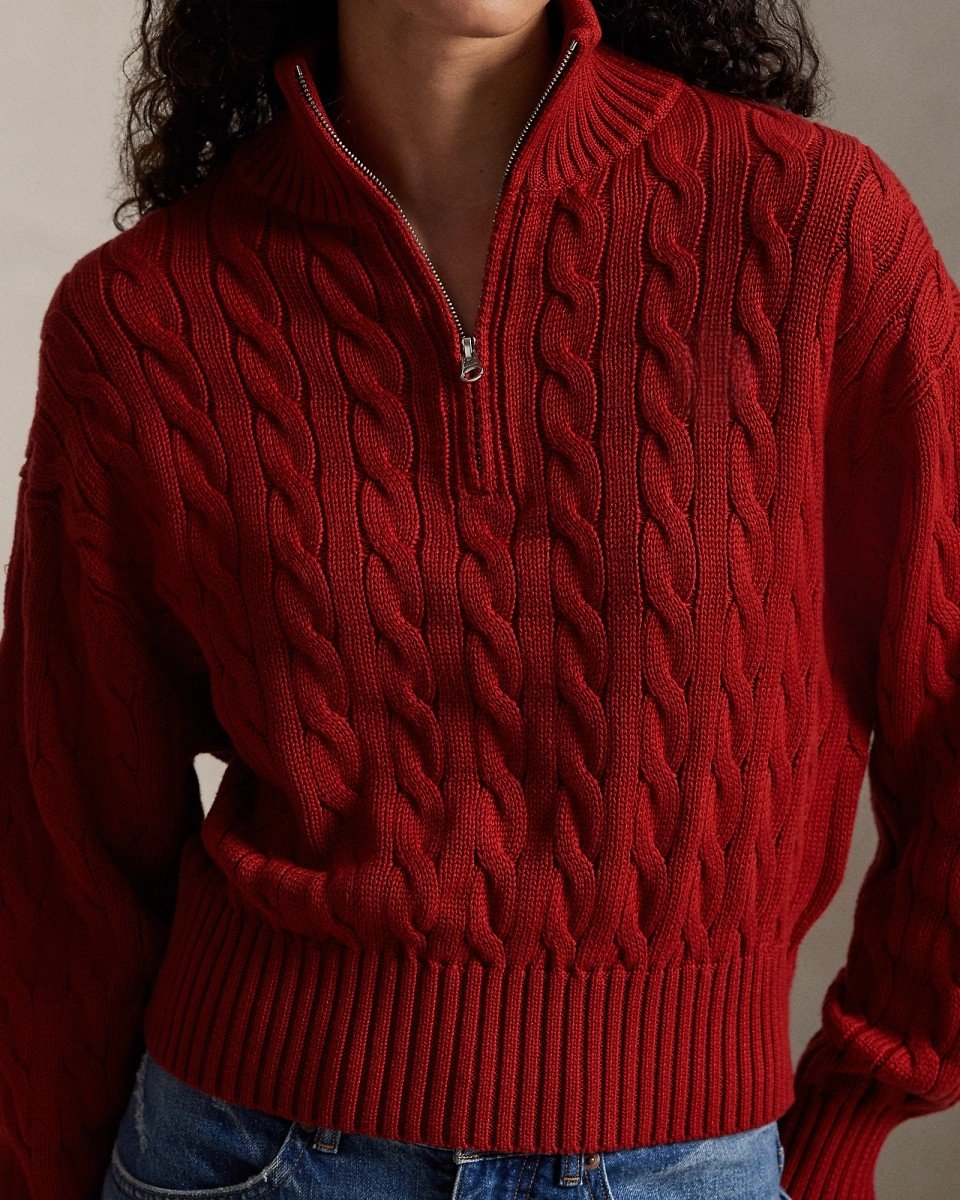
XS–3XL programs need separate grading decisions for shoulder width, body length and sleeve balance; oversized proportions cannot be created by merely enlarging a regular block. Specify crewneck, V-neck, cardigan, polo or vest silhouettes alongside jersey, rib, cable, Milano and intarsia structures.
Gauge And Yarn Decisions
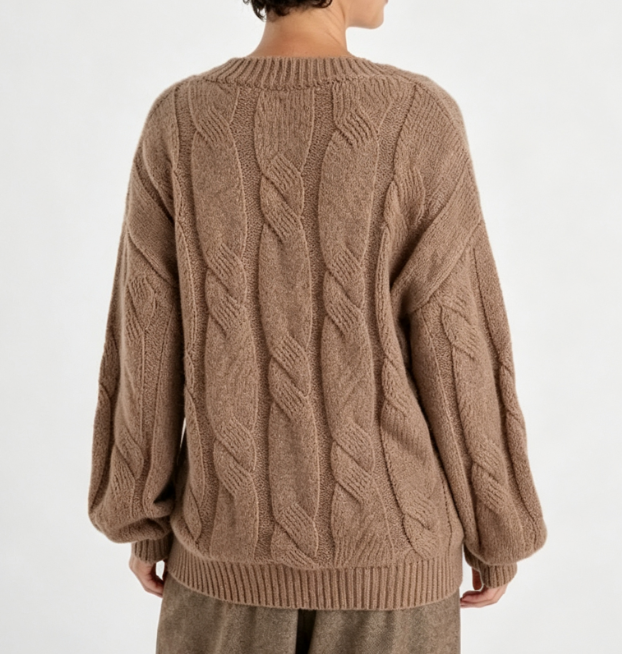
3–5 gauge knits feel heavier and more dimensional, while 12–16 gauge constructions create a finer, smoother sweater. Fiber blend, ply, twist and stitch density affect warmth, recovery, pilling risk and whether embroidery or patch application will distort the panel.
Color And Surface Development
Pantone references should be approved against actual knit-downs because yarn dyeing, mélange effects and washing can shift perceived color. Stock yarn can shorten development, whereas custom dye lots generally require added lead time and practical color minimums.
Branding And Finishing
Woven main labels, size labels, wash-care labels, hang tags and branded packaging should be specified with placement, fold, material and attachment method. Embroidery, appliqué, patches, custom buttons, zippers and contrast ribs require reinforced areas or stitch trials before bulk approval.
6. Key Cashmere Construction Quality Elements
Reliable cashmere knitwear is controlled at the yarn, machine and finishing stages; a soft hand alone is not proof of quality. A cashmere agency should document construction tolerances and approve a washed production sample before bulk release.
Yarn And Stitch Control

2-ply yarn should show consistent twist, color and fiber blend across cones; mixed lots can create barre, uneven hand feel or shade variation. Confirm gauge, stitch density and machine tension on the approved sample. 12-gauge and 7-gauge sweaters require different density targets, so compare finished measurements and fabric weight rather than relying on gauge alone.
- Request yarn composition and lot records.
- Approve a full-size knitted panel.
- Check tension at side seams and armholes.
Linking, Shaping And Recovery
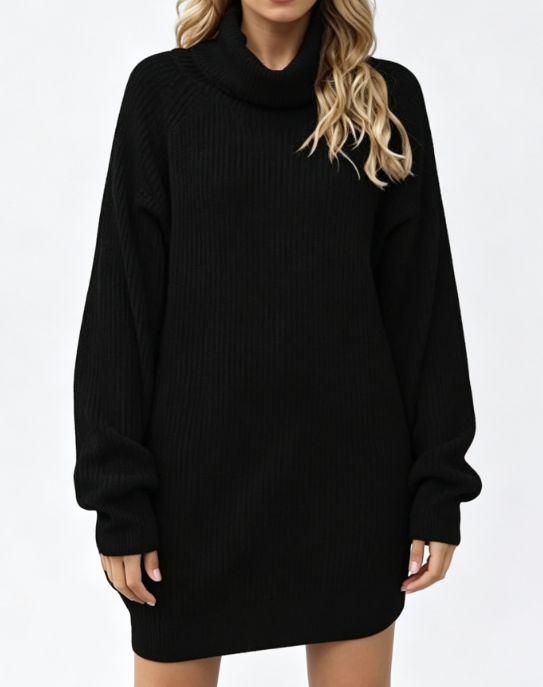
Fully fashioned shaping at shoulders, necklines and armholes gives cleaner contours than heavily cut-and-sewn panels. Linked seams should lie flat without skipped loops, holes or abrasive bulk. 5 to 10 recovery cycles on rib cuffs and neckbands reveal whether openings retain their shape. Measure neck opening, cuff width and body length before and after testing.
- Inspect seam strength and linking continuity.
- Check collar roll and cuff rebound.
- Verify sleeve and shoulder symmetry.
Wash Tests And Bulk Approval
1 washed sample per colorway should be evaluated for shrinkage, twisting, pilling, color change and hand feel before bulk approval. Request the test method, wash conditions and pass/fail limits rather than accepting a verbal result. A practical inspection plan includes measurement checks against graded specs, visual inspection under consistent lighting, and final packed-goods checks. JUNSHEEN can retain approved patterns, graded size sets and material records to support repeat-order consistency.
- Washed fit sample with before-and-after measurements.
- Pilling and colorfastness test results.
- Pre-production sample matching approved trims.
- Final inspection report with defect classification.
7. Choosing a cashmere agency Manufacturer
Three comparable suppliers should be scored against the same brief before prices are reviewed. A capable cashmere agency protects fit, yarn specification, delivery reliability, and brand reputation—not merely the unit cost.
| Buyer Profile | Priority Questions | Best Evidence |
|---|---|---|
| Emerging label | Can you support 100 units and iterative samples? | Clear sample timeline and costed MOQ |
| Growing brand | Can patterns and yarn records be retained? | Graded specs and repeat-order history |
| Volume buyer | Can capacity and QC scale across colors? | Capacity plan, inspection reports, export references |
Verify Category Capability
100-unit programs suit emerging labels only when the supplier can develop cashmere knitwear, samples, grading, and branded trims in-house. 2 recent production samples should be checked for hand feel, gauge consistency, linking, pilling performance, measurements, and wash recovery.
- Ask for yarn composition and micron documentation.
- Request references from comparable export markets.
- Compare approved samples, not website imagery.
Test Development Communication
48-hour response targets are useful during sampling because unresolved measurements or Pantone approvals quickly delay calendars. 1 written critical-path plan should show yarn approval, prototype, fit sample, pre-production sample, bulk dates, inspection points, and shipping terms.
- Who owns pattern corrections?
- How are revisions version-controlled?
- Which approvals trigger bulk cutting?
Match Commercial Scale
100 units per style and color can suit a capsule launch, while established volume buyers need confirmed monthly capacity and repeat-order controls. 3 records matter before placing bulk: incoming-yarn traceability, in-line inspection reports, and final packed-goods reports. Ask which compliance audits, export documents, and third-party inspections the factory can support.
- Confirm MOQ by color and yarn blend.
- Ask how defects are classified and resolved.
- Check Incoterms and destination-market experience.
8. Common cashmere agency Buying Mistakes
Cashmere programs fail most often at specification handoff, not at the initial sketch. A capable cashmere agency should turn each commercial assumption into a testable yarn, construction, color, fit, quality, and calendar requirement before bulk approval.
Treating Cashmere Claims As Equal
100% cashmere, cashmere blend, recycled cashmere, and cashmere-like hand feel are not interchangeable claims. Prevent misbuying by requiring fiber composition, yarn count, origin documentation where relevant, and an agreed labeling claim before sampling.
Skipping Wash And Gauge Tests

7-gauge and 12-gauge sweaters can share a silhouette while delivering very different weight, opacity, recovery, and cost. Approve a washed sample only after measuring shrinkage, pilling, twist, and chest or body-length change against the stated care method.
Underestimating Color And Fit Development
Pantone approval on a swatch does not guarantee a matching bulk knit because dye uptake varies by yarn lot and blend. Request lab dips, a signed size chart, and a graded fit review; extended sizes need proportion changes, not simple enlargement.
Buying On Price Alone
A low quote can omit gauge, yarn yield, linking quality, wash process, labels, or final inspection. Compare like-for-like quotations and write measurement tolerances, acceptable defect levels, packaging details, and payment milestones into the purchase order.
Ignoring Seasonal Lead Times
Autumn delivery calendars require time for yarn booking, lab dips, sampling, revisions, and bulk knitting before freight. Reserve capacity early and lock critical approvals by date, especially for multi-color launches or 100-unit-per-style capsule programs.
9. Steps to Launch a Cashmere Collection
Two commercial decisions should precede development: the customer position and target retail price. A cashmere agency or OEM partner adds the most value by turning those constraints into a feasible specification, calendar, and cost range.
Position The Range
Three inputs must be locked first: customer, price architecture, and launch season. Define core versus fashion styles, color count, size range, planned units, and intended retail margin before requesting quotations. A 100-unit style-and-color MOQ can suit a focused capsule, but fragmented colors raise yarn waste and setup risk. Agencies help benchmark competitive pricing and identify which silhouettes deserve development investment.
Build Technical Packages
One tech pack per style should specify flat sketches, measurements, stitch details, labels, packaging, Pantone references, and tolerances. Lock construction choices such as gauge, ply, neckline, rib proportion, and linking method before sampling. Two yarn decisions drive both hand feel and cost: fiber composition and yarn count. Request swatches and confirm shade, weight, pilling expectations, and care-label instructions with the OEM sourcing team.
Approve Samples And Tests
Two to three sample rounds are typical when fit or construction is still evolving. Record every revision in one controlled comment sheet, then approve the graded size set rather than approving only a sample size. A pre-production sample should match approved yarn, color, trims, labels, and packing. Confirm wash testing, pilling performance, dimensional stability, and colorfastness requirements before issuing the purchase order.
Control Bulk And Reorders
A written purchase order must lock quantities, ex-factory date, approved sample reference, inspection standard, payment terms, and freight responsibility. The OEM partner should schedule yarn booking, production checkpoints, measurement checks, and final packed-goods inspection. Four replenishment records prevent repeat-order drift: approved swatches, graded patterns, bill of materials, and final specifications. Reserve proven yarn colors early and use sell-through data to plan replenishment before seasonal stockouts.
10. cashmere agency Pricing and Cost Drivers
100 units per style and color is a practical starting point for a capsule order, but an OEM cashmere quote is not a fixed market rate. Fiber fineness and length, cashmere percentage, yarn count, knit gauge, silhouette, colorways, labels, packaging, sampling, and freight can all move the landed cost materially. 7–21 gauge is a useful planning range: finer-gauge, fully fashioned sweaters and complex trims generally require more knitting time and tighter quality control than simple heavier-gauge styles. Treat the ranges below as early budgeting guidance; confirm yarn swatches, construction, testing, Incoterm, and destination before approving a purchase order.
| Quantity tier | Indicative ex-works unit range | Development implication | Typical production lead time |
|---|---|---|---|
| 100–199 units | US$70–180 | Sampling and yarn setup are spread across fewer units; limited colors help control cost. | 45–70 days after approvals |
| 200–499 units | US$50–140 | Better yarn utilization; retain one gauge and standardized trims where possible. | 40–60 days after approvals |
| 500–999 units | US$38–115 | More efficient knitting and finishing; size-set approval remains essential. | 35–55 days after approvals |
| 1,000+ units | US$30–95 | Volume can improve conversion and packaging economics; premium long-fiber yarn remains a major driver. | 30–50 days after approvals |
Start Your Cashmere Agency Apparel Project Today
Send your tech pack, sketch or product idea to JUNSHEEN for a clear quotation, sampling support and scalable bulk production.