Jeans Garment Manufacturers for Custom Private Label
JUNSHEEN helps global brands launch fit-focused denim and casualwear with 100-unit MOQs, XS–3XL development, and one-stop OEM support.
Featured Products for jeans garment manufacturers Development




Related Denim & Apparel Catalogue — Request a Quote






Why Brands Choose JUNSHEEN Jeans Garment Manufacturers
Integrated OEM and private-label production for denim programs that need flexible entry points, precise fit, and dependable scale.
100-Unit MOQ Flexibility
Launch capsule denim collections from 100 units per style and color, then scale successful fits into ongoing bulk programs.
Fit-First Size Grading
Patterns are refined from XS to 3XL for proportion, rise, mobility, and consistent fit across standard, plus-size, and oversized ranges.
Integrated Product Development
Move from tech pack, sketch, reference garment, or concept through fabric sourcing, pattern making, sampling, and production-ready approvals.
In-House Denim Finishing
Add logo embroidery, screen printing, custom labels, trims, packaging, and wash effects including acid, stone, and enzyme finishes.
Scalable Production Capacity
More than 200 skilled workers and 80,000 monthly units support responsive launches, replenishment orders, and growing global apparel programs.
Global Export Support
Receive coordinated quality control, packing, documentation, and shipping support for denim orders serving brands across international markets.
Custom Denim, Knitwear and Casualwear Manufacturing
From 100-unit launches to repeat bulk programs, JUNSHEEN develops fit-focused apparel with coordinated sourcing, sampling, decoration and production support.

Custom Hoodies
Develop custom hoodies in fleece, French terry or jersey with refined body lengths, rib trims, drawstrings, embroidery, screen printing and private labels. Pattern grading from XS–3XL supports standard, oversized and extended-size fits from sample approval through bulk production.
Request a Quote
Custom T-Shirts
Produce custom T-shirts in combed cotton, Pima cotton, organic blends or performance jersey. JUNSHEEN supports neckline, weight, silhouette and wash specifications, plus DTG, DTF, screen print and embroidery applications for branded programs starting at 100 units per style and color.
Request a Quote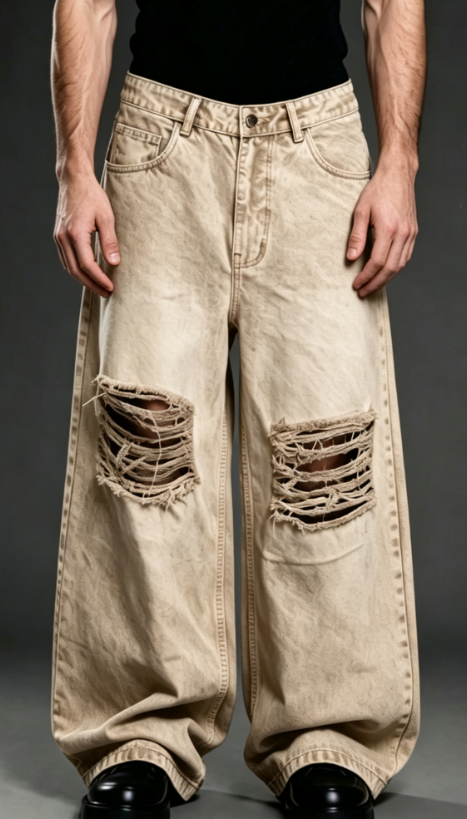
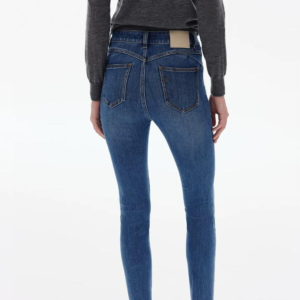
Custom Jeans
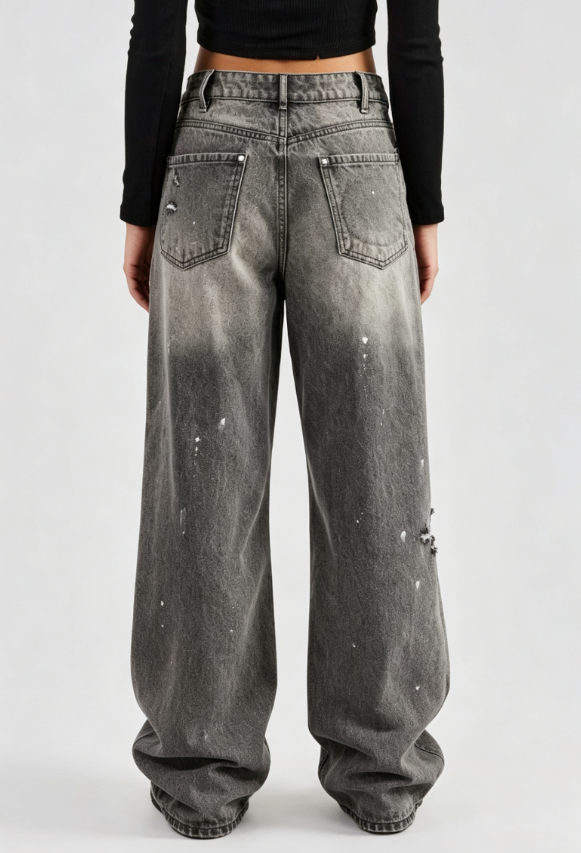
Develop custom jeans in rigid or stretch denim with controlled rises, leg shapes, washes, hardware and pocket details. Pattern makers grade proportions across XS–3XL, while in-house finishing supports garment dye, acid wash, stone wash and branded trims.
Request a Quote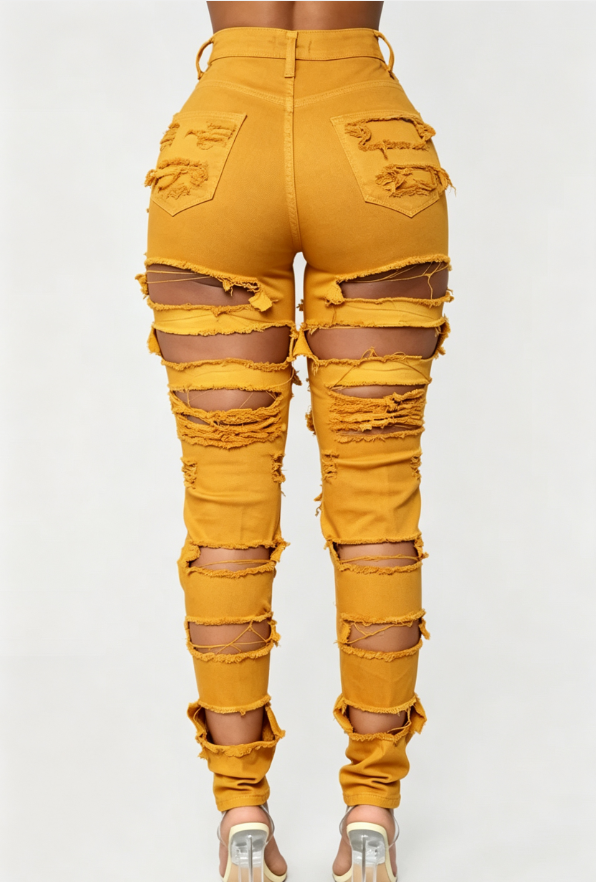
Custom Sweaters
Source turtle neck sweater bulk programs in wool, cotton, blended yarns or performance knit constructions. JUNSHEEN develops gauge, collar height, stitch detail and size grading, then manages samples, labels and repeat production for wholesale or private-label collections.
Request a Quote
Custom Jackets
Create custom jean jackets and other woven outerwear with denim weight, seam construction, pocket placement, hardware and wash details defined during development. We support embroidery, patches, branded buttons and labels, with fit review for standard, oversized and extended-size ranges.
Request a Quote
Custom Sweatshirts & Crewnecks
Build custom crewneck hoodie and sweatshirt programs in fleece or French terry, from clean essentials to heavyweight oversized silhouettes. Development covers neckline, rib specifications, garment washes, logo decoration and consistent grading for size sets from XS–3XL.
Request a Quote
Custom Cardigans
Produce custom cardigans in sweater constructions suited to your target hand feel, weight and retail price. Specify yarn blends, gauge, button or zipper closures, rib finishes and branded labels, with sampling to confirm drape, fit and wash performance before bulk production.
Request a Quote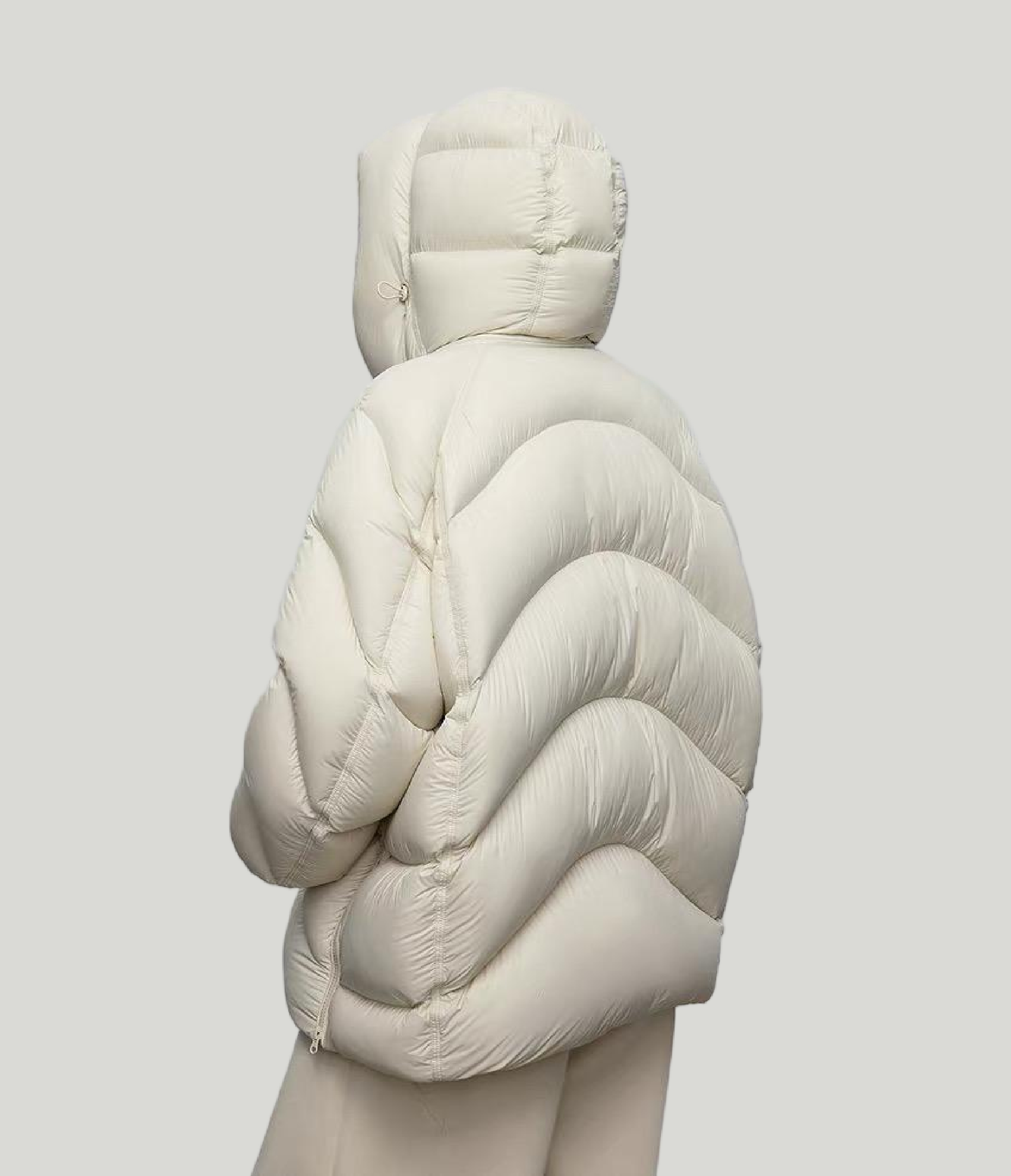
Custom Puffer & Down Jackets
Develop custom puffer jackets with shell fabric, insulation, quilting layout, lining, zipper and trim requirements aligned to your market. JUNSHEEN manages technical sampling, fit adjustments, branded details and quality control for scalable outerwear production.
Request a Quote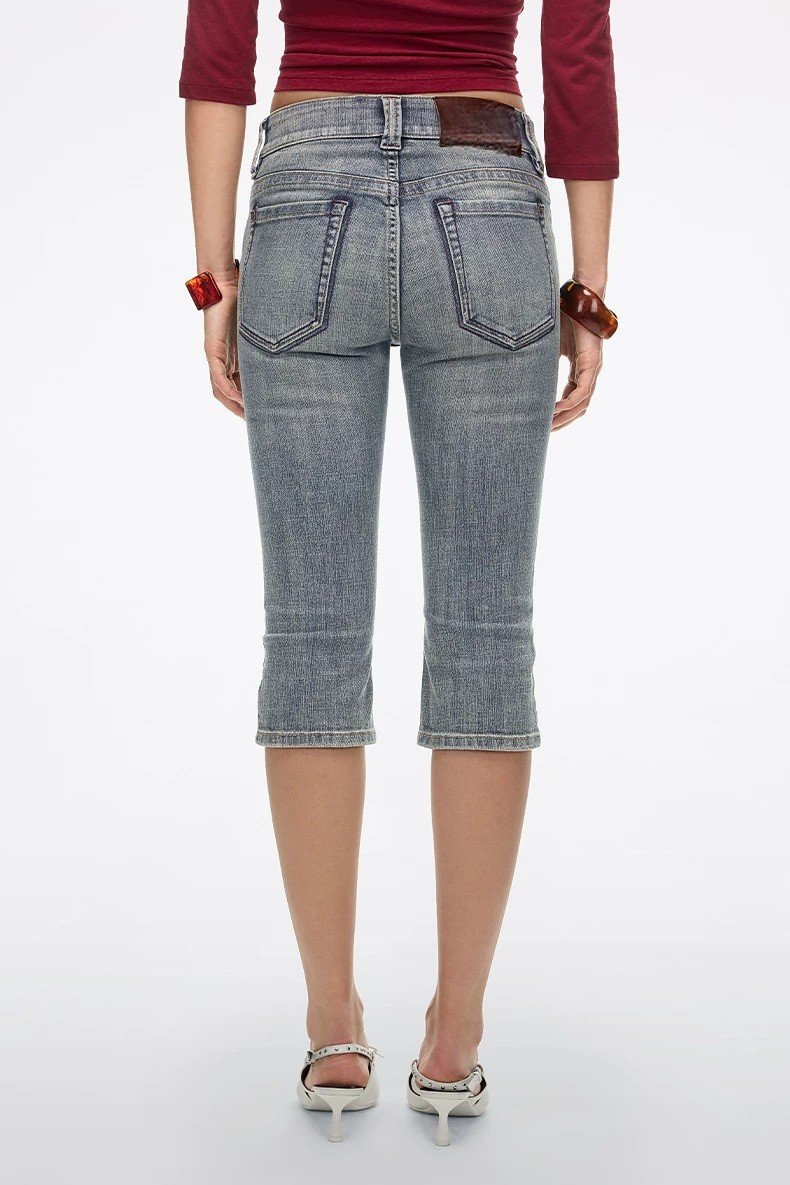
Custom Denim Shorts
Manufacture custom jean shorts in rigid or stretch denim with tailored inseams, rises, hems, pocket treatments and wash effects. The team supports women’s, men’s and unisex fits, extended sizing, private labels and low-MOQ capsule launches.
Request a Quote
Custom Sweater Dresses
Create custom sweater dresses with yarn, gauge, silhouette and length developed around the intended fit. JUNSHEEN supports body-contouring, relaxed and oversized styles, reviewing stretch recovery, grading and finishing during sampling before confirming production materials.
Request a Quote
Custom Denim Sets
Produce mens denim suits wholesale programs as coordinated denim sets, including matching jackets, overshirts, jeans or shorts. We align fabric lots, wash recipes, hardware and grading across both pieces so brands receive consistent color, fit and construction.
Request a Quote
Custom Polo Shirts
Develop custom polo shirts in piqué, jersey or performance knits with selected collars, plackets, buttons, sleeve ribs and logo placement. JUNSHEEN supports embroidery, printing, private labels and size grading for uniform, retail and promotional programs.
Request a Quote
Custom Sweatpants
Manufacture custom sweatpants in fleece, French terry or jersey with specified rises, leg shapes, elastic, drawcords, pockets and cuff finishes. Fit-focused grading supports relaxed, straight-leg and oversized silhouettes across XS–3XL, with coordinated decoration and packaging.
Request a Quote
Custom Shorts
Produce custom shorts in knit, twill, denim or performance fabrics for casual, active and fashion collections. Development includes inseam, rise, pocket layout, waistband construction, trims and wash testing, with 100-unit MOQs per style and color.
Request a Quote
Custom Pullovers
Develop custom pullovers across sweater knit, fleece and jersey constructions, tailored to your required weight, neckline and fit. JUNSHEEN manages yarn or fabric selection, pattern development, logo applications, labels and bulk quality checks for private-label programs.
Request a QuoteJeans Garment Manufacturers: Fabric Options for Your Collection

Rigid Cotton Denim
A structured, authentic denim with a crisp hand feel for classic five-pocket jeans, jackets and denim sets. Its low-stretch construction develops distinctive fades and character through stone, enzyme or acid washing.

Stretch Denim
Cotton-rich denim blended with elastane for comfortable recovery and improved mobility. Ideal for fitted jeans, skinny silhouettes and extended-size programs, with controlled stretch that helps garments maintain shape after wear and washing.

Cotton Jersey
A soft, breathable knit suited to T-shirts, lining details and casual layering pieces within denim collections. Available in varied GSM weights, it offers a smooth hand feel and natural flexibility for everyday comfort.

French Terry
A midweight knit with a smooth outer face and absorbent loopback interior for hoodies, sweatshirts and coordinated casualwear. It provides breathable warmth, relaxed drape and reliable performance for custom printing or embroidery.

Heavyweight Twill
A durable woven fabric with a clean diagonal texture for workwear-inspired pants, overshirts, utility jackets and shorts. Its firm hand feel and abrasion resistance support structured silhouettes, garment dyeing and functional detailing.

Recycled Fiber Blends
Recycled cotton and polyester blends offer a more considered material route for denim and casualwear programs. Fabric selection can balance recycled content, weight, durability and hand feel while meeting your intended fit and price point.
Jeans Garment Manufacturers: Decoration, Washing & Finishing

Logo Embroidery
Flat, 3D puff, chain-stitch, and applique embroidery add dimensional brand marks to denim jackets, jeans, and casualwear, delivering durable texture and strong visual definition through repeated wear and washing.

Screen Printing
Plastisol, water-based, puff, flocking, silicone, high-density, foil, and discharge screen printing create bold graphics for denim and apparel, with process selection matched to fabric weight, artwork detail, hand feel, and wash requirements.

Custom Transfers
DTF, DTG, heat-transfer, and dye-sublimation options reproduce detailed artwork, gradients, and small-run graphics with clean placement, helping brands apply flexible visual treatments across coordinated denim and casualwear programs.

Denim Washing
Stone wash, enzyme wash, acid wash, garment dye, and softening treatments shape color, character, and hand feel, creating denim with controlled fading, lived-in depth, or a cleaner premium finish.

Specialty Finishing
Brushing, napping, anti-pilling treatment, tie-dye, patches, and decorative details add tactile contrast and signature appeal while supporting lasting garment performance, consistent quality control, and a polished private-label presentation.
Custom Trims, Labels & Packaging for Jeans Garment Manufacturers

Woven Leather Labels
Add woven or leather labels to jeans waistbands, pockets, jackets, and knitwear for durable brand recognition. JUNSHEEN matches label materials, dimensions, colors, and attachment methods to your garment construction.

Custom Zippers Snaps
Specify branded zippers, snap buttons, tack buttons, rivets, and hardware for denim closures, pockets, and outerwear. We coordinate finish, color, logo treatment, durability, and placement before bulk production approval.

Drawcords And Tips
Create a finished private-label look with custom drawcords, aglets, tipping, cord locks, and eyelets. These details are ideal for denim joggers, hoodies, sweatpants, shorts, and casualwear capsule collections.

Branded Hang Tags
Use custom hang tags to communicate your logo, sizing, garment story, care information, and retail positioning. JUNSHEEN can coordinate tag stock, printing, string, seals, barcodes, and attachment for packed goods.

Custom Patches Badges
Apply embroidered, woven, leather, rubber, or printed patches to elevate jeans, denim sets, jackets, and streetwear. Our team reviews patch scale, texture, placement, and secure application during sample development.
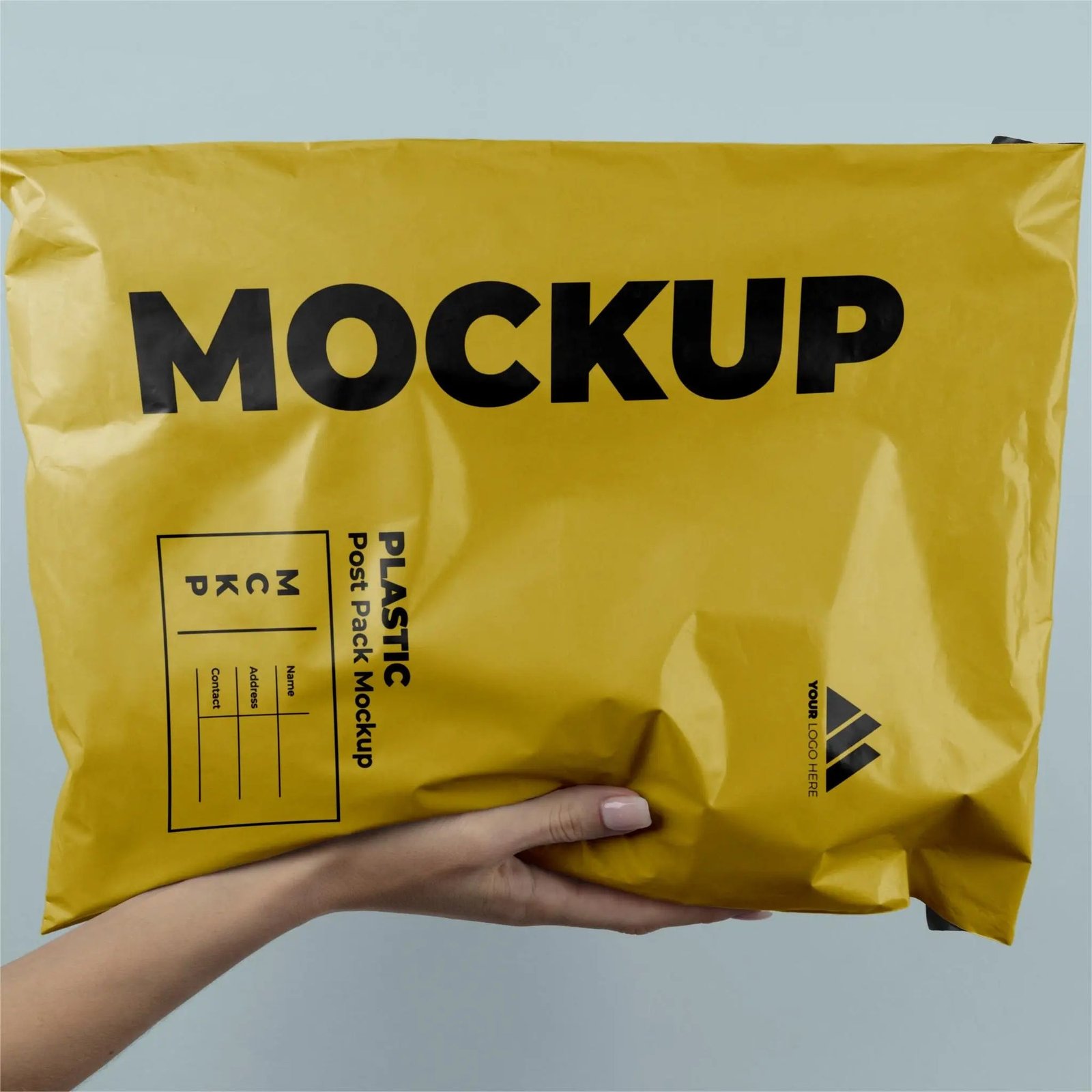
Branded Retail Packaging
Complete your order with branded polybags, mailers, tissue paper, stickers, carton marks, and packing inserts. Packaging is planned around garment protection, presentation, labeling requirements, and efficient global shipment.
About JUNSHEEN Jeans Garment Manufacturers
Founded in 2010 in Humen Town, Dongguan, JUNSHEEN helps fashion brands turn denim and casualwear ideas into production-ready collections. As experienced jeans garment manufacturers, we unite product development, fabric sourcing, sampling, cut-and-sew production, finishing, quality control and export support within one responsive supply chain.
Our team of 200+ skilled workers supports monthly capacity above 80,000 units, serving capsule launches from 100 units per style and color through scalable bulk programs. We manufacture jeans, denim sets, jackets, knitwear and casualwear for emerging labels, wholesalers, retailers and established brands worldwide.
What distinguishes JUNSHEEN is a fit-first approach from XS to 3XL, including extended-size, plus-size and oversized grading. With 2,000+ fashion-brand clients served, we combine technical pattern development with in-house decoration, washing, labels, trims and packaging to help partners build consistent products and grow with confidence.

Jeans Garment Manufacturers for Fit-First Brand Growth
XS–3XL Pattern Grading
Our jeans garment manufacturers develop fit-focused patterns from XS through 3XL, including extended-size, plus-size, and oversized silhouettes. Rather than scaling one base block, we refine rise, waist, hip balance, leg shape, mobility, and grading increments across the full size range.
- Normal, extended, plus-size, and oversized fit development
- Size grading tailored to denim stretch and wash behavior
- Size-set reviews before bulk production
- Reduced fit revisions during sampling

Development From Any Starting Point
Bring a finished tech pack, sketch, reference garment, mood board, or early product idea. JUNSHEEN turns it into a production-ready denim program through feasibility review, fabric and trim selection, pattern making, prototype sampling, and clear specifications for approval.
- OEM, ODM, and private-label development support
- Fabric sourcing matched to target cost and hand feel
- Prototype, fit sample, and pre-production approval stages
- Low MOQ from 100 units per style and color

Decoration and Washing In-House
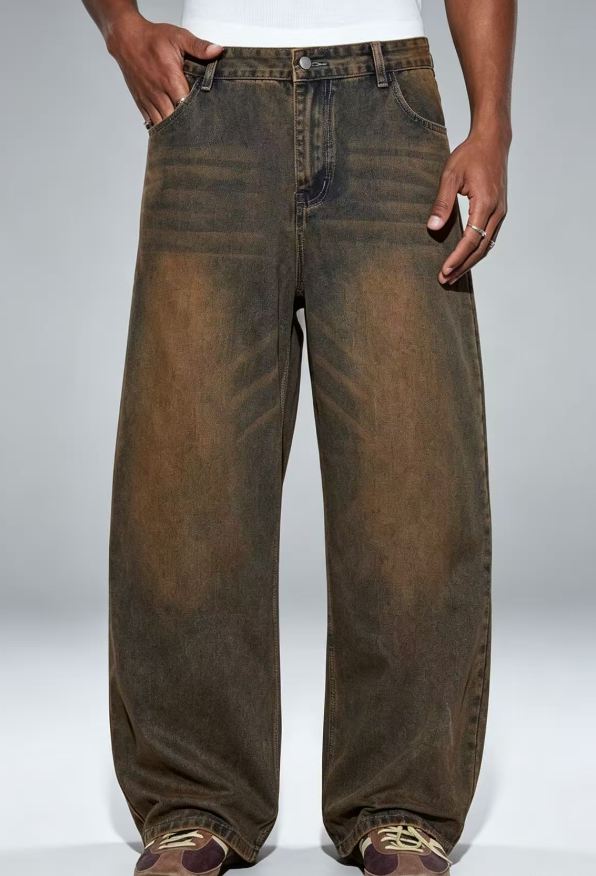
Create a recognizable denim collection with integrated decoration, washing, finishing, labels, trims, and packaging. Our team coordinates logo embroidery, printing, patches, garment dye, acid wash, stone wash, and softening treatments so visual details and production quality stay aligned.
- Embroidery, patches, screen printing, DTG, and transfers
- Acid wash, stone wash, enzyme wash, and brushing
- Custom leather labels, hang tags, buttons, and zippers
- One coordinated workflow from sample to packed goods
Consistency for Repeat Orders
JUNSHEEN retains approved patterns, graded size sets, material records, and construction details to support dependable reorders. With 200+ skilled workers and monthly capacity above 80,000 units, we help brands maintain continuity while moving from a capsule launch to larger global programs.
- Retained development records for faster repeat production
- Incoming, in-line, measurement, and final QC checks
- Scalable capacity for growing denim programs
- Global export support for 2,000+ fashion-brand clients

Jeans Garment Manufacturers: JUNSHEEN vs. Typical Suppliers
Built for fit-led denim launches today and dependable production as your brand grows.
← 左右滑动查看 →
Jeans Garment Manufacturers: From Sourcing to Global Delivery
A clear, controlled process that moves your denim program from feasibility review through export-ready delivery.
Review Feasibility and Specs
Our team reviews your tech pack, sketch, reference garment, target price, quantities, fit requirements, and decoration details to confirm a practical production route.
Source Fabrics and Patterns
We recommend denim, stretch denim, trims, and washes, then create or refine patterns and XS–3XL grading for balanced fit across the size range.
Approve Samples and Materials
Prototype samples, swatches, measurements, wash effects, and branded components are reviewed before final specifications, bulk materials, and production approvals are confirmed.
Cut and Produce Bulk
Skilled teams cut, sew, wash, decorate, finish, and assemble your jeans program with coordinated cut-and-sew production for reliable scale from 100 units.
Inspect, Pack, and Ship
Multi-stage quality checks cover fabric, construction, measurements, fit, decoration, and packed goods before private-label packaging and global export shipping are arranged.
How to Work With Our Jeans Garment Manufacturers
Move from concept to approved bulk production with clear development support, fit-focused sampling, and dependable global delivery.
Send Your Product Brief
Share a tech pack, sketch, reference garment, mood board, or idea. Our team reviews construction, fit goals, quantities, target cost, and feasibility.
Confirm Materials and Quotation
Select denim, trims, washes, decoration, labels, and packaging with our guidance. We provide a detailed quotation based on your specifications and 100-unit MOQ.
Approve Your Development Sample
Review prototype samples, measurements, fit, wash effects, and branding details. Pattern makers refine XS–3XL grading and construction before size-set or pre-production approval.
Launch Bulk Production
After approval, JUNSHEEN manages fabric sourcing, cut-and-sew production, finishing, in-line inspections, final quality control, packing, and export coordination for your order.
Custom Clothing Manufacturer Credentials and Compliance Documents



Jeans Garment Manufacturers Delivering Brand Growth
JUNSHEEN refined our women’s denim grading from XS to 3XL and cut fit revisions from five rounds to two. Our 120-unit capsule launched on schedule, and the approved patterns made the second colorway far faster to develop.
We needed a supplier that could handle custom washes, branded leather patches, and a 100-unit MOQ without compromising construction. The first run sold through in 10 weeks, and we placed a 600-unit repeat order with two additional fits.
Their development team translated our reference jeans into production-ready samples with clearer measurements and better rise balance. After one size-set approval, we scaled from 150 units to 1,200 units across three markets with consistent quality.
Jeans Garment Manufacturers FAQ for B2B Buyers
Clear answers on MOQs, sampling, fit development, production, payment, IP handling and global delivery for custom denim programs.
What is the MOQ for jeans garment manufacturers at JUNSHEEN?
Can jeans garment manufacturers make samples before bulk production?
How long do jeans garment manufacturers need for sampling and bulk orders?
Can JUNSHEEN develop jeans fits from XS to 3XL?
What denim fabrics, washes and finishes can you provide?
How do payments work for a first jeans production order?
Do you ship custom jeans internationally and manage export support?
How does JUNSHEEN protect designs and private-label details?
Complete Buyer’s Guide to jeans garment manufacturers
Use this practical framework to compare supplier models, denim capabilities, quality controls, MOQs, and costs—so you can select the right production partner, avoid costly sampling errors, and launch with confidence.
1. What Are jeans garment manufacturers?
100-unit production runs are a practical example of what jeans garment manufacturers do: turn an approved denim design into repeatable finished garments. Their work commonly includes pattern engineering, grading, proto and fit samples, fabric and trim sourcing, cutting, sewing, wash development, measurement control, final inspection, packing, and export coordination. 12–16 oz denim is a fabric input, not a finished jean, which separates a manufacturer from a denim mill. A mill weaves, dyes, and finishes denim yardage; a trading company mainly coordinates suppliers; and a private-label vendor may sell adaptable stock styles with limited development ownership. A full-package apparel factory can provide the widest integrated service, while a jeans specialist adds denim construction and washing expertise. JUNSHEEN supports OEM, ODM, private-label, and low-MOQ programs from development through shipment, including fit refinement across XS–3XL and extended sizes. Before requesting quotes, brands should choose the role that matches their starting point: use a mill for fabric only, a trader for supplier access, a stock private-label vendor for speed, or a full-package jeans manufacturer when the goal is a custom, production-ready jean with accountable technical control.
2. Evolution of jeans garment manufacturers
1853 marked denim’s commercial workwear breakthrough, when riveted trousers made durable cotton twill a repeatable industrial product. Early jeans garment manufacturers optimized standardized fabrics, hardware, sewing operations and large production runs; buyers largely selected proven silhouettes from stock programs rather than developing proprietary fits. 1950s youth culture and 1970s designer denim shifted demand from utility to identity. Mills expanded indigo shades, stretch constructions and heavier 11–14 oz denim options, while factories added stone wash, enzyme wash, bleaching, distressing and garment-dye processes; sourcing teams began approving wash standards, shade bands and hand-feel samples alongside measurements. 1990s globalized production made denim a highly segmented supply chain, separating spinning, weaving, dyeing, cutting, sewing, laundry and finishing across regions. That model lowered unit costs but made lead times, wastewater controls, chemical compliance and lot-level traceability central buyer concerns—especially where OEKO-TEX, GOTS, BSCI or WRAP requirements apply. 2020s digital product development has raised expectations again: buyers now expect CAD patterns, graded size sets, photo or video sample review and faster revisions before bulk approval. For capsule brands, workable partners combine smaller MOQ tiers—such as 100 units per style and color—with controlled wash recipes, fabric records, responsible finishing options and clear inspection checkpoints, rather than treating low MOQ as a substitute for production discipline.
3. Types of jeans garment manufacturers
Six operating models dominate denim sourcing, and each shifts control over design, fabric, patterns, compliance evidence, cash flow, and calendar risk. Match the model to your technical readiness before comparing quotes.
| Model | Buyer Control | Typical Minimum | Typical Lead Time |
|---|---|---|---|
| CMT | Highest; buyer sources | 300–1,000 units | 4–8 weeks |
| OEM | High; supplier develops | 100–500 units | 6–10 weeks |
| ODM/private label | Lower; factory blocks | 50–300 units | 3–6 weeks |
| Integrated producer | Shared; fabric-led | 1,000+ units | 8–14 weeks |
| Wash house | Effect-focused | Per wash program | 2–5 weeks |
| Full package | Brief-led coordination | 100–500 units | 8–12 weeks |
Core Factory Models
CMT factories cut, make, and trim buyer-supplied materials; buyers own the tech pack, pattern, sourcing, and approvals. OEM suppliers develop against a buyer brief, but the buyer usually retains design direction and final specifications.
Development And Sourcing
ODM and private-label partners start from factory blocks, washes, and trim libraries, shortening development but limiting exclusivity. Full-package exporters coordinate fabric mills, patterns, production, testing, packaging, and freight; they suit teams without local sourcing staff.
Denim Specialists

Vertically integrated denim producers control weaving or fabric allocation alongside sewing, improving traceability and color continuity at higher volume. Specialist wash houses handle enzyme, stone, bleach, laser, and garment-dye effects; require wash standards, shade bands, and approved panels before bulk.
4. Materials Used by jeans garment manufacturers
Denim choices determine whether a jean holds a vintage silhouette, recovers after wear, or develops dramatic wash character. Buyers should specify fiber content, construction, weight, and every supporting component before sampling.
| Denim Type | Composition | Typical Weight | Best Use | Sourcing Trade-Off |
|---|---|---|---|---|
| Rigid | 100% cotton | 12–14 oz | Vintage straight jeans | Best fading; less comfort |
| Comfort stretch | 98–99% cotton, 1–2% elastane | 10–13 oz | Slim or straight fits | Better mobility; recovery must be tested |
| Stretch blend | Cotton, polyester, elastane | 9–12 oz | Skinny or active fits | Lower cost; less authentic fade |
| Recycled blend | Recycled and virgin cotton | 11–13 oz | Responsible collections | Documentation and shade consistency vary |
Denim Fiber And Construction

100% cotton rigid denim, commonly ring-spun and 12–14 oz, offers crisp structure and strong abrasion resistance. Cotton origin, staple length, indigo depth, and 3×1 right-hand twill all influence fading and cost. 1–3% elastane adds movement; polyester blends improve recovery and lower cost but can reduce the natural fade buyers expect. State finished-garment stretch and recovery targets, not only blend percentages.
Weight Drives End Use

8–10 oz denim suits shirts, lightweight summer jeans, and layered looks. 11–13 oz is the most versatile range for everyday five-pocket styles, while 14–16 oz creates a heavier heritage hand. 100-unit capsule orders should reserve swatches before approval, because mill minimums, color availability, and wash testing can alter the landed material choice.
Trims And Responsible Options

5 oz cotton pocketing, core-spun sewing thread, bar tacks, metal shank buttons, and reliable zippers protect high-stress areas. Specify zipper brand or performance standard, rivet finish, leather or woven labels, and wash-care label content in the tech pack. 20–100% recycled cotton, recycled polyester, organic cotton, and low-impact dye programs need traceable documentation. Ask suppliers for applicable OEKO-TEX or GOTS scope rather than treating a fiber claim as certification.
5. Customization From jeans garment manufacturers
Three decision layers determine whether a denim concept can move cleanly into sampling: structural specifications, fit specifications, and surface treatments. Jeans garment manufacturers should separate them before pricing, because structural changes affect patterns, operations, and sample time.
| Customization Type | Tech-Pack Requirement | Cost Effect |
|---|---|---|
| Structural | Pattern pieces and construction sketch | Higher sampling cost |
| Fit | POM chart and grade rules | Extra size-set review |
| Surface | Artwork and wash standard | Variable decoration cost |
Lock Structural Decisions Early

Five core choices—silhouette, rise, inseam, panel layout, and pocket geometry—must be frozen before the first pattern. A straight leg, barrel leg, carpenter panel, or curved yoke can require different pattern pieces, sewing operations, and consumption. Two hardware specifications matter at development: zipper length and fly construction, plus button, rivet, snap, and belt-loop placement. Specify metal finish, logo artwork, and approved alternatives; custom molds and engraved hardware add cost and lead time.
- Front and back pocket shape
- Yoke, seam, and panel placement
- Fly type and closure hardware
- Hem width and inseam range
Engineer Fit And Grading

XS–3XL programs need a measurement chart with waist, hip, front rise, back rise, thigh, knee, leg opening, and inseam tolerances. Good grading adjusts proportion and mobility instead of enlarging every point by one fixed increment. Two fit references improve sample accuracy: a marked reference garment and target-body measurements. Confirm stretch percentage and recovery early, because the same pattern fits differently in rigid denim and stretch denim.
Separate Surface From Structure

Six aesthetic choices—wash, distressing, embroidery, patches, printing, labels, and contrast trims—usually preserve the base pattern. They still need placement artwork, Pantone colors, dimensions, stitch counts, and wash approval before bulk. Three treatments commonly add development rounds: laser whiskers, hand sanding, and stone or enzyme washes. Test them on the final fabric and hardware because abrasion, shade change, and back-patch behavior vary by wash recipe.
6. Jeans Construction Quality Essentials
A durable jean is controlled through measurable tolerances, not a factory’s visual judgment. Before bulk cutting, buyers should lock approved patterns, construction specifications, wash standards, and a signed pre-production sample.
Pattern And Fit Control
±0.5 cm measurement tolerances at critical points—waist, hip, rise, inseam, and leg opening—give jeans garment manufacturers a clear inspection target. A graded size set should be worn or fit-tested before approval, especially for stretch denim and extended sizes. 100% cotton denim can change materially after washing, so the pattern must include verified shrinkage allowance. Record the approved base size, grading increments, wash recipe, and post-wash measurements.
Seams And Reinforcement
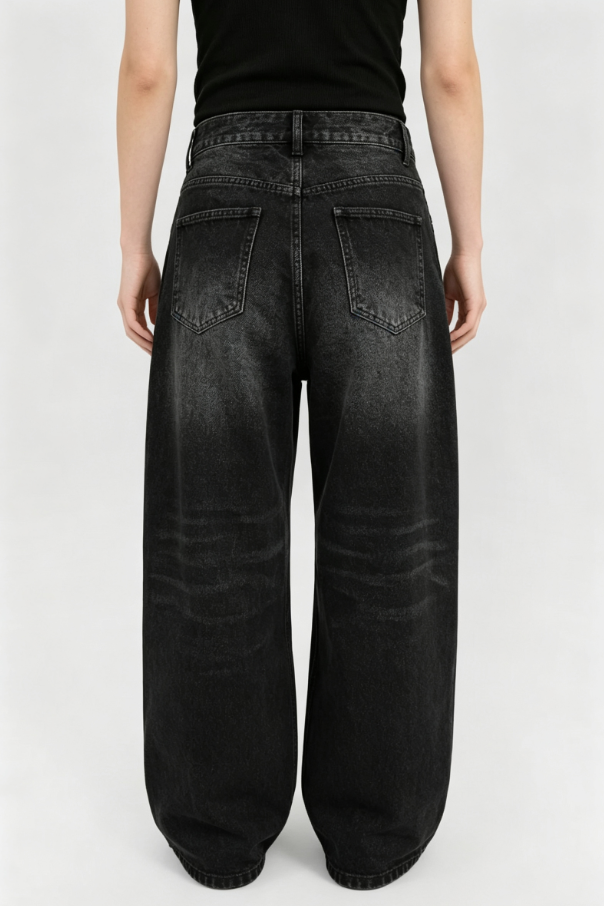
8–10 stitches per inch is a common target for durable denim seams, subject to fabric weight and seam type. Specify chain-stitch hems, felled inseams, secure overlock finishing where appropriate, and thread color requirements. 6–8 bartacks at pocket corners, fly bases, belt loops, and stress points reduce predictable failures. Require consistent back-pocket placement from fixed reference points rather than visual alignment alone.
- Specify seam type by operation
- Mark every bartack location
- Approve pocket placement measurements
Hardware And Wash Validation
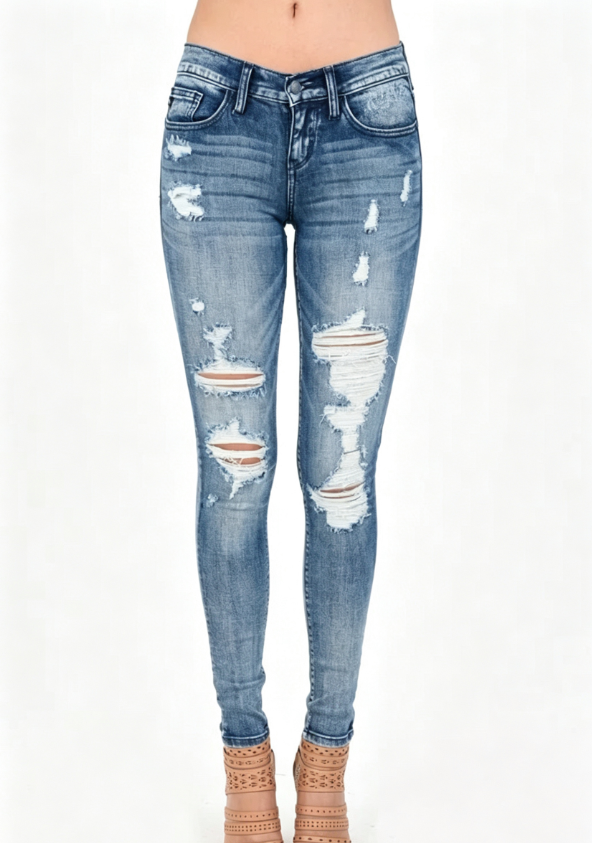
YKK or equivalent approved zippers, rivets, and buttons should be checked for pull, attachment security, finish, and correct branding. A pre-production sample must use production-intent hardware, fabric, thread, and wash. 1 approved wash standard should define shade, whiskers, abrasion, hand feel, and acceptable panel variation. Test post-wash shrinkage, crocking, and colorfastness before releasing bulk production.
Final Inspection Release
AQL sampling, commonly 2.5 for major defects, gives buyers a measurable final-inspection framework. Inspect measurements, seam defects, broken stitches, hardware, pocket symmetry, wash shade, labeling, and packed quantities. 100% of bulk should match the signed pre-production sample within agreed tolerances. Keep sealed reference samples and inspection records for repeat orders and claim resolution.
7. Choosing jeans garment manufacturers
Choose jeans garment manufacturers using evidence from the exact product category, not a polished catalog. Compare their sample, wash control, MOQ, communication, capacity, commercial terms, and ability to ship your target market.
| Evaluation Area | Evidence To Request | Why It Matters |
|---|---|---|
| Capacity and lead time | Monthly output, critical-path timeline | Protects launch dates |
| Quality system | Incoming, inline, final inspection records | Reduces repeat defects |
| Compliance and export | Current certifications, test reports, shipping references | Supports retailer and customs requirements |
| Development communication | Named contact, revision log, sample calendar | Prevents specification drift |
Verify Denim Experience
Ask for three recent references matching your construction: rigid 100% cotton, stretch denim, or denim sets. Request photos of inside seams, pocket bags, bartacks, zipper installation, and finished washes—not only front-view images.
- Request a factory audit or production-floor video
- Review sample measurements and grading notes
- Confirm lowest MOQ by style and color
Test Sampling And Washing

Approve a fit sample before a washed size set; enzyme, stone, acid, and garment-dye processes can change shrinkage, shade, and hand feel. Ask for wash test reports, shade-band approval, and a retained approved sample.
- Measure inseam, rise, waist, thigh, and leg opening
- Check skew, seam torque, crocking, and wash consistency
- Confirm replacement standards for wash defects
Compare The Full Quote
Compare quotations on one shared specification sheet. A lower unit price can exclude fabric weight, wash complexity, trims, labels, testing, packing, freight terms, or expected defect handling.
- State denim composition, ounce weight, and mill
- List wash, hardware, labels, and packaging
- Request a dated sampling and bulk timeline
- Confirm payment milestones and export documents
8. Common Buyer Mistakes to Avoid
First orders expose preventable gaps between a quoted jean and a production-ready program. Use this checklist before placing a PO or moving a denim style to a new supplier, because each missing decision can become a bulk delay, claim, or margin loss.
Price Without Scope
A 10% lower quote can exclude washing, labels, testing, or individual polybags, making landed cost higher after revisions. A written quote should separate fabric, trim, wash, decoration, packing, sampling, and Incoterm; confirm the MOQ by style, color, and size run.
Incomplete Technical Packages
One missing measurement, Pantone reference, or stitch callout forces a factory to interpret the design, risking inconsistent bulk output. A complete tech pack should include graded specs, construction sketches, BOM, artwork files, placement dimensions, wash target, and approved reference sample.
Fit And Wash Sign-Off

A 2–5% denim wash shrinkage can change inseam, rise, and waist measurements after finishing, even when the sewn garment initially fits. A signed size set and wash test should define pre- and post-wash tolerances; approve the actual wash recipe, not only an unwashed sample.
Supply, Compliance, And Landed Cost
Four-week fabric replenishment or an unavailable mill lot can halt bulk production when buyers approve swatches without reserving yardage. A supplier should confirm fabric availability, shade continuity, test requirements, applicable OEKO-TEX, GOTS, WRAP, or BSCI evidence, freight mode, duty, and destination charges before deposit.
9. Launching a Jeans Brand Step by Step
A launch begins with a defined customer, retail target, and margin model before any denim is bought. For a 100-unit style-and-color program, approval gates prevent a promising concept from becoming costly unsellable inventory.
Set The Product Brief
One customer profile should define fit, size range, channel, competitor set, and intended retail price. Three core styles—such as straight, relaxed, and wide-leg—usually create a clearer first capsule than many weak variants. A one-page line plan should record each style, color, size curve, target FOB, and launch quantity. A price architecture then tests whether fabric, wash, trims, freight, duty, and retailer margin fit the planned shelf price.
Build Production Documents
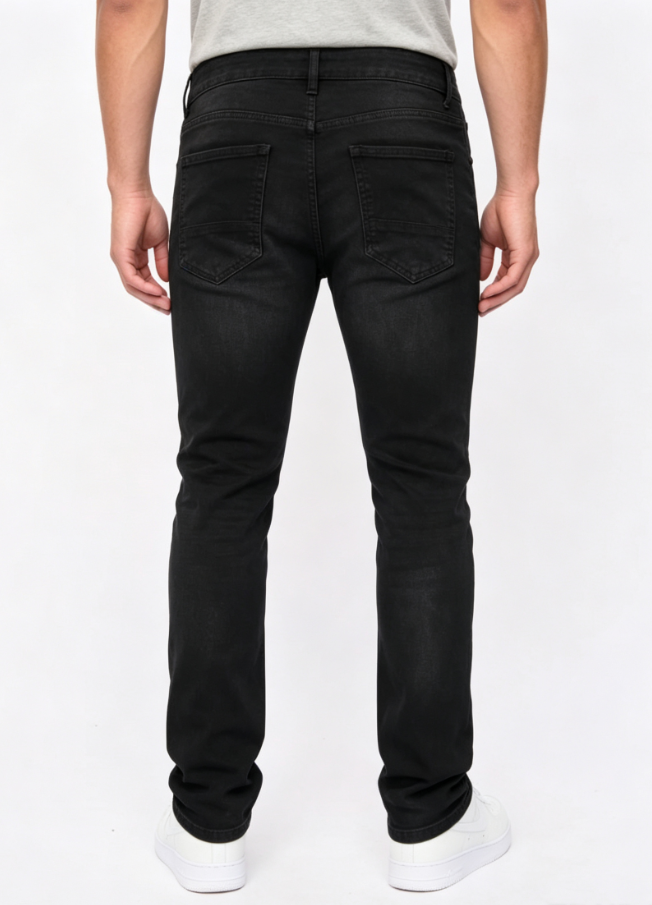
A complete tech pack should specify measurement points, graded measurements, construction sketches, stitching, seam allowances, Pantone colors, labels, and packaging. A wash brief should name the base denim, wash target, abrasion placement, whiskers, tint, and acceptable shade variation. A fabric and trim approval requires swatches, composition, weight, stretch, shrinkage, color, zipper or button specification, and test requirements. Keep signed approvals, revised files, and version dates in one shared production record.
Approve, Produce, And Ship
A prototype sample verifies silhouette and construction before size-set and wash samples confirm grading, mobility, rise, leg shape, and wash appearance. Each revision needs written comments, measurement tolerances, photos, and a final sealed approval sample. A purchase order should lock approved specifications, quantities by size and color, FOB terms, delivery window, payment schedule, and inspection standard. During bulk production, review in-line reports and final AQL inspection, then confirm carton marks, packing list, commercial invoice, and shipping booking before balance and dispatch.
10. Jeans Manufacturing Pricing and Costs
100-unit programs usually carry the highest per-pair development burden because pattern work, sampling, marker efficiency, wash setup and quality checks are spread over fewer garments. For standard five-pocket jeans, the ranges below are planning estimates; a detailed tech pack, target fabric and wash reference are needed for a usable quotation. 10–14 oz denim is normally the largest garment-cost input, while stretch composition, ring-spun yarns, recycled fibers and certified materials can raise it further. Enzyme or stone washes add less than multi-step bleach, tint, hand-sanding, whiskering, laser effects or heavy destruction, which also lengthen approval and production time. $1–$4 in trims and presentation can quickly alter the ex-factory figure: YKK zippers, branded rivets, leather patches, custom pocket embroidery, Pantone-matched labels and individual packaging should be specified early. Landed cost also includes lab testing, inspection, export cartons, freight, duty and destination handling; higher volumes usually improve fabric purchasing, cutting yield and wash-lot efficiency.
| Order quantity | Indicative ex-factory price per pair | Typical lead time | Main cost drivers |
|---|---|---|---|
| 100–299 units | US$18–35 | 35–55 days | Small-lot fabric, sample setup, complex washes |
| 300–999 units | US$14–28 | 30–45 days | Denim weight, stretch, trims, wash recipe |
| 1,000+ units | US$10–22 | 25–40 days | Fabric commitment, wash volume, packaging and freight |
Start Your Denim Collection With Jeans Garment Manufacturers
Send your tech pack, reference garment, sketch, or product idea to JUNSHEEN for feasibility review, sampling guidance, and a tailored production quote.