
Custom Hoodies for Women, Made for Your Brand
Launch custom hoodies for women with fit-focused XS–3XL development, OEM/ODM expertise, and complete private-label production.
Featured Products for custom hoodies for women Development


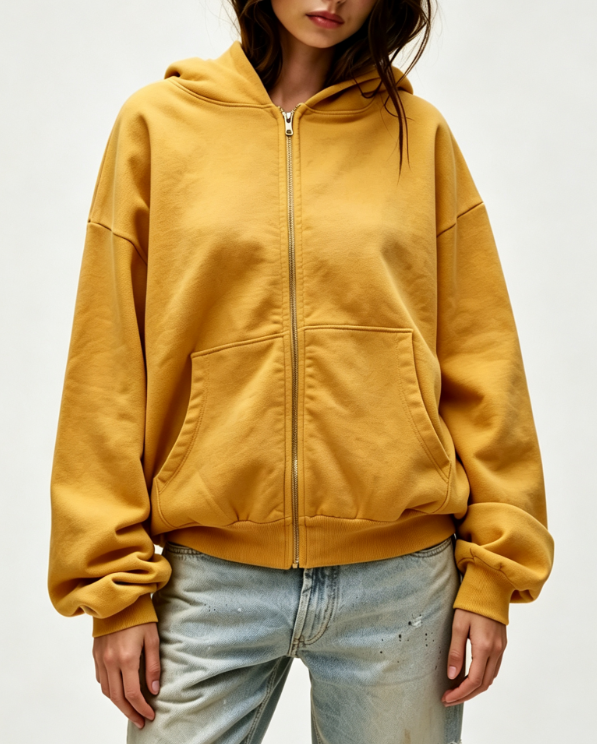
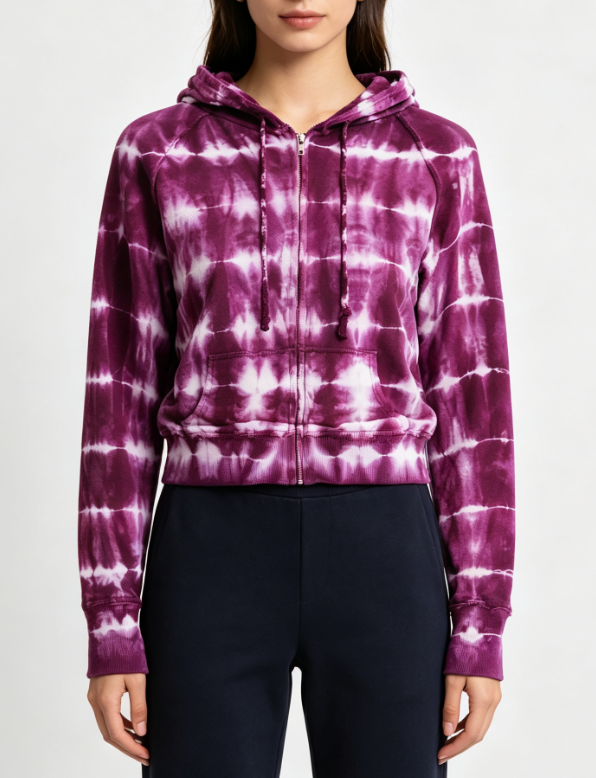


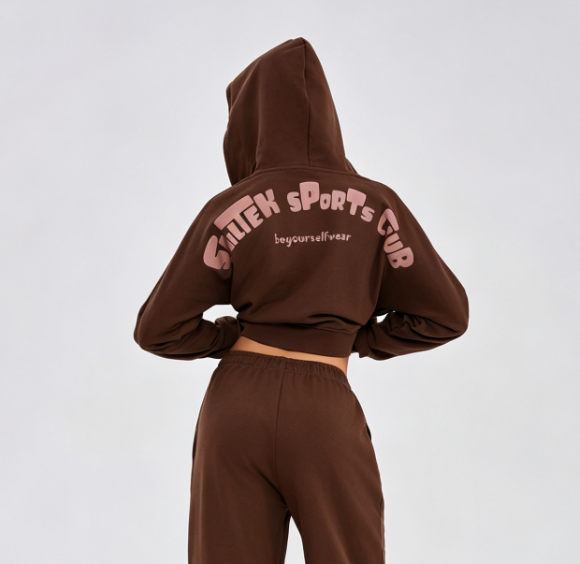
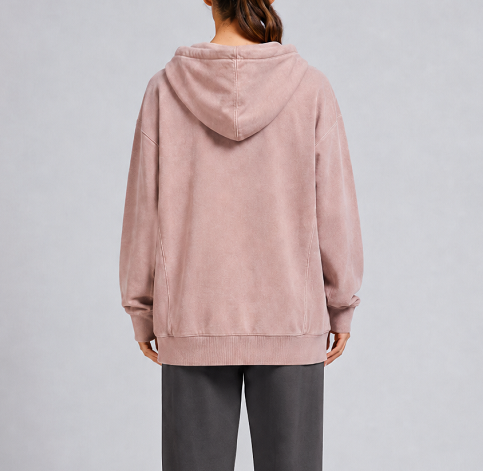


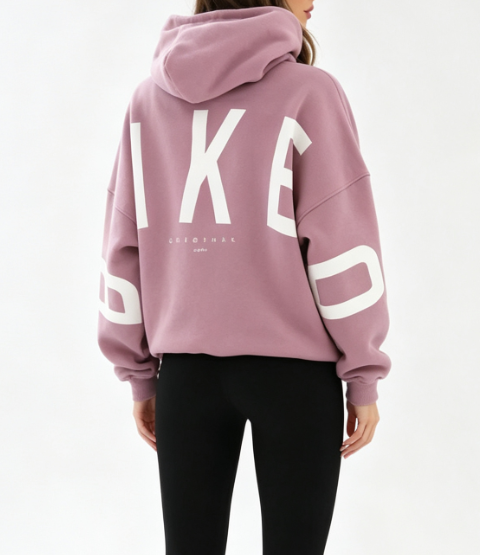
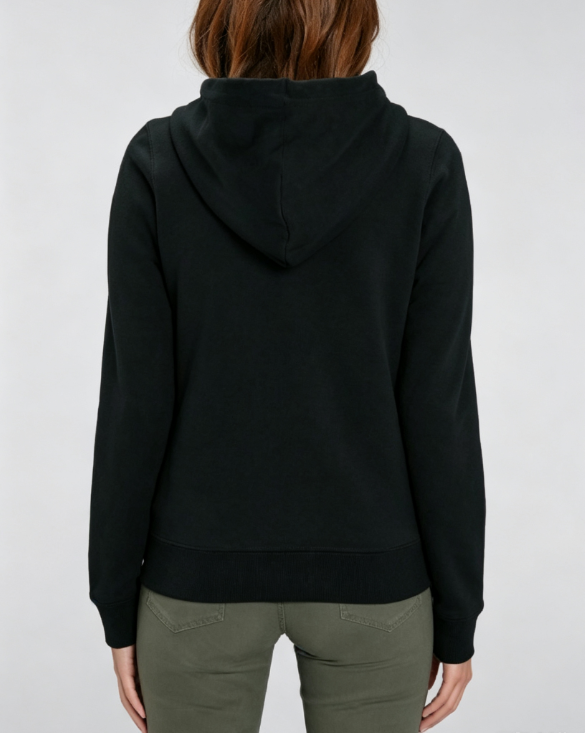


Related Product Catalogue and Quotation
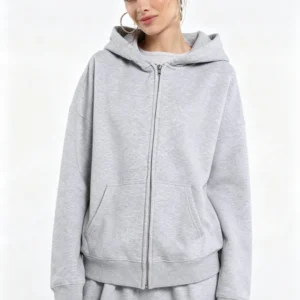

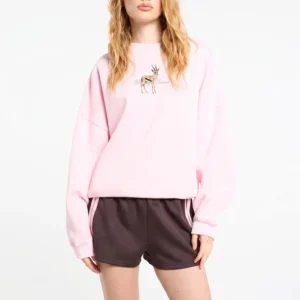
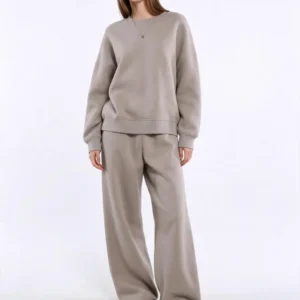

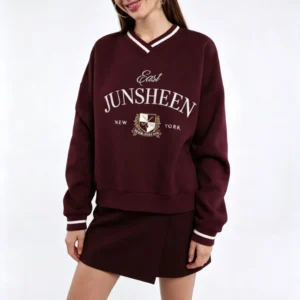

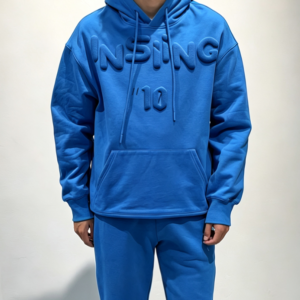
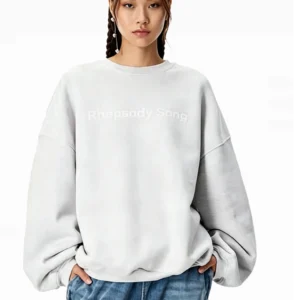

Custom Hoodies for Women, Built to Scale
Fit-led development, flexible order quantities, and integrated branding support for women’s hoodie programs.
100-Unit MOQ
Launch capsule collections from 100 units per style and color, with practical support for emerging labels and focused seasonal tests.
Refined XS–3XL Fit
Pattern makers adjust proportions, shoulder balance, sleeve length, and grading increments for normal, extended-size, plus-size, and oversized fits.
Integrated Logo Decoration
Apply embroidery, screen printing, puff effects, DTF, patches, and custom finishes through one coordinated production team.
Private-Label Details
Complete each program with custom labels, hang tags, drawstrings, zippers, packaging, and branded trims aligned to your collection.
Scalable Production Capacity
More than 200 skilled workers and 80,000-plus monthly units support dependable growth from sampling through repeat bulk orders.
Global Export Support
Manage development, quality control, packing, and export coordination with an experienced manufacturer serving fashion brands worldwide.
Custom Women’s Hoodies and Core Casualwear
Develop fit-focused women’s programs from 100 units per style and color, with coordinated sourcing, sampling, decoration, finishing and private-label support.

Custom Hoodies
Build custom hoodies in fleece, French terry or jersey for capsule drops and repeat programs. Junsheen develops women’s XS–3XL fit, oversized proportions, branded trims, embroidery, screen printing and wash finishes from a tech pack, reference or original concept.
Request a Quote
Custom T-Shirts
Produce custom T-shirts with controlled fabric weight, neckline shape, sleeve balance and body length for women’s collections. Options include combed cotton, blended jersey and performance knits, plus screen print, DTG, DTF, embroidery, labels and size grading from XS–3XL.
Request a Quote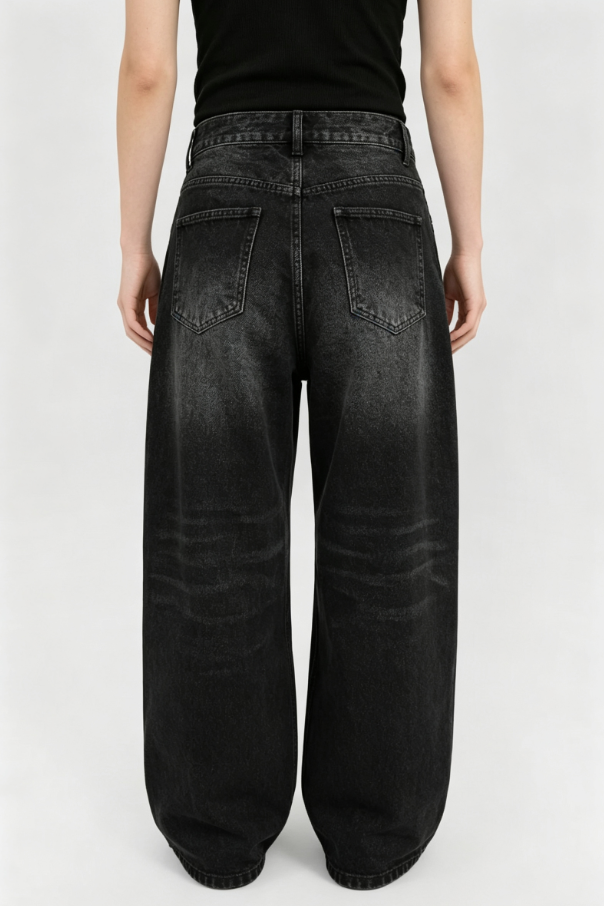
Custom Jeans
Develop custom jeans with women’s-specific rise, hip shaping, leg proportion and grading rather than simply scaling a base pattern. Source rigid or stretch denim, confirm wash and trim details through sampling, then manage bulk cutting, sewing, finishing, inspection and export.
Request a Quote
Custom Sweaters
Create turtleneck sweater bulk programs with the gauge, yarn blend, neck height and silhouette matched to your target price and market. Junsheen supports women’s regular, extended-size and oversized grading, sample approval, private labels and repeatable production records.
Request a Quote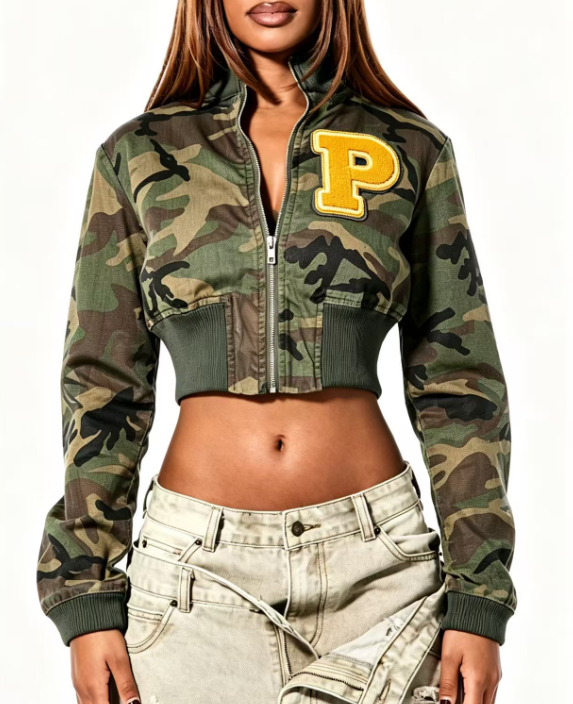
Custom Jackets
Manufacture custom jean jackets with denim weight, wash treatment, collar construction, pocket placement and hardware specified for your women’s line. The team develops fit samples, sources custom buttons and labels, and coordinates embroidery, patches, printing or garment finishing before bulk release.
Request a Quote
Custom Sweatshirts & Crewnecks
Produce custom crewneck hoodie and sweatshirt programs for brands needing clean, layerable casualwear beyond standard hoodies. Choose fleece, French terry or jersey, then refine women’s shoulder, sleeve and body proportions with rib trims, decoration, wash effects and private-label packaging.
Request a Quote
Custom Cardigans
Develop custom cardigans in sweater constructions suited to lightweight layering, structured knits or softer seasonal programs. Junsheen supports yarn and gauge selection, button or zipper sourcing, women’s fit grading from XS–3XL, branded labels and pre-production approval.
Request a Quote
Custom Puffer & Down Jackets
Produce custom puffer jackets with shell fabric, insulation, quilting layout, hood construction and hardware selected for the intended climate and price point. Fit samples help confirm women’s mobility and proportion before bulk production, quality control, packing and global shipment.
Request a Quote
Custom Denim Shorts
Make custom jean shorts with a women’s-specific rise, inseam, leg opening and pocket placement. Junsheen can source rigid or stretch denim, develop raw or washed finishes, apply distressing or embroidery, and maintain approved measurements across XS–3XL size sets.
Request a Quote
Custom Sweater Dresses
Create custom sweater dresses with yarn, gauge, neckline, length and shaping aligned to your collection. The development process addresses body proportion, comfort and grading for regular, extended-size and oversized fits, followed by sample review, labels and controlled bulk production.
Request a Quote
Custom Denim Sets
Develop coordinated custom denim sets, including women’s denim jackets, tops, jeans and shorts with matched fabric, wash and trim standards. Shared development records help brands maintain color consistency, fit alignment and repeatable production across multi-piece seasonal programs.
Request a Quote
Custom Polo Shirts
Manufacture custom polo shirts with jersey, pique or performance-knit options for women’s casual, uniform or retail programs. Junsheen controls collar shape, placket construction, sleeve fit and size grading, with embroidery, printing, custom buttons, labels and packaging available.
Request a Quote
Custom Sweatpants
Produce custom sweatpants with women’s rise, hip ease, inseam and cuff proportions developed for the intended fit. Choose fleece, French terry or jersey and add drawstrings, pockets, rib cuffs, embroidery, print, washing and private-label components from 100 units per style and color.
Request a Quote
Custom Shorts
Develop custom shorts for women’s casualwear, coordinated sets and seasonal collections. The team supports fabric selection, waistband construction, rise, inseam and grading, whether the program calls for jersey, fleece, twill, woven fabrics or denim, with decoration and branded trims included.
Request a Quote
Custom Pullovers
Create custom pullovers in knit, fleece, French terry or jersey constructions for layering and seasonal assortments. Junsheen develops neckline, sleeve and body proportions across XS–3XL, then manages fabric sourcing, sampling, embroidery or print, labels and bulk quality control.
Request a QuoteCustom Hoodies for Women: Material Options

French Terry
A breathable loopback knit with a smooth face and lightly textured interior, ideal for premium everyday hoodies. Commonly 320–420 GSM, it offers structured drape, dependable durability, and a versatile base for printing or embroidery.

Brushed Fleece
Soft, warm fleece with a brushed interior creates a cozy cold-weather hoodie and elevated loungewear feel. Available in midweight to heavyweight constructions, it provides insulating loft, comfortable stretch recovery, and durable wear after repeated washing.

Cotton Jersey
Cotton jersey delivers a lighter, smooth-hand option for layering hoodies, fitted styles, and transitional collections. Its natural breathability and soft drape suit 180–280 GSM programs, while blend ratios can improve shape retention and surface stability.

Organic Cotton Blends
Organic cotton blended with recycled polyester or elastane balances a soft natural hand with improved resilience. Suitable for conscious private-label collections, these fabrics can offer controlled stretch, reduced pilling, and reliable wash performance across graded XS–3XL fits.

Recycled Performance Knits
Recycled polyester and cotton blends support active, travel, and modern oversized hoodie programs requiring durability. They can be engineered for moisture management, faster drying, or a denser 300–400 GSM hand while maintaining consistent color and production performance.
Custom Hoodies for Women: Decoration and Finishing Options

Logo Embroidery
Flat, 3D puff, chain-stitch, and applique embroidery add dimensional logo detail with a premium hand feel. Proper backing, stitch density, and placement help maintain clean edges and lasting wear through repeated laundering.

Screen Printing
Plastisol, water-based, puff, flocking, silicone, high-density, foil, and discharge screen prints create bold graphics across fleece and French terry. Junsheen matches inks and curing methods to the fabric for strong color and wash durability.

DTG and DTF
DTG and DTF printing support detailed artwork, gradients, photographic graphics, and flexible short-run personalization. Each method is assessed against hoodie fabric, color, design coverage, and expected hand feel before sampling approval.

Applique Patches
Custom fabric applique, embroidered patches, chenille-style details, and branded badges give women’s hoodies a layered, varsity-inspired finish. Our team confirms edge treatment, attachment method, and placement to keep every element secure.

Garment Washes
Garment dye, acid wash, enzyme wash, stone wash, tie-dye, brushing, and napping create distinctive color, softness, and lived-in character. Sample testing helps control shrinkage, tone variation, and the final hand feel.

Anti-Pilling Finish
Anti-pilling and softening treatments help fleece and brushed hoodie fabrics retain a cleaner surface after wear and washing. We evaluate fabric construction and finishing parameters to balance softness, durability, and consistent bulk results.
Private-Label Accessories for Custom Hoodies for Women

Custom Drawcords
Choose cotton, flat, round, braided, or reflective drawcords with dyed-to-match colors, metal aglets, and custom tipping. They add practical hood adjustment while reinforcing your women’s hoodie identity.

Branded Zippers
Add exposed front zippers, concealed closures, or zipper pullers selected for smooth use and garment weight. Custom finishes, logo pulls, and color matching support elevated zip hoodie programs.

Woven Labels
Create main labels, size labels, and wash-care labels with woven, printed, leather, or silicone constructions. Accurate labeling supports private-label presentation, care compliance, and a consistent customer unboxing experience.

Custom Hang Tags
Develop hang tags with your logo, product story, sizing information, barcode space, and chosen paper stock. They give retail and wholesale orders a polished finish before garments reach customers.

Logo Patches
Apply embroidered, chenille, woven, rubber, or leather patches to chests, sleeves, hoods, or pockets. Patches create a durable brand marker for collegiate, streetwear, premium, and oversized hoodie collections.
Rib Trims
Specify rib cuffs and hems in matching, contrast, striped, or custom-knit constructions. Proper rib recovery helps women’s hoodies retain shape while giving each style a more distinctive finish.
About JUNSHEEN Women’s Hoodie Manufacturing
Founded in 2010 in Humen Town, Dongguan, JUNSHEEN helps fashion brands turn women’s hoodie concepts into production-ready collections. We provide OEM, ODM and private-label support from early product development through export, serving emerging labels, retailers, wholesalers and established brands worldwide.
Our one-stop team manages fabric sourcing, pattern making, XS–3XL grading, cut-and-sew production, knitting, embroidery, printing, washing, labels, trims, packaging and quality control. With 200+ skilled workers and monthly capacity above 80,000 units, custom hoodies for women can begin at 100 units per style and color, then scale with confidence.
Fit is what distinguishes JUNSHEEN. Rather than enlarging a base pattern, our team refines proportion, shoulder balance, sleeve length and mobility across normal, extended-size, plus-size and oversized fits. That practical, fit-first approach helps brands create women’s apparel with more consistent wearability and fewer avoidable sampling revisions.

Custom Hoodies for Women, Built Around Fit
Women’s Pattern Development
JUNSHEEN translates tech packs, sketches, reference garments, and mood boards into production-ready women’s hoodie patterns. Our team reviews proportions, construction, pocket placement, hood shape, and manufacturability before sampling, helping protect the intended silhouette from first prototype through bulk production.
- Specification and construction review
- Custom hood, pocket, and cuff proportions
- Prototype, revision, and pre-production samples
- Production-ready pattern records retained
XS–3XL Grading That Performs
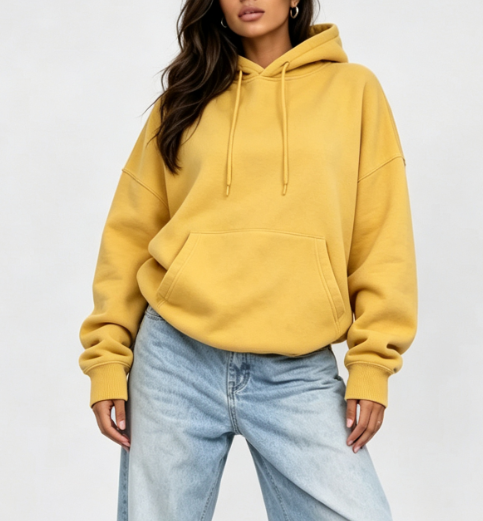
Custom hoodies for women need more than a scaled-up base pattern. We refine shoulder balance, sleeve length, body ease, mobility, and grading increments across XS–3XL, including extended-size, plus-size, and modern oversized programs for more consistent wearability throughout the size range.
- Fit-focused XS–3XL development
- Extended-size and plus-size grading
- Oversized silhouette proportion control
- Size-set review before bulk approval
Materials Matched to Your Brief
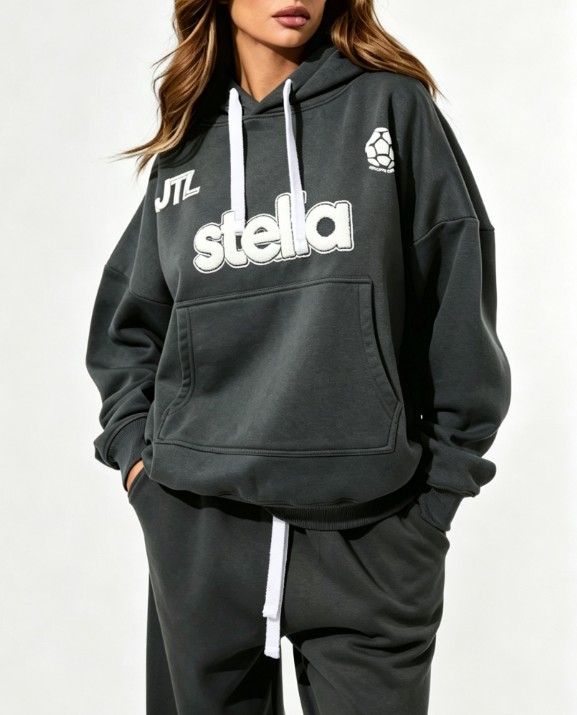
Select fleece, French terry, jersey, brushed blends, organic cotton, recycled options, or performance knits with guidance from our sourcing team. Recommendations balance target cost, weight, hand feel, durability, drape, stretch, wash results, and the brand position of your women’s hoodie collection.
- Fabric swatches and sample review
- Weight and hand-feel recommendations
- Wash-performance and anti-pilling options
- Cost-conscious material sourcing

Private Label, Fully Integrated
From 100 units per style and color, JUNSHEEN combines cut-and-sew manufacturing with in-house decoration, washing, labels, trims, packaging, quality control, and export support. This integrated workflow gives women’s hoodie brands clearer execution and dependable scalability as programs grow.
- Embroidery, screen print, DTF, and transfers
- Custom labels, drawstrings, and branded trims
- Washing, softening, and garment-dye finishes
- Final inspection and global shipping support

Why Choose JUNSHEEN for Custom Hoodies for Women
One integrated manufacturing partner for fit-led development, branded finishing, controlled quality, and scalable global production.
← 左右滑动查看 →
Custom Hoodies for Women Production Timeline
A fit-focused, production-ready workflow for private-label women’s hoodie programs, from initial review through packed goods and global export.
Review Design Feasibility
Our team reviews your tech pack, sketch, reference garment, target price, size range, decoration requirements, and 100-unit MOQ to confirm a practical production route.
Source Fabrics and Trims
We recommend fleece, French terry, jersey, rib, drawstrings, labels, and packaging based on hand feel, weight, wash performance, durability, branding, and cost goals.
Build Patterns and Samples
Pattern makers develop women’s proportions and XS–3XL grading, then produce prototype and size-set samples for fit, construction, decoration, and measurement approval.
Confirm Bulk Production
After sample approval, we lock materials, specifications, colorways, artwork, labels, and packing details before scheduling scalable cut-and-sew, knitting, printing, or embroidery production.
Inspect, Pack, and Ship
Quality teams check fabric, construction, measurements, fit, decoration, and final packed goods before branded packing and coordinated global shipment to your destination.
How to Work With Our Custom Hoodies for Women OEM Team
Move from concept to export-ready production with clear development milestones, fit review, and scalable manufacturing support.
Send Your Design Brief
Share a tech pack, sketch, reference garment, or mood board. Our team reviews construction, fit targets, fabric needs, branding details, and 100-unit MOQ feasibility.
Review Specifications and Quotation
Confirm recommended materials, sizing from XS–3XL, decoration, trims, target quantities, lead times, and pricing before development begins, with clear manufacturability guidance from our OEM team.
Approve Samples and Fit
Review prototype and size-set samples for silhouette, shoulder balance, sleeve length, hand feel, wash results, and branded details; refine specifications before bulk approval.
Confirm Bulk Production
Approve the pre-production sample, then Junsheen manages fabric sourcing, cut-and-sew, printing or embroidery, finishing, in-line inspections, and final quality control.
Arrange Global Shipment
Receive packed custom hoodies for women with agreed labels and packaging. We coordinate export documentation and shipping support for launches, replenishment, and ongoing wholesale programs.
Custom Clothing Manufacturer Credentials and Compliance Documents



Custom Hoodies for Women: Results From Global Apparel Programs
JUNSHEEN refined the shoulder balance and sleeve grading across our XS–3XL hoodie range. We reduced fit-related sample revisions from five rounds to two and launched our first 240-unit color program on schedule.
Our first 120-unit women’s hoodie order matched the approved sample closely enough that we reordered three colors within six weeks. Their retained patterns and material records made the repeat order much faster to confirm.
We moved from a mood board to a production-ready oversized hoodie sample in 18 days, including embroidery and custom labels. After the capsule sold through, JUNSHEEN scaled our next run to 1,500 units without changing the hand feel.
Custom Hoodies for Women FAQ
Clear answers on MOQ, sampling, fit development, approvals, payments, and worldwide delivery from JUNSHEEN.
What is the minimum order quantity for custom hoodies for women?
How long does it take to make a sample for custom hoodies for women?
Can I order custom hoodies for women in plus sizes or oversized fits?
What are the payment terms for a first hoodie order?
What is the production lead time after sample approval?
Can JUNSHEEN help with shipping custom hoodies for women internationally?
How do you protect designs and brand information?
What approvals happen before bulk production starts?
Complete Buyer’s Guide to custom hoodies for women
Use this practical framework to select silhouettes, fabrics, decoration, and production partners for women’s hoodie programs, compare supplier capabilities, control costs and quality, and avoid sourcing mistakes that delay launches or weaken brand positioning.
1. What Are custom hoodies for women?
100 units per style and color is a practical starting point for custom hoodies for women at a manufacturer such as JUNSHEEN. Unlike a blank sweatshirt with an added logo, a custom program specifies the garment itself: silhouette, pattern, graded measurements, fabric weight, rib proportion, hood shape, trims, labels, packaging, color, and decoration. XS through 3XL development makes the product a commercial tool for fashion labels, retailers, promotional programs, and extended-size collections. A buyer should first define the target wearer and retail price, then translate those choices into an oversized, cropped, fitted, or relaxed silhouette; a 280–350 GSM French terry hoodie, for example, serves a different price and climate position than a 350–450 GSM brushed fleece style. 2010 is the year Dongguan Junsheen Clothing Co., Ltd. was founded, and its integrated model lets brands develop from a tech pack, sketch, reference garment, or idea. Before requesting a quote, confirm the decoration method—such as screen print, puff print, embroidery, or applique—plus color count, order volume, and whether the supplier will manage pattern making, grading, sampling, material sourcing, quality control, and export rather than merely decorate purchased blanks.
2. Evolution of Women’s Hoodie Design
1930s workwear and athletic hooded sweatshirts were built for warmth, durability, and team identification; Champion is widely credited with popularizing the modern hooded sweatshirt for laborers and athletes. By the 1980s and 1990s, skate, hip-hop, and streetwear communities turned the hoodie into a graphic-led cultural garment, making screen prints, embroidery, patches, and garment washes commercial design tools. 2000s athleisure and luxury casualwear raised the sourcing bar from a basic fleece blank to a deliberate product: softer ring-spun cotton, brushed fleece or French terry, controlled shrinkage, cleaner seams, and premium trims. Current custom hoodies for women often need seasonally coordinated color stories, Pantone-matched decoration, matching sweatpants or outerwear, and fiber choices that can include organic or recycled options supported by appropriate supplier documentation. XS–3XL development cannot be treated as a scaled-down unisex block because shoulder slope, bust ease, sleeve balance, body length, pocket position, and grading increments affect both appearance and movement. A women’s fit can be cropped, relaxed, oversized, or tailored, but each requires an approved base pattern and size set; simply reducing chest width can leave an unbalanced hood, restrictive armhole, or distorted proportions. For a 100-unit-per-style-and-color capsule, sampling the intended silhouette before bulk production is usually the safer sourcing decision.
3. Types of custom hoodies for women
Six core silhouettes cover most women’s hoodie programs: pullover, zip-up, cropped, oversized, fitted, and insulated heavyweight styles. Select by wearer, layering use, climate, and price architecture before treating any format as a trend.
| Format | Best Customer | Merchandising Role | Key Construction |
|---|---|---|---|
| Pullover | Core casual buyer | Volume logo style | Pocket and hood balance |
| Zip-up | Layering customer | Premium add-on | Zip clearance and tape |
| Cropped/Fitted | Fashion-led buyer | Capsule statement | Hem stability; graded fit |
| Oversized | Streetwear customer | Hero silhouette | Drop shoulder; sleeve length |
| Heavyweight/Lined | Cold-climate buyer | Winter premium | Fleece weight; seam support |
Pullover And Zip-Up
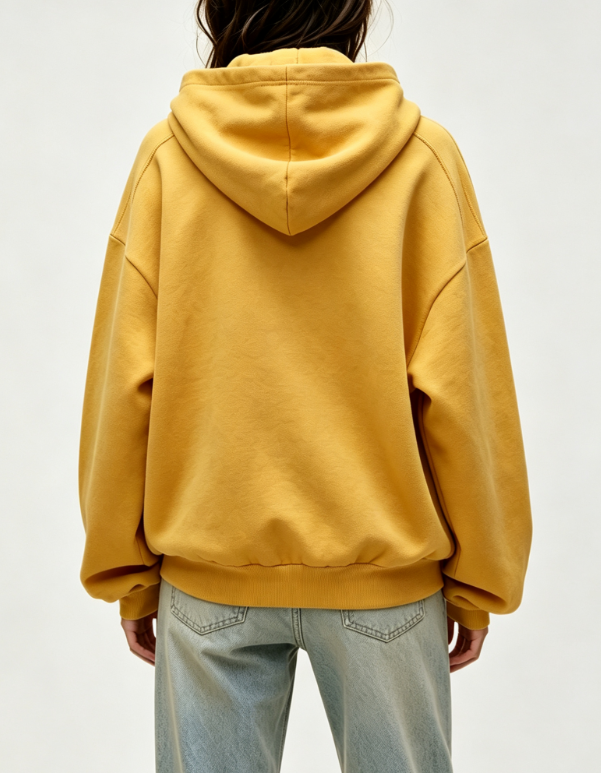
280–360 GSM pullovers suit logo-led core programs and cold-weather casualwear, with a kangaroo pocket providing a natural front graphic boundary. Zip-ups serve layering customers; specify zipper tape, zipper garage, and chest-logo clearance so decoration avoids the zip.
Cropped And Fitted

18–22 inch cropped bodies target fashion capsules and pair well with high-rise bottoms; stabilize the hem rib so it does not roll after washing. Fitted hoodies need deliberate bust, waist, and sleeve grading, making small left-chest embroidery or tonal prints safer than oversized artwork.
Oversized Profiles

8–14 cm of added chest ease creates a relaxed oversized profile for streetwear and extended-size assortments. Drop shoulders provide broad back and sleeve-print space, but confirm sleeve length, hood scale, and rib recovery through a full size set.
Heavyweight And Lined
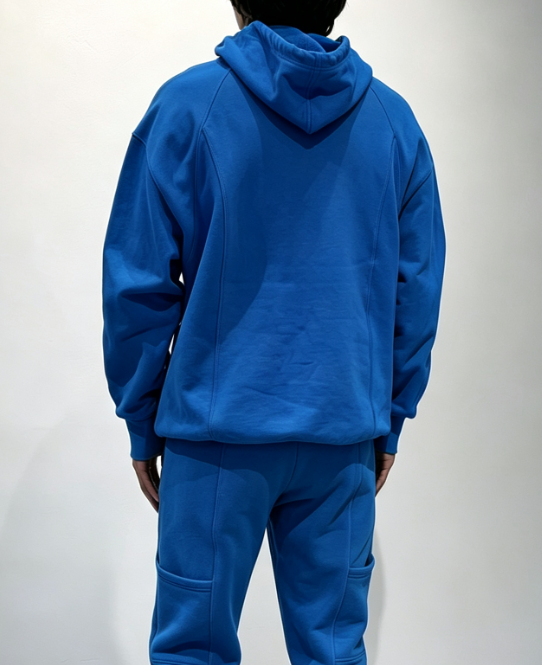
400–500 GSM brushed fleece suits winter drops, destination retail, and premium price tiers, while 280–360 GSM French terry fits milder climates. Heavy fabric needs reinforced shoulder seams and compatible embroidery backing; use large back prints, sleeve graphics, or applique without distorting the face fabric.
4. Materials for custom hoodies for women
Material selection determines whether custom hoodies for women feel premium after wear and washing, not merely at approval. Specify composition, GSM, surface finish, and intended climate before sampling.
| Fabric | Typical Weight | Best Use | Strengths | Trade-Offs |
|---|---|---|---|---|
| Ring-spun cotton | 280–340 GSM | Premium everyday | Soft hand; sharp prints | More shrinkage; slower drying |
| Organic cotton | 280–340 GSM | Certified capsule | Natural hand; traceability option | Higher cost; verify claims |
| Cotton-poly blend | 300–360 GSM | Core volume | Recovery; shape retention | Less natural hand |
| French terry | 260–320 GSM | Mild weather | Breathable; clean face | Less insulation |
| Brushed fleece | 320–400 GSM | Cold weather | Warm; plush | Pilling risk |
| Recycled poly blend | 280–350 GSM | Active or durable | Fast drying; resilient | Odor and transfer sensitivity |
Match Fabric To Season
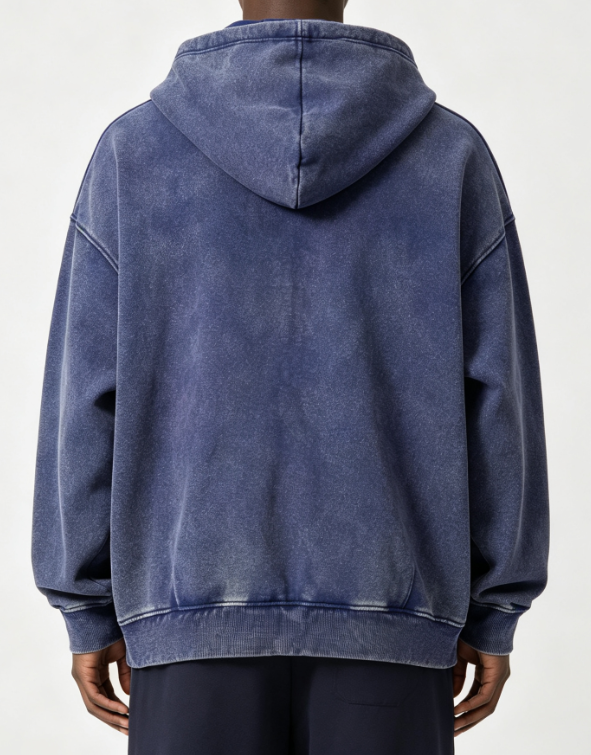
260–320 GSM French terry has unbrushed loops, breathable midweight warmth, and a clean print surface for spring, travel, and layering. 320–400 GSM brushed fleece traps more air for cold-weather styles but can pill if the face yarn, brushing, or wash testing is weak.
Assess Fibers And Finishes
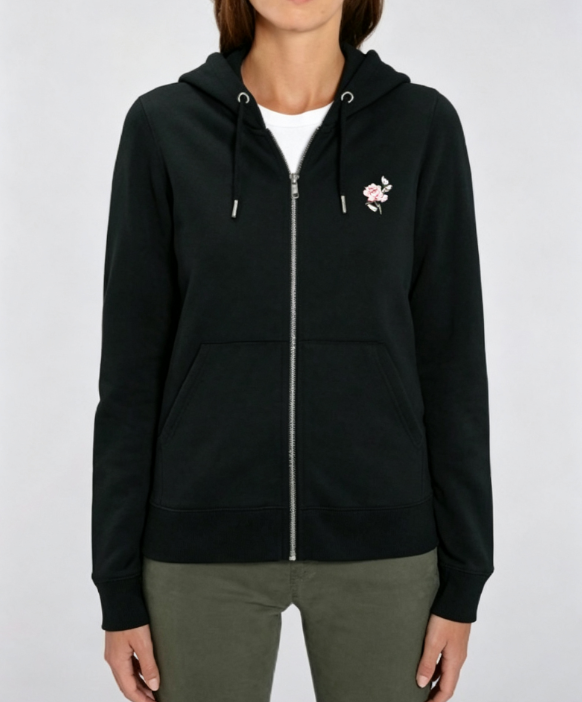
100% ring-spun cotton gives a soft, natural hand and excellent screen-print results; organic cotton follows the same performance logic, subject to verified certification. Cotton-poly blends improve recovery and reduce shrinkage, while recycled polyester increases durability but may retain odor and can show heat marks under poorly controlled transfers.
Specify Production-Ready Performance
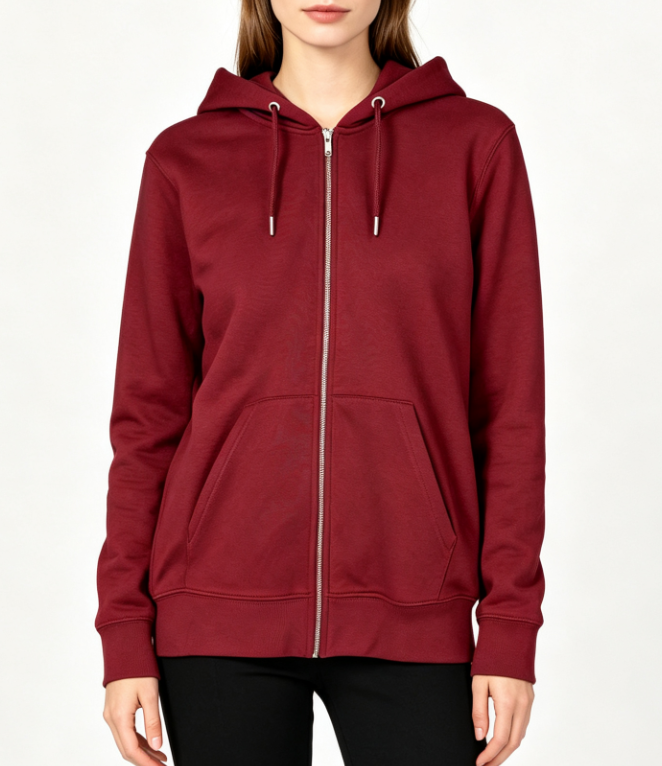
280–360 GSM is the practical starting range for most year-round programs. Request pre-shrinking, anti-pilling treatment, and wash testing against the approved color and decoration. Performance knits with moisture management or stretch suit active-led hoodies, but their slicker face may require ink, transfer, and cure-temperature trials before bulk approval.
5. Customizing custom hoodies for women
A 100-unit style-and-color starting point gives emerging labels room to build a distinct hoodie without overcommitting inventory. Lock the color, fit, trim, artwork, and packaging specifications together before approving the production sample.
| Method | Best Artwork | Durability | Order Scale | Visual Impact |
|---|---|---|---|---|
| Screen print | Bold vector colors | High | 100+ | Clean, opaque |
| Embroidery | Logos and linework | High | 100+ | Textured, premium |
| DTG | Detailed full-color art | Medium | Small runs | Soft photographic |
| Transfers | Fine detail or names | Medium-high | Small to mid | Crisp |
| Appliqué | Varsity shapes | High | Mid to bulk | Layered |
| Patches | Badges and emblems | High | Mid to bulk | Tactile |
| Puff or silicone | Simple accent graphics | High | 100+ | Raised, technical |
Build The Garment Identity

Pantone-approved body colors keep reorders consistent, while garment dye, acid wash, or contrast panels create a more individual finish. Match rib color and weight to the shell so cuffs and hem recover cleanly. Three visible trims—drawcords, zipper finish, and pocket treatment—often communicate more brand character than another chest graphic. Specify metal versus nylon zippers, cord tips, and rib proportions in the tech pack.
- Garment dye for washed tonal character
- Contrast panels for sport or color-block stories
- Custom drawcords and zipper pulls for recognition
Choose Decoration By Artwork

Screen print suits bold vector art and repeatable colorways; embroidery adds dimension but needs stable backing and sensible stitch density. Approve artwork at actual placement size, not only on a screen.
Maintain A Brand System
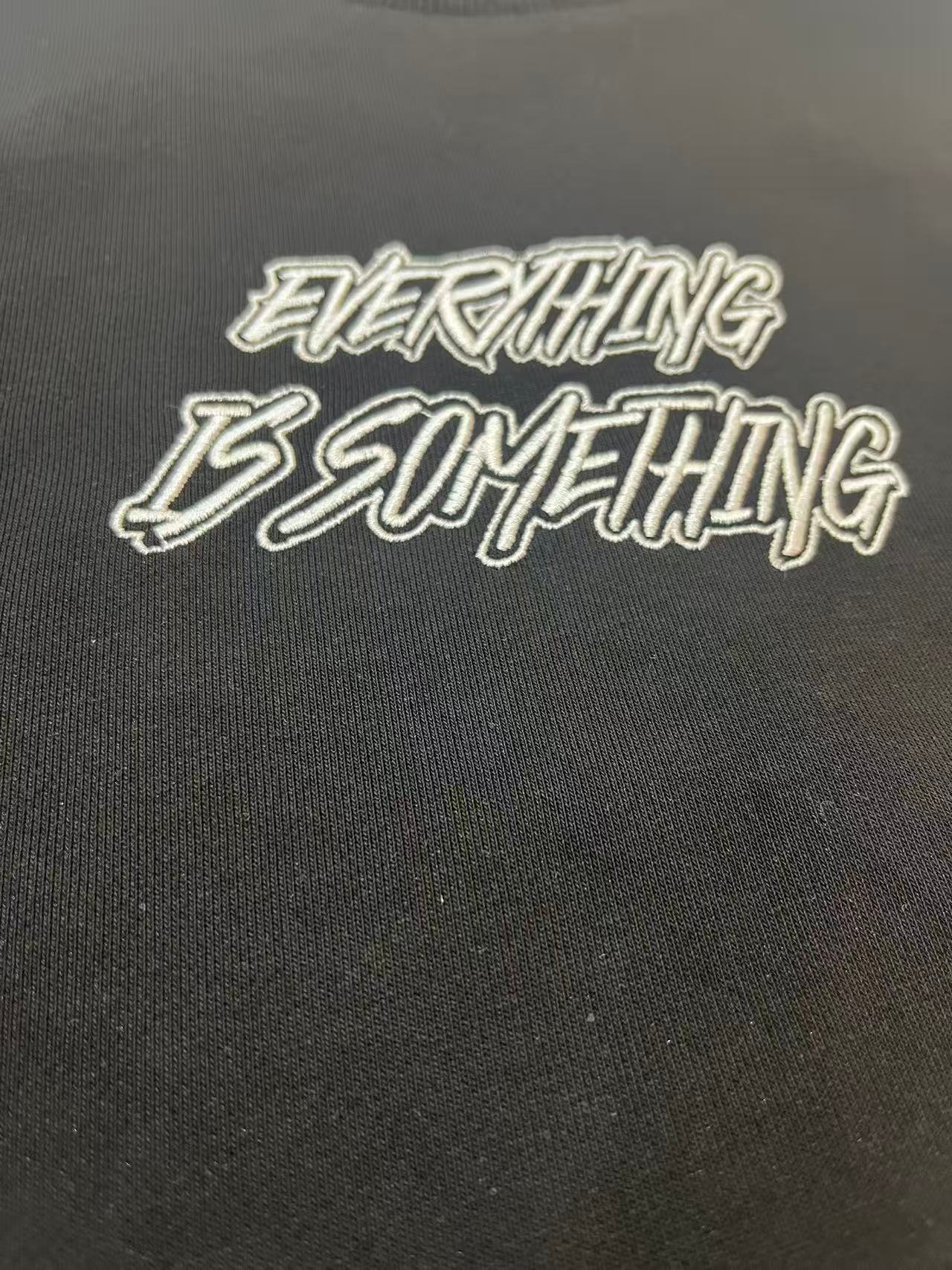
Three placement zones—left chest, back, and sleeve—should share one logo scale rule, type treatment, and color palette. Reserve the strongest graphic for one focal point; competing placements make even premium custom hoodies for women look unfocused. XS through 3XL requires graded placement measurements, not a single fixed print position. Confirm label hierarchy, wash-care copy, hangtag stock, and branded packaging alongside the size set.
6. Construction Quality That Matters
Construction quality should be approved against a sealed sample, not a showroom impression. For custom hoodies for women, separate premium visual cues from controls that prevent shrinkage, seam failure, fit drift, and color variation in bulk.
Essential Durability Controls
5–8% wash shrinkage is a common risk in cotton-rich fleece unless fabric is pre-shrunk and tested. Confirm post-wash chest, body length, sleeve length, twist, pilling, and shade change against agreed tolerances. 8–10 stitches per inch is a practical baseline for many hoodie seams; stress points need bar tacks or reinforced coverstitch. Inspect shoulder seams, pocket corners, underarm joins, zipper ends, and drawcord exits after wash testing.
- Require a measured post-wash sample
- Check seam opening under moderate stretch
- Approve shrinkage tolerance by measurement point
Fit And Component Approval

2 matching size-set garments should be reviewed before bulk: a core size and the largest planned size. Grade shoulder width, sleeve length, body sweep, hood opening, and pocket position rather than merely enlarging the base pattern. 1×1 or 2×2 rib cuffs and hem should recover after repeated stretch without waviness. For zip hoodies, test zipper glide, tape flatness, top-stop security, drawcord end finishing, and left-right pocket alignment.
- Verify hood depth and center-seam symmetry
- Check pocket corners align to center front
- Specify zipper brand or performance standard
Visible Premium Cues
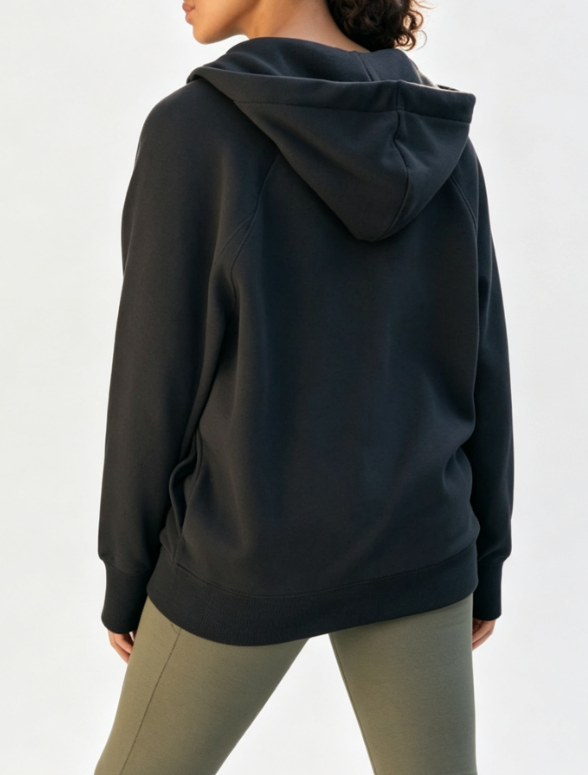
Pantone-approved lab dips should be signed off before cutting, especially for black, pastels, and garment-dyed programs. Compare panels under consistent lighting to catch shade banding, uneven brushing, and mismatched rib tones. 3 visible cues—clean topstitching, symmetrical hood shape, and flat rib edges—signal care immediately. They complement, but never replace, wash testing, measurement checks, and in-line inspection.
- Review stitching at neckline and pocket edges
- Compare body, hood, and rib color
- Inspect decoration registration after washing
7. Choosing a Hoodie Manufacturer
A 100-unit minimum can suit a color-and-style test, but it is only useful when the factory can control fit, fabric, and repeatability. Evaluate custom hoodies for women suppliers as development partners, not quote sheets.
Verify Category Capability
100-unit MOQ flexibility should be paired with hoodie-specific pattern making, grading, fleece or French terry sourcing, and decoration control. 2010-founded Junsheen combines development, sampling, cut-and-sew production, QC, packaging, and export support; ask each supplier which steps are handled in-house.
- Can they develop XS through 3XL?
- Can they match a reference sample?
- Which hoodie fabrics and finishes are routine?
Ask Before Quoting
1 complete request should state target quantity by color, size range, fabric weight, decoration locations, labels, packaging, and delivery country. 2 samples are often more revealing than a price list: request measurement tolerances, wash testing, Pantone matching method, sample lead time, and bulk lead time in writing.
- What is the MOQ per style and color?
- Who approves the pre-production sample?
- What compliance documents are available?
- Which Incoterm and freight options apply?
Compare Total Production Risk
80,000-plus monthly units indicate capacity, but reserve capacity, critical-path timing, and inspection checkpoints matter more than a headline figure. 3 comparisons—sample accuracy, communication speed, and defect-response process—usually expose more risk than the lowest FOB unit price. Confirm export-market experience and whether fabric, measurement, decoration, and packed-goods inspections are documented.
8. Common Buyer Mistakes to Avoid
Most avoidable bulk problems begin before a purchase order: fit, fabric, color, artwork, and quantity decisions are approved without production-level controls. Treat the sample stage as a technical gate, not a visual preview.
Copying Unisex Measurements
XS–3XL women’s grading cannot be created by simply shrinking a unisex block; shoulders, sleeve pitch, body length, and bust ease change differently. The result is often a dropped shoulder or restrictive chest. 1 complete measurement spec should define points of measure, grade rules, and allowed tolerances. Approve a graded size set on relevant fit models before bulk.
Buying Fabric On Price
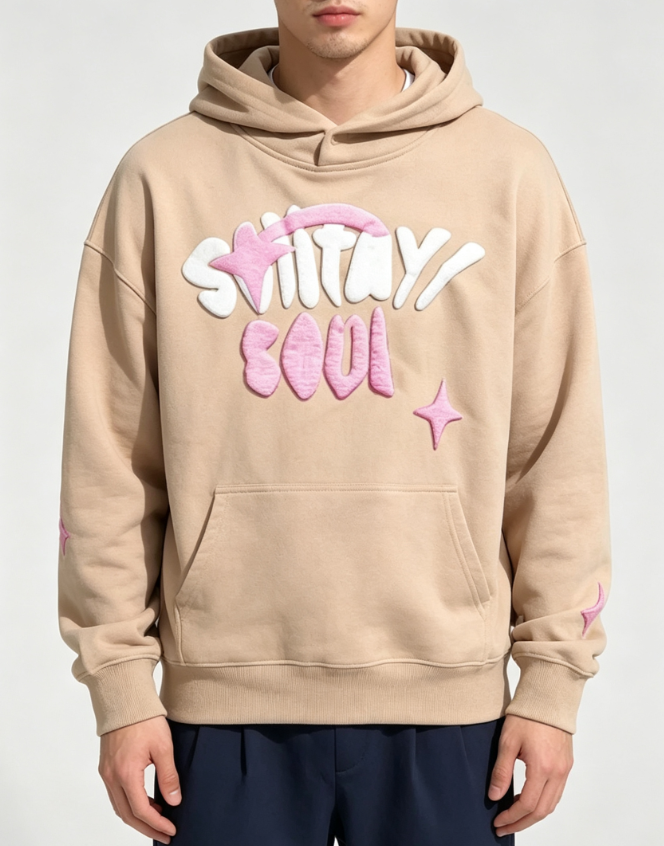
280–320 GSM fleece may feel economical at quotation but can pill, shrink, or lose recovery after washing. Compare composition, loopback or brushed construction, hand feel, and wash results alongside price. 1 washed fabric standard should accompany the approved sample. Confirm shrinkage, spirality, colorfastness, and anti-pilling expectations before cutting.
Approving Artwork And Color
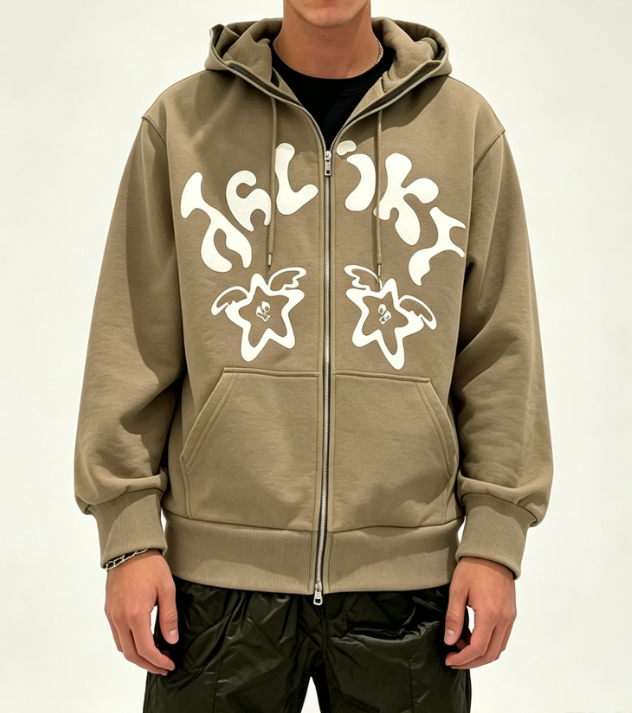
1 digital mockup cannot prove that puff ink, high-density print, or embroidery will hold fine lines on fleece. Submit production-size artwork and approve a strike-off on the actual garment color. Pantone approvals need controlled lighting because screens and lab dips vary. Sign off on a physical color standard, print placement measurements, and wash-tested decoration.
Misreading MOQ And Documentation
100 units per style and color is not usually 100 units spread across an entire assortment. Confirm the MOQ by colorway, fabric, decoration, and size breakdown before forecasting inventory. 1 production-ready tech pack prevents assumptions between sampling and bulk. Include bill of materials, artwork files, construction details, measurement chart, tolerances, labels, packaging, and revision dates.
9. Launching custom hoodies for women
A 100-unit first run is most reliable when the assortment, fit target, and approval gates are fixed before bulk booking. For custom hoodies for women, treat sampling as a decision process, not a photo opportunity.
Define The Launch Assortment
2–3 colorways keep a first capsule manageable while still giving customers choice. Set the 100-unit minimum by style and color with the manufacturer before allocating sizes.
- Name the customer, price point, and competitor references
- Collect front, back, detail, and fit reference images
- Choose launch colors using Pantone references
- Build a provisional XS–3XL size curve
Build Production-Ready Specifications
1 complete tech pack should state measurements, tolerances, construction, artwork placement, labels, and packaging. Add flat sketches plus a bill of materials so quotation and sampling use the same version.
- Target fabric weight and composition
- Hood, pocket, rib, and drawcord details
- Print or embroidery files at final scale
- Main, size, wash-care, and hang-tag artwork
Approve Fit And Decoration

1 prototype validates silhouette, fabric hand, and construction before costly revisions. Review shoulder balance, sleeve length, body proportion, and grading rather than simply enlarging a base size. 2 approvals should precede bulk: a decoration strike-off and a pre-production sample in approved materials. Compare measurements, wash results, logo color, placement, and packed presentation against the signed specification.
- Record every revision by dated version
- Approve Pantone colors and artwork placement
- Keep one signed sample as the bulk standard
Control Bulk And Reorders
100 units per style and color can support a capsule launch; reserve larger color expansion for proven demand. Confirm inspection checkpoints for incoming fabric, in-line sewing, measurements, decoration, and final packed goods. 30–60 days before delivery, create product photography, size-chart copy, care instructions, and launch inventory allocations. Retain approved patterns, graded size sets, material records, and sales data so reorders can correct size curves or replenish winning colors quickly.
- Book delivery around campaign and freight dates
- Set defect and measurement acceptance rules
- Track sell-through by size and color
10. Custom Hoodies Pricing and Costs
100 units per style and color is Junsheen’s practical starting point for a capsule, but a dependable quote begins with the approved tech pack, size range, fabric, decoration artwork, labels, packing method, destination, and Incoterm. Unit cost normally falls as the same style is spread across larger runs, while each added colorway, print location, or custom component can add setup, material, and handling cost. 280–360 GSM brushed fleece usually costs more than 240–320 GSM French terry because yarn, knitting, brushing, shrinkage control, and garment weight all rise. Puff embroidery, high-density screen print, silicone, YKK zippers, custom metal hardware, individual polybags, and extended-size grading should be priced as defined specifications—not assumed inclusions. 3 freight variables—carton volume, chargeable weight, and shipping mode—can materially change landed cost even when the ex-factory garment price is unchanged. Confirm fabric composition, Pantone colors, measurement tolerances, decoration technique, packaging, inspection standard, and delivery terms before comparing supplier quotations.
| Quantity tier | Indicative unit-price driver | Planning lead time | Usually quote separately or confirm |
|---|---|---|---|
| 100–299 units | Highest development and setup share | 25–40 days after approval | Sample, freight, special trims |
| 300–999 units | Better fabric and labor allocation | 20–35 days after approval | Extra colors, print screens, size-set complexity |
| 1,000+ units | Best repeat-style efficiency | 20–35 days after approval | Sea or air freight, duties, branded packaging |
Start Your Custom Hoodies for Women Sampling Project
Send your tech pack, reference, or idea for feasibility review, sampling guidance, and a tailored 100-unit MOQ manufacturing quote.