
T-Shirt Screen Printing Service for Brand-Ready Custom Apparel
Launch printed T-shirts from 100 units per style and color with JUNSHEEN’s one-stop t-shirt screen printing service, fit development, labels, and global production support.
Featured Products for t-shirt screen printing service Development


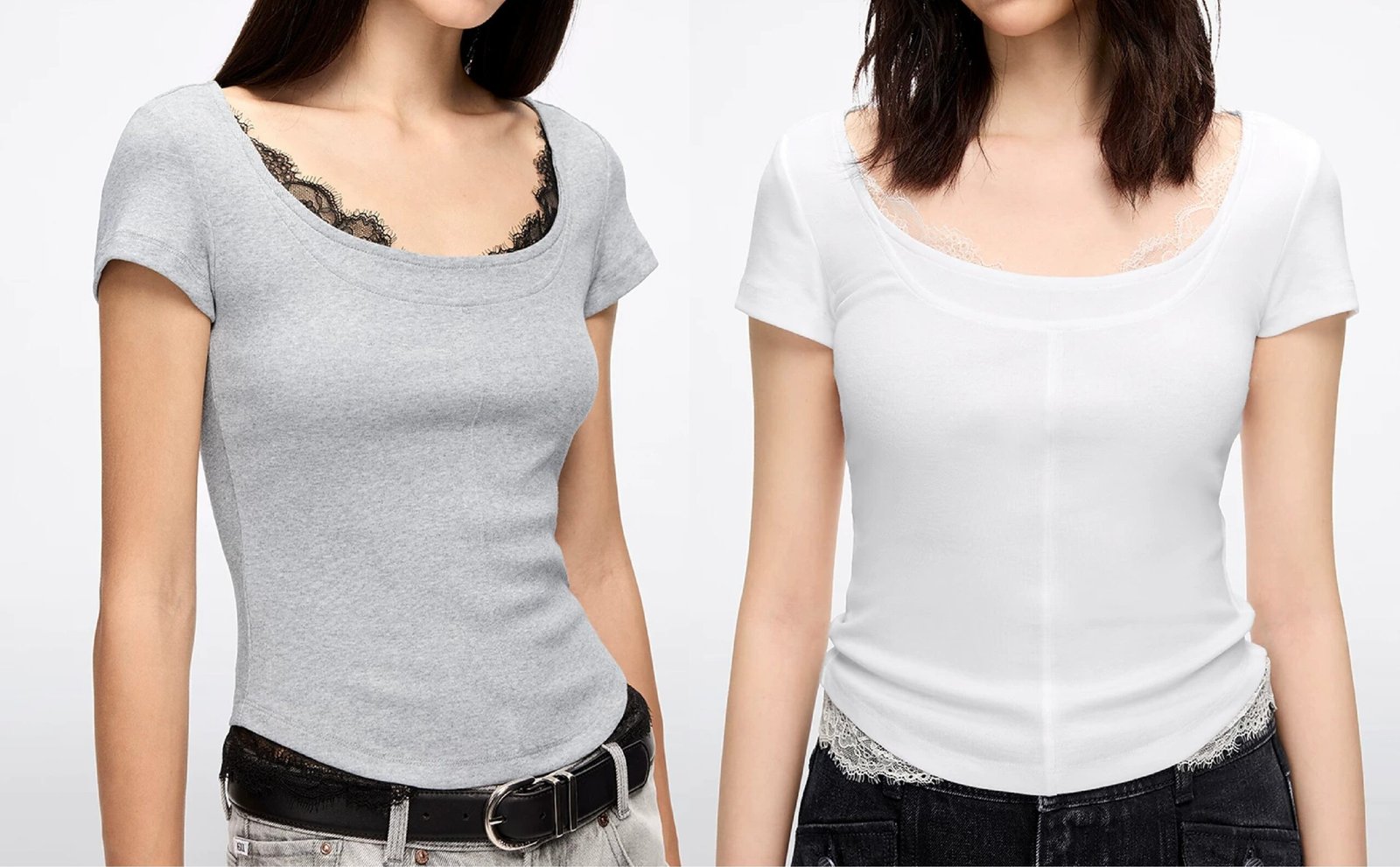


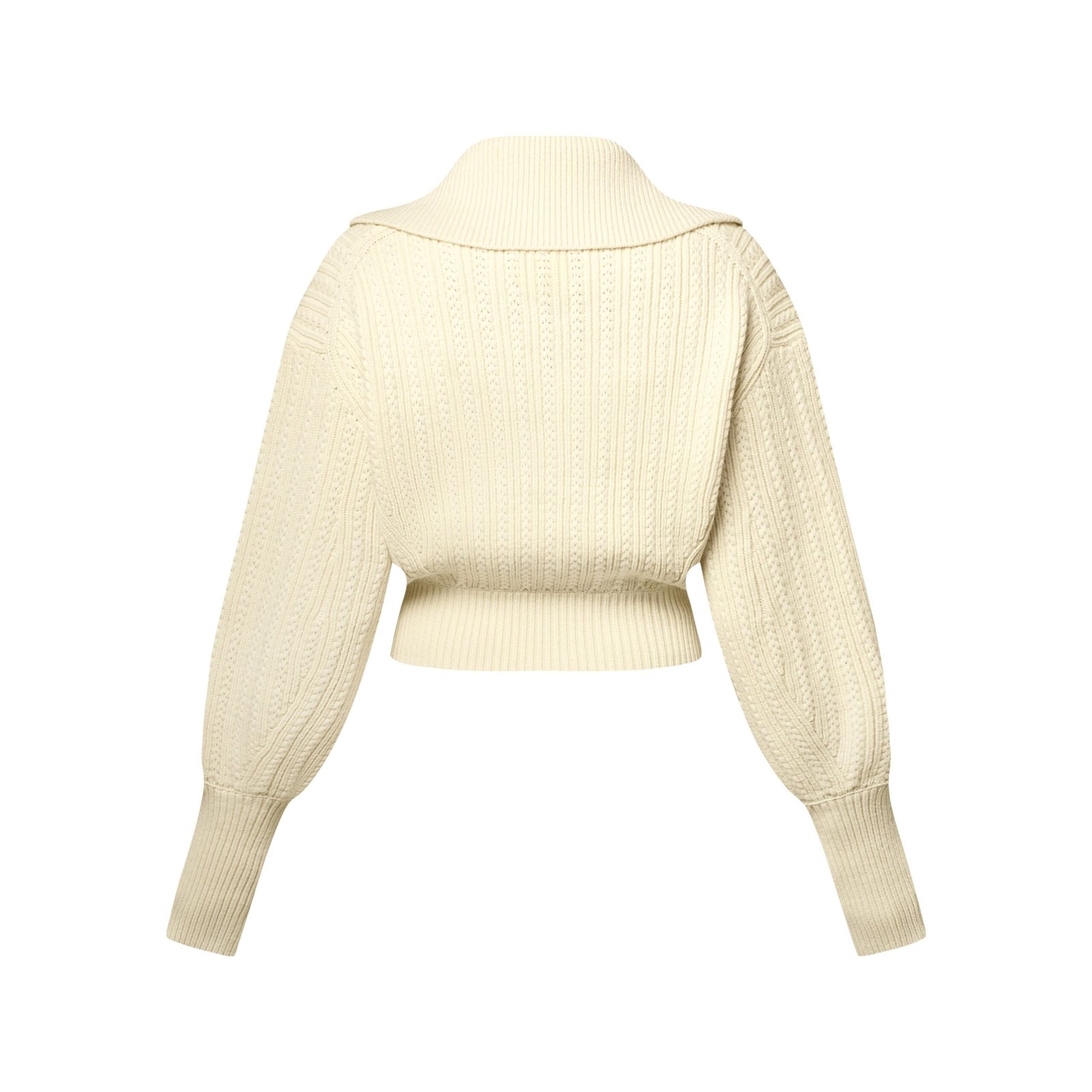


T-Shirt Screen Printing Service Catalogue & Quotation





Why Brands Choose JUNSHEEN for T-Shirt Screen Printing Service
From first samples to repeat bulk orders, JUNSHEEN combines low-MOQ flexibility, fit-led development, controlled decoration, and dependable global delivery.
100-Unit MOQ Flexibility
Launch capsules from 100 units per style and color, then scale successful screen-printed T-shirt programs into ongoing bulk production.
Fit-Focused Size Development
Pattern makers refine proportions and grading from XS to 3XL for standard, oversized, extended-size, and plus-size printed T-shirts.
In-House Print Options
Choose plastisol, water-based, puff, flocking, silicone, high-density, foil, or discharge effects with practical guidance for your artwork.
Production Quality Control
Inspections cover fabric, construction, measurements, fit, print placement, decoration quality, and packed goods before final release.
Private-Label Ready
Complete each T-shirt screen printing service order with custom labels, hang tags, trims, branded packaging, and export-ready documentation.
Global Export Support
Work with an experienced Dongguan production team serving worldwide fashion brands, with coordinated shipping support from sampling through delivery.
Custom Apparel for Screen Print Programs
Build coordinated capsule, retail and wholesale assortments with production-ready fits, print methods, finishing options and low minimums from 100 units per style and color.

Custom Hoodies
Develop custom hoodies in fleece, French terry or heavyweight cotton blends for branded capsules and ongoing programs. Screen printing, puff effects, embroidery, custom labels and wash finishes can be specified alongside fit-focused XS–3XL grading.
Request a Quote
Custom T-Shirts
Produce custom tshirt programs in jersey, combed cotton, Pima cotton or blended fabrics. Choose plastisol, water-based, high-density, puff, DTG or DTF decoration, then approve fabric weight, silhouette, size grading and private-label details before bulk production.
Request a Quote
Custom Jeans
Manufacture custom jeans in rigid or stretch denim with brand-specific rises, leg shapes, washes and hardware. Screen-printed artwork, patches, embroidery, labels and finishing can support coordinated denim collections from development through export packing.
Request a Quote
Custom Sweaters
Source turtle neck sweater bulk programs in knit constructions selected for gauge, hand feel, warmth and shape retention. Junsheen supports custom fit development, woven labels, embroidery, patches and coordinated decoration for retail or wholesale sweater assortments.
Request a Quote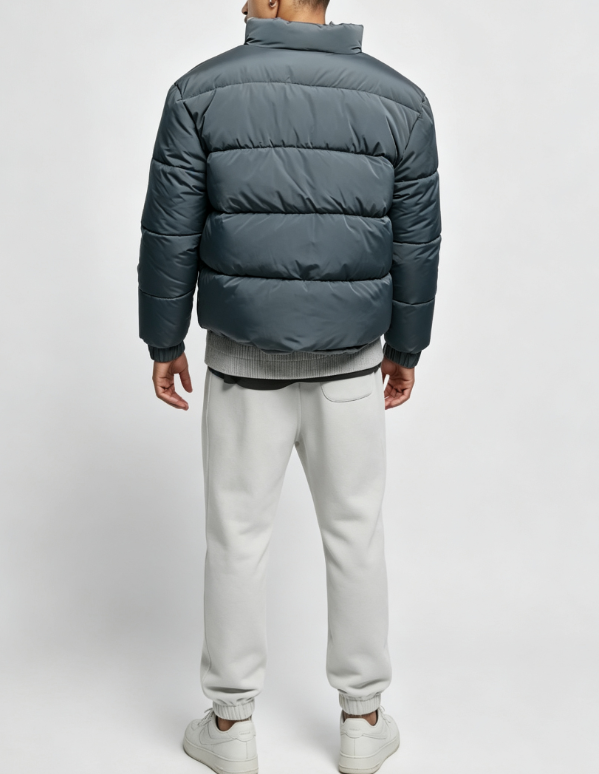
Custom Jackets
Develop a custom jean jacket with selected denim weight, silhouette, wash treatment, closures and branded trims. Add screen-printed panels, back artwork, embroidery, patches or labels while maintaining consistent measurements across approved size ranges.
Request a Quote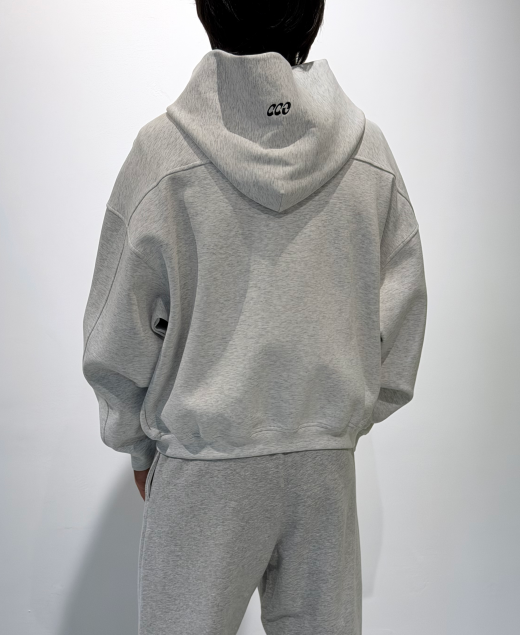
Custom Sweatshirts & Crewnecks
Produce custom crewneck hoodie and sweatshirt styles in fleece or French terry for print-led collections. Specify crewneck or hooded construction, rib trims, garment weight, screen-print placement, wash effects and XS–3XL grading for repeatable bulk orders.
Request a Quote
Custom Cardigans
Create custom cardigan programs in sweater constructions matched to your target price, drape and durability. Development can include button selection, knit gauge, fit grading, logo embroidery, patches, woven labels and packaging for branded assortments.
Request a Quote
Custom Puffer & Down Jackets
Manufacture custom puffer jacket programs with selected shell fabric, insulation, quilting layout, linings and hardware. Add screen-printed graphics, reflective details, embroidery, labels and branded packaging after sample approval for seasonal outerwear production.
Request a Quote
Custom Denim Shorts
Build custom jean shorts in rigid or stretch denim with approved inseams, rises, hem treatments and washes. Screen printing, embroidery, patches, custom hardware and labels help extend a denim program into warm-weather retail and wholesale assortments.
Request a Quote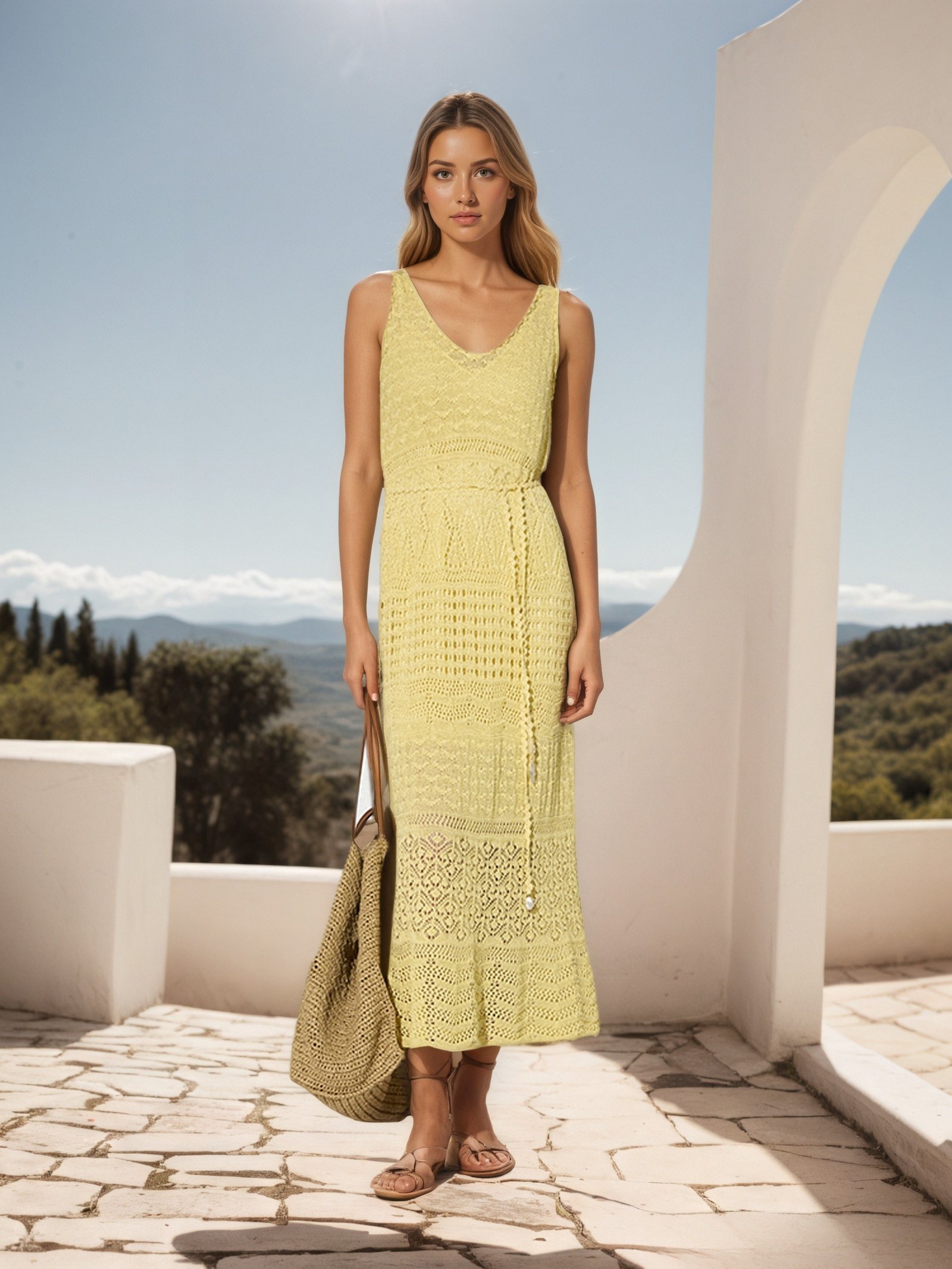
Custom Sweater Dresses
Develop custom sweater dresses with knit structures, lengths and body proportions suited to your customer. Junsheen supports size grading through XS–3XL, plus-size and oversized options, along with labels, trims, embroidery and coordinated finishing details.
Request a Quote
Custom Denim Sets
Produce mens denim suits wholesale programs as matched denim sets with aligned fabric, wash, color and fit standards. Develop jackets and jeans together, then add screen-printed graphics, patches, embroidery, branded trims and export-ready packing.
Request a Quote
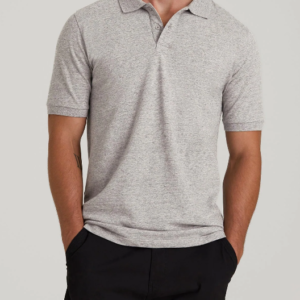
Custom Polo Shirts
Manufacture custom polo shirts in piqué, jersey or performance knit fabrics for retail, uniforms and promotional ranges. Specify collar construction, plackets, contrast details, screen printing, embroidery, labels and graded fits before confirming bulk quantities.
Request a Quote
Custom Sweatpants
Produce custom sweatpants in fleece, French terry or jersey with approved rise, taper, pocket layout and elastic details. Screen printing, puff ink, embroidery, garment dye and branded drawstrings can align bottoms with hoodie and sweatshirt programs.
Request a Quote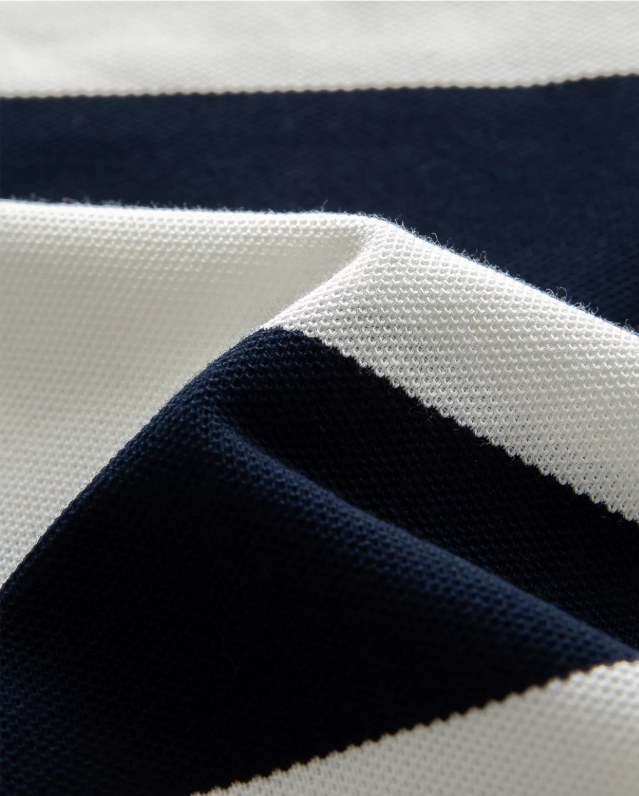
Custom Shorts
Develop custom shorts in jersey, fleece, twill or woven fabrics for coordinated casualwear assortments. Confirm inseam, waistband, pockets, fabric weight and screen-print placement, then add labels, trims, washes or embroidery for private-label production.
Request a Quote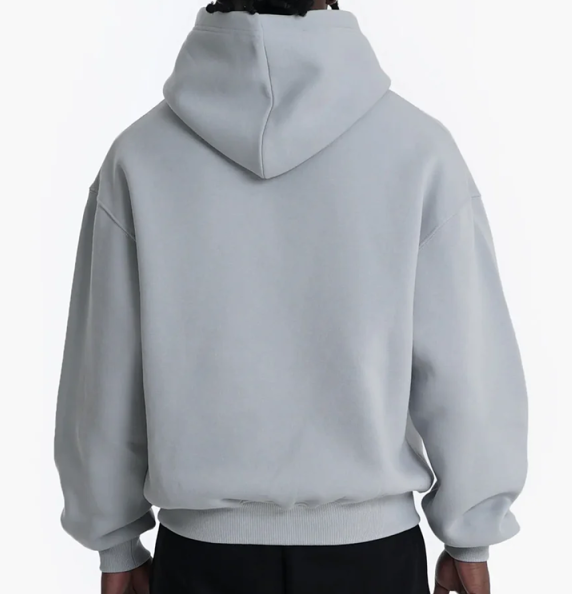
Custom Pullovers
Manufacture custom pullovers across fleece, French terry, jersey and sweater constructions. Junsheen supports print-ready panels, embroidery, patches, wash effects, custom labels and fit development from XS through 3XL for capsule or volume programs.
Request a QuoteT-Shirt Screen Printing Service Materials for Every Brand

Combed Cotton Jersey
A soft, breathable everyday jersey for core logo tees, promotional capsules, and retail basics. Available in light to heavyweight constructions, its smooth face supports clean screen-print detail and dependable wash performance.

Organic Cotton Jersey
A natural-feel option for sustainability-led collections, premium basics, and responsibly positioned merchandise. Organic cotton jersey offers breathable comfort and a matte print surface, with weight selected to balance drape, opacity, and durability.

Pima Cotton Jersey
A refined, exceptionally soft jersey for elevated branded T-shirts and premium retail programs. Longer fibers create a smoother hand feel and cleaner surface, helping detailed prints look crisp while maintaining comfortable drape.

Cotton Blend Jersey
A versatile fabric for fashion tees, fitted silhouettes, and high-volume branded programs. Cotton blends can add stretch, recovery, or durability, while tailored fabric weights support consistent fit and practical screen-print adhesion.

Performance Knit
A moisture-managing option for activewear, event apparel, and technical casualwear. Performance knits provide lightweight breathability and controlled stretch, with fabric selection matched to the print method, movement needs, and intended wear conditions.

Recycled Blend Jersey
A lower-impact material choice for conscious collections, uniforms, and promotional apparel. Recycled fiber blends can deliver soft everyday comfort and durable construction, with composition and weight reviewed to ensure reliable print results.
T-Shirt Screen Printing Service & Decoration Techniques


Plastisol Screen Print
Plastisol screen printing delivers saturated color, sharp graphic edges, and dependable wash durability. It is a versatile choice for bold logos, detailed artwork, and consistent production across large t-shirt programs.

Puff High-Density Print
Puff and high-density inks create raised, dimensional graphics that add tactile impact to logos and statement artwork. Controlled application preserves clean edges while delivering a durable premium streetwear effect.

Silicone Foil Effects
Silicone and foil applications introduce flexible rubberized texture or reflective metallic contrast. These finishes help brand marks stand out on tees, performance apparel, and elevated promotional collections with distinctive visual depth.

Discharge Specialty Printing
Discharge printing removes dye from suitable dark cotton garments to create soft, embedded artwork with minimal ink feel. Specialty effects can be matched to fabric, color, and desired vintage or premium fashion finish.

DTG DTF Transfers
DTG, DTF, and heat-transfer options support complex full-color artwork, gradients, and smaller production runs. Our team recommends the best method based on fabric composition, artwork detail, placement, and expected durability.
Custom Trims for Your T-Shirt Screen Printing Service

Woven Labels
Add custom main, size, and wash-care labels to reinforce your identity and provide clear fiber, care, and sizing information for private-label screen-printed T-shirts.

Branded Hang Tags
Custom hang tags create a polished retail presentation for launches, wholesale deliveries, and store-ready assortments. Choose branded artwork, stock, finishes, strings, and product messaging that suit your collection.

Custom Patches
Use embroidered, woven, leather, or printed patches on chests, sleeves, hems, and back necks to add dimensional branding alongside screen-printed artwork without compromising garment comfort.

Drawcord and Tipping
For hooded or layered screen-print programs, custom drawcords, metal tips, and color-matched tipping provide a cohesive premium detail across companion hoodies, sweatshirts, and casualwear sets.

Zippers and Snaps
Select branded zippers, snap buttons, pulls, and hardware for overshirts, jackets, and zip styles within your collection. We align trim quality, finish, and function with target cost.
Branded Packaging
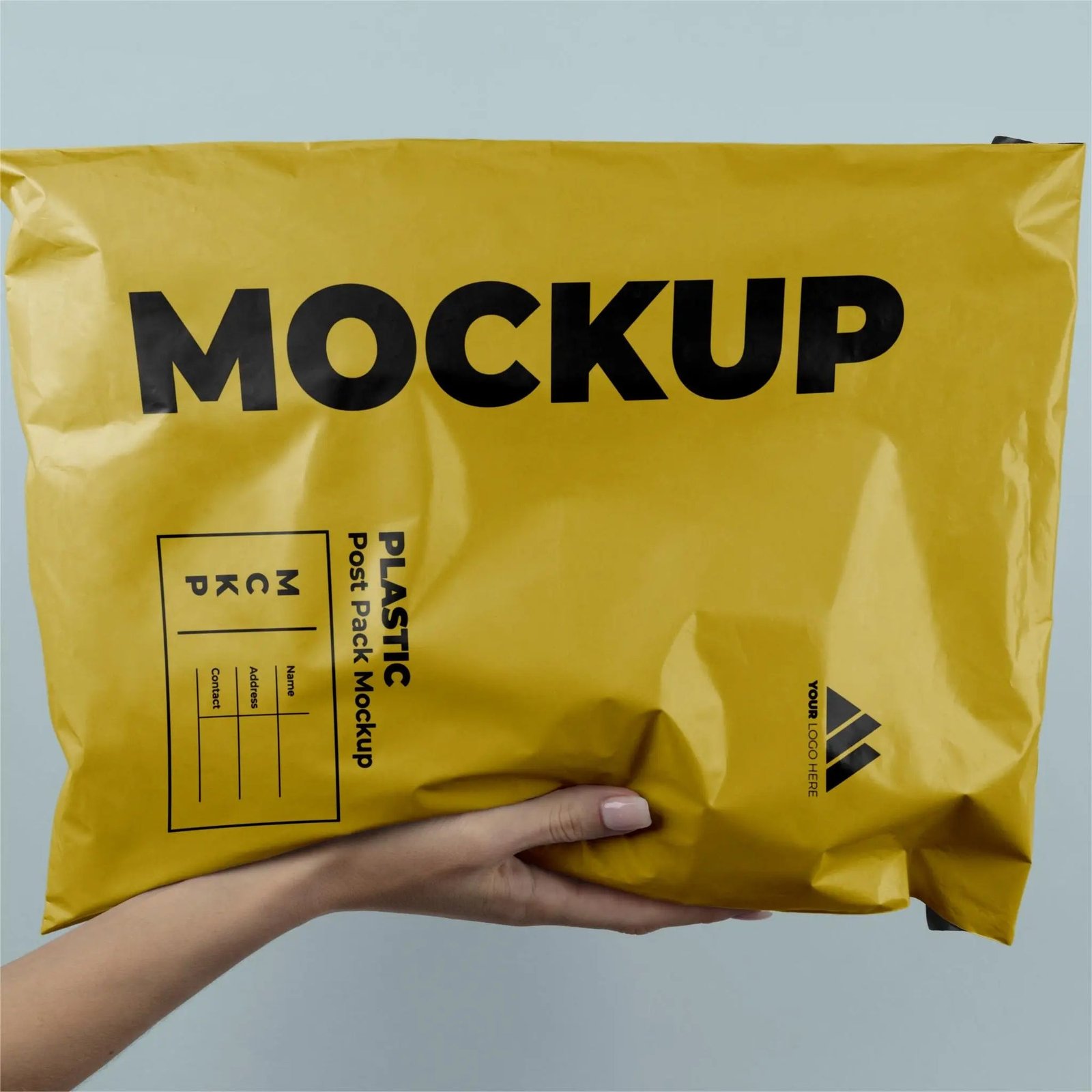
Complete bulk orders with custom polybags, stickers, tissue, cartons, and packing inserts. Branded packaging helps protect finished goods and delivers a consistent unboxing experience for retail or direct fulfillment.
About JUNSHEEN T-Shirt Screen Printing Service
Founded in 2010 in Humen Town, Dongguan, JUNSHEEN delivers a t-shirt screen printing service backed by a complete OEM, ODM and private-label apparel supply chain. We help emerging labels, retailers and established brands turn production-ready concepts, references and tech packs into dependable custom casualwear.
Our 200+ skilled workers and monthly capacity exceeding 80,000 units support programs from 100 units per style and color to ongoing bulk production. Cut-and-sew, fabric sourcing, pattern development, screen printing, embroidery, washing, labeling, packaging and final inspection are coordinated through one experienced manufacturing team.
What distinguishes JUNSHEEN is fit-focused development alongside decoration expertise. We refine XS–3XL, extended-size, plus-size and oversized patterns for balanced proportion, then manage print execution and quality control with the same attention to detail. More than 2,000 fashion-brand clients have relied on our global export support.

T-Shirt Screen Printing Service Capabilities That Protect Consistency
Fit Before Full Production
Every t-shirt screen printing service begins with production-ready fit development, not a generic blank. JUNSHEEN reviews measurements, fabric behavior and print placement through samples, then refines patterns and grading from XS to 3XL before bulk approval.
- Fit-focused patterns for regular, oversized and extended-size silhouettes
- Size grading refined for shoulder balance, body proportion and mobility
- Prototype, size-set and pre-production samples available before bulk runs

Fabric Matched to the Print
Fabric selection affects print opacity, hand feel, wash performance and the final garment silhouette. Our sourcing team recommends jersey, heavyweight cotton, blends and specialty options around your target price, artwork, garment weight and intended market.
- Cotton, organic cotton, combed jersey and blended fabric options
- Swatches and sample garments support informed material approval
- Recommendations balance print results, durability, drape and cost

Controlled Print Execution
JUNSHEEN manages screen printing alongside cut-and-sew production, so artwork and garment construction are aligned from the start. We select the appropriate ink system and process for color coverage, texture, detail and the desired retail finish.
- Plastisol, water-based, puff, silicone, foil and discharge effects
- Print placement checked against approved measurements and artwork
- In-house decoration coordination reduces handoff errors and delays

Quality Checks That Scale
From a 100-unit launch to repeat bulk programs, inspections follow the garment through fabric receipt, construction, measurements, decoration and final packing. Retained patterns, graded size sets and material records help keep approved standards consistent on future orders.
- Incoming, in-line and final packed-goods quality inspections
- Checks cover measurements, fit, print quality and garment construction
- 200+ skilled workers and 80,000+ monthly units support scalable production

Why Choose JUNSHEEN for T-Shirt Screen Printing Service
Built for fit-led private-label development, controlled decoration, and repeatable global production.
← 左右滑动查看 →
T-Shirt Screen Printing Service Production Process
From feasibility review to export-ready packing, JUNSHEEN manages each stage in one coordinated apparel supply chain.
Review Design Feasibility
Our team reviews artwork, specifications, target fit, quantities, print placement, and cost requirements, then confirms a practical development route for your program.
Source Materials And Samples
We recommend suitable jersey, cotton, blends, trims, and print methods, then develop samples for fit, color, hand feel, and artwork approval.
Finalize Patterns And Production
Approved specifications move into graded XS–3XL patterns, bulk material booking, cutting plans, and production scheduling for orders from 100 units per style.
Print And Construct Garments
Cut panels receive controlled screen printing before garment assembly, with in-house teams coordinating plastisol, water-based, puff, foil, or specialty effects.
Inspect Pack And Export
We check measurements, construction, print quality, finishing, labels, and packed goods before arranging branded packaging and global export shipment.
Start Your T-Shirt Screen Printing Service Project
Send Your Design Brief
Share a tech pack, sketch, reference garment, artwork, size range, quantity, and target market so our team can review feasibility and recommend materials.
Confirm Specifications and Quote
Review fabric, fit, colors, print technique, trims, packaging, MOQ, and lead time with our specialists before receiving a clear production quotation.
Approve Your Sample
We develop patterns, grade XS–3XL sizing where needed, and produce a sample for you to assess fit, hand feel, construction, and print quality.
Launch Bulk Production
After approval, Junsheen manages fabric sourcing, screen printing, cut-and-sew production, labels, finishing, and in-line quality control across your confirmed order.
Inspect and Ship Globally
Final packed goods undergo measurement, decoration, and appearance checks before export coordination, helping your screen-printed T-shirts arrive ready for retail or distribution.
Custom Clothing Manufacturer Credentials and Compliance Documents




T-Shirt Screen Printing Service Results from OEM Apparel Programs
JUNSHEEN helped us launch our first 3-color graphic tee drop at a 100-unit MOQ. The print registration stayed clean through wash testing, and 92% of the run sold within six weeks, so we placed a repeat order immediately.
Our oversized fit needed to work consistently from XS to 3XL. The team refined the grading before bulk production, cutting our sample-revision cycle from four rounds to two and giving our retail partners a much more reliable size run.
We moved from a 300-piece capsule to a 4,800-unit seasonal program without changing suppliers. JUNSHEEN kept color, hand feel, and high-density screen-print quality consistent across deliveries, which made replenishment planning far easier for our wholesale team.
T-Shirt Screen Printing Service FAQ
What is the minimum order for your t-shirt screen printing service?
Can I order a sample before committing to a t-shirt screen printing service bulk run?
How long does a t-shirt screen printing service order take?
What artwork files do you need for screen-printed T-shirts?
Can JUNSHEEN match special screen-print effects and brand colors?
How do you control print quality and garment consistency?
How do you protect my designs and private-label information?
What payment terms are available for a screen-printed T-shirt order?
Do you arrange international shipping for printed T-shirts?
Complete Buyer’s Guide to t-shirt screen printing service
Use this decision framework to compare printing methods, fabrics, quality controls, supplier capabilities, and costs—so you can source confidently, avoid expensive artwork and production mistakes, and launch branded tees at the right scale.
1. What Is a t-shirt screen printing service?
A t-shirt screen printing service transfers separated artwork through a mesh screen, one ink color at a time, onto cut-and-sewn or blank garments. A supplier should review vector files, assign Pantone targets where needed, prepare film positives, coat and expose screens, and confirm placement, print size, and ink sequence before production. Four common production stages are screen setup, printing, flash or intermediate drying, and final curing at the ink system’s specified temperature and dwell time. Plastisol, water-based, puff, high-density, discharge, foil, and flock effects each require compatible mesh counts, underbases, curing conditions, and fabric testing. 100-unit programs are often a practical fit for screen printing when artwork repeats across a style or colorway, especially for solid logos and limited color counts. Digital methods such as DTG or DTF can suit photographic art, many colors, variable designs, or smaller runs because they avoid separate screens, but their hand feel, wash behavior, and unit economics should be approved on the actual fabric. JUNSHEEN can manage artwork feasibility, fabric and garment selection, sampling, pattern and size grading, decoration, in-line checks, final inspection, labels, branded packaging, and export coordination. Buyers should expect approval samples, retained specifications, measurement checks, print adhesion and appearance review, and packed-goods verification before shipment.
2. Evolution of Commercial Screen Printing
1907 is commonly cited as the year Samuel Simon patented a silk-screen printing process, formalizing methods descended from much older stencil and textile-print traditions. Commercial shops later replaced hand-cut stencils with photo-emulsion screens, allowing artwork to be transferred through a mesh with controlled openings and repeatable registration. 1960s-era automatic carousel presses turned screen printing into a scalable apparel process by keeping pallets, screens, flash stations and squeegee strokes consistent across long runs. That shift still explains why artwork separation, mesh count, screen tension and accurate screen preparation determine fine-line detail, opaque coverage and whether a reprint matches the approved sample. Pantone-based color targets and modern color-management workflows help printers control spot colors across screens, ink batches and production dates, but ink chemistry remains decisive. Water-based systems can give a softer hand on cotton, while plastisol, puff, silicone, foil and high-density effects need specific curing and screen setups; each additional color or specialty screen adds setup time, so automated production is typically most economical at repeatable runs such as a 100-unit MOQ rather than one-off pieces.
3. Types of t-shirt screen printing service
Five screen-printing routes cover most custom T-shirt programs, but their production economics differ sharply. Match ink chemistry and press type to the garment color, artwork, target hand feel, and planned reorder volume before approving samples.
| Method | Best Volume | Hand Feel | Opacity | Garment Fit | Trade-Off |
|---|---|---|---|---|---|
| Manual | Small to mid | Varies | High | Most knits | Slower setup |
| Automatic | Mid to bulk | Varies | High | Repeat programs | Less flexible |
| Plastisol | Any scale | Medium-heavy | High | Cotton, blends | Heavier film |
| Water-based | Mid to bulk | Soft | Low-medium | Cotton-rich | Dark-base limits |
| Discharge | Mid to bulk | Very soft | Dye-dependent | 100% cotton | Color variation |
| Specialty | Small to bulk | Effect-specific | Varies | Test by fabric | Higher complexity |
Manual Versus Automatic Printing
1–2-color runs, placements, and specialty registrations suit manual presses; automatic presses become more efficient for repeatable multi-color bulk runs. Automatic setups deliver tighter consistency, while manual printing supports flexible small-batch changeovers.
Plastisol Printing

Plastisol gives high opacity on light or dark cotton, blends, and many fleece garments. Its durable, vibrant film suits bold logos, but a heavier hand and PVC-related environmental considerations require deliberate specification.
Water-Based Printing
Water-based ink absorbs into cotton-rich jersey, producing a soft hand and breathable print. Opacity is lower on dark garments without an underbase, and wash testing should confirm colorfastness and cure quality.
Discharge Printing

Discharge printing removes dye from compatible 100% cotton garments, leaving an exceptionally soft result. Dark reactive-dyed shirts work best; dye response varies, so approve strike-offs before production.
Specialty-Effect Printing
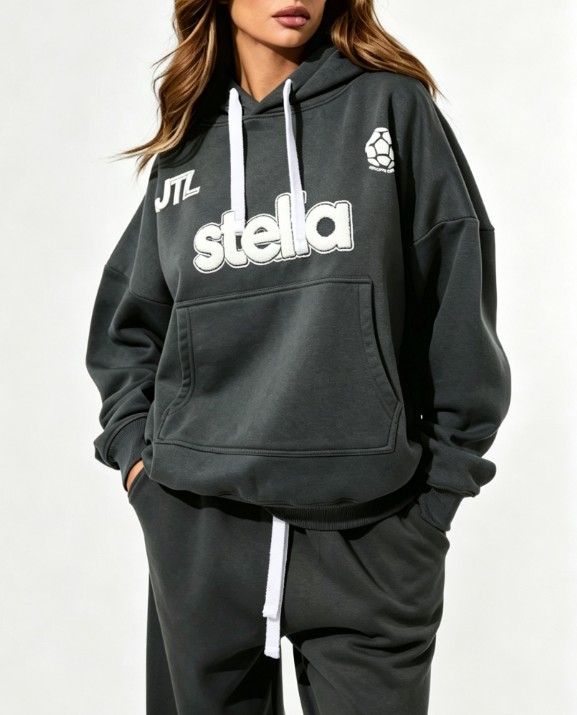
Puff, high-density, silicone, foil, flock, and glow effects add dimension beyond standard ink. Fine details, stretch behavior, and abrasion resistance need sample review because each effect changes hand feel and artwork tolerance.
4. Fabrics for Screen-Printed T-Shirts
160–180 GSM single jersey is a versatile starting point for most printed tees. A t-shirt screen printing service should match fabric, color, and print chemistry before approving artwork, because these choices determine opacity, hand feel, and wash life.
| Fabric | Typical GSM | Best Use | Print Consideration |
|---|---|---|---|
| Ring-spun cotton | 160–200 | Fashion | Soft hand; strong ink adhesion |
| Cotton-poly blend | 150–180 | Promotional | Use low-bleed underbase |
| Polyester | 140–170 | Athletic | Test migration before bulk |
| Organic cotton | 180–220 | Premium | Verify shrinkage and certification |
| Heavyweight cotton jersey | 220–280 | Premium fashion | Opaque base; structured drape |
Fiber Content And Ink

100% ring-spun cotton accepts plastisol and water-based ink reliably, with a soft surface and low dye-migration risk. Combed organic cotton offers similar print behavior, but verify certification requirements and lot-to-lot shade consistency. 50/50 cotton-poly blends need low-bleed inks or a blocker underbase on dark colors. Polyester is lightweight and quick-drying, yet disperse dyes can migrate through white ink during curing.
- Ring-spun cotton: smoother print surface
- Open-end cotton: economical, rougher hand
- Polyester: use tested low-bleed systems
Weight By Program
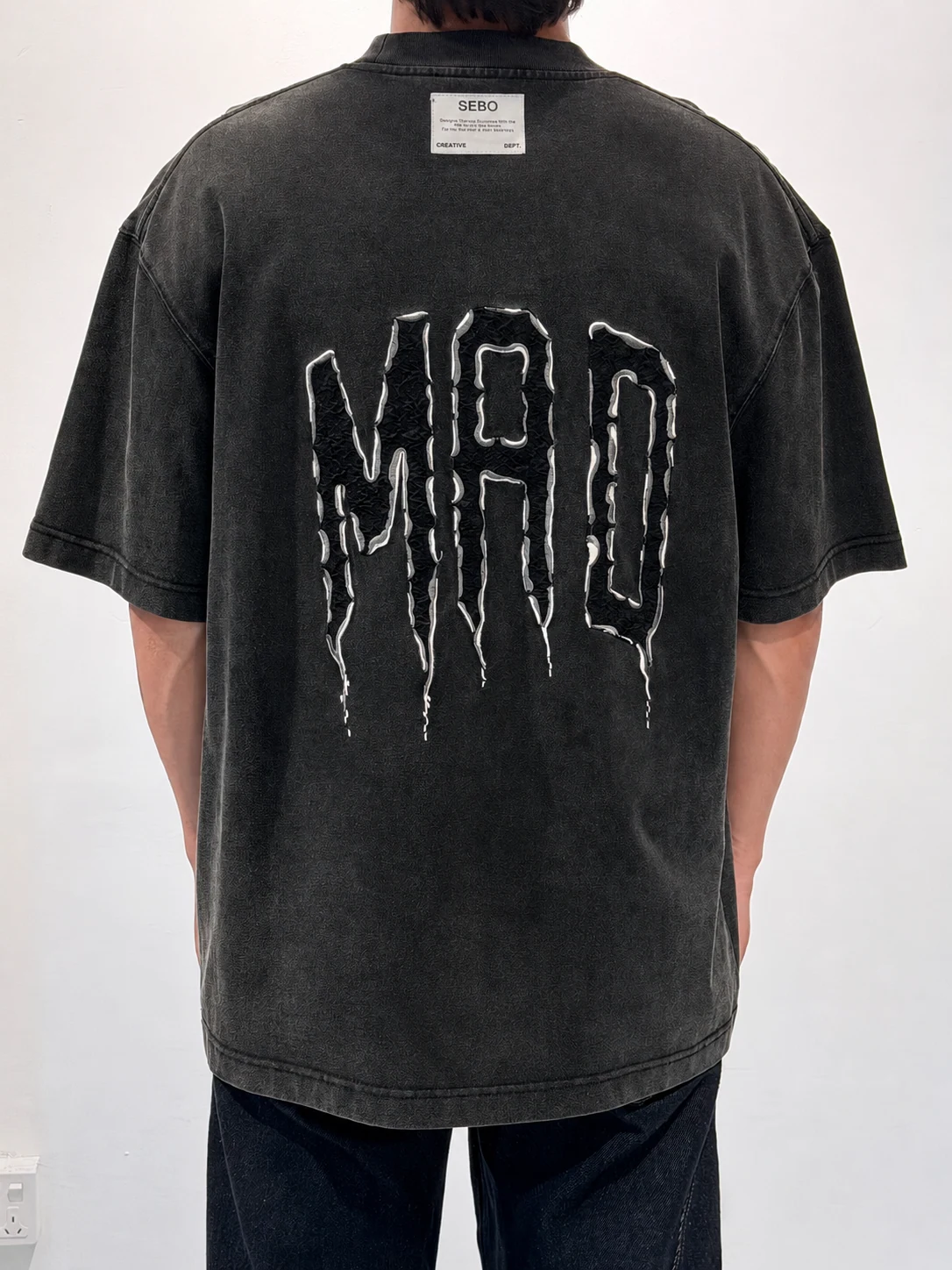
140–160 GSM suits promotional and warm-weather tees, while 180–220 GSM supports a more substantial fashion hand. Heavyweight jersey at 220–280 GSM improves structure and opacity but increases material cost and drying time.
Preparation And Stability

3–5% residual shrinkage can distort print placement after washing unless fabric is pre-shrunk and the pattern allowance is confirmed. Tubular versus open-width knit also affects side seams, skew, and repeatable placement. Dark navy, red, and black fabrics require strike-off testing for underbase opacity, crocking, and dye migration. Confirm curing temperature against fiber content so the print bonds without scorching or excessive hand.
5. Customization and Decoration Options
A production-ready t-shirt screen printing service starts with artwork that can be separated, sized, and approved before screens are made. JUNSHEEN can combine screen printing with embroidery, patches, labels, and branded heat-transfer details for a more finished private-label garment.
| Option | Best Use | Production Watchpoint |
|---|---|---|
| Spot colors | Bold logos and graphics | Each color adds screen setup |
| Simulated process | Detailed multicolor artwork | Requires tested separations |
| Puff or high-density | Raised focal graphics | Avoid fine lines and large fills |
| Metallic or glow | Accent details | Confirm wash and cure performance |
| Woven or heat transfer | Small branding additions | Specify location and heat tolerance |
Prepare Artwork Precisely
Vector AI, PDF, or EPS files preserve clean edges; 300-dpi PNG artwork is suitable only at final print size. Supply each print dimension in millimeters, garment color, placement reference, and Pantone Solid Coated color callouts. A 5 mm placement tolerance is a practical approval point for chest, sleeve, and back prints, while oversized artwork needs a measured maximum width and side-seam clearance. Approve a digital separation and physical sample when fine lines, distressed texture, or close registration matters.
- Provide vector logos with outlined fonts
- State finished width and height
- Name each ink with Pantone reference
- Mark placement from neckline or center front
Choose Ink Effects Carefully

1-2 spot colors usually offer the clearest cost control and dependable registration on cotton jersey. Simulated process uses layered spot inks to reproduce detailed artwork, while halftones create tonal transitions without adding a separate ink for every shade. Puff, metallic, high-density, and glow inks add tactile or visual impact but increase curing, registration, and wash-test risk. Fine detail below roughly 1 mm and dense oversized ink coverage deserve a strike-off before bulk approval.
Build Details Into Placement
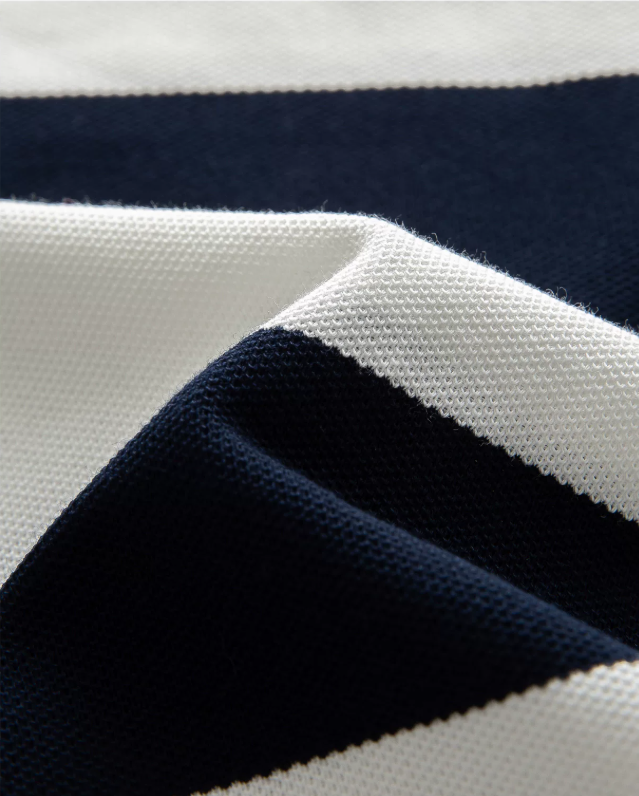
30-35 cm is a common adult front-print width, but the workable size changes with garment grade, neckline, and intended fit. Sleeve prints, neck prints, woven hem labels, and heat-transfer neck labels should be specified separately on the tech pack. 100-unit programs benefit from limiting special effects to one focal placement, then using woven or heat-transfer additions for secondary branding. That approach protects readability, reduces setup complexity, and keeps repeat orders easier to match.
6. Quality Controls for Printed Tees
A 100-unit printed-tee order needs controls that connect the approved sample to every packed garment. For a t-shirt screen printing service, inspect construction and decoration together; a clean print cannot rescue an inconsistent blank.
Control The Blank
160–220 GSM is a common jersey range, but buyers should set an agreed fabric-weight tolerance and compare roll-to-roll hand feel. Check knit density, shade consistency, shrinkage, collar recovery, shoulder tape, and seam appearance before printing. 2–3 cm of collar height variation or uneven coverstitch can make an otherwise correct tee look off-spec. Approve a size-set sample with measured chest, length, sleeve, and collar specifications.
Verify Print Performance

1 mm registration tolerance is a practical target for multicolor artwork, especially around fine type and outlines. Review ink coverage, edge sharpness, Pantone target, underbase opacity, and placement from neck, center front, or side seam. 320°F/160°C is a typical plastisol curing benchmark, although the supplier must follow the ink system’s specified time and temperature. Request stretch-recovery checks and wash-test results for cracking, fading, dye migration, and adhesion.
Approve Before Bulk
3 approval stages reduce preventable disputes: strike-off, fit sample, and pre-production sample. The pre-production sample should use approved fabric, trim, artwork, placement, and finishing—not substitute development materials. 100% final inspection is not always necessary, but the agreed AQL level, measurement method, defect definitions, and carton count should be documented. Request signed approvals, Pantone references, wash-test records, curing data, and final inspection reports before shipment.
- Approved strike-off or production print sample
- Graded size-set measurement record
- Wash, stretch, and color-match test record
- Final AQL inspection and packing report
7. Choosing a t-shirt screen printing service
A capable t-shirt screen printing service should prove its process before it prices your order. Compare documented experience, production control and logistics against your launch quantity, color count and required delivery date.
Relevant Factory Experience
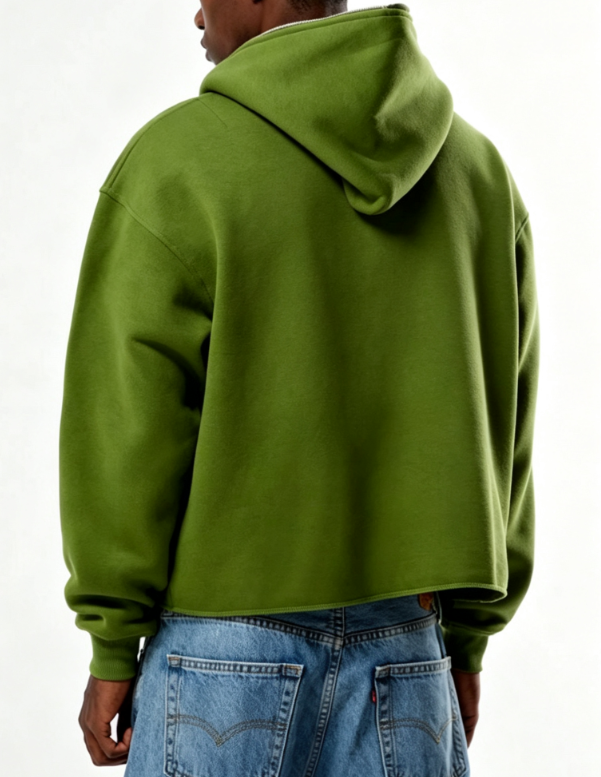
Ask for production samples matching your fabric, ink effect and print placement; a 180 GSM ring-spun jersey behaves differently from open-end cotton. Request photos of comparable jobs and the approved artwork specifications. JUNSHEEN can combine garment development with plastisol, water-based, puff and high-density printing, which reduces handoffs between pattern, sewing and decoration teams.
Printing Control And MOQ
Ask whether screens, exposure, printing and curing are in-house or subcontracted, then request press, dryer and color-matching details. Outsourcing can work, but it adds approval and transit risk. A 100-unit per style-and-color starting point suits capsule programs; confirm whether the MOQ changes with fabric, print colors or specialty inks.
Sampling Capacity And Compliance
Request a pre-production sample, realistic sample-to-bulk timeline, monthly capacity and a written critical-path schedule. Check how strike-offs, Pantone approvals and size-set signoff are recorded. Ask which evidence is available for your market: fabric test reports, ink safety documentation and applicable OEKO-TEX, GOTS, WRAP or BSCI records. Never treat a logo claim as proof.
Quality Communication And Shipping
Set measurable acceptance points before bulk production: print registration, wash adhesion, measurement tolerances, packed-goods inspection and defect reporting. Ask for inspection records and production photos, not assurances alone. Confirm one accountable contact, response windows, export documents, Incoterms and shipment options. Final balances normally clear before shipment, so align freight lead time with your retail launch date.
8. Common T-Shirt Printing Sourcing Mistakes
Most reprints begin before production: a price-only quote, vague approval, or unrealistic launch date transfers risk into the bulk order. A capable t-shirt screen printing service should expose those risks during sampling, not after cartons are packed.
Price Without Scope
$1.00 less per tee can disappear through reprints, freight, and markdowns when the quote excludes color count, Pantone matching, folding, or polybagging. Compare like-for-like specifications and approve a written costed bill of materials.
- Confirm fabric GSM and composition
- State ink colors and print locations
- Include labels, packaging, and inspection
Artwork And Fabric Mismatches

300 dpi artwork at final print size prevents jagged edges and weak halftones; a phone screenshot does not. Supply vector AI, EPS, or PDF files, plus linked fonts and Pantone references. 100% cotton accepts water-based and discharge systems differently from polyester or cotton-poly blends. Submit the actual garment fabric for strike-offs, especially for silicone, puff, discharge, or white underbases.
Unclear Bulk Approval
1 approved sample is not enough when placement, color, and construction remain verbal. Sign a pre-production sample with a placement sheet showing print dimensions and center-front or neckline measurements. 3 wash cycles should be completed before bulk approval to check cracking, adhesion, color bleed, shrinkage, and hand feel. Keep the approved sample and signed records as the production reference.
Timing And Color Risk
2 fabric lots can show visible shade variation, particularly in garment-dyed colors and heather blends. Approve a lab dip or bulk fabric cutting before printing and define acceptable Pantone tolerance. 4–8 weeks of production planning is safer than ordering against a fixed launch date with no buffer. Reserve sampling, revisions, curing, inspection, and international shipping time before announcing delivery.
9. Launching Your Printed T-Shirt Program
A 100-unit-per-style-and-color starting point can make a printed-tee launch testable without treating sampling as an afterthought. Work backward from the retail or ecommerce launch date, reserving time for approval, freight and contingencies.
Write The Product Brief
1 target customer, price point, channel and launch date should anchor the brief before artwork begins. Specify fit, fabric weight, colorway count, decoration placement, Pantone references and required labels. 2 core colors plus one seasonal color is usually easier to replenish than a broad first drop. Build XS–3XL ratios from customer data; do not grade demand evenly across every size.
Lock Blanks And Artwork

160–220 GSM ring-spun cotton suits many retail tees, while heavier jersey changes both hand feel and print behavior. Confirm blank measurements, shrinkage expectation and wash test before approving colors. 1 final art package should include vector files, print dimensions, ink colors and placement tolerances. Request a strike-off or decorated sample for the chosen t-shirt screen printing service.
Set Approval Gates
3 written gates prevent bulk surprises: fit sample, pre-production sample and production-ready purchase order. Freeze artwork, graded measurements, trim details and packaging at the PO gate. 100% of approvals should be dated and retained with the tech pack. At Junsheen, retained patterns, graded size sets and material records support more consistent repeat programs.
- Approve fit and size grading
- Approve print color and placement
- Approve packed production sample
Produce, Ship, Replenish
4 control points—fabric receipt, in-line sewing, decoration and final packed-goods inspection—should align with the approved sample. Confirm carton marks, units per carton and acceptable quality limits before final balance and shipment. 2 freight plans protect launch timing: a primary sea or rail plan and an air option for a small launch-critical allocation. Reorder from sell-through data early enough to cover production and transit, not after stockouts.
10. t-shirt screen printing service Pricing
100 units per style and color is a practical starting tier for a custom t-shirt screen printing service at Junsheen; higher quantities spread fixed screen preparation across more garments. Quote each tier against the same blank or cut-and-sew tee, GSM, size range, Pantone artwork, print dimensions, and packing specification. 1 screen is normally required for each spot color at each print location, so a four-color front plus one-color neck print needs five screens. Plastisol, water-based, puff, discharge, metallic, and high-density inks can change labor, curing, underbase, and reject-risk allowances; dark garments commonly require an additional white underbase. 7–21 days is a typical planning range after artwork, fabric, and sample approval, while custom fabric, wash effects, or several print locations can extend the schedule. Compare total landed cost—not only ex-factory unit price—by adding sample charges, screens, labels, inspection, export packing, freight, duty, and destination handling.
| Order tier | Typical price drivers | Setup and sample | Planning and freight |
|---|---|---|---|
| 100–299 units | Garment type, GSM, 1–3 colors, one location | Screen charge per color/location; sample commonly quoted separately | Allow 14–21 days after approval; courier freight has high per-unit cost |
| 300–999 units | Ring-spun or open-end cotton, 2–5 colors, front/back print | Fixed screens dilute across units; request a pre-production sample | Allow 10–18 days; compare air and consolidated sea options |
| 1,000+ units | Fabric weight, colorways, print coverage, labels and packaging | Screen cost becomes a smaller unit-cost share; size-set approval may apply | Allow 7–15 production days; sea freight can reduce landed cost |
Start Your T-Shirt Screen Printing Service Quote
Send your tech pack, reference garment, or product idea for fit-focused development, 100-unit MOQs, and reliable global production.