Custom Pullover Sweatshirt Manufacturing From 100 Units
Develop fit-focused custom pullover sweatshirt programs with OEM, ODM, private-label support, XS–3XL grading, and scalable global production.
Featured Products for custom pullover sweatshirt Development




Related Product Catalogue and Quotation





Why Brands Source Custom Pullover Sweatshirts From JUNSHEEN
Fit-focused development, integrated production, and dependable export support for growing apparel programs.
100-Unit Starting MOQ
Launch capsule collections from 100 units per style and color, with practical support for emerging labels and established programs.
Fit-Focused XS–3XL Grading
Pattern makers refine proportions, mobility, and grading increments for standard, extended-size, plus-size, and modern oversized sweatshirt fits.
Integrated Decoration
Coordinate embroidery, screen printing, puff effects, washes, labels, trims, and branded packaging through one accountable production team.
Scalable Factory Capacity
More than 200 skilled workers and 80,000-plus monthly units support reliable growth from samples to repeat bulk orders.
Global Export Support
Receive coordinated quality control, packing, documentation, and shipping support for custom pullover sweatshirt programs supplied worldwide.
Custom Sweatshirt Styles and OEM Programs
Develop fit-focused casualwear programs from low-MOQ capsules to scalable bulk production, with integrated sourcing, sampling, decoration and private-label support.

Custom Hoodies
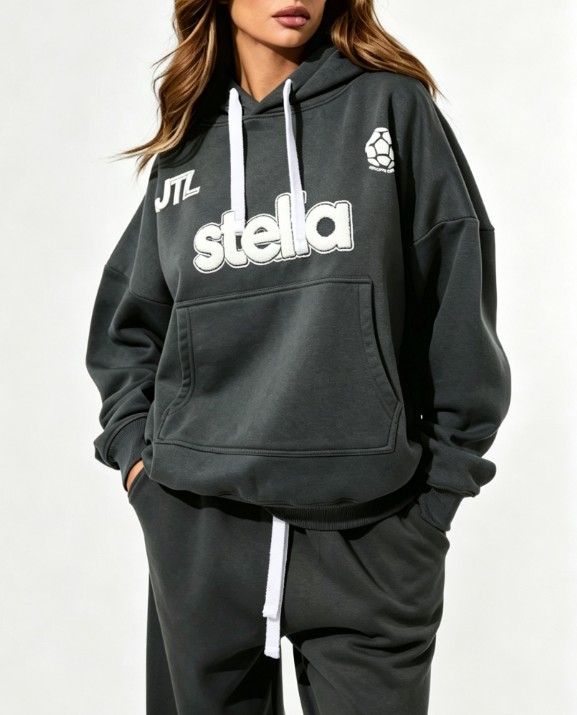
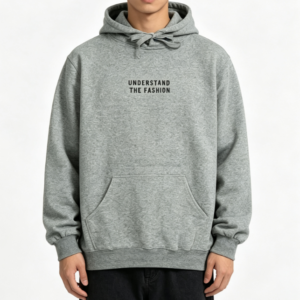
Build custom hoodies around your intended silhouette, weight and price point. Junsheen develops fleece, French terry and jersey options with refined XS–3XL grading, then manages embroidery, printing, washes, labels and packaging from sampling through bulk production.
Request a Quote
Custom T-Shirts
Turn a sketch, reference or tech pack into a custom tshirt program with controlled fabric weight, hand feel, neck construction and fit. Jersey sourcing, pattern development, size grading and screen print, DTG or embroidery applications are coordinated in one workflow.
Request a Quote
Custom Jeans
Develop custom jeans with the rise, leg shape, stretch recovery and wash character your collection requires. Junsheen supports denim sourcing, pattern making, graded fits, garment washes, hardware, labels and repeatable bulk production from 100 units per style and color.
Request a Quote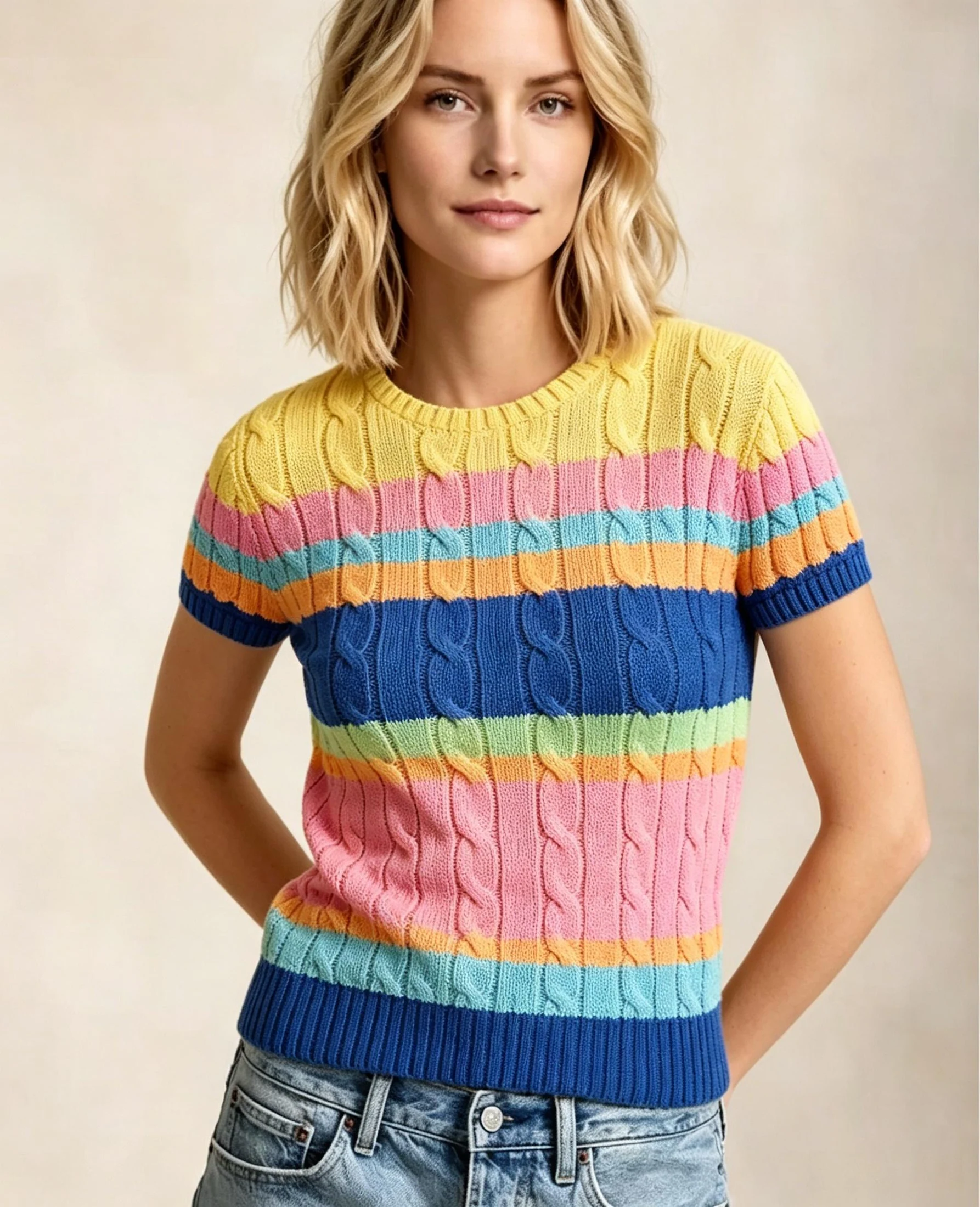
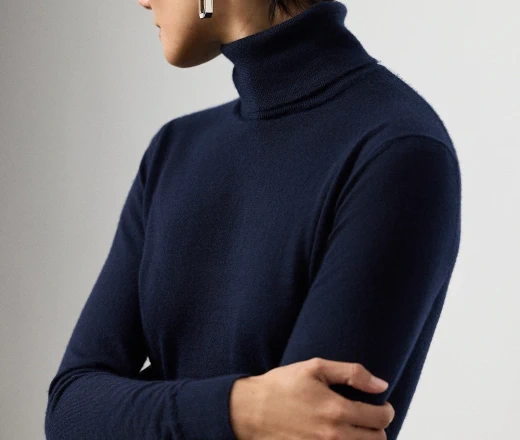
Custom Sweaters
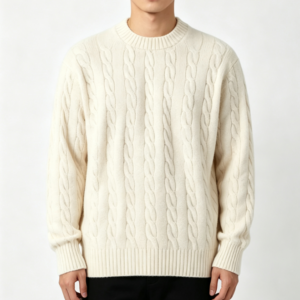
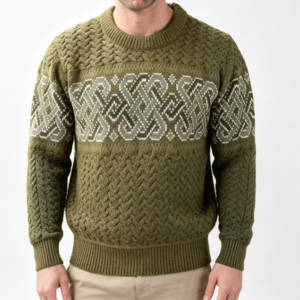
Source turtle neck sweater bulk programs with clear control over yarn, gauge, neckline shape, body length and grading. Junsheen’s knitwear capability supports prototype sampling and production for normal, oversized and extended-size fits across XS–3XL.
Request a Quote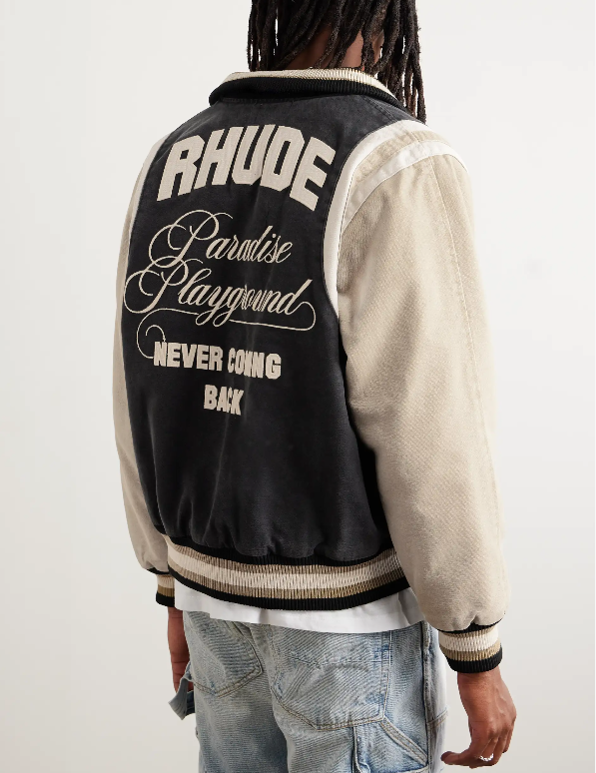
Custom Jackets
Create a custom jean jacket that balances denim weight, construction and wash treatment with your brand’s fit standards. Development can include pattern refinement, pockets, trims, embroidery, printing, garment finishing and private-label components for capsule or wholesale programs.
Request a Quote
Custom Sweatshirts & Crewnecks
Produce custom crewneck hoodie and sweatshirt styles with dependable fit across the size set. Junsheen develops crewnecks, hooded sweatshirts and related fleece programs with fabric selection, rib specifications, decoration, washing and branded finishing handled in-house.
Request a Quote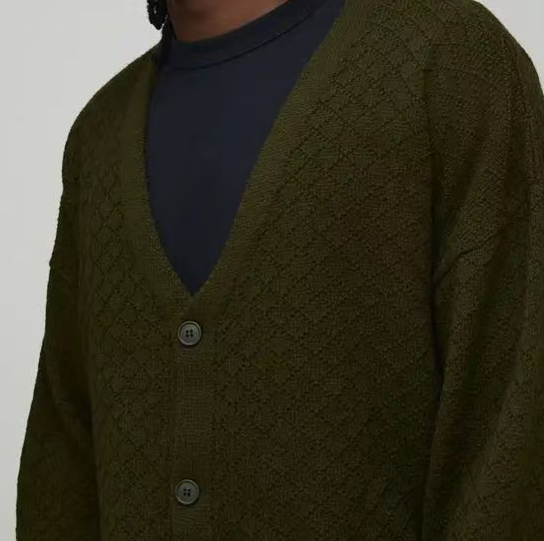
Custom Cardigans
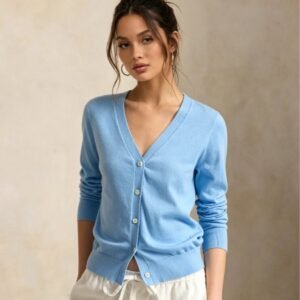
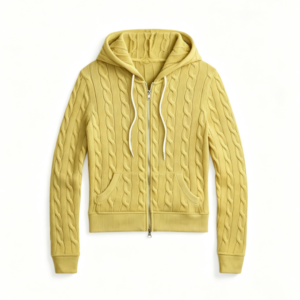
Develop a custom cardigan program with knit construction, yarn selection, button placement and proportion aligned to your target customer. Junsheen supports samples, grading from XS–3XL, custom labels and scalable production for fashion and wholesale collections.
Request a Quote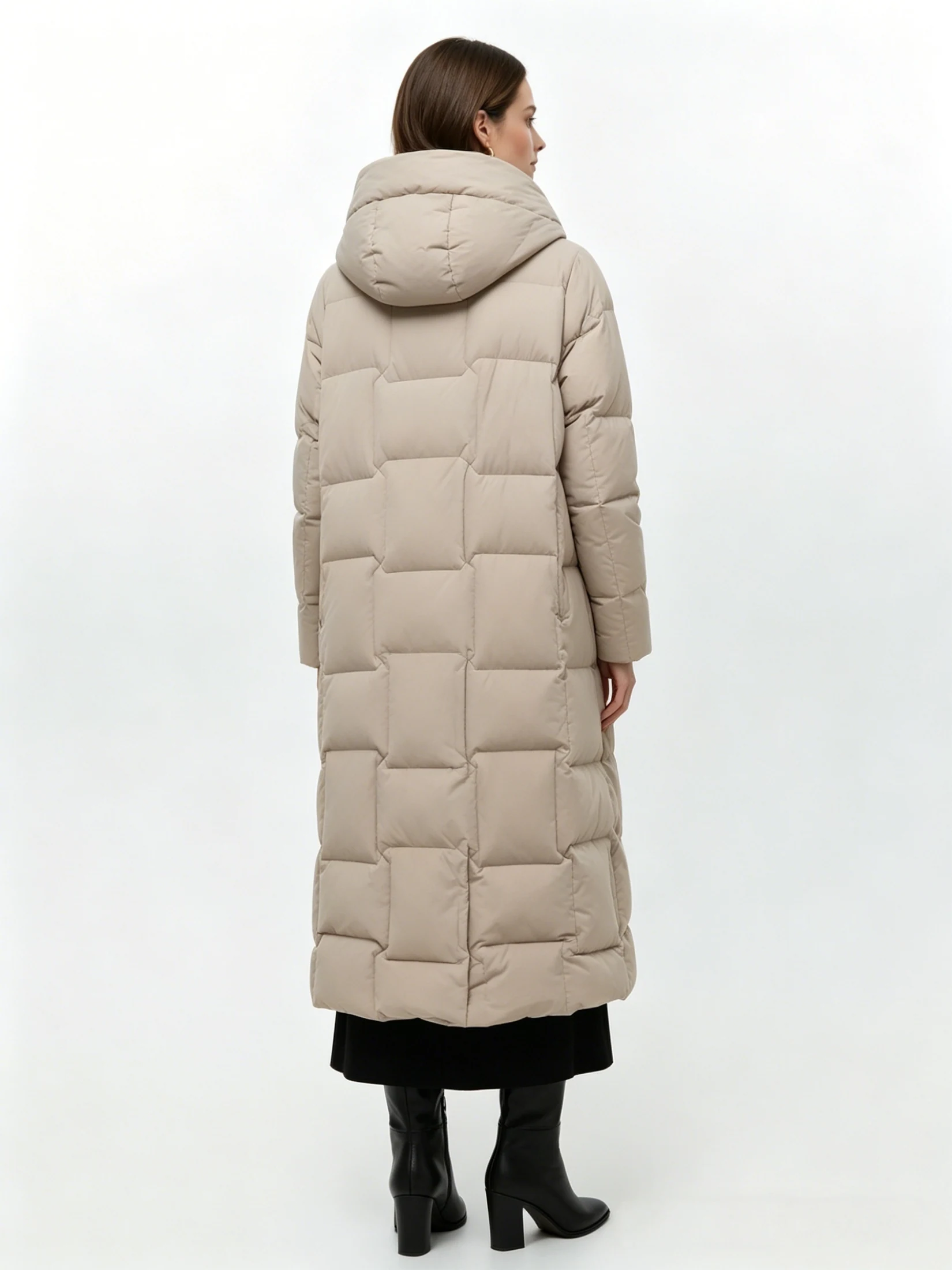
Custom Puffer & Down Jackets
Build a custom puffer jacket program with practical attention to shell fabric, insulation, quilting, fill distribution, closures and fit. Junsheen manages development, trims, branded details, sampling and quality control for outerwear launches and replenishment orders.
Request a Quote
Custom Denim Shorts
Launch custom jean shorts with controlled rise, inseam, leg opening, pocket details and wash finish. Junsheen develops denim shorts from reference garments or specifications, supporting stretch-denim sourcing, size grading, hardware, labels and low-MOQ production.
Request a Quote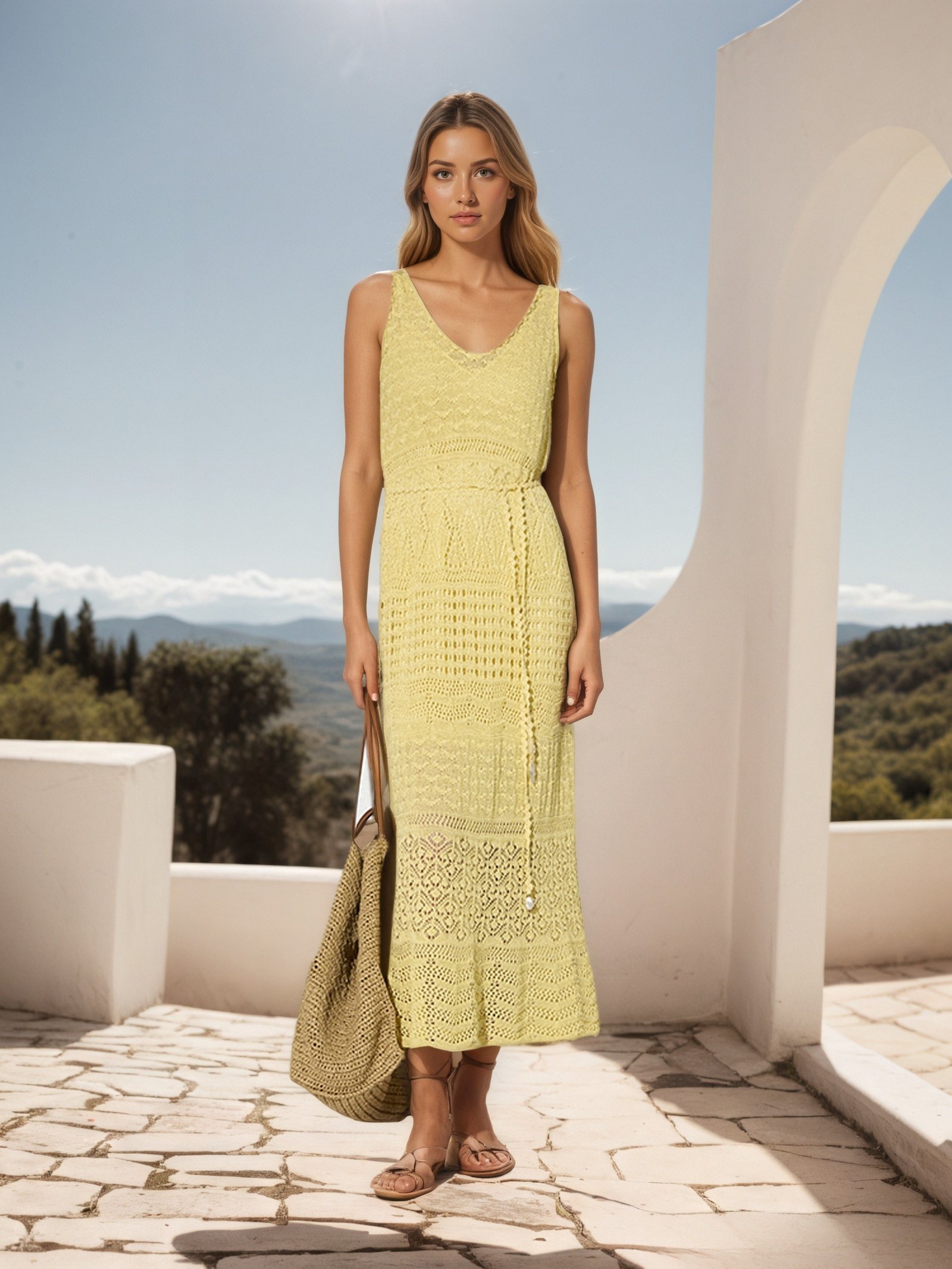
Custom Sweater Dresses
Create custom sweater dresses with knit structure, silhouette and body proportion developed for your intended size range. Junsheen supports yarn and gauge selection, prototype sampling, XS–3XL grading, branded trims and production planning for seasonal knitwear programs.
Request a Quote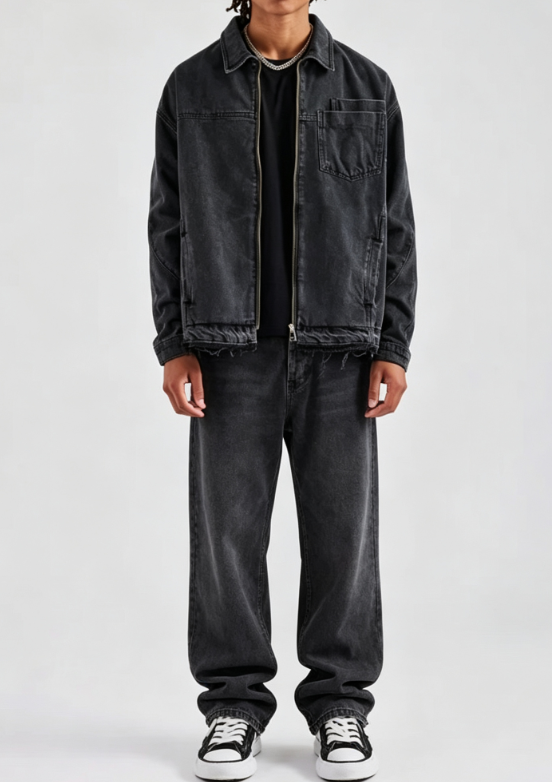
Custom Denim Sets
Source mens denim suits wholesale with coordinated denim jackets and trousers developed as a consistent set. Junsheen aligns fabric, wash, hardware, fit and grading across both pieces, then supports private labels, packaging and scalable export production.
Request a Quote
Custom Polo Shirts
Develop custom polo shirts with the collar structure, placket, fabric weight and fit required for your brand or retail channel. Junsheen supports jersey and performance-knit options, embroidery, printing, size grading and private-label finishing from sample to bulk.
Request a Quote
Custom Sweatpants
Produce custom sweatpants with refined rise, taper, waistband, pocket construction and length across XS–3XL. Junsheen develops fleece, French terry and knit options, coordinating fabric sourcing, decoration, washes, trims and quality checks for matching sets or standalone styles.
Request a Quote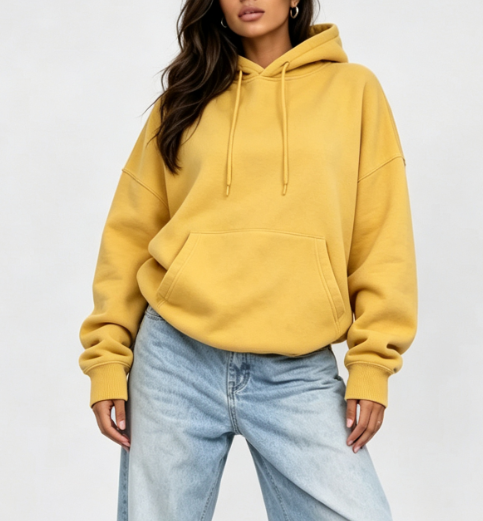
Custom Shorts
Build custom shorts around season, activity and customer fit requirements. Junsheen supports jersey, fleece, twill, denim and performance-knit shorts with pattern development, graded sizing, pockets, printing, embroidery, labels and low-MOQ bulk production.
Request a Quote
Custom Pullovers
Develop custom pullovers with the fabric, neckline, silhouette and finishing appropriate to your collection. From knit and fleece styles to lightweight jersey layers, Junsheen provides sampling, fit-focused grading, decoration, private-label details and reliable production scale.
Request a QuoteMaterials for Every Custom Pullover Sweatshirt

French Terry
Soft-loop French terry delivers breathable comfort with a textured inner face, making it ideal for premium midweight pullovers. Typical weights from 280 to 420 gsm provide structure while retaining natural movement.

Brushed Cotton Fleece
Brushed cotton fleece has a warm, plush interior and a clean exterior suited to cold-weather, oversized, and streetwear sweatshirt programs. Its insulating brushed back and 320 to 500 gsm weight create substantial softness.

Cotton Jersey
Cotton jersey offers a smooth, breathable hand feel for lightweight pullovers, layering pieces, and transitional collections. Blended constructions can add recovery, while 180 to 280 gsm fabrics keep the garment flexible and easy to wear.

Organic Cotton
Organic cotton supports elevated private-label and sustainability-led sweatshirt collections with a soft, natural hand feel. Available in jersey, terry, and fleece constructions, it offers dependable breathability and can be specified in certified source programs.

Recycled Blends
Recycled cotton and polyester blends balance durability, cost control, and lower-impact material goals for everyday sweatshirts. Polyester improves shape retention and abrasion resistance, while cotton preserves a familiar soft hand and comfortable breathability.

Performance Knits
Performance knits suit active-inspired pullovers requiring stretch, moisture management, or quick-dry performance. Polyester-spandex constructions provide responsive recovery and mobility, while engineered weights help brands maintain a streamlined, technical silhouette.
Custom Pullover Sweatshirt Decoration and Finishing Options

Logo Embroidery
Flat, 3D puff, chain-stitch, applique, and custom patch embroidery create tactile branding with strong wash durability. Ideal for chest logos, sleeve details, and premium private-label custom pullover sweatshirt collections.

Screen Printing
Plastisol, water-based, puff, flocking, silicone, high-density, foil, and discharge screen printing deliver bold artwork with scalable repeatability. Junsheen matches ink effects to fabric weight, color, and expected wash performance.

DTG and DTF
DTG and DTF printing reproduce detailed artwork, gradients, and smaller color runs with clean definition. These flexible methods suit graphic-led custom pullover sweatshirts, prototype approvals, and low-MOQ branded launches.

Heat Transfer
Heat transfer applies precise logos, numbers, reflective accents, and multicolor artwork with a smooth finish. It is a practical option for placement-sensitive graphics and performance-inspired sweatshirt programs requiring sharp visual consistency.

Garment Dyeing
Garment dyeing builds rich, lived-in color after construction, giving fleece and French terry sweatshirts a distinctive tonal character. Color trials help confirm shade, shrinkage, hand feel, and wash behavior before bulk approval.

Wash Finishes
Softening, enzyme, anti-pilling, acid, stone, brushing, and napping finishes refine hand feel and surface character. The right finish can add softness, controlled vintage appeal, or improved durability for repeat wear.
Custom Pullover Sweatshirt Trims and Branded Accessories

Woven Brand Labels
Custom woven main labels, size labels, and wash-care labels give every custom pullover sweatshirt a polished retail identity while providing the sizing and care information required for your target market.

Custom Hang Tags
Branded hang tags can carry your logo, collection story, barcode, pricing details, or sustainability message. They are prepared for retail-ready presentation and coordinated with your garment packaging requirements.

Drawcord and Tipping
Select cotton, flat, round, reflective, or contrast drawcords with custom metal, rubber, or dipped tips. These details add functional adjustability and give hooded sweatshirt programs a more distinctive finish.

Branded Zippers Snaps
Add custom zipper pullers, snap buttons, or metal hardware to half-zips, pockets, collars, and utility-inspired styles. We match finishes and placement to your design, fabric weight, and intended wear.

Custom Logo Patches
Embroidery, woven, leather, rubber, and applique patches create a durable logo focal point on the chest, sleeve, hem, or back. JUNSHEEN supports patch development alongside bulk decoration production.
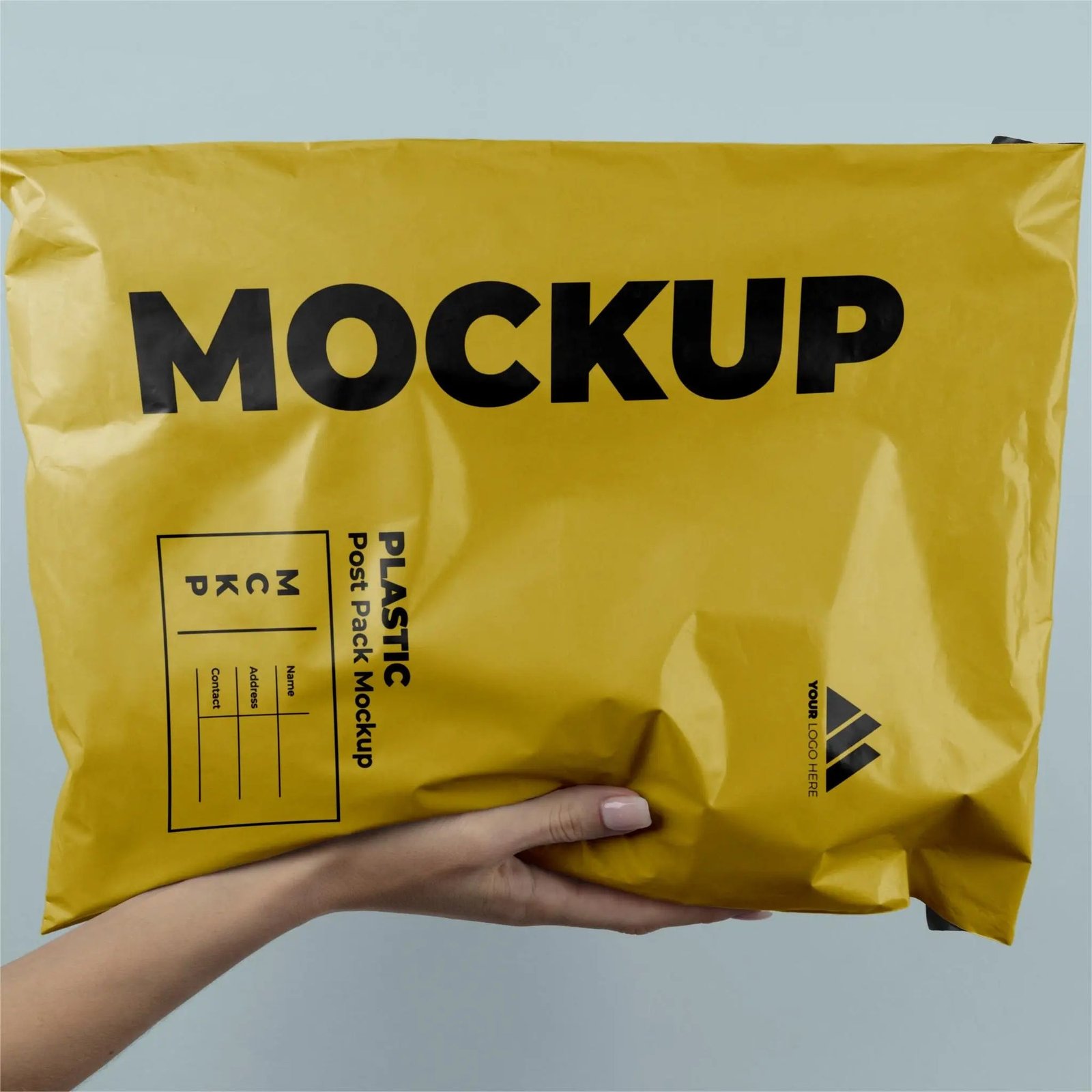
Branded Packaging
Finish your order with custom polybags, tissue paper, sticker seals, carton marks, and branded inserts. Packaging options help protect garments in transit while supporting a cohesive unboxing and wholesale presentation.
About JUNSHEEN Apparel Manufacturing
Founded in 2010 in Humen Town, Dongguan, JUNSHEEN helps fashion brands turn custom pullover sweatshirt ideas into production-ready collections. Our one-stop OEM, ODM and private-label team supports development from a tech pack, sketch, reference garment or early product concept through sampling, bulk production and global export.
With more than 200 skilled workers and monthly capacity above 80,000 units, we serve capsule launches from 100 units per style and color as well as repeat bulk programs. Cut-and-sew and knitting capabilities connect casualwear, denim, outerwear and knitwear production in a responsive supply chain.
What distinguishes JUNSHEEN is fit-focused development from XS to 3XL, including extended-size, plus-size and modern oversized grading. We combine pattern making, fabric sourcing, decoration, washing, labels, packaging and quality control to give more than 2,000 global fashion-brand clients consistent garments and clearer production control.

Custom Pullover Sweatshirt Fit Development and Scalable Production
Fit-First XS–3XL Grading
JUNSHEEN develops custom pullover sweatshirt size ranges with pattern adjustments for shoulder balance, sleeve length, body proportion and mobility. Our team grades normal, extended, plus-size and oversized fits from XS through 3XL instead of simply enlarging one base pattern.
- Fit-focused patterns from XS to 3XL
- Extended-size, plus-size and oversized development
- Refined grading increments across the full size set
- Measurement and fit checks before bulk approval
From Concept to Approved Sample
Start with a finished tech pack, sketch, reference garment, mood board or initial idea. Our development team reviews construction, recommends workable fabrics and trims, creates patterns, and produces prototype and size-set samples so your specifications are production-ready.
- Tech-pack review and manufacturability feedback
- Fabric, rib, trim and construction recommendations
- Pattern making and prototype sampling
- Size-set and pre-production approval support

Integrated Decoration and Finishing
Keep your custom pullover sweatshirt details coordinated through one manufacturing partner. JUNSHEEN manages embroidery, screen printing, transfers, washes, labels, drawstrings, patches and branded packaging while checking placement, color and finish against approved samples.
- Embroidery, screen print, DTG, DTF and transfers
- Puff, silicone, high-density and foil effects
- Softening, anti-pilling, garment dye and wash treatments
- Private-label labels, trims and branded packaging
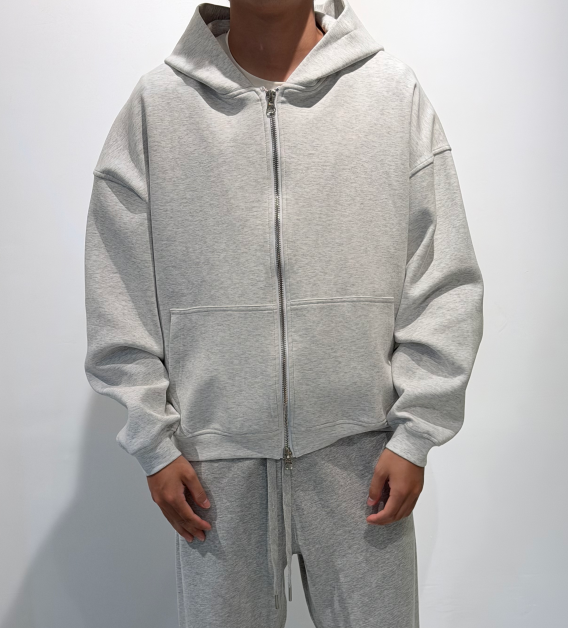
Controlled Repeat-Order Scaling
From 100-unit capsule runs to ongoing bulk programs, JUNSHEEN retains approved patterns, graded size sets and material records to support consistent reorders. With 200+ skilled workers and monthly capacity above 80,000 units, production can scale without losing control of fit and quality.
- MOQ from 100 units per style and color
- Retained patterns and material records for reorders
- In-line, measurement and final packed-goods inspections
- Global export support for growing apparel programs

Why Choose JUNSHEEN for Custom Pullover Sweatshirt Manufacturing
A fit-focused, integrated production partner for brands scaling from capsule launches to repeat bulk programs.
← 左右滑动查看 →
Custom Pullover Sweatshirt Production Process
A fit-first OEM workflow that moves your sweatshirt program from concept review to shipment with clear approvals at every production stage.
Review Feasibility and Source
We assess your tech pack, sketch, reference garment or idea, then recommend fabrics, weights, trims, decoration methods and a practical 100-unit MOQ production plan.
Develop Patterns and Samples
Pattern makers create fit-focused XS–3XL grading, refine proportions and construct prototype samples for your review before size sets and pre-production approval.
Confirm Materials and Details
After sample approval, we confirm bulk fabric, colors, labels, drawstrings, rib trims, artwork placement, packaging specifications and final production requirements.
Cut Sew and Decorate
Skilled teams cut and sew each custom pullover sweatshirt, then apply approved embroidery, printing, washes or finishing treatments with in-line construction checks.
Inspect Pack and Ship
Quality control verifies measurements, fit, decoration and packed goods before branded packing, export documentation and coordinated global shipment to your destination.
Start Your Custom Pullover Sweatshirt Order
Move from concept to export-ready production with clear technical review, sampling, quality control and scalable manufacturing support.
Submit Your Design Brief
Send a tech pack, sketch, reference garment or product idea with target quantities, sizing, fabric preferences, decoration details and required delivery market.
Confirm Feasibility and Pricing
Our team reviews construction, fit, materials and branding requirements, then recommends production-ready options and provides a clear quotation from 100 units per style and color.
Approve Development Samples
Review prototype and size-set samples for fit, hand feel, measurements, decoration and trims; refine patterns from XS to 3XL before bulk approval.
Launch Controlled Bulk Production
JUNSHEEN sources approved materials and manages cut-and-sew, decoration, finishing and in-line inspections to maintain consistent workmanship across your order.
Arrange Final Inspection and Shipping
Final packed goods are checked for measurements, construction and presentation, then prepared with branded packaging and coordinated for global export shipment.
Custom Clothing Manufacturer Credentials and Compliance Documents



Client Results With Custom Pullover Sweatshirt Programs
JUNSHEEN turned our reference sample into a production-ready fleece pullover in two sampling rounds. Their grading corrections gave us consistent fit from XS to 3XL, and our first 300-unit launch sold through in seven weeks.
We moved a 120-unit capsule into three repeat colorways without rebuilding the specification package. The retained patterns, clear measurement reports, and dependable embroidery placement cut our repeat-order approval time by nearly 40%.
Our wholesale buyers needed an oversized silhouette that still fit extended sizes properly. JUNSHEEN refined the shoulder and sleeve balance across the size set, helping us reduce fit-related returns by 22% after the first season.
Custom Pullover Sweatshirt FAQ
Clear answers on MOQs, sampling, fit development, production, payment and worldwide delivery.
What is the MOQ for a custom pullover sweatshirt?
Can I order a sample before bulk custom pullover sweatshirt production?
How long does custom pullover sweatshirt production take?
Can you develop XS–3XL, plus-size or oversized sweatshirt fits?
Which fabrics can I choose for a custom pullover sweatshirt?
What payment terms do you offer for OEM sweatshirt orders?
Do you ship custom sweatshirts internationally?
How do you protect my custom pullover sweatshirt design and brand details?
The Complete Buyer’s Guide to custom pullover sweatshirt
Use this practical framework to specify products, compare fabrics and decoration methods, evaluate supplier capabilities, control costs, and avoid production mistakes when sourcing custom pullover sweatshirts for your brand.
1. What Is a Custom Pullover Sweatshirt?
100-unit programs can use a custom pullover sweatshirt as a purpose-built, over-the-head knit garment with no full front opening. It may be a crewneck, quarter-zip, mock neck, or collarless style; a hoodie adds a hood, while a fleece jacket normally has a full or partial opening and outerwear-oriented construction. 280–420 GSM is a common development range for French terry or brushed fleece, but weight alone does not define the product. A crewneck sweater is often knitted from yarn in a sweater construction, whereas a sweatshirt is typically cut and sewn from loopback, fleece, or jersey-based fabric; a blank is a pre-made stock garment with limited control over fit, materials, trims, and labeling. 2010 is the founding year of Dongguan Junsheen Clothing Co., Ltd., an OEM and private-label manufacturer serving labels, retailers, wholesalers, and designers. In this context, custom means the buyer owns the approved specification: silhouette and graded fit, fabric composition and GSM, Pantone color, rib proportions, decoration placement, labels, packaging, and acceptable measurement tolerances. XS–3XL grading, especially for oversized or extended-size fits, must be resolved before quotation because fabric yield, cutting markers, trims, decoration method, and labor all change with the specification. Sending only a reference image invites inconsistent assumptions; a tech pack, swatch direction, logo artwork, size chart, and target quantity let a factory quote the same garment the brand intends to sell.
2. Evolution of the Custom Pullover Sweatshirt
1926 is commonly cited as the period when Benjamin Russell Jr. replaced itchy wool athletic tops with a cotton practice shirt, establishing the sweatshirt’s sport-driven foundation. By the mid-20th century, collegiate crews and team-issued fleece made the pullover a durable uniform for training, campus identity, and screen-printed graphics. 1970s–1990s streetwear recast that basic as a cultural canvas: looser shoulders, heavier cotton-rich fleece, bold chest art, puff ink, embroidery, and licensed-style merchandising became commercial design choices. A 280–360 GSM brushed fleece or French terry body now signals a different use case from a 220–280 GSM transitional crew; fabric weight must be specified alongside shrinkage tolerance and intended wash. 2000s premium-basics brands pushed cleaner logos, garment dye, enzyme washes, acid washes, and deliberately oversized proportions into the mainstream. Buyers should approve the silhouette through a graded size set—not simply size up a standard block—because shoulder drop, body length, sleeve volume, and rib recovery determine whether an oversized custom pullover sweatshirt looks intentional. 100-unit production runs per style and color have made private-label capsules more practical for emerging labels, while established programs still need repeatable bulk specifications. Modern briefs should lock Pantone references, decoration placement, wash standard, fabric composition, GSM, and approved sample measurements before production; decoration is no longer an afterthought but part of the garment’s expected value.
3. Types of Custom Pullover Sweatshirt
Six core silhouettes cover most custom pullover sweatshirt assortments. Select the block before fabric or decoration: it determines target customer, season, price ladder, and the pattern work required for sampling.
Crewneck

1 classic crewneck suits unisex basics and school, retail, or promotional programs. Its regular fit sells year-round and is the lowest-complexity core style.
Oversized Drop-Shoulder

1 drop-shoulder block targets streetwear and younger fashion customers. Its relaxed body and longer sleeve favor fall collections, but shoulder balance and grading require careful fitting.
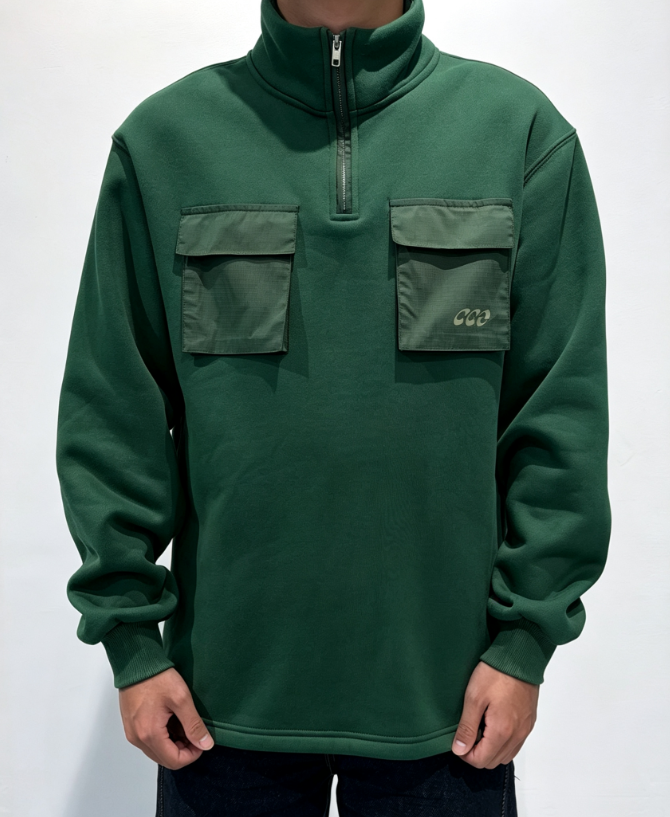
Quarter-Zip

1 quarter-zip adds adjustable ventilation for transitional weather and elevated casualwear. Zip sourcing, collar shape, and placket alignment make it more complex than a crewneck.
Mock-Neck

1 mock-neck silhouette gives minimalist brands a cleaner, more premium merchandising option. The raised collar works for cool weather; rib recovery and neckline comfort need approval.
Cropped

1 cropped style serves womenswear, festival, and fashion-forward capsules. Short body proportions need a dedicated pattern, not a shortened standard block, especially across graded sizes.
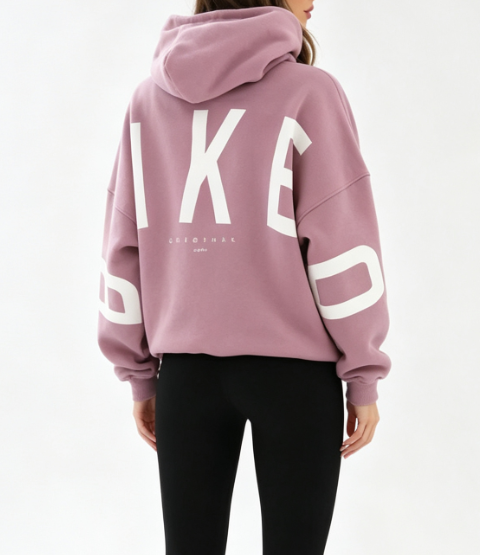
Heavyweight
400–500 GSM heavyweight styles anchor cold-weather and premium streetwear drops. They command higher retail value but increase fabric cost, sewing load, and wash-testing requirements.
4. Custom Pullover Sweatshirt Materials and Fabrics
280–360 GSM suits most custom pullover sweatshirt programs, balancing warmth, print stability, and daily wear. Fabric choice should follow climate, intended handfeel, wash target, and the brand’s acceptable cost.
| Fabric | Typical Weight | Benefits | Limitations | Best End Use |
|---|---|---|---|---|
| 100% cotton | 280–340 GSM | Breathable, natural handfeel | More shrink risk | Premium everyday styles |
| Cotton-poly fleece | 280–360 GSM | Stable, quick-drying | Less natural feel | Core logo programs |
| French terry | 280–360 GSM | Loopback, breathable | Less warmth | Transitional climates |
| Brushed fleece | 320–420 GSM | Soft, warm interior | Can pill | Cold-weather basics |
| Recycled blend | 300–380 GSM | Lower-impact option | Quality varies | Sustainability-led lines |
| Heavyweight cotton | 400–500 GSM | Structured, premium | Warmer, higher cost | Oversized streetwear |
Fabric Matrix
6 common constructions cover most launch requirements; confirm the actual finished GSM after washing, not only greige-fabric weight.
Interior And Yarn Choice

Loopback French terry has exposed yarn loops that breathe better and remain useful through mild weather; brushed fleece raises those loops for a softer, warmer interior. Ring-spun cotton produces a smoother, softer face than open-end yarn and generally pills less, while a cotton-poly blend improves recovery and drying speed. Higher cotton content usually improves natural handfeel but can shrink unless fabric is pre-shrunk or garment-washed.
Sampling For Wash Performance

2–3 wash trials should check body-length shrinkage, twisting, color loss, pilling, and rib recovery before bulk approval. Specify the wash method, detergent conditions, and acceptable tolerance in the tech pack. 100-unit programs benefit from sampling the exact bulk-intended fabric, because substitutions can change loft, GSM, print results, and fit. Recycled blends require the same controls; recycled content alone does not guarantee consistent surface quality.
5. Custom Pullover Sweatshirt Decoration Options
Decoration should be specified before sampling because artwork, garment weight, and placement determine both cost and production risk. For a custom pullover sweatshirt, combine one hero treatment with clear branding rather than stacking incompatible effects.
| Method | Visual Outcome | Setup And Volume | Placement Or Durability |
|---|---|---|---|
| Screen print | Bold, opaque color | Higher setup; best for repeat runs | Flat panels; strong wash durability |
| DTG | Fine detail, soft hand | Low setup; small runs | High-cotton areas; moderate durability |
| DTF | Bright, versatile transfer | Low setup; small-to-mid runs | Avoid ribs and seam crossings |
| Embroidery | Textured, premium logo | Digitizing cost; mid-to-large runs | Small areas; highly durable |
| Puff print | Raised graphic effect | Screen setup; mid-to-large runs | Allow stretch; wash-test first |
Match Method To Artwork

Screen printing gives opaque, durable color blocks; it suits chest, back, and sleeve art on medium-to-large runs. Separate screens and Pantone-matched inks add setup cost. DTG handles photographic gradients with a soft hand on high-cotton garments, while DTF works on blends and small orders. Both need smooth, accessible print areas away from heavy seams and ribs.
Build Dimensional Branding
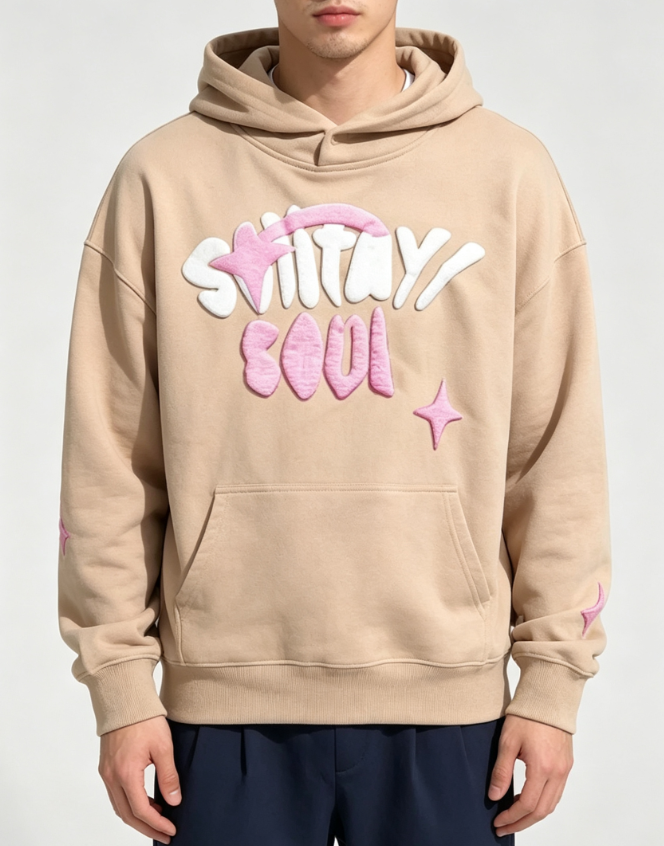
Puff print creates raised, graphic lettering but can crack if artwork is too dense or stretch is ignored. Reserve it for broad shapes and test wash performance on the selected fleece. Embroidery, appliqué, and custom patches create premium texture for chest, sleeve, or hem placements. Dense stitch files can pucker lightweight fabric, so stabilize and sample curved placements first.
- Embroidery: refined logos and small graphics
- Appliqué: varsity or heritage branding
- Patches: removable-looking, layered identity
Finish The Garment System

Woven main labels, size labels, wash-care labels, and neck prints define the private-label experience. Neck prints reduce bulk, but require accurate registration and a compatible ink system. Garment dye, acid wash, enzyme wash, and brushing change shade and hand feel after sewing. Approve a wash standard because seams, rib trims, and decoration can respond differently.
6. Construction Quality Elements to Inspect
A 320 GSM fabric can still feel inconsistent if roll-to-roll weight, rib recovery, or seam execution varies. Approve construction standards alongside fit, because repeat-wear failures usually emerge after laundering rather than at first inspection.
Fabric And Rib Recovery

320–420 GSM is a common brushed-fleece range for substantial sweatshirts; request finished-garment weight tolerances and test at least three points per body panel. 95/5 cotton-elastane rib is a common cuff and hem specification; stretch it, release it, and compare recovery after one wash. Ask whether rib color, weight, and shrinkage are matched to the shell fabric.
Seams, Collar, And Finishing

2-needle coverstitching at hems and cuffs should run evenly without skipped stitches, roping, or exposed elastic thread. Inspect shoulder seams for consistent seam allowance and confirm whether reinforcement tape is required. 10–15 mm neck tape helps cover the back-neck seam and stabilize the collar. Check that the rib collar lies flat, returns after stretching, and does not twist after washing.
Measurements And Wash Approval
±1–2 cm is a practical finished-garment measurement tolerance, depending on measurement point and size. Require a graded spec sheet covering chest, body length, shoulder, sleeve, cuff, and hem across every approved size. 1 approved wash test should include shrinkage, torque, color change, pilling, seam distortion, and print or embroidery condition. Ask the manufacturer which wash method, sample quantity, and pass/fail limits will govern bulk release.
- What GSM range is acceptable after finishing?
- What is the rib composition and recovery standard?
- Which measurement points receive bulk inspection?
- Will wash-test results be signed before production?
7. How to Choose a Custom Pullover Sweatshirt Manufacturer
Three supplier quotes can describe the same custom pullover sweatshirt yet conceal major differences in fit control, fabric risk, and delivery readiness. Evaluate the factory’s evidence, process ownership, and repeat-order discipline before comparing unit price.
Verify OEM Depth
Since 2010, Junsheen has supported OEM, ODM, private-label, and low-MOQ apparel programs; ask every candidate for comparable sweatshirt case samples. Request a factory profile, production-flow chart, recent audit certificates, and named contact responsible for development and bulk follow-up.
- Comparable production photos and sample references
- Current BSCI, WRAP, GOTS, or OEKO-TEX evidence
- Clear export-market and shipping documentation
Test Sampling And Fit
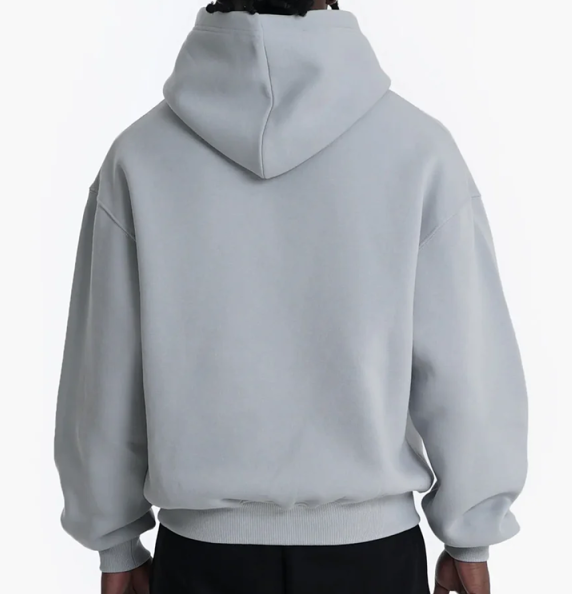
One approved size-M sample is insufficient for XS–3XL or oversized fits; request pattern, graded measurement chart, tolerance sheet, and size-set samples. Junsheen’s pattern team reviews shoulder balance, sleeve length, mobility, and grading increments rather than merely scaling a base pattern.
- Pantone-approved artwork and strike-off
- Fabric swatch with GSM and composition
- Wash-test and measurement report
- Pre-production sample sign-off
Confirm Materials And Capacity
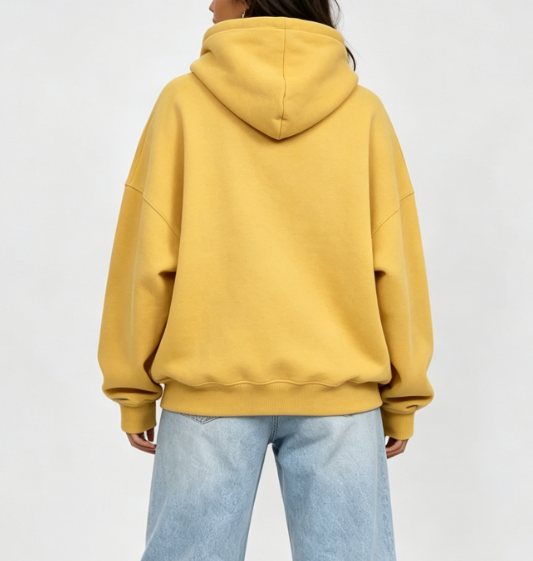
280–360 GSM fleece or French terry can change hand feel, shrinkage, and print results, so obtain composition, weight tolerance, color-lab-dip, and wash-test evidence. Confirm supplier-owned sourcing, incoming inspection, monthly capacity, 100-unit MOQ feasibility, and backup timing before placing a launch order.
- Fiber content and fabric test report
- Approved lab dip and bulk swatch
- Capacity and critical-path schedule
Compare Total Production Risk
A 5–10% lower quote can cost more if it excludes grading, testing, decoration approvals, rework, or export paperwork. Score each factory against documented QC checkpoints, response speed, payment clarity, inspection access, packing specifications, and shipping support—not just FOB price.
- Incoming fabric, in-line, and final inspection records
- Defect policy and measurement tolerances
- Export carton marks and commercial documents
8. Common Custom Pullover Sweatshirt Buying Mistakes
A 100-unit launch can absorb costly mistakes because development charges, rework, and delayed selling windows are spread across few garments. Lock technical, material, fit, and approval decisions before a custom pullover sweatshirt enters bulk production.
Copying References Without Specifications
One reference garment rarely reveals its pattern, seam allowance, rib recovery, or wash process, so copying its appearance can produce a different fit and hand feel. Provide a tech pack with Pantone colors, measurements, construction callouts, artwork files, and a tolerance chart. Two approved reference points—a garment and a measurement table—give the factory a way to flag conflicts before sampling. Confirm which details are mandatory versus inspirational.
Choosing Fabric By Composition

A 100% cotton label does not define GSM, yarn count, knit structure, brushing, or shrinkage, so two cotton fleeces can perform very differently. Request swatches and washed sample panels, then specify composition, GSM, finish, weight tolerance, and target hand feel. 280–360 GSM French terry and fleece are commonly selected for different warmth and surface effects. Test the chosen lot after the intended wash process.
Ignoring Shrinkage And Fit
3–5% dimensional change after washing can turn an approved chest or body length into a customer-return issue. Set wash instructions, shrinkage allowances, and post-wash measurement tolerances before grading XS through 3XL. Three fit checkpoints—prototype, size set, and pre-production sample—catch vague sizing before bulk cutting. Review shoulder balance, sleeve length, rib recovery, and mobility on appropriate fit models.
Overlooking Decoration Limits
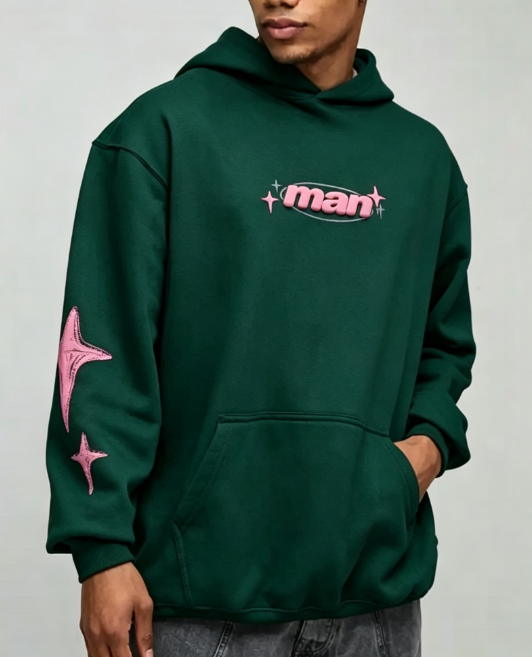
Large puff, high-density, foil, and silicone prints can crack, stiffen, or distort on stretchy fleece when artwork exceeds the fabric’s practical limits. Ask for strike-offs and define print size, placement, ink layers, wash testing, and approved color standards. Two decoration methods may look similar in a mockup but require different production tolerances and costs. Approve the actual decorated garment, not only digital artwork.
Rushing Price And Timing
Two-week expectations often exclude fabric booking, sampling revisions, decoration testing, and final inspection, creating expedited cost or missed delivery dates. Build a critical path with approval deadlines and retain time for one corrective sample. Lowest-price quotes may omit fabric controls, grading, inspection, packaging, or consistent trims, increasing landed-cost risk later. Compare like-for-like quotations and select suppliers on documented specifications, communication, capacity, and quality controls.
9. Steps to Launch Your Sweatshirt Collection
A custom pullover sweatshirt launch moves fastest when commercial decisions are locked before sampling. Start with the target customer, retail price, channel margin, and a 100-unit-per-style-and-color production plan so development choices have a clear cost ceiling.
Set The Product Brief
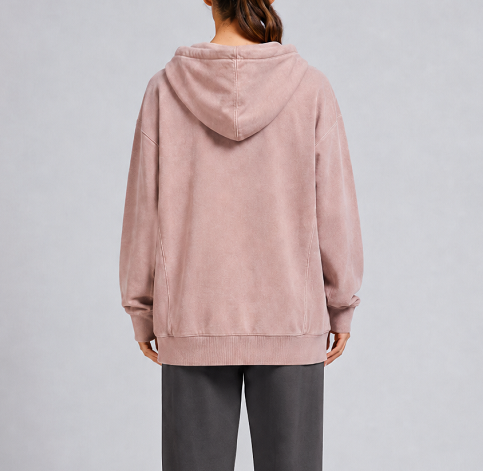
Define one customer profile, intended retail price, and launch quantity before choosing details. Work backward from target gross margin to establish an ex-factory cost ceiling. Select the silhouette—regular, oversized, cropped, or relaxed—and name the use case. Confirm color count, size range, and whether XS–3XL or extended sizing requires separate fit development.
- Target retail price and margin
- Sales channel and launch quantity
- Silhouette, colorways, and size range
Build Production Specifications
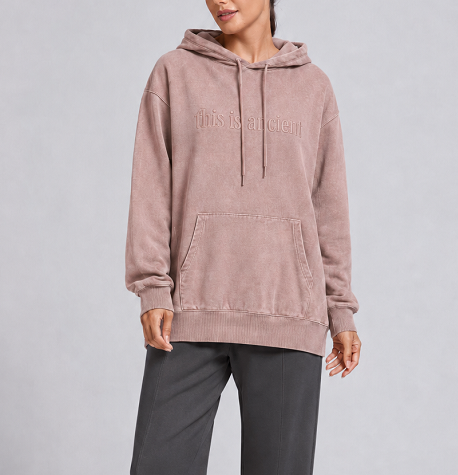
Use a tech pack with flat sketches, Pantone references, measurements, construction notes, label placements, and artwork files. Specify fabric weight early, such as 280–320 GSM French terry or 320–400 GSM brushed fleece. Request a quotation only after the fabric, decoration method, and packaging assumptions are stated. Screen-print colors, embroidery stitch count, wash effects, and custom trims materially change cost.
Approve Samples And Sizing
Review the first prototype against measurements, hand feel, artwork scale, and wash results before authorizing revisions. Keep comments consolidated in one marked file to avoid conflicting instructions. Confirm the graded size set before bulk cutting, especially for oversized and plus-size fits. Check shoulder balance, body length, sleeve length, chest ease, and grading increments on real bodies or fit forms.
Release Bulk With Control Gates
Approve a pre-production sample that matches the final fabric, trims, labels, decoration, and packing method. This is the decision gate before bulk materials are committed and cutting begins. Schedule in-line and final inspections for measurements, seams, decoration, shade consistency, and packed quantities. Book shipping after final balance timing, carton dimensions, destination requirements, and delivery date are confirmed.
- Pre-production sample approval
- In-line measurement and workmanship checks
- Final inspection and shipping booking
10. Custom Pullover Sweatshirt Pricing and Cost
100 units per style and color is JUNSHEEN’s practical starting point for a capsule custom pullover sweatshirt program; indicative factory pricing normally falls as fabric and decoration setups are spread across more pieces. Quote against an approved specification, because a 280 GSM cotton-poly fleece crewneck does not cost like a 400 GSM organic-cotton, garment-dyed oversized piece. $0.20 to $1.50 per unit is a useful planning allowance for common decoration additions, while screens, embroidery digitizing, labels, and special washes may add one-time setup charges. Landed cost also includes export carton volume, destination duty, insurance, and air versus sea freight; request these as separate quote lines rather than comparing only ex-factory prices.
| Quantity tier | Indicative FOB unit price | Typical bulk lead time | Main cost drivers |
|---|---|---|---|
| 100–299 units | US$12–22 | 25–40 days | 280–350 GSM fleece, 1–2 print colors, standard rib and polybag |
| 300–999 units | US$9–17 | 25–35 days | Fabric-volume savings; shared screen setup and standard labels |
| 1,000–2,999 units | US$7–14 | 30–45 days | 350–400 GSM, custom Pantone dye, embroidery stitch count, wash |
| 3,000+ units | US$6–12 | 35–55 days | Confirmed material booking, multi-size grading, branded packaging and freight mode |
| Setup examples | US$20–80 per screen; US$30–100 digitizing | Before sampling or bulk | Print color count, artwork size, stitch density, woven labels or custom hardware |
Ready to Develop Your Custom Pullover Sweatshirt?
Send your tech pack or idea to start sampling and receive a tailored OEM quotation from JUNSHEEN’s fit-focused production team.