
Custom Board Shorts From 100 Units
Develop custom board shorts with fit-focused XS–3XL grading, OEM/ODM support, private labeling, and scalable production from JUNSHEEN.
Featured Products for custom board shorts Development







Related Product Catalogue and Quotation




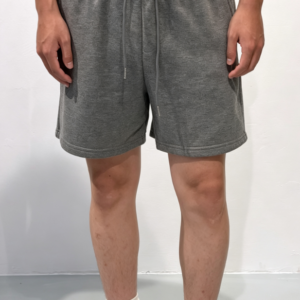
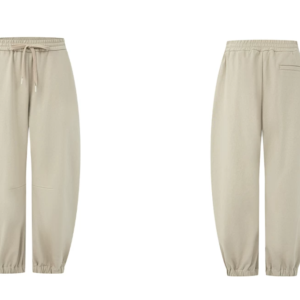
Why Brands Source Custom Board Shorts From JUNSHEEN
Launch confidently with flexible development, technical fit support, integrated branding, reliable quality control and export-ready production.
100-Unit Starting MOQ
Test a capsule or launch a new colorway from 100 units per style and color, with room to scale proven custom board shorts programs.
Fit-Focused XS–3XL Grading
Pattern makers refine rise, leg opening, waistband balance and mobility across normal, extended-size, plus-size and oversized board-short size ranges.
Integrated Logo Decoration
Coordinate embroidery, screen printing, heat transfer, patches, labels, drawstrings and branded packaging through one accountable apparel manufacturing partner.
Performance Material Sourcing
Select fabrics for weight, stretch, quick-dry performance, durability, hand feel and target cost, supported by swatches and sample review.
Production Quality Control
Protect consistency with incoming-material, in-line construction, measurement, decoration and final packed-goods inspections before your order ships.
Global Export Support
Work with an experienced Dongguan team serving worldwide fashion brands, backed by responsive communication and scalable monthly production capacity.
Board Shorts and Casualwear, Built to Scale
Production-ready programs for brands developing board shorts, denim, knitwear, outerwear, and fit-focused casualwear from 100 units per style and color.
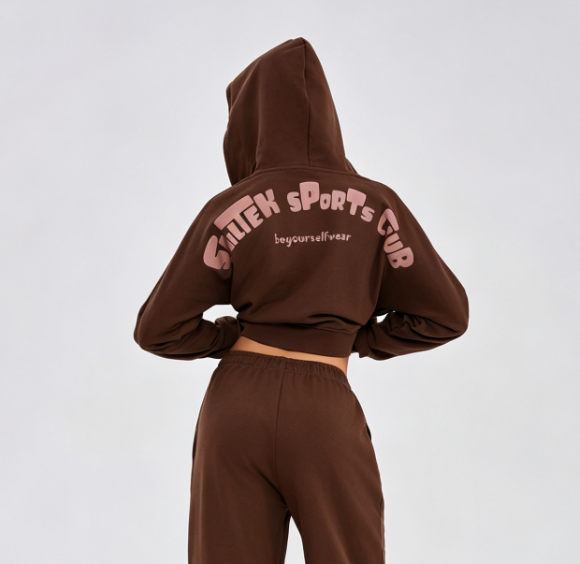
Custom Hoodies
Develop custom hoodies in fleece, French terry, or jersey with fit-focused XS–3XL grading, custom weights, rib trims, pockets, drawcords, embroidery, prints, labels, and branded packaging. Suitable for capsule drops, retail replenishment, and coordinated casualwear collections.
Request a Quote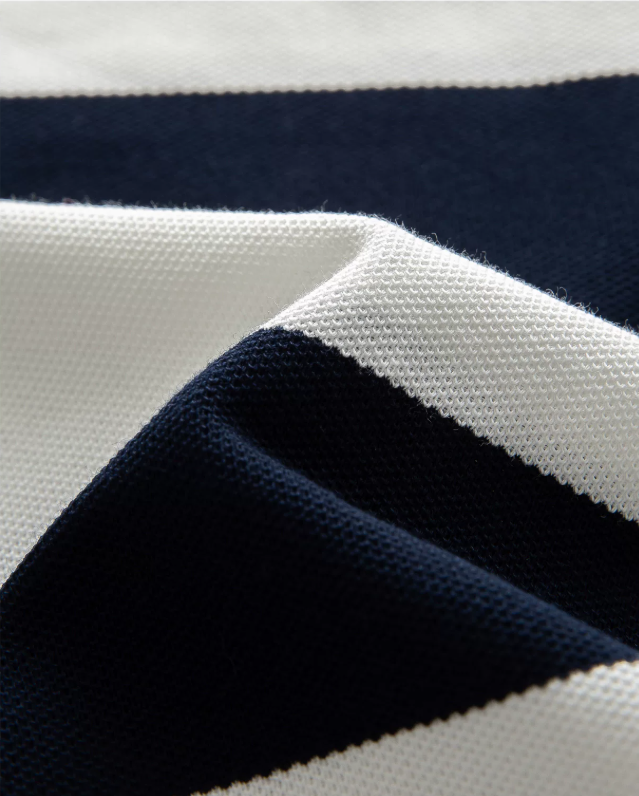
Custom T-Shirts
Produce custom T-shirts from combed cotton, Pima cotton, organic cotton, or blended jersey. Junsheen supports silhouette development, fabric-weight selection, oversized and extended-size grading, screen printing, DTG, DTF, embroidery, washes, private labels, and low-MOQ color programs.
Request a Quote
Custom Jeans
Build custom jeans in rigid or stretch denim with developed rises, leg shapes, washes, hardware, pocket specifications, and graded fits from XS to 3XL. Sampling can begin from a tech pack, reference garment, sketch, or product idea before bulk production.
Request a Quote
Custom Sweaters
Source turtle neck sweater bulk programs with yarn selection, gauge planning, neck construction, rib details, and size grading aligned to your target customer. Knitwear development supports fitted, relaxed, oversized, and extended-size silhouettes, with samples reviewed before bulk confirmation.
Request a Quote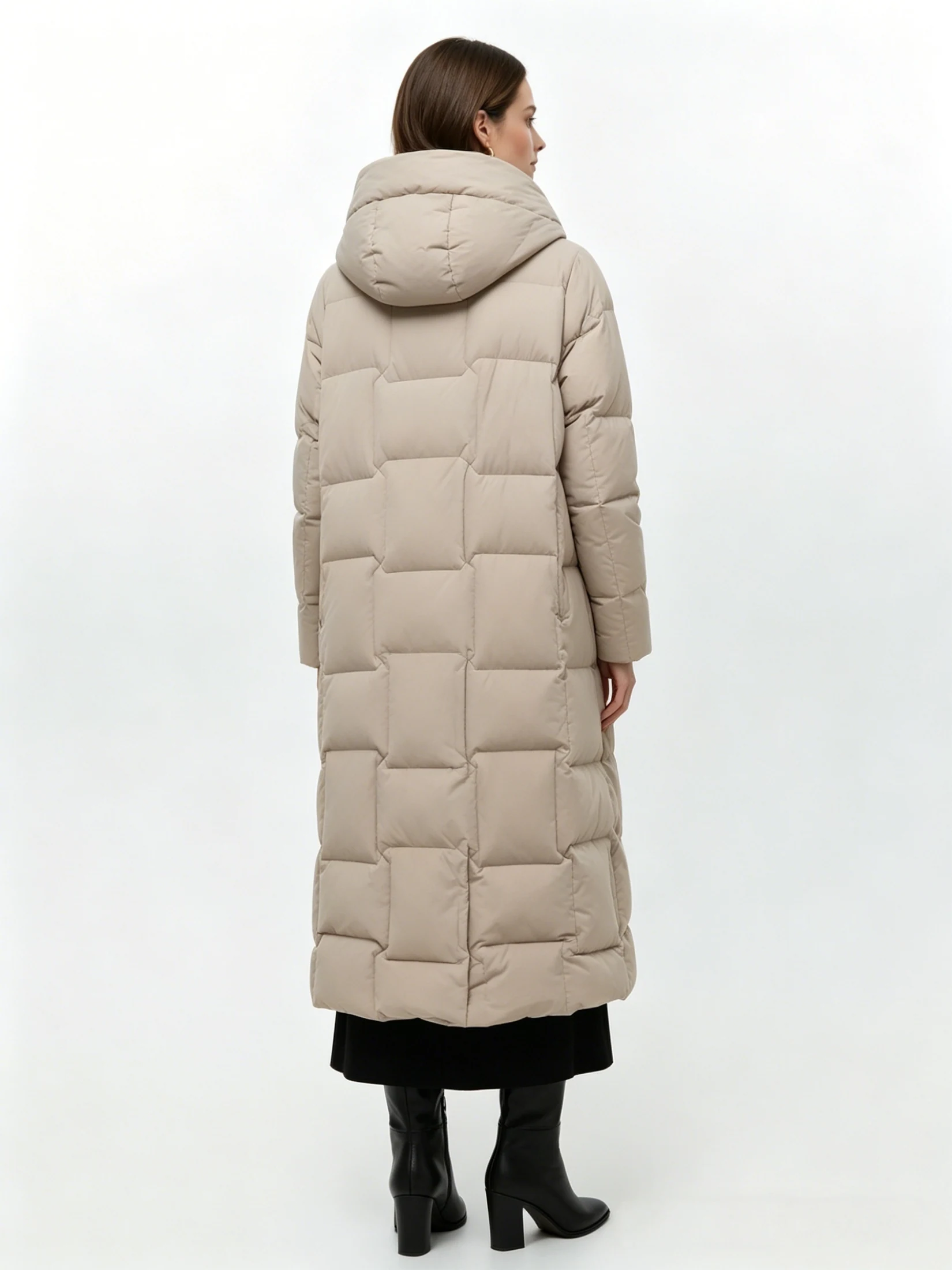
Custom Jackets
Develop custom jean jackets in denim, stretch denim, twill, or mixed-material constructions. Specify fit, collar shape, pocket placement, plackets, branded buttons, patches, embroidery, washes, and distressing, then approve samples and size sets for production.
Request a Quote
Custom Sweatshirts & Crewnecks
Create custom crewneck hoodie and sweatshirt programs with brushed fleece, French terry, or jersey options. Junsheen manages neckline, hood, rib, pocket, fit, and grading details, alongside puff, silicone, screen-print, embroidery, wash, label, and packaging requirements.
Request a Quote
Custom Cardigans
Produce custom cardigans with knit gauge, yarn blend, button or zipper closures, rib specifications, pockets, and branded trim details. Pattern and grading development accommodate regular, oversized, and extended-size fits, helping maintain proportion across the full size set.
Request a Quote
Custom Puffer & Down Jackets
Develop custom puffer jackets with shell, lining, insulation, quilting, pocket, zipper, hood, and reflective-detail specifications. The team supports fit development, sample approval, private labeling, and quality control for outerwear programs from low-MOQ launches to repeat bulk orders.
Request a Quote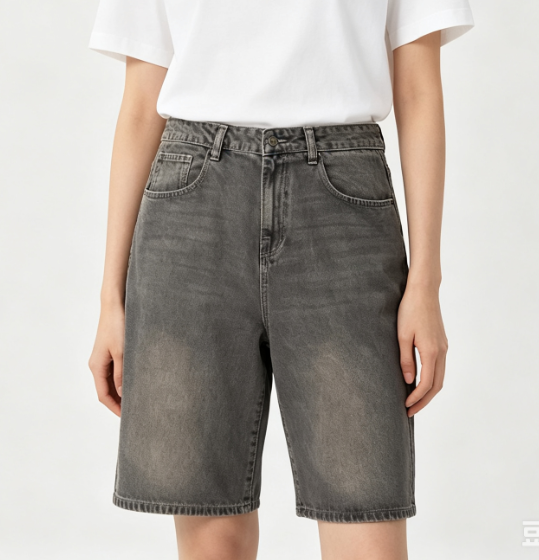
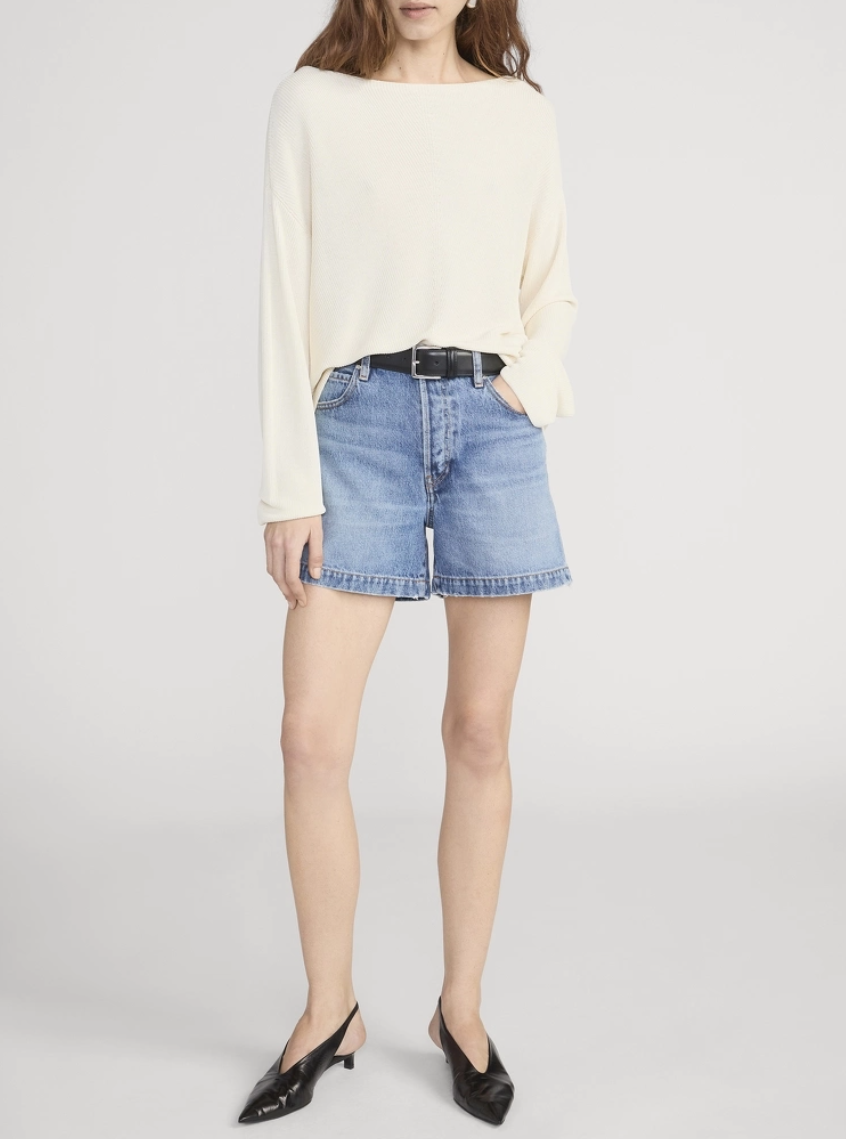
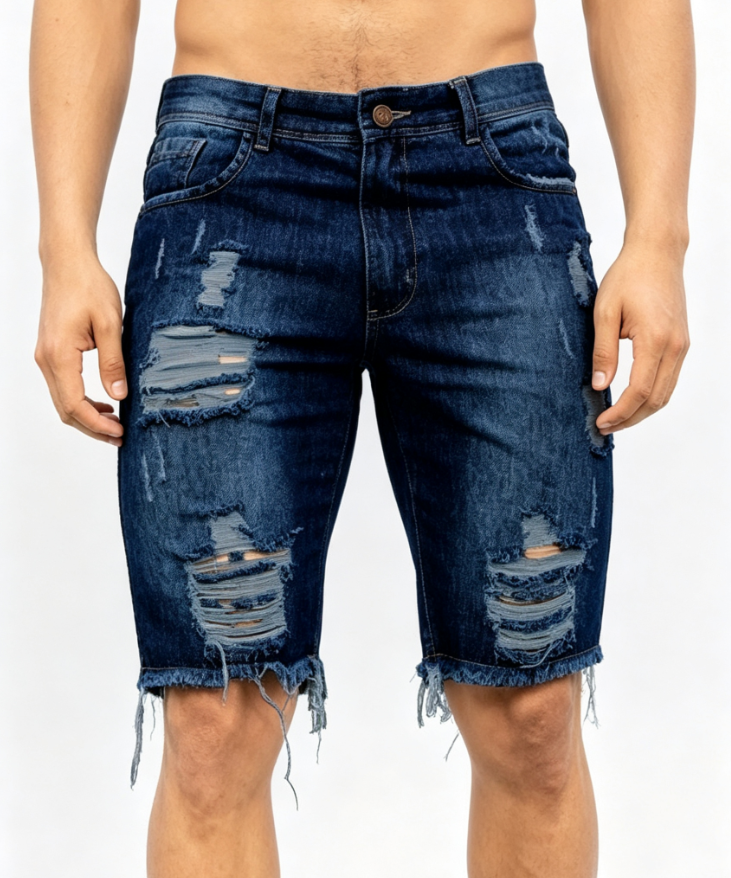
Custom Denim Shorts
Make custom jean shorts in rigid or stretch denim with specified rise, inseam, hem treatment, pocket construction, hardware, and wash effects. Fit-focused grading supports regular, relaxed, oversized, and extended-size short programs for seasonal collections.
Request a Quote
Custom Sweater Dresses
Develop custom sweater dresses with selected yarns, gauges, necklines, body lengths, rib finishes, and silhouette control. Junsheen creates samples and graded size sets for fitted, relaxed, oversized, and extended-size styles before moving into repeatable bulk production.
Request a Quote
Custom Denim Sets
Produce mens denim suits wholesale programs with coordinated jackets and trousers, consistent denim washes, custom hardware, and aligned fit standards. Development covers pattern matching, pocket details, lining or unlined construction, branding, size grading, and export-ready packing.
Request a Quote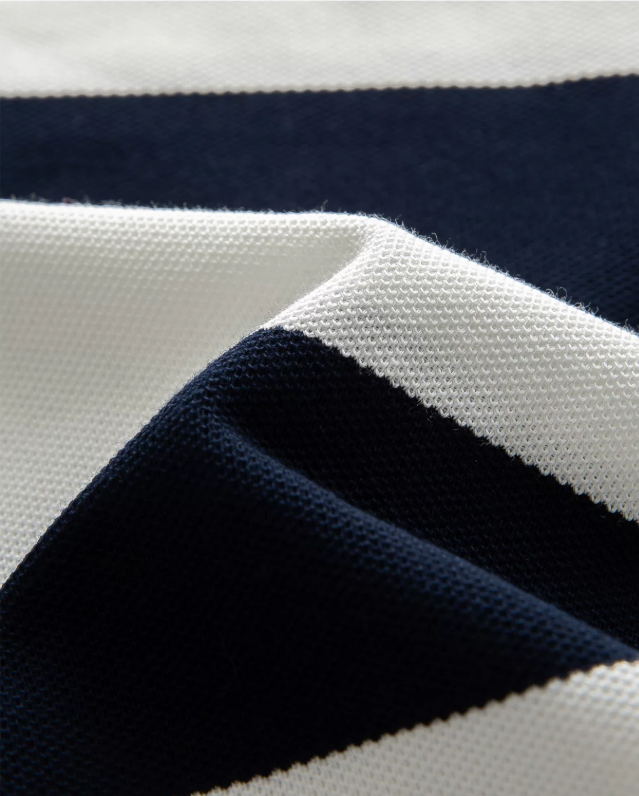
Custom Polo Shirts
Create custom polo shirts in pique, jersey, performance knits, or blended fabrics. Define collar construction, placket length, buttons, sleeve and hem ribs, logo embroidery, printing, labels, and grading for retail, uniform, golf, or lifestyle collections.
Request a Quote
Custom Sweatpants
Develop custom sweatpants in fleece, French terry, or jersey with specified rises, leg shapes, cuffs, pockets, elastic, drawcords, and branded trims. Junsheen supports coordinated sets, extended-size grading, printing, embroidery, washes, and private-label packaging.
Request a Quote
Custom Shorts
Produce custom shorts in woven, jersey, fleece, performance knit, twill, or denim materials. Build board-short, utility, lounge, athletic, and casual silhouettes with controlled inseams, pocket systems, waistbands, linings, prints, labels, and fit-focused size grading.
Request a Quote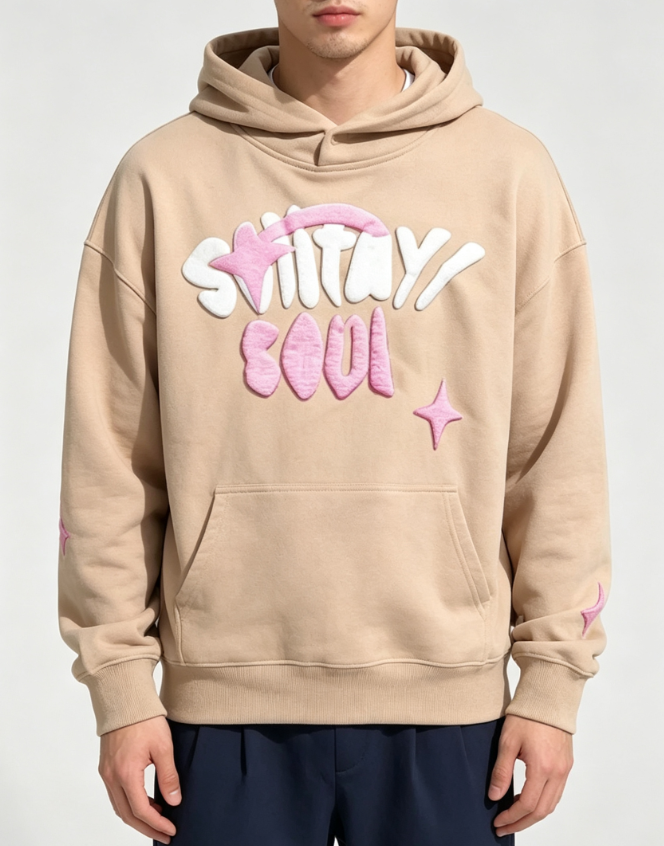
Custom Pullovers
Create custom pullovers in jersey, fleece, French terry, or knit constructions with controlled necklines, fit, sleeve balance, rib details, and branded finishing. Sampling, XS–3XL grading, decoration, private labels, and packaging are managed within one manufacturing supply chain.
Request a QuotePerformance Materials for Custom Board Shorts

Quick-Dry Polyester
Lightweight performance polyester with a smooth hand and rapid moisture release, ideal for everyday custom board shorts. Typical weights of 120–160 gsm provide durable color retention and a clean printed surface.

Recycled Polyester
Recycled polyester delivers a crisp, quick-dry feel for responsible swim and surf programs. Its durable filament construction supports vivid sublimation or transfer graphics while keeping garments light for warm-weather wear.

Four-Way Stretch Woven
Stretch woven fabric combines a flexible hand with dependable recovery, making it suitable for active board shorts and hybrid swim styles. Mechanical or spandex stretch improves mobility without sacrificing a structured outer-shell feel.

Polyester Mesh Lining
Soft polyester mesh is commonly used for pocket bags or internal lining where airflow matters. Its open construction is breathable, fast draining and lightweight, helping board shorts feel less restrictive after water exposure.

Durable Pocket Lining
Tightly woven polyester or poly-cotton lining reinforces pocket areas exposed to sand, keys and repeated wear. The stable, abrasion-resistant construction helps maintain pocket shape while adding minimal bulk to the finished short.
Custom Board Shorts Decoration and Finishing Options

Dye Sublimation
Dye sublimation fuses full-color artwork directly into compatible polyester performance fabrics, creating vivid all-over graphics with no raised print layer. The result stays lightweight, breathable, and highly resistant to cracking or fading through repeated wear and washing.

Screen Printing
Screen printing applies opaque, water-based, plastisol, puff, silicone, or high-density inks for bold logos and defined artwork. JUNSHEEN matches ink systems to board-short fabric and placement, delivering strong color coverage and dependable wash durability.

Logo Embroidery
Flat, 3D puff, chain-stitch, applique, and patch embroidery add tactile, premium brand identification to suitable panels. Our team stabilizes the fabric and refines stitch density so logos remain clean, secure, and comfortable during active wear.

Heat Transfer
Heat-transfer decoration applies detailed logos, names, and multicolor graphics with precise edge definition and efficient small-run flexibility. It is ideal for targeted placements where lightweight branding, consistent reproduction, and quick artwork changes matter.

Garment Washing
Enzyme, softening, garment-dye, acid-wash, and stone-wash treatments can create a broken-in hand feel or distinctive lived-in color. Each wash is tested against fabric construction and trim compatibility to protect shape, color consistency, and performance.

Surface Finishing
Anti-pilling, brushing, napping, and softening finishes refine hand feel, surface appearance, and long-term wear performance. JUNSHEEN recommends finishing methods that support your intended board-shorts look while maintaining practical durability in production.
Custom Board Shorts Trims and Private-Label Details

Drawcord and Tipping
Specify cotton, polyester, elastic, or contrast drawcords with dipped, metal, silicone, or molded tips. These details secure adjustable waistbands while reinforcing the color, texture, and performance direction of your custom board shorts.

Zippered Pocket Closures
Add nylon coil, waterproof, or branded zipper closures to side, back, or hidden utility pockets. They help protect essentials during travel and waterside activity while giving board shorts a more technical, premium finish.

Custom Snap Buttons
Use logo snaps at fly openings, cargo pockets, or detachable features for reliable closure and a refined utility look. JUNSHEEN can coordinate finishes, colors, and placement with your fabrics, trims, and decoration.

Woven Brand Labels
Create woven main labels, size labels, wash-care labels, and flag labels that clarify your brand identity and garment information. Labels can be matched to your artwork, color standards, fold style, and preferred placement.

Embroidered Custom Patches
Apply woven, embroidered, silicone, leather-look, or rubber patches to waistbands, hems, and pockets. Custom patches add a tactile signature to board shorts and can complement logo embroidery, prints, or outdoor-inspired branding.
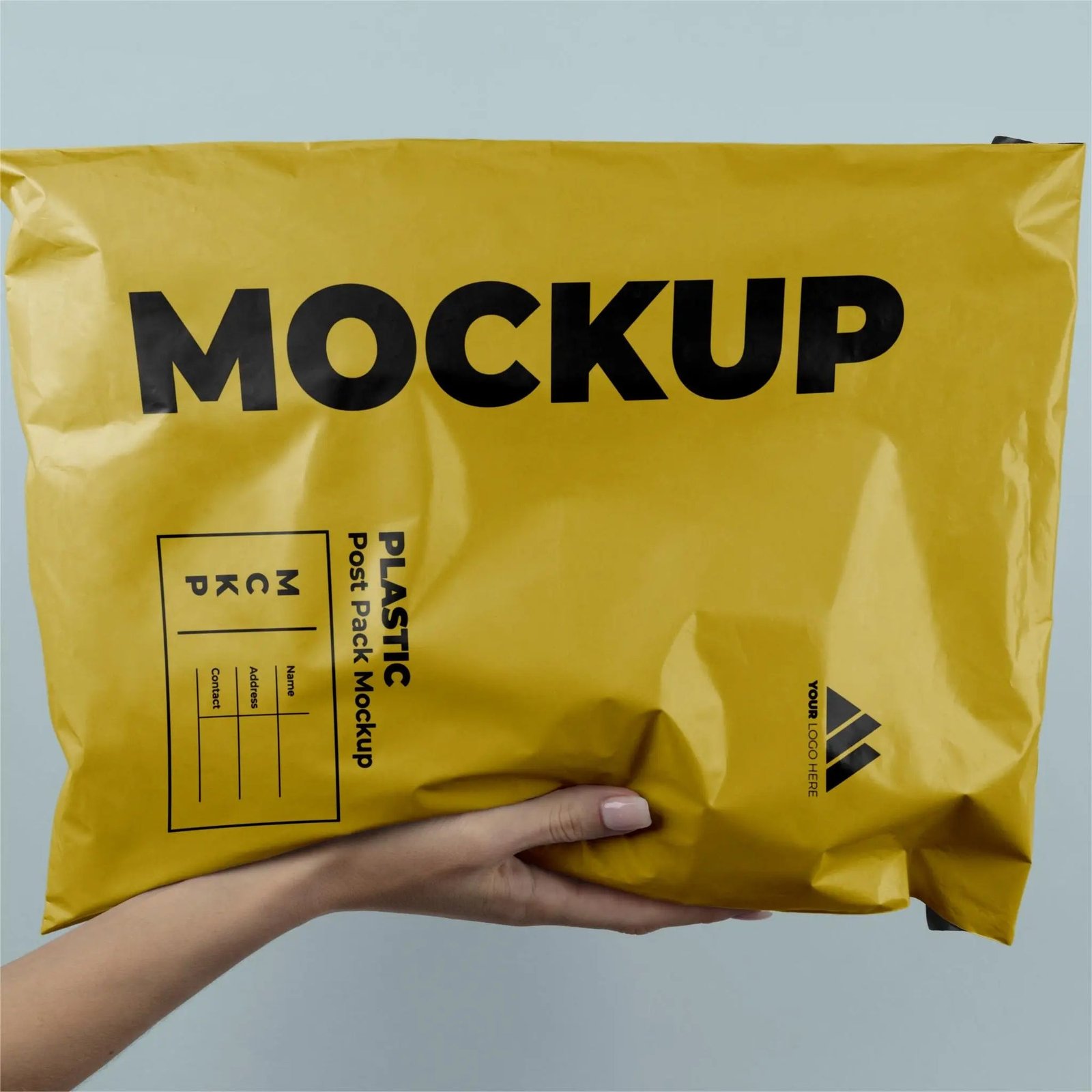
Branded Retail Packaging
Complete each order with custom hangtags, barcode stickers, polybags, tissue, cartons, or reusable packaging. JUNSHEEN aligns packaging details with your retail workflow, private-label presentation, and export requirements for production-ready delivery.
Custom Board Shorts Manufacturing Since 2010
Founded in Humen Town, Dongguan in 2010, JUNSHEEN helps fashion brands turn custom board shorts concepts into production-ready private-label collections. Our OEM, ODM and product-development teams support every stage, from technical review and fabric sourcing to sampling, branded trims and export coordination.
With more than 200 skilled workers and monthly capacity exceeding 80,000 units, we combine responsive low-MOQ development with dependable scale. Brands can launch from 100 units per style and color, then grow into repeat board shorts programs supported by cut-and-sew expertise, quality control and global shipping.
What distinguishes JUNSHEEN is a fit-first manufacturing approach backed by an integrated supply chain. We refine patterns, grading and construction for the intended customer, then manage decoration, washing, labels, packaging and final inspection in one place. More than 2,000 fashion-brand clients have partnered with us worldwide.

Custom Board Shorts Capability, From Fit to Finish
Fit Engineering That Moves
JUNSHEEN develops custom board shorts with pattern adjustments that balance waist security, rise, leg opening, inseam and movement. Our fit-focused XS–3XL grading supports standard, extended-size and relaxed silhouettes without relying on simple pattern enlargement.
- Fit review from tech packs, sketches or reference samples
- XS–3XL grading for standard, plus-size and oversized fits
- Prototype samples and size sets before bulk approval
- Pattern records retained for consistent repeat orders

Performance Fabrics, Properly Specified
Select fabrics for the intended water, resort, sport or lifestyle use of your custom board shorts. Our sourcing team compares weight, stretch, dry time, durability, hand feel and target cost, then provides swatches and sample garments for approval.
- Performance woven, stretch blends and recycled fabric options
- Material recommendations aligned to wear and wash expectations
- Fabric, lining and pocket construction sourcing
- Swatch review before bulk material confirmation
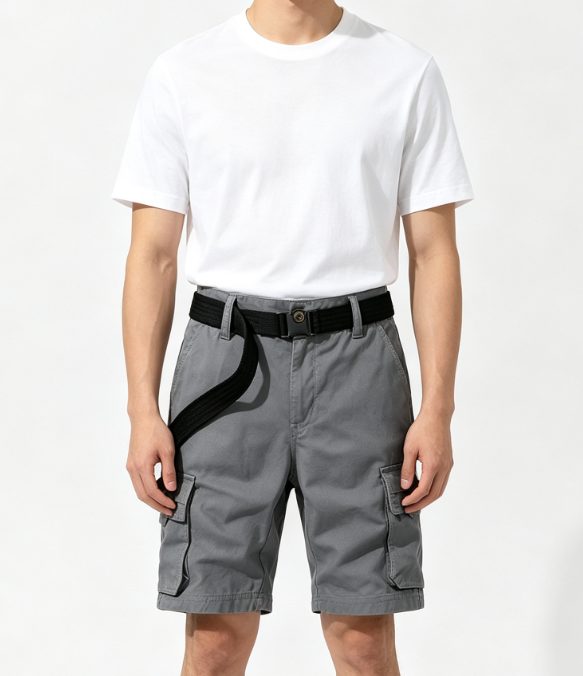
Decoration Built for Wear
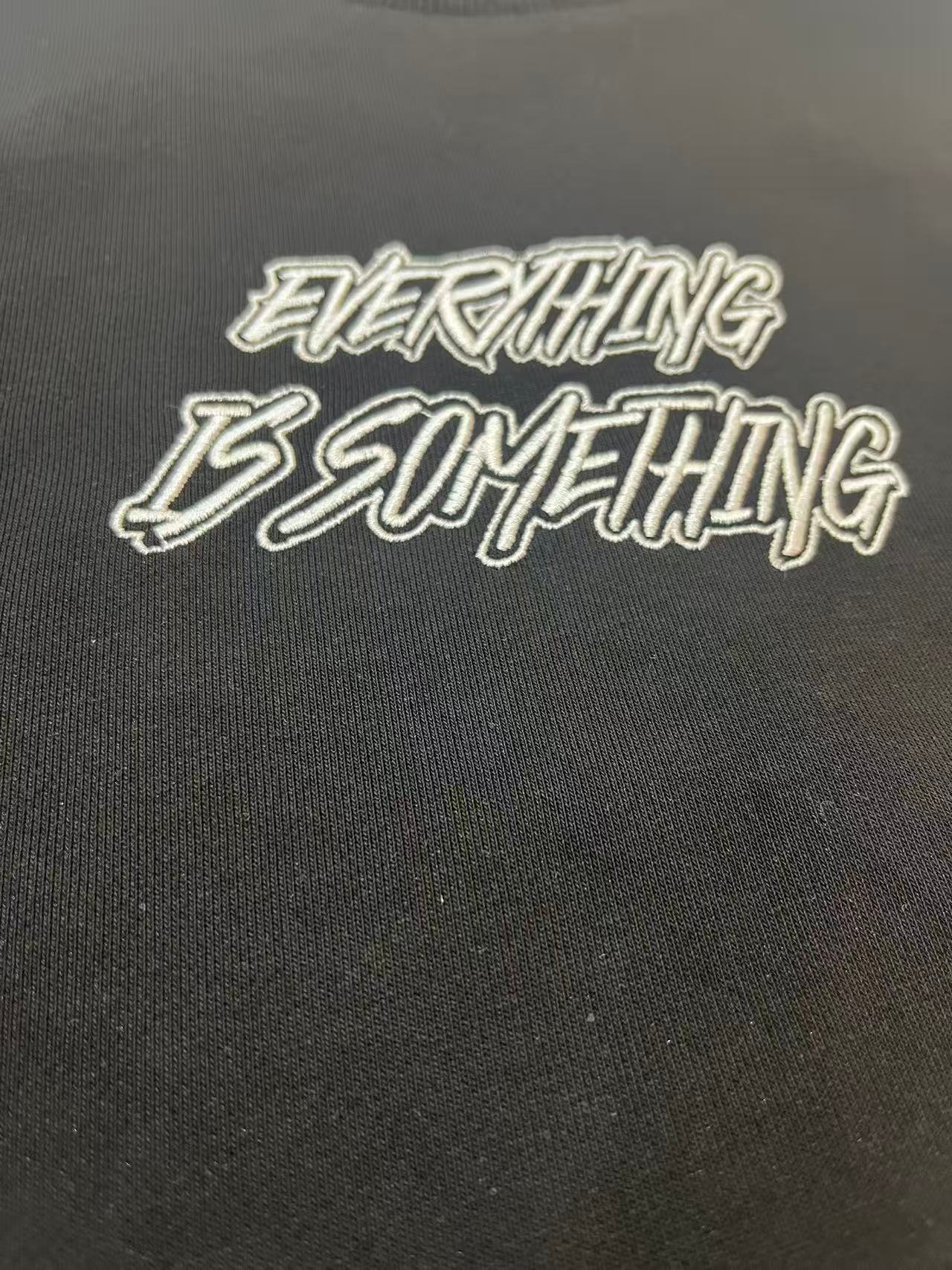
Bring branded graphics to board shorts through production methods matched to fabric and placement. JUNSHEEN coordinates screen printing, heat transfer, embroidery, patches and finishing with construction planning, helping logos and details remain clear through regular wear and washing.
- Screen print, DTF, heat transfer and dye-sublimation options
- Flat, 3D/puff and logo embroidery
- Custom patches, drawstrings and reflective details
- Decoration checks during sampling and in-line production

Private Label Under Control
Move from approved sample to shelf-ready product through one connected production team. JUNSHEEN manages labels, trims, packaging, quality checks and export support for custom board shorts, starting from 100 units per style and color and scaling with demand.
- Woven labels, size labels and wash-care labels
- Custom hang tags, packaging, snaps and zippers
- Incoming, in-line and final packed-goods quality checks
- OEM, ODM and wholesale support for global brands
Why Choose JUNSHEEN for Custom Board Shorts
Compare fit-focused development, integrated production, and export support built for growing apparel programs.
← 左右滑动查看 →
Custom Board Shorts Production Process
From first feasibility check to export-ready delivery, JUNSHEEN manages each production stage with clear approvals, fit-focused development, and controlled quality.
Review Your Brief
Our team reviews your tech pack, artwork, reference samples, target price, quantities, sizing requirements, and construction details to confirm manufacturability and production scope.
Source Fabrics And Trims
We recommend performance fabrics, linings, drawcords, labels, pockets, and hardware based on hand feel, stretch, durability, print compatibility, and target cost.
Build Patterns And Samples
Pattern makers develop board shorts patterns and graded XS–3XL size sets, then produce samples for fit, measurements, construction, decoration, and wash-performance approval.
Confirm Production Details
After sample approval, we finalize materials, colorways, logos, packaging, quantity breakdowns, and pre-production specifications before releasing your order to the production line.
Produce And Inspect Bulk
Skilled teams cut, sew, decorate, finish, and inspect custom board shorts throughout production, checking fabric, measurements, construction, logo placement, and final packed goods.
Pack And Ship Globally
Approved goods receive branded labels and packaging, then are prepared for export with shipping support that helps brands deliver completed orders to global markets.
How to Start Your Custom Board Shorts Program
Move from concept to approved bulk production with clear feasibility guidance, sample control, and dependable factory coordination.
Send Your Design Brief
Share a tech pack, sketch, reference garment, or mood board with target quantities, size range, fabric preferences, branding details, and delivery requirements.
Review Feasibility and Pricing
Our OEM team confirms construction, materials, decoration, fit requirements, 100-unit MOQ options, development timing, and a clear quotation for your custom board shorts.
Approve Development Samples
Review prototype samples, fabrics, trims, measurements, and branding before confirming revisions, final specifications, graded size sets, and pre-production approval.
Launch Bulk Production
After approval, JUNSHEEN manages material preparation, cutting, sewing, decoration, quality inspections, packing, and global shipping support for your finished order.
Custom Clothing Manufacturer Credentials and Compliance Documents



What Fashion Brands Say About Our Custom Board Shorts
JUNSHEEN turned our reference samples into production-ready custom board shorts in three weeks. Their team corrected the rise and leg opening across XS–3XL, cutting our fit-sample revisions from four rounds to two.
We launched with 120 units per color and needed consistent quality for a quick reorder. The fabric, logo embroidery, labels, and packaging matched our approved sample, and our second 600-unit run shipped without measurement issues.
Their development team made sourcing far smoother than managing separate vendors. We consolidated shorts, custom drawcords, woven labels, and print testing with one partner, then scaled from a 100-unit pilot to 2,400 units over two seasons.
Custom Board Shorts Manufacturing FAQ
Clear guidance on minimums, samples, fit development, production, shipping, payment, and IP protection.
What is the MOQ for custom board shorts?
How long does a custom board shorts sample take?
How much does a custom board shorts sample cost?
Can you grade board shorts from XS to 3XL?
What is the production lead time for custom board shorts?
What payment terms do you offer for OEM orders?
Do you ship custom board shorts internationally?
How do you protect my custom board shorts designs and brand details?
Complete Buyer’s Guide to custom board shorts
Use this decision framework to select fabrics, construction, customization, and supplier capabilities for custom board shorts, compare production options and costs, and avoid sourcing mistakes that undermine fit, durability, compliance, or launch timelines.
1. What Are custom board shorts?
18–22 inches is the common outseam range for custom board shorts: lightweight, quick-drying woven shorts designed for surf, beach, pool and warm-weather use. Unlike brief-lined swim trunks, they usually use a longer leg, flat front, lace-up or elastic waist, and little or no built-in liner. 3 product categories must stay distinct in a quote request. Surf shorts prioritize secure waist closure, reduced chafe and mobility in water; swim trunks often prioritize a mesh liner and shorter inseam; casual hybrid shorts add pocket utility and a more street-ready hand, but must still specify whether they are intended for immersion. 100 units per style and color can be a practical starting point for a capsule program, provided the label has settled its target customer and use case. Core buyers include surf and resort brands, swimwear labels, fitness and lifestyle companies, retailers, event programs, and private-label wholesalers seeking coordinated seasonal collections. 6 decisions should be fixed before development: intended activity, silhouette and outseam, waistband system, pocket configuration, fabric weight and stretch, and decoration method. A production-ready brief should also state size range, colorways, artwork placement, lining requirement, target landed cost, and whether samples must pass wash, saltwater or chlorine exposure tests.
2. The Evolution of custom board shorts
1950s surf trunks were cut long, rigid, and purpose-built to stay secure in heavy water; their drawcord waist, contrast binding, and tropical graphics still signal authentic surf heritage. Buyers using those cues should retain a secure closure and durable woven face, but avoid copying the restrictive fit unless the brand is deliberately vintage-led. 1970s and 1980s surf culture pushed board shorts toward louder all-over prints, longer outseams, and logo visibility, then resort and beachwear broadened the category beyond the break. A 17–19 inch outseam reads modern surf or teamwear, while 15–17 inches usually suits contemporary resort and fashion collections; confirm the target market’s preferred inseam rather than treating one length as universal. 1990s performance development made four-way-stretch polyester/elastane blends, welded or secure pocket systems, and reduced-chafe construction commercially important. Current buyers should decide early whether a liner is needed: unlined shorts preserve the traditional board-short feel, mesh briefs support mixed-use beachwear, and compression liners suit active lifestyle positioning. 2020s sourcing now joins recycled polyester, traceable nylon, digital or sublimation printing, and extended grading with the product brief. For custom board shorts, inclusive sizing through 3XL requires rise, thigh, leg-opening, and drawcord-length adjustments—not simply scaling a regular-size pattern—while a restrained archive print, color-block panel, or clean solid can place the same base silhouette in surf, resort, team, or streetwear channels.
3. Types of custom board shorts
Six commercial silhouettes cover most custom board shorts assortments, but they serve different selling channels. Specify inseam, waistband, pocket plan, and mobility target before sampling; those choices affect fit approval and retail positioning.
Classic Surf Board Shorts
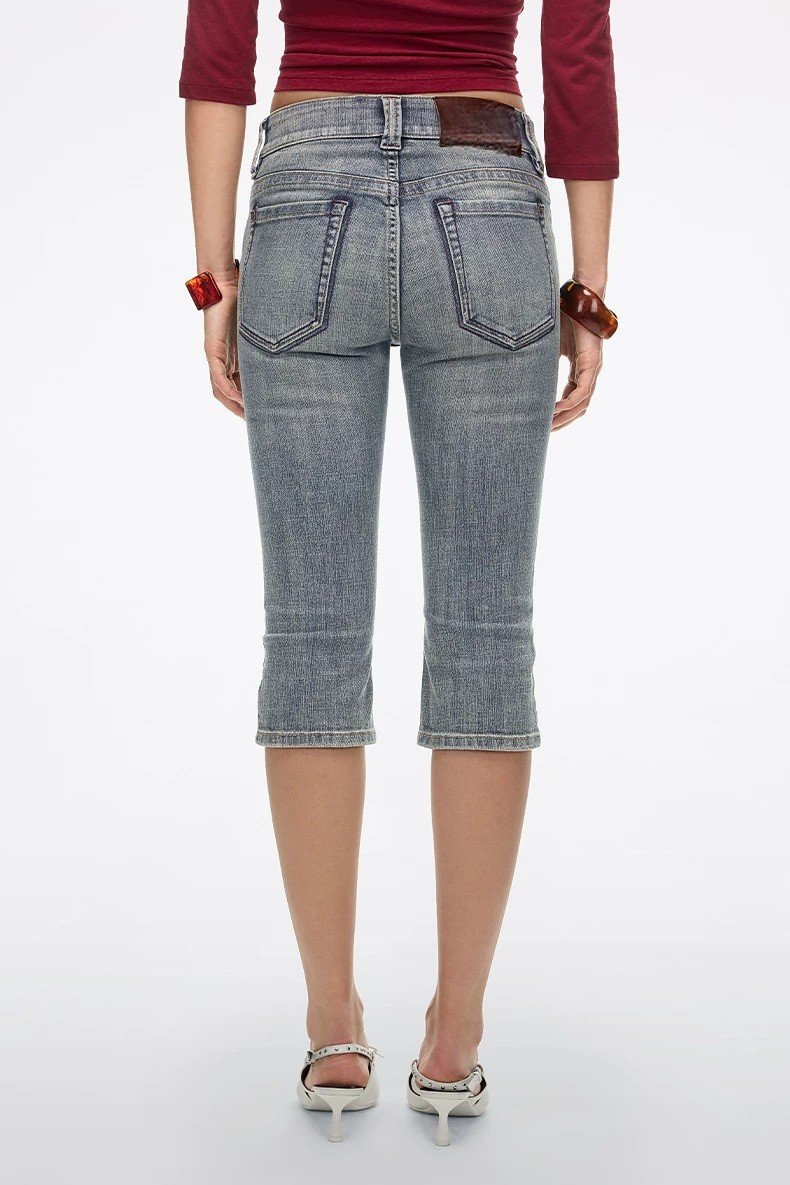
18–20 inch outseams suit core surf customers wanting knee-adjacent coverage and a relaxed leg. A fixed waistband with lace-up fly, gusseted closure, drainable pocket, and key loop fits surf-shop or branded team capsules.
Elastic-Waist And Volley Shorts

5–7 inch inseams target resort, beach, and casual consumers who prefer easy movement. Elastic waistbands use a drawcord, mesh pocket bags, and brief or liner-free options; merchandize them as accessible summer color programs.
Hybrid Walk Shorts

8–10 inch inseams bridge water use and everyday resort dressing with a cleaner, straighter fit. A button-and-zip fly, belt loops, quick-dry pockets, and subtle drainage work best for golf, travel, and lifestyle retailers.
Performance Stretch Styles

4-way-stretch constructions suit active swimmers, paddle users, and training-focused collections. A secure drawcord, bonded or zip pocket, laser-perforated drainage, and abrasion-conscious seams support premium technical merchandising.
Extended-Size Programs

XS–3XL programs require revised rise, thigh ease, leg opening, and grading increments rather than simple scale-up. Elastic-back or fully elastic waist options, longer 9–11 inch inseams, and reinforced drawcords make inclusive capsules more credible.
4. Materials for custom board shorts
Material weight between 110 and 170 GSM usually gives board shorts a fast-drying, packable profile without feeling insubstantial. Specify fiber, stretch, weave, finish, and intended water exposure together; fiber names alone do not predict performance.
| Fabric | Weight | Stretch | Drying / Abrasion | Print / Hand / End Use |
|---|---|---|---|---|
| Recycled polyester | 120–150 GSM | Low | Fast / good | Excellent sublimation; crisp; surf, swim |
| Polyester-spandex | 150–170 GSM | 8–15% | Fast / good | Strong print; smooth; active swim |
| Nylon-spandex | 150–180 GSM | 8–15% | Fast / excellent | Good print; soft; premium surf |
| Microfiber | 140–180 GSM | Low | Fast / moderate | Good print; peach-skin; resort |
| Cotton-blend hybrid | 160–220 GSM | Low–moderate | Slow / moderate | Screen print; casual; everyday hybrid |
Match Fabric To Use

120–150 GSM recycled polyester suits surf and swim programs needing low water uptake and reliable sublimation color. Confirm the recycled-content claim and test dark shades for chlorine and UV exposure.
Balance Stretch And Recovery

150–170 GSM polyester-spandex or nylon-spandex typically provides 8–15% stretch for active movement. Nylon has a softer, more premium hand and higher abrasion resistance; polyester generally dries faster and prints more consistently.
Build Hybrid Collections
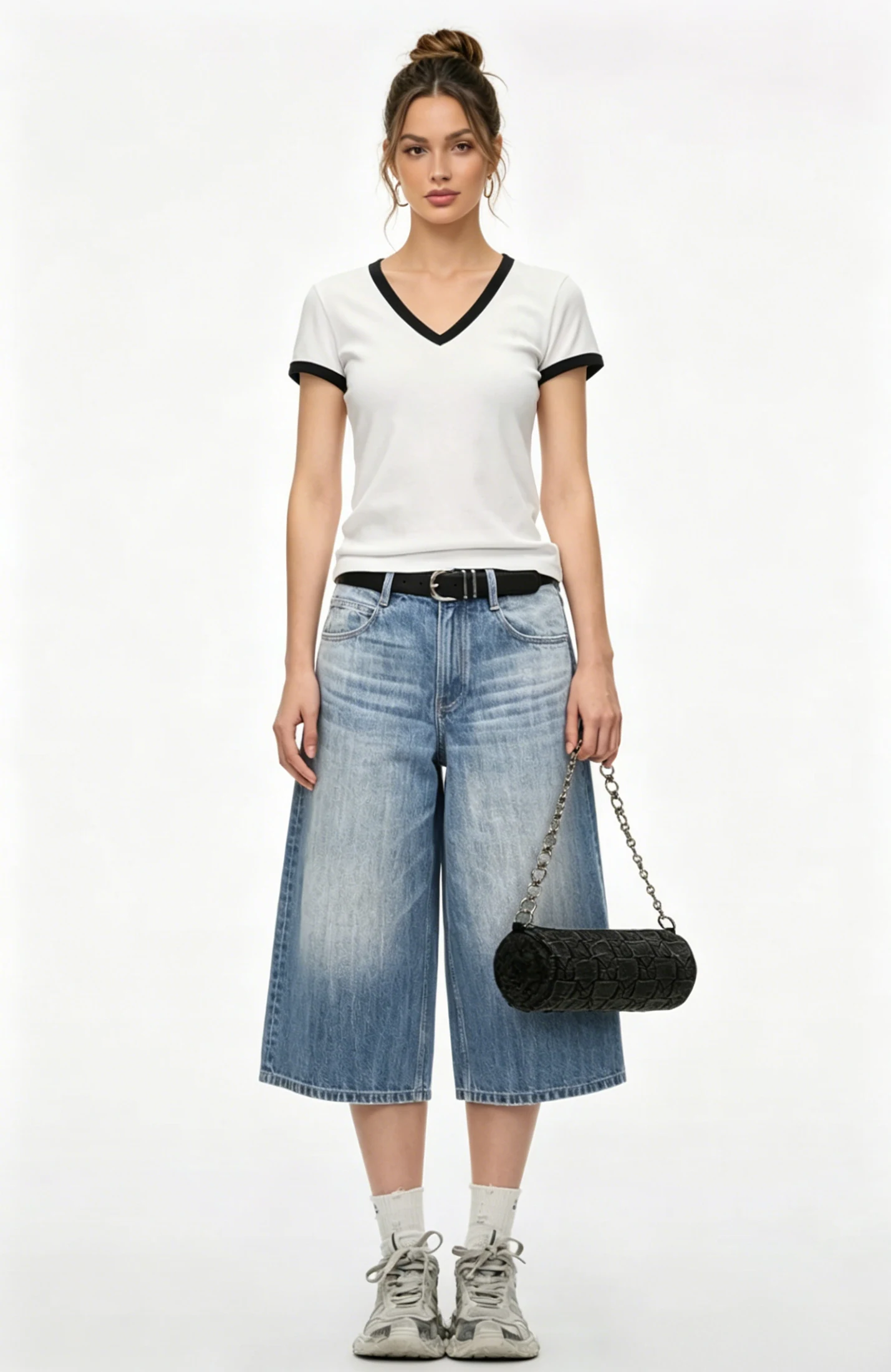
140–180 GSM microfiber offers a smooth, peach-skin hand for resort silhouettes, while cotton-blend hybrids feel more casual off water. Use cotton blends for everyday shorts, not prolonged swimming, because they retain water and dry slowly.
5. Custom board shorts customization options
A 100-unit style-and-color program can still carry a complete private-label identity when decoration, trims, and packaging are specified together. Lock artwork, Pantone references, placement measurements, and strike-off expectations before sampling.
| Method | Impact And Placement | Durability | Color Control | Artwork Requirement |
|---|---|---|---|---|
| Sublimation | Full panel, seams planned | Excellent | Unlimited CMYK | High-resolution repeat, bleed |
| Screen Print | Flat areas; avoid seams | High with cured ink | Spot Pantones | Vector separations, color callouts |
| DTF Or Transfer | Small logos, pockets | Good; test stretch | Strong multicolor | Transparent PNG or vector |
| Embroidery Or Patch | Hem, pocket, waistband | Very high | Thread or patch limited | Vector file, stitch size |
| Woven Labels And Packaging | Interior labels, hang tags | Retail durable | Pantone matched | Die lines, copy, logo files |
Choose The Decoration Route
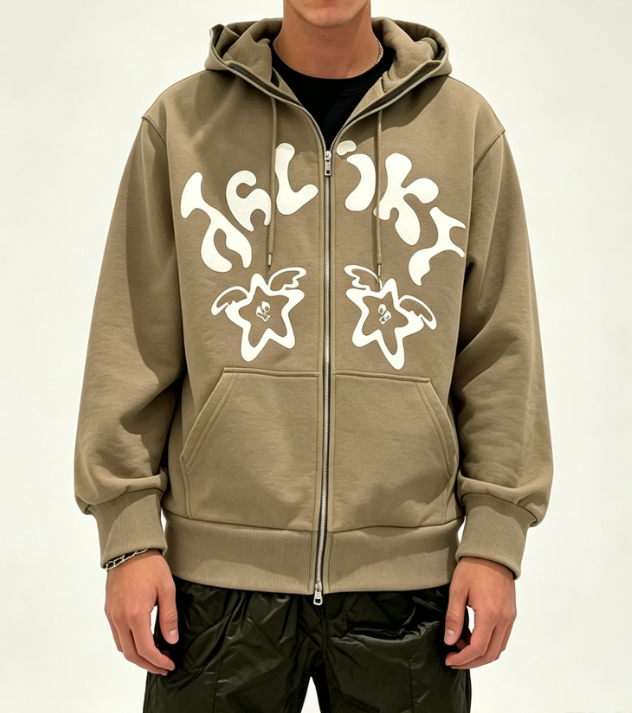
Sublimation gives edge-to-edge, photographic color on polyester-rich shells; it is unsuitable for cotton panels and must be built into the cut pieces. Screen print suits bold spot-color logos, while DTF or heat transfer handles small multicolor artwork.
Match Artwork To Placement

Pantone Solid Coated references, vector AI or PDF files, and placement dimensions in millimeters reduce color and scale disputes. Supply separate front, back, pocket, and waistband files; include bleed for all-over sublimation and avoid critical artwork across seams.
Finish The Private Label

Woven main labels, size labels, wash-care labels, patches, branded drawcords, contrast panels, and zip or flap pocket treatments create a more complete retail product. Confirm label fold, patch backing, cord length, hardware finish, polybag warning text, hang tags, and carton marks in the tech pack.
6. Construction Quality That Matters
Construction is where a board-short sample either earns repeat wear or exposes costly bulk-production risk. Inspect it after washing, wetting and stretching—not only on a showroom hanger.
Seams And Stress Points

3-thread overlock seams are common inside panels, while flat-felled or double-needle seams better protect high-friction joins. Check crotch, side seams and pocket corners for even stitch density, no skipped stitches and clean seam allowances. 8–12 bartacks should reinforce the fly base, pocket openings and drawcord exit points on an adult short. Ask the factory to identify each stress-point location on the approved construction sheet.
Waistband, Closure And Pockets

1.5–2 inch elastic waistbands need stable recovery after repeated extension; test the sample at least 10 stretch-and-release cycles. Drawcord ends should be secured, eyelets or buttonholes finished cleanly, and hook-and-loop closures aligned without sharp edges. 2–4 drainage eyelets or mesh pocket bags help water leave pocket areas. Turn pockets inside out to confirm the drainage opening is unobstructed and stitching does not trap the lining.
Fly, Lining And Hem

A functional fly should overlap sufficiently to stay closed during movement, while a mock fly should be specified clearly to avoid an unapproved construction change. Lining choice—mesh brief, compression liner or unlined—must be checked for softness, attachment points and chafing. 1–2 rows of coverstitch or a clean turned hem reduce edge rolling. Stretch woven fabric must recover without permanent bagging at the seat and hem after a wet-use test.
Claims Need Test Evidence
AATCC or ISO reports should support colorfastness, chlorine resistance, stretch recovery and water-repellent claims; verbal assurances are not enough. Request reports tied to the actual fabric lot or an equivalent approved construction before bulk release. 4 or better is a common target for wash and crocking colorfastness, subject to the fabric and market requirement. Record the test method, result, sample date and approved shade in the production file.
- Confirm seam, bartack and hem details on a sealed sample.
- Wash-test decorated and dark-color samples before approval.
- Match reports to fabric composition, finish and colorway.
7. Choosing a custom board shorts Manufacturer
A capable manufacturer turns a board-short concept into repeatable bulk production. Evaluate evidence from the first inquiry: comparable products, clear specifications, sampling controls, and documented shipment experience matter more than a low quote.
Verify Category Capability
Ask for recent examples of woven swim or surf shorts, including waistband construction, fly closures, mesh lining, pockets, and abrasion-resistant seams. A supplier should distinguish OEM execution from ODM development and explain whether its team can build patterns from a tech pack, reference sample, or sketch.
- Which comparable styles were produced recently?
- Can you supply OEM and ODM support?
- What is the minimum per style and color?
Test Materials And Sampling
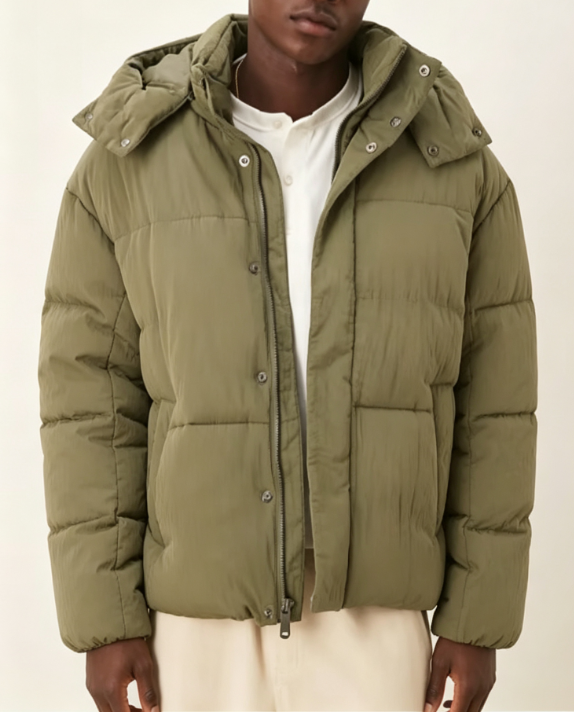
Confirm fabric origin, composition, weight, stretch, colorfastness, and test options before approving a sample. For performance board shorts, request swatches and specify recycled polyester, mechanical stretch, water-repellent finish, or mesh requirements in writing. A practical workflow includes a development sample, fit corrections, a size set, and pre-production approval. Ask who owns the approved pattern and which revisions change cost or lead time.
- Can you provide fabric swatches and test reports?
- What sample lead time applies?
- How are Pantone colors controlled?
Control Risk Before Deposit
Request measurement tolerances, in-line inspection points, final-AQL practice, and photo reports for packed goods. Confirm size grading through the intended range instead of merely enlarging one base size. Ask for current social and chemical compliance evidence where required, such as BSCI, WRAP, OEKO-TEX, GOTS, or restricted-substance testing. Verify export documents, shipping terms, production lead time, and the single contact responsible for updates.
- Who checks fabric, measurements, decoration, and packing?
- Which compliance documents are current?
- What happens if bulk goods miss approval?
- Which Incoterm and export documents are included?
8. Common custom board shorts Buying Mistakes
100-unit launches leave little room to absorb preventable development errors. For custom board shorts, buyers should turn each approval point into a documented check before authorizing fabric, printing, or bulk cutting.
Copying Without Specifications
1 reference garment rarely supplies the measurements, seam allowances, pocket construction, and tolerance limits a factory needs. Create a tech pack with a measurement chart, bill of materials, artwork placement, and construction callouts. 2 fit rounds are often needed when a copied short must suit a different target customer. Approve a labeled size sample, including rise, inseam, leg opening, waistband, and drawcord behavior, before grading.
Chasing Lowest Fabric Cost

120–160 GSM lightweight woven fabric may feel economical but can expose opacity, abrasion, and wet-hand problems. Specify fiber content, weight, stretch, drying expectations, and intended use; review swatches under daylight and after washing. 3 test points prevent expensive surprises: shrinkage, colorfastness, and print migration. Request wash-test results and a retained approved fabric swatch before bulk fabric is released.
Approving Artwork And Bulk Too Early

300 DPI artwork at final print size is a practical baseline for sharp raster graphics; low-resolution files can soften logos and edges. Supply vector AI, PDF, or SVG artwork when possible, plus Pantone references and print-size placement measurements. 1 pre-production sample should match approved fabric, trims, print method, labels, and packaging before cutting begins. Confirm MOQ by color and size, then build sampling, material booking, production, inspection, and freight time into the launch calendar.
9. Launching Your custom board shorts Line
A 100-unit-per-style-and-color starting point lets a new label test a focused custom board shorts capsule before expanding. Lock the customer, price band, competitor references, delivery window, and wholesale margin before development begins.
Define The Commercial Brief
Three to five competitor samples reveal target inseam, waistband, pocket layout, retail price, and color direction. Set a launch calendar backward from photo shoot, sales appointments, and retailer delivery dates. Two approval gates prevent costly drift: approve the product brief first, then approve the quoted specification and target cost. Keep dated versions of briefs, quotes, and revisions in a shared folder.
- Customer and intended use
- Target retail and margin
- Color and size plan
- Required delivery date
Build And Approve Samples
One complete tech pack should specify measurements, graded size chart, fabric composition and weight, construction, Pantone colors, artwork placement, labels, and packaging. Supply editable artwork and confirm who owns patterns, print files, and final production specifications. One prototype exposes fit or construction issues before materials are committed. Approve fabric swatches, strike-offs, a fit sample, and pre-production sample in writing; revise rise, leg opening, drawcord, and pocket depth before bulk.
Confirm Bulk And Delivery
XS through 3XL requires deliberate grading rather than simply scaling a medium; confirm size quantities against sales data and intended fit. Freeze purchase-order quantities, approved sample, materials, trims, packing instructions, and shipping terms before cutting. Three inspection stages—incoming materials, in-line sewing, and final packed-goods checks—should cover measurements, artwork, defects, and carton counts. Build buffer time for sample revisions, freight, customs, and retailer booking windows rather than treating the ex-factory date as launch day.
10. custom board shorts Pricing and Costs
100 units per style and color is Junsheen’s practical starting point for a capsule run; at this tier, sample development, fabric minimums, and print or trim setup have the greatest effect on the unit quote. A production-ready tech pack, Pantone references, artwork files, and an approved size chart reduce avoidable revisions. 7–14 days is a realistic planning allowance for a prototype or revised fit sample after materials and details are confirmed. Complex paneling, welded or zip pockets, lined mesh briefs, contrast binding, flatlock seams, all-over sublimation, and custom recycled-polyester fabric each add cost or time. 15–35 production days is a common bulk-planning window after pre-production approval, subject to fabric availability and order size. Final custom board shorts pricing must be quoted against the approved specification, certification requirements, packing method, and shipping destination; freight, duties, and destination handling are separate variables.
| Order quantity | Indicative unit-price driver | Sample or setup allowance | Bulk lead-time planning |
|---|---|---|---|
| 100–299 units | Higher development and material-minimum share | Prototype plus print, embroidery, or trim setup | 25–35 days |
| 300–999 units | Fabric yield and decoration efficiency improve | Setup spread across more units | 20–30 days |
| 1,000+ units | Volume purchasing and line efficiency matter most | New molds, labels, or packaging only if required | 15–25 days |
| All tiers | Fabric weight, construction, size range, OEKO-TEX or GOTS documentation, branded packaging, and freight alter totals | Freight is destination-specific | Confirm after approved sample |
Start Your Custom Board Shorts Sample Today
Send your tech pack, reference garment, or product idea for a tailored quotation, fit-focused development, and production from 100 units per style and color.