
White Labels Jeans OEM From 100 Units
Develop white labels jeans with fit-focused XS–3XL grading, custom washes, private labeling, and scalable OEM and ODM production.
Featured Products for white labels jeans Development
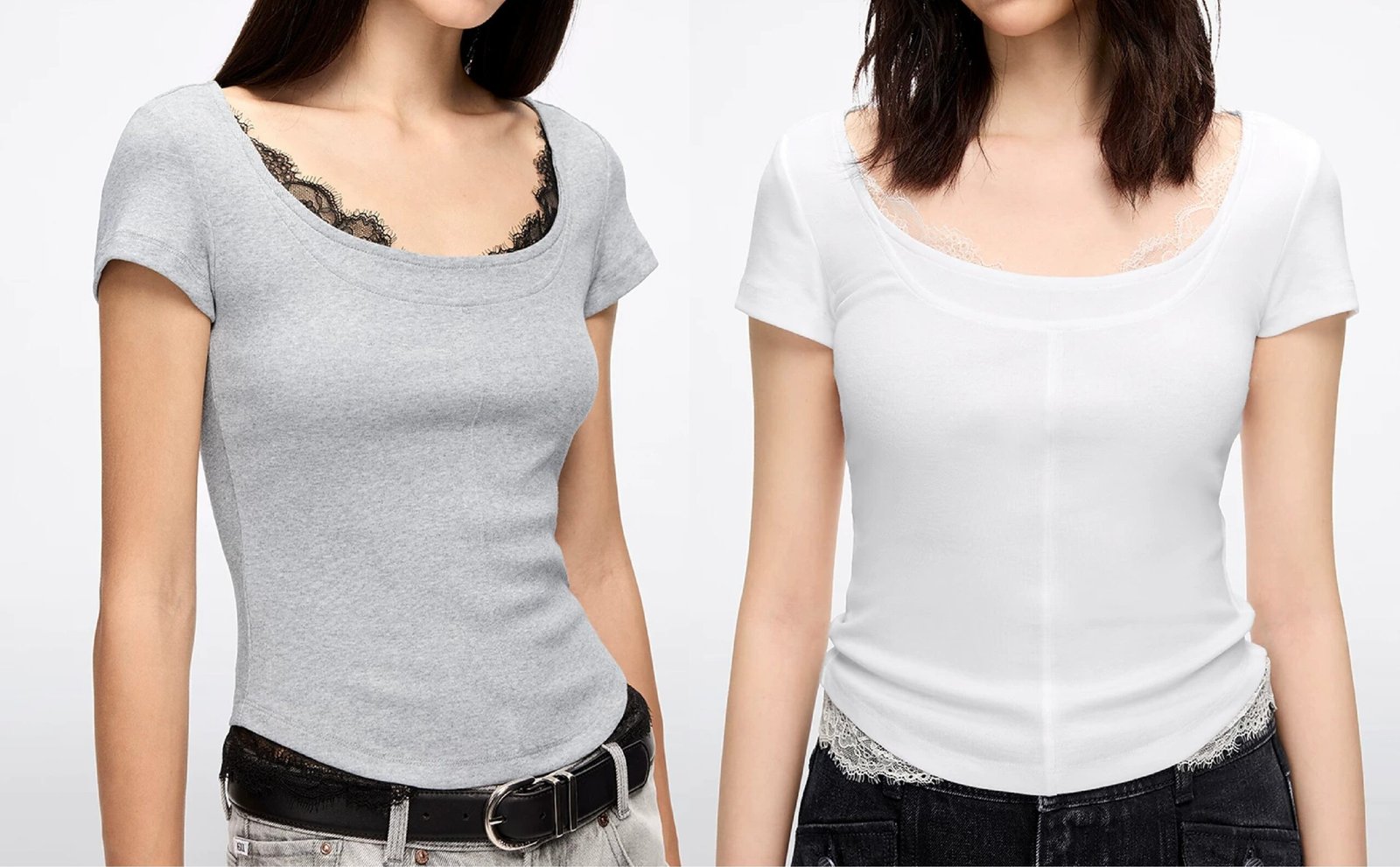


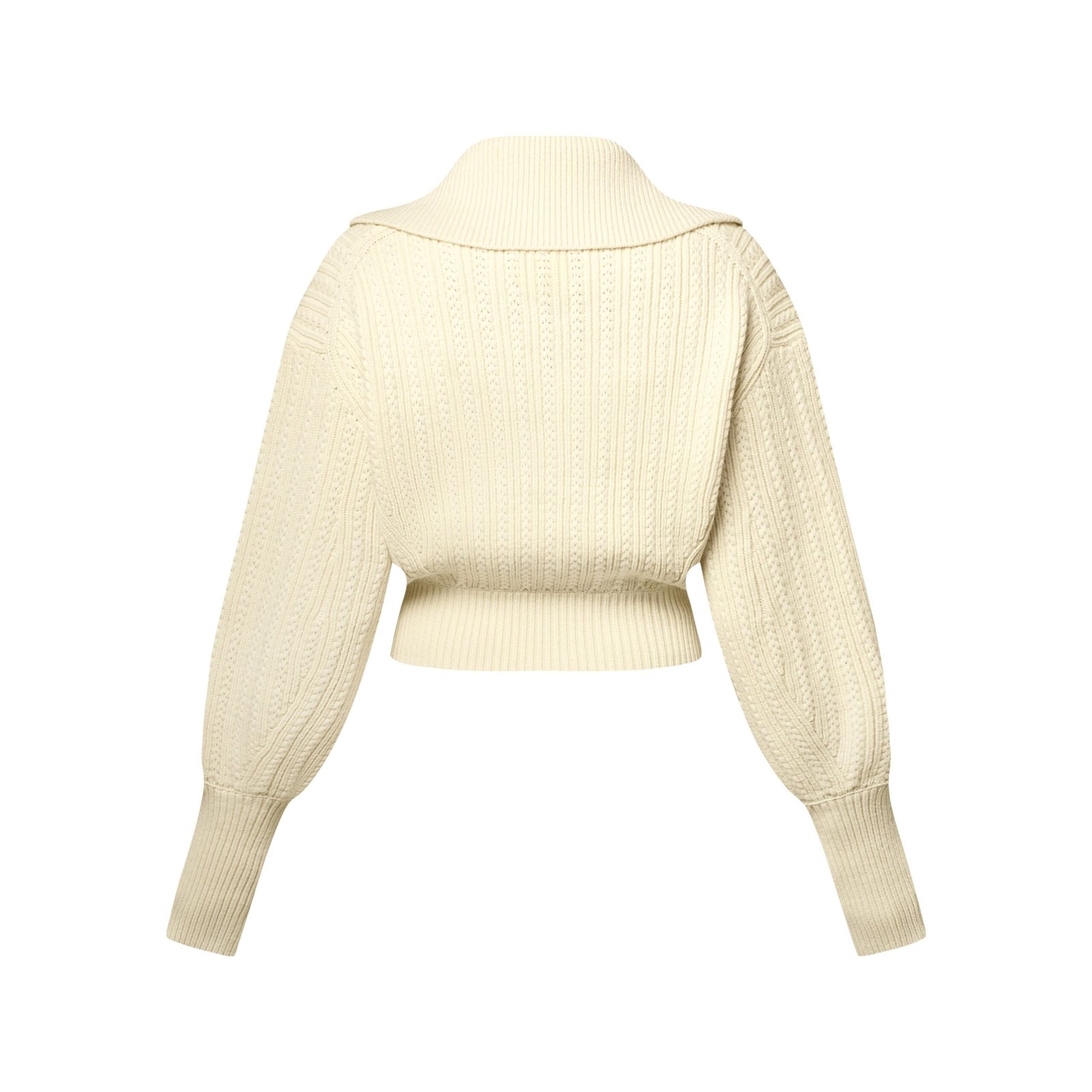


Related Product Catalogue and Quotation




Why Brands Choose JUNSHEEN for White Labels Jeans
Fit-led development, integrated branding and production capacity for denim programs that start small and scale globally.
100-Unit Denim MOQs
Launch capsule white labels jeans from 100 units per style and color, then scale proven silhouettes into repeat bulk programs.
Fit-First XS–3XL Grading
Pattern makers refine rise, seat, leg balance and mobility across standard, extended-size, plus-size and oversized denim fits.
Complete Private Labeling
Add woven or leather labels, wash-care labels, hang tags, custom hardware and branded packaging through one coordinated supply chain.
Wash and Decoration Control
Build distinct denim with enzyme, acid, stone and garment washes, plus embroidery, patches, printing and custom finishing.
Scalable Global Production
Work with 200+ skilled workers, 80,000+ monthly units of capacity and export support for dependable international delivery.
Development to Repeat Orders
Move from sketch, tech pack or reference garment through sampling, approvals, quality checks and retained production records for consistency.
Private-Label Denim and Casualwear Programs
OEM, ODM and private-label development for fit-focused casualwear programs, from 100 units per style and color through scalable global production.
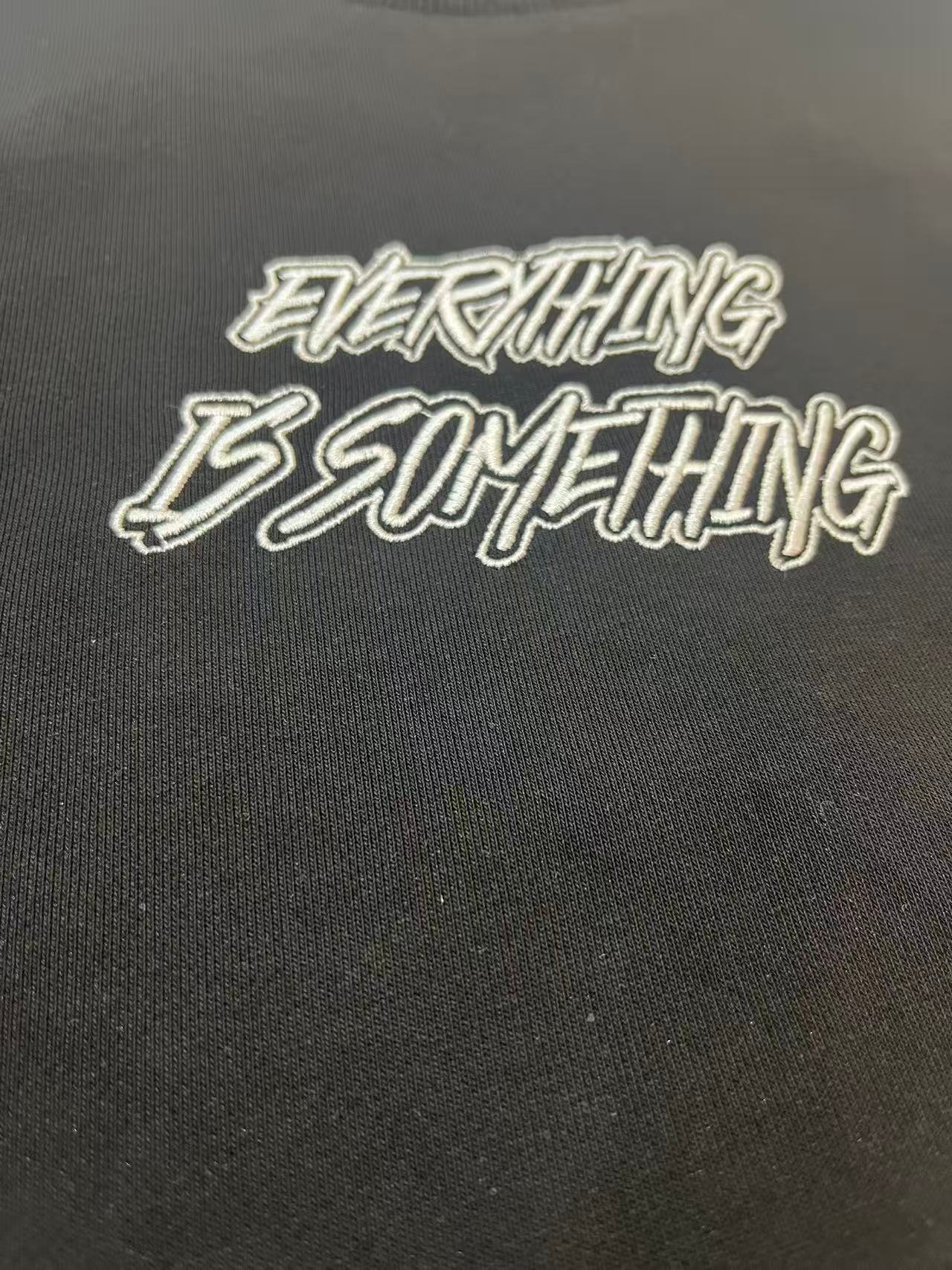
Custom Hoodies
Develop custom hoodies in fleece, French terry or jersey with refined body lengths, rib specifications, pockets, drawcords, embroidery, printing and private labels. Fit-focused grading from XS–3XL helps brands maintain consistency across core and extended-size hoodie programs.
Request a Quote
Custom T-Shirts
Produce custom T-shirts from combed cotton, Pima cotton, organic options and blended jersey in selected weights and silhouettes. Support includes pattern development, neck-rib specifications, oversized grading, screen printing, DTG, DTF, washes, labels and export-ready packaging.
Request a Quote
Custom Jeans
Develop custom jeans in rigid, stretch or comfort-stretch denim with buyer-approved rises, leg shapes, washes, hardware and pocket details. Pattern makers manage fit and grading from XS–3XL, helping denim brands reduce sample revisions before bulk production.
Request a Quote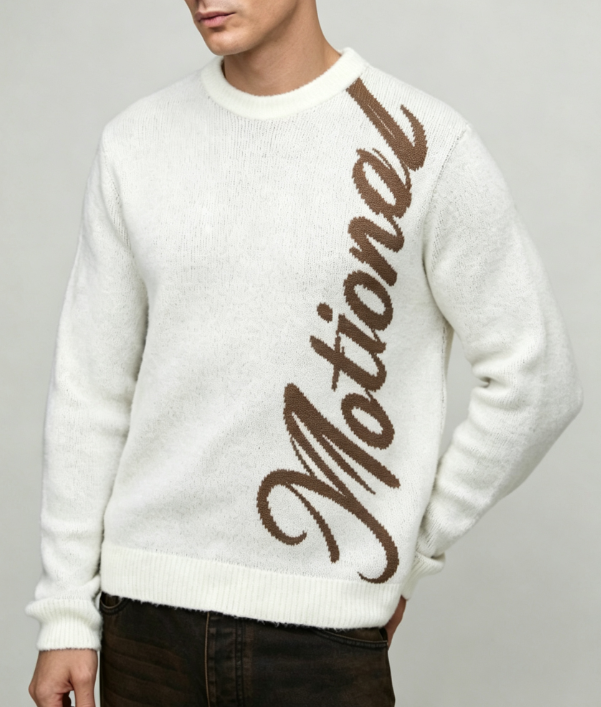
Custom Sweaters
Manufacture turtle neck sweaters in bulk with yarn, gauge, stitch and neckline specifications matched to your price point and market. Knitting support covers fit development, size grading, rib construction, labeling and bulk production for private-label knitwear collections.
Request a Quote
Custom Jackets
Produce custom jean jackets in denim weights, washes and silhouettes aligned with your collection. Specify collars, seams, pockets, closures, distressed effects, embroidery, patches and branded trims, with prototype sampling available before committing to bulk quantities.
Request a Quote
Custom Sweatshirts & Crewnecks
Develop custom crewneck hoodies and sweatshirts in fleece or French terry for branded essentials and seasonal drops. Control fabric weight, neckline, ribbing, fit, graphics, embroidery, washes and private-label details while starting from 100 units per style and color.
Request a Quote
Custom Cardigans
Create custom cardigans with selected yarn blends, gauges, stitch structures and button or zipper configurations. Junsheen supports regular, oversized and extended-size grading, along with labels, trims and sampling to help brands approve construction and proportion before production.
Request a Quote
Custom Puffer & Down Jackets
Manufacture custom puffer jackets with shell fabric, fill approach, quilting layout, insulation level and hardware selected for your target market. Development covers fit, lining, pockets, zippers, reflective details, labels and packed-goods quality control.
Request a Quote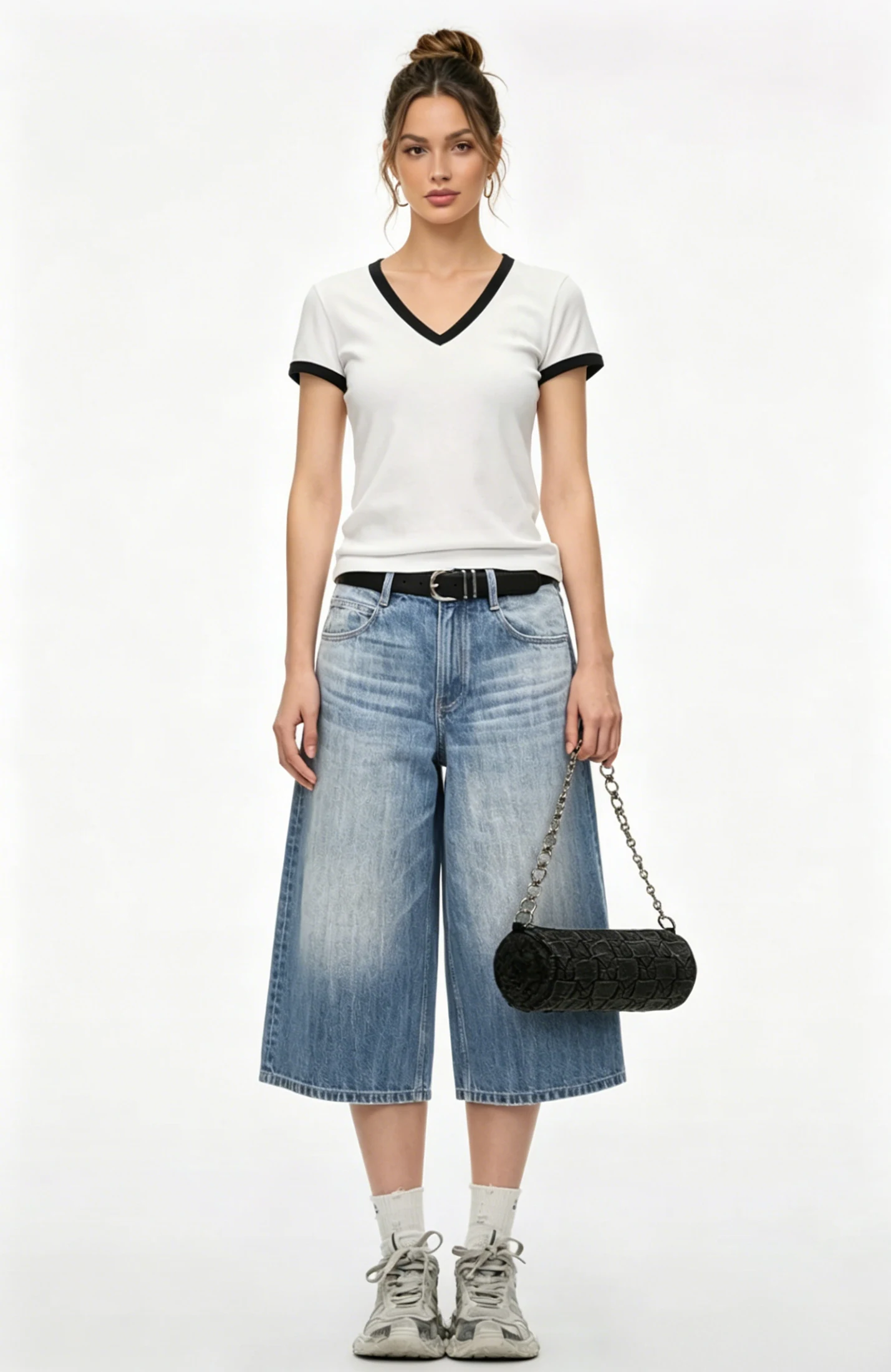
Custom Denim Shorts
Produce custom jean shorts in rigid or stretch denim with tailored inseams, rises, hems, pocket treatments and wash effects. Fit-focused patterns and graded size sets help brands carry a consistent jeans fit into warm-weather denim programs.
Request a Quote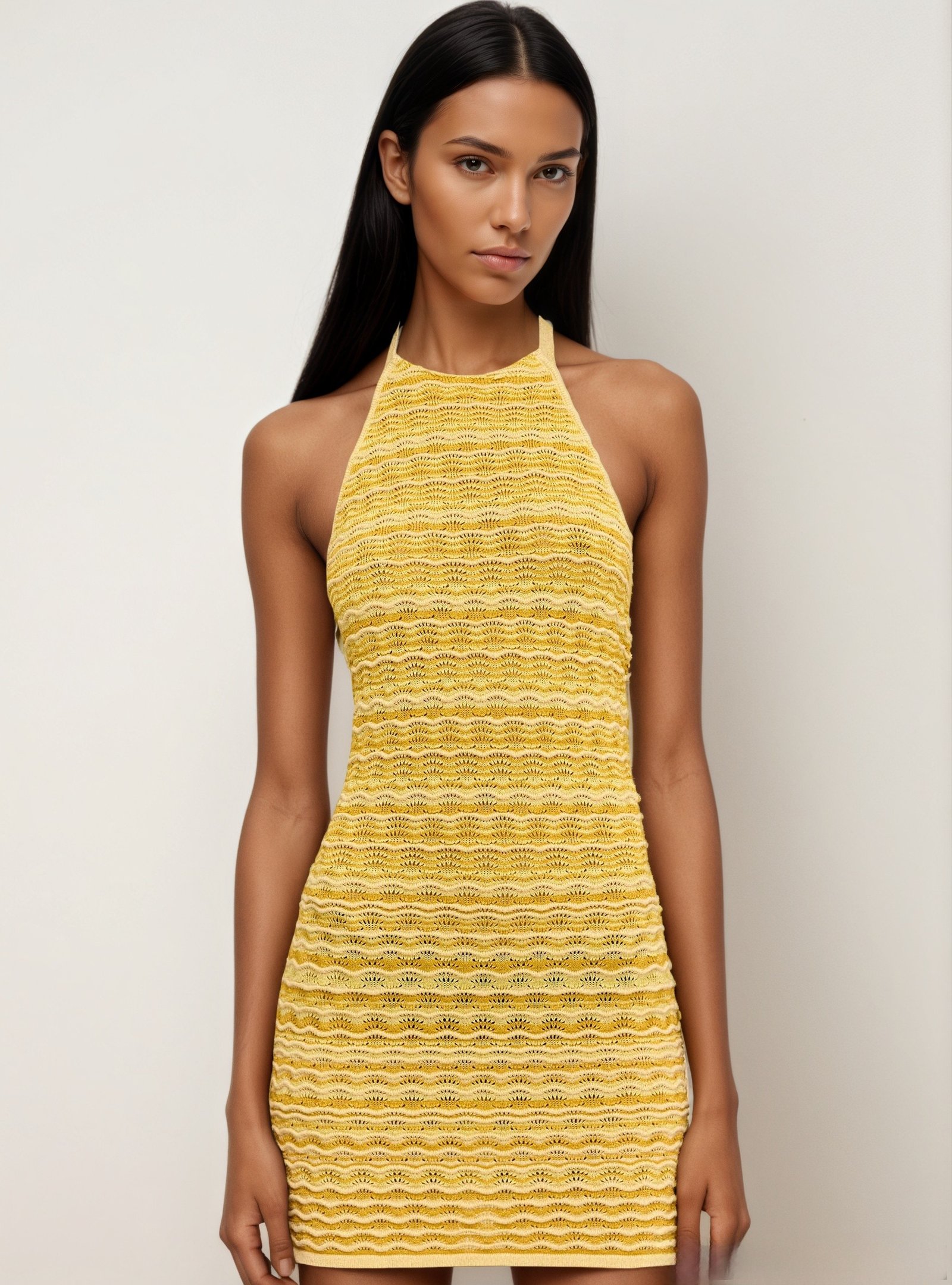
Custom Sweater Dresses
Develop custom sweater dresses with yarn, gauge, stitch pattern and silhouette tailored to your collection. Support includes body-length control, shaping, sleeve proportion, regular-to-extended-size grading, trims, labels and production-ready sampling.
Request a Quote
Custom Denim Sets
Produce men’s denim suits wholesale as coordinated denim jacket and trouser programs with matched fabric, wash and color control. Define jacket construction, trouser fit, hardware and branded trims, then approve samples before scalable bulk production.
Request a Quote
Custom Polo Shirts
Manufacture custom polo shirts in pique, jersey or performance knits with specified collars, plackets, cuffs and logo decoration. Pattern development supports clean fits across XS–3XL, while embroidery, printing, labels and packaging keep private-label programs production-ready.
Request a Quote
Custom Sweatpants
Develop custom sweatpants in fleece, French terry or performance knits with controlled rises, inseams, cuffs, waistbands and pocket construction. Add prints, embroidery, washes and branded trims while maintaining coordinated fit with hoodies and crewnecks.
Request a Quote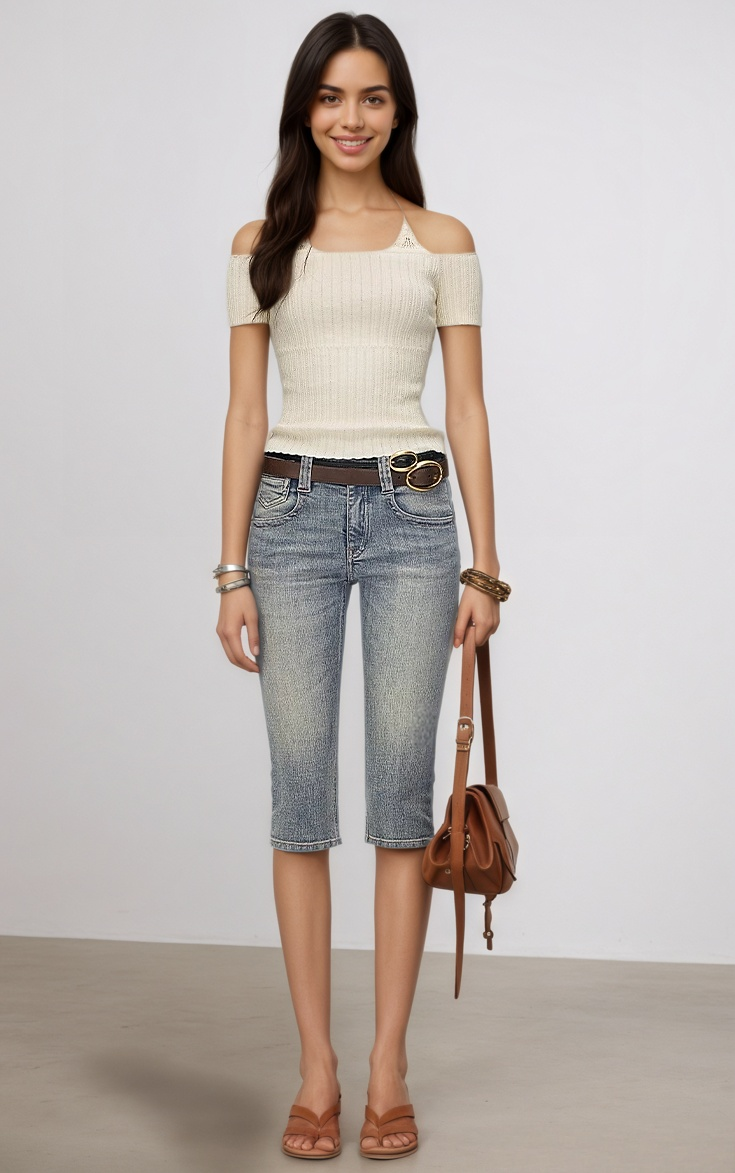
Custom Shorts
Produce custom shorts in jersey, fleece, twill, woven or performance fabrics for casual and active-oriented assortments. Define inseam, waist construction, pocket layout, finishing and decoration, with low-MOQ sampling and bulk options for new or established brands.
Request a Quote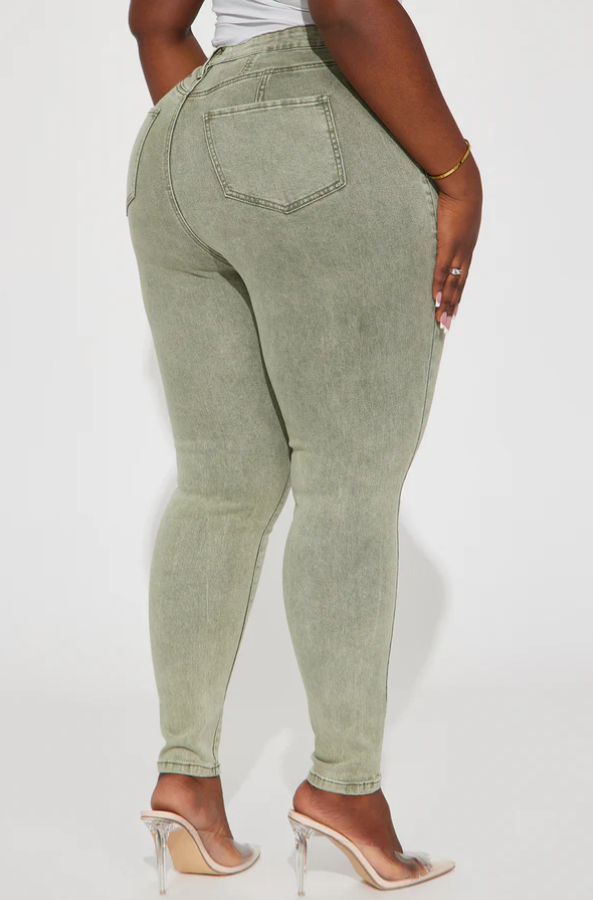
Custom Pullovers
Manufacture custom pullovers in knit, fleece, French terry or woven constructions based on your design direction. Development support covers neckline, fit, fabric weight, closures, decoration, washes, labels and XS–3XL grading for consistent repeat production.
Request a QuoteWhite Labels Jeans Materials Built for Fit, Wear and Wash

Rigid Cotton Denim
A structured, authentic denim with a dry-to-soft hand that develops distinctive fading over time. Ideal for straight-leg, relaxed and vintage-inspired jeans; durable woven construction supports substantial washes and long-term wear.

Stretch Denim
Cotton-rich denim blended with elastane for comfortable movement and closer body contouring. A reliable choice for slim, skinny and fitted white labels jeans, with controlled stretch recovery that helps retain shape through repeated wear.

Comfort Stretch Denim
A balanced denim with moderate give and a substantial hand feel for everyday silhouettes. Well suited to straight, tapered and wide-leg jeans, combining easier mobility with the durable appearance and wash versatility of classic denim.

Tencel Blend Denim
A smoother, softer denim blend with fluid drape and a refined hand feel. Best for lightweight jeans, relaxed trousers and fashion-led denim sets; Tencel content improves softness while maintaining a clean, premium surface.

Cotton Twill
A dense diagonal-weave fabric with a crisp hand and dependable abrasion resistance. Used for denim-adjacent pants, utility styles and matching jackets, it provides stable structure for clean seams, pockets and custom garment washes.

Recycled Blend Denim
Denim incorporating recycled fibers for brands pursuing lower-impact material options. Available in weights suited to contemporary jeans and jackets, it offers a textured hand and durable construction while supporting sustainability-focused product stories.
White Labels Jeans Washing, Printing and Decoration Options

Garment Washes
Enzyme, stone and acid washes soften white labels jeans, build controlled fading and create a lived-in character while preserving the fabric performance and consistent appearance required for repeat bulk production.

Garment Dyeing
Garment dyeing delivers rich, dimensional color across denim and coordinated casualwear, giving each piece a considered tonal character. Junsheen reviews color, shrinkage and wash behavior before bulk approval.

Embroidery Details
Flat, 3D puff, chain-stitch and applique embroidery add durable branded dimension to jeans, denim jackets and matching pieces. Placement, backing and stitch density are developed to suit the garment weight.

Screen Print Effects
Plastisol, water-based, puff, flocking, silicone, foil and high-density screen prints bring logos and artwork to denim programs with clear visual impact and production-tested adhesion through wear and washing.

Patch Application
Custom woven, embroidered, leather-look and logo patches create recognizable private-label details for pockets, waistbands and outerwear. Junsheen matches patch construction and attachment methods to the garment’s intended use.

Brushing Finishes
Brushing and napping refine the hand feel of denim-adjacent fleece, twill and coordinated apparel, adding soft surface texture while supporting a cohesive collection look across multiple custom styles.
Private-Label Trims for White Labels Jeans

Woven Brand Labels
Custom woven main labels give white labels jeans a polished brand signature at the waistband, pocket or interior neck position. Choose logo weaving, colors, folds and label dimensions to match your denim identity.

Leather Waist Patches
Embossed leather or vegan leather patches create a premium denim finish on back waistbands. Add your logo, artwork or sizing details while selecting patch shape, color, edge treatment and attachment method.

Custom Metal Hardware
Branded snap buttons, rivets and jean buttons reinforce high-stress areas while making the garment recognizably yours. We coordinate finishes, logo engraving and hardware colors with your wash, trims and target positioning.

Zippers And Pullers
Select dependable zippers and custom pullers for fly fronts, pockets or detachable denim details. Options can include branded pull tabs, finish matching and zipper specifications suited to the garment’s construction and intended use.

Hangtags And Packaging
Custom hangtags, size stickers, polybags and branded packaging prepare finished denim for wholesale, retail or direct-to-consumer fulfillment. JUNSHEEN coordinates artwork, materials and packing requirements before final quality inspection and export.
Embroidered Custom Patches
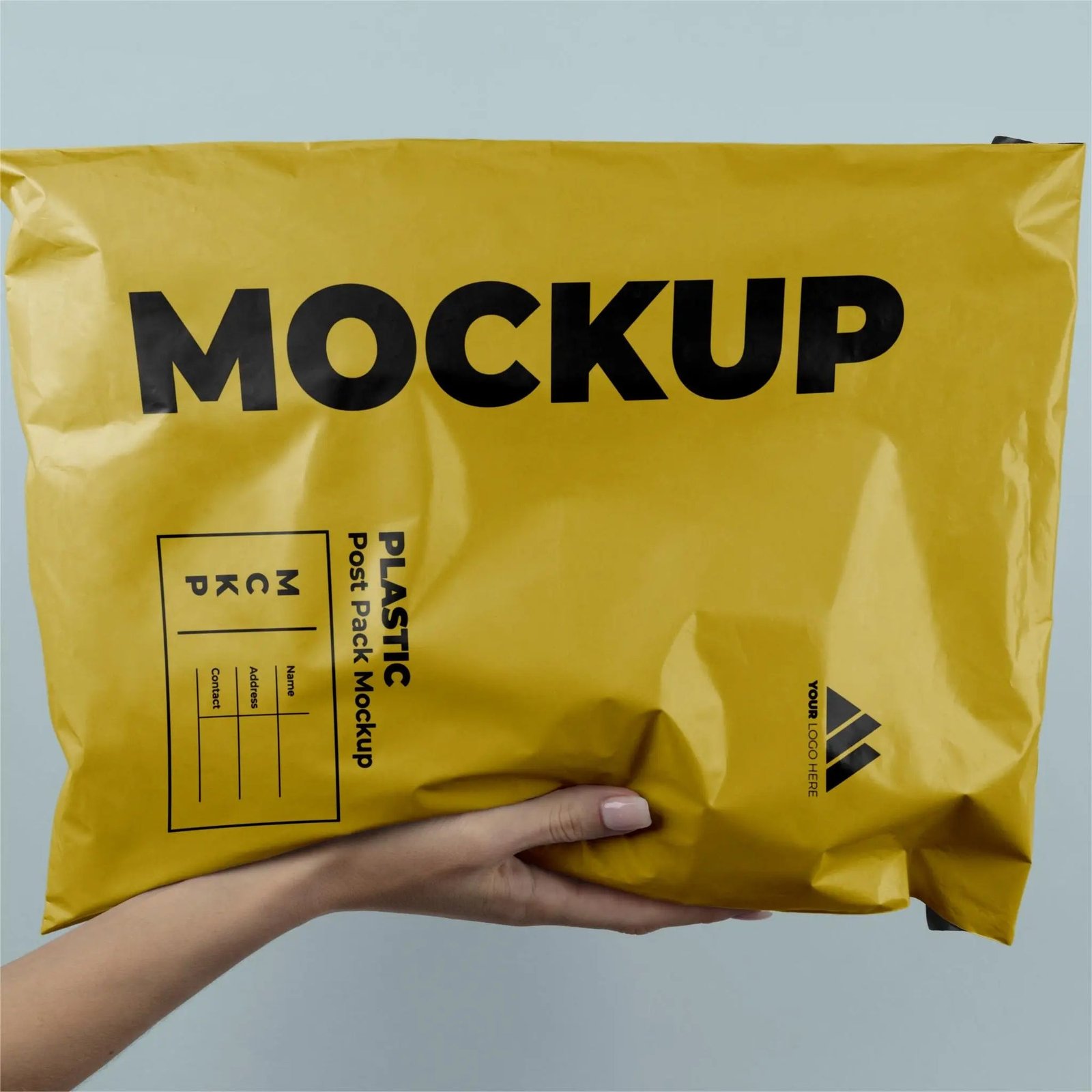
Add embroidered, woven, chenille or printed patches to pockets, waistbands and denim sets for stronger visual distinction. Our team can align patch placement, backing and stitch details with your approved sample and bulk specifications.
About Junsheen White Labels Jeans
Founded in 2010 in Humen Town, Dongguan, JUNSHEEN helps fashion businesses turn white labels jeans concepts into production-ready denim programs. Our mission is to provide responsive OEM, ODM and private-label manufacturing that connects product development, sourcing, sampling, quality control and export support in one dependable supply chain.
With 200+ skilled workers and monthly capacity above 80,000 units, we support capsule launches from 100 units per style and color through scalable repeat orders. Our team develops jeans, denim sets and related casualwear with cut-and-sew expertise, fabric sourcing, washing, decoration, branded trims and packaging managed under one roof.
What distinguishes JUNSHEEN is fit-first development across XS–3XL, extended-size, plus-size and oversized ranges. Rather than simply enlarging a base pattern, we refine proportion, rise, mobility and grading so global brands can build consistent denim fits, reduce avoidable revisions and grow with confidence.

White Labels Jeans Built for Fit and Repeat Orders
Fit-Focused Pattern Grading
JUNSHEEN develops white labels jeans from XS to 3XL with grading that refines rise, hip balance, thigh ease, leg shape and inseam proportion. Our pattern team builds each size for movement and consistency instead of simply scaling a base sample.
- Normal, extended-size, plus-size and oversized fits
- Pattern development from tech packs, sketches or reference jeans
- Prototype, size-set and pre-production fit approvals
- Fewer avoidable revisions before bulk production

Fabric and Wash Development
Select denim for the intended silhouette, hand feel and price point, then validate wash performance before bulk approval. We source rigid, stretch and comfort-stretch denim and develop finishes that support the character, durability and fit retention your collection requires.
- Denim weight, stretch and recovery matched to the design
- Stone, enzyme, acid and garment-dye wash options
- Wash testing for shade, hand feel and dimensional stability
- Fabric swatches and sample garments for review
Integrated Private-Label Details
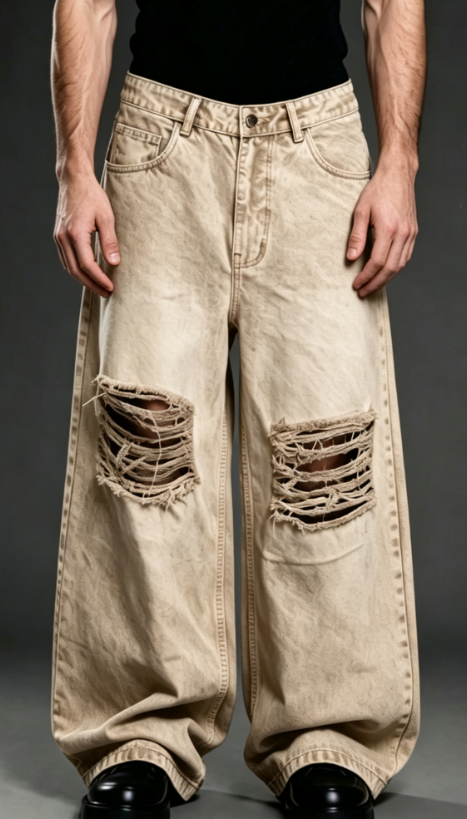
Turn approved jeans into a distinct branded product with labels, hardware, decoration and packaging managed through one production team. JUNSHEEN coordinates each detail so trims, placement and finishing remain aligned from sample approval through packed goods.
- Woven or leather labels, size labels and wash-care labels
- Custom buttons, rivets, zippers, patches and hang tags
- Embroidery, printing and specialized garment finishes
- Branded packaging prepared for retail or direct fulfillment

Records That Support Reorders
After approval, JUNSHEEN retains patterns, graded size sets and material records to make future white labels jeans programs faster and more consistent. This production continuity helps brands repeat proven styles, adjust colors or washes, and scale from 100-unit launches to ongoing bulk orders.
- Retained patterns, measurements and grading specifications
- Material, trim and wash references for repeatability
- In-line and final quality checks against approved standards
- Scalable production backed by 200+ skilled workers

Why Choose Junsheen for White Labels Jeans Manufacturing?
Compare fit-focused OEM denim development with the limitations of a typical supplier.
← 左右滑动查看 →
Our White-Label Jeans Production Process
A controlled denim workflow from fabric selection and fit engineering through branded finishing, inspection, packing, and export coordination.
Source Denim and Trims
We confirm target weight, stretch, wash direction, cost, labels, hardware, and packaging, then present denim and trim options for approval.
Build Patterns and Samples
Pattern makers develop fit-focused XS–3XL graded patterns and prototype samples, refining rise, leg shape, proportions, mobility, and construction before bulk approval.
Cut and Sew Production
Approved materials are checked, cut, and sewn by skilled teams, with in-line measurement and construction controls maintaining consistency across each production run.
Apply Washes and Branding
Jeans receive approved washing, distressing, printing, embroidery, patches, labels, and hardware, creating a finished private-label product aligned with your design direction.
Inspect, Pack, and Ship
Final quality checks cover measurements, appearance, wash results, decoration, and packed goods before branded packing and coordinated global shipment from Dongguan.
Start Your White Labels Jeans Project
Move from concept to approved bulk production with a clear, fit-focused OEM workflow.
Share Your Product Brief
Send a tech pack, sketch, reference garment or mood board with target quantities, sizing, wash direction, branding requirements and delivery market.
Review Feasibility Together
Our team confirms construction, fabric, wash, trims, fit grading, MOQ and target cost, then recommends practical improvements before sampling begins.
Develop and Approve Samples
We create patterns and prototype white labels jeans, refine measurements and finishes, then submit samples or size sets for your approval.
Confirm Bulk Production
After pre-production approval, we lock materials and specifications, manage in-line quality checks, pack branded goods and coordinate global export shipment.
Custom Clothing Manufacturer Credentials and Compliance Documents



What Global Fashion Brands Say About Our White Labels Jeans
Junsheen corrected the rise and thigh balance across our XS–3XL denim size set before bulk production. We reduced fit-related returns by 22% in our first launch and reordered three colors within the quarter.
From our reference jeans to approved sample took less back-and-forth than expected. Their team matched our wash direction, added branded leather patches, and delivered 1,200 units with measurements consistently within our approved tolerances.
We started with a 100-unit white-label jeans capsule for our UK store. Junsheen handled fabric, grading, labels, packaging, and export documents, helping us launch six weeks sooner than our previous supplier timeline.
White Labels Jeans OEM FAQ
Clear answers on MOQs, sampling, production, payment, shipping and confidentiality for your denim program.
What is the MOQ for white labels jeans?
Can you make white labels jeans from a sketch or reference sample?
How long does white labels jeans sampling and bulk production take?
Can you develop fits from XS to 3XL?
What customization options are available for white labels jeans?
What payment terms do you offer for OEM jeans orders?
Do you ship white labels jeans internationally?
How do you protect my denim designs and product information?
The Complete Buyer’s Guide to white labels jeans
Use this practical framework to evaluate white-label denim opportunities, compare fit and production requirements, vet suppliers for 100-unit OEM orders, and avoid costly specification, pricing, and launch mistakes.
1. What Are white labels jeans?
100 units per style and color can be enough to turn a proven jean block into a market-ready white-label program. In practical sourcing language, white labels jeans are unbranded or supplier-developed denim products that a buyer purchases to sell under its own retail identity, subject to agreed label, trim, packaging, and design rights. Private-label is the buyer-facing brand program: the retailer or label owns the customer relationship, brand presentation, selling price, and sales channel. OEM means the factory produces to the buyer’s approved specification; ODM adds supplier-led product development, such as proposing a wash, fit block, fabric, or construction for the buyer to adapt. 2010 is the year Dongguan Junsheen Clothing Co., Ltd. began operating as an apparel manufacturer in Humen, Dongguan. Its responsibility begins with feasibility review and extends through material sourcing, pattern making, grading, sampling, bulk production, quality control, packing, and export support; it does not automatically own a buyer’s trademark, retail account, or final commercial positioning. 100-unit production can let an emerging label test one silhouette, a retailer create an exclusive capsule, or a wholesaler validate demand before reordering. Buyers are purchasing a controlled supply chain and approved denim product—not merely finished jeans—while retaining responsibility for brand claims, market compliance, merchandising, and the end-customer sale.
2. Evolution of White-Label Denim
In the 1980s and 1990s, many apparel newcomers began with wholesale blanks: standardized jeans bought from distributors, then relabeled or embellished locally. That route lowered entry cost, but it left little control over rise, leg shape, fabric weight, wash outcome, or repeatable sizing—variables that determine whether denim earns a reorder. By the 2000s, offshore sourcing and digital specification files made private-label denim more technical and more accessible. Brands could send a tech pack, reference garment, Pantone direction, and trim brief to an OEM, then approve patterns, wash samples, graded size sets, and pre-production samples before committing to bulk; supplier records and material documentation also made traceability a practical purchasing requirement rather than an afterthought. At 100 units per style and color, low-MOQ production changes the economics for direct-to-consumer launches, test capsules, and regional wholesale accounts. Modern white labels jeans programs let smaller teams develop a distinct fit—from XS through 3XL where needed—without carrying the inventory risk of traditional large runs, while retaining the patterns, grading, and material records needed to repeat winning styles. The strategic advantage is not merely adding a label: it is owning a recognizable product specification, validating demand faster, and scaling a proven denim program with fewer avoidable sampling revisions.
3. Types of white labels jeans
Eight commercial fits cover most opening assortments in white labels jeans. Start with two core shapes and one fashion or utility option; overlapping leg openings dilute fit development, wash inventory, and floor-space clarity.
| Fit | Primary Customer | Best Assortment Role |
|---|---|---|
| Skinny | Stretch-fit shopper | Narrow core |
| Slim | Everyday customer | Refined core |
| Straight | Broad age range | Universal anchor |
| Relaxed | Streetwear customer | Comfort core |
| Wide-leg | Trend-led shopper | Fashion statement |
| Flare | Retro fashion customer | Fashion statement |
| Cargo | Utility-led customer | Capsule option |
| Extended-size | Inclusive customer | Size-range expansion |
Close-Fit Core
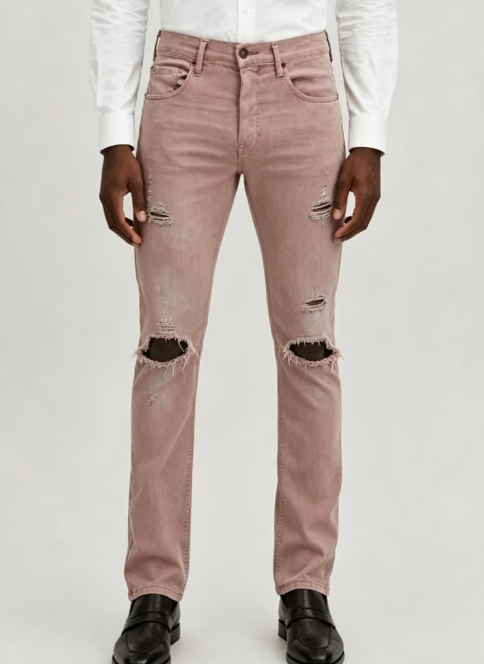
Skinny jeans taper tightly from thigh to ankle and suit stretch-denim customers seeking a body-contouring look. A 1–3% elastane fabric supports recovery; knee and calf measurements need wear testing after wash. Slim jeans retain a narrower leg with more ease through the thigh, making them a practical everyday core. Dark rinse, black, and clean mid-blue washes merchandise well across men’s and women’s programs.
Straight And Relaxed

Straight jeans hold a near-consistent leg width from knee to hem and are the least trend-sensitive anchor. Rigid or low-stretch denim works well, but rise, hip balance, and inseam grading must be approved by size. Relaxed jeans add thigh and seat ease for comfort-led and streetwear customers. Light vintage washes, enzyme washes, and subtle distressing reinforce their casual positioning.
Fashion And Utility

Wide-leg and flare jeans create visible silhouette distinction: wide-leg falls loose from hip or thigh, while flare opens below the knee. Both need hem-width control, longer inseams, and wash tests to prevent twisting. Cargo jeans add patch or inseam pockets to a relaxed denim base for utility assortments. Pocket placement, bartacks, and cargo volume should be finalized before grading.
Extended-Size Planning
XS–3XL programs require proportional pattern work, not simple enlargement of a base size. Extended-size fits need adjusted rise, thigh, knee, waistband curvature, and pocket scale to preserve balance. Three launch fits usually outperform eight shallow variants: choose straight or slim, relaxed or wide-leg, then one flare or cargo statement. Use shared wash families to reduce minimums and simplify merchandising.
4. Fabrics for white labels jeans
12–14 oz denim is a practical starting range for most white labels jeans, but fiber content and elastane level determine recovery, break-in, wash behavior, and silhouette. Confirm swatches and wash-tested samples before approving bulk yardage.
| Fabric Construction | Typical Weight | Performance | Best-Fit Applications |
|---|---|---|---|
| Rigid 100% cotton, 3×1 twill | 12–16 oz | Structured; authentic fade | Straight, vintage, workwear |
| Comfort stretch cotton/elastane | 10–13 oz | Easy movement; moderate recovery | Slim, straight, relaxed |
| Super-stretch cotton/poly/elastane | 9–12 oz | High recovery; close fit | Skinny, jegging |
| Recycled or organic cotton blend | 10–14 oz | Lower-impact option; test strength | Core denim, responsible lines |
| Lightweight cotton denim | 8–10 oz | Soft drape; cooler wear | Shirts, summer jeans |
Cotton And Weave

100% ring-spun cotton in 3×1 right-hand twill creates classic rigid denim with a defined diagonal grain and authentic fading. Organic cotton can use the same construction when certified inputs and transaction records are required. 20–40% recycled cotton is commonly blended with virgin cotton to protect yarn strength and abrasion performance. Ask suppliers to verify recycled-content documentation and assess slub, nep, and shade variation after washing.
Stretch And Recovery
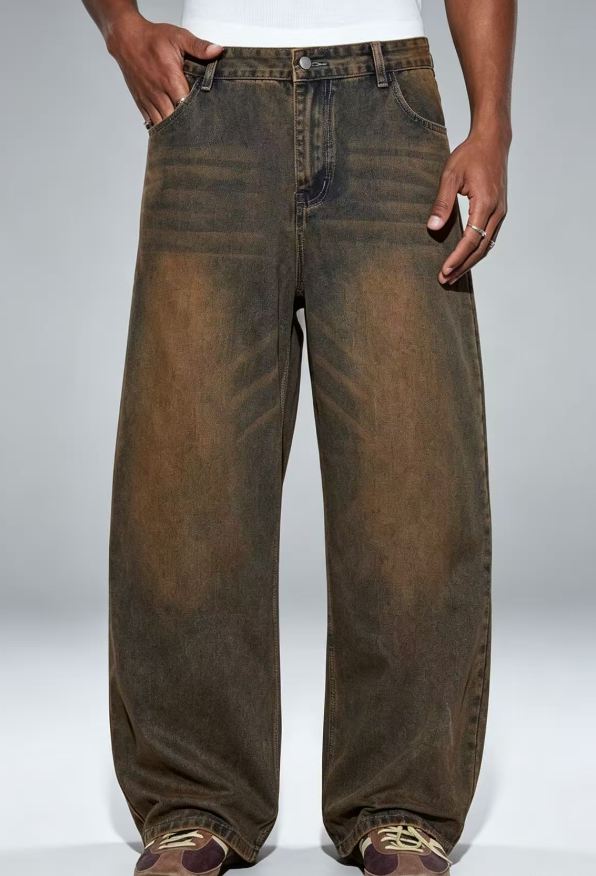
1–2% elastane produces comfort stretch for straight, slim, and relaxed fits while preserving a denim-like hand. Polyester or PBT in the blend improves recovery when repeated wear and knee-bag resistance matter. 3–5% elastane creates super-stretch denim for skinny and body-contouring jeans, but it needs wash testing for growth, seam puckering, and recovery. Higher stretch is not automatically better for structured silhouettes.
Weight And Finishing

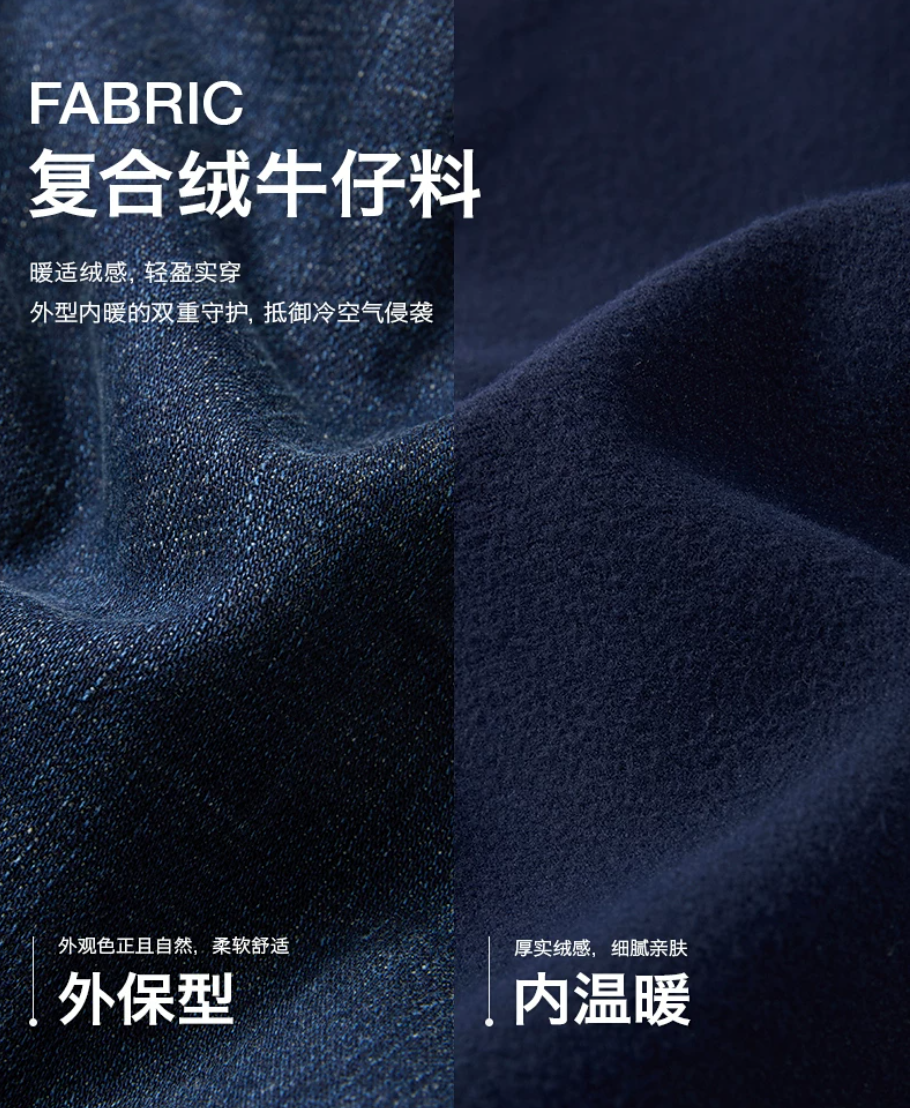
8–10 oz lightweight denim suits shirts, summer jeans, and layering pieces; 11–13 oz supports year-round core programs. 14–16 oz heavyweight denim gives stronger structure, pronounced creasing, and a longer break-in period. Enzyme, stone, acid, and garment washes change hand feel and color loss, so approve the target wash on the actual fabric lot. Dark indigo programs should also be checked for crocking and color transfer.
5. Customization and Branding Options
A 100-unit program can carry a distinct denim identity when pattern, wash, trim and labeling decisions support one another. For white labels jeans, lock the fit block and target customer before approving surface effects.
| Option | Visual Impact | Durability | Development | MOQ Effect |
|---|---|---|---|---|
| Custom wash | High | Good when tested | Medium | Often raises by color |
| Embroidery or patch | High | High with secure backing | Medium | May require placement minimums |
| Custom hardware | Medium | High | High | Usually higher component MOQ |
| Labels and packaging | Medium | High | Low–medium | Component MOQ applies |
Start With Fit And Size
XS–3XL programs need a graded pattern, not simple enlargement; rise, hip ease, thigh balance and inseam increments should be reviewed in a size set. One approved base fit can support several washes, while a new silhouette usually needs fresh pattern and sampling work.
- Specify front rise, back rise, leg opening and inseam
- Approve measurements after wash, not before wash
- Use a target body chart for extended sizes
Build A Focused Denim Story
2–3 coordinated treatments usually read more intentional than acid wash, heavy distressing, print and embroidery applied together. Match abrasion placement to seam strength and select thread, patch and hardware finishes that share the same visual direction.
- Stone or enzyme wash for softened vintage character
- Laser or hand distressing for controlled fade placement
- Chain-stitch embroidery or patches for focal branding
Finish The Brand System

3 label layers—main, size and wash-care—make the garment traceable and retail-ready. Add woven or leather labels, custom buttons, rivets, zippers, hang tags and branded packaging only after confirming their placement and wash compatibility.
- Provide Pantone references for thread and printed components
- Check metal finishes against wash chemistry
- Keep care labels aligned with fiber content
6. Construction Quality in Jeans
12–14 stitches per inch is a practical starting point for durable white labels jeans, but stitch count alone cannot rescue poor seam choice or uneven tension. Buyers should inspect an approved sample and packed production against the same construction checklist.
Seams And Reinforcement
Two-needle felled seams at the outseam and inseam create enclosed, abrasion-resistant joins; chain stitching can add flexibility where specified. Check for balanced tension, no skipped stitches, and clean seam allowances. 6–8 bartacks at pocket corners, the fly base, and belt-loop stress points reduce splitting during wear. Weak reinforcement quickly becomes a warranty claim on rigid denim.
Hardware And Waistband
YKK-grade zippers or an approved equivalent should run smoothly, lock reliably, and match the fly length. Buttons, rivets, and burrs need secure setting without sharp backs that can damage fabric. 5–7 belt loops are common depending on size and rise; each should be caught securely into the waistband. A properly aligned waistband and continuous topstitching help the jean retain shape after laundering.
Pockets And Inseam Finish
10–15 mm placement variance at back pockets can visibly alter silhouette, so confirm position from fixed reference points rather than by eye. Pocket shape, spacing, and stitch direction strongly influence perceived fit and value. Overlocked or felled inseam finishing must be smooth enough to avoid chafing and strong enough for repeated movement. Inspect crotch joining closely because it carries high strain.
Wash And Measurement Control
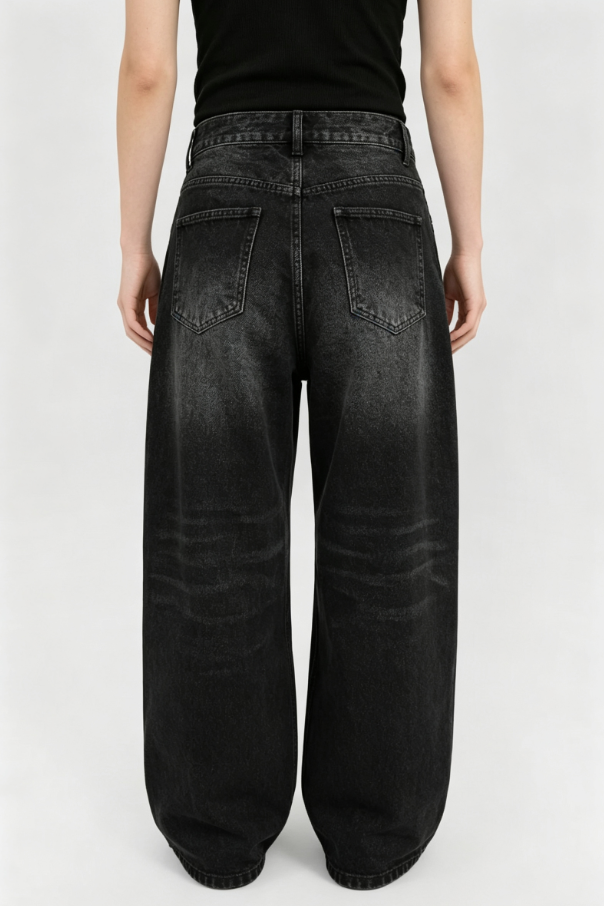
±1 cm at key waist, inseam, and rise points is a commonly usable tolerance for controlled denim production, subject to the approved specification. Measure after the required wash and drying method, not before. 3 garments per wash lot should be compared for shade, hand feel, abrasion placement, and shrinkage direction. Consistent wash output protects size accuracy, lowers returns, and supports reliable repeat orders.
7. Choosing a white labels jeans Manufacturer
A 100-unit denim launch needs a supplier that can develop accurately before it scales efficiently. Vet white labels jeans partners against documented capability, not a low quotation alone.
Match MOQ To Growth
100 units per style and color is a workable capsule MOQ when the factory can retain approved patterns, graded size sets, and wash recipes for repeats. 80,000-plus monthly capacity matters only after confirming how your small run is scheduled beside bulk orders.
- Ask whether 100 units applies per wash and color.
- Confirm reorder MOQs and production-slot priority.
- Request capacity and peak-season lead-time ranges.
Validate Fit And Sampling
2 sample rounds are common: a prototype proves construction, then a size set verifies rise, hip, inseam, and grading. Ask who revises the pattern and how measurement tolerances are recorded. XS–3XL programs require proportion-based grading, not simple enlargement of a core size.
- Can you work from a tech pack or reference jean?
- What sample fee, timeline, and revision limit apply?
- Will approved measurements become the bulk specification?
Audit Denim And Wash Control

10–14 oz rigid denim and 11–13 oz stretch denim behave differently after enzyme, stone, or acid washing. Require swatches, shrinkage data, wash panels, and a sealed approval standard before bulk cutting. Ask whether fabric lots, shade bands, hardware, and wash recipes are traceable by production order.
- Confirm mill origin, fiber content, and stretch recovery.
- Approve a wash standard under consistent lighting.
- Specify YKK-equivalent hardware requirements.
Check Controls And Documents
A capable factory checks incoming fabric, in-line sewing, measurements, decoration, and packed goods. Request its inspection checkpoints, AQL approach, compliance certificates available for review, and final-report format. 24-hour response expectations and a named development contact reduce avoidable approval delays across time zones.
- Ask for OEKO-TEX, GOTS, WRAP, or BSCI documentation where relevant.
- Confirm who owns corrective-action follow-up.
- Get ex-factory date, shipping terms, and delay escalation in writing.
8. Common White-Label Denim Mistakes
At a 100-unit launch MOQ, one unverified decision can turn a workable denim program into slow rework or unsellable stock. The recurring failures in white labels jeans are preventable when approvals are tied to measurable standards, not assumptions.
Copying Fit Without Measurements
A reference jean may look right while carrying a different rise, thigh, knee, inseam, and leg opening. Send a measurement spec, target tolerance, and graded size range; then approve a fit sample on the intended wearer.
Approving Washes From Photos
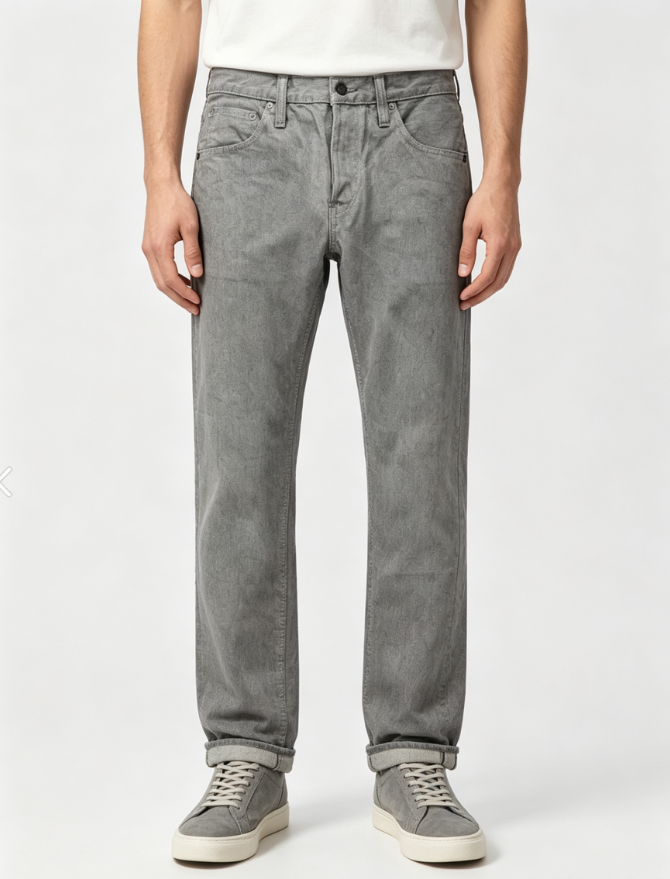
A phone photo cannot reliably show cast, abrasion placement, contrast, or hand feel under different lighting. Approve a physical wash panel or finished sample, with a signed standard retained for bulk comparison.
Leaving Trims And Shrinkage Open
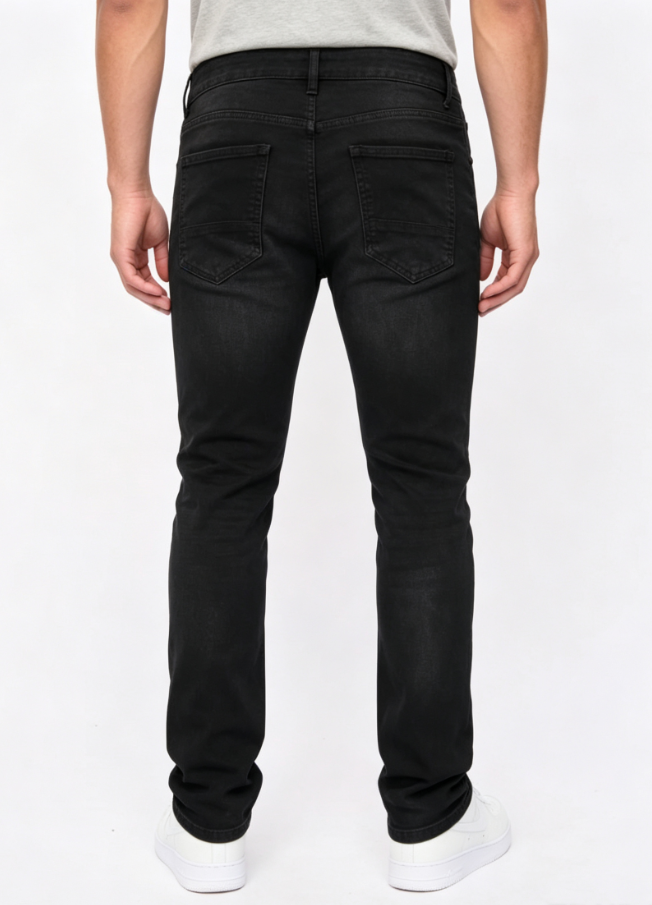
One missing zipper length, rivet finish, thread color, or leather-patch specification can stop trim booking or create mismatched bulk goods. List material, color, finish, placement, and artwork version for every trim. A 2–5% dimensional change after washing can alter inseam and waist fit. Require wash-test results and build expected shrinkage into the pattern measurements before size-set approval.
Cheap Fabric And Skipped Approval
A lower fabric price can conceal weak recovery, unstable shade, poor tear strength, or unacceptable wash loss. Compare swatches and test garments against target weight, stretch, durability, and wash performance—not cost per meter alone. A pre-production sample is the last low-cost checkpoint before cutting the bulk order. Approve fabric, wash, measurements, trims, labels, and packaging in writing; avoid launching more than 2–4 styles until sell-through informs the next buy.
9. Launching Your Denim Brand
A 100-unit-per-style-and-color launch becomes controllable when each approval locks one variable before the next begins. Treat positioning, fit, wash, costing, and freight as decision gates owned by named people—not an informal sampling chain.
Define The Product Brief
One target customer, price band, and competitor set should determine the silhouette, denim weight, stretch, color, and margin target. The brand owner supplies references, Pantone direction, measurements, and retail channel assumptions; the factory flags manufacturability and MOQ implications. Two decision gates belong here: approve the commercial brief, then approve the technical specification. Do not request a sample while rise, leg opening, inseam, or intended wash remains undecided.
- Target retail price and landed-cost ceiling
- Core size range and fit customer
- One wash direction per first sample
Build And Test The Sample

One production-ready tech pack should state graded points of measure, construction, stitch details, hardware, label placement, and packaging. Junsheen can translate a sketch or reference garment into patterns, material choices, and a prototype. One fit sample must be tried on an agreed fit model before bulk fabric is committed. Record corrections on one consolidated comment sheet; fragmented feedback creates conflicting revisions.
Approve Wash And Grading
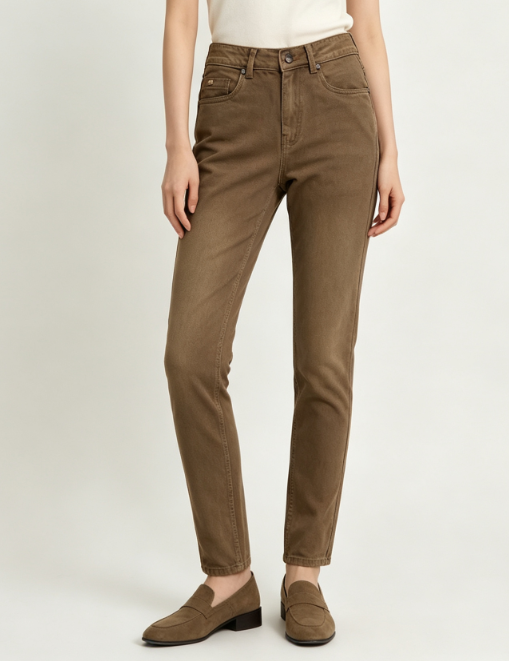
Three wash checks—shade, hand feel, and post-wash measurements—should be signed off against the approved sample. Denim washing can change shrinkage, torque, and contrast, so approve a wash standard before releasing bulk cutting. XS through 3XL grading needs a separate review rather than simply enlarging a base size. Pattern makers should verify rise, thigh, knee, and inseam increments across the full size set.
Release Production And Launch
A first order requires full prepayment under Junsheen’s stated terms; later payment structures may change as the relationship stabilizes. Release bulk only after final quantity, size ratio, labels, packing, and approved sample are documented. Two inspection stages protect the calendar: in-line checks catch construction issues, while final packed-goods inspection confirms measurements, decoration, and carton counts. Book freight after carton dimensions and ready date are confirmed, then schedule photography, product pages, and inventory receipt around the arrival window.
- Assign one owner for sample approvals
- Approve a pre-production sample before bulk
- Keep shipment buffers for customs and receiving
10. white labels jeans Pricing
100 units per style and color is a practical OEM starting point for a focused denim capsule. Indicative ex-factory pricing for standard five-pocket white labels jeans is typically US$18–32 per unit at this level, before freight, duties, and destination taxes. 7–14 days is a common sampling window once the pattern, fabric direction, wash target, and trim artwork are approved; prototype and development charges commonly run US$80–250 per style. Bulk lead time is often 25–45 days after pre-production approval, with complex washes, custom hardware, or multiple colorways adding time. 3 variables most often distort quote comparisons: fabric and stretch specification, wash recipe and labor, and branding or packing detail. Request one like-for-like quotation listing fabric composition and weight, wash, graded sizes, trims, labels, packaging, inspection standard, Incoterm, freight method, sample charges, and all assumptions.
| Order quantity | Indicative ex-factory unit price | Typical bulk lead time |
|---|---|---|
| 100–299 units | US$18–32 | 30–45 days |
| 300–999 units | US$15–27 | 25–40 days |
| 1,000+ units | US$12–23 | 25–35 days |
Ready to Develop Your White Labels Jeans?
Send your tech pack, reference garment or idea for fit-focused development and a tailored 100-unit OEM quotation.