
Custom Woven Patches From 100 Units
Create precise branded custom woven patches with OEM/ODM support, apparel-ready labels, and scalable production from JUNSHEEN.
Featured Products for custom woven patches Development
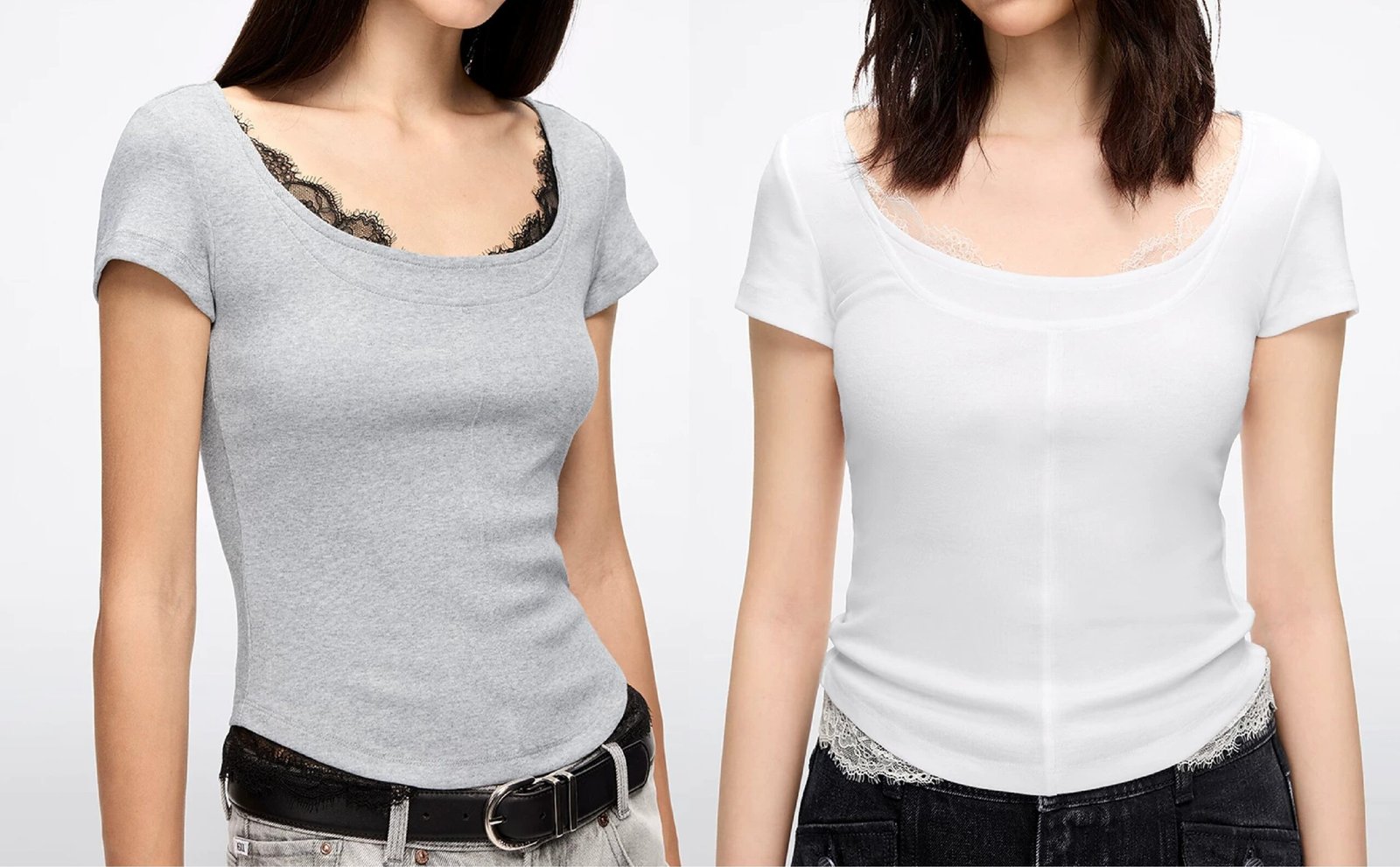


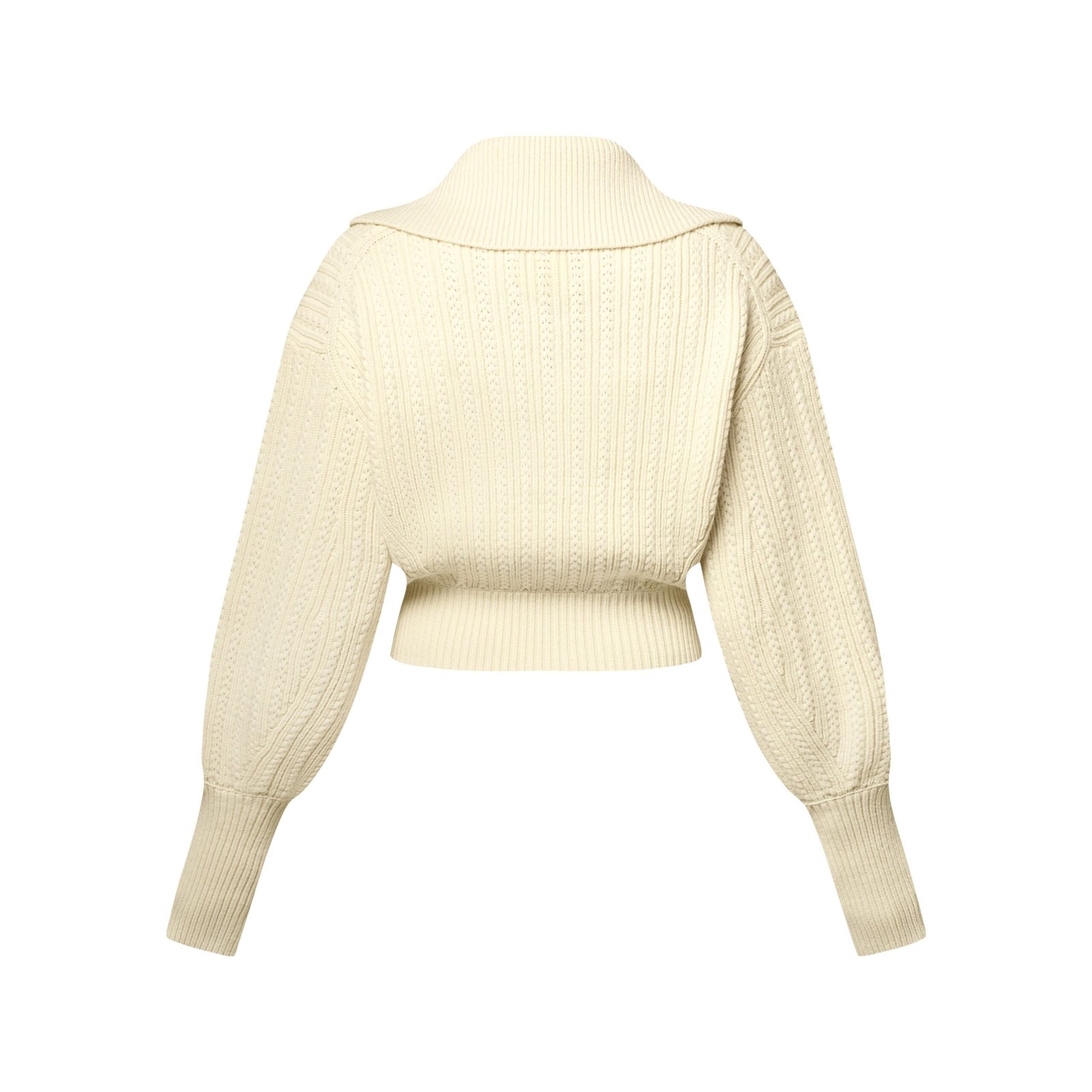


Related Product Catalogue and Quotation





Why Brands Choose Our Custom Woven Patches
Detailed patch development and apparel-ready production support from first artwork review through global delivery.
Fine Detail, Clean Edges
Translate intricate logos, lettering, and color details into sharply woven patches designed for a polished, brand-consistent finish.
100-Unit Development MOQ
Launch capsule collections and test new branding concepts from 100 units per style and color with responsive development support.
Apparel-Ready Integration
Coordinate custom woven patches with cut-and-sew garments, labels, embroidery, trims, and packaging through one experienced manufacturing supply chain.
Scalable Production Capacity
Move confidently from approved samples to repeat bulk programs with 200+ skilled workers and monthly capacity exceeding 80,000 units.
Global Export Coordination
Receive organized quality control, packed-goods inspection, and export support for patch and apparel orders shipping to worldwide markets.
Custom Apparel Manufacturing for Branded Collections
Build coordinated casualwear, denim, knitwear and outerwear programs with fit-focused development, low-MOQ production and complete private-label support.

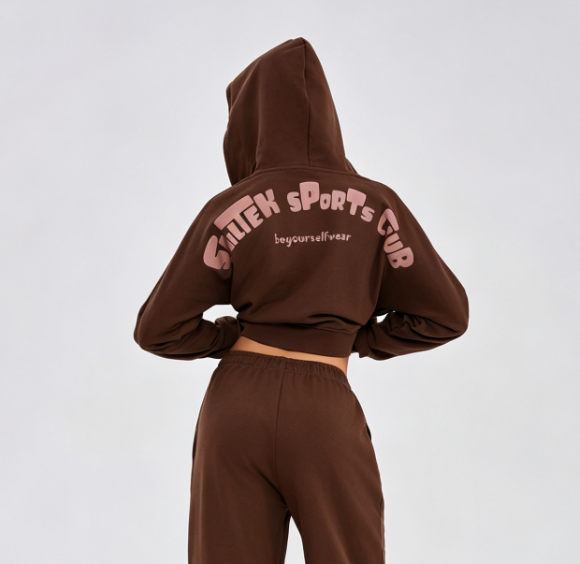
Custom Hoodies
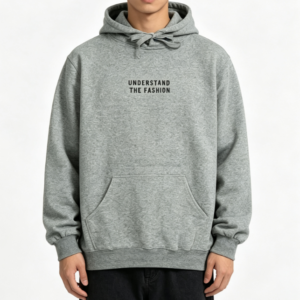
Develop custom hoodies in fleece, French terry or jersey with branded woven patches, embroidery, prints, labels and packaging. Fit-focused patterns from XS to 3XL support standard, oversized and extended-size hoodie programs from 100 units per style and color.
Request a Quote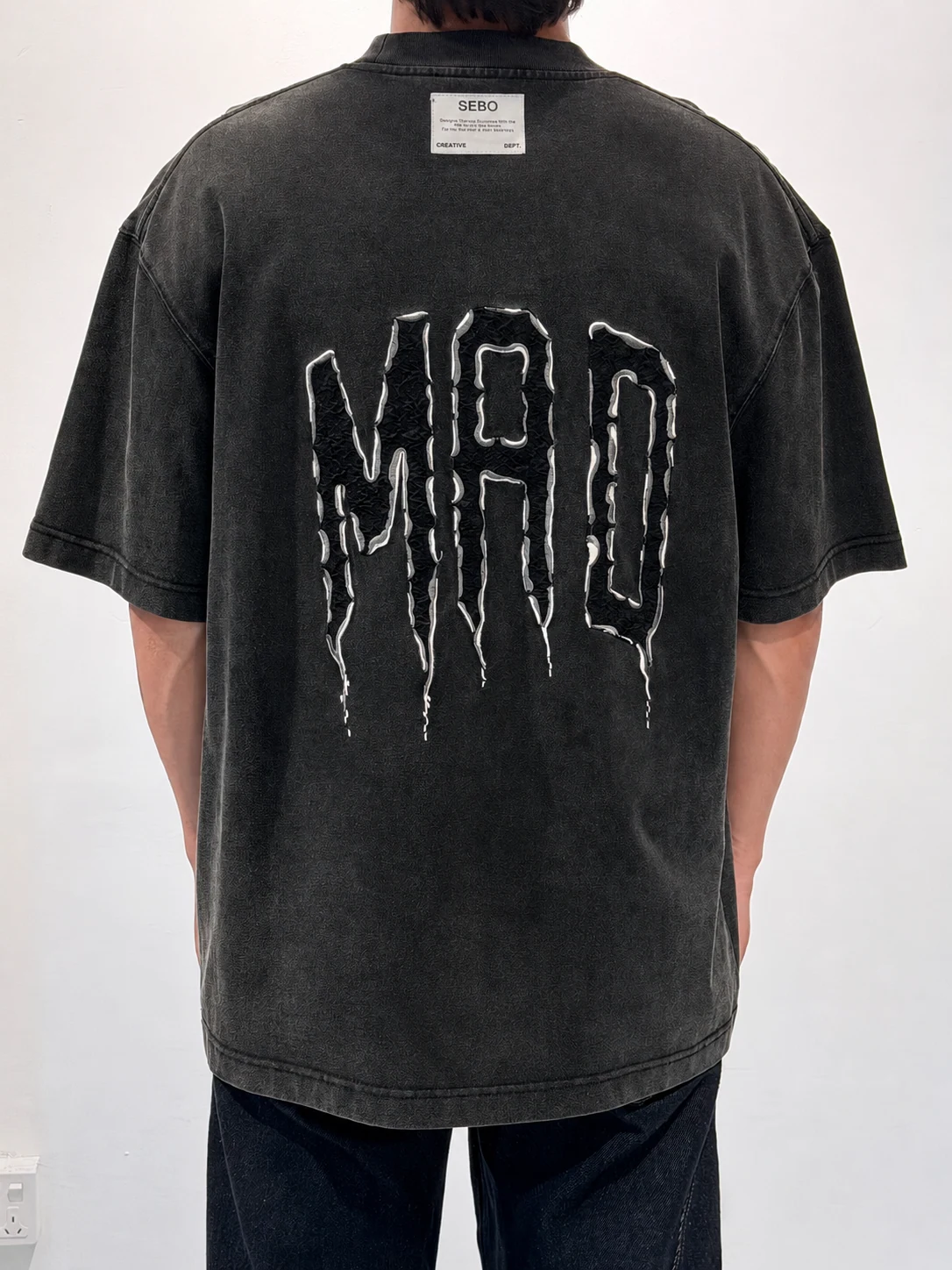
Custom T-Shirts
Produce custom T-shirts in combed cotton, Pima cotton, organic cotton or blended jersey. Junsheen supports neck construction, garment weight, screen printing, DTG, DTF, embroidery and woven patch placement for retail-ready branded tees.
Request a Quote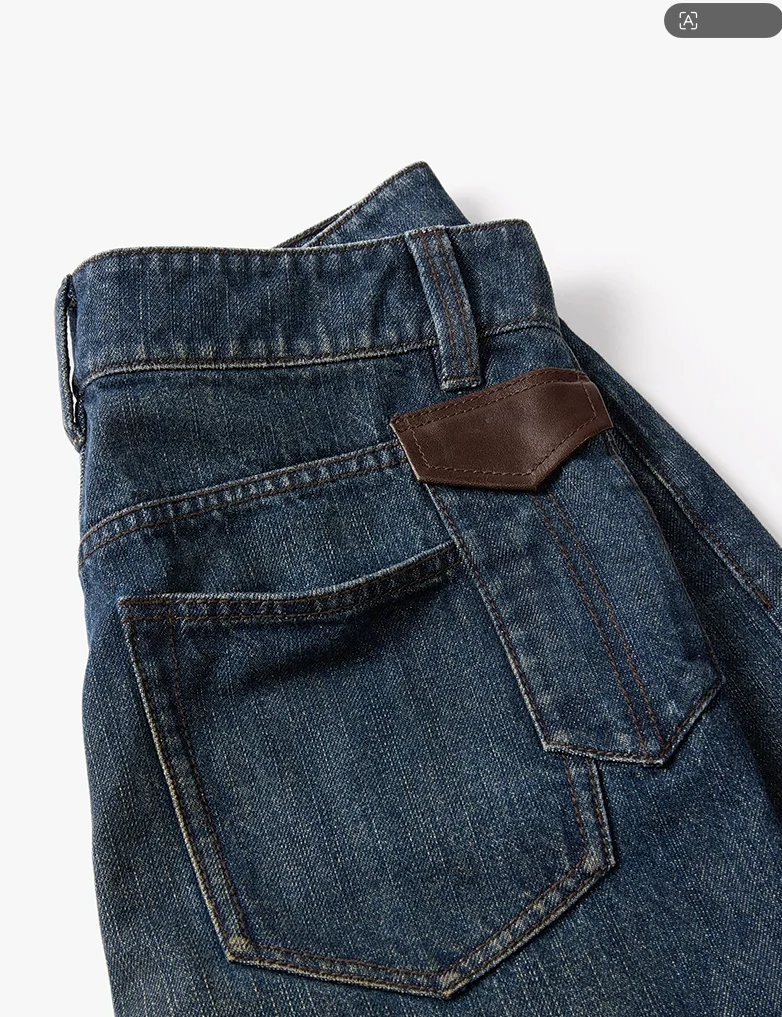
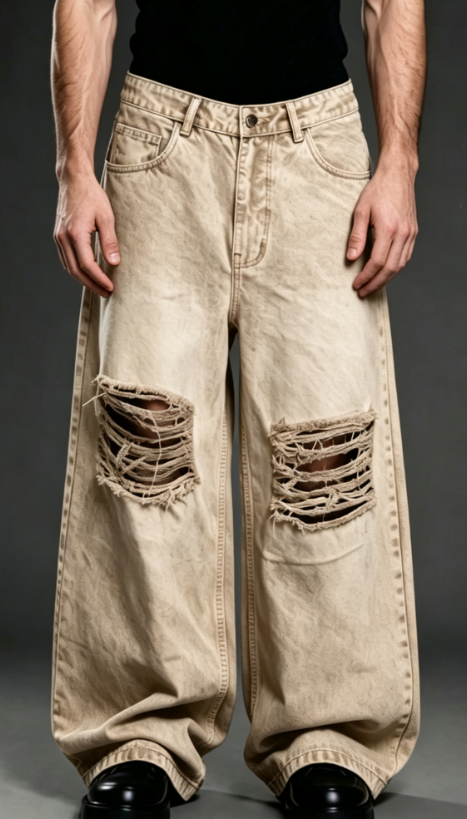
Custom Jeans
Create custom jeans in rigid, stretch or washed denim with tailored rises, leg shapes and graded sizing. Add woven patches, leather labels, hardware, embroidery, distressing and wash effects to align each denim program with your brand standards.
Request a Quote
Custom Sweaters
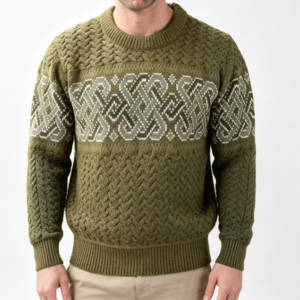
Source turtle neck sweaters in bulk with yarn, gauge, rib construction and neckline specifications matched to your target market. Knitwear development includes fit grading, branded labels, woven patches where appropriate, sampling and scalable production for coordinated collections.
Request a Quote
Custom Jackets
Manufacture custom jean jackets in denim weights and washes suited to seasonal assortments. Specify silhouettes, pockets, closures, contrast stitching, embroidery, woven patches, leather labels and finishing details for distinct branded outerwear.
Request a Quote
Custom Sweatshirts & Crewnecks
Build custom crewneck hoodies and sweatshirts in fleece or French terry with balanced rib trims, fit grading and decoration placement. Add screen prints, puff embroidery, applique, woven patches and private labels for consistent teamwear or retail collections.
Request a Quote
Custom Cardigans
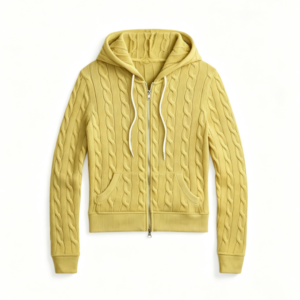
Develop custom cardigans with selected yarns, knit gauges, button options and rib finishes. Junsheen supports regular, oversized and extended-size grading, plus branded labels, embroidery and coordinated color programs for private-label knitwear.
Request a Quote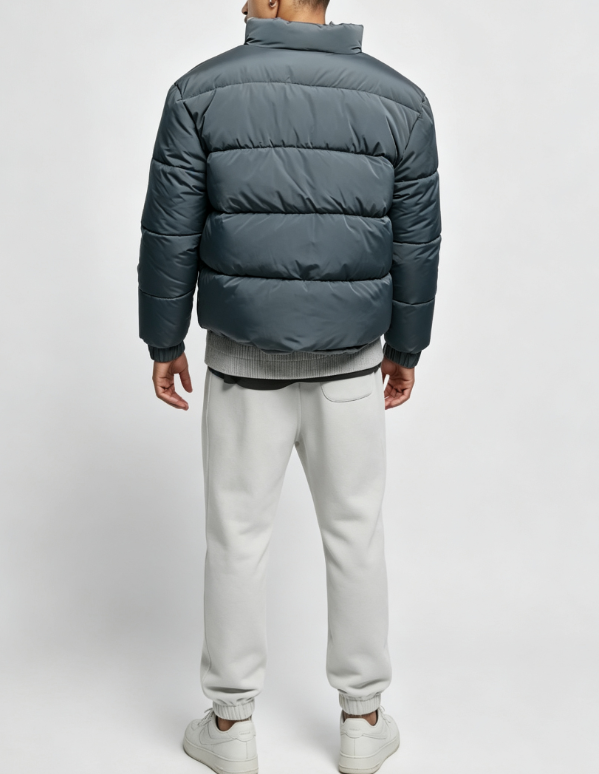
Custom Puffer & Down Jackets
Produce custom puffer jackets with specified shell fabrics, insulation, lining, quilting layouts and hardware. Development can include branded woven patches, embroidery, reflective details, labels and packaging for functional outerwear programs with controlled fit and finish.
Request a Quote
Custom Denim Shorts
Create custom jean shorts in rigid or stretch denim with specified inseams, rises, hems and wash treatments. Add leather or woven patches, branded hardware, embroidery and size grading to maintain a consistent denim identity across warm-weather collections.
Request a Quote
Custom Sweater Dresses
Manufacture custom sweater dresses with yarn selection, gauge, silhouette, neckline and length tailored to your market. Pattern development addresses body proportion and grading from XS to 3XL, with private-label trims and packaging available.
Request a Quote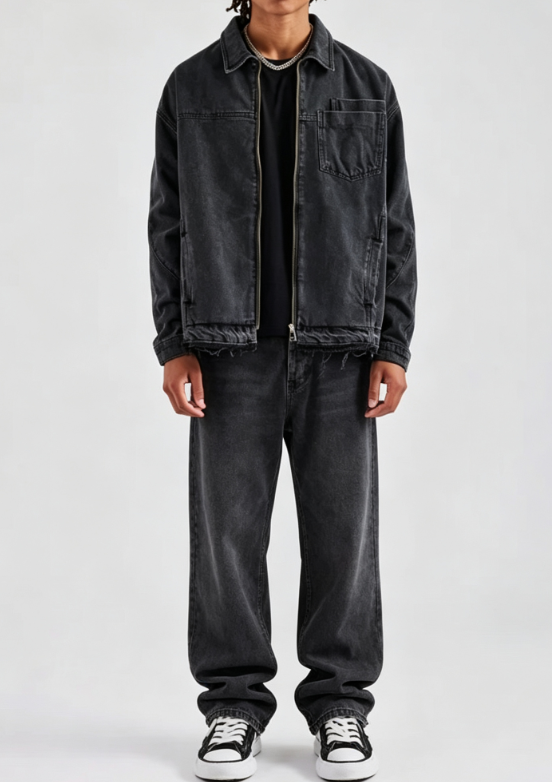
Custom Denim Sets
Produce men’s denim suits wholesale with coordinated denim jackets and jeans, consistent washes and matched construction details. Junsheen manages pattern development, fabric sourcing, branded patches, labels, hardware and quality control across the full set.
Request a Quote
Custom Polo Shirts
Develop custom polo shirts in pique, jersey or performance knits with collar structure, plackets and sleeve finishes specified for your brand. Add embroidery, woven patches, printed details, labels and graded sizing for wholesale or retail programs.
Request a Quote
Custom Sweatpants
Manufacture custom sweatpants in fleece, French terry or performance knits with specified rises, leg shapes, pockets and cuffs. Fit-focused grading, logo decoration, woven patches, drawstrings and private-label trims support coordinated loungewear collections.
Request a Quote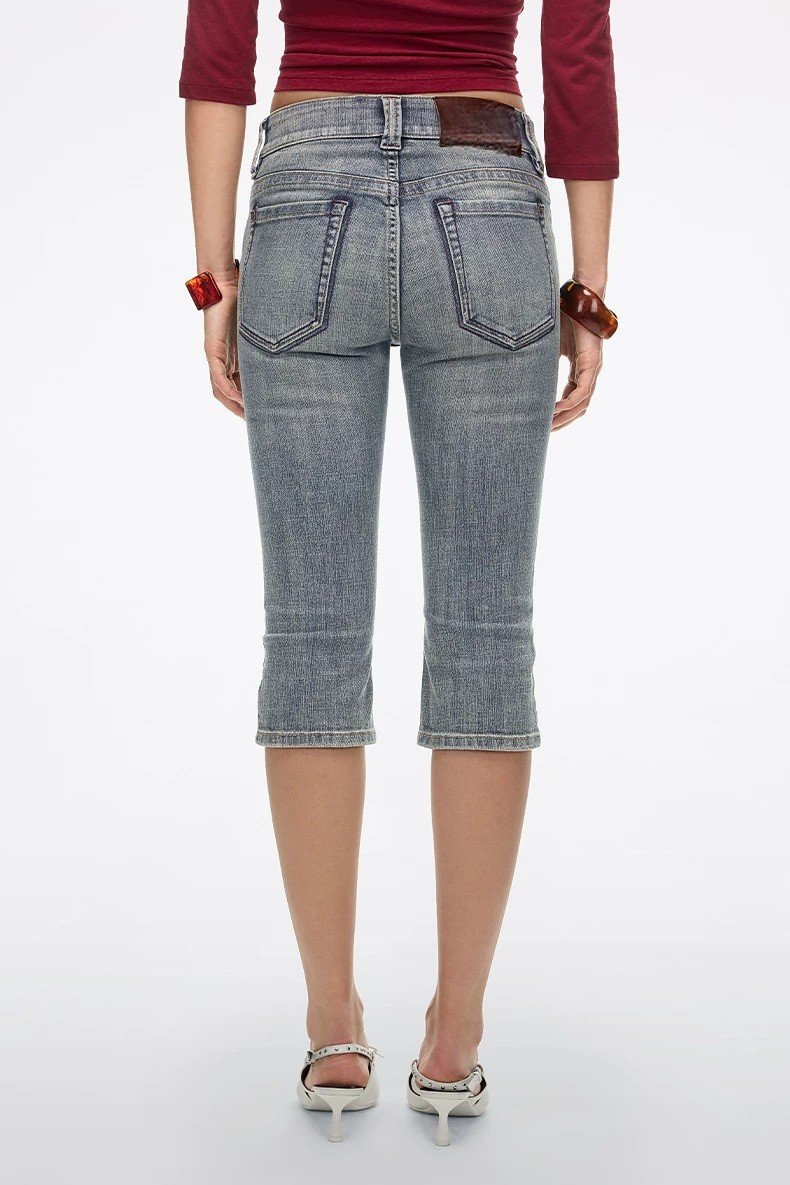
Custom Shorts
Produce custom shorts in jersey, twill, fleece, denim or performance fabrics with practical pocket, waistband and inseam specifications. Add prints, embroidery, patches, labels and packaging while maintaining consistent fit across size ranges.
Request a Quote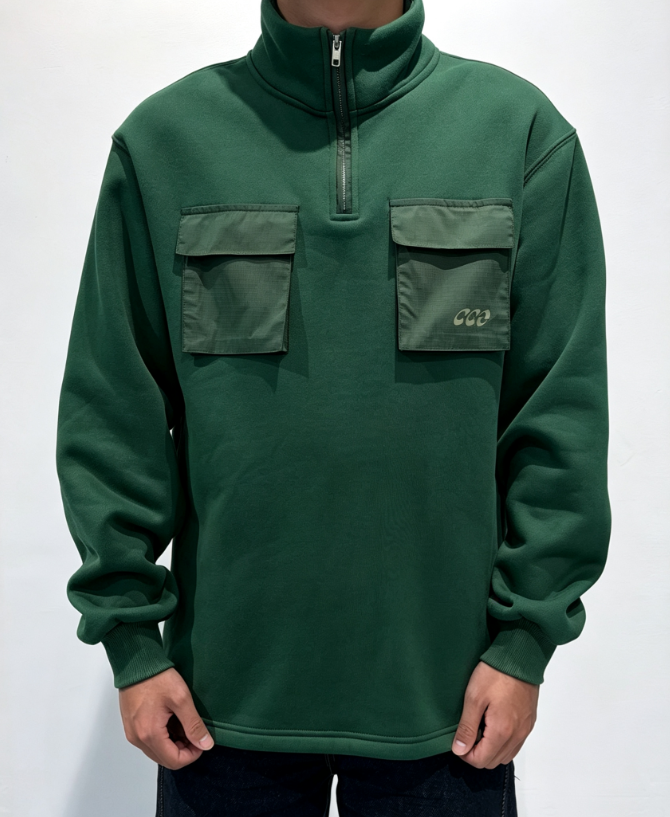
Custom Pullovers
Develop custom pullovers in knit, fleece, French terry or woven constructions for layered casualwear programs. Junsheen supports fabric selection, fit grading, embroidery, printing, woven patches, labels and repeat-order consistency from sampling through bulk production.
Request a QuoteMaterials for Durable, Detailed Custom Woven Patches

High-Density Polyester
A smooth, crisp yarn base for custom woven patches requiring sharp small text, clean color separation, and excellent abrasion resistance. Its low-profile hand works well for brand labels, caps, jackets, and uniform programs.

Soft Damask Weave
Fine damask delivers a soft hand and high-detail surface for premium neck labels, hem tags, and fashion patches. Dense construction supports intricate artwork while remaining flexible enough for direct sewing onto lightweight garments.

Cotton Twill
Cotton twill offers a natural, textured hand for heritage-inspired patches, appliques, and casualwear branding. The diagonal weave provides stable structure and dependable stitch hold, making it suitable for denim, workwear, and outerwear.

Recycled Polyester Yarn
Recycled polyester yarn supports detailed woven labels with a consistent, durable finish for sustainability-minded collections. It resists moisture and color fading, making it practical for activewear, outerwear, and frequently washed branded garments.

Satin Label Tape
Satin label tape has a smooth, lightweight hand suited to care labels, size labels, and refined interior branding. Its tightly woven surface prints or weaves clearly while reducing irritation against skin in next-to-body apparel.
Custom Woven Patches: Production and Decoration Methods

Woven Patch Weaving
Fine yarn weaving produces clean lettering, small logo details, and smooth color transitions. Junsheen develops custom woven patches with defined edges and a refined, durable finish suited to labels, uniforms, denim, and casualwear.

Embroidery Application
Flat, 3D puff, and chain-stitch embroidery add raised texture around or alongside woven patches. Dense stitching delivers a premium dimensional effect and reliable attachment for hoodies, jackets, caps, and heavyweight garments.


Heat Transfer Bonding
Heat transfer bonding applies compatible patch designs cleanly to selected garment surfaces. It supports crisp placement, efficient repeat production, and a smooth profile for lightweight apparel, performance pieces, and detailed logo applications.

Screen Print Accents
Screen printing adds color fields, outlines, or graphic elements that complement woven patch placement. Plastisol, water-based, puff, foil, and high-density options create durable visual contrast across coordinated apparel collections.

Garment Ready Finishing
Washing, softening, garment dyeing, and final quality checks prepare patched garments for retail delivery. Junsheen verifies placement, attachment strength, measurements, and presentation before adding labels, trims, packaging, and export support.
Backing, Labels, and Application Accessories

Sew-On Backing
A flexible, durable option for jackets, denim, uniforms, and knitwear. Sew-on custom woven patches hold securely through repeated wear and washing while giving brands a clean, permanent garment application.

Heat-Seal Adhesive
Heat-seal backing supports fast, consistent patch application on compatible fabrics. It is ideal for streamlined production programs, while Junsheen reviews fabric composition, surface texture, and wash requirements before recommending the method.

Hook-and-Loop Backing
Hook-and-loop backing creates removable custom woven patches for outerwear, tactical-inspired apparel, bags, and limited-edition programs. It lets wearers swap graphics while maintaining a secure, production-ready attachment point.

Woven Brand Labels
Custom main, size, and wash-care labels reinforce your private-label identity inside every garment. Choose woven constructions, folds, colors, and placement details that align with your product specifications and retail positioning.

Hangtags and Packaging
Complete the customer experience with branded hangtags, polybags, backing cards, and packaging inserts. Junsheen coordinates these components with your patch and apparel program to support organized packing and global shipment.
About JUNSHEEN Apparel Manufacturing
Founded in 2010 in Humen Town, Dongguan, JUNSHEEN helps fashion brands turn branding concepts and custom woven patches into production-ready apparel programs. Our integrated OEM, ODM, private-label and product-development team supports everything from artwork review and material sourcing to sampling, labels, trims and export-ready packaging.
With more than 200 skilled workers and monthly capacity above 80,000 units, we serve emerging labels, independent designers, retailers, wholesalers and established brands worldwide. Programs can begin at 100 units per style and color, then scale into dependable repeat production across casualwear, denim, outerwear and knitwear.
What distinguishes JUNSHEEN is the connection between detail and garment performance. We manage woven patch applications alongside fit-focused XS–3XL pattern development, embroidery, printing, washing and quality control, so every branded element is considered within the finished product—not treated as a separate accessory.

Custom Woven Patches, Refined for Production-Ready Apparel
Artwork and Specification Review
JUNSHEEN reviews custom woven patches alongside garment placement, dimensions, color references, edge treatment, backing, and application method before sampling. This early technical check helps protect logo clarity, prevent avoidable revisions, and align every patch detail with your product requirements.
- Artwork cleanup and color-reference review
- Sizing, shape, edge, and backing specifications
- Placement guidance for garments and accessories
- Sampling recommendations before bulk approval

Fit-Focused Garment Development
A patch program performs best when it is engineered with the garment, not added as an afterthought. Our pattern makers develop XS–3XL, extended-size, plus-size, and oversized fits while confirming placement that remains balanced across the graded size range.
- Pattern development from tech packs or references
- XS–3XL and extended-size grading
- Balanced patch placement across size sets
- Prototype and size-set approval support

Integrated Decoration Control
Custom woven patches can be coordinated with in-house embroidery, printing, labels, trims, washing, and finishing for a unified branded result. One production team manages compatibility between the patch, fabric, decoration sequence, and garment finish to reduce handoff risk.
- Woven patches with embroidery and print options
- Compatible labels, trims, and branded packaging
- Fabric and finish considerations before application
- Consistent decoration sequencing in production

Repeat-Order Production Records
For reorders and scaling programs, JUNSHEEN retains approved patterns, graded size sets, material records, patch specifications, and production references. With 200+ skilled workers and monthly capacity above 80,000 units, we help brands repeat proven products with dependable control.
- Retained specifications for faster replenishment
- Consistent materials, colors, and placement
- 100-unit MOQ per style and color
- Scalable global production and export support

Why Choose JUNSHEEN for Custom Woven Patches
One accountable apparel supply chain from patch artwork through export-ready garments.
← 左右滑动查看 →
Custom Woven Patches and Apparel Production Process
A clear path from approved artwork to inspected, export-ready branded goods.
Review Artwork and Specs
We assess your logo, patch dimensions, color count, backing requirements, garment placement, quantities, and technical details for manufacturability and accurate quotation.
Source Yarns and Materials
Our team matches woven yarns, backing materials, labels, trims, and apparel fabrics to your durability, hand-feel, application, budget, and brand requirements.
Develop and Approve Samples
We create woven patch and garment samples for detail, color, sizing, fit, and application review before confirming production specifications and bulk materials.
Run Bulk Production
Skilled teams produce patches and apparel, coordinating weaving, embroidery, printing, sewing, finishing, labels, and packaging from 100 units per style and color.
Inspect Pack and Ship
Quality checks cover materials, construction, measurements, decoration, and packed goods before branded packing and coordinated global export shipping to your destination.
How to Work with JUNSHEEN
Move custom woven patches from concept to reliable apparel-ready production with a clear, managed process.
Share Your Patch Brief
Send a tech pack, artwork, reference garment, sketch, or mood board with target quantities, dimensions, colors, backing requirements, and intended apparel application.
Review Feasibility and Quote
Our team checks woven detail, yarn colors, construction, backing, application needs, and MOQ, then recommends practical specifications and prepares a clear quotation.
Approve Your Sample
Review a production sample for artwork clarity, edge finish, color balance, hand feel, and attachment performance before confirming materials and bulk specifications.
Launch Bulk Production
After approval, JUNSHEEN manages bulk custom woven patches, quality inspections, packing, and global export coordination, with scalable support from 100 units per style or color.
Custom Clothing Manufacturer Credentials and Compliance Documents



Custom Woven Patches That Perform at Scale
JUNSHEEN turned our artwork into clean, high-detail woven patches during the first sampling round. We launched with 120 units per color, and the labels held their shape and edge definition through our garment wash tests.
Our repeat order matched the approved sample closely, from thread color to backing placement. That consistency helped us replenish 3,600 denim jackets without reopening development, saving nearly three weeks in our launch schedule.
We needed woven patches across XS–3XL outerwear with branded labels and packaging coordinated in one order. JUNSHEEN scaled from a 100-unit test to 2,400 pieces while keeping our application and fit standards on track.
Custom Woven Patches FAQ
Clear answers for apparel brands planning woven patch labels, applications, and integrated garment production with JUNSHEEN.
What is the MOQ for custom woven patches?
Can you make custom woven patches and apply them to finished garments?
How long do custom woven patch samples take?
How much do custom woven patch samples cost?
What artwork files do you need for custom woven patches?
Can you help choose the right patch backing and attachment method?
How do payment terms work for a first order?
Do you ship custom woven patches internationally and protect our designs?
The Complete Buyer’s Guide to custom woven patches
Use this decision framework to compare patch types, materials, construction and supplier capabilities, evaluate OEM criteria, control costs, and avoid the production mistakes that compromise brand presentation and delivery.
1. What Are custom woven patches?
100% thread-built, custom woven patches are separate textile emblems made by interlacing fine yarns on a loom rather than stitching a design into a finished garment. High thread density lets woven construction reproduce small lettering, clean linework, narrow borders, and multi-color artwork with a flatter hand than conventional embroidery. 0.5 mm-scale details are often where a woven patch earns its place: a neck label, chest badge, cap emblem, bag logo, denim waistband mark, or workwear identifier can stay legible without the raised stitch texture of embroidery. Brands use them on fashion apparel and accessories when the mark needs to feel integrated, durable, and repeatable across styles. 3 decoration routes answer different needs. Choose woven patches for crisp fine detail and a label-like finish; choose embroidery when tactile dimension and visible thread relief are part of the design; choose a printed label for photographic gradients or extremely small type; and choose direct screen print, DTG, or transfer when the artwork should cover the garment itself rather than remain a distinct branded component. 100-unit production programs can use a patch as a flexible private-label asset across hoodies, denim, outerwear, knitwear, caps, and packaging. Before sampling, define the finished size, intended attachment method, garment location, Pantone references, edge treatment, and wash requirement so the patch performs as designed in bulk.
2. History of custom woven patches
19th-century military uniforms used embroidered and woven insignia to identify regiment, rank, branch, and unit affiliation. That practical need for repeatable identifiers established the patch as a durable garment component rather than a purely decorative accessory. 1950s ready-to-wear brands increasingly used woven labels and badges to distinguish factory-made garments from unbranded basics. As youth fashion expanded through the 1970s and 1980s, denim, varsity apparel, music merchandise, and early streetwear turned patches into visible signals of membership, place, and brand identity. 1980s computerized jacquard looms made finer yarn control and higher weave density commercially accessible, allowing small lettering, cleaner logo curves, and more controlled Pantone-matched color programs. Merrowed borders, laser-cut or heat-cut edges, and sew-on, iron-on, or adhesive backings then let buyers specify how a patch would look and how it would enter production. 2020s OEM programs treat custom woven patches as coordinated trims for hoodies, denim, jackets, knitwear, bags, and team merchandise. Buyers can now develop a logo patch alongside main labels, size labels, wash-care labels, hang tags, and branded packaging, then approve samples for color legibility, edge cleanliness, backing performance, and placement before bulk production.
3. Types of custom woven patches
Seven common formats let buyers balance permanence, edge appearance, and application speed. Specify the attachment method before sampling, because a patch that suits a cap, utility jacket, or removable uniform badge performs differently after repeated laundering.
Sew-On And Iron-On
Sew-on patches are stitched around the perimeter or secured with a box stitch; they give the most permanent, workwear-ready result for denim, twill jackets, bags, and caps. Iron-on versions use heat-activated backing, speeding placement on flat panels, but wash resistance depends on correct temperature, pressure, and dwell time.
Hook-And-Loop And Adhesive
Hook-and-loop patches attach to matching loop panels, making them practical for tactical outerwear, uniforms, and modular backpacks. Adhesive-backed patches suit event giveaways, packaging, and short-term placement, but adhesive is not a reliable substitute for stitching on washable garments.
Merrowed And Laser-Cut Edges
Merrowed-edge patches use an overlocked border that creates a raised, classic badge outline and protects simple shapes from fraying. Laser-cut patches have a clean, low-profile silhouette for detailed contours, but their sealed edge should be approved after wash testing, especially on dark grounds.
Woven Label-Style Patches

Woven-label-style patches are folded, end-folded, or straight-cut labels sewn into seams, waistbands, necklines, and pocket edges. Their subtle branding suits tees, knitwear, and premium casualwear; avoid oversized designs where a soft hand and low bulk are essential.
4. Materials for custom woven patches
Material specification starts with the garment’s bend, wash, and attachment method. For custom woven patches, yarn denier, weave density, backing, and border construction should be chosen as one system rather than as separate options.
| End Use | Recommended Construction | Attachment | Buyer Priority |
|---|---|---|---|
| Denim | 100D polyester, medium-density weave, merrow edge | Sew-on | Abrasion and repeated washing |
| Knitwear | 75D polyester, soft low-bulk weave, hot-cut edge | Sew-on | Drape and stretch recovery |
| Outerwear | Polyester, medium density, sealed edge | Sew-on or hook-and-loop | Weather and coating compatibility |
| Caps | 75D polyester, small flexible weave, hot-cut edge | Sew-on | Curved-panel conformity |
| Bags | 100D polyester, dense weave, merrow edge | Sew-on | Scuff resistance |
| Casualwear | 75D polyester, medium-density weave, sealed edge | Heat-seal plus stitch | Low profile and wash durability |
Yarn And Weave Selection
75D polyester delivers crisp small lettering and strong color retention, while 100D yarn gives a slightly softer, more textile-like hand. Ring-spun cotton-look yarn can suit heritage concepts but generally offers less abrasion and wash resistance than polyester. 50–100 picks per inch is a practical density range for most labels. Higher density improves fine detail but can make a large patch stiffer, so simplify artwork before specifying an ultra-dense weave.
Backing And Adhesive Choices
Heat-seal film bonds well to stable woven fabrics when the factory validates temperature, pressure, and dwell time on the actual garment. It is a poor default for rib knits, brushed fleece, water-repellent shells, and heat-sensitive coatings. Sew-on backing is the most wash-tolerant option for flexible garments and allows repair. PSA adhesive is useful for positioning only; do not treat it as a durable garment attachment without sewing.
- Heat-seal: clean, low-profile attachment
- Sew-on: strongest option for laundering
- Hook-and-loop: removable outerwear or uniforms
Borders And Flexibility
Merrowed borders add a raised, durable edge but increase bulk and work best on regular shapes. Laser-cut or hot-cut edges suit detailed silhouettes, though the supplier should test fraying and corner lift after washing. 2–3 mm seam clearance helps prevent a sewn patch from distorting lightweight knitwear. For curved caps, use a smaller, lighter patch with a soft backing rather than forcing a rigid high-density construction.
5. Customization Options for custom woven patches
A 100-unit OEM run is enough to validate a patch specification, but artwork must be converted for loom limits before sampling. Define the logo, size, edge treatment, fold, backing, and attachment method on one approval sheet.
| Option | Best Use | Buyer Check |
|---|---|---|
| Sew-on | Permanent apparel labels | Stitch margin and placement |
| Heat-seal | Flat, heat-tolerant panels | Bond test after washing |
| Hook-and-loop | Removable uniforms or accessories | Bulk and mating piece |
| Adhesive | Short-term displays or packaging | Surface and residue test |
Artwork And Thread Mapping
Pantone references and vector artwork give the factory a usable starting point; convert gradients, photographs, and micro-shading into solid thread areas before weaving. At 50 mm wide, fine lines below roughly 0.5 mm, tiny counters, and condensed letterforms may fill in. Preserve strong logos, simple icons, and clear type; simplify hairlines and merge near-identical colors.
- Supply AI, EPS, or clean PDF artwork
- Specify Pantone or physical thread references
- Approve a woven strike-off before bulk
Shape, Size, And Edges
Rectangle, shield, circle, and custom die-cut silhouettes each need a stated finished width and height in millimeters. A 40–70 mm main label patch suits many garments, while smaller patches require less copy. Merrow-style borders work for regular outlines, while laser-cut or heat-cut edges suit intricate shapes. Add straight, center, mitre, or end folds only after confirming the garment seam allowance.
Backing And Attachment
Sew-on backing is the most durable default for apparel labels, while heat-seal backing needs fabric-specific temperature testing. Hook-and-loop, adhesive, and safety-pin attachments fit removable applications but add bulk or lifecycle limits. JUNSHEEN can align the patch specification with cut-and-sew development, decoration placement, and packaging so the attachment method matches the garment and intended wear.
6. Construction Quality Elements
A production-ready patch is judged against a sealed physical sample, not a screen mockup. Set pass/fail limits for detail, size, color, edge finish, backing, and laundering before bulk approval.
Weave And Registration
0.3 mm is a practical minimum line width for dependable woven detail; finer strokes can fill in or break at normal viewing distance. Review lettering, negative space, thread coverage, and artwork registration under daylight and at arm’s length. Pantone references should be approved against the actual thread card and sample, because yarn sheen and ground color change perception. Record the accepted color standard, placement, and front-versus-back appearance.
- Check missed picks and exposed ground
- Confirm logos remain legible at final size
- Compare sample colors under consistent lighting
Edges And Backing
1 mm of edge irregularity is visible on a small badge, especially around curves and corners. Inspect merrowed, heat-cut, or laser-cut edges for clean contours, no loose yarns, and no scorched discoloration. 180° peel testing on a spare sample helps assess heat-seal backing adhesion, while sew-on patches need secure border stitches. Specify the application method and test it on the intended garment fabric.
- No lifted backing corners
- No loose border stitches
- No adhesive bleed through fabric
Measurements And Wash Testing
±1 mm is a sensible dimensional tolerance for most small custom woven patches; larger patches may use ±2 mm. Measure width, height, border thickness, and logo placement from agreed reference points. 3 home-laundering cycles at the garment’s care setting reveal edge fray, color bleed, puckering, and backing failure. Approve an annotated golden sample and retain it with the bulk inspection record.
- Photograph front, back, and applied patch
- Measure five samples per variant
- Document defects and acceptance limits
7. How to Choose a Manufacturer
Choose a patch partner by verifying repeatable controls, not by comparing a single quotation. For apparel programs, the supplier must connect artwork approval, trim sourcing, garment application, inspection, and export documents without losing version control.
| Evaluation Area | Evidence To Request | Pass Signal |
|---|---|---|
| Capacity | Monthly output and production calendar | Reserved line and dated schedule |
| Quality | AQL report and wash-tested sample | Defects tracked by revision |
| Shipping | Packing list and destination experience | Clear Incoterm and dispatch plan |
Verify OEM Evidence
Since 2010, Junsheen has supported OEM and private-label apparel development; ask any supplier for comparable patch-on-garment samples, not isolated swatches. Request a specification sheet showing finished dimensions, weave density, yarn colors, backing, edge finish, placement tolerance, and approved Pantone references.
- Approved artwork revision history
- Pre-production sample photos
- Graded placement specifications
Test Sampling And Artwork
Before bulk approval, test a sewn sample after washing and abrasion. Fine lettering, gradients, and narrow borders can change once woven density and merrow or heat-cut edges are finalized. Provide vector artwork and require a digital proof plus physical strike-off. Confirm yarn-color substitutions, backing adhesion, and stitch path on the actual garment fabric.
- Vector artwork or high-resolution source
- Pantone color callouts
- Signed sample approval record
Audit Production Controls
For a 100-unit style-and-color launch, confirm whether the MOQ applies to each patch design and whether sampling costs credit toward bulk production. Ask for realistic sampling and bulk lead times rather than an unqualified promise. Reliable factories retain purchase records, approved trim cards, in-line inspection notes, measurement reports, final AQL results, packing lists, and shipping documents. Confirm who owns communication and can provide export support.
- Material and trim traceability
- In-line and final inspection reports
- Carton marks and export paperwork
8. Common Buyer Mistakes
A 100-unit patch order can fail before production when artwork, attachment, and approval criteria remain vague. Sourcing teams should convert each visual choice into a measurable specification before confirming a sample.
Artwork And Lettering Limits
At 300 dpi, supplied artwork should be vector AI, PDF, or SVG whenever possible; low-resolution screenshots can blur fine woven detail. Set a minimum letter height of about 2 mm and simplify tiny counters, gradients, and photographic shading before sampling.
Backing Must Match Garment
Three common backings—sew-on, heat-seal, and hook-and-loop—perform differently on denim, fleece, nylon, and stretch knits. Specify garment fabric, wash temperature, placement, and attachment method, then test a bonded patch through the intended care cycle.
Define Edges And Tolerances
A 1 mm dimensional allowance and an explicitly named finish—merrowed, laser-cut, or heat-cut—prevent avoidable disputes at delivery. Approve the border width, corner radius, thread colors, and exact placement against a Pantone reference or physical standard.
Approve Cost And Schedule Carefully
A 7–14 day sample stage should include artwork proofing, measurement checks, attachment testing, and a signed golden sample; rushing approval transfers risk into bulk. Compare unit price with defect handling, communication speed, freight readiness, and production timing, then reserve extra time for revisions and global shipping.
9. Launching Custom Woven Patches
A launch calendar should treat the patch as a production component, not a late-stage trim. Start artwork and attachment decisions before garment sampling so placement, seam access, and retail presentation are tested together.
Build The Production Brief
1 approved logo file should include vector artwork, Pantone references, finished dimensions, weave direction, border type, backing, and placement coordinates. 100-unit apparel programs also need a patch quantity plan by style, color, and size; add 2–5% overage for sampling, inspection, and replacements.
Quote And Sample Early
2 quotations should separate patch tooling or setup, unit price, backing, application labor, and freight assumptions. Confirm whether the patch arrives loose, heat-applied, stitched, or inserted into a seam. 1 physical strike-off should be reviewed against the actual garment fabric under normal lighting. Check small text, edge density, color contrast, scale, and attachment durability before revising artwork.
Lock Bulk Approvals
3 approvals—patch sample, garment sample, and pre-production sample—prevent mismatched color or placement. Record the approved Pantone target, tolerance, placement measurement, stitch color, and orientation in the tech pack. XS–3XL size runs require placement rules tied to pattern landmarks, not only a fixed distance from the neckline. Junsheen can align graded patterns and patch locations during sample development.
Coordinate Delivery And Merchandising
4 calendar checkpoints should cover patch approval, garment cutting, application, final inspection, and packing. Reserve time for rework when patches are sewn after construction or heat-applied after finishing. 1 packing specification should state folded position, hang-tag location, polybag warnings, barcode placement, and whether patches need protective tissue. Final inspection should compare approved samples, measurements, attachment security, and packed assortments.
10. Custom Woven Patches Pricing
100 units is a practical starting tier for custom woven patches, but a supplier should quote from approved artwork, finished dimensions, and the intended attachment method. A 50 mm woven badge with a merrowed edge and sew-on backing generally consumes less material and labor than a larger laser-cut, heat-seal, or hook-and-loop version. 4 variables usually move the unit quote most: patch area, thread-color count, weave density, and backing or edge construction. Fine text, gradients, high-density weaving, metallic yarn, molded PVC backing, adhesive, and individual packing can add cost even when the artwork appears simple. 7–21 production days is a typical planning range after artwork, sample, and bulk materials are approved; sampling, revisions, and freight sit outside the basic unit quote. Ask JUNSHEEN to separate tooling or sample charges, ex-works goods value, packaging, export handling, and destination freight so landed-cost comparisons remain valid.
| Order tier | Indicative pricing pattern | Setup or sample consideration | Typical planning lead time |
|---|---|---|---|
| 100–299 pieces | Highest unit cost; fixed setup spread across few patches | Artwork proof and physical sample may be charged separately | 7–21 days after approval |
| 300–999 pieces | Better unit economics through longer runs and shared handling | Confirm whether sample credit applies to bulk order | 7–21 days after approval |
| 1,000+ pieces | Lowest unit cost when specification remains stable | Request repeat-order pricing and stored artwork terms | 7–21 days, plus freight transit |
Start Your Custom Woven Patches Project
Send your artwork, tech pack, reference garment, or sourcing requirements for fit-focused OEM development and 100-unit production support.