
Custom Work Polo Shirts From 100 Units
Develop durable custom work polo shirts with OEM, ODM, and private-label support, fit-focused XS–3XL grading, and scalable global production.
Featured Products for custom work polo shirts Development




Related Product Catalogue and Quotation

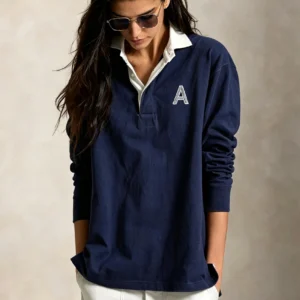


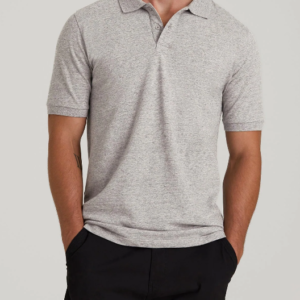


Custom Work Polo Shirts Built for Uniform Programs
Production support for branded workwear launches, repeat orders and global rollouts.
100-Unit Starting MOQ
Launch custom work polo shirts from 100 units per style and color, ideal for pilots, teams and new uniform programs.
Fit-Graded XS–3XL
Pattern makers refine proportions, mobility and grading across XS–3XL for comfortable staff uniforms, extended sizes and modern fits.
Integrated Logo Decoration
Coordinate embroidery, screen printing, patches, labels and branded packaging through one production team for a consistent professional finish.
Workwear-Ready Materials
Source durable piqué, jersey and performance-knit options selected for hand feel, wash performance, breathability and daily wear.
Scalable Global Production
Move from a 100-unit launch to bulk replenishment with 200+ skilled workers, 80,000+ monthly capacity and export support.
OEM to Private Label
Bring a tech pack, reference sample or concept; JUNSHEEN manages development, sampling, production and private-label details.
Custom Polo and OEM Programs That Scale
Develop retail capsules, uniforms, and extended-size assortments with fit-led sampling, low MOQs, and integrated production support.

Custom Hoodies
Build custom hoodies in fleece, French terry, or jersey with branded labels, embroidery, screen printing, washes, and fit grading from XS to 3XL. Suitable for retail drops, teamwear, and private-label programs starting at 100 units per style and color.
Request a Quote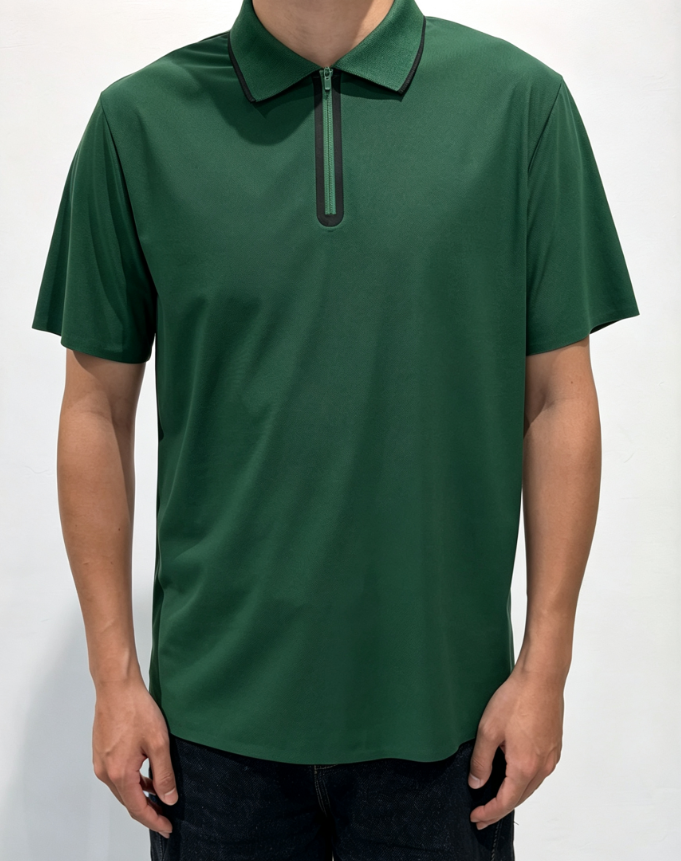
Custom T-Shirts
Develop custom T-shirts from a tech pack, reference garment, or initial concept. Junsheen supports fabric weight selection, cut-and-sew construction, size grading, screen printing, DTG, DTF, embroidery, labels, and packaging for branded basics or promotional programs.
Request a Quote
Custom Jeans
Produce custom jeans in rigid or stretch denim with pattern development, wash testing, hardware selection, grading, and quality control. Refine rise, leg shape, seat balance, and sizing across XS–3XL for women’s, men’s, oversized, and extended-size denim programs.
Request a Quote
Custom Sweaters
Source turtle neck sweater bulk programs with knit constructions suited to your target hand feel, warmth, and price point. Development covers yarn selection, gauge, rib details, fit sampling, grading, labels, and scalable production for wholesale or retail collections.
Request a Quote
Custom Jackets
Create custom jean jackets with denim weight, wash, distressing, embroidery, patches, hardware, and branded trim options aligned to your collection. Pattern makers can develop classic, cropped, oversized, lined, or extended-size fits before bulk approval.
Request a Quote
Custom Sweatshirts & Crewnecks
Produce custom crewneck hoodie and sweatshirt programs with brushed fleece, French terry, or jersey options. Define neckline, rib construction, fit, decoration, washing, and private-label details for retail capsules, merchandising programs, or staff uniforms.
Request a Quote
Custom Cardigans
Develop custom cardigans with knit gauge, yarn blend, button or zipper details, pockets, rib finishes, and branded labels specified for your assortment. Sampling and fit grading support regular, oversized, plus-size, and extended-size knitwear programs.
Request a Quote
Custom Puffer & Down Jackets
Build custom puffer jackets with shell fabric, insulation, quilting, lining, zipper, pocket, hood, and reflective-detail options. Junsheen manages fit development and construction review for outerwear programs requiring reliable warmth, mobility, and scalable bulk production.
Request a Quote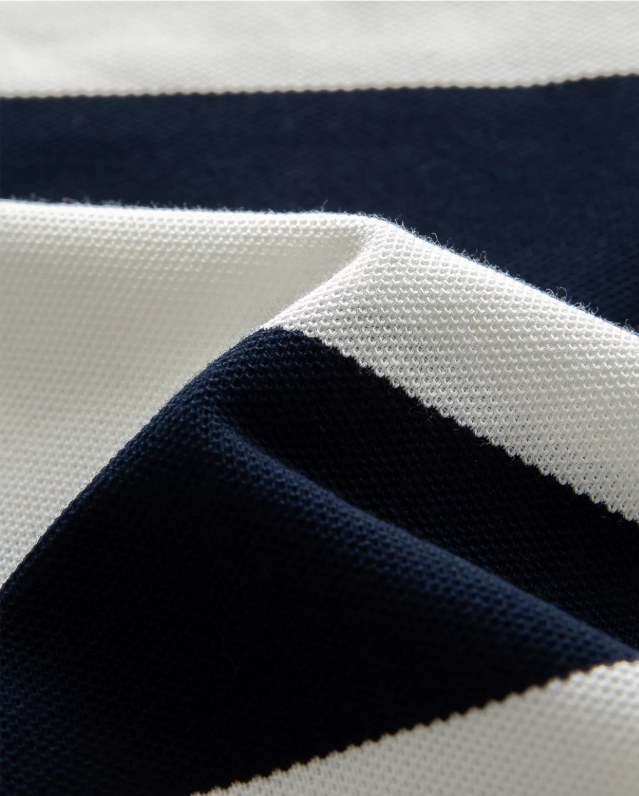
Custom Denim Shorts
Produce custom jean shorts in rigid or stretch denim with tailored inseams, rise, wash treatments, distressing, hems, hardware, and labels. Size grading is developed for consistent proportions across standard, oversized, and extended-size summer assortments.
Request a Quote
Custom Sweater Dresses
Create custom sweater dresses with yarn, gauge, neckline, silhouette, ribbing, and length specified for your market. Fit-focused sampling addresses body proportion, ease, and mobility across XS–3XL before wholesale, retail, or private-label production.
Request a Quote
Custom Denim Sets
Source men’s denim suits wholesale with coordinated jackets and trousers developed as a matching program. Control denim weight, wash, construction, hardware, fit, and grading while maintaining consistency between separates for retail or distributor orders.
Request a Quote
Custom Polo Shirts
Develop custom polo shirts for uniforms, corporate merchandise, hospitality teams, clubs, and retail collections. Select piqué or jersey fabric, collar and cuff construction, placket details, logo embroidery, printing, labels, and size grading from XS to 3XL.
Request a Quote
Custom Sweatpants
Produce custom sweatpants with fleece, French terry, or performance-knit options tailored to lounge, streetwear, athletic, and uniform needs. Specify fit, rise, inseam, pockets, cuffs, drawcords, decoration, washing, labels, and extended-size grading.
Request a Quote
Custom Shorts
Create custom shorts in jersey, fleece, twill, woven, denim, or performance fabrics for retail, teams, and seasonal capsules. Development covers length, rise, pockets, waistband, trims, printing or embroidery, and fit consistency across the full size range.
Request a Quote
Custom Pullovers
Develop custom pullovers in knit, fleece, French terry, or jersey constructions with tailored collars, plackets, zippers, ribbing, and branded details. Sampling verifies fit, comfort, and finish before low-MOQ launches or recurring bulk orders.
Request a QuoteMaterials for Comfortable, Durable Custom Work Polo Shirts

Pique Cotton
A breathable, textured classic for polished staff uniforms and retail polos. The raised knit surface improves airflow and gives a structured hand feel, while cotton-rich constructions remain comfortable through long shifts.

Cotton Spandex Pique
A soft, flexible pique suited to active teams, fitted silhouettes and extended-size programs. Added elastane provides controlled stretch and recovery, helping custom work polos maintain shape through movement and repeated washing.

Polyester Pique
A durable, quick-drying option for high-use uniforms, outdoor crews and promotional programs. Its moisture-managing performance and strong color retention support dependable wear, especially in lightweight to midweight constructions.

Cotton Polyester Blend
A balanced fabric for everyday branded work polos that need comfort and practical durability. Cotton adds a natural hand feel, while polyester improves abrasion resistance, shrink control and wash-to-wash color stability.

Performance Interlock Knit
A smooth, clean-faced knit for modern corporate uniforms, hospitality teams and sports-inspired workwear. The double-knit construction offers a refined hand feel, dependable opacity and reliable support for printed or embroidered logos.
Decoration Options for Custom Work Polo Shirts

Logo Embroidery
Flat, 3D puff and chain-stitch embroidery create a premium dimensional logo with strong thread coverage. Ideal for chest, sleeve and collar placements where a durable, professional finish is required.

Screen Printing
Plastisol, water-based, high-density and silicone screen printing deliver bold color, crisp artwork and dependable wash performance. A practical choice for larger graphics, multi-location branding and higher-volume uniform programs.

Heat Transfers
DTF, heat transfer and reflective transfer applications reproduce detailed logos, gradients and small lettering accurately. They provide flexible placement options for polos, including hard-to-print areas and performance fabric blends.

Custom Patches
Woven, embroidered, leather-look and applique patches add tactile brand distinction to work polos. Secure stitching or heat application supports durable badge-style logos for hospitality, retail, teams and promotional uniforms.

Garment Finishing
Softening, enzyme washing and anti-pilling treatments improve hand feel, surface appearance and everyday wear performance. Finishing is matched to the polo fabric to help uniforms stay comfortable and presentable through repeat laundering.
Custom Trims, Labels and Workwear Details

Custom Button Sets
Choose dyed-to-match resin, metal-look or logo-engraved buttons for plackets, cuffs and collar closures. Button specifications can reinforce your uniform identity while supporting practical daily use and repeat wash performance.

Polo Zipper Plackets
Add nylon coil, molded plastic or metal zippers to quarter-zip and utility polo designs. We match zipper finish, puller style and tape color to the garment for functional, polished workwear programs.

Drawcord and Tipping
Use branded drawcords for hooded polo layers and contrast tipping on collars or cuffs for a defined team look. Colors, yarns and finishing details are developed to align with your brand standards.

Woven Brand Labels
Add woven main labels, size labels and wash-care labels with your logo, fiber details and care instructions. Private-label placements are reviewed during sampling to protect comfort, compliance and a clean finish.

Custom Patches
Choose embroidered, woven, silicone or printed patches for chest branding, sleeve identifiers and team marks. Patch construction is selected around fabric weight, decoration method and the expected wear demands of custom work polo shirts.
Branded Packaging
Complete each order with custom hang tags, polybags, barcode stickers, folding instructions and outer-carton marks. Packaging can support retail presentation, wholesale handling and smoother fulfillment for global workwear programs.
Your Custom Work Polo Shirts Manufacturer
Founded in 2010 in Humen, Dongguan, JUNSHEEN helps global brands turn uniform and casualwear concepts into production-ready custom work polo shirts. Our one-stop OEM, ODM and private-label team supports product development, fabric sourcing, pattern making, sampling and export coordination from a single manufacturing base.
With 200+ skilled workers and monthly capacity above 80,000 units, we serve launches from 100 units per style and color through scalable repeat programs. More than 2,000 fashion-brand clients have relied on JUNSHEEN for dependable cut-and-sew, knitwear, decoration, labels, trims, packaging and quality control.
Our difference is fit-focused development that goes beyond simply enlarging a base pattern. We refine proportions and grading from XS to 3XL, including extended-size, plus-size and modern oversized fits, so your branded polos deliver consistent comfort, presentation and wearability across the full size range.

Custom Work Polo Shirts Built for Consistent Production
Fit Development That Works
JUNSHEEN develops custom work polo shirts from XS to 3XL with balanced shoulder placement, sleeve length, body ease and grading increments. Our pattern team refines fit for active wear, helping uniform programs achieve a consistent look and comfortable movement across the full size range.
- Pattern making from tech packs, samples or concepts
- XS–3XL, extended-size and oversized grading
- Prototype, size-set and pre-production approvals
- Fit records retained for repeat programs
Fabric and Trim Control
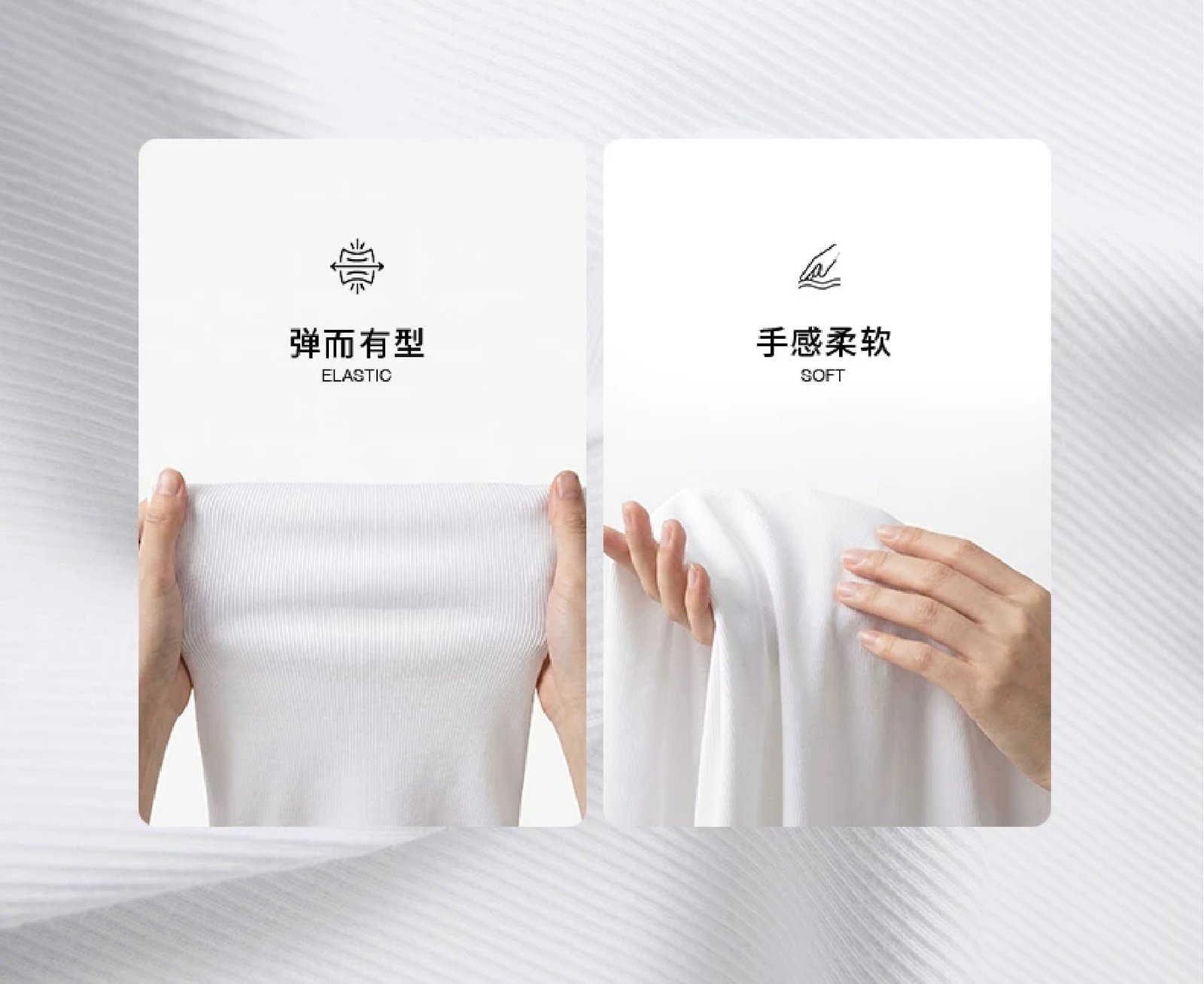
Source pique, performance knit, cotton blend or stretch polo fabrics around your target hand feel, durability and budget. We coordinate collars, cuffs, plackets, buttons and labels as one specification, so materials remain aligned with the intended workwear use and brand presentation.
- Fabric recommendations by weight, stretch and wash performance
- Rib collars and cuffs matched to garment fabric
- Custom buttons, labels, hang tags and packaging
- Swatches and sample garments available before bulk approval

Integrated Logo Decoration
Keep embroidery, printing and finishing decisions connected to the garment construction. JUNSHEEN evaluates logo placement, stitch density, print method and fabric compatibility before production, helping branded polos maintain clear decoration, comfortable wear and a professional appearance after repeated laundering.
- Flat, 3D/puff and chain-stitch embroidery
- Screen print, DTF, DTG and heat-transfer options
- Logo placement guidance for chest, sleeve and back
- Decoration testing during sample development
Quality Checks at Every Stage
Multi-stage quality control supports repeatable polo programs from first bulk run to replenishment. Teams inspect incoming fabrics, in-line construction, measurements, fit, decoration and packed goods, while retained patterns and material records help protect consistency as quantities and reorder frequency grow.
- Incoming fabric and trim inspection
- In-line stitching, measurement and appearance checks
- Final decoration and packed-goods review
- 200+ skilled workers and 80,000+ monthly capacity

Why Choose JUNSHEEN for Custom Work Polo Shirts
Concrete manufacturing support for workwear programs that need dependable fit, branding, and global delivery.
← 左右滑动查看 →
Custom Work Polo Shirts, From Fabric to Global Delivery
A controlled five-phase workflow for branded workwear programs, from feasibility review through final inspection, packing and export coordination.
Review Specifications
We assess your tech pack, reference sample or concept, confirm 100-unit MOQ feasibility, fit requirements, logo placement, construction details and target delivery needs.
Source Materials and Sample
Our team recommends durable polo fabrics, trims and colors, develops patterns from XS–3XL, then prepares prototype samples for fit, hand feel and approval.
Cut and Decorate
Approved materials move into cutting and sewing, with logo embroidery, screen printing, patches or other selected decoration applied to your custom work polo shirts.
Inspect Every Production Stage
Quality teams check incoming materials, measurements, stitching, fit, decoration accuracy and finished garments throughout production to maintain consistent workwear standards at scale.
Pack and Ship Globally
We complete branded labels, hang tags and packaging, conduct final packed-goods checks, then coordinate export-ready shipment for your approved polo order worldwide.
Start Your Custom Work Polo Shirts Project
Move from concept to global delivery with a clear, fit-focused manufacturing workflow built for brands ordering from 100 units per style and color.
Submit Your Concept
Send a tech pack, sketch, reference garment, or logo idea. Our team reviews your work polo specifications, target fit, fabric, decoration, and quantity requirements.
Confirm Feasibility and Pricing
Review our material recommendations, construction options, MOQ feasibility, lead-time expectations, and detailed quotation before development begins, with guidance for XS–3XL or extended-size grading.
Approve Your Samples
We create prototype samples for fit, fabric, color, logo placement, and workmanship review. Refine details through feedback, then approve the production-ready sample and specifications.
Launch Bulk Production
After approval, JUNSHEEN manages fabric sourcing, cut-and-sew production, decoration, in-line inspections, final quality control, branded packing, and export shipping for your finished polos.
Custom Clothing Manufacturer Credentials and Compliance Documents



What Brand Clients Achieve With JUNSHEEN
JUNSHEEN refined our polo grading from XS to 3XL instead of scaling one base size. Sample revisions dropped from three rounds to one, and our first 600-piece hospitality uniform order achieved a much more consistent fit across the team.
We launched a branded workwear capsule with 100 units per color, custom embroidered chest logos and private labels. The team kept the timeline on track, and we reordered 1,200 polos six months later with matching fabric, color and measurements.
For our Australian retail program, JUNSHEEN coordinated sampling, bulk production and export packing for 2,400 custom work polo shirts. Final inspections caught two trim issues before shipment, helping us deliver all store allocations without a launch delay.
Custom Work Polo Shirts FAQ
Clear answers on MOQs, development, production, payment, shipping, fit and confidentiality for branded workwear programs.
What is the minimum order quantity for custom work polo shirts?
Can you make a sample before I order custom work polo shirts in bulk?
How long does it take to manufacture custom work polo shirts?
Can you develop polo shirt sizing from XS to 3XL?
What payment terms apply to a first custom polo shirt order?
Do you ship custom work polo shirts internationally?
How do you protect my designs, logo files and tech packs?
Can JUNSHEEN add embroidery, printing, labels and branded packaging?
The Complete Buyer’s Guide to custom work polo shirts
Use this practical framework to specify custom work polo shirts, compare fabric and decoration options, evaluate suppliers, control costs, and avoid sourcing mistakes before placing a production order.
1. What Are Custom Work Polo Shirts?
100-unit programs are where custom work polo shirts become a production product rather than a logo added to an off-the-shelf retail polo. They are specified for a job, wearer group, and repeat-use cycle: fabric weight, collar recovery, fit range, color standard, decoration placement, and wash performance are decided before bulk production. 200–240 GSM pique or performance knit is a common starting range for a polished, breathable work polo, but the correct build depends on use. Hospitality teams usually prioritize clean presentation and soft hand feel; trades need mobility, durability, and soil-tolerant colors; corporate teams often need consistent branding across locations. 3 distinctions prevent a vague brief. A retail polo is designed for individual consumer appeal, a uniform program controls a team’s appearance and replenishment, and a promotional tee is typically optimized for short-term visibility rather than frequent laundering. Custom work polo shirts sit between these categories: they carry recognizable identity while remaining comfortable enough for repeated shifts. 2010 is the year JUNSHEEN began supporting apparel development from specifications, sketches, reference garments, or product ideas. Before selecting fabric or embroidery, define whether the polo serves hospitality, field trades, office teams, an event crew, or a resale collection—because the intended wearer and wear frequency determine the fit, construction, decoration, and reorder plan.
2. Evolution of the Work Polo
1926 is the year René Lacoste introduced the short-sleeve, soft-collared tennis shirt that established the polo’s practical template: a knit body, button placket, rib collar, and freedom of movement. By the mid-20th century, golf, club, and corporate adoption had turned that sporting garment into a recognizable uniform layer—more polished than a T-shirt, less formal than a woven shirt. 1970s–1990s expansion put polos into hospitality, retail, delivery, facilities, and trade teams because they could carry a visible identity while tolerating repeated laundering. For custom work polo shirts, this history makes decoration placement and substrate selection operational decisions: embroidery suits stable pique and left-chest logos, while screen print or heat transfer needs testing for stretch, adhesion, and wash durability. 180–240 GSM cotton pique remains a common classic-uniform range, while polyester or poly-cotton performance piques add moisture management, faster drying, and color retention for active roles. Buyers should approve the actual fabric, decoration strike-off, and wash-tested sample—not only a swatch—before committing bulk materials. XS–3XL size planning and retained graded patterns now matter as much as collar styling. A supplier that records approved Pantone colors, logo files, measurements, trims, and packing specifications can reproduce replenishment orders consistently, while contemporary options such as relaxed fits, contrast panels, tipped collars, and modern oversized proportions let branded workwear look intentional rather than generic.
3. Types of Custom Work Polo Shirts
Six core formats cover most uniform briefs, but job environment should decide the starting point. Compare climate, required appearance, logo placement, and replacement-cycle expectations before selecting fabric weight or decoration.
| Type | Best Environment | Appearance | Main Trade-Off |
|---|---|---|---|
| Classic piqué | Indoor or mixed duty | Traditional uniform | Slower drying |
| Performance | Heat and active work | Technical, clean | Synthetic hand feel |
| Premium knit | Client-facing teams | Refined, fashion-led | Higher fit sensitivity |
Classic Piqué Polos

200–240 GSM cotton or cotton-blend piqué suits hospitality, retail, schools, and front-of-house teams. Its textured face looks familiar and holds shape well, but dries slower than performance constructions in humid or active roles.
Performance Moisture-Wicking Polos

140–180 GSM polyester performance polos fit field sales, logistics, golf events, and warm-climate crews. They dry quickly and resist wrinkles, while sublimation-ready light colors can show sweat less predictably than darker shades.
Long-Sleeve And Pocket Styles

Long sleeves suit cooler sites, sun exposure, and service technicians needing a more covered uniform. A chest pocket helps carry pens or tickets, though it competes with left-chest embroidery and can add bulk.
Contrast And Premium Fits

Contrast panels, tipped collars, and premium knit collars give sports teams, automotive staff, and client-facing crews stronger visual separation. Fashion-fit or fine-gauge knit polos look elevated, but require tighter fit approval and less forgiving care.
4. Materials for Custom Work Polo Shirts
Fabric choice sets comfort, logo appearance, and replacement rate for custom work polo shirts. Specify construction alongside fiber content: a 180 GSM piqué and a 180 GSM interlock perform very differently in heat, laundering, and abrasion.
| Material | Weight | Strengths | Limitations | Recommended Use |
|---|---|---|---|---|
| Cotton piqué | 180–220 GSM | Breathable, textured, soft | Shrinkage; slower drying | Retail, office |
| Cotton-poly piqué | 200–240 GSM | Durable, colorfast | Less natural hand | Service uniforms |
| Polyester knit | 150–190 GSM | Wicking, quick-dry | Can retain odor | Active field teams |
| Recycled polyester | 160–200 GSM | Performance, recycled content | Quality varies | Events, outdoor teams |
| Mercerized cotton | 180–220 GSM | Smooth, premium color | Higher cost | Client-facing teams |
Cotton Piqué And Blends
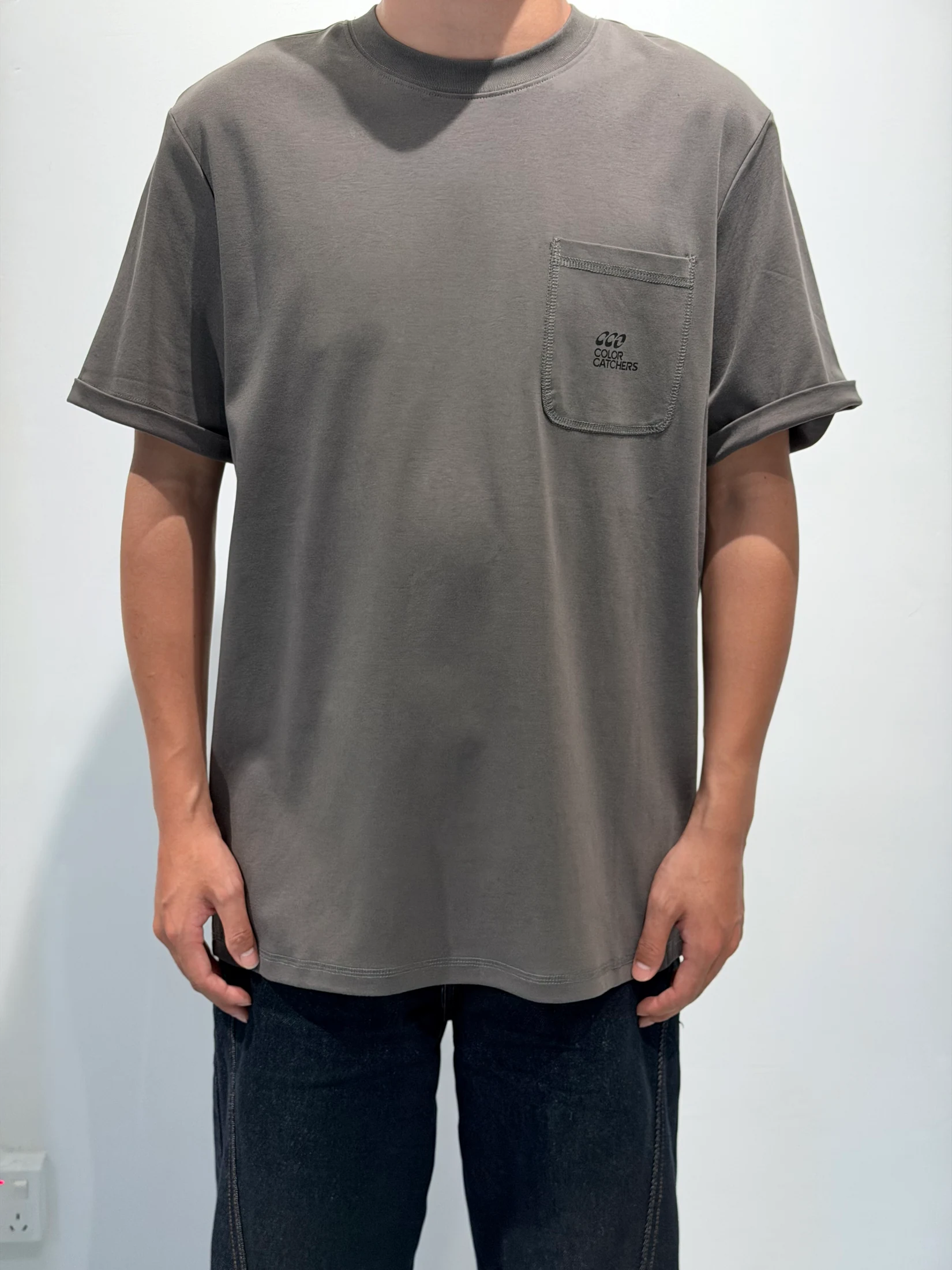
At 180–220 GSM, combed cotton piqué is breathable, textured, and comfortable for reception, retail, and moderate indoor work. Allow controlled shrinkage testing because cotton can change after washing. At 200–240 GSM, 60/40 or 65/35 cotton-poly piqué improves color retention, drying speed, and wrinkle resistance. The synthetic share can reduce softness and may pill if lower-grade yarns are used.
Performance And Recycled Knits

At 150–190 GSM, polyester interlock or micro-mesh manages moisture better than cotton and dries quickly. It suits field crews, hospitality teams, and warm, active environments. At 160–200 GSM, recycled polyester offers similar performance while supporting recycled-content programs. Confirm hand feel, colorfastness, and pilling resistance on the approved sample, since yarn quality varies.
Premium Cotton Options

At 180–220 GSM, mercerized cotton provides a smoother, cleaner surface with stronger color brilliance than standard cotton. It is well suited to client-facing uniforms and premium retail teams. At 200 GSM and above, long-staple or ring-spun cotton improves softness and surface consistency. Premium cotton costs more and still needs wash testing for shrinkage and collar recovery.
5. Customization for Custom Work Polo Shirts
At 100 units per style and color, decoration choices should be locked before sampling because artwork, backing, and placement affect cost and approvals. For custom work polo shirts, match the method to knit structure, logo detail, and daily wash exposure.
| Method | Setup And Artwork | Visual Effect | Durability And Limits |
|---|---|---|---|
| Embroidery | Digitizing; vector logo | Raised, premium | High; small chest, sleeve, pocket |
| Screen Print | Screens; separated vector colors | Flat, bold | High; best on broad flat areas |
| Heat Transfer | Print-ready vector or high-resolution art | Sharp, multicolor | Moderate-high; avoid high-friction zones |
| Woven Label | Woven file and label layout | Branded, tactile | High; neck, hem, or side seam |
Choose The Decoration Method
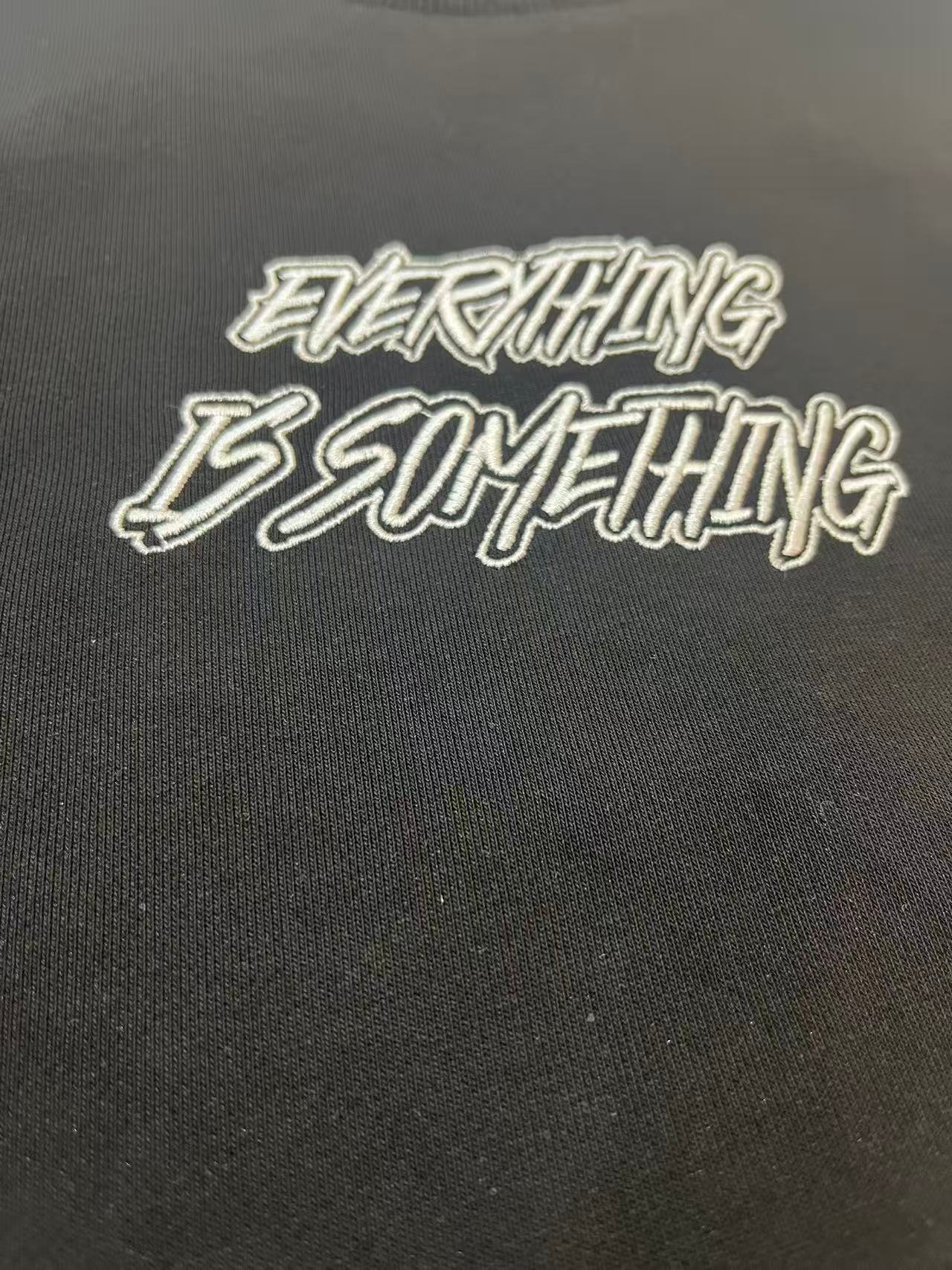
Embroidery gives a raised, premium mark on pique and interlock, but dense fills can pucker lightweight knits; supply vector artwork and approve a sewn strike-off. Screen print suits broad, simple chest or back graphics on larger runs, while heat transfer preserves fine multicolor detail for small logo areas and variable names.
Control Logo Placement

Left-chest logos commonly sit 7–10 cm below the shoulder seam; pocket embroidery needs a stable pocket panel before attachment. Neck prints replace scratchy labels, while woven main and size labels create a durable private-label finish. One Pantone-approved artwork file should define logo scale, thread or ink colors, and maximum placement dimensions before bulk approval.
- Use AI, EPS, or PDF vector files
- Keep embroidery details above 1 mm
- Approve print colors on actual fabric
Build Garment Identity

Two-color contrast trims at the collar, placket, cuffs, or side panels add recognition without complicating the logo. Custom buttons, chest pockets, and color blocking require approved trim cards and a production sample, especially when shades must match across dye lots. For high-frequency uniforms, favor embroidery, woven labels, and color-block panels over large transfers; confirm wash testing on the selected fabric.
6. Construction Details That Signal Quality
Quality is visible in repeatable specifications, not a supplier’s promise of premium workmanship. For custom work polo shirts, put measurable construction targets into the tech pack and approve them against a sealed sample before bulk cutting.
Collar And Placket Structure

Two-ply rib collars should be specified by finished height, rib composition, and recovery after 10 stretch-and-release cycles. Request fused or reinforced placket facings, bartacks at the placket base, and a matching collar stand shape on the sample.
- State finished collar height in millimeters
- Specify placket length and button spacing
- Require bartacks at placket stress points
Stitches And Seam Finishing
Eight to 10 stitches per inch is a practical baseline for stable polo seams; lightweight knits may need testing to avoid puckering. Specify overlock seam width, coverstitch hem width, shoulder taping, and cleanly secured thread tails rather than accepting loose visual descriptions.
- List SPI for major seams
- Define shoulder tape width and material
- Approve inside-seam photos with sample
Durability After Laundering
Three wash-and-dry cycles should be part of sample approval, with garment measurements recorded before and after testing. Specify allowable shrinkage, such as maximum 3% length and width where suitable, plus rib recovery, button security, side-vent reinforcement, and colorfastness requirements.
- Measure chest, body length, and sleeve after washing
- Use durable buttons with firmly sewn shanks
- Add bartacks at side-vent openings
7. How to Choose Custom Work Polo Shirts Manufacturers
A capable polo supplier proves control before asking for a bulk commitment. Evaluate its development records, factory workflow, and communication discipline against the realities of your fit, decoration, and reorder plan.
Verify Relevant Capability
100-unit MOQs suit a focused launch only when the factory can reliably cut piqué, jersey, or performance knit polos. Ask which collar constructions, plackets, embroidery, screen-printing, and moisture-management fabrics it produces in-house or through approved partners.
- Request recent polo samples and inside-construction photos.
- Confirm MOQ by style, color, and size range.
- Ask who controls fabric, trims, and decoration.
Test Development And Fit
1 approved pre-production sample should follow a documented prototype and size-set review. Ask for the measurement chart, grading rules, shrinkage test method, and revision log; extended sizes require proportion changes, not merely wider body measurements.
- Review Pantone, fabric, trim, and artwork approvals.
- Request size-set measurements from XS through 3XL.
- Define acceptable tolerances before bulk cutting.
Audit Quality And Reorders
A 2.5 AQL final-inspection plan is a common benchmark, but buyers should also verify incoming-fabric and in-line checks. Request inspection reports, compliance certificates relevant to the market, capacity evidence, and retained pattern/material records for repeat orders.
- Ask for OEKO-TEX, GOTS, WRAP, or BSCI documentation where applicable.
- Confirm production lead time and peak-season capacity.
- Name one contact responsible for approvals and exceptions.
8. Common Custom Work Polo Shirts Buying Mistakes
A 100-unit first run can expose every weak assumption in a polo specification. For custom work polo shirts, preventable fabric, fit, decoration, sampling, and calendar errors usually cost more than a higher initial unit price.
Buying Fabric On Price

A 180 GSM open-end piqué may meet a target cost but can feel harsh, lose shape, or show perspiration sooner than ring-spun alternatives. Match GSM, fiber blend, shrinkage target, climate, and activity level to the wearer. A hot warehouse and a cool showroom need different moisture handling and insulation. Request swatches, wash-test a sample, and document approved hand feel and dimensional change.
Choosing The Wrong Logo Method

A dense 8,000-stitch chest embroidery can pucker lightweight piqué and restrict drape. Select embroidery, screen print, DTF, or transfer by fabric weight, logo detail, placement, and wash requirement. A Pantone callout alone does not prove decoration quality. Approve a strike-off on the actual polo fabric, including backing, thread color, and placement dimensions.
Approving Incomplete Samples
A size-M sample without final collar, buttons, labels, or wash testing cannot validate bulk production. Require a complete pre-production sample with all trims, decoration, measurements, and packing components. A written approval should identify the revision number and retained reference sample. Record acceptable shade variation, logo position, and construction details before bulk cutting.
Ignoring Grading And Calendar
A 3% to 5% wash shrinkage can make an approved garment miss finished measurements, especially across XS–3XL. Confirm graded specs, tolerance limits, and post-wash measurements before releasing size sets. A 2-week sample cycle does not equal a finished delivery date. Build time for fabric booking, lab dips, approvals, bulk production, inspection, and freight; freeze artwork and purchase orders early.
- Set measurement tolerances by point of measure.
- Confirm shrinkage after the intended wash process.
- Approve each size set, not only size M.
9. Steps to Launch a Branded Polo Program
A launch-ready polo program starts with a controlled decision path, not a logo placement. For custom work polo shirts, assign one brand owner to approve fit, color, artwork, cost, and shipment documents at each gate.
Define Wearer Requirements
100-unit style-and-color programs should begin with wearer roles, climate, laundering frequency, size range, and target retail or uniform cost. Record the design concept, Pantone colors, logo locations, and required delivery date in a signed brief.
- Identify field, retail, hospitality, or event wearers
- Set approved size range and size-break forecast
- Name one final approver and backup contact
Specify Materials And Artwork
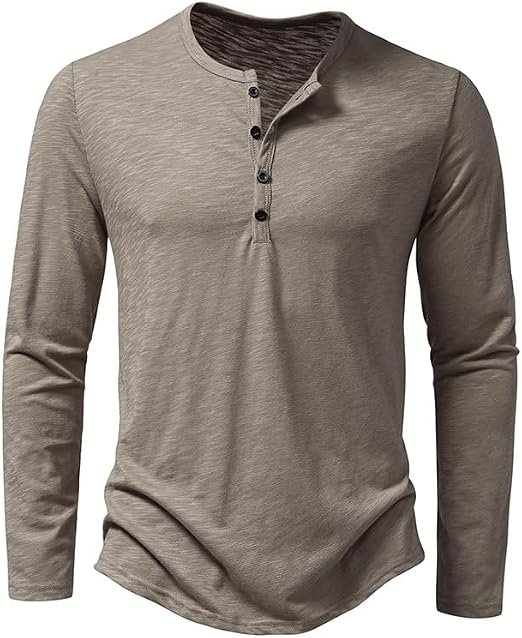
180–240 GSM pique is a practical starting range for many work polos, while performance knits require stretch, snag, and moisture-management specifications. Build a tech pack with measurement chart, construction callouts, Pantone references, embroidery file, print artwork, label copy, and packaging requirements.
- Confirm fabric composition and color standard
- Supply vector logo files and thread colors
- Approve decoration placement dimensions
Sample And Approve Fit

1 prototype should be reviewed against the approved measurement chart before a size set or sales sample is requested. Document every revision in a dated comment sheet, then obtain written approval from design, merchandising, and the end-user stakeholder before bulk release.
- Check collar recovery after wash testing
- Measure chest, length, sleeve, and placket
- Approve a sealed production sample
Confirm Production And Delivery
1 pre-production confirmation should lock the purchase order, bill of materials, graded specifications, approved artwork, quantity split, and inspection standard. Junsheen can support incoming-material, in-line, measurement, decoration, and final packed-goods checks; retain approvals and carton records for repeat orders.
- Approve color and trim swatches
- Confirm final balance before shipment
- Archive tech pack and inspection report
10. Custom Work Polo Shirts Pricing and Lead Times
100 units per style and color is JUNSHEEN’s practical starting point for a capsule polo program; the final quote should be built from an approved specification, not a generic price list. Use the tiers below to compare the cost pattern and planning window before requesting fabric swatches or a development sample. 7–14 days is a sensible planning range for a first sample after specifications and materials are confirmed; bulk timing begins only after sample, color, artwork and pre-production approvals. Request a line-item quote separating garment cost, decoration, labels, packaging, sampling and freight so sourcing teams can compare like for like.
| Order quantity | Expected unit-price driver | Sampling or setup cost | Typical lead-time range |
|---|---|---|---|
| 100–299 units | Highest unit cost; fabric minimums, small decoration runs and complex trims weigh heavily | Sample development and embroidery-screen or transfer setup quoted separately | Sample: 7–14 days; bulk: 25–35 days after approval |
| 300–999 units | Improved fabric utilization and decoration efficiency; more colorways can still raise cost | Setup is spread across more units; size-set samples may be advisable | Sample: 7–14 days; bulk: 30–40 days after approval |
| 1,000+ units | Best efficiency when styles, colors and materials are consolidated | Sampling remains separate; repeat artwork may reduce new setup needs | Sample: 7–14 days; bulk: 35–50 days after approval |
Ready to Develop Your Custom Work Polo Shirts?
Send your tech pack, reference garment, or product idea for a quote, fit review, and production-ready polo sampling.