
Embroidered Hoodie Custom Manufacturing From 100 Units
Launch fit-focused XS–3XL embroidered hoodie custom programs with in-house development, embroidery, private labeling, and scalable global production.
Featured Products for embroidered hoodie custom Development
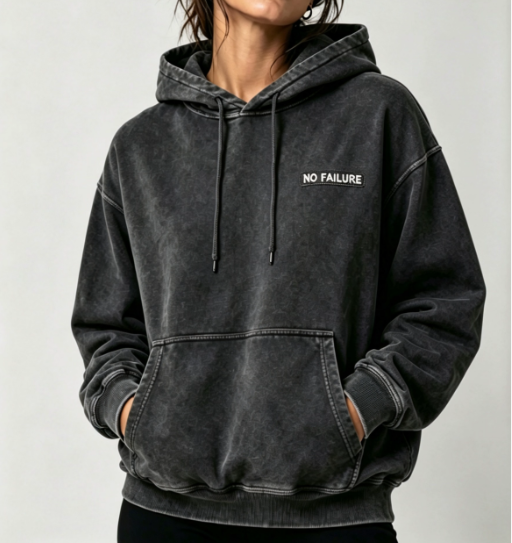
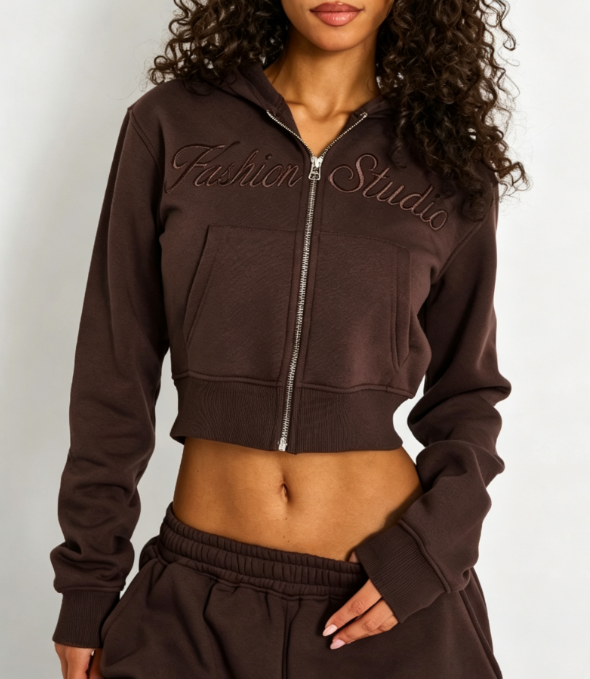


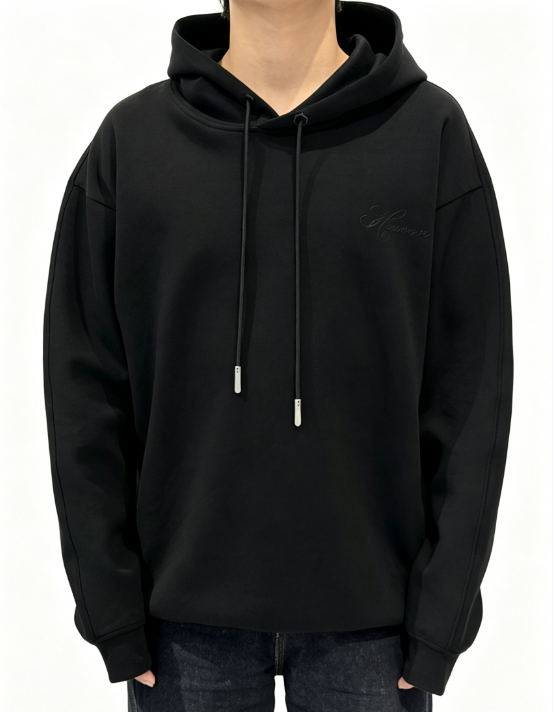
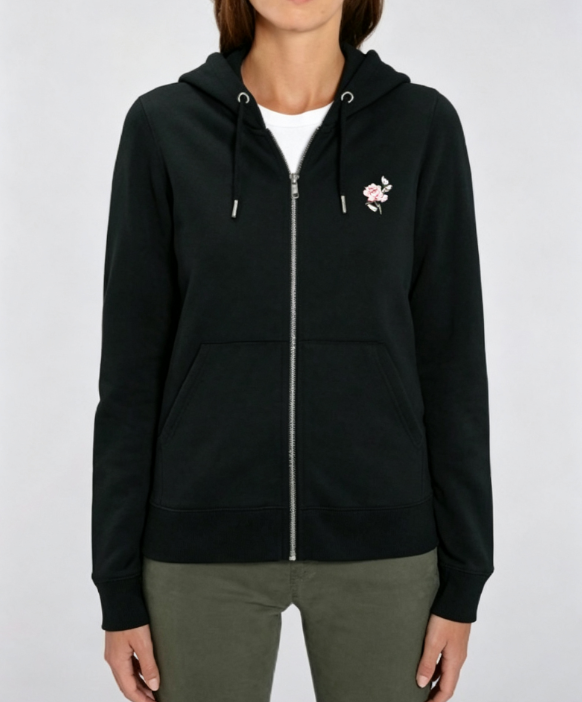


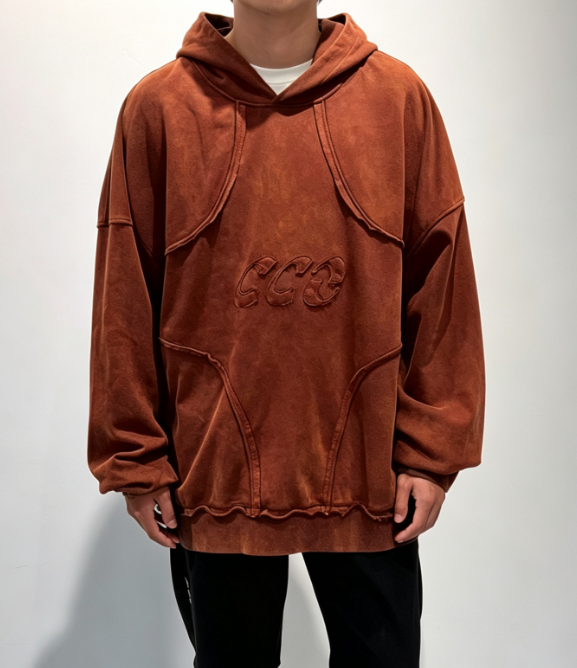
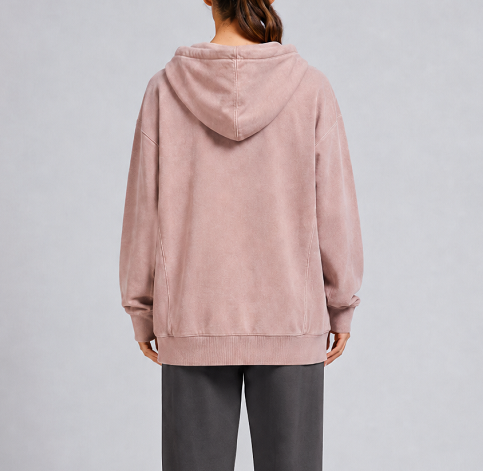


Related embroidered hoodie custom Catalogue & Quotation
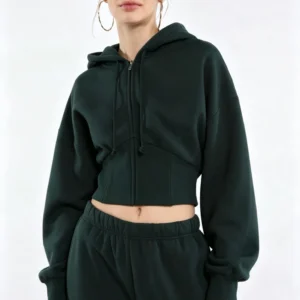
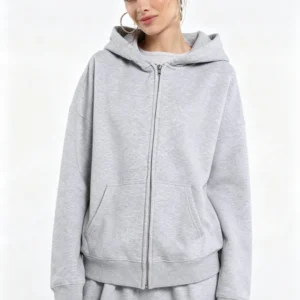

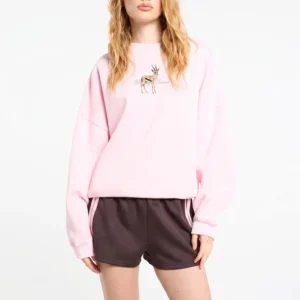
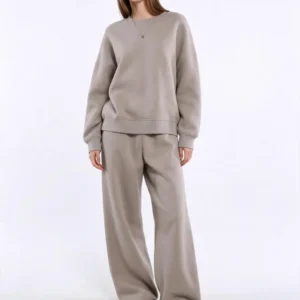

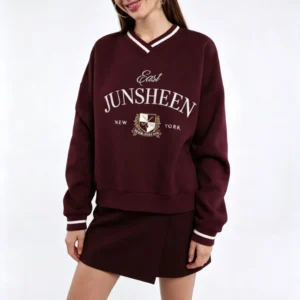

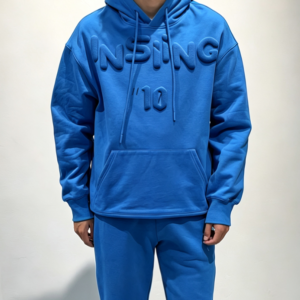
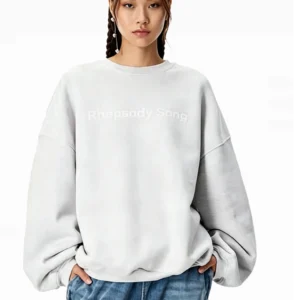

Why Brands Choose Junsheen for Embroidered Hoodie Custom Production
A fit-focused, low-MOQ production partner for fashion brands developing embroidered hoodies from first sample through global bulk delivery.
100-Unit Starting MOQ
Launch capsule collections from 100 units per style and color, with flexible support for emerging labels and growing wholesale programs.
In-House Embroidery
Choose flat, 3D puff, chain stitch, applique, patches, or logo embroidery managed alongside garment production for clearer quality control.
Fit-Focused XS–3XL
Pattern makers refine proportions, mobility, and grading across standard, oversized, extended-size, and plus-size hoodie fits instead of simply scaling patterns.
Complete Private Labeling
Build a cohesive branded product with custom labels, hang tags, drawstrings, trims, packaging, washes, and finishing details coordinated in one supply chain.
Scalable Global Production
Work with 200+ skilled workers, 80,000+ monthly units of capacity, and export support for repeat orders across global markets.
Custom Hoodie Programs for Every Collection
Develop coordinated casualwear and outerwear programs with fit-led sampling, in-house decoration, low-MOQ launches, and production capacity for growth.

Custom Hoodies
Develop custom hoodies from 100 units per style and color, with French terry, fleece, jersey, oversized or extended-size grading, and logo embroidery, puff print, patches, labels, and branded packaging specified for your collection.
Request a Quote
Custom T-Shirts
Build custom T-shirts around target weight, hand feel, fit, and decoration needs. Junsheen supports combed cotton and blended jersey, XS–3XL grading, screen printing, DTG, DTF, embroidery, washes, private labels, and coordinated capsule production.
Request a Quote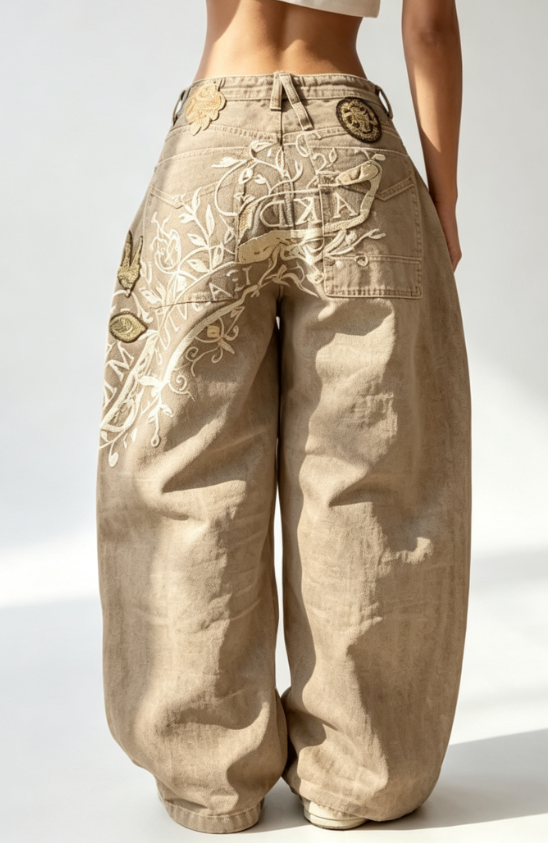
Custom Jeans
Produce custom jeans with denim weight, stretch, wash, rise, leg shape, and fit specifications aligned to your market. Pattern development, graded size sets, hardware, labels, embroidery, distressing, and garment washes are managed through one production workflow.
Request a Quote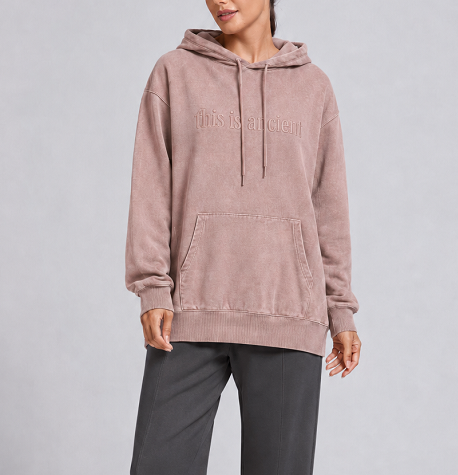
Custom Sweaters
Source turtle neck sweater bulk programs with the yarn composition, gauge, stitch structure, and size grading your line requires. Junsheen develops fitted, relaxed, oversized, and extended-size sweaters, then manages sampling, knit construction, labels, trims, and bulk quality control.
Request a Quote
Custom Jackets
Develop custom jean jackets with denim selection, silhouette, wash treatment, closures, pockets, and branding engineered for repeatable production. Add embroidery, patches, contrast stitching, custom buttons, labels, and packaging for private-label or wholesale programs.
Request a Quote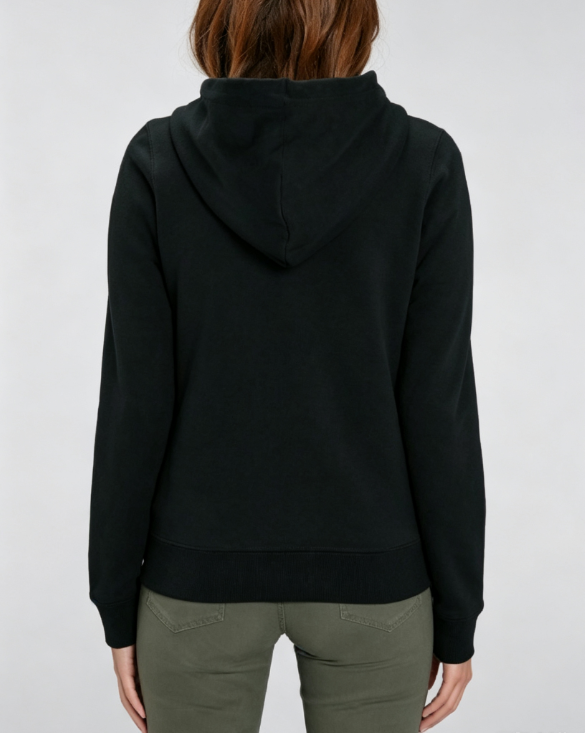
Custom Sweatshirts & Crewnecks
Create custom crewneck hoodie and sweatshirt programs with consistent body balance, rib specifications, fabric weight, and grading across XS–3XL. Choose fleece or French terry, then apply embroidery, screen print, puff effects, patches, washes, and private-label details.
Request a Quote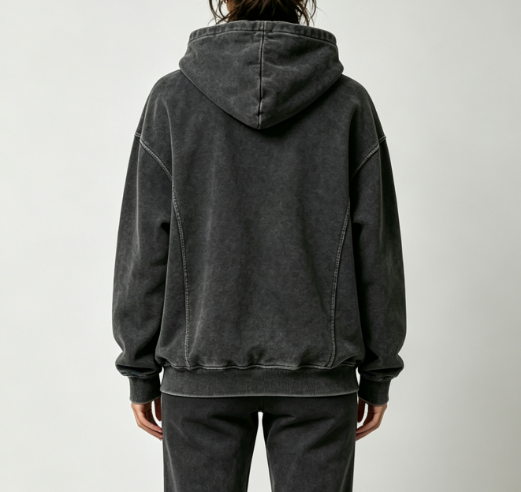
Custom Cardigans
Produce custom cardigans with tailored yarn, gauge, button, neckline, and proportion choices for fashion, retail, or uniform collections. Junsheen supports knit sampling, fit refinement, extended-size grading, branded trims, labels, and coordinated bulk production.
Request a Quote
Custom Puffer & Down Jackets
Develop custom puffer jackets around insulation, shell fabric, quilting layout, fit, pocket configuration, and weather-performance targets. Junsheen manages prototype sampling, trims, zippers, reflective details, labels, packing, inspection, and export-ready bulk production.
Request a Quote
Custom Denim Shorts
Manufacture custom jean shorts with inseam, rise, leg opening, stretch, wash, and hem finish designed for your customer. Denim sourcing, size grading, distressing, embroidery, hardware, labels, and low-MOQ sampling support focused seasonal launches.
Request a Quote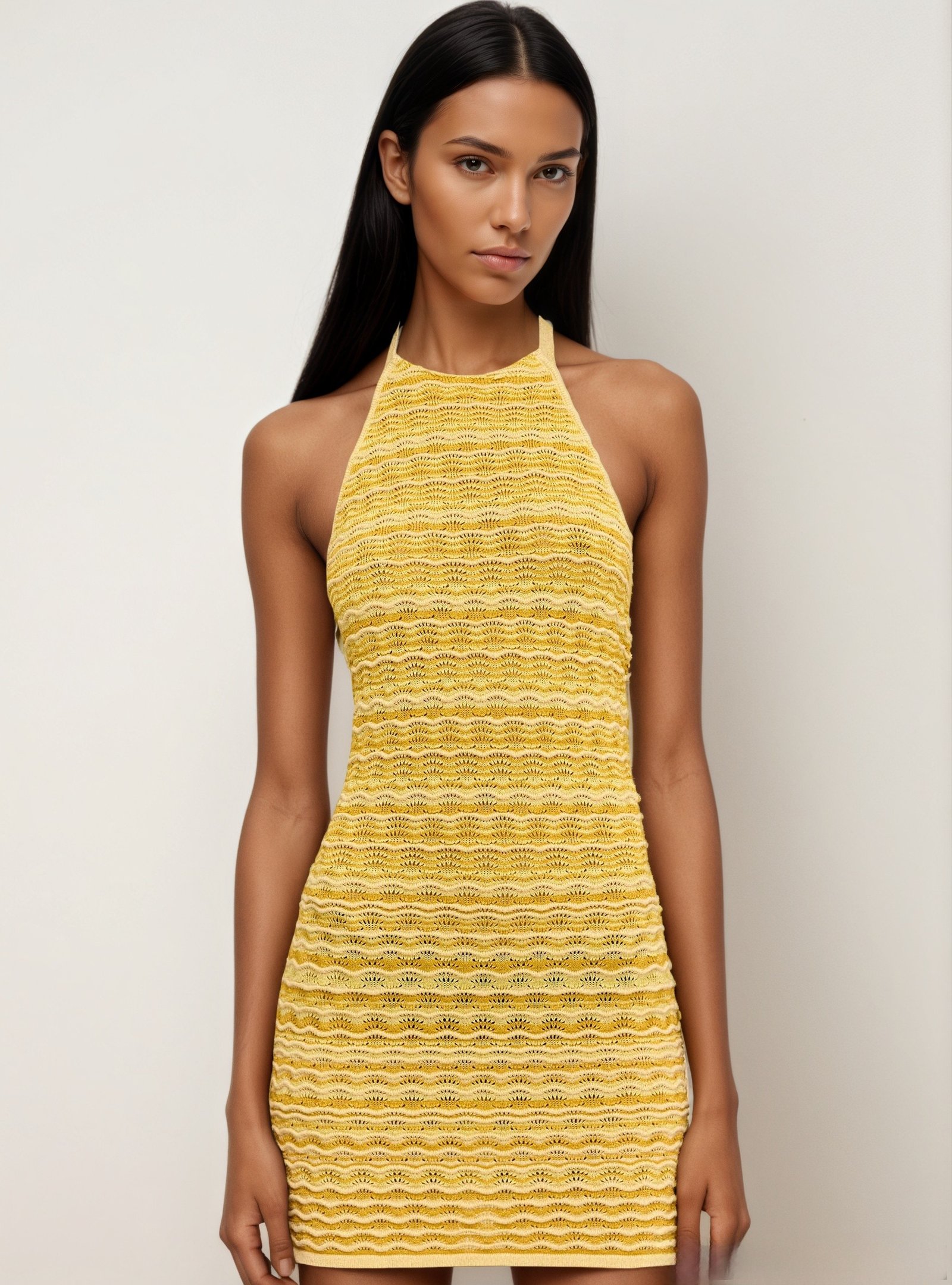
Custom Sweater Dresses
Create custom sweater dresses with yarn, gauge, silhouette, length, neckline, and grading developed for reliable fit through XS–3XL. Knitwear sampling, rib details, buttons, labels, and finishing are coordinated before bulk production for fashion brands and retailers.
Request a Quote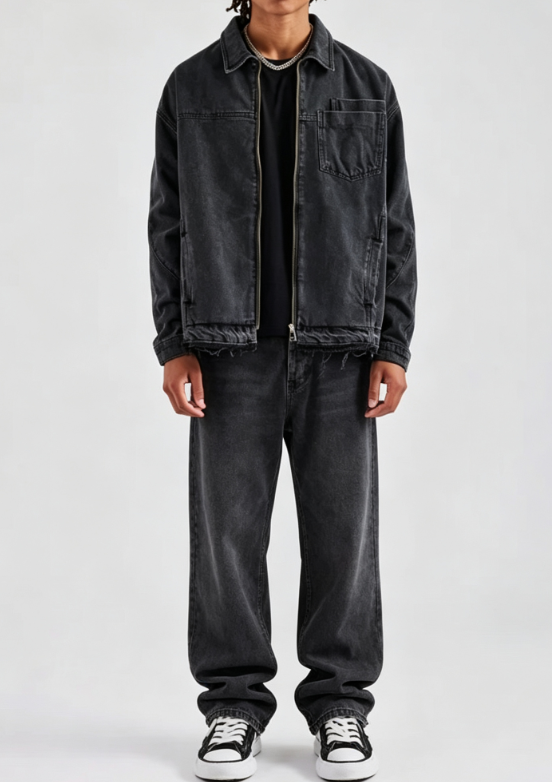
Custom Denim Sets
Produce mens denim suits wholesale programs with matched jackets and jeans, consistent wash tones, fabric weights, sizing, and trim specifications. Junsheen supports coordinated pattern development, grading, embroidery, patches, hardware, labels, and scalable repeat orders.
Request a Quote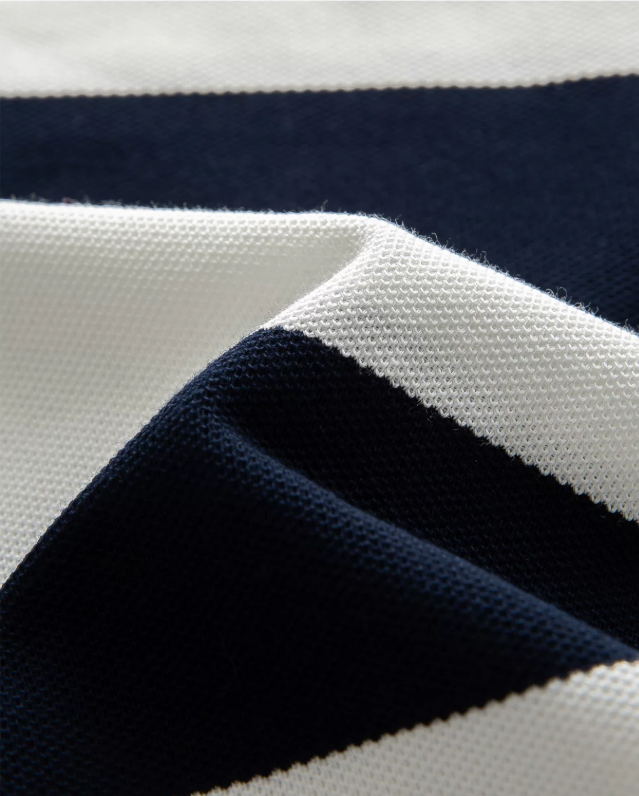
Custom Polo Shirts
Develop custom polo shirts with piqué, jersey, or performance-knit fabric, collar construction, placket details, and fit specifications for retail, uniforms, or branded merchandise. Add logo embroidery, printing, custom buttons, labels, and size grading from XS through 3XL.
Request a Quote
Custom Sweatpants
Produce custom sweatpants with fleece, French terry, or jersey options, refined rise and leg proportions, and coordinated hoodie color matching. Junsheen supports elastic and drawcord specifications, embroidery, printing, pockets, labels, washes, and extended-size grading.
Request a Quote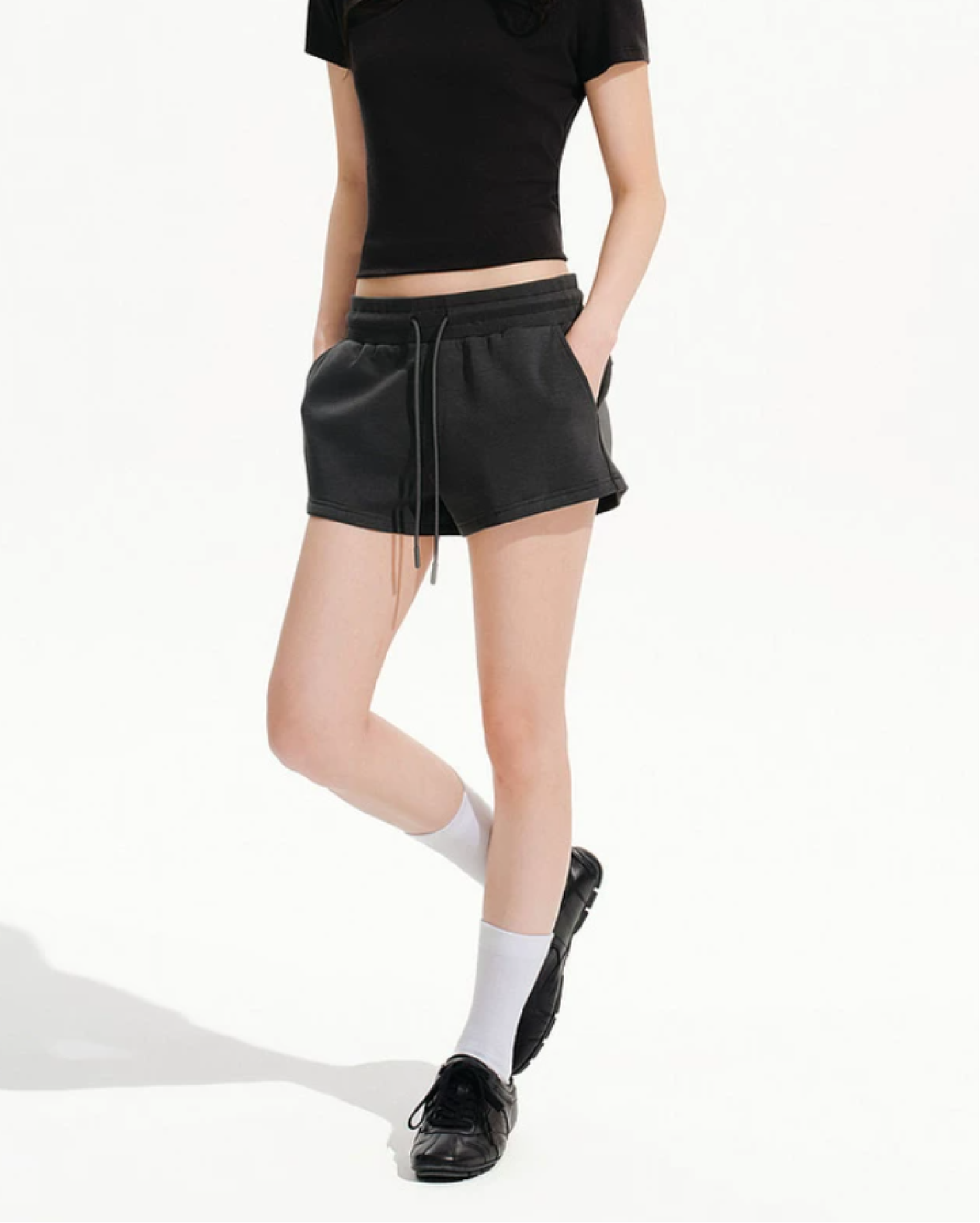
Custom Shorts
Develop custom shorts with fabric, inseam, waistband, pocket, and fit requirements suited to casualwear, sportswear, or coordinated sets. From 100 units per style and color, Junsheen manages sampling, decoration, washes, private labels, and export support.
Request a Quote
Custom Pullovers
Create custom pullovers in knit, fleece, French terry, or jersey constructions with fit, neckline, weight, and decoration defined for your collection. Pattern makers support regular, oversized, plus-size, and extended-size grading alongside embroidery, print, labels, trims, and packaging.
Request a QuoteMaterials for Embroidered Hoodie Custom Programs

Heavyweight Cotton Fleece
A dense, brushed-back option for premium streetwear and cold-weather hoodies. Its substantial 380–450 GSM weight delivers a structured drape, soft interior warmth, and stable ground for detailed logo embroidery.

French Terry Cotton
Loop-backed French terry offers breathable comfort with a clean, midweight hand for year-round collections. Typically 280–360 GSM, it holds embroidery well while giving relaxed hoodies less bulk than brushed fleece.

Cotton Polyester Fleece
A durable blended fleece suited to promotional, wholesale, and repeat-order hoodie programs. Polyester improves shape retention and wash resilience, while the cotton face provides a smooth surface for flat, puff, and patch embroidery.

Combed Cotton Jersey
Soft, smooth combed jersey works for lightweight hoodies, layering pieces, and fashion-forward silhouettes. Its refined hand feel supports smaller embroidery placements; reinforced backing can be specified to stabilize more detailed artwork.

Organic Cotton Terry
An elevated choice for sustainability-led labels seeking a natural hand and dependable daily wear. Organic cotton terry can be developed in midweight or heavyweight qualities, offering breathable comfort and a stable embroidered hoodie base.

Recycled Blend Fleece
Recycled cotton and polyester blends help brands build lower-impact hoodie capsules without sacrificing performance. Available in multiple weights, this fleece offers durable wear, a soft brushed feel, and reliable support for embroidered logos.
Embroidery and Print Options for Embroidered Hoodie Custom Programs

Flat Embroidery
Clean, precise stitching for logos, lettering and detailed artwork. Flat embroidery delivers a durable, premium finish on hoodies, with thread colors and stitch density matched to your fleece or French terry fabric.

3D Puff Embroidery
Raised foam-backed stitching adds sculpted dimension to bold logos and simple graphic shapes. It creates a tactile, high-impact result that holds its form well on structured hoodies, caps and heavyweight casualwear.

Chain Stitch Embroidery
Looped thread construction brings textured, heritage-inspired character to varsity graphics, script logos and statement motifs. Chain stitch gives embroidered hoodie custom collections a distinctive handcrafted look with durable visual depth.

Appliqué and Patches
Layer fabric appliqué, embroidered patches or custom badge elements for strong color blocking and branded dimension. This method is ideal for collegiate designs, oversized logos and flexible placement across hoodies, sweatshirts and jackets.

Screen Print Effects
Complement embroidery with plastisol, water-based, puff, high-density, silicone or foil screen printing. These options support detailed artwork, large back graphics and layered finishes while balancing appearance, hand feel and production durability.
Private-Label Trims and Finishing Details

Woven Brand Labels
Custom woven main labels, size labels, and wash-care labels give each hoodie clear brand ownership. We can match your artwork, color standard, fold style, and placement for neck, side seam, or hem applications.

Custom Drawcords
Select cotton, flat, round, braided, or reflective drawcords with custom tipping, metal aglets, or logo details. Coordinated drawcords add a premium finish to hood openings while supporting your collection’s color and material direction.

Branded Zippers
Add exposed or concealed zippers for full-zip embroidered hoodies, using branded pullers, custom tape colors, and dependable hardware specifications. Zipper selection is reviewed for smooth operation, garment weight, and your intended price point.

Snap Button Details
Custom snaps work well on hoodie pockets, detachable details, and varsity-inspired styles. Choose matte, polished, coated, or logo-engraved finishes to reinforce the garment’s visual identity without compromising practical daily wear.

Rib Trim Matching
Develop matching rib cuffs and hems in solid, striped, contrast, or engineered colorways. Correct rib recovery and proportion help embroidered hoodie custom styles retain shape through wear, washing, and repeated production runs.
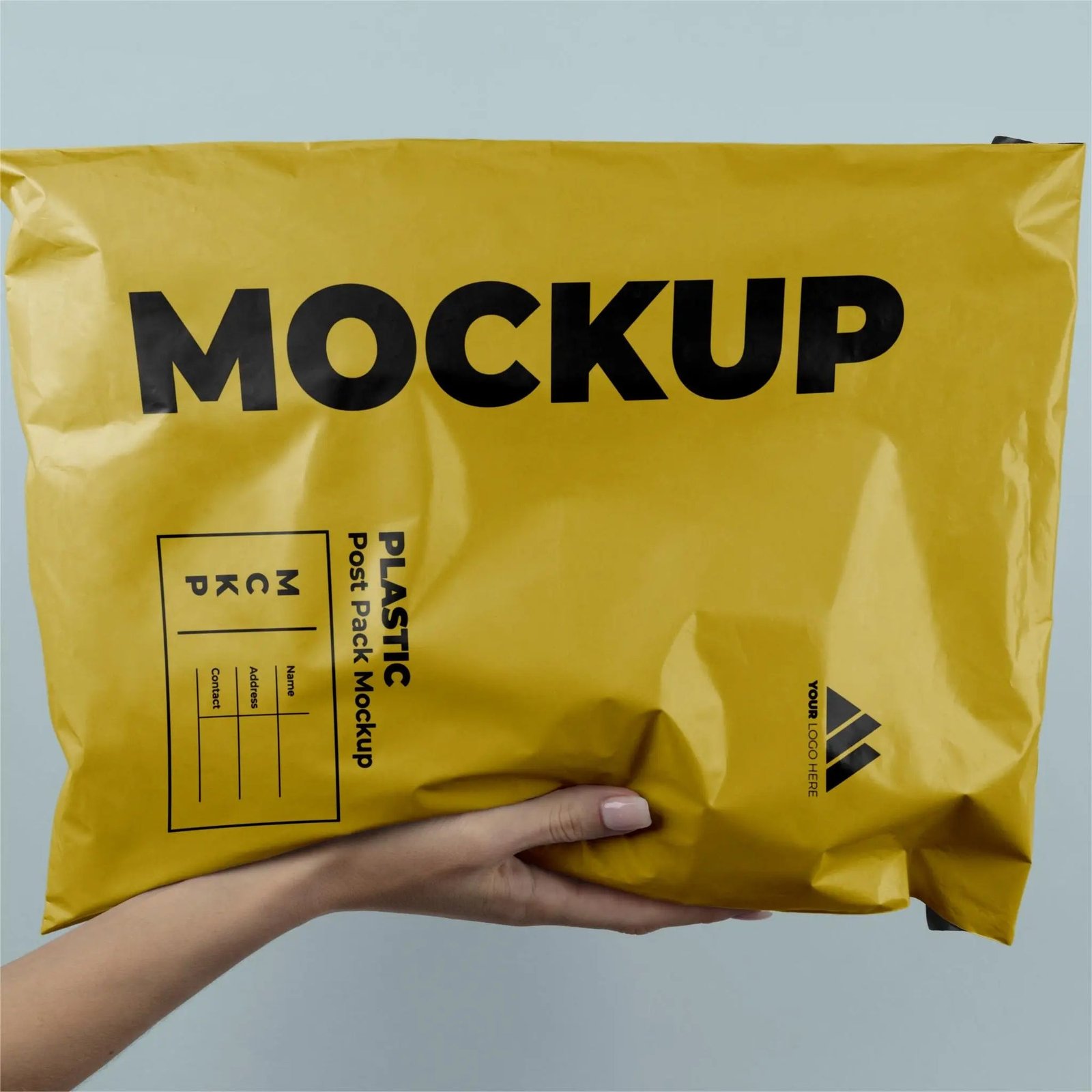
Branded Packaging Sets
Finish shipment-ready hoodies with custom hang tags, polybags, tissue paper, stickers, barcode labels, and cartons. JUNSHEEN coordinates packaging specifications so your private-label product arrives prepared for retail, wholesale, or direct fulfillment.
About Junsheen Apparel Manufacturing
Founded in 2010 in Humen Town, Dongguan, JUNSHEEN helps fashion brands turn embroidered hoodie custom concepts into production-ready private-label programs. Our mission is straightforward: combine responsive development, dependable manufacturing and clear technical support so labels can launch confidently and scale without changing suppliers.
With more than 200 skilled workers and monthly capacity above 80,000 units, we support capsule runs from 100 units per style and color through ongoing bulk production. Our integrated team manages cut-and-sew development, fabric sourcing, pattern making, embroidery, labels, packaging, quality control and global export coordination.
What differentiates JUNSHEEN is a fit-first production approach across XS–3XL, extended-size, plus-size and modern oversized silhouettes. Having served 2,000+ fashion-brand clients worldwide, we retain patterns, graded size sets and material records to make repeat embroidered hoodie programs more consistent and efficient.

Core Capabilities for Every Embroidered Hoodie Custom Order
Fit Engineering That Holds
Junsheen develops hoodie patterns from XS through 3XL with deliberate adjustments to shoulder balance, body length, sleeve proportion and ease. This fit-first approach supports regular, oversized and extended-size collections without relying on simple pattern enlargement.
- XS–3XL grading for regular, oversized and plus-size fits
- Pattern refinement for mobility, proportion and repeatability
- Size-set sampling before bulk approval
- Technical review of tech packs, sketches and reference garments

Embroidery Built Into Development
Embroidery is planned alongside fabric, backing, placement and construction decisions, helping the final hoodie retain clean logos and a stable hand feel. Our team supports flat, 3D puff, chain stitch, applique, patch and custom logo embroidery programs.
- Flat and 3D puff embroidery options
- Placement and stitch-density review before sampling
- Fabric and backing recommendations for clean results
- Custom patches, applique and chain stitch available
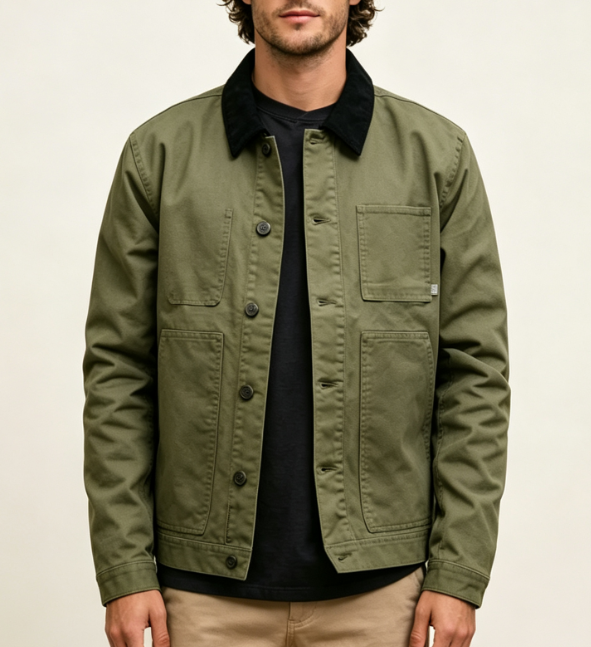
One Integrated Development Team
From an initial idea to a production-ready embroidered hoodie custom program, Junsheen coordinates fabric sourcing, patterns, trims, sampling and private labeling in one workflow. Brands gain clearer decisions, fewer handoffs and practical manufacturability guidance at every stage.
- OEM, ODM and private-label development support
- French terry, fleece and custom material sourcing
- Labels, drawstrings, zippers and branded packaging
- Low MOQ from 100 units per style and color

Production Control at Scale
With more than 200 skilled workers and monthly capacity above 80,000 units, Junsheen can support capsule launches and ongoing hoodie programs. Incoming materials, in-line construction, measurements, decoration and packed goods are checked throughout production before export.
- Material, measurement and decoration inspections
- In-line quality control through final packing
- Retained pattern and material records for repeat orders
- Global shipping support for growing brand programs

Why Choose Junsheen for Embroidered Hoodie Custom Production?
A fit-focused, one-stop OEM workflow built for low-MOQ launches and reliable scale.
← 左右滑动查看 →
Embroidered Hoodie Custom Production, Step by Step
A managed development and manufacturing workflow for branded hoodies, from feasibility review to worldwide delivery.
Review Design Feasibility
We assess your tech pack, sketch, or reference garment, confirm construction, target fit, embroidery placement, quantities, and 100-unit MOQ requirements.
Source Fabrics and Trims
Our team recommends fleece, French terry, or jersey with suitable weight and stability, then coordinates ribbing, drawcords, labels, and packaging.
Build Patterns and Samples
Pattern makers develop fit-focused XS–3XL grading, create prototype samples, and refine measurements, proportions, and details before bulk approval.
Produce Embroidery and Bulk
Approved embroidered hoodie custom orders move into cut-and-sew production, with in-house flat, puff, patch, or applique embroidery applied to specification.
Inspect, Pack, and Ship
Quality teams check fabric, measurements, construction, decoration, and packed goods before branded packing and coordinated worldwide export shipment.
Start Your Embroidered Hoodie Custom Project
Move from design input to production-ready hoodies with clear approvals, fit-focused development, and scalable manufacturing from 100 units per style and color.
Submit Your Design Brief
Send a tech pack, sketch, reference garment, or mood board with your target fit, fabric, embroidery placement, sizing, quantities, and private-label requirements.
Review Pricing and Samples
JUNSHEEN confirms manufacturability, recommends materials and decoration methods, then prepares your quotation, pattern development, and sample plan for review before bulk commitment.
Approve Production Details
Review the sample, graded XS–3XL size specifications, embroidery artwork, colors, labels, trims, packaging, and pre-production details to finalize every requirement accurately.
Launch Bulk Manufacturing
After approval, our 200-plus skilled workers manage bulk cutting, embroidery, sewing, quality inspections, packing, and global export support for dependable delivery.
Custom Clothing Manufacturer Credentials and Compliance Documents



What Fashion Brands Say About Working With JUNSHEEN
JUNSHEEN took our embroidered hoodie custom program from first sample to 1,200 bulk units without losing the stitch density or placement we approved. The team caught two grading issues before production, which saved us a costly relaunch.
Our oversized hoodie fit stayed consistent from XS through 3XL, including the extended-size run. We launched 600 units across three colors, and the 3D embroidery looked clean on every received size. Sampling feedback was handled quickly and clearly.
After a successful 300-piece first order, we reordered four embroidered hoodie custom colorways for the UK and Canada. JUNSHEEN retained our patterns and trim records, cutting repeat sample approval time from five weeks to two.
Embroidered Hoodie Custom FAQ
Clear answers on minimums, sampling, payment, shipping and confidentiality for brand-ready hoodie production.
What is the MOQ for an embroidered hoodie custom order?
How long does an embroidered hoodie custom sample take?
How much does an embroidered hoodie custom sample cost?
Can you make custom hoodies from my design or only from a tech pack?
Which payment terms apply to a first hoodie order?
Do you ship embroidered hoodies internationally?
How do you protect my designs and artwork?
Can you match embroidery quality and fit across repeat orders?
The Complete Buyer’s Guide to embroidered hoodie custom
Use this decision framework to select embroidery-ready hoodies, compare supplier capabilities and costs, control quality, and avoid the production mistakes that delay custom launches or weaken brand presentation.
1. What Is embroidered hoodie custom?
100-unit programs are a practical starting point for embroidered hoodie custom: a branded hoodie made with stitched logos, artwork, names, appliqué, or embroidered patches rather than an undecorated blank. The embroidery may sit on the chest, sleeve, hood, pocket, or back, and should be digitized for the chosen stitch type and placement. 3 buying routes separate this category from adjacent options. Blank-hoodie purchasing adds little supplier involvement beyond selecting a ready-made garment; print-only decoration applies ink or film, often better for large multicolor graphics; fully custom cut-and-sew changes the pattern, fabric, fit, trims, and construction as well as the decoration. 2010-founded Dongguan Junsheen Clothing can support the middle and higher-customization routes, from sourcing a suitable hoodie base through embroidery, labels, packaging, and export. Buyers should first decide whether their differentiator is the stitched identity alone, a custom private-label presentation, or a complete proprietary garment, then match development effort and budget to that answer. 280–400 GSM fleece or French terry is a common starting range for structured branded hoodies, but stitch density, backing, and garment weight must work together. A dense chest logo on lightweight fleece can pucker or distort the fabric, so sample approval should confirm appearance after washing as well as on the initial garment.
2. Evolution of Embroidered Hoodies
1930s athletic and workwear programs helped establish stitched insignia as a practical garment-marking method: thread could withstand repeated laundering, abrasion, and daily wear better than many early surface applications. That durability still matters on hoodies, where chest logos, sleeve marks, and team identifiers must hold shape across fleece or French terry wash cycles. 1950s collegiate merchandise turned the sweatshirt into a visible affiliation product, and embroidered crests, letterforms, and mascot motifs added texture that printing could not duplicate. Buyers now use the same tactile cue to position an embroidered hoodie custom program above a basic promotional blank, especially for alumni, club, hospitality, and uniform-adjacent ranges. 1990s streetwear and premium casual retail broadened embroidery from identity marking into a design language, using small tonal logos, oversized back art, applique, and 3D puff effects. The commercial advantage is perceived permanence: a well-digitized design with stabilized backing and appropriate stitch density reads as part of the garment rather than an afterthought. 100-unit per style-and-color starting quantities make that heritage usable for modern private labels without forcing a large speculative buy. At Junsheen, brands can develop embroidery alongside pattern, fabric, grading, labels, and sampling, so placement, fabric weight, and hand feel are evaluated before bulk approval.
3. Types of embroidered hoodie custom
Six formats cover most embroidered hoodie custom briefs: pullover, zip-up, oversized, cropped, heavyweight, and extended-size. Choose the base block before digitizing artwork, because seams, opening hardware, body length, climate, and retail price all change the practical decoration plan.
Pullover And Zip-Up

280–360 GSM pullovers suit streetwear, collegiate, and promotional capsules because the uninterrupted chest supports a centered logo, applique, or large back embroidery. 8-inch zippers make zip-ups more versatile for layering and premium retail, but the center opening splits chest artwork. Place logos on the left chest, sleeve, hood, or back, and confirm zipper tape and embroidery clearance in sampling.
Oversized And Cropped

Drop-shoulder oversized hoodies suit unisex and fashion-led customers, creating broad back panels for statement embroidery. Specify finished body length and sleeve balance rather than simply upsizing a regular block. 18–22 inch cropped bodies target womenswear and youth-oriented collections, but reduce front placement height. Use a small chest crest, cuff motif, or hood embroidery, and test the garment on the intended rise and layering pieces.
Heavyweight And Extended-Size
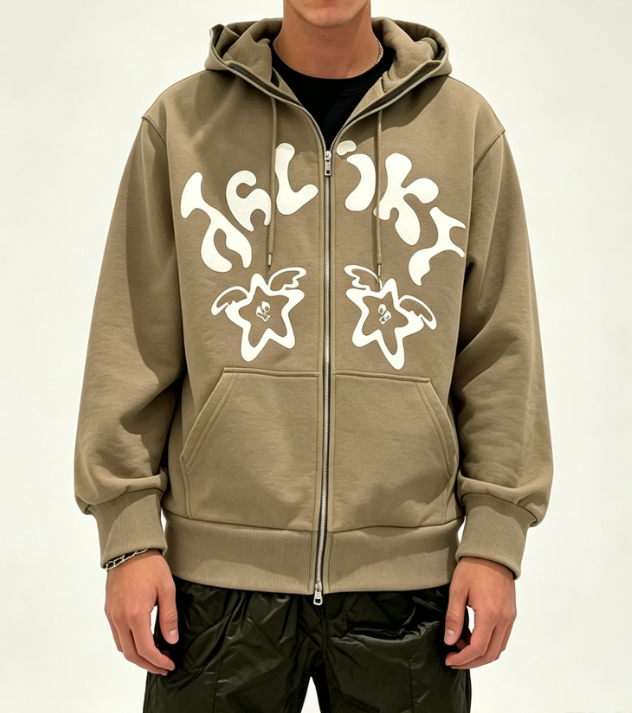
400–500 GSM heavyweight fleece fits cold-climate, premium, and workwear-adjacent lines; its stable surface holds dense embroidery well. Budget for higher fabric weight, slower drying, and stronger rib, while avoiding oversized designs that make the chest feel rigid. XS–3XL extended-size programs need revised shoulder, sleeve, body, and hood proportions—not a uniformly enlarged pattern. Keep logo placement visually consistent across the graded size set and approve at least one larger-size sample before bulk production.
4. Fabrics for embroidered hoodie custom
Fabric choice determines how cleanly an embroidered hoodie custom holds its shape after washing. Match fiber blend, knit face, and 280–500 GSM weight to the intended climate, retail tier, and stitch density.
| Fabric | Typical GSM | Surface And Shrinkage | Embroidery And Use |
|---|---|---|---|
| Combed cotton | 300–360 | Soft; compacted to control shrinkage | Natural premium hand; dense logos need stabilizer |
| Cotton-poly fleece | 320–380 | Stable face; lower shrinkage | Reliable logo support; core retail |
| French terry | 280–340 | Loopback, breathable; moderate shrinkage | Lightweight embroidery; spring or layering |
| Brushed fleece | 360–420 | Soft, warm; test pilling and shrinkage | Strong support; cold-weather programs |
| Recycled blend | 300–380 | Variable hand; verify batch consistency | Suitable after pucker and wash tests |
| Heavyweight cotton | 420–500 | Structured, durable; allow for shrinkage | Best for oversized premium hoodies |
Choose A Stable Face

100% ring-spun cotton gives a natural hand and a clean embroidery ground, but it needs controlled compaction to limit shrinkage. Cotton-poly fleece provides the most consistent face and recovery for repeat logo programs.
Match Weight To Season
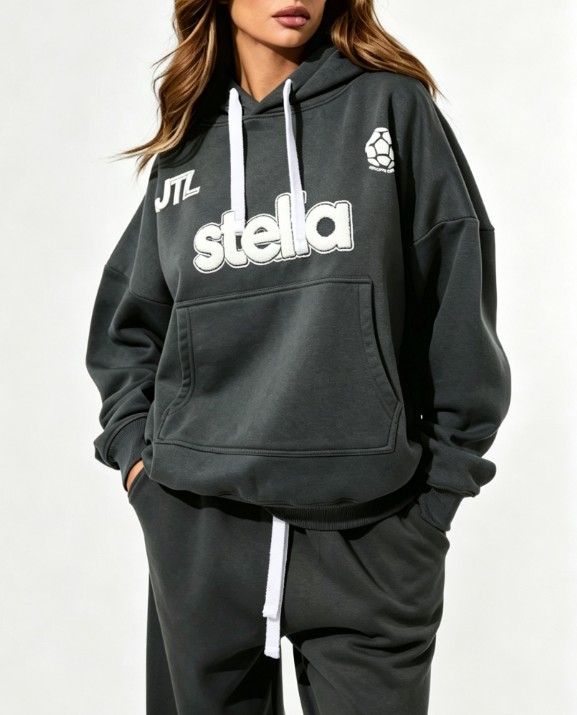
280–340 GSM French terry suits transitional and premium lightweight hoodies because its loopback interior breathes. 360–420 GSM brushed fleece delivers a softer, warmer hand for fall and winter retail.
Plan For Wash Performance

3–5% residual shrinkage is a practical pre-production target for cotton-rich knits after approved wash testing. Recycled blends require the same pilling, colorfastness, and embroidery-pucker checks as conventional fabrics.
5. Embroidery and Customization Options
A 280–400 GSM hoodie needs decoration selected around fabric loft, logo scale, and wash life. For embroidered hoodie custom programs, Junsheen can combine embroidery, labels, patches, and print after reviewing production-ready artwork.
| Method | Best Use | Cost And Fabric Consideration |
|---|---|---|
| Flat embroidery | Fine logos and text | Moderate; stabilize lightweight knits |
| 3D puff | Bold simplified marks | Moderate; needs firm fabric |
| Appliqué or chenille | Large textured graphics | Higher labor; minimize small details |
| Woven label or patch | Detailed branding | Efficient; sew or heat-apply after testing |
| Screen print plus embroidery | Large art plus premium logo | Controls stitch count and bulk |
Match Technique To Artwork

Flat embroidery suits fine outlines, small chest logos, and copy that remains readable at 6–10 mm character height. Use 40-weight rayon or polyester thread; polyester is the safer choice for frequent washing. 3D puff embroidery creates raised, bold shapes but needs simplified, closed artwork and firm fleece or French terry. Avoid tiny lettering, gradients, and narrow gaps that cannot cleanly cover foam.
Control Density And Placement

3,500–6,000 stitches is a practical range for many left-chest logos, while dense fills can stiffen a lightweight knit. A skilled digitizer adjusts underlay, pull compensation, and stitch direction before sampling. 8–12 cm left-chest placements generally balance branding and cost; oversized back designs need stabilizer testing. Keep embroidery away from thick seam crossings, kangaroo-pocket edges, and highly stretchy rib areas.
Build Mixed Decoration Systems
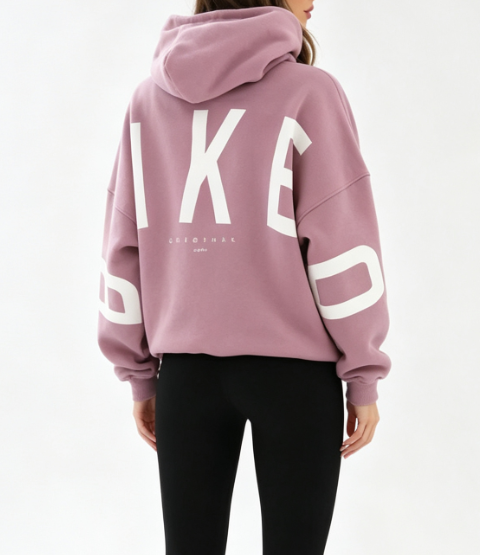
2–6 thread colors usually control cost and preserve legibility better than photographic detail. Pantone references should guide thread matching, although thread sheen changes perceived color. Chenille, appliqué, woven labels, and embroidered patches add texture where direct embroidery would be too dense. Pair a screen-printed large back graphic with a small embroidered chest mark when detail and budget both matter.
6. Construction Details That Signal Quality
Quality is easiest to detect before an embroidered hoodie custom reaches bulk cutting. A review sample should be measured, worn, decorated, and washed against written tolerances rather than judged only by hand feel.
Fabric And Rib Recovery

320–360 GSM fleece should feel even across body panels; weigh cut swatches from multiple locations if consistency is critical. Inspect brushed lining for shedding, bare patches, and seam show-through. 10% x 2 rib cuffs and hem should recover after repeated stretching without waviness. Confirm rib color, width, and shrinkage match the approved body fabric after washing.
Hood, Seams, And Pocket

3-panel hoods usually create a rounder profile than 2-panel hoods and should sit centered at the neckline. Check drawcord length, eyelet reinforcement, and whether cord ends are secured consistently. 6–8 stitches per inch is a useful visual benchmark for clean lockstitch seams. Turn the kangaroo pocket inside out to inspect bartacks at openings, aligned attachment seams, and lining or seam-tape requirements.
Embroidery And Bulk Approval

2–3 mm embroidery placement variation should be agreed before production, especially near pocket openings, center seams, or rib edges. Backing must stabilize the design without puckering the shell, irritating the wearer, or distorting fleece lining. 3–5 wash cycles on the approved sample should verify shrinkage, color loss, rib recovery, seam torque, and embroidery edge stability. Approve a measured size set with stated tolerances, then retain the signed sample as the bulk reference.
7. Choosing an Embroidered Hoodie Manufacturer
A 100-unit-per-style-and-color starting point can suit a capsule launch, but it does not replace technical capability. Select a supplier that owns development, production control, and export coordination—not only embroidery machines.
Decorator Or Manufacturing Partner

A decorator applies embroidery to buyer-supplied blanks; a private-label manufacturer can source 320–400 GSM fleece, build patterns, grade XS–3XL, produce garments, label them, and arrange shipment. Two comparable hoodie samples reveal more than a capability list. Ask whether the factory controls cut-and-sew, embroidery digitizing, trims, and final packing under one accountable workflow.
Evidence Before Deposit
One approved pre-production sample should match the agreed fabric, Pantone thread colors, embroidery placement, stitch density, labels, and packaging. Require a dated specification sheet with measurements, tolerances, BOM, artwork files, and wash instructions. Three evidence categories reduce avoidable risk before bulk release. Request recent production references, in-line and final inspection procedures, plus applicable compliance documents such as OEKO-TEX, GOTS, WRAP, or BSCI where required by your market.
- Approved sample and sealed swatch
- Graded measurement chart and tolerances
- Embroidery test on production fabric
- Factory audit or relevant compliance records
Sampling, Communication, And Delivery
Two sampling rounds are common when fit, embroidery, or wash effects need refinement. Confirm digitizing charges, sample timing, revision limits, bulk lead time, and the approval deadline in writing. One named merchandiser should report fabric booking, sample status, measurement results, and shipping milestones. Confirm Incoterms, carton markings, export documents, freight options, and who resolves customs questions before placing the purchase order.
8. Common Buyer Mistakes to Avoid
100-unit launches leave little room to absorb preventable sampling or delivery errors. Use this pre-production checklist before approving an embroidered hoodie custom program, because artwork, fabric, fit, cost, and calendar decisions interact.
Test Fabric Before Locking It
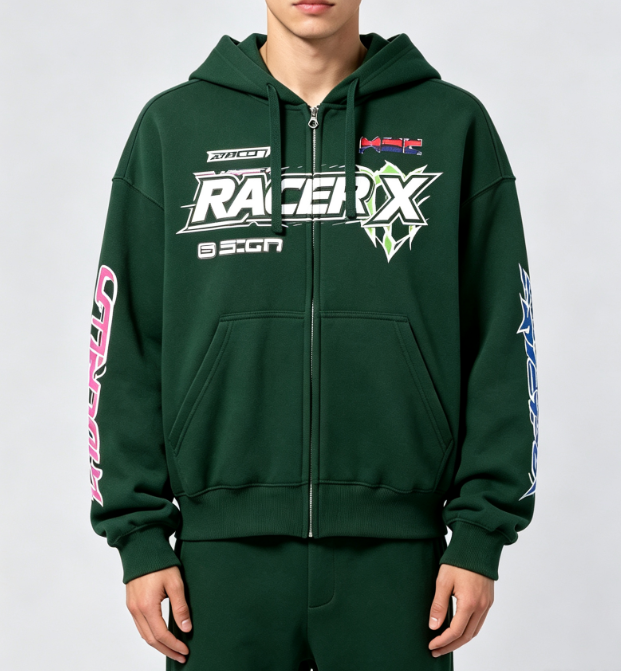
280–400 GSM fleece and French terry can react differently to needle density, backing, and hoop tension; choosing fabric first can cause puckering, show-through, or a stiff chest panel. Stitch the intended logo on the actual dyed fabric, then approve hand feel after washing.
Simplify Artwork And Placement

2–3 mm lettering and dense tonal detail often fill in on brushed fleece, while unmarked placement can drift between sizes. Submit vector artwork with minimum stitch guidance, Pantone references, and placement measured from a stable point such as the high-point shoulder or center front.
Approve Washed Fit And Grading

XS–3XL grading changes shoulder balance, sleeve length, and embroidery position; skipping the size set risks an oversized fit that works only in the base size. Wash the approved sample to the care standard, measure shrinkage and twisting, then review graded measurements and placement tolerances.
Buy The Production Calendar
4–8 weeks is a common bulk-production window after approvals, and custom dyeing, patches, or revised samples add time; late approvals can force air freight or miss a launch. Compare quotations on delivered quality, MOQ, sampling, inspection, packaging, and lead time—not unit price alone—and reserve a contingency before placing the PO.
9. Launching an embroidered hoodie custom Line
A 100-unit-per-style-and-color starting point lets emerging labels test an embroidered hoodie custom program without committing to a broad first buy. Freeze commercial choices before sampling so creative feedback does not reopen fabric, fit, and branding decisions.
Build The Production Brief

Page 1 of the tech pack should state silhouette, target retail price, size range, Pantone colorways, measurements, stitch details, and tolerances. Artwork files should include vector logos, placement dimensions, thread-color callouts, backing requirements, and approved embroidery scale; a reference image alone is not production instruction.
Approve Materials And Fit

280–400 GSM French terry or brushed fleece should be selected against the desired hand feel, climate, shrinkage expectation, and embroidery stability. XS–3XL grading needs fit approval on representative bodies, with shoulder width, body length, sleeve pitch, and chest ease reviewed before bulk production.
Lock Branding And Delivery
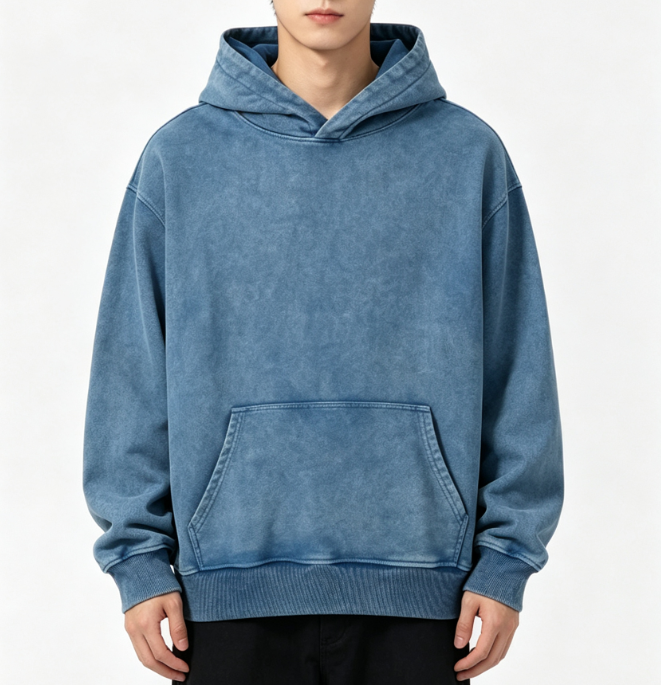
Two sample rounds are practical when the first confirms construction and embroidery while the second resolves fit, wash behavior, labels, and final color. One purchase order should lock quantities by color and size, woven main labels, size labels, wash-care labels, hangtags, packaging, inspection standard, shipment method, and delivery window.
10. embroidered hoodie custom Pricing
100 units is JUNSHEEN’s practical starting point per style and color, but the lowest tier carries the highest unit cost because pattern handling, cutting loss, embroidery programming, and QC are spread across fewer garments. Use the ranges below for early budget planning in USD; an approved tech pack, size range, Pantone colors, decoration artwork, and packing specification are required for a final quote. 280–320 GSM cotton-poly fleece usually costs more than lighter 240–280 GSM French terry, while ring-spun cotton, brushed interiors, organic or recycled inputs, and garment washing raise both material and process cost. Stitch count matters: a 3,000–6,000-stitch chest logo runs faster than a 12,000–20,000-stitch back design, and puff embroidery, appliqué, multiple locations, or thread-color changes add machine time. 7–14 days is a typical sampling window after artwork and materials are confirmed; bulk timing commonly depends on fabric availability, sample approval, and order queue. Custom woven labels, hang tags, polybags, cartons, barcode stickers, and premium hardware should be quoted as separate specification-driven components, not assumed within a headline unit price.
| Order quantity | Indicative unit-price drivers | Embroidery and setup | Sample and bulk lead time |
|---|---|---|---|
| 100–299 units | Highest per-unit allocation; simplified fleece and one colorway help | 3k–8k stitches; digitizing typically US$30–80 per design | Sample US$80–200; bulk about 25–35 days |
| 300–999 units | Better fabric and cutting efficiency | 6k–12k stitches; extra locations increase cost | Sample 7–14 days; bulk about 20–30 days |
| 1,000+ units | Best allocation for approved repeat specifications | 12k–20k stitches; setup amortizes across volume | Bulk about 20–30 days, subject to materials |
Start Your Embroidered Hoodie Custom Project
Send your tech pack, reference garment or concept for fit-focused development, 100-unit MOQ production and a clear manufacturing quote.