Custom Apparel Trims & Accessories for Private-Label Brands
Develop branded labels, hardware, packaging and finishing details with custom apparel trims & accessories from 100 units per style or color.
Featured Products for custom apparel trims & accessories Development






Related Product Catalogue and Quotation





Why Brands Choose JUNSHEEN for Custom Apparel Trims & Accessories
Integrated trim development and garment production help brands move from approved details to consistent, export-ready bulk orders.
Integrated Trim Sourcing
Source labels, zippers, buttons, drawstrings, patches, and packaging through one coordinated apparel supply chain.
100-Unit MOQ Development
Launch capsule collections from 100 units per style and color with responsive OEM, ODM, and private-label support.
Fit-Aware Compatibility
Match trims and accessories to fit-focused XS–3XL garments, including extended-size, plus-size, and oversized constructions.
In-House Decoration Options
Coordinate logo embroidery, patches, screen printing, silicone details, washes, and finishing for cohesive branded apparel.
Production-Level Quality Control
Check materials, attachment quality, measurements, decoration, and packed goods before bulk orders are released.
Export-Ready Coordination
Manage sampling, approvals, bulk production, packaging, and global shipping from Dongguan for growing fashion brands.
Custom Trims and Private-Label Finishing
Specify the details that make each garment production-ready, branded and consistent from sample approval through packed delivery.

Woven Labels, Care Labels & Hang Tags
Custom woven labels, care labels and hang tags are developed to match your brand specifications, including logo artwork, fiber content, care instructions, sizing and country-of-origin requirements. We coordinate placement and attachment during sampling so labeling remains consistent across bulk orders.
Request a Quote
Zippers, Buttons, Rivets & Snaps
Specify custom metal hardware apparel components for denim, outerwear and casualwear, including zippers, buttons, rivets and snaps. We source finishes, logo applications and functional specifications to suit garment weight, wash processes and repeated wear.
Request a Quote
Drawcords, Aglets & Eyelets
Custom drawcords and aglets are matched to hoodies, sweatpants, shorts and outerwear programs. Choose cord material, thickness, color, tip finish and eyelet options, then review samples for pull strength, appearance and compatibility with the garment construction.
Request a Quote
Custom Packaging & Polybags
Custom apparel packaging can include branded polybags, size stickers, barcode labels, folding instructions and export-ready carton packing. Packaging details are confirmed before bulk production to help retailers, wholesalers and direct-to-consumer brands receive garments ready for their fulfillment workflow.
Request a Quote
Private Label Service
Our private label clothing service combines labels, trims, decoration, packaging and production support under one program. From a tech pack or reference garment, we manage development, fit grading from XS–3XL, sampling and low-MOQ production from 100 units per style and color.
Request a QuoteCustom Apparel Trims & Accessories Materials

Woven Label Fabric
Soft yet structured woven polyester or cotton delivers crisp logo definition for main labels, size labels and hang tags. High thread density improves edge stability, legibility and wash durability across everyday apparel.

Genuine Leather
Supple leather creates a premium, tactile finish for denim patches, zipper pulls and branded tabs. Thickness and embossing depth can be specified to support durable attachment and a refined long-wear appearance.

Metal Hardware
Zinc alloy, brass and stainless steel hardware suits snaps, buttons, eyelets and zipper components. Plating, enamel and laser-logo options provide a substantial hand feel with dependable corrosion and abrasion resistance.

Silicone Rubber
Flexible silicone adds a clean, modern feel to raised logo patches, drawstring ends and branded badges. Its soft-touch surface, color stability and water resistance suit active, outerwear and contemporary casualwear applications.

Recycled Materials
Recycled polyester, recycled paper and recycled rubber support labels, packaging and detail programs with lower-impact material choices. Specifications can balance recycled content, texture, print clarity and required strength for the intended use.

Elastic Webbing
Stretch elastic and woven webbing work well for waistbands, cuffs, straps and underwear details. Recovery level, width and yarn construction can be matched to the garment’s mobility, comfort and repeated-wear requirements.
Custom Apparel Trims & Accessories Decoration Processes

Logo Embroidery
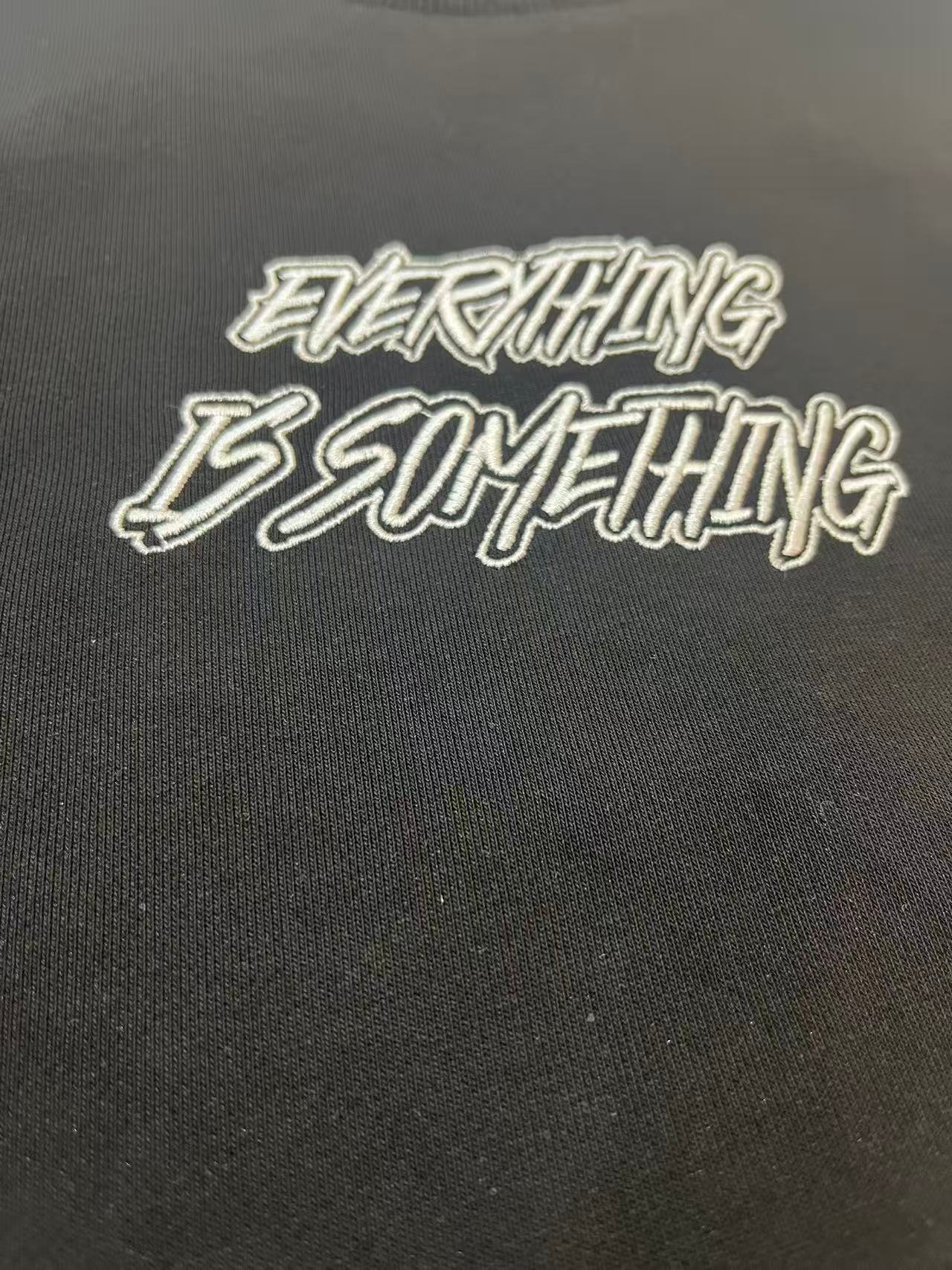
Flat, 3D puff, chain-stitch, and applique embroidery add dimensional logo detail to garments and accessories. Dense, clean stitching creates a durable premium finish suited to uniforms, streetwear, denim, and private-label collections.

Screen Printing
Plastisol, water-based, puff, flocking, silicone, high-density, foil, and discharge screen printing deliver bold branded graphics. Process selection is matched to fabric, artwork, hand feel, and wash expectations for lasting visual impact.

Heat Transfer
DTF, heat-transfer, and specialty transfer applications reproduce detailed artwork, small logos, and multi-color graphics with reliable placement. They provide a smooth, consistent result for performance fabrics, small runs, and complex designs.


Garment Washing Effects
Enzyme, acid, stone, garment-dye, tie-dye, softening, and anti-pilling washes create lived-in color, character, and hand feel. Sampling helps confirm the intended effect while protecting garment construction, trims, and sizing consistency.

Fabric Finishing
Brushing, napping, softening, and functional finishing refine surface texture, warmth, recovery, and comfort. JUNSHEEN coordinates finishing with fabric weight and garment use so branded apparel details remain polished through repeated wear.
Custom Apparel Trims & Accessories That Complete Every Garment

Custom Snap Buttons
Logo-engraved snaps add secure, durable closure to denim jackets, overshirts, outerwear, and workwear. Select finishes, colors, cap shapes, and placement to align hardware with your garment’s brand direction.

Branded Zippers
Custom zipper pulls, tape colors, and metal finishes create a polished closure detail for hoodies, jackets, puffers, and denim. JUNSHEEN coordinates zipper specifications for smooth use, durability, and consistent bulk production.

Drawcords and Tipping
Match drawcord material, thickness, aglets, and contrast tipping to hoodies, sweatpants, shorts, and outerwear. These functional details help reinforce color stories while improving the finished garment’s perceived quality.

Woven Brand Labels
Custom woven main labels, size labels, and wash-care labels establish clear brand identification across every size. We coordinate label construction, fold style, colors, and placement for private-label garments from XS through 3XL.

Custom Hang Tags
Branded hang tags communicate your collection story, sizing, care information, and retail presentation before the garment is worn. Choose stock, shape, printing, strings, and attachments that suit your target market and price point.
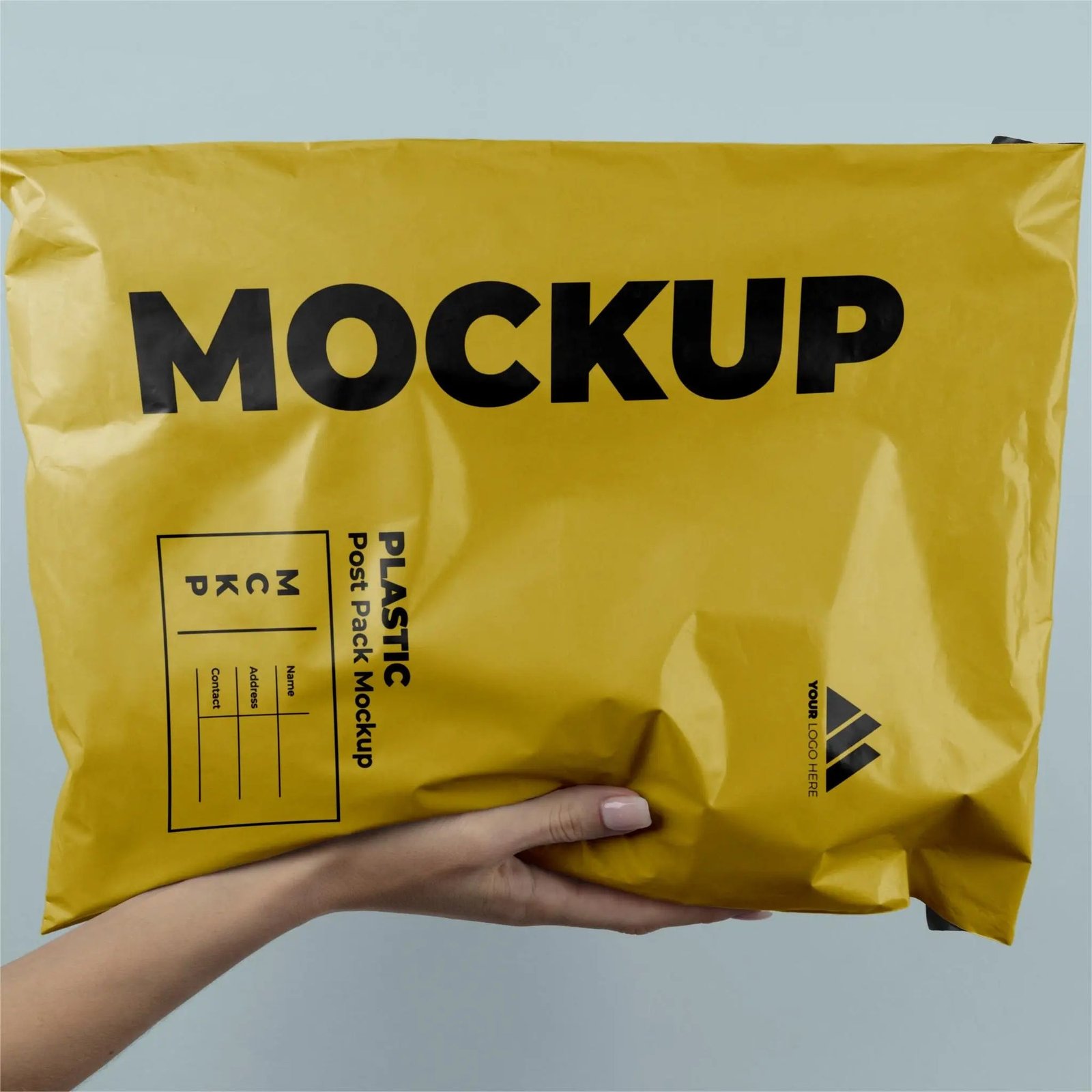
Branded Packaging
Coordinate polybags, stickers, tissue, carton markings, and other branded packaging with your product program. Consistent packing details help protect finished garments, simplify receiving, and deliver a stronger unboxing experience.
Custom Apparel Trims & Accessories, Built In-House
Founded in 2010 in Humen Town, Dongguan, JUNSHEEN helps fashion brands turn custom apparel trims & accessories into production-ready details. Our one-stop OEM, ODM and private-label team connects trim selection with garment development, fabric sourcing, decoration, labeling, packaging and export support.
With more than 200 skilled workers and monthly capacity above 80,000 units, we support launches from 100 units per style and color through repeat bulk programs. We serve global labels, designers, wholesalers and retailers with responsive development and reliable production coordination.
Unlike a standalone trim supplier, JUNSHEEN evaluates every detail in the context of the finished garment. From custom labels, zippers and hardware to drawstrings, patches and branded packaging, our integrated supply chain helps protect fit, finish, consistency and brand presentation across casualwear, denim, knitwear and outerwear.

Custom Apparel Trims & Accessories, Developed for Bulk Approval
Trim Sourcing That Fits
JUNSHEEN sources labels, zippers, buttons, drawcords, patches, hardware and packaging through an established supplier network, matching each component to your target cost, garment category, hand feel and production schedule before sampling begins.
- Material and finish options aligned to your brand brief
- Supplier matching for casualwear, denim, knitwear and outerwear
- Swatches and component samples for informed approval

Technical Garment Matching
A trim must perform with the garment, not merely look correct. Our team checks dimensions, attachment methods, color consistency, wash behavior and fabric compatibility so custom apparel trims & accessories support fit, function and a clean finished appearance.
- Zipper, rib, drawcord and hardware compatibility review
- Placement and construction guidance for production-ready specs
- Wash and wear considerations for denim, fleece and knits

Private-Label Details Built In
Bring your identity through every touchpoint with coordinated main labels, size labels, wash-care labels, hang tags, branded hardware and packaging. JUNSHEEN integrates private-label details into OEM and ODM programs from 100 units per style and color.
- Woven, printed, leather and custom logo label options
- Coordinated tags, bags and branded packaging
- Private-label trim planning alongside garment development

Inspection Before Bulk Release
Before bulk approval, JUNSHEEN verifies trim quality against approved samples and production requirements. Incoming checks and in-line control help catch color, measurements, logo execution, attachment strength and packaging issues before they affect finished goods.
- Approved-sample comparison for color, finish and branding
- Measurement and functional checks for applicable components
- Final packed-goods inspection before global shipment

Why Choose JUNSHEEN for Custom Apparel Trims & Accessories
Integrated garment development, dependable quality control, and export-ready coordination for brands scaling from 100 units.
← 左右滑动查看 →
Custom Apparel Trims & Accessories Production Timeline
A controlled workflow that moves your branded trims from specification and sourcing through approval, application, inspection, packing, and global shipment.
Brief and Feasibility Review
Share your tech pack, artwork, reference sample, or concept. Our team confirms specifications, application method, target cost, MOQ, and production feasibility.
Material and Trim Sourcing
We source suitable labels, hardware, drawstrings, zippers, patches, and packaging materials, reviewing hand feel, color, durability, compliance, and lead-time requirements.
Sampling and Approval
Prototype trims and applied garment samples are produced for review. We refine dimensions, color, placement, attachment strength, and branding details before bulk approval.
Bulk Application Production
Approved custom apparel trims & accessories move into coordinated bulk production, including embroidery, printing, label attachment, hardware installation, finishing, and private-label packaging preparation.
In-Line Quality Control
Inspectors check incoming materials, color consistency, placement, stitching, attachment security, measurements, decoration quality, and packed-goods accuracy throughout the production run.
Packing and Global Shipping
Finished goods are packed to your requirements, with labels and carton marks verified. We arrange export documentation and global shipping support for reliable delivery.
How to Work with Our Custom Apparel Trims & Accessories Team
Move from a tech pack or reference sample to approved, production-ready trims with clear technical review, sampling, quality control, and export coordination.
Send Your Design Brief
Share a tech pack, artwork, reference garment, measurements, material preferences, quantities, and target market so our team can assess your trim requirements accurately.
Review Feasibility and Pricing
Our OEM specialists confirm construction, materials, branding details, MOQ, lead time, and manufacturability, then provide a clear quotation tailored to your program.
Approve Samples and Details
Review physical samples, color, finish, logo execution, and application details before approval. We refine specifications and retain records for consistent repeat production.
Start Controlled Bulk Production
After confirmation, we source approved materials and produce custom apparel trims & accessories with in-process inspections, final quality checks, and coordinated garment integration.
Coordinate Shipment and Reorders
We prepare branded packaging, finalize export documentation, and coordinate global shipping. Retained specifications help your team replenish or scale future orders efficiently.
Custom Clothing Manufacturer Credentials and Compliance Documents



What Fashion Brands Say About Working with JUNSHEEN
JUNSHEEN matched our custom zipper pulls, woven labels, and drawcords to the approved color standard on the first sampling round. We cut two weeks from development and launched our 600-piece hoodie drop on schedule.
Our previous supplier treated trims separately from garment production. With JUNSHEEN, labels, snaps, wash-care tags, and packaging arrived production-ready together. Measurement and trim placement stayed consistent across three repeat orders totaling 4,200 units.
We needed premium custom apparel trims & accessories for an XS–3XL denim capsule without raising our minimums. JUNSHEEN approved samples in 18 days, held trim colors accurately, and scaled our first 120-unit run to 1,500 units.
Custom Apparel Trims & Accessories FAQ
Clear answers on MOQ, sampling, production coordination, payment, shipping, and confidentiality for private-label apparel programs.
What is the MOQ for custom apparel trims & accessories?
Can you develop custom apparel trims & accessories with my garments?
Do I need a finished tech pack to order custom apparel trims & accessories?
How long do custom trim samples and bulk production take?
Can you match labels, hardware, and packaging to my brand colors?
What payment terms do you offer for trim and apparel orders?
Do you ship custom apparel trims & accessories internationally?
How do you protect my designs, logos, and supplier information?
Complete Buyer’s Guide to custom apparel trims & accessories
Use this decision framework to compare trim options, evaluate supplier capabilities, control quality and costs, and avoid sourcing mistakes before placing custom production orders.
1. What Are custom apparel trims & accessories?
100-unit programs can carry a complete trim package: every non-fabric component specified for the garment, from the main label and care label to closures, cords, packaging, and spare parts. In custom apparel trims & accessories, a trim is not an afterthought; it is a controlled bill-of-materials item with an approved material, color, size, placement, and performance requirement. 3 functional groups usually sit inside that package: components that build or operate the garment, components that decorate it, and components that identify or inform the customer. Zippers, snaps, buttons, drawcords, elastic, rib, interlinings, and thread affect wear, fit, and wash durability; embroidery patches, contrast tape, reflective piping, and leather tabs primarily add visual value; woven labels, size labels, wash-care labels, hang tags, and branded bags carry identity and required information. Pantone-approved colors and documented trim specifications matter across casualwear, denim, knitwear, and outerwear because small substitutions can alter perceived quality or product performance. A metal shank button must suit denim washing, a zipper must operate reliably on a puffer, and a care label must match the finished fiber content and care method; those decisions support compliance, consistent repeat orders, and recognizable private-label presentation.
2. Evolution of Apparel Trims and Branding
1851 marked a turning point when Isaac Singer’s sewing-machine improvements helped ready-to-wear garments scale, making buttons, zippers, tapes and labels repeatable production components rather than purely hand-finished details. Early trims were chiefly utilitarian: closures had to withstand wear, labels identified maker and size, and reinforcement protected stress points. 1930s–1960s mass retail turned those functional parts into brand signals. Woven neck labels, engraved buttons, leather denim patches and consistent hardware let customers recognize a garment before reading its swing tag; dependable systems such as YKK zippers also raised buyer expectations for closure performance and repeatability. 1990s–2020s private-label growth made custom apparel trims & accessories a practical differentiation tool, from Pantone-matched drawcords and embossed snaps to QR-enabled care labels. Buyers now expect trims to support a coherent presentation across styles, survive wash testing, and align with verified material choices such as recycled polyester, organic cotton or responsibly sourced paper. 2026 sourcing decisions increasingly connect physical detail with traceability. Digital product passports, QR codes and batch records can link a component to composition, care and supply-chain information, while durable, correctly specified trims reduce claims and replacement risk; the strongest programs balance visible identity, service life and responsible sourcing from development through repeat orders.
3. Types of custom apparel trims & accessories
Six trim families determine both garment function and how a collection reads at first touch. For custom apparel trims & accessories, lock dimensions, finishes, attachment methods, and supplier MOQs before approving the production sample.
Closures

5–8 mm coil zippers suit hoodies and lightweight jackets; 8–10 mm molded zips suit outerwear. Specify length, slider finish, puller shape, tape color, and whether zipper insertion occurs before or after lining.
Labels And Patches
25–60 mm woven labels commonly finish necks, hems, and denim waistbands. Choose woven, printed, leather, or TPU construction; confirm fold type, stitch allowance, placement, and artwork MOQ before sampling.
Cords And Elastics

4–8 mm drawcords fit hoodies and joggers, while 20–40 mm elastic suits waistbands. Match fiber, stretch recovery, tip treatment, color, and bartack or channel attachment to the garment wash process.
Hardware

12–20 mm snaps, rivets, eyelets, and buttons are common on denim, jackets, and cargos. Approve finish plating, logo die, corrosion resistance, backing parts, and press-setting method; custom dies usually raise minimums.
Decorative Components
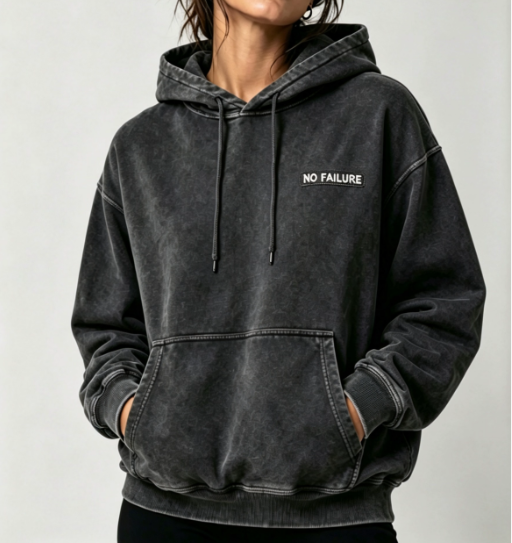
3D embroidery, applique, sequins, and reflective transfers add identity to casualwear and stage pieces. Define the stitch or heat-press method, component weight, wash test, edge finish, and safe placement away from stress seams.
Packaging-Adjacent Accessories
300–400 gsm hang tags, polybags, barcode stickers, and branded tissue support retail-ready delivery. Confirm tag string attachment, bag warning requirements, barcode format, carton packing ratio, and whether each item follows garment or packaging MOQ.
4. Materials for custom apparel trims & accessories
At a 100-unit MOQ, trim material should be selected against the garment’s wash test and positioning—not a supplier swatch alone. Hand feel, color repeatability, corrosion risk, and substantiated sustainability documentation determine whether an accessory survives bulk production.
| Material | Best Use | Strengths | Limitations | Care Considerations |
|---|---|---|---|---|
| Cotton | Tapes, cords | Soft, dyeable | Shrinkage, fading | Pre-shrink; wash test |
| Polyester | Labels, webbing | Durable, color-consistent | Synthetic hand | Check heat sensitivity |
| Recycled Synthetics | Webbing, labels | Lower virgin content | Claim verification | Request content proof |
| Metal Alloys | Snaps, zippers | Premium, durable | Corrosion, cost | Specify plating tests |
| Natural Leather | Patches | Premium patina | Shade variation | Avoid harsh wash |
| Faux Leather | Patches | Consistent, economical | Hydrolysis risk | Test humid storage |
| Silicone Or Rubber | Badges, pulls | Flexible, washable | Can attract lint | Confirm heat resistance |
| Biodegradable Alternatives | Tags, buttons | Lower-impact option | Conditional breakdown | Keep certification records |
Textile And Recycled Options

180–320 GSM cotton tapes feel soft and dye well, but can shrink or fade unless pre-shrunk and wash-tested. 100% polyester offers sharper Pantone consistency and faster drying; recycled polyester needs traceable content documentation, not a vague eco claim.
Leather And Synthetic Labels
1.0–1.8 mm natural leather develops a premium patina, yet requires controlled washing and carries higher cost and shade variation. 0.8–1.2 mm faux leather gives repeatable color and lower cost; verify hydrolysis resistance for humid storage and repeated laundering.
Hardware And Soft Molds

Zinc alloy, brass, and stainless hardware need plating and salt-spray validation to avoid corrosion, scratching, or logo wear. 60–80 Shore A silicone and rubber badges are flexible and washable; biodegradable alternatives require defined disposal conditions and certification evidence.
5. Customization and Decoration Options
Pantone references and production-ready vector files prevent avoidable color and scale revisions before sampling. For custom apparel trims & accessories, select decoration by logo detail, hand feel, unit cost, and expected wash or abrasion exposure.
| Technique | Best Use | Cost Level | Wear Consideration |
|---|---|---|---|
| Woven label | Fine text and color blocks | Low–medium | Use high-density weave for small logos |
| Embroidery | Textured logos and badges | Medium | Stabilize knit or fleece bases |
| Screen print | Bold flat artwork | Low at volume | Test crack resistance after washing |
| Debossing or embossing | Leather or coated patches | Medium–high | Use adequate material thickness |
| Engraving or plating | Metal zippers, snaps, pulls | High | Check finish against sweat and abrasion |
| Molded silicone or PVC | Raised flexible branding | Medium | Confirm flexibility in cold conditions |
Prepare Artwork For Scale

0.3 mm linework is a practical minimum for many woven-label and engraved-metal details; simplify finer artwork before tooling. Supply AI, PDF, or EPS vectors, plus Pantone codes and finished trim dimensions. 6 pt type can fill in on small labels, embroidery, or molded logos, so test a full-size proof and an actual sample. Keep contrast high and avoid relying on tiny reversed-out lettering.
Match Technique To Product
1 approved strike-off should confirm color, texture, placement, and edge treatment before bulk production. Woven labels suit detailed branding, while molded patches and embossed leather create a more tactile, premium read.
Specify Durable Finishes
20–40 home-laundering cycles are a useful validation target for frequently washed casualwear, alongside rub, corrosion, and attachment checks. Specify plating type for metal hardware and request wash testing for printed, embroidered, or molded components.
6. Construction and Quality Control Essentials
A 100-unit capsule still needs the same trim controls as bulk production, because a failed zipper, snap, or label can stop shipment. Written acceptance criteria turn subjective appearance reviews into repeatable factory checks.
Tech Pack Defines Acceptance
±1 mm dimensional tolerances should be stated for labels, patches, button spacing, and exposed hardware; define allowed placement deviation separately. Pantone references, finish, artwork revision, substrate, and approved edge treatment belong in the trim callout. One sealed approval sample should be signed before bulk cutting, with a retained reference at both buyer and factory. An agreed AQL level and measurement method prevent inspectors from judging against memory or informal messages.
Hardware And Attachment Tests
90 N can be a suitable specified pull-test target for adult garment attachments, but buyers should set the requirement by product use and market. Snaps, buttons, drawcord ends, zipper pulls, and patches need attachment-security checks after laundering. 24-hour salt-spray testing is a practical request for plated metal hardware exposed to moisture or sweat. Needle detection, deburred edges, and a no-sharp-point inspection reduce injury risk from metal trims and broken components.
Wash And Lot Consistency
Three care-label wash cycles should confirm trim colorfastness, shrinkage, cracking, migration, corrosion, and adhesion before production release. ISO 105 colorfastness targets, such as grade 4 for staining where appropriate, should be agreed by fabric and trim type. Every production lot should be matched against the approved sample for color, logo scale, finish, and functionality. Lot records, incoming inspection, in-line checks, and final packed-goods inspection make defects traceable and limit rework.
7. Choosing a Custom Trim Manufacturer
100-unit capsule orders need a supplier that can control trim choices without treating small runs as an afterthought. Evaluate custom apparel trims & accessories alongside the garment program, because labels, hardware, and packaging affect fit approval, costing, and delivery.
Verify Product Relevance
3 recent, comparable production examples reveal more than a generic trim catalogue. Request photos of finished garments, a trim specification sheet, and evidence that the supplier has coordinated labels, zippers, drawcords, and wash-care requirements with cut-and-sew production. 100-unit minimums suit early labels only when color, material, and replenishment rules are clear. Ask which trims use stock components, which require custom tooling, and what MOQ applies per colorway.
- Comparable garment categories
- Trim MOQ by color and material
- Approved production sample photos
Test Development Discipline
7 to 14 days is a common target for a trim strike-off or sample, subject to material availability. Confirm the approval sequence: Pantone reference, artwork proof, physical sample, garment attachment, and signed pre-production standard. 2 sample rounds should normally expose whether communication is precise. Ask for measurement tolerances, pull-test or wash-test records where relevant, and written confirmation of label placement and zipper specifications.
- Pantone or physical color standard
- Sample lead time and revision policy
- Wash and attachment test evidence
Assess Scale And Controls
80,000-plus monthly garment capacity is useful only when incoming, in-line, and final checks are documented. Request the inspection checklist, defect escalation process, traceability for sourced materials, and current OEKO-TEX, GOTS, WRAP, or BSCI evidence where certification is required. 30 to 45 days is a typical planning range for bulk trim-dependent apparel after approval, but confirm the critical path. Growing labels should secure repeat-order records; larger programs should ask about backup suppliers, capacity reservations, and delivery reporting.
- Material source and certificate copies
- Bulk lead time by trim type
- Backup plan for critical hardware
8. Common Buyer Mistakes to Avoid
At a 100-unit launch MOQ, trim errors can consume more margin than a simple fabric adjustment. Control them early with approved physical references, measurable specifications, and realistic replenishment allowances.
Specify Trims From Day One
Before pattern release, list every label, zipper, snap, cord, and hang tag in the tech pack. Record material, color standard, dimensions, placement, supplier option, and attachment method rather than treating trims as a late artwork task.
Approve Physical Samples
Pantone codes and screen photos cannot confirm plating, hand feel, sharp edges, or pull strength. Approve a labeled trim card and fitted proto sample under normal daylight, then retain the signed reference for bulk inspection.
Test Wash And Wear Conditions

Three wash cycles can expose dye bleed, label curl, cracked print-adjacent transfers, or corroding hardware. State the intended wash temperature, dryer exposure, abrasion risk, and wear use in the test brief before selecting finishes.
Define Attachment And Claims
Two attachment details—stitch type and seam allowance—can determine whether a woven label survives repeated use. Specify stitch density, bartack locations, reinforcement, and pull-test expectations; substantiate recycled, OEKO-TEX, GOTS, WRAP, or BSCI claims with current supplier documentation.
Order A Practical Buffer
Five to ten percent extra trims usually protects against cutting loss, inspection rejects, and service replacements. Put the buffer quantity, approved color lot, and reorder lead time on the purchase order, especially for custom-molded hardware.
9. Launching custom apparel trims & accessories
A 100-unit launch succeeds when trim decisions are locked alongside the garment, not after bulk fabric is cut. Build one controlled approval path from brief to delivery so labels, hardware, and decoration match the sample.
Start With The Garment Brief
100 units per style and color can be a workable capsule quantity when the brief states garment type, target customer, size range, colorway, retail position, and required branding. 1 tech pack should identify every trim by placement, finished dimensions, material, color, attachment method, and supplier reference. Include a trim map for hoodies, denim, or outerwear so pattern, sewing, and decoration teams work from the same record.
- Main, size, and care labels
- Hang tags and packaging
- Zippers, snaps, drawcords, and patches
Select Trims Before Sampling
Pantone references, logo vector artwork, and desired hand feel should be approved before prototype materials are ordered. A woven label, leather patch, or zipper pull can change seam allowance, reinforcement, pressing, and garment balance. 2 sample stages are practical for a new program: confirm construction first, then approve a branded pre-production sample. Request actual trim strike-offs rather than judging color or texture only from a digital proof.
Quote And Test The Prototype
3 quotation inputs—trim specification, order quantity, and packaging requirement—determine whether a supplier prices stocked components or custom tooling. Ask for unit cost, development charges, color limits, minimums, and replacement lead time separately. 5 checks should happen on the prototype: placement, pull strength, wash durability, color transfer, sharp edges, and logo legibility. For washed denim or garment-dyed pieces, test trims after the intended wash process.
Confirm Bulk And Delivery
1 signed approval pack should freeze the graded garment measurements, approved sample, trim swatches, artwork revision, packing method, and tolerance notes before bulk production begins. Changes after this point can affect cost, lead time, and color consistency. 30% deposit terms may become available after more than one year and over three stable orders, subject to case-by-case review; first orders are specified as full prepayment. Coordinate final balance, inspection timing, carton marks, and destination shipping documents before goods are released.
10. Pricing custom apparel trims & accessories
100 units is a practical starting point for many private-label trim programs, but unit cost falls when fixed tooling, artwork preparation, and freight are spread across larger runs. A woven label, molded silicone badge, engraved button, or custom zipper pull should be priced as its own component, then reconciled with garment assembly and packing requirements. 7-21 days is a typical production-planning range after artwork, Pantone references, materials, and samples are approved; complex molds, metal plating, lab testing, or multi-SKU packing can extend it. Premium inputs such as leather, recycled polyester, YKK-equivalent zipper specifications, OEKO-TEX testing, embroidery, reflective films, and wash-resistant finishes raise quotes through material, process, or compliance cost. 3 approved inputs are needed for a dependable landed quote: trim specification, quantity by color and size, and delivery destination. Junsheen can review the garment tech pack or trim artwork, identify avoidable tooling or construction costs, and confirm final pricing only after specifications, packaging, inspection requirements, and shipping terms are clear.
| Order quantity | Typical unit-price pattern | Likely setup cost | Planning lead time |
|---|---|---|---|
| 100-299 units | Highest per-unit cost; suitable for launch validation | Artwork, sampling, small-run tooling | 14-21 days |
| 300-999 units | Fixed costs spread across more units | Mold or die amortization improves | 10-18 days |
| 1,000+ units | Best component economics when specifications stay stable | Tooling becomes a smaller share | 7-15 days |
Start Your Custom Apparel Trims & Accessories Project
Send your tech pack, reference, or product idea to request a quotation and begin sampling with JUNSHEEN.