Bulk Kids Knitwear Manufacturing From 100 Units
Develop bulk kids knitwear with OEM/ODM support, custom labels, fit-focused grading, and scalable global production from JUNSHEEN.
Featured Products for bulk kids knitwear Development




Related Product Catalogue and Quotation





Bulk Kids Knitwear Built for Reliable Production
From first sample to repeat bulk orders, JUNSHEEN combines flexible development, responsible sourcing, and private-label execution.
100-Unit MOQ
Launch capsule collections or test new colorways with low minimums from 100 units per style and color.
Child-Focused Fit Development
Our pattern team refines proportions, mobility, sleeve length, and grading for comfortable children’s knitwear across target size ranges.
Scalable Knitwear Capacity
More than 200 skilled workers and 80,000-plus monthly units support reliable growth from initial runs to recurring programs.
Yarn and Material Sourcing
Select suitable yarns and blends for softness, durability, wash performance, warmth, target cost, and your product positioning.
Complete Private-Label Finish
Coordinate custom labels, hang tags, patches, embroidery, trims, packaging, and quality checks through one experienced manufacturing partner.
Kids Knitwear Categories for Bulk Production
From first samples to repeat bulk programs, Junsheen develops fit-conscious kidswear with scalable materials, construction, branding, and quality control.

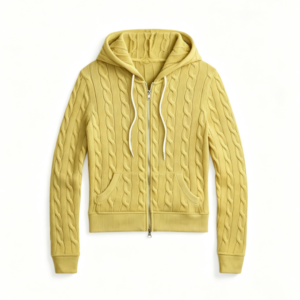
Custom Hoodies
Develop custom hoodies in fleece, French terry, or brushed jersey with child-appropriate measurements, rib specifications, hoods, pockets, and branded trims. Junsheen supports 100-unit MOQ programs, embroidery or printing, and size grading for consistent repeat production.
Request a Quote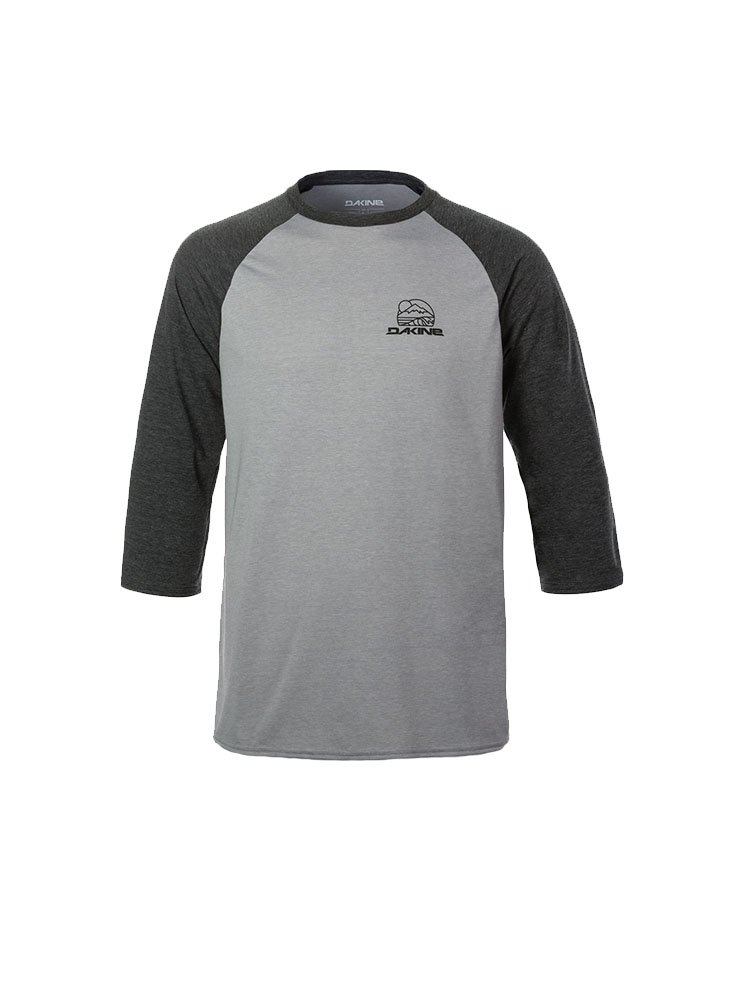
Custom T-Shirts
Create custom T-shirts in combed cotton, cotton blends, or performance jersey for everyday basics, promotional collections, and coordinated ranges. We review fabric weight, neckline recovery, print method, sizing, and wash performance before bulk approval.
Request a Quote
Custom Jeans
Produce custom jeans with denim weight, stretch, wash, pocket construction, hardware, and fit specifications aligned to your target customer. Pattern development and graded size sets help control rise, leg shape, mobility, and measurement consistency across bulk orders.
Request a Quote
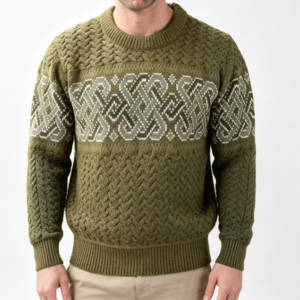
Custom Sweaters
Source turtle neck sweater bulk programs in suitable yarns and knit gauges, with neckline height, body length, sleeve balance, and wash performance specified for the collection. Junsheen develops samples and graded fits before scalable production.
Request a Quote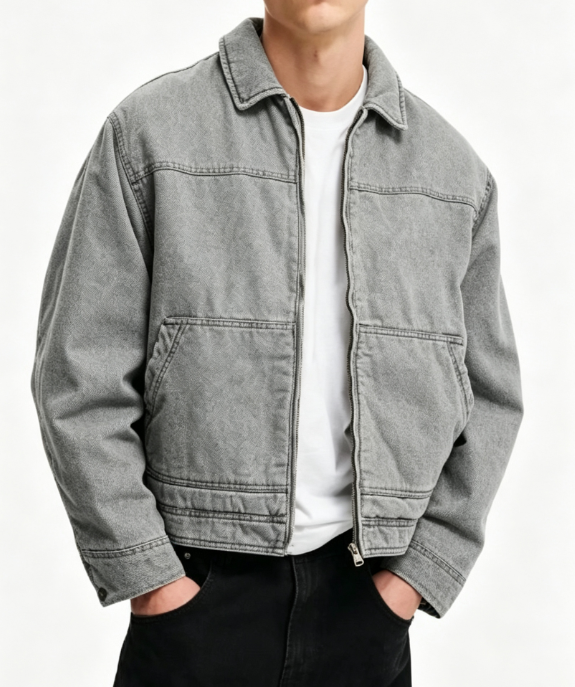
Custom Jackets
Develop custom jean jackets with denim selection, collar and placket construction, pockets, seams, washes, hardware, and logo details managed in one program. Sampling verifies fit, layering allowance, and finishing before your bulk order moves forward.
Request a Quote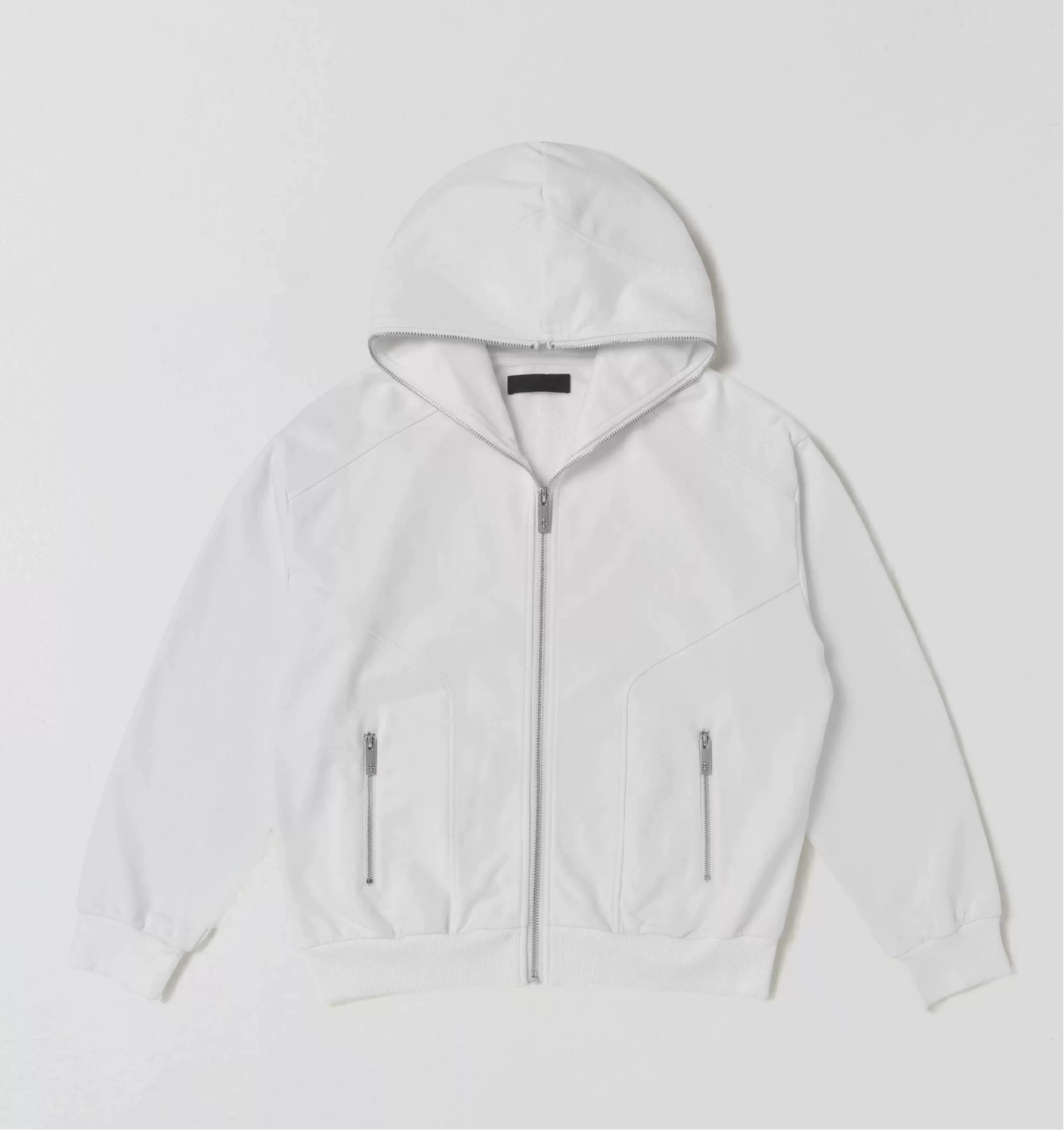
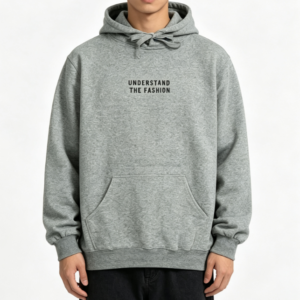
Custom Sweatshirts & Crewnecks
Manufacture custom crewneck hoodie and sweatshirt programs in fleece or French terry, with crewneck, hood, rib, pocket, and decoration options defined to your brief. We support fit review, grading, labels, packaging, and low-MOQ launches.
Request a Quote
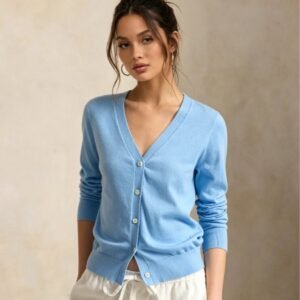
Custom Cardigans
Build custom cardigans with yarn selection, knit structure, button or zipper details, placket stability, and fit requirements established during sampling. Our knitting and private-label support helps buyers produce coordinated schoolwear, casualwear, or seasonal capsule ranges.
Request a Quote
Custom Puffer & Down Jackets
Produce custom puffer jackets with shell fabric, insulation, quilting, lining, zipper, pocket, hood, and trim specifications reviewed for manufacturability. Samples confirm warmth, bulk, mobility, and branding placement before production quantities are scheduled.
Request a Quote
Custom Denim Shorts
Create custom jean shorts with denim weight, stretch, inseam, rise, hem treatment, wash, pocket layout, and hardware tailored to your range. Fit-focused patterns and size grading support reliable comfort and proportion through approved bulk runs.
Request a Quote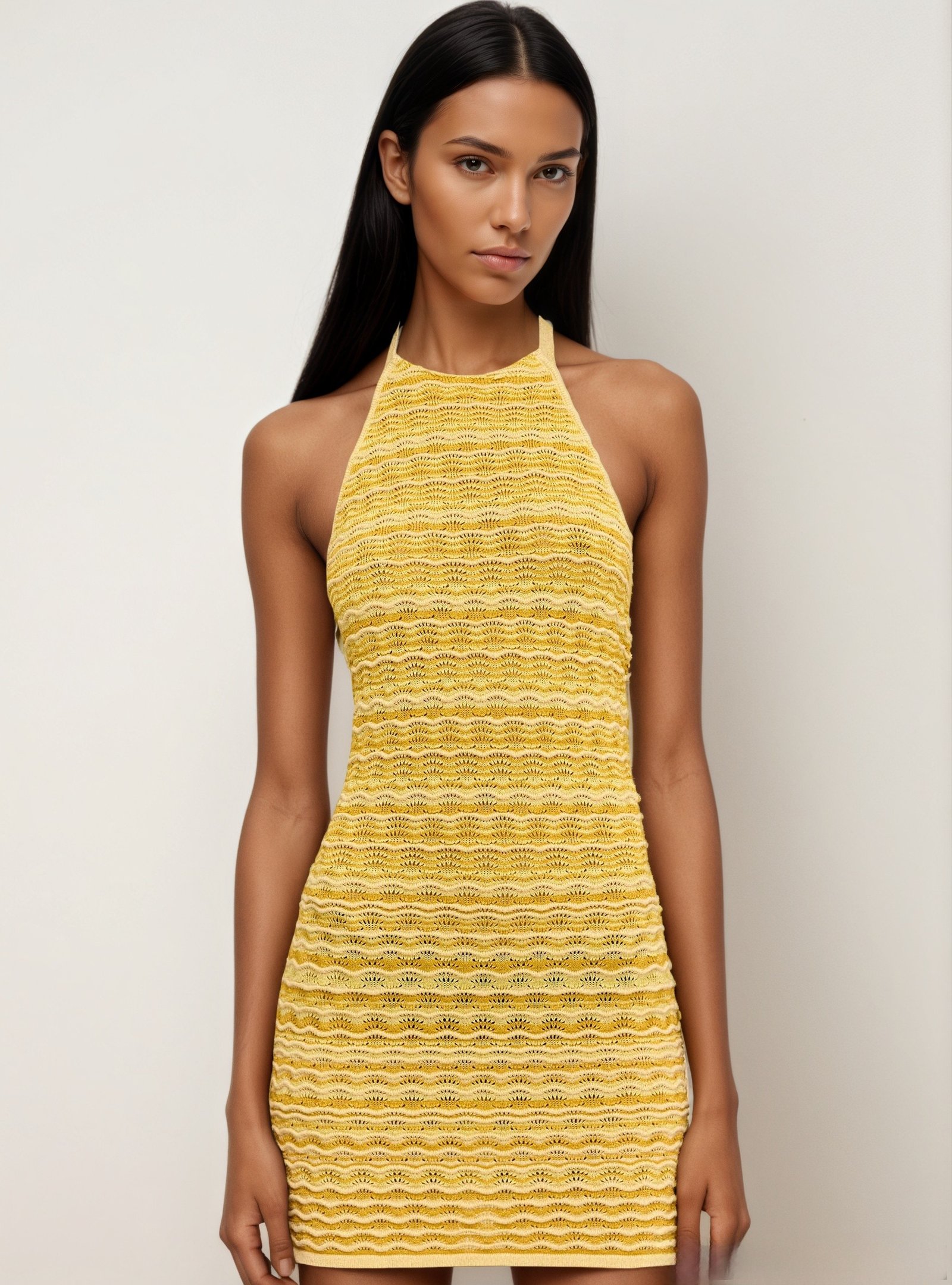
Custom Sweater Dresses
Develop custom sweater dresses with yarn, gauge, silhouette, neckline, hem, sleeve, and stretch-recovery specifications suited to the intended season. Junsheen samples each style to confirm length, comfort, and consistent sizing before bulk production.
Request a Quote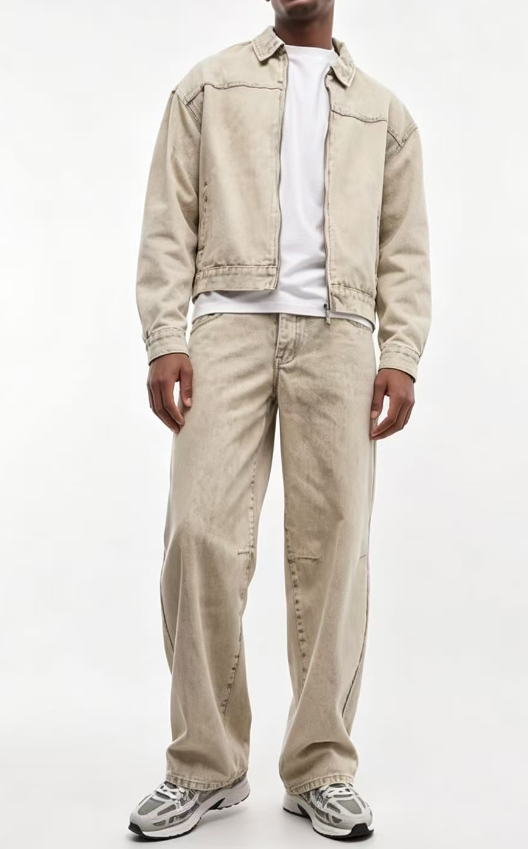
Custom Denim Sets
Produce mens denim suits wholesale programs with coordinated denim jackets and jeans, matching fabric lots, washes, stitch details, hardware, and branded components. We manage set consistency, fit approval, and bulk quality control for wholesale-ready assortments.
Request a Quote
Custom Polo Shirts
Manufacture custom polo shirts in piqué, jersey, or performance knits with collar construction, placket, cuffs, embroidery, and color matching specified for your brand. Sampling checks collar recovery, sizing, and wash durability before production.
Request a Quote
Custom Sweatpants
Develop custom sweatpants in fleece, French terry, or jersey with waistband, drawcord, cuff, pocket, and logo specifications built around intended fit and use. Pattern grading supports consistent proportions from initial samples through repeat orders.
Request a Quote
Custom Shorts
Produce custom shorts in woven, jersey, fleece, twill, or denim with inseam, waistband, pockets, finishing, and decoration selected for your market. Junsheen supports sample review, size sets, private labels, and 100-unit MOQ production.
Request a Quote
Custom Pullovers
Manufacture custom pullovers in sweater knits, fleece, French terry, or jersey, with neckline, sleeve, rib, texture, and branding requirements developed to specification. Fit checks and material testing help reduce revisions before bulk production.
Request a QuoteBulk Kids Knitwear Yarns and Materials

Combed Cotton Yarn
Soft, breathable combed cotton creates comfortable everyday pullovers, cardigans, and sweater sets. Its smooth hand feel is gentle against skin, while reduced short fibers help limit pilling and keep stitches clean after repeated washing.

Cotton Blend Yarn
Cotton-blend yarn combines natural comfort with added resilience for schoolwear and active everyday knitwear. Blending fibers can improve shape retention, drying time, and abrasion resistance while preserving a soft, approachable hand feel.

Merino Wool Blend
Merino wool blends offer lightweight warmth and a refined, soft hand for premium kids’ sweaters and layering pieces. Fine fibers provide natural temperature regulation, while blended construction improves durability and helps simplify care requirements.

Recycled Polyester Yarn
Recycled polyester yarn suits durable outer layers, sporty knitwear, and value-conscious bulk programs. It delivers strong color retention, quick drying, and good resistance to stretching, with blend ratios adjustable to achieve a softer hand feel.

Viscose Nylon Blend
Viscose and nylon blends create smooth, drapey cardigans, sweater dresses, and fashion-led lightweight knits. Viscose adds softness and fluidity, while nylon strengthens the yarn and improves recovery for more reliable daily wear.
Bulk Kids Knitwear Decoration and Finishing Options

Logo Embroidery
Precision embroidery adds durable logos, mascots and small chest details to cardigans, sweaters and pullovers. Thread colors are matched to your artwork for a clean, textured finish designed to hold up through regular wear and washing.

Jacquard Knitting
Jacquard knitting builds patterns, stripes, lettering and playful motifs directly into the fabric structure. This integrated technique creates a refined, long-lasting visual result without adding separate printed layers to the garment.

Applique Details
Applique combines cut fabric shapes with secure stitching to create dimensional badges, characters and color-block graphics. It gives bulk kids knitwear a tactile, premium look while keeping decorative elements firmly attached during active use.

Screen Print
Screen printing applies bold artwork, logos and repeat graphics with controlled color coverage. JUNSHEEN can recommend suitable inks and placements for knitwear styles, balancing visual clarity, fabric hand feel and expected wash performance.

Softening Finish
Softening and anti-pilling finishes improve hand feel while helping knit garments stay presentable after repeated laundering. The process is specified around yarn composition and garment construction to support comfortable, parent-friendly everyday kidswear.
Custom Accessories for Bulk Kids Knitwear

Woven Brand Labels
Custom woven main, size and care labels give children’s sweaters, cardigans and pullovers a consistent brand identity while clearly communicating sizing, fiber content and care instructions for retail-ready bulk kids knitwear.

Logo Snap Buttons
Branded snap buttons add secure, child-friendly closures to knit cardigans, sweater dresses and layered styles. We can match finishes, colors and logo treatments to your collection while supporting dependable bulk production.

Custom Zipper Pulls
Custom zipper pulls and zipper tapes create a more polished finish for zip-front knit jackets, hooded sweaters and outer layers. Options can be selected for smooth operation, durability and alignment with your private-label details.

Drawcord and Tipping
Color-matched drawcords, contrast tipping and knitted rib trims help define the look of hooded styles, varsity-inspired sweaters and coordinated sets. Our team aligns materials and finishes with safety, comfort and garment-wash requirements.

Embroidered Logo Patches
Woven, chenille or embroidered patches add recognizable branding to chest panels, sleeves and hems. They are suited to schoolwear-inspired collections, seasonal capsules and statement knitwear without compromising a clean finished appearance.
Branded Retail Packaging
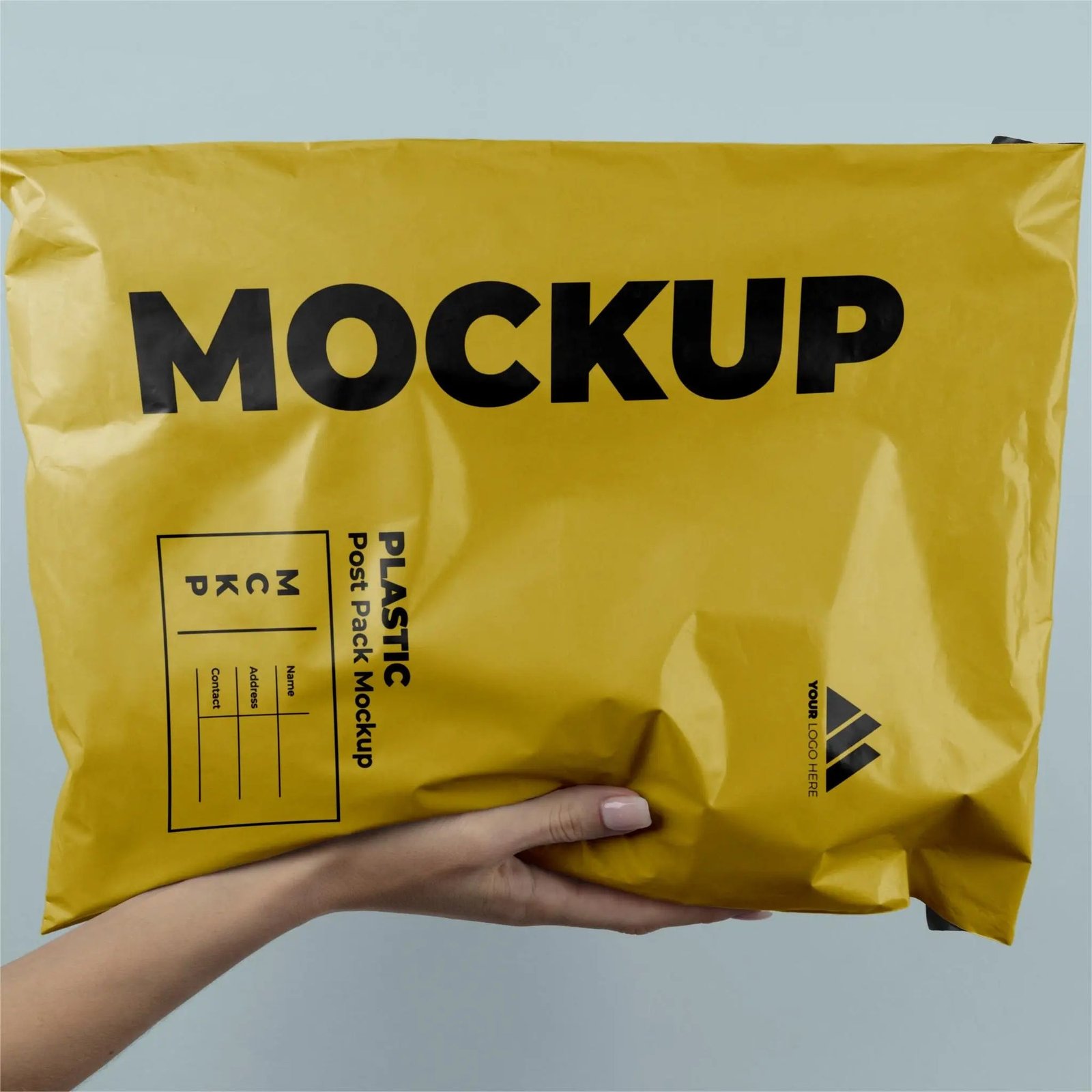
Custom hangtags, polybags, tissue, stickers and carton markings prepare finished kidswear for wholesale, retail or direct shipment. JUNSHEEN coordinates packaging details with your labeling requirements and global export workflow.
About JUNSHEEN Apparel Manufacturing
Founded in 2010 in Humen Town, Dongguan, JUNSHEEN helps fashion brands turn concepts into production-ready apparel through OEM, ODM and private-label manufacturing. Our integrated team supports bulk kids knitwear programs alongside casualwear, denim and outerwear, from early development through export-ready delivery.
With more than 200 skilled workers and monthly capacity above 80,000 units, we support capsule launches from 100 units per style and color as well as scalable ongoing orders. Our supply chain brings together knitting, cut-and-sew production, yarn and fabric sourcing, sampling, quality control, labels, trims, packaging and global shipping support.
What sets JUNSHEEN apart is a fit-first, detail-driven approach backed by experience serving more than 2,000 fashion-brand clients worldwide. We retain patterns, graded size sets and material records to make repeat orders more consistent, while our in-house decoration and finishing capabilities keep quality and brand details under closer control.

Bulk Kids Knitwear Capabilities Built for Consistency
Fit-Focused Pattern Development
JUNSHEEN develops children’s knitwear patterns with age-appropriate proportions, movement allowance and dependable grading across the size range. Our team reviews body length, sleeve balance, neckline recovery and rib dimensions before sampling, helping brands refine fit early and reduce bulk-production revisions.
- Age-appropriate proportions and mobility allowance
- Size grading reviewed across the full range
- Sample fit checks before bulk approval
- Support for regular, oversized and extended fits

Yarn Sourcing With Purpose
For bulk kids knitwear, yarn selection affects comfort, durability, care performance and price. JUNSHEEN sources cotton, cotton blends, wool blends, recycled options and performance yarns, then recommends gauges, compositions and hand feels aligned with your target market, garment construction and commercial requirements.
- Cotton, blended, wool and recycled yarn options
- Gauge and composition guidance for each style
- Swatches and sample garments for review
- Cost, softness and wash performance considered

Integrated Decoration and Labeling
Keep embellishment, branding and finishing coordinated within one production workflow. JUNSHEEN integrates logo embroidery, appliqué, patches, prints, custom labels, hang tags and packaging so every children’s sweater, cardigan or pullover reaches retail with a consistent branded presentation.
- Embroidery, patches, appliqué and print options
- Woven labels, wash-care labels and hang tags
- Custom trims and branded packaging
- Decoration placement checked during production

Repeat-Order Production Control
JUNSHEEN retains approved patterns, graded size sets, material records and construction details to support faster, more consistent repeat orders. With 200+ skilled workers and monthly capacity above 80,000 units, we can scale from a 100-unit launch to reliable ongoing kidswear programs.
- Approved specifications retained for reorders
- Material and trim consistency monitored
- In-line and final quality inspections
- Scalable capacity for growing programs

Why Choose JUNSHEEN for Bulk Kids Knitwear?
Compare fit-focused development, low-MOQ flexibility, and export-ready production with typical suppliers.
← 左右滑动查看 →
Bulk Kids Knitwear Production Process
A clear, controlled path from feasibility review to globally shipped finished goods.
Review Specs and Feasibility
Our team reviews tech packs, references, sizing, yarn requirements, decoration, target cost, and 100-unit MOQ feasibility before recommending a production route.
Source Yarns and Trims
We source suitable yarns, labels, buttons, zippers, and packaging, balancing softness, durability, wash performance, safety expectations, and your approved cost target.
Develop Samples and Fit
Pattern makers refine proportions and grading, then produce knitwear samples for construction, hand feel, measurements, and fit approval across the required size range.
Knit and Assemble Bulk
After approval, skilled teams knit, link, assemble, decorate, and finish bulk kids knitwear using retained specifications, approved materials, and production-ready workmanship standards.
Inspect Pack and Ship
Quality control checks materials, measurements, construction, decoration, and packed goods before branded packing and coordinated export shipment to your destination.
How to Start Bulk Kids Knitwear Production
Move from concept to approved samples and scalable production with a fit-focused OEM team.
Share Your Product Brief
Send a tech pack, sketch, reference garment, or mood board with target sizes, quantities, yarn preferences, branding details, and delivery requirements.
Confirm Specifications and Quote
Our team reviews knit construction, sizing, materials, trims, and manufacturability, then provides practical recommendations, a clear quotation, and MOQ guidance from 100 units.
Approve Development Samples
Review yarn swatches and prototype samples for fit, hand feel, measurements, colors, labels, and finishing before confirming the final production-ready specification.
Launch Bulk Production
After approval, JUNSHEEN manages knitting, assembly, decoration, inspection, packing, and export coordination, with quality checks throughout your bulk kids knitwear order.
Custom Clothing Manufacturer Credentials and Compliance Documents


Bulk Kids Knitwear Results From Global Buyers
JUNSHEEN turned our initial cardigan sketch into approved samples in two rounds. Their grading notes helped us launch five sizes with fewer fit comments, and our first 600-piece bulk kids knitwear order arrived ready for retail allocation.
We reordered the same schoolwear knit program across three seasonal drops. Measurements, yarn hand feel, and logo embroidery stayed consistent, while the team scaled our volume from 400 to 2,400 units without disrupting our delivery window.
The team gave us clear yarn options and a practical sampling schedule for our private-label toddler range. We approved 12 knitwear styles before our launch deadline, and the 100-unit MOQ let us test colors without overcommitting inventory.
Bulk Kids Knitwear FAQ
Clear answers on minimums, sampling, timing, labeling, shipping, and production safeguards for global kidswear buyers.
What is the MOQ for bulk kids knitwear orders?
Can you make a sample before I place a bulk kids knitwear order?
How long does bulk kids knitwear production take?
Can JUNSHEEN add custom labels and packaging to kids knitwear?
How do you protect my bulk kids knitwear designs and brand information?
What sizes can you develop for children’s knitwear?
What payment terms are available for bulk kids knitwear manufacturing?
Do you ship bulk kids knitwear internationally?
The Complete Buyer’s Guide to bulk kids knitwear
Use this practical framework to select bulk kids knitwear styles, materials, customization, quality controls, and suppliers while avoiding costly sourcing, fit, compliance, and production mistakes.
1. What Is bulk kids knitwear?
100 units per style and color is a practical starting point for bulk kids knitwear: wholesale or OEM-produced sweaters, cardigans, pullovers, knitted sets, vests, dresses, and similar children’s garments bought for resale or a brand collection. Typical buyers include retailers, wholesalers, schoolwear suppliers, emerging labels, and sourcing teams that need repeatable sizing, color, and delivery across a season. 2 supply models should be separated early. Stock wholesale means selecting pre-made designs, available colors, and ready size runs for fast resale; custom or private-label manufacturing builds the product around a tech pack, reference sample, or concept, with chosen yarns, gauges, trims, labels, packaging, and graded specifications. An OEM program may begin at 100 units, then scale into replenishment orders once fit and materials are approved. XS-to-3XL grading principles still matter even though kids’ ranges are commonly organized by age or height: children’s proportions change rapidly, so body length, sleeve reach, neck opening, mobility, and growth allowance require deliberate size development rather than simply shrinking adult patterns. Comfort depends on soft hand feel, stable seams, and non-irritating labels; safety requires secure trims and age-appropriate components. Consistent yarn shade, stitch density, measurements, and wash performance are especially important because parents and retailers expect replacement orders to match the original product.
2. How bulk kids knitwear Evolved
19th-century children’s knitwear began as hand-knit wool essentials: cardigans, socks, and pullovers valued for warmth, repairability, and growth allowance. By the early 20th century, school uniforms and standardized machine knitting made repeatable sizes, durable rib trims, and practical color programs central purchasing criteria. 1950s mass-market production shifted knitwear from household necessity toward coordinated retail collections, while acrylic and cotton blends broadened price points and wash-care options. Modern buyers still inherit that balance: a child-facing garment must feel soft, retain shape after laundering, and avoid scratchy yarns, loose embellishments, or unsafe trims. 100-unit starting quantities now let emerging labels test a capsule by style and color without committing to legacy-scale runs. OEM programs can translate a sketch or reference into yarn selection, gauge, Pantone color, grading, samples, labels, and packed goods; confirm fiber content, trim specifications, test requirements, and material records before bulk approval. 2 seasonal drops are no longer the only model: social-led launches and retailer replenishment require faster development and flexible color updates. For bulk kids knitwear, prioritize suppliers that can document material origin where required, manage safer component choices, retain approved patterns and graded size sets, and give clear sample-to-production checkpoints.
3. Types of bulk kids knitwear
Six core categories create a usable bulk kids knitwear assortment: dependable layering styles, coordinated outfits, occasion pieces, and add-on accessories. Balance them across autumn/winter depth, spring transitions, age-specific mobility, and clear retail price steps.
| Category | Best Commercial Role | Seasonal Demand | Typical Use |
|---|---|---|---|
| Pullovers | Core volume | Autumn–winter | Everyday and school |
| Cardigans | Layering premium | Autumn–spring | Boutique and occasion |
| Knit sets | Higher basket value | Autumn–spring | Gifting and wholesale |
| Vests | Transitional layer | Spring and fall | School uniforms |
| Dresses and skirts | Fashion capsule | Holiday and winter | Party and boutique |
| Accessories | Add-on sales | Cold weather | Bundles and gifting |
Sweaters, Pullovers, And Cardigans

3–12 gauge crewnecks, V-necks, mock necks, and zip or button cardigans anchor cold-weather programs; toddlers need easy neck openings, while school-age buyers accept fashion textures. Position pullovers as volume basics and cardigans as higher-margin layering for school, gifting, and occasion capsules.
Sets And Vests

2-piece knit sets pair a sweater or cardigan with matching pants, shorts, or skirts, increasing outfit conversion and simplifying wholesale merchandising. Sleeveless vests suit back-to-school layering and milder climates; use relaxed fits for active ages 2–8 and cleaner silhouettes for tween assortments.
Dresses, Skirts, And Accessories
1 knit dress or skirt can lift a collection beyond basics, especially for holiday, party, and boutique channels; secure waistbands and comfortable linings matter for younger children. Beanies, scarves, gloves, and socks are low-risk add-ons that extend color stories and support gift-set or bundle offers.
4. Materials for bulk kids knitwear
For bulk kids knitwear, fiber choice controls comfort after repeated washing as much as initial hand feel. Specify yarn composition, gauge, anti-pilling expectations, and care label requirements before approving a sample.
| Fiber | Practical Benefits | Limitations | Recommended Garments |
|---|---|---|---|
| Cotton | Soft, breathable, skin-friendly | Lower warmth; possible shrinkage | Lightweight sweaters, cardigans |
| Organic cotton | Natural hand; certified claim potential | Higher cost; verify certification | Baby and sensitive-skin knits |
| Wool blend | Warm, durable, better value | May itch; care required | Winter pullovers, schoolwear |
| Merino | Fine, breathable warmth | Premium cost; gentle wash | Fine-gauge sweaters, base layers |
| Cashmere blend | Luxury softness and warmth | Pilling; delicate care | Premium capsule sweaters |
| Acrylic | Warm, colorfast, economical | Pilling; lower breathability | Value cardigans, beanies |
| Recycled fibers | Sustainability positioning | Verify consistency and certification | Blended casual knits |
| Cotton-poly | Durable, easy-care, shape retention | Less natural hand | Uniforms, playwear |
Comfort And Sensitivity

100% cotton is breathable, soft, and generally suitable for sensitive skin, but it offers modest warmth and can lose shape unless knit construction is stable. Organic cotton follows the same performance profile; request applicable GOTS documentation when that claim will appear on product labeling.
- Choose cotton for lightweight pullovers and cardigans.
- Avoid scratchy wool next to highly sensitive skin.
- Approve swatches after washing, not only dry handling.
Warmth And Hand Feel

Merino provides high warmth-to-weight, breathability, and a finer hand than conventional wool; gentle care and higher yarn cost are the trade-off. Cashmere blends create a premium soft hand for giftable sweaters, yet need anti-pilling controls and delicate-care messaging. Wool blends improve durability and reduce cost versus pure merino or cashmere.
- Merino suits premium base layers and fine-gauge sweaters.
- Wool blends suit winter cardigans and schoolwear.
- Cashmere blends suit limited premium capsules.
Durability And Value
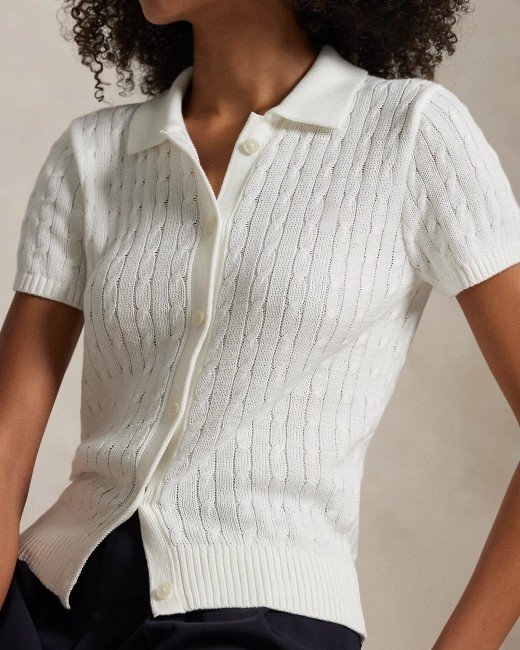
Acrylic is warm, colorfast, easy-care, and economical, but can pill and may feel less breathable than natural fibers. Cotton-poly blends improve recovery, durability, and wash resilience for high-wear programs. Recycled fibers support lower-impact material stories, but composition, certification, shade consistency, and pilling should be verified lot by lot.
- Use acrylic for value-led cold-weather styles.
- Use cotton-poly for everyday uniforms and playwear.
- Request wash tests for all recycled yarn blends.
5. Customizing bulk kids knitwear Collections
Pantone-referenced yarn shades, stitch density and grading should be locked before a bulk kids knitwear sample is approved. Junsheen can develop from a tech pack or artwork file, then align trims, labels and packaging with the collection brief.
| Method | Visual Impact | Durability | Sampling Implication | Best Brand Fit |
|---|---|---|---|---|
| Intarsia | High; crisp blocks | High | Color map and knit trial | Premium graphic capsules |
| Jacquard | Detailed repeats | High | Motif and reverse review | All-over signature patterns |
| Embroidery | Raised logo detail | High with backing | Placement and wash test | Heritage or logo-led lines |
| Appliqué/Patch | Tactile contrast | Depends on edge finish | Attachment test required | Playful seasonal drops |
Choose The Visual Route
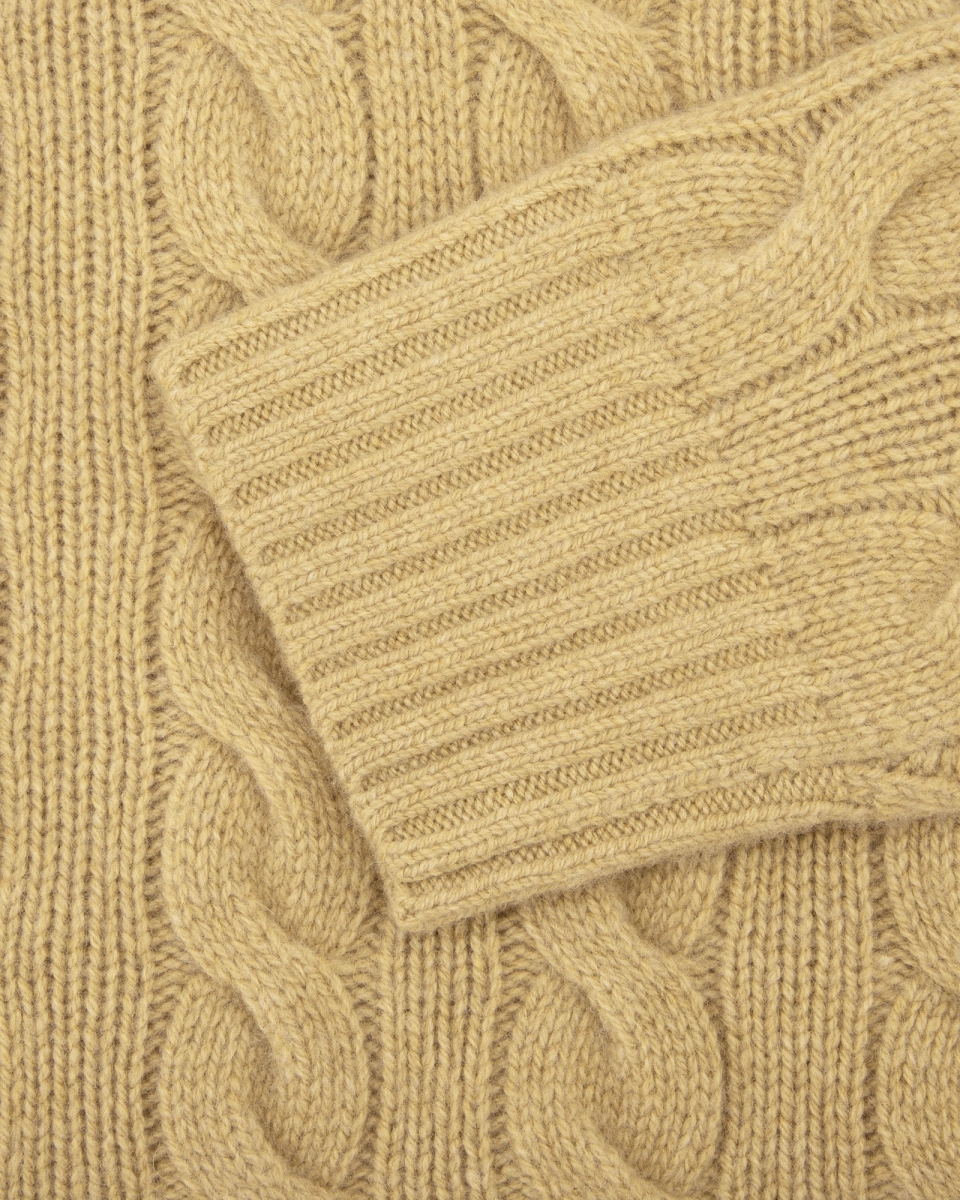
Three common routes create distinctly different results: intarsia for clean color blocks, jacquard for repeated motifs, and embroidery for dimensional logos. Confirm yarn colors, gauge, motif scale and reverse-side appearance on the first knit sample.
Specify Safe Decoration
For children’s styles, decoration should lie flat, resist laundering and avoid loose components that can detach. Appliqué edges, patches and embroidery backings need review on the actual size range, especially smaller garments. Licensed characters require written rights clearance from the buyer before production. Supply editable vector artwork, Pantone references, placement dimensions and repeat layout rather than a low-resolution image.
- Use soft backing behind dense embroidery
- Avoid detachable charms and sharp metal parts
- Test patch edges after wash trials
Grade Labels And Packs
Sizes should be graded by body proportion, not merely scaled from one base garment; chest, body length, sleeve length and neck opening all require review. Send a size chart with tolerance, label copy, care symbols, barcode needs and folding instructions before pre-production.
6. Construction Quality in Kids Knitwear
Construction defects are amplified in children’s knitwear because garments are washed frequently, stretched during play, and judged quickly by caregivers. For bulk kids knitwear, sample approval should test structure as rigorously as color and hand feel.
Gauge And Stitch Density
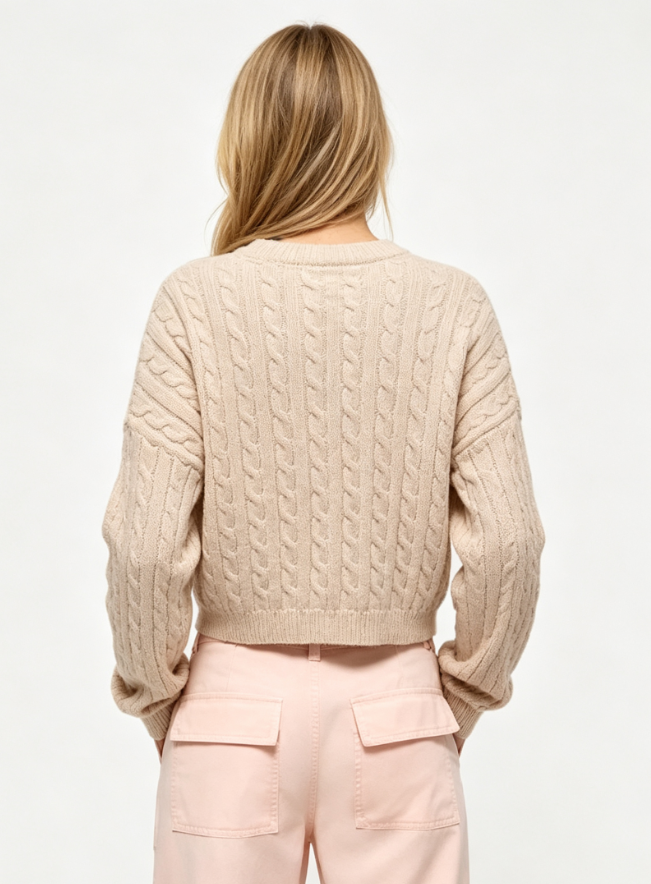
7-gauge to 12-gauge sweaters need an even stitch count, stable fabric weight, and no laddering; lower gauge feels bulkier, while finer gauge exposes irregular tension. Three sample areas—chest, cuff, and hem—should be measured against the approved specification after relaxation. Uneven density can twist the body, reduce warmth consistency, and make a garment look low-value.
- Check dropped stitches and needle lines under side lighting
- Compare left and right sleeve widths
- Confirm yarn joins are concealed, not knotted
Shape Retention And Seams
2×2 rib cuffs and neckbands should recover after repeated hand stretching without waviness or permanent extension. A neckline that grows after washing encourages returns, especially on pullovers worn independently by young children. Fully fashioned shaping reduces bulky excess at shoulders and armholes, while linked seams should lie flat against skin. Inspect seam allowances for scratchy ends, loose threads, skipped linking, and balanced shoulder alignment.
- Stretch cuffs and neckline five times
- Turn the garment inside out
- Check armhole and side-seam comfort
Wash And Safety Review
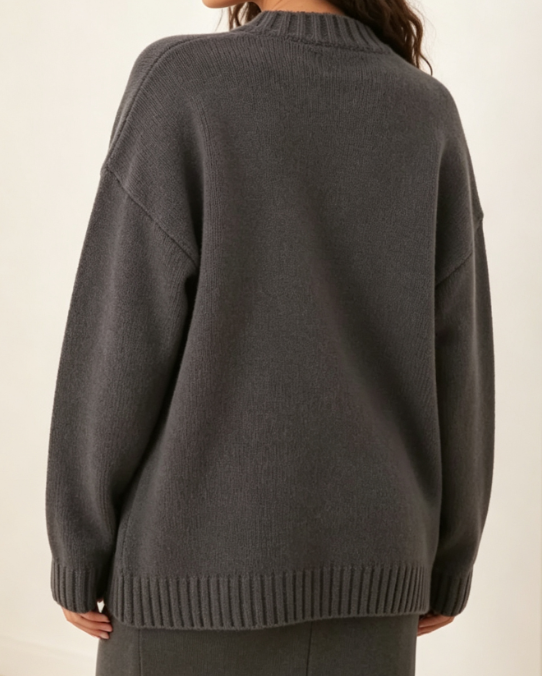
Three wash-and-dry cycles on the approved sample reveal shrinkage, torque, pilling, color change, and trim failure before bulk release. Record chest width, body length, sleeve length, and neckline opening before and after each cycle. 36-month products require particular restraint: avoid small detachable decorations, unsecured buttons, long cords, and abrasive labels. Pull-test snaps, buttons, patches, and appliqués, then confirm no exposed yarn ends can snag fingers or irritate skin.
- Set an acceptable shrinkage tolerance in the tech pack
- Review pilling on high-friction areas
- Verify trims remain secure after laundering
7. Choosing a bulk kids knitwear Manufacturer
Three supplier models suit different launch paths: an OEM knitwear factory for custom programs, a trading company for consolidated sourcing, and a ready-stock wholesaler for immediate replenishment. Compare evidence, not only quoted price or stated MOQ.
| Supplier Model | Best Use | Key Evidence | Main Trade-Off |
|---|---|---|---|
| OEM factory | Custom launch or repeat program | Tech-pack review, sample, capacity plan | More approvals before production |
| Trading company | Multi-category consolidation | Named factory, inspection plan, margin clarity | Less direct factory visibility |
| Ready-stock wholesaler | Fast test or replenishment | Live inventory, size ratio, dispatch proof | Limited design and branding control |
Verify Knitwear Capability
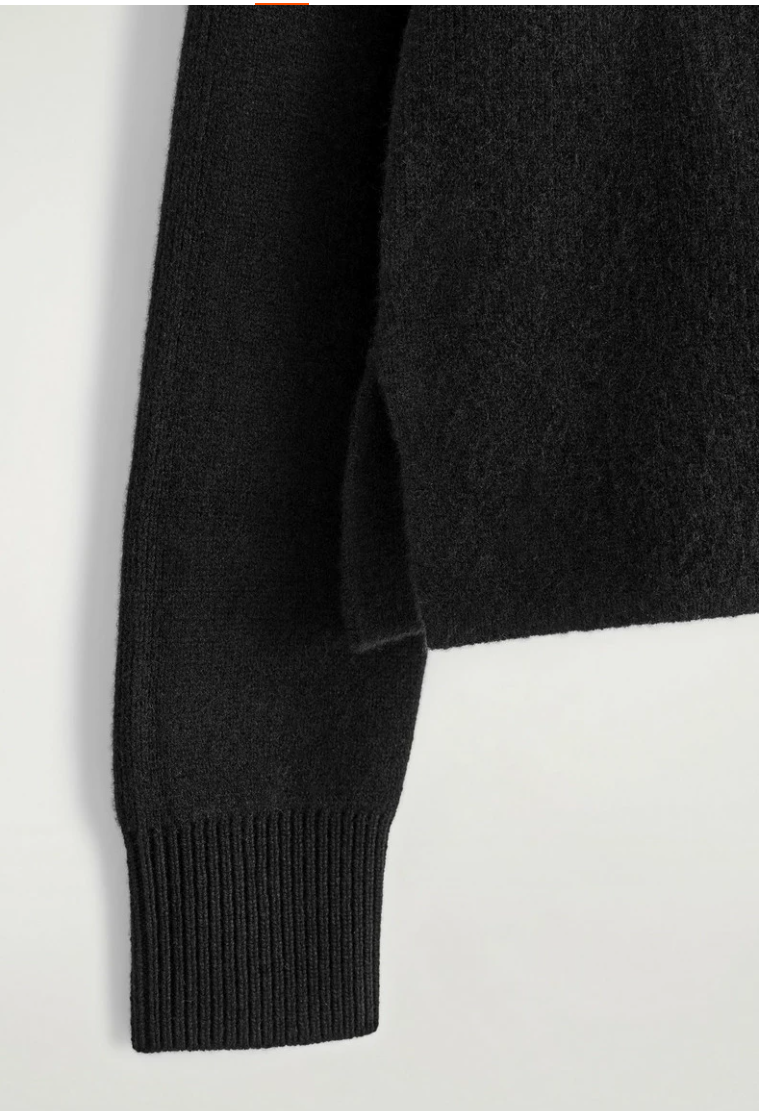
100-unit launches need confirmation that the supplier can manage gauge, yarn count, linking, washing, and grading—not merely sew knitted fabric. Request machine-floor photos, close-ups of rib-to-body joins, recent child-size measurement sheets, and a retained pre-production sample. Check pilling, seam stretch recovery, and wash shrinkage against approved tolerances.
- Ask for yarn composition and fiber certificates
- Request photos of neck, cuff, and hem linking
- Approve a graded size set before bulk cutting
Audit Development And Controls
7–14 days is a common sample window only after yarn, color, trims, and specifications are confirmed; complex intarsia or embroidery can extend it. Request a critical-path timeline, inspection checklist, test reports where required, and current social-compliance evidence such as BSCI, WRAP, or equivalent audit documentation. Confirm who answers fit comments and how revisions are recorded.
- Pantone color approval or lab-dip record
- Shrinkage and pilling test evidence
- Final inspection photos and carton marks
Match Supplier To Launch
80,000-unit monthly capacity matters only when the factory can reserve a realistic production slot and state its on-time shipment history. For custom bulk kids knitwear, compare sampling accuracy, communication speed, yarn sourcing options, and change-control discipline alongside lead time. Junsheen can support development, grading, sourcing, sampling, quality checks, and programs from 100 units per style and color.
- Set one written approval owner
- Lock materials before bulk yarn booking
- Require dated sample and production milestones
8. Bulk Kids Knitwear Buying Mistakes
100-unit programs can become costly when small technical assumptions reach bulk production. For bulk kids knitwear, lock performance, safety, fit, artwork and calendar decisions before releasing purchase orders.
Buying Yarn On Price

100% low-cost yarn can pill, twist or shrink differently after laundering, creating claims and repeat-order inconsistency. Specify fiber composition, yarn count, gauge, target weight and an approved hand-feel swatch. 3 wash-and-dry cycles on the intended care setting reveal shrinkage, spirality and color loss before bulk. Approve a measured test report against agreed tolerances.
Leaving Specifications Vague
1 missing stitch-density, Pantone or measurement callout invites factory interpretation and costly sample revisions. Issue a tech pack with construction notes, labeled artwork files, BOM and tolerance chart. XS–3XL grading cannot be copied from adult or toddler blocks without proportion changes. Approve the size-grade rules and measure a full size set when the range is extended.
Treating Compliance As Assumed
OEKO-TEX, GOTS, WRAP and BSCI references are not interchangeable proof of a specific material or facility claim. Request current, scope-relevant documents and verify required destination-market labeling and children’s safety requirements. 6-color artwork, sequins or loose appliqué can add failure points, lead time and decoration variation. Simplify placement, test attachment strength, and approve strike-offs before production.
Releasing Orders Too Early
4–8 weeks is a common planning range after materials and production-ready approvals, but yarn availability, sampling changes and freight can extend it. Build buffer time and confirm a dated critical-path schedule before deposits. 1 approved prototype is not automatically production-ready. Release bulk only after confirming fit, wash results, grading, color, trims, labels, packaging and final measurement specifications.
9. Launching bulk kids knitwear Successfully
Before a first bulk kids knitwear purchase order, lock the customer age range, retail price band, color story, size curve, delivery date, and acceptable margin. A 100-unit-per-style-and-color starting point can work for a capsule, but each approval must have one named decision-maker and deadline.
Build The Assortment
3–5 core styles give a first drop enough choice without multiplying yarn minimums, fit risk, and sampling cost. Define each style’s target age, intended layering, color count, and planned replenishment potential. 6–8 weeks before sampling, confirm retail channels and the landed-cost ceiling. Translate that ceiling into target ex-factory cost, freight allowance, duty exposure, packaging, and retailer margin.
- Age range and size breakdown
- Style, color, and quantity by SKU
- Launch date and replenishment trigger
Freeze Technical Decisions
1 complete tech pack per style should specify flat sketches, measurements, stitch construction, Pantone references, labels, packaging, and artwork placement. Include tolerances and a graded size chart rather than approving only a reference photo. 5–12 gauge, yarn composition, yarn count, and knit structure must be selected before bulk booking. Request yarn swatches and confirm hand feel, pilling performance, shrinkage, colorfastness, and care-label requirements.
- Fiber content and certification requirements
- Gauge, stitch, and trim specifications
- Pantone colors and approved artwork
Approve Samples And Production
2 sample rounds are common: a development sample verifies construction, then a fit or size-set sample verifies proportions across key sizes. Record every correction in one dated approval file; verbal changes cause avoidable bulk errors. 30–60 days is a practical planning window after materials, sample, and purchase-order details are fully approved, though specialty yarns and peak seasons can extend it. Schedule pre-production confirmation, in-line inspections, final AQL inspection, balance payment, and freight cutoff backward from the launch date.
- Signed sample and measurement approval
- Compliance documents for target market
- Purchase order, delivery window, and shipping method
10. bulk kids knitwear Pricing and Costs
100 units per style and color is Junsheen’s practical starting point for a capsule, but it carries the highest development, set-up and material-allocation cost per garment. Ring-spun cotton, wool blends, recycled yarns, finer gauges, intarsia, jacquard, cable stitches and fully fashioned details all raise knitting time, yarn consumption or wastage. 7 gauge and 12 gauge sweaters should never be costed as interchangeable: gauge, stitch density, silhouette, size range and color count affect machine time and yield. Embroidery, appliqué, custom patches, branded zippers, buttons, neck labels, wash-care labels, hang tags, polybags and carton specifications should be itemized separately before comparing factory quotes. 15–35 working days is a typical production-planning range after sample, materials and pre-production details are approved; lab testing, special packaging and destination freight can extend the schedule. Final bulk kids knitwear quotations require an approved tech pack or sample, graded size breakdown, yarn and decoration specifications, testing requirements, packing plan, order quantity and shipping destination.
- Request yarn composition, gauge and stitch map before accepting a unit-price estimate.
- Confirm whether CPSIA, REACH, OEKO-TEX or other destination testing is required.
- Compare freight by carton dimensions, chargeable weight, Incoterm and delivery deadline.
| Order quantity | Indicative unit-price position | Typical production lead time |
|---|---|---|
| 100–299 units/style-color | Highest; sampling and set-up spread over fewer pieces | 25–35 working days |
| 300–999 units/style-color | Mid-range; improved yarn and trim purchasing efficiency | 20–30 working days |
| 1,000+ units/style-color | Lowest relative unit cost; confirm capacity and material booking | 15–25 working days |
Start Your Bulk Kids Knitwear Sampling Project
Send your tech pack, reference garment or product idea for fit-focused development and a tailored production quote from 100 units.