
Custom Embroidered Pullover Manufacturing for Brands
Launch fit-focused custom embroidered pullovers from 100 units, with OEM, ODM and private-label support from XS to 3XL.
Featured Products for custom embroidered pullover Development


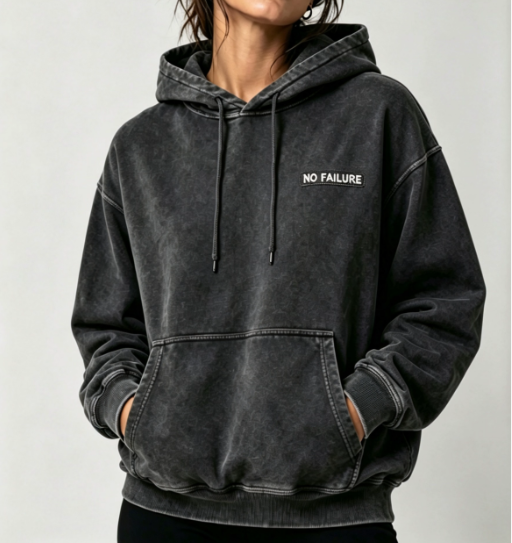

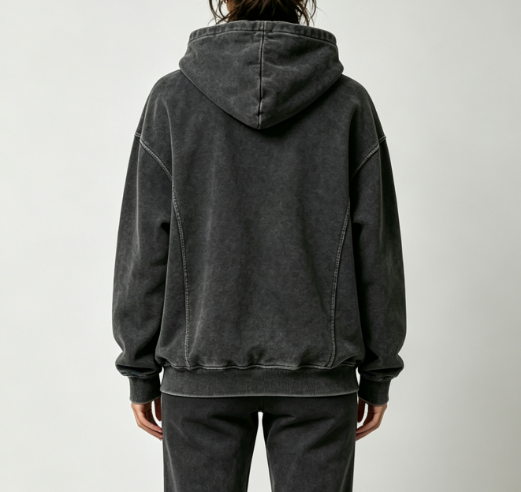


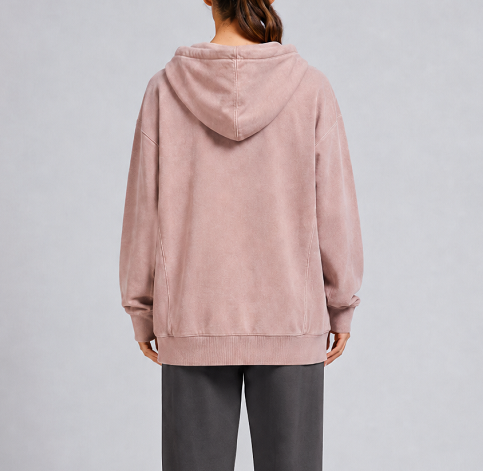

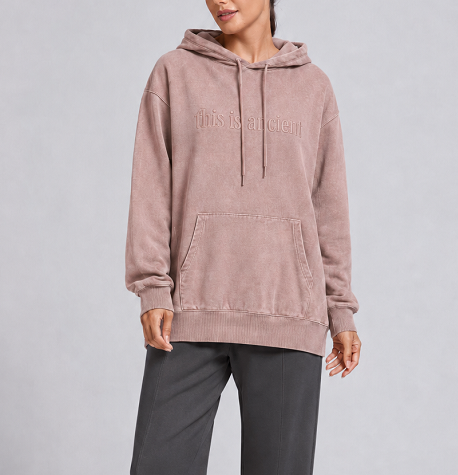


Related Product Catalogue and Quotation



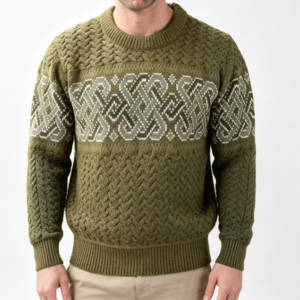


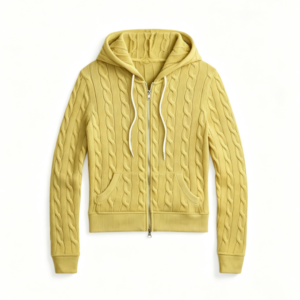
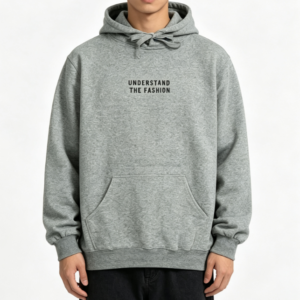
Why Brands Source Custom Embroidered Pullovers from JUNSHEEN
A fit-first, low-MOQ production partner for embroidered pullovers built to launch, repeat, and scale globally.
100-Unit MOQ
Launch a custom embroidered pullover capsule from 100 units per style and color, with practical support for emerging labels and test orders.
Fit-First Size Development
Patterns are refined from XS through 3XL, including oversized and extended-size proportions, for balanced shoulders, sleeves, mobility, and consistent grading.
In-House Embroidery
Choose flat, 3D puff, chain stitch, applique, patches, sequins, or logo embroidery while our team manages placement, backing, and sample approval.
Complete Private Labeling
Build a retail-ready program with custom woven labels, wash-care labels, hang tags, drawstrings, branded packaging, and selected trims.
Scalable Global Production
Rely on 200+ skilled workers, 80,000+ monthly units of capacity, quality control, and export support as repeat custom embroidered pullover orders grow.
Custom Pullover Styles and OEM Categories
Develop fit-focused casualwear, denim, knitwear and outerwear from 100 units per style and color, with coordinated private-label production.

Custom Hoodies
Develop custom hoodies in fleece, French terry or jersey with fit-specific grading from XS–3XL. Select weights, rib trims, pockets, drawcords, embroidery, printing, washes, labels and branded packaging for capsule or repeat production.
Request a Quote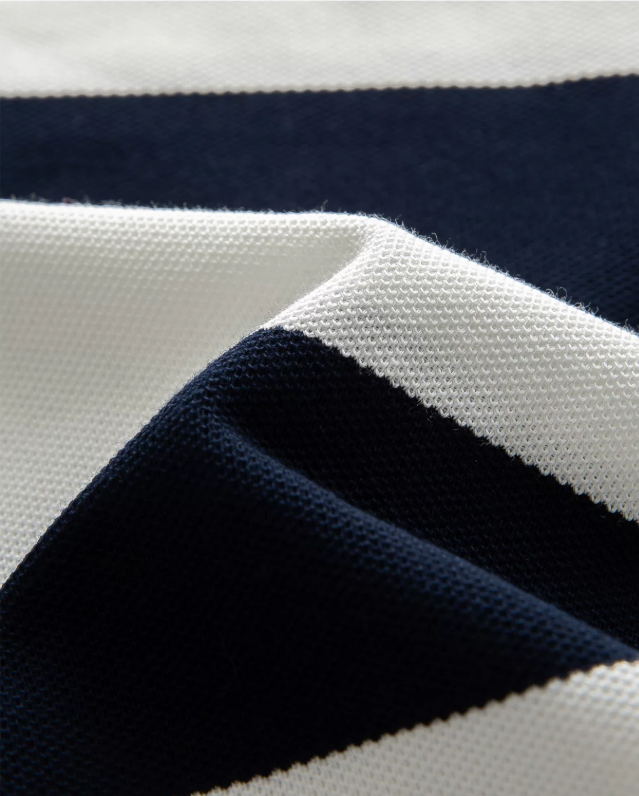
Custom T-Shirts
Produce custom tshirt programs in cotton, Pima cotton, organic cotton or blended jersey. Junsheen supports neckline, sleeve, body-length and oversized-fit development, plus screen printing, DTG, DTF, embroidery, garment dye and private-label finishing.
Request a Quote
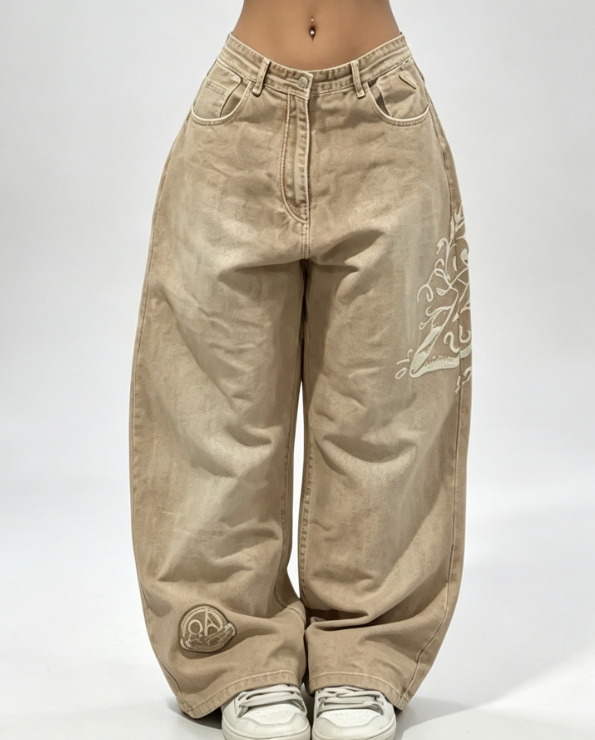
Custom Jeans
Build custom jeans with denim or stretch-denim fabric selection, fit development and grading that considers rise, hip balance, leg shape and movement. Add custom washes, distressing, hardware, leather patches, embroidery, labels and coordinated packaging.
Request a Quote
Custom Sweaters
Source turtle neck sweater bulk programs in suitable yarns and sweater constructions, from fine-gauge layers to heavier seasonal knits. Development covers neck height, body proportion, sleeve shape, rib structure, size grading and private-label trims.
Request a Quote
Custom Jackets
Manufacture custom jean jacket styles with denim-weight recommendations, pattern development and durable construction details. Specify collars, pockets, plackets, cuffs, hardware, washes, distressing, embroidery, patches and branded labels for consistent bulk production.
Request a Quote
Custom Sweatshirts & Crewnecks
Develop custom crewneck hoodie and sweatshirt programs in fleece or French terry, with crewneck, hooded or oversized silhouettes. Refine body balance, rib measurements and sleeve proportions across XS–3XL, then apply embroidery, printing, washes and private-label details.
Request a Quote
Custom Cardigans
Create custom cardigan collections in knit constructions suited to your target hand feel, gauge and retail position. Junsheen supports button or zipper fronts, rib details, pockets, grading, custom labels and coordinated trims for production-ready styles.
Request a Quote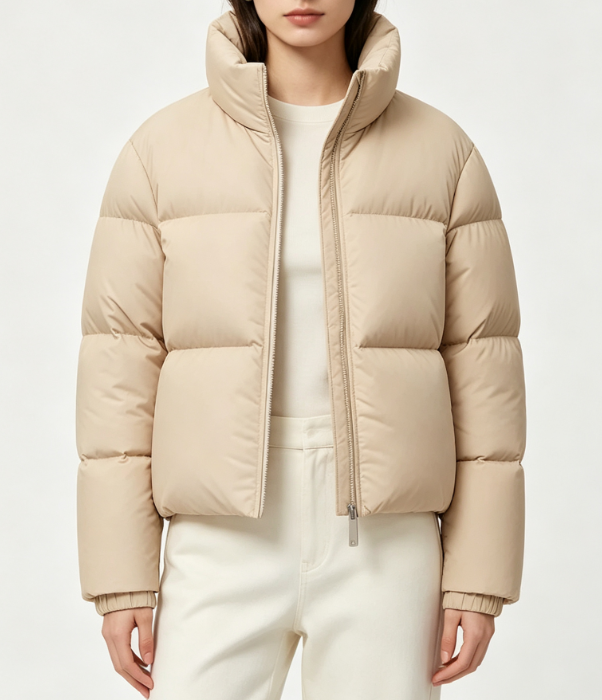
Custom Puffer & Down Jackets
Produce custom puffer jacket programs with shell, lining and insulation options matched to climate, cost and silhouette. Development covers baffle layout, fill distribution, hood and pocket construction, zippers, reflective details, labels and final quality checks.
Request a Quote
Custom Denim Shorts
Manufacture custom jean shorts with denim or stretch-denim options, developed for targeted rise, inseam, leg opening and size grading. Add wash treatments, distressing, raw hems, custom hardware, patches, embroidery and branded packaging.
Request a Quote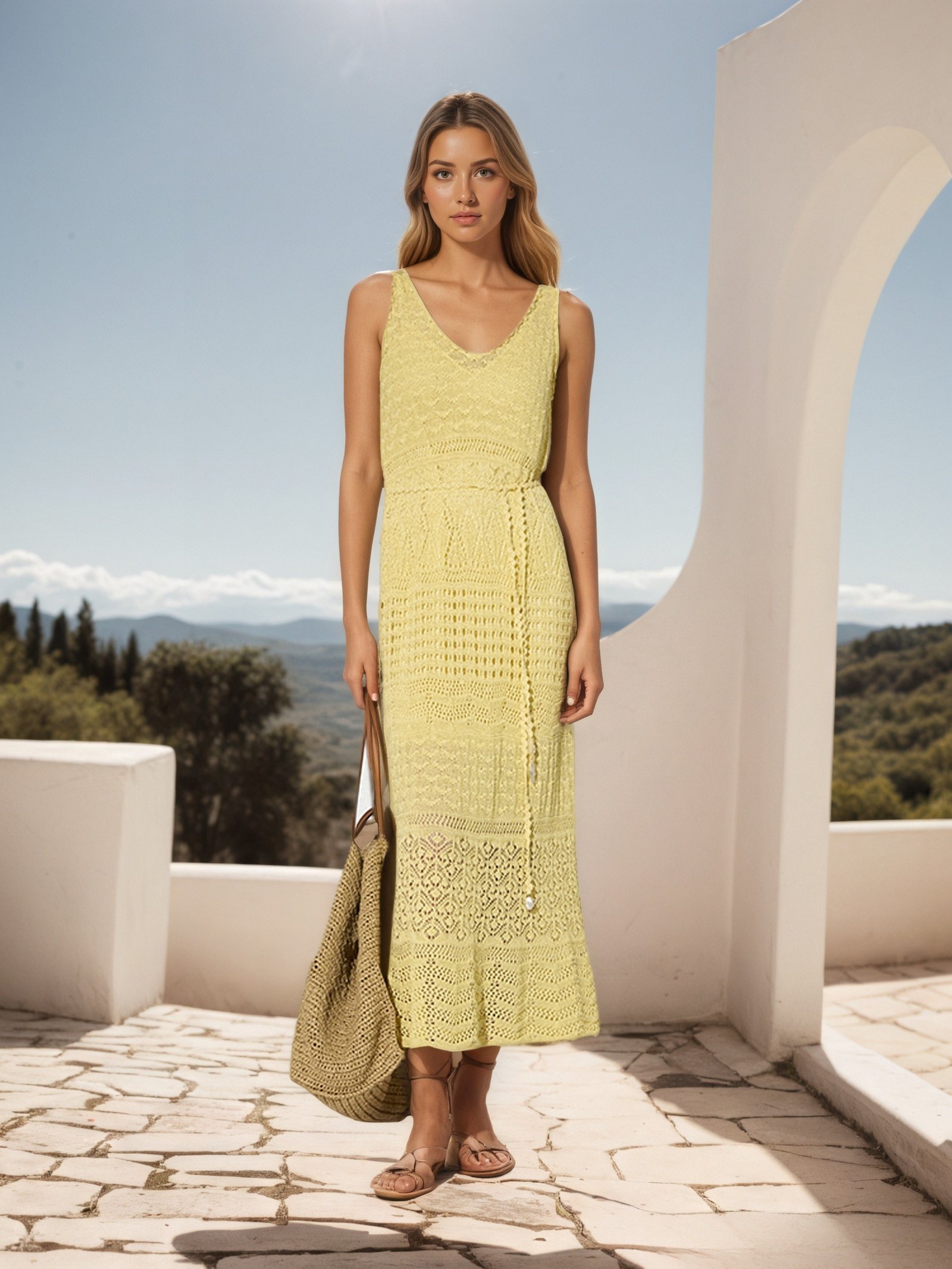
Custom Sweater Dresses
Develop custom sweater dresses with knit structures and yarns selected for drape, warmth and recovery. Pattern work addresses body length, shoulder balance, waist shaping, sleeve proportion and extended-size grading, with custom labels and trims available.
Request a Quote
Custom Denim Sets
Produce mens denim suits wholesale programs as coordinated denim jackets and trousers, with fabric, wash and hardware consistency across both pieces. Junsheen supports fit development, size grading, private labels and scalable bulk production from low MOQs.
Request a Quote
Custom Polo Shirts
Manufacture custom polo shirts in piqué, jersey or performance knits with collar, placket and cuff specifications. Control fit, length and grading across XS–3XL, then add embroidery, printing, custom buttons, labels and retail-ready packaging.
Request a Quote
Custom Sweatpants
Develop custom sweatpants in fleece, French terry or performance knits for jogger, straight-leg and relaxed silhouettes. Refine rise, inseam, waistband, cuff and pocket construction, then apply prints, embroidery, washes, labels and branded trims.
Request a Quote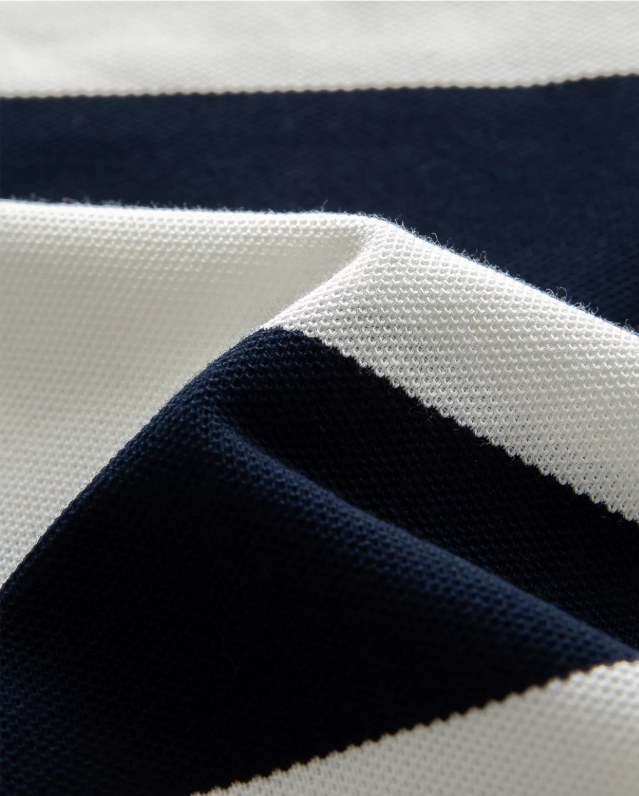
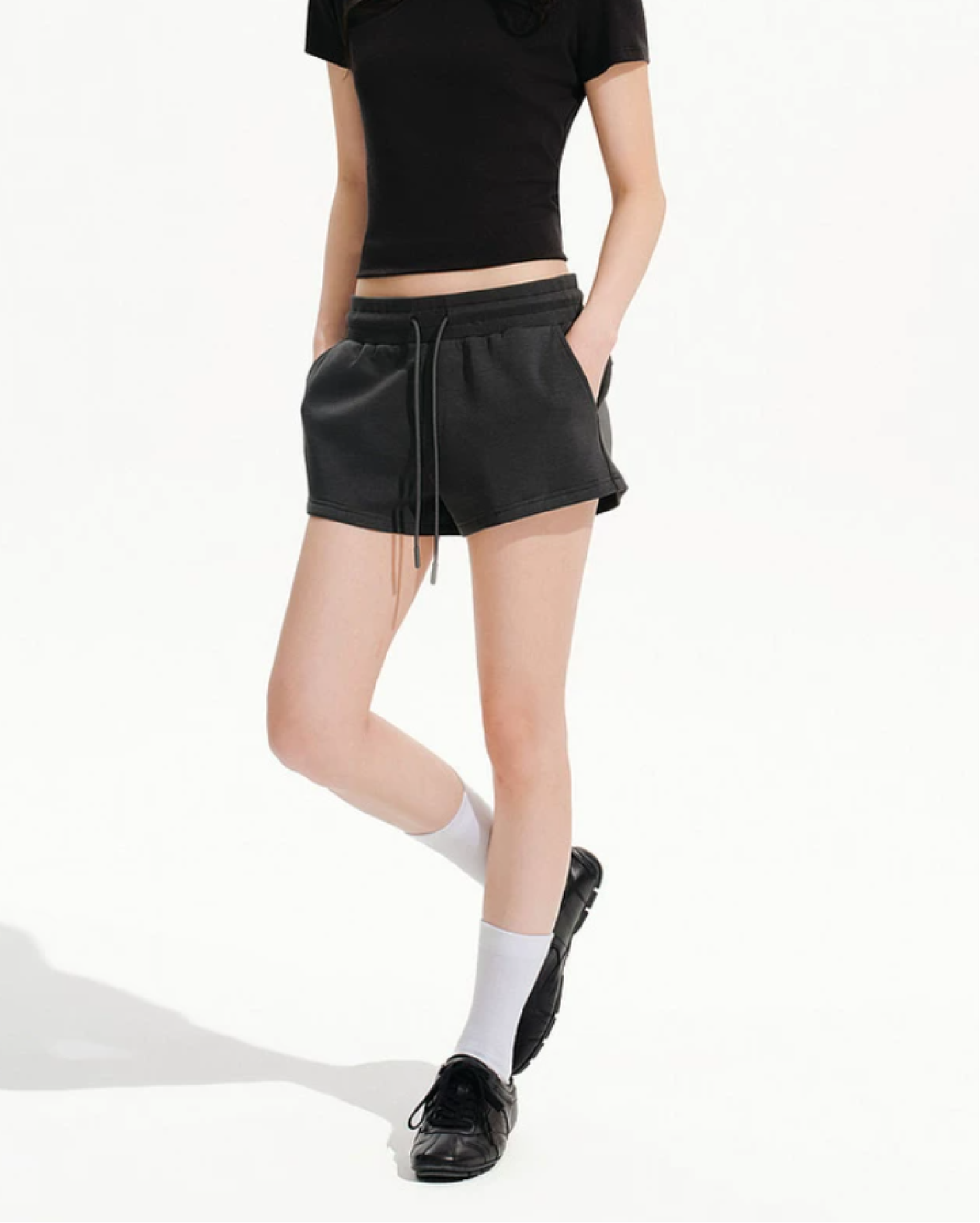
Custom Shorts
Produce custom shorts in jersey, fleece, twill, woven or performance fabrics for casual, active or coordinated-set programs. Specify inseam, rise, pockets, waistband and fit across sizes, with decoration, labels and packaging handled in one supply chain.
Request a Quote
Custom Pullovers
Manufacture custom pullovers in fleece, French terry, jersey or knit constructions, including half-zip, quarter-zip and standard styles. Development covers neckline, body shape, sleeve balance and grading, with embroidery, printing, trims and private-label finishing available.
Request a QuoteMaterials for Custom Embroidered Pullover Comfort and Detail

Combed Cotton Fleece
Soft, substantial brushed-back cotton fleece suits premium everyday pullovers and raised logo embroidery. Available in midweight to heavyweight constructions, it provides warmth, a smooth face and dependable stitch support.

French Terry
French terry delivers a breathable cotton hand feel with unbrushed loopback texture, ideal for transitional-season and elevated casual pullovers. Its stable surface supports flat, puff and applique embroidery without excessive bulk.

Cotton Jersey
Cotton jersey creates a lighter, flexible pullover for layering, resort capsules and relaxed essentials. The smooth knit face is comfortable against skin, while controlled stretch helps maintain shape around embroidered placements.

Recycled Fleece Blends
Recycled cotton or polyester fleece blends support sustainability-led collections without sacrificing softness or durability. Suitable for casual embroidered pullovers, these fabrics can be specified for weight, recovery, anti-pilling performance and desired hand feel.

Sweater Knit Blends
Sweater-knit cotton, viscose, wool or blended yarns create polished embroidered pullovers with texture and drape. Gauge, yarn composition and stitch density can be matched to lightweight layering styles or warmer structured knitwear.
Custom Embroidered Pullover Decoration Processes

Flat Embroidery
Clean stitched logos, lettering, and fine artwork applied directly to pullovers. Flat embroidery delivers a polished, durable finish with dependable edge definition for chest marks, sleeve details, and understated brand signatures.

3D Puff Embroidery
Foam-backed stitching raises selected logo elements above the garment surface for bold dimension. Ideal for simplified graphics and varsity-inspired branding, it creates a tactile premium effect while maintaining strong visual impact after wear.

Chain Stitch
Looped thread construction creates a handcrafted, heritage-inspired texture with expressive movement. Chain stitch works especially well for script lettering, large back graphics, and vintage sportswear concepts where a softer, artisanal surface is desired.

Applique Details
Cut fabric panels are stitched onto the pullover to build layered letters, numbers, or graphic shapes. Applique adds contrast in color and texture, making it effective for collegiate collections, teamwear, and statement logo designs.

Custom Patches
Woven, embroidered, chenille, or specialty patches can be developed for sewn-on or heat-applied branding. They provide flexible placement, clear identity, and a durable badge-like finish for private-label and limited-edition pullover programs.

Print Effect Pairing
Screen print, puff, flocking, silicone, or high-density effects can complement embroidery in one design. This combination balances detailed artwork, texture, and cost while helping layered branding remain crisp across bulk production.
Custom Embroidered Pullover Trims and Accessories

Woven Brand Labels
Custom woven main, size and wash-care labels give each custom embroidered pullover a consistent private-label identity while providing the placement, sizing and care information needed for retail-ready production.

Branded Hang Tags
Hang tags can carry your logo, collection story, barcode, price information or sustainability messaging. JUNSHEEN matches stock, finish, string and attachment method to your intended retail presentation.

Custom Drawcords
Choose cotton, flat, round or tipped drawcords with coordinated aglets, colors and lengths. These details add a considered finish to hooded pullovers and help reinforce your brand palette.

Zippers and Snaps
Add branded zippers, snap buttons or metal hardware for quarter-zip, half-zip and convertible pullover designs. We source finishes and pullers that balance your target look, durability and cost.

Rib Trim Sets
Custom rib trims at cuffs, collars and hems improve shape retention and create a cohesive color story. Weight, stretch recovery and stripe details can be developed to suit your fit specification.
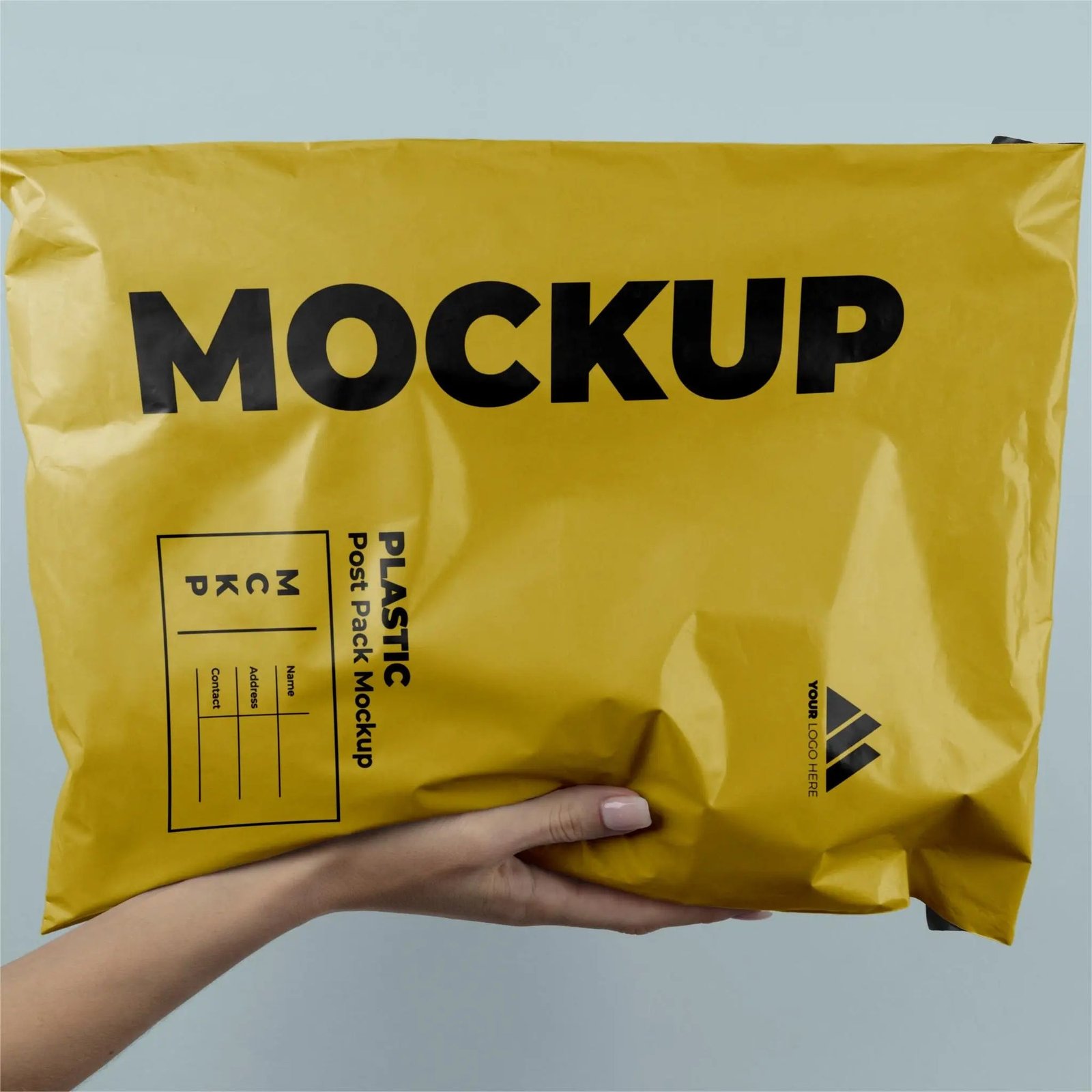
Branded Packaging
Finalize your order with custom polybags, tissue, stickers, size markers and shipping cartons. Packaging options protect embroidered surfaces in transit while giving wholesale and direct-to-consumer orders a polished arrival.
Custom Embroidered Pullover Manufacturing
Founded in 2010 in Humen Town, Dongguan, JUNSHEEN helps fashion brands turn custom embroidered pullover concepts into production-ready private-label apparel. Our integrated OEM and ODM team supports development from tech packs, sketches, reference garments, or early product ideas through sampling and export.
With more than 200 skilled workers and monthly capacity above 80,000 units, we can support 100-unit capsule launches as confidently as ongoing bulk programs. In-house cut-and-sew, knitting, embroidery, printing, finishing, labeling, packaging, and quality control keep critical production details coordinated.
What distinguishes JUNSHEEN is fit-focused development from XS to 3XL, including extended-size, plus-size, and modern oversized grading. Having served more than 2,000 fashion-brand clients worldwide, we combine responsive product guidance with dependable production for labels ready to scale.

Custom Embroidered Pullover Capabilities Built for Better Fit
Fit-First Pattern Development
JUNSHEEN develops each custom embroidered pullover from the intended silhouette, not a generic base block. Our pattern team refines shoulder balance, body length, sleeve proportion and mobility before grading, helping brands achieve a consistent fit across standard, plus-size and oversized ranges.
- XS–3XL grading with fit-specific increments
- Normal, extended-size and oversized silhouettes
- Prototype, size-set and pre-production fit reviews
- Pattern records retained for repeat programs

Fabric Sourcing for Clean Embroidery
Fabric selection is planned around both the desired hand feel and the embroidery result. We source fleece, French terry, cotton blends and knit constructions with appropriate weight, stability and surface character, then recommend backings and embroidery approaches that support clean, durable logo detail.
- Fleece, French terry and cotton-blend options
- Weight and drape matched to your silhouette
- Fabric stability assessed before decoration
- Swatches and samples available for approval
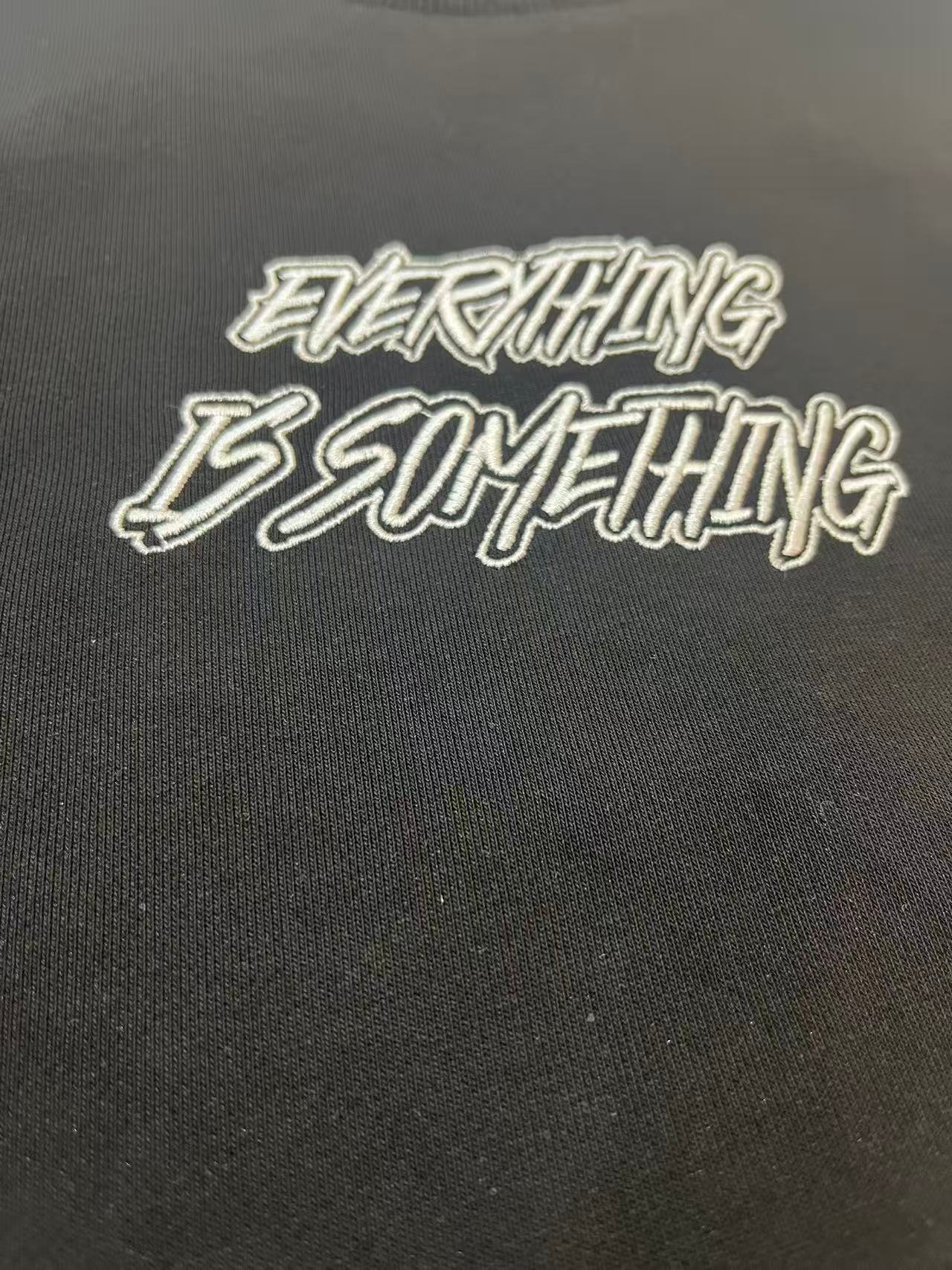
In-House Embroidery Execution
From subtle chest logos to dimensional artwork, JUNSHEEN manages embroidery execution within an integrated apparel workflow. Flat, 3D puff, chain stitch, applique and custom patch options are reviewed against artwork scale, placement, stitch density and garment construction before bulk production begins.
- Flat, 3D puff and chain-stitch embroidery
- Applique, patches and logo embroidery
- Artwork and placement feasibility review
- Decoration inspected during production
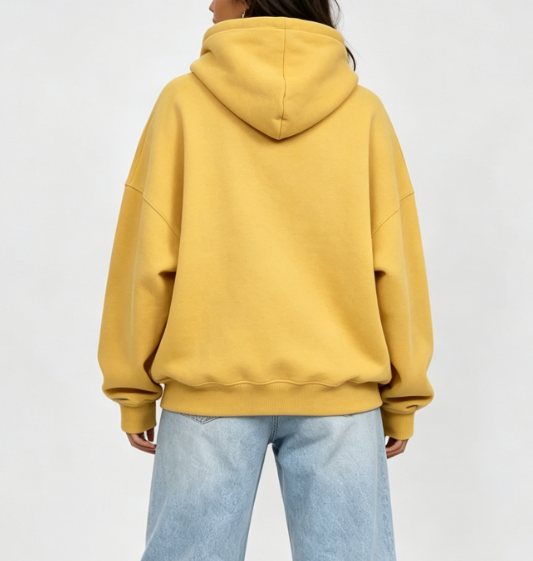
Repeat-Order Production Consistency
Once a style is approved, we retain key development records to support faster, more consistent reorders. Approved patterns, graded size sets, fabric specifications, embroidery details and trim requirements give sourcing teams a controlled reference as programs grow from a 100-unit launch to recurring bulk production.
- MOQ from 100 units per style/color
- Approved specifications retained for reorders
- 200+ skilled workers and 80,000+ monthly capacity
- Quality checks for measurements, decoration and packed goods

Why Choose JUNSHEEN for Custom Embroidered Pullovers
Fit-focused development, integrated decoration and scalable OEM support from a supplier built for growing brands.
← 左右滑动查看 →
Custom Embroidered Pullover Production Process
From feasibility review to global delivery, JUNSHEEN manages each production stage with fit-focused development and documented quality control.
Review Design Feasibility
Share a tech pack, sketch, reference garment, or concept. Our team reviews construction, embroidery placement, target cost, MOQ, and production requirements.
Source Fabrics and Trims
We recommend fleece, French terry, knit structures, rib trims, threads, labels, and packaging based on hand feel, durability, embroidery detail, and budget.
Develop Patterns and Samples
Pattern makers build and grade fit-focused XS–3XL specifications, then produce prototype samples for measurement, fit, wash, and embroidery approval.
Confirm Bulk Production
After sample approval, we lock materials, colors, size ratios, decoration files, labels, and packing details before scheduling your 100-unit minimum production run.
Inspect, Pack, and Ship
In-line and final inspections verify construction, measurements, embroidery, and packed goods. We then coordinate export-ready packaging and global shipment support.
How to Work With Our Custom Embroidered Pullover OEM Team
Move from concept to delivery with clear development checkpoints, fit-focused sampling, and scalable production from 100 units per style and color.
Send Your Design Brief
Share a tech pack, sketch, reference garment, or mood board with target quantities, size range, embroidery placement, fabric preferences, and required delivery market.
Review Specs and Quote
Our team reviews manufacturability, recommends fabrics and decoration methods, confirms fit and grading needs, then provides a clear quotation and production plan.
Approve Your Sample
We develop a prototype custom embroidered pullover for your review, refining measurements, embroidery detail, trims, labels, and wash performance before bulk approval.
Confirm Bulk Production
Approve the pre-production details and order terms, then our 200-plus-worker team coordinates materials, cutting, embroidery, sewing, finishing, and in-line quality checks.
Inspect and Ship Globally
Final goods undergo measurement, construction, decoration, and packing inspections before export-ready shipping support delivers your branded pullovers to the agreed destination.
Custom Clothing Manufacturer Credentials and Compliance Documents



Custom Embroidered Pullover Results from Brand Partners
JUNSHEEN helped us launch 240 embroidered pullovers across two colors with cleaner stitch density than our previous supplier. Their fit team resolved sleeve-length issues in the first size-set review, cutting our sampling cycle from four rounds to two.
We needed an oversized unisex pullover with 3D logo embroidery in XS–3XL. The graded fit stayed consistent across the size range, and our first 600-unit program arrived on schedule. We have since placed three repeat color orders.
For our retail capsule, JUNSHEEN combined custom neck labels, hang tags, garment wash, and chain-stitch embroidery in one production plan. The 300-unit launch sold through 78% in six weeks, and the reorder moved into bulk production without rebuilding the tech pack.
Custom Embroidered Pullover FAQ
Clear answers for sourcing teams planning samples, private-label details and scalable bulk production.
What is the MOQ for a custom embroidered pullover?
How long does a custom embroidered pullover sample take?
How much does it cost to develop a custom embroidered pullover sample?
What payment terms does JUNSHEEN offer for new apparel orders?
Can you protect our custom embroidered pullover designs and logo artwork?
Can you provide XS–3XL and plus-size grading for embroidered pullovers?
What is the bulk lead time for custom embroidered pullovers?
Do you ship custom embroidered pullovers internationally?
The Complete Buyer’s Guide to custom embroidered pullover
Use this decision framework to select silhouettes, fabrics, embroidery specifications, and dependable OEM suppliers while avoiding costly sampling, quality-control, pricing, and production mistakes.
1. What Is a custom embroidered pullover?
100 units per style and color is a practical starting scale for a custom embroidered pullover: a collarless, pull-on sweatshirt or fleece top carrying stitched artwork, a logo, lettering, patches, or applique. Buyers are sourcing a complete specification—shell fabric, rib neck/cuffs/hem, fit, grading, thread colors, backing, placement, labels, and packing—not simply a blank garment with a logo added. 280–420 GSM French terry or brushed fleece is common for casualwear pullovers, while a knit pullover uses sweater yarn construction and a hoodie adds a hood, drawcord, and usually a kangaroo pocket. Unlike a printed sweatshirt, embroidery builds a dimensional thread surface; unlike a logo uniform, it can be developed as a retail product with branded silhouette, wash, trims, and multi-size fit. 3–12 thread colors can be manageable for a logo, but stitch count, small text, dense fills, and placement directly affect sampling, machine time, hand feel, and cost. Embroidery normally outlasts many surface prints when digitized, stabilized, and laundered correctly, yet dense designs can cause puckering or distortion on lightweight fleece; buyers should approve the embroidery strike-off on the final fabric before bulk production.
2. History of Embroidered Pullovers
18th-century European and Asian needlework traditions established embroidery as a visible signal of skill, rank, and identity long before it reached casualwear. That heritage still informs buyer expectations: clean stitch coverage, stable backing, accurate thread color, and motifs positioned to look intentional rather than applied as an afterthought. 1930s collegiate and athletic garments moved embroidered initials, crests, and mascots onto practical fleece and jersey layers. The familiar left-chest placement remains commercially effective because it reads clearly on a relaxed silhouette, while sleeve, back-yoke, and oversized center-chest placements now give a collection a more graphic point of view. 1970s–1990s streetwear, music merchandise, and varsity revivals turned the pullover into a storytelling surface rather than only team apparel. Buyers now often combine a restrained front logo with a larger back narrative, using flat embroidery for detail, 3D/puff embroidery for dimension, or applique for heritage character. 100-unit private-label programs make that history usable for a capsule launch without treating decoration as a generic add-on. For a custom embroidered pullover, approve the artwork scale, Pantone thread direction, placement measurements, and wash-tested sample before bulk production; those decisions protect the perceived craftsmanship that supports premium merchandising.
3. Types of custom embroidered pullover
Silhouette choice determines who wears the product, when it sells, and how the embroidery reads. Build the custom embroidered pullover assortment around one dependable core shape, then add fashion or transitional options only where they serve a clear customer segment.
Crewnecks And Fleece Pullovers

280–360 GSM crewneck sweatshirts suit collegiate, lifestyle, and promotional programs from early fall through spring; a 6–10 cm left-chest logo is the safest repeat-order placement. 320–420 GSM hoodie-free fleece pullovers target cold-weather casualwear buyers who want warmth without hood bulk. Source stable rib cuffs and hem, then allow enough embroidery backing area to prevent fleece distortion.
Quarter-Zips And Half-Zips
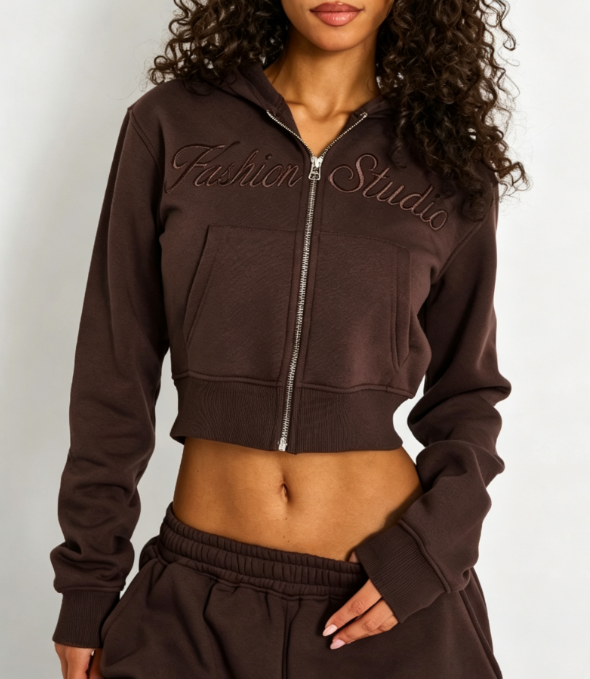
Quarter-zips work for golf, corporate uniforms, and smart-casual layering, especially in 240–320 GSM French terry or brushed fleece. Keep embroidery to chest scale or a small sleeve mark so it does not compete with the zipper opening. Half-zips read more fashion-led and suit streetwear or youth collections in transitional seasons. Specify zipper length, collar height, puller finish, and seam alignment before approving the sample.
Knits And Oversized Fits

7–12 gauge knit pullovers serve premium autumn and winter assortments, with small flat embroidery or an applique preferred over dense chest fills. Confirm yarn composition, gauge, shrinkage testing, and embroidery stabilizer during development. 10–20 cm of added body ease can create an oversized fashion fit for streetwear customers, but grading must preserve shoulder balance and sleeve proportion from XS through 3XL. Reserve larger back embroidery for heavier bases that can support its stitch density.
4. custom embroidered pullover Materials
Fabric weight and surface structure determine how a custom embroidered pullover feels, wears, and holds stitch density. Request swatches and a washed sample before approving bulk fabric, especially when fit and repeat orders matter.
| Material | Typical GSM | Hand And Warmth | Shrinkage And Embroidery | Best Use |
|---|---|---|---|---|
| Cotton jersey | 220–300 | Soft, breathable; light | Moderate shrinkage; stable with backing | Lightweight premium layers |
| Cotton-poly fleece | 300–380 | Soft, warm; durable | Lower shrinkage; highly stable | Core logo programs |
| French terry | 280–360 | Loopback, breathable warmth | Moderate shrinkage; good stability | Trans-seasonal styles |
| Brushed fleece | 320–420 | Plush, highest warmth | Low-to-moderate shrinkage; excellent stability | Cold-weather pullovers |
| Recycled blend | 280–360 | Variable hand; balanced warmth | Verify wash results; stable with backing | Sustainability-led collections |
| Knit construction | 350–500 | Textured, elevated warmth | Dimensional movement; test density | Sweater-inspired capsules |
Choose Weight By Season

280–340 GSM cotton or French terry suits spring layers and premium everyday pullovers; loopback interiors breathe better than brushed surfaces. 350–420 GSM fleece adds winter warmth but needs proportionally stable rib and seams.
Plan For Embroidery Stability

100% ring-spun cotton gives a soft, natural hand and clean logo definition, but controlled shrinkage testing is essential. A cutaway backing and properly hooped stabilizer reduce tunneling on fleece, terry, and stretch-prone recycled blends.
Match Fabric To Positioning
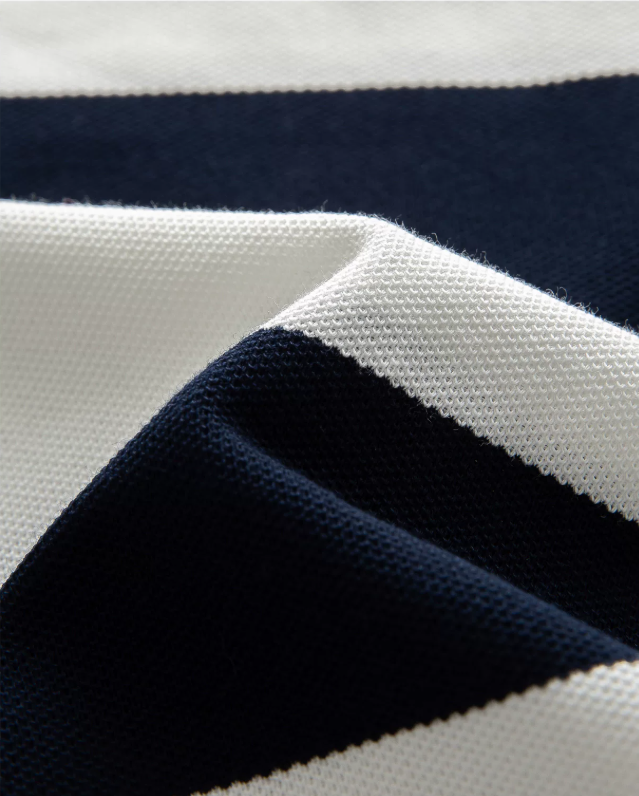
Recycled cotton-poly blends can support value-conscious or sustainability-led programs, but fiber content and certification documentation should be confirmed with the mill. Knit constructions create a more elevated sweater profile, while fleece remains the practical choice for relaxed casualwear.
5. custom embroidered pullover Decoration Options
At a 100-unit launch quantity, decoration choice can determine both sample approval speed and margin. For a custom embroidered pullover, match artwork complexity, fabric weight, and expected wash cycle before selecting the process.
| Option | Best Artwork | Cost | Production Reliability |
|---|---|---|---|
| Flat embroidery | Detailed logos, moderate fills | Medium | High with correct backing |
| 3D puff | Bold letters, simple shapes | Medium-high | Moderate |
| Appliqué or chenille | Large varsity graphics | High | Moderate |
| Screen print or DTF | Large multicolor graphics | Low-medium | High after wash test |
Embroidery Construction

7,000–12,000 stitches suits most chest logos; higher density can pucker lightweight fleece or distort fine lettering. Use cut-away backing for stable knit fleece and tear-away backing only where a softer interior is required. 40-weight polyester thread gives reliable color retention and wash performance, while rayon offers sheen but needs more careful laundering. Keep small text above roughly 4 mm tall and avoid dense fills near seams, pockets, or rib joins.
High-Impact Options

3D puff embroidery produces raised, bold shapes with foam beneath the stitches; it is strongest for simple block lettering and outlined logos. It costs more than flat embroidery and is less dependable on tiny detail, gradients, or highly flexible areas. Appliqué and chenille add texture and collegiate scale, but their layered edges require secure stitching and wash testing. Embroidered patches are commercially useful when one base garment serves several logos, colors, or markets.
- 3D puff: bold logos and limited detail
- Appliqué: large shapes with fabric contrast
- Chenille: varsity texture and higher labor
- Patches: flexible branding across programs
Labels And Print Pairings

25–50 mm woven labels carry sharp type and small brand marks more efficiently than embroidery. Sew them into necks, side seams, or hems after confirming placement will not irritate the wearer. 1-color screen print can handle large artwork economically, while DTF or heat transfer suits multicolor short runs. Combine print for broad graphics with embroidery for a premium focal logo, then approve a wash-tested production sample.
6. Construction Quality Buyers Should Check
Construction quality is set during sample approval, not after bulk packing. For a custom embroidered pullover, buyers should record measurable tolerances, wash results, and decoration standards on the signed pre-production sample.
Rib Recovery And Shape

2×2 rib with elastane generally recovers better than all-cotton rib at collars, cuffs, and hems. Stretch each rib edge repeatedly, then confirm it returns flat without waviness, twisting, or a permanently widened opening. 5% to 8% elastane is a common starting range for recovery, subject to fabric weight and hand feel. Check shoulder seams sit evenly and that both sleeves hang symmetrically on a dressed form.
- Compare left and right cuff opening widths
- Check collar seam for puckering
- Measure hem recovery after stretching
Seams And Fabric Control
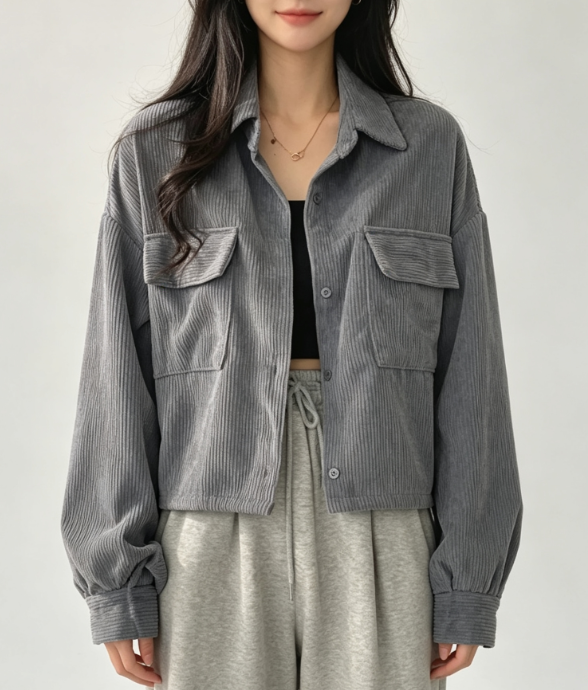
3.0 to 3.5 stitches per centimeter is a practical benchmark for many knit seams; the correct setting still depends on fabric thickness. Inspect overlock seams for skipped stitches, raw yarn tails, seam grin, and consistent seam allowance. 10% fabric-weight variation within a received lot can change drape and color perception. Approve a fabric swatch or cut panel against the target GSM and retain it as the bulk reference.
- Reinforce high-stress shoulder and pocket joins
- Check flatlock seams for even coverage
- Compare panels under consistent lighting
Embroidery And Wash Approval

1 pre-production sample should be washed before bulk release, using the intended care method. Inspect embroidery backing for stability, clean thread trimming, no needle damage, and no distortion around the stitched area. 2 to 3 wash cycles reveal whether ribs lose recovery, seams torque, measurements shift, or embroidery puckers. Record post-wash measurements by size and agree allowable tolerances before production.
- Inspect inside backing edge comfort
- Check logo position from fixed landmarks
- Photograph approved front, back, and inside views
7. How to Choose a Manufacturer
A capable OEM partner reduces costly revisions before a 100-unit launch and protects consistency as wholesale demand grows. Evaluate operating evidence, not attractive sample photos, before committing deposits or production dates.
Verify Product Experience

Ask for recent pullover examples matching your fabric weight, fit, embroidery placement, and target market. Request front, back, and inside photos plus measurement specs and wash-test results. 100-unit programs need a supplier that can grade XS–3XL or extended sizes without simply scaling one base pattern. Confirm their pattern team can revise shoulder balance, sleeve length, and body proportions.
- Request comparable production samples
- Check graded measurement charts
- Review post-wash appearance
Test Sampling And Embroidery
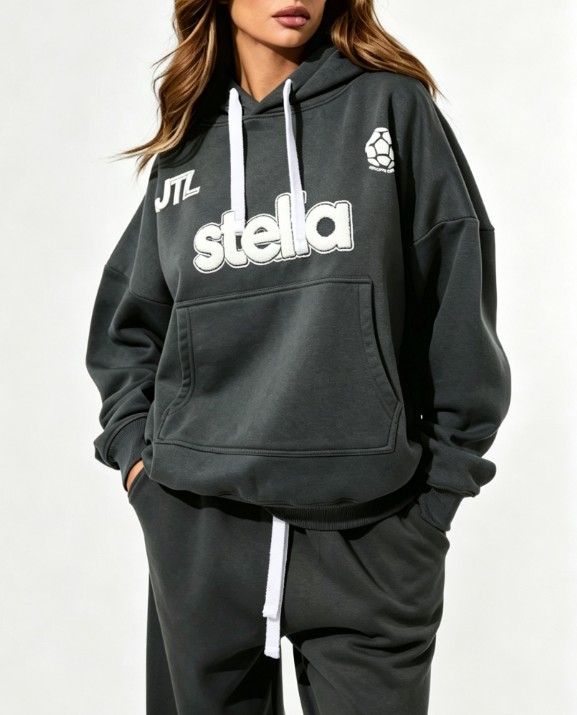
1 approved pre-production sample should define fabric, Pantone thread colors, stitch density, backing, placement, and tolerances. Ask whether embroidery is managed in-house and request a sew-out before sampling. 6–12 week development-to-bulk timelines are common, but timing depends on fabric availability and revision rounds. Confirm sample fees, revision limits, approval checkpoints, and bulk lead time in writing.
- Ask for embroidery sew-outs
- Approve placement dimensions
- Confirm sample-to-bulk consistency
Audit Controls And Capacity
3 inspection stages—incoming materials, in-line work, and final packed goods—give buyers clearer control than a final-only check. Request QC checklists, defect photos, measurement reports, and relevant compliance certificates. 80,000 units of monthly capacity means little without confirmed line allocation for your delivery window. Ask who owns quality decisions, how defects are reworked, and what documentation accompanies shipment.
- Request QC report templates
- Verify compliance documentation
- Confirm production-line allocation
Confirm Materials And Delivery

180–360 GSM fleece or French terry may suit different pullover positions, so request swatches, composition records, and shrinkage results before bulk fabric approval. Ask whether trims, labels, and packaging are sourced against approved references. 2 shipping options—air for urgency and sea for freight efficiency—require different production cutoffs and paperwork. Confirm Incoterms, carton specifications, export documents, destination support, and the named communication contact.
- Approve fabric swatches
- Set Incoterms before payment
- Request carton and export details
8. Common Buyer Mistakes to Avoid
At a 100-unit launch scale, small approval shortcuts can create costly rework across every custom embroidered pullover. Lock technical decisions before bulk booking, because corrections after production begins affect cost, timing, and consistency.
Artwork And Stitch Limits

Artwork below 5 mm often loses lettering, counters, and fine outlines once converted to stitches. Supply vector art, simplify small details, and approve a sewn strike-off at actual size. 3D puff, chain stitch, and dense fills each need different underlay, spacing, and stitch direction. Ask the digitizer to flag unsupported effects before approving the design.
Test Fabric Before Committing

280–400 GSM fleece, French terry, and brushed fabrics can react differently to the same embroidery density. Test the selected backing, needle, and stabilizer on the final fabric, not only a swatch. 3–8% cotton shrinkage can shift chest placement and finished measurements after laundering. Set wash testing and post-wash tolerances before bulk cutting.
Specify Fit And Costs
XS–3XL grading cannot be assumed from a single medium sample. Provide a measurement spec, grade rules, fit intent, and tolerance chart before pattern approval. A vague quote can omit digitizing, backing, labels, packaging, wash testing, or freight terms. Request line-item pricing by fabric, decoration, trims, packaging, quantity, and Incoterm.
Control Samples And Delivery

One approved golden sample should define fabric shade, stitch appearance, measurements, labels, and packing for bulk inspection. Keep it dated and reference it in the purchase order. 2–4 weeks of sampling plus bulk production, finishing, inspection, and export booking require a realistic launch buffer. Confirm carton markings, folding method, polybags, hang tags, and shipping deadline before production.
9. Launching Your Pullover Collection
A 100-unit-per-style-and-color starting point lets a new label validate a custom embroidered pullover without committing to a broad first drop. Freeze each decision gate before the next supplier activity begins, because late artwork or fit changes disrupt the booking plan.
Position The First Drop
Two customer decisions come first: intended wearer and retail price band. Convert them into a moodboard with three reference garments, target colors, silhouette notes, and competitive price checks. One product owner should approve the moodboard before development starts. Limit a debut capsule to one core fit and two or three colorways so sales feedback remains actionable.
Build Production-Ready Files

One tech pack should define measurements, tolerance, construction, rib specifications, Pantone colors, label positions, and packing method. Supply embroidery as vector artwork with placement dimensions, thread colors, and approved backing requirements. Two approvals are essential before sampling: the technical specification and decoration proof. The brand owns creative sign-off; the manufacturer should flag manufacturability, stitch-density, and fabric risks.
Approve Fabric And Fit

280-360 GSM French terry suits many transseasonal pullovers, while 320-420 GSM brushed fleece provides a warmer, heavier hand. Review swatches for shrinkage, pilling, colorfastness, and embroidery stability before bulk fabric is reserved. One prototype exposes pattern and workmanship issues; a size set confirms grading from XS through 3XL where applicable. Record every revision in a dated comment sheet, then approve sealed fit and pre-production samples.
Book, Inspect, And Launch
Four production gates should be scheduled: bulk-material approval, pre-production sample, in-line inspection, and final packed-goods inspection. Book capacity only after fit, artwork, colors, and bill of materials are locked. Two launch tracks should run in parallel during production: product photography and channel readiness. Confirm polybags, hang tags, carton marks, SKU data, shipping cutoff, and retailer delivery windows before final balance and dispatch.
- Assign one brand contact for all approvals.
- Use measurement tolerances on inspection sheets.
- Keep approved samples and material records for repeat orders.
10. custom embroidered pullover Pricing and Cost
100 units per style and color is JUNSHEEN’s practical starting point for a capsule custom embroidered pullover program; quote accuracy improves when the tech pack specifies fabric composition, GSM, Pantone colors, embroidery placement, stitch count, labels, packaging, and destination. A sample is the right stage to approve hand feel, shrinkage, embroidery registration, and fit before bulk materials are committed. 280–360 GSM French terry or fleece commonly changes both garment cost and freight weight, while dense 3D/puff embroidery, appliqué, multiple placements, YKK hardware, custom drawcords, and individual polybags add labor or components. Landed cost should combine ex-factory price, sample or digitizing charges, inspection, cartons, duties, and the selected air, express, or sea freight route.
| Quantity tier | Unit-price driver | Sample or setup cost | Indicative production lead time |
|---|---|---|---|
| 100–299 units | Highest cutting, sourcing, and embroidery allocation per unit | Prototype plus embroidery digitizing; confirm before bulk | Approximately 25–35 days after approvals |
| 300–999 units | Fabric and decoration efficiency improves unit economics | Digitizing usually remains one-time per approved artwork | Approximately 25–35 days after approvals |
| 1,000–2,999 units | Bulk fabric booking and consolidated trims reduce allocation | Additional samples only for material, color, or fit changes | Approximately 30–40 days after approvals |
| 3,000+ units | Best leverage for fabric, trims, packaging, and production planning | Setup spreads across more units; new artwork still needs digitizing | Approximately 35–45 days after approvals |
Start Your Custom Embroidered Pullover Sample or Quote
Send your tech pack, sketch, reference garment or sourcing brief for fit-focused development, 100-unit MOQ production and a clear OEM quote.