
Heavyweight T Shirt Manufacturer for Custom Private Label
JUNSHEEN is a heavyweight t shirt manufacturer offering 100-unit MOQs and fit-focused XS–3XL development for global brands.
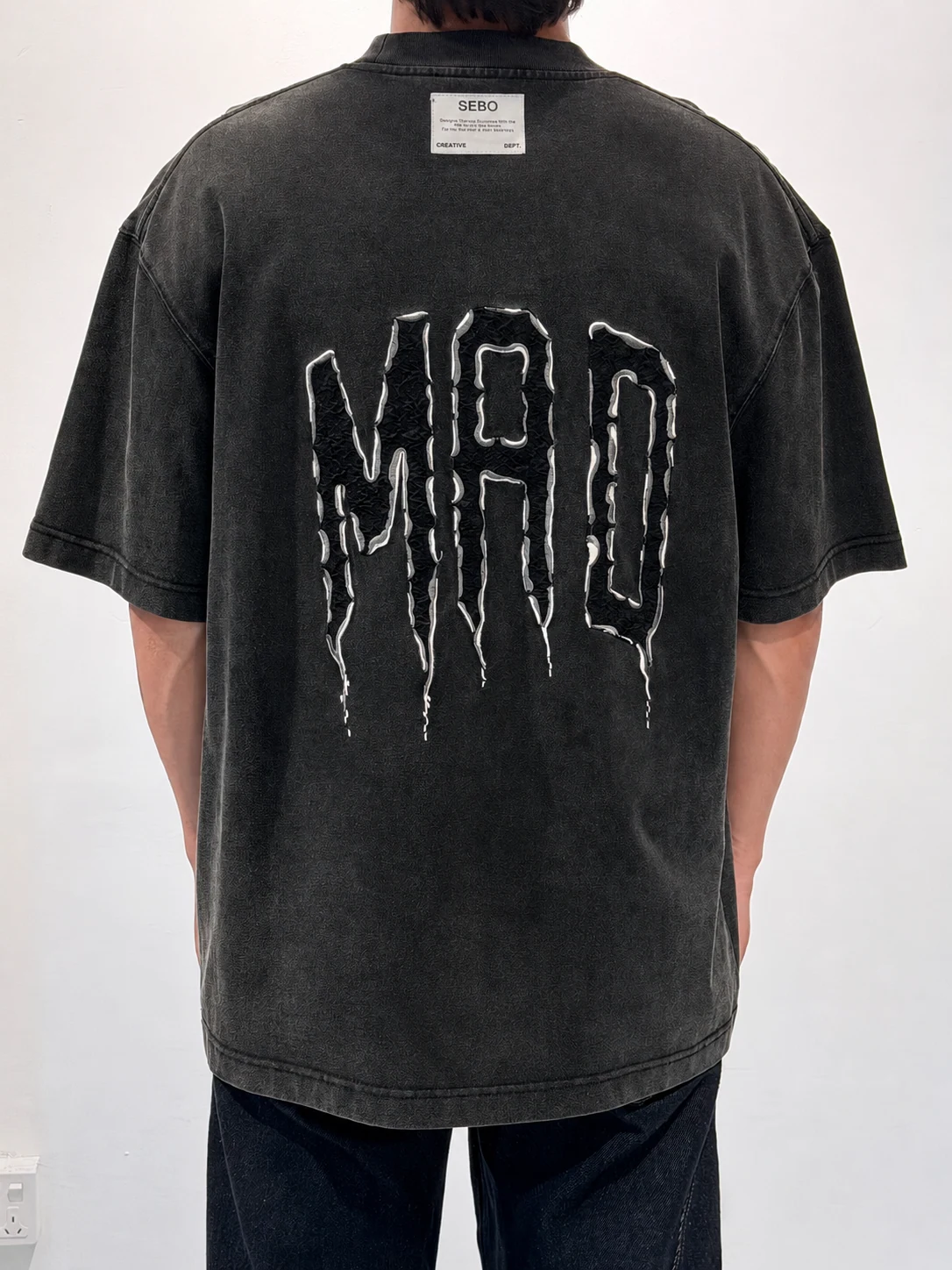
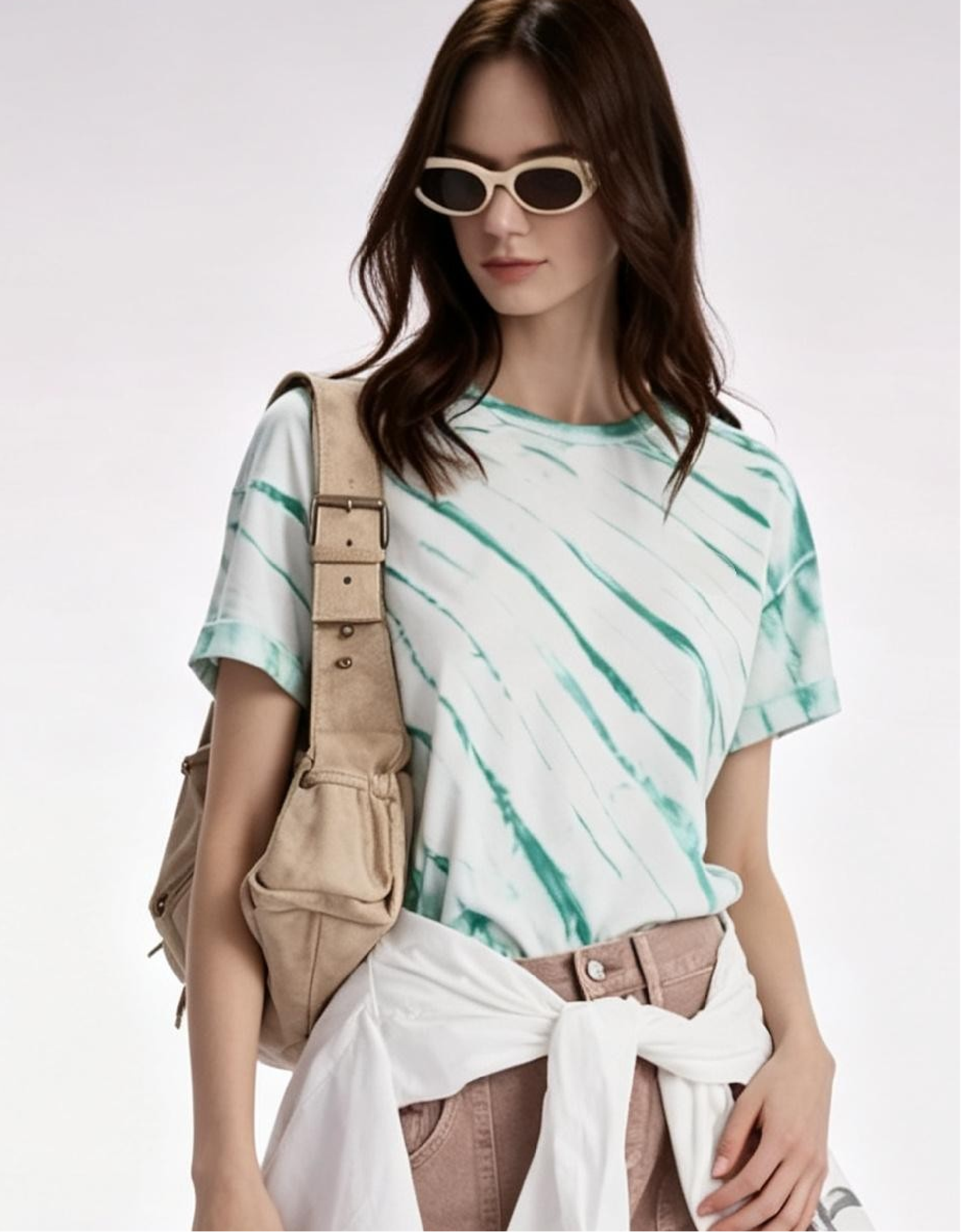
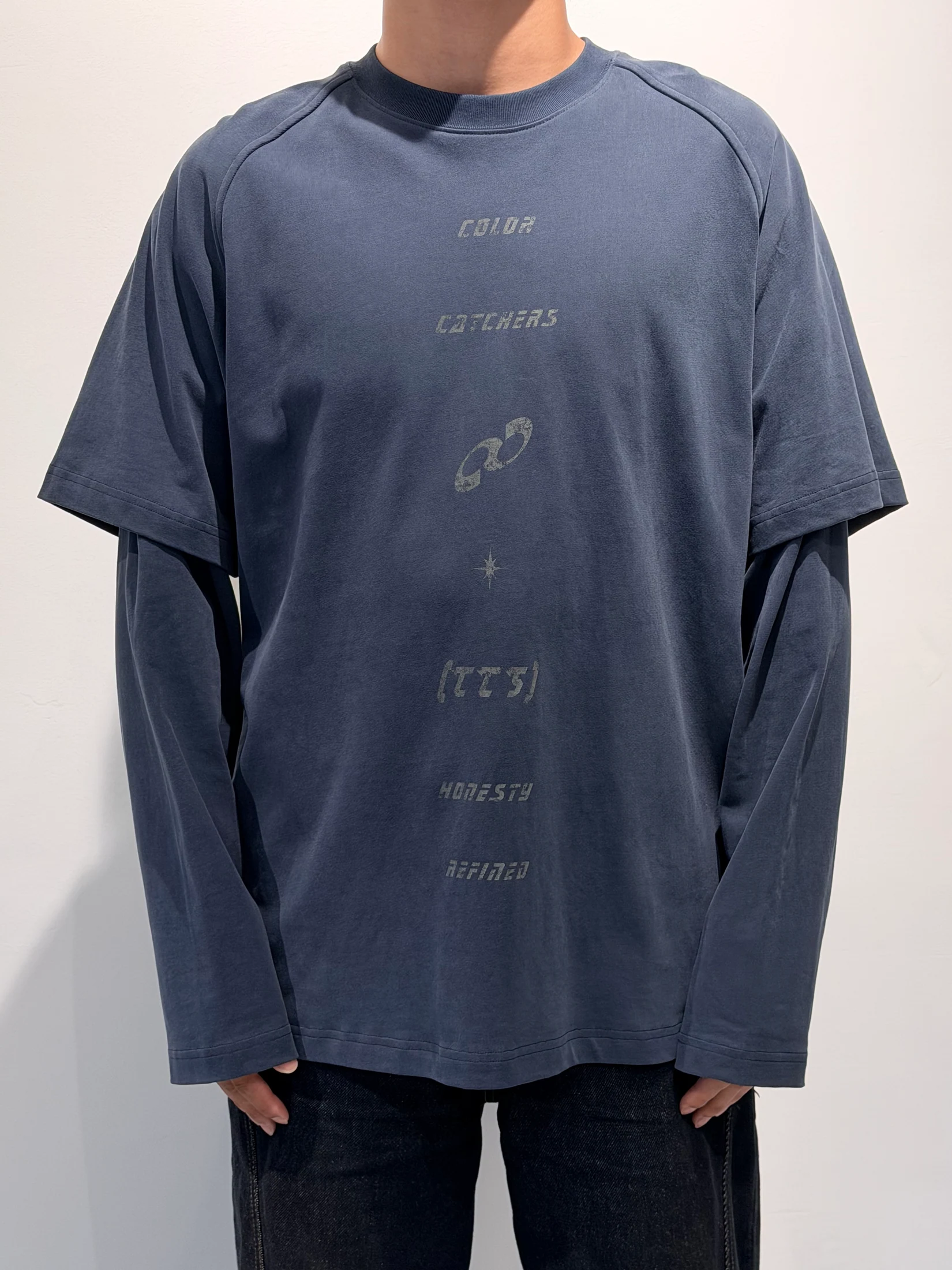
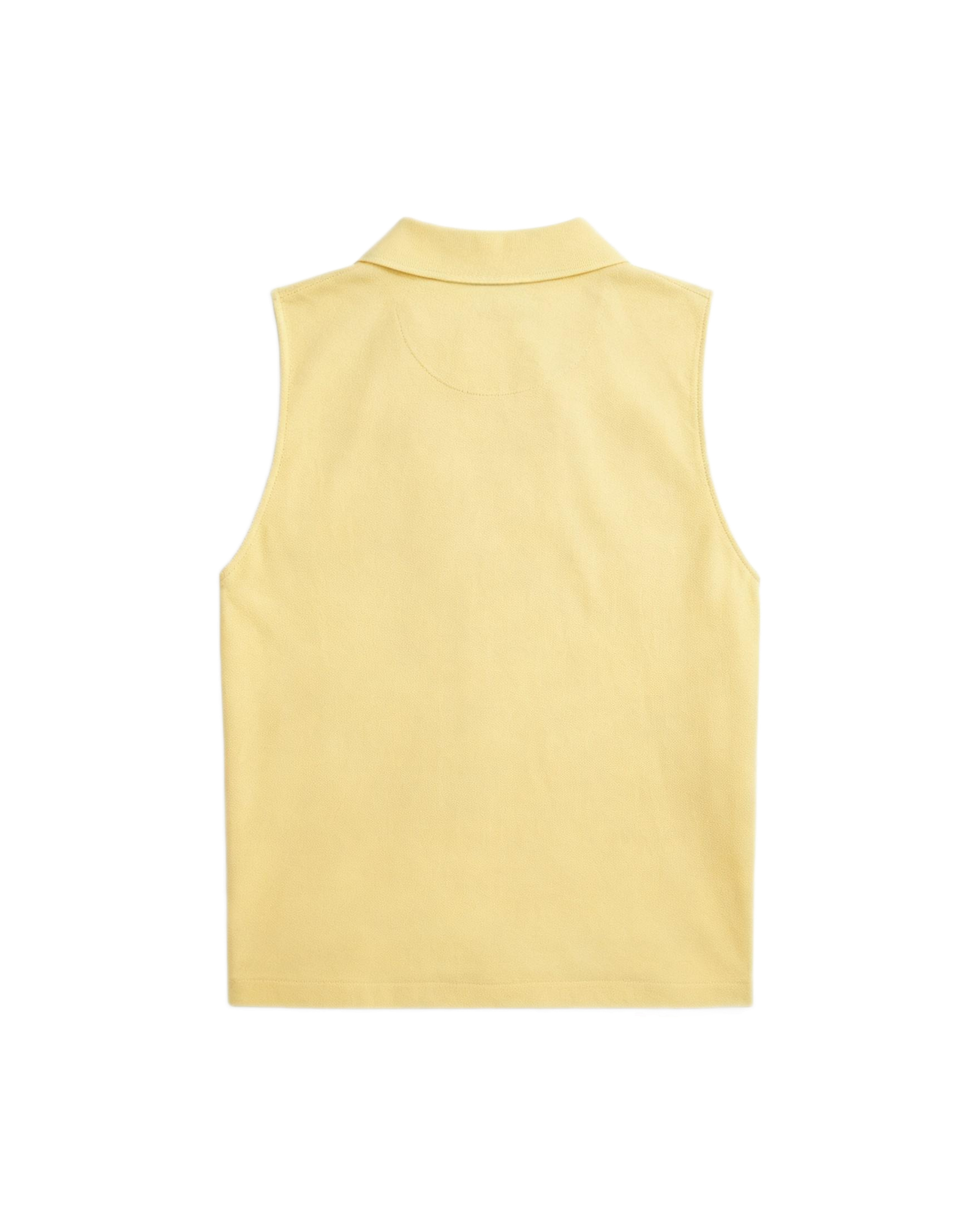
Featured Products for heavyweight t shirt manufacturer Development






Related Product Catalogue and Quotation





Why Choose Our Heavyweight T Shirt Manufacturer
JUNSHEEN combines low-MOQ development, fit-led patterns, integrated finishing and export-ready production for heavyweight tee programs that can grow with your brand.
100-Unit MOQ
Launch a capsule or test new colors from 100 units per style and color without sacrificing professional manufacturing support.
Fit-Focused Size Grading
Patterns are refined from XS to 3XL, including oversized and extended sizes, for balanced proportions, comfort and repeatable fits.
Integrated Decoration
Add screen printing, embroidery, puff effects, washes, labels, trims and branded packaging through one coordinated production partner.
Scalable Factory Capacity
More than 200 skilled workers and monthly capacity above 80,000 units support dependable sampling, repeat orders and bulk growth.
Global Export Support
From approvals through final packing and shipment coordination, our team helps worldwide brands move production-ready heavyweight tees with clarity.
Heavyweight T-Shirt and Casualwear OEM
From heavyweight tees to denim and knitwear, Junsheen develops fit-focused private-label apparel from 100 units per style and color.

Custom Hoodies
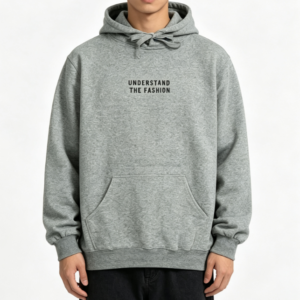
Custom hoodies developed in fleece or French terry, with adjustable garment weight, rib specifications, hood construction, pockets, embroidery, printing, washes, labels and branded packaging. Pattern grading supports standard, oversized and extended-size fits from XS to 3XL.
Request a Quote
Custom T-Shirts
Custom T-shirts produced in heavyweight cotton, combed jersey, Pima cotton and blended fabrics. Junsheen supports neck rib selection, fabric weight, fit blocks, oversized proportions, screen printing, embroidery, garment dye and private-label trims for production-ready custom tshirt programs.
Request a Quote
Custom Jeans
Custom jeans manufactured in rigid, stretch and washed denim with support for fit development, rises, leg shapes, pocket details, hardware, washes and branded labels. Pattern makers refine grading and proportions across XS–3XL before bulk production.
Request a Quote
Custom Sweaters
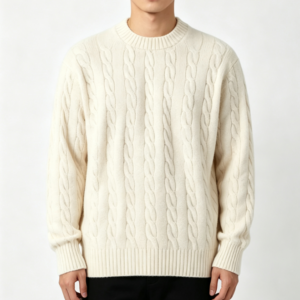
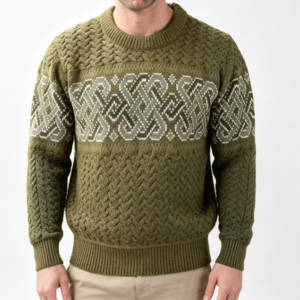
Turtleneck sweater bulk programs developed in knit constructions suited to your target hand feel, warmth and price point. Junsheen supports yarn selection, neck shape, gauge, rib finishes, size grading, labels and pre-production samples for wholesale or private-label orders.
Request a Quote
Custom Jackets
Custom jean jacket production covers denim weight, collar and sleeve construction, pocket layouts, metal hardware, washes, distressing and logo applications. Development begins from a tech pack, reference garment or design concept, with sampling before bulk approval.
Request a Quote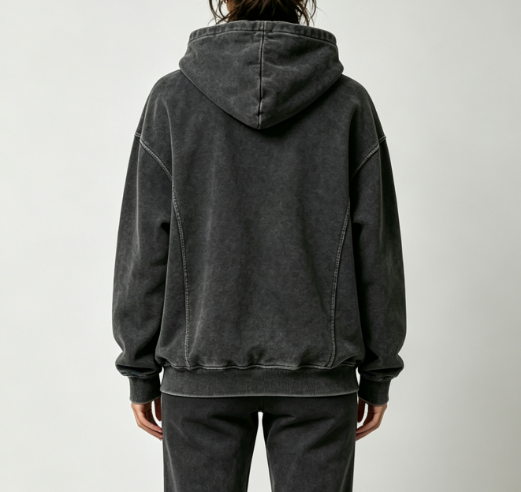
Custom Sweatshirts & Crewnecks
Custom crewneck hoodie and sweatshirt programs built in fleece or French terry for standard, relaxed or oversized fits. Specify fabric weight, neck and cuff ribs, seam details, printing, embroidery, washes and private-label components from low-MOQ sampling through repeat bulk orders.
Request a Quote
Custom Cardigans
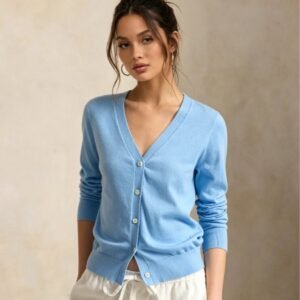
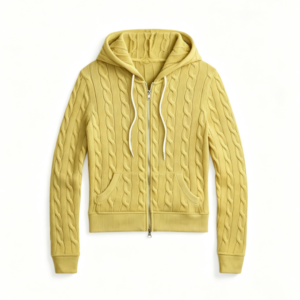
Custom cardigans developed in sweater knits with selected yarn blends, gauges, button or zipper closures, rib details and branded trims. Junsheen supports fit refinement and graded size sets to help maintain proportion across regular and extended sizes.
Request a Quote
Custom Puffer & Down Jackets
Custom puffer jacket production includes shell fabric, insulation, quilting layout, lining, zippers, snaps, pockets, reflective details and labels. The team reviews construction and material choices for warmth, mobility, target cost and reliable bulk consistency.
Request a Quote
Custom Denim Shorts
Custom jean shorts produced in rigid or stretch denim with specified inseams, rises, hem treatments, pocket details, washes and hardware. Fit development and grading help maintain seat, thigh and leg-opening balance across the approved size range.
Request a Quote
Custom Sweater Dresses
Custom sweater dresses developed in appropriate knit gauges and yarn blends, with control over silhouette, neckline, length, rib placement and stretch recovery. Junsheen prepares samples and graded specifications for private-label collections from XS through 3XL.
Request a Quote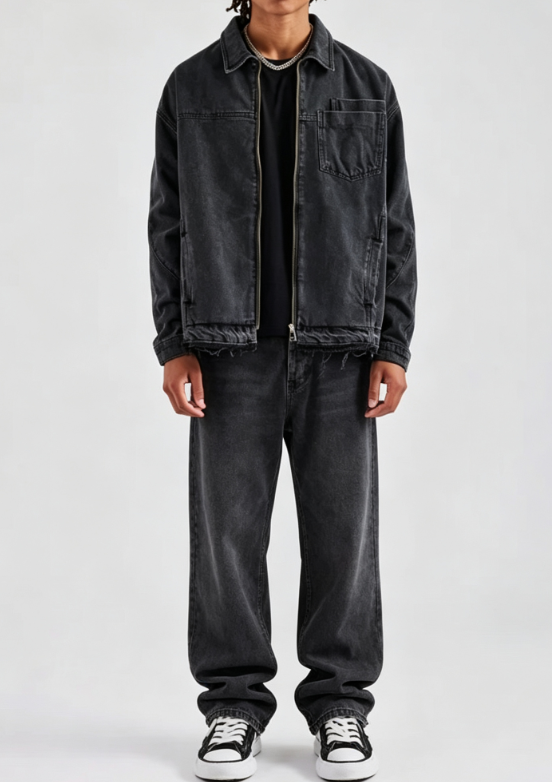
Custom Denim Sets
Mens denim suits wholesale programs combine coordinated denim jackets and bottoms with consistent fabric, wash, hardware and branding details. Junsheen can develop matching fit blocks, size sets and repeatable production records for ongoing wholesale supply.
Request a Quote
Custom Polo Shirts
Custom polo shirts manufactured in cotton pique, jersey or performance knits with specified collar construction, plackets, buttons, embroidery and trim details. Fit, sleeve length and body proportions can be developed for standard, oversized and extended-size assortments.
Request a Quote
Custom Sweatpants
Custom sweatpants built in fleece, French terry or performance knits, with control over rise, leg shape, cuffs, waistband, drawcords, pockets and decoration. Pattern grading supports cohesive fit across XS–3XL and matching set production.
Request a Quote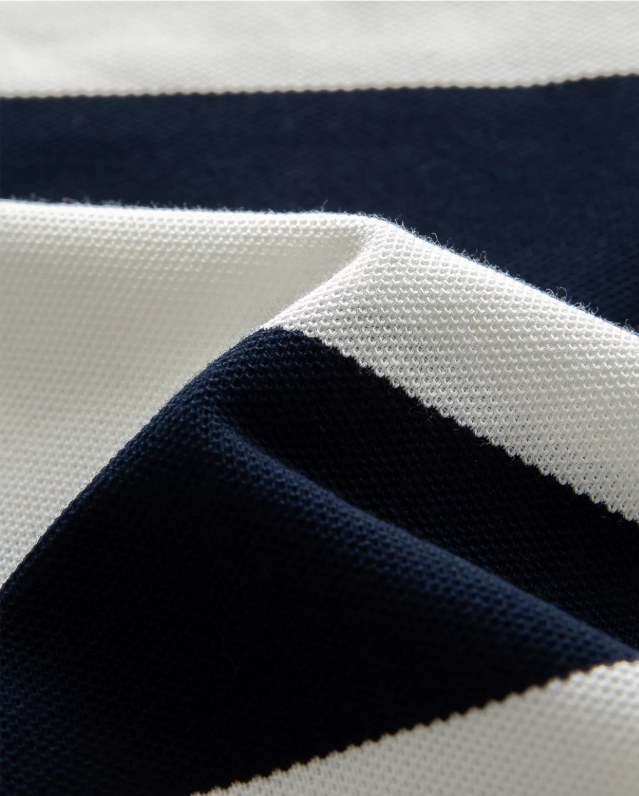
Custom Shorts
Custom shorts developed in jersey, fleece, twill, denim or woven fabrics for casual, athletic or coordinated-set programs. Junsheen supports inseam selection, waistband construction, pockets, prints, embroidery, washes and branded finishing from sampling to bulk.
Request a Quote
Custom Pullovers
Custom pullovers produced in knit, fleece, French terry or jersey constructions, depending on the intended season and hand feel. Define neckline, fit, rib details, fabric weight, decoration and labels while Junsheen manages sampling, grading and bulk quality control.
Request a QuoteHeavyweight T-Shirt Materials for Custom Production

Heavyweight Cotton Jersey
A dense, substantial jersey for premium blank tees, streetwear staples and structured oversized silhouettes. Available in elevated GSM ranges, it offers a dry hand feel, dependable opacity and shape retention after repeated washing.

Combed Cotton Jersey
Combed cotton removes shorter fibers for a smoother, cleaner surface than standard cotton. Ideal for refined heavyweight T-shirts, it delivers a soft hand feel, reduced surface fuzz and reliable print definition.

Pima Cotton Jersey
Pima cotton uses longer staple fibers to create an exceptionally smooth, soft and durable knit. It suits elevated retail tees where a luxurious hand feel, color clarity and resilient wash performance matter.

Organic Cotton Jersey
Organic cotton jersey supports heavyweight T-shirt collections with a natural, comfortable hand and responsible material story. Fabric weight can be developed for relaxed or structured fits while maintaining breathable everyday wear.

Cotton Performance Blends
Cotton blended with polyester, elastane or other fibers can improve recovery, durability and drying performance. A practical option for heavyweight tees requiring controlled stretch, reduced shrinkage or more demanding daily wear.

Recycled Fiber Blends
Recycled cotton and recycled polyester blends help brands develop lower-impact heavyweight T-shirts without sacrificing practicality. Material ratios can be tailored for target weight, hand feel, durability and consistent bulk-production performance.
Heavyweight T Shirt Manufacturer Decoration and Finishing Options

Logo Embroidery
Flat, 3D puff, chain-stitch and applique embroidery create tactile, premium branding on heavyweight tees. Stabilized placement and thread selection help preserve clean edges, dimensional detail and reliable wear through repeat laundering.

Screen Printing
Plastisol, water-based, puff, silicone, high-density, foil and discharge screen prints deliver bold artwork with excellent opacity. Junsheen matches ink systems to heavyweight cotton, artwork detail and desired hand feel for durable results.

DTF and DTG
DTF and DTG printing support detailed, multicolor graphics, short-run artwork and photographic effects. The right method is selected for fabric composition, color and placement to achieve sharp definition, flexible wear and consistent production output.

Dye Sublimation
Dye sublimation produces vivid, all-over color and detailed graphics with a smooth, no-hand finish on compatible polyester-rich performance fabrics. It is ideal for heavyweight-inspired athletic and technical tee programs requiring lasting visual clarity.

Garment Dyeing
Garment dyeing gives heavyweight cotton tees saturated, lived-in color after construction. Junsheen can develop pigment, reactive and tonal treatments while controlling shrinkage, seam appearance and shade consistency through sampling and bulk approval.

Wash Finishes
Enzyme, acid, stone, softening, anti-pilling, brushing and napping finishes add softness, vintage character or surface texture. Test samples help define the intended fade, hand feel and durability before scaling a finished heavyweight T-shirt program.
Private-Label Accessories From Your Heavyweight T Shirt Manufacturer

Woven Brand Labels
Add custom woven main labels at the neck or side seam to establish a polished private-label identity. JUNSHEEN matches dimensions, fold style, colors, and placement to your heavyweight T-shirt construction.

Care Size Labels
Custom wash-care and size labels provide clear fiber, care, origin, and sizing information for your target market. They can be printed or woven and positioned for comfort inside heavyweight T-shirts.

Branded Hang Tags
Create custom hang tags for retail-ready storytelling, product details, barcodes, and price information. Choose stock, shape, finish, string, and attachment method to complement your brand’s heavyweight tee collection.

Drawcords and Tipping
For coordinated hoodies, sweatpants, and layered casualwear programs, select branded drawcords with custom colors, aglets, and tipping. These details help maintain a consistent private-label look across your collection.

Snaps and Zippers
Specify custom snap buttons or zippers for heavyweight overshirts, jackets, and hybrid styles. Options include branded pullers, finishes, colors, and hardware sizing selected for function, durability, and visual consistency.
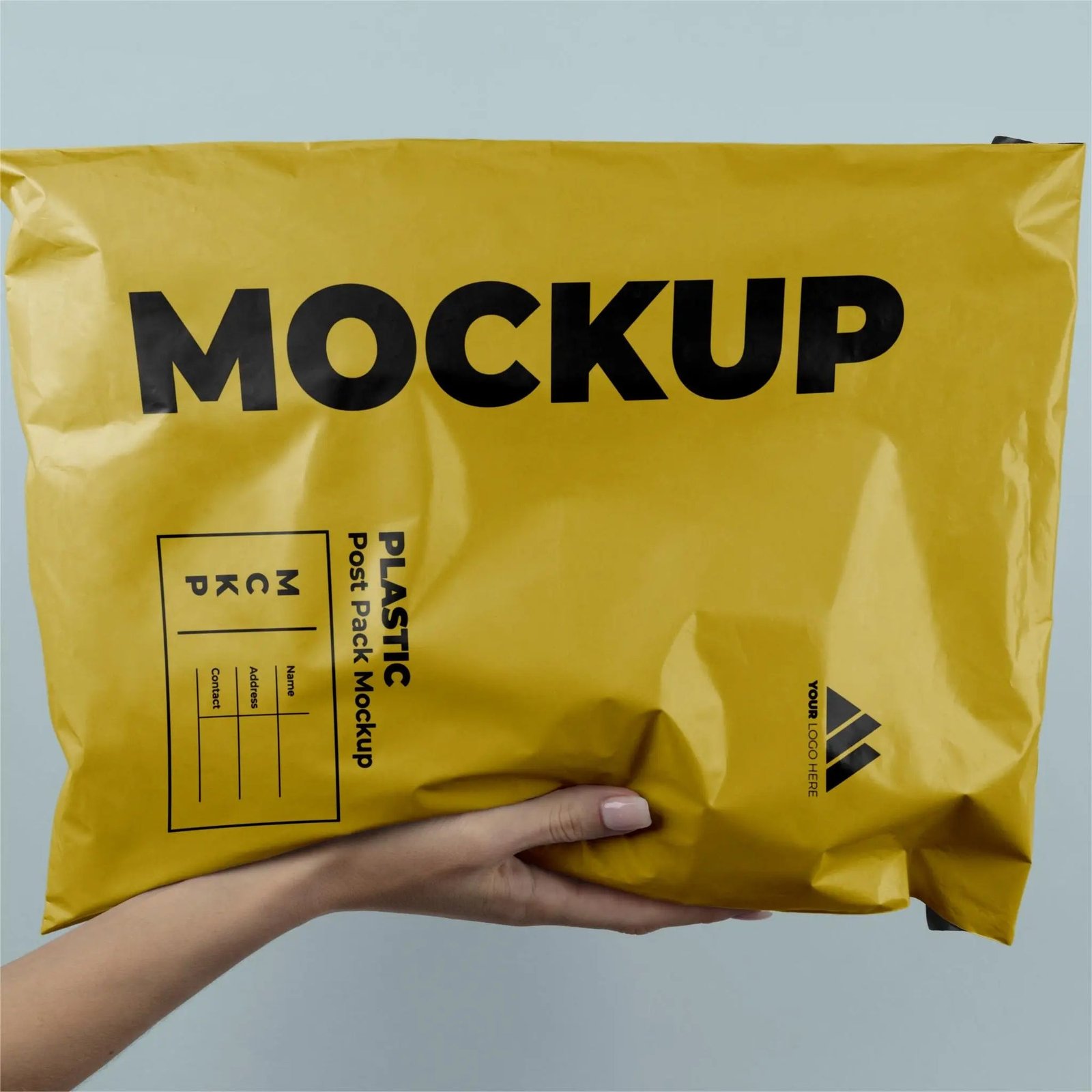
Branded Packaging
Finish orders with custom polybags, tissue paper, cartons, stickers, and packing inserts. JUNSHEEN coordinates packaging specifications to protect garments during export while supporting a cohesive unboxing and wholesale presentation.
About Our Heavyweight T Shirt Manufacturer
Founded in 2010 in Humen Town, Dongguan, JUNSHEEN is a heavyweight t shirt manufacturer built for brands that need dependable OEM, ODM and private-label production. We turn approved tech packs, references and early concepts into production-ready tees with clear specifications, practical material guidance and responsive development support.
Our 200+ skilled workers and monthly capacity of more than 80,000 units support both 100-unit capsule orders and scalable repeat programs. From heavyweight jersey sourcing and cut-and-sew construction to printing, embroidery, washing, labels, packaging and export coordination, our team manages the production chain in one place.
What distinguishes JUNSHEEN is a fit-first approach. We develop heavyweight T-shirts from XS through 3XL, including extended-size, plus-size and oversized fits, refining proportions and grading rather than simply enlarging a base pattern. That technical care helps global fashion brands achieve a more consistent fit from sample approval through bulk delivery.

Heavyweight T Shirt Manufacturer Capabilities in Depth
Fit and Grading Precision
As a heavyweight t shirt manufacturer, JUNSHEEN develops balanced XS–3XL, extended-size and oversized fits rather than simply enlarging one base pattern. Our pattern team refines shoulders, body length, sleeves and grading increments to help reduce sample revisions and improve consistency across your size range.
- Fit-focused patterns from XS to 3XL
- Oversized, plus-size and standard silhouettes
- Size sets reviewed before bulk approval
- Patterns retained for repeat-order consistency
Fabric Sourcing With Purpose
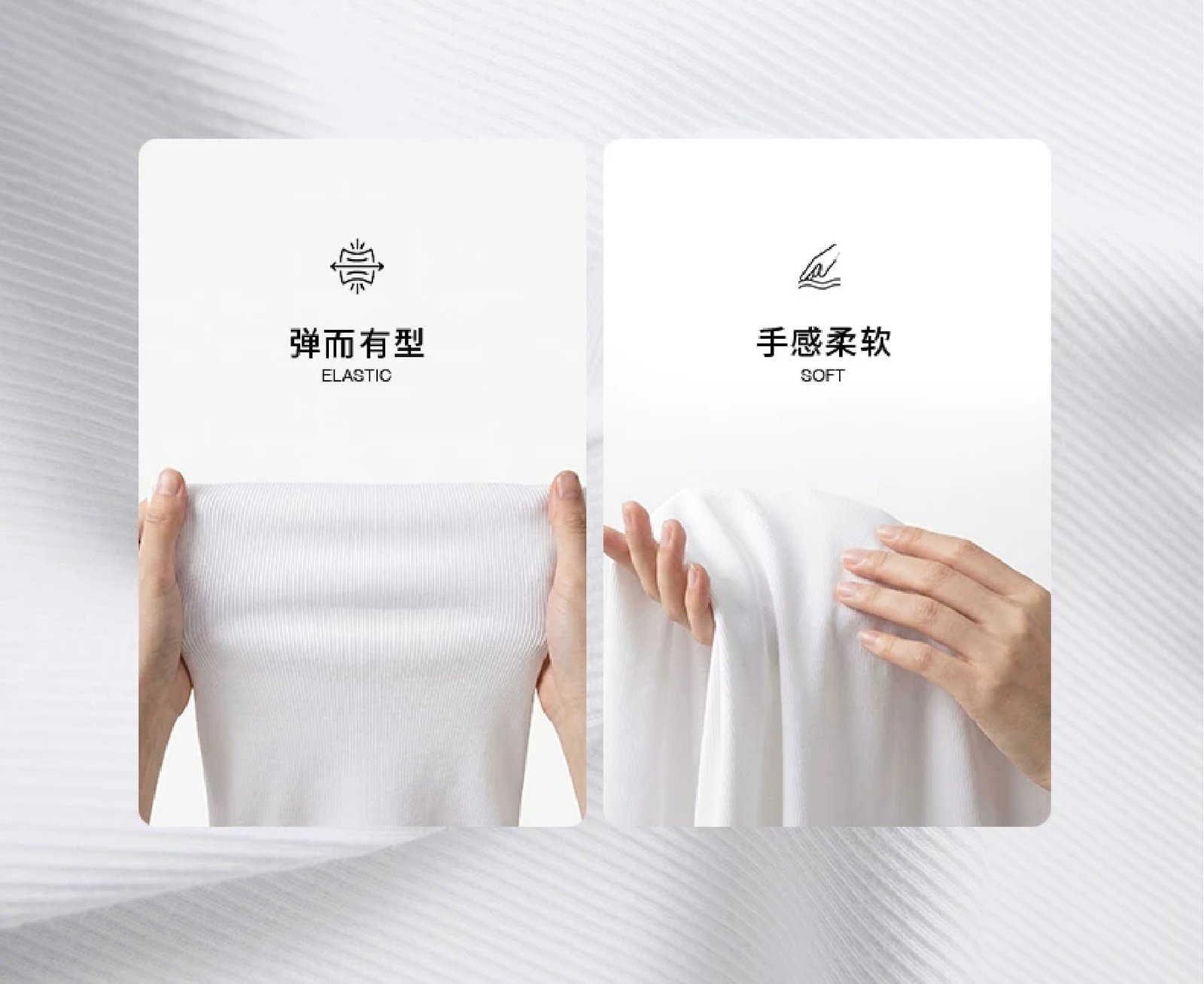
Choose heavyweight jersey with the weight, hand feel and wash performance your collection requires. JUNSHEEN sources cotton, Pima cotton, organic cotton, combed jersey and performance blends, then advises on GSM, shrinkage, drape, durability and target cost before bulk material confirmation.
- Cotton, Pima cotton and organic options
- GSM and hand-feel guidance
- Swatches and sample garments available
- Fabric selected for wash durability

In-House Decoration and Finishing
Build a recognizable heavyweight tee through coordinated decoration, wash and private-label details. Our in-house capabilities include screen printing, puff and high-density effects, embroidery, garment dye, acid wash, softening, labels, hang tags and branded packaging—managed within one production workflow.
- Screen print, DTF, DTG and embroidery
- Puff, silicone and high-density effects
- Garment dye, enzyme and acid washes
- Custom labels, trims and packaging

Scalable Quality-Controlled Production
From a 100-unit capsule to recurring bulk programs, JUNSHEEN combines 200+ skilled workers with 80,000+ monthly units of capacity. Incoming fabrics, in-line construction, measurements, decoration and final packed goods are inspected to keep heavyweight T-shirt production dependable as your volume grows.
- MOQ from 100 units per style/color
- 80,000+ units of monthly capacity
- In-line and final inspection checkpoints
- Global export and repeat-order support

Why Brands Choose Our Heavyweight T Shirt Manufacturer
Built for fit control, low-MOQ launches, repeatable production, and export-ready support.
← 左右滑动查看 →
Our Heavyweight T-Shirt Production Process
A fit-focused workflow for heavyweight tees, from feasibility review to packed goods ready for global export.
Review Design Feasibility
We review your tech pack, reference, measurements, target weight, decoration requirements, quantity, and budget to confirm a production-ready direction before development begins.
Source Fabrics and Trims
Our team recommends heavyweight jersey, ribbing, labels, and trims based on hand feel, GSM, shrinkage, durability, wash performance, and your target cost.
Develop Patterns and Samples
Pattern makers build and grade fit-focused XS–3XL patterns, then produce prototype samples for measurement, construction, fabric, and silhouette approval before bulk production.
Cut, Sew and Decorate
Approved materials move into cutting and sewing, followed by in-house screen printing, embroidery, washing, finishing, labels, and private-label details as specified.
Inspect, Pack and Ship
We inspect fabric, construction, measurements, decoration, and packed goods, then complete branded packaging and coordinate export-ready shipping for your global destination.
Work With Our Heavyweight T Shirt Manufacturer
Move from a tech pack, sketch, or reference garment to approved samples, controlled bulk production, and export-ready delivery.
Send Your Product Brief
Share your tech pack, sketch, reference garment, target fabric weight, sizing requirements, decoration details, and quantity. Our team reviews feasibility for OEM, ODM, or private-label development.
Confirm Specifications and Quotation
Align fabric, fit, colors, labels, packaging, and delivery requirements. We provide a clear quotation based on your approved specifications, beginning at 100 units per style and color.
Approve Your Production Sample
Receive a prototype for fit, construction, hand feel, print or embroidery review. Pattern makers refine XS–3XL grading, oversized proportions, and measurements before bulk approval.
Monitor Bulk Production
JUNSHEEN manages material preparation, cutting, sewing, decoration, finishing, and in-line inspections. Our 200+ skilled workers support consistent quality as your heavyweight tee order scales.
Receive Export-Ready Goods
Final inspections verify measurements, workmanship, decoration, and packed quantities. We complete branded packaging and coordinate global shipment so your products arrive ready for retail or fulfillment.
Custom Clothing Manufacturer Credentials and Compliance Documents




What Fashion Brand Clients Say About Our Heavyweight T Shirt Manufacturer
JUNSHEEN helped us lock the oversized shoulder and body balance across XS–3XL in two sample rounds. Our first 300-unit heavyweight tee drop sold through faster than forecast, and the fit feedback was notably more consistent than our previous run.
We moved from a reference garment to an approved 280 GSM tee sample in 18 days. The team clarified fabric, neck rib, print placement, and measurement tolerances early, which reduced our internal revision cycle from five rounds to two.
Our repeat order matched the original production closely across 1,200 units and four colorways. Measurements, wash hand feel, labels, and packing were all consistent, giving us confidence to schedule larger seasonal replenishment orders with JUNSHEEN.
Heavyweight T-Shirt Manufacturer FAQ
Clear answers on MOQs, sampling, fabrics, fit development, production, payment and shipping for custom heavyweight tees.
What is the MOQ for a heavyweight t shirt manufacturer?
How much do samples cost from a heavyweight t shirt manufacturer?
How long does heavyweight T-shirt sampling take?
What fabrics can your heavyweight t shirt manufacturer source?
Can you develop oversized and extended-size heavyweight T-shirts?
What are your production lead times for custom heavyweight T-shirts?
What payment terms does JUNSHEEN offer?
Can you ship heavyweight T-shirts internationally and protect our designs?
Complete Guide to Choosing a Heavyweight T Shirt Manufacturer
Use this decision framework to compare heavyweight T-shirt suppliers, fabric and construction standards, customization capabilities, MOQs, pricing, and lead times—while avoiding sourcing mistakes that compromise fit, quality, margins, or delivery.
1. What Is a Heavyweight T Shirt Manufacturer?
180–300 GSM is the practical range most buyers mean by heavyweight jersey, although 240–300 GSM is common for structured premium and oversized T-shirts. A heavyweight t shirt manufacturer engineers the garment around that weight: yarn choice, knit density, shrinkage allowance, collar recovery, pattern balance and wash behavior—not merely a heavier blank. 100 units per style and color can be enough to begin with a qualified cut-and-sew partner such as JUNSHEEN, while generic blank suppliers typically offer fixed stock bodies and printers mainly apply graphics after purchase. A full-package manufacturer can review a tech pack or reference, source fabric and trims, develop patterns and graded sizes, make samples, manage bulk cutting and sewing, inspect goods, and arrange export; cut-and-sew-only work starts after the buyer supplies approved materials and specifications. 2 label systems—brand identification and legally required size or care information—are a basic private-label expectation, alongside hang tags, packaging, color approval and decoration coordination. Buyers sourcing premium casualwear should expect fabric swatches, measurable specifications, prototype and pre-production approval, in-line and final inspection, plus retained patterns and material records for repeatability. The specialist’s value is controlled fit, hand feel and durability across a production program, rather than the lowest initial price on a standard tee.
2. Evolution of Heavyweight T-Shirts
By the 1950s, the cotton T-shirt had moved from military issue, workwear, and athletic jersey into everyday dress, where its appeal was durability and easy care. Early buyers often prioritized a practical tubular body and economical open-end cotton over a deliberately engineered silhouette. In the 1980s and 1990s, skate, hip-hop, and graphic streetwear made the tee a visible brand canvas; vintage wash effects and substantial hand feel became part of its identity. By the 2020s, luxury-casual and oversized labels had raised expectations further: consumers assess drape, shoulder drop, collar recovery, opacity, and how a garment holds its shape after repeated washing. A 180-300 GSM jersey therefore needs different development discipline from a 140-160 GSM promotional tee. A heavyweight t shirt manufacturer should validate shrinkage, neck-rib balance, sleeve and body proportions, wash testing, grading, and decoration compatibility before bulk approval, because fabric weight alone cannot deliver the intended longevity or premium fit.
3. Types of Heavyweight T Shirt Manufacturer
100-unit programs can suit a startup, but supplier type determines how much of the garment you actually control. A heavyweight t shirt manufacturer should be selected for development depth, repeatability, and the buyer’s route to market.
| Supplier Model | Customization And Speed | MOQ And Pattern Ownership | Best Fit |
|---|---|---|---|
| Blank-stock wholesaler | Low; fastest dispatch | Low; supplier pattern | Retail test |
| Private-label factory | Low to medium; fast | Low to medium; supplier base pattern | Startup |
| OEM cut-and-sew | High; sampling required | Medium; buyer-approved pattern | Growing label |
| ODM development partner | Medium to high; supplier-led | Medium; terms must be agreed | Design-led startup |
| Vertically integrated manufacturer | High; planned lead time | Higher; ownership by agreement | Wholesale program |
Stock And Private Label
24–72-hour dispatch is typical for blank-stock wholesalers, while private-label factories add labels, packaging, and limited decoration. Stock patterns remain the supplier’s property; these models fit retailers testing colors or startups needing fast launches.
OEM And ODM Partners
100–300 units per style and color is a common entry range for OEM cut-and-sew programs, depending on fabric and decoration. OEM buyers supply specifications and usually retain their approved patterns; ODM partners contribute silhouettes and construction, making them practical for growing labels without a complete tech pack.
Integrated Production Programs
2,000-plus units per style often unlock stronger control in vertically integrated programs spanning knitting, dyeing, cutting, sewing, and finishing. This model suits wholesale programs requiring repeat colors, stable bulk capacity, and coordinated quality control.
4. Heavyweight T Shirt Manufacturer Materials
180–300 GSM is the practical heavyweight range, but GSM alone does not predict performance. Fiber quality, yarn spinning, knit structure and finishing determine whether a shirt feels dense, smooth, stable or overly stiff after washing.
| Fabric | Typical GSM | Structure / Yarn | Best End Use |
|---|---|---|---|
| Carded cotton | 220–260 | Single jersey, open-end | Value streetwear tees |
| Combed ring-spun cotton | 240–280 | Single jersey, finer yarn | Premium retail basics |
| Compact cotton | 260–320 | Dense single jersey | Crisp oversized tees |
| Cotton-poly blend | 240–300 | Jersey, ring-spun blend | Active casualwear |
| Recycled cotton blend | 220–280 | Jersey, blended yarn | Sustainability-led capsules |
Cotton And Yarn Selection

Carded cotton uses shorter, less-uniform fibers, delivering a dry hand and lower cost; combed cotton removes more short fibers for a cleaner surface and reduced pilling. Ring-spun yarn feels softer and stronger than open-end yarn, while compact cotton further controls hairiness for premium, crisp jersey. Organic cotton requires verified chain-of-custody documentation when certification claims are printed.
Weight, Knit And End Use
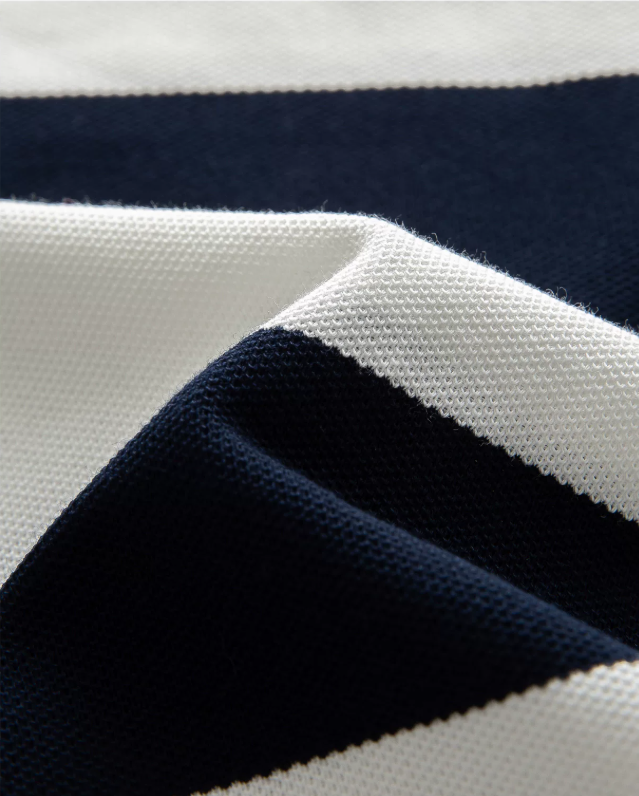
220 GSM single jersey suits substantial retail tees, whereas 280 GSM and above creates a boxier silhouette with more opacity. Yarn count and stitch density must be specified together, because two 260 GSM jerseys can drape differently.
Shrinkage And Surface Finishing

3–5% residual shrinkage is a common target after compaction or pre-shrinking, subject to fiber blend and wash method. Enzyme washing softens cotton; silicone softening can improve hand feel but should be tested against print adhesion. 5–20% polyester improves recovery, drying speed and cost control, while recycled blends can vary in shade consistency and require bulk-lot approval.
5. Customization and Decoration Options
A 100-unit run can look proprietary when its fit, trim, color, and artwork are specified as one system. A heavyweight t shirt manufacturer should review each decoration against fabric weight, surface texture, stretch, and intended wash before sampling.
| Method | Best Artwork | Durability | Setup And Scale |
|---|---|---|---|
| Screen print | Bold spot colors | High | Screens; efficient at 100+ units |
| DTG | Photographic detail | Medium | Minimal setup; short runs |
| DTF | Multicolor small logos | Medium-high | Film transfer; flexible quantities |
| Embroidery | Simple logos | High | Digitizing; avoid very heavy jersey |
| Appliqué | Varsity graphics | High | Cut pieces; medium runs |
| Puff ink | Large simple shapes | Medium | Screen setup; avoid dense detail |
| Specialty finish | Foil, silicone, discharge | Varies | Test fabric and wash first |
Build The Fit Block

Three blocks—regular, boxy, and oversized—need separate shoulder, sleeve, body-length, and chest specifications; enlarging one base pattern rarely produces a balanced size run. XS–3XL grading should be approved through a size set. Specify crew-neck opening, rib width, rib recovery, seam allowance, and Pantone color before bulk cutting.
Match Decoration To Fabric

180–260 GSM smooth jersey suits detailed prints, while heavily brushed, slub, or ribbed surfaces can obscure fine artwork. Test every decoration after the intended wash. 1–2 placement samples expose cracking, dye migration, hoop marks, and distortion before artwork is released for production.
Finish The Brand System
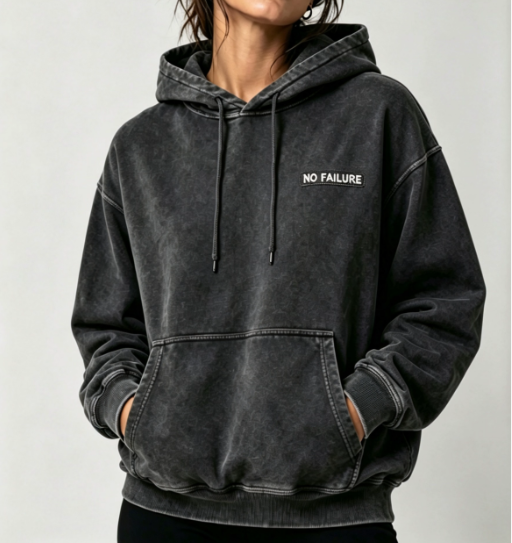
1 garment-dye program requires compatible thread, labels, and trims because color variation is inherent. Enzyme, acid, stone, and softener washes also change hand feel and print behavior. 3 label layers—main, size, and care—plus hang tags and branded packaging create recognition without overloading the garment. Confirm label material, fold, stitch position, carton count, and polybag warnings in the packing specification.
6. Construction Quality Elements
A 240–320 GSM jersey is only the starting point: construction determines whether a heavyweight T-shirt retains its shape after repeat wear. A capable heavyweight t shirt manufacturer should document workmanship targets before bulk cutting, not rely on hand feel alone.
Neck And Shoulder Stability

A 1×1 or 2×1 rib neckband should recover cleanly after stretching, with balanced rib width and an even join at the back neck. Shoulder-to-shoulder tape limits seam growth and helps the neckline remain square. A 10–12 stitches-per-inch seam is a practical reference for secure jersey construction, though fabric weight and thread selection affect the final setting. Reinforced neck joins, correctly matched thread tension, and coverstitching prevent popped seams and roping.
- Check neck recovery after repeated stretch
- Inspect shoulder tape for full seam coverage
- Compare stitch balance inside and outside
Body Shape And Fabric Control

A tubular body removes side seams but can restrict panel-specific shaping; a side-seamed body gives more control over fit and grading. Either construction must hang straight, with side seams aligned and hems level. A 3–5% controlled shrinkage allowance is common for cotton jersey, but the approved fabric must be wash-tested using the intended care method. Fabric skew, torque, and uncontrolled relaxation can twist the body even when the tee initially feels substantial.
- Measure body length before and after washing
- Check hem for spiraling or torque
- Confirm side-seam alignment after laundering
Samples And Inline Verification
A pre-production sample should be measured against a tolerance chart, often ±1 cm at key points for adult jersey garments. Chest, body length, shoulder width, sleeve opening, and neck width need the same method at every checkpoint. An inline inspection catches skipped stitches, seam puckering, uneven hems, and decoration damage before finishing conceals defects. A premium tee passes sample wear and wash testing; a merely thick tee may lose neck recovery, twist, or drift outside measurements after laundering.
- Approve wash-tested samples before bulk
- Measure at cutting, sewing, and final inspection
- Retain approved patterns and graded specifications
7. Choosing a Heavyweight T Shirt Manufacturer
Three comparable suppliers are enough for a disciplined first shortlist. Score each heavyweight t shirt manufacturer against the target GSM, fit standard, launch date, and cash position before discussing price.
| Evaluation Area | Evidence To Request | Decision Signal |
|---|---|---|
| Technical fit | Tech-pack review and graded chart | Factory flags risks before sampling |
| Quality system | Inspection points and tolerance report | Measurable approval process |
| Commercial fit | MOQ, capacity, payment schedule | Matches launch stage and cash flow |
| Logistics | Incoterm, carton plan, shipping lead time | Delivery responsibility is clear |
Verify Relevant Product Experience
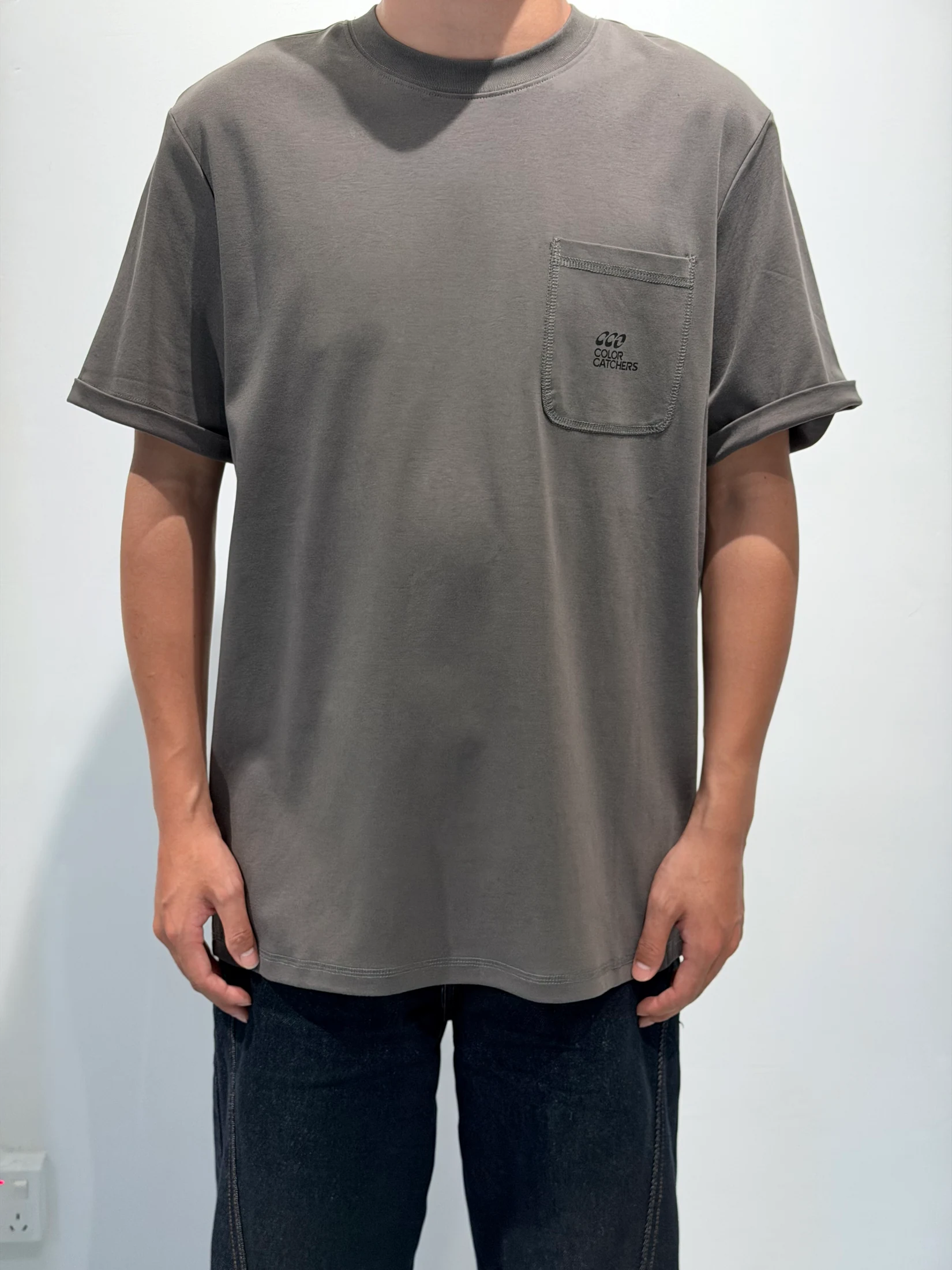
Two recent heavyweight jersey programs reveal more than a broad factory catalog. Ask for comparable GSM, collar construction, wash treatment, size range, and approved sample photos.
- Which 240–320 GSM styles have you produced?
- Can you share measurement tolerances and wash results?
- Have you graded oversized fits through 3XL?
Audit Sample And Materials

One pre-production sample should match the approved fabric, rib, thread, decoration, and packing specification. Request mill composition records, GSM testing, color references, and relevant OEKO-TEX or GOTS documentation when claimed.
- Is fabric lot traceability retained?
- What shrinkage allowance follows wash testing?
- Which Pantone approval controls bulk color?
Test Operating Reliability
100-unit MOQ can suit a capsule, while repeat programs require confirmed line capacity and realistic critical-path dates. Ask who owns daily communication, what inspections occur, which export terms apply, and when final balances are due.
- What is the sampling and bulk lead time?
- Which in-line and final inspections are documented?
- Can payment terms evolve after stable repeat orders?
8. Common Heavyweight T-Shirt Sourcing Mistakes
A 280 GSM label alone does not predict shrinkage, opacity, collar recovery, or print behavior. Before approving a heavyweight t shirt manufacturer, sourcing teams should convert preferences into measurable, signed controls.
GSM Is Not Performance
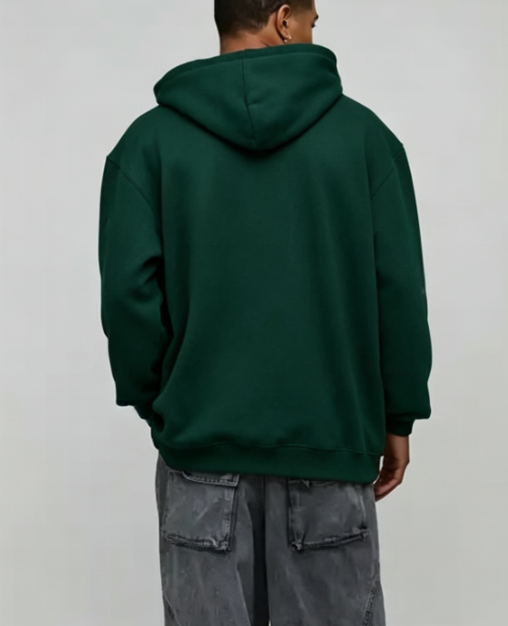
A 240–300 GSM jersey can still twist, pill, or lose shape if yarn, knit density, and finishing differ. Require a swatch, construction details, and wash-test results before sample approval.
- Measure shrinkage after agreed wash cycles
- Check spirality, pilling, and collar recovery
- Compare washed hand feel, not only GSM
Wash And Tolerance Gaps
A ±2 cm tolerance without a measurement method invites rejected goods and expensive rework. Record point-of-measure diagrams, approved garment measurements, wash method, and acceptable shrinkage in the specification.
- Wash sample before bulk fabric booking
- Approve chest, length, sleeve, and neck measurements
- Use graded size-set samples, including extended sizes
Print And Color Approval
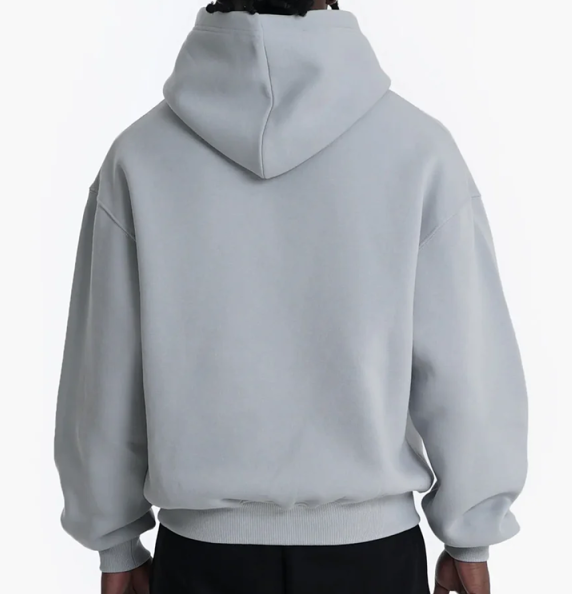
A large plastisol print can stiffen a dense jersey, while discharge results depend on fiber content and dye chemistry. Approve strike-offs on the final fabric, plus Pantone-standard color lab dips under agreed lighting.
- Specify print dimensions and placement tolerances
- Approve light-box conditions and color standard
- Confirm wash durability of the decorated sample
Signed Specs Beat Low Quotes
A quote missing fabric composition, trim, packaging, QC level, and delivery terms is not comparable. Lowest unit price can shift costs into claims, delayed launches, air freight, and lost retail margin.
- Sign tech pack, BOM, artwork, and size chart
- Confirm MOQ by color and size ratio
- Compare landed cost, defect allowance, and lead time
9. Steps to Launch a Heavyweight T-Shirt Line
A 100-unit style-and-color launch can become a repeatable program when technical decisions are staged before capacity is booked. Start with the customer, target retail price, intended silhouette, and a disciplined approval path.
Define The Product Position
Three decisions set the brief: target customer, retail price, and fit direction. Specify whether the shirt is a 240 GSM boxy streetwear tee or a 300 GSM oversized premium blank, plus planned colors and launch quantities.
- Target retail and margin
- Core versus seasonal colors
- Boxy, regular, or oversized fit
Build Production Specifications
One tech pack should lock garment measurements, tolerances, stitch construction, Pantone colors, label placement, and packaging. Attach a graded measurement chart from XS–3XL where applicable; fit grading must be approved, not inferred from a medium sample.
- Fabric composition and GSM
- Neck rib width and recovery
- Artwork size and placement
Approve Samples Before Bulk

Two approval gates prevent expensive corrections: the prototype confirms silhouette and hand feel, while the size set verifies grading across the range. Approve strike-offs or print samples for screen print, DTG, embroidery, and wash effects against the signed color standard.
- Fabric swatch and shrinkage test
- Fit sample and revision notes
- Size set and decoration approval
Book, Inspect, And Repeat
After approvals, lock the bulk fabric, trims, final measurements, artwork files, labels, carton pack ratio, delivery address, and freight method before production booking. Junsheen can inspect incoming fabric, in-line construction, measurements, decoration, and packed goods; retain approved patterns, samples, and feedback for the next colorway or reorder.
- Confirm production quantity by size
- Approve final packaging mockup
- Review sell-through and return feedback
10. Heavyweight T-Shirt Pricing and Cost
180–260 GSM cotton jersey is the largest cost variable in a heavyweight tee; ring-spun, combed, organic or recycled fibers cost more than basic open-end cotton. Oversized shoulders, dropped sleeves, side seams, neck rib, taped seams, custom grading, Pantone dyeing, enzyme or garment washes, and premium trims all add labor or material cost. 100 units per style and color is a practical starting point for development-focused production, while larger runs spread pattern, screen, embroidery, sampling, packaging, testing, and compliance costs across more garments. Freight, duties, carton dimensions, OEKO-TEX or GOTS material documentation, and third-party social-compliance requirements should be quoted separately; final pricing requires approved specifications and current supplier quotations.
| Quantity tier | Indicative FOB unit price | Typical production lead time |
|---|---|---|
| 100–299 units | US$8.50–16.00 | 25–40 days |
| 300–999 units | US$6.50–12.50 | 20–35 days |
| 1,000–2,999 units | US$5.25–10.50 | 20–30 days |
| 3,000+ units | US$4.50–9.00 | 25–35 days |
Start Your Heavyweight T Shirt Manufacturer Sample
Send your tech pack, sketch, or reference garment for an OEM quotation, fit-focused sampling, and scalable production from 100 units.