
Custom Embroidery Sweater Manufacturing From 100 Units
Develop fit-focused XS–3XL custom embroidery sweaters with one OEM partner for sampling, decoration, labels, and scalable global production.
Featured Products for custom embroidery sweater Development
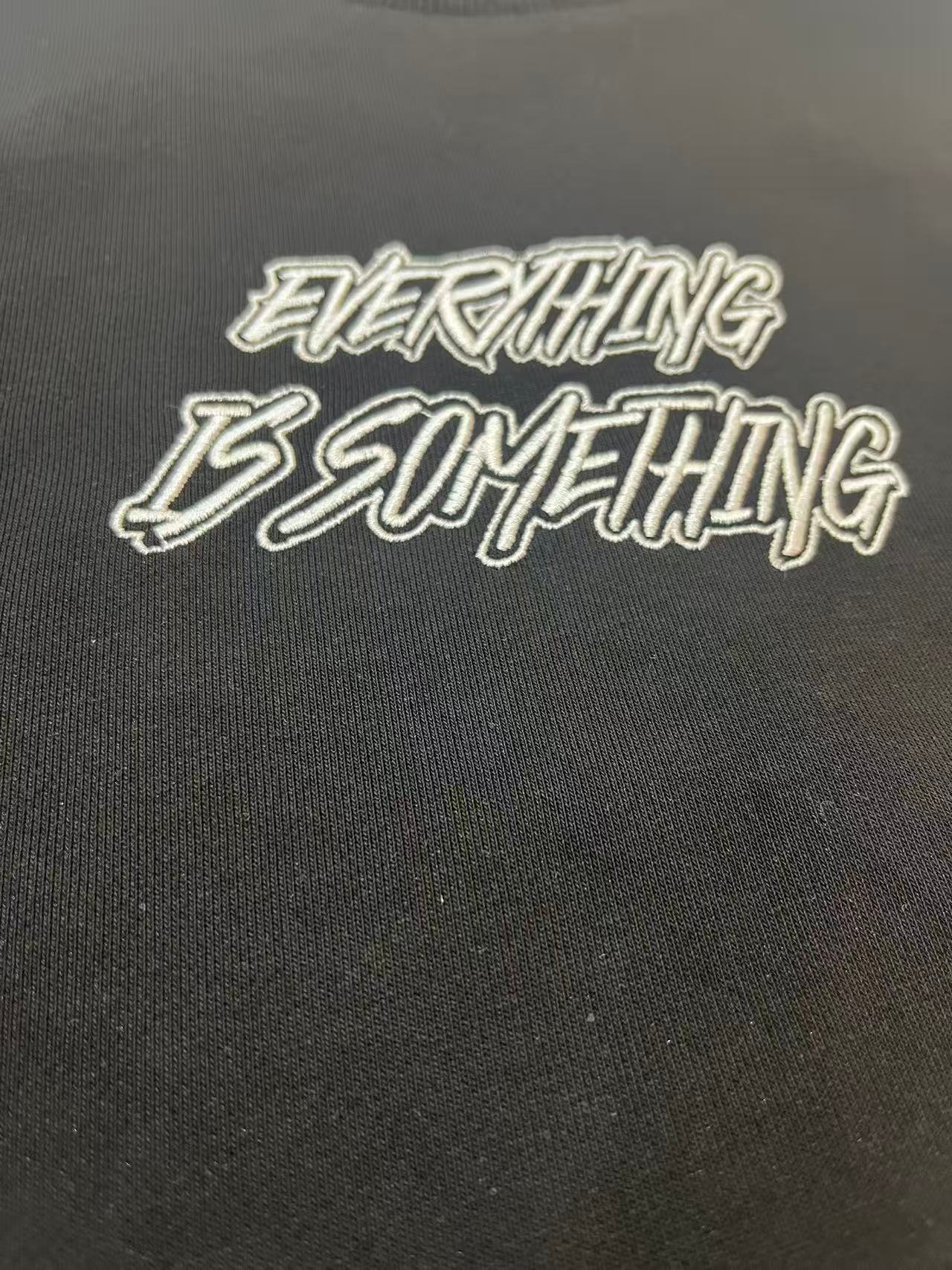


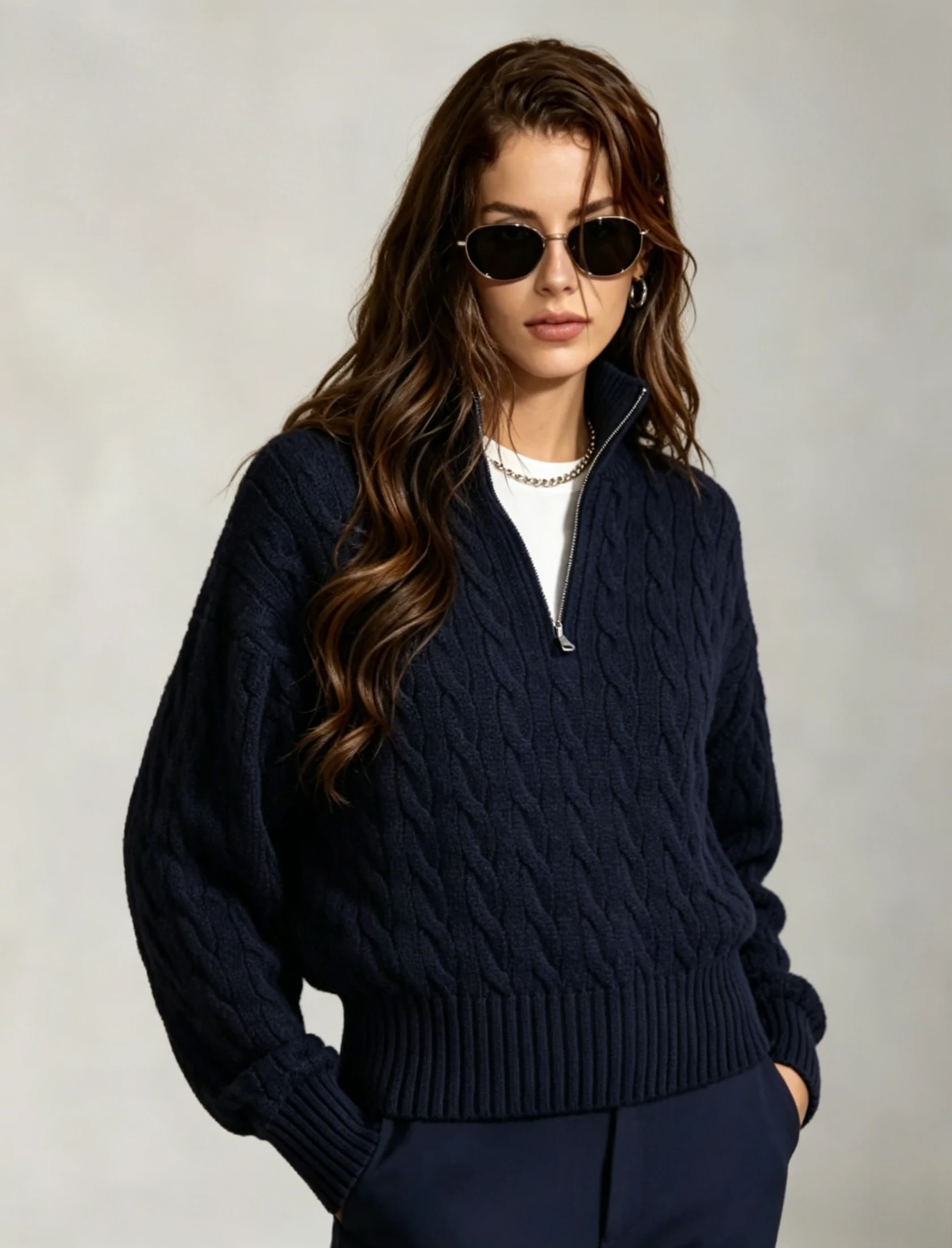


Related Product Catalogue and Quotation



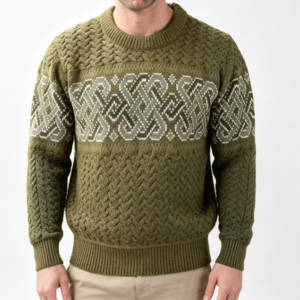
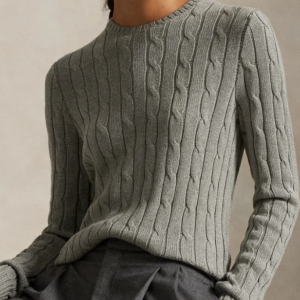
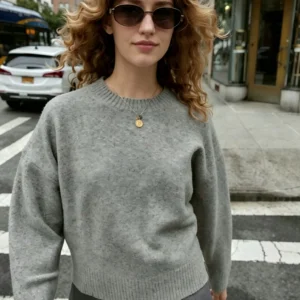


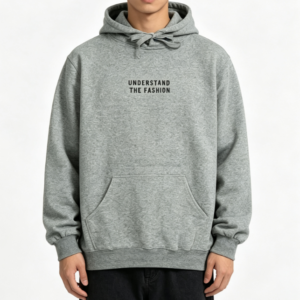
Why Brands Source Custom Embroidery Sweaters From JUNSHEEN
One integrated partner for low-MOQ development, fit-focused production, in-house decoration and global delivery.
100-Unit Starting MOQ
Launch custom embroidery sweater programs from 100 units per style and color, giving new labels a practical path from sample approval to market.
Fit-Focused XS–3XL Grading
Pattern makers refine proportions, mobility and grading from XS to 3XL, including extended-size, plus-size and oversized sweater fits.
Integrated Embroidery Capability
In-house flat, puff, chain-stitch and applique embroidery coordinates with fabric, trims and finishing for more consistent custom embroidery sweater execution.
Production That Scales
With 200+ skilled workers and 80,000+ monthly units, JUNSHEEN supports capsule launches, repeat orders and growing wholesale demand.
Global Export Support
Export-ready quality control, packaging and shipping support help global brands move approved embroidered sweaters reliably into international markets.
Custom Apparel Categories, Built for Scale
Source fit-focused casualwear, denim, outerwear and knitwear from one OEM, ODM and private-label manufacturing partner.

Custom Hoodies
Develop custom hoodies from 100 units per style and color, with fleece or French terry options, refined XS–3XL grading, custom rib trims, embroidery, printing, washes, labels and branded packaging.
Request a Quote
Custom T-Shirts
Manufacture custom T-shirts in cotton, Pima cotton, organic cotton, combed jersey and blended fabrics. Junsheen supports specification review, pattern development, size grading, screen printing, DTG, DTF, embroidery and private-label finishing.
Request a Quote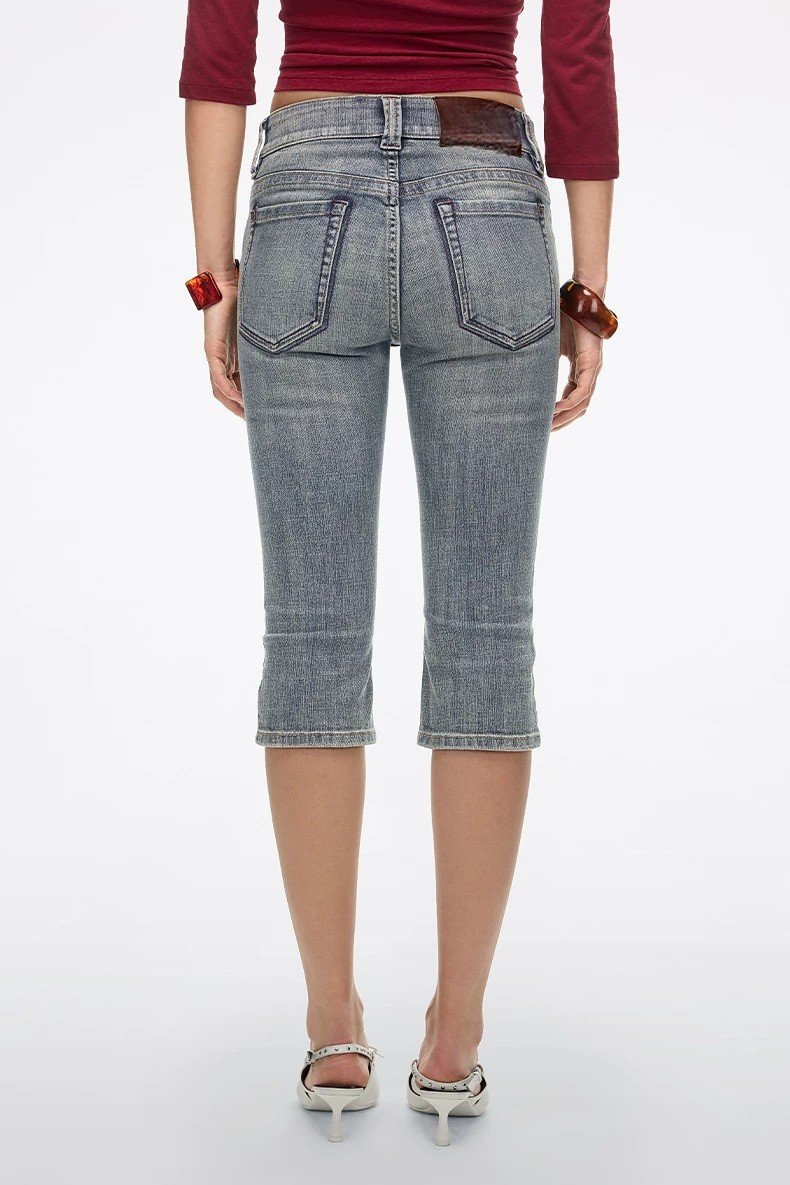
Custom Jeans
Build custom jeans with denim or stretch-denim fabric sourcing, fit development and wash planning. Pattern makers refine rise, leg shape and grading across XS–3XL, while production supports embroidery, custom hardware, labels and branded packaging.
Request a Quote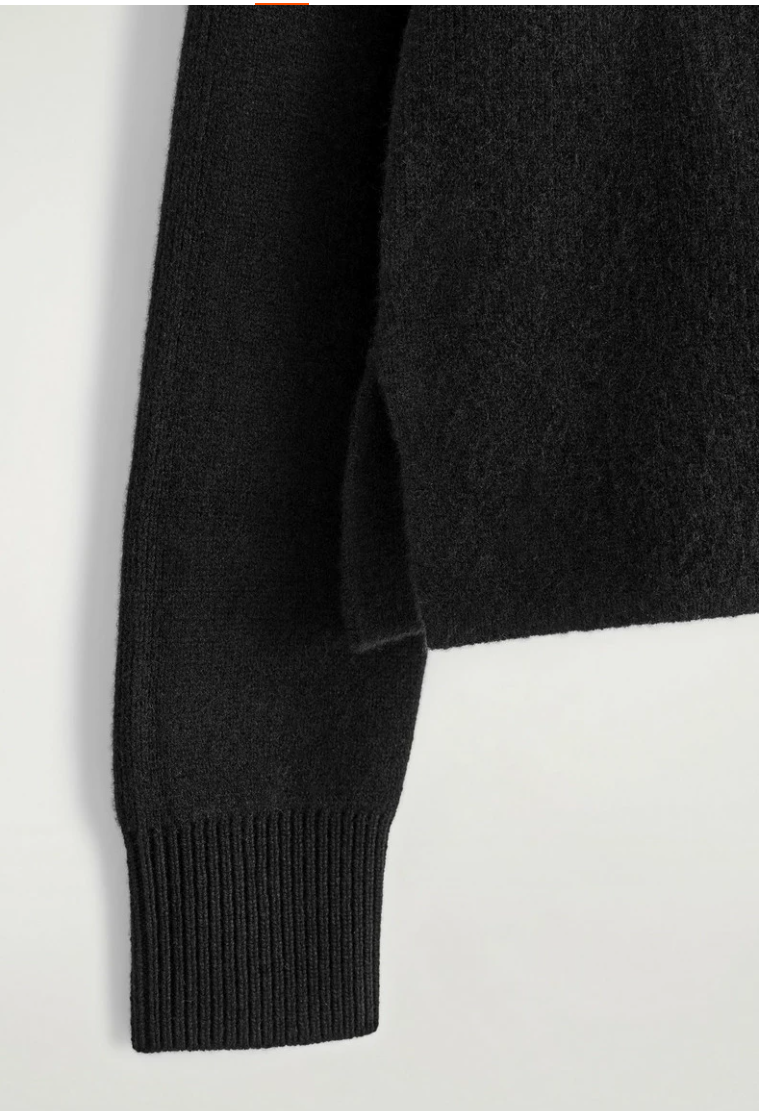
Custom Sweaters
Source turtle neck sweater bulk programs with yarn and gauge recommendations matched to hand feel, weight and target cost. Junsheen develops fit-focused sweater patterns, samples, graded size sets, logo embroidery, custom labels and repeatable bulk specifications.
Request a Quote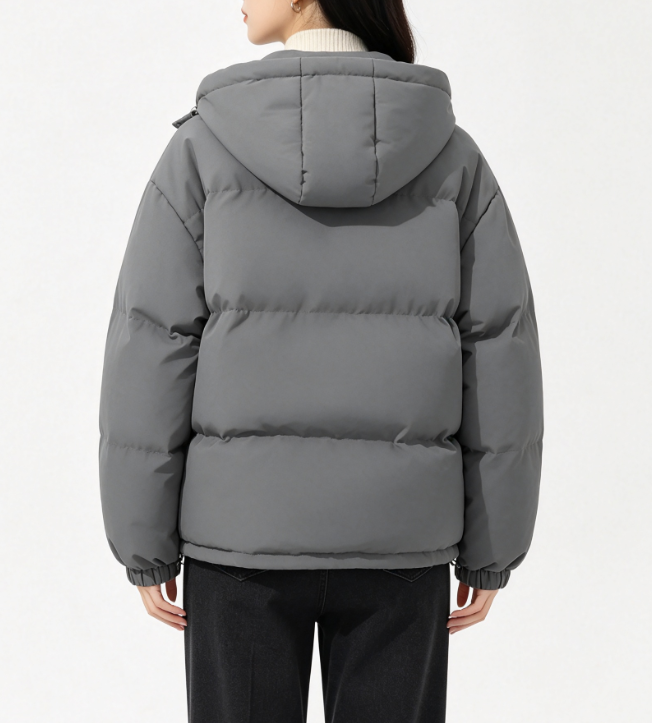
Custom Jackets
Develop custom jean jackets with denim sourcing, cut-and-sew construction and production-ready wash details. Teams can add patches, embroidery, screen printing, branded buttons, snaps, labels and packaging while maintaining consistent fit across graded sizes.
Request a Quote
Custom Sweatshirts & Crewnecks
Create custom crewneck hoodie and sweatshirt programs in fleece, French terry or jersey. Junsheen supports crewneck proportions, oversized fits, rib specifications, size grading, embroidery, printing, garment washing and private-label trims from sampling through bulk production.
Request a Quote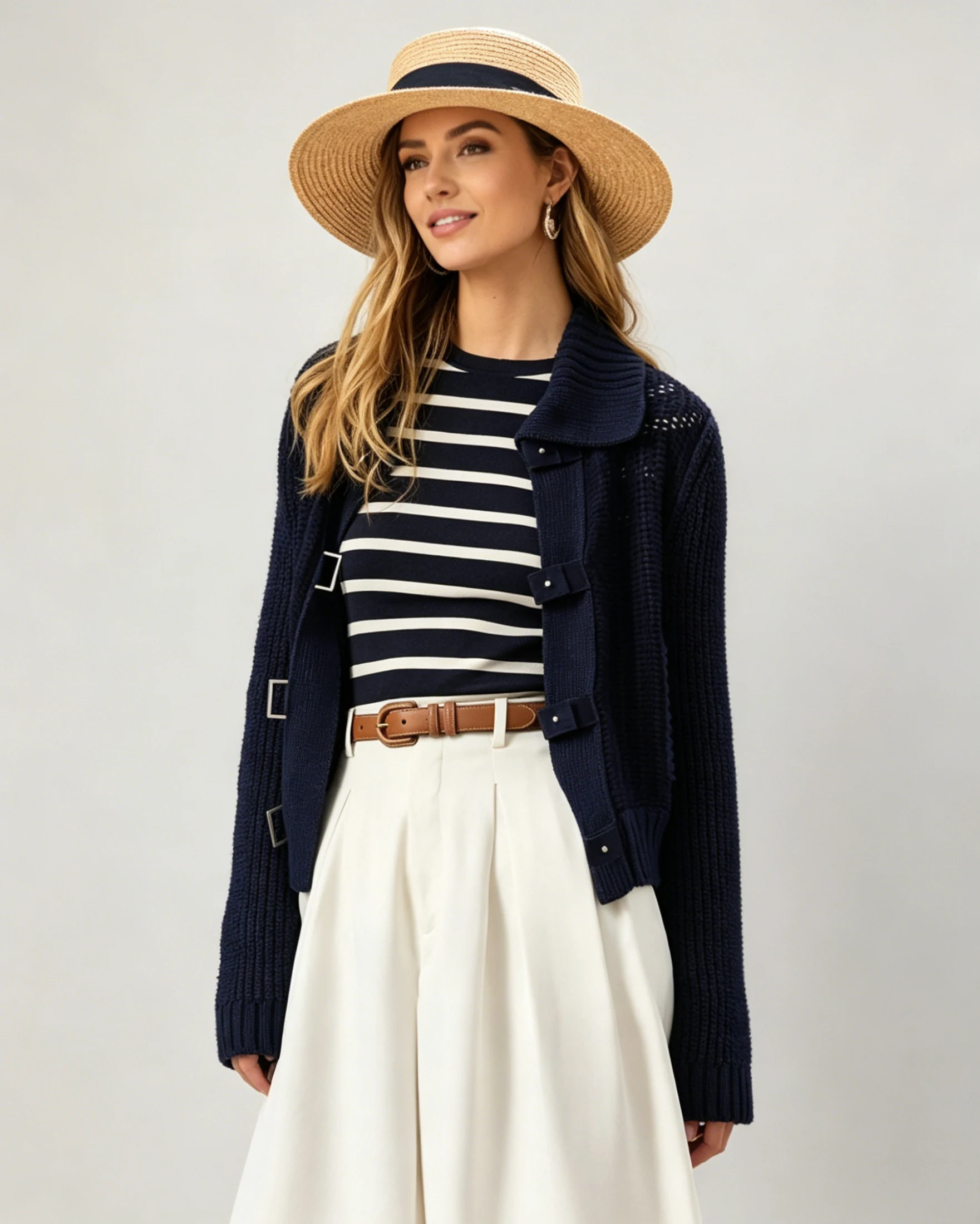
Custom Cardigans
Produce custom cardigans with knitwear development, yarn sourcing and construction guidance for target weight, drape and durability. Develop button or zip styles with fit-focused grading, custom labels, logo embroidery, trims and packaging for retail-ready delivery.
Request a Quote
Custom Puffer & Down Jackets
Manufacture custom puffer jackets with outer-shell, insulation, lining and trim recommendations aligned to your performance and price targets. Development covers silhouette, mobility, sizing, quilting, zippers, branded details, sampling, quality control and export support.
Request a Quote
Custom Denim Shorts
Build custom jean shorts with denim or stretch-denim sourcing, planned washes and fit development for varied inseams and rises. Add custom pockets, embroidery, patches, hardware, labels and packaging while keeping size grading consistent for repeat programs.
Request a Quote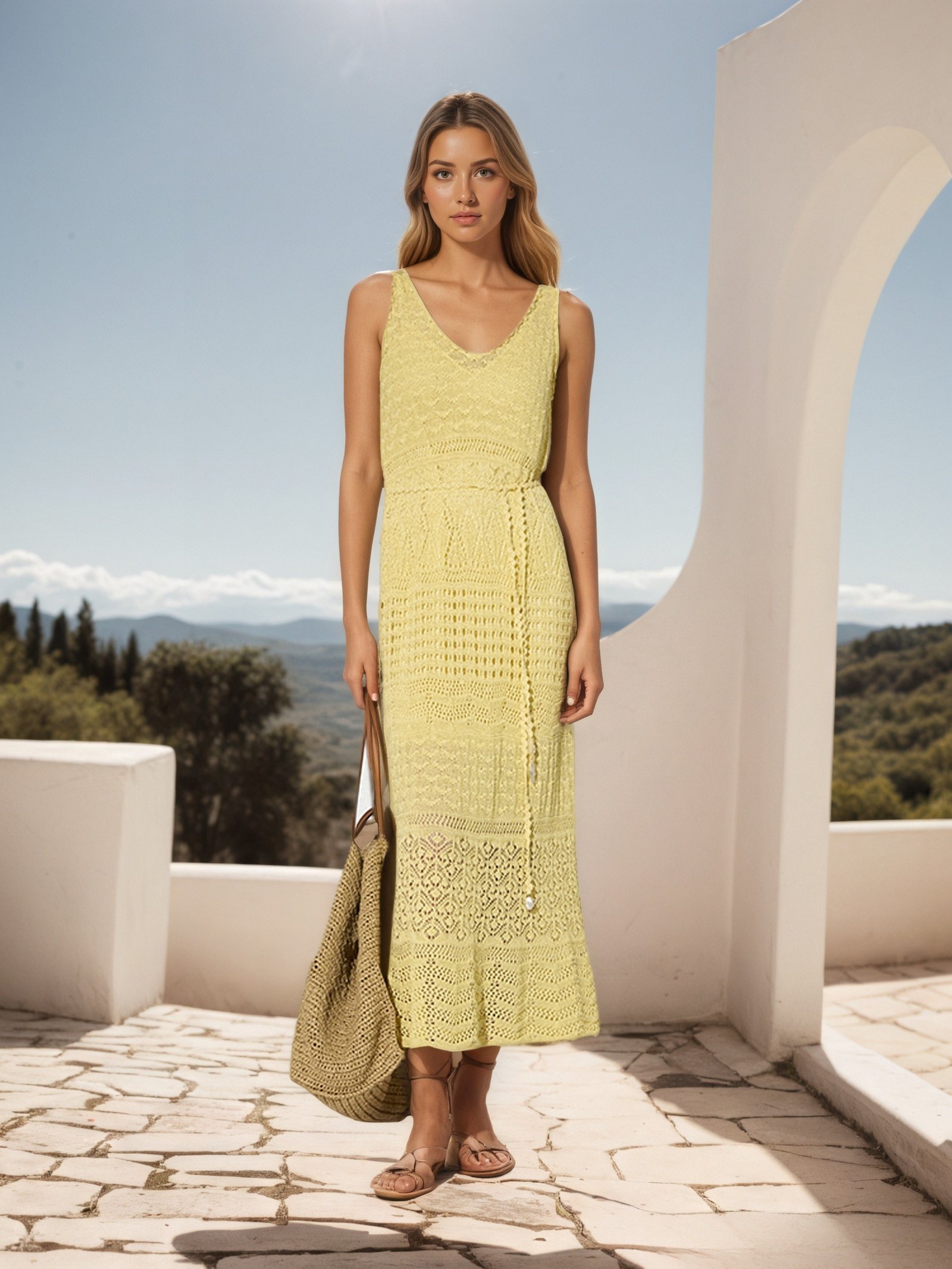
Custom Sweater Dresses
Develop custom sweater dresses with knitwear capability, yarn selection and size-set grading that considers body length, stretch, drape and mobility. Junsheen supports fitted, relaxed and oversized silhouettes, with labels, trims, embroidery and bulk production coordination.
Request a Quote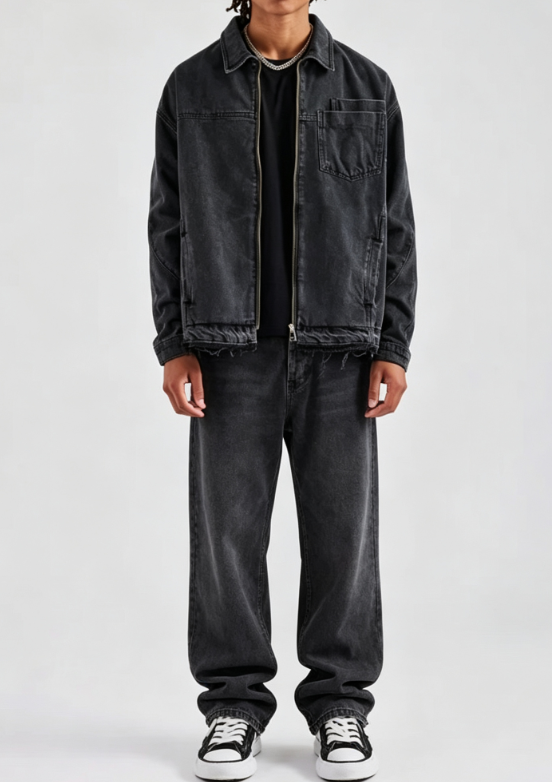
Custom Denim Sets
Source mens denim suits wholesale with coordinated jacket and trouser development, denim fabric options and consistent fit standards. Junsheen manages patterns, wash effects, hardware, branding details, size grading, sampling and scalable production for wholesale assortments.
Request a Quote
Custom Polo Shirts
Produce custom polo shirts in jersey, pique and performance-knit constructions. Junsheen supports collar and placket specifications, fit grading, logo embroidery, screen printing, custom buttons, labels and packaging for uniform, retail and promotional programs.
Request a Quote
Custom Sweatpants
Develop custom sweatpants in fleece, French terry or jersey with fit-focused rise, leg shape and cuff specifications. Add drawstrings, pockets, embroidery, printing, washes, labels and coordinated sets from 100 units per style and color.
Request a Quote
Custom Shorts
Manufacture custom shorts across jersey, fleece, twill and woven constructions. Development can cover inseam, rise, pocket layout, stretch, grading and decoration, with custom labels, drawstrings, hardware and packaging prepared for wholesale or direct-to-consumer launches.
Request a Quote
Custom Pullovers
Create custom pullovers in knit, fleece, French terry or jersey constructions. Junsheen supports fabric and yarn selection, pattern development, XS–3XL grading, oversized proportions, embroidery, printing, washes, private labels and scalable bulk production.
Request a QuoteCustom Embroidery Sweater Materials for Brand Development

Cotton Knit
Breathable, soft cotton knit gives custom embroidery sweaters a clean everyday hand feel for retail-ready crewnecks and cardigans. Its stable surface supports crisp logo embroidery, while yarn count and gauge can be adjusted for lightweight to midweight programs.

Cotton Wool Blend
Cotton-wool blends combine natural softness with added warmth, making them suited to elevated fall and winter sweaters. The balanced hand feel works well with applique and embroidery, while the blend helps manage shape retention across repeated wear.

Merino Wool
Fine merino wool delivers a smooth, premium hand feel for refined pullovers, v-necks, and private-label knitwear collections. Its naturally breathable fibers regulate warmth, and fine-gauge construction provides a polished base for detailed embroidery placement.

Wool Acrylic Blend
Wool-acrylic yarn offers a warm, substantial feel at a more accessible target cost for fashion sweater programs. It is suitable for chunky ribs, jacquards, and embroidered logos, with acrylic improving durability and helping knitted panels hold their shape.

Viscose Nylon Blend
Viscose-nylon blends create a silky, fluid hand feel for fitted sweaters, lightweight cardigans, and fashion-forward layering pieces. The nylon adds recovery and strength, helping finer-gauge knitwear maintain smooth proportions around embroidered details.
Custom Embroidery Sweater Decoration Techniques

Flat Embroidery
Clean stitched artwork for logos, lettering, and detailed motifs. Flat embroidery delivers a polished, colorfast finish with dependable stitch definition for custom embroidery sweater programs and repeat bulk production.

3D Puff Embroidery
Raised foam-backed stitching creates bold depth and a tactile profile. Ideal for statement logos and simplified graphics, it gives sweater designs a premium, durable three-dimensional finish that stands out at retail.

Chain Stitch Embroidery
Looped thread construction adds handcrafted texture and vintage character to lettering, crests, and illustrative motifs. Chain stitch brings visible dimension while retaining the durability needed for regular wear and washing.

Appliqué and Patches
Layer fabric appliqué, embroidered badges, and custom patches for varsity-inspired or branded sweater designs. Material, edge treatment, placement, and stitching can be developed to match your target look and cost.

Sequin Embellishment
Sequins add reflective movement and high-impact texture for fashion-led collections. Our team reviews placement, backing, and stitch construction to help maintain a refined appearance and reliable garment performance.

Logo Embroidery
Translate brand marks into production-ready embroidery with guidance on stitch density, scale, thread colors, and placement. Sampling confirms clarity and hand feel before scalable orders from 100 units per style and color.
Custom Embroidery Sweater Trims & Private-Label Accessories

Woven Brand Labels
Add custom woven main labels, size tabs, and wash-care labels to custom embroidery sweater styles for clear brand identification, reliable size communication, and a professional interior finish across XS–3XL size ranges.

Custom Hang Tags
Develop branded hang tags with product details, care messaging, barcodes, and collection storytelling. They help retail teams merchandise embroidered sweaters consistently and give customers a stronger first impression at unboxing.

Logo Snap Buttons
Choose logo-engraved snap buttons for cardigan closures, plackets, pockets, or detachable details. Junsheen coordinates finish, color, and placement to reinforce your brand identity while supporting practical daily wear.

Custom Zipper Pulls
Specify branded zipper pulls, metal or nylon zippers, and matching tape colors for zip-neck and full-zip sweater designs. These details improve usability while creating a more cohesive premium private-label garment.

Drawcord Tipping
Customize drawcords with logo aglets, contrast tipping, metal ends, or matched colors for hooded sweater styles. The right cord construction supports function, keeps the silhouette intentional, and echoes your collection palette.
Branded Packaging Sets
Finish bulk orders with custom polybags, size stickers, folding instructions, branded cartons, and protective packaging. Organized packing supports smoother export handling, retailer receiving, and a consistent presentation for global customers.
Custom Embroidery Sweater Manufacturing Since 2010
Founded in 2010 in Humen Town, Dongguan, JUNSHEEN helps fashion brands turn custom embroidery sweater concepts into production-ready collections. Our one-stop OEM, ODM and private-label team supports development from tech packs, sketches and reference samples through fabric selection, pattern making, sampling and export coordination.
With more than 200 skilled workers and monthly capacity exceeding 80,000 units, we serve both 100-unit capsule launches and scalable bulk programs. Cut-and-sew and knitting capability, in-house embroidery, printing, finishing, labels, trims and packaging keep critical production details aligned under one supply chain.
What distinguishes JUNSHEEN is fit-focused development from XS to 3XL, including extended-size, plus-size and oversized grading. Having served more than 2,000 fashion-brand clients worldwide, we combine responsive technical guidance with dependable quality control for sweater brands building their first drop or expanding repeat orders.

Custom Embroidery Sweater OEM Capabilities, Built for Scale
Fit Development That Holds
JUNSHEEN develops each custom embroidery sweater from XS through 3XL with balanced proportions, not simple pattern enlargement. Our team reviews body length, shoulder shape, sleeve pitch, rib tension, and oversized or plus-size requirements before bulk approval.
- Fit-focused grading for XS–3XL, plus-size, and oversized ranges
- Pattern adjustments based on target customer and intended silhouette
- Size-set samples to confirm measurements and mobility
- Retained pattern records for consistent repeat orders

Sampling Into Bulk Production
Move from a tech pack, sketch, reference garment, or concept to production-ready sweaters with one accountable team. We validate specifications, yarn or fabric choices, decoration placement, and construction details during sampling so bulk execution follows the approved standard.
- Low MOQ from 100 units per style and color
- Prototype, fit sample, size set, and pre-production approval support
- Feasibility review for construction, cost, and manufacturability
- 80,000+ units monthly capacity for growing programs
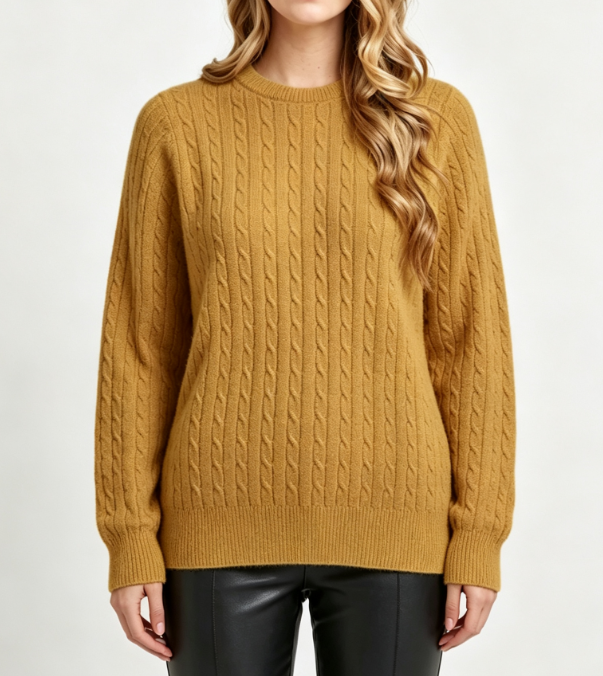
Embroidery With Production Control
In-house decoration planning helps protect the hand feel, shape, and visual impact of your custom embroidery sweater. We match embroidery methods and backing choices to the knit or sweatshirt base, logo detail, stitch density, and expected wash performance.
- Flat, 3D puff, chain stitch, applique, sequins, and patches
- Logo placement reviewed before sampling and bulk production
- Backing and stitch-density choices tailored to garment weight
- In-line and final checks for decoration quality and placement

Private Label, Fully Finished
Turn approved sweaters into retail-ready private-label products without coordinating separate suppliers. JUNSHEEN integrates labels, trims, packaging, washing, and final inspection within the same OEM workflow, giving sourcing teams clearer control from sample to export shipment.
- Custom woven, leather, main, size, and wash-care labels
- Branded hang tags, drawstrings, zippers, and packaging
- Softening, anti-pilling, brushing, and garment-wash options
- Final measurement, appearance, and packed-goods inspections
Why Choose JUNSHEEN for Custom Embroidery Sweater Production
A fit-focused OEM partner with integrated development, decoration, quality control, and export support.
← 左右滑动查看 →
Custom Embroidery Sweater Production Process
A fit-focused, production-ready path from concept review to globally shipped finished goods.
Feasibility and Sourcing Review
Share a tech pack, sketch, reference, or idea; our team reviews construction, embroidery placement, target cost, MOQ, fabrics, and private-label requirements.
Patterns and Fit Development
Pattern makers develop sweater specifications and XS–3XL grading, refining proportions, sleeve balance, mobility, and oversized or extended-size fit before sampling.
Prototype Sampling Approval
We produce samples with selected yarns, trims, labels, and embroidery techniques, then incorporate your feedback before confirming materials, measurements, and production details.
Bulk Manufacturing and Decoration
After approval, skilled teams knit or assemble garments, apply logo embroidery, manage trims and finishing, and scale production from 100 units per style and color.
Quality Control and Shipping
Inspections verify fabric, measurements, construction, embroidery, and packed goods before branded packaging and coordinated global export shipment for your finished order.
How to Start Your Custom Embroidery Sweater Project
Move from design concept to approved bulk production with clear development checkpoints and one responsive manufacturing team.
Send Your Design Brief
Share a tech pack, sketch, reference garment, or mood board with target quantities, size range, embroidery placement, fabric preferences, and target market requirements.
Review Feasibility and Quote
Our team reviews construction, fit, materials, decoration, and private-label details, then recommends production-ready options and provides a clear quotation from 100 units per style and color.
Approve Samples and Sizing
Confirm fabric swatches, embroidery quality, fit, and graded XS–3XL measurements through prototype and size-set samples before releasing your custom embroidery sweater for production.
Launch Bulk Production
After pre-production approval, JUNSHEEN manages material sourcing, knitting or cut-and-sew production, in-line quality control, packing, and export coordination for your confirmed order.
Custom Clothing Manufacturer Credentials and Compliance Documents



Custom Embroidery Sweater Results From Brand Partners
JUNSHEEN translated our reference sweater into a production-ready style in two sampling rounds. Their grading notes improved sleeve proportion across XS–3XL, and our first 600-unit embroidered sweater run met the delivery window.
We launched a 120-unit capsule with puff embroidery, custom neck labels, and branded packaging. The team caught a thread-density issue before bulk production, helping us avoid a costly rework and reorder the style for 500 more units.
Our sourcing team needed reliable communication for a recurring private-label knit program. JUNSHEEN standardized the approved measurements and material records, reducing sample revisions from four rounds to two across our last three seasonal drops.
Custom Embroidery Sweater FAQ
Clear answers for brands planning samples, low-MOQ production, fit development, decoration, payment and global delivery.
What is the MOQ for a custom embroidery sweater?
Can I order a custom embroidery sweater sample before bulk production?
How long does custom embroidery sweater production take?
Which embroidery options do you offer for sweaters?
Can you develop custom embroidery sweaters in XS–3XL and plus sizes?
What payment terms do you offer for OEM sweater orders?
Do you ship custom embroidery sweaters internationally?
How do you protect my custom sweater designs and artwork?
The Complete Buyer’s Guide to custom embroidery sweater
Use this practical framework to select silhouettes, fabrics, embroidery methods, and production partners, compare supplier capabilities and costs, and avoid specification, sampling, MOQ, and quality-control mistakes before placing an order.
1. What Is a custom embroidery sweater?
100 units per style and color is a practical starting point for a custom embroidery sweater program: a purpose-developed sweater, sweatshirt, or fleece garment carrying stitched artwork rather than only a stock blank with a logo. Embroidery uses thread to build a durable, dimensional motif on the chest, sleeve, back yoke, pocket, cuff, or hem area; it differs from screen printing, which lays ink on the surface. 280–450 GSM fleece or French terry is commonly used for embroidered sweatshirts, while a knit sweater is made through yarn-based knit construction and requires different gauge, linking, and stabilization decisions. A blank promotional fleece is typically selected off the shelf with limited color, fit, and trim control; a custom program allows a brand, retailer, team, artist, or merchandise operator to specify the garment before decoration. Pantone-approved colors, flat or 3D puff embroidery, appliqué, and placement are only part of the specification. Buyers can also develop the silhouette and graded fit from XS through 3XL, choose fabric weight and hand feel, create rib trims and drawstrings, add woven main, size, and care labels, and approve hang tags, polybags, cartons, and branded packaging.
2. Evolution of Embroidered Casualwear
Centuries before branded fleece, hand embroidery signaled craft, rank, and regional identity because stitch density, thread choice, and labor were visibly embedded in the garment. That heritage still informs buyer perception: embroidery reads as dimensional, durable decoration rather than a surface-only graphic. 1930s–1950s varsity jackets and uniform workwear brought chenille letters, felt appliqué, and direct stitching into practical team and employer identity systems. For a custom embroidery sweater, those references remain commercially useful when selecting badge scale, placement, and a base fabric sturdy enough to support the design without puckering. 1980s–1990s streetwear translated collegiate and workwear codes into oversized sweatshirts, logo-led fleece, and collectible seasonal drops. Computerized multi-head embroidery now makes repeatable digitized files, consistent Pantone thread matching, and scalable runs possible, but buyers should still approve a sew-out on the final French terry or fleece: 280–400 GSM fabrics, stabilizer choice, and stitch count materially affect hand feel, distortion, production time, and cost. 100-unit production tiers have made premium-looking embroidered capsules practical for emerging labels, provided the artwork is simplified for embroidery rather than copied directly from print artwork. The strongest programs use embroidery where texture and permanence justify the higher unit cost, then keep small text, gradients, and very large fills within realistic digitizing limits.
3. Types of custom embroidery sweater
100-unit capsule orders can use six core silhouettes: crewneck, hoodie, zip-up, quarter-zip, oversized, and cardigan or knit alternatives. Six formats change the retail customer, embroidery area, seasonality, and assembly risk.
| Format | Best Customer | Branding Space | Seasonality |
|---|---|---|---|
| Crewneck | Streetwear and uniforms | Chest, back, sleeves | Year-round layering |
| Hoodie | Casual and merchandise | Back and sleeves | Cool weather |
| Quarter-zip | Sport and smart casual | Small chest, back | Transitional |
| Cardigan knit | Premium retail | Chest and sleeves | Autumn/winter |
Crewneck And Oversized

1×1-rib crewnecks suit collegiate, streetwear, and uniform programs because the chest and back stay flat for embroidery. They layer easily and avoid hardware conflicts. 2–4 inch left-chest logos and 8–12 inch back designs are simple to hoop. Oversized bodies need placement measured from the neckline, not the hem, because dropped shoulders shift the visual balance.
Hoodie And Zip-Up
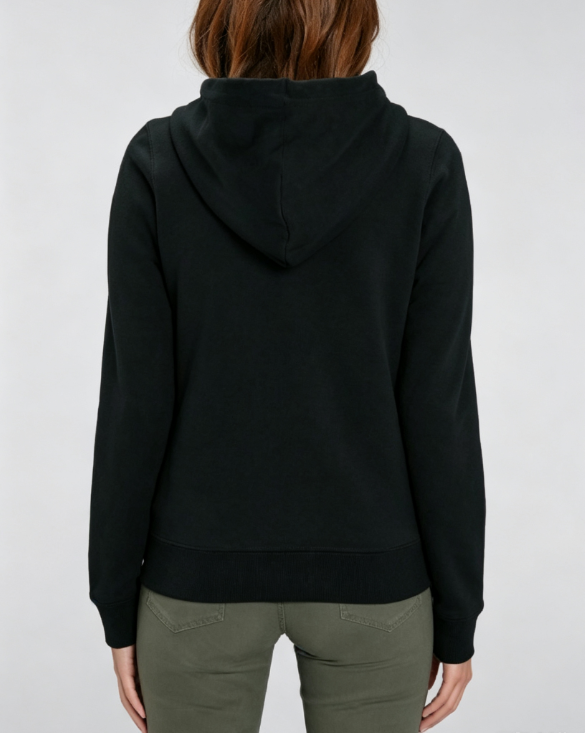
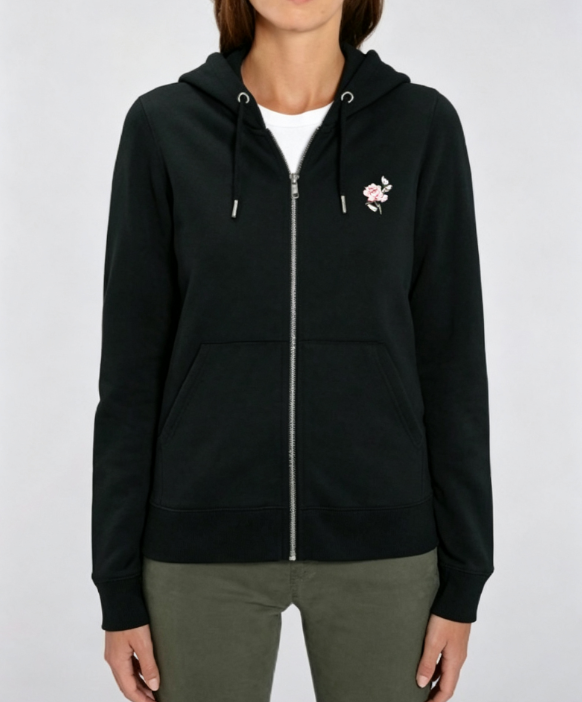
3-panel hoodies serve casualwear and fan merchandise, with a large back panel for statement embroidery. Hood seams, drawcord exits, and double-layer fabric require stabilizer planning. 8–12 inch back artwork should sit below the hood’s resting edge. Zip-ups need artwork clear of the zipper tape; split chest logos, sleeve embroidery, or back designs are safer than center-front motifs.
Quarter-Zip And Cardigan
1/4-zip pullovers fit premium sport, golf, and smart-casual channels where a small chest logo reads cleanly. The zipper limits center-front embroidery and can distort dense stitches near the placket. 12-gauge knit cardigans and sweater alternatives suit refined retail assortments but need controlled backing to prevent knit stretch and puckering. Button bands and pockets should be locked on the approved placement map before production.
4. Materials for custom embroidery sweater
280–360 GSM is the practical starting range for a custom embroidery sweater: it supports clean stitch registration without making every climate or price point identical. Fiber content, yarn quality, and finishing determine wear performance as much as the scale weight.
| Fabric | Typical GSM | Hand And Warmth | Embroidery/Care | Best Use |
|---|---|---|---|---|
| Cotton | 280–340 | Natural, moderate warmth | May shrink; prewash test | Premium everyday crews |
| Cotton-poly fleece | 280–340 | Soft, warm, durable | Stable; lower shrinkage | Value cold-weather programs |
| French terry | 240–320 | Breathable loopback | Stable; air dry preferred | Layering and mild climates |
| Recycled blend | 280–340 | Variable, responsible option | Test pilling and shade | Sustainability-led capsules |
| Brushed fleece | 300–360 | Plush, high warmth | Hoop-test raised face | Winter hoodies and crews |
| Heavy premium | 360–480 | Dense, structured | Excellent logo support | Luxury streetwear |
Fabric And GSM Comparison

100% cotton offers a natural hand and strong premium signal, but allow for controlled shrinkage testing before bulk approval. Cotton-poly constructions trade some natural feel for faster drying, lower cost, and better dimensional stability.
Embroidery Stability
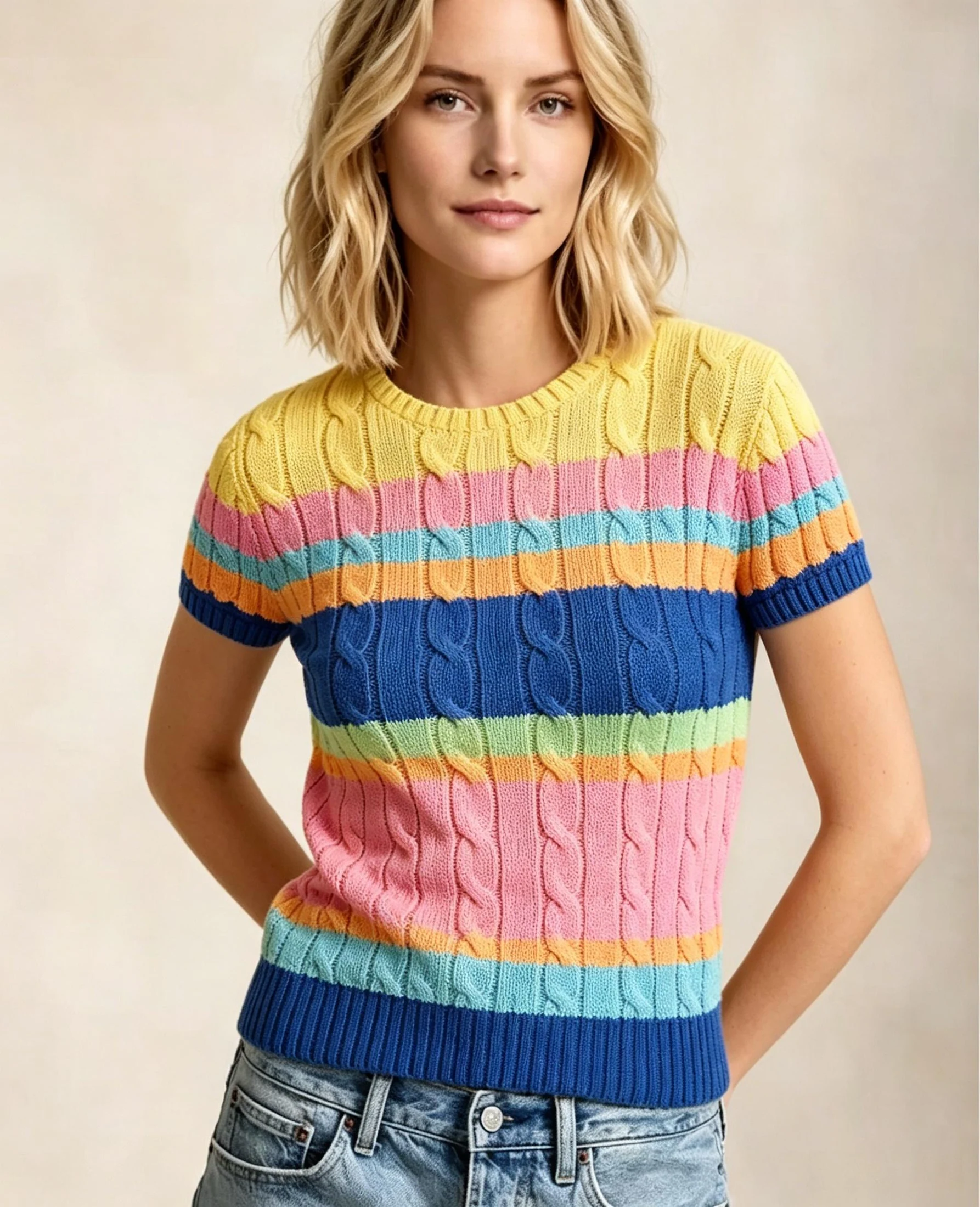
300 GSM French terry has looped backing that stays breathable and provides a stable embroidery base after proper backing selection. Brushed fleece is warmer and softer, yet its raised face needs hoop testing to prevent puckering or buried detail. 360 GSM and above premium constructions give dense logos a substantial platform, but heavy thread fills can still distort weak ribs or unstructured panels. Use ring-spun yarns and approve a washed decorated sample.
- Match backing to fabric stretch and stitch density
- Test puckering after wash and tumble drying
- Avoid oversized dense fills on lightweight jersey
Care And End Use
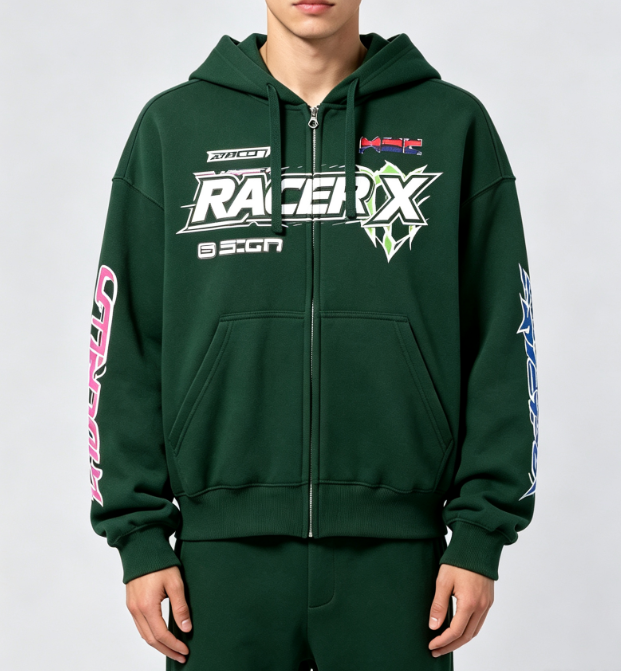
240–280 GSM French terry suits transitional-weather crews and fashion layering, while 300–340 GSM fleece suits colder retail programs. Recycled cotton-poly blends require clear fiber disclosure and wash testing because reclaimed fibers can affect shade consistency and pilling. 30°C gentle washing, inside out, protects embroidery and reduces abrasion; bleach and high heat shorten garment life. Specify anti-pilling finishing when fleece will face repeated consumer washing.
5. custom embroidery sweater Decoration Options
Three variables—logo geometry, sweater structure, and wear target—should determine decoration before sampling. For a custom embroidery sweater, Junsheen can test stitch-out, backing, and placement on the approved knit or fleece.
| Technique | Visual Effect | Best Garment | Cost Driver | Production Risk |
|---|---|---|---|---|
| Flat embroidery | Clean, detailed | Fleece, knits | Stitch count | Dense fill puckering |
| 3D puff | Raised, bold | Stable fleece | Foam and stitch count | Thin details collapse |
| Appliqué/chenille | Textural, collegiate | Medium-weight sweaters | Materials and sewing | Stretch distortion |
| Patch/mixed media | Layered, branded | Most stable constructions | Extra operations | Alignment and edge lift |
Flat And Tonal Embroidery
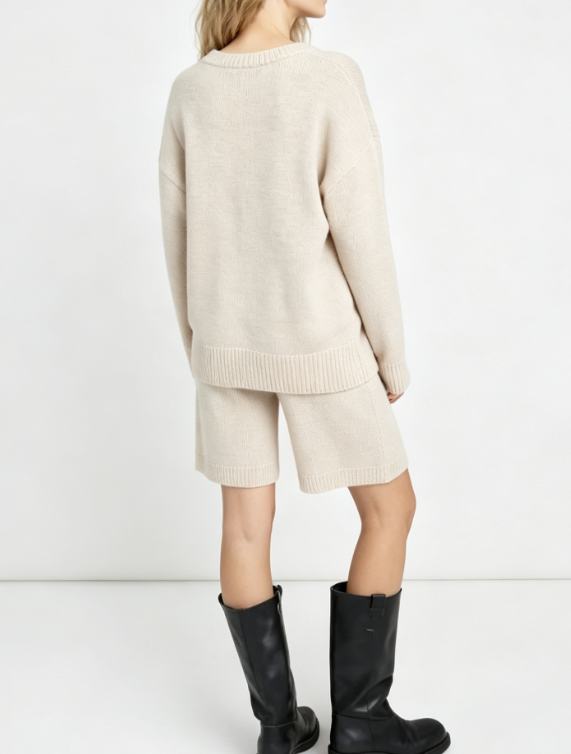
2D flat embroidery suits line logos, lettering, and small chest marks; keep fine gaps above 1 mm and avoid overly dense fills that stiffen knitwear. 1.5–3.0 mm cutaway backing stabilizes fleece and medium-gauge knits. Tonal thread reduces visual contrast while retaining wash-durable branding.
- Best placements: left chest, cuff, hem, back neck
- Supply AI, EPS, or vector PDF with Pantone references
Raised And Textile Techniques
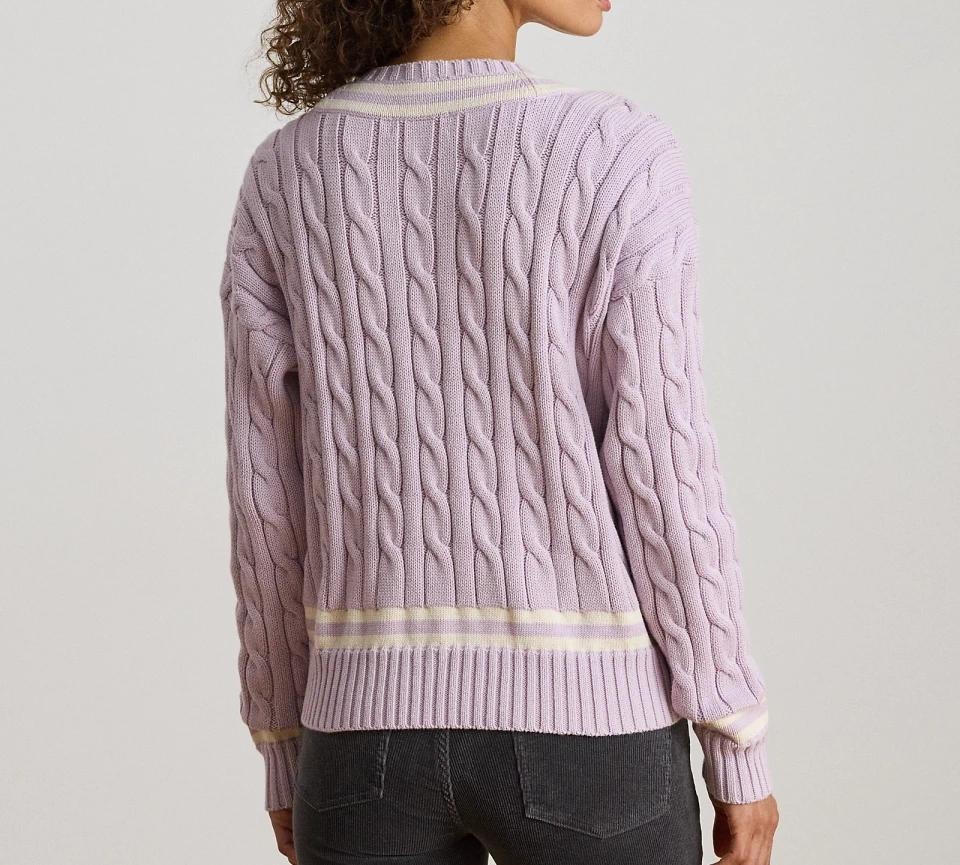
3D puff embroidery gives block logos a raised edge but needs broad, closed shapes; thin type, tiny counters, and gradients are production risks. Chenille, appliqué, and sewn patches create varsity or heritage character. They require secure edge stitching and should be sampled on stretchy sweaters to control distortion.
- Puff: best on stable fleece or dense knits
- Appliqué: suitable for large back or sleeve graphics
- Patch: removable approval sample before bulk
Mixed-Media Placement Control
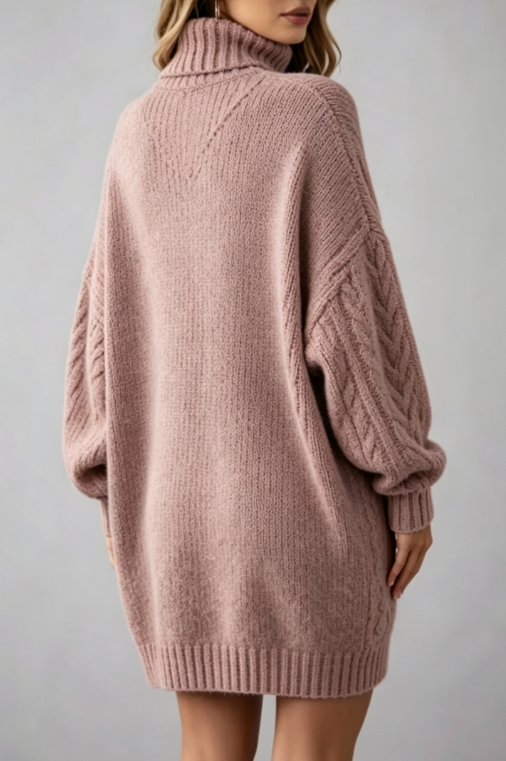
2–3 decoration layers can combine embroidery, appliqué, and print, but each added operation raises alignment risk and handling cost. 10–15 cm chest artwork is generally easier to stabilize than oversized full-back embroidery. Confirm embroidery files, thread colors, placement measurements, and stitch-out approval before production.
- Use water-soluble topping on textured surfaces
- Request wash testing for patch edges and dense fills
6. Construction and Quality Control Essentials
A premium custom embroidery sweater is decided by recovery, seam control, and consistent finishing—not logo size alone. Approve these details in development, then repeat the same inspection points before goods are packed.
Ribs And Shoulder Shape
1×1 or 2×2 rib should be specified by composition, weight, and stretch recovery; test collar, cuff, and hem after repeated extension. Ask whether elastane is included and what recovery standard the factory checks. 8–10 stitches per inch is a practical baseline for stable seams, while taped shoulders or clean overlock joins reduce distortion. Inspect shoulder slope, sleeve pitch, seam puckering, and whether both sleeves hang evenly on a flat surface.
Fleece And Embroidery Control

280–400 GSM fleece should feel uniform across panels, with no thin spots, excessive shedding, or mismatched brushing direction. Compare the approved sample against bulk fabric for weight, color, hand feel, and inside-loop consistency. 75/11 or 90/14 needles, correct thread tension, and suitable backing prevent thread nests and fabric tunneling around embroidery. Ask which backing, density, pull-compensation setting, and trimming method will be used for each logo size.
- Check backing does not show through the face
- Inspect reverse side for loose thread tails
- Confirm embroidery placement from fixed pattern points
Sample And Final Inspection
±1–2 cm measurement tolerance is common on knit casualwear, but critical points need a signed spec: chest, body length, sleeve length, neck opening, and rib height. Measure washed development samples, not only unwashed samples. 3–5 wash cycles can expose shrinkage, color bleeding, rib growth, embroidery distortion, and pilling before bulk approval. Before shipment, ask for an AQL plan, final measurement report, wash-test result, and photos of packed random units.
7. How to Choose an OEM Manufacturer
A 100-unit minimum can suit a capsule, but it does not prove a supplier can develop a production-ready custom embroidery sweater. Select for documented sweater expertise, transparent costing, repeatable quality controls, and export-ready communication.
Verify Development Capability

Request one prototype, a graded measurement chart from XS through 3XL where relevant, and photos of inside construction. A real development partner can discuss yarn gauge, rib recovery, stitch density, embroidery backing, and pattern revisions before quoting. Ask whether the supplier develops from a tech pack, reference garment, sketch, or mood board. A trading-only supplier often relays generic answers and cannot identify who owns pattern making, sampling, or final technical approval.
Audit Quote And Sample Evidence

Compare quotations line by line: fabric composition and weight, gauge or knit construction, embroidery stitch count, backing, trims, labels, packaging, sampling, freight terms, and payment milestones. A low unit price can exclude high-cost decoration, testing, or export packing. Require a pre-production sample using bulk-intended yarn or fabric and approved Pantone thread colors. Two clear evidence sets—flat measurements and wash-test photos—reveal more than polished factory-floor images.
- Confirm MOQ per style, color, and size run
- Request sample and bulk lead-time ranges
- Check whether embroidery digitizing is included
Check Production Accountability
Inspect how incoming materials, in-line sewing or linking, embroidery placement, measurements, and packed goods are checked. Factories should explain defect handling, final AQL approach, retained patterns, and who communicates corrective actions. Verify export experience through Incoterms, carton markings, commercial invoices, packing lists, and destination labeling requirements. Compliance claims such as OEKO-TEX, GOTS, WRAP, or BSCI should be supported by current scope-specific documentation, not logo use alone.
8. Common custom embroidery sweater Buying Mistakes
A 100-unit launch can absorb preventable sampling costs quickly when the brief leaves fabric, artwork, color, or testing open to interpretation. Lock the wearer, construction, decoration file, and approval criteria before authorizing bulk production.
Start With The Wearer
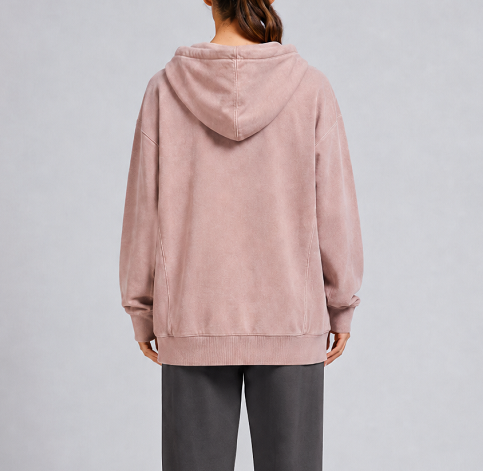
280–400 GSM fleece suits a different customer and climate than 300–360 GSM French terry. Prevent a costly mismatch by defining end user, season, fit, price point, and care expectation before selecting fabric; ask, ‘Which weight and hand feel fit our target customer?’
Prepare Artwork For Stitching
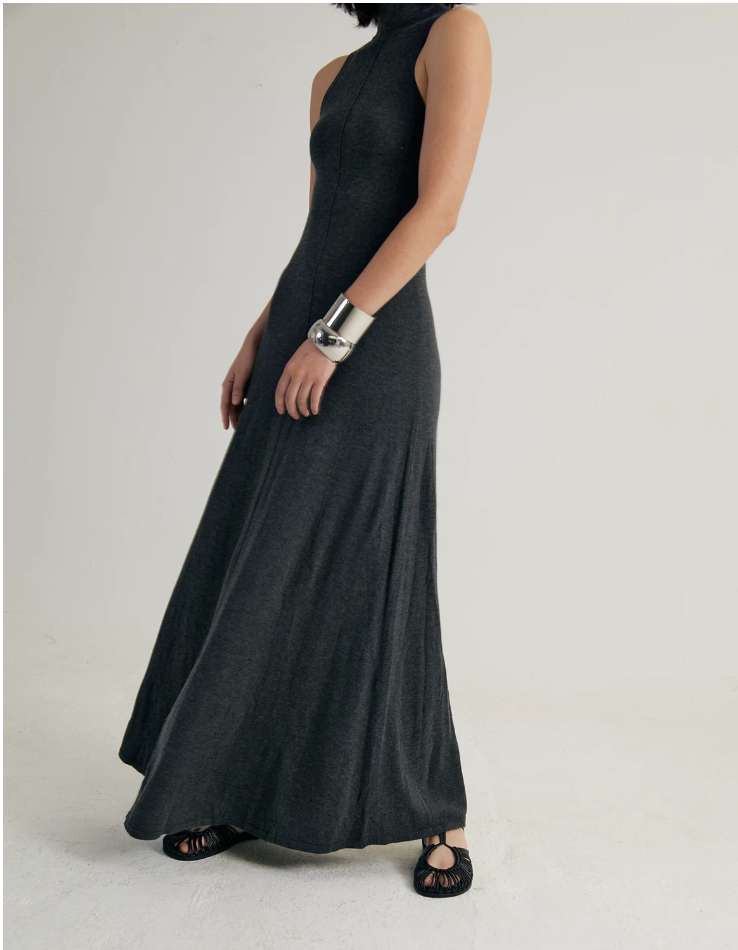
3 mm lettering and fine gradients can disappear or distort in embroidery. Supply vector artwork with intended dimensions, simplify details with the digitizer, and approve a sew-out; ask, ‘What details must change at this finished size?’
Control Density And Placement
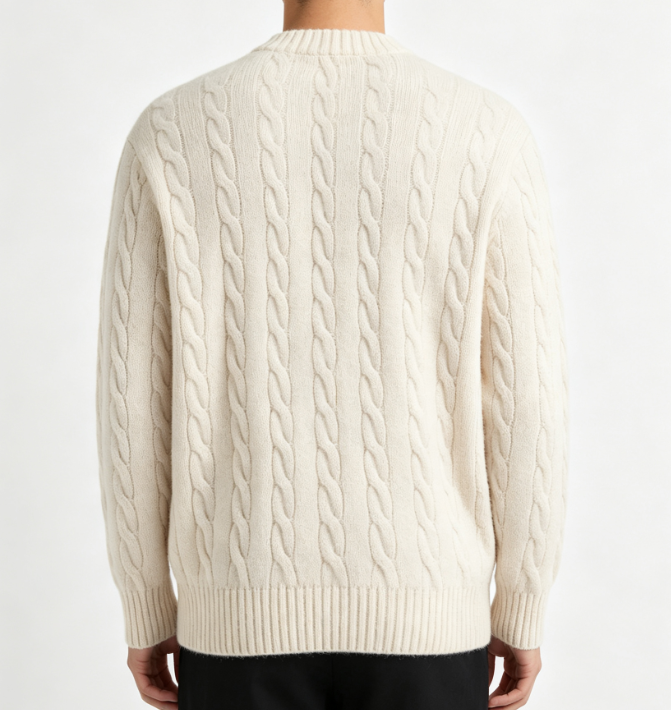
4–6 mm stitch spacing and excessive density can make knit ground pucker, while seams and ribs restrict stable placement. Request a stitch-count estimate and placement template before sampling; ask, ‘Will this design remain smooth after wear and washing?’
Test Color And Washing

1 approved Pantone reference is more reliable than an uncalibrated screen or a verbal color description. Match thread, body fabric, and backing to physical standards, then wash-test the sample; ask, ‘After three washes, what color shift, shrinkage, or puckering is acceptable?’
Compare Like-For-Like Quotes
2 quotations can differ materially when one excludes digitizing, backing, thread colors, labels, packing, or inspection. Compare a shared specification sheet line by line before choosing a supplier; ask, ‘Which exact materials, stitch count, testing, and packaging are included?’
9. Steps to Launch Your Sweater Collection
A production-ready launch starts before sampling: define the customer, target retail price, margin, silhouette, and delivery date. For a custom embroidery sweater, lock decision gates early so artwork, yarn or fabric, fit, and bulk approval do not drift.
Build The Manufacturing Brief
One brief should include front, back, and detail flats; colorways; Pantone references; target GSM or gauge; size range; measurement chart; labels; packaging; and target ex-factory price. Two artwork files are preferable: editable vector art for placement and a high-resolution reference for stitch effects. State embroidery dimensions, placement from high-point shoulder, thread colors, and whether backing must be concealed.
- Tech pack or annotated reference garment
- Bill of materials and trim specifications
- Target quantity by color and size
- Required delivery window and destination
Approve Materials And Samples

Two gates matter before bulk: confirm swatches or knit hand feel first, then approve the complete development sample. Compare shrinkage, pilling, embroidery distortion, rib recovery, and wash appearance against the intended use. One to two revision rounds are typical when measurements, stitch density, or placement need correction. Request a digitized embroidery sew-out before committing to the final sample; small lettering and puff areas often require simplification.
Control Bulk And Delivery
XS through 3XL requires a graded size set, not simple proportional enlargement; approve critical body, shoulder, sleeve, and rib measurements before production. Record all approved revisions in one dated specification file. Seven to fourteen days of schedule buffer helps absorb sampling corrections, material confirmation, inspection findings, and export handover. During bulk, inspect incoming materials, in-line construction, embroidery, measurements, and packed goods before final balance and shipment.
10. custom embroidery sweater Pricing and MOQ
100 units per style and color is a practical OEM starting point for a custom embroidery sweater at Junsheen; the ranges below are indicative EXW estimates, not a binding quote. Confirm fabric, measurements, stitch file, colorways, labeling and destination before approving a purchase order. 280–360 GSM cotton fleece or French terry, yarn quality, gauge, wash treatment and embroidery stitch count move cost most. A small left-chest logo is materially different from two high-stitch placements, applique, custom patches or dense 3D/puff embroidery. 1 approved sample and a clear tech pack control revision expense. Keep the opening run to one or two Pantone colorways, share labels and packaging across sizes, and protect essentials—stable rib, accurate grading and wash testing—rather than cutting construction specifications; sampling and international freight are quoted separately.
| Quantity Tier | Indicative EXW Unit Price | Typical Bulk Lead Time | Key Inclusions |
|---|---|---|---|
| 100–299 units | US$18–32 | 30–45 days after approval | Midweight base, one embroidery placement, standard labels, polybag |
| 300–499 units | US$15–27 | 30–40 days after approval | Same specification; better fabric and embroidery utilization |
| 500–999 units | US$13–24 | 25–40 days after approval | Production efficiency, standard carton packing |
| 1,000+ units | US$11–21 | 25–35 days after approval | Negotiated fabric purchasing; repeat-program planning |
Start Your Custom Embroidery Sweater Sampling Project
Send your tech pack or concept for a quote, sample plan, and OEM feasibility review from JUNSHEEN’s fit-focused production team.