
Customize Jeans with 100-Unit MOQ Manufacturing
Develop fit-focused XS–3XL custom jeans with OEM, ODM and private-label support from sampling through global delivery.
Featured Products for customize jeans Development
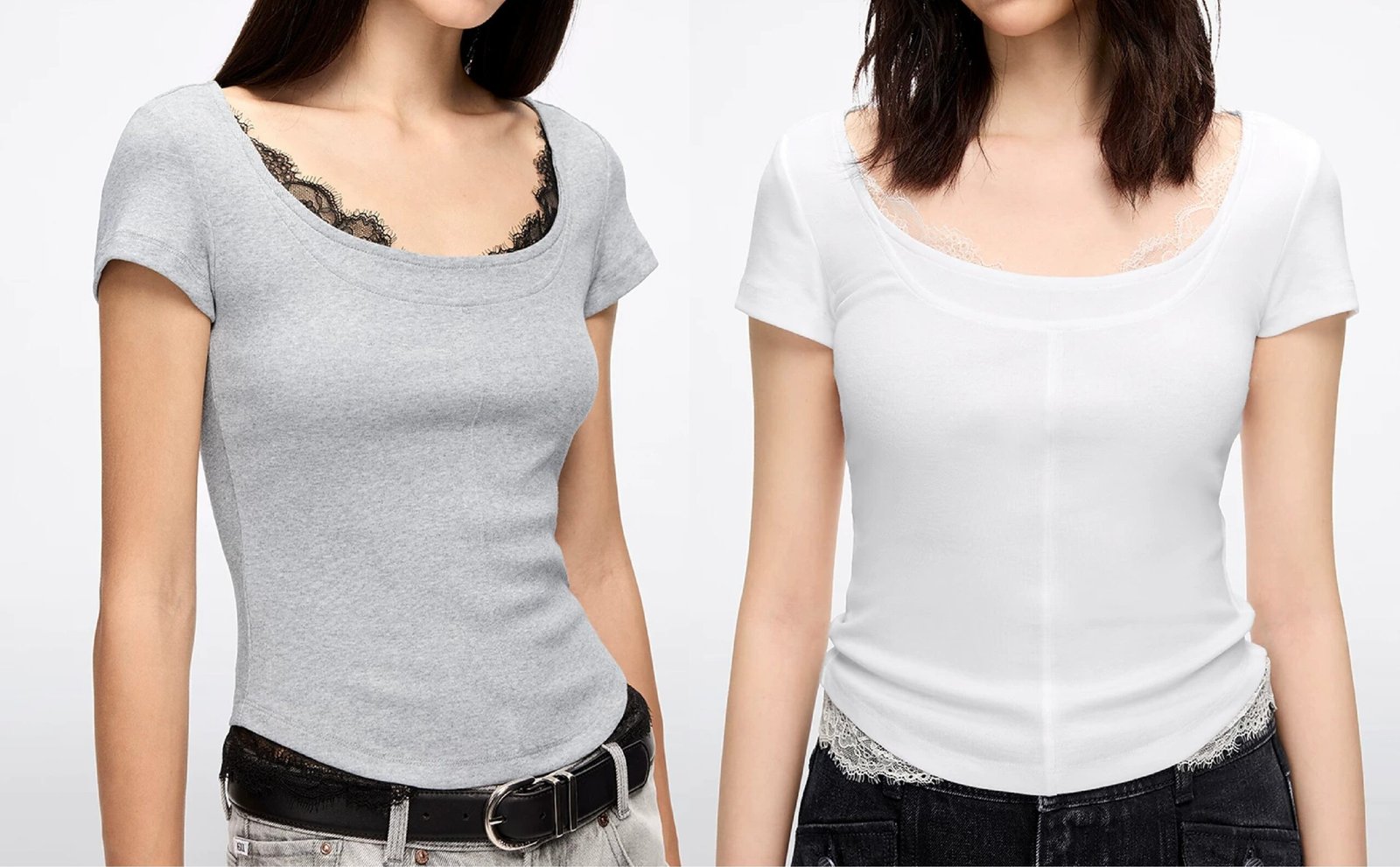




Related Product Catalogue and Quotation




Why Brands Customize Jeans with JUNSHEEN
From first-fit development to export-ready bulk orders, our integrated denim supply chain supports confident launches and scalable programs.
100-Unit Starting MOQ
Launch a denim capsule from 100 units per style and color, with practical support for emerging labels and focused wholesale programs.
Fit-Focused XS–3XL
Our pattern team refines rise, leg balance, mobility and grading increments for normal, extended-size, plus-size and oversized jeans.
Denim Finishing In-House
Combine custom washes, distressing, embroidery, printing, patches and branded trims to create denim with a distinct retail-ready identity.
One-Stop Product Development
Move from a tech pack, sketch or reference garment through fabric sourcing, sampling, size sets, labels and production approval.
Scale With Confidence
More than 200 skilled workers and 80,000-plus monthly units support repeat denim programs as your demand and assortment grow.
Global Export Support
Receive coordinated quality control, packed-goods inspection and export support for denim orders shipping to fashion markets worldwide.
Custom Denim and Casualwear Manufacturing
OEM, ODM and private-label production for denim-led collections, with development support from fit approval through scalable bulk delivery.
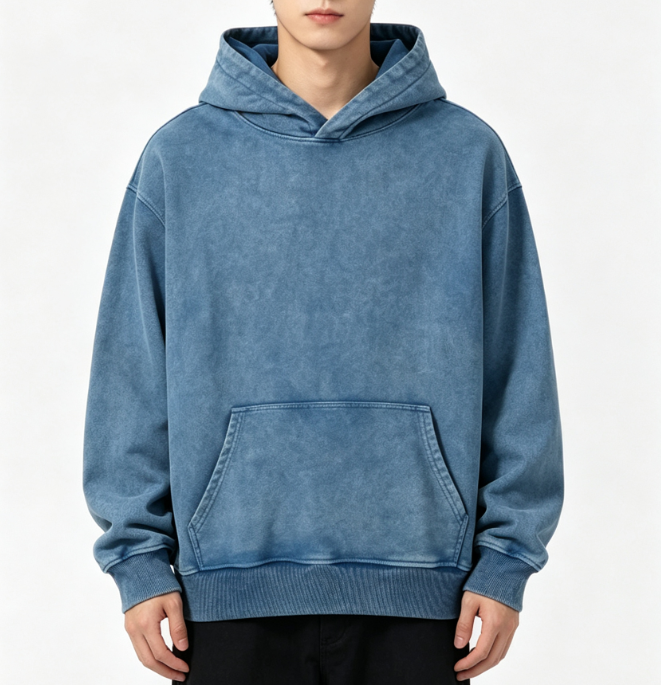
Custom Hoodies
Develop custom hoodies in fleece, French terry, or heavyweight jersey with fit-focused grading from XS to 3XL. Choose relaxed, oversized, cropped, or standard blocks, then add screen printing, embroidery, custom labels, drawcords, rib trims, and branded packaging.
Request a Quote
Custom T-Shirts
Produce custom T-shirts from combed cotton, Pima cotton, blends, or performance jersey. Junsheen supports custom tshirt development across weights, necklines, fits, washes, print methods, and size grading, helping brands maintain consistent measurements from samples through repeat bulk orders.
Request a Quote
Custom Jeans
Build custom jeans with support for denim weight, stretch, wash development, pocket construction, hardware, rise, inseam, and graded fit. From rigid straight-leg styles to modern extended-size denim, patterns are refined for balance, mobility, and consistent bulk production.
Request a Quote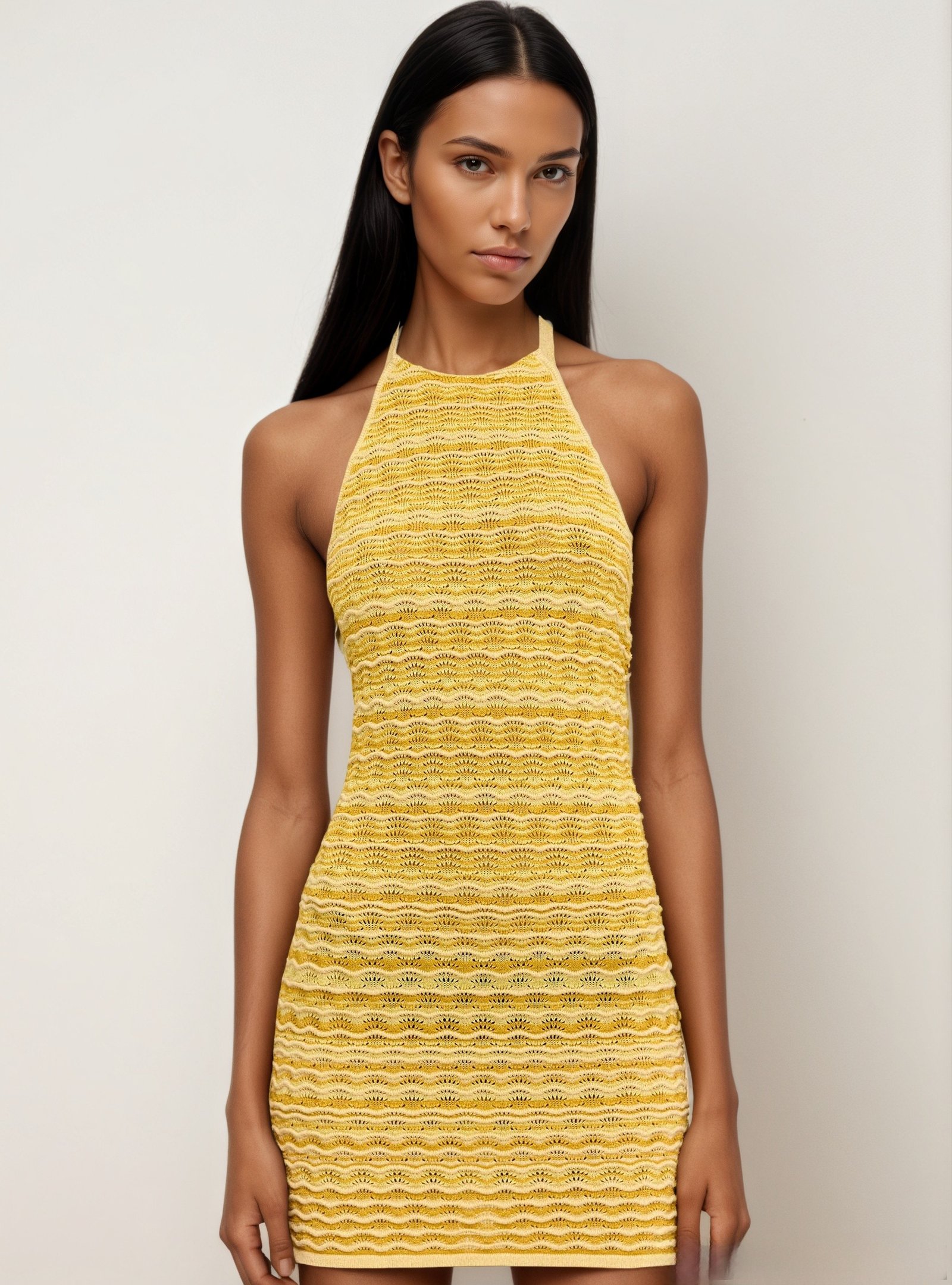
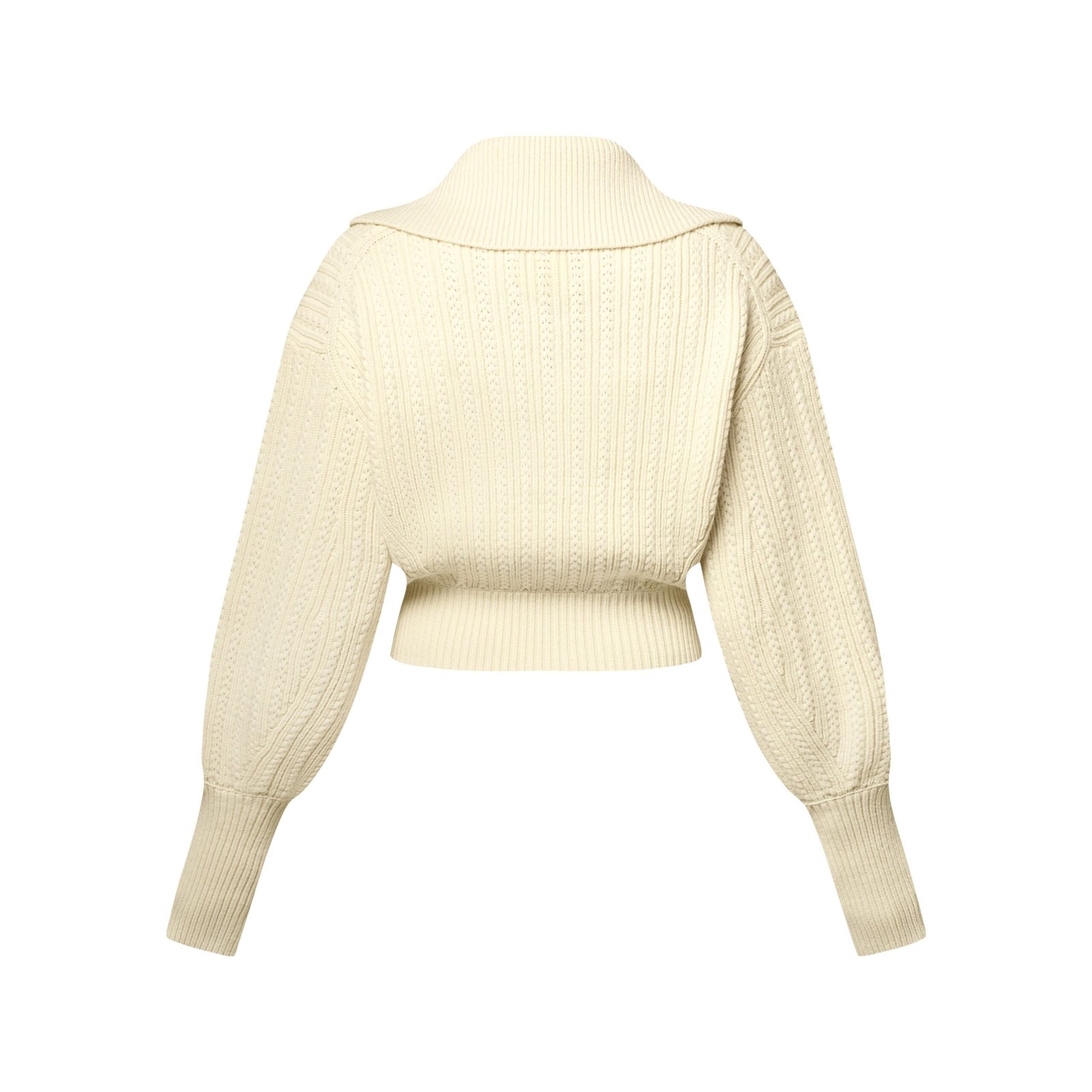
Custom Sweaters
Source and manufacture turtleneck sweaters in bulk using knit constructions selected for hand feel, warmth, stretch, and shape retention. Development covers yarn selection, gauge, neck height, rib detailing, fit blocks, and XS–3XL grading for wholesale and private-label programs.
Request a Quote
Custom Jackets
Produce custom jean jackets and other woven outerwear with controlled denim washes, panel construction, hardware, pockets, embroidery, patches, and labels. Technical review helps align fabric weight, silhouette, and finishing requirements before sampling and bulk approval.
Request a Quote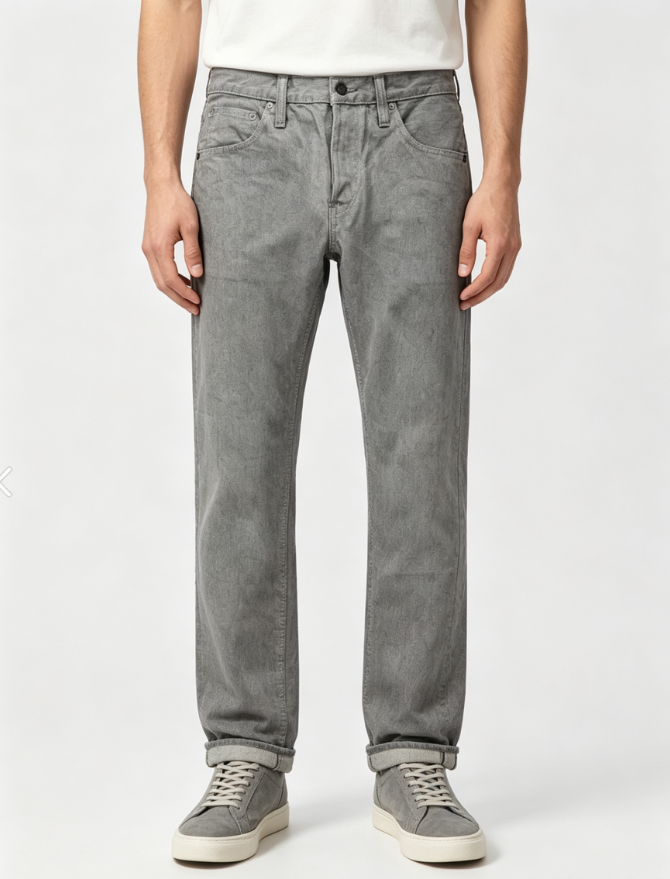
Custom Sweatshirts & Crewnecks
Develop custom crewneck hoodie and sweatshirt programs in fleece or French terry, including crewnecks, oversized sweatshirts, and hooded styles. Control body weight, rib recovery, shoulder shape, decoration placement, wash effects, and graded measurements across the full size set.
Request a Quote
Custom Cardigans
Manufacture custom cardigans in knit constructions suited to your target price point and intended wear. Junsheen supports yarn and gauge selection, button or zipper specifications, placket stability, rib finishing, logo details, and proportion-focused grading for regular or extended sizes.
Request a Quote
Custom Puffer & Down Jackets
Produce custom puffer jackets with practical control over shell fabric, insulation, quilting layout, lining, zipper quality, pocket construction, and branded trims. Sampling validates volume, warmth, mobility, and finish quality before a capsule or larger outerwear run.
Request a Quote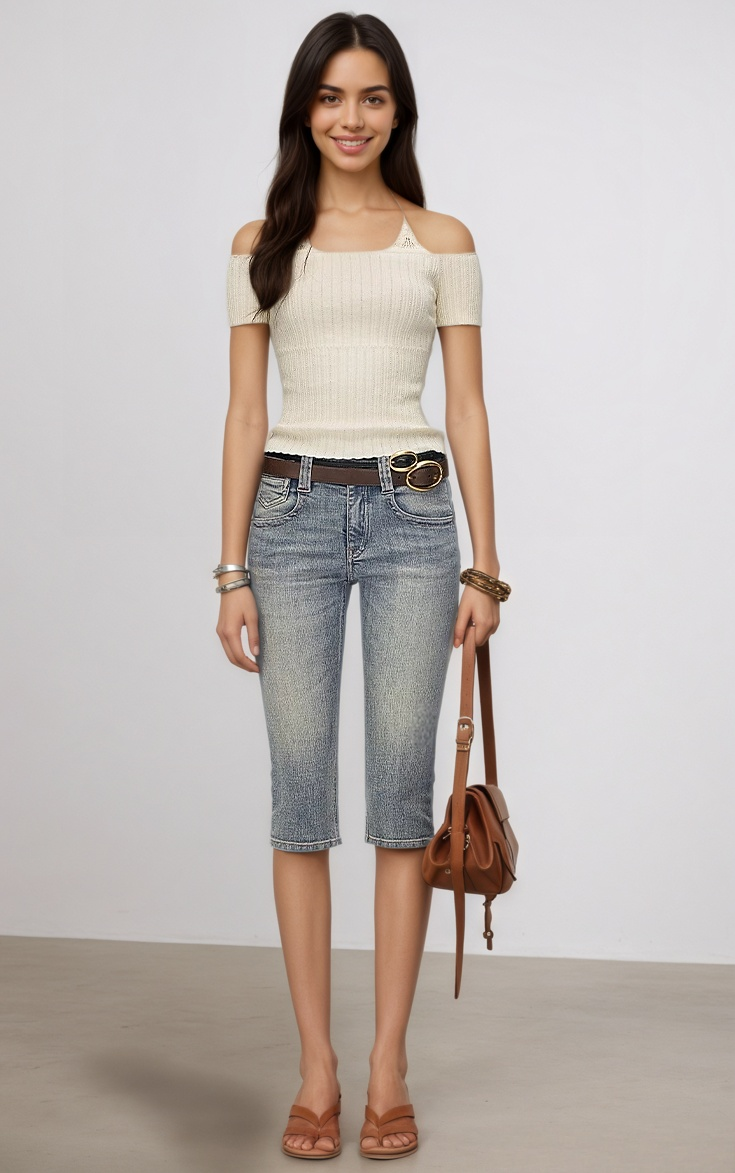
Custom Denim Shorts
Create custom jean shorts with denim washes, raw or finished hems, pocket details, hardware, distressing, and embroidery options. Pattern development addresses rise, thigh ease, inseam, and grading so the fit remains consistent across standard, plus-size, and oversized ranges.
Request a Quote
Custom Sweater Dresses
Manufacture custom sweater dresses with yarn, gauge, silhouette, neckline, and stretch recovery matched to the intended collection. Fit development addresses body length, shoulder balance, sleeve proportion, and grading to help maintain shape and wearability across XS through 3XL.
Request a Quote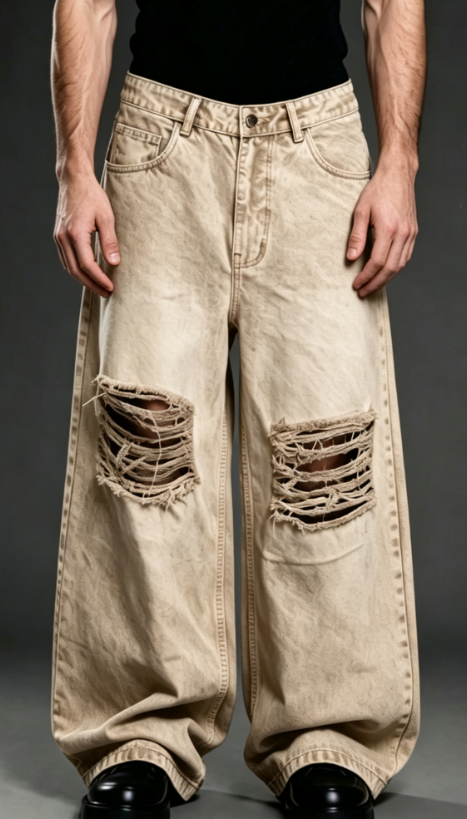
Custom Denim Sets
Produce mens denim suits wholesale programs with coordinated denim jackets, overshirts, jeans, or tailored separates. Junsheen aligns fabric shade, wash, construction, sizing, labels, and hardware across both pieces, supporting consistent sets for wholesale and private-label distribution.
Request a Quote
Custom Polo Shirts
Develop custom polo shirts in pique, jersey, or performance knits with specifications for collar construction, plackets, buttons, sleeve cuffs, embroidery, and fit. Material and grading choices can be tailored for retail uniforms, golf-inspired capsules, or elevated casual collections.
Request a Quote
Custom Sweatpants
Produce custom sweatpants in fleece, French terry, jersey, or performance knit with jogger, straight-leg, wide-leg, or relaxed blocks. Control waistband recovery, pocket construction, cuff details, drawcords, printing, embroidery, and fit from XS to 3XL.
Request a Quote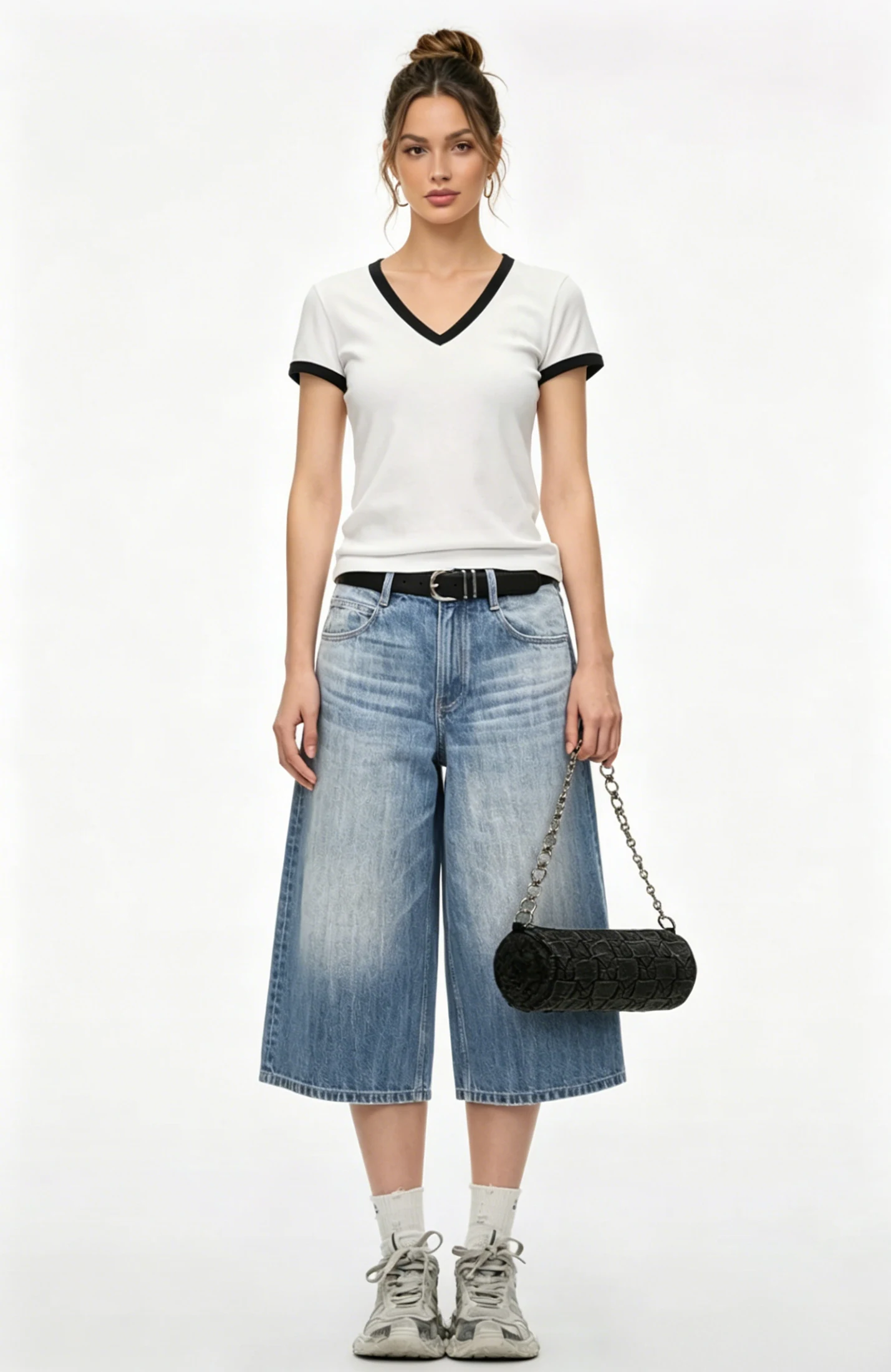
Custom Shorts
Manufacture custom shorts for casualwear, active-inspired, denim, and woven programs. Development covers inseam, rise, leg opening, pocket placement, waistband construction, fabric weight, washes, and decoration, enabling consistent production from a 100-unit style-and-color MOQ.
Request a Quote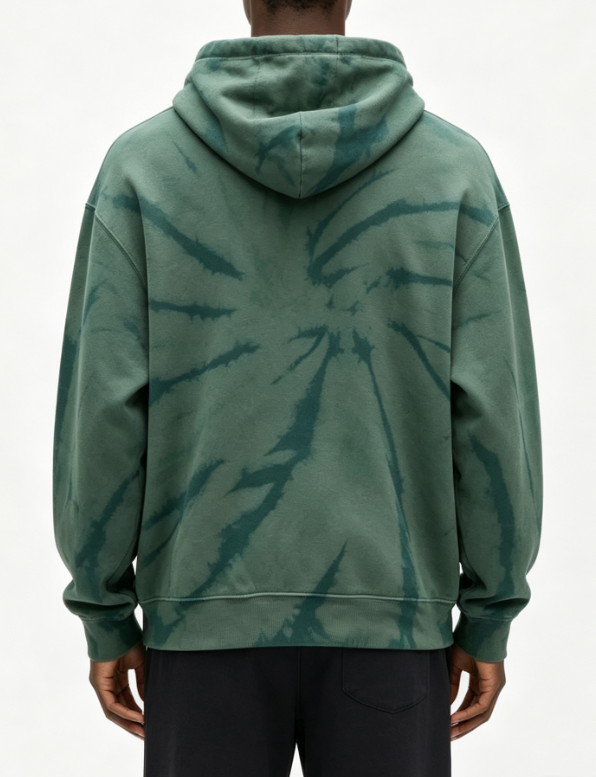
Custom Pullovers
Develop custom pullovers across knit, fleece, French terry, and jersey constructions. Junsheen supports quarter-zips, mock necks, hoodless styles, and oversized silhouettes, with attention to neckline stability, sleeve balance, trims, decoration, and graded fit for global collections.
Request a QuoteDenim and Supporting Materials to Customize Jeans

Rigid Cotton Denim
A structured, authentic denim with a dry hand feel for classic five-pocket jeans, jackets and sets. Typically 10–14 oz, it develops character through stone, enzyme and vintage wash programs.

Stretch Denim
Cotton-rich denim blended with elastane for close-fitting jeans, skinny silhouettes and comfort-led casualwear. Its controlled stretch improves mobility and recovery while preserving a substantial denim appearance after repeated wear.

Comfort Stretch Denim
A balanced denim construction for straight, slim and relaxed fits that need everyday movement without excessive give. Usually midweight, it combines a soft hand feel with reliable shape retention and wash versatility.

Tencel Blend Denim
A softer, fluid denim blend suited to wide-leg jeans, shirts and lightweight denim coordinates. Tencel contributes a smooth hand feel, breathable drape and responsive results with garment dye or enzyme washes.

Recycled Cotton Denim
A responsible denim option incorporating recycled cotton fibers for brands developing lower-impact collections. Available in varied weights and finishes, it can deliver a textured hand feel while supporting durability and wash-tested production.

Cotton Twill
A durable woven supporting material for denim-inspired chinos, utility pockets, waistbands and workwear separates. Its diagonal construction provides a clean hand feel, stable structure and dependable performance for garment washing.
Customize Jeans with Signature Decoration and Finishing

Logo Embroidery
Flat, puff, chain-stitch, applique, and patch embroidery add dimensional branded detail to pockets, waistbands, legs, and back yokes. Reinforced execution helps maintain a clean appearance and secure attachment through repeated wear and washing.

Denim Printing
Screen printing, high-density, puff, silicone, foil, DTF, and heat-transfer methods create graphic statements on denim. Our team recommends artwork placement and ink systems that complement fabric weight, stretch, texture, and the intended wash effect.

Garment Dyeing
Garment dyeing gives completed jeans a rich, lived-in color character that differs from conventional fabric dyeing. Controlled development supports custom shades, tonal variation, and a softer hand feel while preserving consistent bulk-production results.

Enzyme Washing
Enzyme washing gently softens denim and reduces surface stiffness for a broken-in hand feel. It can refine color depth and create a cleaner, more natural vintage effect while helping your custom jeans remain comfortable from first wear.

Acid Stone Wash
Acid wash and stone wash techniques create contrast, fading, abrasion, and authentic worn-in texture across the garment. Sampling helps calibrate the wash recipe, fabric response, and visual intensity before approving repeatable bulk production.

Finishing Effects
Brushing, napping, softening, distressing, and other finishing effects refine denim texture and visual depth. JUNSHEEN combines treatment development with fit checks so the final result supports your desired appearance, comfort, and durability.
Customize Jeans with Branded Trims and Accessories

Logo Snap Buttons
Custom metal snap buttons add durable closure and brand recognition to denim jackets, waistbands and pockets. Choose finishes, engraved logos and color treatments that complement your wash, hardware story and intended retail position.

Custom Metal Zippers
Specify zipper length, puller shape, tape color and branded pulls for jeans, denim skirts and outerwear. Reliable zipper options help support smooth wear performance while carrying a more considered private-label finish.

Leather Waist Patches
Add embossed, debossed or printed leather-style patches at the back waistband to strengthen denim identity. Our team can coordinate patch dimensions, logo placement, color and stitching with your approved jean pattern.

Woven Brand Labels
Woven main, size and care labels provide clear branding and garment information across your custom jeans collection. Select folded or flat constructions, yarn colors and placements suited to pockets, waistbands or interior seams.

Custom Hang Tags
Branded hang tags present product details, sizing and your collection story at retail. Pair custom stock, shapes, finishes and attachment methods with denim programs to create a polished handoff from factory to customer.
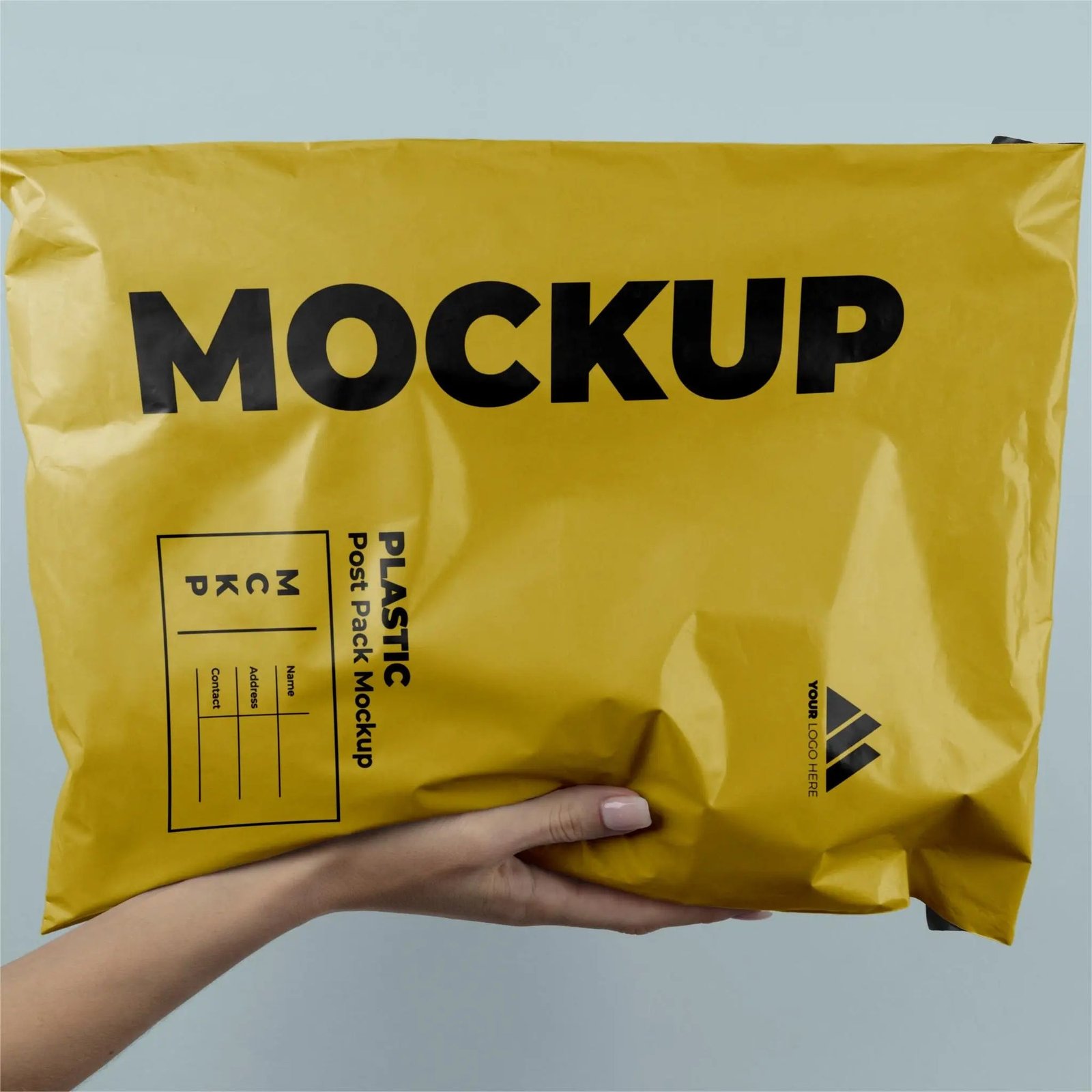
Branded Packaging Sets
Complete each order with custom polybags, boxes, tissue, stickers or packing inserts designed around your retail and shipping requirements. Coordinated packaging helps protect finished denim while making unboxing feel distinctly on-brand.
Built to Customize Jeans at Scale
Founded in 2010 in Humen Town, Dongguan, JUNSHEEN helps fashion brands customize jeans and build complete casualwear collections through one responsive OEM, ODM and private-label supply chain. From a tech pack or concept through sampling, production and export, our mission is to turn brand direction into dependable, production-ready apparel.
Our 200+ skilled workers combine cut-and-sew denim expertise with knitwear, outerwear, decoration, washing, finishing, labels, trims and packaging. With monthly capacity above 80,000 units and low MOQs from 100 units per style and color, we support focused capsule launches as confidently as scalable repeat programs.
What sets JUNSHEEN apart is fit-led development and practical partnership. We refine patterns and grading from XS to 3XL, including extended-size, plus-size and oversized fits, rather than simply scaling a base sample. Having served 2,000+ fashion-brand clients worldwide, we bring clear technical support and consistent quality to every order.

Core Capabilities Behind Production-Ready Denim
Fit Engineering That Holds
When you customize jeans with JUNSHEEN, patterns are developed for the intended silhouette and size range, from XS to 3XL. Our team refines rise, hip balance, leg shape, mobility and grading increments instead of relying on simple size enlargement.
- Fit-focused pattern making for regular, oversized and extended sizes
- Size grading reviewed across the full XS–3XL range
- Prototype and size-set sampling before bulk approval
- Manufacturability feedback to reduce avoidable revisions

From Concept to Sample
Bring a tech pack, sketch, reference garment, mood board or early product idea. JUNSHEEN turns it into production-ready custom denim through specification review, fabric and trim sourcing, pattern development, sample making and clear pre-production approval.
- OEM, ODM and private-label development support
- Denim, stretch denim and supporting material recommendations
- Custom pocket, seam, hardware and construction specifications
- Low MOQ from 100 units per style and color

Decoration and Wash Control
Build a distinctive denim program with integrated decoration, washing and finishing choices managed within one manufacturing workflow. We coordinate embroidery, printing, patches, garment dye and wash effects so the approved look can be translated consistently into bulk production.
- Embroidery, custom patches, screen printing and transfers
- Stone wash, enzyme wash, acid wash and garment dye options
- Softening, brushing and other hand-feel finishing treatments
- Custom labels, buttons, zippers, hang tags and packaging

Repeat Orders Made Consistent
For brands that customize jeans season after season, JUNSHEEN retains approved patterns, graded size sets and material records to support reliable reorders. Incoming, in-line and final inspections help maintain fit, construction, decoration and packed-goods standards as volume grows.
- Retained pattern, grading and material references
- Quality checks for fabric, measurements, construction and decoration
- 200+ skilled workers and 80,000+ monthly unit capacity
- Global export support for growing denim programs

Why Choose JUNSHEEN to Customize Jeans?
Fit-focused development, 100-unit flexibility, and scalable denim production in one accountable supply chain.
← 左右滑动查看 →
Customize Jeans Through a Controlled Production Process
JUNSHEEN coordinates every denim-development stage, from feasibility and fabric selection to fit approval, bulk quality control and global shipment.
Review Design Feasibility
Send a tech pack, sketch, reference garment or idea. Our team reviews construction, target fit, wash effects, decoration, MOQ and production requirements.
Source Denim and Trims
We recommend denim weight, stretch, hand feel, color and supporting trims based on your price target, wash performance, durability and brand direction.
Create Patterns and Samples
Pattern makers build and grade fit-focused XS–3XL patterns, then produce prototype samples for measurement, mobility, wash, trim and construction review.
Approve Size Set Details
Review samples, fabric swatches and size sets before confirmation. We record approved specifications, materials and finishing details to prepare reliable bulk production.
Produce, Inspect and Pack
After approval, skilled teams cut, sew, decorate and finish your jeans. Multi-stage inspections cover fabric, measurements, construction, washing and packed goods.
Ship Global Brand Orders
We complete branded packing and export coordination, then arrange shipment support for your approved order—from 100-unit launches to scalable repeat programs.
Customize Jeans with Our OEM Denim Team
Move from design input to approved bulk production with a clear, fit-focused development process.
Submit Your Design Brief
Send a tech pack, sketch, reference garment, or mood board with target quantities, fit direction, wash ideas, decoration details, and preferred price range.
Review Specs and Quote
Our denim team assesses construction, fabric, trims, size grading, and manufacturability, then confirms recommendations, 100-unit MOQ feasibility, sampling scope, and quotation.
Approve Development Samples
Review prototype samples for fit, measurements, wash effects, hardware, branding, and workmanship. We refine patterns from XS through 3XL before pre-production approval.
Launch Bulk Production
After final approval, JUNSHEEN manages material sourcing, cutting, sewing, finishing, quality control, private-label packaging, and global export support for your custom jeans order.
Custom Clothing Manufacturer Credentials and Compliance Documents



What Fashion Brands Say About Our Custom Jeans Production
JUNSHEEN translated our reference fit into a graded XS–3XL denim program with two sampling rounds instead of the five revisions we had budgeted. The approved size set gave our wholesale team confidence to open repeat orders.
For our 180-unit launch, the team helped us lock fabric weight, wash effect, and branded trims before bulk. Measurement consistency across the first run reduced fit-related customer returns by 18% compared with our previous supplier.
We started with 100 units per color, then reordered three times after the fit and stone wash stayed consistent. Having patterns, grading, labels, and packaging managed together made scaling our customize jeans collection much easier.
Customize Jeans FAQ for OEM Buyers
Clear answers on minimums, sampling, fit, approvals, payment and global delivery from JUNSHEEN.
What is the minimum order quantity to customize jeans?
How long does it take to customize jeans samples?
How much does it cost to customize jeans before bulk production?
Can you develop jeans from a sketch or reference garment?
Can you grade custom jeans from XS to 3XL?
Can JUNSHEEN add private labels, buttons and branded packaging?
How are denim washes approved before bulk production?
What payment terms and shipping support do you offer for OEM jeans orders?
How do you protect my custom jeans designs and product information?
The Complete Buyer’s Guide to customize jeans
Use this sourcing framework to define customize jeans, compare materials and finishes, evaluate OEM suppliers, control pricing, and avoid costly specification, quality, and production mistakes before placing your order.
1. What Are Customize Jeans?
100 units per style and color is a practical starting point for customize jeans: a factory develops a production-ready denim program around a brand’s specifications, rather than merely adding a logo to stock goods. The buyer can set the silhouette and fit block, graded size range, denim weight and stretch, wash target, thread, hardware, labels, hang tags, and branded packaging. 12–14 oz rigid denim, stretch denim, black sulfur dye, enzyme wash, stone wash, whiskering, custom rivets, YKK-compatible zipper specifications, and Pantone-matched trims are examples of decisions that define made-to-order denim. This differs from private-label blanks, where an existing jean is relabeled; alterations, which modify finished garments; and consumer DIY personalization such as patches or distressing. OEM is appropriate when a brand supplies a complete tech pack, approved measurements, artwork, and construction details. ODM suits buyers who select and adapt a manufacturer-developed base style, while full-package manufacturing fits teams needing help with fabric sourcing, pattern making, grading, sampling, production, quality control, and export coordination. 2010-founded JUNSHEEN can support this full development path from a sketch, reference garment, mood board, or finished tech pack, including normal, extended, plus-size, and oversized fits from XS through 3XL. The objective is repeatable bulk production: retained patterns, graded size sets, and material records make later reorders more consistent than one-off customized garments.
2. Evolution of Customize Jeans
1873 is the useful starting point: riveted denim was built for durability, then industrial production turned jeans into standardized, repeatable workwear. By the 1980s, designer denim had shifted buyer attention toward silhouette, branded hardware, stone washes, enzyme washes, and controlled fading—details that made a basic five-pocket jean a recognizable product story. 1980s wash development also changed the private-label brief from selecting a fabric to specifying a full identity system: denim weight, stretch recovery, rise, leg shape, thread contrast, trims, labels, and finish. Modern buyers who customize jeans expect sample approvals and retained material records to connect the approved wash, fabric lot, graded pattern, and bulk result rather than treating each reorder as a fresh development exercise. 2000s digital workflows and decoration methods lowered the barrier to smaller, more responsive runs, while e-commerce made rapid trend testing commercially practical. A 100-unit-per-style-and-color starting point can let a label validate a relaxed, straight, wide-leg, or extended-size fit before scaling; the stronger program pairs that flexibility with inclusive grading, traceable sourcing decisions, and branded details that customers can see and understand.
3. Types of Customize Jeans
Eight core silhouette families give a label distinct customer and styling positions when it plans to customize jeans. A complete technical brief locks the rise, inseam, leg opening, stretch recovery, wash target, and graded measurements before sampling.
Straight And Slim Fits
10–12 inch leg openings commonly define straight jeans, which suit broad everyday assortments and work with rigid or low-stretch denim. Slim jeans taper below the knee for a cleaner profile; specify thigh ease and 1–2% elastane when mobility matters.
Skinny And Relaxed Fits
11–13 ounce stretch denim is typical for skinny fits, where high recovery prevents bagged knees and the calf measurement must be controlled. Relaxed jeans add seat and thigh ease for casual or skate-led customers; state the intended inseam break and rise clearly.
Wide Leg And Flare
20–26 inch leg openings create a wide-leg statement, while flares stay fitted through the knee before expanding at the hem. High-rise proportions often support both directions; confirm hem sweep, inseam length, and footwear styling on the fit sample.
Cargo And Extended Sizes
2–6 utility pockets can turn denim into a cargo-inspired program, but pocket placement must avoid hip bulk and restrict movement. XS–3XL grading needs separate balance checks for rise, thigh, knee, and leg opening; do not merely enlarge the base pattern.
4. Customize Jeans Materials and Fabrics
12–14 oz denim is the commercial baseline for most five-pocket programs, but fiber blend and finishing determine whether it wears crisp, flexible, or soft. When buyers customize jeans, the specification should name both composition and measurable performance targets.
| Fabric | Typical GSM | Best Use | Key Requirement |
|---|---|---|---|
| Cotton rigid denim | 340–450 | Classic jeans, vintage fits | Allow shrinkage |
| Stretch denim | 300–420 | Slim or active fits | Specify recovery |
| Recycled or organic denim | 300–400 | Responsible collections | Verify fiber claim |
| Selvedge denim | 400–500 | Premium rigid programs | Limit aggressive washes |
| Lightweight denim | 270–340 | Warm-weather styles | Check opacity |
Match Weight To End Use

8–10 oz lightweight denim suits summer shirts, wide legs, and layering pieces; 14–16 oz heavyweight denim delivers structure for heritage silhouettes and cooler seasons. 12–14 oz constructions balance year-round comfort and durability. Confirm fabric weight after wash, because garment washes can change handle and apparent density.
Specify Fiber And Recovery

100% cotton rigid denim gives authentic break-in and strong abrasion character, yet it normally needs shrinkage allowance and offers no stretch recovery. 1–3% elastane adds mobility; require recovery testing after repeated extension so knees and seats do not bag. Organic cotton and recycled fibers should be specified by certified content and supporting documentation.
- State warp and weft fiber percentages
- Set maximum residual shrinkage after wash
- Request stretch and recovery test method
Plan Color And Washes

Indigo’s color retention depends on dye method, fabric construction, and wash recipe. Ask for wash-test approval across the intended stone, enzyme, bleach, or laser finish before bulk cutting. Selvedge denim is valued for its woven edge and usually favors rigid, minimally processed programs. Dark rinse styles need crocking and wash-fastness targets, especially when paired with light trims.
5. Customize Jeans Decoration Options
Decoration choices should be locked before the size-set sample because washes and placements can change measurements, shade, and hand feel. For customize jeans, combine a clear visual hierarchy with testable durability and compliant material choices.
| Finish | Impact | Durability / Constraint | MOQ Or Compliance |
|---|---|---|---|
| Laser and whiskers | High | Permanent; panel placement only | Setup sample required |
| Embroidery and patches | Medium-high | Secure backing; avoid seams | Digitizing and patch setup |
| Rhinestones and studs | High | Flex-zone loss risk | Nickel and attachment testing |
| Print and appliqué | Medium | Wash-test adhesion | Color and artwork setup |
| Buttons, labels, packaging | Brand-led | Hardware and label specs | Material minimums apply |
Wash And Surface Effects

3D whiskers, stone wash, enzyme wash, acid wash, distressing, and laser abrasion create the strongest denim identity. Approve a washed standard and shade band: abrasion and wash recipes vary with indigo depth, fabric weight, and stretch content.
Applied Branding Details

Embroidery, chain stitch, screen print, patches, rhinestones, studs, and appliqué work best on stable panels such as back pockets, yokes, legs, and waistbands. Avoid heavy hardware at high-flex zones; it can distort stretch denim or abrade adjacent fabric.
Hardware Labels And Packaging

Branded buttons, rivets, leather or woven labels, wash-care labels, hang tags, and polybags turn a garment into a private-label product. Specify nickel-release requirements for hardware and verify label fiber-content, care, country-of-origin, and local-market rules before bulk approval.
6. Construction Quality for Customize Jeans
A durable jean is set by repeatable construction controls, not by denim weight alone. For brands that customize jeans, approved patterns, hardware, and wash results must align before bulk cutting begins.
Pattern And Measurement Control
A graded pattern should define rise, hip, thigh, knee, leg opening, inseam, and waistband measurements for every size. Tolerance limits should be stated per point of measure, commonly ±0.5 cm for critical waistband and rise points. A complete tech pack includes a measurement spec, graded chart, seam callouts, stitch details, pocket coordinates, wash target, fabric composition, trim list, and label placement. A sealed pre-production sample verifies those instructions against the approved size and colorway.
Seams, Stress Points, And Hardware
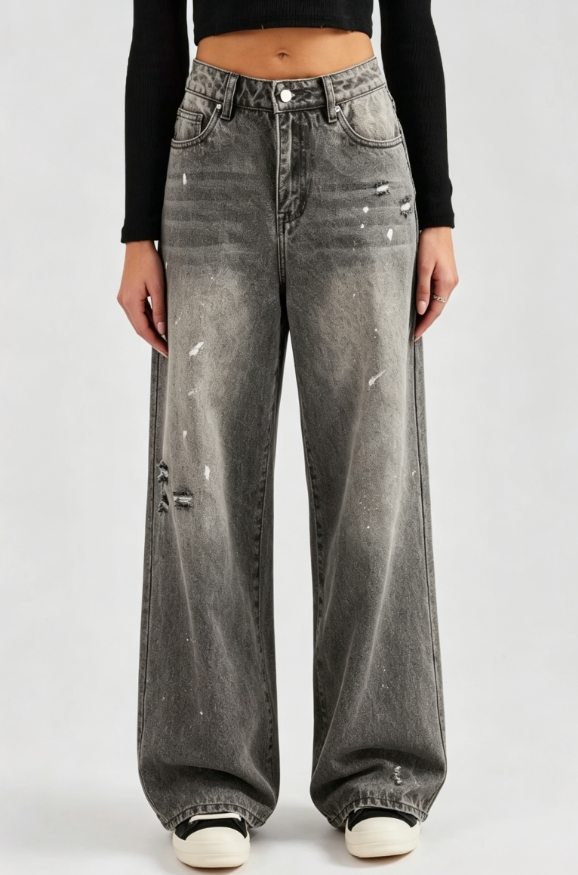
Chain-stitch and lockstitch selections must match the seam function: flat-felled seams strengthen inseams, while overlock seams finish internal edges cleanly. Stitch density should be specified consistently, typically 8–12 stitches per inch for denim construction. Bartacks at pocket corners, fly bases, belt loops, and other stress points prevent early seam failure. Zippers, buttons, rivets, and buttonholes should be tested for smooth operation, secure attachment, and wash resistance before production approval.
- Specify seam type and thread color
- Mark each bartack location
- Approve zipper and button pull tests
Placement, Waistbands, And Washing
Back-pocket placement should use fixed distances from the yoke, center back, and side seams because small shifts change the visual balance and perceived fit. Waistbands need aligned belt loops, even topstitching, stable interfacing, and a confirmed finished circumference. Wash testing should compare shrinkage, torque, color loss, hand feel, and hardware performance against the approved sample. Hem finishing—single lockstitch, chain stitch, or raw hem—must remain consistent after the selected wash process.
7. How to Choose a Jeans Manufacturer
A 100-unit minimum can suit a capsule, but supplier selection should start with proof of denim execution rather than a low quotation. Compare the same specification, approval process, compliance records, and delivery responsibility across every candidate.
Verify Denim Capability

12–14 oz stretch denim, rigid denim, and washed finishes require different shrinkage, sewing, and finishing controls; request comparable production samples. 3 sample checks matter most: measure inseam and rise after washing, inspect seam roping, and test pocket alignment against the approved pattern.
- Ask for wash test results and shrinkage tolerance.
- Request inside-out photos of seams and bartacks.
- Confirm zipper, rivet, and button specifications.
Audit Development And Quality
1 complete tech pack should trigger a written feasibility review covering fabric, pattern, grading, construction, and decoration before sampling begins. 2 approval stages—fit sample and pre-production sample—reduce bulk risk when measurement tolerances, wash appearance, and trims are signed off.
- Request a graded size chart from XS to 3XL.
- Ask who approves fabric and finished-garment inspections.
- Review OEKO-TEX, GOTS, WRAP, or BSCI documentation when required.
Compare Commercial Execution
2 quotes can share a unit price yet differ materially in fabric weight, wash, hardware, packaging, sampling charges, freight terms, and defect handling. 7–21 days is a common sampling window, while bulk lead time depends on fabric availability, wash capacity, and order complexity; obtain milestones in writing.
- Confirm MOQ by style, color, and wash.
- Ask which Incoterm and export documents are included.
- Use a named contact and written change approvals.
8. Common Customize Jeans Buying Mistakes
Most failed customize jeans orders trace to decisions made before the first sample, not sewing defects. A controlled brief, tested material, and signed approval path protect both delivery dates and margin.
Specify The Tech Pack
A one-page sketch cannot define rise, leg opening, stitch count, pocket placement, or trim. The consequence is revision cycles and a quote that excludes necessary work. Use a tech pack with graded measurements, Pantone references, construction callouts, BOM, and artwork files. Attach a reference garment only as a supplement, not the specification.
Test Fabric Before Washing

Indigo shade, stretch recovery, and shrinkage can change sharply after enzyme, stone, or bleach washing. Selecting a wash from a photo can leave a rigid hand feel, seam torque, or an unapproved cast. Test the intended denim lot first and approve a wash swatch plus full garment sample. Record fabric weight, fiber content, wash recipe, and before-and-after measurements.
Grade For Every Body
A size XL is not a uniformly enlarged medium, especially in high-rise or stretch jeans. Weak grading creates tight thighs, gaping waists, and returns in extended sizes. Approve a graded spec from XS through 3XL where needed, including rise, hip, thigh, knee, inseam, and leg opening. Fit-check representative sizes on relevant models before bulk.
Lock Samples And Quotes
Late changes to a signed sample—such as a new zipper, wash, or embroidery—can trigger material loss, repricing, and missed ex-factory dates. A low quote may also omit testing, labels, packaging, or wash development. Freeze a sealed pre-production sample and compare like-for-like quotations using the same fabric, wash, MOQ, trims, Incoterm, and inspection scope.
Verify Compliance And Production
Required standards vary by destination and retailer; missing fiber labels, care labeling, chemical documentation, or social-compliance evidence can block shipment or chargebacks. Bulk goods can also drift from a development sample without a production control point. Confirm market requirements before purchase-order release, request applicable test and compliance documents, and approve a pre-production sample from production materials. Schedule in-line and final inspections against the signed specification.
9. Steps to Launch Your Jeans Brand
A 100-unit minimum per style and color lets a new label validate fit, wash response, and sell-through before committing to a larger program. Treat every approval as a production gate, not an informal milestone.
Position The First Capsule
Three to five direct competitors provide a useful benchmark for retail price, silhouette, inseam, washes, and size range. Define the buyer, target margin, hero fit, and one clear reason customers should choose your jeans.
- Set the retail-price ceiling
- Choose regular, wide-leg, straight, or baggy fit
- Decide initial colors and wash direction
Build A Production Brief

A tech pack should specify front and back flats, measurements, grading, construction, Pantone colors, artwork, label placement, and packing. Submit a reference garment or mood board when details are unclear, then approve the manufacturer’s feasibility revisions before sampling.
- Fabric weight and stretch target
- Pocket shape, stitch color, and hardware
- Size range from XS through 3XL where required
Approve Fabric, Fit, And Wash

One prototype confirms pattern direction; a size set checks rise, hip balance, inseam, and grading across the intended range. Approve denim swatches, trims, fit corrections, and a sealed wash standard before costing or bulk release.
- Confirm shrinkage after wash
- Check abrasion placement and shade consistency
- Sign off on final measurements
Release Bulk With Controls
A written purchase order should lock approved samples, quantity, ex-factory date, packaging, and shipping terms. Incoming fabric checks, in-line measurement reviews, decoration inspection, and final packed-goods inspection protect the approved standard through delivery.
- Approve carton markings and polybag requirements
- Review final production sample
- Set balance payment before shipment
10. Customize Jeans Pricing and Cost
100 units per style and color is a practical starting point for many OEM denim programs, but it is not a price point. Final cost begins with denim composition and weight—such as 10–14 oz rigid cotton versus stretch denim—then changes with wash recipe, yield, fit complexity, hardware, labels, packing, and approved sample revisions. 2 cost buckets should stay separate in every quote: factory ex-works garment cost and landed cost. Freight, cargo insurance, customs clearance, destination duties, and taxes vary by shipping method, country of import, Incoterms, and the product’s customs classification; they should not be hidden inside a jeans unit price. 7–21 days is a typical development window after specifications and materials are confirmed; bulk timing follows approved samples, fabric availability, wash capacity, and order size. Ask for a line-item quotation covering denim, washing, decoration, trims, private labels, packaging, sampling, and logistics assumptions so changes can be costed before production.
| Quantity tier | Indicative unit-cost drivers | Typical production lead time |
|---|---|---|
| 100–299 units | Higher fabric minimums, sampling allocation, wash setup, custom hardware and labels | 25–45 days after approval |
| 300–999 units | Better fabric and trim utilization; wash, embroidery, print, and packaging remain specification-led | 30–50 days after approval |
| 1,000+ units | Improved purchasing leverage; multiple washes, special finishes, and freight still affect landed cost | 35–60 days after approval |
| Samples and freight | Prototype/size-set sampling, courier charges, sea or air freight, duties, and taxes quoted separately | Depends on destination and method |
Ready to Customize Jeans for Your Next Collection?
Send your tech pack, sketch, reference garment, or product idea for feasibility review, sampling guidance, and a production quote from JUNSHEEN.