
Custom Jeans for Women, Fit-Focused From 100 Units
Develop custom jeans for women with XS–3XL grading, OEM/ODM expertise, private labels, and scalable production for global fashion brands.
Featured Products for custom jeans for women Development


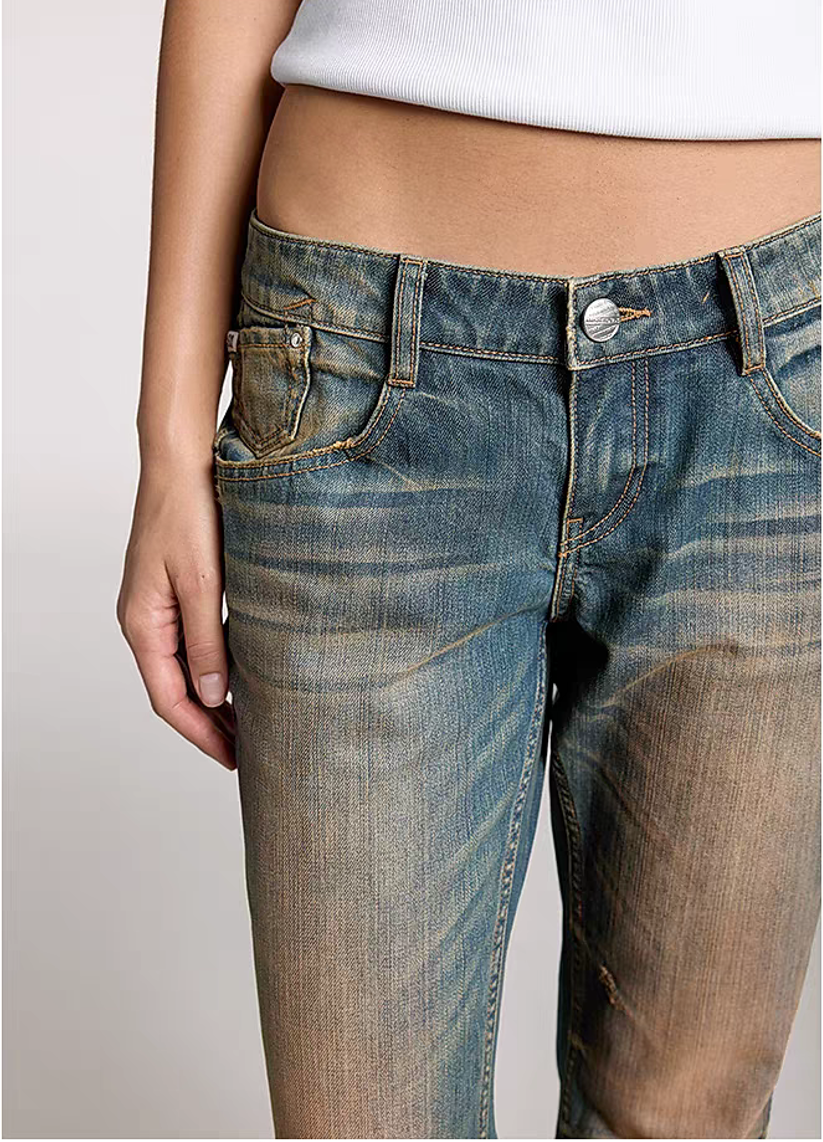


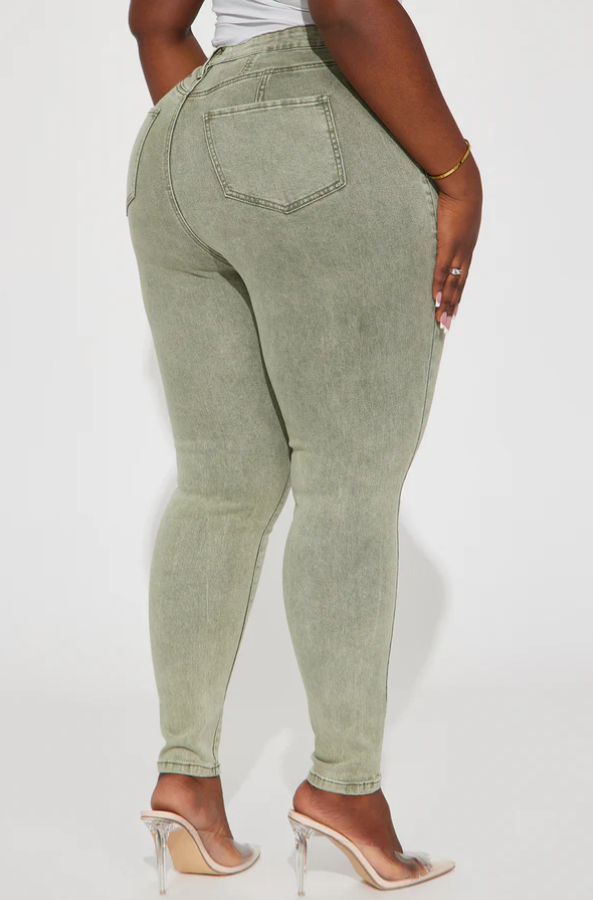
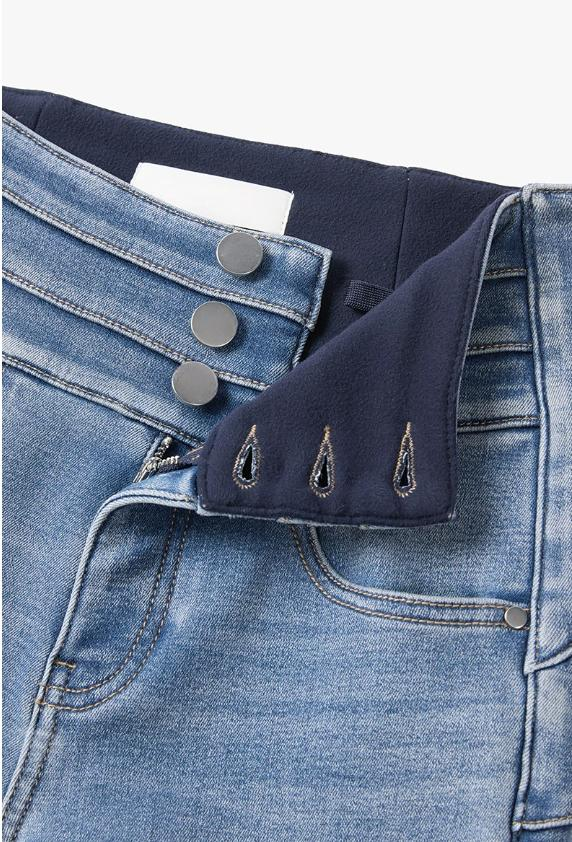

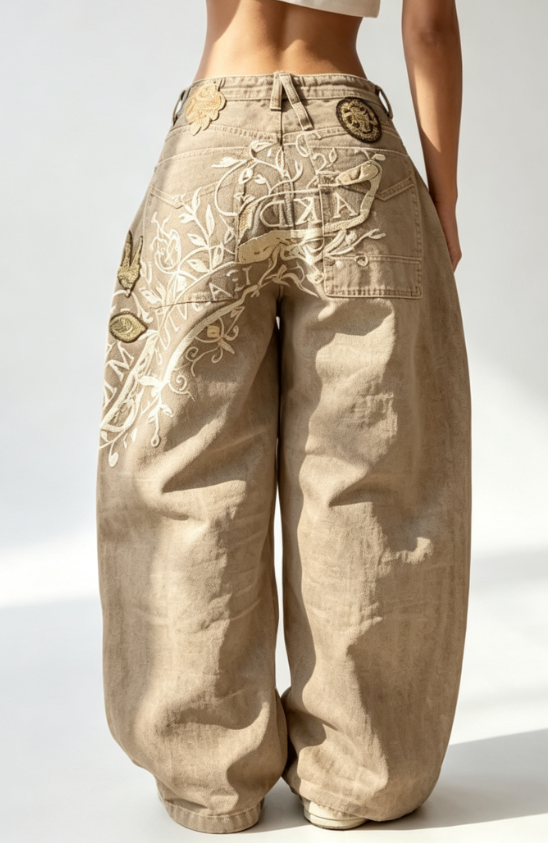


Related Product Catalogue and Quotation






Why Brands Choose JUNSHEEN for Custom Jeans for Women
Fit-led development, flexible starting quantities, and dependable global production for women’s denim programs.
Fit-Focused Size Grading
Patterns are refined from XS through 3XL for proportion, rise, mobility, and consistent fit across regular, extended, plus-size, and oversized ranges.
100-Unit Starting MOQ
Launch a women’s denim capsule from 100 units per style and color while retaining practical options for wash, fabric, trim, and branding customization.
One-Stop Denim Development
Move from sketch, reference, or tech pack through fabric sourcing, pattern making, sampling, wash development, private labels, and production support.
Scalable Production Capacity
More than 200 skilled workers and monthly capacity exceeding 80,000 units support both initial launches and repeat custom jeans for women programs.
Global Export Support
Receive coordinated quality control, packed-goods inspection, and export support for women’s denim orders supplied to fashion brands worldwide.
Women’s Denim and Casualwear Programs
From fit-sensitive denim to coordinated casualwear, Junsheen develops production-ready styles with low-MOQ flexibility and scalable global manufacturing.

Custom Hoodies
Develop custom hoodies in fleece, French terry, or jersey with fit development from XS to 3XL. We manage patterns, fabric weight, rib trims, embroidery, printing, labels, and packaging for capsule launches or repeat programs.
Request a Quote
Custom T-Shirts
Produce custom T-shirts from combed cotton, Pima cotton, blends, and performance jersey. Junsheen supports silhouette development, size grading, screen printing, DTG, DTF, embroidery, wash effects, and private-label finishing from 100 units per style and color.
Request a Quote
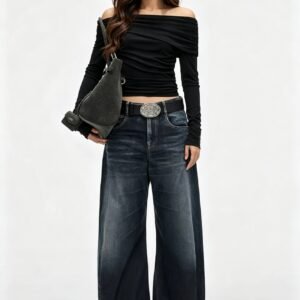
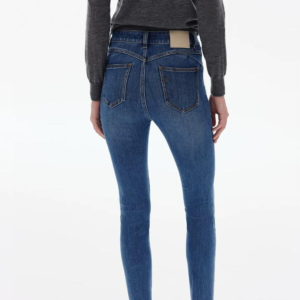
Custom Jeans
Build custom jeans with denim or stretch-denim sourcing, fit-specific patterns, and grading that considers rise, hip balance, leg shape, and mobility. Add washes, distressing, branded hardware, embroidery, patches, labels, and export-ready packing.
Request a Quote
Custom Sweaters
Source turtle neck sweaters in bulk through our knitwear development capability. We refine gauge, yarn blend, neckline shape, body length, sleeve proportion, and grading, then support custom labels, color programs, and scalable production for women’s or unisex collections.
Request a Quote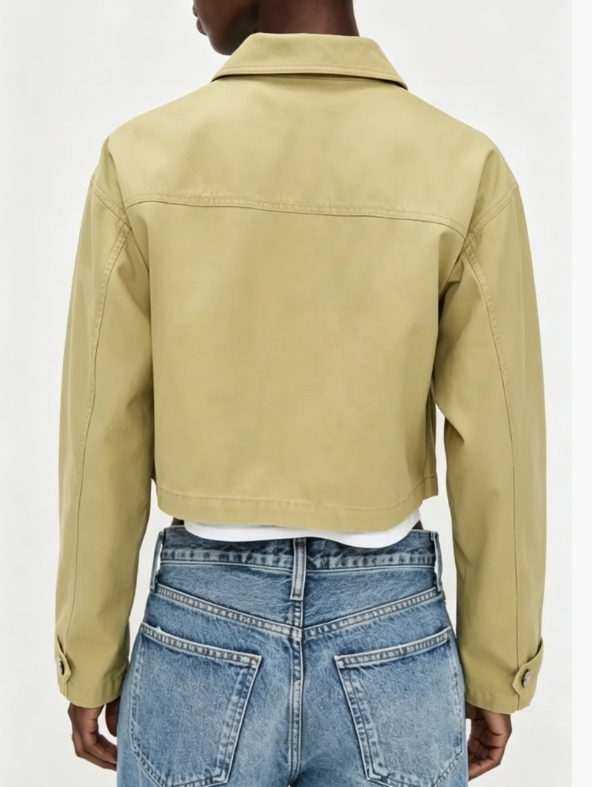
Custom Jackets
Develop custom jean jackets with structured fits, denim weights, wash treatments, branded buttons, patches, embroidery, and contrast details. Pattern makers address shoulder balance, sleeve length, and body proportion across standard, oversized, and extended-size ranges.
Request a Quote
Custom Sweatshirts & Crewnecks
Create custom crewneck hoodies and sweatshirts in brushed fleece, French terry, or jersey. We support crewneck construction, relaxed fits, rib specifications, puff or screen printing, embroidery, garment dye, washing, and complete private-label trims.
Request a Quote
Custom Cardigans
Produce custom cardigans with knitwear support for yarn selection, gauge, button placement, placket construction, and fit consistency. Develop cropped, fitted, oversized, or extended-size styles with branded buttons, labels, and packaging included.
Request a Quote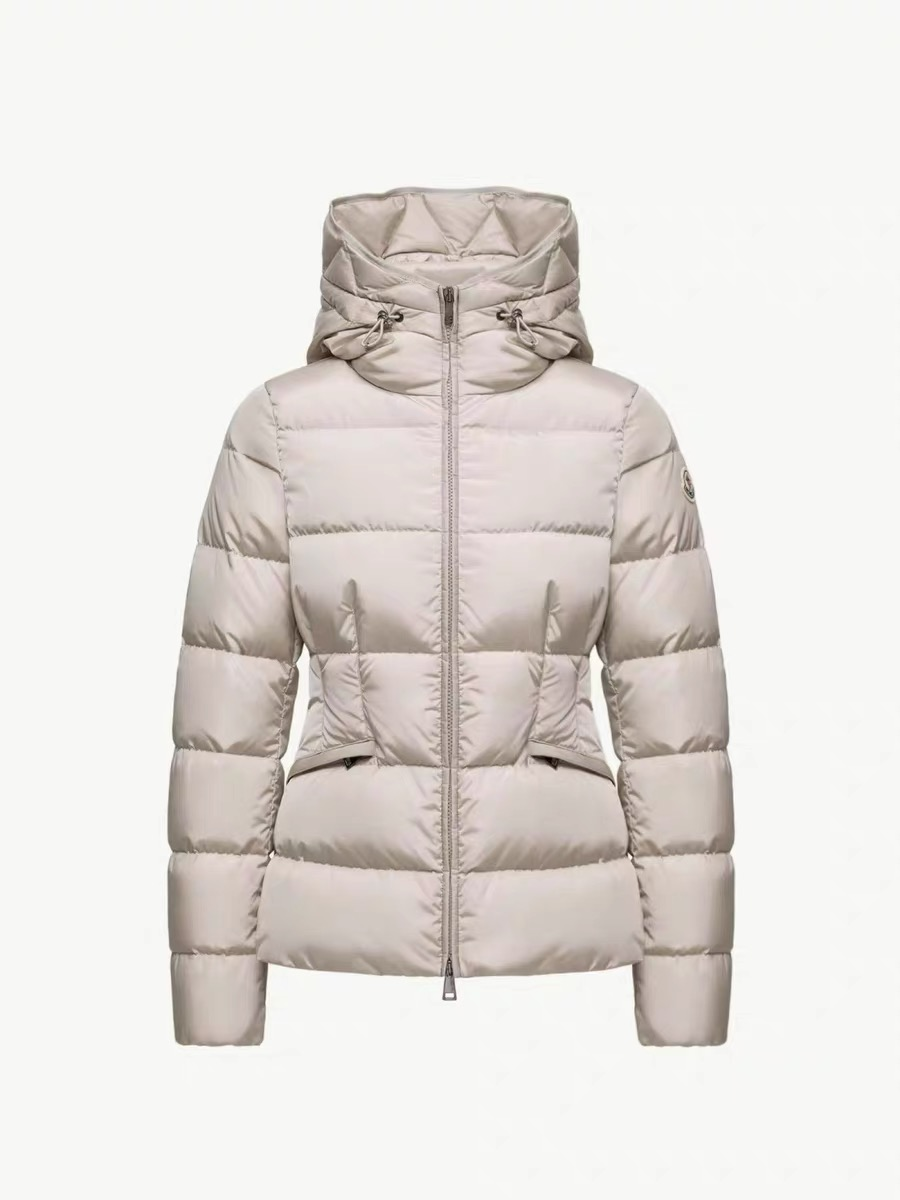
Custom Puffer & Down Jackets
Develop custom puffer jackets with shell, lining, insulation, quilting, hardware, and fit specifications aligned to your market. Junsheen manages prototypes, size grading, reflective or branded details, labels, and quality checks before global shipment.
Request a Quote
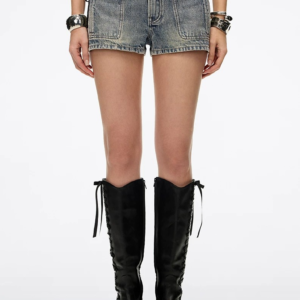
Custom Denim Shorts
Manufacture custom jean shorts with denim sourcing, rise and inseam development, pocket construction, hem treatments, and size grading. Add stretch performance, acid or stone washes, distressing, logo patches, hardware, and private-label finishing.
Request a Quote
Custom Sweater Dresses
Create custom sweater dresses with knit construction tailored to intended silhouette, drape, length, neckline, and sleeve balance. Our team develops fitted, relaxed, oversized, and extended-size options with yarn sourcing, grading, labels, and repeat-order records.
Request a Quote
Custom Denim Sets
Produce men’s denim suits for wholesale programs, including coordinated denim jackets, overshirts, trousers, or matching sets. We align fabric shade, wash outcome, fit, hardware, and branding across pieces for cohesive retail-ready assortments.
Request a Quote
Custom Polo Shirts
Develop custom polo shirts in pique, jersey, performance knits, or blends. Specify collar shape, placket length, button selection, sleeve finish, fit range, embroidery placement, printing, labels, and packaging for uniform, retail, or private-label programs.
Request a Quote
Custom Sweatpants
Manufacture custom sweatpants in fleece, French terry, or jersey with tailored, straight-leg, relaxed, or oversized fits. We develop waistband, drawcord, pocket, cuff, and grading details, then add printing, embroidery, washes, labels, and branded packaging.
Request a Quote
Custom Shorts
Produce custom shorts across jersey, fleece, twill, woven, and denim constructions. Junsheen supports fit development, inseam options, waistbands, pockets, stretch requirements, decoration, washing, labels, and low-MOQ production for seasonal assortments.
Request a Quote
Custom Pullovers
Develop custom pullovers in knit, fleece, French terry, or jersey constructions. We refine neckline, body volume, sleeve proportion, rib details, and XS–3XL grading, with embroidery, printing, wash effects, labels, and packaging handled in one supply chain.
Request a QuoteDenim and Stretch Materials for Custom Jeans for Women

Rigid Cotton Denim
A structured, authentic denim with a dry hand and dependable durability for straight-leg, wide-leg, and vintage-inspired jeans. Commonly 10–14 oz, it develops distinctive fading and character through enzyme, stone, or acid washing.

Stretch Cotton Denim
Cotton-rich denim blended with elastane for comfortable movement in skinny, slim, and fitted women’s jeans. Its controlled stretch and recovery help preserve shape through wear, while medium weights typically range from 9–12 oz.

Power Stretch Denim
A resilient stretch denim designed for body-contouring fits, jeggings, and high-rise silhouettes. Higher recovery reduces bagging at the knees and seat, while its smooth hand supports polished dark washes and clean finishing.

Tencel Blend Denim
A softer, fluid denim blend suited to relaxed jeans, wide-leg styles, and lightweight denim coordinates. Tencel adds a cool, smooth hand and improved drape, with wash behavior that can create a refined, broken-in appearance.

Recycled Blend Denim
Denim incorporating recycled cotton or recycled polyester for brands pursuing lower-impact material options. Available in rigid and stretch constructions, it offers durable everyday performance while allowing fiber content, weight, and wash direction to match your brief.
Custom Jeans for Women: Washes and Decoration

Logo Embroidery
Flat, puff, chain-stitch, and applique embroidery adds dimensional branding to pockets, waistbands, and panels. Stabilized placement and thread selection create a durable finish that holds its definition through regular wear and washing.

Denim Screen Printing
Plastisol, water-based, puff, foil, flocking, silicone, and high-density printing bring graphics to denim with controlled opacity and texture. We assess fabric weight and wash requirements to help preserve visual impact in production.

Garment Dye
Garment dye creates saturated, fashion-led color with nuanced tonal variation across finished women’s denim styles. The process can support cohesive capsule colors while retaining the character and structure of the selected denim construction.

Enzyme Wash
Enzyme washing softens denim and gently reduces surface fuzz for a cleaner, lived-in hand feel. It helps create comfortable custom jeans for women while maintaining a refined appearance suitable for branded retail programs.

Acid Wash
Acid washing produces high-contrast, irregular fading and a bold vintage-inspired surface. Controlled testing helps align the final effect with your approved sample, balancing statement character with reliable visual consistency across bulk units.

Stone Wash
Stone washing develops natural-looking abrasion, softened hand feel, and authentic denim depth. Wash parameters are reviewed against the fabric, stretch level, and desired distressing so your collection achieves a durable, repeatable finish.
Custom Jeans for Women: Private-Label Trims and Accessories

Woven Brand Labels
Add woven main labels, size labels and wash-care labels to custom jeans for women. We coordinate placement, yarn colors, folds and durable attachment methods for a polished private-label finish.

Custom Denim Buttons
Choose branded metal shank buttons, tack buttons or engraved closures for jeans waistbands. Custom finishes, logo artwork and color matching help reinforce your collection identity while supporting reliable everyday wear.

Branded Snap Hardware
Use custom snaps on denim overshirts, utility pockets, detachable details or coordinated denim sets. JUNSHEEN can source logo-stamped hardware in finishes selected to complement your wash, trims and target price.

Zippers and Pullers
Specify dependable zippers with custom pullers for women’s jeans, skirts, jackets and denim jumpsuits. Options include metal, nylon and concealed constructions, with branded pull details for a cohesive premium presentation.

Custom Leather Patches
Finish back waistbands with custom leather, faux leather or woven patches carrying your logo and care message. Patch shapes, embossing, colors and stitching are developed to suit your denim wash and positioning.
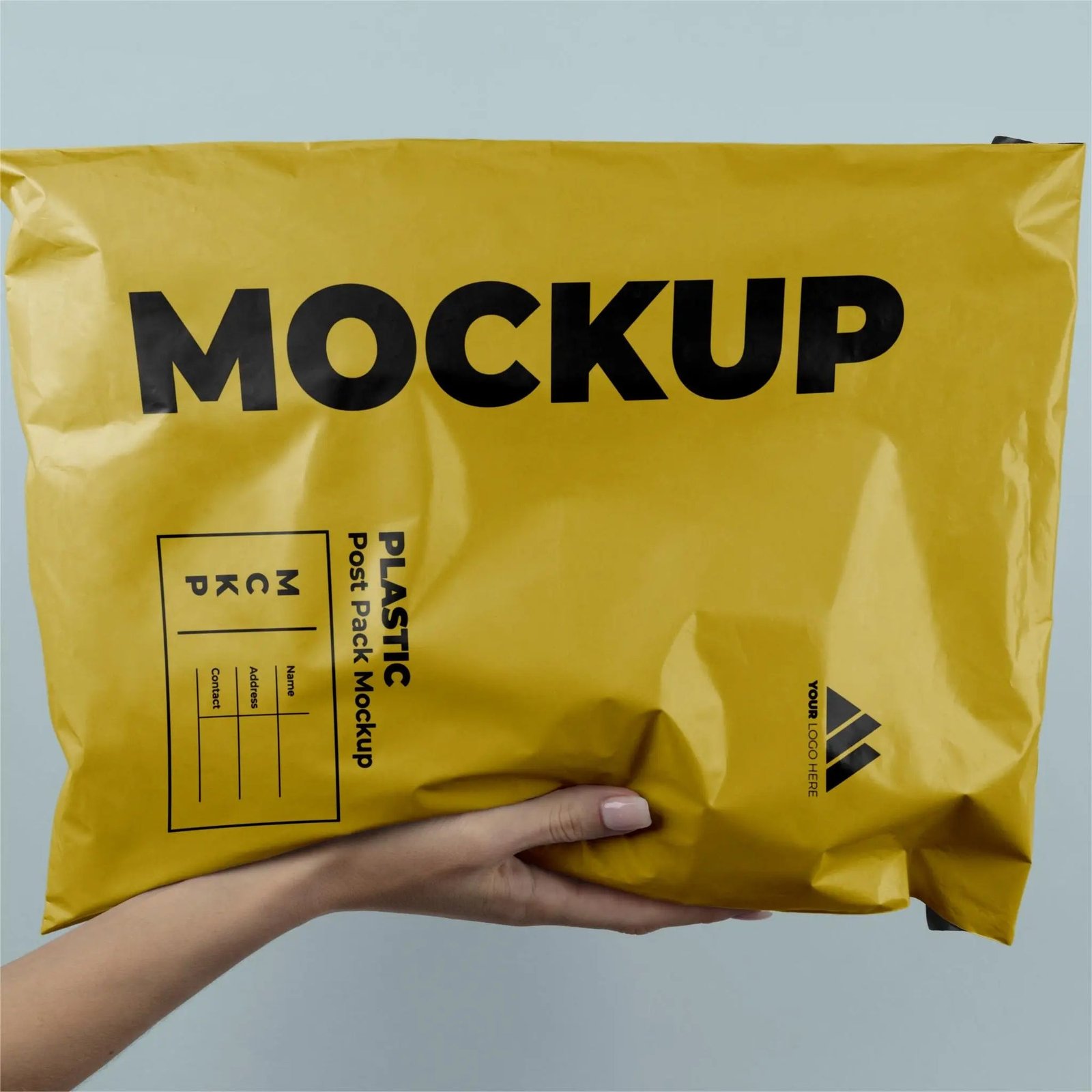
Hangtags and Packaging
Prepare retail-ready custom jeans for women with branded hangtags, barcode stickers, polybags, tissue paper and shipping cartons. Our team aligns packaging specifications with your labeling requirements and global export needs.
About JUNSHEEN Custom Jeans for Women
Founded in 2010 in Humen, Dongguan, JUNSHEEN helps global fashion brands turn women’s denim concepts into production-ready collections. We provide OEM, ODM and private-label support from early product development and fabric sourcing through sampling, quality control and export-ready delivery.
Our 200+ skilled workers and monthly capacity exceeding 80,000 units support both focused capsule launches and scalable bulk programs. With low MOQs from 100 units per style and color, we serve emerging labels, retailers, wholesalers and established brands across international markets.
Fit comes first in every custom jeans for women program. Our pattern team develops XS–3XL, extended-size, plus-size and oversized fits by refining rise, proportions, mobility and grading at each size—not simply enlarging a base pattern—so brands can build dependable denim collections for real customers.

Custom Jeans for Women: Fit, Development and Production
XS–3XL Pattern Engineering
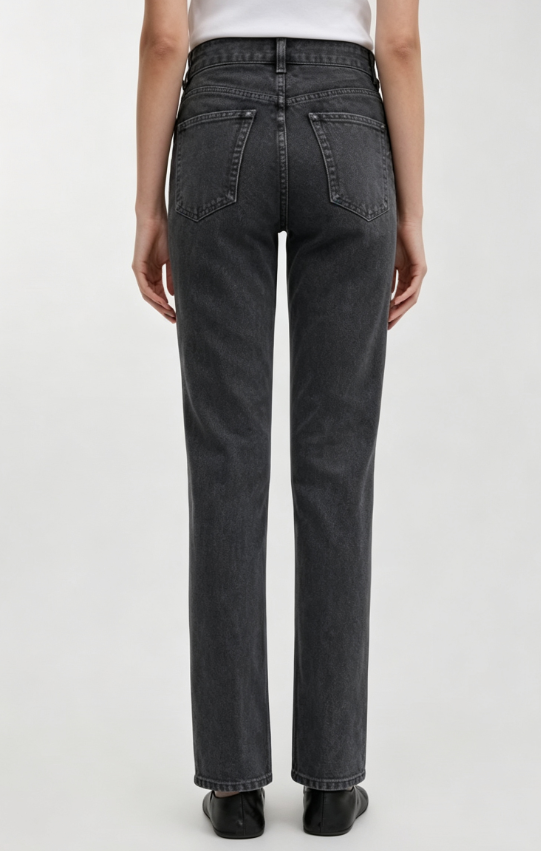
JUNSHEEN develops custom jeans for women with fit-specific patterns from XS through 3XL. Our pattern makers refine rise, hip balance, thigh ease, inseam, leg shape and grading increments rather than merely scaling a base sample, helping protect fit consistency across the full size range.
- Normal, extended-size, plus-size and oversized fits
- Refined rise, proportion and mobility by size
- Prototype, size-set and pre-production fit review
- Retained patterns for consistent repeat orders

Denim Sourcing With Purpose
Select rigid denim, stretch denim and blended constructions around your target silhouette, price point and wash plan. Our supplier network supports material decisions based on weight, recovery, hand feel, durability, drape and wash performance, with swatches and sample garments available before bulk confirmation.
- Rigid, comfort-stretch and stretch-denim options
- Fabric weights matched to intended silhouette
- Wash-performance and durability considerations
- Swatch and sample review before bulk sourcing

Prototype to Bulk Control
Bring a tech pack, sketch, reference garment or early concept, and JUNSHEEN turns it into a production-ready denim program. We coordinate feasibility review, specifications, sampling, quotations and approvals before scaling from a 100-unit style-and-color MOQ to repeat bulk production.
- OEM, ODM and private-label development support
- Feasibility and manufacturability review
- Low MOQ from 100 units per style/color
- In-line measurement and construction inspections
Signature Washes and Branding
Give women’s denim a distinct retail identity with integrated decoration, garment washing and private-label finishing. JUNSHEEN coordinates embroidery, patches, printed details, stone wash, enzyme wash, acid wash and branded trims within one supply chain, reducing handoffs between development and final packed goods.
- Stone, enzyme, acid and garment-dye washes
- Embroidery, patches and print applications
- Custom labels, buttons, zippers and hang tags
- Branded packaging and export-ready final inspection

Why Choose JUNSHEEN for Custom Jeans for Women
Compare fit-first denim development, dependable production control and scalable support against typical supplier capabilities.
← 左右滑动查看 →
Custom Jeans for Women Production Timeline
A clear development and manufacturing path for fit-focused women’s denim programs, from feasibility through export-ready delivery.
Review Feasibility and Specs
We assess your tech pack, sketch, or reference sample, confirm construction requirements, target fit, 100-unit MOQ, timeline, and production feasibility.
Source Denim and Trims
Our team recommends denim, stretch blends, washes, hardware, labels, and packaging based on your target cost, hand feel, durability, and brand direction.
Build Patterns and Samples
Pattern makers develop and grade fit-focused XS–3XL patterns, then produce prototype samples for measurement, mobility, wash, and construction approval.
Approve Size Sets Production
After sample approval, we confirm size sets, materials, decorations, and pre-production details before scaling your custom jeans for women into bulk manufacturing.
Inspect Pack and Ship
Quality teams check fabric, stitching, measurements, wash results, decoration, and packed goods before branded packing and coordinated global shipment.
How to Start Your Custom Jeans for Women Program
Move from concept to production with a clear, fit-focused development path built for brands ordering from 100 units per style and color.
Send Your Concept
Share a tech pack, sketch, reference garment, mood board, or target specifications. Our team reviews silhouette, fit, wash, fabric, trims, and branding requirements.
Confirm Feasibility and Sampling
Review manufacturability, material options, size grading, and estimated costs. We create patterns and prototype samples, refining rise, proportions, stretch, and wash details before approval.
Approve Your Production Quote
Confirm the sample, graded size set, order quantities, lead time, private-label details, and quotation. We retain approved specifications to support consistent repeat custom jeans for women orders.
Launch Bulk Production
JUNSHEEN sources approved materials and begins bulk production with in-line measurement, construction, decoration, wash, and final packing inspections before global shipment.
Custom Clothing Manufacturer Credentials and Compliance Documents



Custom Jeans for Women: Client Results
JUNSHEEN adjusted the rise, hip balance, and grading across XS–3XL before bulk. We cut fit revisions from four rounds to two and launched our first 120-unit denim capsule on schedule.
Our 100-unit test order gave us a practical way to validate two washes without overcommitting inventory. The jeans sold through 78% in six weeks, and we moved into a 600-unit repeat order.
The repeat-order consistency has been the biggest win. Measurements, wash appearance, leather labels, and packing matched our approved sample across three deliveries, helping us reduce incoming QC holds by 35%.
Custom Jeans for Women FAQ
Clear answers on MOQ, sampling, fit development, production, payment and delivery for OEM denim programs.
What is the MOQ for custom jeans for women?
Can you make a sample before I place a bulk order for custom jeans for women?
How do you develop extended sizes for custom jeans for women?
What lead time should I expect for a women’s denim OEM order?
Can JUNSHEEN handle custom washes, embroidery and private labels?
What payment terms apply to custom jeans for women orders?
Do you ship women’s custom jeans internationally?
How do you protect my designs and production information?
The Complete Buyer’s Guide to custom jeans for women
Use this decision framework to define product requirements, compare denim suppliers, control quality and costs, and avoid the sourcing mistakes that delay a successful women’s jeans launch.
1. What Are custom jeans for women?
100 units per style and color is a practical starting point for brand-level custom jeans for women: a manufacturer builds a repeatable product specification for sale under the buyer’s label. The buyer controls the silhouette—such as straight, wide-leg, bootcut, flare, skinny, mom or cargo—along with denim weight, stretch recovery, wash, pocket design, hardware and stitching details. 2 distinct services are often confused. Made-to-order personalization adapts an individual pair to one wearer’s measurements or preferences; OEM and private-label manufacturing develops a standardized, graded size range that a brand can sample, approve and reorder. A production-ready program records the pattern, rise, inseam, leg opening, wash recipe, Pantone thread choices, trims and measurement tolerances so bulk output can remain consistent. XS through 3XL sizing requires more than enlarging a base pattern: rise, hip balance, thigh ease and grading increments need review across the set. Brands, independent designers, retailers, wholesalers and sourcing teams benefit most when they need a distinctive denim line without owning a factory. This guide therefore addresses supplier-facing decisions—from development and sampling through bulk production—rather than consumer tailoring advice.
2. Evolution of Women’s Denim
1850s workwear denim established the hard-wearing five-pocket language that women later adopted, but women’s jeans became a distinct fashion category when brands began engineering the rise, hip curve and leg shape for a female fit. That shift still matters for custom jeans for women: a straight leg, bootcut or high-rise wide leg needs a separate block, not a scaled-down men’s pattern. 1978 stretch denim helped move jeans from rigid utility clothing toward body-conscious fashion, while the 1990s and 2000s made wash development a key positioning tool. Dark rinse supports polished premium or office-casual assortments; enzyme, stone and acid washes communicate casual or vintage direction, but each treatment must be sampled because it changes shade, hand feel, shrinkage and measurements. XS–3XL grading has made inclusive fit a commercial requirement rather than an afterthought, particularly where rise, thigh ease, back-waist coverage and inseam proportions change across the size run. Current sourcing decisions should pair the intended silhouette with responsible material options such as recycled cotton or recycled polyester blends, then test recovery and wash performance before approval; trend cycles may swing from skinny to relaxed or barrel legs, but reliable fit and repeatable wash standards protect the program longer than a single trend.
3. Types of custom jeans for women
Eight core silhouettes give a custom jeans for women range distinct fit choices without duplicating demand. Start with customer, rise, inseam, and fabric stretch targets before approving patterns, because silhouette names alone do not define fit.
Close-Fit Foundations
Skinny jeans follow the leg from hip to hem and suit stretch-denim customers seeking a polished, body-conscious look. Pattern development must control knee circumference, recovery, and back-rise shaping to prevent bagging or pulling. Straight jeans keep a more even leg line and serve everyday buyers who want easier movement. Use them as the dependable core SKU, with clear thigh ease and consistent hem measurements across graded sizes.
Relaxed Volume Silhouettes
Wide-leg jeans create room from hip through hem for fashion-led, comfort-oriented customers. Their patterns need balanced hip volume, a stable waistband, and inseam placement that prevents the leg from twisting. Mom, barrel, and boyfriend jeans each add relaxed appeal: mom styles emphasize a high rise, barrels curve through the leg, and boyfriend fits borrow a looser, lower-slung profile. Merchandise them as separate shape stories, not interchangeable washes.
Hem-Expanding Styles
Flare jeans widen below the knee and appeal to customers building statement or retro-inspired outfits. Set the knee break precisely and test the hem sweep across inseams so the flare hangs evenly. Bootcut jeans use a subtler opening that accommodates footwear while retaining a streamlined thigh. Position them as a versatile day-to-evening option beside straight jeans, rather than adding another near-identical slim fit.
Build A Focused Opening Range
Three to four fits are usually enough for an opening assortment: one close fit, one straight core, one relaxed volume shape, and one flare or bootcut. Assign each a different customer use case before adding washes or colors. 100-unit production can support a capsule launch, but overlapping silhouettes dilute size feedback and reorder data. Approve one graded size set per fit, then expand proven shapes with new washes, rises, or inseams.
4. Materials for custom jeans for women
10–14 oz denim is the usual starting range for custom jeans for women; fiber content and elastane level determine drape, recovery, wash result, and unit cost. Request mill swatches and washed test panels before locking bulk fabric.
| Fabric Option | Typical Composition / Weight | Recovery & Season | Wash / Best Use |
|---|---|---|---|
| Rigid cotton | 100% cotton; 11–14 oz | Low stretch; all-season | Stone/enzyme wash; vintage straight or wide leg |
| Comfort stretch | 98/2 cotton-elastane; 10–12 oz | Moderate recovery; all-season | Most washes; slim, bootcut, mom jean |
| Super stretch | Cotton/polyester/elastane; 8–11 oz | High recovery; year-round | Control aggressive washes; skinny and sculpting fits |
| Lightweight denim | Cotton or Tencel blend; 6–9 oz | Soft drape; spring/summer | Garment wash; shirts, skirts, relaxed pants |
| Recycled or organic cotton | Cotton-rich; 10–13 oz | Depends on blend; all-season | Test shade and strength; responsible core denim |
| Tencel or hemp blend | Cotton/Tencel or cotton/hemp; 8–12 oz | Breathable; spring/summer | Enzyme wash; fluid wide legs and premium casualwear |
Specify Fabric Before Sampling
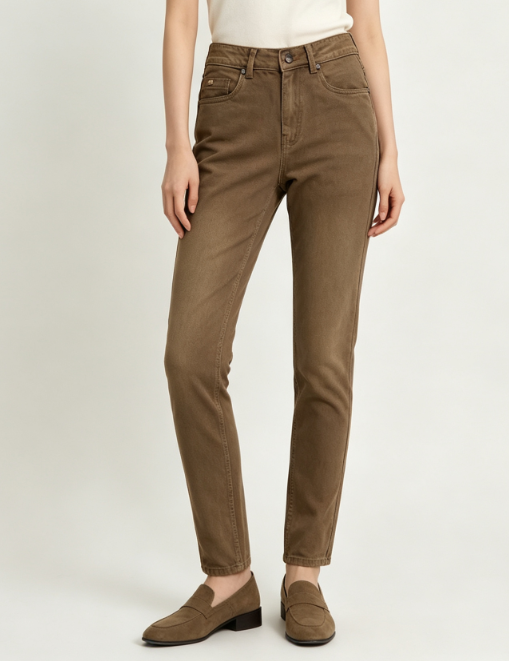
98/2 cotton-elastane comfort stretch suits most fitted silhouettes, while 70–80% cotton blends with polyester or T400 improve recovery for high-stretch styles. 6–9 oz fabrics suit warm-weather shirts, skirts, and wide legs; 11–14 oz fabrics give classic jeans more structure. Confirm finished GSM after wash, not only greige weight.
- Ask for composition tolerance and finished weight.
- Test recovery after repeated wear and washing.
- Approve the exact wash on production fabric.
5. Customization Options for custom jeans for women
Three specification decisions—fit, trim, and finish—usually determine whether custom jeans for women read as a cohesive product or an overworked sample. Lock the silhouette first, then add details that support the target price and wash performance.
| Customization | Visual Impact | Production Watchpoint |
|---|---|---|
| High-rise contour waistband | Defines waist and fit | Grade curve across sizes |
| Contrast topstitching | Makes construction visible | Use colorfast thread |
| Stone-wash distressing | Creates vintage character | Limit abrasion at stress areas |
Fit And Silhouette Controls

Three core measurements—rise, inseam, and leg opening—change proportion more than decorative details. Specify front and back rise separately, plus finished inseam by size; waistband contour, belt-loop count, fly type, pocket shape, and hem treatment should follow the intended fit rather than trend references alone.
- Curved waistbands reduce back gaping
- Zip flies suit most premium programs
- Raw hems need controlled fray testing
Stitching, Hardware, And Branding

Two thread colors can create a strong denim signature without adding excessive operations. Contrast topstitching, rivets, shank buttons, leather or jacron patches, woven labels, and custom pocket embroidery add value when placement is repeatable; oversized embroidery and complex multi-part hardware can slow sewing and create abrasion risks.
- Use bartacks at pocket stress points
- Specify hardware corrosion resistance
- Test patches through wash cycles
Wash And Surface Effects
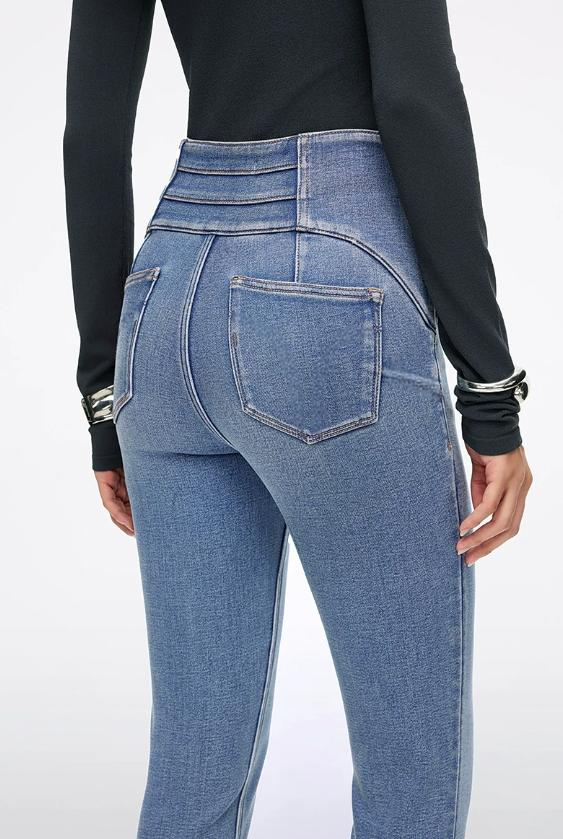
Three common finish routes—enzyme wash, stone wash, and acid wash—produce distinctly different character and should be approved on the final denim weight. Distressing, prints, whiskers, and fading need placement standards because hand work varies; heavy abrasion can weaken knees, pocket edges, and seams, so use it where the visual payoff justifies added labor.
- Approve a sealed wash standard
- Keep prints away from high-friction zones
- Match distressing to reinforcement placement
6. Construction Quality Elements
Construction quality becomes visible only when a sample is measured, worn, washed, and compared with the approved specification. For custom jeans for women, buyers should convert each visual requirement into a measurable checkpoint before bulk cutting begins.
Pattern Balance And Grading
A 5-point fit review should check front rise, back rise, hip balance, inseam twist, and leg opening on a moving wearer. Test the base size plus the smallest and largest graded sizes; proportional rises and pocket positions matter as much as waist increments. A ±0.5 cm tolerance is commonly reserved for critical points such as waistband and rise, while less critical lengths may allow ±1 cm. Record approved measurements, wash state, and fit comments on the sealed sample.
Seams And Reinforcement
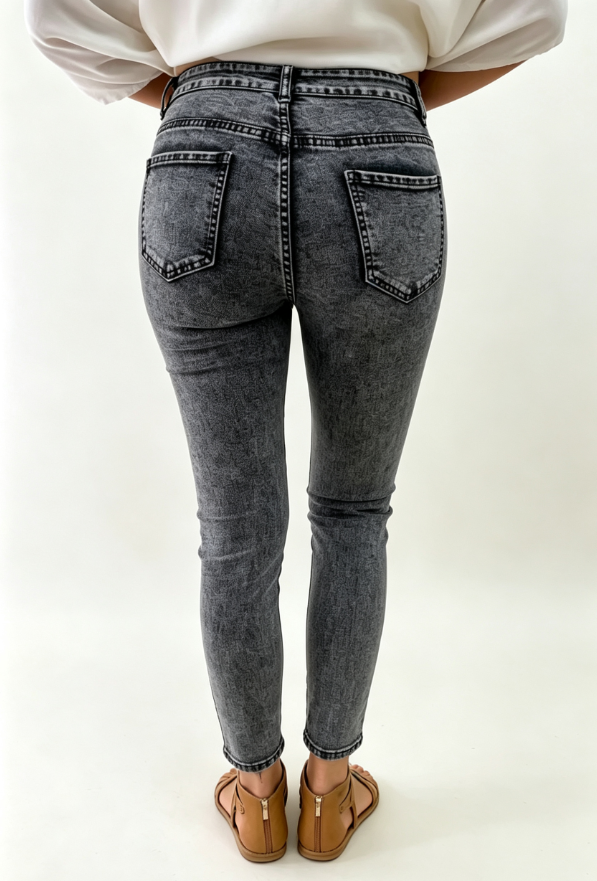
An 8-10 SPI stitch density is a practical denim benchmark: too sparse weakens seams, while excessive density can pucker heavy fabric. Inspect outseams, inseams, yokes, and waistband joins for even tension, secure backtacks, and consistent thread color. Bartacks should reinforce stress points at pocket corners, belt loops, fly ends, and crotch intersections. Confirm whether flat-felled, overlocked, or chain-stitched seams match the intended durability and appearance.
Hardware And Placement

Ten repeated zipper cycles should open and close cleanly without snagging fabric or shifting the fly. Button, rivet, and snap pull tests should be agreed before production, especially for heavier washed denim. A pocket-placement template prevents visible left-to-right mismatch and preserves the approved back-view proportion. Check waistband stability after wear and wash, including belt-loop anchoring and center-back gaping.
Wash And Pre-Production Control

A 3-cycle wash test reveals uncontrolled abrasion, seam twisting, color loss, puckering, and hem distortion before bulk approval. Compare the washed sample against the approved shade, damage map, measurements, and hem length. One signed pre-production sample should be the factory reference for construction, hardware, wash, labels, and packing. In-line measurement checks and final audits against that reference stop the same defect from repeating across the order.
7. How to Choose a Jeans Manufacturer
Choose a denim partner on documented capability, not an attractive sample alone. For custom jeans for women, compare technical depth, controls, commercial fit, and the clarity of answers before releasing development funds.
Verify Denim Development Depth
100-unit capsule MOQ can suit a new label, but confirm the supplier can grade from XS–3XL and revise rise, hip, thigh, and inseam rather than merely scale a base pattern. 2 sample rounds are common before pre-production approval. Ask to see comparable jeans, a measurement spec, wash test results, and a size-set process.
- Which women’s fits have you developed recently?
- Who owns pattern, grading, and fit comments?
- What is included in each sample revision?
Check Materials And Wash Controls

10–13 oz stretch denim and rigid denim behave differently after wash; request fabric composition, shrinkage, colorfastness, stretch-recovery, and lot approval records. 1 approved wash standard should govern bulk production. Confirm recipe control, abrasion placement, shade-band review, drying method, and whether wash facilities manage wastewater documentation.
- Can you source YKK-equivalent zippers and branded hardware?
- Are fabric and trim swatches approved before bulk?
- Which wash tests are supplied per color?
Audit Production Readiness
80,000+ monthly units is useful only when the factory states available line capacity for your delivery window. Request a written critical path covering sample, material booking, bulk sewing, washing, inspection, and shipment. A reliable quote separates fabric, trims, wash, decoration, packaging, freight terms, and sampling. Confirm inspection stages and available OEKO-TEX, GOTS, WRAP, or BSCI documentation where required.
- What is the realistic bulk lead time?
- What AQL level and final-inspection report apply?
- Who gives weekly production updates?
8. Common Buyer Mistakes to Avoid
Eight preventable decisions create most avoidable denim rework: unclear specifications, untested copying, unsuitable fabric choices, and rushed approvals. For custom jeans for women, each error can turn a 100-unit launch into delayed inventory, repeat sampling, or costly returns.
Lock The Technical Brief
1 complete tech pack should specify measurements, tolerances, stitch density, hardware, wash recipe, Pantone references, and labeling. Vague briefs invite quotation gaps and inconsistent bulk execution. 2 reference garments can guide a silhouette, but copied proportions need a new fit sample on the intended customer. Validate rise, hip ease, inseam, and mobility before approving construction.
Test Fabric And Fit

3% to 10% wash shrinkage can materially change inseam and waistband measurements, depending on denim, stretch content, and finishing. Test the selected fabric through the final wash before locking the graded spec. XS through 3XL requires deliberate grading, not uniform enlargement of a sample size. Review a size set on relevant fit models to prevent distorted rise, thigh, and seat balance.
Control Complexity And Approval
4 extra details—custom rivets, contrast panels, embroidery, and multiple washes—can multiply sourcing risk and defect points. Prioritize the details customers notice, then confirm their cost and production feasibility. 7 days saved by rushing sample approval can become weeks of bulk correction or unsellable stock. Approve measured, washed, decorated samples and compare total landed value, not the lowest quoted unit price.
9. Steps to Launch Your Jeans Brand
A 100-unit-per-style-and-color starting point lets a new label validate its customer, price band, and initial denim silhouette without overbuilding inventory. Freeze each approval before the next stage so fit, wash, and delivery decisions remain traceable.
Define Customer And Line Plan
Three to five launch SKUs usually give enough variety without multiplying development risk. Set target customer, retail price, size range, colorways, and planned launch date before requesting quotations.
- Choose core fits: straight, wide-leg, flare, or slim
- Assign each SKU a target margin and volume
- Specify XS–3XL if extended sizing is planned
Build The Technical Brief
One complete tech pack should identify measurements, construction, artwork, labels, hardware, and Pantone references. A sketch or reference garment can start development, but written specifications are the decision gate for an accurate quote and first pattern.
- Measurement chart and tolerances
- Bill of materials and trim placement
- Wash reference and labeling requirements
Approve Fabric Fit And Wash

10–13 oz stretch denim is a common starting range for women’s jeans, but recovery, shrinkage, and wash response must be sampled. Approve fabric swatches, fit sample, and wash panel before authorizing graded sizes.
- Confirm hand feel and stretch recovery
- Approve whiskers, fading, and abrasion level
- Record approved fabric and wash references
Lock Production Readiness
A size set verifies grading across the intended range; do not rely on an enlarged base size. Approve the pre-production sample, final measurements, packaging, labels, and carton marks before bulk cutting.
- Sign off size-set corrections
- Approve pre-production sample
- Confirm order quantities by size and color
Inspect And Launch
Incoming materials, in-line construction, measurements, decoration, and packed goods require inspection during production. Review final packing photos and shipment documents early enough to coordinate product photography, inventory receipt, and launch content.
- Check measurement tolerances and stitch quality
- Verify labels, hangtags, and polybags
- Align shipment arrival with launch calendar
10. Custom Jeans Pricing and Costs
100 units per style and color is a practical starting tier for custom jeans for women, but it carries the highest per-unit development allocation. A precise quotation should separate ex-factory garment cost from sampling, tooling, inspection, freight, duty, and destination-side clearance. 12–14 oz stretch denim, fiber content, mill minimums, and wash complexity are the largest garment-cost variables. Enzyme, stone, acid, garment-dye, and hand-distressed treatments add processing steps and approval risk; YKK-equivalent zippers, custom rivets, leather patches, woven labels, and branded packaging add component cost. 2–3 sample rounds can be cheaper than correcting a bulk fit issue, especially when rise, hip, inseam, and grading run from XS through 3XL. Pattern creation, size sets, wash tests, and freight should be quoted as visible line items, while air freight trades speed for a materially higher landed cost than consolidated sea or rail options.
| Quantity tier | Indicative unit-price drivers | Lead-time implication |
|---|---|---|
| 100–299 units | Pattern work, sample allocation, fabric minimums | More approvals; allow sampling before bulk |
| 300–999 units | Wash recipe, hardware, label and packaging choices | Better material utilization; bulk scheduling improves |
| 1,000+ units | Repeat fabric booking, wash volume, packaging scale | Longer material planning, lower allocation per unit |
Start Your Custom Jeans for Women Program
Send your tech pack, reference garment or concept for a fit-focused sampling review and production quotation from JUNSHEEN.