
blue jean chef 1 quart thermoelectric ice cream maker OEM Apparel
Source blue jean chef 1 quart thermoelectric ice cream maker apparel programs with fit-focused OEM, ODM, and private-label production from 100 units per style.
Featured Products for blue jean chef 1 quart thermoelectric ice cream maker Development


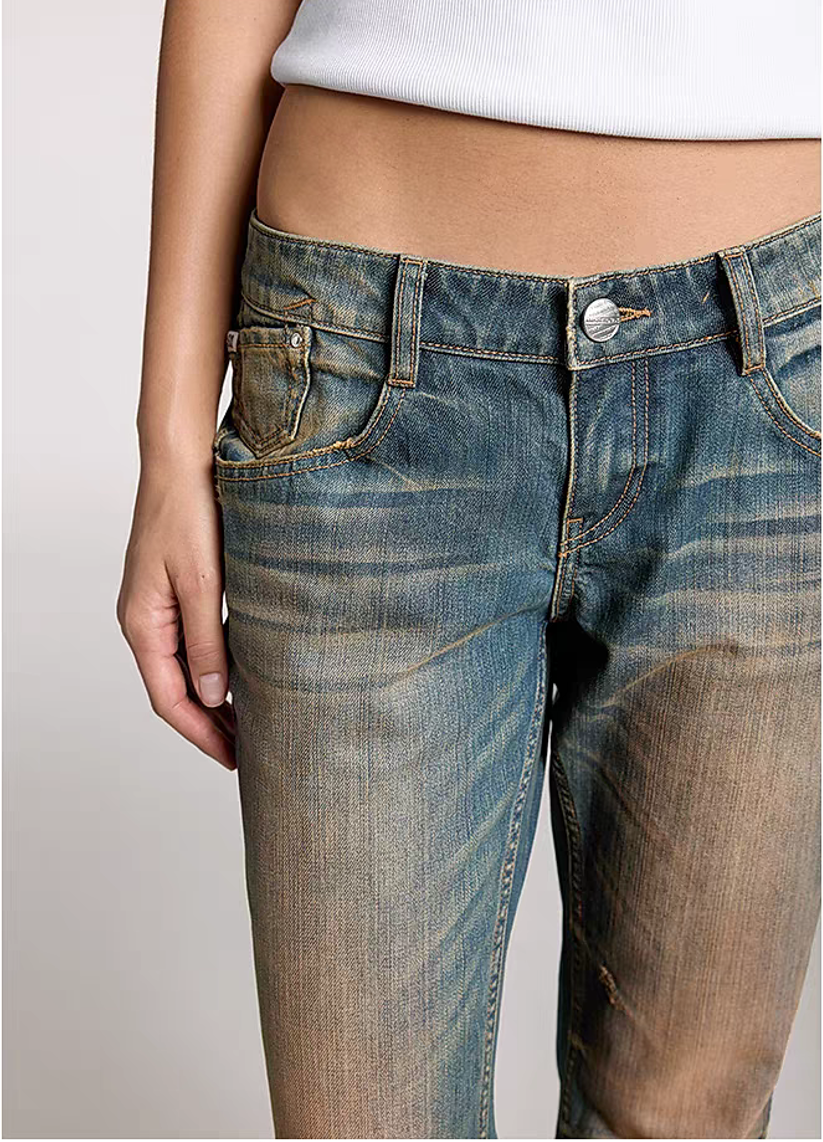


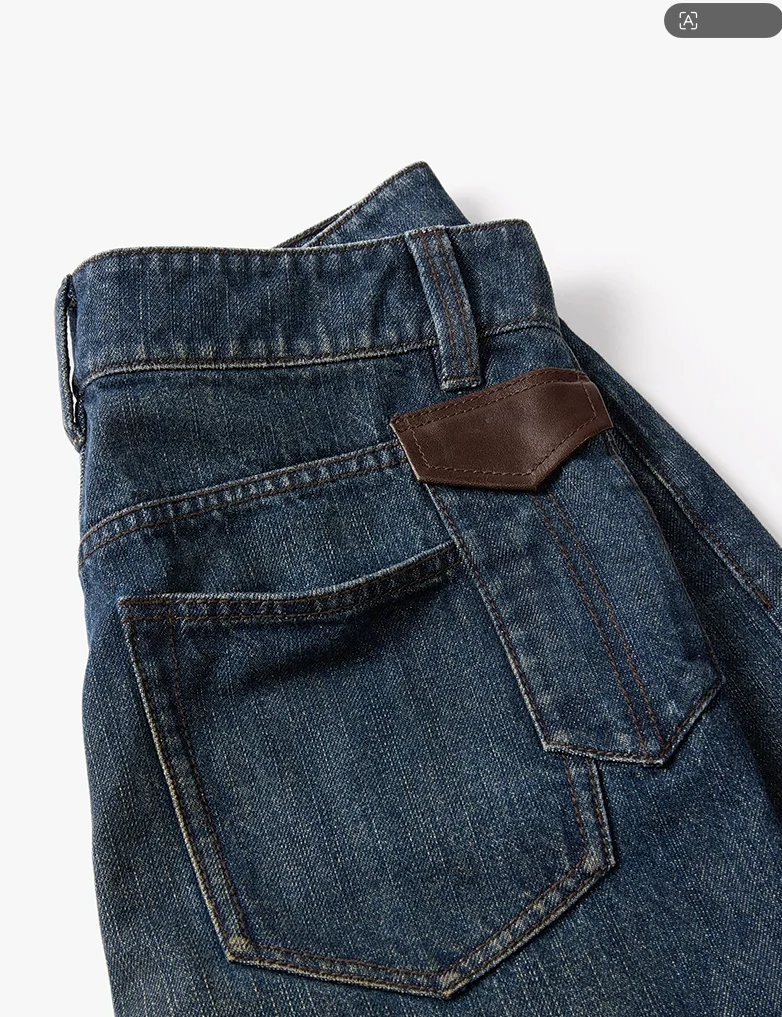


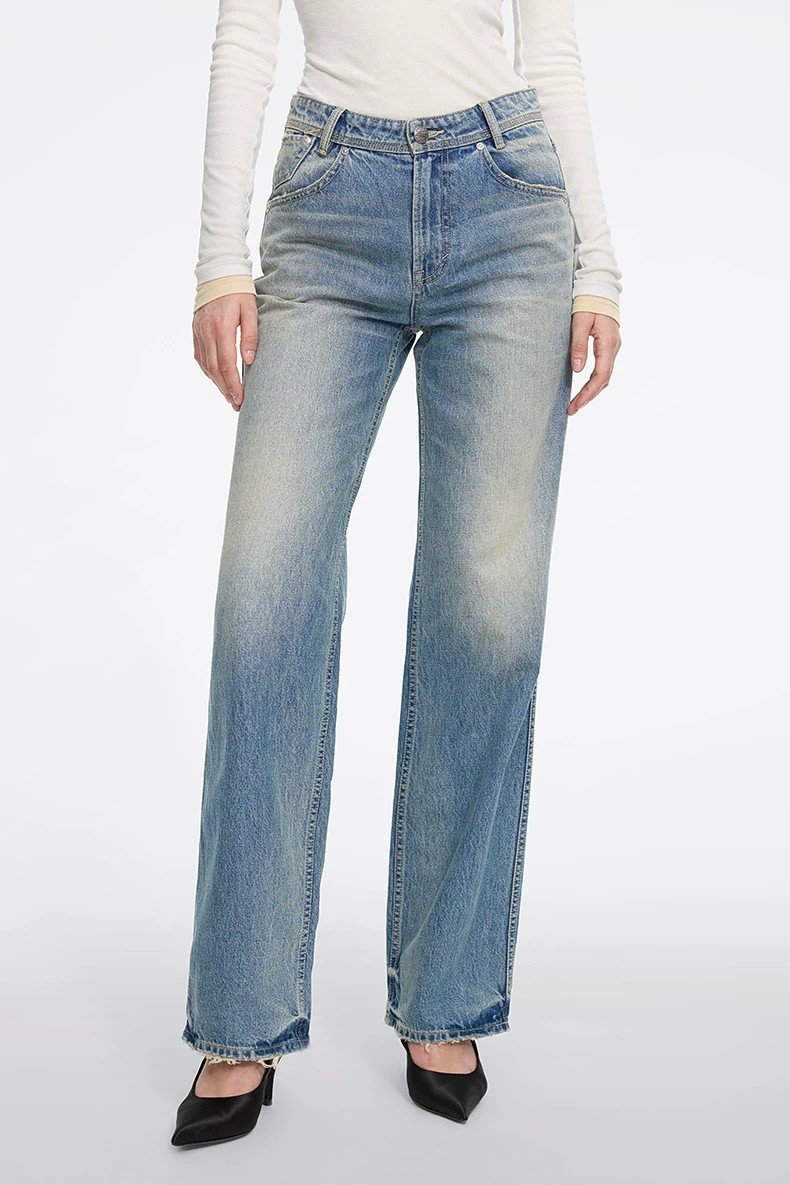


Related Product Catalogue and Quotation






Why Source blue jean chef 1 quart thermoelectric ice cream maker Through JUNSHEEN
One integrated manufacturing partner for flexible launches, fit-led development, custom decoration, and dependable global delivery.
100-Unit MOQ
Launch capsule collections from 100 units per style and color, with scalable capacity for repeat and bulk production programs.
Fit-Focused XS–3XL
Pattern makers refine proportions, mobility, and grading increments for normal, extended-size, plus-size, and modern oversized apparel.
Integrated Decoration
Add embroidery, screen printing, DTG, DTF, washes, custom patches, labels, trims, and branded packaging through one coordinated supplier.
End-to-End Development
Move from sketch, tech pack, reference garment, or mood board to approved samples with fabric sourcing and manufacturability guidance.
Export-Ready Production
Rely on in-line quality checks, final inspections, packing support, and global shipping coordination for international apparel programs.
Proven Manufacturing Scale
Founded in 2010, JUNSHEEN combines 200+ skilled workers, 80,000+ monthly units, and experience serving 2,000+ fashion-brand clients.
OEM Apparel Categories Built for Your Collection
Develop fit-focused casualwear, denim, knitwear, and outerwear from low-MOQ launches to scalable global production.

Custom Hoodies
Develop custom hoodies in fleece, French terry, or heavyweight jersey with your preferred fit, hood construction, pockets, washes, embroidery, printing, labels, and packaging. Pattern grading from XS–3XL supports normal, oversized, and extended-size programs from 100 units per style and color.
Request a Quote
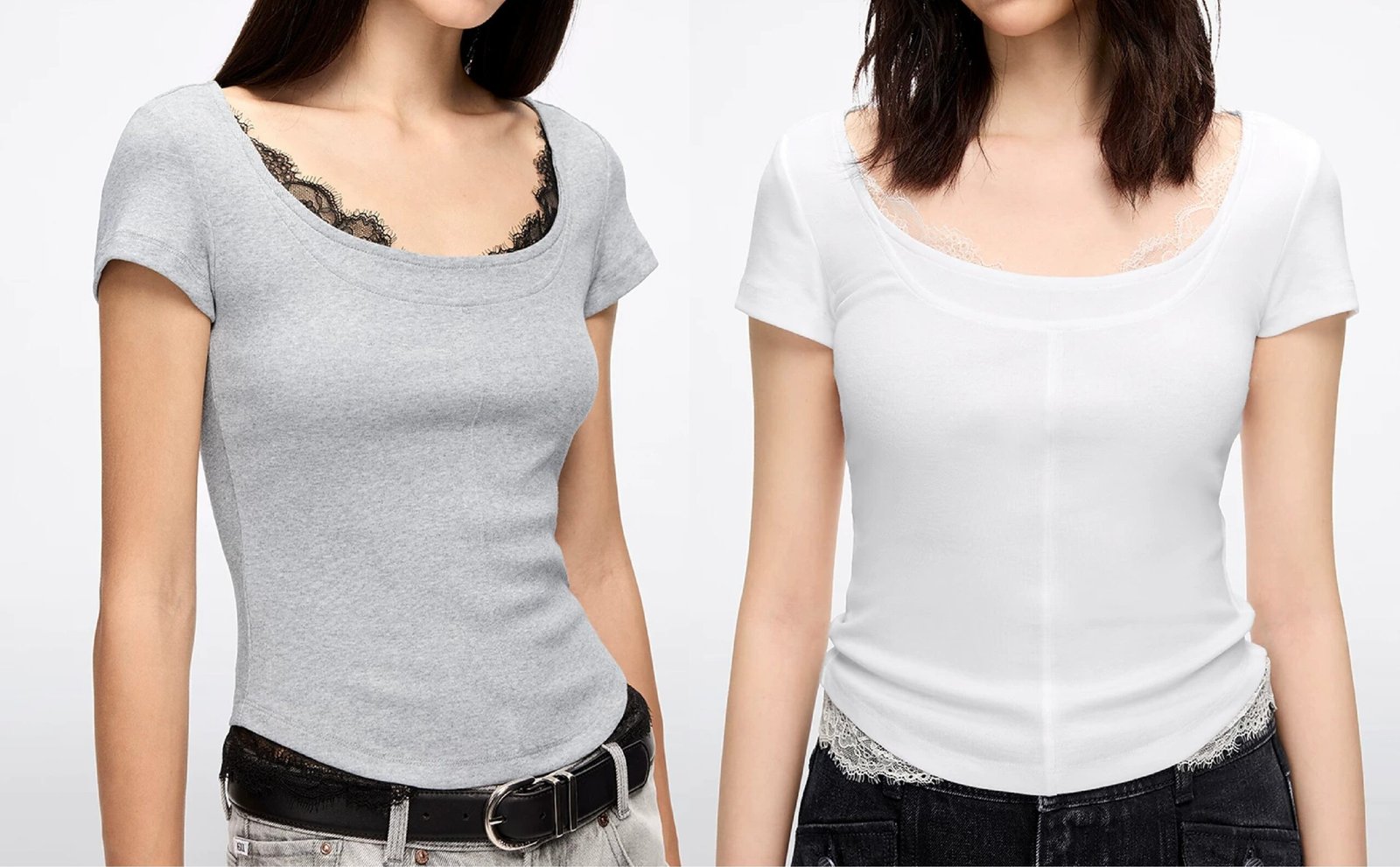
Custom T-Shirts
Build custom T-shirts around target weight, hand feel, silhouette, and decoration method. Junsheen develops jersey and blended fabrics, neckline specifications, fit blocks, size grading, screen printing, DTG, DTF, embroidery, washes, and private-label details for retail-ready production.
Request a Quote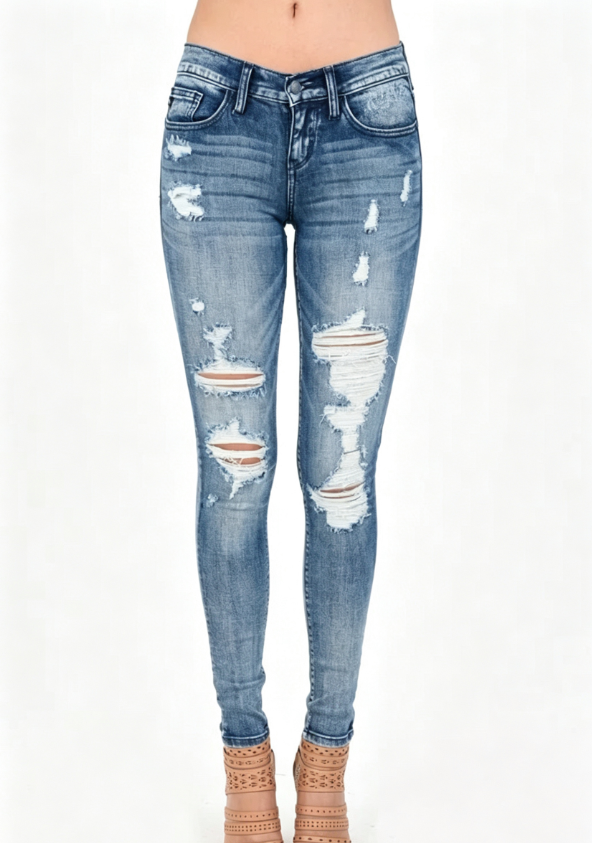
Custom Jeans
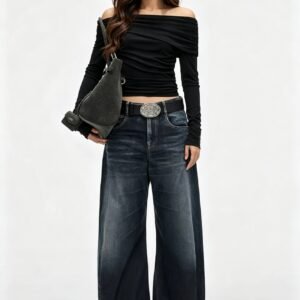
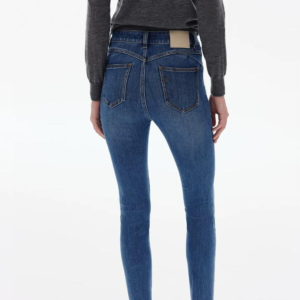
Produce custom jeans with controlled fit, rise, leg shape, stretch, wash character, and hardware. The team supports denim sourcing, pattern development, grading, distressing, enzyme or stone washing, embroidery, trims, labels, and quality checks for consistent repeat bulk orders.
Request a Quote
Custom Sweaters
Source turtle neck sweater bulk programs with the gauge, yarn blend, collar height, texture, and fit your collection requires. Junsheen develops sweaters in wool, cotton, recycled, and blended yarns, with size grading, knit details, labels, and packaging aligned to wholesale or retail specifications.
Request a Quote
Custom Jackets
Develop custom jean jackets with the intended denim weight, silhouette, pocket layout, hardware, wash treatment, and branding. Junsheen manages cut-and-sew construction, fit sampling, embroidery or print placement, custom buttons, labels, and scalable denim production.
Request a Quote
Custom Sweatshirts & Crewnecks
Create custom crewneck hoodie and sweatshirt programs with refined body proportions, rib specifications, fabric weight, and decoration placement. Choose fleece, French terry, or jersey constructions, then add embroidery, screen printing, washes, custom labels, and size sets from XS–3XL.
Request a Quote
Custom Cardigans
Produce custom cardigans with the right yarn, gauge, closure method, drape, and fit for your market. Junsheen supports button or zip styles, jacquard and textured knitting, extended-size grading, custom trims, woven labels, and sampling before bulk approval.
Request a Quote
Custom Puffer & Down Jackets
Develop custom puffer jackets with specified shell fabric, fill, quilting layout, warmth level, pocket construction, and branded hardware. Junsheen supports prototype sampling, fit review, labels, reflective details, packaging, and quality control for outerwear programs.
Request a Quote
Custom Denim Shorts
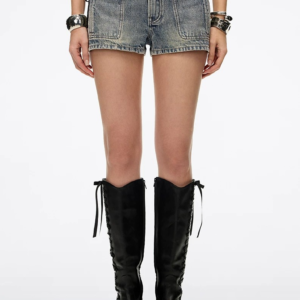
Make custom jean shorts with controlled rise, inseam, hem finish, wash, stretch, and pocket details. From rigid to stretch denim, Junsheen develops samples, graded size sets, distressing or garment washes, branded hardware, labels, and bulk-ready specifications.
Request a Quote
Custom Sweater Dresses
Create custom sweater dresses with considered yarn selection, gauge, body length, shaping, neckline, and comfort across the size range. Junsheen supports fitted, relaxed, and oversized constructions, plus knit sampling, XS–3XL grading, labels, trims, and retail packaging.
Request a Quote
Custom Denim Sets
Develop mens denim suits wholesale programs with coordinated denim jackets and trousers built to the same wash, shade, fit, and trim standards. Junsheen manages fabric sourcing, pattern development, size grading, hardware, finishing, private labels, and repeatable bulk production.
Request a Quote
Custom Polo Shirts
Produce custom polo shirts with your preferred collar construction, placket, fabric weight, fit, and logo treatment. Options include pique, jersey, performance knits, embroidery, screen printing, contrast trims, graded sizing, labels, and packaging for wholesale or branded retail.
Request a Quote
Custom Sweatpants
Develop custom sweatpants with accurate rise, leg shape, waistband, cuff, pocket, and fabric specifications. Junsheen supports fleece, French terry, and jersey options, fit-focused XS–3XL grading, embroidery or printing, washes, custom drawstrings, labels, and matching sets.
Request a Quote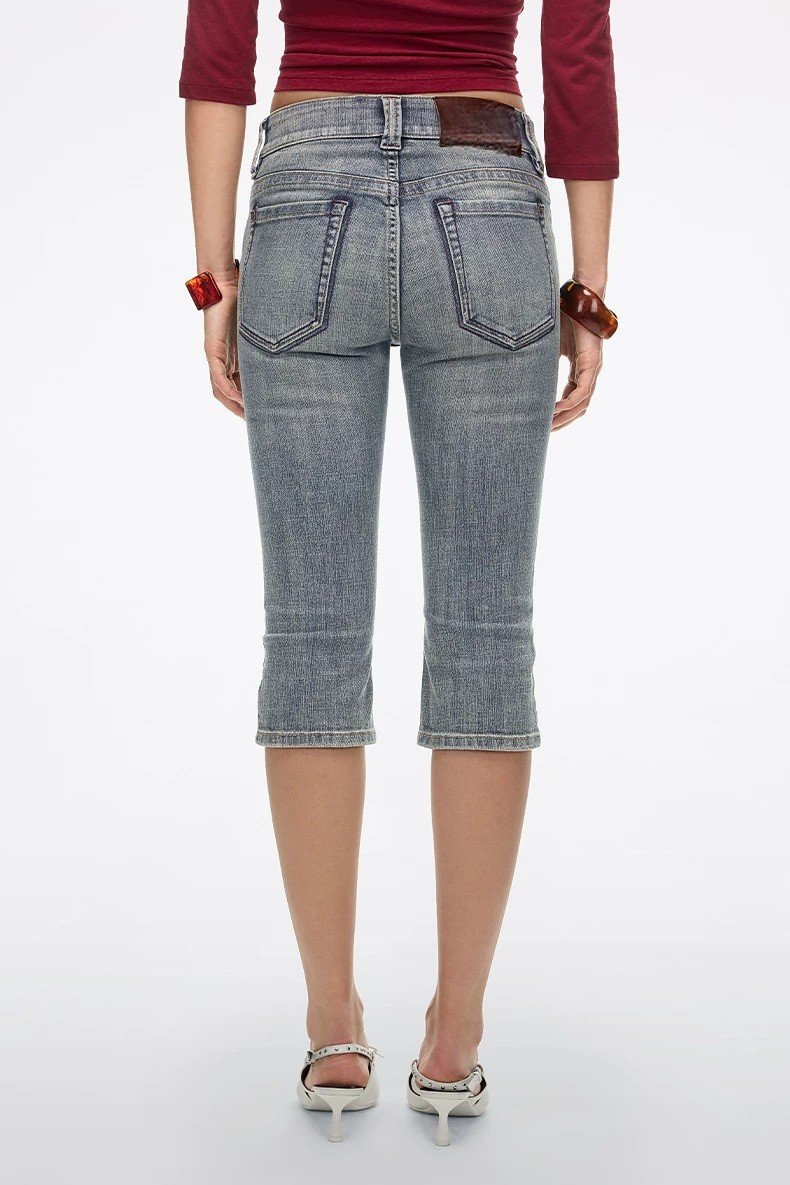
Custom Shorts
Produce custom shorts for casual, lounge, athletic, or denim collections with controlled inseam, rise, pocket design, waistband, and fabric performance. Junsheen supports woven, jersey, fleece, twill, and denim constructions, plus decoration, washes, labels, and low-MOQ sampling.
Request a Quote
Custom Pullovers
Create custom pullovers with the fabric, neckline, fit, and finish appropriate to your collection. Junsheen develops fleece, French terry, jersey, and knit styles, then manages pattern making, XS–3XL grading, embroidery, printing, washing, private labels, and bulk quality control.
Request a QuoteMaterials for Fit, Feel, and Durability

Combed Cotton Jersey
Soft, breathable combed cotton jersey suits premium T-shirts, polos, and lightweight casualwear. Available in varied GSM weights, it offers a smooth hand feel and dependable print surface for private-label collections.

French Terry Fleece
French terry and brushed fleece create comfortable hoodies, sweatshirts, and sweatpants with a substantial yet wearable feel. Weight, loopback construction, and stretch can be specified for seasonal layering or heavyweight streetwear.

Stretch Cotton Denim
Cotton denim with controlled stretch supports jeans, denim sets, jackets, and shorts that retain shape through wear. Choose fabric weight, indigo wash potential, and elastane content to balance structure, comfort, and recovery.

Heavyweight Cotton Twill
Durable cotton twill is ideal for workwear-inspired jackets, overshirts, cargo styles, and structured shorts. Its diagonal weave provides a firm hand, abrasion resistance, and reliable support for garment dye or custom trims.

Performance Knit Blends
Performance knit blends suit active casualwear, fitted tops, and flexible layering pieces requiring moisture management and mobility. Polyester, nylon, and elastane ratios can be adjusted for stretch, recovery, breathability, and target garment weight.

Recycled Fiber Blends
Recycled cotton and polyester blends help brands develop lower-impact casualwear without losing production consistency. Suitable for jerseys, fleece, and woven programs, these materials can be evaluated for hand feel, durability, and certification needs.
Decoration and Garment Finishing Options

Logo Embroidery
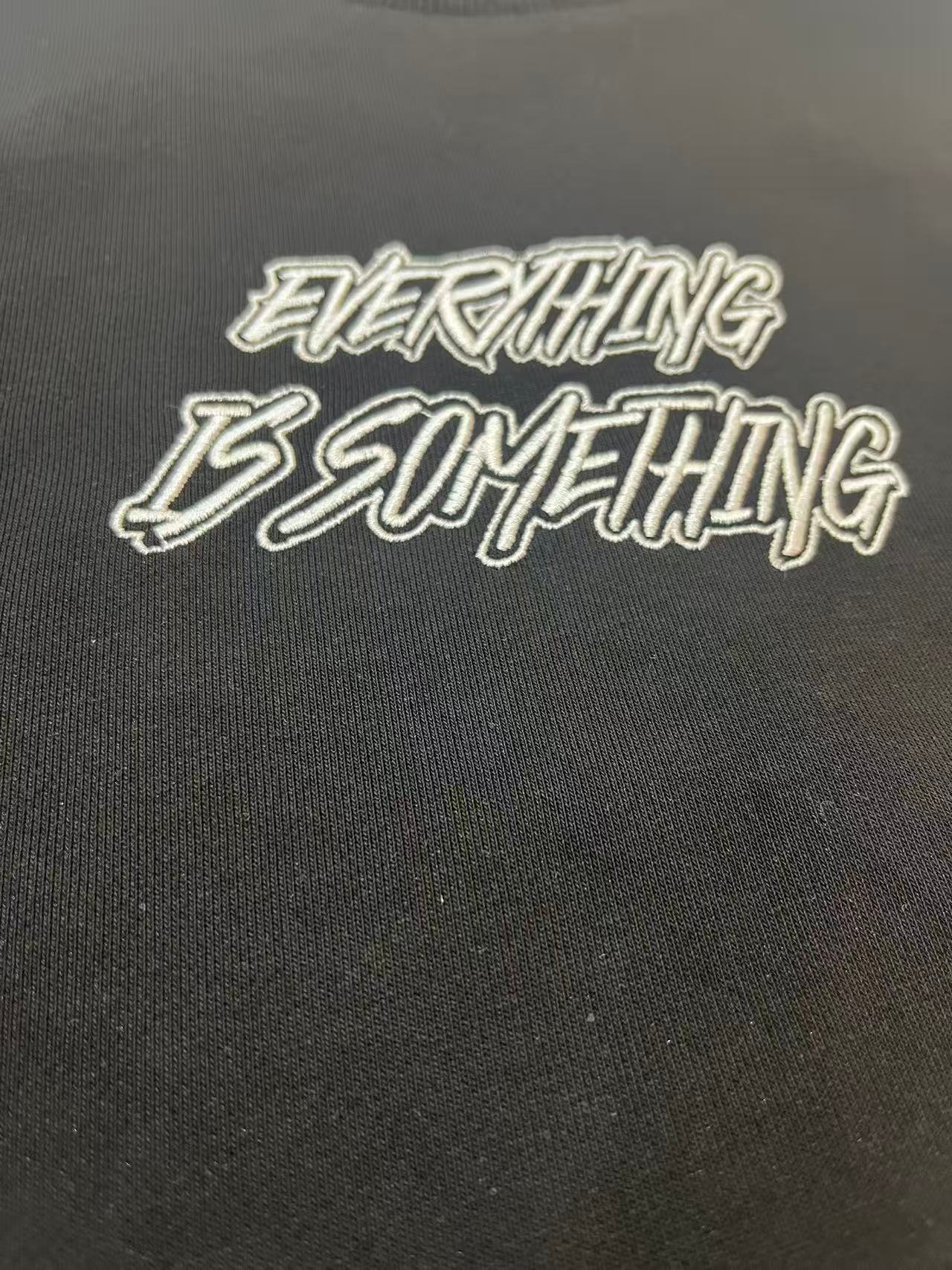
Flat, 3D puff, chain-stitch, applique, and patch embroidery add dimensional branding with clean edge definition. Stable backing and stitch-density controls help logos retain shape, color, and durability through regular wear and washing.

Screen Printing
Plastisol, water-based, puff, flocking, silicone, high-density, foil, and discharge printing create bold artwork across tees, hoodies, fleece, and denim. Process selection balances hand feel, opacity, stretch, wash resistance, and your intended visual impact.

Digital Print Methods
DTG, DTF, heat transfer, and dye sublimation support detailed graphics, gradients, photographic color, and short-run artwork. Each method is matched to fabric composition and placement to achieve sharp reproduction with dependable adhesion.

Garment Dyeing
Garment dye, tie-dye, and acid-wash treatments produce distinctive tonal variation and a lived-in character. Junsheen tests shade, shrinkage, and colorfastness to help private-label collections deliver intentional, repeatable results from sample to bulk.

Wash and Finish
Softening, enzyme, stone wash, anti-pilling, brushing, and napping refine hand feel, surface texture, and vintage appeal. Controlled finishing improves comfort and appearance while protecting the construction and performance expectations of your chosen fabric.
Custom Trims, Labels, and Packaging

Woven Brand Labels
Custom woven main labels, size labels, and wash-care labels give each garment a clear branded identity. JUNSHEEN matches placement, fold style, yarn color, and label specifications to your denim or casualwear collection.

Retail Hang Tags
Branded hang tags communicate product stories, sizing, care details, and price information at retail. Choose custom card stock, shapes, finishes, stringing, barcode space, and attachment methods for polished wholesale-ready presentation.

Custom Zippers
Select metal, nylon, molded, concealed, or branded-puller zippers for jackets, jeans, hoodies, and outerwear. We coordinate zipper length, finish, tape color, and puller details with garment performance and design direction.

Snap Button Sets
Custom snaps add durable function and visual character to denim jackets, workwear, outerwear, and closures. Options include engraved caps, painted finishes, antique effects, logo marks, and coordinated hardware sizing for reliable production.

Drawcord Tipping
Branded drawcords, aglets, cord locks, and custom tipping elevate hoodies, sweatpants, shorts, and outerwear. We help specify cord material, thickness, color, and end treatment for a cohesive private-label finish.
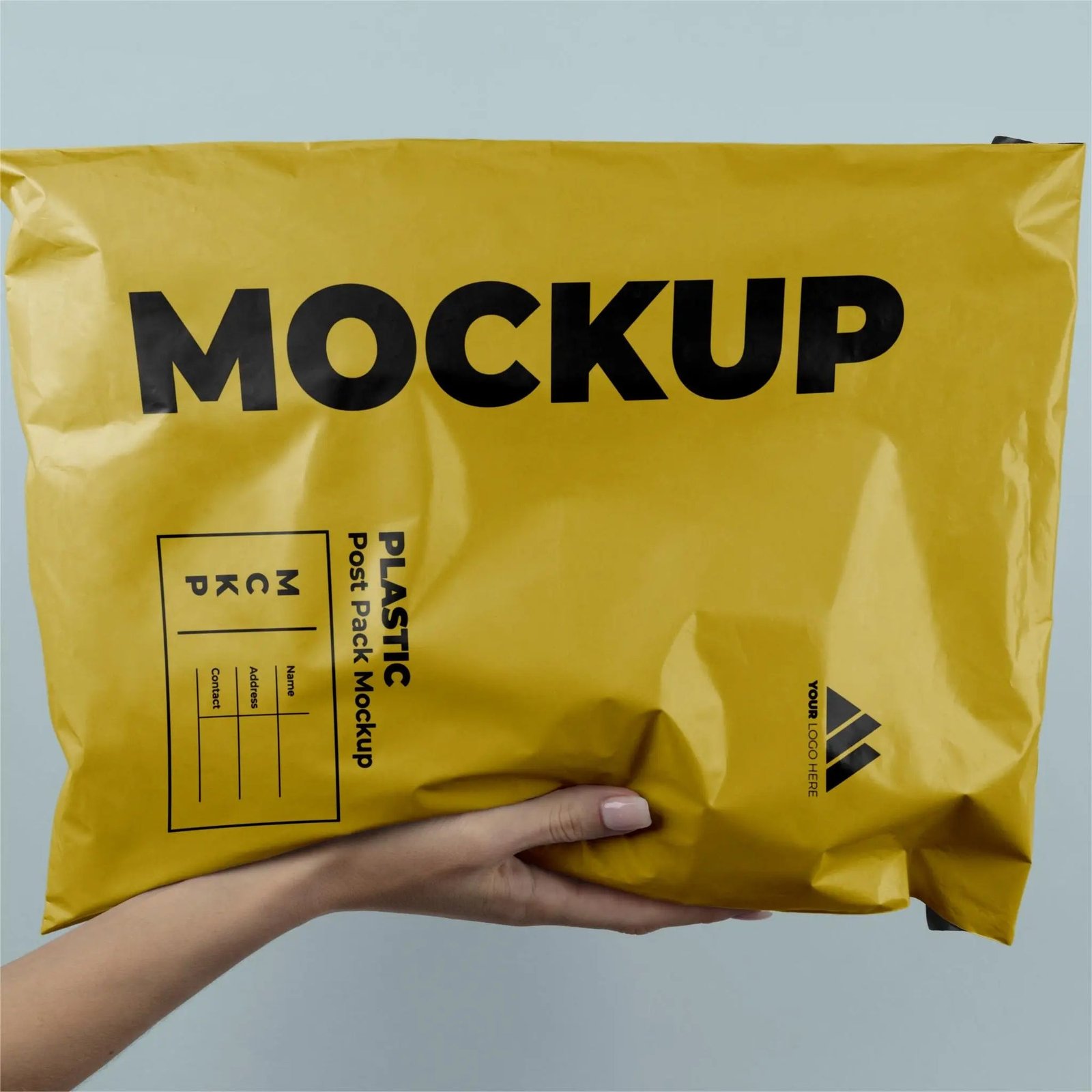
Branded Packaging
Retail-ready packaging can include custom polybags, mailing bags, tissue paper, stickers, inserts, cartons, and warning labels. JUNSHEEN aligns packing specifications with your branding, shipping needs, and export requirements before bulk delivery.
Built for Global Apparel Brands
Founded in 2010 in Humen Town, Dongguan, JUNSHEEN helps global brands turn product concepts into production-ready casualwear. Whether your brief begins with the blue jean chef 1 quart thermoelectric ice cream maker opportunity or a broader apparel range, our OEM, ODM, and private-label teams provide clear, practical development support.
With more than 200 skilled workers and monthly capacity exceeding 80,000 units, we combine cut-and-sew, knitwear, denim, outerwear, sourcing, decoration, finishing, and export coordination in one dependable supply chain. Low MOQs from 100 units per style and color make us ready for both focused launches and growing bulk programs.
Our difference is fit-focused development from XS to 3XL, including extended-size, plus-size, and oversized grading. Having served more than 2,000 fashion-brand clients worldwide, we retain the technical records and production discipline needed to make sampling, repeat orders, and scalable quality easier to manage.

blue jean chef 1 quart thermoelectric ice cream maker Sourcing, Proven by Apparel Expertise
Fit Engineering That Scales
JUNSHEEN develops XS–3XL, plus-size, and oversized fits with deliberate pattern adjustments—not simple size enlargement—so shoulder balance, rise, sleeve length, mobility, and grading remain consistent from samples through bulk production.
- Pattern making and graded size sets
- Fit review for extended-size programs
- Prototype and size-set sampling
- Measurement control during production

Development From Any Starting Point
Bring a tech pack, sketch, reference garment, mood board, or early product idea. Our development team turns it into production-ready specifications, recommending fabrics, trims, construction details, and manufacturability improvements before bulk commitments begin.
- OEM, ODM, and private-label support
- Fabric and trim sourcing guidance
- Technical specification review
- Pre-production approval workflow

Integrated Apparel Production
From denim and casual cut-and-sew to knitwear and outerwear, JUNSHEEN manages core production steps within one coordinated supply chain. In-house decoration, washing, labels, trims, packaging, and quality control help keep execution aligned.
- Cut-and-sew and knitting capability
- Embroidery, printing, and garment washing
- Custom labels, trims, and packaging
- 100-unit MOQ per style and color
Consistency for Repeat Orders
With 200+ skilled workers and monthly capacity above 80,000 units, JUNSHEEN supports growth from initial capsules to ongoing programs. Retained patterns, graded size sets, and material records help repeat orders move faster while maintaining approved standards.
- 2000+ global fashion-brand clients served
- Incoming, in-line, and final inspections
- Records retained for repeat production
- Global export and shipping support
Why Choose JUNSHEEN Over a Typical Supplier
For blue jean chef 1 quart thermoelectric ice cream maker sourcing programs, choose fit-focused apparel production built to scale.
← 左右滑动查看 →
Our Apparel Production Process
A structured, fit-focused workflow for turning your apparel concept into export-ready goods, from 100-unit launches to scalable global programs.
Review Design Feasibility
Share a tech pack, sketch, reference garment, or concept. Our team reviews construction, fit requirements, target cost, MOQ, and production readiness.
Source Fabrics and Trims
We recommend denim, knits, fleece, woven fabrics, labels, hardware, and packaging based on hand feel, durability, wash performance, price, and brand direction.
Develop Patterns and Samples
Pattern makers build and grade fit-focused XS–3XL size sets, then produce prototypes for measurement, mobility, fabric, decoration, and approval review.
Confirm Production Details
After sample approval, we finalize specifications, colorways, materials, artwork, labels, packing requirements, order quantities, timeline, and bulk-production quotation.
Manufacture and Inspect Goods
Our 200+ skilled workers manage cut-and-sew or knitting production, decoration, washing, in-line inspections, measurement checks, and final quality control.
Pack and Ship Globally
Approved goods receive branded packaging and export-ready packing. We coordinate final balance, shipping documentation, and global delivery support for your order.
How to Work With JUNSHEEN
Move from a blue jean chef 1 quart thermoelectric ice cream maker concept to dependable apparel production with clear development, approval, and delivery milestones.
Submit Your Concept
Share a tech pack, sketch, reference garment, mood board, or product idea. Our team reviews construction, fit requirements, fabrics, decoration, quantities, and feasibility.
Review Quote and Sample
Confirm specifications and receive a transparent quotation. We source materials, develop patterns and grading, then produce a prototype sample for your fit and quality review.
Approve Production Details
Approve the sample, size set, colors, trims, labels, packaging, and final measurements. We lock production records to keep your bulk order aligned with expectations.
Track Bulk Production
Launch production from 100 units per style and color. Our team manages in-line inspections, measurements, decoration, finishing, and final packing quality checks.
Arrange Global Delivery
Settle the balance before shipment, then coordinate export documentation and delivery. Retained patterns and material records help streamline consistent repeat orders as demand grows.
Custom Clothing Manufacturer Credentials and Compliance Documents




Client Results From Global Fashion Programs
JUNSHEEN turned our denim reference into approved samples in two rounds, including a consistent XS–3XL grade. Our first 300-unit launch sold through faster than forecast, and we reordered two additional washes without rebuilding the specs.
Their development team caught fit and construction issues before bulk production. Measurement variance across our 600-piece hoodie order stayed within our approved tolerance, which reduced our inspection time and gave us confidence to add three new colorways.
We needed a supplier that could start at 100 units and still scale. After a successful 150-unit capsule, JUNSHEEN supported four repeat orders totaling more than 2,000 pieces with reliable embroidery, labels, packing, and export coordination.
blue jean chef 1 quart thermoelectric ice cream maker FAQ for OEM Apparel Buyers
Clear answers on minimums, sampling, payment, quality control, shipping, and confidential product development with JUNSHEEN.
What is the MOQ for blue jean chef 1 quart thermoelectric ice cream maker apparel production?
How long does a blue jean chef 1 quart thermoelectric ice cream maker sample take?
How much does blue jean chef 1 quart thermoelectric ice cream maker sampling cost?
Can JUNSHEEN develop fit from XS through 3XL?
What payment terms do you offer for new apparel orders?
How do you check quality before shipping?
Do you ship custom apparel internationally?
How do you protect our designs, tech packs, and private-label information?
Blue Jean Chef 1 Quart Thermoelectric Ice Cream Maker Buyer’s Guide
Use a practical decision framework to compare capacity, cooling performance, food-contact materials, warranty coverage, and supplier support—while avoiding misleading specifications, unrealistic batch expectations, and costly purchasing mistakes.
1. Blue Jean Chef 1 Quart Thermoelectric Ice Cream Maker Overview
1 quart identifies the nominal working-batch class of the Blue Jean Chef 1 Quart Thermoelectric Ice Cream Maker: a compact countertop appliance intended for small household portions, recipe testing, and serving shortly after churning. It suits buyers who value a self-contained machine over storing and pre-freezing a removable bowl, but the stated capacity is an input limit rather than a promise of one quart of scoop-ready frozen dessert. Peltier thermoelectric cooling moves heat through an electric solid-state module, so it operates differently from a compressor machine, which actively refrigerates with a sealed cooling system, and from a freezer-bowl maker, which relies on a bowl chilled in a freezer beforehand. Ambient room temperature, the temperature of the base mix, sugar and fat levels, fill level, and churning time all affect how firm the batch becomes. 20–30 minutes of churning can be realistic only when the mixture and appliance conditions support heat removal; it should not be treated as instant freezing or a universal endpoint. Expect soft-serve-style ice cream, frozen yogurt, sorbet, or chilled dessert bases for small households and first-time users, then harden the finished mix in a freezer if a firmer scoop is required.
2. Evolution of Compact Ice Cream Makers
1843 is commonly cited as the year Nancy M. Johnson patented an early hand-crank freezer; later salt-and-ice buckets made home freezing practical but required manual cranking, loose ice, salt, drainage, and a relatively large work area. Their batch capacity could be generous, yet texture depended heavily on ice temperature, churn speed, and timely hardening in a separate freezer. 1970s-era freezer-bowl machines simplified the process by using a double-walled bowl frozen 8–24 hours in advance. They are quieter, lighter, and lower-cost than self-refrigerating machines, but one quart is often the realistic batch limit and a warm or insufficiently frozen bowl produces slow freezing and coarse ice crystals. 1–2 quart compressor machines removed bowl pre-freezing and can run repeated batches, which suits frequent use and denser gelato-style formulas. Their compressors add weight, audible cycling noise, higher draw while freezing, and more countertop space, but faster heat removal generally gives the buyer more reliable texture control. 12-volt-style thermoelectric cooling created a compact countertop niche between those formats: no salt, no overnight bowl freeze, and easier portability than a compressor unit. For a blue jean chef 1 quart thermoelectric ice cream maker, buyers should expect convenience-sized batches and moderate expectations—thermoelectric systems are useful for small, occasional servings, but they do not replace compressor machines for rapid cycles, warm mixes, or sustained high-output production.
3. Blue Jean Chef 1 Quart Thermoelectric Ice Cream Maker Types
One-quart makers differ more in cooling method than capacity. For a blue jean chef 1 quart thermoelectric ice cream maker, compare pre-freezing, cycle speed, and whether the appliance can produce consecutive batches before choosing.
| Type | Operating Method | Preparation | Texture And Batch Limit | Cleanup | Best Buyer |
|---|---|---|---|---|---|
| Thermoelectric | Peltier self-cooling | Chill mix first | Soft; one small batch | Wash bowl and paddle | Frequent small batches |
| Freezer bowl | Frozen canister churns mix | Freeze bowl 12–24 hours | Creamy; one batch per frozen bowl | Wash removable parts | Occasional home desserts |
| Compressor | Built-in refrigeration | Chill mix; no bowl freezing | Finest texture; consecutive batches | Wash bowl and paddle | Premium texture expectations |
| Manual | Ice-and-salt canister | Buy ice and salt | Dense; batch depends on ice | Rinse salt residue | Hands-on traditional use |
| Single-serve | Processes frozen base | Freeze portions ahead | Sorbet-like; single portions | Wash blade and cup | Fast individual desserts |
Cooling System Tradeoffs
Thermoelectric units use a fan, heat sink, and Peltier module to chill while the paddle turns. They eliminate a freezer bowl but generally freeze more slowly and make softer ice cream. Freezer-bowl machines use a sealed, pre-frozen canister and usually need 12–24 hours of freezer preparation. They suit occasional desserts when freezer space is available.
Frequent Use Options
Compressor machines contain a refrigeration system and can make repeated batches without pre-freezing. Their faster, colder freezing usually creates finer crystals, but they cost more and require ventilation. Manual makers use ice and salt around a turning canister, producing a traditional dense texture with hands-on effort. They are practical for outdoor or novelty use, not routine counter-top production.
Match Texture To Use
Single-serve frozen-dessert appliances shave or process frozen bases rather than churn a liquid mix. They work best for sorbet-style portions, smoothie bowls, and mix-in desserts, with relatively simple cleanup. One-quart capacity typically yields 4–6 small servings. Choose a freezer bowl for occasional use, thermoelectric or compressor cooling for frequent use, and a compressor for premium smoothness.
4. Materials and Food-Contact Components
For a blue jean chef 1 quart thermoelectric ice cream maker, inspect every food-contact surface, not just the bowl. Material choice affects flavor carryover, cooling efficiency, cleaning time, and whether worn parts can be replaced.
| Component material | Benefits | Limitations | Maintenance and buyer fit |
|---|---|---|---|
| 304 stainless-steel bowl | Low odor retention; corrosion resistant | Moderate thermal transfer | Hand wash; best for frequent dairy or fruit batches |
| Aluminum bowl | Fast thermal transfer; light weight | May scratch or need coating care | Use nonabrasive tools; suitable for buyers prioritizing cooling response |
| Food-grade plastic paddle or lid | Lightweight; transparent lids aid monitoring | Can stain, haze, or retain odors | Hand wash preferred; confirm BPA-free scope and spare parts |
| Silicone or rubber seal | Flexible leak control | Can absorb odor or harden over time | Remove and dry fully; choose models with replacement gaskets |
Bowl Metals
304 stainless steel resists staining, odor retention, and corrosion from dairy, fruit acids, and salted mix-ins; it also tolerates frequent hand washing. Aluminum transfers heat faster but can scratch or discolor if bare. Confirm any coating is intended for food contact and inspect it for chips before use.
Plastics, Seals, And Lids
Food-grade plastic paddles and housings should be smooth, rigid, and free of cracks around the drive connection. A BPA-free claim applies only to the identified plastic component, not automatically to every part. Silicone or rubber seals should sit evenly and have no persistent odor. Clear lids make fill level and churn progress visible, but avoid abrasive cleaners that haze plastic.
- Ask which parts contact the mix.
- Check gasket and paddle replacement availability.
- Avoid storing flavored residue in the bowl.
Cleaning And Serviceability
Hand washing is the safest default unless the manual explicitly marks a removable item dishwasher-safe. High dishwasher heat can warp paddles, cloud lids, and shorten seal life. Before purchase, verify availability of a replacement paddle, lid, gasket, and bowl. A replaceable wear part is more useful than an unverified BPA-free label.
5. Blue Jean Chef 1 Quart Thermoelectric Ice Cream Maker Features
A 1-quart thermoelectric maker relies on a solid-state cooling system, so its real performance depends more on kitchen conditions than headline features. For the blue jean chef 1 quart thermoelectric ice cream maker, prioritize functions that control batch consistency and cleanup.
Cooling System And Recipes
Thermoelectric cooling generally freezes more slowly than compressor systems and loses capacity as room temperature rises. Keep the appliance away from ovens, sunlight, and blocked ventilation. Chilled bases start with a meaningful advantage: refrigerate the mix for at least 4 hours and pre-cool the removable bowl if the manual permits. Higher sugar or alcohol lowers the freezing point, while fat improves body but does not replace adequate chilling.
- Use refrigerated ingredients, not room-temperature dairy
- Leave clearance around cooling vents
- Expect softer results in warm kitchens
Bowl, Lid, And Paddle
A removable 1-quart bowl is a practical ownership feature because it simplifies serving and washing. A transparent lid lets users see thickening without stopping the churn. A covered ingredient chute is useful for adding chips, fruit, or nuts near the end of churning. Add-ins should be cold and small enough to avoid stalling the paddle.
- Removable bowl improves cleanup
- Transparent lid reduces unnecessary opening
- Ingredient chute suits late-stage mix-ins
Controls And Daily Use
A timer and automatic shutoff prevent extended churning after the mix reaches soft-serve texture. Simple controls are preferable to decorative presets when they clearly show run time and operating status. Footprint, cord length, and noise matter in compact kitchens: measure the counter location and outlet distance before purchase. Thermoelectric units commonly produce fan and motor noise, so avoid treating silent-operation claims as a deciding specification.
- Check timer visibility
- Confirm cord reaches a grounded outlet
- Measure storage and ventilation space
6. Construction and Quality Checks
A reliable blue jean chef 1 quart thermoelectric ice cream maker should feel mechanically quiet, thermally controlled, and stable under a full load. Check its structure before judging recipe results, because weak cooling often begins with poor assembly.
Base, Drive, And Bowl Fit
Four rubber feet should keep the appliance level without rocking on a flat counter. A rigid base reduces vibration that can loosen fasteners and accelerate gearbox wear. A 1-quart bowl should seat fully with no side-to-side play, and the paddle should turn without scraping. Run the empty drive briefly; clicking, surging, or inconsistent speed suggests poor gear alignment.
- Check for molded cracks near feet and bowl supports.
- Confirm the paddle clears the bowl wall and bottom.
- Listen for repeated gear chatter during rotation.
Cooling And Ventilation Checks
10 minutes of no-load operation should produce steady fan airflow and progressive cooling, not hot-plastic odor or abrupt cycling. Keep intake and exhaust vents unobstructed during this test. 40 mm or larger clearances around rear and side vents are a practical countertop rule unless the manual specifies otherwise. A unit that overheats quickly, blows unusually hot air, or loses churn speed may have inadequate heat dissipation.
- Inspect vents for dense packing or loose grille panels.
- Verify the lid fits evenly without gaps.
- Avoid placing the appliance against a wall.
Controls, Compliance, And Service
Three repeated button presses per control should register consistently without sticking or flickering displays. Test the timer, start-stop function, and lid interlock before the return window closes. UL, ETL, CE, UKCA, or equivalent marks should match the destination market, while the rating label should state voltage, frequency, and wattage. Confirm that bowls, paddles, lids, seals, and drive couplers can be ordered as replacement parts.
- Photograph the rating label and serial number.
- Request the parts list and warranty terms.
- Check that replacement bowls fit the exact model.
7. Choosing a Reliable Seller or Supplier
Three document sets should be reviewed before a purchase order: product specifications, electrical compliance evidence, and service terms. For the blue jean chef 1 quart thermoelectric ice cream maker, a retailer should verify the exact model rather than rely on listing copy.
| Check | Evidence To Request | Follow-Up Trigger |
|---|---|---|
| Specifications | Dated sheet and rating-label photos | Generic marketplace dimensions |
| Compliance | Model-specific certificate and declaration | Certificate lacks model number |
| After-Sales | Warranty, parts list, response contact | ‘Support available’ only |
Verify Product Evidence
1-quart capacity, voltage, wattage, net weight, dimensions, food-contact materials, and included accessories should appear on a dated specification sheet. Request photos of the rating label, carton markings, manual, and the production sample. 2 or more pre-shipment records are preferable: functional-test logs and final-inspection reports. Claims such as ‘premium quality’ or ‘factory tested’ require the test method, acceptance limit, and batch reference.
- Rated voltage and plug type
- Cooling and mixing test record
- Food-contact material declaration
- Retail carton and master-carton details
Confirm Market Compliance
120 V/60 Hz North American stock and 220–240 V/50 Hz stock are not interchangeable without a correctly designed product. Require the seller to identify the destination country, plug, label language, and applicable conformity documents before deposit. UL or ETL evidence is commonly requested for United States electrical retail channels; CE documentation supports EU placement, while UKCA applies in Great Britain. Ask whether certificates cover the exact model and manufacturer address.
Assess Service Readiness
12-month warranty language should state who pays return freight, the remedy, exclusions, response time, and whether replacement is available. A vague ‘warranty included’ statement is incomplete without a written claim workflow. 3 practical support items matter after launch: spare paddles or lids, troubleshooting guidance, and an English manual. For private-label programs, confirm MOQ, logo placement approval, packaging artwork proofing, and retained QC records.
- Written warranty and repair workflow
- Spare-part price list and availability
- Manual, troubleshooting, contact channel
- Private-label MOQ and artwork proof
8. Common Buyer Mistakes to Avoid
A 1-quart thermoelectric unit is a convenience appliance, not a miniature compressor freezer. Compare documented operating conditions, service terms, and included parts before treating the blue jean chef 1 quart thermoelectric ice cream maker as procurement-ready.
Match Cooling Expectations
Thermoelectric cooling transfers heat gradually, so it should not be compared with compressor-driven machines that actively refrigerate during churning. Prevent disappointment by confirming the stated cooling method and the maker’s tested batch time. One batch may finish as soft-serve rather than hard-scoop ice cream, especially with warm mix or a warm bowl. Prevent texture surprises by planning freezer finishing time and starting with thoroughly chilled ingredients.
Check The Operating Environment
Room temperature directly affects thermoelectric performance because the system must reject heat into surrounding air. Prevent weak freezing by checking the manual’s ambient-temperature range, ventilation clearance, and placement restrictions. 110–120 V and 220–240 V appliances are not interchangeable without a suitable design and plug arrangement. Prevent electrical damage by verifying voltage, frequency, plug type, and warranty coverage for the destination market.
Buy For Serviceability
A 1-quart capacity describes maximum volume, not cycle speed, finished texture, noise, or usable overrun. Prevent an incomplete comparison by reviewing batch time, recipe limits, cleaning access, and counter-space requirements together. 12-month warranty language can exclude wear items, shipping, or misuse, while replacement bowls and paddles may be unavailable later. Prevent costly downtime by obtaining written warranty terms and confirming part numbers, prices, and ordering channels before checkout.
9. Blue Jean Chef 1 Quart Thermoelectric Ice Cream Maker Setup
A first batch should validate the maker’s electrical setup and cooling performance before serving guests. For the blue jean chef 1 quart thermoelectric ice cream maker, use a chilled base and leave room for airflow around the housing.
Prepare The Station
120 volts is the common North American household supply; confirm the rating plate and use a grounded outlet. Leave at least 4 inches of open space around intake and exhaust vents, then wash the removable bowl, paddle, and lid and dry them fully.
Chill And Assemble
4 hours of refrigerator chilling gives a dairy, custard, or fruit base a better starting temperature than a room-temperature mix. Fit the paddle and lid before adding the base, keep the fill below the maximum line, and start the machine immediately.
Churn And Finish
20 minutes is a useful first texture check, although thermoelectric machines may need longer in a warm room. Add nuts, chocolate, or fruit pieces only during the final 3 to 5 minutes, then transfer soft-serve texture to a sealed container for 2 to 4 hours of freezer hardening.
Resolve Common Problems
10 minutes of no thickening usually points to a warm base, blocked vents, or high ambient temperature; stop and improve cooling conditions. A leak suggests an incorrectly seated lid or overfill, while a stalled paddle often means frozen buildup or oversized mix-ins—switch off, clear it, and restart.
10. Pricing, Cost, and Ownership Value
1-quart thermoelectric makers should be compared by delivered capability, not a headline price: the cooling system, removable food-contact bowl, paddle drive, controls, and return terms determine whether a compact unit suits occasional desserts or repeat service. Confirm the current Blue Jean Chef listing, included accessories, electrical specification, and written warranty before ordering, because retailer bundles and coverage can change. 12-month coverage is a common comparison point for small countertop appliances, but the seller’s actual labor, shipping, and replacement-part policy matters more than the label alone. Lower-cost units can be sensible for infrequent batches; buyers making several batches weekly should prioritize stable cooling, a robust paddle connection, accessible support, and replacement availability over the smallest initial outlay.
| Purchase tier | Expected feature set | Warranty and fulfillment | Ownership considerations |
|---|---|---|---|
| Entry retail | Basic thermoelectric cooling, 1-quart bowl, paddle and simple controls | Verify written coverage; typically ships from retailer stock | Lowest upfront cost; inspect bowl, lid, and paddle availability before purchase |
| Mid retail | Better controls, clearer instructions, included recipes or spare accessories | Check return window and domestic replacement process | Useful for occasional home batches; no routine consumables beyond ingredients and cleaning supplies |
| Premium supported retail | Documented parts support, stronger service channel, detailed care guidance | Compare warranty exclusions, freight responsibility, and response time | Higher initial cost may reduce downtime if a paddle, lid, or bowl needs replacement |
| Bulk or resale program | Case quantities, compliant packaging, voltage and labeling review | Lead time depends on inventory, destination, and order size | Budget samples, inbound freight, inspection, returns, and a small spare-parts allowance |
Start Blue Jean Chef 1 Quart Thermoelectric Ice Cream Maker Samples
Send your tech pack, reference garment, or product idea to JUNSHEEN for fit-focused development and a tailored production quote.