
Custom Team Hoodies From 100 Units
Develop fit-focused custom team hoodies from XS–3XL with OEM, ODM, private-label support and scalable global production.
Featured Products for custom team hoodies Development

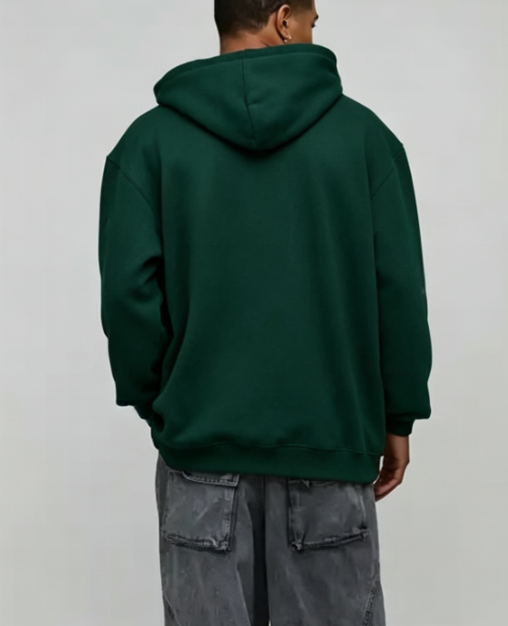


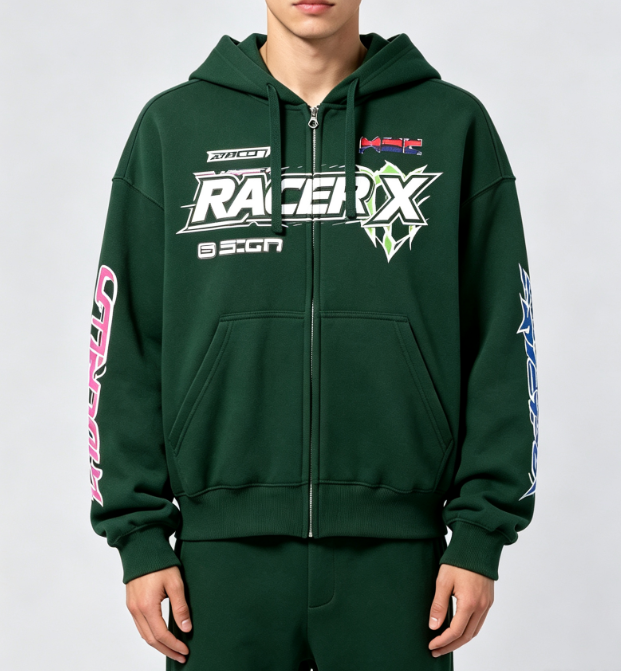

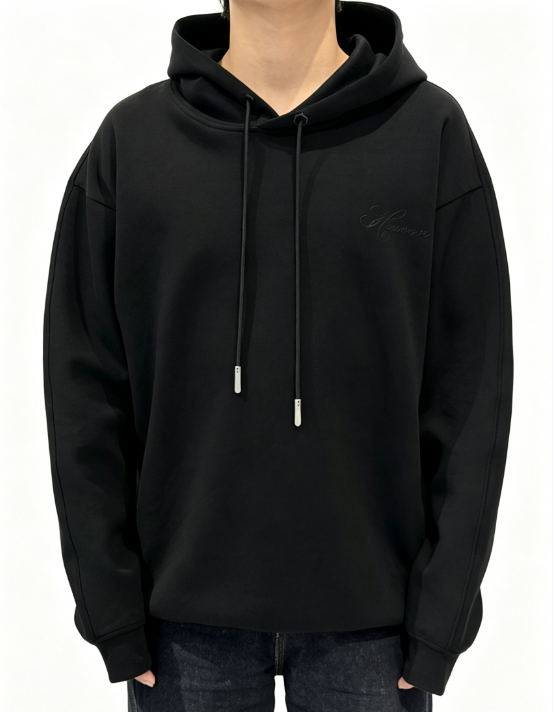


Related Product Catalogue and Quotation
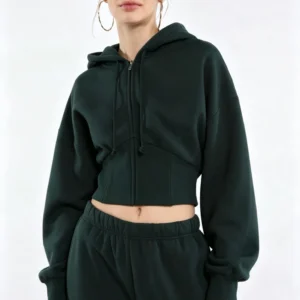
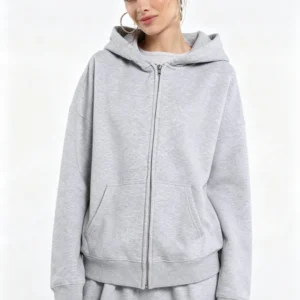

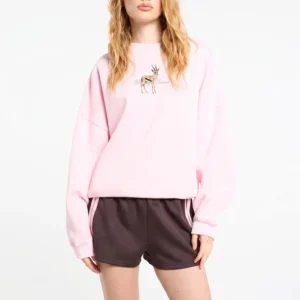
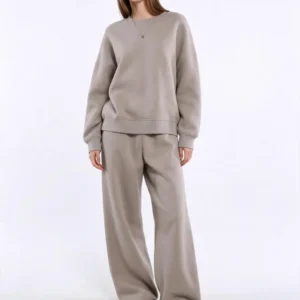

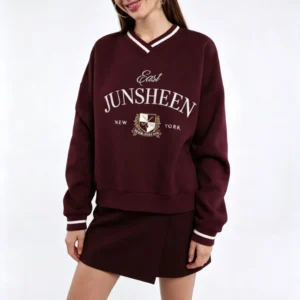

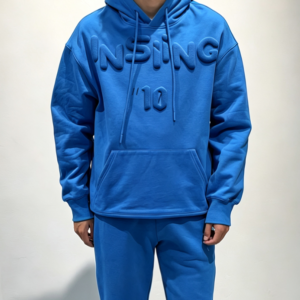
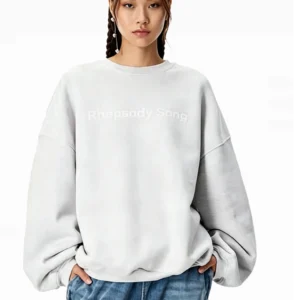

Why Brands Source Custom Team Hoodies From JUNSHEEN
A fit-led, export-ready manufacturing program for team apparel launches, repeat orders, and scaled brand growth.
100-Unit Starting MOQ
Launch custom team hoodies from 100 units per style and color, supporting capsule drops, team programs, and controlled inventory planning.
XS–3XL Fit Grading
Patterns are refined across XS–3XL for balanced shoulders, sleeves, body proportions, and mobility instead of simply enlarging a base size.
Integrated Decoration
Match team identities with in-house embroidery, screen printing, DTF, patches, puff effects, labels, and branded packaging managed together.
Purposeful Fabric Sourcing
Select fleece, French terry, cotton blends, or performance knits with recommendations based on weight, hand feel, durability, and target cost.
Controlled Quality Checks
Quality control covers incoming materials, in-line construction, measurements, fit, decoration, and final packed goods before release.
Global Export Support
From sampling through packing and shipping coordination, JUNSHEEN supports reliable delivery for fashion brands, retailers, and sourcing teams worldwide.
Custom Team Apparel, Built to Scale
Source coordinated hoodies, fanwear, casualwear and branded merchandise with fit-led development, low MOQs and integrated private-label production.
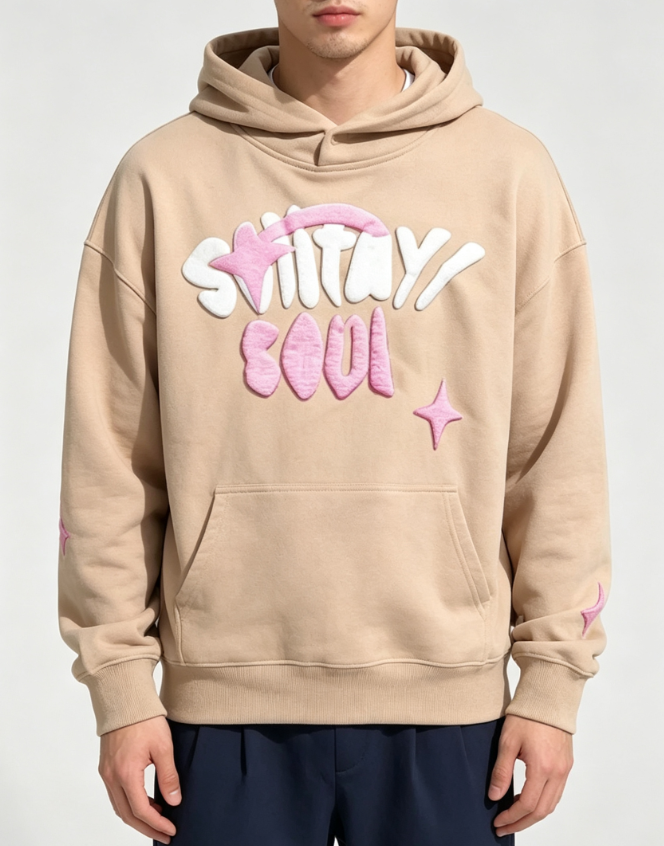
Custom Hoodies
Develop custom hoodies in fleece, French terry or heavyweight cotton for teamwear, fan collections and branded merchandise. Junsheen supports 100-unit MOQs per style and color, with custom embroidery, screen printing, labels, drawcords and packaging.
Request a Quote
Custom T-Shirts
Produce custom T-shirts in combed cotton, blended jersey or performance knits, matched to your target hand feel, weight and price point. Fit-focused grading from XS through 3XL helps keep team and retail size runs consistent.
Request a Quote
Custom Jeans
Build custom jeans with denim weight, stretch, wash effect, rise and leg shape selected for your customer. Pattern development, size grading, hardware, labels and stone, acid or enzyme washing are managed in one production workflow.
Request a Quote
Custom Sweaters
Source turtle neck sweater bulk programs with knit construction, yarn blend, gauge, collar height and color options defined before sampling. Junsheen develops size sets from XS to 3XL and supports branded labels, trims and coordinated knitwear assortments.
Request a Quote
Custom Jackets
Develop custom jean jackets with denim fabric, silhouette, pocket layout, closures and wash finish aligned to your collection. Add logo embroidery, patches, printed details or custom hardware while maintaining production-ready specifications for repeat orders.
Request a Quote
Custom Sweatshirts & Crewnecks
Create custom crewneck hoodie and sweatshirt programs in fleece, French terry or jersey. The team supports rib specifications, neckline balance, oversized or regular fits, decoration placement and private-label details for coordinated merchandise ranges.
Request a Quote
Custom Cardigans
Produce custom cardigans with selected yarns, knit gauges, button or zipper closures and fit specifications for contemporary, uniform or retail programs. Samples confirm drape, proportion and branding details before bulk production begins.
Request a Quote
Custom Puffer & Down Jackets
Develop custom puffer jackets with shell fabric, insulation, lining, quilting pattern, pocket construction and branded trims specified for your market. Junsheen supports prototype sampling and quality checks for warmth, fit and construction consistency.
Request a Quote
Custom Denim Shorts
Source custom jean shorts with denim weight, inseam, rise, hem treatment and wash finish tailored to your assortment. Extended-size grading, custom labels, hardware and decoration options help create a cohesive warm-weather denim program.
Request a Quote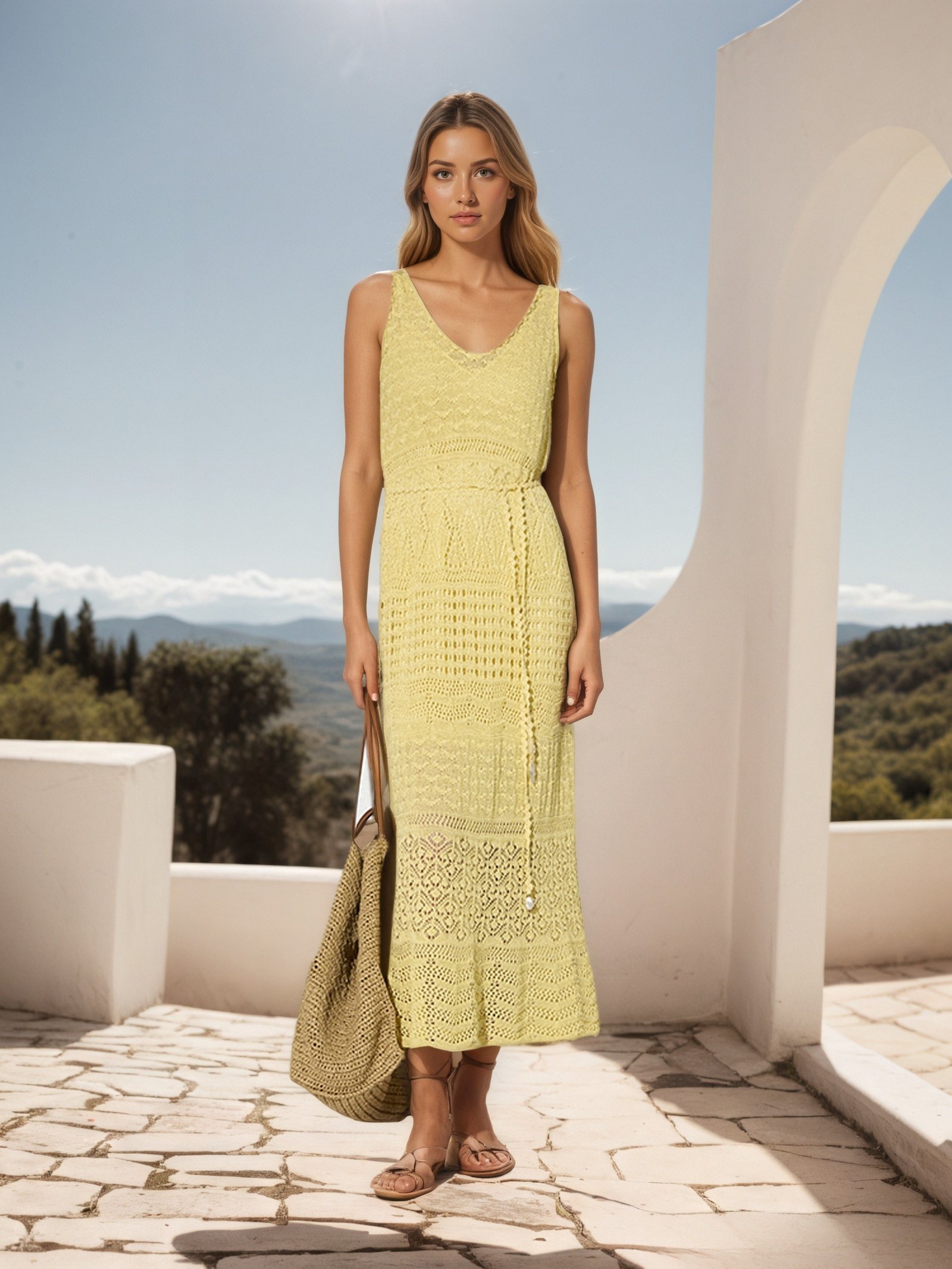
Custom Sweater Dresses
Develop custom sweater dresses with knit structure, yarn selection, silhouette and length refined through sampling. Pattern and grading work addresses body proportion, mobility and consistent fit across XS through 3XL for retail-ready collections.
Request a Quote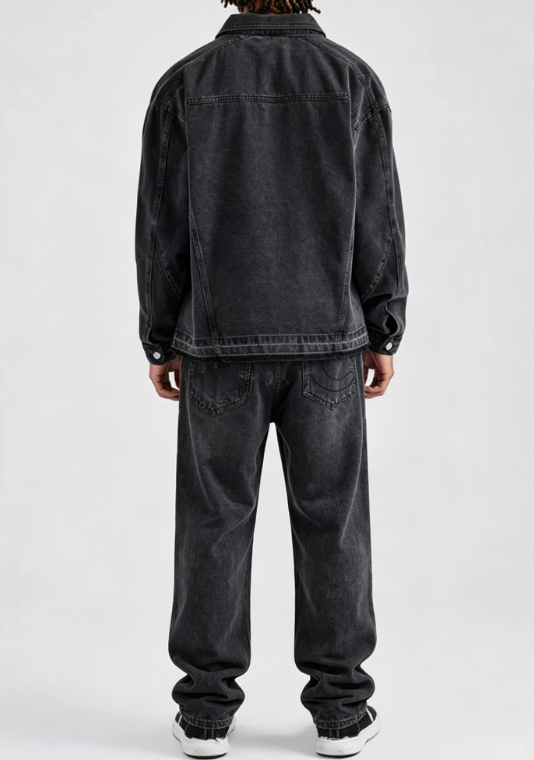
Custom Denim Sets
Build mens denim suits wholesale programs with coordinated denim jackets and jeans, matched washes and reliable size runs. Junsheen manages fabric sourcing, cut-and-sew development, hardware, decoration and packaging for team, fanwear or resale collections.
Request a Quote
Custom Polo Shirts
Produce custom polo shirts in piqué, jersey or performance fabric with collar construction, plackets, embroidery and color blocking specified to your brand. Suitable for uniforms, events and retail programs requiring durable, consistent repeat production.
Request a Quote
Custom Sweatpants
Develop custom sweatpants in fleece, French terry or jersey with your preferred fit, rise, cuff, pocket and waistband details. Match them with hoodies or crewnecks using coordinated fabric, color and decoration specifications.
Request a Quote
Custom Shorts
Produce custom shorts in jersey, fleece, twill or performance fabrics for casualwear, training and branded merchandise. Define inseam, pocket layout, waistband, lining and logo application, then confirm fit through samples before bulk production.
Request a Quote
Custom Pullovers
Develop custom pullovers across knitwear, fleece and lightweight jersey constructions, based on a tech pack, reference garment or concept. Junsheen supports fabric selection, fit refinement, grading, decoration and private-label finishing for scalable production.
Request a QuoteCustom Team Hoodies in Performance-Ready Fabrics

Brushed Cotton Fleece
A warm, soft-backed fabric for winter team hoodies, spiritwear and premium casual programs. Available in midweight to heavyweight constructions, its brushed interior improves insulation while maintaining a substantial, comfortable hand feel.

French Terry Cotton
Loopback French terry offers breathable comfort with a clean interior and moderate structure. It suits year-round custom team hoodies, training layers and elevated streetwear, with absorbency and weight tailored to the intended climate.

Cotton Jersey Knit
Smooth cotton jersey creates lighter hoodies for warm-weather teams, promotional programs and layering pieces. Its soft hand and natural breathability support comfortable daily wear, while blended options add recovery and shape retention.

Cotton Polyester Blend
Cotton-polyester blends balance a familiar soft feel with improved durability, color retention and reduced shrinkage. A practical choice for repeat-wash team uniforms and bulk programs, with fabric weight matched to your price point.

Recycled Performance Blend
Recycled polyester blends support lower-impact hoodie collections without sacrificing dependable wear performance. They work well for active teams and branded merchandise, offering moisture management, dimensional stability and reliable compatibility with decoration techniques.
Custom Team Hoodies: Decoration and Finishing Techniques

Logo Embroidery
Flat, 3D puff, chain-stitch, and applique embroidery create a textured, premium logo finish. Ideal for chest crests and sleeve details, with strong stitch definition and dependable durability through repeated wear and washing.

Screen Printing
Plastisol, water-based, high-density, silicone, flocking, foil, and discharge screen printing support bold team graphics at efficient bulk pricing. Screen-printed artwork delivers saturated color, reliable coverage, and excellent durability when matched to fabric weight.

DTF Transfers
DTF printing reproduces detailed multicolor artwork, gradients, and small text without the setup requirements of traditional screens. It is a flexible option for lower-volume runs, complex logos, and precise placement across hoodie panels.

Heat Transfer
Heat-transfer applications provide clean, consistent graphics for names, numbers, logos, and specialty films. This process suits targeted placements and programs requiring sharp edges, controlled color matching, or variable personalization within the same order.

Puff Print Effects
Puff printing raises selected areas of the artwork for a dimensional, tactile finish. Use it to add depth to simple graphics, emphasize brand marks, or create statement custom team hoodies with visual impact beyond flat ink.

Garment Washes
Enzyme, softening, anti-pilling, garment dye, acid wash, stone wash, brushing, and napping refine hand feel and appearance. These finishing processes can create broken-in character, improve softness, and align the hoodie with your intended price tier.
Custom Team Hoodies With Branded Trims

Custom Drawcords
Choose cotton, flat, braided, reflective, or tipped drawcords in colors that support your team palette. Branded metal or silicone aglets add a refined finish to pullover and zip-up hoodie hoods.

Logo Zippers
Add nylon coil, metal, or waterproof zippers for full-zip custom team hoodies. Custom zipper pullers, logo engravings, and coordinated tape help align practical performance with a distinct private-label presentation.

Woven Labels
Create woven main labels, size labels, and wash-care labels with your logo, sizing system, and fiber details. They provide durable brand identification inside the neck, side seam, or hem of each hoodie.

Custom Patches
Use embroidered, chenille, woven, silicone, or leather-look patches for chest, sleeve, or hem placement. Patches give team graphics dimension and reinforce a premium varsity, athletic, or streetwear direction.

Rib Trim Sets
Match or contrast rib cuffs, hems, and collar components to control recovery, comfort, and visual identity. Junsheen can source striped, tipped, heavyweight, or custom-knit rib trims for coordinated team programs.
Branded Packaging
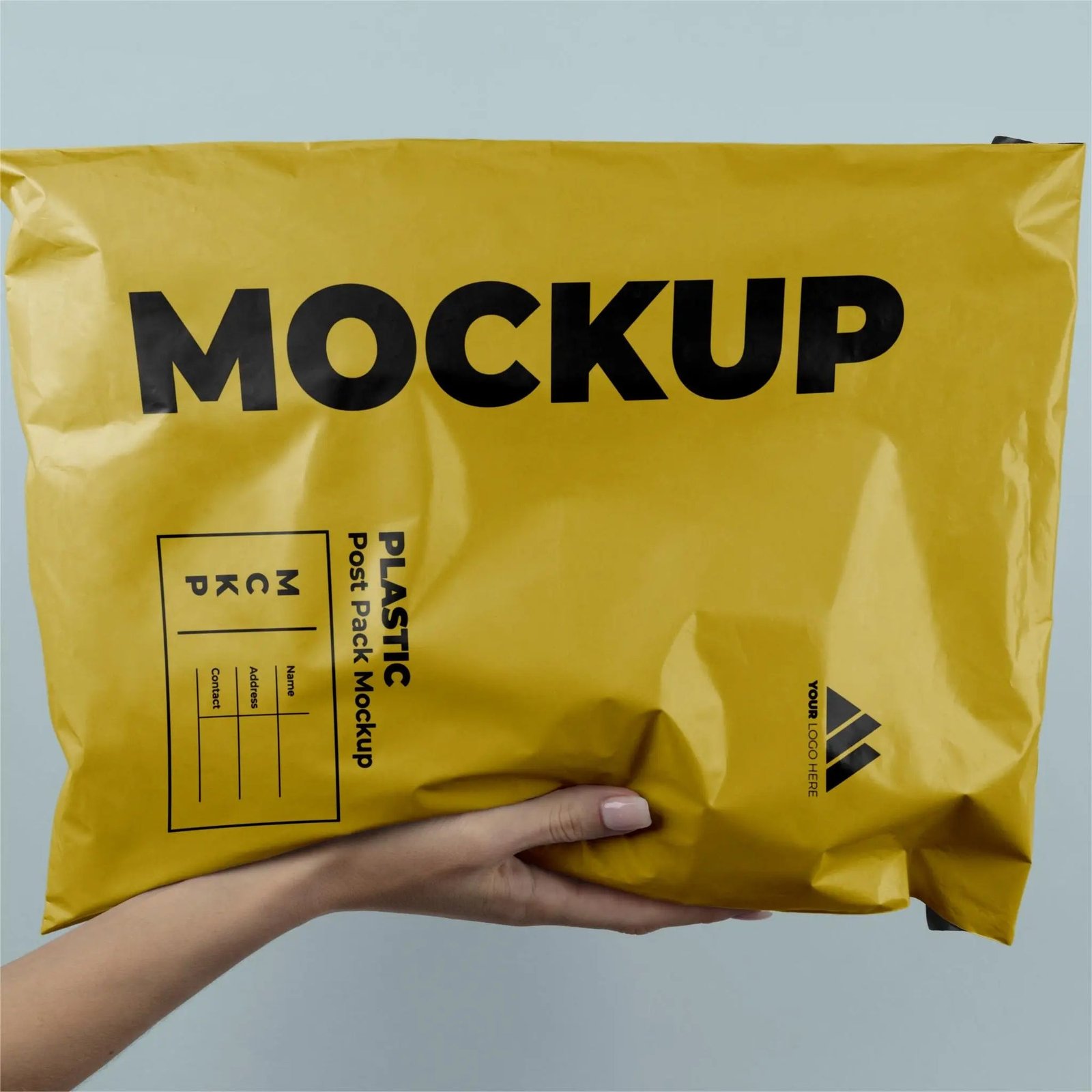
Complete each order with custom hangtags, polybags, size stickers, folding instructions, or branded boxes. Retail-ready packaging keeps team hoodie assortments organized and carries your identity through delivery and unboxing.
About JUNSHEEN Apparel Manufacturing
Founded in 2010 in Humen Town, Dongguan, JUNSHEEN helps fashion brands turn custom team hoodies and broader casualwear concepts into production-ready collections. Our mission is to provide a responsive, one-stop manufacturing partner for emerging labels, independent designers, wholesalers and established global brands.
With more than 200 skilled workers and monthly capacity exceeding 80,000 units, we support programs from 100 units per style and color to repeat bulk production. Cut-and-sew, knitwear, fabric sourcing, decoration, washing, labels, packaging and export coordination are managed through one accountable supply chain.
What differentiates JUNSHEEN is fit-focused development from XS through 3XL, including extended-size, plus-size and modern oversized grading. Having served more than 2,000 fashion-brand clients, we combine technical pattern work, practical sampling and dependable quality control to help brands launch confidently and scale consistently.

Custom Team Hoodies: Fit, Development and Scale
Fit-First XS–3XL Grading
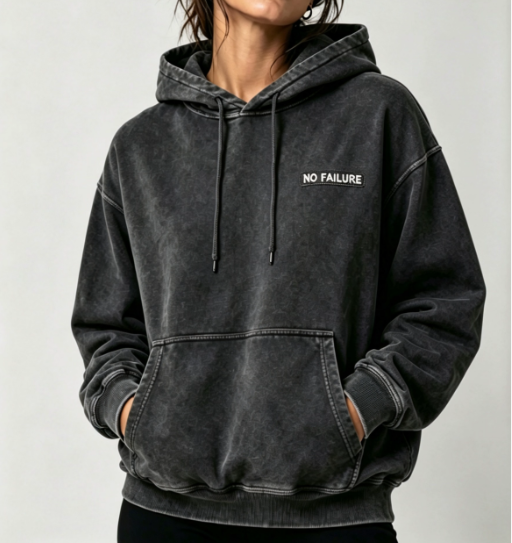
Custom team hoodies are developed with proportion-specific pattern work from XS through 3XL, including extended-size, plus-size and modern oversized fits. Our pattern makers refine shoulder balance, sleeve length, body proportion and movement instead of simply enlarging a base size.
- Normal, oversized and extended-size fit development
- Balanced grading increments across the full size set
- Prototype and size-set reviews before bulk approval
- Pattern records retained for consistent reorders
From Concept to Sample
Bring a finished tech pack, sketch, reference garment, mood board or early product idea. JUNSHEEN supports feasibility review, fabric and trim selection, pattern creation and sampling, helping brands turn a team-hoodie concept into a clear, production-ready specification.
- OEM, ODM and private-label development support
- French terry, fleece and knit material sourcing
- Construction and manufacturability recommendations
- Low MOQ from 100 units per style and color

Decoration Under One Roof
Keep branding, decoration and garment finishing aligned within one manufacturing workflow. JUNSHEEN produces custom team hoodies with logo embroidery, patches, screen printing, DTG, DTF, puff effects, garment dye and other treatments matched to your design direction and target cost.
- Flat, 3D/puff and chain-stitch embroidery
- Screen printing, silicone, foil and high-density effects
- Custom patches, labels, drawstrings and packaging
- Wash and finishing options for distinct hand feel

Controlled Repeat Production
For ongoing team programs, JUNSHEEN retains approved patterns, graded size sets and material records to support dependable repeat orders. Incoming fabric checks, in-line inspections, measurement reviews, decoration checks and final packed-goods control help preserve approved standards as volume scales.
- 200+ skilled workers and 80,000+ monthly units
- Documented approvals for repeatable production
- Quality checks from fabric receipt through packing
- Global export support for growing brand programs
Why Choose JUNSHEEN for Custom Team Hoodies
Fit-focused development, production control and export-ready support for teamwear programs from 100 units per style and color.
← 左右滑动查看 →
Custom Team Hoodies Manufacturing Process
A controlled development-to-delivery workflow for consistent team apparel, from feasibility review through global shipment.
Feasibility and Fabric Review
We review your tech pack, artwork or reference, confirm construction requirements, recommend suitable fleece or French terry, and align target cost, MOQ and timeline.
Pattern and Fit Development
Our team creates or refines patterns and grades XS–3XL with attention to body proportion, shoulder balance, sleeve length and mobility for your intended fit.
Sampling and Approval
We produce prototype and size-set samples, verify measurements, decoration placement and wash performance, then incorporate approved revisions before bulk production begins.
Bulk Cutting and Decoration
Approved materials move into cutting, sewing and in-house printing or embroidery, with labels, drawstrings, patches and other private-label details applied to specification.
Quality Control and Shipping
Inspections cover fabric, construction, measurements, fit, decoration and packed goods before custom team hoodies are packed securely and prepared for international export.
Start Your Custom Team Hoodies Project
Move from concept to delivery with a clear, fit-focused OEM and private-label production path.
Share Your Hoodie Brief
Send a tech pack, sketch, reference garment, mood board, or product idea with quantities, target market, preferred fabrics, decoration, and sizing requirements.
Review Feasibility and Pricing
Our development team reviews construction, fit, materials, trims, and artwork, then recommends practical options and prepares a clear quotation for your program.
Approve Samples and Fit
Confirm prototype samples, fabric swatches, decoration, measurements, and XS–3XL grading before bulk production, reducing avoidable revisions and keeping your custom team hoodies on specification.
Produce, Inspect, and Deliver
JUNSHEEN manages bulk cut-and-sew production, in-line quality checks, final packing, and global export support for orders starting from 100 units per style and color.
Custom Clothing Manufacturer Credentials and Compliance Documents



What Apparel Brands Say About Our Custom Team Hoodies
JUNSHEEN refined our oversized hoodie grading from XS to 3XL and achieved fit approval after two sample rounds. Our first 480-unit team program arrived measurement-consistent, which let us launch on schedule without costly rework.
The puff-print chest logo and embroidered sleeve patches stayed sharp across all 1,200 hoodies. We reordered the same program six months later, and the color, placement, and fleece hand feel matched the approved production sample.
JUNSHEEN coordinated labels, hang tags, split-size packing, and export documentation for delivery to our UK and Canada teams. The 750-piece custom team hoodies order cleared our receiving checks with only 3 units requiring attention.
Custom Team Hoodies FAQ
Clear answers on MOQ, development, fit, decoration, payment and delivery for your hoodie program.
What is the minimum order quantity for custom team hoodies?
How long does a custom team hoodies sample take?
How much does it cost to make custom team hoodies?
Can you develop custom team hoodies in extended sizes?
Which decoration options are available for team hoodie logos?
What payment terms do you offer for custom hoodie orders?
Do you ship custom team hoodies internationally?
How do you protect our team hoodie designs and artwork?
The Complete Buyer’s Guide to custom team hoodies
Use this decision framework to select styles, fabrics, decoration methods, and reliable OEM/ODM suppliers for custom team hoodies—while avoiding specification, costing, quality-control, and production-planning mistakes.
1. What Are custom team hoodies?
100 units per style and color is a practical starting point for custom team hoodies: coordinated branded sweatshirts made for sports squads, school groups, staff uniforms, communities, events, and retail capsules. They align the visible identity of a group while giving the buyer control over the garment rather than only the artwork. 1-color or 2-color logo printing on a stocked blank is the faster, lower-complexity route for a local team, one-off event, or staff reorder that accepts available colors, fits, drawcords, labels, and polybag packing. It works best when speed and simple decoration matter more than a distinctive silhouette or a repeatable private-label product. 100-unit OEM or ODM production suits brands, wholesalers, schools, and organizations that need a purpose-built program: oversized or standard blocks, Pantone-matched colorways, graded XS–3XL sizing, custom rib, zipper or drawstring choices, labels, hang tags, and branded packaging. At this scale, fabric, pattern, trim, and decoration setup can be shared across enough garments to justify sampling and controlled bulk production without committing to the much higher quantities common in large factory programs.
2. How custom team hoodies evolved
1930s athletic hooded sweatshirts were built as practical warm-up layers: substantial fleece, rib cuffs, and a protective hood for cold training conditions. That utility still shapes custom team hoodies, but buyers now select silhouette deliberately—classic pullover for tradition, zip hoodie for layering, or heavyweight oversized fleece for a more fashion-led program. 1950s varsity and collegiate sports made the chest emblem, sleeve mark, and school-color palette recognizable signals of belonging. Streetwear later expanded the canvas to back graphics, oversized embroidery, appliqué, puff print, and woven labels, so a team design now needs a placement plan that remains balanced across XS through 3XL rather than simply enlarging one logo. 2000s corporate apparel and fanwear raised expectations beyond a low-cost giveaway: recipients compare hand feel, garment weight, fit, and wash durability with retail merchandise. Premium ring-spun cotton blends, 280–400 GSM fleece or French terry, color-matched Pantone details, and elevated neck, hem, or sleeve branding can justify higher perceived value when the garment is intended to be worn repeatedly.
3. Types of custom team hoodies
Six formats cover most custom team hoodies programs, but the right choice depends on wear setting, logo hierarchy, and season. Specify silhouette and hardware together, because pockets, zippers, and drawcords change both function and printable area.
| Format | Best User | Season | Decoration Consideration |
|---|---|---|---|
| Pullover | Clubs and schools | Autumn to winter | Large chest and back fields |
| Zip-up | Travel teams and staff | Spring to autumn | Keep artwork clear of zipper |
| Heavyweight | Premium fanwear | Cold weather | Supports dense embroidery |
| Performance | Training teams | Mild to warm | Test print stretch and wash recovery |
Pullover And Zip-Up

1 pullover hoodie suits schools, clubs, and unified merch drops: its uninterrupted chest and back give the cleanest screen-print or embroidery placement. A kangaroo pocket adds utility but divides lower-front artwork. 1 full-zip style fits travel teams and layered uniforms, especially for spring and autumn. Specify zipper gauge, zipper-pull finish, and whether artwork will bridge the zipper; separate left-chest logos are usually safer.
Oversized And Cropped
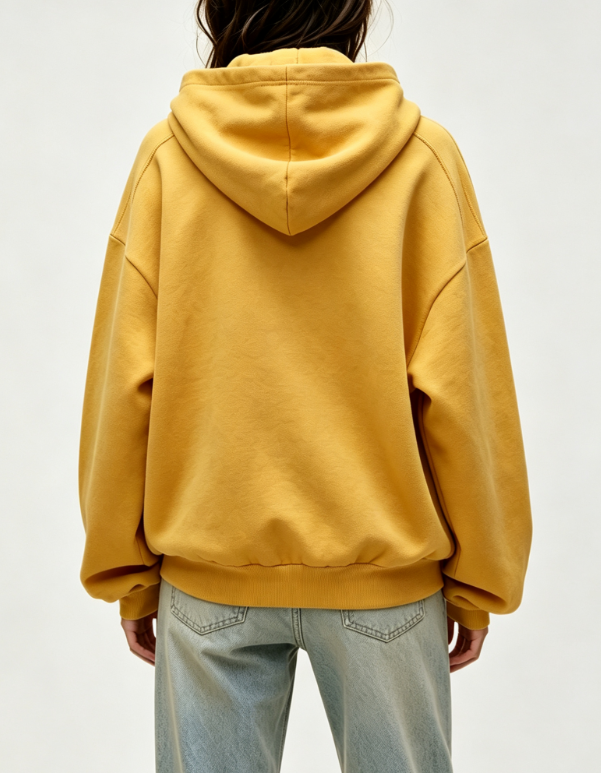
2 fashion-led silhouettes serve streetwear teams and youth-focused collections. Oversized hoodies need revised shoulder, sleeve, and body proportions rather than simply grading up a regular block. 1 cropped hoodie targets womenswear or fashion capsules and is less suitable for broad uniform programs. Confirm finished body length, rib depth, and drawcord length on the sample before bulk approval.
Heavyweight And Performance
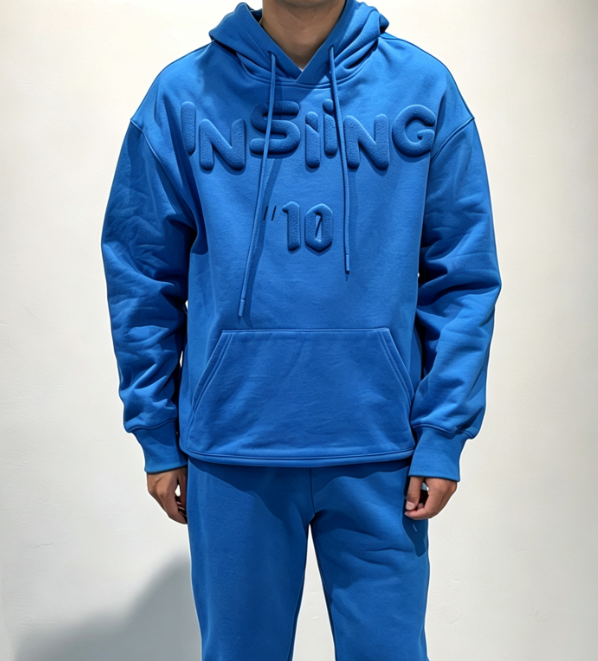
320–500 GSM heavyweight fleece supports premium, cold-weather positioning and structured embroidery, but raises fabric, freight, and drying-time considerations. It works well for alumni, fanwear, and durable staff layers. 220–300 GSM performance-oriented hoodies suit training, travel, and warm climates. Source moisture-management knit or stretch blends, then test print adhesion and recovery after washing; avoid bulky pocket construction when mobility matters.
Match Details To Use

3 functional decisions should follow the wear case: kangaroo pockets for casual warmth, concealed pockets for travel, and flat drawcords for lower snag risk. For custom team hoodies, lock pocket dimensions, zipper color, hood depth, and logo positions in the tech pack.
- Pullover: largest continuous decoration field
- Zip-up: strongest layering and travel option
- Oversized: streetwear-led brand signal
- Performance: mobility and climate priority
4. Materials for custom team hoodies
Fabric weight and fiber blend determine how custom team hoodies feel, decorate, and survive repeated washing. Specify composition, GSM, finish, and test requirements before approving a sample, especially for mixed climates and large size runs.
| Fabric And GSM | Recommended Use | Price Position | Practical Trade-Off |
|---|---|---|---|
| 100% cotton, 300–360 GSM | Premium casual teams; temperate climates | Mid to premium | Breathable, print-friendly; manage shrinkage |
| Cotton-poly fleece, 320–380 GSM | Core uniforms; broad climate use | Mid | Balanced warmth and durability; less natural hand |
| Brushed fleece, 340–420 GSM | Cold-weather teams | Mid to premium | Warm and soft; lower breathability |
| Recycled poly blend, 280–340 GSM | Sustainability-led or travel programs | Mid to premium | Quick-dry, low shrinkage; verify pilling and claim support |
| Poly performance knit, 220–300 GSM | Training and warm climates | Mid | Fast-drying; synthetic surface limits some ink choices |
Weight And Climate

280–320 GSM French terry suits mild climates and active travel because its loopback interior breathes better than brushed fleece. A 340–420 GSM brushed fleece delivers a warmer, softer hand for autumn and winter programs.
Fiber And Surface
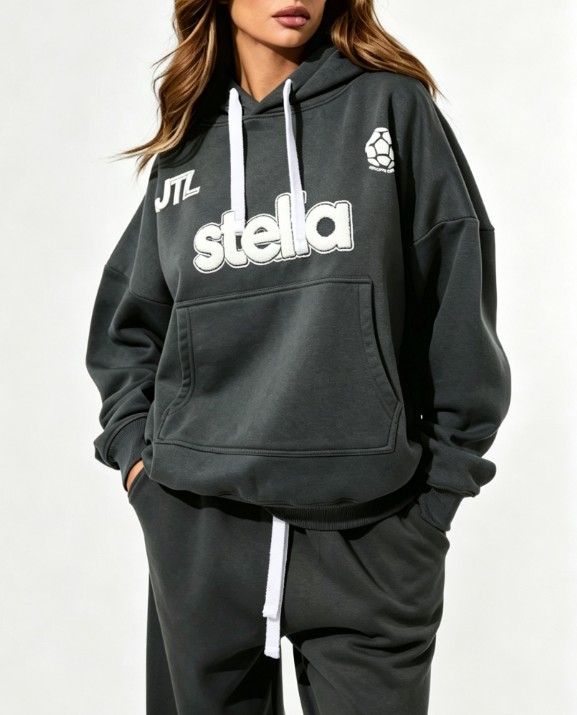
100% ring-spun cotton gives a premium natural hand and strong water-based print results, but allow controlled shrinkage testing. Polyester resists shrinkage and dries quickly, while cotton-poly fleece balances comfort, durability, and lower pilling risk when quality yarns and finishing are used.
Specify Performance Clearly

Recycled cotton or recycled polyester blends require traceable fiber documentation when sustainability claims will appear on labels or marketing. Performance knits with moisture management suit training teams, but silicone, transfer, or sublimation may outperform water-based ink on synthetic-rich surfaces.
5. Custom team hoodies decoration options
Two decoration layers usually create a stronger team identity than one oversized chest graphic. For custom team hoodies, match the method to artwork detail, wear frequency, garment weight, and the 100-unit production starting point.
| Method | Appearance | Durability | Color Capability | Setup And Best Use |
|---|---|---|---|---|
| Screen print | Clean, opaque | High | Spot or Pantone colors | Screens; large logos |
| Embroidery | Raised, premium | High | Limited thread range | Digitizing; small crests |
| DTG | Soft, detailed | Medium | Full color | Minimal setup; artwork |
| DTF or transfer | Vivid film finish | Medium-high | Full color | Low setup; names |
| Chenille or appliqué | Varsity texture | High | Fabric and thread colors | Pattern setup; statement marks |
| Patches and labels | Branded finishing | High | Woven color detail | Artwork setup; sleeves and necks |
Print And Stitch Choices

Pantone-matched screen printing gives opaque, durable color on cotton fleece and French terry; embroidery adds raised texture for compact crests. DTG suits detailed multicolor art on cotton, while DTF and heat transfer handle small runs, names, and variable data. Chenille, appliqué, and embroidered patches create a varsity or heritage look, but require stable placement and reinforcement. Woven labels and custom neck labels finish the garment without competing with the main logo.
- Use screen print for large, repeatable artwork.
- Use embroidery for simple chest or sleeve marks.
- Use DTF for individualized names and numbers.
Placement And Combination
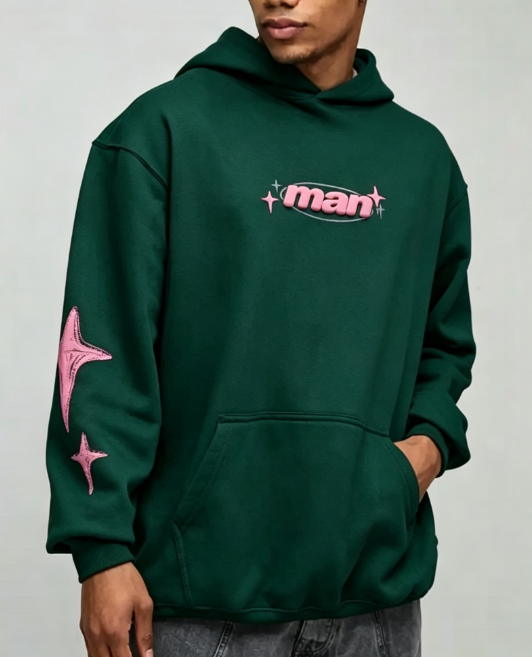
A 8–10 cm left-chest logo remains readable without stiffening the front panel, while a 25–30 cm back print carries team names or event graphics. Keep bulky embroidery away from the hood edge and high-friction underarm areas. Two coordinated methods often look more premium: screen-print a back graphic, then add an embroidered chest crest or sleeve patch. Request a sample to check hand feel, thread backing, print stretch, and neck-label comfort before bulk approval.
6. Construction details that signal quality
280–420 GSM fleece or French terry should arrive within an agreed GSM tolerance, commonly ±5%, across lots. For custom team hoodies, construction specs must turn visual expectations into measurable pass/fail checks.
Seams And Stress Points
8–12 stitches per inch is a practical starting specification for major sewn seams, adjusted for fabric thickness and thread size. Require even seam margins, no skipped stitches, and shoulder tape or reinforced coverstitching where team wear will take repeated load. 2.5–3.5 cm rib cuffs and hems should recover close to their original circumference after controlled stretching. Specify rib composition, finished measurements, and acceptable twist or roping limits after washing.
- Record SPI by seam type
- Specify shoulder reinforcement method
- Set rib recovery and seam-pucker limits
Hood, Pocket, And Hardware

1 approved hood shape should define crown depth, opening width, overlap, and center-back balance; a distorted hood is highly visible in group photos. Match left and right pocket corners to the center front, with placement tolerances recorded from fixed reference points. 5 mm nylon-coil or molded zippers should zip smoothly through repeated checks; specify an approved supplier such as YKK when required. Drawcord ends need matching aglets, secure bartacks or eyelets, and a stated exposed length.
- Check pocket symmetry before bulk cutting
- Test zipper travel and puller attachment
- Approve drawcord, aglet, and eyelet samples
Wash Tests And Size Grading
3–5% maximum shrinkage after the agreed wash method is a common commercial target, but the tech pack should state the exact method, temperature, tumble setting, and measurement points. Compare washed samples against the approved sample before releasing bulk fabric. XS–3XL grading needs deliberate changes to chest, body length, shoulder, sleeve, hood, and pocket placement rather than simple enlargement. Set measurement tolerances by point—often ±1 cm for key garment dimensions—and inspect a size set to catch return-causing fit drift.
- Approve a sealed pre-production sample
- List tolerances at every measurement point
- Retain wash-tested size-set records
7. Choosing a custom team hoodies manufacturer
A 100-unit starting point can suit a capsule team program, but MOQ alone does not establish supplier fit. Evaluate custom team hoodies manufacturers against evidence: relevant builds, approved samples, documented controls, and export-ready delivery plans.
Match Product Specialization

Three comparable hoodie samples reveal more than a generic catalog: inspect fabric weight, rib recovery, seam alignment, pocket placement, and decoration after washing. Ask which French terry or fleece programs the factory has produced at your target GSM, color count, and size range.
- Request inside-out sample photos
- Compare measurements to the spec sheet
- Confirm extended-size grading experience
Test Sampling And Communication
One pre-production sample should follow a dated tech pack with Pantone references, measurement tolerances, artwork placement, and approved trims. Ask who owns revisions, how comments are logged, and the sampling-to-bulk timeline; unclear answers become costly production delays.
- Ask for a critical-path schedule
- Set measurement tolerances in millimeters
- Approve a sealed production sample
Verify Materials And Compliance

OEKO-TEX, GOTS, WRAP, and BSCI documentation should be supplied only when applicable to the material, factory, or program. Request current certificates, mill specifications, composition reports, and test records rather than accepting logo claims or screenshots.
- Verify certificate scope and expiry
- Review fiber composition and GSM
- Retain approved swatches for bulk matching
Confirm Capacity And OEM Fit
80,000-plus monthly capacity matters only when the supplier can reserve a realistic production window and explain inspection checkpoints. Choose OEM when you provide finished specifications; choose ODM when you need pattern, fabric, and design-development support, then verify both through factory evidence and a sample order.
- Ask about incoming, in-line, final inspections
- Confirm shipping documents and destination experience
- Get lead times and balance dates in writing
8. Common custom team hoodies buying mistakes
100-unit programs can fail before cutting begins when specifications are treated as informal. Preventable gaps in fabric, artwork, approval, fit, quotation, and logistics create delays, rework, fading, poor fit, or unplanned landed costs.
Specify Fabric And Fit

280–360 GSM fleece may look similar online but differs sharply in warmth, shrinkage, and hand feel. Request swatches, composition, GSM, and wash-test expectations; this avoids receiving a hoodie unlike the reference photo. XS–3XL requires a measurement chart with tolerance, body length, chest, sleeve, and hood dimensions. Approve graded specifications and an extended-size fit sample to avoid inconsistent proportions and costly sample revisions.
Prepare Production-Ready Artwork

300 DPI artwork at final print size, preferably vector AI, PDF, or SVG, preserves edges and Pantone intent. Supply placement measurements and color callouts; this prevents redraw delays and soft, inaccurate prints. 1 mm lines and fine gradients can fail under puff, embroidery, or textured fleece. Match artwork to the decoration method before sampling, reducing cracking, lost detail, and color variation.
Control Sample Approval
2 approval checks—construction and wash performance—should precede bulk sign-off. Review measurements, stitching, decoration adhesion, and post-wash appearance rather than approving from quick photos. 24–48 hours for internal review is often too short when multiple stakeholders need input. Consolidate written comments into one revision list to prevent contradictory changes and production holds.
Close Commercial Gaps
3 quotes can reveal missing fabric, decoration, packaging, or freight assumptions, but the lowest unit price rarely states every inclusion. Compare like-for-like specifications to avoid later surcharges or weaker materials. 1 packing plan should define polybags, hang tags, carton count, Incoterm, destination, and shipping method before bulk starts. Confirming these details early avoids relabeling, customs disruption, and unexpected freight costs.
9. Launching your custom hoodie program
A 100-unit first run succeeds when one owner controls decisions from brief through delivery. For custom team hoodies, lock the intended wearer, channel, price target, size range, colorways, and in-hand date before requesting development.
Build The Development Brief
Three reference images, a mood board, and a target retail or wholesale price give the factory a usable starting point. Specify silhouette, fabric direction, decoration locations, branded trims, XS–3XL grading needs, and whether 100 units are split across colors. One decision maker should consolidate feedback within 24–48 hours. Convert the chosen concept into a tech pack with measurement points, construction notes, Pantone colors, artwork dimensions, and a size breakdown.
Quote And Prepare Artwork
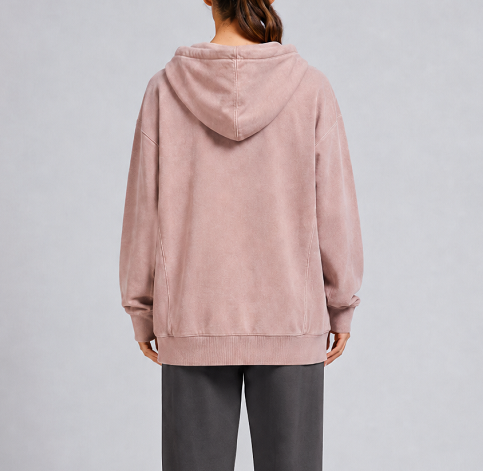
A complete quotation needs fabric composition and GSM, decoration method, color count, labels, packaging, quantity by color and size, and destination. Ask which costs are fixed, which change with quantity, and what sample and bulk lead times apply. Vector AI, EPS, or PDF artwork at actual print scale prevents avoidable redraws. Confirm Pantone references, print placement from seams, embroidery stitch coverage, and approval responsibility before sampling.
Approve Samples And Bulk
One prototype should be reviewed against the tech pack for measurements, shoulder balance, fabric hand, decoration, wash behavior, and label accuracy. Record every correction in one dated approval sheet rather than sending conflicting chat comments. A pre-production approval freezes the bulk standard: approved sample, graded measurements, color standard, artwork file, packaging, and tolerance policy. No bulk cut should begin until the authorized buyer signs that record.
Inspect Ship And Reorder
During bulk production, request updates at fabric receipt, first output, in-line inspection, and final packing. Check carton marks, size assortments, packed quantities, and final measurements before the balance is released and freight is booked. Six to eight weeks before stock runs low, compare sell-through by size, color, and channel. Retaining the approved pattern, graded size set, material records, and decoration files makes a repeat order faster and more consistent.
10. custom team hoodies pricing and costs
100 units per style and color is JUNSHEEN’s practical starting point, so per-unit cost is highest at the minimum and falls as fixed development, setup and inspection work spreads across more garments. A 280–360 GSM brushed fleece hoodie generally costs more than a 240–300 GSM French terry version because weight, yarn quality, finishing and freight weight all rise. 2–6 decoration colors, a large back print, puff ink, embroidery, applique, contrast panels, lined hoods or custom zippers each add labor, setup or material cost. Request like-for-like quotes with the same tech pack, Pantone colors, fabric composition and GSM, size breakdown, artwork dimensions, labels, packaging, Incoterm and destination; otherwise unit-price comparisons are unreliable. 30–45 days is a common bulk-production planning range after sample and material approval, while sampling, third-party inspection, duties and freight should sit outside the garment budget. Confirm whether screen fees, embroidery digitizing, sample charges, export cartons and destination delivery are included before approving custom team hoodies.
| Order quantity | Indicative unit-price position | Typical production lead time |
|---|---|---|
| 100–299 units | Highest; fixed costs spread least | 30–45 days |
| 300–999 units | Mid-range; better fabric and decoration efficiency | 30–45 days |
| 1,000+ units | Lowest relative unit cost; bulk material leverage | 35–55 days |
Start Your Custom Team Hoodies Program Today
Send your tech pack, sketch, reference garment, or product idea to JUNSHEEN for sampling support and a tailored manufacturing quotation.