Custom Denim Jackets Mens From 100 Units
Build custom denim jackets mens with OEM, ODM and private-label support, fit-focused XS–3XL grading, and global production for fashion brands.
Featured Products for custom denim jackets mens Development




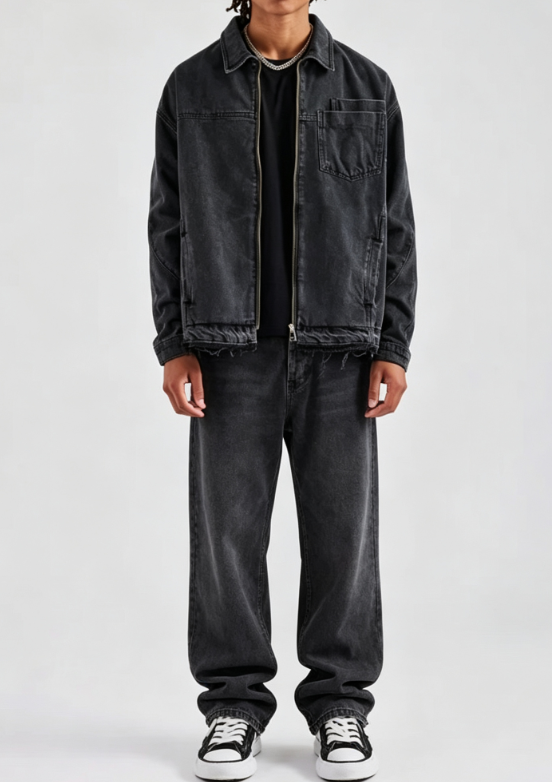
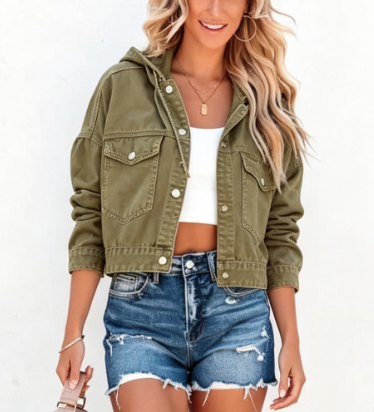
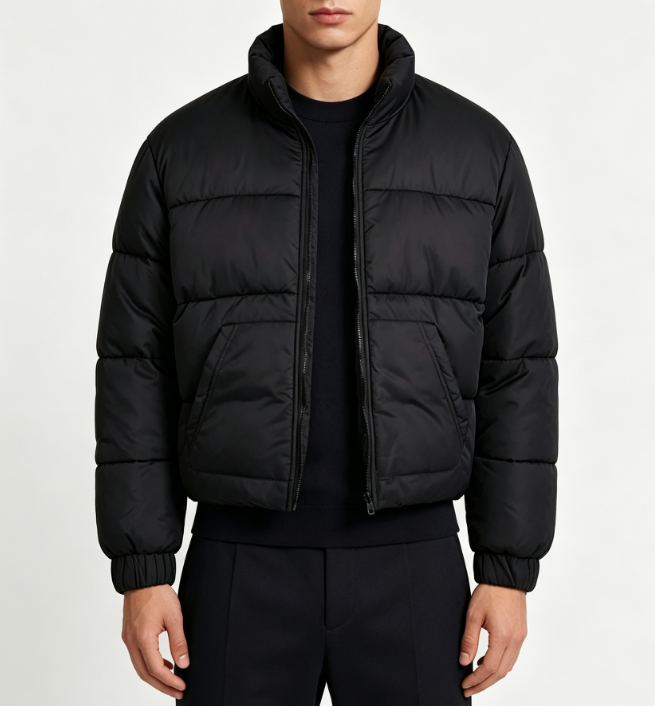
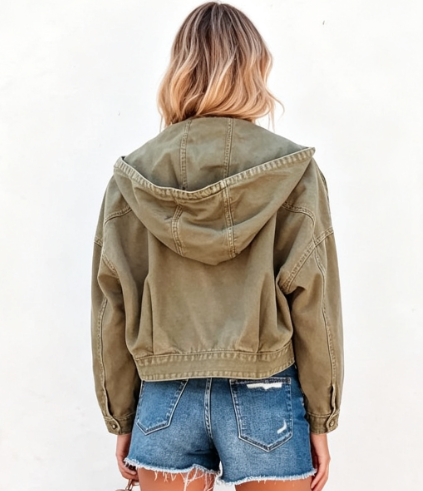
Related Product Catalogue and Quotation






Why Brands Source Custom Denim Jackets Mens from JUNSHEEN
One production partner for fit-led denim development, custom finishing, reliable scaling, and export-ready delivery.
100-Unit MOQ
Launch a capsule or test new colorways from 100 units per style and color without compromising production support.
Fit-Focused XS–3XL
Pattern makers refine proportions, mobility, sleeve balance, and grading increments for regular, oversized, extended-size, and plus-size denim jackets.
One-Stop Customization
Coordinate embroidery, printing, patches, washes, labels, hardware, and branded packaging through one experienced denim manufacturing team.
Scalable Production
More than 200 skilled workers and 80,000-plus monthly units support growth from initial launches to ongoing bulk programs.
Export-Ready Support
Receive clear sampling, quality control, packing, and global shipping coordination for custom denim jackets mens programs worldwide.
Custom Denim Jackets and Apparel Development
OEM, ODM and private-label production for capsule launches, size-inclusive programs and branded casualwear collections from 100 units per style and color.

Custom Hoodies
Develop custom hoodies in fleece, French terry or jersey with fit-focused XS–3XL grading, custom weights, rib trims, embroidery, printing, garment washes and private labels for launch-ready branded programs.
Request a Quote
Custom T-Shirts
Produce custom T-shirts from combed cotton, organic cotton or blended jersey. Junsheen supports neck construction, fabric weight, oversized and extended-size grading, screen printing, DTG, DTF, embroidery, labels and retail packaging.
Request a Quote
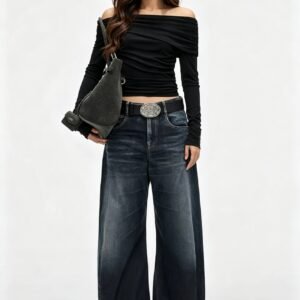
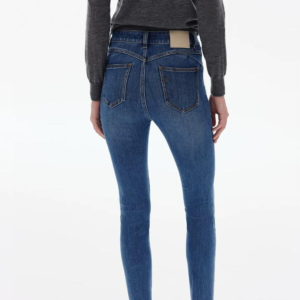
Custom Jeans
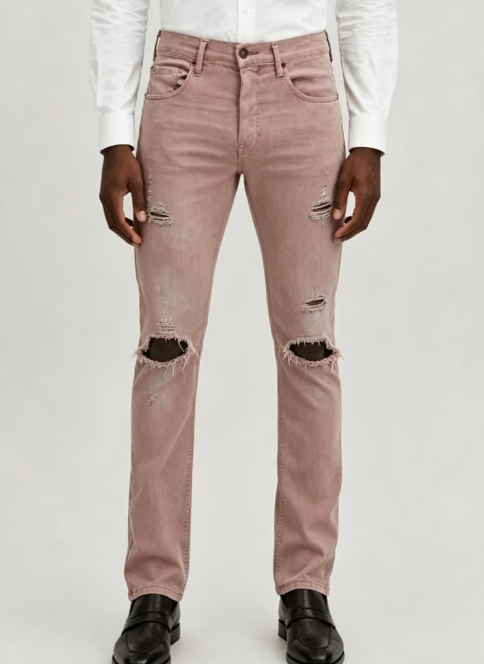
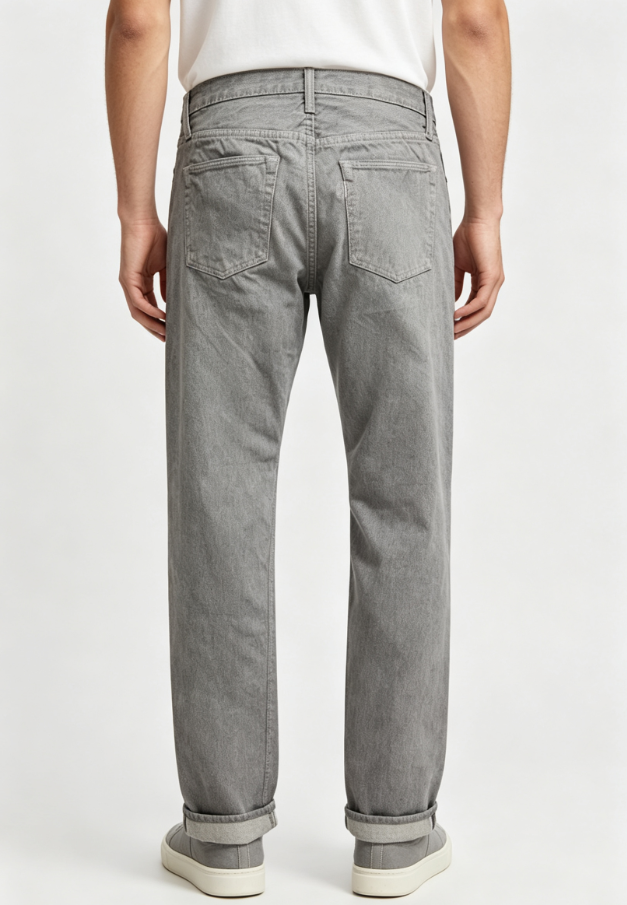
Develop custom jeans with denim or stretch-denim sourcing, pattern making, rise and leg-shape refinement, XS–3XL grading, washes, distressing, hardware, logo trims and inspection support for consistent bulk production.
Request a Quote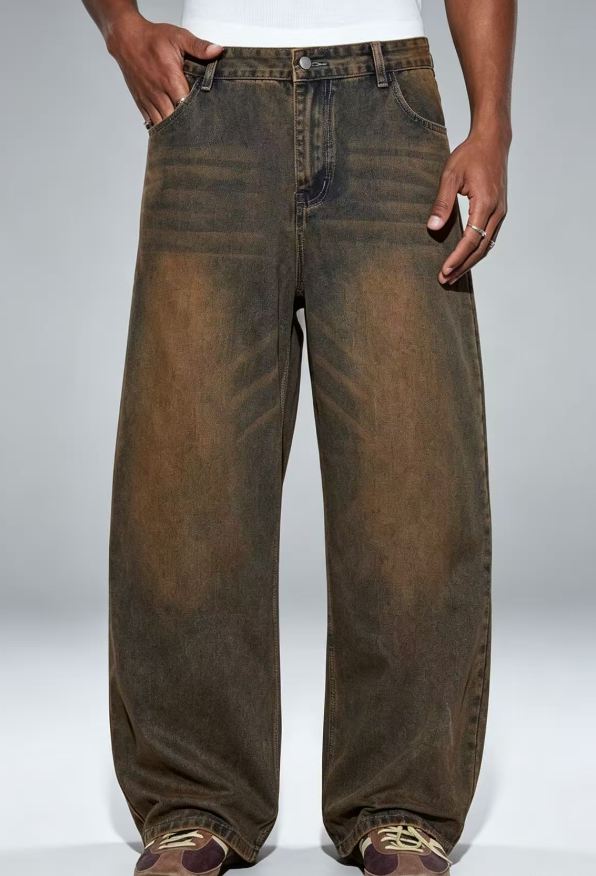
Custom Sweaters
Source and manufacture turtleneck sweaters in bulk using suitable yarns and knit constructions for your target hand feel, gauge and price. Development includes fit grading, neck shape, rib details, labels and scalable production planning.
Request a Quote
Custom Jackets
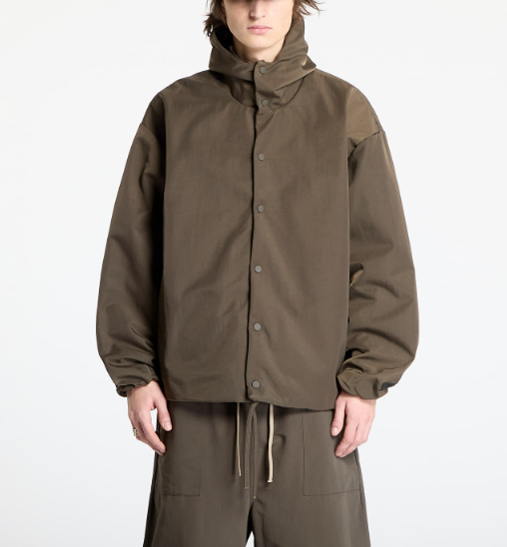
Build custom jean jackets from a tech pack, reference garment or concept. Cut-and-sew development covers denim selection, panel construction, fit grading, washes, embroidery, patches, branded buttons, labels and packaging.
Request a Quote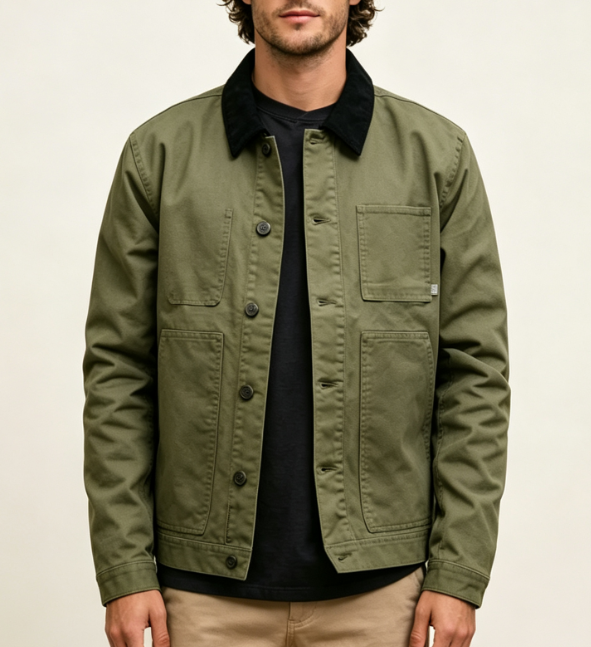
Custom Sweatshirts & Crewnecks
Produce custom crewneck hoodies, sweatshirts and crewnecks in fleece, French terry or jersey. Define silhouette, neckline, rib proportions, fabric weight, decoration and XS–3XL grading before sampling and bulk approval.
Request a Quote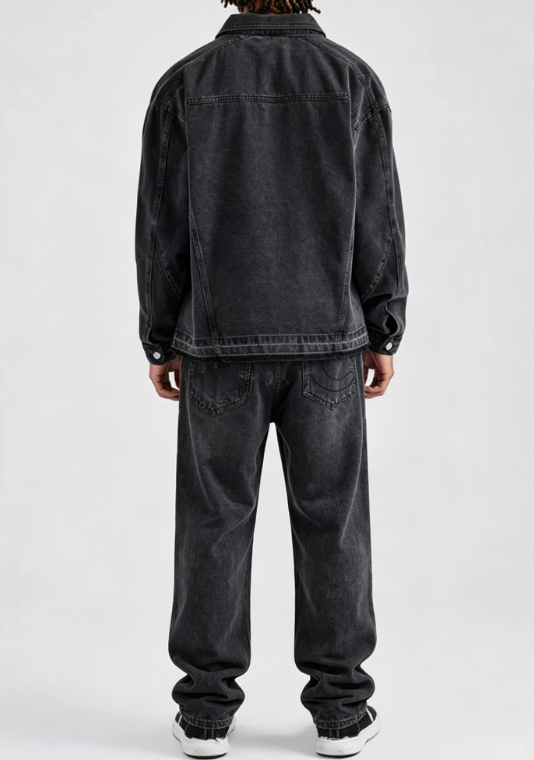
Custom Cardigans
Create custom cardigans with knitwear development for yarn, gauge, stitch structure, button or zipper choices and body proportions. Junsheen supports normal, extended-size and oversized grading, private labels and repeat-order consistency.
Request a Quote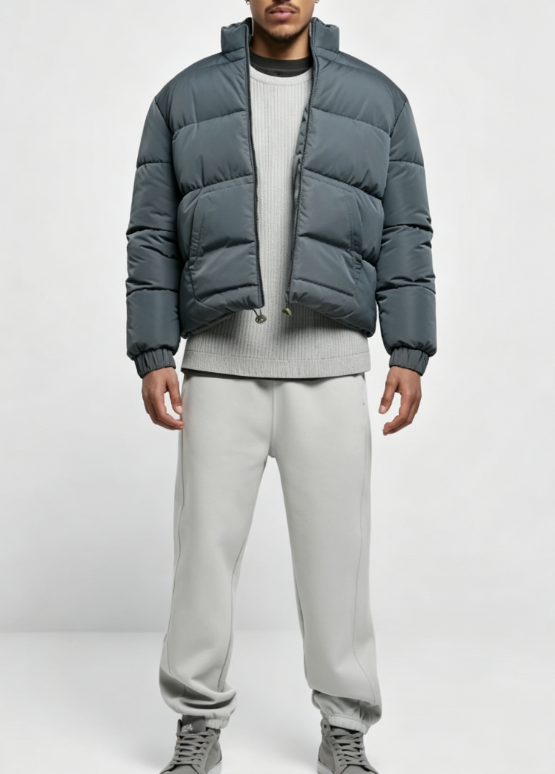
Custom Puffer & Down Jackets
Develop custom puffer jackets with fabric, insulation, quilting, lining, pocket and closure specifications aligned to intended climate and cost. Add logo embroidery, patches, reflective details, branded trims and packaging for private-label programs.
Request a Quote
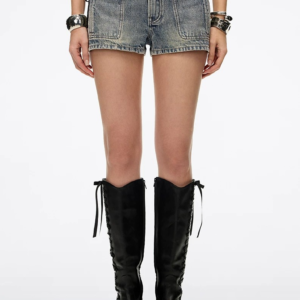
Custom Denim Shorts
Manufacture custom jean shorts with denim sourcing, inseam and rise development, stretch options, wash treatments, distressing and branded hardware. Pattern makers refine grading and proportions across size sets before bulk production.
Request a Quote
Custom Sweater Dresses
Develop custom sweater dresses with yarn and knit construction selection, neckline, length, shaping and fit grading. Sampling can confirm drape, coverage, stretch recovery and finishing before production for retail or wholesale collections.
Request a Quote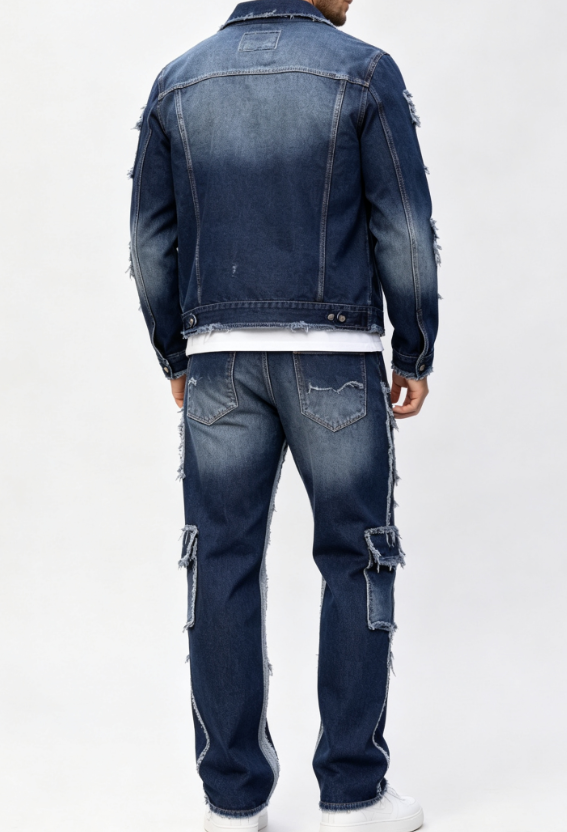
Custom Denim Sets
Produce men’s denim suits wholesale with coordinated denim jackets and jeans, consistent wash matching, shared trims and production-ready grading. Suitable for capsule assortments, retailer programs and repeat bulk orders from 100 units per style and color.
Request a Quote
Custom Polo Shirts
Manufacture custom polo shirts in pique, jersey or performance knits with defined collar structure, placket, sleeve finish and fit. Add embroidery, printing, custom buttons, labels and size grading for branded uniforms or retail collections.
Request a Quote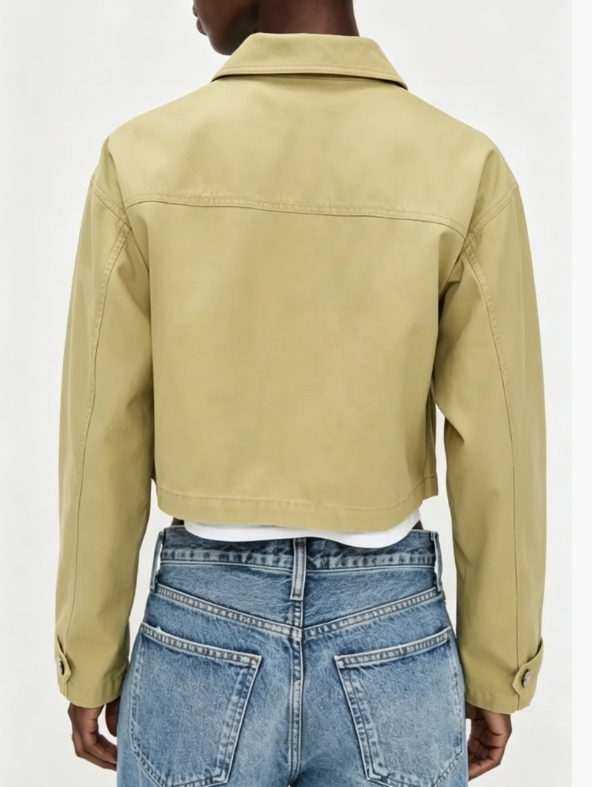
Custom Sweatpants
Produce custom sweatpants in fleece, French terry or jersey with refined rise, leg shape, waistband, cuffs and pockets. Support includes XS–3XL grading, embroidery, printing, washes, labels and matching-set production.
Request a Quote
Custom Shorts
Develop custom shorts in jersey, fleece, twill, woven or performance fabrics. Specify inseam, rise, pocket layout, waistband and decoration, then approve samples for fit, mobility and wash performance before bulk production.
Request a Quote
Custom Pullovers
Create custom pullovers in knit, fleece or jersey constructions with clear fit, neckline, sleeve and hem specifications. Junsheen supports pattern development, XS–3XL grading, decoration, washes, private labels and scalable global shipping.
Request a QuoteDenim Fabrics for Custom Denim Jackets Mens

Rigid Cotton Denim
A classic, structured denim with a dry, authentic hand feel for trucker jackets, workwear silhouettes, and vintage-inspired layers. Typically 11–14 oz, it delivers dependable durability and develops distinctive character through washing.

Stretch Cotton Denim
Cotton denim blended with elastane for more give through the shoulders, sleeves, and body. Ideal for fitted custom denim jackets mens programs, this 10–12 oz option improves mobility while retaining a substantial denim appearance.

Slub Denim
Textured yarns create subtle irregularity and a handcrafted visual depth in this denim. Well suited to premium casual jackets and washed collections, its medium-weight construction provides breathable comfort with a character-rich surface.

Black Sulfur Denim
A deep-dyed denim designed for black and charcoal jacket programs, from clean contemporary styles to distressed streetwear. Its color responds effectively to enzyme, stone, and acid washes, allowing controlled fading and contrast effects.

Recycled Cotton Denim
A lower-impact denim option incorporating recycled cotton fibers for responsible private-label collections. Available in varied weights and blends, it can be specified for desired softness, strength, and wash results while supporting material sourcing goals.

Sherpa Lined Denim
Durable denim paired with warm sherpa or fleece backing for cold-weather jackets and outerwear capsules. The denim shell maintains abrasion resistance, while the lining adds loft, insulation, and a softer next-to-body feel.
Custom Denim Jackets Mens Decoration and Finishing

Logo Embroidery
Flat, 3D puff, chain-stitch, and applique embroidery add dimensional branding to chest panels, sleeves, and back yokes. Stabilized placement and thread selection help preserve crisp detail and durable color through regular wear and washing.

Screen Printing
Plastisol, water-based, puff, flocking, silicone, foil, and high-density screen prints create bold artwork across denim panels. We review ink coverage, placement, and fabric behavior to achieve strong opacity, clean edges, and reliable adhesion.

Custom Patch Application
Woven, embroidered, chenille, leather, and rubber patches create layered brand identity with a premium tactile finish. Junsheen can source, position, stitch, or heat-apply patches while matching attachment methods to the jacket’s intended wear.

Denim Wash Treatments
Stone wash, enzyme wash, acid wash, garment dye, and softening treatments develop the desired fade, hand feel, and vintage character. Controlled wash trials help align shade variation and shrinkage expectations before bulk production.

Specialty Print Effects
DTF, DTG, heat transfer, discharge, and reflective effects support detailed graphics or limited-placement artwork where screen printing is not ideal. We test adhesion and finish on the selected denim to balance visual impact with wear durability.
Custom Denim Jackets Mens: Trims, Labels and Hardware

Custom Snap Buttons
Add branded metal snaps to front plackets, cuffs, and pockets for secure closure and a distinctive denim-jacket finish. Choose logo engraving, custom colors, plated finishes, and hardware sizes that match your collection.

YKK Zippers
Specify dependable YKK zippers for denim truckers, moto-inspired styles, detachable linings, and utility pockets. We coordinate zipper tape, pullers, metal finishes, and placement with your fabric weight, wash, and design direction.

Woven Leather Labels
Use woven labels or genuine-look leather patches at the neck, hem, waistband, or back yoke to establish recognizable private-label branding. JUNSHEEN can develop logo artwork, label dimensions, stitch methods, and durable materials for washed denim.

Custom Hang Tags
Create retail-ready hang tags with your logo, story, sizing, care information, barcode space, and collection details. Select paper stocks, shapes, finishes, string options, and attachment methods aligned with your brand’s positioning.

Drawcords And Tipping
For hooded denim jackets and hybrid outerwear, add custom drawcords with logo tips, contrast colors, or coordinated hardware. We match cord thickness and finishes to hood channels, garment weight, and intended wash performance.
Branded Packaging
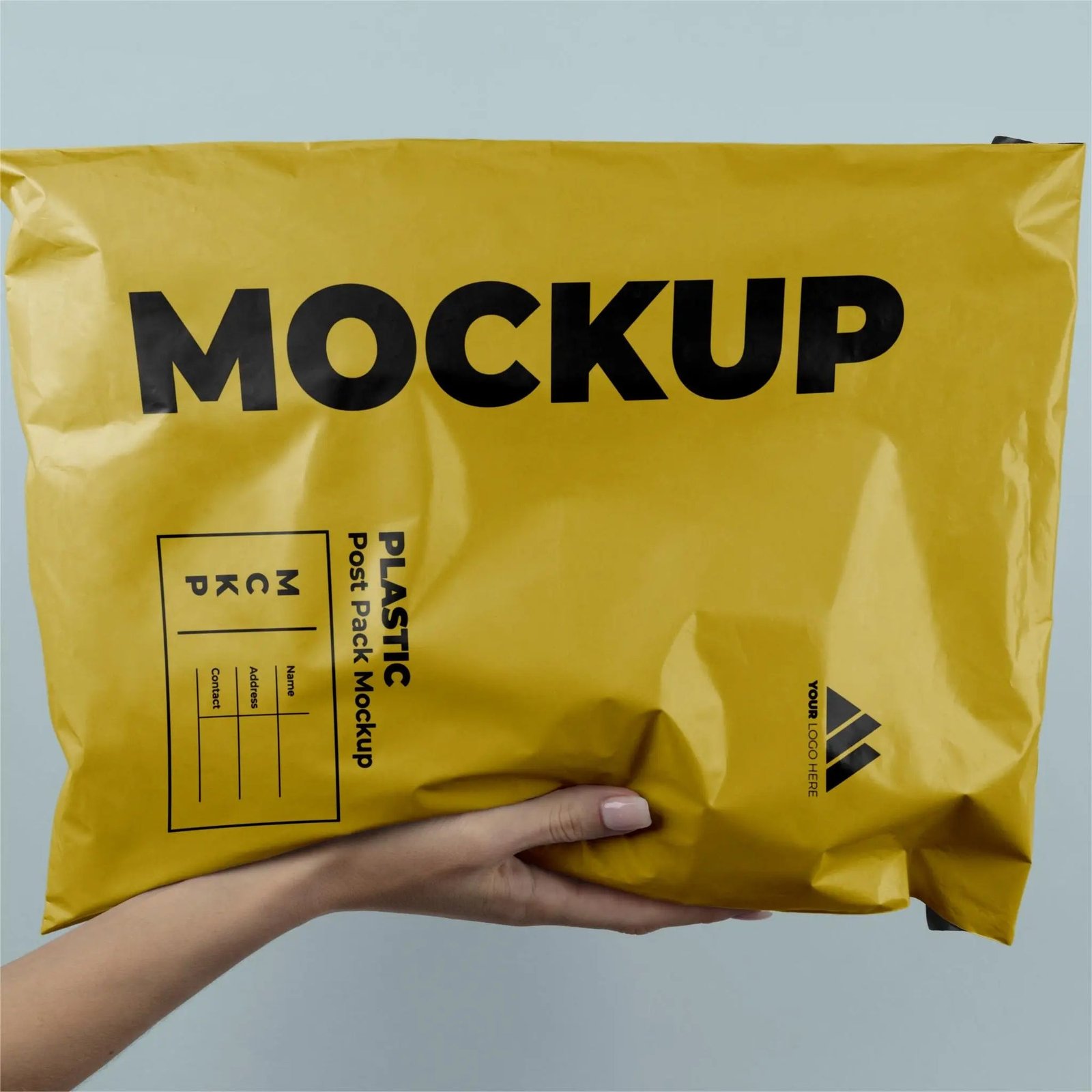
Finish custom denim jackets mens orders with branded polybags, folding inserts, tissue, stickers, cartons, and export-ready packing. Packaging specifications can support retail presentation while helping protect garments during global shipment.
About JUNSHEEN Apparel Manufacturing
Founded in 2010 in Humen Town, Dongguan, JUNSHEEN helps fashion brands turn custom denim jacket concepts into production-ready collections. We provide OEM, ODM, private-label and product-development support, combining practical manufacturing knowledge with responsive communication for labels sourcing worldwide.
Our 200+ skilled workers support monthly production exceeding 80,000 units across denim, casualwear, outerwear and knitwear. From 100 units per style and color, we manage fabric sourcing, pattern making, XS–3XL fit grading, sampling, decoration, washing, labels, packaging and export coordination in one supply chain.
For custom denim jackets mens programs, our difference is fit-focused development and dependable repeatability. Rather than simply scaling a base pattern, we refine proportions across the size set while retaining patterns, material records and approved specifications to help brands move from launch quantities to scalable bulk production with confidence.

Custom Denim Jackets Mens Program Capabilities
Fit Development That Holds
JUNSHEEN develops custom denim jackets mens from XS to 3XL with pattern adjustments for shoulder balance, sleeve length, body proportion and movement. Extended-size, plus-size and oversized grading are engineered across the full size set, not simply scaled from one base sample.
- Pattern making from tech packs, sketches or reference garments
- Fit-focused grading for standard, extended and oversized sizes
- Prototype, size-set and pre-production sample review

Denim, Trims and Hardware
Source denim weights, stretch blends, linings, buttons, snaps, zippers and branded trims through one coordinated supply chain. Our team evaluates hand feel, durability, wash performance, target cost and decoration compatibility so materials support both the intended look and reliable production.
- Rigid, stretch and washed denim sourcing options
- Custom labels, patches, hardware and packaging
- Material swatches and sample approvals before bulk
Decoration and Wash Control
Bring identity into every jacket with in-house embroidery, patches, screen printing and garment finishing. JUNSHEEN coordinates decoration placement with construction and wash development, helping brands achieve intentional vintage, softened, acid-washed or statement-logo results without compromising garment performance.
- Flat, 3D, chain-stitch and applique embroidery
- Screen print, puff, silicone and transfer applications
- Stone wash, enzyme wash, acid wash and softening

Repeatable Bulk Production
From 100 units per style and color to ongoing global programs, retained patterns, graded size sets and material records help protect consistency. With 200+ skilled workers and monthly capacity above 80,000 units, JUNSHEEN supports dependable reorders as your denim jacket business grows.
- Low MOQ from 100 units per style or color
- In-line and final inspection for measurements and construction
- Global export support for growing brand programs

Why Choose JUNSHEEN for Custom Denim Jackets Mens?
Fit-focused development, integrated production, and scalable export support for denim jacket programs.
← 左右滑动查看 →
Custom Denim Jackets Mens Production Process
A controlled manufacturing path that takes your denim jacket program from feasibility review to export-ready delivery.
Feasibility and Fabric Sourcing
We review your tech pack, reference or concept, confirm construction feasibility, recommend denim weights, washes, trims and target costs for your order.
Pattern Development and Grading
Our team creates production patterns and fit-focused XS–3XL grading, refining shoulder balance, sleeve length, body proportions and mobility before sampling.
Sample Approval and Refinement
We produce prototype samples for fit, wash, decoration and construction review, then document approved specifications and revisions before bulk production begins.
Cutting Decoration and Assembly
Approved denim is cut and sewn by skilled teams, with embroidery, printing, patches, washing, labels and custom hardware applied to your specifications.
Quality Control and Shipping
We inspect fabric, measurements, construction, decoration and packed goods, complete branded packaging, then coordinate export documentation and international shipment.
Start Your Custom Denim Jackets Mens Order
Move from concept to approved bulk production with a clear, fit-focused development path.
Send Your Concept
Share a tech pack, sketch, reference garment, mood board, or idea, including target fit, wash, decoration, quantity, and preferred delivery market.
Review Specifications Together
Our development team checks construction, denim weight, trims, grading, manufacturability, and target cost, then recommends practical improvements before sampling begins.
Approve Your Sample
Receive a prototype for fit, measurements, wash, hardware, and decoration review. Refine details through feedback until your custom denim jacket meets approval standards.
Confirm Quote and Production
Finalize the quotation, size set, materials, labels, packaging, and order details. Production starts from 100 units per style and color after approval.
Receive Quality-Controlled Goods
JUNSHEEN manages in-line inspections, final measurement and packing checks, then coordinates export-ready shipping for consistent delivery to your selected destination.
Custom Clothing Manufacturer Credentials and Compliance Documents



Results from Custom Denim Jackets Mens Programs
JUNSHEEN turned our reference jacket into a production-ready style in two sample rounds. Their revised shoulder and sleeve grading reduced our fit comments by 60%, and the first 300-unit run matched the approved sample closely.
We launched a 120-unit denim capsule without being pushed into an oversized commitment. The wash, custom leather label, and embroidery were handled in one place, which cut our supplier coordination time by about three weeks.
After our initial 200 jackets sold through, we reordered with the same pattern and wash specifications. Measurements stayed consistent across XS through 3XL, and JUNSHEEN scaled our follow-up order to 1,000 units without disrupting delivery.
Custom Denim Jackets Mens Manufacturing FAQ
Clear answers on MOQ, sampling, sizing, quality, payment and worldwide delivery for denim jacket programs.
What is the MOQ for custom denim jackets mens orders?
How long does a custom denim jacket sample take, and what does it cost?
Can you develop custom denim jackets mens from a sketch or reference garment?
Do you offer XS–3XL and plus-size grading for men’s denim jackets?
How do you control quality on custom denim jackets mens?
What payment terms do you offer for a first order?
Can JUNSHEEN ship denim jackets internationally?
How do you protect my denim jacket design and brand details?
Complete Buyer’s Guide to custom denim jackets mens
Use this decision framework to select silhouettes, fabrics, decoration, construction, and reliable suppliers for men’s custom denim jackets—while avoiding costly sampling, fit, pricing, and production mistakes.
1. What Are custom denim jackets mens?
100 units per style and color is a practical starting point for custom denim jackets mens: men’s denim outerwear specified for a brand, buyer, or sales channel rather than bought as generic stock. The term can cover a 10–14 oz denim trucker jacket with custom fit, wash, hardware, labels, and decoration, or a simpler branded blank selected for immediate resale. 2010 is the year Dongguan Junsheen Clothing Co., Ltd. began supporting OEM and private-label apparel development from Humen, Dongguan. Private-label work means the buyer controls the product specification and brand identity; wholesale-ready blanks prioritize speed and lower development effort, while made-to-order branding adds buyer-selected trims, Pantone-approved artwork, embroidery, print, or packaging to a defined base. 3 buyer groups commonly source these programs: emerging labels building a capsule, retailers or wholesalers needing repeatable assortments, and designers or influencers translating a reference into production. Retail customization is different again: it is usually the end customer’s personalization of an already developed jacket, not a new factory-developed style. XS–3XL fit planning, target retail price, intended wash, decoration method, MOQ, and reorder potential determine the right sourcing route. This guide helps buyers compare jacket categories, fabrics, construction, manufacturing capability, launch steps, and cost before committing a sample or bulk order.
2. Evolution of Men’s Denim Jackets
1880, Levi Strauss & Co. introduced the short denim work blouse that evolved into the Type I trucker: a boxy silhouette, front pleats, chest pockets and durable copper hardware built for labor. Its 10–14 oz denim foundation established the commercial logic still used by brands—hard-wearing construction that gains character through fading, abrasion and repair. 1953, film and youth culture turned denim jackets from utility clothing into a symbol of rebellion and self-expression. By the 1970s through 1990s, slimmer Type III proportions, stone washes, acid washes, patches and embroidery moved the jacket through rock, punk, hip-hop and skate communities, proving that the same base pattern could carry distinct subcultural codes. 2000s streetwear broadened demand again, pairing oversized fits, washed black denim, contrast stitching and graphic back panels with sneakers and layered separates. For custom denim jackets mens programs, this history supports a practical assortment: retain the familiar trucker front while changing fit, wash, trim and decoration for regional preferences—from cleaner dark rinses for premium retail to vintage fades and relaxed proportions for youth-led collections. 2020s premium casualwear has reinforced the trucker’s value as a repeatable core style rather than a seasonal novelty. A well-developed block can be refreshed across colorways and finishes, while disciplined grading keeps the same recognizable silhouette commercially relevant for normal-size, oversized and extended-size ranges.
3. Types of custom denim jackets mens
Six core silhouettes cover most custom denim jackets mens programs. Choose the block before selecting washes or trims: sleeve pitch, body length, pocket placement, and grading all change with the intended wearer and layering season.
| Type | Customer And Season | Pattern Focus | Branding Approach |
|---|---|---|---|
| Classic trucker | Broad market; year-round | Regular block, chest pockets | Leather patch or shank buttons |
| Oversized | Streetwear; spring/fall | Dropped shoulder, deeper armhole | Back print or embroidery |
| Western | Americana; spring/fall | Pointed yokes, snaps | Contrast stitching, small logo |
| Sherpa-lined | Cold weather; fall/winter | Layering allowance | Collar tab or neck patch |
| Workwear | Utility casual; year-round | Straight block, reinforcement | Woven label and hardware |
| Cropped/relaxed | Fashion-led; spring/fall | Body-length grading | Tonal embroidery or back art |
Core Commercial Blocks

1960s-inspired truckers suit broad menswear assortments and trans-seasonal launches. A regular waist length, chest flap pockets, and branded shank buttons support heritage labels and clean private-label programs. 10–15 cm of added body ease defines an oversized or relaxed block for streetwear customers. Lower armholes and a dropped shoulder require mobility checks; use a large back graphic, woven patch, or embroidered logo.
Specialty Seasonal Directions

1970s western jackets target rodeo, Americana, and premium casual capsules. Pointed yokes and contrast topstitching make leather logo patches, snap closures, and small chest embroidery more convincing. 300–450 gsm sherpa-lined styles sell best for autumn and winter layers. Allow extra chest and sleeve circumference, then place branding on a collar tab, woven label, or discreet back-neck patch.
Utility And Fashion Fits

2–4 utility pockets distinguish workwear jackets for retailers serving functional casualwear. A straighter body, reinforced seams, and durable metal hardware support understated woven-label branding. 5–8 cm shorter bodies create cropped fashion fits, while relaxed long blocks suit contemporary labels. Confirm hem position across XS–3XL during size-set approval; use tonal embroidery or a limited-edition back treatment.
4. Fabrics for custom denim jackets mens
280–420 GSM denim covers most custom denim jackets mens programs. Fiber blend, weave, and finishing determine whether the jacket feels rigid, soft, breathable, stretchable, and suitable for embroidery or printing.
| Fabric | Composition | Weight | Recommended Use |
|---|---|---|---|
| Light stretch denim | 98–99% cotton, 1–2% elastane | 280–320 GSM | Spring jackets; comfort fits |
| Classic rigid denim | 100% cotton, 3×1 twill | 340–400 GSM | Core trucker jackets; embroidery |
| Recycled rigid denim | 60–80% cotton, 20–40% recycled cotton | 360–420 GSM | Structured programs; test washes |
| Heavy raw denim | 100% cotton, ring-spun | 430–480 GSM | Premium winter layers; minimal washes |
Cotton, Stretch, And Recycled Fibers

100% cotton ring-spun denim gives the clearest twill character, firm structure, and reliable abrasion resistance. 1–3% elastane improves reach and comfort, but excessive stretch can distort seams and reduce vintage rigidity. 20–40% recycled cotton can support material goals; confirm tensile strength, shade variation, and wash testing before bulk approval.
Weight And Seasonal Comfort

280–320 GSM denim suits spring layers and lighter overshirts, with easier movement and lower shipping weight. 340–420 GSM denim gives a classic jacket silhouette and stronger durability, while 430 GSM-plus fabrics create heavyweight structure but feel warmer and cost more to sew.
Weave, Wash, And Decoration

3×1 right-hand twill is the standard choice for recognizable diagonal texture and predictable fading; left-hand twill generally feels softer after washing. 60–90°C wash trials should validate shrinkage, seam puckering, dye rub-off, and patch adhesion. Flat embroidery, woven labels, and sewn patches perform more reliably than large plastisol prints on heavily washed surfaces.
5. Customization and Decoration Options
100-unit color-and-style runs can support a focused identity, but every added process needs an approved sample. For custom denim jackets mens, select effects that reinforce the retail position without creating avoidable shade, placement, or yield risk.
| Option | Impact | Durability | Setup Or Risk |
|---|---|---|---|
| Wash/distressing | Vintage, tactile | High with controlled abrasion | Shade variation; approve sample |
| Embroidery | Premium texture | High | Digitizing; puckering risk |
| Screen print | Bold graphics | Medium–high | Artwork setup; seam limits |
| Patches/appliqué | Dimensional branding | High | Stitching and edge approval |
| Labels/hardware | Refined identity | High | Molds, finishes, lead time |
| Custom packaging | Retail-ready unboxing | Channel-dependent | Dielines and freight volume |
Wash And Color Effects
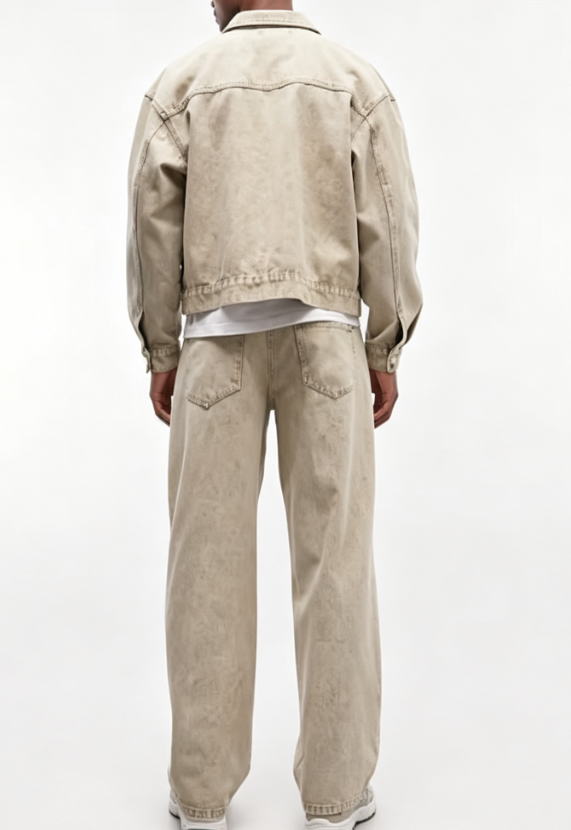
8–14 oz denim handles enzyme, stone, acid, and softening washes; distressing adds broken-in character but requires approved damage maps. Garment dyeing creates rich overdyed color, while wash lots can vary slightly in shade and abrasion.
- Approve a washed reference before bulk cutting.
- Keep distressing clear of seams and pocket bags.
- Allow tolerance for wash-induced measurement change.
Decoration Placement

1–6 thread-color embroidery is durable and premium, though dense chest fills can pucker lighter denim. Screen printing suits broad artwork; appliqué, custom patches, and chain stitch add dimension but need secure edge stitching.
- Use backing under dense embroidery.
- Test print adhesion after washing.
- Keep artwork away from heavy seam intersections.
Branding And Hardware
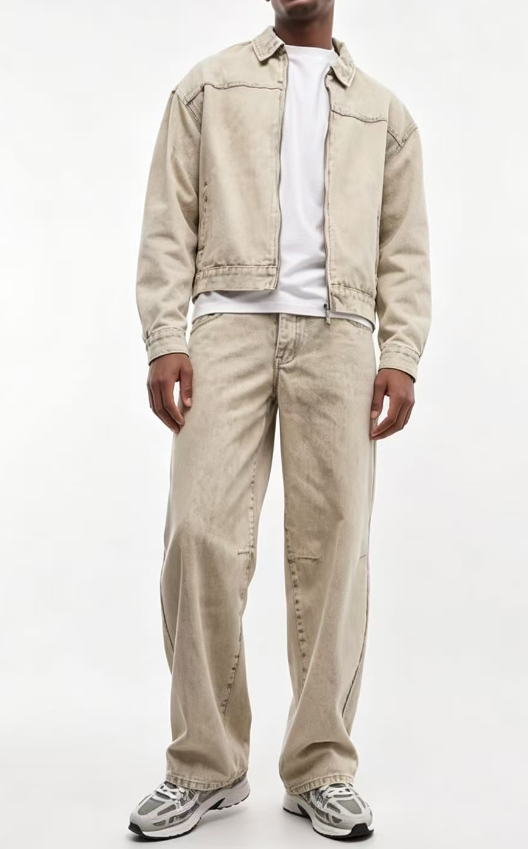
1 woven main label, leather badge, or custom metal button can establish recognizable branding with limited surface coverage. Branded zippers, snaps, hang tags, and custom packaging require artwork, finishes, and placement approval before production.
- Specify metal finish and logo relief clearly.
- Check leather-badge color after washing.
- Match packaging cost to the selling channel.
6. Construction Quality for Denim Jackets
A denim jacket can look correct on a hanger yet fail at the collar, pocket, or stress points after wear. For custom denim jackets mens, construction approval should lock measurable tolerances before bulk cutting.
Pattern Balance And Grading
2 mm to 4 mm measurement tolerances should be stated by point of measure in the tech pack. Review shoulder pitch, sleeve hang, collar stand, chest-pocket position, hem sweep, and placket overlap on a buttoned garment. XS through 3XL grading needs deliberate increments, not a uniformly enlarged base size. Inspect the pre-production sample on a form and wearer to confirm balanced body length, sleeve proportion, mobility, and symmetrical front panels.
- Include a point-of-measure diagram
- Specify shrinkage allowance by fabric
- Record approved sample measurements
Seams, Reinforcement, And Hardware

8 to 10 stitches per inch is a common denim benchmark; heavy seams must remain even without puckering or skipped stitches. Check double-needle topstitch spacing, enclosed seam ends, bartacks at pocket corners, and secure buttonholes. YKK or equivalent hardware should be specified by finish, size, pull strength, and corrosion expectation. Compare every button, rivet, snap, and zipper against the approved trim card before final packing.
- Check pocket alignment against center front
- Confirm collar points match left to right
- Pull-test buttonholes and stress bartacks
Wash And Final Inspection

3% to 5% dimensional movement can occur in washed denim, so the approved wash standard must define shade, hand feel, abrasion placement, and final measurements after laundering. Inspect multiple garments from the pre-production wash lot rather than approving one hero sample. A final quality-control report should show inspection quantity, defect classification, measurements, hardware checks, wash consistency, and carton verification. Require photos of critical defects and retain the approved sample as the production reference.
- Compare wash shade across random units
- Measure after the specified wash process
- Review major and critical defect counts
7. Choosing a custom denim jackets mens Manufacturer
A 100-unit minimum can suit a focused capsule, but supplier selection still determines whether your approved sample survives bulk production. Evaluate technical denim depth, operating controls, and the clarity of every pre-production commitment before paying a deposit.
Verify Denim Development Depth
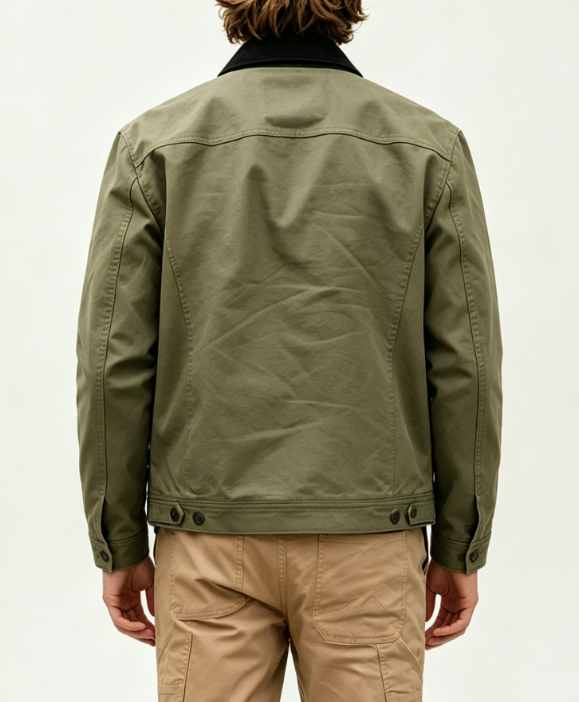
Ask for comparable jackets: fabric weight, stitch specification, wash recipe, and before-and-after measurements. A supplier should explain shrinkage allowance, sleeve pitch, collar balance, and how it controls shade variation across a dye lot.
- Request sample and bulk measurement tolerances
- Confirm pattern, grading, and size-set review
- Ask which trims have proven wash resistance
Test Sampling And MOQ
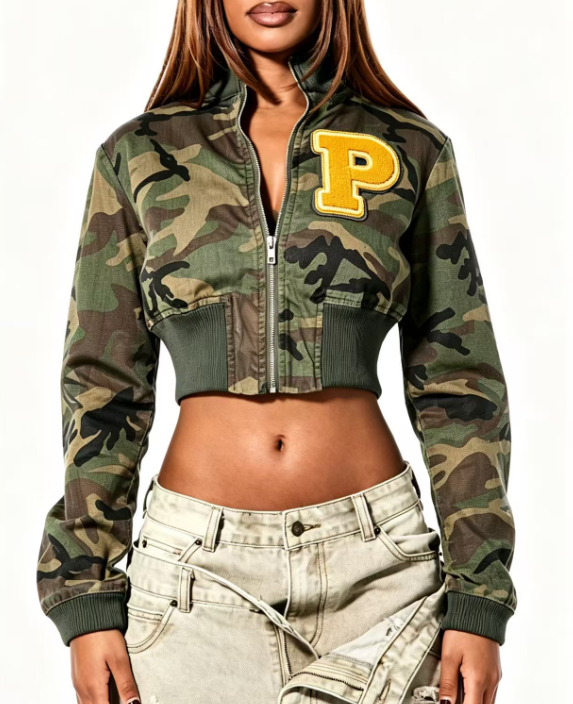
Confirm the sampling sequence before quoting: prototype, fit sample, salesman sample, then pre-production sample. Ask whether the 100-unit MOQ applies per style, color, fabric, and wash, because each split can affect cost and feasibility.
- What is the sample lead time?
- Who approves fabric and wash standards?
- Can revisions be priced separately?
Audit Wash And Quality Controls
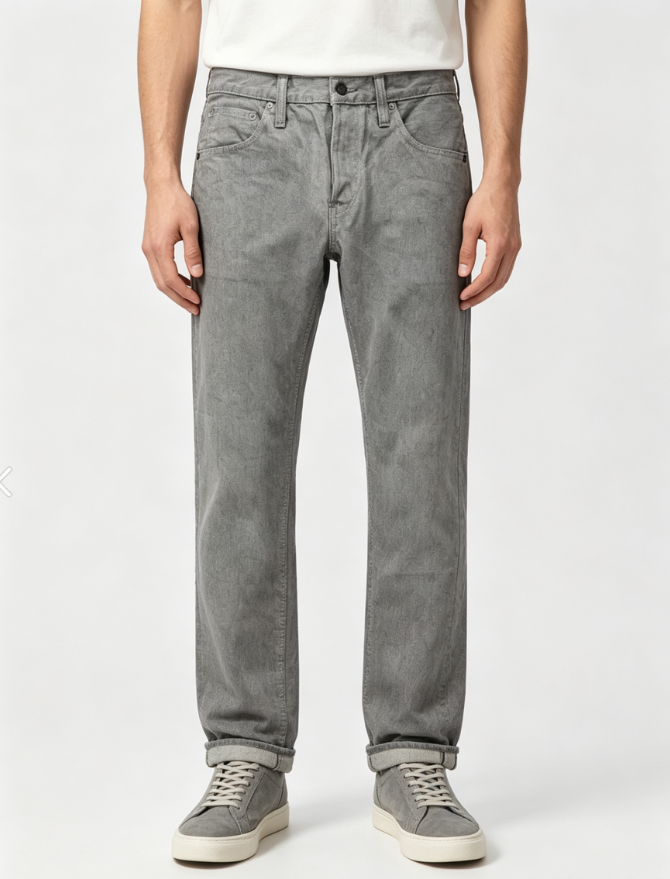
Inspect how the factory records wash standards, including enzyme, stone, acid, or garment-dye processes. Ask whether incoming fabric, in-line sewing, final measurements, decoration, and packed goods are checked against an agreed AQL standard.
- Request a wash standard and shade band
- Confirm rework and defect-report procedures
- Ask about OEKO-TEX, GOTS, WRAP, or BSCI documentation
Confirm Delivery Accountability
Ask for a written critical path covering sourcing, sampling, bulk cutting, wash, finishing, inspection, and shipment. Junsheen supports export coordination, but buyers should still confirm Incoterms, carton markings, balance timing, and the named production contact.
- What capacity is reserved for the order?
- What happens if a fabric delivery slips?
- Who sends inspection photos and reports?
- Which export documents are included?
8. Common Buyer Mistakes to Avoid
A 100-unit MOQ makes early specification errors especially expensive because corrections can require new samples, materials, and freight. For custom denim jackets mens, disciplined approvals protect both margin and launch dates.
Price-Only Supplier Selection
A quote that omits fabric weight, wash, hardware, and inspection scope is not comparable to a complete quote. The apparent saving often returns as inconsistent quality, claims, or rework. Three comparable quotations should state FOB or EXW terms, MOQ by color, denim composition, GSM or oz weight, and sample charges. Confirm exactly what is included before placing a deposit.
Unclear Technical Specifications
A sketch without measurement tolerances, stitch details, and Pantone references leaves factories to interpret critical choices. That ambiguity produces sample rounds and bulk garments that do not match the intended product. One approved tech pack should define POMs, tolerance ranges, construction, artwork placement, labels, packing, and trim codes. A signed pre-production sample becomes the bulk-production standard.
Wash, Fit, And Trim Gaps
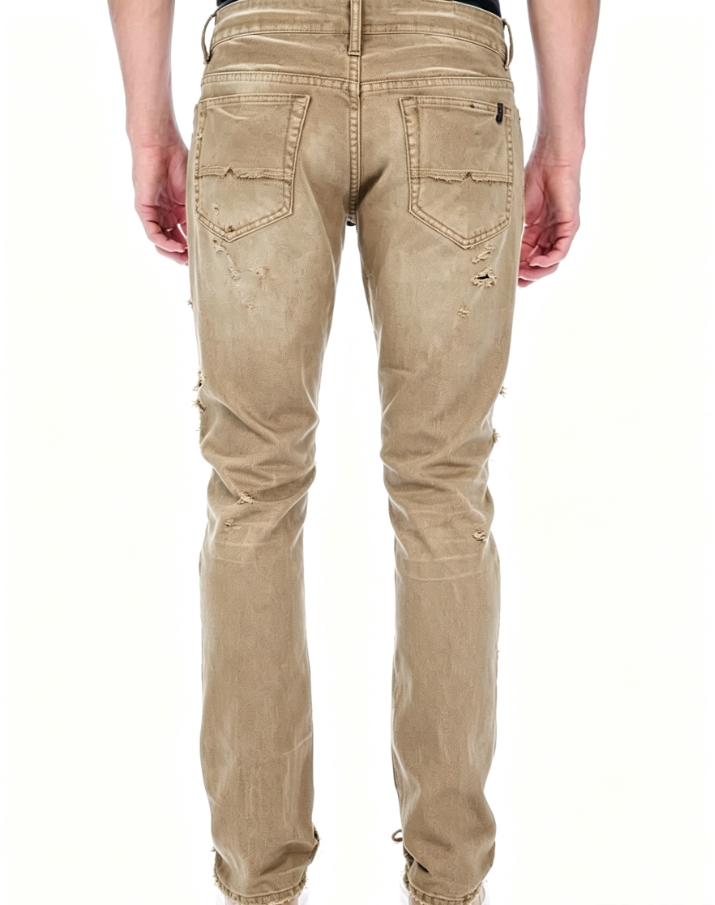
A denim wash can change shade, shrinkage, hand feel, and abrasion placement from one trial to another. Unapproved wash panels or lab dips create avoidable shade disputes after cutting. XS–3XL grading cannot be assumed from a single base size, and unspecified buttons or zippers invite substitutions. Approve graded size sets, wash standards, and named trim specifications such as YKK zipper type, finish, and puller.
Timeline, Testing, And Inspection
A 30-day launch plan rarely allows development, wash trials, fit revisions, material booking, production, and freight. Compressing approvals risks airfreight costs or shipment delays. A pre-shipment check alone cannot correct systematic defects found after packing. Set a critical path, request relevant colorfastness and shrinkage testing, and agree an AQL-based in-line and final inspection plan before production.
9. Steps to Launch custom denim jackets mens
A 100-unit launch needs locked decisions before bulk fabric is cut. For custom denim jackets mens, convert the creative concept into approved specifications, samples, costs, and shipping documents in sequence.
Define The Product Brief
Week 1 should establish the target customer, retail price, fit direction, and two to three reference jackets. Record intended washes, colors, decoration placement, and target delivery date in a design brief. One approval gate is a signed reference review: confirm which details are inspiration versus required construction. Include competitor price points and the preferred size range, such as XS–3XL.
- Target retail price and margin
- Reference images with marked changes
- Color and wash direction
- Launch date and sales channel
Build Production Specifications

A complete tech pack should specify measurements, points of measure, stitch types, artwork files, Pantone colors, wash recipe intent, and trim callouts. Attach front, back, and detail flats rather than relying on mood-board images. A bill of materials approval should cover denim weight, stretch percentage, buttons, labels, zippers, and packaging. Junsheen can review manufacturability from a tech pack, sketch, reference garment, or product idea.
- Graded measurement chart
- Bill of materials
- Artwork placement file
- Label and packaging artwork
Sample And Grade
Two sample rounds are common: a prototype confirms silhouette and construction, while a revised pre-production sample confirms bulk-ready details. Wash, decoration, and fit must be approved on the actual sample, not only on digital artwork. A size-set approval checks grading through the planned range. Pattern makers should assess shoulder balance, sleeve length, body proportion, and mobility rather than simply enlarging a base size.
Confirm Bulk And Launch
Before bulk production, approve the final quotation, purchase order, pre-production sample, and delivery terms in writing. At Junsheen, programs can begin from 100 units per style and color, subject to fabric and development requirements. During production, inspect incoming fabric, in-line construction, measurements, decoration, and packed goods. Release the final balance before shipment, then align freight booking, carton marks, product photography, and launch inventory.
- Signed purchase order
- Approved pre-production sample
- Final inspection record
- Commercial invoice and packing list
10. Custom Denim Jacket Pricing and Cost
100 units per style and color is a practical starting point for custom denim jackets mens at Junsheen. Indicative ex-factory pricing is driven first by denim weight, fiber blend, wash recipe, construction complexity, decoration coverage, branded hardware, packaging and the number of approved sample rounds. 12–16 oz denim, enzyme or stone washing, standard metal buttons and a woven label generally cost less than heavyweight selvedge-style fabric, acid wash, all-over embroidery, custom snaps or leather labels. Sampling, freight, duties and destination delivery are separate commercial variables; air freight is faster but usually raises landed cost sharply versus consolidated sea freight. 2 approved items are needed for a firm quote: production-ready specifications and final artwork. Provide the graded size range, Pantone references, wash target, trims, packaging requirements and delivery destination so material consumption, setup charges, sampling and freight can be priced accurately.
| Quantity tier | Indicative ex-factory unit price | Typical production lead time |
|---|---|---|
| 100–199 units | US$28–55 | 30–45 days after approvals |
| 200–499 units | US$24–48 | 30–45 days after approvals |
| 500–999 units | US$21–42 | 35–50 days after approvals |
| 1,000+ units | US$18–38 | 40–55 days after approvals |
Start Your Custom Denim Jackets Mens Sample Today
Send your tech pack or concept for a low-MOQ private-label denim jacket program with fit-focused development and scalable production.