
Customized Jeans OEM Manufacturing From 100 Units
Launch customized jeans with fit-focused XS–3XL grading, private-label finishing, and scalable OEM or ODM production from JUNSHEEN.
Featured Products for customized jeans Development
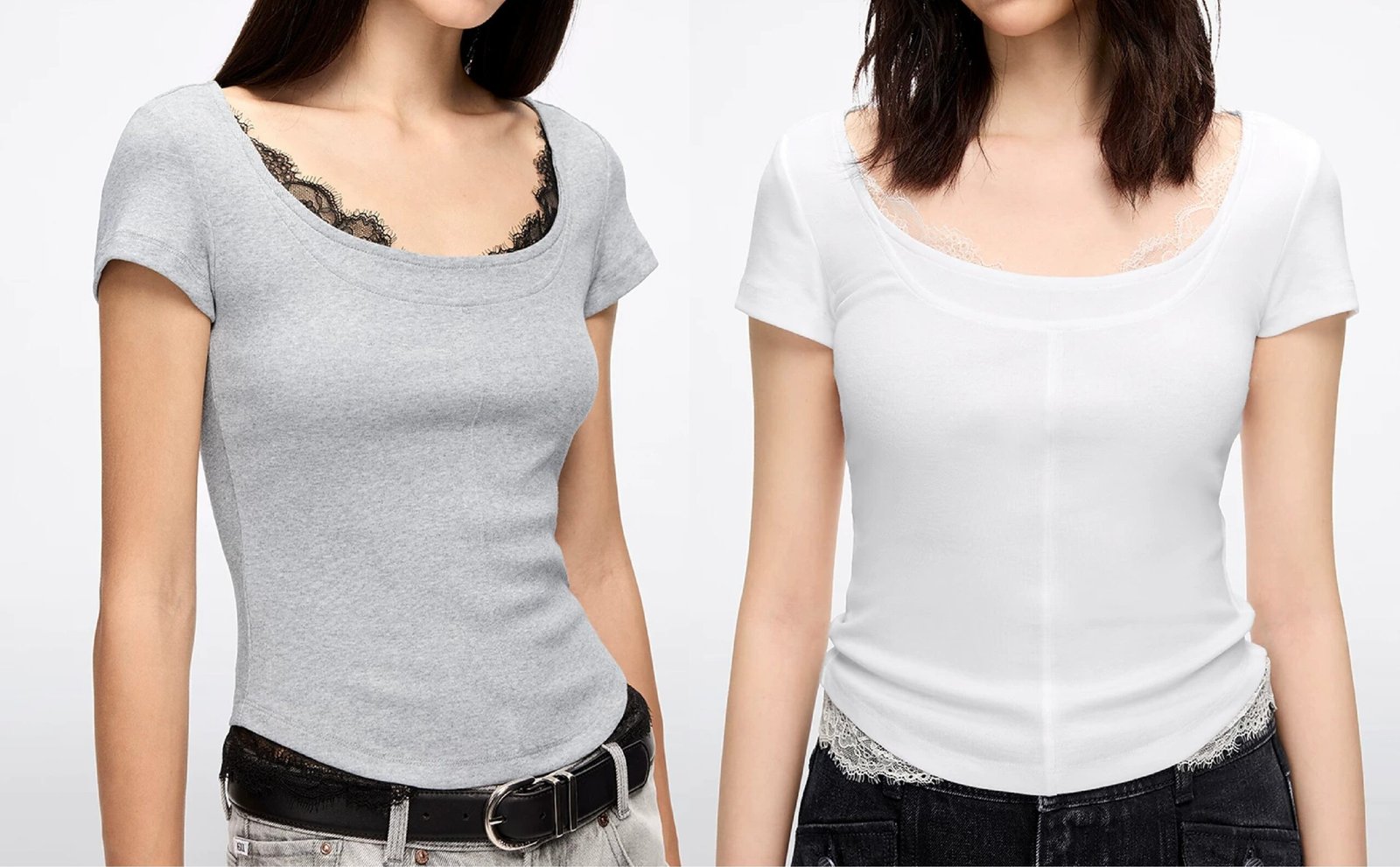


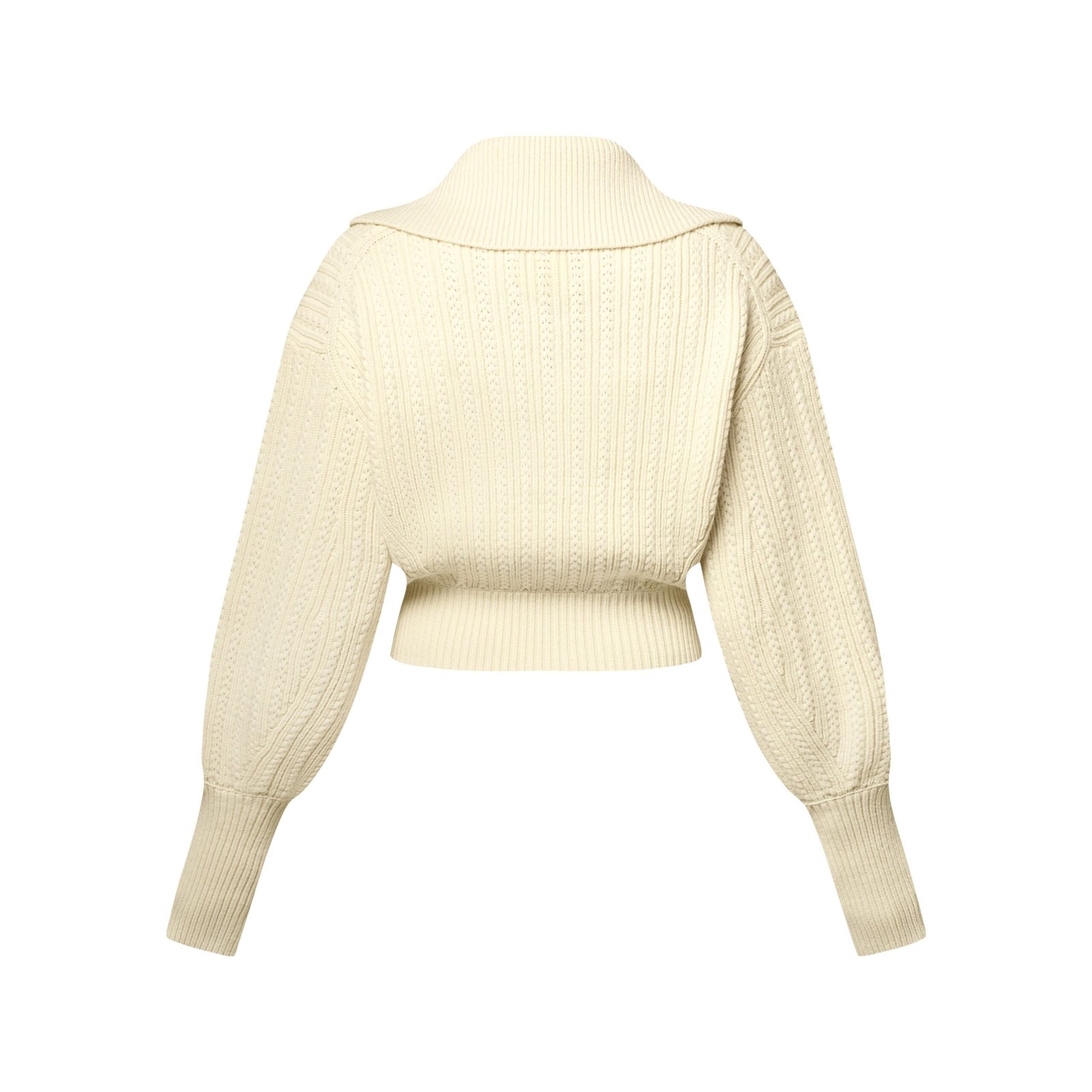


Customized Jeans Catalogue and Quotation




Why Brands Source Customized Jeans With JUNSHEEN
From first pattern to export-ready bulk orders, JUNSHEEN combines low-MOQ denim development with fit-led production support.
100-Unit MOQ
Launch customized jeans from 100 units per style and color, giving new labels room to test focused denim capsules.
Fit-Led Size Grading
Patterns are refined from XS to 3XL for proportion, rise, mobility and consistent fit across standard, plus-size and oversized ranges.
One-Stop Development
Turn a tech pack, sketch or reference garment into production-ready denim with sourcing, pattern making, sampling and specification support.
In-House Denim Finishing
Add branded impact through embroidery, printing, patches, labels and denim washes including enzyme, acid, stone and garment-dye effects.
Scalable Production
More than 200 skilled workers and 80,000-plus monthly units support reliable growth from pilot launches to recurring bulk denim programs.
Global Export Support
Coordinate quality control, packed-goods checks and international shipping with an experienced team serving fashion brands across global markets.
Custom Denim and Casualwear Programs
From low-MOQ launches to repeat bulk orders, Junsheen develops fit-focused casualwear, denim, knitwear and outerwear with integrated sampling, decoration and private-label support.
Custom Hoodies
Custom hoodies developed in fleece, French terry or jersey with scalable 100-unit MOQs per style and color. We support oversized, standard and extended-size fits, plus custom hoods, rib trims, drawcords, embroidery, screen printing, labels and branded packaging.
Request a Quote
Custom T-Shirts
Custom T-shirts produced in cotton, Pima cotton, organic cotton and blended jersey. Junsheen develops silhouettes, necklines, weights and XS–3XL grading, then applies screen print, DTG, DTF, embroidery, washes and private-label details to match the intended retail position.
Request a Quote
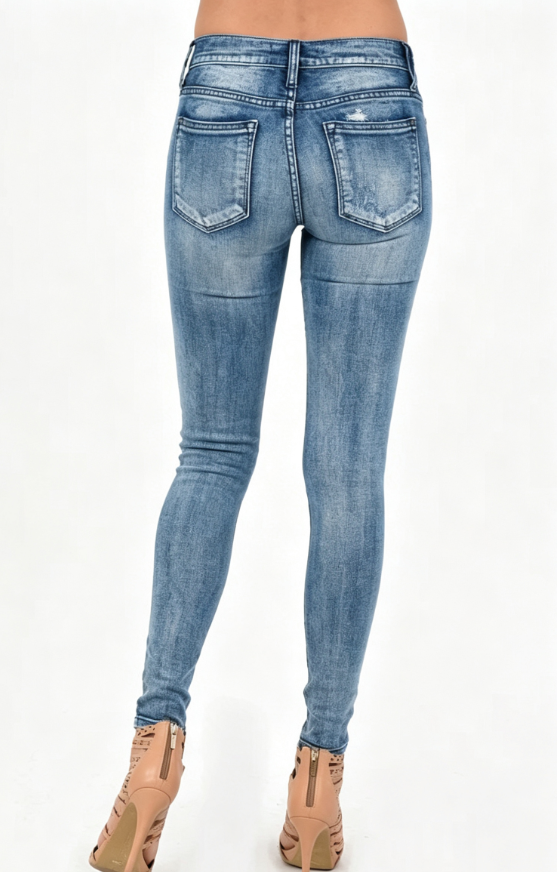
Custom Jeans
Custom jeans built around the fit, wash and construction your brand requires. Our team develops patterns, rise, leg shape and graded size sets in rigid or stretch denim, then manages pockets, hardware, distressing, garment washes, labels and bulk quality control.
Request a Quote
Custom Sweaters
Turtleneck sweater bulk programs supported through knitwear development, yarn selection and size grading. We help buyers define gauge, stitch structure, neck height, hand feel and durability, then produce consistent normal-size, oversized and extended-size sweater assortments for wholesale or retail.
Request a Quote
Custom Jackets
Custom jean jackets developed in denim, stretch denim or twill with brand-specific proportions and finishing. We manage pattern development, collar and sleeve balance, pocket placement, closures, washes, embroidery, patches, labels and coordinated bulk production.
Request a Quote
Custom Sweatshirts & Crewnecks
Custom crewneck hoodie and sweatshirt programs for fleece, French terry and jersey constructions. Choose crewneck, hooded or oversized silhouettes with refined grading, rib specifications, printing, embroidery, garment dye, washes and private-label finishing for launch or replenishment orders.
Request a Quote
Custom Cardigans
Custom cardigans produced with knitwear capability for button-front, zip-front, cropped, oversized and extended-size styles. Development covers yarn and gauge selection, stitch construction, plackets, rib trims, buttons, labels and sample approval before repeatable bulk production.
Request a Quote
Custom Puffer & Down Jackets
Custom puffer jackets produced with attention to insulation, shell fabric, quilting, mobility and weather-ready details. Junsheen develops body and sleeve proportions, fill specifications, zippers, snaps, reflective trims, labels and packaging for branded outerwear programs.
Request a Quote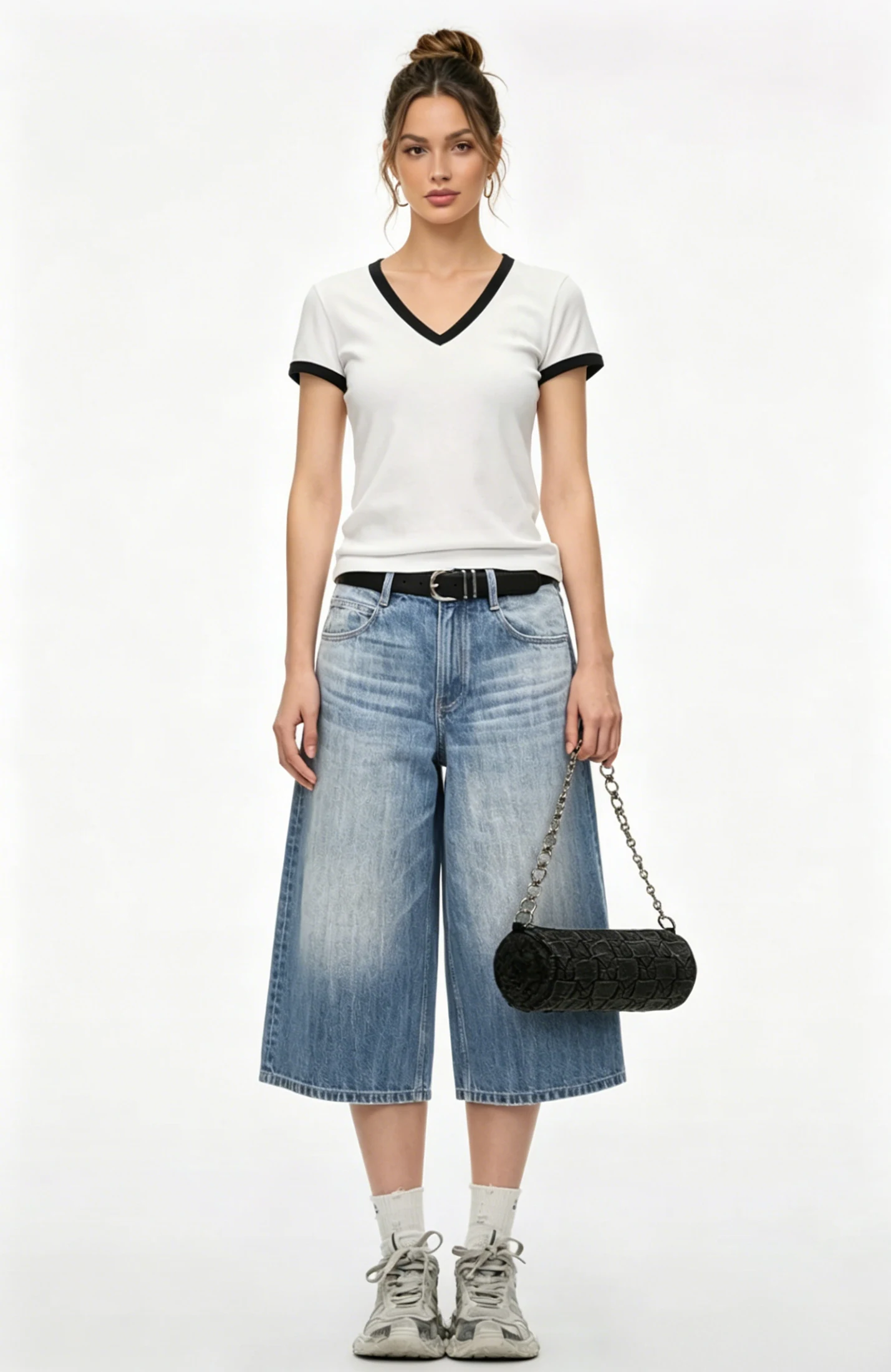
Custom Denim Shorts
Custom jean shorts developed in rigid or stretch denim with fit work across rise, inseam and leg opening. We support raw hems, cuffs, distressing, embroidery, patches, custom hardware, wash effects and XS–3XL grading for women’s, men’s or unisex collections.
Request a Quote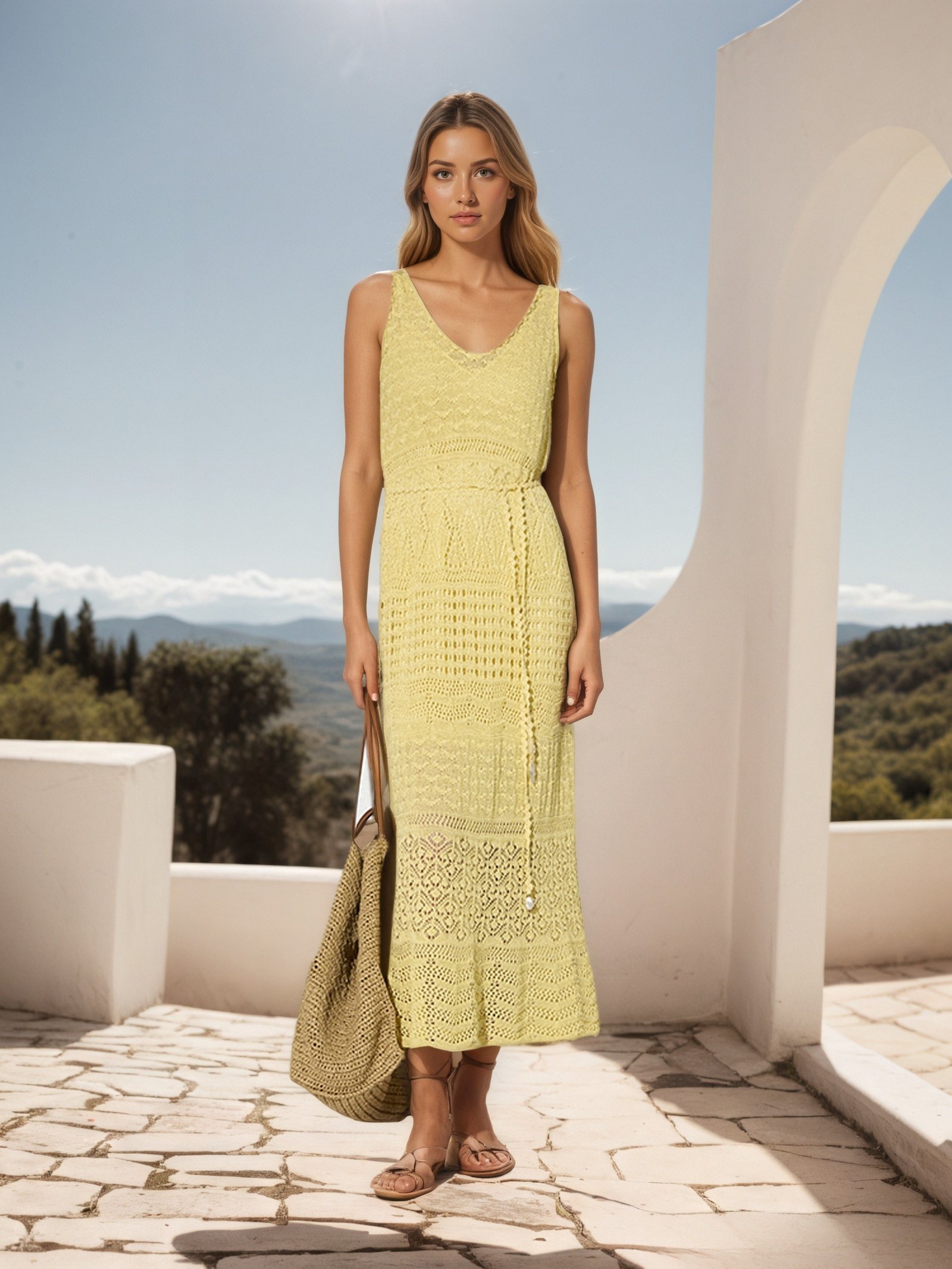
Custom Sweater Dresses
Custom sweater dresses developed in knit constructions that balance silhouette, stretch, opacity and recovery. Our team supports fitted, relaxed and oversized shapes, with yarn, gauge, stitch, neckline and length specifications refined through sampling and graded size-set approval.
Request a Quote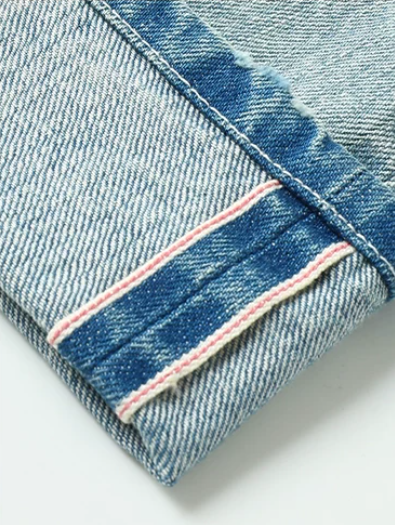
Custom Denim Sets
Men’s denim suits wholesale and coordinated denim-set programs produced with matching fabric, wash and construction control. We develop jackets and jeans or denim overshirts and trousers as a unified set, aligning fit, hardware, finishing, labels and bulk color consistency.
Request a Quote
Custom Polo Shirts
Custom polo shirts made in pique, jersey or performance knits for retail, uniform and branded casualwear programs. Development includes collar structure, placket details, fit grading, embroidery placement, contrast trims, buttons, labels and reliable repeat-order specifications.
Request a Quote
Custom Sweatpants
Custom sweatpants produced in fleece, French terry or jersey with fit-focused waist, rise and leg proportions. We support jogger, straight-leg, wide-leg and oversized styles, along with elastic, drawcords, pockets, printing, embroidery, washes and matching sets.
Request a Quote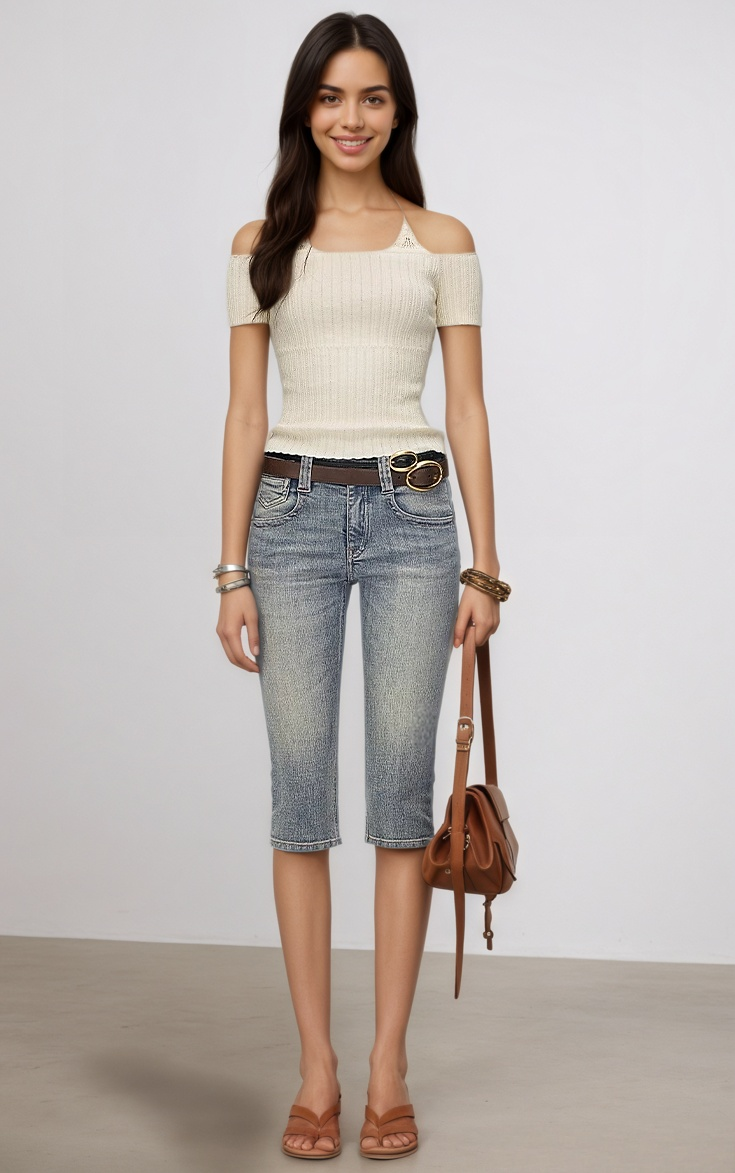
Custom Shorts
Custom shorts developed for casualwear, active-inspired and coordinated-set collections in jersey, fleece, twill, denim or woven fabrics. We refine inseam, rise, pocket construction and grading, then add printing, embroidery, washes, trims and private-label components.
Request a Quote
Custom Pullovers
Custom pullovers developed across knitwear, fleece and jersey categories, including half-zip, quarter-zip, mock-neck and oversized styles. Junsheen manages material selection, pattern balance, collar and cuff construction, decoration, grading and production-ready specifications.
Request a QuoteCustomized Jeans Denim Fabrics We Support

Rigid Indigo Denim
A structured cotton denim with a clean, authentic hand feel for straight-leg, workwear, and vintage-inspired customized jeans. Available in midweight and heavyweight constructions, it develops character through washes while maintaining dependable shape retention.

Stretch Denim
Cotton denim blended with elastane for a flexible, body-following feel suited to skinny, slim, and comfort-fit jeans. Controlled stretch recovery helps garments retain their silhouette through wear, movement, and repeated washing.

Cotton Blend Denim
Balanced cotton-blend denim combines a familiar denim hand with added durability, softness, or stretch for everyday collections. Fiber ratios and fabric weights can be specified to support contemporary fits, utility styling, and target costs.

Organic Cotton Denim
Organic cotton denim offers a natural, breathable hand feel for brands developing more considered customized jeans. Available in varied weights and finishes, it supports classic indigo programs, garment dyeing, and wash developments with clear material positioning.

Cotton Twill
Cotton twill has a smooth yet durable diagonal weave, ideal for denim-inspired trousers, carpenter styles, and coordinated sets. Its stable construction accepts garment dye and printing well while providing a cleaner surface than traditional denim.

Recycled Blend Denim
Recycled cotton or polyester blend denim supports resource-conscious collections without losing practical performance. We help match the required hand feel, strength, stretch, and wash result, then source suitable fabrics for sampling and scalable production.
Customized Jeans Washing, Printing & Decoration

Logo Embroidery
Flat, 3D, chain-stitch, and applique embroidery add dimensional branding to customized jeans. We position artwork for pocket, yoke, leg, or waistband applications and use durable stitching suited to denim weight and wash effects.

Screen Printing
Plastisol, water-based, puff, flocking, silicone, high-density, foil, and discharge prints create bold graphics on denim. Process selection considers fabric stretch, opacity, hand feel, placement, and wash resistance for a dependable finished appearance.

DTG DTF Transfers
DTG and DTF methods support detailed artwork, color gradients, and smaller design runs for customized jeans. Our team reviews denim surface texture and placement to achieve clean graphic definition with flexible, durable adhesion.

Garment Dyeing
Garment dyeing gives denim pieces rich tonal character and a more individual look after construction. Junsheen coordinates color development, wash testing, and trim compatibility so the final shade performs consistently across approved bulk production.

Enzyme Softening
Enzyme washes soften denim while reducing surface stiffness for a worn-in hand feel. The process can enhance comfort and subtle fading without sacrificing the structured look brands expect from premium custom denim programs.

Stone Acid Washing
Stone and acid washes create controlled abrasion, contrast, and vintage character across customized jeans. We develop wash references through sampling to align fade level, whiskering, texture, and overall visual consistency before bulk approval.
Private-Label Trims for Customized Jeans

Leather Waist Labels
Add debossed, embossed, printed, or laser-engraved leather-style patches at the back waistband to give customized jeans a durable signature detail that reinforces your brand after repeated wear and washing.

Woven Brand Labels
Custom woven main labels, size labels, and care labels keep brand identification clear inside customized jeans. We can coordinate label placement, yarn colors, folds, and construction with your denim specification.

Branded Metal Hardware
Specify custom jean buttons, rivets, snaps, and logo hardware for fly closures, pockets, and waistbands. Finishes can be selected to complement indigo, black, vintage wash, or fashion-denim collections.

Custom Zipper Pulls
Choose zipper types, tape colors, puller shapes, and branded pulls for denim fly fronts, utility pockets, and detachable details. Hardware selection is reviewed for function, wash compatibility, and target product cost.

Hang Tags Packaging
Complete your retail presentation with custom hang tags, barcode stickers, polybags, tissue, and branded cartons. Junsheen coordinates packing details to help customized jeans arrive production-ready for wholesale or direct sales.
Drawcord Waist Details
Add custom drawcords, tipped cords, eyelets, and toggles to elastic-waist denim, jogger jeans, and hybrid casual styles. These trims support a more functional silhouette while carrying your chosen color and branding.
About JUNSHEEN Customized Jeans
Founded in 2010 in Humen Town, Dongguan, JUNSHEEN helps global fashion brands turn customized jeans concepts into production-ready denim programs. Our one-stop OEM, ODM and private-label team supports development from a tech pack, sketch or reference garment through sampling, bulk production and export.
With 200+ skilled workers and monthly capacity above 80,000 units, we serve capsule launches and scalable repeat orders from 100 units per style and color. More than 2,000 fashion-brand clients have relied on our cut-and-sew production, fabric sourcing, washing, decoration, trims, packaging and quality control.
What sets JUNSHEEN apart is a fit-first approach. Our pattern makers refine rise, balance, mobility and grading across XS–3XL, plus-size and oversized fits instead of simply enlarging a base pattern. That technical focus helps brands reduce sampling revisions and deliver consistent customized jeans for more body types.

Customized Jeans Capabilities Built for Production
Fit-First Pattern Development
JUNSHEEN turns tech packs, sketches, reference garments, and concepts into production-ready customized jeans with pattern making, prototype sampling, and fit review. Our team refines rise, hip balance, leg shape, mobility, and proportions across XS–3XL instead of simply scaling one base size.
- Pattern making and technical specification review
- Normal, extended-size, plus-size, and oversized grading
- Prototype samples, size sets, and pre-production approval
- Manufacturability improvements before bulk production

Denim, Trims, and Details
Source the fabric, hardware, and private-label details for a cohesive denim program through one supply chain. We recommend denim and stretch-denim options around target cost, weight, hand feel, durability, wash performance, and fit, then coordinate swatches and sample components before bulk confirmation.
- Denim, stretch denim, twill, and recycled material options
- Custom buttons, rivets, zippers, patches, and leather labels
- Woven labels, care labels, hang tags, and branded packaging
- Fabric swatches and component review for sample approval

Signature Washes and Embellishment
Give customized jeans a distinctive brand finish with coordinated decoration and garment-wash development. JUNSHEEN manages embroidery, printing, patches, and denim finishing in-house, helping teams test visual impact, hand feel, and construction compatibility before locking the approved bulk standard.
- Stone wash, enzyme wash, acid wash, and garment dye
- Flat, 3D, puff, chain-stitch, and applique embroidery
- Screen printing, DTF, heat transfer, foil, and high-density effects
- Custom patches, branded details, and finish sample matching

Controlled Quality, Faster Reorders
From incoming denim to packed goods, JUNSHEEN controls measurements, construction, fit, decoration, and final presentation throughout production. Retained patterns, graded size sets, and material records support more consistent customized jeans repeat orders as your denim collection moves from 100-unit launches to scalable programs.
- Incoming fabric, in-line, measurement, and final inspections
- Checks for sewing, wash consistency, decoration, and packing
- Retained patterns, size grades, and approved material records
- Global export support for ongoing denim programs

Why Choose JUNSHEEN for Customized Jeans
A fit-focused denim manufacturing partner built for launches, repeat orders, and scalable global programs.
← 左右滑动查看 →
Our Customized Jeans Production Process
A fit-first denim workflow that takes your collection from feasibility review to inspected, private-labeled goods ready for global shipment.
Feasibility and Fabric Review
We review your tech pack, reference, fit goals, target price, MOQ, denim weight, stretch, wash requirements, and private-label specifications before development begins.
Patterns and Size Grading
Our pattern team creates or refines blocks, rise, leg shape, and proportions, then grades fit-focused customized jeans from XS through 3XL.
Sample and Approval
We source approved fabrics and trims, produce prototype samples, confirm measurements, wash effects, decoration placement, and construction details before bulk production authorization.
Cutting and Denim Finishing
Approved materials move into cutting, sewing, embroidery, printing, washing, and finishing, with branded labels, hardware, patches, and packaging incorporated to specification.
In-Line and Final QC
Quality teams inspect fabric, construction, measurements, fit, decoration, wash consistency, and packed goods, addressing issues before your order moves to final release.
Packing and Global Shipping
We pack inspected customized jeans to your labeling requirements, prepare export documentation, and coordinate global shipment support for launch-ready delivery.
How to Start Your Customized Jeans Program
Move from concept to production with a clear, fit-focused development path built for 100-unit launches and scalable denim orders.
Submit Your Design
Send a tech pack, sketch, reference garment, mood board, or product idea with target quantities, sizing, wash direction, fabric preferences, and branding requirements.
Review Feasibility Together
Our team evaluates construction, denim weight, stretch, wash effects, trims, fit grading, decoration, timeline, and manufacturability before recommending practical refinements.
Develop and Approve Samples
We create patterns, source materials, and produce prototype samples for your review, then refine measurements, fit, finishes, labels, and details through approval.
Confirm Quotation and Order
Approve the final sample, specifications, pricing, and production plan. We confirm your 100-unit MOQ or larger order requirements before bulk materials are released.
Launch Bulk Production
JUNSHEEN manages cutting, sewing, washing, quality control, packing, and export support, retaining production records to help repeat customized jeans orders run consistently.
Custom Clothing Manufacturer Credentials and Compliance Documents



Client Results With Customized Jeans Production
JUNSHEEN corrected the rise and thigh balance across our XS–3XL size set before bulk approval. We launched 240 pairs in our first colorway, and the approved patterns made our second 600-pair reorder much faster.
Our 100-unit customized jeans pilot arrived with consistent measurements, branded leather patches, and the requested enzyme wash. The sample-to-bulk communication helped us approve production in two rounds instead of the four we had budgeted for.
We needed a dependable partner for a retailer launch in three markets. JUNSHEEN delivered our 480-piece denim program on schedule, including size grading and hang-tag packing, then repeated the same wash standard for a 1,200-unit follow-up order.
Customized Jeans Manufacturing FAQ
Clear answers on MOQ, sampling, fit development, pricing, production, shipping, and protection for your denim program.
What is the MOQ for customized jeans?
Can you make customized jeans from my tech pack or reference sample?
Do you offer sampling before bulk customized jeans production?
How do you handle fit grading for jeans from XS to 3XL?
How much do customized jeans cost?
What are the lead times for denim samples and bulk orders?
What payment terms do you offer for a first order?
Can you ship customized jeans internationally and protect our designs?
The Complete Buyer’s Guide to customized jeans
Use this decision framework to select fits, fabrics, finishes, and reliable OEM partners for customized jeans, compare supplier capabilities, control costs, and avoid production mistakes that compromise quality, timelines, or brand consistency.
1. What Are customized jeans?
100 units per style and color is a practical B2B starting point for customized jeans: OEM or ODM denim made to a brand’s approved specifications, then sold under that brand’s label. It is not a consumer hem, waist alteration, or an off-the-rack jean with a logo added after purchase. 2010 is the year Dongguan Junsheen Clothing began supporting private-label apparel development, with denim programs that can start from a tech pack, sketch, reference garment, or concept. Buyers can specify silhouette—straight, wide-leg, flare, slim, relaxed, cargo, or oversized—along with denim weight, stretch level, color, wash recipe, distress placement, stitching, pocket shape, hardware, and Pantone-referenced details. XS through 3XL requires more than enlarging one base pattern: rise, thigh, leg opening, inseam, and grading increments must work together across the size set. Custom main labels, leather patches, care labels, hang tags, buttons, zippers, and branded packaging turn the approved jean into a coherent retail product. 2 groups benefit most: emerging labels needing a distinctive first capsule and established retailers or wholesalers seeking repeatable exclusive programs. Customization matters because fit, wash, and finishing create recognizable product differences that are difficult to achieve with stock branded denim.
2. The Evolution of Customized Denim
1873 marked denim’s transition from hard-wearing workwear to an identifiable product system: indigo cotton twill, copper rivets at stress points, reinforced pockets and durable stitching. Through the mid-20th century, jeans moved into youth subcultures, where cuffing, patching, fading and deliberate distressing turned a standardized garment into a personal signal. 1950s through 1990s made wash development a design language rather than a finishing afterthought. Stone wash, enzyme wash, bleaching, sanding, whiskering and repair details can alter shade, hand feel and seam contrast, so a contemporary sourcing brief should specify the base denim weight, stretch content, wash standard, abrasion placement and acceptable shade variation before sampling. 100-unit-per-style-and-color programs have changed who can test a private-label denim idea. Digital tech packs, annotated fit comments, CAD patterns and measurement data reduce ambiguity between a sketch and a sample, while size grading from XS through 3XL lets emerging brands validate rise, thigh, knee and leg opening instead of merely scaling a sample size. For customized jeans, heritage details remain commercially relevant only when they are translated into repeatable specifications that a factory can inspect in bulk.
3. Types of customized jeans
A denim line needs 2–4 complementary silhouettes, not every trend. Select customized jeans by target wearer, gender range, inseam strategy, and the washing or hardware complexity your launch can support.
| Silhouette | Best Positioning | Production Watchpoint |
|---|---|---|
| Straight | Core, unisex, menswear | Rise and leg balance |
| Slim/Skinny | Stretch, fitted programs | Recovery and close grading |
| Relaxed/Wide/Flare | Fashion and inclusive ranges | Proportional volume grading |
| Cargo/Specialty | Seasonal statement styles | Extra panels, pockets, operations |
Core Leg Shapes
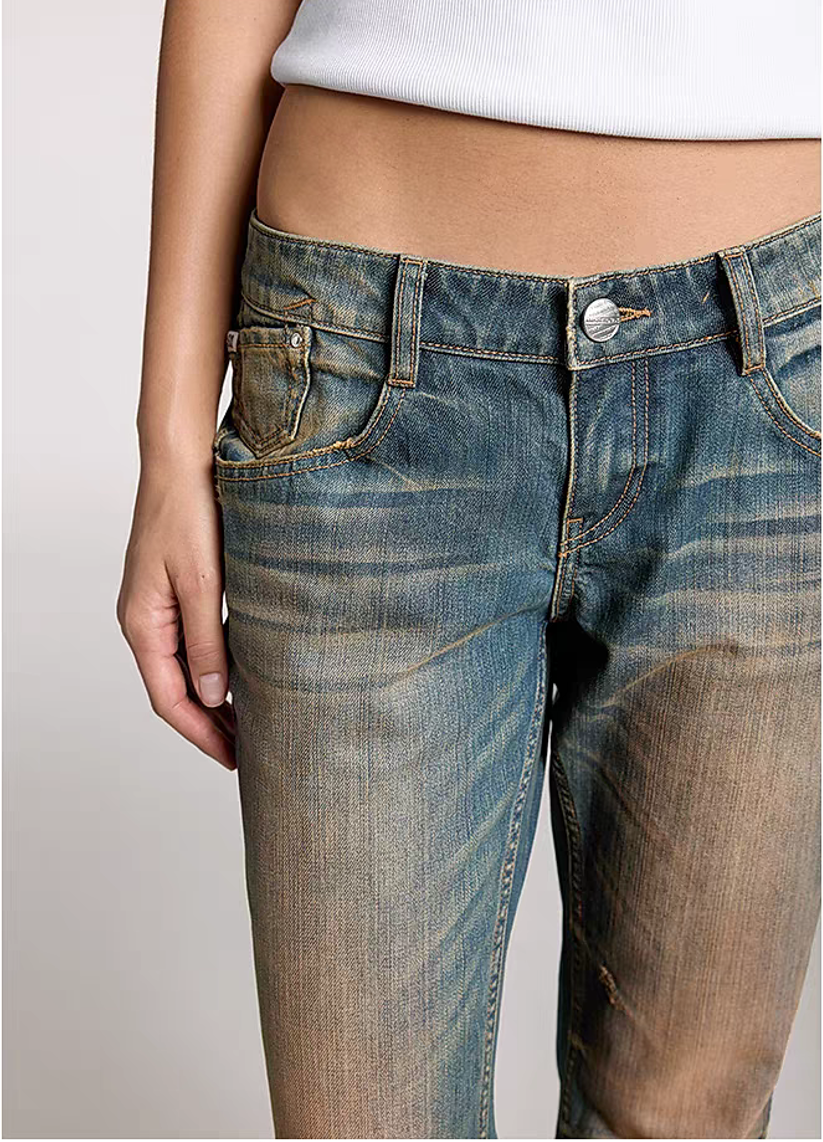
Straight and slim jeans are dependable core fits for menswear, unisex programs, and broad retail accounts. Straight legs tolerate modest grading; slim legs require tighter thigh, knee, and calf control to avoid fit drift. Skinny jeans suit stretch-denim capsules and body-conscious customers. They need reliable recovery testing and careful rise grading, especially from XS through 3XL.
Volume-Led Fits

Relaxed and wide-leg jeans position a range toward streetwear, womenswear, and gender-inclusive assortments. Grade hip, thigh, and leg opening proportionally; simply widening a base pattern produces an unbalanced silhouette. Flare fits add a fashion-led option for women’s and retro-inspired collections. The knee-break point, hem sweep, and inseam must remain consistent across sizes, making size-set review essential.
Utility And Specialty

Cargo jeans serve workwear, skate, and utility-streetwear customers. Pocket placement, flap construction, bartacks, and added panels increase sewing operations and must be approved on a sample before bulk. Specialty fits—barrel, carpenter, balloon, cropped, or maternity—work best as limited seasonal statements. Choose them when your brand can explain the fit clearly with measurement charts and model imagery.
4. Fabrics for customized jeans
10–14 oz denim is the practical starting range for most customized jeans, but fiber mix and recovery determine whether the garment feels vintage-rigid or easy to wear. Confirm mill swatches, wash trials, and shrinkage before approving bulk fabric.
| Fabric Type | Typical Weight | Performance | Best Applications |
|---|---|---|---|
| Rigid cotton | 12–16 oz | Crisp, durable, minimal give | Straight jeans, jackets |
| Comfort stretch | 10–13 oz | 1–2% elastane; easier movement | Slim and tapered jeans |
| Recovery blend | 10–14 oz | Polyester helps shape retention | Skinny and high-wear fits |
| Recycled cotton blend | 11–14 oz | Lower virgin content; test strength | Responsible denim programs |
| Lightweight denim | 7–10 oz | Soft drape, cooler wear | Shirts, shorts, summer jeans |
Fiber And Weave Choices

100% cotton, commonly in 3×1 right-hand twill, delivers the crisp hand, diagonal grain, and break-in character associated with rigid denim. Ring-spun yarn usually gives a cleaner, softer surface than open-end yarn. 20–40% recycled cotton can reduce virgin-fiber use, but shorter recycled fibers may affect abrasion strength and shade consistency. Specify recycled-content evidence and test seam slippage after the intended wash.
Stretch And Recovery

1–2% elastane creates comfort stretch for slim or fitted silhouettes, while 2–4% adds mobility but requires stronger recovery testing. Ask for extension and growth results after laundering so knees, seats, and waistbands retain shape. 5–15% polyester in a cotton blend can improve recovery and durability for high-wear programs. Balance it against the hand feel and fading behavior your brand expects.
Weight Matches The Product

7–10 oz denim suits shirts, summer shorts, and soft wide-leg styles because it drapes more readily and dries faster. 12–16 oz fabric better supports structured five-pocket jeans, jackets, and workwear-inspired pieces. 100-unit capsule orders benefit from reviewing the actual lot, not only a swatch. Junsheen can assess fabric weight, stretch, wash performance, and fit implications during development.
5. customized jeans Decoration Options
Two decoration families drive most customized jeans programs: fabric-surface effects and applied branding. Lock the wash, artwork placement, and trim specifications before sampling, because each subsequent revision can change appearance, labor, and approval timing.
| Option | Visual Impact | Durability | Setup Need | Design Limitation |
|---|---|---|---|---|
| Garment wash | High | High | Wash standard | Shade variation |
| Laser or distressing | High | Medium | Placement file | Can reduce fabric strength |
| Embroidery or patch | Medium–high | High | Artwork and stitch sample | Limited on thick seam areas |
| Medium | Medium | Color separation | Less suitable for abrasion zones | |
| Custom hardware | Medium | High | Mold or stock selection | Higher complexity |
Wash And Surface Effects

12–14 oz denim accepts enzyme, stone, acid, and garment washes that change color depth and hand feel. Laser fading, whiskers, and controlled distressing add placement-specific character, but excessive abrasion can weaken high-stress areas. 1 approved wash standard should accompany every bulk order, using a sealed sample or wash panel. Keep laser artwork away from seams, pockets, and heavy stretch zones to preserve readable effects.
- Use contrast thread to define seams
- Specify distress locations by measurement
- Approve shade bands for indigo washes
Applied Branding Choices
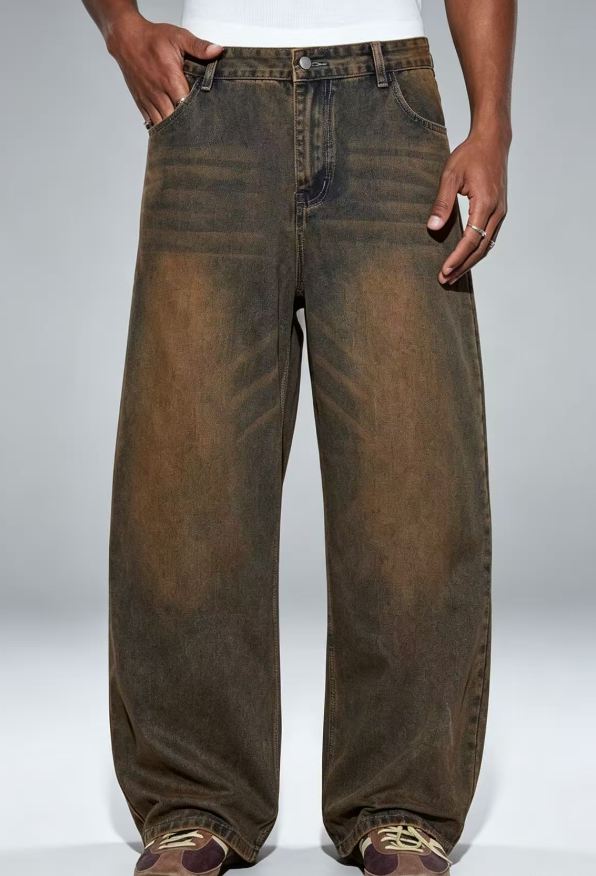
3D embroidery, chain stitch, appliqué, screen print, and DTF each suit different logo scales. Dense embroidery is durable but can distort lightweight pockets; prints need sufficiently smooth, stable placement areas. 1 leather patch or woven patch at the waistband creates a clear private-label cue. Specify patch dimensions, backing, stitch color, and wash testing so edges and color remain controlled after laundering.
- Embroidery for textured, premium marks
- Patches for durable brand identification
- Printing for detailed multicolor artwork
Hardware Labels And Packaging
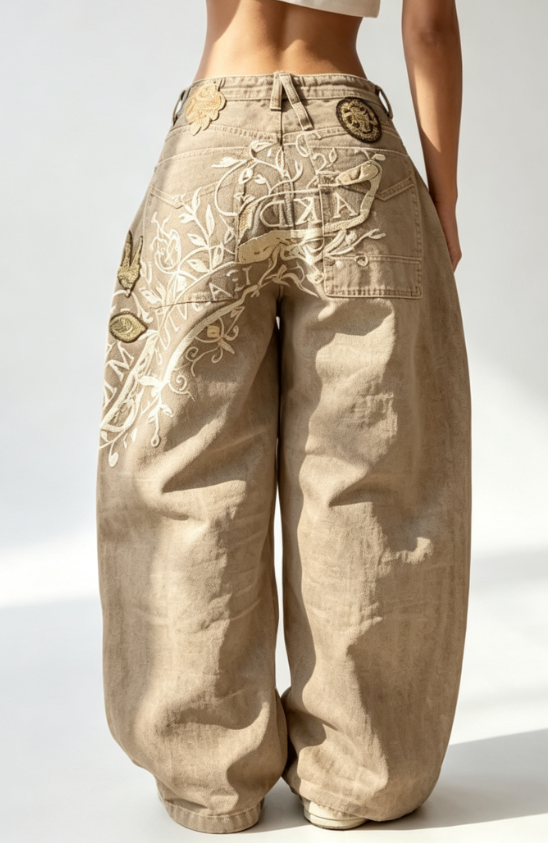
100-unit programs benefit from limiting hardware to one button finish and one zipper specification. Custom rivets, buttons, contrast stitching, woven labels, wash-care labels, hang tags, and branded packaging should share a defined color system. 2 or 3 coordinated signatures usually read stronger than a crowded mix of washes, patches, prints, and trims. Request a production sample with every final label and hardware component attached before bulk approval.
- Match metal finish across all hardware
- Confirm label artwork and placement
- Pack accessories to prevent abrasion
6. Construction Quality for customized jeans
11–12 stitches per inch is a practical benchmark for durable jean seams, though thread size, seam allowance, and wash effects matter equally. For customized jeans, approve construction against a sealed sample rather than photographs or a measurement sheet alone.
Seams And Stress Points
Two-needle chain stitching on inseams and a flat-felled or lapped outseam provide durable, clean construction for most five-pocket jeans. Confirm the seam type remains workable after the intended wash. 8–12 bartacks should reinforce belt loops, pocket corners, the fly base, and other high-tension points. Inspect for balanced tension, no skipped stitches, and securely trimmed thread tails.
- Check stitch density on curved and straight seams
- Pull-test belt loops and pocket corners
- Compare bartack positions across size-set samples
Hardware And Waistband
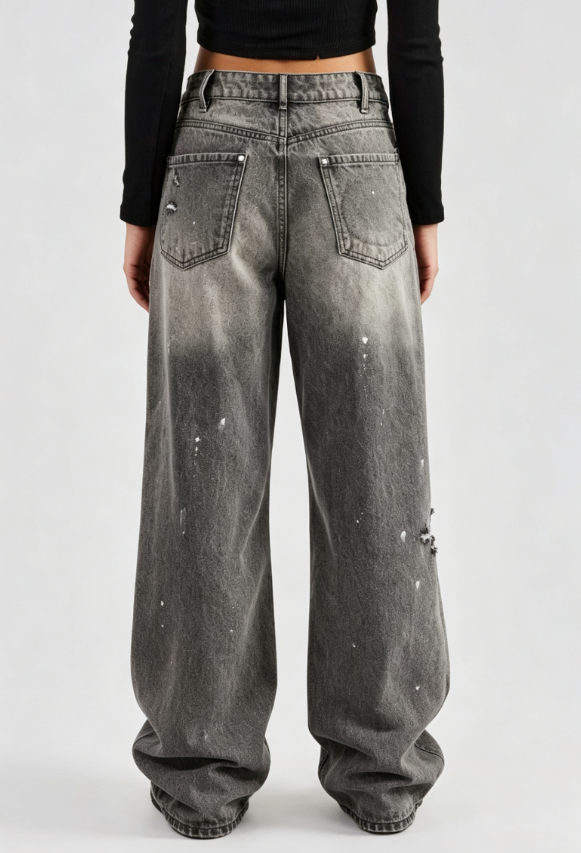
YKK-equivalent zippers, securely set rivets, and a correctly clinched metal button reduce avoidable returns. Specify finish, logo artwork, corrosion expectations, and puller function in the bill of materials. 4–6 belt loops are common depending on waistband size and design, but placement matters more than count. Review waistband join alignment, facing cleanliness, buttonhole reinforcement, and closure overlap on a worn fit sample.
- Zip the fly repeatedly after washing
- Check rivets do not scratch or loosen
- Verify button and zipper finishes match
Pockets, Shrinkage, And Washes

Pocket shape should be checked on-body because a few millimeters of placement can change perceived seat proportion. Match both pockets for height, angle, curve, topstitch color, and opening width. 3–5% dimensional change is a common allowance to test, but actual shrinkage depends on fabric, sanforization, and wash recipe. Approve wash-test measurements, color loss, abrasion placement, torque, and hardware performance before bulk cutting.
- Measure before and after the approved wash
- Check leg twist and inseam recovery
- Approve wash panels under consistent lighting
7. Choosing a Denim Manufacturer
A denim supplier should be assessed as a development partner, not only by unit price. Compare its OEM track record, technical response time, sampling discipline, wash access, and documented quality controls before approving bulk production.
Verify Development Capability
100-unit MOQ programs suit controlled launches, color tests, and fit validation because inventory exposure stays limited. Ask whether the factory can develop from a tech pack, reference sample, or sketch and retain approved patterns for repeats. XS–3XL requires deliberate grading, not proportional enlargement. Request a measurement chart, graded spec, fit-sample photos, and confirmation of who approves pattern changes.
- Which denim categories have you produced?
- Can you provide a size-set sample?
- Who owns approved patterns and specs?
Assess Materials And Washes

10–14 oz denim is common for jeans, but fiber blend, stretch recovery, and wash performance determine the final result. Ask for mill details, composition, fabric weight, shrinkage expectations, and swatches before bulk booking. 3 wash trials can reveal shade variation, abrasion placement, and hand-feel differences before production. Confirm whether enzyme, stone, acid, garment-dye, and laser or hand-finishing processes are managed and controlled.
- What is the approved wash standard?
- How are lot-to-lot shades checked?
- Can trim corrosion be tested?
Confirm Compliance And Control
OEKO-TEX, GOTS, WRAP, and BSCI should be verified against the relevant facility or material scope; certificates are not interchangeable. Ask for current documents, inspection stages, acceptable measurement tolerances, and a defect-report process. 48-hour replies and written approvals reduce preventable sampling errors. Require a defined workflow covering quotation, prototype, revisions, pre-production sample, in-line inspection, final audit, and packed-goods approval.
- Who is the daily production contact?
- What inspection checkpoints are recorded?
- What happens if measurements fail?
8. Common Customized Jeans Buying Mistakes
At a 100-unit MOQ, preventable specification gaps can consume the margin of a capsule launch. Treat every sample approval as a production control: the goal is to remove interpretation before fabric is cut.
Lock the Technical Brief
1 approved tech pack should define measurements, tolerances, stitch types, pocket placement, Pantone colors, artwork scale, and a labeled reference photo. 2 missing details invite factory assumptions, creating rework or a bulk garment unlike the sample. Require a signed spec sheet and pre-production sample before cutting.
Standardize Wash and Fabric

3 wash standards matter: name the enzyme, stone, bleach, whisker, hand-sanding, and desired contrast, supported by a sealed wash panel. 10-ounce denim can look similar to 12-ounce denim but differ sharply in recovery, shrinkage, abrasion resistance, and comfort. Test wash shrinkage, stretch recovery, and color transfer on the selected lot.
Grade Fit and Plan Trims

XS–3XL grading cannot be created by enlarging one base size; rise, thigh, knee, and leg opening require deliberate increments. 6–10 weeks is a common allowance for custom metal buttons, zipper pulls, leather patches, or woven labels. Approve a graded size set and reserve custom trims before the bulk calendar is fixed.
Validate Supplier and Wear
3 quotations should be compared for fabric composition, wash process, trims, inspection scope, and packing—not unit price alone. The cheapest offer can omit controls that later become claims or chargebacks. 7–14 days of real wear testing can reveal seam twisting, waistband roll, pocket failure, dye rub-off, and poor mobility. Wash and wear the approved sample repeatedly, then close issues in writing before production.
9. Launching Your Customized Jeans Line
A launch succeeds when customer positioning is fixed before denim development begins. For customized jeans, lock the target wearer, retail price, fit block, wash direction, and first color count before requesting a quotation.
Position The First Drop
Three to five competitor references are enough to define silhouette, pocket placement, rise, inseam, and wash level. Record what must change rather than asking a supplier to copy a garment. One tech pack should specify a graded measurement chart, construction callouts, Pantone references, artwork, labels, and packaging. Junsheen can review a finished pack or turn sketches, samples, and mood boards into production specifications.
Approve Materials And Fit

10–13 oz stretch denim suits many commercial fits, while 12–15 oz rigid denim needs more break-in consideration. Confirm fiber content, stretch recovery, shrinkage, wash recipe, hardware, and trim samples before the prototype. One prototype is a decision gate, not a bulk-production signal. Approve fit after wear testing, then approve the full size range after grading from XS through 3XL where required.
Control Production Release
A pre-production sample should match approved fabric, wash, labels, measurements, and packing method. Do not release bulk until it is signed off against the approved tech pack and measurement tolerances. 100 units per style and color can support a capsule launch at Junsheen, but added washes, custom hardware, and multiple colors increase coordination. Build time for fabric confirmation, sampling revisions, size-set approval, and final balance before shipment.
Inspect Before Delivery
Four checkpoints reduce costly surprises: incoming fabric, in-line sewing, measurement and decoration checks, and final packed-goods inspection. Compare wash appearance and key measurements to the approved sample before cartons close. One retained record set—patterns, graded files, fabric details, trim approvals, and QC notes—makes repeat orders faster and more consistent. Confirm carton marks, destination requirements, shipping method, and delivery date before final payment.
10. customized jeans Pricing and Costs
100 units per style and color is Junsheen’s practical starting point for a capsule run, but it is usually the highest-cost tier. Confirm an itemized quotation covering denim, wash, trims, labor, packaging, testing, and shipment terms before comparing suppliers. 250–500 units commonly spread pattern, marker, and wash-setup costs more effectively, while 1,000+ units can improve fabric purchasing and sewing efficiency. A heavier stretch denim, custom YKK hardware, leather patch, multiple Pantone threads, extended-size grading, and complex washes all raise the unit cost. 7–14 days is a realistic planning allowance for development feedback after materials are available; rushed approvals or air freight can erase savings gained in production. Treat sample and development charges separately from bulk pricing, then clarify whether any portion is credited against a confirmed order. 3 freight inputs determine landed cost: carton volume, destination, and Incoterm. Request both FOB and delivered comparisons, because denim is weighty and sea, rail, and air options produce very different cash-flow and delivery outcomes.
| Order tier | Indicative cost position | Main pricing drivers | Planning effect |
|---|---|---|---|
| 100–249 units | Highest per-unit cost | Development allocation, fabric MOQ, wash setup | Best for validating fit and demand |
| 250–999 units | Improving unit economics | Shared setup cost, trim consolidation, size/color mix | Useful for repeatable core styles |
| 1,000+ units | Lowest relative unit cost | Fabric buying power, production efficiency, fewer changeovers | Requires firmer forecasts and inventory control |
| Sample/development | Separate pre-bulk charge | Pattern work, grading, prototype, wash trials, branded trims | Agree revision scope and bulk-order credit |
| Rush or air shipment | Potential major surcharge | Compressed production slots, freight weight, destination | Protect schedule with earlier approvals |
Start Your Customized Jeans Sample Today
Send your tech pack or product idea for OEM/ODM evaluation, fit-focused sampling, and a tailored denim production quote.