
Puff Print Apparel Manufacturing From 100 Units
Launch custom puff print hoodies, tees and casualwear with OEM, ODM and private-label support for global brands.
Featured Products for puff print Development
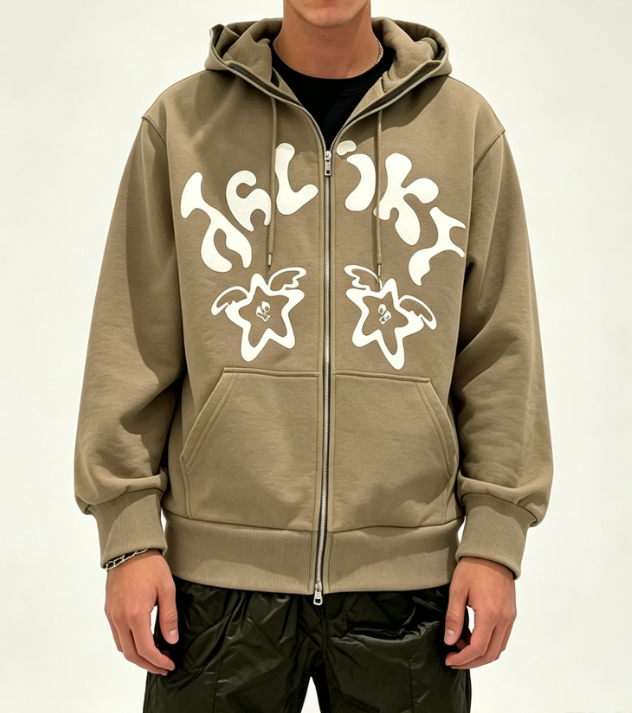


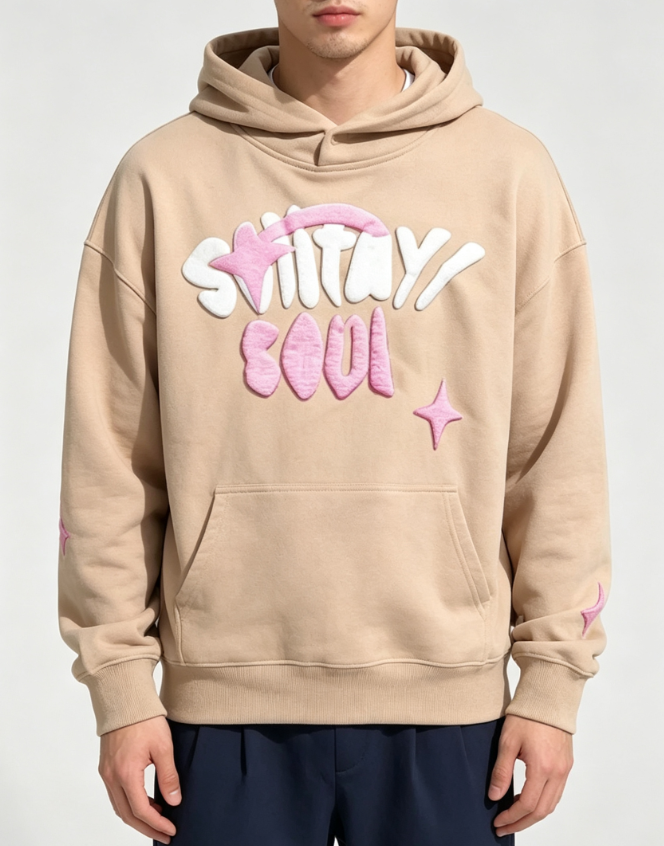


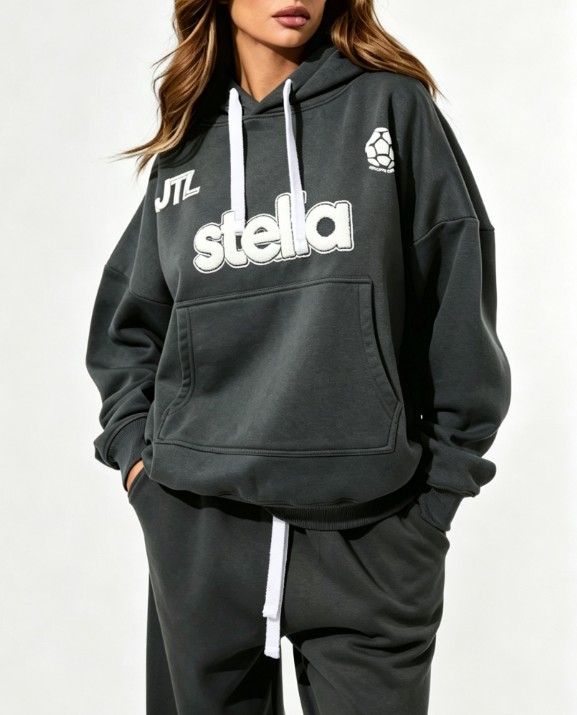

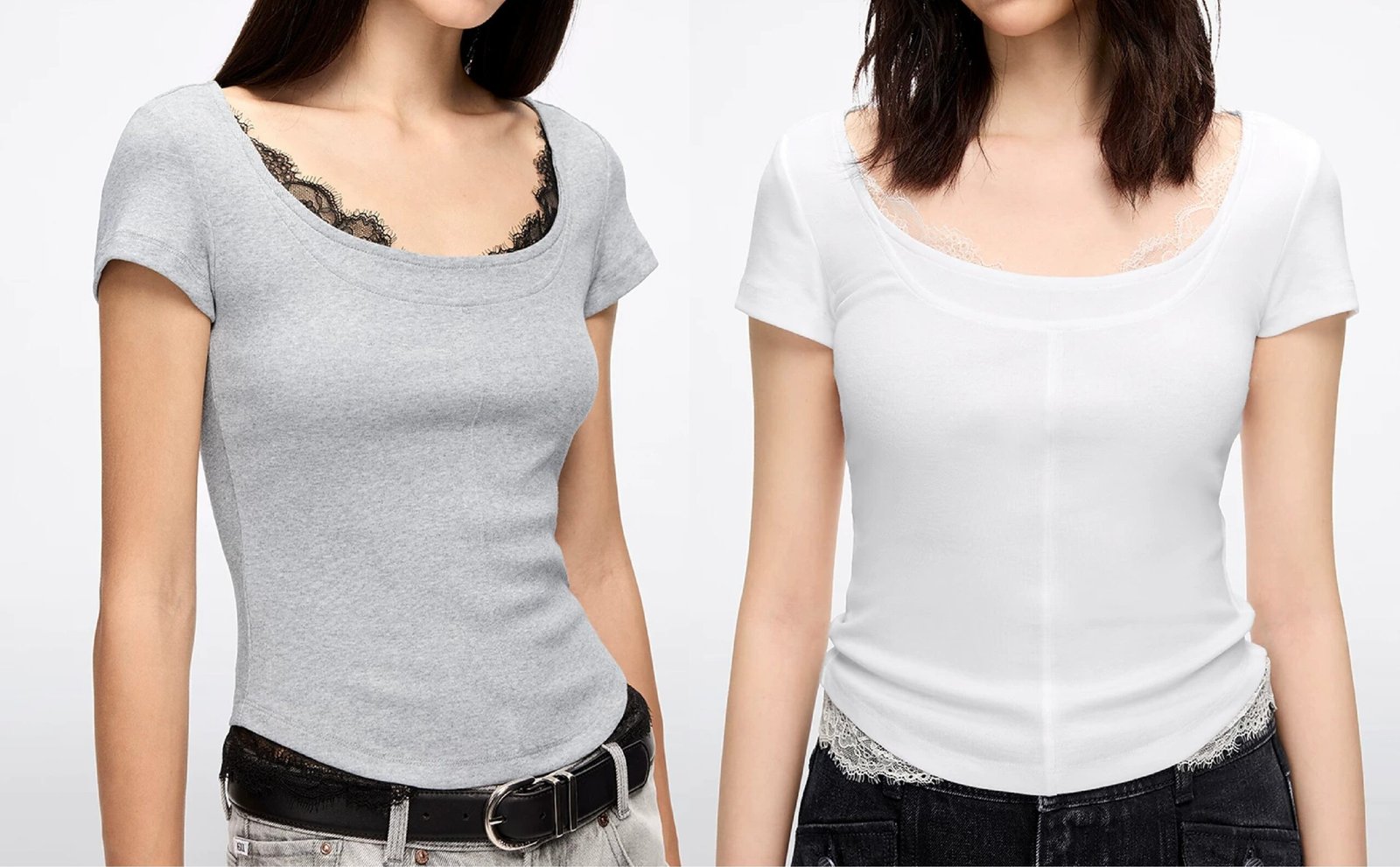


Related Puff Print Products and Quotation





Why Brands Choose Our Puff Print Production
Raised-print execution backed by fit-led development, low-MOQ manufacturing, and export-ready quality control.
Controlled Raised Texture
Puff print artwork, ink buildup, curing, and wash performance are reviewed to deliver a defined dimensional finish across each production run.
Development Under One Roof
From artwork review and fabric sourcing to sampling, pattern making, and bulk approval, one team manages production-ready apparel development.
100-Unit MOQ Flexibility
Launch capsule collections from 100 units per style and color, then scale successful puff print programs into repeat bulk orders.
Fit-Focused XS–3XL
Patterns and grading are refined for standard, extended-size, plus-size, and oversized fits instead of simply enlarging a base size.
In-House Finishing Options
Pair dimensional printing with garment washes, labels, embroidery, custom trims, and branded packaging for a complete private-label presentation.
Scalable Global Delivery
With 200+ skilled workers and 80,000+ monthly units of capacity, JUNSHEEN supports quality-controlled production and worldwide export coordination.
Puff Print Apparel We Manufacture
Fit-focused development and controlled decoration for custom casualwear programs, from low-MOQ launches to scalable bulk production.

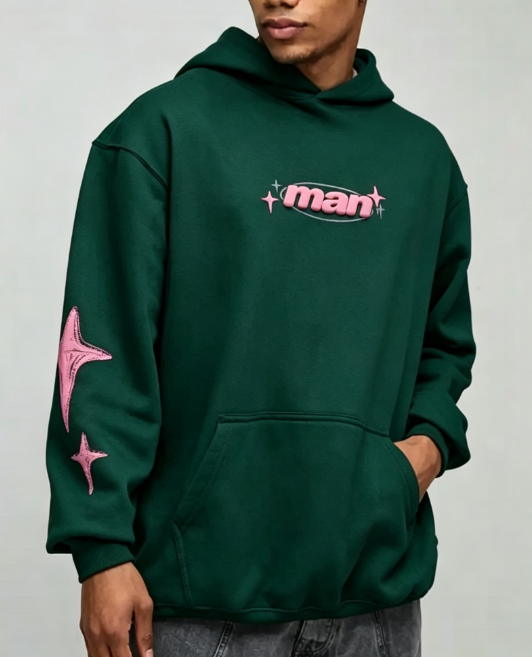
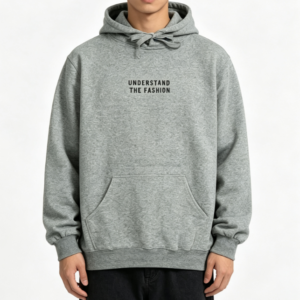
Puff Print Hoodies
Custom puff print hoodies are developed with fabric weight, fleece stability and placement in mind so raised graphics remain defined after wear and washing. Junsheen supports 100-unit MOQs per style and color, plus private labels, trims, packaging and XS–3XL grading.
Request a QuoteMaterials for Durable Puff Print Apparel

Cotton Jersey
Soft, breathable cotton jersey provides a smooth print face for puff print T-shirts and lightweight tops. Midweight constructions around 180–240 GSM balance everyday comfort with enough stability to support crisp raised artwork.

French Terry
French terry has a comfortable loop-back interior and a stable outer face suited to puff print hoodies, crewnecks, and joggers. Common 280–360 GSM weights give the garment structure without sacrificing casual drape.

Brushed Fleece
Brushed fleece delivers a warm, plush hand for heavyweight hoodies and sweatshirts with bold raised graphics. Its dense face and typical 320–450 GSM range help support substantial puff print coverage while retaining softness.

Denim Twill
Denim and cotton twill bring durable texture to jackets, overshirts, workwear, and casual bottoms. Their firm woven construction offers a stable printing surface; fabric washes and garment seams should be tested during sampling.

Performance Knits
Performance knits suit active-inspired tees, layers, and stretch apparel requiring moisture management and mobility. Controlled stretch and a smooth technical face support puff print, with print formulation tested to maintain recovery after wear.
Puff Print Techniques & Decoration Options

Puff Screen Print
Specialty ink expands under heat to create a soft, elevated puff print with strong visual dimension. Ideal for bold logos and graphic areas on T-shirts, hoodies, sweatshirts, and fleece, with sampling to confirm height and wash performance.

High-Density Print
Layered ink deposits create a firmer, precisely raised surface with crisp edges and controlled depth. High-density print suits detailed logos, linework, and structured graphics when a premium dimensional effect is required without the softer expansion of puff ink.

Silicone Print
Silicone ink delivers a smooth, flexible raised finish with excellent stretch recovery and a modern rubberized hand. It works well for active-inspired apparel, stretch fabrics, and clean branding where color stability, grip, and repeated-wash durability matter.

DTF Transfers
DTF transfers reproduce multicolor artwork, gradients, and small graphic details that may be difficult to screen print. Applied with heat, they provide reliable color coverage and flexible adhesion for short-run designs, placements, and mixed-fabric programs.

Foil And Flocking
Foil adds reflective metallic shine, while flocking creates a velvety, suede-like surface. These compatible decoration options help brands introduce contrast, tactile interest, and limited-edition appeal; Junsheen tests adhesion and finish compatibility during sampling.

Puff Embroidery
3D puff embroidery uses foam beneath stitching to build a prominent, structured logo with lasting texture. It pairs effectively with puff print on caps, jackets, hoodies, and premium casualwear, creating layered brand identity across coordinated collections.
Custom Trims for Puff Print Apparel

Woven Brand Labels
Add woven main, size, and wash-care labels to puff print hoodies, T-shirts, sweatshirts, and outerwear for clear brand identification, compliance information, and a finished private-label presentation.


Snap Button Sets
Specify custom snaps for jackets, polos, denim pieces, and utility styles. We coordinate finishes, logo applications, placement, and strength requirements to match the garment fabric and your brand’s hardware direction.

Branded Zipper Pulls
Choose zippers and custom pulls for puff print hoodies, track jackets, outerwear, and bags. Options can support matched metal finishes, molded logos, practical durability, and a cohesive premium product appearance.

Drawcords and Ribbing
Develop drawcords, tipped ends, aglets, and rib trims that reinforce your color palette and fit standards. These details are especially important for hoodies, sweatpants, varsity layers, and oversized fleece programs.
Custom Patches Packaging
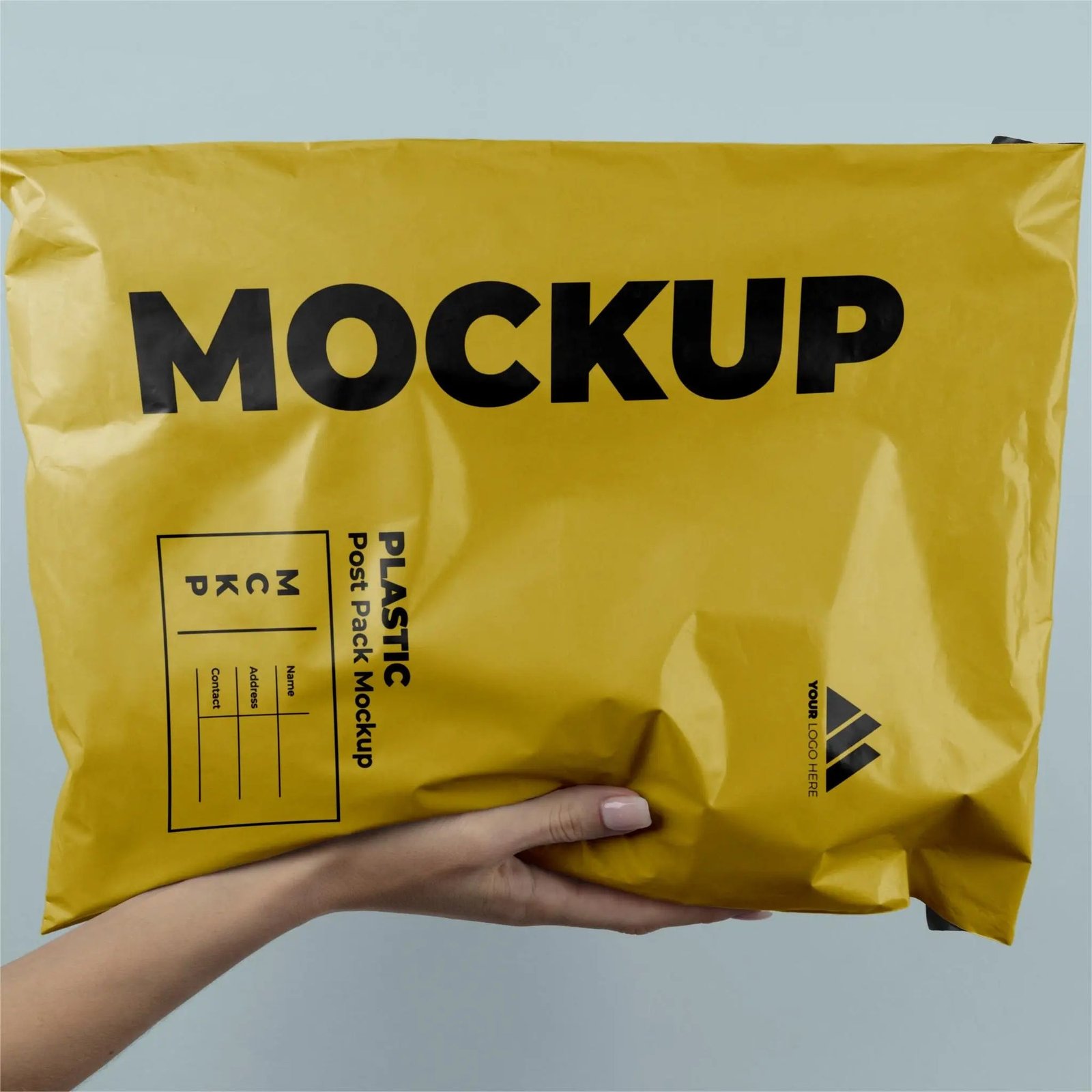
Combine embroidered, woven, silicone, or applique patches with branded polybags, boxes, stickers, and tissue. JUNSHEEN integrates these final details so puff print apparel arrives ready for retail, wholesale, or direct fulfillment.
About JUNSHEEN Puff Print Manufacturing
Based in Humen Town, Dongguan, JUNSHEEN has helped fashion brands turn ideas into production-ready apparel since 2010. We provide OEM, ODM, private-label and wholesale support for custom casualwear, denim, knitwear and outerwear, including puff print programs from 100 units per style and color.
Our integrated supply chain brings product development, pattern making, XS–3XL grading, fabric sourcing, cut-and-sew, knitting, printing, embroidery, finishing, labels, packaging and export support under one experienced team. This structure keeps technical decisions, approvals and production details aligned from sample through shipment.
With more than 200 skilled workers, monthly capacity above 80,000 units and 2,000+ fashion-brand clients served, we pair scalable manufacturing with fit-focused development. Brands gain a dependable partner for raised-print apparel and broader private-label collections built for consistent quality and repeat growth.

Core Capabilities Behind Consistent Puff Print Apparel
Decoration Development Control
JUNSHEEN develops puff print artwork with fabric weight, ink expansion, curing behavior, placement, and wash performance in view. Pre-production sampling helps confirm a raised effect that supports the intended hand feel, logo definition, and repeatable visual impact before bulk approval.
- Puff, high-density, silicone, flocking, and screen-print options
- Artwork and placement review before sampling
- Fabric-specific curing and wash testing
- In-house coordination between development and decoration teams

Fit-Focused XS–3XL Grading
A strong graphic needs an equally dependable garment base. Our pattern makers refine proportions, shoulder balance, sleeve length, mobility, and grading increments from XS through 3XL, including extended-size, plus-size, and oversized programs for more consistent fits across the size range.
- Custom patterns for normal, extended, and oversized fits
- Size grading built around body proportion
- Prototype and size-set approval support
- Suitable for hoodies, tees, sweatshirts, and outerwear

Material Sourcing for Dimension
Puff print performance depends on the garment beneath it. JUNSHEEN sources jersey, French terry, fleece, cotton blends, and other suitable fabrics according to print coverage, hand feel, durability, garment weight, stretch, and target cost, with swatches available for review.
- Fabric recommendations matched to raised-print requirements
- Cotton, fleece, French terry, jersey, and blends
- Swatch and sample review before bulk material confirmation
- Options for casualwear, knitwear, denim, and outerwear

In-Line Quality Assurance
Our quality process checks puff print apparel from incoming materials through final packing. Teams inspect measurements, construction, print height, placement, adhesion, color consistency, and overall finish during production, helping identify issues early and maintain dependable standards for global shipments.
- Incoming fabric and trim inspections
- In-line measurement and construction checks
- Decoration placement, adhesion, and finish verification
- Final inspection before branded packaging and export

Why Choose JUNSHEEN for Puff Print Apparel
Fit-led development, integrated decoration, and scalable production for brand programs from 100 units.
← 左右滑动查看 →
Our Puff Print Apparel Production Process
A controlled OEM workflow that moves your artwork from feasibility review to export-ready apparel, starting at 100 units per style and color.
Review Your Project
We assess your tech pack, artwork, target fit, quantities, and puff print requirements, then confirm manufacturability, decoration placement, and a practical development route.
Source Fabrics And Trims
Our team recommends fabrics, colors, ribbing, labels, and trims based on print performance, hand feel, garment weight, target cost, and wash expectations.
Develop Patterns And Samples
Pattern makers create and grade fit-focused XS–3XL patterns, then produce prototype samples for measurement, construction, artwork scale, and puff height approval.
Execute Puff Print Production
After approvals, we cut, sew, and print garments using controlled ink, screen, curing, and registration settings to achieve consistent raised texture across the order.
Inspect Pack And Ship
Quality teams check fabric, measurements, construction, print adhesion, puff appearance, and packed goods before private-label packing and coordinated global export shipment.
How to Start Your Puff Print Project
Move from concept to approved bulk production with one accountable JUNSHEEN team.
Submit Your Design
Send a tech pack, sketch, reference garment, mood board, or product idea. Our team reviews puff print placement, garment construction, sizing, and feasibility.
Confirm Specifications
Align fabric, colors, raised-print effect, trims, labels, XS–3XL grading, quantities, target price, and delivery requirements before receiving a detailed quotation.
Approve Your Sample
We develop a prototype for fit, hand feel, puff print quality, and wash performance. Review it, request refinements, and approve the final production standard.
Launch Bulk Production
After approval and order confirmation, JUNSHEEN manages sourcing, cut-and-sew production, decoration, quality inspections, packing, and global shipment from 100 units per style or color.
Custom Clothing Manufacturer Credentials and Compliance Documents




Puff Print Client Results and Brand Case Studies
JUNSHEEN turned our oversized hoodie concept into a production-ready style with clean raised artwork and a more consistent fit across XS–3XL. We approved the second sample round and launched our 300-unit drop on schedule.
The puff print stayed defined after our wash testing, and the team flagged artwork and fabric adjustments before sampling. That saved us two potential revisions and helped us reorder the same sweatshirt program with confidence.
For a 120-unit capsule, we needed private labels, custom packaging, and dependable communication in one place. JUNSHEEN coordinated every detail, and our repeat order increased to 600 units within six months.
Puff Print FAQ for OEM Buyers
Clear answers on MOQ, sampling, payment, shipping, fit, durability, and confidential production support.
What is the minimum order quantity for puff print apparel?
How long does a puff print sample take, and what does it cost?
Is puff print durable after washing?
Can you make puff print hoodies and T-shirts in extended sizes?
What payment terms do you offer for OEM apparel orders?
Do you ship puff print apparel internationally?
Will you protect my puff print artwork, tech packs, and brand details?
Can JUNSHEEN handle labels, packaging, and other decoration with puff print?
The Complete Buyer’s Guide to puff print
Use this practical framework to evaluate puff print techniques, compatible fabrics, quality controls, supplier capabilities, cost drivers, and production pitfalls before developing custom apparel at scale.
1. What Is puff print?
1 specialty ink system defines puff print: a screen-printed ink containing a blowing agent that expands during heat curing, leaving a soft, raised surface above the garment. Unlike a standard screen print, which dries flat, puff print adds visible height and a foam-like tactile edge without adding a sewn component. 3 common alternatives solve different design problems. Embroidery builds dimension with thread and needle penetration; silicone print produces a dense, rubbery raised film; and high-density print stacks thick ink through repeated passes for a sharper, more structured relief, while puff print expands into a softer, less exact profile. 100-unit production runs can use puff print effectively on hoodies, French terry sweatshirts, fleece crews, heavyweight T-shirts, joggers, and cotton-rich jersey when the artwork uses broad shapes, bold lettering, or simplified graphics. It is the right decoration choice when a brand wants an affordable dimensional statement with a hand-feel that supports casualwear, rather than fine-detail precision, thread texture, or a glossy technical finish.
2. Puff Print History and Evolution
1960s textile-printing markets helped establish expanding-ink effects as attention-grabbing novelty graphics, commonly used for bold logos and children’s apparel. Early puff print often depended on thick plastisol deposits and broadly controlled dryer or conveyor-oven settings, so excessive ink laydown, uneven expansion, and a stiff hand were familiar risks. 1980s and 1990s streetwear and licensed-sports programs moved texture from a novelty toward a recognizable graphic device, especially on heavyweight 280–450 GSM fleece and cotton jerseys. Finer mesh selection, better stencil definition, and more repeatable flash-and-final-cure sequences gave printers tighter edges and clearer separation between raised and flat colors. 2000s water-based puff systems, improved emulsions, and digitally controlled curing equipment made subtler effects more achievable on fashion apparel. A buyer can now specify selective raised details, low-profile logos, tonal graphics, or mixed puff-and-flat artwork rather than accepting a uniformly bulky print. 2020s demand for tactile branding has extended puff print across premium casualwear, performance-inspired collections, and refined private-label capsules. Modern results still rely on production discipline—Pantone-approved artwork, fabric-specific testing, controlled ink deposit, and wash trials—but the technique can support a deliberate, polished aesthetic when those variables are managed.
3. Types of puff print
Five puff print families solve different design and commercial problems. Specify the effect before sampling, because ink chemistry, artwork separation, cure profile, and expected wear all change with the chosen finish.
| Type | Typical Height | Color Behavior | Best Use |
|---|---|---|---|
| Classic plastisol | 1–2 mm | Opaque, Pantone-friendly | Bold logos |
| Water-based | 0.5–1 mm | Softer, less opaque | Tonal fashion graphics |
| High-density | 1–3 mm | Opaque, sculpted | Emblems and type |
| Clear or gloss | 0.5–1.5 mm | Translucent, reflective | Subtle texture |
| Mixed-media | Varies | Layer-dependent | Hero statements |
Classic Plastisol Puff
1–2 mm classic plastisol puff delivers an opaque, soft-raised graphic with strong Pantone color control. It suits bold lettering, simple mascots, and high-contrast logos on fleece or heavyweight jersey. 50+ wash cycles are achievable with correct curing, but fine halftones and very large solid areas can crack or feel stiff. Choose it for dependable mid-volume streetwear programs.
Water-Based Puff
0.5–1 mm water-based puff has a softer, less plastic hand and a more matte, garment-integrated appearance. Colors are generally less opaque on dark grounds, so it favors tonal artwork and lighter cotton-rich fabrics. 30–40°C wash testing matters because absorbency, pigment loading, and curing strongly affect durability. Choose it when a lower-hand-feel, softer-fashion result outweighs maximum opacity.
High-Density Puff
1–3 mm high-density puff creates sharper edges and a more sculpted, dimensional surface than standard puff. It works best for block typography, emblems, and geometric line art with generous spacing. Small text, tight negative space, and stretchy lightweight knits expose registration and cracking risks. Choose it for premium logo placements where relief and edge definition are central.
Clear Or Gloss Puff
Clear or gloss puff adds translucent height and light reflection rather than opaque color. It is effective over a flat underprint, tonal graphics, or subtle branding where texture should appear as the garment moves. Dark fabrics can hide the effect, while uneven deposits become obvious under direct light. Choose it for limited collections needing a restrained technical finish.
Mixed-Media Layers
2-step layered effects combine puff with flat plastisol, foil, flock, silicone, or embroidery to create contrast in height and hand feel. Artwork must reserve clean knockouts so layers do not fuse or distort during curing. Each added process raises setup, registration, and approval risk, making a production sample essential. Choose it for hero garments rather than price-sensitive core basics.
4. Puff Print Materials and Fabrics
100% cotton and cotton-rich knitwear usually give puff print the most predictable bond because their stable, absorbent surfaces accept the ink film evenly. Fabric weight, stretch recovery, dye depth, and washes then determine how high the print rises, how soft it feels, and whether edges crack.
| Fabric | Suitability | Recommended Approach | Risk | Typical Use |
|---|---|---|---|---|
| Cotton jersey | High | Standard puff; smooth face | Low | T-shirts |
| Cotton-poly fleece | High | Low-migration test; firm cure | Medium | Hoodies |
| Rib or stretch knit | Moderate | Small flexible graphics | High | Fitted tops |
| Denim | Moderate | Light deposit; test texture | Medium | Jackets |
| Nylon | Limited | Specialty ink and adhesion test | High | Windbreakers |
Fiber And Knit Behavior

180–260 GSM ring-spun cotton jersey supports clean expansion and a softer hand than coarse open-end jersey, provided the surface is smooth and lint-free. 280–400 GSM French terry and fleece carry larger graphics well, but raised pile can interrupt edge definition; use a test strike on the production fabric.
Stretch, Color And Finish
5–10% elastane can pull a cured puff layer apart during wear, so keep artwork open and select a stretch-compatible system. Rib needs smaller motifs because every wale expands differently. Dark reactive dyes and garment-dyed pieces need migration and wash tests, while silicone softeners, enzyme washes, and water-repellent finishes can reduce adhesion.
Fabric Compatibility Matrix
3 sample conditions—flat, stretched, and washed—should be approved before bulk production, especially where a print crosses seams or rib panels.
5. Custom Puff Print Design Options
At Junsheen’s 100-unit-per-style-and-color starting scale, puff print should be specified as part of the full artwork and placement plan before sampling. Scale, relief height, and decoration mix determine how clearly the logo reads, how the garment feels, and where it sits at retail.
| Design Route | Best Use | Production Effect | Retail Signal |
|---|---|---|---|
| Single-color puff | Bold logos and icons | Lowest registration complexity | Clean essentials |
| Flat plus puff | Type with raised accents | Extra screen and approval | Premium branded |
| Puff plus foil or embroidery | Limited graphic statements | Higher labor and testing | Fashion-forward |
| Discharge plus puff | Soft cotton darks | Fabric-specific testing | Soft-hand premium |
Build Artwork For Expansion
1.0 mm is a practical minimum positive line width for many puff details; leave comparable gaps so expanding ink does not close counters or merge letters. Submit vector AI, PDF, or EPS artwork with fonts outlined, final placement dimensions, and Pantone references. 2–4 colors keep registration and approval manageable, while small type, halftones, and fine distressed textures need a simplified puff layer. Put critical copy in flat screen print when edge definition matters.
- Outline all fonts and expand strokes
- Separate puff, flat, foil, and embroidery layers
- Mark chest, back, sleeve, or hem placement
- Approve a physical strike-off before bulk
Choose Relief And Placement
1–2 mm of finished elevation typically gives a controlled raised look; heavier deposits create a bolder tactile logo but can stiffen a large chest print. Keep major puff graphics away from sharp seam crossings, rib edges, and high-friction areas. 12–14 inch back prints can support statement graphics, whereas 3–4 inch left-chest marks suit cleaner premium branding. Larger coverage increases ink use, cure sensitivity, and the risk of cracking under repeated stretch.
Layer Effects With Purpose
2-pass layered graphics can combine a flat underprint with selected puff elements, preserving readable type while adding depth. Gradients are usually better rendered in flat ink beneath or beside puff shapes because smooth tonal transitions are less predictable in expanded deposits. 1 discharge base on suitable dyed cotton can reduce the heavy underbase feel, while foil, high-density details, patches, or embroidery add contrast for elevated streetwear and limited releases. Test every combination for cure compatibility, stretch, and wash adhesion.
6. Puff Print Quality Control Essentials
A reliable puff print is controlled at the screen, press, and curing stages—not judged only after cooling. Buyers should approve a production standard that specifies fabric, artwork, ink system, and wash-test conditions before bulk runs.
Screen And Stencil Control

156–230 mesh screens are common starting points, but the selected mesh and emulsion thickness must deliver the approved ink deposit. Fine lettering needs a clean stencil and sufficient off-contact to prevent clogged details or ragged edges.
- Inspect edges under bright side lighting.
- Reject pinholes, feathering, and filled counters.
- Match film positives and screen registration marks.
Press And Cure Discipline
2 controlled stages matter: flash only until the surface is tack-free, then cure to the ink supplier’s specified temperature and dwell time. Excess flash, pressure, or heat can flatten the expansion, scorch pale cotton, or leave a brittle surface.
- Record platen temperature, not just controller setting.
- Stabilize fabric before printing to limit shrinkage.
- Keep squeegee pressure and stroke consistent.
Bulk Inspection And Wash Tests
3 checks should be completed on approved samples and first-off bulk goods: adhesion, stretch recovery, and laundering. Stretch the printed area moderately after cooling; it should recover without cracking, lifting, or distorted registration.
- Wash and tumble-test to the agreed care method.
- Compare lift height and color against the sealed sample.
- Reject uneven puff, scorching, cracking, or blurred boundaries.
7. Choosing a Puff Print Manufacturer
A capable puff print supplier proves repeatability before discussing volume. Evaluate the print operation, development discipline, fabric control, and OEM support as one connected system—not as isolated promises.
Verify Specialty Print Experience
3 production questions reveal real capability: Is puff ink printed in-house, what mesh counts and cure profile are used, and which fabrics have passed wash testing? Ask whether printers routinely manage plastisol, water-based, high-density, and silicone effects.
- Request comparable sample panels and finished garments.
- Confirm responsibility if printing is outsourced.
- Ask for fabric-specific print recommendations.
Approve Development Evidence
1 approved sample should include the exact fabric, Pantone target, artwork scale, ink deposit, and finishing process intended for bulk. Review raised height, edge definition, registration, stretch recovery, odor, cracking, and 5–10 wash-cycle appearance—not merely a flat strike-off.
Assess OEM And Quality Systems
100 units per style and color can suit a capsule, but MOQ flexibility must not replace capacity evidence. For OEM programs, ask how patterns, graded size sets, fabric lots, color approvals, inspection records, and reorders are controlled. 200-plus workers and monthly capacity above 80,000 units indicate Junsheen can support growth, while retained patterns and material records help repeat programs. Request current lead-time ranges, in-line inspection points, final AQL process, and escalation contact.
- Confirm OEKO-TEX, GOTS, WRAP, or BSCI documents when required.
- Require Pantone approval before bulk ink mixing.
- Set written approval gates for sample and pre-production stages.
Compare Supplier Evidence
4 evidence categories make supplier comparisons more objective. Score documents and physical samples against your own target garment, rather than accepting generic capability decks.
| Evidence | What To Check | Buyer Signal |
|---|---|---|
| Print sample | Exact fabric and wash result | Effect is reproducible |
| Color proof | Pantone and lighting approval | Color control exists |
| QC record | Measurements and decoration checks | System is documented |
| Capacity plan | MOQ, line allocation, lead time | Program can scale |
8. Common Puff Print Buying Mistakes
100-unit capsule orders leave little room to absorb a failed decoration decision. Buyers should convert artwork, fabric, color, height, stretch, curing, and quotation assumptions into written sample-approval criteria before bulk production.
Mismatching Artwork And Fabric

2D line art, fine halftones, and large solid areas can react very differently on jersey, French terry, and brushed fleece. The consequence is broken detail, uneven expansion, or a stiff hand; submit production-size artwork and the actual garment fabric for a strike-off.
Approving Untested Strike-Offs
1 approved visual strike-off is insufficient when the print will be worn and washed repeatedly. Unchecked curing can cause cracking, poor adhesion, or reduced puff after laundering; require a wash-tested strike-off, including stretch and recovery checks, before releasing bulk.
Setting Unrealistic Specifications
Pantone references are targets, not exact matches to an RGB screen or every fabric ground. Excessive height and prints across ribs, elbows, side seams, or high-stretch zones can crack or distort; define an acceptable color tolerance, maximum effect height, and no-print zones in the tech pack.
Comparing Unlike Quotes
100-unit quotes only compare fairly when garment weight, print size, color count, puff system, placement, testing, packing, and delivery terms match. A lower headline price can omit essential setup or quality controls; issue one specification sheet and request exceptions itemized in writing.
9. Launching a Puff Print Apparel Line
A 100-unit puff print launch succeeds when creative decisions are frozen at defined approval gates, not during bulk sewing. Start with a production-ready tech pack, then sequence materials, artwork, fit, wash testing, and pre-production approval around actual supplier lead times.
Build The Production Pack
One tech pack should specify Pantone colors, artwork dimensions and placement, puff height expectations, base fabric, measurements, grading, labels, and packaging. A vector file is essential because puff artwork often needs thicker strokes, larger gaps, and simplified detail to print cleanly. Two colorways are usually more manageable than a broad launch at 100 units, especially when each color needs separate screens and bulk fabric allocation. Confirm whether the MOQ applies per style, color, or size breakdown before costing.
- Approve the final vector artwork
- Lock the graded measurement chart
- State decoration placement tolerances
Sample Before Bulk Commitment
One development sample validates silhouette, print placement, and construction; a size set then confirms grading from XS through 3XL where required. Test the approved sample after at least 3 to 5 wash cycles for cracking, color change, shrinkage, and puff retention. Seven to 14 days is a typical sampling window after complete materials and artwork are confirmed, but custom fabric, dyeing, or trims extend it. Treat revised artwork or fit changes as new approval loops rather than informal production notes.
- Approve fabric hand feel and GSM
- Approve fit and measurement tolerance
- Approve washed print appearance
Release A Controlled Bulk Order
One signed pre-production sample should match the approved fabric, color, print method, trims, labels, and packing specification before cutting begins. Bulk lead time depends on material availability, sample revisions, screen preparation, sewing capacity, and final inspection scheduling. Three inspection stages reduce surprises: incoming fabric review, in-line measurement and decoration checks, then final packed-goods inspection. Retain the approved tech pack, print files, graded patterns, and material records so repeat orders remain creative but manufacturable.
- Freeze changes before bulk cutting
- Review in-line puff consistency
- Approve final carton markings
10. Puff Print Pricing and Cost Factors
100 units per style and color is a practical starting tier for a custom puff print program; lower volume concentrates screen, sampling, and press-makeready costs into each garment. A one-color, one-location chest print is materially simpler to quote than multi-color artwork across front, back, and sleeves. 2 approvals normally affect the commercial path before bulk: the strike-off confirms puff height, color, and adhesion, while the production sample confirms garment, placement, and finishing together. Final pricing should follow approved artwork dimensions, Pantone targets, fabric composition and weight, garment construction, labels, washes, and packed-order requirements.
| Quantity tier | Indicative unit-price drivers | Setup and sampling | Typical production lead time |
|---|---|---|---|
| 100–299 units | Highest per-unit print share; favor 1 color and 1 location | Screen charges plus paid strike-off or sample | 20–30 days after approvals |
| 300–999 units | Screen cost spreads; 1–3 colors remain efficient | Per-color, per-location screens; sample revision if needed | 18–28 days |
| 1,000–2,999 units | Better ink and press efficiency; repeat locations reduce changeovers | Screens amortize across the run; bulk fabric booking | 18–25 days |
| 3,000+ units | Lowest print cost per unit when artwork and colorways consolidate | New screens only for changed colors or artwork | 20–35 days; capacity dependent |
Start Your Puff Print Apparel Project
Send your tech pack or concept to JUNSHEEN for fit-focused development, 100-unit MOQs, reliable production, and a tailored quote.