Custom Selvedge Jeans From 100 Units
Develop fit-focused custom selvedge jeans with OEM, ODM and private-label support, from sampling through scalable global production.
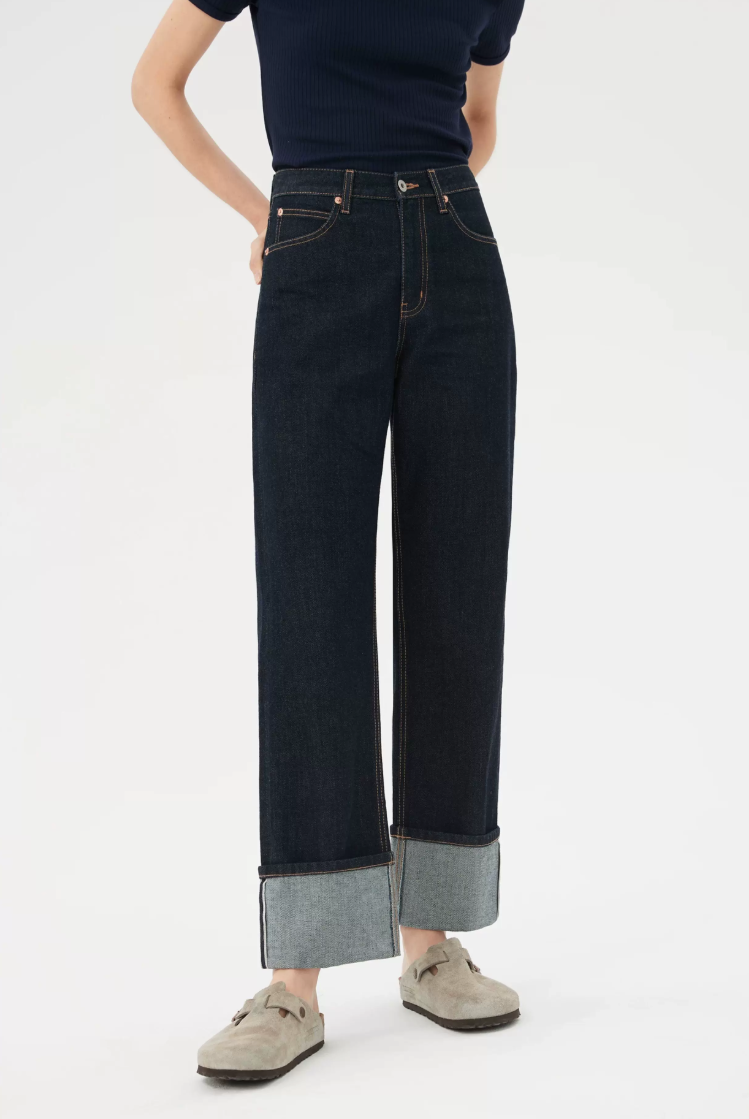
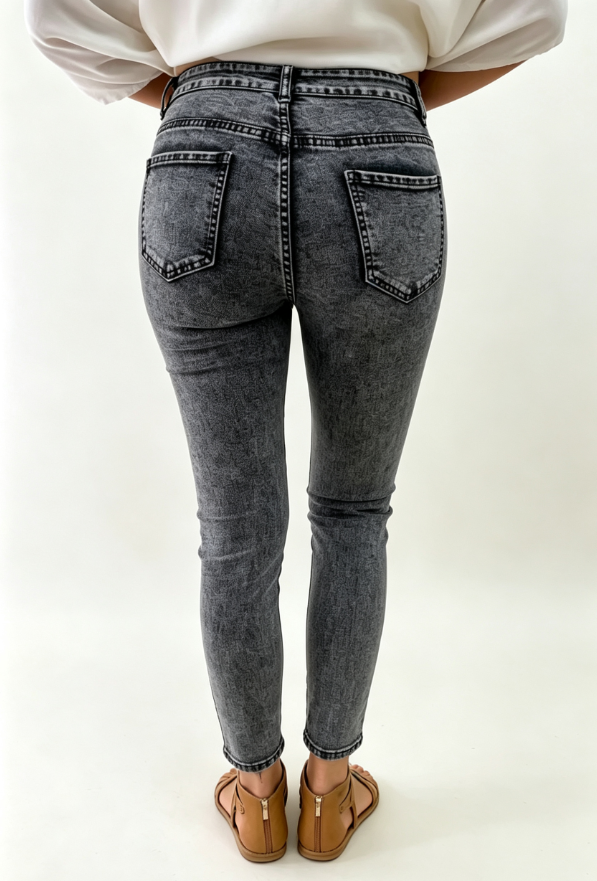
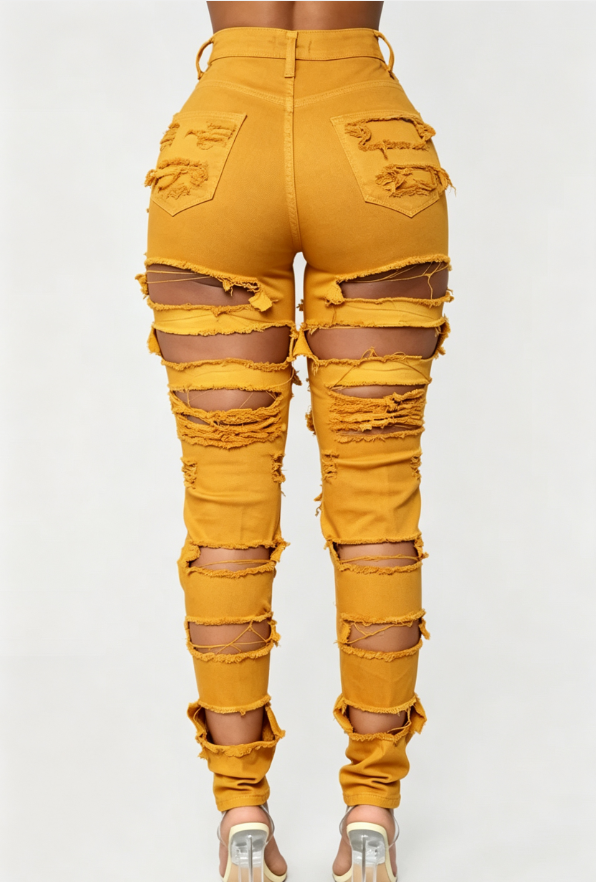
Featured Products for custom selvedge jeans Development




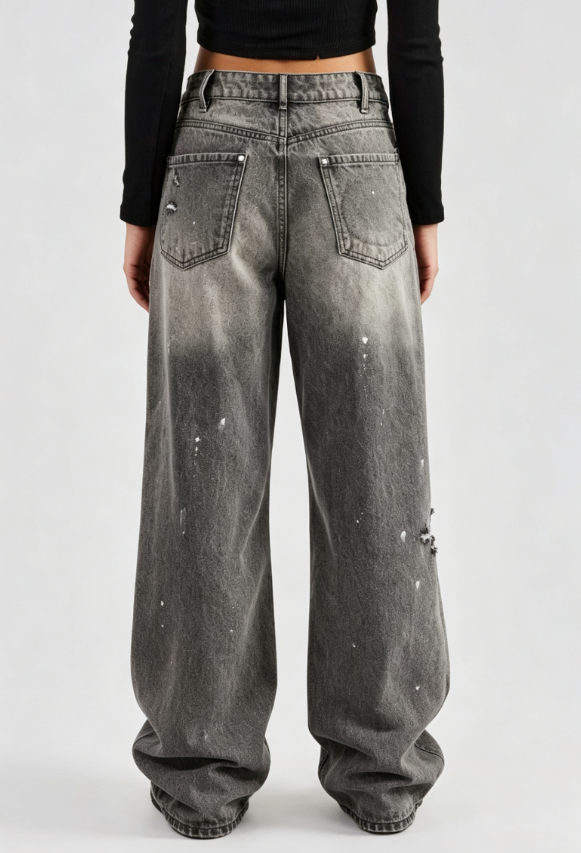
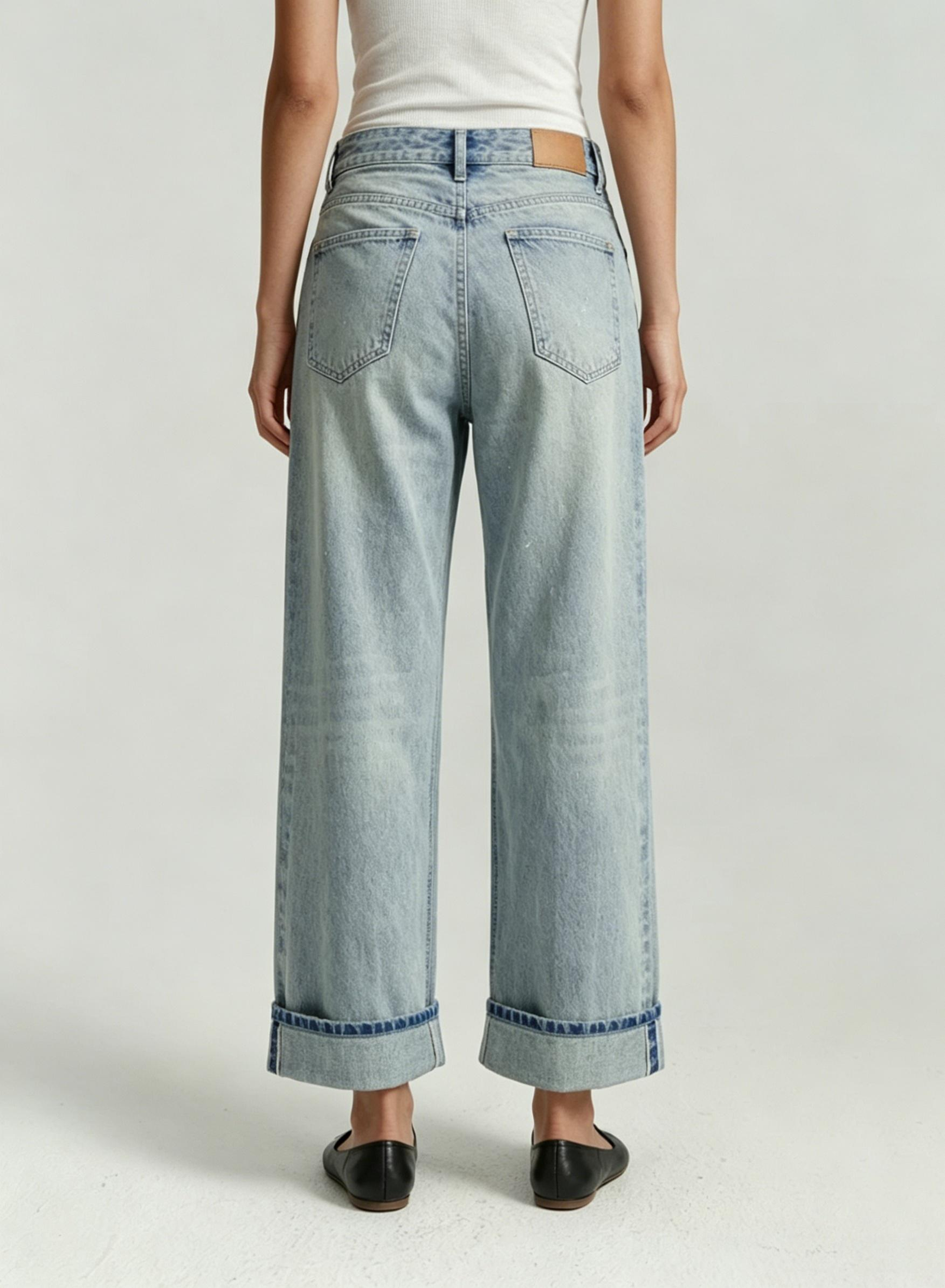


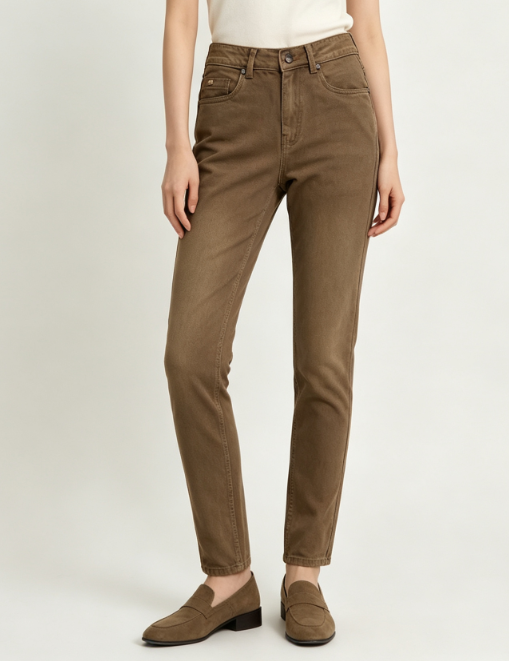
Related Product Catalogue and Quotation






Why Brands Choose Custom Selvedge Jeans With JUNSHEEN
From first pattern to export-ready packed goods, JUNSHEEN combines low-MOQ development, fit control, finishing, and scalable denim production.
100-Unit MOQ
Launch custom selvedge jeans from 100 units per style and color, giving new labels a practical path to test denim programs.
Fit-Led XS–3XL Grading
Pattern makers refine rise, leg balance, mobility, and grading increments for consistent normal, oversized, extended-size, and plus-size denim fits.
One-Stop Development
Move from a tech pack, sketch, reference garment, or concept through fabric selection, patterns, prototypes, size sets, and pre-production approval.
Integrated Denim Finishing
Coordinate washes, garment dye, stone wash, acid wash, embroidery, printing, labels, trims, and branded packaging within one managed supply chain.
Scalable Production Capacity
Work with 200+ skilled workers and monthly capacity above 80,000 units, supporting capsule launches through repeat bulk denim orders.
Global Export Support
Receive quality-controlled, export-ready custom selvedge jeans with packaging coordination and responsive support for global fashion brands, retailers, and sourcing teams.
Custom Selvedge Jeans and Apparel Programs
Build coordinated denim and casualwear collections with fit-focused development, low MOQs, in-house finishing, and scalable global production.

Custom Hoodies
Develop custom hoodies in fleece, French terry, or heavyweight jersey with your specifications for fit, fabric weight, rib trims, embroidery, printing, labels, and packaging. Start at 100 units per style and color, with XS–3XL grading available.
Request a Quote
Custom T-Shirts
Produce custom T-shirts in combed cotton, Pima cotton, organic cotton, or blended jersey selected for hand feel, weight, drape, and print performance. Junsheen supports pattern development, size grading, screen printing, DTG, DTF, labels, and bulk export.
Request a Quote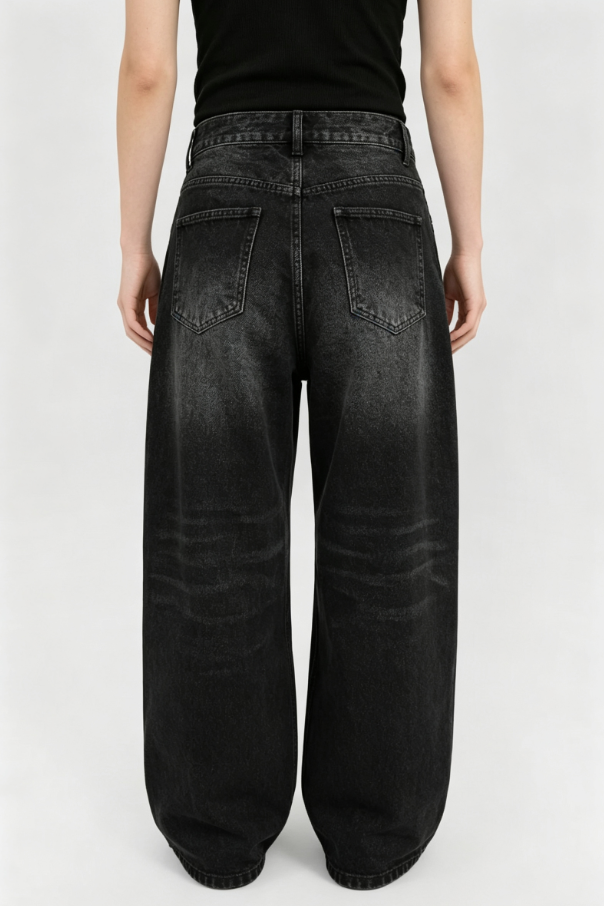
Custom Jeans
Create custom jeans from selvedge or stretch denim with fit development that addresses rise, leg shape, wash shrinkage, mobility, and grading across XS–3XL. Options include custom hardware, stitching, leather labels, garment washes, distressing, and branded packaging.
Request a Quote
Custom Sweaters
Source turtle neck sweaters in bulk with yarn, gauge, stitch construction, collar height, and fit aligned to your collection. Junsheen supports knitwear development for regular, oversized, and extended-size silhouettes, including labels, trims, sampling, and scalable production.
Request a Quote
Custom Jackets
Manufacture custom jean jackets with denim weight, panel construction, seam finishing, hardware, washes, embroidery, patches, and labels specified for your brand. Pattern makers refine shoulder balance and sleeve proportions before bulk production, including coordinated selvedge denim programs.
Request a Quote
Custom Sweatshirts & Crewnecks
Develop custom crewneck hoodies and sweatshirts in fleece or French terry with defined neck ribs, body length, dropped shoulders, pocket details, decoration, and wash finishes. Fit-focused grading supports regular, oversized, plus-size, and extended-size assortments.
Request a Quote
Custom Cardigans
Produce custom cardigans in knitted constructions tailored to your intended yarn, gauge, button or zipper closure, rib structure, and fit. Development includes prototype sampling, size sets, custom labels, trims, and packaging for private-label or wholesale programs.
Request a Quote
Custom Puffer & Down Jackets
Build custom puffer jackets with shell fabric, insulation, quilting layout, lining, zipper, snaps, pockets, reflective details, and branded trims specified before bulk approval. Junsheen supports sampling, fit checks, in-line quality control, and export-ready packing.
Request a Quote
Custom Denim Shorts
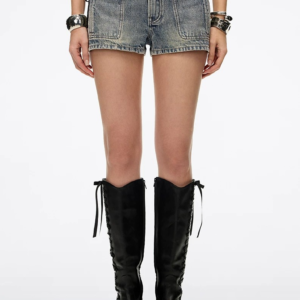
Manufacture custom jean shorts in selvedge, rigid, or stretch denim with controlled rise, inseam, hem treatment, pocket shape, hardware, and wash effects. Pattern grading helps maintain proportions across sizes, while embroidery, patches, and labels complete the program.
Request a Quote
Custom Sweater Dresses
Develop custom sweater dresses with yarn selection, gauge, stitch pattern, neckline, length, shaping, and size grading aligned to your target customer. Junsheen supports fitted, relaxed, and oversized constructions, sample approval, private labels, and repeat bulk orders.
Request a Quote
Custom Denim Sets
Produce men’s denim suits for wholesale programs with coordinated denim jackets, overshirts, trousers, or jeans in matched fabric and wash treatments. Junsheen manages pattern consistency, fit development, hardware, finishing, labels, packaging, and production from 100 units per style and color.
Request a Quote
Custom Polo Shirts
Manufacture custom polo shirts in pique, jersey, or performance knits with collar construction, plackets, buttons, embroidery, contrast details, and size specifications. Fabric selection is matched to durability, breathability, hand feel, and wash performance for retail or uniform programs.
Request a Quote
Custom Sweatpants
Develop custom sweatpants in fleece, French terry, or jersey with tailored waistbands, drawstrings, cuffs, pockets, paneling, and decoration. Fit-focused pattern work supports regular, oversized, and extended-size ranges, with coordinated hoodie or crewneck sets available.
Request a Quote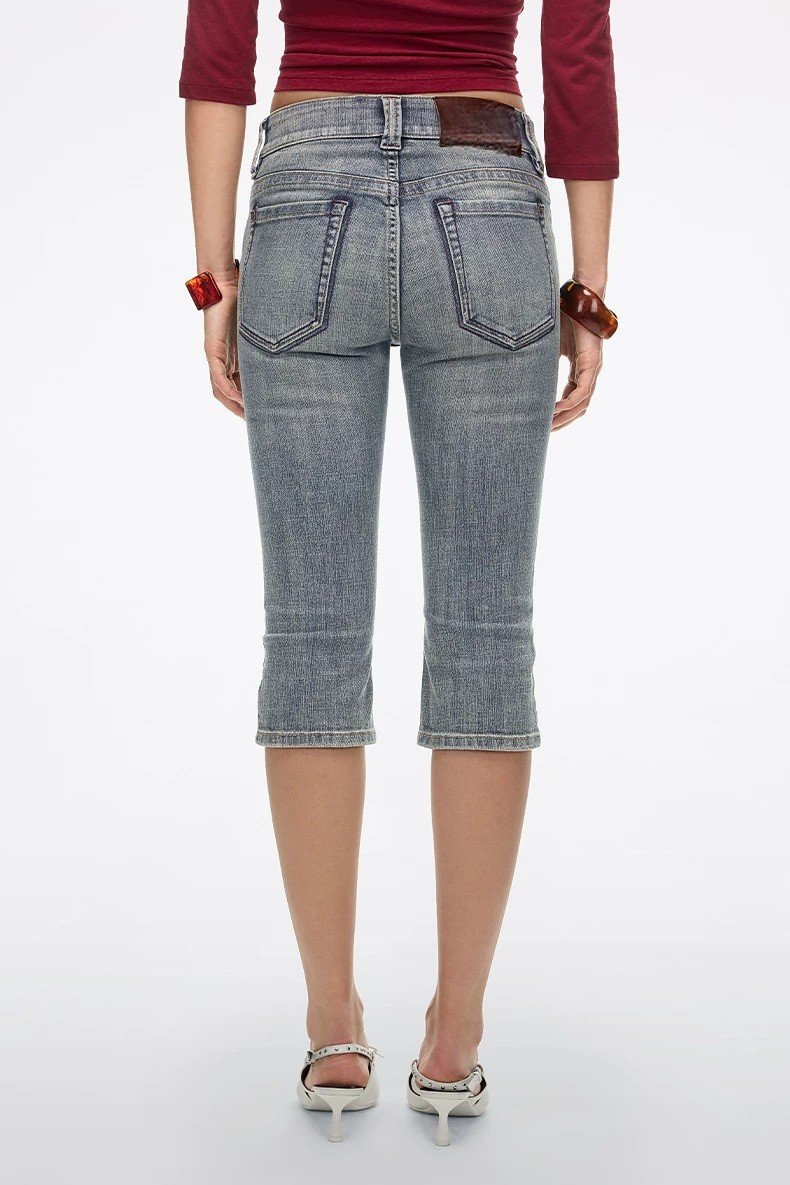
Custom Shorts
Produce custom shorts in woven, twill, jersey, fleece, or performance fabrics according to your required inseam, rise, waistband, pocket layout, and finish. Junsheen supports sampling, embroidery or printing, labels, trims, and low-MOQ production for seasonal drops.
Request a Quote
Custom Pullovers
Manufacture custom pullovers in knit, fleece, French terry, or woven constructions with defined necklines, closures, panels, rib trims, and decoration. Development begins from a tech pack, reference garment, or concept and includes fit refinement, size sets, private labeling, and quality control.
Request a QuoteSelvedge Denim and Materials for Custom Selvedge Jeans

Selvedge Denim
Woven on shuttle looms with a clean self-finished edge, selvedge denim delivers a firm, character-rich hand for premium rigid jeans. Available in varied ounce weights for authentic fades and structured silhouettes.

Stretch Denim
Cotton denim blended with elastane provides controlled recovery and everyday mobility for fitted or comfort-focused jeans. It is well suited to slim, tapered, and extended-size fits where flexibility must retain shape.

Organic Cotton Denim
Organic cotton denim offers a natural hand feel for brands building more considered jeans programs. Selectable weights, from lighter shirting denim to substantial rigid constructions, support different seasons and wash effects.

Recycled Denim Blends
Recycled cotton and polyester blends help support lower-impact denim collections while maintaining practical durability. Fabric composition can be tailored for target hand feel, abrasion performance, stretch, and commercial cost requirements.

Cotton Twill
Durable cotton twill is an adaptable companion fabric for denim sets, workwear-inspired styles, pocketing, and contrast panels. Its diagonal weave provides a crisp hand and dependable structure across multiple fabric weights.

Pocketing and Linings
Cotton pocketing, printed linings, and lightweight reinforcement fabrics complete a refined jean interior. We source options for softness, tear resistance, color coordination, and reliable performance through washing and repeated wear.
Custom Selvedge Jeans Washing, Decoration and Finishing

Logo Embroidery
Flat, chain-stitch or 3D embroidery adds textured brand detail to pockets, waistbands and panels. Stabilized application and thread selection help preserve clean definition and dependable wear through repeated use.

Screen Printing
Plastisol, water-based, puff and high-density screen prints create bold graphics on denim panels and pocket areas. We match ink systems to fabric weight and wash requirements for strong adhesion and visual impact.

Custom Patch Application
Add woven, embroidered, leather or faux-leather patches to waistbands, pockets and labels. Secure stitching, precise placement and branded artwork create a premium private-label finish built for retail presentation.

Enzyme Washing
Enzyme washing softens custom selvedge jeans while reducing surface fuzz and creating a naturally worn hand feel. Controlled processing supports cleaner color retention and a more comfortable finish without excessive abrasion.

Stone Wash Effects
Stone washing creates authentic fading, softened texture and vintage character across denim garments. Wash trials help calibrate contrast, abrasion and final hand feel so each production run delivers a consistent branded aesthetic.

Distressing Details
Whiskers, sanding, rips, fraying and localized abrasion create intentional lived-in character for premium denim. Our team positions each effect around fit and construction lines to maintain visual balance and garment durability.
Custom Selvedge Jeans Trims and Accessories

Leather Waist Labels
Debossed, printed, or stitched leather and faux-leather patches create a premium back-waist signature for custom selvedge jeans. Junsheen matches label size, color, edge treatment, and attachment method to your denim wash and brand identity.

Woven Brand Labels
Custom woven main labels, size labels, and pocket tabs add clear brand recognition without compromising comfort. Use them at the waistband, coin pocket, rear pocket, or interior seam, with yarn colors and folds tailored to your specifications.

Denim Hardware Sets
Coordinate logo buttons, copper or antique rivets, snaps, and branded shank hardware for durable, consistent construction. Hardware finishes can be selected to complement raw indigo, rinsed, vintage-washed, or distressed selvedge denim programs.

Custom Zipper Options
Specify branded metal zippers, zipper pulls, and fly constructions that suit your jean silhouette and price position. Junsheen supports dependable zipper sourcing and checks operation, alignment, and durability during in-line and final quality control.

Hangtags Care Labels
Complete each pair with custom hangtags, wash-care labels, composition labels, barcode stickers, and origin information. These production-ready details help retailers, wholesalers, and direct-to-consumer brands present compliant, polished custom selvedge jeans.
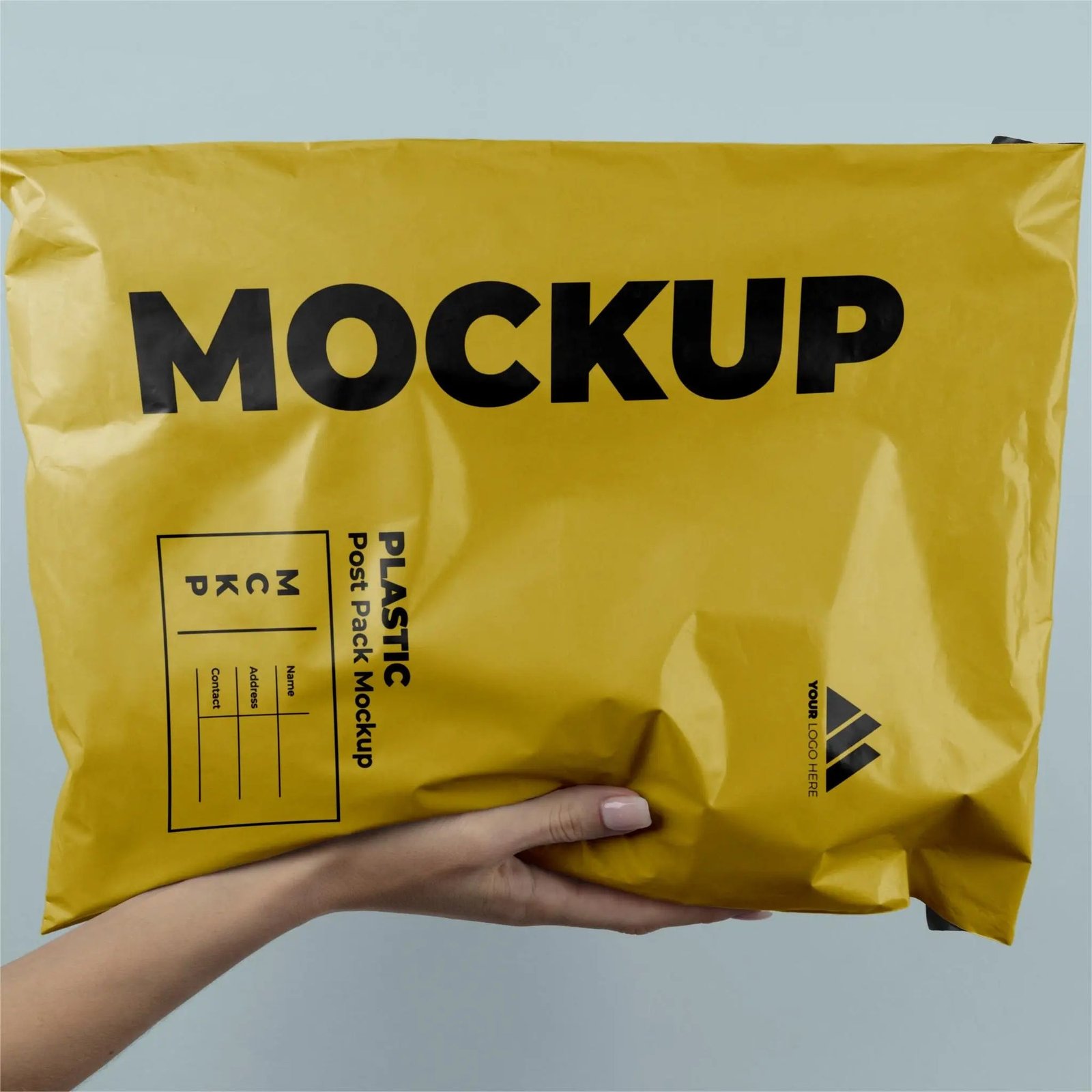
Branded Denim Packaging
Protect and elevate finished jeans with logo polybags, tissue paper, belly bands, cartons, and custom inserts. Packaging can be planned around folding requirements, export protection, retail presentation, and the unboxing experience your customers expect.
About JUNSHEEN Denim Manufacturing
Founded in 2010 in Humen Town, Dongguan, JUNSHEEN helps fashion brands turn custom selvedge jeans concepts into production-ready denim programs. Our one-stop OEM, ODM and private-label team supports every stage, from feasibility review and fabric sourcing to pattern making, sampling, bulk production and global export.
With more than 200 skilled workers and monthly capacity exceeding 80,000 units, we support capsule launches from 100 units per style and color as well as scalable repeat programs. Over 2,000 fashion-brand clients have relied on JUNSHEEN for cut-and-sew denim, washes, decoration, custom trims, labels, packaging and dependable quality control.
Our difference is a fit-first development process built for modern brands. Rather than simply enlarging a base pattern, our team refines rise, leg balance, mobility and grading across XS–3XL, extended-size, plus-size and oversized fits, helping reduce sampling revisions and create consistent custom selvedge jeans collections.

Core Capabilities for Custom Selvedge Jeans
Fit Engineering That Holds
JUNSHEEN develops custom selvedge jeans from XS through 3XL with pattern work that addresses rise, hip balance, thigh ease, leg shape, inseam, and grading increments. Size sets are reviewed before bulk production so each fit remains intentional across the full range.
- Pattern development from tech packs, references, or concepts
- Extended-size, plus-size, and oversized grading support
- Prototype and size-set approval before bulk cutting
- Fit records retained for repeat programs

Denim Sourcing With Purpose
Our sourcing team matches selvedge denim, stretch denim, and supporting pocketing or trim materials to your target hand feel, weight, durability, wash response, and price point. Swatches and sample garments help your team approve materials with greater confidence.
- Selvedge, rigid, stretch, and fashion denim options
- Fabric weight and construction guidance
- Wash-performance evaluation before bulk confirmation
- Coordinated sourcing for linings, pocketing, and trims

Washing and Branding In-House
Create a distinctive denim program through coordinated washing, finishing, decoration, and private-label details. JUNSHEEN manages the technical relationship between fabric, wash recipe, embroidery or print placement, labels, hardware, and packaging to keep the finished custom selvedge jeans cohesive.
- Stone, enzyme, acid, garment-dye, and softening washes
- Embroidery, patches, screen printing, and heat-transfer options
- Leather or woven labels, branded hardware, and hang tags
- Pre-production approvals for finish and decoration

Controlled Repeat-Order Production
From a 100-unit launch to ongoing bulk orders, JUNSHEEN maintains patterns, graded size sets, material records, and approved specifications for reliable reorders. Incoming fabric, in-line construction, measurements, decoration, and packed goods are checked throughout production before global shipment.
- 100-unit MOQ per style and color
- 200+ skilled workers and 80,000+ monthly capacity
- Documented specs for consistent repeat production
- Global export coordination for growing denim programs

Why Choose JUNSHEEN for Custom Selvedge Jeans
A fit-first, low-MOQ denim partner built to develop precisely and scale reliably.
← 左右滑动查看 →
Custom Selvedge Jeans Production Process
A controlled OEM workflow that moves your denim program from technical review to shipment with clear approvals at every stage.
Review Requirements
We assess your tech pack, reference sample, target fit, wash concept, quantities, budget and feasibility before confirming the custom selvedge jeans development route.
Source Denim Materials
Our team sources selvedge denim, pocketing, threads, hardware, labels and trims around your required weight, hand feel, shrinkage, durability and target cost.
Develop Patterns And Samples
Pattern makers build and grade fit-focused XS–3XL patterns, then produce prototypes for construction, measurements, wash appearance and private-label detail approval.
Approve Production Details
After sample feedback, we finalize specifications, graded size sets, bulk materials, decoration placements, washing standards, packaging and production schedule for your order.
Cut Sew And Finish
Skilled teams cut, sew, wash and finish the approved jeans, with in-line checks covering construction, measurements, fit, hardware and appearance throughout production.
Inspect Pack And Ship
Final quality control verifies packed goods before branded labeling, carton packing and export coordination, helping your custom selvedge jeans reach global destinations reliably.
Launch Custom Selvedge Jeans With Our OEM Team
Move from your denim concept to approved bulk production through a clear, fit-focused development process.
Send Your Design Brief
Share a tech pack, sketch, reference garment, or mood board with target quantities, size range, wash direction, fabric preferences, and private-label requirements.
Confirm Feasibility And Pricing
Our team reviews construction, selvedge denim options, trims, fit specifications, and decoration details, then provides manufacturability feedback, MOQ guidance, timeline, and quotation.
Approve Development Samples
Review prototype samples for fit, rise, wash, stitching, hardware, labels, and overall finish. We refine patterns and graded XS–3XL specifications before pre-production approval.
Launch Bulk Production
After approval, we source confirmed materials, schedule production, inspect construction and measurements, complete packing, and coordinate global export support for your finished jeans.
Custom Clothing Manufacturer Credentials and Compliance Documents



Custom Selvedge Jeans Results From Global Apparel Programs
JUNSHEEN helped us launch our first 100-unit selvedge denim capsule without compromising fit. Their graded size set reduced our sample revisions from three rounds to one, and the finished jeans sold through in six weeks.
Our previous supplier could not keep the rise and leg balance consistent across sizes. Junsheen rebuilt the pattern from XS to 3XL, and returns tied to fit dropped 28% in the first season.
We have reordered the same selvedge jean program four times. Fabric, wash tone, labels and measurements have remained reliable, while Junsheen scaled our order from 180 units to 1,200 units smoothly.
Custom Selvedge Jeans OEM FAQ
Clear answers on minimums, sampling, approvals, production, shipping, and confidential development with JUNSHEEN.
What is the MOQ for custom selvedge jeans?
How long does a custom selvedge jeans sample take?
What affects the sample cost for custom selvedge jeans?
Can you develop selvedge jeans from a sketch, reference garment, or tech pack?
How do you handle sizing and fit for custom selvedge jeans?
How are selvedge denim fabric, washes, and trims approved before bulk production?
What are your production lead times and payment terms?
Do you ship custom selvedge jeans internationally and protect our designs?
Complete Buyer’s Guide to custom selvedge jeans
Use this decision framework to specify custom selvedge jeans, evaluate denim suppliers, compare construction and costs, and avoid sourcing mistakes that undermine fit, quality, delivery, and brand positioning.
1. What Are custom selvedge jeans?
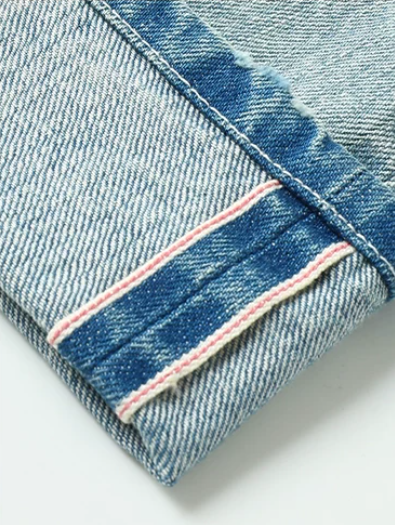
1890s shuttle looms create selvedge denim with a narrow, self-finished edge that will not unravel; the edge is typically visible when a jean cuff is turned up. Custom selvedge jeans pair that fabric construction with a brand-specific specification: silhouette and graded fit, inseam, rise, pocket shape, wash, thread, hardware, labels, hang tags, and packaging. 28–40 inch shuttle-loom fabric is slower and narrower than the wider denim commonly woven on modern projectile or air-jet looms, so cutting efficiency and unit cost are usually higher. Standard denim can be durable, but its cut edges require overlocking; selvedge provides a recognizable construction detail and signals intentional fabric selection to premium customers. 100 units per style and color is a practical entry point for capsule labels testing a premium denim story, while retailers and wholesalers can use exclusive washes, branded trims, and size runs to distinguish their assortment. Brands should treat selvedge as a merchandising and product-positioning decision—not a substitute for accurate patterns, controlled shrinkage, consistent washing, and final measurement inspection.
2. Evolution of Selvedge Denim
1890s workwear denim was commonly woven on narrow shuttle looms, whose continuous weft created a tightly finished self-edge rather than the cut-and-overlocked edge of wider projectile or air-jet cloth. That construction made durable fabric for trousers and overalls, and it also produced the irregular tension, slub, and character now associated with authentic selvedge. 1970s Japanese mills and denim specialists revived vintage shuttle-loom methods after much mass production moved to faster wide-width weaving. Their focus on rope-dyed indigo, ring-spun yarn, narrow loom widths, and deliberate variation reshaped premium denim expectations: wearers wanted high-contrast fades, roping at hems, and fabric that records use rather than staying visually uniform. 100-unit private-label programs now translate those heritage signals into practical sourcing decisions for custom selvedge jeans. Buyers should specify the desired fabric weight, yarn character, indigo depth, loom width, shrinkage allowance, and wash target early; a clean redline alone does not guarantee convincing fades or craftsmanship. For JUNSHEEN clients, swatches and sample garments help align the historical reference with fit, target cost, decoration, and repeatable bulk quality.
3. Types of custom selvedge jeans
A first selvedge assortment usually works best with two wash directions and one clearly defined fit block. Custom selvedge jeans should be selected around intended wear, target price, and the customer’s tolerance for break-in and shrinkage.
| Direction | Best Use | Commercial Advantage | Sourcing Trade-Off |
|---|---|---|---|
| Raw rigid | Heritage capsule | Strong fade narrative | Break-in and shrinkage planning |
| Rinsed stretch | Comfort-led retail | Easier first wear | Wash and recovery control |
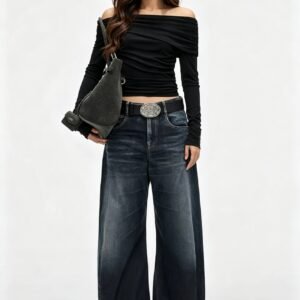
| Heavyweight wide-leg | Fashion statement | Higher perceived substance | Higher sewing and freight cost |
Raw And Rinsed Denim

Raw denim is shipped unwashed, preserving a darker surface and allowing wearers to create personal fade patterns; it suits heritage and enthusiast-led releases. Its commercial appeal is authenticity, while sizing must account for potential shrinkage and color transfer. Rinsed denim receives a light wash that softens the hand and improves first-wear comfort. It reduces customer uncertainty, but adds wash cost and produces a less dramatic evolution than raw fabric.
Rigid And Stretch Blends
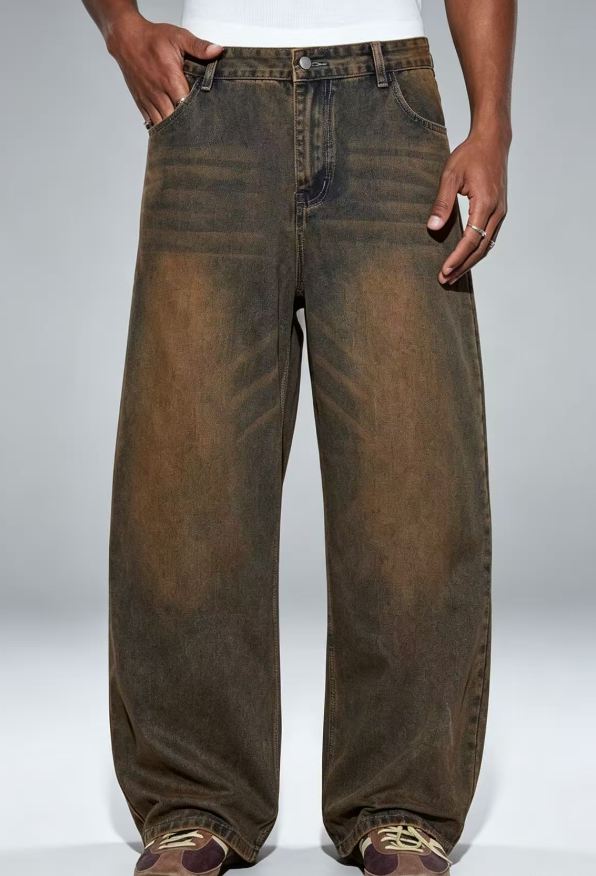
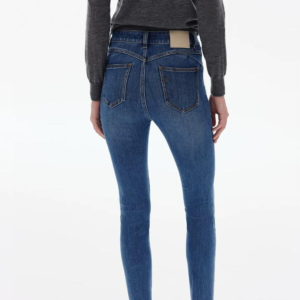
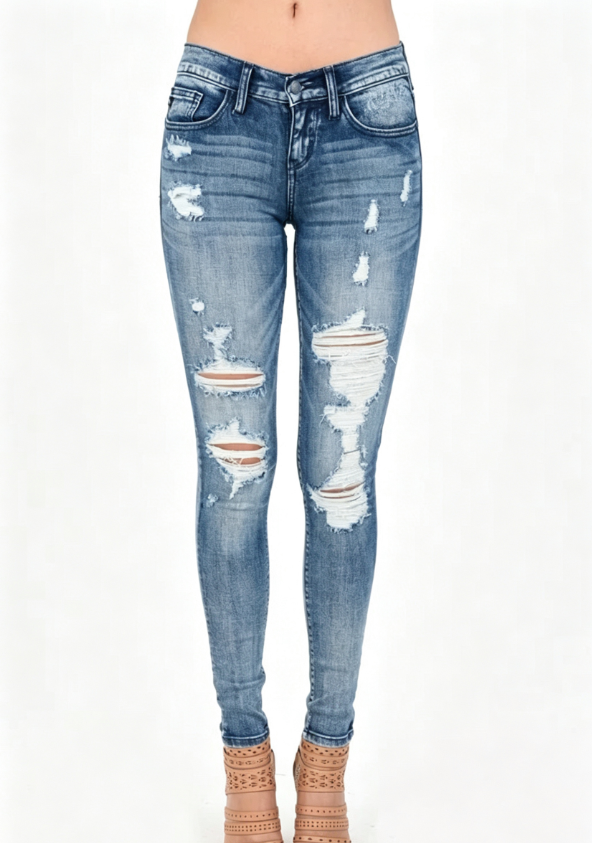
100% cotton rigid selvedge gives the structured hand and high-contrast fading associated with traditional denim. It supports premium storytelling, but requires careful fit testing because recovery is limited. 1–3% elastane blends improve mobility for slim women’s and comfort-oriented fits. The trade-off is a less traditional hand and added risk of knee growth if fabric recovery is poorly specified.
Weight And Silhouette

10–12 oz denim is practical for warm climates and layering, while 13–16 oz is a versatile core range; 17 oz and above targets heavy-denim enthusiasts. Heavier goods raise freight weight, sewing difficulty, and break-in time. Five-pocket straight and tapered jeans are the lowest-risk opening styles because grading and merchandising are familiar. Wide-leg, flare, carpenter, relaxed, and cropped shapes add fashion differentiation but need separate fit approval.
Fit Blocks And Size Coverage
Men’s, women’s, and unisex blocks require different rise, hip, thigh, and leg-balance decisions rather than simple label changes. A unisex relaxed fit can consolidate development, but may compromise a targeted silhouette. XS–3XL programs need graded patterns that adjust body proportion and mobility across the size set. Extended-size development expands audience reach, while adding sampling and measurement-control work before bulk approval.
4. Materials for custom selvedge jeans
12–16 oz selvedge denim is the usual decision range for a durable five-pocket program. For custom selvedge jeans, specify fiber, yarn, dye route, shrinkage target, and finished weight before approving the pattern.
| Construction / Weight | Recommended Product | Feel | Season | Wash Potential |
|---|---|---|---|---|
| 10–12 oz rigid | Summer straight jean | Light, crisp | Spring/summer | Enzyme, light bleach |
| 13–14 oz ring-spun | Core five-pocket jean | Balanced, structured | All season | Whiskers, sanding, stone wash |
| 15–16 oz slub rigid | Heritage relaxed jean | Textured, substantial | Fall/winter | High-contrast fading |
| 12–13 oz stretch | Slim or extended-size jean | Flexible, recovering | All season | Controlled enzyme wash |
Fiber And Yarn Character

100% cotton can use long-staple, organic, or conventional origins; origin alone does not guarantee strength or shade consistency. Ring-spun yarns usually give a smoother, stronger surface than open-end yarns, while slub and nep yarns add deliberate irregularity. 3–8% elastane or elastomultiester changes recovery, knee growth, and grading tolerance. Stretch denim needs fit approval across the full size set because the same rise or thigh increment can feel different after wear and washing.
Weight And Wash Matrix
12 oz fabric suits lighter seasonal jeans, while 16 oz fabric needs a longer break-in period and stronger seam control. Confirm weight after finishing, because washing and sanforization can alter the final hand and density.
Dyeing And Shrinkage Control

Indigo-dyed warp yarns with undyed or lightly dyed wefts create the familiar fade contrast; sulfur-black warp produces a different aging path. Rope-dyed, reactive, and sulfur systems should be sampled with the intended enzyme, stone, or bleach wash. 1–3% residual shrinkage is a practical post-sanforization target, but mills must provide test data by warp and weft. Higher-shrinkage unsanforized cloth requires allowance in inseam, rise, and grading, increasing sampling risk and potentially MOQ when a dedicated fabric run is needed.
5. Customizing custom selvedge jeans
At the 100-unit-per-style-and-color starting point, customization must be edited as a system, not a menu. Lock silhouette and pocket specifications before sampling; surface treatments and packaging can follow approved fit.
| Decision | Lock Stage | Minimum Or Timing Effect |
|---|---|---|
| Fit and pocket pattern | Tech pack before prototype | Late changes require resampling |
| Custom hardware and patch | Before material booking | May add minimums and approvals |
| Wash and distressing | Before pre-production sample | Requires physical shade approval |
| Labels and packaging | Before bulk packing | Artwork and lead times apply |
Fit Block And Pocket Geometry
At 100 units, choose a proven fit block or fund a new pattern before the first prototype. Specify high, mid, or low rise; thigh, knee, hem, inseam, and straight, tapered, flare, or relaxed leg measurements in the tech pack. Two back-pocket shapes, placement dimensions, stitch lines, and coin-pocket details materially change the visual signature. Approve these on the fit sample, because late pattern revisions can require another sample round.
Hardware And Brand Marks

Pantone-matched thread, contrast topstitching, buttons, rivets, zipper finish, leather or vegan patch, woven labels, and embroidery should be specified before bulk material booking. Custom-die hardware or patch molds commonly add approval time and may raise minimums beyond the garment program. One logo placement and one hardware finish usually create a stronger identity than unrelated decorative additions. Request strike-offs for embroidery, labels, and patch artwork before production approval.
Wash And Packing Decisions
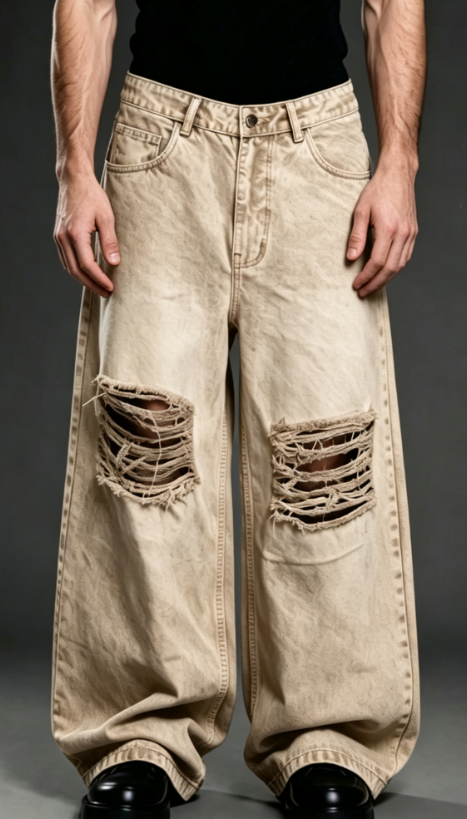
One approved wash recipe should define shade, hand feel, abrasion placement, and distress level for the launch colorway. Stone wash, enzyme wash, tinting, grinding, tears, and repair panels need a physical approval sample because results vary by denim lot. Three packaging details—fold method, branded polybag or carton marks, and hang-tag attachment—should be finalized before final packing. Keep wash contrast, thread color, patch material, and packaging typography within the same brand palette.
6. Construction Quality Elements
Premium denim construction is easiest to judge at stress points, not from a distance. For custom selvedge jeans, approve workmanship against the intended wash, fit, and wear cycle before bulk cutting begins.
Seams And Hemming

Eight to 10 stitches per inch is a practical baseline for durable seams without puckering dense denim. Inspect inseam and outseam alignment from hem to rise; felled seams should lie flat with no skipped stitches or raw edges. A chain-stitched hem creates the characteristic roping effect after washing, but it must be even around the full leg opening. Compare both inseams and finished lengths on the prototype, then set a written hem tolerance appropriate to the size range.
Stress Points And Waistbands

Two bar tacks at pocket corners and reinforced belt-loop attachment points prevent common early failures. Check that back-pocket symmetry, arcuate placement, and bartack density match the approved sample. Five to seven belt loops are typical depending on waist size and design; loops should be securely caught into the waistband seam. A waistband must sit smoothly at the center back, with aligned buttonhole, fly, and topstitching.
- Pull-test belt loops and pocket corners on samples.
- Check pocket openings for clean, balanced curves.
- Confirm waistband seam allowance is fully enclosed.
Fly Hardware And Wash Approval

YKK or equivalent specified hardware should operate smoothly through repeated opening and closing. For a button fly, verify button clinch security and equal spacing; for a zipper fly, check tape coverage, stopper position, and fly-front alignment. Three washed production pieces per colorway offer a useful early consistency check. Measure before and after wash, compare shade and abrasion placement, and agree tolerances that reflect the fabric, wash process, and intended rugged wear rather than demanding identical handmade effects.
7. Choosing a custom selvedge jeans Manufacturer
A 100-unit launch makes supplier discipline more important than headline capacity. Evaluate the factory’s denim access, technical ownership, wash control, and export records before approving a deposit.
Verify Denim Access

12–16 oz selvedge requires reliable mill allocation, shrinkage data, and repeatable lot matching. Ask which mills supply the fabric, whether stock is reserved, and request swatches, composition reports, and loom-width specifications.
- Confirm ring-spun yarn, weight, width, and sanforization
- Request lot-specific shade and shrinkage test results
- Ask whether replacement fabric matches the approved roll
Test Development Ownership
One approved sample is insufficient proof of production readiness. Ask whether the supplier can work from a tech pack, sketch, or reference garment; request the pattern, measurement spec, construction sheet, and sample revision log.
- Confirm OEM execution and ODM design support
- Review patternmaking and graded size-set capability
- Approve fit, wash, trims, and packaging separately
Audit Wash And Quality

Three checkpoints—pre-wash, post-wash, and final packing—should catch measurement drift and damage. Request wash recipes, before-and-after measurements, inspection reports, and evidence of wash-house control or accountable subcontractor oversight. OEKO-TEX, GOTS, WRAP, or BSCI certificates should be verified by scope and validity, not accepted as logos. Ask which facility and processes each certificate covers.
- Check bartacks, seam durability, puckering, and broken stitches
- Measure inseam, rise, leg opening, and waistband after wash
- Request AQL standard and final-inspection photos
Confirm Delivery Communication
2010-founded Junsheen supports development, grading, quality control, packaging, and export from Dongguan, with production starting at 100 units per style and color. Ask for a dated critical path covering material approval, sampling, bulk cut, wash, inspection, and shipment. 80,000-plus monthly capacity does not guarantee a reserved production window. Request references for similar export programs, named communication contacts, sample lead times, and written escalation steps for defects or delays.
- Confirm Incoterms, destination documentation, and freight responsibility
- Agree approval deadlines and change-control rules
- Settle balances before shipment and retain approved samples
8. Common Buyer Mistakes
Most denim launch delays originate in approvals made before bulk fabric is reserved. For custom selvedge jeans, a controlled sample, wash and grading review prevents costly fit drift after cutting begins.
Specify Fabric Beyond Weight

12–16 oz denim can vary sharply in yarn twist, sanforization, shrinkage and abrasion behavior. Request swatches, composition, weave, finish, shade band and wash-test results before approving bulk.
Test Wash And Measurements
2–5% residual shrinkage can move inseam, waist and rise outside tolerance after a rinse or enzyme wash. Define point-of-measure specs, tolerances and post-wash measurements; approve a washed size set, not only a dry sample.
Develop Your Own Fit
1 copied competitor sample rarely grades correctly for another customer or target body. Use it as a reference, then establish a brand block with front rise, back rise, thigh, knee, hem and mobility reviewed on relevant fit models.
Lock Hardware And Approvals

1 late zipper, button or rivet change can alter waistband construction, wash results and delivery dates. Specify finishes, puller artwork, placement and corrosion expectations early, then allow time for full sample review before production approval.
Price The Complete Program
100-unit quotes can omit testing, grading, wash development, labels or inspection scope, creating later cost and timing pressure. Compare factories on a written specification, sample responsiveness, quality controls and total landed production plan—not unit price alone.
9. Launching Your Denim Line
100-unit capsules need a locked customer, price band, and wash direction before sampling begins. For custom selvedge jeans, treat the first drop as a controlled fit-and-demand test, then preserve approved specifications for repeatable replenishment.
Define The Development Brief

1 reference garment, a target retail price, and a customer profile give the factory usable direction. The buyer supplies measurements, silhouette references, artwork, Pantone colors, and required market labels; Junsheen reviews manufacturability, construction sequence, and likely cost drivers. 2 documents prevent subjective sampling: a tech pack should specify point-of-measure tolerances, inseam, rise, leg opening, stitch color, wash recipe, and placement. Junsheen can develop patterns, source fabric and trims, and flag conflicts before the first sample.
- Reference garment or clear front, back, and detail photos
- Measurement chart with tolerances
- Target quantity, colors, delivery market, and retail price
Approve Fit Before Bulk

1 fit sample should be reviewed on the intended fit model, not only on a hanger. The buyer marks corrections to balance, rise, seat, thigh, knee, inseam, and hem; Junsheen revises the pattern and confirms the next sample scope. XS–3XL programs require a graded size set after the base size is approved. Junsheen checks grading increments and measurements, while the buyer approves fit, wash appearance, labels, hardware, and final color standards before production release.
- Approve fabric swatch and shrinkage allowance
- Confirm zipper, button, rivet, and label samples
- Sign off on the pre-production sample
Plan Launch And Reorders
100 units per style and color can suit a focused first drop when colorways and wash variables stay limited. The buyer should reserve time for sampling, revisions, approvals, freight, and launch photography; Junsheen schedules bulk work after pre-production approval. 1 retained production file makes replenishment faster and less variable. Junsheen retains approved patterns, graded size sets, and material records; the buyer should document sell-through by size, color, and return reason before placing the next run.
- Inspect incoming fabric, in-line sewing, measurements, decoration, and packed goods
- Approve branded packaging before final packing
- Settle final balance before shipment
10. custom selvedge jeans Pricing
USD 42–85 per pair is a practical ex-factory planning range for a 100-piece custom selvedge jeans run using midweight 12–16 oz selvedge denim, standard hardware, and a controlled wash. Figures are indicative, not guaranteed: fabric origin, pattern complexity, fit approval, destination, and current material quotes determine the final quotation. At 300–499 pairs, repeatable construction and shared material purchasing commonly lower the per-pair range, while 1,000+ pairs can justify more specialized fabric or trim programs. Japanese or premium shuttle-loom denim, rope-dyed indigo, multiple wash tests, hand sanding, repair details, chain-stitch hems, rivets, YKK hardware, leather patches, and branded presentation each add cost. One development sample usually costs more per unit than bulk because it absorbs pattern work, grading review, fabric allocation, wash trials, and revision handling. Confirm the sample fee, whether it is creditable against bulk, the approved measurement tolerance, and the cost of any additional size-set or wash samples before placing production.
| Order quantity | Indicative unit price, USD | Development or setup | Typical production lead time |
|---|---|---|---|
| 100–299 pairs | 42–85 | Sample, pattern, and wash development quoted separately | 35–55 days after approval |
| 300–999 pairs | 32–65 | Spread wash and trim setup across more units | 30–50 days after approval |
| 1,000+ pairs | 25–52 | Custom fabric, hardware, and packaging programs become more viable | 30–60 days after approval |
Start Your Custom Selvedge Jeans Development
Send your tech pack, reference garment, or concept for feasibility review, fit-focused sampling, and a tailored OEM quote from 100 units.