
Wholesale Tshirts with 100-Unit OEM MOQs
Launch fit-focused wholesale tshirts from XS–3XL with OEM, ODM, private-label development, custom decoration, and scalable global production.
Featured Products for wholesale tshirts Development
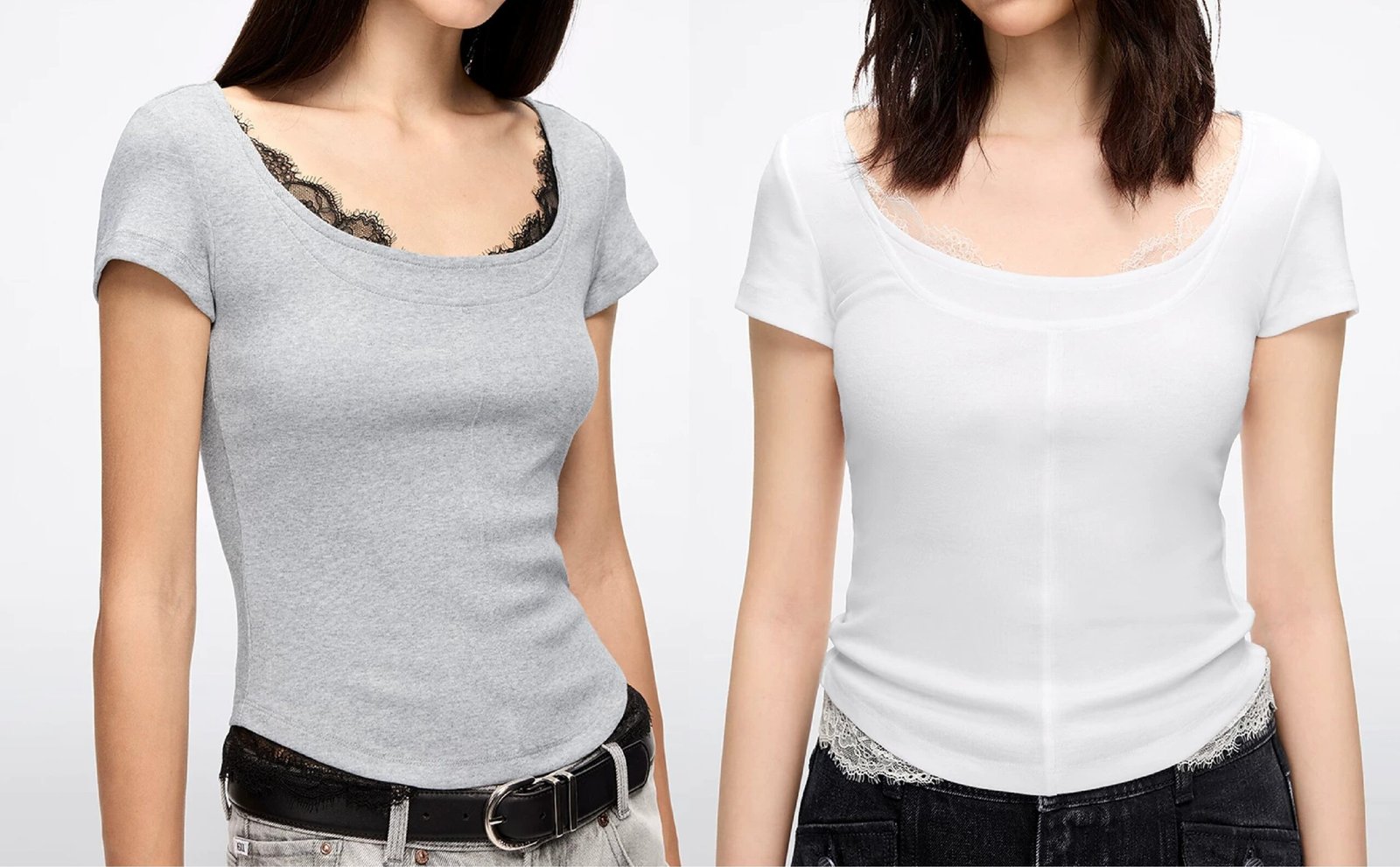


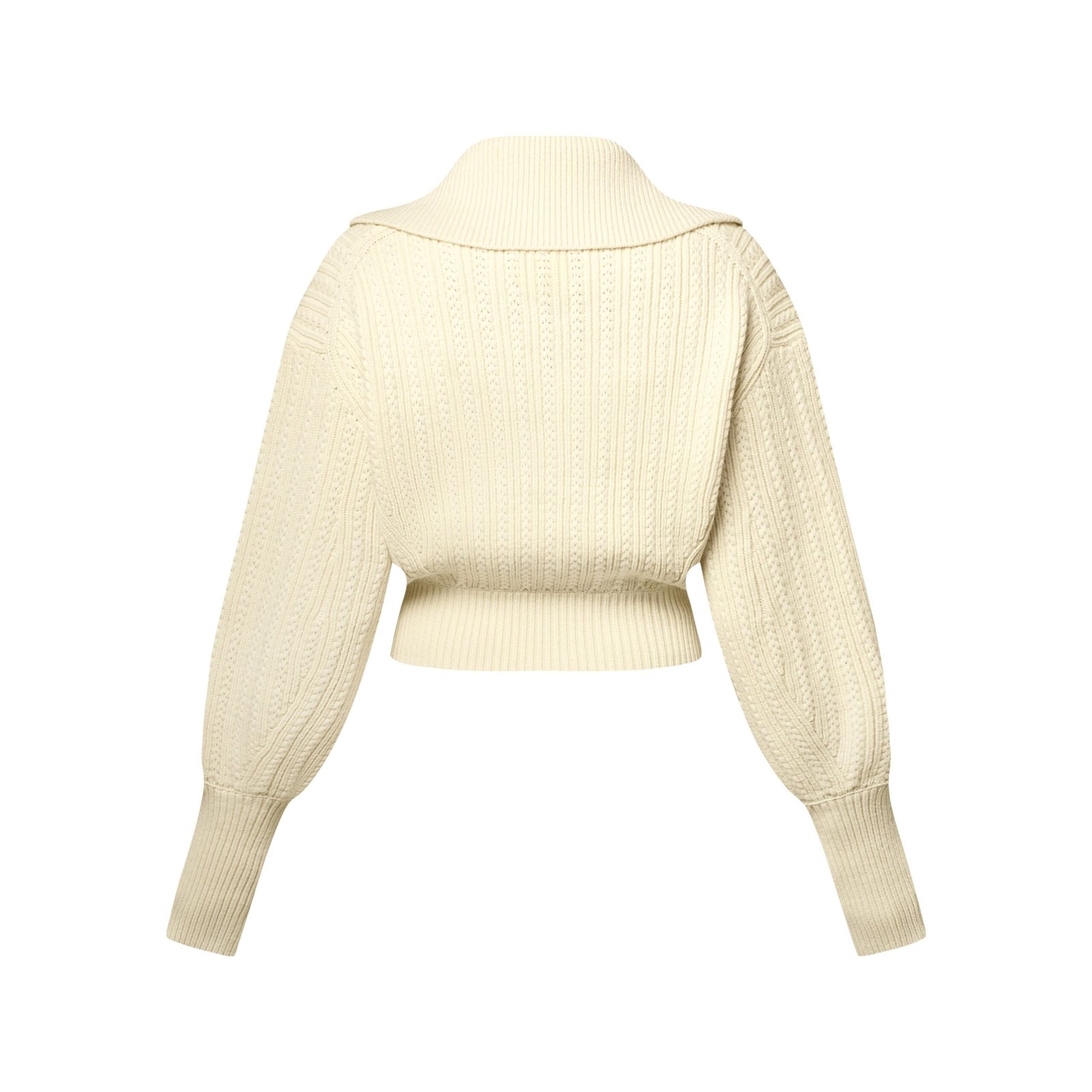


Related Product Catalogue and Quotation





Why Buyers Choose JUNSHEEN for Wholesale Tshirts
From launch-ready low MOQs to reliable global fulfillment, our integrated team supports custom T-shirt programs at every production stage.
100-Unit MOQ
Launch a new wholesale tshirts style or colorway from 100 units, with scalable capacity for repeat and bulk programs.
Fit-Focused XS–3XL
Pattern makers refine proportions, mobility and grading across normal, oversized and extended-size fits instead of simply enlarging a base pattern.
Integrated Decoration
Coordinate screen printing, embroidery, transfers, washes, labels, trims and branded packaging through one experienced production supply chain.
80,000-Unit Capacity
More than 200 skilled workers support monthly output above 80,000 units, helping brands move confidently from capsules to ongoing volume.
Global Export Support
Work with an export-ready team serving fashion brands worldwide, with quality control and shipping coordination for dependable delivery.
Wholesale Apparel, Built to Spec
Source fit-focused casualwear, denim, knitwear and outerwear with low-MOQ development, controlled production and global export support.

Custom Hoodies
Develop custom hoodies from 100 units per style and color, with French terry, fleece or jersey options. Junsheen manages patterns, XS–3XL grading, embroidery, printing, washes, private labels and branded packaging for wholesale-ready programs.
Request a Quote
Custom T-Shirts
Produce custom T-shirts in combed cotton, Pima cotton, organic blends or performance jersey. Support includes specification review, fit development, screen printing, DTG, DTF, embroidery and size grading for consistent wholesale assortments.
Request a Quote
Custom Jeans
Develop custom jeans with denim or stretch-denim sourcing, pattern engineering and wash development. Teams refine rise, leg shape, mobility and grading across XS–3XL, then coordinate trims, rivets, labels, finishing and bulk quality control.
Request a Quote
Custom Sweaters
Source turtle neck sweater bulk programs with tailored yarn, gauge and construction recommendations. Junsheen develops fit, neck shape, sleeve balance and graded size sets, supporting private-label trims and repeatable knitwear production.
Request a Quote
Custom Jackets
Create custom jean jackets and other denim outerwear with tailored silhouettes, fabric weights and wash effects. Production covers pattern making, embroidery or patches, hardware selection, labels, finishing and inspection for wholesale delivery.
Request a Quote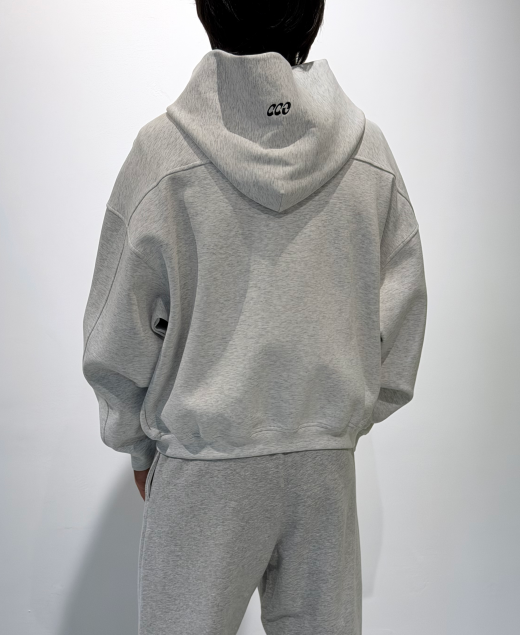
Custom Sweatshirts & Crewnecks
Build custom crewneck hoodie and sweatshirt programs in fleece, French terry or jersey. Junsheen supports oversized and standard fits, accurate grading, rib trims, logo decoration, garment washes and private-label packaging.
Request a Quote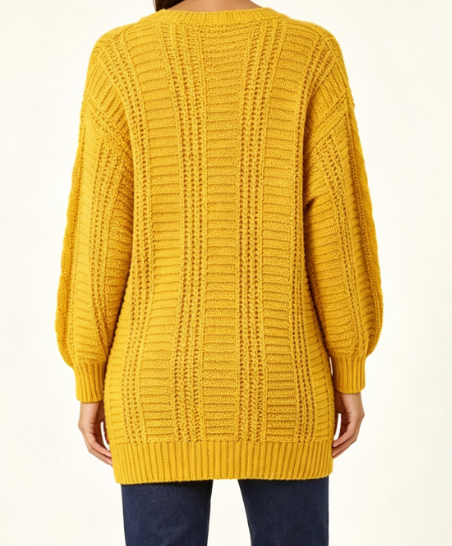
Custom Cardigans
Develop custom cardigans in suitable yarns and knit constructions for your target price and hand feel. Product development includes button selection, placket stability, fit grading, labels and size-set approval before bulk production.
Request a Quote
Custom Puffer & Down Jackets
Produce custom puffer jackets with shell, lining, insulation and trim specifications aligned to your market. Development covers pattern balance, quilting layouts, zipper and hardware sourcing, fit samples, labeling and final packed-goods inspection.
Request a Quote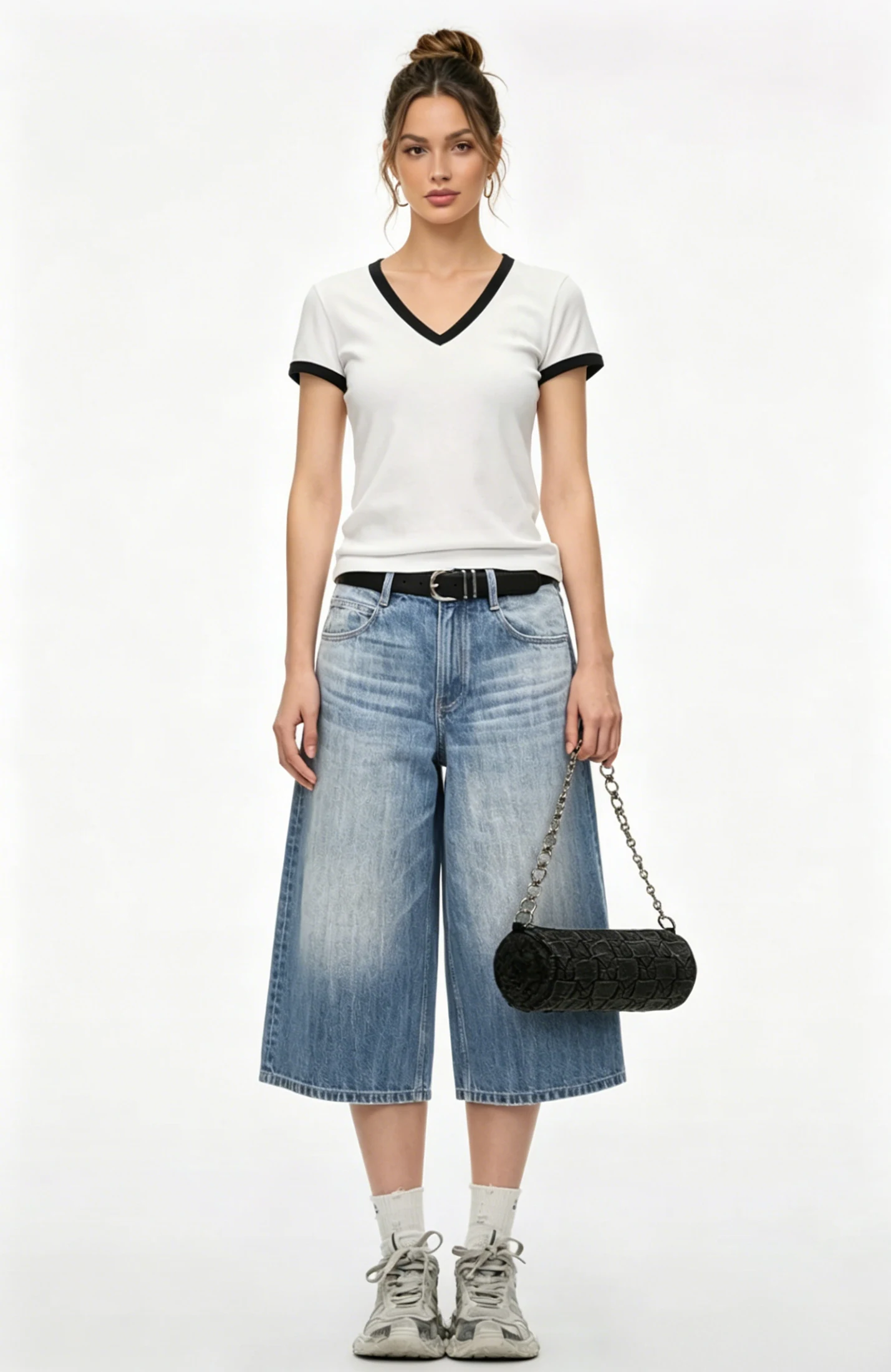
Custom Denim Shorts
Manufacture custom jean shorts with denim weights, stretch levels, inseams and wash treatments selected for the intended customer. Junsheen supports fit development, distressing, hardware, embroidery, labels and scalable bulk production.
Request a Quote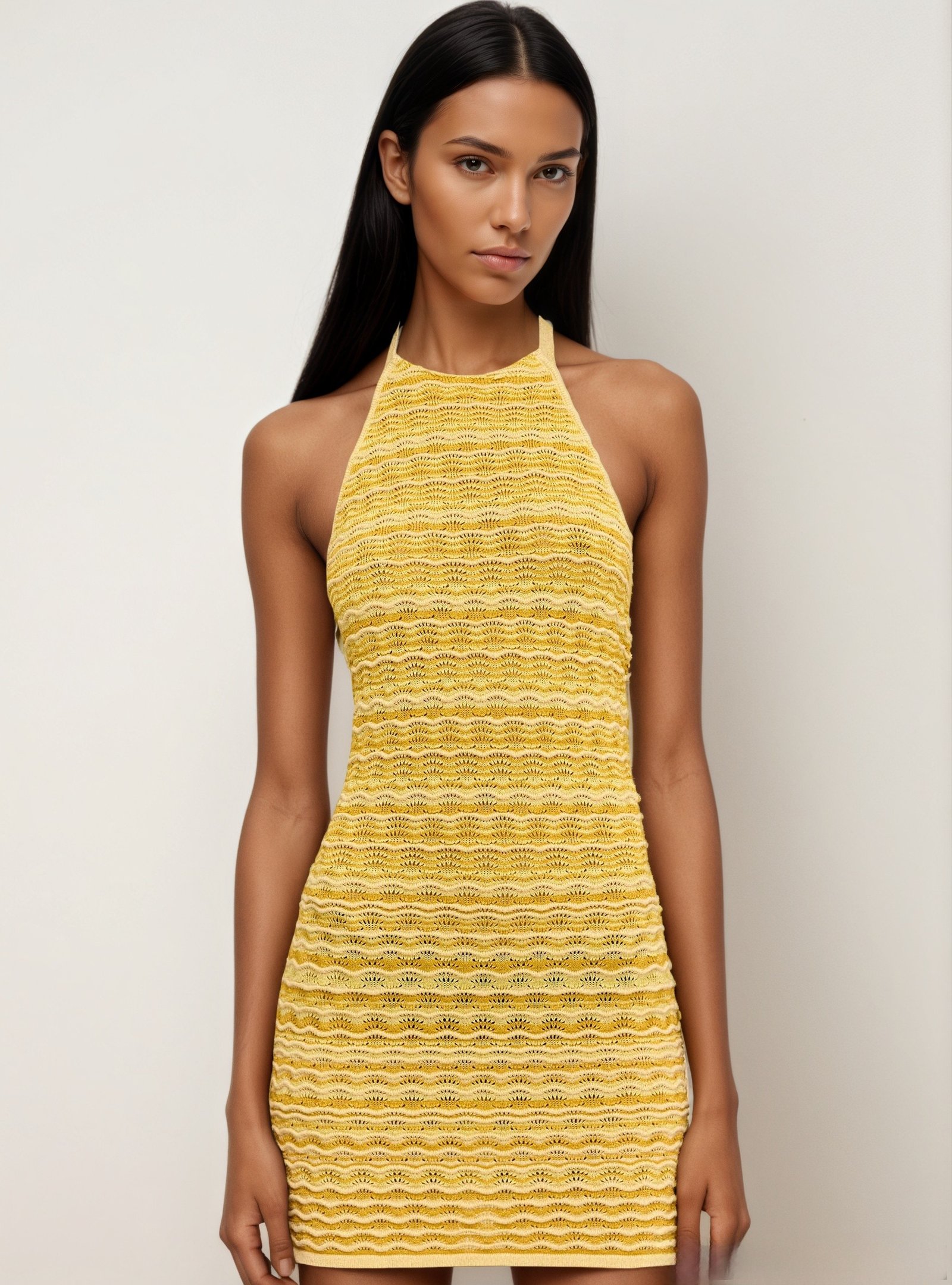
Custom Sweater Dresses
Create custom sweater dresses with knit constructions that balance drape, recovery and durability. Pattern makers develop body proportion, sleeve length and size grading from XS through 3XL, with private-label finishing for wholesale programs.
Request a Quote
Custom Denim Sets
Produce mens denim suits wholesale programs, including coordinated denim jackets and trousers. Junsheen aligns fabric, wash, color and fit across both pieces, then manages patterns, trims, labeling, sampling and bulk inspection.
Request a Quote
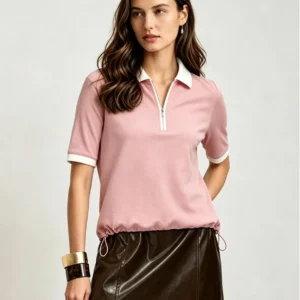
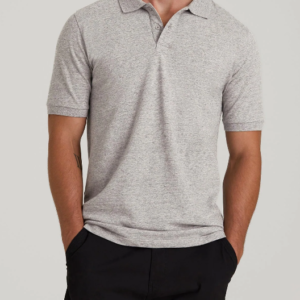
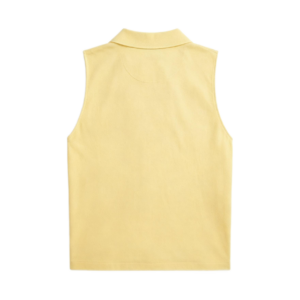
Custom Polo Shirts
Develop custom polo shirts in pique, jersey or performance knits with branded collars, plackets and trims. Production supports embroidery, printing, fit grading, color matching and private-label packaging for retail and corporate wholesale orders.
Request a Quote
Custom Sweatpants
Manufacture custom sweatpants in fleece, French terry or performance knits, with fit options from standard to oversized. Development includes rise and inseam grading, elastic and drawcord sourcing, decoration, washes and branded trims.
Request a Quote
Custom Shorts
Produce custom shorts across jersey, fleece, twill, woven and denim constructions. Junsheen supports inseam and rise development, pocket details, waistband components, print or embroidery placement, size grading and low-MOQ production.
Request a Quote
Custom Pullovers
Develop custom pullovers in knit, fleece or woven constructions based on your reference, tech pack or concept. Teams manage fabric selection, pattern creation, fit approval, decoration, labels, packaging and production scaling as demand grows.
Request a QuoteWholesale Tshirts Materials for Custom Programs

Cotton Jersey
A versatile, breathable knit for everyday wholesale tshirts, offering a soft hand and reliable print surface. Available in multiple weights, it suits core tees, promotional programs, and repeatable private-label collections.

Pima Cotton
Premium long-staple cotton with a smoother, softer hand and improved fiber strength. Ideal for elevated retail T-shirts, its refined surface supports clean printing, comfortable wear, and a more polished finish.

Organic Cotton
Certified organic cotton options provide a natural, breathable feel for sustainability-led T-shirt programs. Choose lightweight or midweight jersey constructions to match your desired drape, softness, and responsible material positioning.

Cotton Blend Jersey
Cotton blended with polyester, elastane, or modal can improve recovery, softness, or durability. These adaptable jerseys work well for fitted tees, active-inspired styles, and garments needing controlled stretch or wash stability.

French Terry
Loopback French terry delivers a substantial yet breathable feel for heavyweight T-shirts and transitional casualwear. Its absorbent interior texture and stable structure make it suitable for premium oversized silhouettes and garment washing.

Recycled Fiber Blends
Recycled cotton and polyester blends help brands build lower-impact wholesale tshirts without sacrificing practical performance. Material ratios can be selected for target weight, durability, moisture handling, and the intended visual texture.
Wholesale Tshirts Printing, Embroidery & Finishing

Screen Print
Plastisol and water-based screen printing deliver bold, consistent artwork for wholesale tshirts. Choose specialty effects including puff, flocking, silicone, foil, high-density, and discharge printing for durable logos and retail-ready graphic impact.

DTG and DTF
DTG and DTF processes reproduce detailed, full-color artwork with smooth gradients and small design elements. They are ideal for complex graphics, limited colorways, samples, and branded T-shirt programs requiring sharp visual accuracy.

Logo Embroidery
Flat, 3D puff, chain-stitch, applique, and patch embroidery add dimensional texture to chest logos, sleeves, and hem details. Carefully selected backing and stitch density help preserve shape, comfort, and long-term wear durability.

Dye Sublimation
Dye sublimation permanently bonds vivid all-over graphics into compatible polyester fabrics. The result is lightweight, breathable color that will not crack, peel, or add surface weight, making it well suited to performance T-shirts.

Garment Washes
Enzyme, softening, anti-pilling, garment-dye, tie-dye, acid-wash, stone-wash, brushing, and napping treatments create distinctive hand feel and lived-in character. JUNSHEEN tests wash results during sampling to maintain consistent color, shrinkage, and appearance.
Wholesale Tshirts with Branded Trims

Woven Brand Labels
Add custom woven main labels, size labels and wash-care labels to wholesale tshirts for clear brand identification, fit communication and retail-ready compliance across every size from XS to 3XL.

Custom Hang Tags
Create branded hang tags with your logo, product story, sizing details or barcode information. They give wholesale tshirts a polished retail presentation while supporting organized merchandising and inventory handling.

Drawcords and Tips
Specify custom drawcords, aglets and contrast tipping for coordinating hoodies, sweatpants and outerwear in your collection. Match colors, finishes and logo details to extend your wholesale tshirts brand identity.

Zippers and Snaps
Choose durable zippers, snap buttons and closures for layered styles that accompany your T-shirt program. JUNSHEEN can coordinate hardware color, puller shape and branded details with garment construction.

Custom Logo Patches
Apply embroidered, woven, leather-look or printed patches to tees, jackets, denim and accessories. Patches create a tactile brand signature and work well for chest placements, sleeves, hems and back panels.
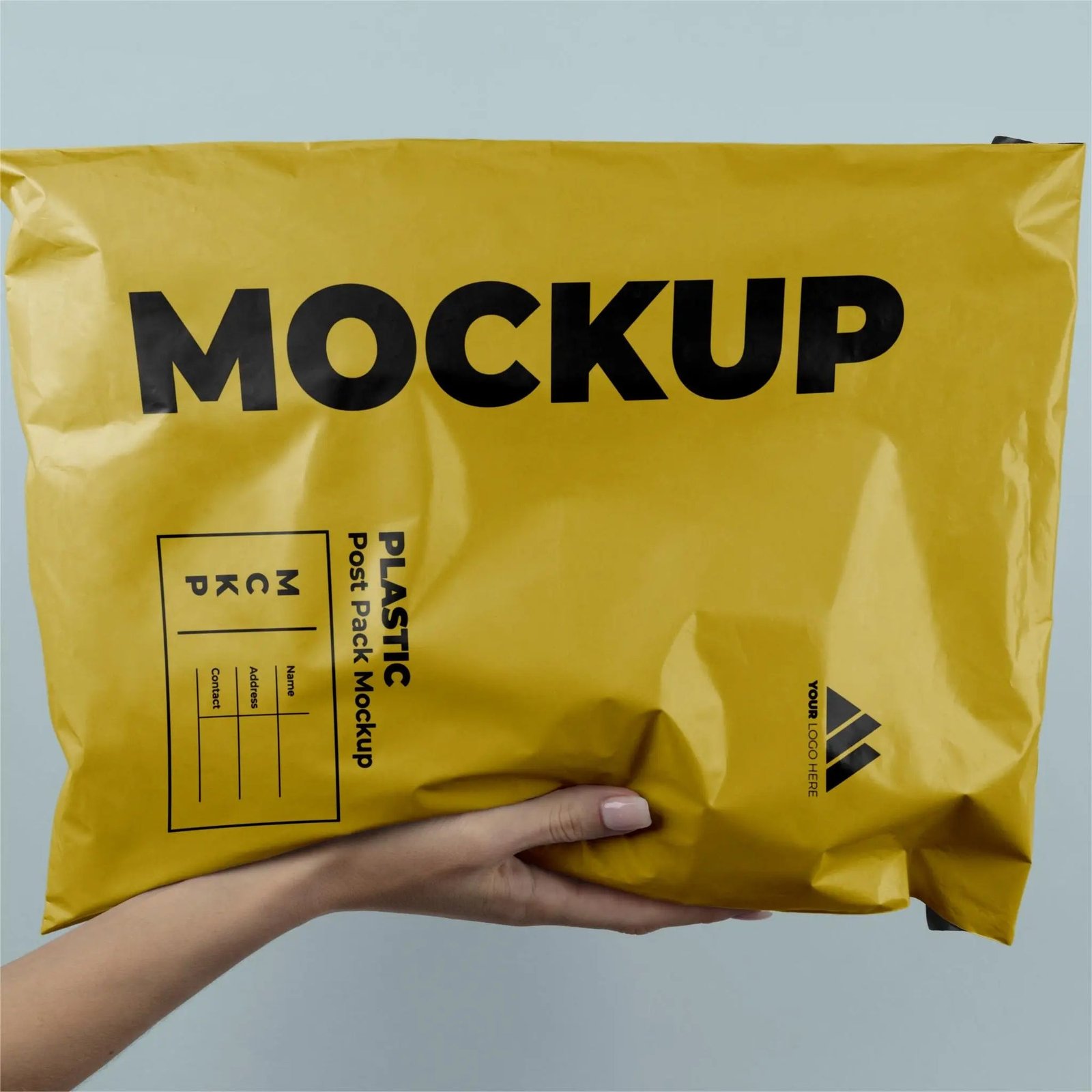
Branded Packaging
Complete each order with custom polybags, tissue paper, stickers, cartons or insert cards. Branded packaging protects finished wholesale tshirts in transit and delivers a consistent unboxing experience for retail customers.
About JUNSHEEN Wholesale Tshirts Manufacturing
Founded in 2010 in Humen Town, Dongguan, JUNSHEEN helps fashion brands turn wholesale tshirts and casualwear concepts into production-ready products. Our one-stop OEM, ODM and private-label team supports everything from early product development and fabric sourcing to sampling, bulk production and global export.
With more than 200 skilled workers and monthly capacity above 80,000 units, we serve capsule launches from 100 units per style and color as well as scalable repeat programs. Over 2,000 fashion-brand clients have relied on our cut-and-sew, knitwear, decoration, finishing, labeling and packaging capabilities.
Our difference is a fit-first manufacturing process. For XS through 3XL, plus-size and modern oversized styles, we refine patterns, proportions and grading instead of simply enlarging a base size, helping brands achieve more consistent fits and fewer avoidable revisions.

Wholesale Tshirts Capabilities for Scalable Production
Fit-First Pattern Development
JUNSHEEN develops wholesale tshirts from XS to 3XL with purposeful grading, not simple size enlargement. Our pattern team refines shoulder balance, body proportions, sleeve length and mobility to help your brand achieve dependable fit across core, oversized and extended-size programs.
- XS–3XL, plus-size and oversized grading
- Tech-pack, sketch or reference-garment development
- Prototype, size-set and pre-production approvals
- Patterns retained for faster future launches

One Integrated Development Team
Move from an early product idea to a production-ready T-shirt through one coordinated supply chain. We combine fabric and trim sourcing, specification review, cut-and-sew development, knitwear capability, sampling and quotation support so technical decisions stay aligned before bulk production begins.
- OEM, ODM and private-label support
- Fabric weight, hand-feel and cost guidance
- 100-unit MOQ per style and color
- Casualwear programs built to scale

Decoration With Brand Control
Keep your logo, artwork and finishing standards close to production with in-house decoration and garment-treatment options. JUNSHEEN can coordinate screen printing, DTG, DTF, embroidery, washes, labels, hang tags and branded packaging for wholesale tshirts that arrive retail-ready.
- Screen print, puff, silicone and high-density effects
- Flat, 3D and chain-stitch embroidery
- Garment dye, acid wash and softening finishes
- Custom labels, trims and packaging

Consistency Across Repeat Orders
Reliable reorders require more than repeatable sewing. JUNSHEEN retains approved patterns, graded size sets and material records, then checks fabric, construction, measurements, decoration and packed goods throughout production. This creates a clearer path from a successful first run to ongoing global supply.
- 200+ skilled workers supporting production
- 80,000+ units monthly capacity
- In-line and final quality inspections
- Global export support for growing programs

Why Choose JUNSHEEN for Wholesale Tshirts
A fit-first, production-ready partner for apparel programs that need clear development, dependable quality, and global scale.
← 左右滑动查看 →
Wholesale Tshirts Production, Step by Step
A clear OEM workflow that turns your product brief into quality-checked, private-label garments ready for export.
Feasibility and Sourcing
We review your tech pack, sketch, or reference, confirm construction and MOQ, then recommend fabrics, trims, decoration methods, and a production-ready cost direction.
Patterns and Fit Development
Our pattern team develops and grades fit-focused wholesale tshirts from XS–3XL, refining proportions, mobility, and measurements before prototype sampling begins.
Sample Review and Approval
Receive prototype samples, swatches, and size-set options for review. We incorporate approved revisions and lock specifications, materials, labels, and packaging details.
Bulk Manufacturing and Decoration
After order confirmation, our 200+ skilled workers manage cutting, sewing, printing or embroidery, washing, finishing, and private-label application at scale.
Quality Control and Shipping
Inspections cover fabric, construction, measurements, fit, decoration, and packed goods. Approved orders are packed to specification and prepared for reliable global export shipping.
Work With Our Wholesale Tshirts OEM Team
Move from concept to export-ready production with clear approvals at every stage.
Submit Your Concept
Send a tech pack, sketch, reference garment, or product idea. Share target quantities, size range, fabrics, decoration needs, and private-label requirements.
Review Feasibility and Quote
Our team reviews construction, fit, materials, and MOQ requirements, then recommends practical options and prepares a clear quotation for your wholesale tshirts program.
Approve Development Samples
Review prototype samples, fabrics, trims, print or embroidery details, and graded XS–3XL fit. Confirm revisions before approving the production-ready sample.
Confirm Bulk Production
Finalize specifications, quantities, and payment terms. Junsheen manages fabric sourcing, cut-and-sew production, decoration, quality checks, labeling, and packing.
Arrange Global Delivery
Receive export support for final inspection, balance settlement, shipping coordination, and documentation, helping your approved garments move smoothly to their destination.
Custom Clothing Manufacturer Credentials and Compliance Documents




Wholesale Tshirts Results for Global Fashion Brands
JUNSHEEN adjusted the shoulder balance and grading across our XS–3XL tee range before bulk approval. We reached fit sign-off in two sample rounds instead of our usual four, and the 1,200-unit launch arrived ready for retail.
For our repeat wholesale tshirts program, the retained patterns and material records made reorders far more dependable. Three color drops totaling 4,800 units matched the approved hand feel, measurements, labels, and packing specifications without a reset.
We began with a 100-unit oversized T-shirt test and scaled to 3,000 units once sell-through proved the concept. Their team managed fabric, puff print, woven labels, and export coordination, cutting our supplier follow-up time substantially.
Wholesale Tshirts FAQ
Clear answers on MOQs, sampling, fit, production, payment, shipping, and protected private-label development.
What is the MOQ for wholesale tshirts?
Can I order samples before placing a wholesale tshirts bulk order?
How long does wholesale tshirts production take?
Can you develop custom T-shirt fits from XS to 3XL?
What materials can you source for custom wholesale T-shirts?
Can JUNSHEEN handle printing, labels, and packaging in one order?
What payment terms do you offer for OEM T-shirt orders?
Do you ship wholesale T-shirts internationally and protect my designs?
The Complete Buyer’s Guide to wholesale tshirts
Use this practical framework to evaluate product options, supplier capabilities, quality standards, pricing, and production timelines while avoiding costly sourcing mistakes before placing your wholesale order.
1. What Are Wholesale Tshirts?
100-unit minimums are common in made-to-order wholesale tshirts, where a business buys production capacity and specified garments rather than consumer-ready retail inventory. Typical buyers include emerging labels, merch programs, wholesalers, retailers, and sourcing teams that need repeatable stock for resale, uniforms, or branded collections. 3 purchasing models define the term: blank wholesale means buying finished, undecorated stock by style, color, and size; private-label manufacturing adds the buyer’s labels, hang tags, packaging, or decoration to an established base garment; OEM/ODM develops a custom T-shirt from a tech pack, sketch, reference, or supplier-led design input. At JUNSHEEN, OEM/ODM can also include pattern making, size grading from XS through 3XL, fabric sourcing, sampling, and pre-production approval. 1 supplier quote should identify the fabric composition and GSM, construction, color and size breakdown, decoration method, trims, labels, packaging, MOQ, sampling cost, production lead time, shipping terms, and payment schedule. Wholesale sourcing is the right route when fit, branding, replenishment, and unit economics matter; retail-ready stock is better when immediate delivery matters more than exclusive design or controlled specifications.
2. The Evolution of the T-Shirt Supply Chain
1913 marked a turning point when the U.S. Navy adopted the cotton crew-neck undershirt, helping standardize the T-shirt for large-scale cutting, sewing and laundering. Postwar mills scaled tubular knit and open-end cotton production, so buyers began comparing wholesale tshirts by consistency, shrinkage control and reliable color matching rather than simply unit price. 1950s screen printing turned a basic garment into a portable message, while band merchandise, sportswear and promotional programs created demand for repeatable artwork and larger color runs. By the 1980s and 1990s, streetwear made the blank, the silhouette and the wash part of the product itself; ring-spun jersey, heavier 180–240 GSM weights, oversized fits, puff ink and garment dye became commercial choices, not niche details. 2000s global sourcing shortened the path from concept to shelf but raised the need for specialized supplier coordination across fabric mills, pattern rooms, decorators and export teams. Current buyers need partners that can manage Pantone approvals, low-MOQ sampling, decoration testing, traceable material options such as GOTS or OEKO-TEX inputs, and repeatable bulk quality as product cycles accelerate.
3. Types of Wholesale Tshirts for Every Collection
Eight core silhouettes cover most opening needs, but they should be assigned distinct jobs before buyers place a wholesale tshirts order. Start with two to four complementary fits, then add seasonal or activity-specific options only when demand supports them.
Everyday Core Fits
Crew-neck tees provide the broadest unisex base: use a regular fit for repeat color programs, uniforms, and logo capsules. V-necks offer a more open neckline for womenswear or layered casual assortments. Fitted tees use closer chest, waist, and sleeve measurements for body-conscious customers. Keep fitted and regular blocks separate; mixing them under one size chart drives returns and confuses replenishment.
Fashion-Led Statement Styles

Oversized tees need dropped shoulders, longer sleeves, and intentional body width rather than simply upsizing a regular pattern. They suit streetwear, artist collaborations, and Gen-Z-focused collections. Heavyweight tees create a structured silhouette and support premium positioning, especially for fall drops or standalone blanks. Pocket tees add a small retail detail and work best when the pocket placement stays consistent across colorways.
Seasonal And Active Options
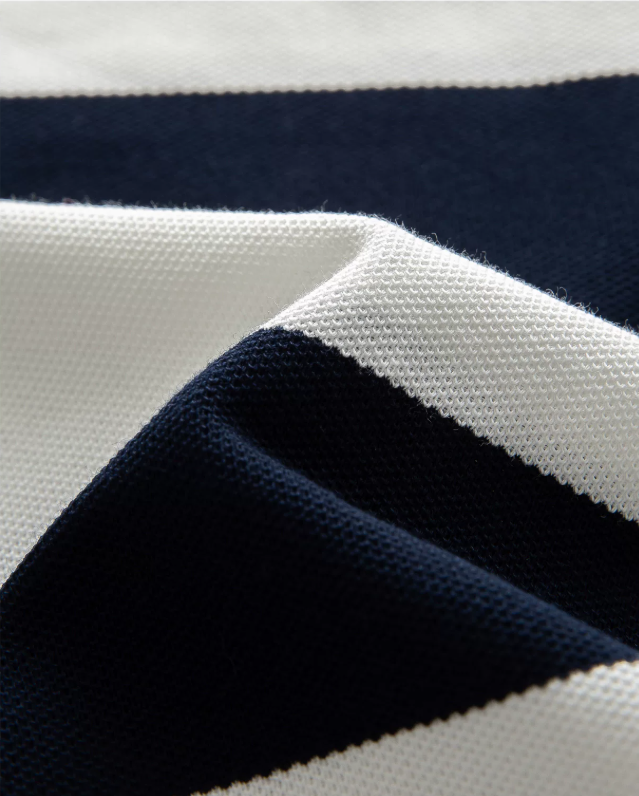
Long-sleeve tees extend a program into transitional weather and layer under overshirts, hoodies, or outerwear. Offer them in the same core colors as short sleeves to simplify visual merchandising. Performance tees require stretch, moisture management, and recovery appropriate to training or outdoor use. Reserve this category for customers who need functional benefits; it should not duplicate a lifestyle cotton tee.
Build A Focused Opening Range
Three styles are usually enough for a first launch: regular crew neck, oversized crew neck, and one differentiated option such as fitted, pocket, or long sleeve. This structure gives customers clear choice without fragmented inventory. 100-unit production can support a focused style-and-color test at Junsheen, while later sales data guides expansion. Use one shared color palette and distinct fit names so wholesale buyers can understand the role of each tee quickly.
4. Wholesale Tshirts Materials, Fabrics, and GSM
160–220 GSM is the core range for everyday wholesale tshirts, balancing opacity, breathability, and print stability. Fiber choice and knit construction should be locked before approving color, decoration, or target cost.
| Material | Typical GSM | Best Use | Indicative Factory Cost/Unit |
|---|---|---|---|
| Cotton or combed cotton | 180–220 | Core retail tees, screen prints | US$2.20–4.20 |
| Organic ring-spun cotton | 180–220 | Premium sustainable basics | US$3.00–5.50 |
| Recycled poly/cotton blend | 160–200 | Uniforms, active-casual | US$2.40–4.60 |
| Modal or lyocell blend | 180–220 | Soft premium drape tees | US$3.80–6.50 |
Fiber Selection
100% cotton offers a familiar dry hand, strong breathability, and dependable screen-print results; combed cotton removes shorter fibers for a cleaner surface. Ring-spun cotton feels softer and usually prints finer detail than open-end yarn. Organic cotton requires traceable certification when sustainability claims are used.
- Cotton: everyday retail and promotional programs
- Combed or ring-spun: premium soft-hand collections
- Recycled blends: lower-impact positioning with fiber-content disclosure
GSM And Knit Structure
160 GSM single jersey suits lightweight summer tees but can show through in pale colors. 180–220 GSM gives better opacity and a more substantial retail hand. 240 GSM jersey creates a heavyweight streetwear tee; rib knit is best reserved for neckbands. Interlock is smoother and more stable, while polyester performance knits dry faster.
- Single jersey: standard casual T-shirts
- Interlock: smooth, stable premium basics
- Polyester mesh: activewear ventilation
Shrinkage And Wear Testing
3–5% residual shrinkage is a practical control target after wash testing; cotton can exceed it without preshrinking. Specify wash method, tolerance, and finished measurements in the tech pack. 50/50 cotton-poly improves shape retention and durability, while modal or lyocell adds drape and a cool, soft hand. Confirm pilling and colorfastness tests for darker shades.
- Wash test before size-set approval
- Check opacity under bright light
- Match print ink to fiber content
5. Customization and Decoration Options
At a 100-unit starting program, decoration choice determines both the product’s perceived value and its repeatability. For wholesale tshirts, specify the artwork, placement, Pantone targets, label package, and wash standard before sampling.
| Method | Best Fit | Volume And Setup | Durability And Cost |
|---|---|---|---|
| Screen print | Promotional programs, uniforms, bold fashion art | Best for repeat runs; screens require setup | High durability; economical at volume |
| DTG | Photographic fashion graphics | Low quantities; minimal setup | Good when cured correctly; higher unit cost |
| DTF or heat transfer | Names, variable graphics, small runs | Fast setup; artwork must suit film | Flexible finish; moderate unit cost |
| Embroidery or appliqué | Premium branded collections | Digitizing or pattern setup required | Very durable; higher cost per placement |
Brand Identity Components
Three identity layers—neck print, woven main label, and wash-care label—make a blank garment recognizably yours. Neck prints reduce bulk; woven labels add a premium tactile cue but require artwork and placement approval. JUNSHEEN can coordinate private labels, hang tags, branded packaging, custom trims, and label placement during development. Keep legal fiber, care, country-of-origin, and size information readable after laundering.
- Neck prints: streamlined fashion or activewear
- Woven labels: premium collections and retail
- Hang tags: launch stories and wholesale identification
Print And Stitch Selection

Six practical routes cover most graphic briefs: screen print, DTG, DTF, heat transfer, embroidery, and appliqué. Screen printing suits repeat artwork; DTG handles detailed short-run art; embroidery and appliqué create dimensional premium branding. Artwork with fine gradients or photographic detail needs testing on the chosen fabric color and texture. Request strike-offs for Pantone-sensitive logos, small type, metallic effects, puff ink, foil, silicone, flocking, or high-density prints.
Wash And Surface Finishes
Garment dye, enzyme wash, acid wash, stone wash, softening, brushing, and napping change color, hand feel, and shrinkage behavior. Premium fashion graphics should be tested after the intended wash process, not only on unwashed fabric. A wash recipe can create variation by design, especially on pigment-dyed or vintage effects. Approve a sealed reference sample and define acceptable shade variation before bulk production.
6. Construction Details That Signal Quality
Two garments with the same GSM can perform very differently after ten washes. For wholesale tshirts, construction determines whether the collar stays flat, the body remains square, and decoration keeps its intended placement.
Yarn And Fabric Stability
Ring-spun, combed yarn usually produces a smoother face than open-end yarn, helping screen prints lay more evenly and reducing the harsh, fuzzy look associated with lower-grade pilling. 3–5% residual shrinkage is a practical target to confirm after the specified care cycle. Pre-shrinking, fabric relaxation, and a stated GSM tolerance reduce surprise length loss, spiraling, and inconsistent repeat orders.
- Check actual GSM against the approved tolerance.
- Ask for pilling and dimensional-stability results.
- Approve wash-tested fabric before bulk cutting.
Collar And Shoulder Control
1×1 or 2×1 rib collars need enough recovery to return after stretching over the head. A collar that waves, bags out, or differs from the approved neck opening quickly lowers perceived value and drives fit complaints. 10–12 mm shoulder tape stabilizes the seam and limits stretching during wear and laundering. Confirm tape placement reaches cleanly from neck to sleeve seam without puckering the jersey.
- Stretch the collar, then check recovery.
- Inspect tape for twisting or exposed ends.
- Compare left and right shoulder seam shape.
Seams, Hems, And Wash Tests
4-thread overlock side seams with a clean coverstitch hem are common checkpoints for durable casual tees. Balanced stitch density prevents seam popping while avoiding excessive tunneling, which can distort print placement and sleeve drape. 3 wash cycles at the agreed temperature should reveal twisting, hem roping, color change, and sleeve asymmetry before production approval. Measure body length, chest, sleeve opening, and collar width before and after washing.
- Check side-seam alignment after laundering.
- Inspect double-needle hems for skipped stitches.
- Verify sleeve pitch and left-right symmetry.
7. How to Choose a Wholesale Tshirts Manufacturer
100-unit minimums can suit a capsule, but the right factory must also protect fit, repeatability and delivery as demand grows. Compare evidence from development through export—not a quotation alone.
| Validation Area | Evidence To Request | Buyer Decision |
|---|---|---|
| Sampling | Approved size set and revision record | Release bulk only after sign-off |
| Factory control | QC forms and compliance documents | Verify scope and validity |
| Commercial terms | Lead-time plan and payment schedule | Align cash flow before deposit |
Match Product Expertise
2 to 3 comparable T-shirt samples reveal more than a factory portfolio: inspect neck recovery, shoulder tape, seam density and wash shrinkage. 100-unit MOQ programs need capability beyond blanks; ask whether the team can turn a tech pack, sketch or reference garment into graded patterns from XS through 3XL.
- Which jersey weights and knit constructions run routinely?
- Can you review a size set before bulk approval?
- What decoration methods suit my artwork and fabric?
Test Development And Materials
1 approved prototype is the baseline; request fabric swatches, Pantone confirmation, measurement tolerances and a written sample-revision process. 3 material checkpoints—hand feel, shrinkage and colorfastness—help prevent a bulk order from differing from the sample. Ask who controls sourcing and whether material records are retained.
Verify Quality And Compliance
4 inspection stages should cover incoming fabric, in-line sewing, measurements and final packed goods. Request recent inspection forms, defect definitions and the factory’s rework procedure. 1 compliance claim is not proof; ask for current documents relevant to your market, such as OEKO-TEX, GOTS, WRAP or BSCI, and verify scope and validity directly.
Confirm Commercial Readiness
2 production dates matter: sample approval and ex-factory completion. Confirm communication cadence, lead-time assumptions, export documentation and the person responsible for resolving delays. 2010-founded Junsheen-style OEM support combines pattern work, sourcing, decoration, QC and export coordination, letting a growing brand begin around 100 units per style and color before scaling repeat programs.
- Ask for a production-critical-path schedule.
- Confirm payment milestones before ordering.
- Request references from similar export markets.
8. Common Wholesale Tshirts Buying Mistakes
A 100-unit MOQ makes a capsule launch accessible, but it does not make preventable specification errors inexpensive. For wholesale tshirts, lock the commercial, technical, artwork, and inspection details before bulk fabric is cut.
Price Without Total Cost
A $0.30 lower unit quote can disappear through higher defect rates, weak fabric recovery, or rework. Compare landed cost using fabric weight, trim, decoration, packing, freight, and agreed AQL inspection terms. A 3% to 5% shrinkage allowance is common for cotton jersey unless the fabric is pre-shrunk and tested. State wash method, measurement tolerances, and post-wash dimensions on the tech pack.
Rushed Sample Approval
One approved sample is not enough when multiple colors, prints, or size grades are planned. Approve a fit sample, lab-dip or color standard, print strike-off, and pre-production sample before bulk release. XS through 3XL cannot be graded by simply enlarging the chest. Review shoulder width, body length, sleeve balance, and grading increments on a complete size chart.
Incomplete Brand Specifications

Pantone codes, vector artwork, print dimensions, placement points, and ink effects must be supplied in production-ready files. A low-resolution raster logo or unmarked placement can cause color drift, blurred edges, and chargeable revisions. Each SKU needs its main label, size label, wash-care content, country-of-origin requirement, hang tag, carton marks, and barcode instructions confirmed. Check destination-market labeling rules before purchase-order approval.
Weak Launch And QC Plan
Twenty styles at 100 units each spread cash, approvals, and supplier attention too thin for a first run. Start with 3 to 5 proven silhouettes, then reorder winners using retained patterns and material records. A 30-day calendar rarely covers fabric booking, sampling, approval, bulk sewing, inspection, and export. Set milestone dates and an inspection plan covering fabric, in-line measurements, decoration, final AQL review, and packed-carton counts.
9. Steps to Launch a Tshirt Brand
A disciplined launch sequence turns a design idea into a sellable, repeatable product. Start with a defined customer, target retail price, and cash limit before requesting wholesale tshirts development.
Define Customer And Assortment
1 target customer profile should specify fit preference, climate, retail channel, and expected price band. 3 to 5 core styles and no more than 2 colorways per style keep first-order inventory readable and cash exposure controlled.
- Set target retail price first
- Choose regular, oversized, or extended fit
- Reserve a clear brand color palette
Build Production Specifications
1 production-ready tech pack should list flat sketches, measurements, graded size chart, construction, labels, Pantone colors, and packaging. 160 to 220 GSM ring-spun jersey suits many premium tees; submit vector AI, PDF, or SVG artwork with print dimensions and placement.
- Confirm fabric composition and GSM
- Specify neck rib and stitch details
- Separate artwork by print color
Approve Samples And Fit
1 prototype sample exposes pattern, print, shrinkage, and hand-feel issues before bulk fabric is committed. XS through 3XL fit approval should use measured garments and wear tests, with written revisions consolidated into one final comment round.
- Measure chest, body length, and sleeve
- Wash-test decoration and fabric
- Approve a signed sample reference
Book, Inspect, And Launch
100 units per style and color can be a controlled market test when demand is unproven, colors are limited, and reorder funding is protected. 3 checkpoints—pre-production approval, in-line inspection, and final packed-goods review—should precede branded packaging, freight booking, product photography, size guidance, and launch copy.
- Hold a contingency for freight and defects
- Confirm carton marks and destination rules
- Create launch images before stock arrives
10. Wholesale Tshirts Pricing and Cost Factors
100 units per style and color is JUNSHEEN’s practical starting point, but the lowest unit cost normally arrives when one fabric, colorway, and decoration setup are spread across a larger run. A 180–220 GSM ring-spun cotton jersey costs differently from a 240–280 GSM heavyweight blend because yarn, knit weight, cutting yield, wash shrinkage, and sewing time all change. 2–3 weeks is a reasonable planning allowance for approved bulk production after materials and pre-production details are confirmed; custom-dyed fabric, enzyme wash, oversized grading, or multiple Pantone prints can extend it. Sampling, size-set approval, labels, hang tags, polybags, carton specifications, duty, freight, and destination handling belong in landed cost—not only the ex-factory figure. 3 quote checks prevent false savings: compare the same fabric composition and GSM, measurement tolerance and graded size range, decoration coverage and color count, and inspection/packing scope. A lower quote can erase margin if it excludes print screens, private-label components, rework allowance, or the freight method needed to meet launch dates.
| Quantity Tier | Indicative ex-factory unit range | Typical bulk lead time | Cost and margin note |
|---|---|---|---|
| 100–299 units | US$4.50–9.50 | 3–5 weeks | Sampling and setup are spread over few units; keep colors and print locations limited. |
| 300–999 units | US$3.80–8.00 | 3–4 weeks | Better fabric buying and cutting efficiency; compare identical GSM and trim lists. |
| 1,000–2,999 units | US$3.20–6.80 | 2–4 weeks | Screen-print and label costs dilute; confirm inspection, cartons, and export terms. |
| 3,000+ units | US$2.80–6.00 | 2–4 weeks | Consolidated materials improve cost, but custom fabric, washes, and freight still vary. |
Start Your Wholesale Tshirts Quote
Send your tech pack, reference garment, sketch, or product idea to begin fit-focused sampling and receive a clear OEM quotation.