
Custom Embroidered Jeans From 100 Units
Develop fit-focused custom embroidered jeans from XS–3XL with JUNSHEEN’s one-stop OEM, ODM and private-label production.
Featured Products for custom embroidered jeans Development


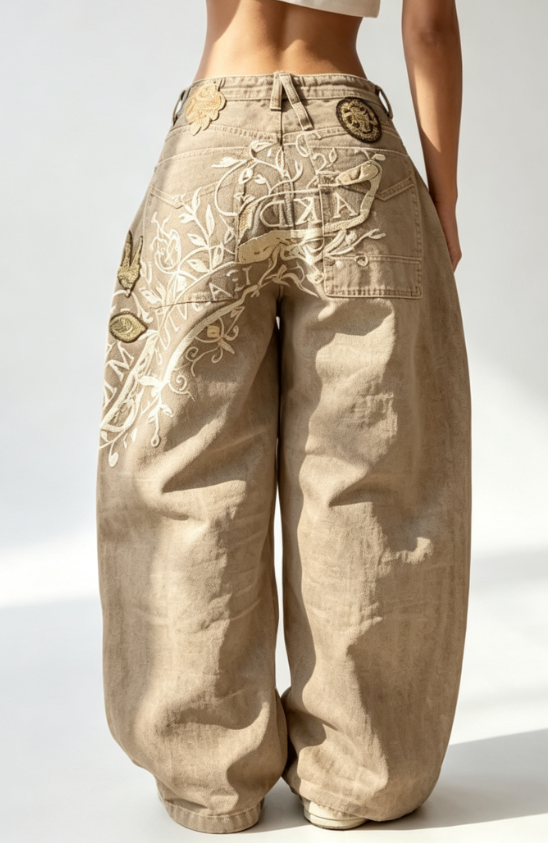

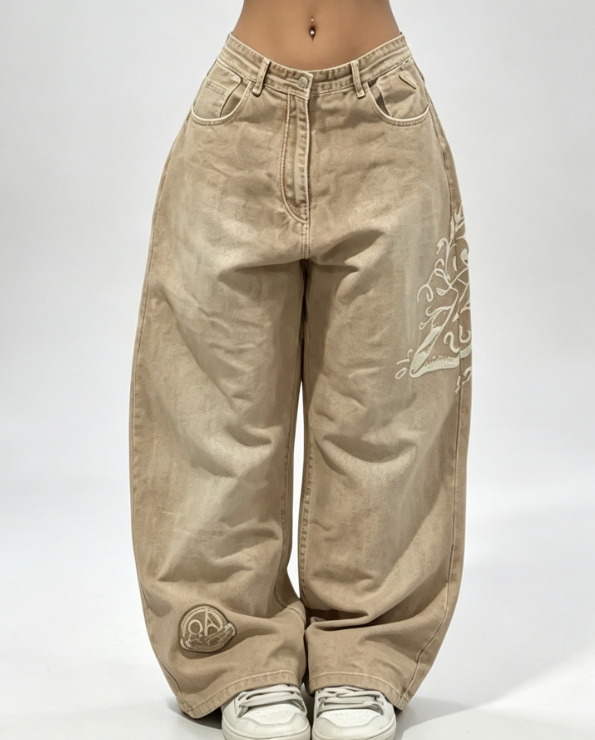
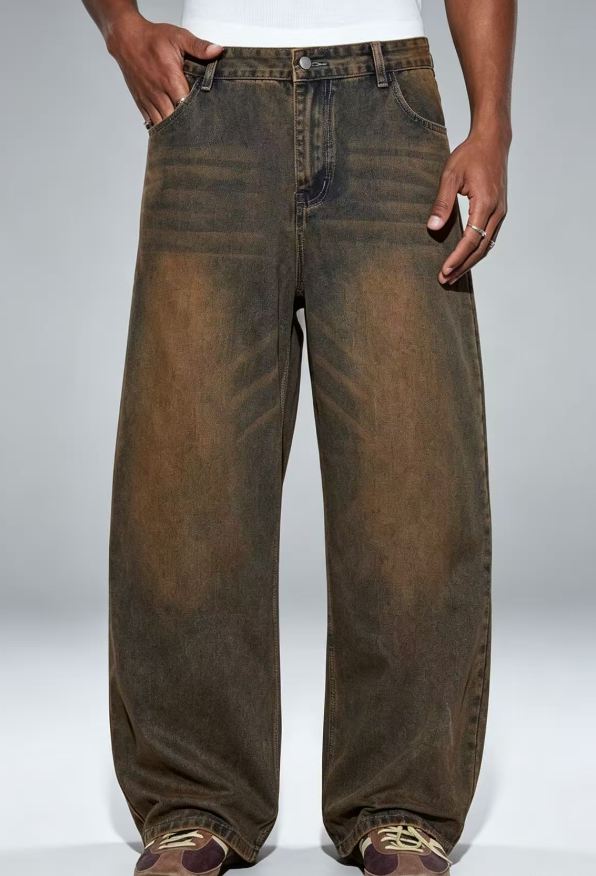


Related Product Catalogue and Quotation


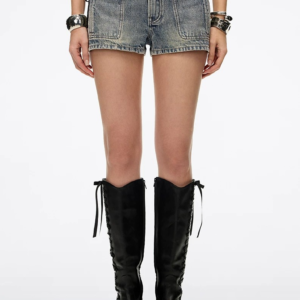


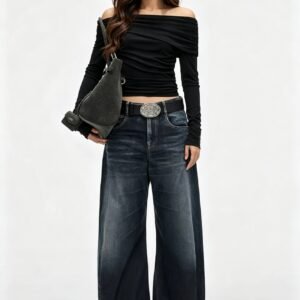


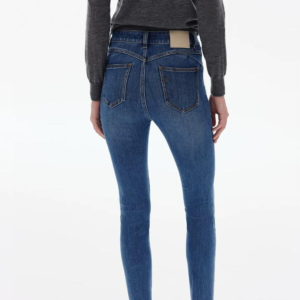
Custom Embroidered Jeans Built for Detailed Programs
From first capsule to repeat bulk orders, JUNSHEEN combines technical denim development, specialty decoration, private labeling and dependable global delivery.
100-Unit Launch MOQ
Launch custom embroidered jeans from 100 units per style and color, giving emerging labels a practical route to test demand.
Specialty Embroidery
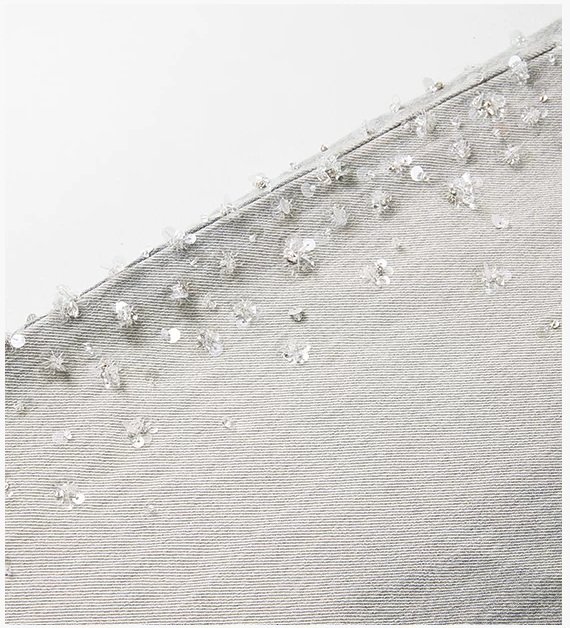
Add chain stitch, flat embroidery, 3D puff effects, appliqué, patches or sequins with placement guidance suited to denim construction.
Fit-Focused Development
Develop XS–3XL, plus-size and oversized fits through refined patterns, graded measurements and samples that improve proportion, mobility and consistency.
Integrated Brand Details
Coordinate leather or woven labels, custom buttons, zippers, hang tags, wash-care labels and branded packaging through one production team.
Scalable Denim Capacity
Rely on 200+ skilled workers and monthly capacity above 80,000 units as successful embroidered denim programs move into repeat production.
Export-Ready Support
Receive quality control, packed-goods inspection and global shipping support for denim orders serving brands, retailers and sourcing teams worldwide.
Custom Apparel and Denim Categories
OEM, ODM, and private-label development from low-MOQ sampling through scalable production, with fit-focused grading and in-house finishing.

Custom Hoodies
Develop custom hoodies in fleece, French terry, or heavyweight cotton blends. Junsheen supports pattern development, XS–3XL grading, embroidery, screen printing, washes, custom labels, and branded packaging from 100 units per style and color.
Request a Quote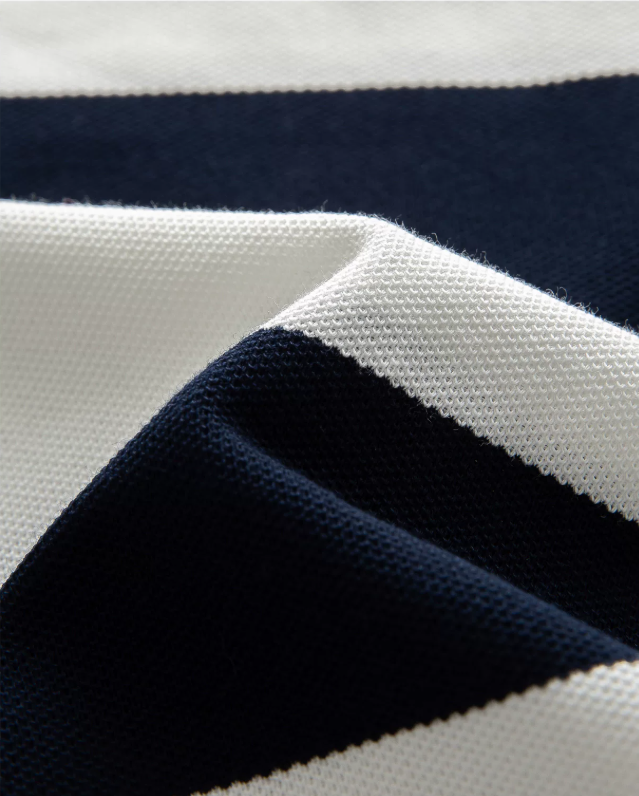
Custom T-Shirts
Produce custom T-shirts in combed cotton, Pima cotton, organic options, jersey blends, and performance knits. Development covers fit, weight, neckline, decoration placement, DTG or screen printing, private labels, and repeatable bulk specifications.
Request a Quote
Custom Jeans
Build custom jeans with fit-led pattern making for standard, extended, plus-size, and oversized ranges. Choose denim weight, stretch, wash, pocket construction, hardware, embroidery, patches, labels, and grading for production-ready private-label programs.
Request a Quote
Custom Sweaters
Source turtle neck sweater bulk programs across knit gauges, yarn blends, rib structures, and silhouettes. Junsheen develops measurements, size grading, neck height, hand feel, trims, labels, and packaging for capsule quantities or ongoing wholesale supply.
Request a Quote
Custom Jackets
Develop a custom jean jacket with denim sourcing, body and sleeve proportion review, hardware selection, pocket construction, washes, distressing, embroidery, patches, and branded trims. Fit can be graded from XS through 3XL before bulk approval.
Request a Quote
Custom Sweatshirts & Crewnecks
Create custom crewneck hoodie and sweatshirt programs in brushed fleece, French terry, and jersey constructions. The team supports crewneck shapes, rib specifications, oversized fits, embroidery, puff or silicone prints, garment dye, labels, and low-MOQ production.
Request a Quote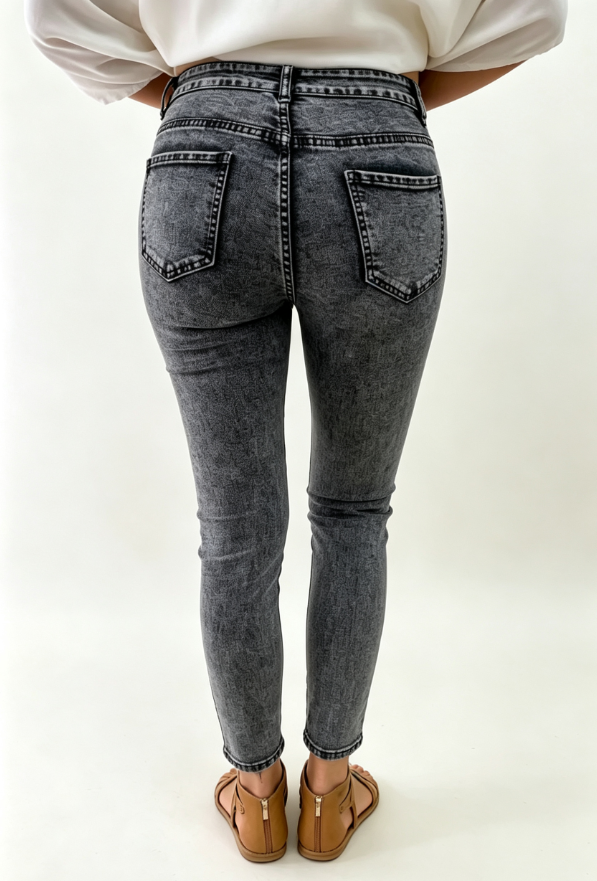
Custom Cardigans
Manufacture custom cardigans in sweater constructions suited to your target price, weight, and drape. Select yarns, gauges, button or zipper details, rib trims, embroidery, labels, and XS–3XL grading for modern, classic, or oversized fits.
Request a Quote
Custom Puffer & Down Jackets
Produce custom puffer jackets with shell, lining, insulation, quilting, pocket, zipper, and hood specifications reviewed before sampling. Junsheen supports logo decoration, reflective details, branded trims, fit grading, quality control, and export-ready packing.
Request a Quote
Custom Denim Shorts
Develop custom jean shorts with denim weight, rise, inseam, hem treatment, pocket construction, stretch, wash, distressing, and hardware aligned to your target customer. Pattern makers refine grading across XS–3XL before bulk production.
Request a Quote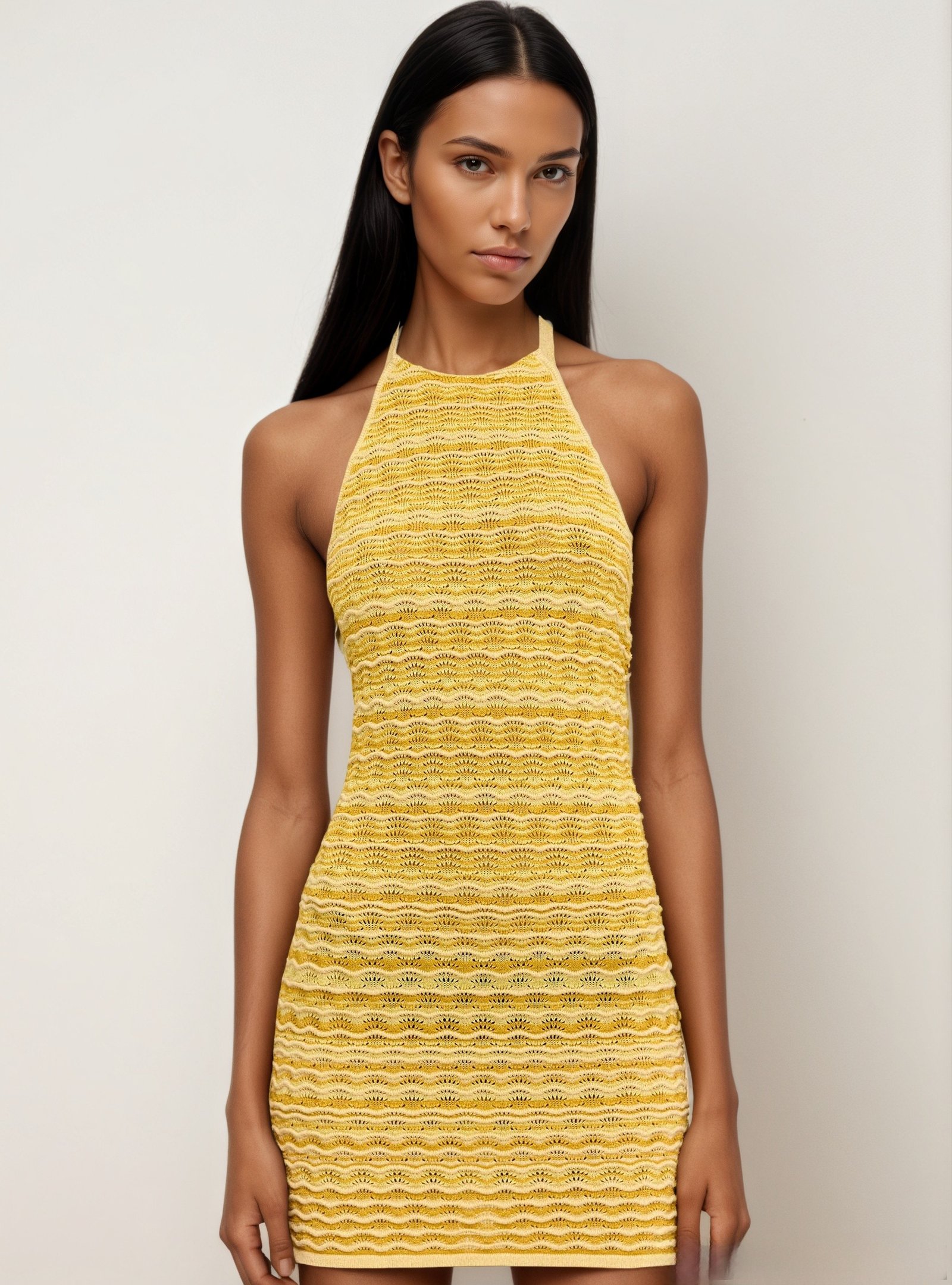
Custom Sweater Dresses
Create custom sweater dresses in knit structures ranging from fine-gauge fitted styles to heavier relaxed silhouettes. Development includes yarn selection, body length, shaping, rib details, neckline, size grading, labels, and production specifications for wholesale or private label.
Request a Quote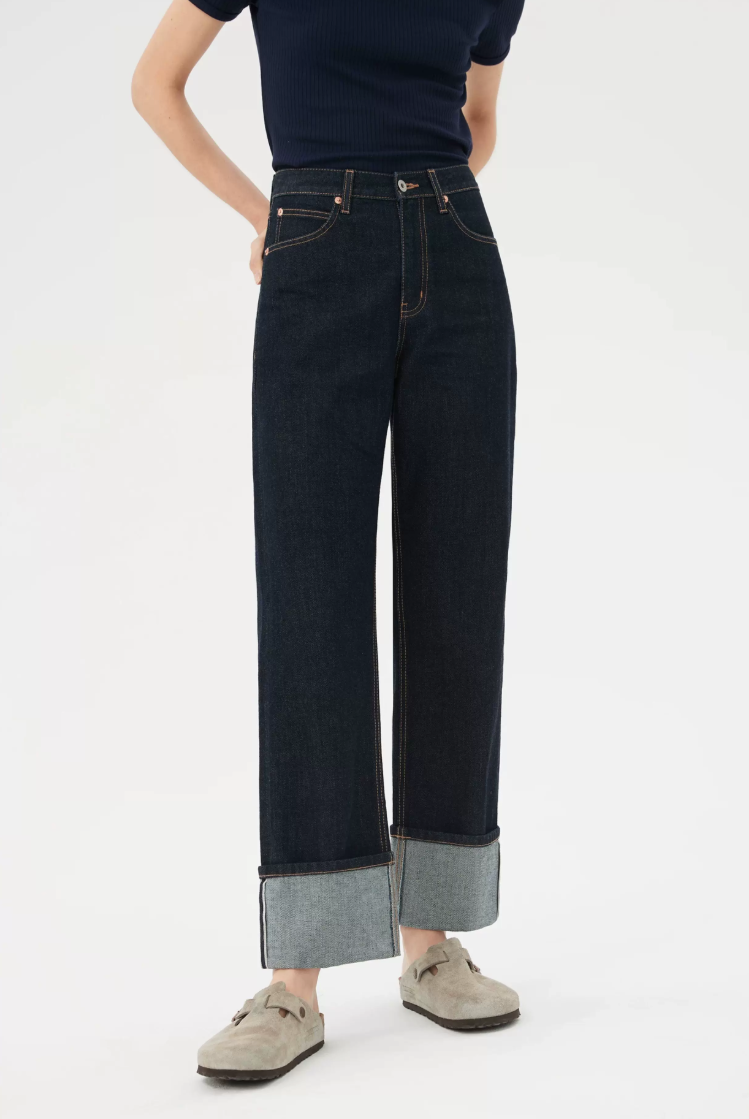
Custom Denim Sets
Support mens denim suits wholesale with coordinated denim jackets, overshirts, jeans, and matching separates. Junsheen aligns fabric shade, wash consistency, hardware, fit, construction, labels, and packaging across the full denim set for scalable replenishment.
Request a Quote
Custom Polo Shirts
Produce custom polo shirts in pique, jersey, performance knit, or cotton-blend fabrics. Specify collar construction, plackets, buttons, contrast panels, embroidery, printing, sizing, labels, and packaging for retail, uniform, wholesale, or private-label programs.
Request a Quote
Custom Sweatpants
Develop custom sweatpants in fleece, French terry, jersey, and performance fabrics with fit-focused rise, leg shape, cuff, waistband, pocket, and drawstring specifications. Add embroidery, prints, washes, branded trims, and graded XS–3XL size sets.
Request a Quote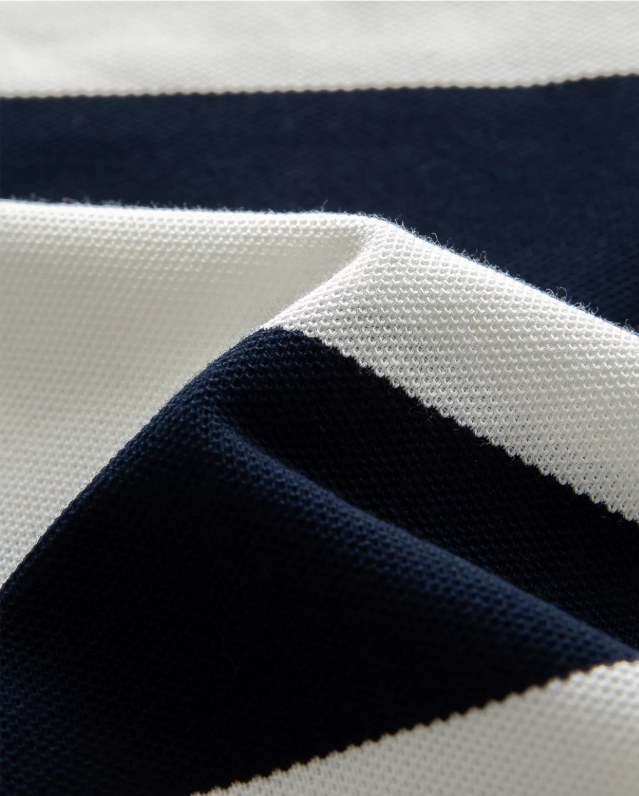
Custom Shorts
Manufacture custom shorts across jersey, fleece, twill, woven, denim, and performance constructions. The development team reviews inseam, rise, pocket layout, waistband, fit, decoration, washing, labels, and bulk-ready grading to reduce sampling revisions.
Request a Quote
Custom Pullovers
Create custom pullovers in knit, fleece, French terry, and woven outerwear constructions. Define neckline or collar, closures, pockets, fit, fabric weight, decoration, labels, trims, and packaging, then scale approved specifications from 100-unit MOQ programs.
Request a QuoteCustom Embroidered Jeans Materials for Fit, Wash and Detail

Rigid Cotton Denim
A classic, structured denim with a dry-to-soft hand feel for straight-leg, wide-leg and vintage-inspired custom embroidered jeans. Available in mid to heavyweight constructions, it holds shape well and develops character through enzyme, stone or acid washes.

Stretch Cotton Denim
Cotton-rich stretch denim adds comfortable recovery for slim, fitted and high-rise silhouettes. Its flexible hand feel supports daily movement, while carefully selected stretch content helps preserve shape, embroidery placement and wash performance after repeated wear.

Recycled Blend Denim
Recycled-cotton denim blends offer a responsible material direction without losing authentic denim character. Suitable for contemporary jeans and denim sets, these fabrics can be specified for weight, surface texture and durability, then sampled to confirm wash results.

Cotton Twill
Cotton twill provides a smoother, more uniform surface for embroidery-heavy panels, utility styles and matching denim-look separates. Its diagonal weave delivers dependable abrasion resistance, a crisp hand feel and reliable structure at a range of garment weights.

Pocketing and Lining
Complementary cotton pocketing, lightweight twill and selected lining fabrics improve comfort and construction inside custom embroidered jeans. JUNSHEEN matches their weight and colorfastness to the denim program, helping pockets, waistbands and interior details withstand wear and washing.
Custom Embroidered Jeans: Decoration and Finishing Options

Flat Embroidery
Precision flat embroidery adds clean logo work, detailed line art and tonal motifs directly to denim. Stabilization and thread selection are matched to fabric weight, helping designs retain definition and durability through repeated wear and washing.

Puff Embroidery
3D puff embroidery creates raised, tactile branding and bold graphic accents on custom denim. Our team reviews stitch density, foam coverage and placement to achieve dimensional results while keeping the garment comfortable and production-ready.

Chain Stitch
Chain stitch brings a heritage, handcrafted character to denim with textured outlines, lettering and decorative artwork. It is well suited to back pockets, jackets and statement panels where visible thread movement adds authentic visual depth.

Appliqué Details
Appliqué layers contrasting denim, twill or fabric shapes onto garments for distinctive color blocking and graphic storytelling. Secure stitching and considered edge finishes create a durable, elevated detail for private-label jeans and denim sets.

Custom Patchwork
Custom woven, embroidered, leather or chenille patches give denim programs a recognizable branded finish. We support patch development, placement testing and secure attachment methods for labels, capsule graphics and retail-ready statement pieces.

Denim Washes
Enzyme, stone, acid and garment washes shape denim color, softness and vintage character before final approval. Sampling helps brands evaluate wash contrast alongside embroidery or printing, ensuring decoration and finishing work together consistently.
Private-Label Details for Custom Embroidered Jeans

Custom Metal Buttons
Branded shank buttons and rivets add durable closure strength to custom embroidered jeans while reinforcing your label identity. Choose engraved logos, antique finishes, matte plating, or color-matched hardware for premium denim styling.

Zippers and Snaps
Select dependable fly zippers, pocket zippers, and snaps sized for your denim construction. Junsheen can coordinate metal finish, puller shape, logo engraving, and placement with the garment’s wash, embroidery, and intended price point.

Woven Leather Labels
Woven labels and embossed leather patches create a recognizable back-waist or interior signature. We support custom artwork, sizing, colors, materials, and attachment methods that remain clear through denim washing and repeated wear.

Drawcords and Tipping
For embroidered denim joggers, cargo styles, and relaxed-waist designs, custom drawcords provide adjustable comfort and branded detail. Specify cord material, color, metal tips, printed logos, and matching eyelets for a finished private-label look.

Custom Hang Tags
Custom hang tags communicate collection story, care guidance, sizing, and retail information before the garment reaches the customer. Choose card stock, die cuts, string, barcode placement, foil accents, and coordinated swing-ticket designs.
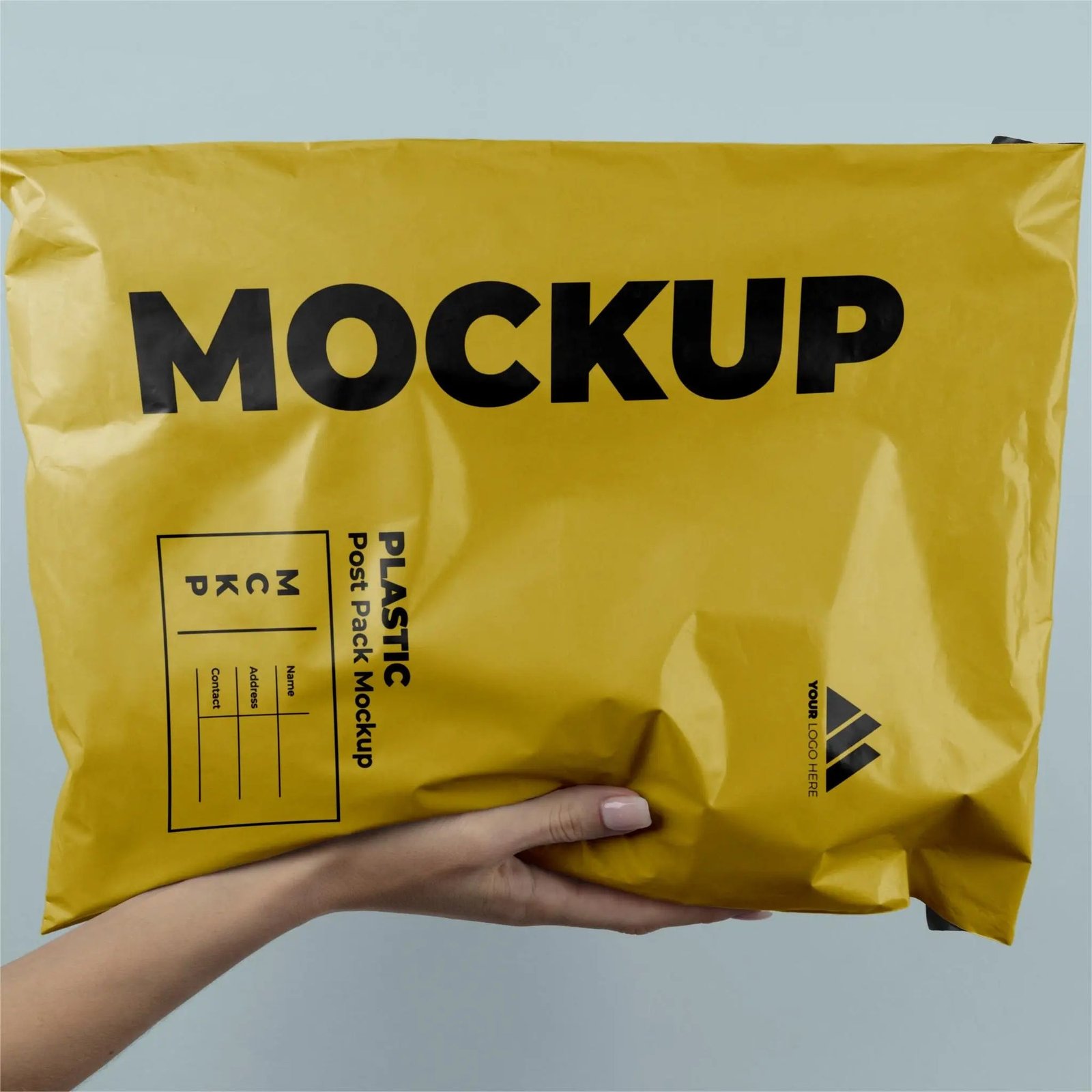
Branded Packaging Sets
Finish your order with logo polybags, tissue paper, size stickers, carton markings, and presentation packaging tailored to wholesale or direct-to-consumer fulfillment. Packaging specifications can be coordinated with labels and quality-control requirements before bulk production.
Custom Embroidered Jeans, Made by JUNSHEEN
Founded in 2010 in Humen Town, Dongguan, JUNSHEEN helps fashion brands turn denim concepts into production-ready custom embroidered jeans. Our one-stop OEM, ODM and private-label team supports every stage, from fabric and fit development to embroidery, finishing, labels, packaging and export coordination.
With more than 200 skilled workers and monthly capacity above 80,000 units, we serve capsule launches from 100 units per style and color as well as scalable ongoing programs. More than 2,000 fashion-brand clients have relied on JUNSHEEN for responsive development, dependable quality control and global delivery support.
Our fit-first approach sets the standard for every denim program. We refine patterns and grading from XS through 3XL, including extended-size, plus-size and modern oversized fits, then align embroidery placement, washes and construction details so your jeans look intentional, wear comfortably and repeat consistently in bulk.

Core Capabilities for Custom Embroidered Jeans
Fit-First Denim Engineering
JUNSHEEN develops custom embroidered jeans from XS to 3XL with pattern adjustments for rise, hip balance, leg shape and movement. Our grading team refines each size instead of simply scaling a base pattern, helping reduce fit revisions before bulk production.
- XS–3XL, plus-size and oversized grading
- Pattern review from tech packs or reference samples
- Size-set approvals before bulk cutting
- Stretch and wash behavior considered in fit

Precision Embroidery Placement
Denim embroidery is planned around seams, pockets, yokes, panels and wash effects before production begins. Our team evaluates stitch density, backing, placement and artwork scale so logos, patches and decorative motifs remain clean, durable and aligned on finished garments.
- Flat, 3D puff, chain stitch and applique options
- Placement checks for pockets, seams and panels
- Artwork and stitch-density feasibility review
- Embroidery coordinated with denim washes

Integrated Product Development
From an initial sketch or mood board, JUNSHEEN brings fabric sourcing, trim selection, sampling, embroidery and private-label details into one managed workflow. This keeps specifications connected across development stages and gives denim brands clearer decisions on cost, construction and timing.
- OEM, ODM and private-label development
- Denim, trims, labels and packaging sourced together
- Prototype and pre-production sample support
- Low MOQ from 100 units per style and color

Multi-Stage Quality Control
Each custom embroidered jeans program is checked through incoming material review, in-line construction inspections, measurement verification, decoration checks and final packed-goods inspection. Retained patterns and material records also support more consistent repeat orders as your denim program scales globally.
- Fabric, wash and embroidery inspection points
- In-line construction and measurement checks
- Final review before export packing
- Records retained for repeat-order consistency
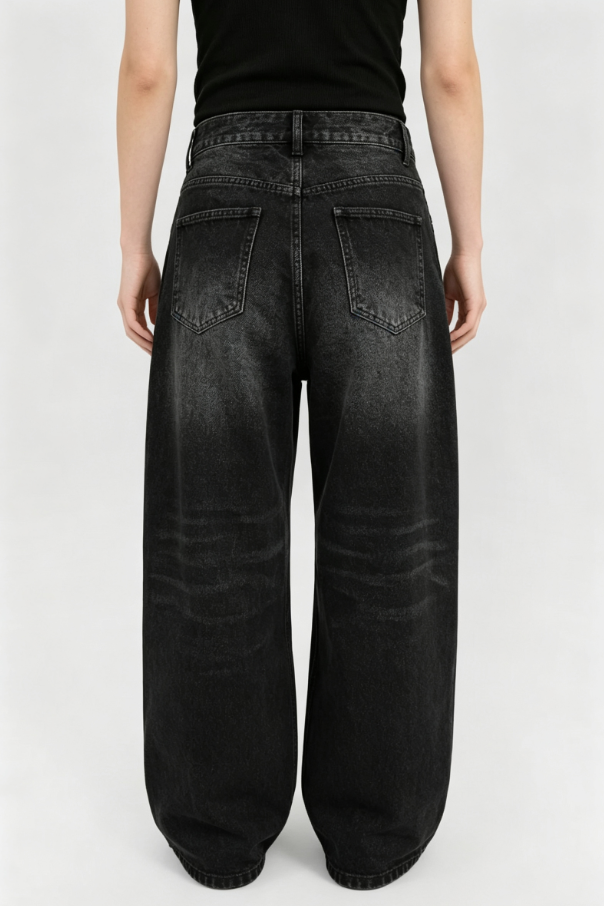
Why Brands Choose JUNSHEEN for Custom Embroidered Jeans
Fit-focused development, in-house decoration and dependable export support for denim programs from 100 units per style and color.
← 左右滑动查看 →
Custom Embroidered Jeans, From Concept to Global Delivery
A clear OEM workflow that moves your denim program from feasibility review to quality-checked packing and international shipment.
Review Design Feasibility
We assess your tech pack, sketch, or reference jeans, confirming construction, embroidery placement, target fit, MOQ, and practical production requirements.
Source Denim and Trims
Our team recommends denim weight, stretch, wash-ready fabric, threads, labels, hardware, and packaging based on your price point and intended hand feel.
Develop Patterns and Embroidery
Pattern makers build and grade fit-focused XS–3XL specifications while embroidery specialists prepare artwork, stitch files, backing, and placement details for denim.
Approve Prototype Samples
Receive a development sample to review fit, wash effect, embroidery quality, measurements, and branded details before confirming bulk materials and production.
Produce and Inspect Bulk
JUNSHEEN manages cutting, sewing, embroidery, washing, finishing, and in-line inspections, followed by final checks for measurements, decoration, and packed goods.
Pack and Ship Globally
Approved custom embroidered jeans are packed with your private-label components and prepared for reliable export shipment to your warehouse, retailer, or fulfillment partner.
How to Start Your Custom Embroidered Jeans Project
Move from a concept, tech pack, or reference garment to approved bulk production with clear feasibility review, sampling, quality control, and export coordination.
Submit Your Design Brief
Send a tech pack, sketch, reference garment, or mood board with target quantities, sizes, embroidery placement, wash direction, and private-label requirements.
Confirm Feasibility and Quote
Our team reviews denim construction, fit grading, materials, decoration details, and 100-unit MOQ requirements, then recommends production options and prepares a clear quotation.
Approve Samples and Materials
Review fabric swatches, embroidery development, prototype samples, and size sets before confirming bulk materials, measurements, wash effects, labels, trims, and packaging.
Launch Bulk Production
JUNSHEEN manages cut-and-sew, embroidery, washing, finishing, inspections, packing, and export support while monitoring measurements, construction, and decoration consistency throughout production.
Custom Clothing Manufacturer Credentials and Compliance Documents




Custom Embroidered Jeans Results Fashion Brands Can Measure
JUNSHEEN turned our artwork and wash references into approved custom embroidered jeans samples in two rounds instead of the five we expected. The stitch placement and denim hand feel carried through cleanly into our 600-unit launch order.
Their grading team corrected the rise and hip balance across XS–3XL before bulk production. Our first delivery of 1,200 pairs achieved a 96% fit-acceptance rate, which made the retailer reorder process far easier.
We started with a 100-unit capsule, then scaled to 3,000 embroidered jeans across four washes. JUNSHEEN retained the approved patterns and trim details, so repeat samples were ready in 12 days and production stayed consistent.
Custom Embroidered Jeans FAQ for OEM Buyers
Clear answers on MOQ, sampling, production, private labeling, payment and worldwide delivery.
What is the MOQ for custom embroidered jeans?
Can you make a sample before I order custom embroidered jeans?
How long does custom embroidered jeans production take?
Can JUNSHEEN help with embroidery artwork and placement?
Do you offer private-label custom embroidered jeans?
What payment terms do you offer for OEM denim orders?
Do you ship embroidered jeans internationally?
How do you protect my denim designs and brand information?
Complete Buyer’s Guide to custom embroidered jeans
Use this decision framework to select embroidery-ready denim, evaluate supplier capabilities, control quality and costs, and avoid the sampling, placement, compliance, and production mistakes that delay a successful launch.
1. What Are custom embroidered jeans?
100-unit production runs can support custom embroidered jeans: denim garments carrying stitched logos, artwork, monograms, patches, or decorative motifs applied directly to the garment or to an attached component. Unlike printed graphics, embroidery is built from thread, stitch density, backing, and machine sequencing, so its appearance and hand feel become part of the product specification. OEM development starts with a buyer’s tech pack, sketch, or reference and can include fabric selection, pattern making, grading, wash development, placement engineering, and embroidery programming before bulk approval. Private-label customization adapts an existing or jointly developed jean with branded labels, trims, packaging, and approved embroidery; post-production embellishment adds stitching to already-made garments and offers less control over placement, needle damage, wash response, and inside finishing. 3 common B2B uses are branded denim capsules, artist or varsity-inspired collections, and retailer exclusives with localized motifs. Buyers should specify artwork size, Pantone-adjacent thread references, placement from seams or pocket edges, stitch type, backing, and whether embroidery occurs before or after washing. 12,000 stitches on a back-pocket motif can materially affect cycle time, puckering risk, and unit cost, especially on stretch denim or heavily washed fabric. Sampling should therefore test the actual denim, wash recipe, thread colors, backing, tension, placement, and post-wash appearance; final QC should check stitch coverage, thread breaks, distortion, loose ends, symmetry, measurements, and skin-contact comfort inside the garment.
2. History of custom embroidered jeans
1853 marks the commercial rise of riveted denim workwear, built for durability rather than decoration. Early embellishment was typically hand-applied repair, monograms, or regional needlework, making embroidery a personal marker on a hard-wearing garment instead of a factory-standard feature. 1930s Western wear gave embroidered denim a recognizable visual language: contrast thread, floral scrolls, stars, rope borders, and yoke-inspired placement. These references still translate well when a collection uses them selectively—such as pocket corners, a side seam, or back-yoke detail—rather than copying a costume-like all-over treatment. 1970s fashion denim moved jeans from utility into self-expression, while 1980s and 1990s streetwear made logos, patches, and oversized back-pocket graphics commercially legible. For buyers, the credible lesson is placement hierarchy: keep a brand mark readable at normal viewing distance, then use secondary motifs to support it without competing with the garment silhouette. 2020s branded collections commonly combine archival cues with cleaner execution: tonal logo embroidery, chain-stitch lettering, restrained appliqué, and targeted repair-style details. A modern custom embroidered jeans program should begin with a clear reference category—workwear, Western, fashion, or streetwear—and carry that category consistently through wash, thread color, trim, fit, and packaging.
3. Types of custom embroidered jeans
Six commercially useful silhouettes—straight, slim, relaxed, wide-leg, flare, and cargo—change where embroidery sits, how it drapes, and who will buy it. Select the block before finalizing artwork, because graded proportions alter usable stitch area.
| Option | Best Customer | Embroidery Approach | Main Risk |
|---|---|---|---|
| Straight | Broad casual market | Pocket or small leg panel | Moderate alignment |
| Slim | Logo-led labels | Localized pocket | Limited stretch area |
| Relaxed or wide-leg | Fashion collections | Large panel motifs | Grade imbalance |
| Flare | Trend-focused retail | Vertical leg embroidery | Motif distortion |
| Cargo | Utility streetwear | Pocket flap or panel | Seam interference |
| Gender-neutral | Inclusive brands | Centered, scalable motifs | Fit-grade consistency |
Silhouette Determines The Customer

Straight and slim jeans suit cleaner logos, pocket motifs, and narrow leg-panel artwork; slim blocks leave less ease around knees and thighs. Relaxed, wide-leg, and flare jeans give fashion-led customers more visible canvas, but large motifs must remain balanced across graded sizes. Gender-neutral fits usually rely on a straighter rise, roomier thigh, and inclusive grading rather than simply scaling a women’s or men’s base block.
- Straight: versatile core assortment
- Slim: compact, logo-led execution
- Relaxed and wide-leg: larger fashion artwork
- Flare: vertical motifs emphasize the leg
- Cargo: utility customer and panel opportunities
Placement Controls Complexity

Two back pockets create the strongest recognizable placement for a statement design, but embroidery must avoid pocket-bag seams, bartacks, and uneven layers. One localized pocket logo is the lowest-risk option. Leg panels, hems, and cargo-pocket flaps require artwork positioned against actual pattern pieces before sewing.
- Pocket logo: low stitch count and risk
- Leg panel: high visibility, alignment-sensitive
- Hem motif: small area, wash-abrasion exposure
- All-over motifs: highest registration demand
Stitch Area Sets Production Risk

5,000 to 8,000 stitches is a practical range for many localized logos; dense, oversized fills raise run time, thread consumption, puckering risk, and unit cost. All-over motifs need repeat placement rules and a pre-production sample, especially on wide legs or flares where seam direction changes the visual rhythm.
4. Fabrics for custom embroidered jeans
Denim embroidery succeeds when the fabric can hold stitch density without puckering, distortion, or wash-related shrinkage. For custom embroidered jeans, composition, weight, weave, and recovery should be approved with the embroidery sample—not from a swatch alone.
| Fabric Choice | Typical Weight | Best Collection Use | Embroidery Durability |
|---|---|---|---|
| Rigid cotton denim | 12–14 oz | Core fashion and workwear | Excellent with backing |
| Comfort stretch denim | 10–13 oz | Fitted and everyday jeans | Good for controlled motifs |
| Recycled cotton blend | 11–14 oz | Responsible capsules | Test after washes |
| Selvedge or premium denim | 14–16 oz | Heritage limited editions | Excellent; test seams |
Choose Stable Denim Weights

12–14 oz rigid cotton denim (roughly 400–475 GSM) gives the cleanest foundation for dense logos, chain stitch, and larger back-pocket motifs. Ring-spun yarns and a tight 3×1 twill generally show fewer needle marks than loose, open-end constructions. 14–16 oz premium or selvedge denim supports durable heritage programs, but its heavier seams require needle and tension testing. Place embroidery away from thick felled seams where possible.
Manage Stretch And Recycled Blends

1–2% elastane comfort stretch denim is suitable for small-to-medium embroidery when cut panels are stabilized before stitching. Higher-stretch fabrics can rebound unevenly after hooping, causing rippling around dense fills. 20–40% recycled cotton blends need wash and abrasion testing because shorter recycled fibers may reduce surface strength. Confirm post-wash measurements and stitch appearance after enzyme, stone, or acid-wash trials.
Use Backing And Panel Embroidery

One layer of cut-away backing is usually safer for pocket, thigh, and seat embroidery on 10–13 oz denim; tear-away can shift during repeated laundering. A light fusible stabilizer helps prevent hoop burn on dark indigo or garment-dyed goods. Before-sewing panel embroidery is preferred for all-over legs, yokes, and placements crossing pocket bags or side seams. It keeps the garment flat, protects access for the embroidery frame, and improves repeatability in bulk production.
5. Custom embroidered jeans design options
For custom embroidered jeans, lock the artwork, placement map, and stitch recipe before the first sample. Denim tolerates bold decoration, but seams, pockets, stretch panels, and distressed zones each require different backing and sequencing.
| Technique | Visual Impact | Wash Durability | Feel | Surface Feasibility |
|---|---|---|---|---|
| Flat fill | Clean, graphic | High with polyester | Low profile | Best on flat panels |
| Satin | Crisp outlines | High if not over-dense | Smooth, raised | Avoid bulky seams |
| Chain stitch | Vintage, textured | Moderate; test abrasion | Rope-like | Best on stable denim |
| Appliqué or patch | Layered, bold | High when edge secured | Variable thickness | Useful over distressed areas |
| Mixed media | Maximum dimension | Depends on components | Textured | Keep clear of stretch zones |
Select The Stitch Language

3 stitch families drive most results: flat fill for clean logos, satin for borders and lettering, and chain stitch for raised vintage character. 2 mixed-media routes add dimension: appliqué reduces dense stitch coverage, while embroidered patches can be made separately and applied after washing.
- Use fill stitches for solid motifs.
- Use satin within narrow borders.
- Use chain stitch for heritage graphics.
Specify Thread And Scale
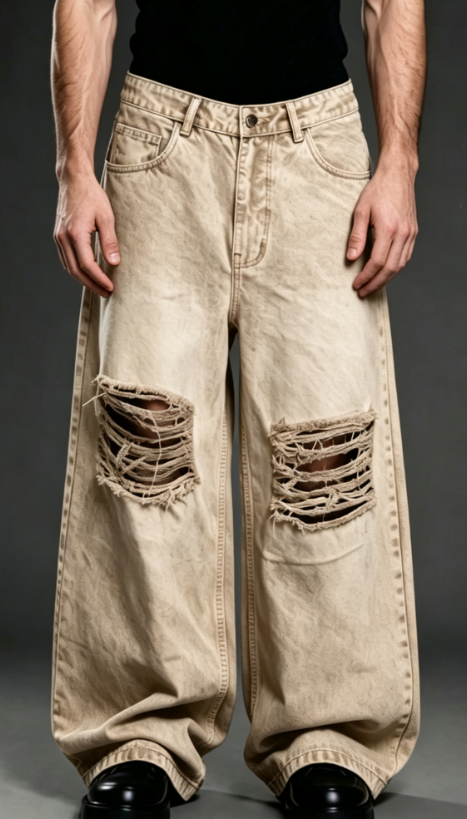
40-weight polyester thread is the standard wash-resistant choice; rayon gives richer sheen but deserves wash testing on dark indigo. 6–12 thread colors usually control setup efficiently. Supply Pantone references, logo dimensions, and a maximum stitch-density target so heavy fills do not stiffen the denim.
- Approve thread cards under daylight.
- Separate contrast colors from wash effects.
- Avoid tiny text below 4 mm height.
Map Placement Before Washing

1 placement sheet should show finished-garment measurements from seams, pocket edges, and waistband—not only centered artwork. 2 process decisions matter: embroider before distressing when abrasion is intentional, or apply patches after washing when a clean edge must remain visible.
- Keep dense embroidery off high-stretch panels.
- Test pocket access after decoration.
- Stabilize seam-adjacent motifs with backing.
6. Construction quality for custom embroidered jeans
Construction quality in custom embroidered jeans is decided before bulk cutting: the approved pattern, wash recipe, and embroidery file must work together. Require measurable tolerances and inspect the garment again after its final wash.
Pattern And Fit Control
100-unit capsule runs still need a graded specification. Set rise, inseam, waist, hip, and leg-opening tolerances, typically ±1 cm for key garment measurements after wash. 1 approved pre-production sample should match the production pattern, fabric, hardware, wash, placement, and size label. Check rise balance seated and standing, not only flat measurements.
Seams Pockets And Hardware

2 layers of denim at stress points need secure construction. Inspect consistent stitch density, aligned yokes and pockets, clean topstitching, and bartacks at pocket corners, fly base, belt loops, and zipper ends. 1 zipper or button failure can render a saleable jean unusable. Specify branded or tested hardware, smooth zipper operation, firmly set rivets, and no sharp backs against the body.
- Match back-pocket height and spacing across pairs
- Confirm bartacks are dense and unbroken
- Test fly closure after washing
Embroidery After Wash
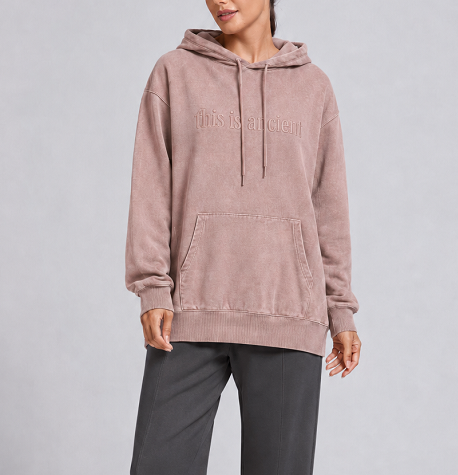
3 checks prevent embroidery from undermining denim quality: stable thread tension, backing fully concealed from the wearer, and no puckering around the design. Trim loose thread ends without cutting the garment yarns. 1 washed approval sample is essential because enzyme, stone, acid, or garment-dye processes can alter color, shrinkage, abrasion, and embroidery appearance. Recheck placement and stitch integrity after laundering.
Final AQL Review
AQL 2.5 is a common general-inspection benchmark for finished apparel; agree the sampling plan and defect definitions before production. Inspect packed goods for measurements, wash consistency, embroidery defects, stains, skipped stitches, loose ends, and hardware function. 100% of obvious critical defects should be rejected regardless of sample size. Keep approved samples, measurement sheets, and wash standards as the repeat-order reference.
7. Choosing a custom embroidered jeans manufacturer
Selecting a custom embroidered jeans manufacturer is a risk-control decision: denim behavior, stitch quality, and export execution must be proven before development begins. Compare evidence, not portfolio imagery or an attractive unit quote.
Verify Relevant Production Experience

10–14 oz denim and stretch denim need different needle, stabilizer, and wash planning; ask for comparable embroidered-jeans samples. Confirm whether embroidery occurs before or after wash and how distortion, puckering, and thread breakage are controlled.
- Which denim weights and stretch blends have you embroidered?
- Is embroidery, washing, and sewing managed in-house?
- Can you share matching bulk-quality reference samples?
Audit Development Controls

1 approved digitized file is not enough: request stitch count, backing type, thread specification, and a physical strike-off before sampling. Ask how the factory records Pantone references, placement tolerances, graded artwork positions, and sample revisions.
- Who approves digitizing before production?
- What measurements and placement tolerances apply?
- Will you receive a pre-production sample?
Confirm Commercial Readiness
100 units per style and color can suit a capsule, but ask whether the MOQ changes by wash, embroidery location, fabric, or size ratio. Obtain a dated critical path covering material booking, sampling, production, final inspection, balance payment, and export dispatch.
- What is the MOQ by color and wash?
- Which processes are outsourced and to whom?
- What are normal sample and bulk lead times?
Check Traceability And Quality
2 inspection stages are a minimum practical checkpoint: verify incoming denim and in-line construction before final packed-goods inspection. Ask for fabric mill records, test reports, certification scope, defect policy, and export documentation experience for your destination.
- Can you provide material lot traceability?
- Which certifications apply to the actual factory or fabric?
- What AQL level and rework process are used?
8. Common custom embroidered jeans buying mistakes
100-unit capsule orders leave little margin for preventable revisions. For custom embroidered jeans, lock the embroidery file, denim behavior, wash sequence, timing and quote scope before approving a production sample.
Specify The Embroidery File

3D previews do not show stitch density, underlay, thread count or backing. Approving artwork alone can cause puckering, thread breaks and a rigid hand. 1 production sheet should state stitch type, density, thread colors, maximum stitch count, backing and placement tolerances. Request a sewn strike-off on the actual denim before bulk approval.
Test Denim And Wash Together

10–12 oz stretch denim can skew or shrink differently from rigid 12–14 oz denim during enzyme, stone or acid washes. Embroidery can also distort when the garment is washed after stitching. 1 wash-tested sample should be measured before and after finishing, including inseam, hip, rise and artwork position. Approve the final wash recipe and placement after wash, not only a dry sample.
Control Design Density And Placement

20,000-plus stitches concentrated across a small panel can make denim stiff and cause seam-adjacent puckering. Dense artwork over pockets, yokes or side seams also creates inconsistent registration. 2–3 mm clearance from major seams and pocket edges is a practical starting point, subject to the pattern. Simplify fills, split oversized art into zones, and confirm placement on every graded size.
Compare Like-For-Like Quotes
100 units per style and color is a workable starting quantity, but decoration complexity and wash development change cost and lead time. A lower quote may exclude sampling, specialty thread, wash testing, labels or packed-goods inspection. 1 quote comparison sheet should match fabric weight, composition, wash, stitch count, color count, sizes, trims, packaging, MOQ and delivery terms. Confirm the sample calendar and bulk lead time in writing before paying a deposit.
9. Launching a custom embroidered jeans collection
A first collection should move through locked approval gates, not a loose chain of messages. For custom embroidered jeans, confirm the customer, price position, fit direction, and decoration placement before sampling begins.
Define The Production Brief
One customer profile should define intended retail price, target fit, wash mood, and size range. A clear brief prevents conflicting decisions between design and sourcing. One tech pack should list flat sketches, Pantone references, point-of-measure specs, construction notes, artwork size, and placement coordinates. Include a bill of materials and packaging requirements.
- Customer and price position
- Tech pack and measurement chart
- Artwork files and placement map
Approve Materials And Embroidery

One fabric approval should cover denim weight, composition, stretch recovery, color, and hand feel before bulk booking. Review swatches against the intended wash and embroidery area. One digitized embroidery file requires a strike-off on the selected denim. Check thread colors, stitch density, registration, backing, and distortion near seams or pockets.
- Approved denim swatch
- Digitized embroidery file
- Signed embroidery strike-off
Sequence Samples And Testing

One fit sample verifies silhouette, rise, inseam, pocket shape, and placement on the actual pattern. Record all corrections directly on the measurement chart and sample photos. One wash test should follow embroidery approval because stone, enzyme, or acid effects can alter thread appearance. Approve the wash standard before requesting a graded size set.
- Fit sample approval
- Wash-test approval
- XS–3XL graded size set
Release Bulk With Controls
One pre-production sample combines approved fabric, trim, wash, embroidery, labeling, and packaging. Written approval is the gate for bulk cutting. One retained record set—tech pack, graded patterns, approved samples, material codes, and inspection notes—makes repeat orders faster. Incoming, in-line, measurement, decoration, and final packed-goods inspections should precede delivery.
- Pre-production approval
- In-line measurement checks
- Final packing inspection
10. custom embroidered jeans pricing and MOQ
100 units per style and color is Junsheen’s practical starting point for a capsule OEM run, but a usable quote must match the approved fabric, wash, artwork, size range, trims, labels and packing method. Treat the ranges below as planning guidance for a mid-weight cotton-stretch denim jean, not a fixed factory price. 7–21 days is a typical development window after specifications and materials are confirmed; bulk timing then depends on fabric availability, wash testing and embroidery capacity. Higher-grade denim, enzyme, acid or stone washes, dense chest-to-leg embroidery, multiple placements, leather labels, custom hardware, branded cartons, sampling and freight all change the landed cost, so request a specification-matched quotation before setting retail margins.
| Quantity tier | Indicative FOB unit-price driver | Typical bulk lead time |
|---|---|---|
| 100–299 units | Highest unit cost; limited fabric efficiency; one embroidery placement | 30–45 days |
| 300–499 units | Better fabric and wash allocation; shared setup costs | 30–40 days |
| 500–999 units | Improved cutting efficiency; more economical trim purchasing | 25–40 days |
| 1,000+ units | Best cost leverage when fabric, wash and embroidery remain standardized | 25–35 days |
Ready to Develop Your Custom Embroidered Jeans?
Send your tech pack, reference garment, or concept to JUNSHEEN for a production quote and sampling consultation from 100 units.