
Custom Tshirts Manufacturing From 100 Units
Develop fit-focused custom tshirts from XS–3XL with OEM, ODM, private-label production, in-house decoration, and scalable global delivery.
Featured Products for custom tshirts Development
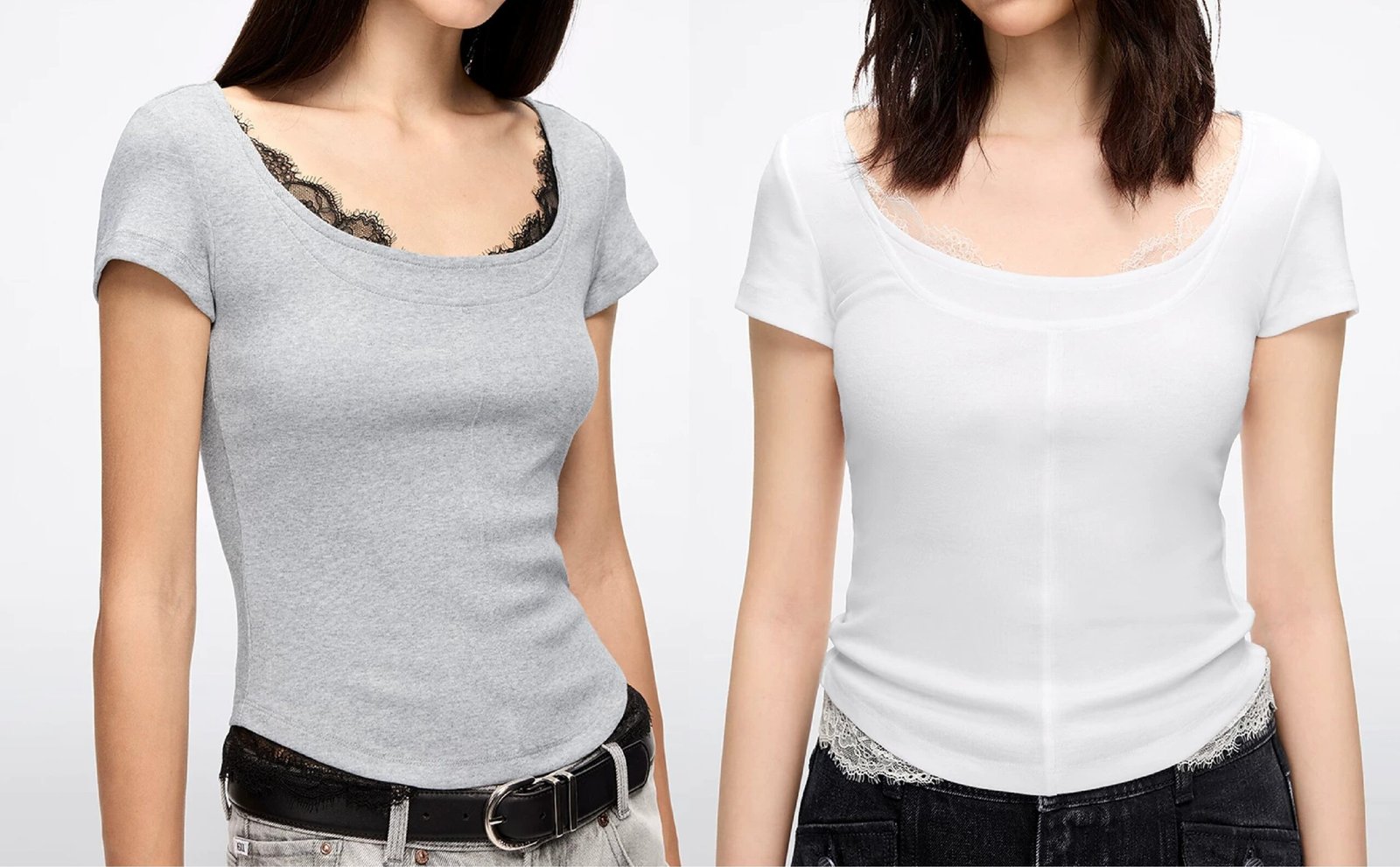


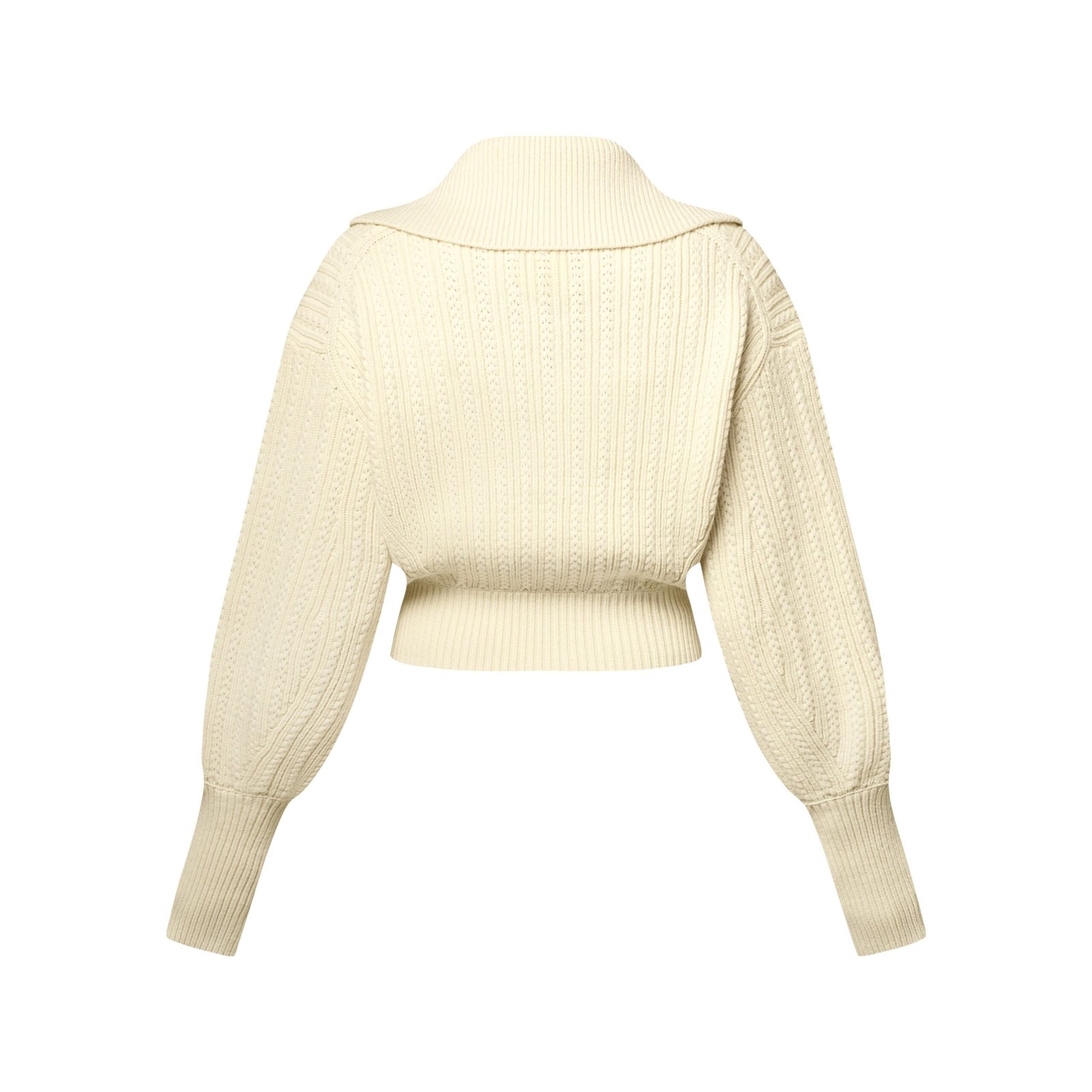


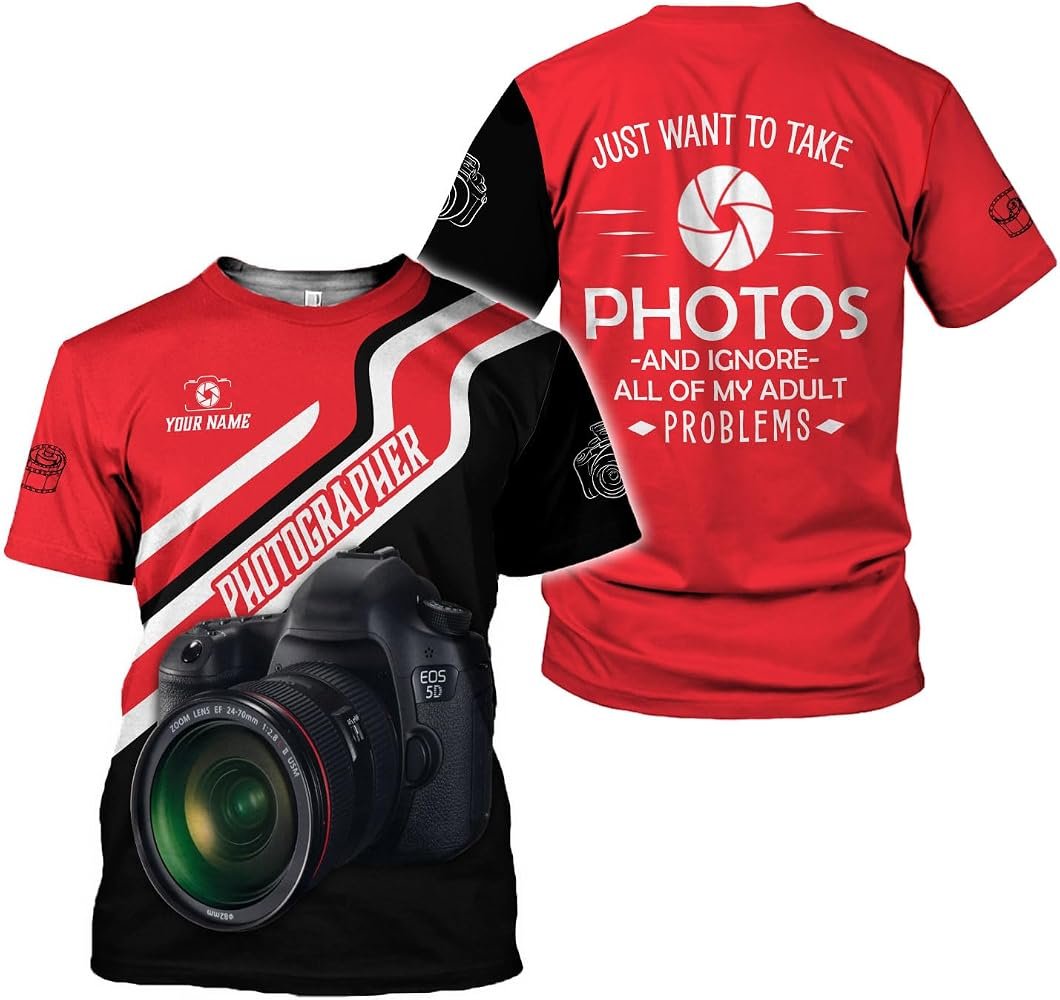

Related Product Catalogue and Quotation

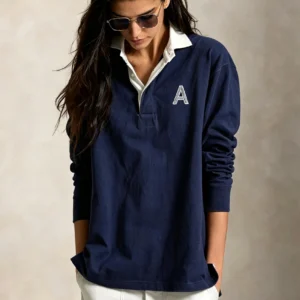




Why Brands Source Custom Tshirts From JUNSHEEN
From first sample to repeat bulk orders, our integrated team keeps fit, quality and delivery aligned.
100-Unit Starting MOQ
Launch capsule collections from 100 units per style and color, with practical support for emerging labels and growing wholesale programs.
Fit-Focused XS–3XL Grading
Pattern makers refine proportions, mobility and grading increments across normal, extended, plus-size and oversized custom tshirts.
Integrated Product Development
Move from tech pack, sketch or reference garment through fabric sourcing, patterns, samples, size sets and production-ready approvals.
In-House Decoration Options
Match your brand vision with screen printing, DTG, embroidery, patches, washes, labels, trims and branded packaging.
Scalable Production Capacity
Rely on 200+ skilled workers and monthly capacity above 80,000 units as your custom tshirts program expands.
Global Export Support
Coordinate quality control, packed-goods inspection and export shipping with an experienced team serving fashion brands worldwide.
Custom Apparel Categories We Manufacture
From low-MOQ launches to scaled programs, Junsheen develops fit-focused casualwear, denim, outerwear and knitwear for global brands.
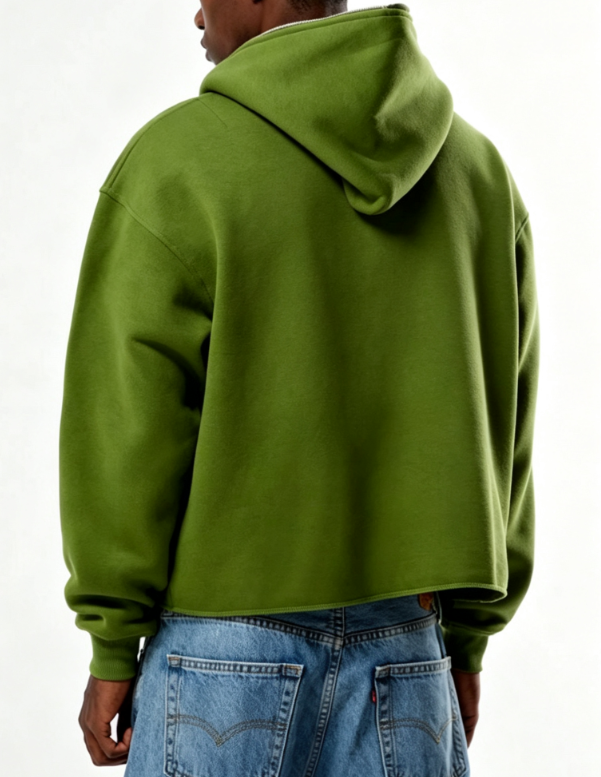
Custom Hoodies
Custom hoodies developed in fleece, French terry, jersey, or blended fabrics, with pattern support from XS through 3XL. Choose pullover or zip styles, custom weights, rib trims, drawstrings, embroidery, printing, washes, labels, and branded packaging from 100 units per style and color.
Request a Quote
Custom T-Shirts
Custom T-shirts made in cotton, Pima cotton, organic cotton, combed jersey, and performance blends. Junsheen supports fitted, regular, oversized, and extended-size silhouettes with custom necklines, weights, print methods, embroidery, garment dye, private labels, and graded size sets.
Request a Quote
Custom Jeans
Custom jeans produced in rigid, stretch, and specialty denim with fit development for men’s, women’s, plus-size, and oversized programs. Services include pattern making, grading, pocket construction, custom hardware, washes, distressing, embroidery, patches, labels, and bulk quality control.
Request a Quote
Custom Sweaters
Turtleneck sweater bulk programs produced in knit constructions suited to your target hand feel, warmth, and price point. Develop ribbed, fine-gauge, chunky, fitted, relaxed, or oversized styles with yarn sourcing, size grading, custom labels, trims, and pre-production approvals.
Request a Quote
Custom Jackets
Custom jean jackets and other woven jacket styles developed with denim, twill, suiting, or stretch fabrics. Junsheen manages silhouettes, fit, pocket details, closures, custom buttons, patches, embroidery, washes, labeling, and production from low-MOQ capsules through repeat bulk orders.
Request a Quote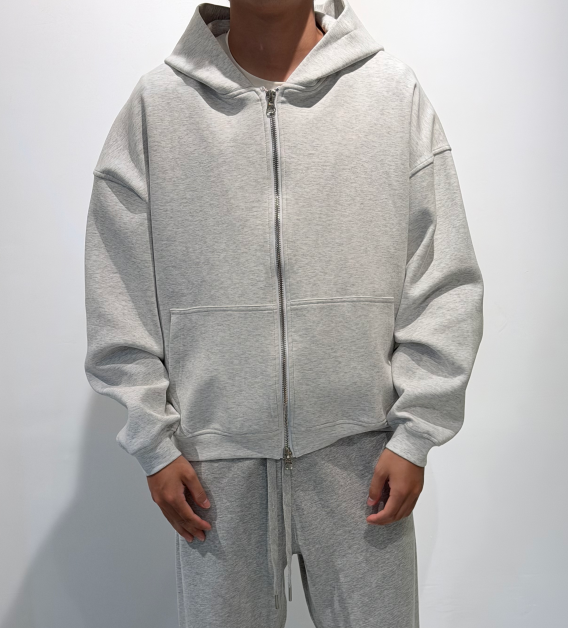
Custom Sweatshirts & Crewnecks
Custom crewneck hoodie and sweatshirt programs built in fleece, French terry, and jersey. Develop crewnecks, hooded styles, cropped fits, relaxed fits, and extended sizes with rib specifications, decoration, garment washing, labels, packaging, and fit approval before bulk production.
Request a Quote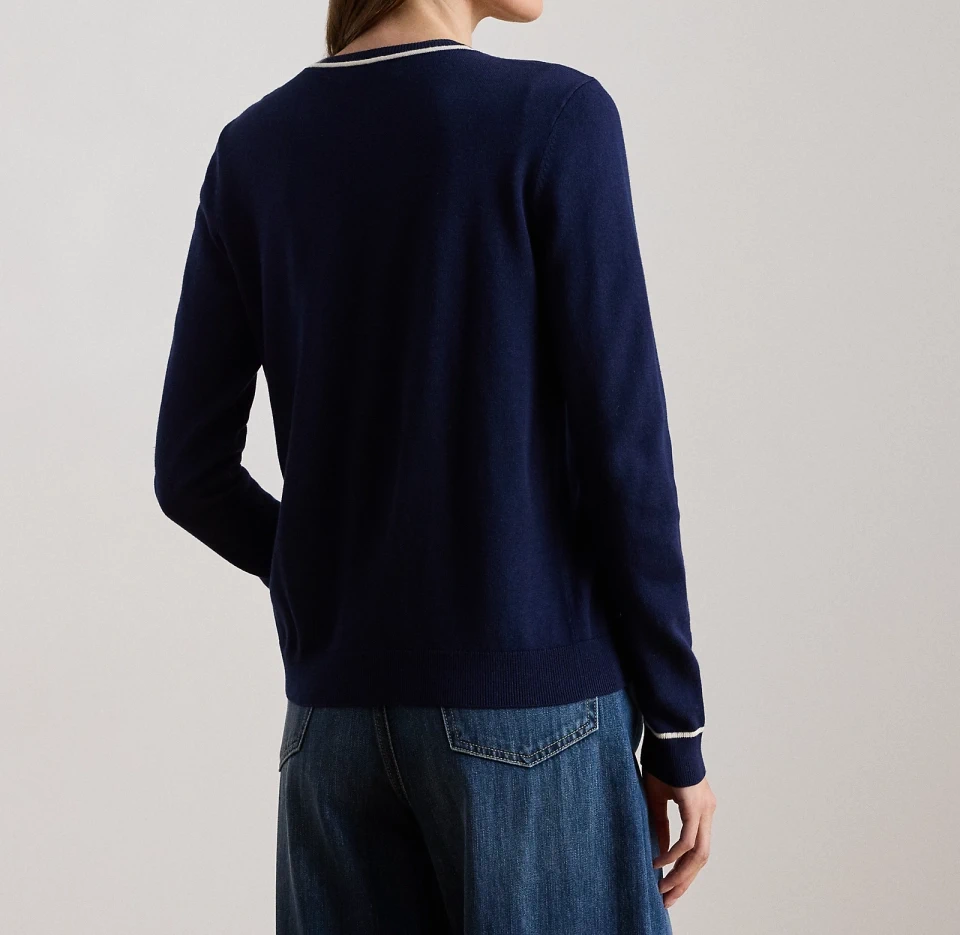
Custom Cardigans
Custom cardigans developed in knitwear constructions ranging from lightweight layers to heavier cold-weather styles. Specify yarn blends, gauges, button or zipper closures, rib trims, pockets, relaxed or fitted proportions, XS–3XL grading, custom labels, and packaging for private-label delivery.
Request a Quote
Custom Puffer & Down Jackets
Custom puffer jackets developed with shell fabrics, insulation, linings, quilting layouts, and functional trims matched to the intended market. Junsheen supports fit, pocket construction, zippers, snaps, reflective details, branding, sample testing, and controlled bulk production.
Request a Quote
Custom Denim Shorts
Custom jean shorts made in rigid or stretch denim for men’s, women’s, and unisex collections. Develop inseams, rises, leg openings, pocket treatments, hems, distressing, washes, embroidery, labels, and size grading to maintain consistent fit across your range.
Request a Quote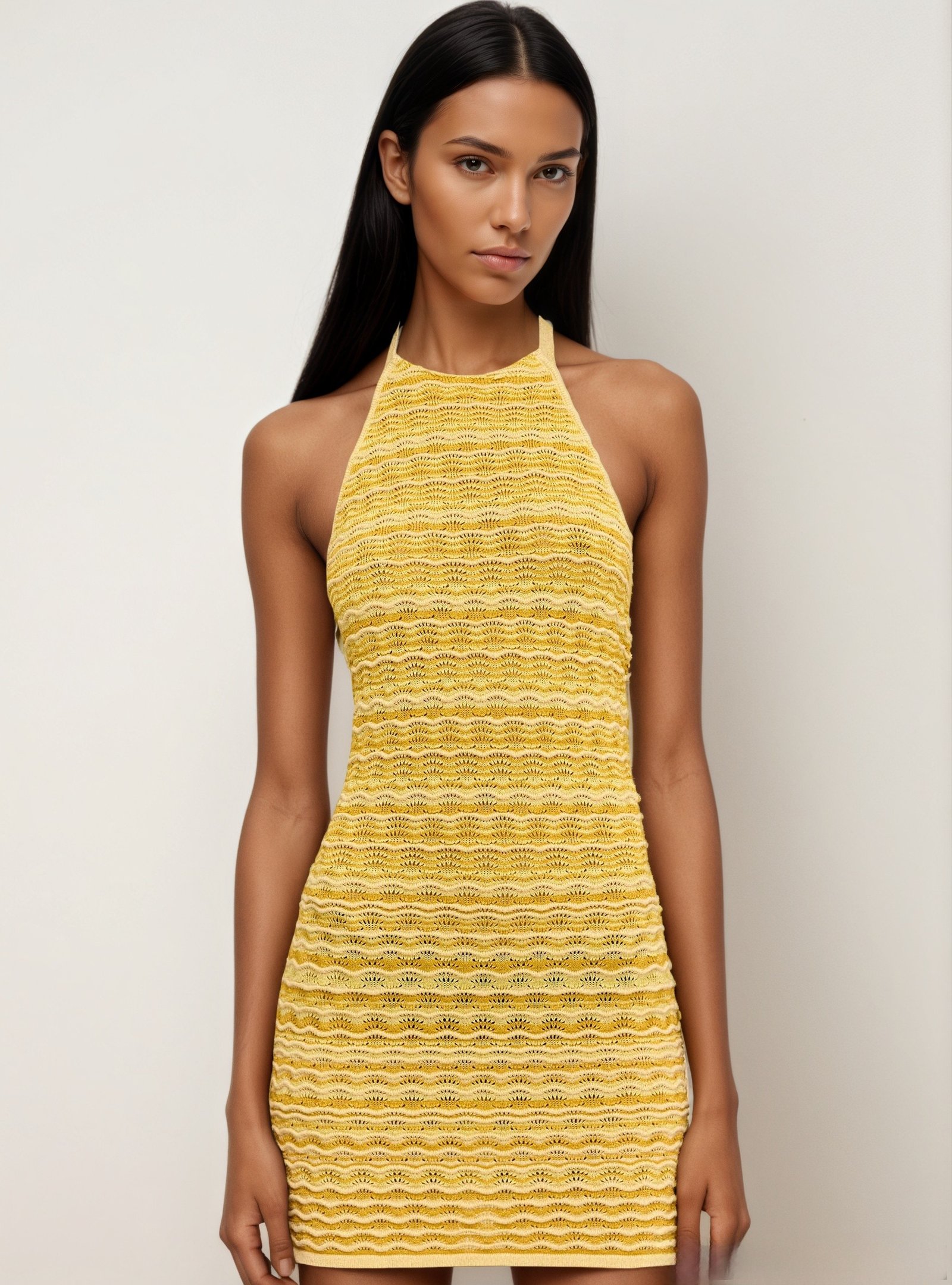
Custom Sweater Dresses
Custom sweater dresses developed in knitwear constructions for fitted, relaxed, body-skimming, or oversized silhouettes. Junsheen supports yarn and gauge selection, neckline and sleeve development, length specifications, rib details, XS–3XL grading, private labels, and sample approval.
Request a Quote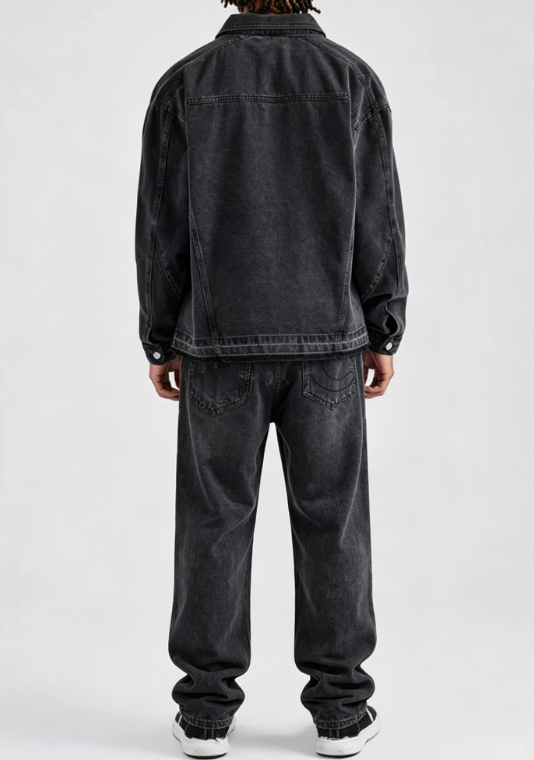
Custom Denim Sets
Men’s denim suits wholesale and coordinated denim set production for retail, wholesale, and private-label programs. Match jackets, overshirts, jeans, skirts, or shorts through consistent fabric, wash, hardware, fit, and branding specifications, with scalable production after approval.
Request a Quote
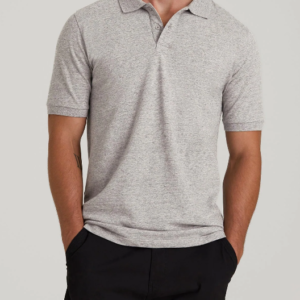
Custom Polo Shirts
Custom polo shirts produced in pique, jersey, performance knits, and cotton blends. Develop classic, slim, oversized, and extended-size fits with collar construction, plackets, custom buttons, embroidery, printing, contrast details, labels, and packaging for branded programs.
Request a Quote
Custom Sweatpants
Custom sweatpants developed in fleece, French terry, and jersey with jogger, straight-leg, wide-leg, or relaxed fits. Specify rise, inseam, pockets, waistbands, cuffs, drawstrings, grading, embroidery, prints, washes, labels, and coordinated set production.
Request a Quote
Custom Shorts
Custom shorts produced in jersey, fleece, twill, woven shirting, denim, and performance fabrics. Junsheen supports casual, tailored, athletic, and matching-set styles with custom inseams, pockets, waist treatments, decoration, washes, labels, and fit-focused size development.
Request a Quote
Custom Pullovers
Custom pullovers developed across knitwear, fleece, French terry, and jersey programs. Create quarter-zip, mock-neck, crew, V-neck, or oversized styles with fabric or yarn sourcing, fit development, custom trims, embroidery, printing, labels, and scalable manufacturing.
Request a QuoteMaterials for Custom Tshirts: Fit, Hand Feel and Performance

Combed Cotton Jersey
A smooth, breathable staple for custom tshirts, everyday logo tees and fitted basics. Combed yarns create a cleaner hand feel and reduced surface fuzz, with weight options typically ranging from lightweight to heavyweight jersey.

Pima Cotton Jersey
Long-staple Pima cotton delivers exceptional softness, strength and a refined surface for premium T-shirts. Its durable fibers help garments retain a polished hand feel through repeated washing while supporting elevated retail positioning.

Organic Cotton
Organic cotton supports responsibly positioned T-shirt collections without compromising natural comfort. Available in jersey and blended constructions, it offers breathable wear, a soft hand and fabric weights suited to lightweight or substantial essentials.

French Terry Fleece
French terry and fleece extend a T-shirt program into sweatshirts, hoodies and matching sets. Terry has absorbent loop-back texture, while brushed fleece adds warmth and softness in medium- to heavyweight constructions.

Denim and Twill
Denim and cotton twill bring structure to overshirts, workwear-inspired tops, jackets and coordinated collections. These woven fabrics offer stronger shape retention, visible texture and weight choices from flexible stretch blends to rigid constructions.

Recycled Performance Knits
Recycled polyester and blended performance knits suit active-inspired tees, layering pieces and modern casualwear. They can provide moisture management, stretch recovery and lighter weight while helping brands incorporate recycled-content material options.
Custom Tshirts Printing, Embroidery and Finishing Options

Screen Printing
Plastisol and water-based screen printing deliver clean logo coverage, strong color saturation and dependable wash durability. Choose puff, flocking, silicone, high-density, foil or discharge effects to give custom tshirts a more dimensional finish.

DTG and DTF
DTG and DTF processes reproduce detailed artwork, gradients and multi-color graphics with flexible placement options. They are well suited to short-run designs, complex visuals and soft branded custom tshirts requiring crisp print definition.

Logo Embroidery
Flat, 3D puff and chain-stitch embroidery add tactile depth and a premium, long-lasting identity to garments. Our team can develop logo stitch files, patches and applique details for tees, polos, hoodies and outerwear.

Dye Sublimation
Dye sublimation permanently infuses full-color artwork into compatible performance fabrics, producing lightweight graphics that will not crack or peel. It is ideal for all-over prints, sportswear-inspired custom tshirts and vivid repeat patterns.

Garment Washes
Enzyme, softening, acid, stone and garment-dye washes refine hand feel, color character and lived-in appeal. Controlled finishing can create softer custom tshirts, vintage depth or a more individual washed appearance across production runs.

Specialty Effects
Combine puff print, foil, reflective details, sequins, custom patches or tie-dye with your core artwork for a distinctive retail finish. We review compatibility during development to protect decoration quality, stretch and wash performance.
Custom Tshirts Labels, Trims and Packaging

Woven Brand Labels
Custom woven or leather labels establish brand identity at the neckline, waistband, pocket, or side seam. JUNSHEEN matches label size, fold, placement, and construction to your custom tshirts and broader apparel collection.

Care Size Labels
Main, size, and wash-care labels communicate fiber content, care instructions, origin, and sizing clearly. We help position labels for comfort and compliance while keeping the inside finish consistent across XS–3XL graded garments.

Custom Hang Tags
Branded hang tags add a polished retail touch before the garment reaches your customer. Choose custom stock, shape, print details, string, or fasteners to support launch storytelling, pricing, and merchandising requirements.

Logo Patches
Embroidered, woven, rubber, or leather patches bring dimensional branding to tees, hoodies, denim, jackets, and accessories. Our team advises on attachment method and placement for durable wear and a distinctive branded finish.

Branded Hardware
Specify custom snap buttons, zippers, drawcords, cord tips, buttons, and pullers for coordinated private-label apparel. These details improve usability and help collections carry a consistent identity across casualwear, outerwear, and denim.
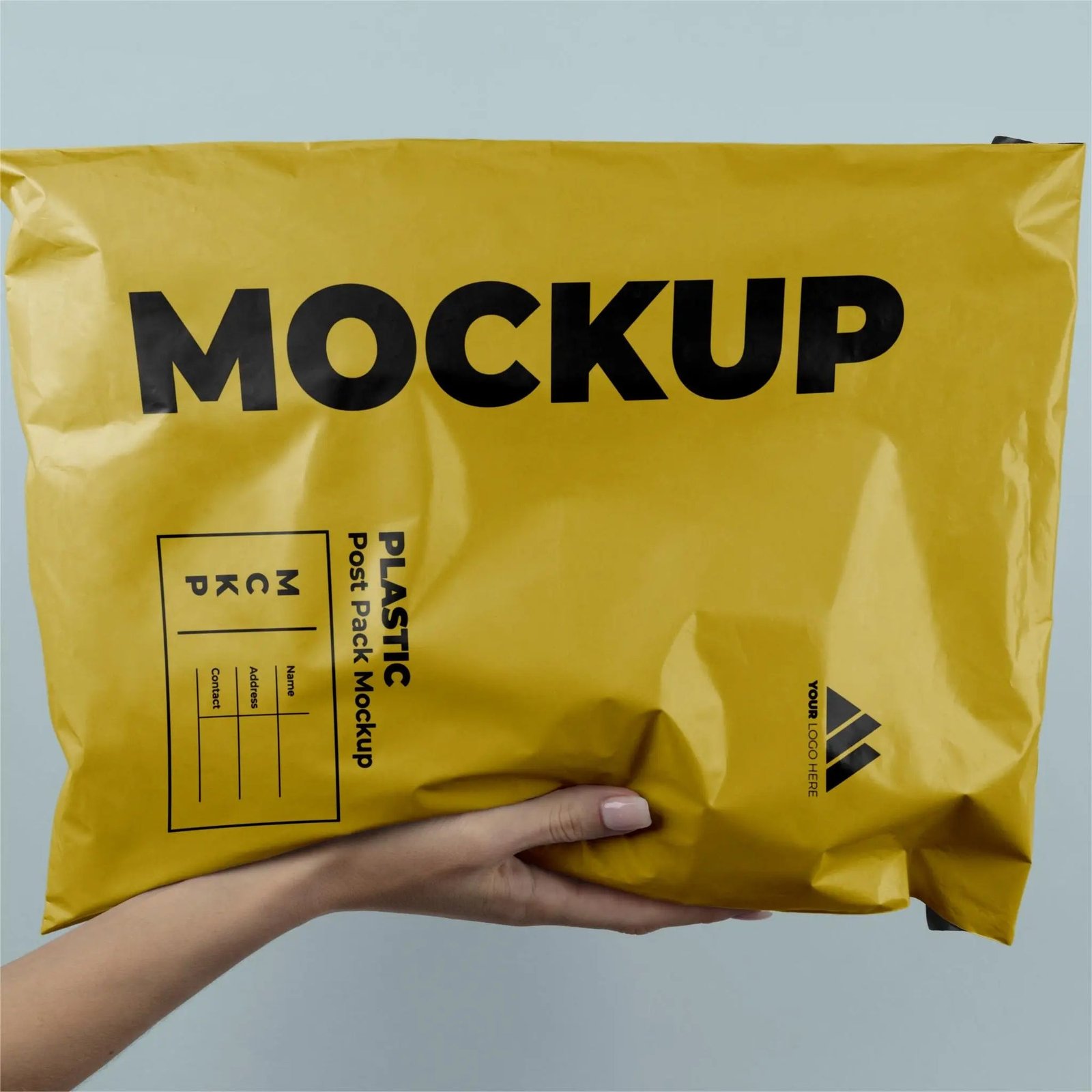
Custom Packaging
Complete each order with branded polybags, cartons, tissue, stickers, barcode labels, or packing inserts. JUNSHEEN aligns packaging specifications with your retail, wholesale, and export requirements to keep finished goods organized and presentation-ready.
About JUNSHEEN Apparel Manufacturing
Founded in 2010 in Humen Town, Dongguan, JUNSHEEN helps fashion brands turn custom tshirts and casualwear concepts into production-ready collections. Our mission is to provide a responsive, fit-first manufacturing partnership from early product development through global delivery.
With more than 200 skilled workers and monthly capacity above 80,000 units, we support capsule launches from 100 units per style and color as well as scalable repeat programs. OEM, ODM, private-label, sourcing, sampling, cut-and-sew, knitting and export coordination are managed through one supply chain.
What distinguishes JUNSHEEN is technical fit development across XS–3XL, including extended-size, plus-size and oversized grading. Having served more than 2,000 fashion-brand clients, we combine pattern expertise, dependable quality control and in-house decoration, finishing, labels and packaging to help brands build consistently wearable products.

Custom Tshirts Built for Production-Ready Scale
Fit-First XS–3XL Grading
JUNSHEEN develops custom tshirts from XS through 3XL with deliberate grading, not simple pattern enlargement. Our pattern team refines shoulder balance, body length, sleeve proportion and ease so normal, extended-size and oversized fits remain consistent across the full size range.
- Pattern making from tech packs, sketches or reference garments
- Fit adjustments for standard, plus-size and modern oversized silhouettes
- Size sets and pre-production approvals before bulk cutting
- Retained graded patterns for faster, more consistent repeat orders
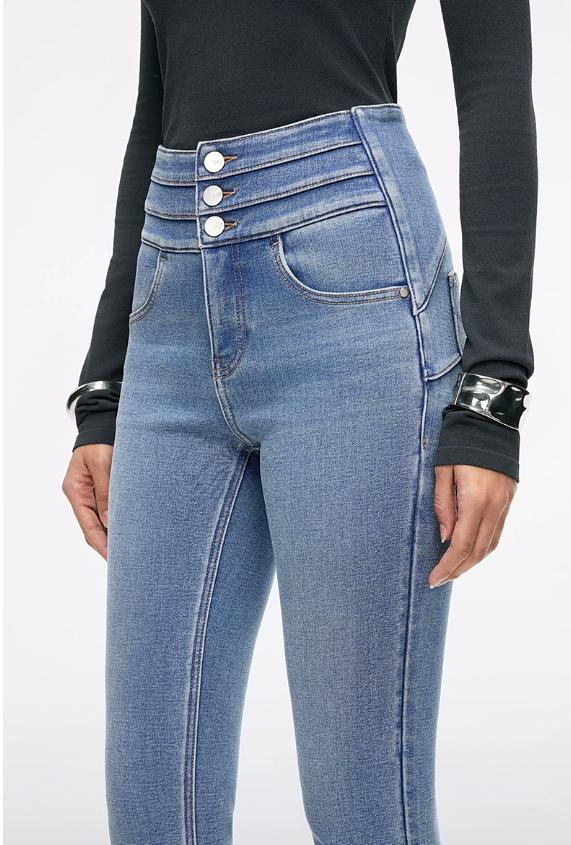
Development That Reduces Revisions
Turn an early concept into a manufacturable garment with one development partner. We review specifications, recommend fabrics and trims, build patterns and produce prototype samples, helping brands resolve fit, construction and cost considerations before they affect bulk custom tshirts production.
- OEM, ODM and private-label development support
- Fabric, weight, hand-feel and durability recommendations
- Construction and manufacturability review before sampling
- Prototype, revision and approval workflow for production readiness

Embellishment Under One Roof
Make each custom tshirt feel unmistakably yours through coordinated decoration, finishing and branding. In-house teams align print placement, embroidery, washes, labels and packaging with approved specifications, reducing handoffs and helping preserve the intended visual quality from sample to packed goods.
- Screen printing, DTG, DTF, heat transfer and specialty effects
- Flat, 3D/puff, chain-stitch and applique embroidery
- Garment dye, acid wash, softening and anti-pilling finishes
- Custom labels, hang tags, trims and branded packaging

Scalable Quality-Controlled Output
Launch from 100 units per style and color, then scale with a manufacturer built for repeat programs. With 200+ skilled workers and monthly capacity above 80,000 units, JUNSHEEN controls fabric, construction, measurements, decoration and final packing throughout production.
- Low MOQ from 100 units per style and color
- Incoming, in-line and final packed-goods inspections
- Cut-and-sew and knitting capability for broader apparel programs
- Global export support for growing fashion brands

Why Choose JUNSHEEN for Custom Tshirts
Evidence-led production support from first sample to repeat global orders.
← 左右滑动查看 →
Custom Tshirts: From Fabric Sourcing to Global Shipping
A controlled OEM workflow that turns approved specifications into export-ready custom tshirts, from feasibility review through final inspection and packing.
Review Project Feasibility
Our team reviews your tech pack, sketch, reference garment, target quantities, fit requirements, decoration methods and cost objectives before recommending a production route.
Source Materials And Trims
We match fabrics, colors, labels, trims and packaging to the required hand feel, weight, durability, wash performance, branding goals and target price.
Develop Patterns And Samples
Pattern makers build and grade fit-focused XS–3XL patterns, then produce prototypes and size sets for measurement, construction, decoration and approval review.
Confirm Details And Production
After sample approval, we confirm bulk materials, specifications and timelines, then coordinate cut-and-sew, printing, embroidery, washing and finishing for your order.
Inspect Pack And Export
Quality teams check fabrics, measurements, construction, fit, decoration and packed goods before branded packing, final balance confirmation and global shipment support.
How to Start Custom Tshirts Production
Move from concept to shipment with a clear, fit-focused development path managed by JUNSHEEN’s OEM team.
Submit Your Product Brief
Send a tech pack, sketch, mood board, reference garment, or product idea. Share target quantities, sizes, fabrics, decoration requirements, and delivery expectations.
Review Feasibility and Quote
Our team assesses construction, fit grading, materials, embellishments, and 100-unit MOQ requirements, then provides practical recommendations, lead-time guidance, and a detailed quotation.
Approve Development Samples
Review prototype samples, fabric swatches, measurements, decoration, and XS–3XL fit details. Refine specifications before confirming the final sample or pre-production approval.
Launch Bulk Production
JUNSHEEN coordinates approved materials, cut-and-sew or knit production, in-line quality checks, labels, packaging, final inspection, and export-ready shipping for your custom tshirts.
Custom Clothing Manufacturer Credentials and Compliance Documents



What Fashion Brand Clients Say About Custom Tshirts
JUNSHEEN corrected the shoulder balance and sleeve grading across our XS–3XL custom tshirts during sampling. We approved the second size set and launched 1,200 units with fewer than 1% fit-related returns in the first 60 days.
Our first capsule started at 100 units per color, but the development team made the tech pack and fabric weight decisions much clearer. The approved sample matched bulk closely, and we reordered three additional colorways within four months.
We needed custom tshirts with premium embroidery, private labels, and export-ready packaging for a retail rollout. JUNSHEEN scaled our order from 600 to 4,800 pieces while keeping measurements and decoration placement consistent across every delivery.
Custom Tshirts FAQ for OEM Buyers
Clear answers on MOQ, sampling, fit development, lead times, payments, shipping, and confidentiality.
What is the MOQ for custom tshirts?
Can you make a sample before producing custom tshirts in bulk?
How long does custom tshirts sampling and bulk production take?
Can you develop sizes from XS to 3XL for custom tshirts?
Do I need a complete tech pack to get started?
What payment terms do you offer for new apparel buyers?
Can JUNSHEEN ship custom tshirts internationally?
How do you protect my designs and brand information?
The Complete Buyer’s Guide to custom tshirts
Use this practical framework to select custom tshirts, evaluate fabrics and decoration, compare supplier capabilities, control costs, and avoid sourcing mistakes before committing to production.
1. What Are custom tshirts?
100 units per style and color is Junsheen’s starting scale for a production custom T-shirt: a garment specified for a buyer’s brand rather than a generic retail tee. For B2B sourcing, the term spans two distinct routes—decorating an existing blank and developing a cut-and-sew OEM or ODM product from the ground up. 180–220 GSM cotton jerseys are commonly chosen when a branded blank needs a more substantial hand feel, while lighter promotional tees often prioritize unit cost and fast artwork application. Blank-based programs suit event merchandise, staff uniforms, campaigns and simple wholesale drops because the core fit, fabric and sewing specification already exist; the buyer mainly selects color, print placement, Pantone references and decoration such as screen print, DTF or embroidery. 2010 is the year Junsheen began operating in Dongguan’s Humen garment cluster, supporting a fuller development path for fashion collections and private-label programs. That route can change the pattern and graded fit from XS through 3XL, select ring-spun cotton or blended jersey, define neck rib, stitching, labels, hang tags, custom trims and branded packaging, then approve samples before bulk production. It fits labels seeking a recognizable silhouette, repeatable fit and controlled product identity—not merely a logo on a tee.
2. The Evolution of custom tshirts
1913 U.S. Navy regulations helped standardize the short-sleeve cotton undershirt, but postwar civilian wear turned the T-shirt into a visible, affordable wardrobe staple. By the 1950s, film, youth culture, and the crew-neck silhouette had moved it from utility layer to personal statement. 1960s screen printing made multicolor graphics reproducible at commercial scale, creating the concert, sports, promotional, and logo T-shirt markets. Later water-based, discharge, puff, foil, and high-density inks gave buyers more hand-feel and texture choices, while garment dye, acid wash, enzyme wash, and brushing made basic jerseys read as streetwear or premium product. 1990s digital decoration and the early-2000s growth of direct-to-garment printing reduced setup barriers for artwork-rich runs and rapid testing. Buyers now expect custom tshirts to combine Pantone-aware branding, private labels, traceable material options, and small launches—often from a 100-unit style-and-color MOQ—without sacrificing repeatable fit, wash performance, or scalable bulk production.
3. Types of custom tshirts
Nine core silhouettes let buyers turn one custom tshirts program into distinct price points, customer fits, and selling occasions. Start with the wearer and channel—streetwear drops, uniform accounts, active retail, or layered seasonal collections—before approving a base block.
| Silhouette | Best Customer | Merchandising Role |
|---|---|---|
| Crew neck | Broad unisex market | Core volume SKU |
| Oversized | Streetwear customer | Premium graphic drop |
| Heavyweight | Quality-led buyer | Higher price tier |
| Performance | Active customer | Team or event program |
Core Neckline Blocks
Crew necks use a close rib collar and remain the broadest unisex volume choice; V-necks create a more open neckline for womenswear, resort, and smart-casual assortments. Two neckline blocks can share a fabric and print program, but each needs its own collar measurement and fit approval. Keep crew necks as the core SKU and use V-necks as a targeted extension.
Relaxed And Fitted Shapes
Oversized tees add dropped shoulders, longer sleeves, and extra chest ease, making them suited to streetwear, music merchandise, and premium graphic drops. Fitted tees use closer chest and sleeve measurements for body-conscious or athletic customers. Grade each block separately; simply enlarging a fitted base can distort shoulder balance and body proportion.
Weight And Detail Variants
180–220 GSM jersey supports everyday retail tees, while 240–300 GSM heavyweight styles deliver a structured hand for elevated basics and streetwear. Pocket tees create a quieter logo location and work well for lifestyle, workwear, or resort capsules. Raglan sleeves add contrast-color merchandising and easier shoulder mobility for teamwear-inspired assortments.
Seasonal And Active Styles
Long-sleeve tees extend a graphic program into cooler seasons and layer under overshirts, jackets, or knitwear. Plan sleeve-print placement separately because it changes decoration cost and packing presentation. Performance tees typically use moisture-managing polyester or blends for gyms, events, and team channels. Confirm stretch recovery, opacity, and decoration compatibility before selecting heat transfer, sublimation, or screen printing.
4. Fabrics for custom tshirts
160–220 GSM jersey suits most custom tshirts, but fiber and knit structure determine shrinkage, print results, and perceived value. Confirm fabric composition, GSM tolerance, and wash test before approving bulk yardage.
| Fabric | Typical GSM | Hand And Breathability | Printability | Best Use |
|---|---|---|---|---|
| Cotton | 160–220 | Natural, breathable | Excellent | Basics |
| Organic cotton | 160–220 | Soft, breathable | Excellent | Premium basics |
| Combed ringspun | 180–260 | Smooth, soft | Excellent | Streetwear |
| Recycled blend | 160–220 | Varies by mix | Test first | Sustainable capsules |
| Polyester | 140–180 | Drying, durable | Use suitable inks | Activewear |
| CVC | 140–180 | Balanced, durable | Very good | Promotions |
| Tri-blend | 140–170 | Drapey, airy | Good | Fashion tees |
| Stretch jersey | 160–220 | Flexible, close fit | Test recovery | Fitted tees |
Natural Fiber Choices

180–260 GSM combed ringspun cotton has a smoother, softer hand than open-end cotton and supports sharp screen prints; choose it for premium streetwear and retail basics. 160–220 GSM organic cotton follows the same performance logic, but request applicable GOTS documentation for any certified claim. Cotton breathes well, while pre-shrinking or wash testing controls its typical first-wash movement.
Blends And Performance

50/50 CVC combines cotton comfort with polyester durability and faster drying, making it practical for value basics and promotional programs. Polyester resists wrinkles and holds color well, but can feel warmer and requires suitable low-migration inks. Tri-blends commonly combine cotton, polyester, and rayon for a lightweight, drapey vintage hand. Stretch jerseys with 3–8% elastane improve recovery for fitted styles, while recycled blends need composition-specific testing for pilling and print adhesion.
Match Fabric To Program

220–300 GSM single jersey or heavyweight interlock gives premium streetwear a structured silhouette; verify neck-rib recovery after laundering. 160–180 GSM ringspun jersey is the dependable retail-basic range. 140–180 GSM polyester or stretch performance knit suits activewear where wicking and abrasion matter. 140–160 GSM CVC is a cost-conscious choice for events, uniforms, and broad promotional distribution.
5. Custom tshirts Decoration Options
A 100-unit launch can use nearly every major decoration route, but artwork, fabric color, and reorder volume determine the economical choice. Request strike-offs on the intended jersey before approving Pantone-sensitive graphics or specialty effects.
| Method | Color/detail | Texture | Setup and best volume | Wash durability |
|---|---|---|---|---|
| Screen print | Spot colors; sharp | Low to medium | Screens; 100+ | High when cured |
| DTG | Full color; photographic | Soft on cotton | Low setup; samples to small runs | Medium to high |
| DTF/transfer | Full color; fine detail | Film-like | Low setup; small to mid runs | Medium to high |
| Embroidery | Limited thread colors | Raised | Digitizing; 100+ | High |
| Discharge/puff | Spot colors; effect-led | Soft/raised | Testing; 100+ | High with approved process |
Print Method Selection

Screen printing excels on 100+ units when artwork uses spot colors; DTG suits photographic detail and small tests. DTF and heat transfer handle multicolor designs without screens, though hand feel is more noticeable. Discharge removes dye on suitable dark cotton, creating a soft vintage result; puff ink adds raised dimension. Confirm cure testing after washing, especially on garment-dyed blanks.
Texture And Placement

Embroidery delivers durable, dimensional logos but can pucker lightweight 160 GSM jersey. Appliqué creates a cut-and-sewn statement, while woven patches provide crisp small text and a separate branded texture. A 6–10 cm left-chest logo usually suits embroidery or a woven patch; large chest artwork generally suits print. Use backing and placement samples to check drape.
Branding Layers
A neck print removes a sewn label for a cleaner interior, while woven main, size, and wash-care labels support private-label retail presentation. Add labels after approving the actual neck-rib stretch and seam allowance. Garment dye can deepen a washed aesthetic before discharge or tonal embroidery; test color migration first. Acid wash, enzyme softening, and puff graphics need a full decorated wash sample.
6. Construction Quality for custom tshirts
A 1×1 rib collar that recovers after repeated stretching is a practical durability signal in custom tshirts. Construction approval should connect fabric behavior, sewing specifications, and graded measurements before bulk cutting begins.
Neck And Shoulder Stability
A 5–10% collar stretch-and-recovery check can reveal weak rib, poor neck binding, or waviness before wear testing. Request shoulder-to-shoulder tape, collar rib composition, rib width, and seam construction on the sample. A 1/4-inch needle gauge is common for neck and shoulder coverstitch work, but the tech pack should specify the actual machine and stitch type. Compare the approved sample after laundering, not only when new.
- Check collar recovery after 10 hand stretches
- Confirm shoulder tape reaches both neck seams
- Inspect neckline for twisting after one wash
Seams And Hem Finish
A 10–14 stitches-per-inch range is typical for stable T-shirt seams, subject to fabric weight and thread size. Low density can open under tension; excessive density can pucker lightweight jersey. A side seam should hang straight with matched stripe, panel, and hem alignment. Specify sleeve and bottom-hem width, twin-needle spacing, thread color, and acceptable roping in the tech pack.
- Pull-test underarm and side seams
- Measure sleeve-hem depth at four points
- Check twin-needle stitches for skipped loops
Fabric And Wash Performance

A 180 GSM jersey should remain near its specified weight across lots; require a tolerance and test method rather than accepting a nominal label. Ask whether the fabric is compacted or pre-shrunk and measure post-wash shrinkage by length and width. AATCC colorfastness testing is relevant for dark shades, garment dye, and contrast trims. Approve a washed color standard under agreed lighting before bulk production.
- Record GSM from approved fabric swatch
- Request wash shrinkage results by direction
- Approve Pantone and wash-tested shade
Measurement Control
A ±1 cm tolerance may suit many adult knit-body points, while collar opening and sleeve length often need tighter control. List point-of-measure diagrams, grading increments, and wash-state measurements in the tech pack. A pre-production sample should use the bulk-intended fabric, rib, thread, label placement, and decoration. Junsheen can retain approved patterns and graded size sets to support repeat-order consistency.
- Approve a full graded size set
- Measure before and after wash
- Sign off the pre-production sample
7. Choosing a custom tshirts Manufacturer
A 100-unit test order is useful only when the manufacturer can document how it becomes a repeatable bulk program. Evaluate custom tshirts suppliers through their development controls, production evidence, and export communication—not quotation price alone.
Match Service To Your Brief
OEM means the factory builds your approved tech pack; ODM adds design, fabric and specification development. Ask whether pattern creation, size grading from XS–3XL, and pre-production samples are handled in-house. 100 units per style and color is a practical test MOQ for many cut-and-sew programs. Confirm the MOQ after fabric, color, decoration, and packaging choices are locked.
- Who owns approved patterns and graded files?
- What changes after sample approval?
- Can the same specification be repeated?
- Which options increase the MOQ?
Audit Production Controls
3 checkpoints—incoming fabric, in-line sewing, and final packed goods—should be traceable to an inspection standard. Request measurement tolerances, defect-handling rules, decoration wash-test evidence, and photos of bulk approvals. OEKO-TEX, GOTS, WRAP, and BSCI documents address different material or social-compliance scopes. Ask for current certificates applicable to the supplied mill or factory rather than accepting a generic logo.
- Fabric composition and weight records
- Pantone and strike-off approvals
- Measurement and AQL inspection reports
- Current compliance documentation
Test Communication And Scale
7–14 days is a common target for an initial development sample after materials are confirmed, while bulk lead time depends on fabric availability and order complexity. Require a dated critical path covering sourcing, sample approval, production, inspection, and export booking. 2 repeat-order questions reveal operational maturity: Can the factory reserve or reorder the approved fabric? Can it retain patterns, graded size sets, trim specifications, and QC records for the next production run?
- Who provides one accountable production contact?
- How are delays escalated and documented?
- Which export documents are supplied?
- What capacity is available in peak season?
8. Common custom tshirts Sourcing Mistakes
Seven recurring sourcing errors can turn a viable custom tshirts order into delayed inventory, claims, or margin loss. Build technical approvals and inspection gates into the purchase order before bulk fabric is cut.
Lowest Quote Trap
Three quotes can differ because fabric weight, print coverage, trims, packing, and defect allowance differ. A low quote can create reorders or chargebacks; compare like-for-like specifications and obtain a written cost breakdown.
Artwork And Fabric Mismatches

One Pantone file is not a production approval: screen prints should be tested on the approved fabric, color, and finish. Skipping strike-offs risks poor opacity, dye migration, cracking, or distorted detail; approve a physical print test and wash test before release. 160 GSM lightweight jersey and high-density silicone prints are often a poor pairing because the fabric may torque or show through. Match decoration to fabric weight, stretch, and surface, then record ink, mesh, placement, and curing requirements.
Fit, Shrinkage, And Tolerances
3–5% shrinkage after washing can make a graded size run fail its intended measurements. Ignoring shrinkage and grading causes inconsistent fit and returns; approve a wash-tested size set from XS through 3XL where applicable. 1–2 cm measurement differences may be acceptable at some points but unacceptable at a collar or chest. Define point-of-measure tolerances, wash method, and acceptable defect standard in the tech pack and PO.
Labels And Final Inspection
1 missing fiber-content, care, country-of-origin, or size label can block sale in the destination market. Confirm market-specific labeling, label placement, barcode data, and packaging artwork before bulk booking. 100% of packed cartons should not be assumed correct after factory completion. Skipping pre-shipment inspection can leave measurement, decoration, assortment, and carton-count errors undiscovered; schedule final AQL-based inspection before balance payment and shipment.
9. Launching Your Custom T-Shirt Brand
A focused first capsule gives a new label a faster read on product-market fit than a broad, unfocused assortment. Build the launch around one customer, one fit direction, and a coordinated color and branding system.
Define The Capsule
3–5 SKUs are enough for a first drop: for example, a core tee, heavyweight tee, oversized tee, long-sleeve tee, and one layering piece. 2–3 colorways per style keep fabric buying, photography, and fulfillment manageable while creating recognizable brand continuity.
Prepare Production Files
1 tech pack per style should specify flat sketches, measurements, grading, fabric GSM, Pantone colors, artwork size and placement, labels, and packaging. 1 reference garment or clear mood board helps translate intended fit and finishing where drawings alone are incomplete.
Sample Before Selling
1 development sample should verify body balance, neck shape, shrinkage, print registration, and hand feel before bulk approval. 2 revision rounds are common; approve a signed pre-production sample only after measurements, color, decoration, and branded trims match the specification.
Validate Demand At 100 Units
100 units per style and color can support a controlled launch without committing to a large inventory position. Allocate units across priority sizes using expected customer data, not equal-size splits. 1 consistent unboxing system—main label, care label, hang tag, polybag or mailer, and barcode—makes a small capsule feel intentional at retail.
10. custom tshirts Pricing and Costs
100 units per style and color is a practical starting point for a capsule at Junsheen, but it is not a universal unit-price quote. The strongest cost drivers are fabric composition and GSM: ring-spun cotton jersey at 180–220 GSM usually costs differently from heavyweight 240–300 GSM cotton, blends, organic inputs, or performance knits. 1 base color with a one-color screen print is usually simpler to cost than Pantone-matched garment dye, four-color artwork, puff ink, DTG, DTF, embroidery, or specialty washes. Oversized or extended-size fits also require more fabric and pattern-grading work; woven labels, neck prints, hang tags, polybags, cartons, and custom packaging should be quoted as separate line items. 2 cost views prevent surprises: compare ex-factory garment cost with landed cost, which adds sampling, freight, duty, insurance, and destination handling. Sampling is an upfront development expense, while larger repeat orders can spread setup, material purchasing, and inspection costs across more units; confirm fabric, decoration, packing, Incoterm, and shipping method before approving production.
| Order volume | Indicative unit-price drivers | Typical production lead time |
|---|---|---|
| 100–299 units | MOQ material use; setup and sampling have greater impact | 25–35 days after approvals |
| 300–999 units | Improved fabric and print efficiency; color splits still matter | 25–40 days after approvals |
| 1,000+ units | Bulk material buying and repeatable decoration can improve economics | 30–45 days after approvals |
Start Your Custom Tshirts Project Today
Send your tech pack, sketch or product idea to JUNSHEEN for fit-focused development, 100-unit MOQs and a clear production quote.