
Custom DTG Hoodies With Fit-Focused XS–3XL Development
Develop custom DTG hoodies from 100 units per style and color, with OEM, private-label, in-house printing, and scalable global production.
Featured Products for custom dtg hoodies Development


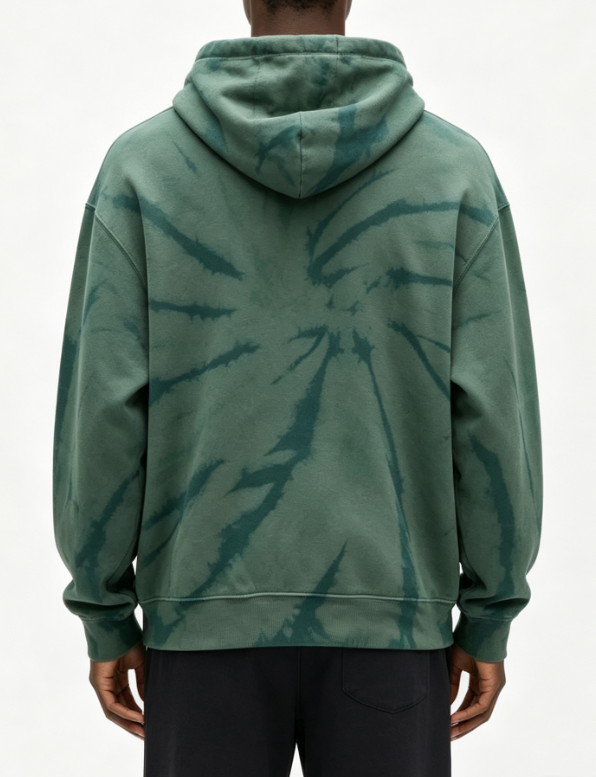


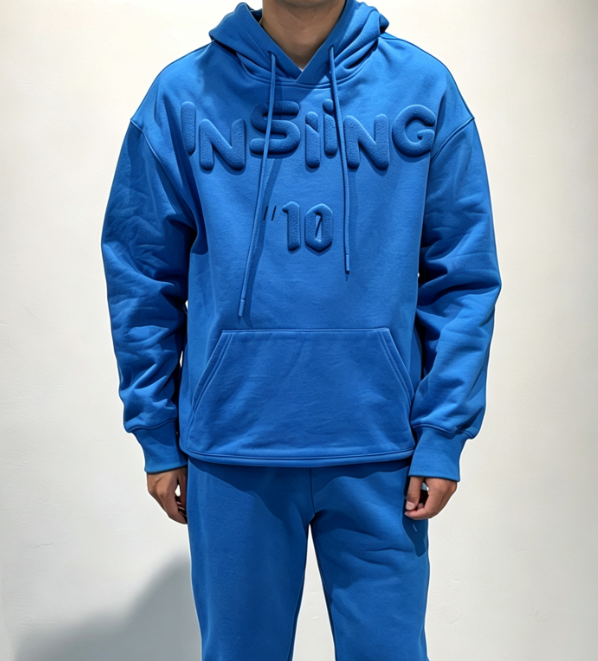


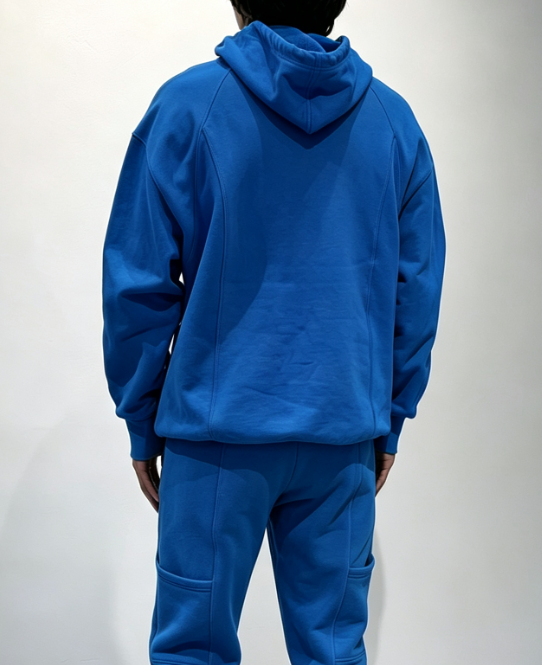

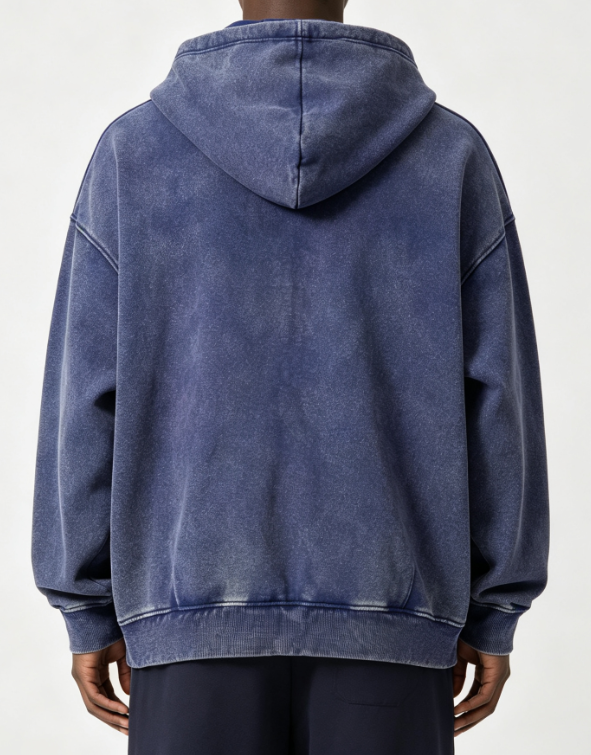
Related Product Catalogue and Quotation

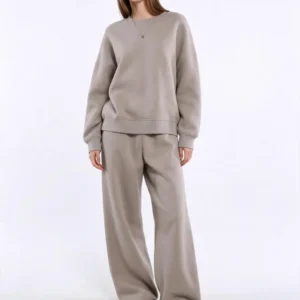

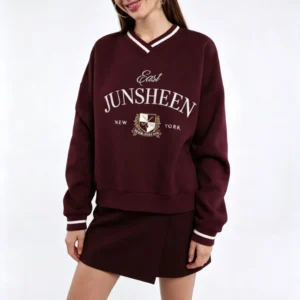

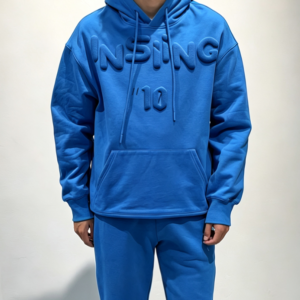
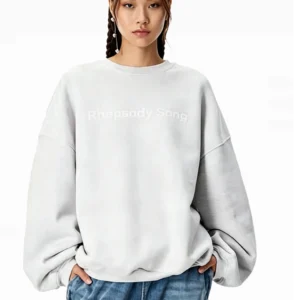

Why Brands Source Custom DTG Hoodies from JUNSHEEN
From capsule launches to repeat bulk programs, JUNSHEEN combines print-ready development, fit expertise, controlled production, and export coordination in one apparel supply chain.
100-Unit MOQ
Launch custom DTG hoodies from 100 units per style and color, giving emerging labels a practical path to test collections.
Full-Color DTG Printing
Produce detailed, full-color artwork on print-ready hoodies with DTG support integrated alongside fabric, fit, and production planning.
Fit-Focused XS–3XL
Refine body proportions, sleeve lengths, and grading increments for regular, oversized, extended-size, and plus-size hoodie programs.
Complete Private Labeling
Add custom woven labels, care labels, hang tags, drawstrings, patches, and branded packaging for a retail-ready hoodie presentation.
Integrated Quality Control
Inspect materials, construction, measurements, fit, decoration, and packed goods to keep approved hoodie standards consistent through bulk production.
Global Export Support
Coordinate export-ready production and shipping support for fashion brands, wholesalers, and retailers sourcing from global markets.
Custom Apparel Programs Built to Scale
From DTG hoodie launches to coordinated denim and knitwear programs, Junsheen develops fit-focused apparel from 100 units per style and color.

Custom Hoodies
Develop custom hoodies in fleece, French terry, or jersey with DTG, screen print, embroidery, washes, branded labels, and packaging. Our team manages patterns, XS–3XL grading, sampling, and production for capsule drops or repeat wholesale programs.
Request a Quote
Custom T-Shirts
Produce custom T-shirts in combed cotton, blends, heavyweight jersey, or performance knits. We support fit specifications, neck constructions, print methods, embroidery, private labels, and size grading for retail-ready basics, promotional collections, and branded merchandise.
Request a Quote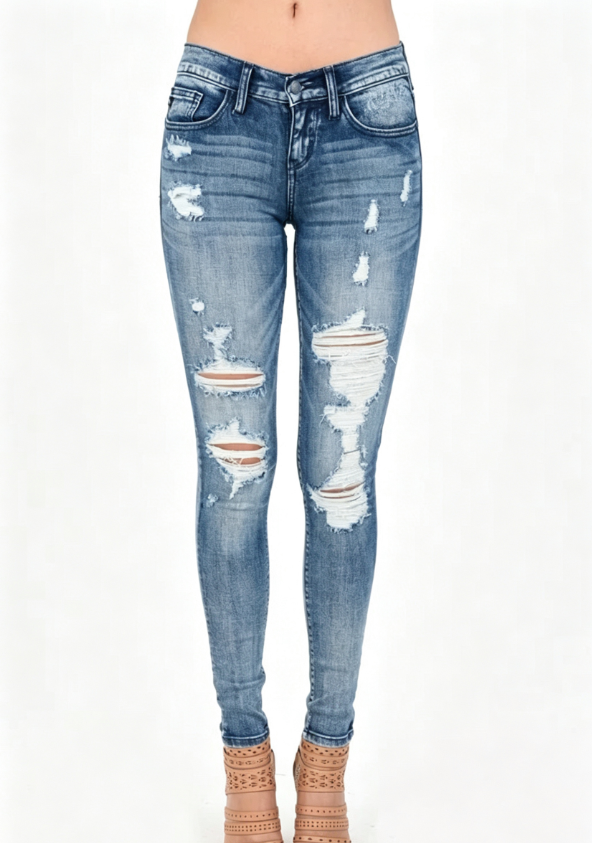
Custom Jeans
Build custom jeans with stretch or rigid denim, refined rises, washes, hardware, pocket details, and branded trims. Pattern makers develop fit and grading across XS–3XL, helping brands control silhouette, mobility, measurement consistency, and bulk-production repeatability.
Request a Quote
Custom Sweaters
Source turtle neck sweaters for bulk programs in suitable yarns, gauges, and constructions. Junsheen supports knit development, fit review, color selection, labels, and size grading for contemporary essentials, seasonal assortments, and coordinated private-label knitwear.
Request a Quote
Custom Jackets
Develop custom jean jackets in rigid or stretch denim with branded buttons, contrast stitching, washes, embroidery, patches, or print details. We handle pattern development, sampling, fit approval, and production for men’s, women’s, oversized, and extended-size ranges.
Request a Quote
Custom Sweatshirts & Crewnecks
Create custom crewneck hoodie and sweatshirt programs with fleece or French terry, rib specifications, print or embroidery placement, washes, and private-label finishes. Fit-focused grading supports regular, oversized, and extended-size collections from sampling through scalable bulk production.
Request a Quote
Custom Cardigans
Produce custom cardigans in sweater constructions tailored to your target hand feel, gauge, closures, and silhouette. Our development process covers yarn selection, fit samples, graded sizes, woven labels, buttons, and packaging for wholesale or direct-to-consumer programs.
Request a Quote
Custom Puffer & Down Jackets
Develop custom puffer jackets with shell fabrics, insulation or down-fill specifications, quilting layouts, lining, zippers, snaps, reflective details, and branded trims. We support technical sampling, fit grading, and quality control for seasonal outerwear programs.
Request a Quote
Custom Denim Shorts
Manufacture custom jean shorts in rigid or stretch denim with selected inseams, rises, hems, washes, distressing, hardware, and labels. We develop consistent fits across size sets for fashion collections, summer capsules, and repeat wholesale orders.
Request a Quote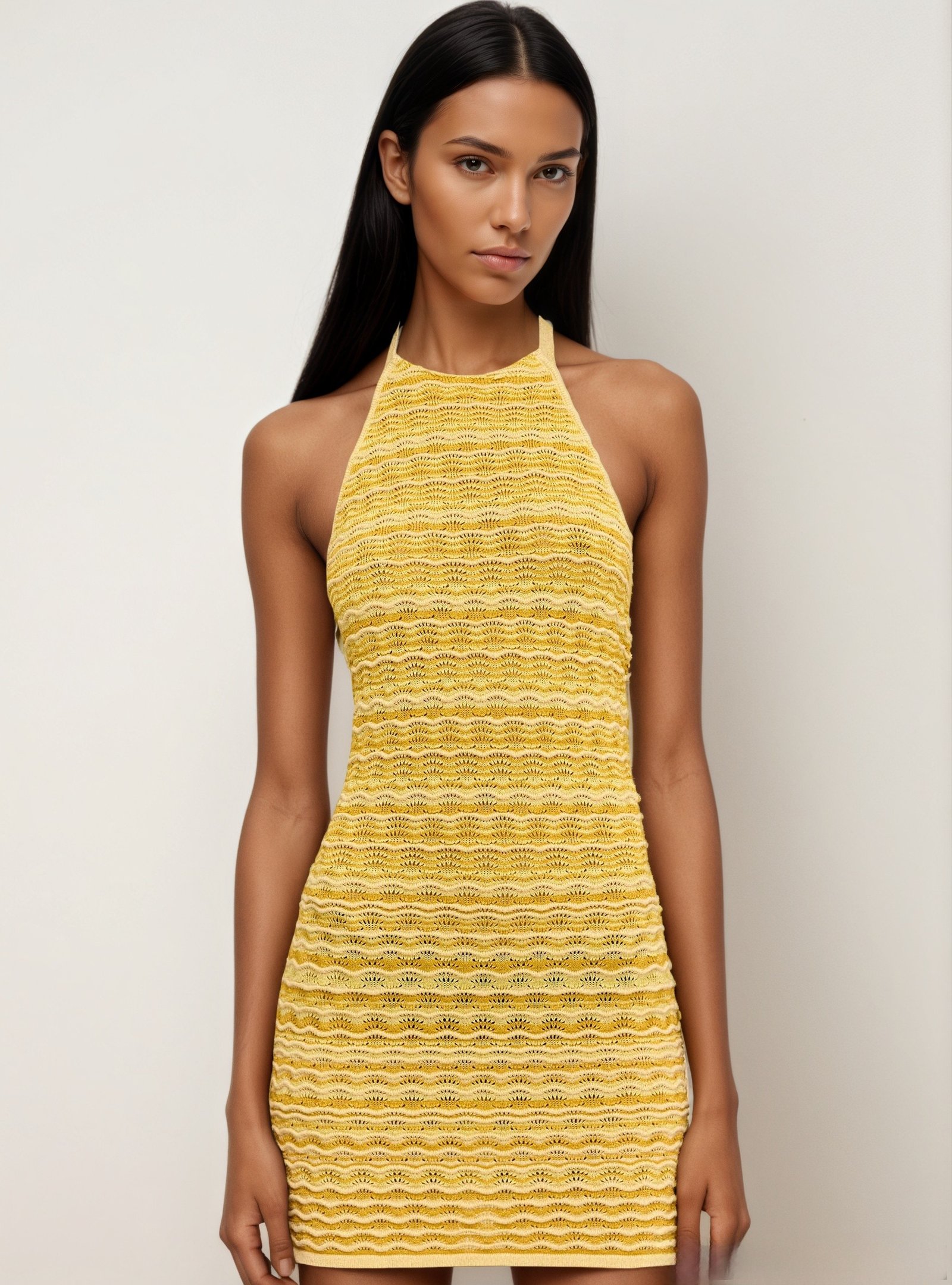
Custom Sweater Dresses
Create custom sweater dresses with selected yarns, knit structures, lengths, necklines, and body shaping. Junsheen supports pattern and fit development, XS–3XL grading, samples, labels, and bulk production for seasonal women’s knitwear collections.
Request a Quote
Custom Denim Sets
Produce men’s denim suits for wholesale in coordinated jacket-and-jean or denim-set programs. Align fabric, wash, hardware, stitching, fit, and branding across both pieces, with sampling and scalable production suited to retail assortments and distribution partners.
Request a Quote
Custom Polo Shirts
Develop custom polo shirts in piqué, jersey, or performance knit fabrics with collar construction, plackets, embroidery, prints, and branded buttons. We support fit development, size grading, labels, and packaging for uniforms, retail programs, and private-label collections.
Request a Quote
Custom Sweatpants
Manufacture custom sweatpants in fleece, French terry, or jersey with tailored rises, leg shapes, pockets, cuffs, drawstrings, prints, embroidery, and labels. Fit-focused development supports matching sets, extended sizes, and repeat production consistency.
Request a Quote
Custom Shorts
Produce custom shorts in jersey, fleece, twill, denim, or woven fabrics with specified inseams, pocket layouts, waist treatments, decoration, and branded trims. We support samples, fit grading, and low-MOQ production for casualwear and active-inspired collections.
Request a Quote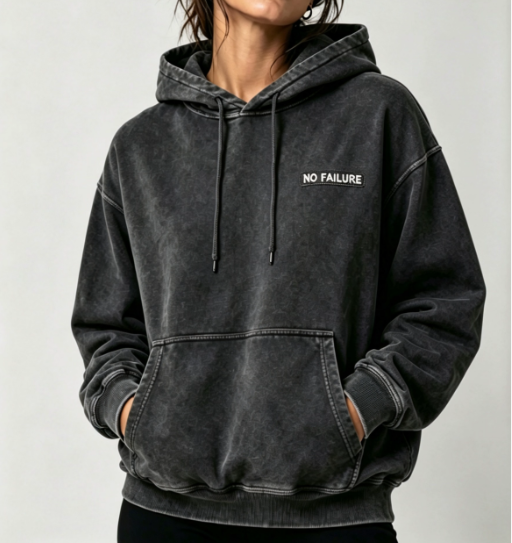
Custom Pullovers
Develop custom pullovers in knit, fleece, French terry, or jersey constructions with selected necklines, rib details, graphics, embroidery, washes, and private-label components. Our team manages technical development and XS–3XL grading for reliable bulk production.
Request a QuoteCustom DTG Hoodies in Soft, Print-Ready Fabrics

Combed Cotton Jersey
Smooth, soft combed cotton jersey creates a clean surface for detailed DTG artwork. Best for lightweight hoodie layers and fashion-forward styles, it offers a refined hand feel with breathable, comfortable wear.

French Terry Cotton
Cotton French terry combines a smooth printed face with unbrushed loopback texture inside. A versatile midweight choice for premium custom DTG hoodies, it provides breathable structure, softness, and dependable wash performance.

Brushed Cotton Fleece
Brushed cotton fleece delivers a warm, plush interior and substantial casualwear feel. Ideal for heavyweight hoodies and colder-season collections, its stable outer face supports strong DTG color coverage and durable everyday wear.

Organic Cotton
Organic cotton gives premium collections a naturally soft hand feel and responsible material story. Available in jersey, French terry, and fleece constructions, it can be selected for suitable weight, print clarity, and wash durability.

Recycled Fiber Blends
Recycled cotton and polyester blends support sustainability-focused hoodie programs while balancing durability and cost. JUNSHEEN can recommend blend ratios and fabric weights that retain a smooth DTG print surface and reliable shape recovery.
Decoration and Finishing Options for Custom DTG Hoodies


DTF Transfers
DTF transfers deliver saturated color, sharp edges and dependable adhesion across cotton blends and varied hoodie colors. This flexible process works well for bold logos, multi-location artwork and designs requiring consistent repeatability.

Screen Printing
Screen printing builds opaque, durable color with options including water-based, plastisol, puff, silicone and high-density effects. It is a strong choice for graphic-driven programs, larger quantities and artwork with defined spot colors.

Logo Embroidery
Flat, 3D puff and chain-stitch embroidery add dimension and a premium tactile finish to chest logos, sleeves and patches. Dense stitching provides a durable branded result for elevated streetwear, teamwear and private-label hoodies.

Heat Transfer
Heat transfer applies precise graphics, names or specialty effects with clean placement and strong color definition. It suits small logos, personalization, metallic details and artwork that benefits from controlled edge clarity.

Wash Treatments
Enzyme, anti-pilling, garment-dye, acid-wash, brushing and napping treatments refine hand feel and visual character. These finishes can create soft vintage depth, washed tonal variation or a warmer fleece surface for distinct collections.
Private-Label Trims for Custom DTG Hoodies

Woven Brand Labels
Add custom main labels, size labels, and wash-care labels to give every hoodie a consistent private-label identity. JUNSHEEN can coordinate woven, printed, leather, and heat-transfer label options during sampling and bulk production.

Custom Hang Tags
Branded hang tags help communicate your logo, garment story, size information, and retail positioning at delivery. Choose custom shapes, stocks, finishes, strings, and attachments that match your custom DTG hoodies collection.

Drawcords and Tipping
Specify drawcord material, thickness, color, aglets, and contrast tipping to refine the hood opening and elevate perceived quality. These details are especially useful for streetwear, premium basics, and coordinated seasonal drops.

Zippers and Snaps
Select custom zippers, zipper pulls, snaps, and branded hardware for zip hoodies, pockets, detachable details, or outerwear-inspired styles. JUNSHEEN matches components to your garment construction, target cost, and intended wear performance.

Rib Trims Patches
Custom rib cuffs and hems improve recovery and silhouette, while embroidered, woven, silicone, or chenille patches create a distinctive branded finish. We can source and apply trims that support your artwork and fabric direction.
Branded Packaging Sets
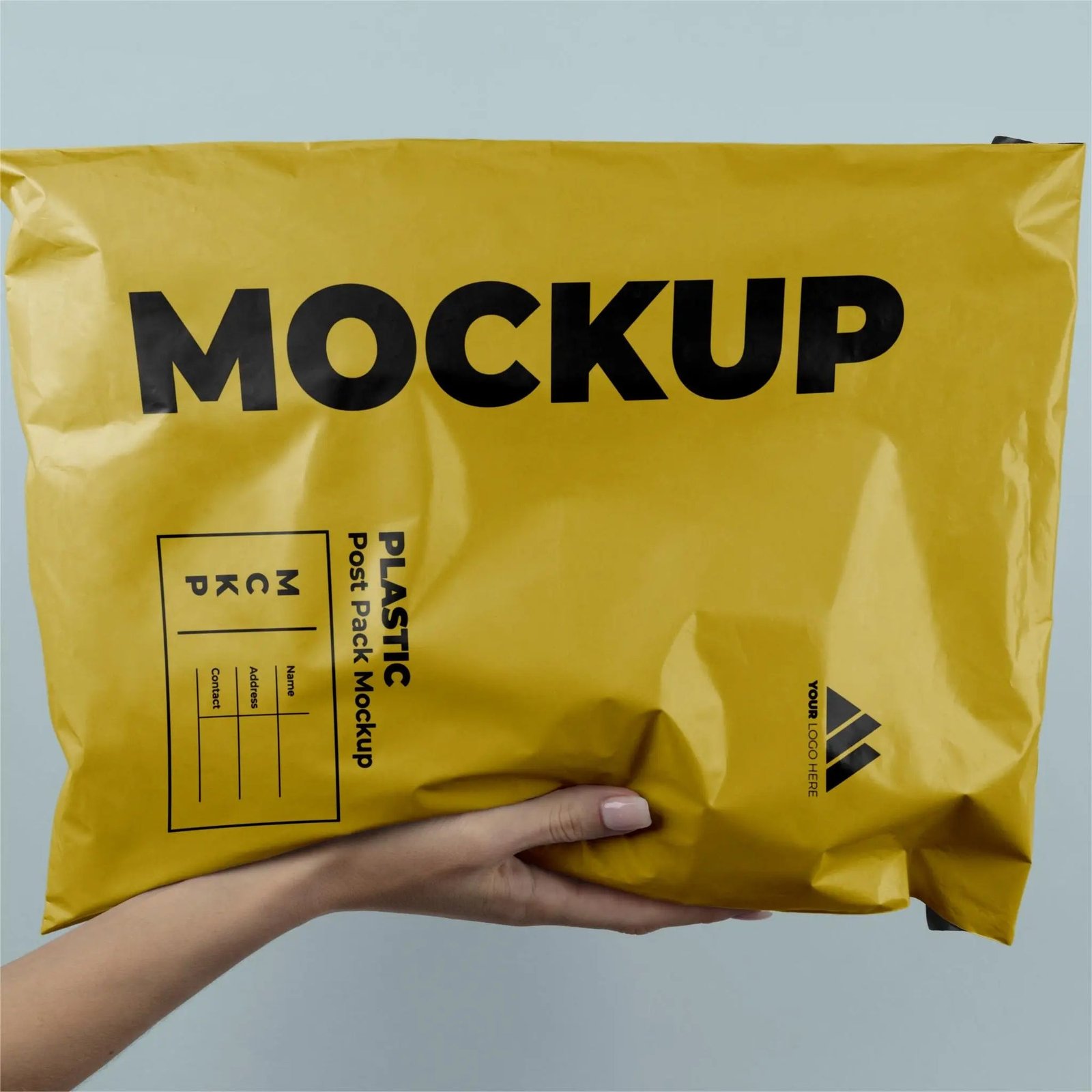
Complete your order with custom polybags, folding instructions, stickers, tissue paper, cartons, and retail-ready packaging. Coordinated packaging protects finished hoodies in transit and delivers a polished unboxing experience for your customers.
Custom DTG Hoodies, Built in Humen
Founded in 2010 in Humen Town, Dongguan, JUNSHEEN helps fashion brands turn custom DTG hoodies from concepts into production-ready private-label products. Our one-stop OEM and ODM team supports development, fabric sourcing, pattern making, print-ready sampling, quality control, packaging, and global export coordination.
With more than 200 skilled workers and monthly capacity above 80,000 units, we support capsule launches from 100 units per style and color through repeat wholesale and bulk programs. JUNSHEEN has served more than 2,000 fashion-brand clients across global markets with responsive, scalable apparel manufacturing.
What distinguishes our custom DTG hoodie manufacturing is fit-first development from XS through 3XL, including extended-size, plus-size, and modern oversized grading. Combined with in-house printing, embroidery, finishing, labels, trims, and packaging, this gives brands clearer control from sample approval to consistent bulk delivery.

Custom DTG Hoodies Built for Consistent Production
Fit Engineering Across XS–3XL
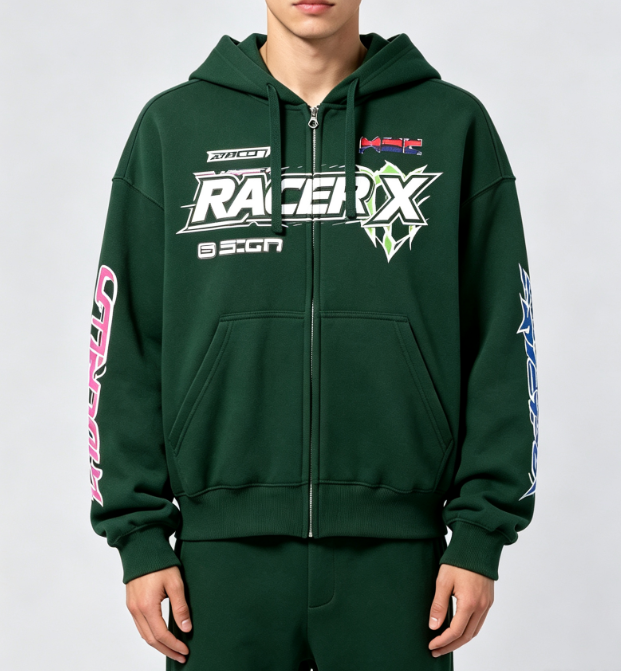
JUNSHEEN develops custom DTG hoodies with fit-focused patterns instead of simply scaling one base size. Our team refines shoulder balance, sleeve length, body proportion, mobility, and grading increments for regular, oversized, extended-size, and plus-size programs.
- Pattern development from tech packs, samples, or concepts
- Size grading engineered for XS through 3XL
- Prototype and size-set reviews before bulk approval
- Manufacturability feedback that reduces avoidable revisions

DTG-Ready Material Development
A clear, durable DTG print begins with the right hoodie fabric and surface preparation. We source fleece, French terry, and cotton-rich constructions around your target weight, hand feel, color, wash performance, print placement, and commercial price point.
- Fabric recommendations matched to DTG artwork requirements
- Swatches and sample garments for approval
- Options for fleece, French terry, and cotton blends
- Material selection balanced for softness and durability

Integrated Decoration and Branding
Keep decoration, finishing, labels, trims, and packaging aligned within one production workflow. JUNSHEEN combines DTG with embroidery, patches, screen printing, specialty effects, and private-label details so each hoodie program maintains a cohesive branded finish.
- DTG, embroidery, patches, and specialty print effects
- Custom neck labels, care labels, and hang tags
- Branded drawstrings, zippers, trims, and packaging
- Decoration placement checked against approved specifications
In-Line Quality Control
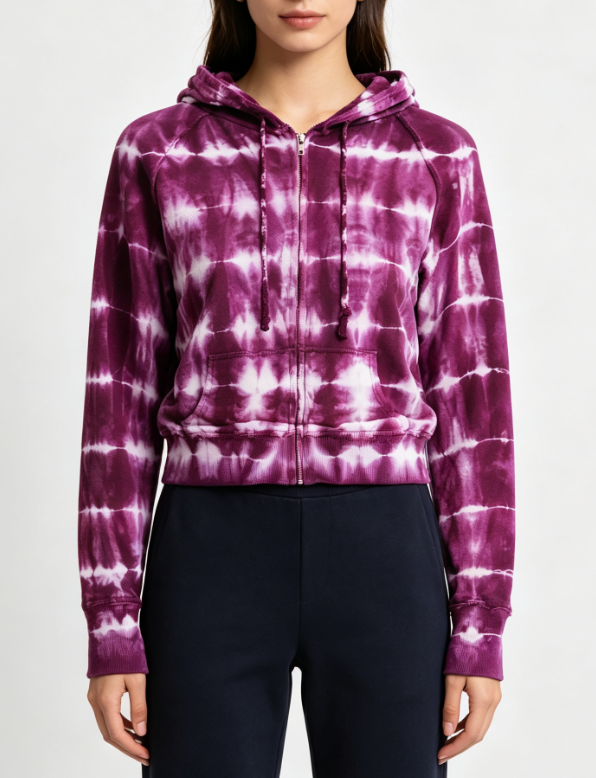
Quality control follows your hoodie program from incoming materials through packed goods. Teams check construction, measurements, fit, decoration quality, and final presentation in line and again before shipment, helping protect consistency across repeatable global production.
- Incoming fabric and trim inspections
- In-line checks for sewing, measurements, and fit
- DTG artwork, color, and placement verification
- Final inspection of finished and packed goods
Why Choose JUNSHEEN for Custom DTG Hoodies
Built for scalable, fit-focused private-label production without fragmented supplier handoffs.
← 左右滑动查看 →
Custom DTG Hoodies Production Timeline
A clear path from concept approval to export-ready delivery, designed for low-MOQ launches and scalable repeat programs.
Review Design Direction
We assess your tech pack, artwork, reference garment or concept, confirming feasibility, target fit, construction details, quantities and 100-unit MOQ requirements.
Source Fabrics And Trims
Our team recommends print-ready fleece or French terry, then coordinates swatches, color standards, drawstrings, labels and private-label packaging components.
Build Patterns And Samples
Pattern makers develop and grade fit-focused XS–3XL hoodie patterns, followed by prototype sampling to approve measurements, silhouette, fabric hand feel and construction.
Approve DTG Artwork
We test and refine DTG print files for color, placement and surface performance, then secure your approval before moving custom dtg hoodies into bulk production.
Inspect Pack And Ship
In-line and final inspections verify measurements, construction, decoration and packed goods before branded packing and coordinated worldwide export shipment.
How to Start Your Custom DTG Hoodie Project
Move from a concept to production-ready custom DTG hoodies with a clear, fit-focused development process.
Submit Your Design
Send your tech pack, sketch, reference garment, or mood board with artwork, target quantities, preferred fabric, sizing requirements, and private-label details.
Review Production Feasibility
JUNSHEEN reviews construction, DTG artwork, fabric compatibility, fit grading, trims, and target cost to recommend practical manufacturing specifications before sampling.
Approve Samples and Quotation
Review prototype samples, print quality, measurements, and material options, then confirm the quotation, size set, production details, and timeline for your order.
Launch Bulk Production
After approval, our team manages fabric sourcing, DTG printing, cut-and-sew production, quality control, labeling, packaging, and global shipment from 100 units per style or color.
Custom Clothing Manufacturer Credentials and Compliance Documents




What Fashion Brands Say About Working with JUNSHEEN
JUNSHEEN turned our artwork and hoodie references into approved custom DTG hoodies in two sampling rounds. The XS–3XL grading was noticeably more consistent, and our first 600-unit launch sold through 78% faster than the previous drop.
Our team needed a 100-unit colorway test without compromising print quality. JUNSHEEN matched the fleece hand feel, refined the oversized fit, and delivered production-ready samples 12 days sooner than our prior supplier’s timeline.
Repeat orders have been much easier to manage. JUNSHEEN retained our patterns, print specifications, labels, and measurements, helping us reorder 1,200 custom DTG hoodies with only one minor adjustment and no size-ratio surprises.
Custom DTG Hoodies FAQ for OEM Buyers
Clear answers on MOQ, sampling, production, artwork, sizing, payment and global delivery.
What is the MOQ for custom DTG hoodies?
Can I order a sample before producing custom DTG hoodies in bulk?
How long do custom DTG hoodies take to produce?
What artwork files do you need for DTG hoodie printing?
Can you develop custom DTG hoodies in plus sizes or oversized fits?
What payment terms do you offer for first-time OEM orders?
Do you ship custom DTG hoodies internationally?
How do you protect my designs and private-label details?
The Complete Buyer’s Guide to custom dtg hoodies
Use this decision framework to select custom dtG hoodies, compare fabric and supplier capabilities, control quality and costs, and avoid production mistakes that delay launches or weaken your brand.
1. What Are custom dtg hoodies?
100-unit capsule orders are a practical fit for custom dtg hoodies when the artwork needs photographic detail, gradients, or many colors without a separate screen for each color. Direct-to-garment printing jets water-based textile inks onto a cotton-rich hoodie, usually after pretreatment on dark garments; heat curing bonds the print into the fiber surface. 80% or higher cotton content generally gives DTG the most predictable color, wash performance, and soft hand, while polyester-heavy fleece can mute color or require a different decoration method. Compared with screen printing, DTG handles full-color variable artwork and small runs more efficiently, but screen print remains the stronger choice for large repeat orders with bold spot colors; DTF and heat transfers sit on top of the fabric with a more noticeable film-like hand. 3D embroidery creates raised, durable logos but cannot reproduce fine portraits or tonal gradients, whereas DTG is built for illustration-led front prints, artist merchandise, event capsules, and on-demand-style product tests. Brands should use DTG when each design may change frequently, color count is high, and validating sell-through matters more than driving the lowest per-unit decoration cost at scale.
2. Evolution of custom dtg hoodies
1970s screen-printing programs relied on separate screens for every color, making multi-color hoodie artwork economical mainly once volumes justified setup, registration, and cleanup. Direct-to-garment printing later removed most screen preparation by jetting CMYK ink—and, on dark garments, an opaque white underbase—directly onto the finished panel or hoodie. 2000s-era DTG systems improved substantially as white-pigment circulation, pretreatment chemistry, platen control, and heat curing became more reliable. Proper pretreatment helps white ink anchor to cotton-rich fleece; controlled curing fixes the ink film so wash durability and hand feel can be evaluated on a sampled garment rather than assumed from digital artwork. 100-unit capsule orders can now be developed without paying for a screen set per color, while photographic shading, small lettering, and complex full-color illustrations remain practical. Buyers should still submit print-ready files, specify garment color and fabric composition, and approve strike-offs because fleece surface, fiber blend, and artwork coverage affect opacity and feel. 24-to-72-hour print-on-demand workflows have also changed sampling decisions: a revised graphic can move to a new proof or sample faster than a conventional screen remake. For production sourcing, use DTG where artwork variation and short runs matter most, then compare it with screen printing when repeat volumes and fewer colors make screen setup more cost-efficient.
3. Types of custom dtg hoodies
Six DTG-ready silhouettes cover different climates, price points, and shopper needs. Choose the blank construction before artwork: seams, zippers, weight, and fit determine usable print real estate and retail role.
| Type | Best Customer | DTG Placement | Merchandising Role |
|---|---|---|---|
| Pullover | Everyday buyers | Full chest, back | Core volume SKU |
| Zip-up | Layering customers | Left chest, back | Transitional layer |
| Oversized | Streetwear labels | Chest, back | Graphic statement |
| Heavyweight | Premium shoppers | Chest, back | Cold-weather hero |
| Cropped | Trend-led womenswear | Upper chest, sleeves | Fashion capsule |
| Extended-size | Inclusive brands | Graded chest, back | Core size expansion |
Pullover And Zip-Up

100-unit capsule runs commonly start with a pullover because its uninterrupted chest supports large center artwork and back graphics. It is the core everyday SKU for streetwear, collegiate, and promotional assortments. 2-piece zip-up fronts split artwork at the zipper, so use left-chest logos, sleeve prints, or a back design. They suit layering collections and transitional-weather merchandising.
Oversized And Heavyweight

400–500 GSM oversized fleece gives graphic-led labels a premium, cold-weather silhouette with broad chest and back panels. Keep DTG art clear of dropped shoulder seams, kangaroo-pocket edges, and heavy rib transitions. 450 GSM heavyweight hoodies justify higher retail positioning when the hand feel, dense hood, and durable print match. They work best as hero styles rather than entry-price volume pieces.
Cropped And Extended Sizes

18–22 inch cropped body lengths target fashion-forward womenswear and younger trend customers. Favor upper-chest, sleeve, or back-neck placements; a low front print can disappear into the shortened hem and pocket. XS–3XL development requires proportionate shoulder, sleeve, body, and print placement grading rather than simple enlargement. Extended-size options expand a core graphic program while protecting fit consistency across the size run.
4. Fabrics for custom dtg hoodies
DTG ink bonds most predictably to cotton-rich, smooth-faced custom dtg hoodies. Specify composition, GSM, color, and wash testing before sampling because the same artwork can print differently on brushed fleece and loopback terry.
| Fabric | Typical GSM | DTG Performance | Best Use |
|---|---|---|---|
| 100% ring-spun cotton | 280–320 | High vibrancy; smooth face | Graphic-led premium hoodies |
| 80/20 cotton-poly fleece | 300–360 | Test dark underbase | Warm everyday programs |
| French terry, cotton-rich | 280–340 | Clean print surface | Transitional and oversized styles |
| Organic cotton | 300–350 | Strong after strike-off | Certified-conscious collections |
| Recycled cotton-poly blend | 280–340 | Variable; sample first | Lower-impact capsules |
Cotton Content And Surface
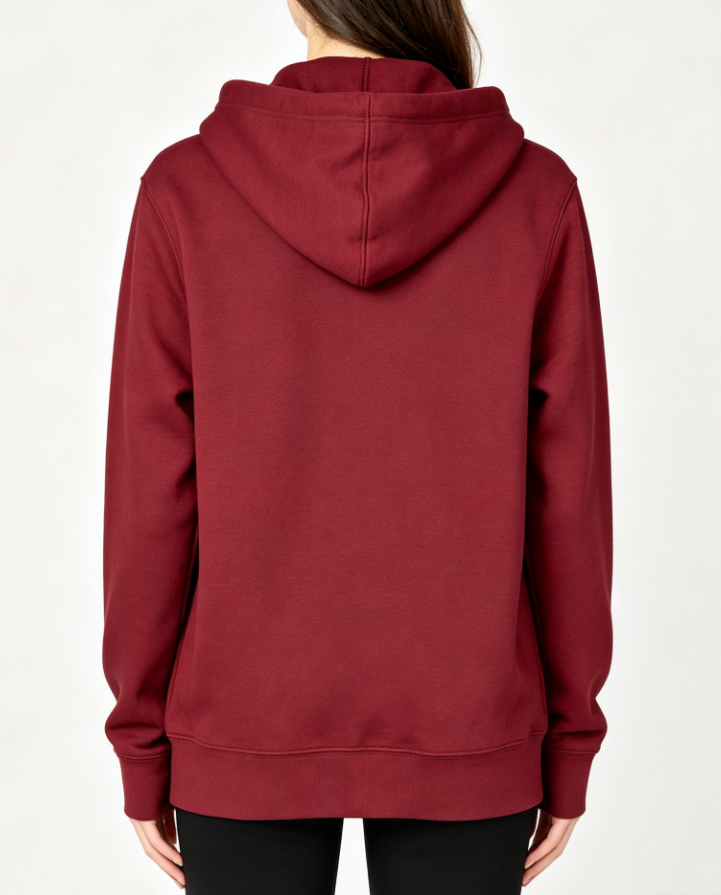
100% ring-spun cotton gives water-based DTG ink the clearest absorption and usually the strongest color payoff. Combed yarns and a smooth, low-hairiness face reduce fuzzy edges and visible fiber interference. 80/20 cotton-poly is a practical compromise for shape retention, but polyester can mute or alter underbase behavior on dark garments. Request a print strike-off on the exact dye lot, especially for heathers.
Weight, Shrinkage, And Finish
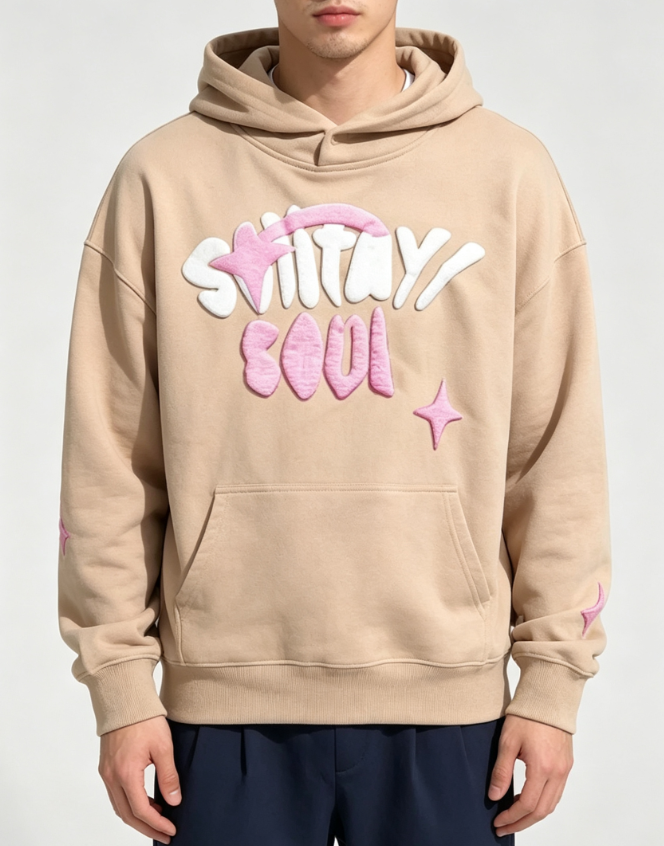
280–350 GSM is a versatile range for premium hoodies: substantial enough for structure without becoming overly bulky at the print area. French terry has a smoother loopback construction; heavily brushed fleece can require extra pretreatment and curing checks. 3–5% dimensional change after washing can distort a centered print or alter chest placement. Use pre-shrunk fabric, stabilize ribbing, and approve a washed sample before bulk cutting.
Color And Responsible Fibers

Black, navy, and saturated shades generally need a white underbase, making pretreatment consistency critical to vibrancy. Natural or light colors may print with a softer hand because less white ink is needed. Organic cotton can perform like conventional cotton when the face is smooth; request GOTS documentation when certification is required. Recycled blends need sampling because recycled polyester content and fiber variation affect print appearance.
5. Custom dtg hoodies: print options
300 dpi, transparent-background PNG files at final print size give the clearest starting point for custom dtg hoodies. CMYK artwork can reproduce complex full-color imagery, but a physical strike-off remains the reliable color-approval checkpoint.
| Option | Design Complexity | Hand Feel | Best Use |
|---|---|---|---|
| DTG CMYK | High; photos and gradients | Soft to medium | Full-color artwork |
| DTG With Underbase | High on dark colors | Medium | Vivid dark-garment prints |
| DTG Plus Embroidery | Mixed-media logo detail | Textural | Premium branding |
| Woven Label Or Patch | Simple identity detail | Minimal print impact | Private-label finish |
Prepare Production Artwork
300 dpi artwork should be supplied at actual placement size as PNG, TIFF, or layered PSD; vector AI/PDF is useful for logos and clean edges. 1 approved proof should confirm dimensions, Pantone-sensitive colors, print location, and whether fine lines or small type need simplification.
- Remove semi-transparent pixels and unintended backgrounds
- Outline fonts or supply font files
- Mark front, back, sleeve, and neck placements
Manage White Ink And Pretreatment

1 white underbase is usually printed beneath CMYK art on dark garments, making color brighter but adding a slightly firmer hand feel. 2 pretreatment controls white-ink adhesion and wash performance; uneven application can show as staining, gloss, or weak coverage after curing.
- Approve the underbase visibility on dark fleece
- Test red, black, and low-opacity artwork
- Follow the specified wash-care method
Plan Placements And Mixed Decoration
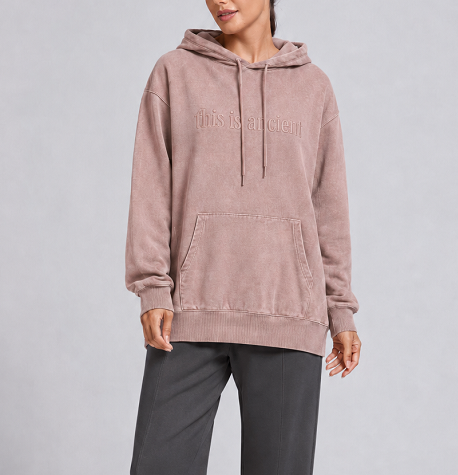
12–14 inch front or back graphics need an approved placement template because oversized art can bridge seams, pockets, or drawcord zones. 1 hoodie can combine DTG imagery with chest embroidery, a woven hem label, sleeve patch, or inside neck print; sequence decoration before bulk approval.
- Sleeve prints need seam-clearance checks
- Back prints require hood-down placement review
- Embroidery needs stabilizer and stitch-density approval
6. Construction quality for custom dtg hoodies
Construction quality determines whether custom dtg hoodies retain their shape after repeated wear and washing. A production-ready sample should be assessed as a system: fabric weight, sewing, hardware, fit, and cured print must work together.
Fabric And Seam Checks

300–420 GSM fleece or French terry should stay within the agreed weight tolerance across rolls; request mill test data and inspect for uneven face texture. 2×1 rib at cuffs and hem should recover cleanly after stretching. Check reinforced shoulder seams, pocket corners, coverstitch or flatlock execution, and no skipped stitches.
- Measure body and sleeve seams against the approved sample
- Pull rib openings to check recovery
- Inspect pocket corners for bartacks or reinforcement
Hood, Hardware, And Pockets

Two-panel or three-panel hoods need a symmetrical crown and a stable opening; compare left and right seam placement on a flat table. Metal eyelets should be securely set, while drawcord length, tip type, and color require approval. For zip styles, specify a reliable zipper grade and test smooth travel; kangaroo pockets must sit level.
- Record hood depth and opening width
- Specify eyelet finish and drawcord tips
- Check zipper pull, tape color, and stop position
Fit, Washing, And Print Approval
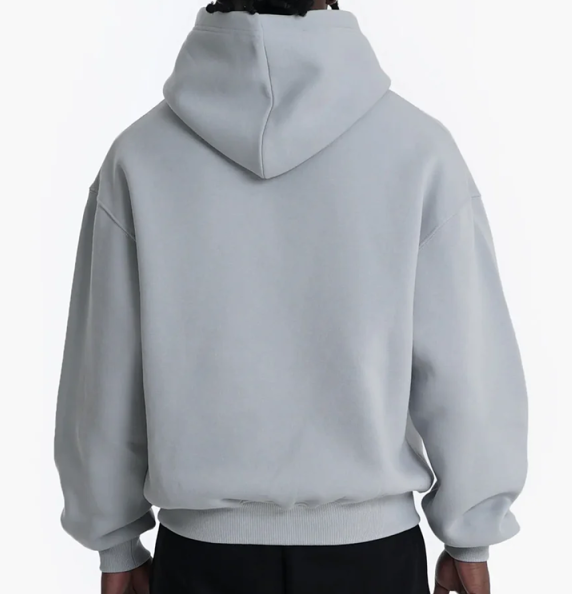
XS–3XL grading should adjust shoulder, chest, body length, sleeve length, and hood proportion rather than merely scaling one base size. Approve a measured size set when extended sizing is planned. Three wash cycles at the agreed care setting can reveal spirality, pilling, color loss, and shrinkage; set an acceptable shrinkage tolerance in the tech pack. DTG artwork must be cured to the ink supplier’s temperature and dwell-time specification, then checked for cracking and wash durability.
- Include finished-garment measurement tolerances
- State wash method and shrinkage allowance
- List DTG pretreatment, ink, cure, and placement
7. Choosing a custom dtg hoodie manufacturer
A reliable custom dtg hoodies supplier should prove development control before discussing unit price. Evaluate the factory’s technical ownership, sample discipline, production bandwidth, and ability to communicate risks early across repeat orders.
Verify Production Ownership
Ask whether DTG is in-house or subcontracted, and request the printer model, pretreatment method, curing process, and wash-test records. In-house control usually shortens reprint decisions and color troubleshooting. A 100-unit MOQ can suit a capsule only when it applies per style and color, not an unclear total order. Confirm OEM pattern making, ODM support, sampling charges, revision limits, and ownership of approved patterns.
- Who performs DTG, pretreatment, and curing?
- What does the 100-unit MOQ cover?
- Can you approve a size set before bulk?
Check Materials And Range
Pantone-referenced color approval should include a physical lab dip or strike-off, because screen color cannot guarantee bulk fabric or print tone. Review available fleece weights, fiber content, shrinkage targets, and replenishment options. OEKO-TEX, GOTS, WRAP, or BSCI claims require current documentation and scope confirmation; do not accept logos alone. Check size grading through XS–3XL, extended-size fit balance, label requirements, and trim sourcing.
Test Operational Reliability
80,000 units of monthly capacity matters only if the supplier can state reserved capacity, critical-path dates, and realistic sampling and bulk lead times. Ask how peak-season delays, artwork failures, and fabric shortages are escalated. A 7–14 day sample window and written pre-production approval process are useful benchmarks, not guarantees. Require incoming-fabric, in-line, measurement, decoration, and final-packing checks, plus export documentation and shipping support.
- Request a QC checklist and defect policy.
- Name one production contact and response window.
- Confirm Incoterms, cartons, and freight coordination.
8. Mistakes with custom dtg hoodies
Eight purchasing errors recur before custom dtg hoodies reach bulk production: they reduce print clarity, create avoidable claims, or delay launches. Catch them during sampling, where material, artwork, grading, and packing decisions are still inexpensive to change.
Fabric And Artwork Errors

60% polyester fleece can mute DTG color and reduce wash durability; specify a cotton-rich, smooth-faced hoodie and test the intended colorway. 300-DPI artwork at final print size prevents soft edges; send transparent PNG or layered source files, not enlarged web images.
Skip Tests At Your Peril
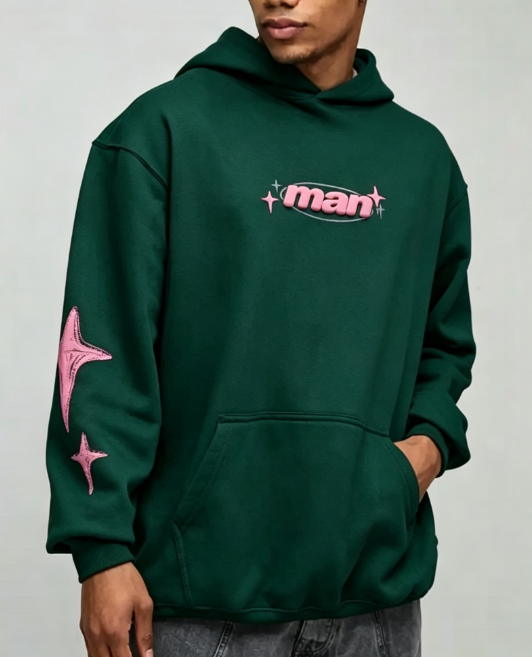
1 approved strike-off is not enough when pretreatment, white ink, and dark garments interact; require a production-method sample before release. 3 to 5 home-laundering cycles reveal cracking, fading, and migration; record detergent, temperature, tumble drying, and pass criteria in writing.
Fit And Placement Control
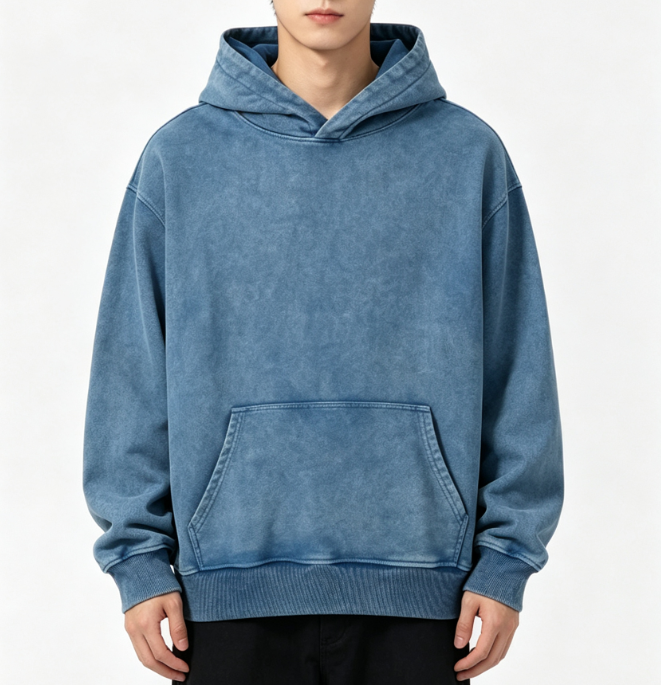
2XL artwork can look undersized when copied from a medium; define placement from neck seam and scale rules by size range. 100-unit orders need planned size ratios, not guesswork; use sales history or regional fit data before cutting graded quantities.
Approval And Packing Discipline

24-hour sample approval often misses measurement, hand-feel, and decoration faults; review against the tech pack, size set, and wash result. 1 low quote can exclude inspection, labels, polybags, folding, or export cartons; compare written specifications and approve a packing matrix before bulk.
9. Launching custom dtg hoodies
A 100-unit minimum per style and color can still support a disciplined test launch when the audience, fit promise, and sell-through target are defined before sampling. Build custom dtg hoodies as a small capsule with evidence for a repeat, not a one-off graphic experiment.
Define The Capsule

Three decisions should precede artwork: target customer, one clear fit direction, and a two-to-three-color palette. Set a launch price, landed-cost ceiling, and desired gross margin before selecting the blank or OEM construction. One hero hoodie plus one supporting colorway usually gives emerging labels cleaner content and less fragmented inventory. Choose a stock blank for speed and low development risk, or OEM cut-and-sew when silhouette, fabric weight, labels, or trims carry the brand value.
Build Production Files
A complete tech pack should specify garment measurements, graded size chart, fabric composition and GSM, Pantone references, label positions, and packaging. Supply print-ready artwork at the printer’s required dimensions, ideally with transparent-background PNG files at 300 DPI. Two approval rounds are common: review the development sample, then approve corrected artwork, measurements, hand feel, and wash behavior on a pre-production sample. Record every change in writing so the approved sample and bulk order match.
Plan Inventory And Launch
A first 100-unit run needs a size curve based on actual audience data, not an equal split from XS through 3XL. Reserve stock for exchanges, seed samples, photography, and early defect replacements before publishing available inventory. Four to six weeks before goods arrive, photograph fit on relevant models, prepare product-page measurements, and schedule email and social assets. Reorder only after reviewing sell-through by size and color; preserving cash for a proven repeat is safer than adding variants too early.
10. Custom DTG hoodie pricing and costs
100 units is a practical starting tier for custom dtg hoodies: a factory quote should separate blank garment, DTG pretreatment and print, trims, packing, testing, and freight rather than presenting one unexplained unit price. Use the matrix as an indicative ex-factory planning range; artwork detail, print area, and destination can move the result materially. 280–350 GSM cotton fleece usually costs more than a lighter 240–300 GSM French terry body, while ring-spun face yarn, brushed interiors, enzyme washes, Pantone-matched rib, woven labels, custom drawcords, and individual mailers add incrementally. Full-front plus back artwork raises DTG ink, pretreatment, handling, and rejection risk more than a small left-chest print. 3 quote checks prevent misleading comparisons: confirm whether pricing includes size grading across XS–3XL, approved bulk fabric, certification documentation, and export packing. Compare landed cost only after adding inspection, duties, VAT where applicable, and air or sea freight; a lower garment price can lose its advantage on heavy 350 GSM freight or premium packaging.
| Order quantity | Indicative ex-factory unit price | DTG coverage / cost driver | Sample or setup | Typical production lead time |
|---|---|---|---|---|
| 100–299 units | US$14–24 | One small-to-medium placement; light to moderate ink coverage | US$80–180 sample; artwork setup normally included | 20–35 days after approvals |
| 300–999 units | US$11–20 | Front print or moderate front-and-back coverage | US$80–180 sample; test print may be charged | 25–40 days after approvals |
| 1,000+ units | US$9–17 | Large front/back coverage, white ink, or high-detail art increases cost | Sample cost often creditable by agreement | 30–50 days after approvals |
Ready to Develop Your Custom DTG Hoodies?
Send your tech pack, reference garment, or product concept to JUNSHEEN for sampling guidance and a production quote from 100 units.