Custom Tie-Dye & Garment Dyeing for Apparel Brands
One-stop OEM, ODM and private-label custom tie-dye & garment dyeing from 100 units per style and color, with global production support.
Featured Products for custom tie-dye & garment dyeing Development







Related Product Catalogue and Quotation





Why Choose JUNSHEEN for Custom Tie-Dye & Garment Dyeing
Integrated development, fit-focused manufacturing, and export-ready production for distinctive dyed apparel programs.
100-Unit Starting MOQ
Launch capsule tie-dye or garment-dye styles from 100 units per style and color, with practical support for emerging labels.
Integrated Product Development
Move from sketch, mood board, or tech pack through fabric selection, pattern making, sampling, dyeing, decoration, and private labeling.
Fit-Focused XS–3XL
Refined grading supports standard, extended-size, plus-size, and oversized dyed garments with balanced proportions across the full size range.
In-House Color Effects
Combine custom tie-dye and garment dyeing with acid wash, softening, enzyme wash, embroidery, printing, trims, and branded packaging.
Scalable Global Production
Backed by 200+ skilled workers and 80,000+ monthly units, JUNSHEEN scales approved programs while managing quality control and export logistics.
Custom Apparel for Tie-Dye and Garment Dyeing
Develop dyeing-ready casualwear, denim, knitwear and outerwear with fit-focused patterns, controlled wash effects and scalable OEM production from 100 units per style and color.

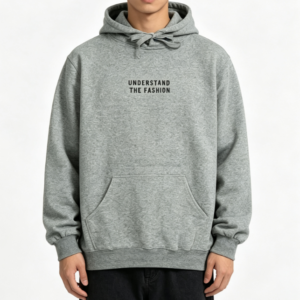
Custom Hoodies
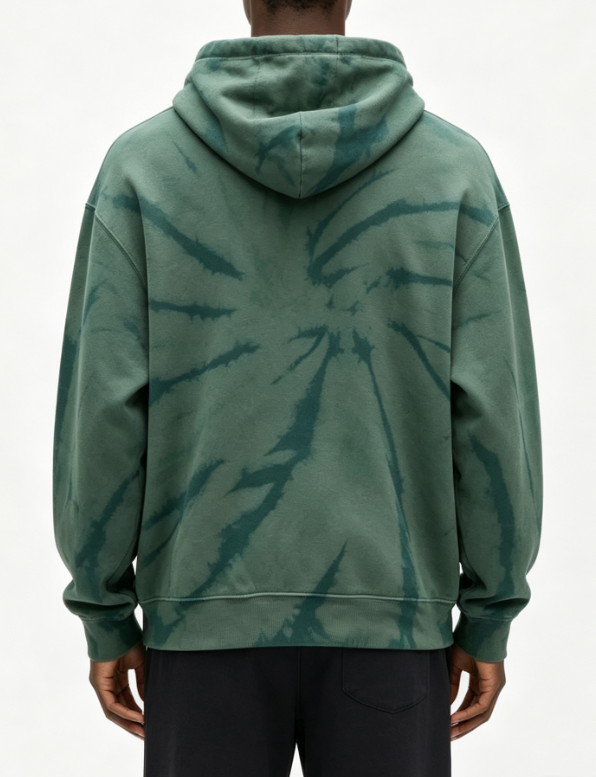
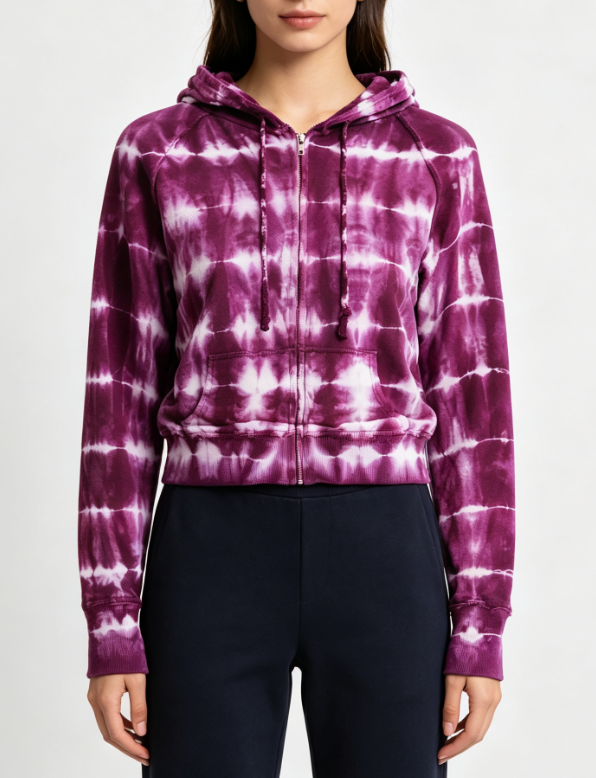
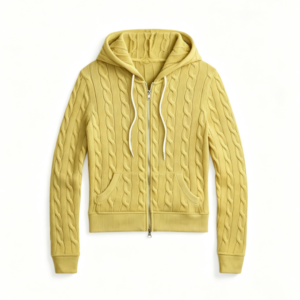
Custom hoodies in fleece or French terry can be developed for tie-dye, garment dye, acid wash or softening treatments. Junsheen supports fit development from XS–3XL, custom rib trims, embroidery, printing, labels and low-MOQ production.
Request a Quote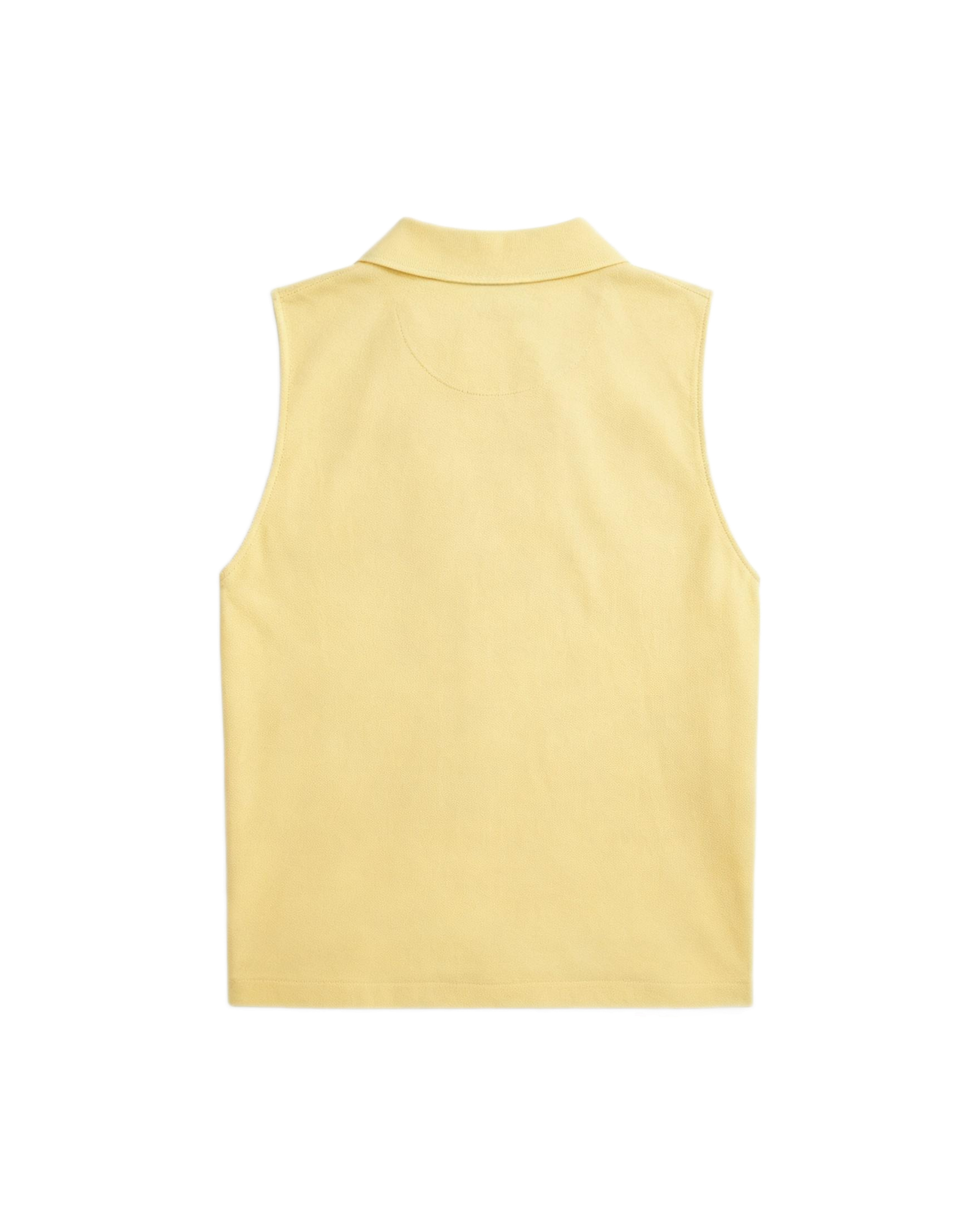
Custom T-Shirts
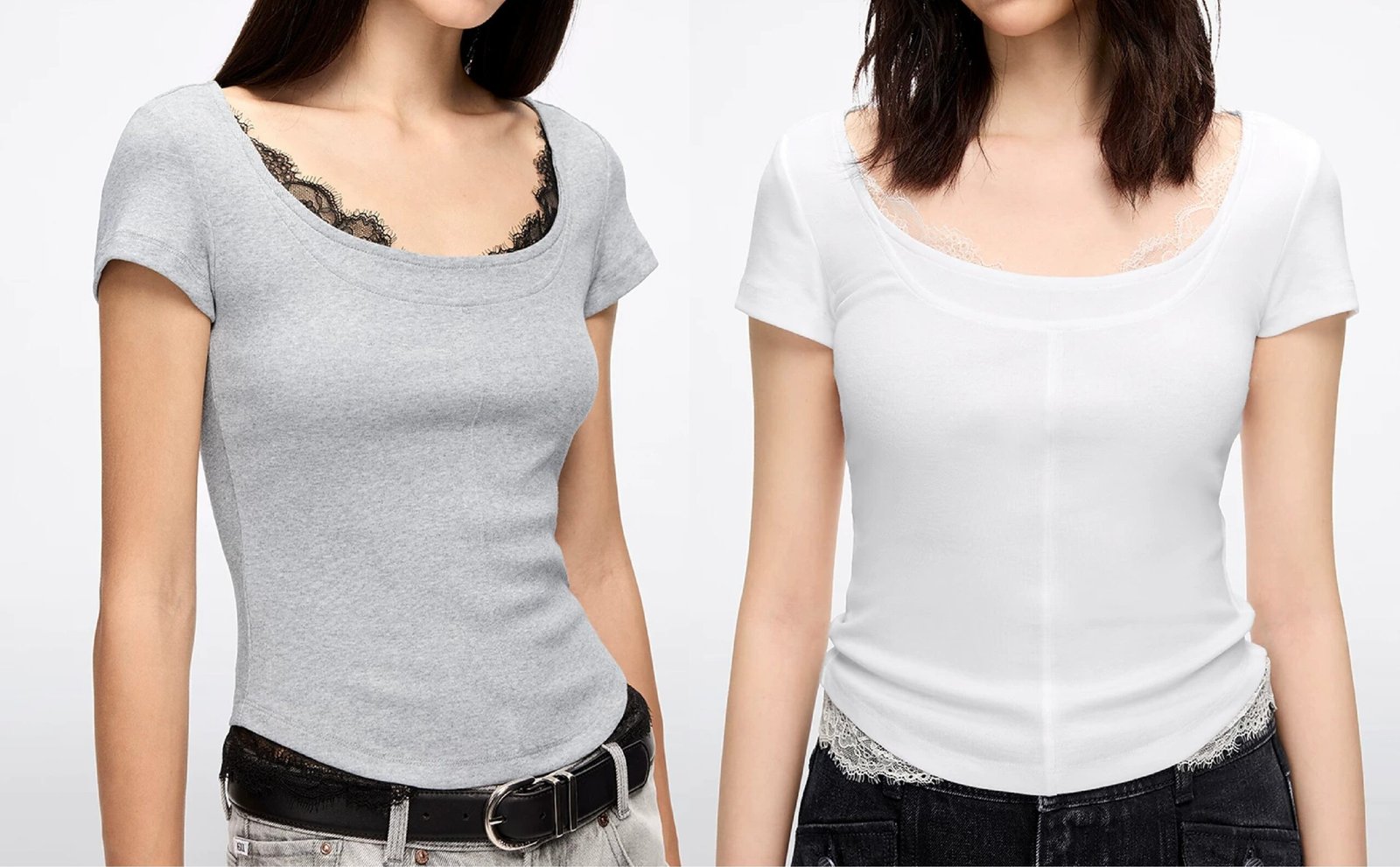
Build custom T-shirts in cotton, combed jersey or blended fabrics selected for dye uptake, hand feel and wash performance. From oversized fits to extended-size grading, Junsheen manages pattern development, dyeing, print placement, labels and export-ready packing.
Request a Quote
Custom Jeans
Custom jeans can combine denim fabric selection with garment dye, stone wash, acid wash, enzyme wash and branded hardware. Pattern makers refine rise, leg shape and grading across XS–3XL before sampling and bulk denim production.
Request a Quote
Custom Sweaters
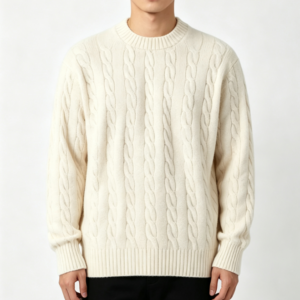
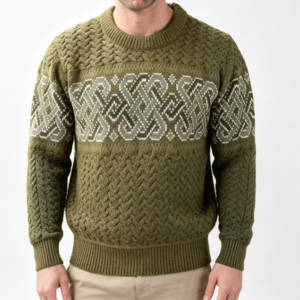
Source turtle neck sweater bulk programs with sweater constructions chosen for color, weight, stretch and repeatable finishing. Junsheen develops neck shape, body proportion and size grading, then coordinates knitwear production, labels, trims and packed delivery.
Request a Quote
Custom Jackets
Develop a custom jean jacket with denim weight, wash direction, dye effect and hardware aligned before production. Junsheen handles pattern making, fit sampling, custom buttons or snaps, embroidery, patches, labels and quality checks for bulk orders.
Request a Quote
Custom Sweatshirts & Crewnecks
Custom crewneck hoodie and sweatshirt programs can use fleece or French terry for garment dye, tie-dye and washed finishes. Junsheen controls fit, rib balance, grading, embroidery or printing, private labels and scalable production from 100 units.
Request a Quote
Custom Cardigans
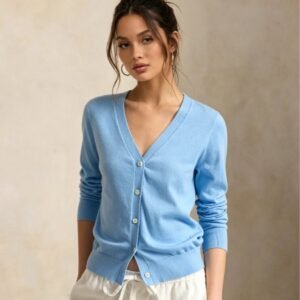
Custom cardigans can be developed in knit structures and yarn blends suited to your required color, hand feel and wear performance. Junsheen supports silhouette development, button selection, size grading, branded labels, trims and bulk production coordination.
Request a Quote
Custom Puffer & Down Jackets
Custom puffer jackets require coordinated shell fabrics, insulation, quilting, color treatments and hardware. Junsheen develops fit and construction details, then manages zippers, reflective elements, labels, packaging and inspection for outerwear programs.
Request a Quote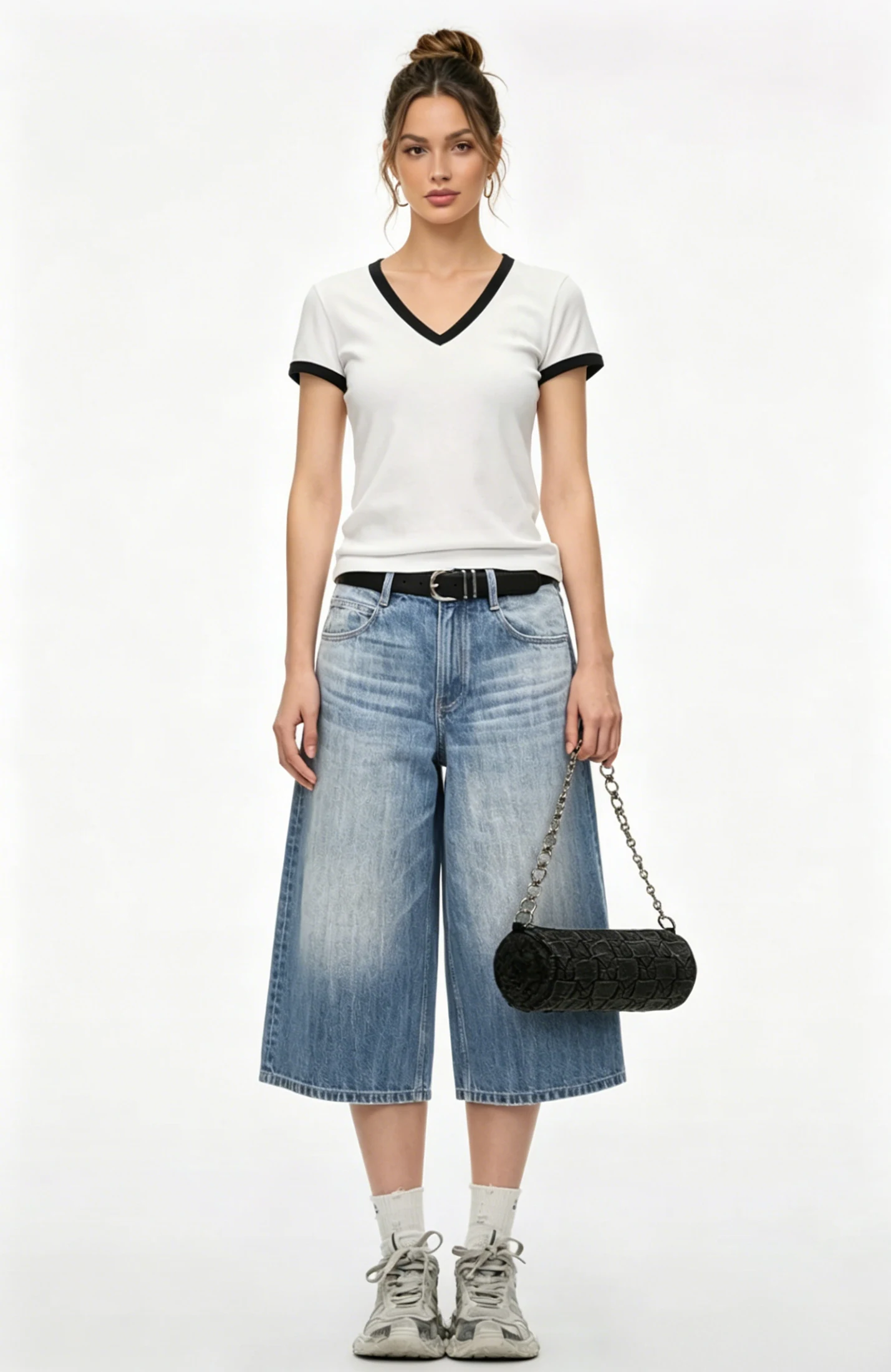
Custom Denim Shorts
Custom jean shorts can be sampled with denim washes, garment dye, acid wash or distressed finishing tailored to the collection. Junsheen refines rise, inseam, leg opening and size grading, with custom hardware, patches and labels available.
Request a Quote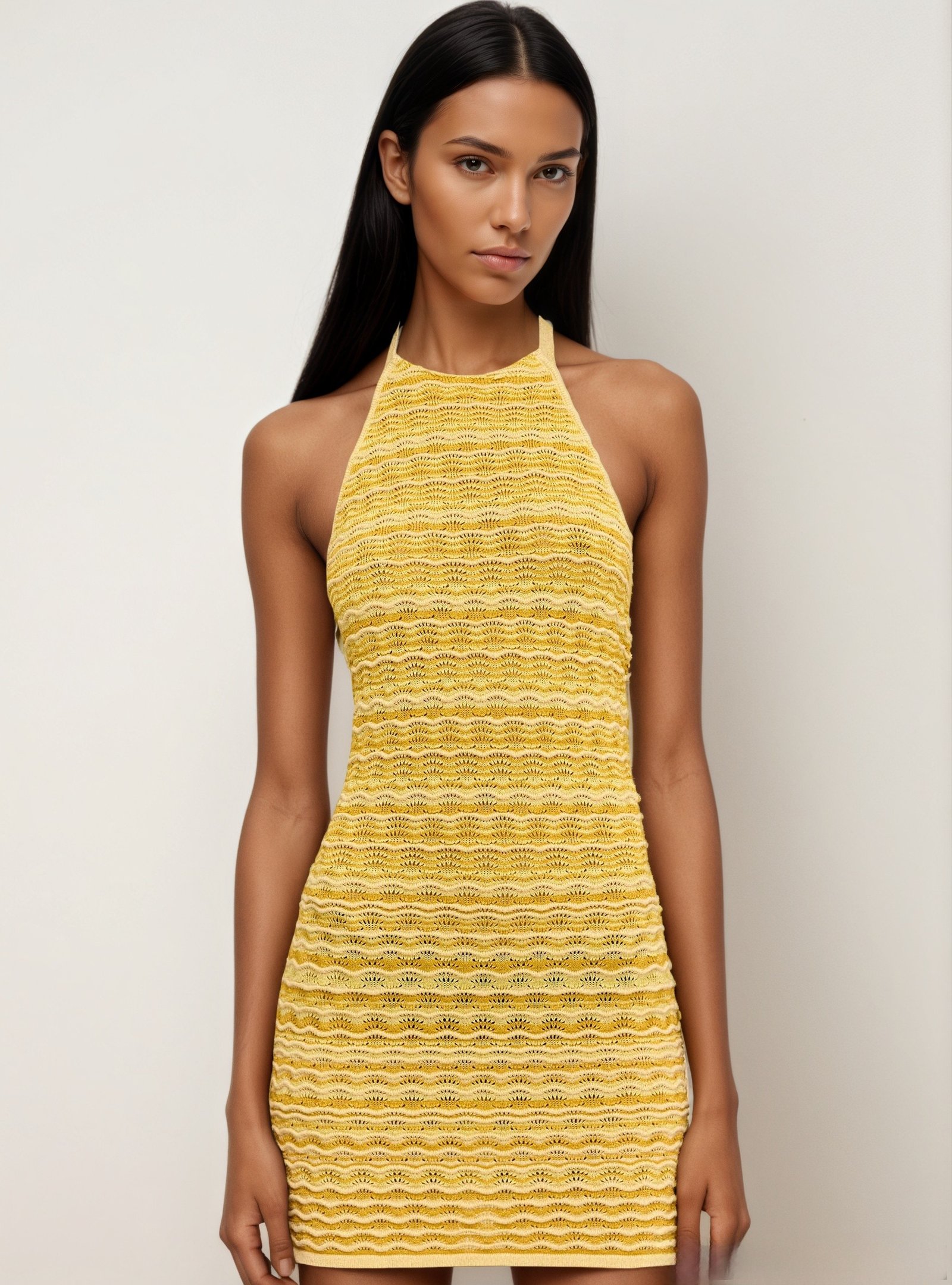
Custom Sweater Dresses
Custom sweater dresses combine knitwear development with fit control through the full size range. Junsheen supports yarn and construction selection, silhouette refinement, color treatment planning, labels and trims for private-label collections and repeat orders.
Request a Quote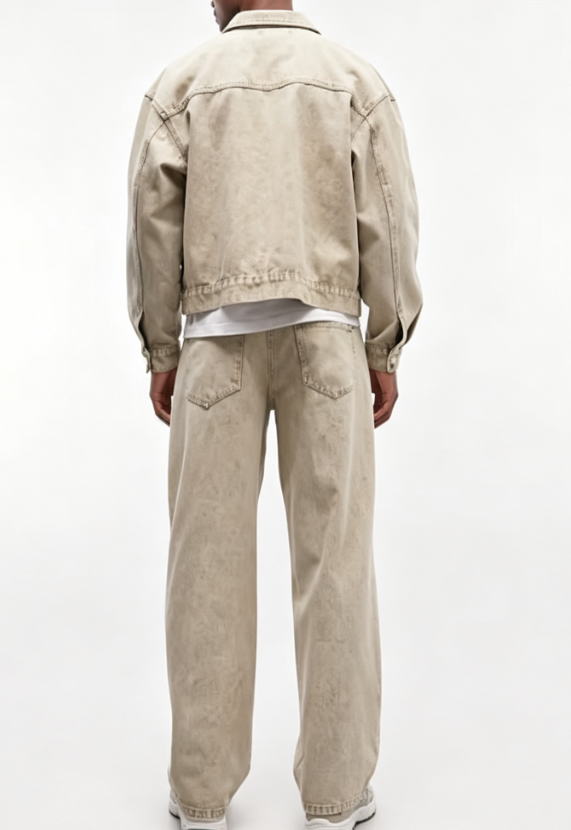
Custom Denim Sets
Mens denim suits wholesale programs can pair coordinated denim jackets and jeans with matching washes, dye effects and fit specifications. Junsheen develops each component, controls fabric and hardware consistency, and supports sampling through export-ready bulk production.
Request a Quote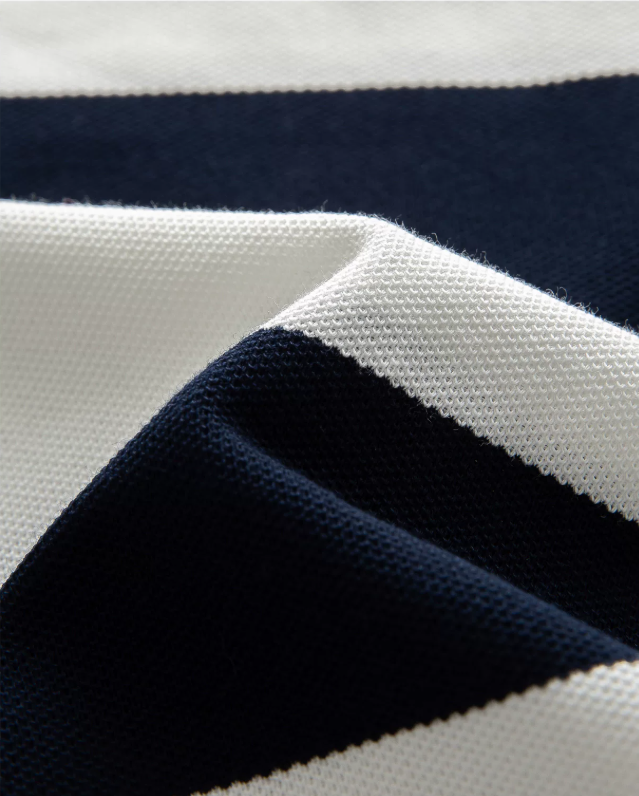
Custom Polo Shirts
Custom polo shirts can be made in pique, jersey or performance knits with garment dye options matched to color and hand-feel targets. Junsheen develops collars, plackets, fit and size grading, plus embroidery, labels and branded packaging.
Request a Quote
Custom Sweatpants
Custom sweatpants in fleece, French terry or jersey can be prepared for garment dye, tie-dye, brushing and softening finishes. Junsheen manages pattern development, waistband and cuff details, graded sizing, decoration and low-MOQ bulk production.
Request a Quote
Custom Shorts
Custom shorts can be developed in jersey, fleece, twill or woven fabrics with dyeing and wash effects matched to the intended use. Junsheen supports fit, inseam, pocket construction, size grading, trims, labels and quality-controlled production.
Request a Quote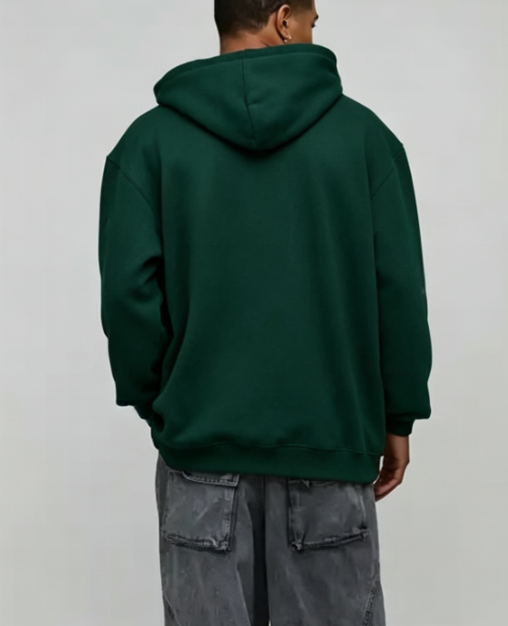
Custom Pullovers
Custom pullovers in knit, fleece or jersey constructions can be developed for controlled color effects and consistent fit. Junsheen supports fabric selection, pattern making, XS–3XL grading, embroidery or print decoration, private labels and scalable manufacturing.
Request a QuoteMaterials for Custom Tie-Dye & Garment Dyeing

Cotton Jersey
Soft, breathable cotton jersey suits T-shirts, long sleeves and lightweight dresses. Its absorbent fiber structure takes garment dye and tie-dye well, while 180–260 gsm options balance drape, opacity and everyday durability.

French Terry
French terry provides a smooth face with loopback comfort for hoodies, crews and sweatpants. Midweight 280–360 gsm constructions absorb rich color while retaining structure, making them well suited to enzyme washes and vintage dye effects.

Cotton Fleece
Brushed cotton fleece delivers a warm, plush hand feel for heavyweight hoodies and joggers. Typically 320–450 gsm, it supports saturated garment dyeing, though shrinkage control and wash testing are essential for consistent bulk sizing.


Cotton Twill
Cotton twill has a crisp diagonal weave for workwear jackets, trousers, shorts and utility pieces. Its dense construction improves abrasion resistance, while pre-shrinking and colorfastness testing help maintain reliable garment-dyed results.

Knit Cotton Blends
Cotton-rich knit blends offer controlled stretch and recovery for polos, fitted tops and modern oversized styles. Junsheen can adjust fiber ratios and weight to improve color uptake, shape retention and repeated-wash performance.
Custom Tie-Dye & Garment Dyeing Techniques

Garment Dye
Dye finished garments for rich, dimensional color that settles naturally across seams and fabric texture. Ideal for premium tees, fleece, sweats and casualwear needing a softened, lived-in appearance.

Custom Tie-Dye
Hand-tied or controlled tie-dye placement creates one-of-a-kind spirals, stripes, bursts and tonal patterns. Process settings are developed to balance visual variation with repeatable color direction across bulk production.

Acid Wash
Acid wash removes color selectively to create high-contrast, vintage-inspired marbling and faded highlights. It delivers bold surface character for denim, hoodies and heavyweight jersey while preserving a deliberate garment silhouette.

Enzyme Wash
Enzyme washing gently reduces surface fuzz and excess dye for a cleaner, broken-in hand feel. The result is softer apparel with more refined texture, improved comfort and a naturally worn finish.

Softening Finish
Softening treatments improve drape and next-to-skin comfort without masking the fabric’s intended weight or structure. Use this finishing option to give dyed jerseys, fleece and knits a more premium hand feel.
Custom Tie-Dye & Garment Dyeing Accessories

Woven Brand Labels
Custom woven main, size and care labels add a durable branded finish to tie-dye tees, hoodies, sweatshirts and denim. We coordinate label construction, placement and color matching with your approved garment specifications.

Custom Hang Tags
Printed hang tags communicate your collection story, fabric details and retail information at point of sale. Choose custom shapes, finishes, strings and barcodes for launch-ready private-label dyed apparel.

Logo Zippers
Add branded zipper pullers, nylon coil or metal zipper options to dyed hoodies, jackets and outerwear. We source trims suited to garment weight, wash performance and the intended silhouette.

Snap Button Sets
Custom snaps provide functional closure and a polished hardware detail for jackets, denim sets and overshirts. Select finishes, logo marks and attachment specifications that complement your garment-dye or tie-dye treatment.

Drawcords and Tips
Specify cotton, flat, round or reflective drawcords with custom aglets, tipping and color options. These details help hoodies, sweatpants and shorts carry a cohesive private-label identity after dyeing and finishing.
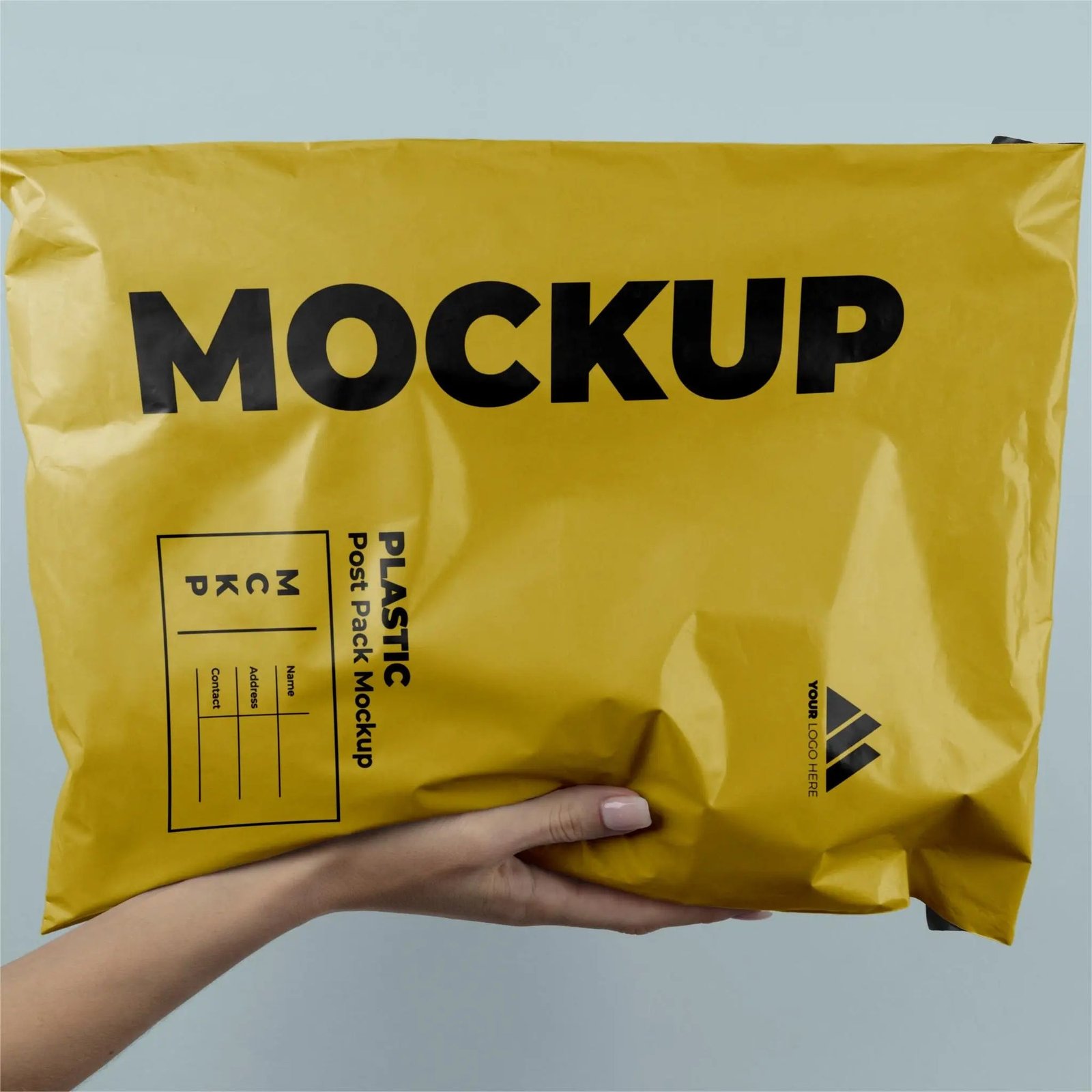
Branded Packaging
Finish each order with custom polybags, tissue, stickers, size labels or mailer-ready packaging. JUNSHEEN aligns packing requirements with retail presentation, wholesale handling and global export preparation.
About Custom Tie-Dye & Garment Dyeing
Founded in 2010 in Humen Town, Dongguan, JUNSHEEN helps global brands turn custom tie-dye & garment dyeing concepts into production-ready casualwear. Our one-stop OEM, ODM and private-label team supports every stage, from fabric selection and pattern development to sampling, dyeing, finishing, packaging and export.
With 200+ skilled workers and monthly capacity exceeding 80,000 units, we can support 100-unit capsule launches as confidently as repeat bulk programs. Cut-and-sew, knitwear, printing, embroidery, washing and labeling are coordinated through one integrated supply chain for stronger control over color, quality and delivery.
Our fit-first approach sets JUNSHEEN apart. We develop XS–3XL, extended-size, plus-size and oversized garments with refined grading instead of simple size enlargement, helping brands achieve balanced proportions and consistent wear. That technical care, combined with global production experience, makes custom dyed collections easier to scale.

Custom Tie-Dye & Garment Dyeing Development Capabilities
Feasibility Before Sampling
JUNSHEEN reviews your custom tie-dye & garment dyeing concept before sampling, assessing garment construction, dye method, placement, fabric response, target hand feel and cost. This early review turns references, sketches or tech packs into practical production specifications with fewer avoidable revisions.
- Design and manufacturability review
- Dye-effect, wash and placement assessment
- 100-unit MOQ feasibility guidance
- Clear sampling and bulk-production recommendations

Fabric and Color Development
Our sourcing team matches cotton jersey, French terry, fleece, denim and blended fabrics to the intended dye effect. We develop swatches and sample garments to evaluate shade variation, absorbency, shrinkage, colorfastness and wash performance before bulk materials are approved.
- Fabric options selected for dye uptake
- Custom shade and effect swatch review
- Wash-performance and shrinkage checks
- Material choices aligned to target cost

Fit-Focused XS–3XL Patterns
Dyeing does not replace the need for a dependable fit. Pattern makers develop normal, oversized, extended-size and plus-size garments from XS through 3XL, refining shoulder balance, sleeve length, body proportion, rise and grading increments for consistent wear across the size set.
- Original patterns or technical refinements
- XS–3XL and extended-size grading
- Oversized and plus-size proportion control
- Prototype and size-set approval support

In-Line Quality Control
Quality control follows each stage of custom tie-dye & garment dyeing production, from incoming fabric through cutting, sewing, decoration, washing and final packing. Teams check measurements, construction, dye consistency, finish quality and packed goods so approved standards carry into scalable global orders.
- Incoming fabric and color checks
- In-line measurement and construction inspection
- Dye, wash and finish consistency review
- Final packed-goods inspection before export

Custom Tie-Dye & Garment Dyeing Built for Brand Growth
Compare a production partner built for low-MOQ launches, repeatable color effects, inclusive fits and dependable global delivery.
← 左右滑动查看 →
Custom Tie-Dye & Garment Dyeing Production Process
A controlled, fit-focused workflow that takes your dyed apparel from material approval to export-ready delivery.
Develop Your Dye Concept
We review your tech pack, reference, color direction and target price, then confirm garment construction, dye method, sizing and production feasibility.
Source Fabrics and Trims
Our team recommends dye-suitable fabrics, weights and components, balancing hand feel, color performance, durability, target cost and your private-label requirements.
Sample, Fit and Approve
We create patterns and samples with XS–3XL grading, refine fit and wash effects, then secure approvals before bulk materials and specifications are finalized.
Cut, Dye and Finish
Skilled teams cut and sew approved garments, then apply custom tie-dye, garment dyeing, washes and finishing treatments for the intended color character.
Inspect, Pack and Ship
We check measurements, construction, shade consistency, decoration and packed goods, then complete branded packaging and coordinate worldwide export shipment.
How to Start Your Custom Tie-Dye & Garment Dyeing Project
Move from concept to shipment with a clear, production-ready process for your dyeing program.
Share Your Product Brief
Send a tech pack, sketch, mood board, or reference garment with target quantities, colors, sizing, fabrics, and desired tie-dye or garment-dye effects.
Confirm Technical Feasibility
Review dye methods, fabric suitability, decoration placement, XS–3XL grading, packaging, timeline, and 100-unit MOQ requirements with our product-development team.
Approve Samples and Pricing
Evaluate fabric swatches and prototype samples for color, wash performance, fit, and hand feel, then confirm specifications, quotation, and bulk production details.
Authorize Bulk Production
Approve the final pre-production sample so our team can source materials, manage dyeing and finishing, inspect quality, and retain production records for repeats.
Receive Global Delivery
Complete final inspection and balance payment before we pack branded goods, prepare export documentation, and coordinate shipment to your selected destination worldwide.
Custom Clothing Manufacturer Credentials and Compliance Documents



Custom Tie-Dye & Garment Dyeing Results for Growing Brands
JUNSHEEN turned our reference wash into a production-ready tie-dye hoodie program with only two sample rounds. The color placement stayed consistent across our 1,200-unit reorder, and the team kept every size from XS to 3XL on spec.
We launched our first garment-dyed tee capsule at the 100-unit MOQ, then expanded to four colorways. Their pattern team corrected the oversized shoulder balance before bulk production, reducing our fit-related customer returns by 18% in the first season.
The development process was unusually clear for a mixed denim and fleece collection. JUNSHEEN matched approved garment-dye tones on our repeat order and delivered 3,600 units with branded labels, hang tags, and packing ready for our retail rollout.
Custom Tie-Dye & Garment Dyeing FAQ
Clear answers on MOQs, sampling, approvals, lead times, payments, shipping and repeat-order control for branded apparel programs.
What is the MOQ for custom tie-dye & garment dyeing?
Can I order a sample before starting custom tie-dye & garment dyeing bulk production?
How do you approve colors for custom tie-dye & garment dyeing?
How long does a custom dyeing order take?
How are payments handled for new apparel manufacturing orders?
Can JUNSHEEN ship custom dyed garments internationally?
How do you protect my designs and brand information?
Will repeat orders match the approved custom tie-dye & garment dyeing sample?
The Complete Buyer’s Guide to custom tie-dye & garment dyeing
Use this decision framework to compare dyeing methods, fabrics, customization routes, quality controls, and supplier capabilities—so you can source confidently, avoid costly sampling errors, and launch distinctive dyed apparel programs at scalable production levels.
1. What Is custom tie-dye & garment dyeing?
100-unit programs can use custom tie-dye & garment dyeing to turn an approved blank garment into a color-led private-label product. Garment dyeing happens after cut-and-sew assembly, so the finished hoodie, T-shirt, denim piece, fleece set, knit or jacket is dyed as one unit; seams, rib trims and panels can take color differently, creating the washed, lived-in character buyers expect. 2 production routes precede cutting: fabric dyeing colors the roll before pattern cutting, while yarn dyeing colors yarn before knitting or weaving. Those routes favor repeatable solid shades, stripes and engineered color placement; tie-dye is typically a garment-level resist process, where bound, folded, twisted or wrapped areas receive uneven dye penetration and produce one-of-one variation rather than identical panel-to-panel results. Pantone references can guide a target hue, but garment-dyed and tie-dyed goods should be bought for controlled variation, not perfectly flat shade matching. This process suits casualwear, denim washes, sweater programs, outerwear accents and extended-size capsules when a brand wants flexible color storytelling, a softer visual break from standard stock blanks, and distinctive units without redesigning every pattern; fit, grading and shrinkage must still be approved on dyed samples across the intended XS–3XL size range.
2. Evolution of custom tie-dye & garment dyeing
1960s counterculture turned hand-tied resist patterns into a commercial fashion signal, but the underlying method is much older: folding, binding, stitching, or clamping restricts dye penetration and leaves controlled undyed areas. That craft logic still gives custom tie-dye & garment dyeing its value because irregular rings, bursts, and seam shadows read as deliberately human rather than digitally uniform. 1970s–1990s washhouses expanded the language from bright resist effects to faded indigo, enzyme-softened cotton, acid washes, stone washes, and pigment-dyed sportswear. Buyers still use these looks because a broken-in surface can add perceived character to basic tees, fleece, French terry, denim, and jersey without adding complex cut-and-sew details. 100-unit capsule programs require a different discipline than one-off studio dyeing: approved lab dips, Pantone targets where applicable, recipe records, wash standards, and retained swatches make future repeats manageable. Modern color development should document base-fabric lot, dye or pigment system, water and wash parameters, colorfastness expectations, and restricted-substance requirements such as OEKO-TEX or GOTS when specified. Controlled variation can remain part of the aesthetic, but the acceptable range must be agreed before bulk production so vintage character does not become an avoidable shade claim.
3. Types of custom tie-dye & garment dyeing
100-unit capsules can favor deliberate variation, while repeat programs need tighter process controls. Custom tie-dye & garment dyeing should be selected by fiber content, approved shade tolerance, wash testing, and replenishment requirements.
| Method | Repeatability | Colorfastness | Best Scale |
|---|---|---|---|
| Hand-assisted tie-dye | Low | Good with reactive fixation | 100–500 units |
| Batch tie-dye | Medium | Good after validated wash | 500+ units |
| Reactive garment dye | High | High on cellulosics | Repeat programs |
| Pigment dye | Medium | Moderate; fades by design | Fashion capsules |
| Sulfur/vat or overdye | Medium | Good, with designed fading | Denim programs |
Hand-Assisted Tie-Dye

100–500-unit runs suit hand-tied or hand-assisted patterns with high visual variation. Cotton jerseys, fleece hoodies, and French terry take the effect well. 3–5 approved reference zones help control placement, but no two garments match exactly. Reactive dyes offer better wash fastness than loosely fixed craft-style color.
Batch Tie-Dye

500+ units favor batch tying, dip cycles, and standardized fold methods. The result is more repeatable spirals, stripes, or clouds across T-shirts and sweatshirts. 2–3 controlled colorways reduce batching risk and improve replenishment consistency. Placement still varies, so approve a tolerance range rather than an identical print standard.
Reactive Garment Dye

60–90°C reactive dyeing chemically bonds color to cotton, rayon, and other cellulosics. It produces saturated, comparatively level shades for tees, joggers, and garment-dyed fleece. 4–5 wash tests should confirm crocking, shrinkage, and seam tone. Polyester thread, trims, and mixed fibers may remain lighter.
Pigment Garment Dye

100% pigment systems create a soft, faded surface color with minimal water use versus conventional exhaust dyeing. They suit fashion tees, caps, and vintage-look fleece. 3 variables—binder, curing, and wash recipe—govern durability. Abrasion and repeated laundering can intentionally expose a worn, uneven character.
Sulfur, Vat, And Overdye Effects

12–16 oz denim and dark cotton twill can use sulfur or vat-style dye effects for washed black, indigo-like depth, and heritage fading. Overdye and enzyme washes add layered tonal character to denim sets and outerwear. 2-stage processing increases lead time and shade risk at seams. These effects need approved wash standards because fading remains part of the design.
4. Fabrics for custom tie-dye & garment dyeing
Fiber chemistry sets the dye class, saturation, shrinkage risk, and final hand before a color recipe is chosen. For custom tie-dye & garment dyeing, Junsheen reviews fabric weight, construction, and pre-treatment before sampling.
| Fabric | Recommended GSM | Best Use | Dye Behavior |
|---|---|---|---|
| Combed cotton jersey | 160–220 | T-shirts | Clear reactive color |
| French terry or fleece | 240–400 | Hoodies, sweats | Rich color; test shrinkage |
| Denim | 280–420 | Jeans, jackets | Washed, uneven character |
| Cotton-linen blend | 160–250 | Shirts, shorts | Natural slub variation |
| Rayon or modal | 150–220 | Draped tops | Soft hand; test strength |
| Cotton-poly blend | 180–320 | Fleece, tees | Heathered or two-tone result |
| Polyester knit | 140–220 | Performance wear | Requires disperse dye |
Cellulosic Fabrics First

100% cotton takes reactive dye predictably and usually delivers the deepest, most repeatable shades after a controlled wash. Organic cotton behaves similarly, but its knitting quality, residual oils, and batch consistency still require lab dips and shrinkage testing.
Blends And Specialty Fibers
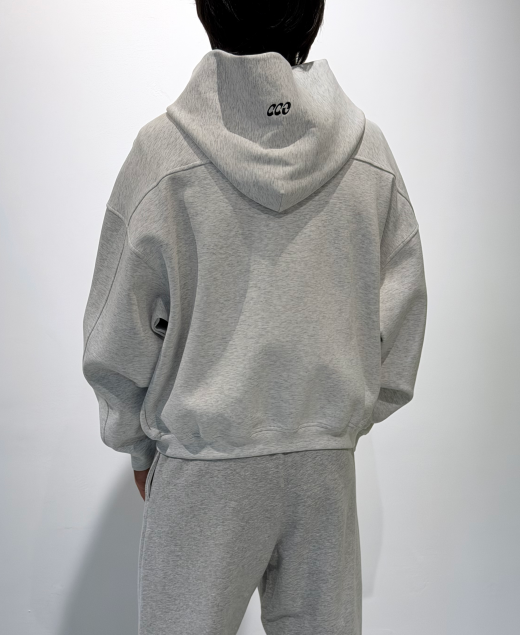
50/50 cotton-polyester often dyes unevenly because reactive dye colors the cotton while polyester remains lighter, creating a heathered result. Linen blends produce slub-led variation; rayon or modal gives fluid color and a softer hand. Most synthetics need disperse dye or transfer processes, not standard cotton recipes.
Construction And Approval

240–400 GSM French terry and fleece need wash trials because loft, brushing, and enzyme treatment affect shade and hand feel. 100% polyester sewing thread, plastic zippers, silicone prints, and synthetic labels may resist a cotton dye bath. Test swatches must include every trim, thread, label, wash formula, and approved color target before bulk.
5. Customization and decoration options
Pantone references, lab dips, and placement maps turn custom tie-dye & garment dyeing into a repeatable specification. Junsheen can review color boundaries, resist artwork, and finishing sequence before sampling.
| Treatment | Specification Detail | Decoration Constraint |
|---|---|---|
| Tie-dye resist | Map folds and bound zones | Print after dye and cure |
| Ombré or dip dye | Name direction and color stops | Keep logo outside transition |
| Enzyme or stone wash | Approve abrasion level | Test embroidery puckering |
| Overdye or bleach | Approve seam and trim contrast | Use compatible labels and thread |
Color And Pattern Briefs

2–4 target shades should be identified by Pantone reference plus an approved lab dip; dye lots can still show controlled variation. 1 placement map should show fold lines, bound areas, spiral centers, gradient direction, and acceptable bleed. Specify whether each garment may be unique or must follow a repeatable visual zone.
- Resist pattern: tied, taped, clamped, or stitched
- Gradient: spray, ombré, or dip-dye direction
- Effect: bleach discharge or overdye depth
Wash And Dye Sequencing

40–80 °C wash and dye conditions can change shrinkage, surface fuzz, and trim color. Enzyme or stone washing is normally approved before final decoration placement. 1 pre-production sample should confirm overdye coverage around seams, rib trims, pockets, and labels. Use dye-compatible thread and avoid untreated metal hardware where staining risk is unacceptable.
Post-Dye Branding
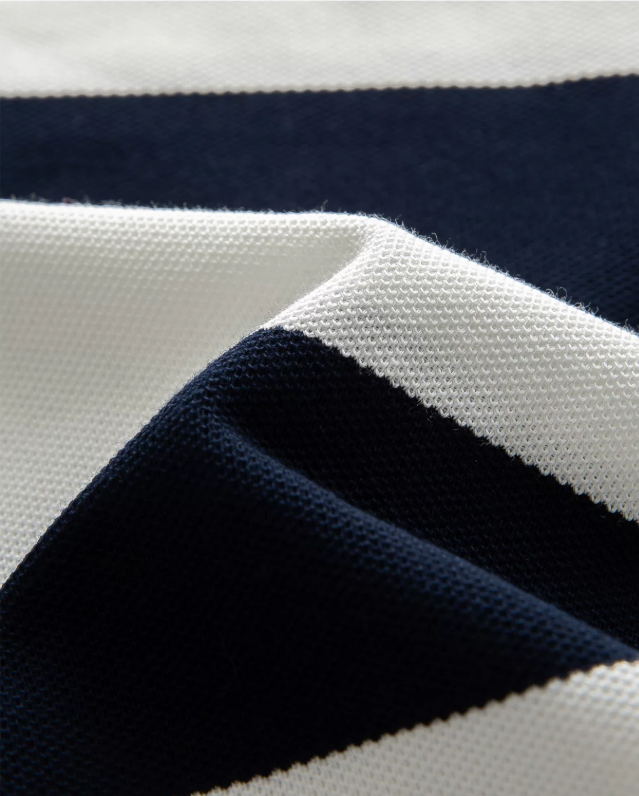
24–48 hours of curing and wash testing is a practical checkpoint before screen print or heat-transfer application. Residual softener, silicone, or loose fibers can reduce print adhesion. 1 embroidery test should check puckering on softened jersey or fleece; stabilizer and stitch density may need adjustment. Woven labels, patches, hang tags, and branded packaging are best selected after the wash process is fixed.
6. Quality controls for dyed garments
Dyed garments need controls before cutting and after every wash process. Require documented tolerances for shade, measurements, surface appearance, and construction so custom tie-dye & garment dyeing retains its intended character without becoming unpredictable.
Pre-Production Approvals

Before bulk cutting, relax knit fabrics for 24 hours and test shrinkage after the specified wash cycle. Build shrinkage allowance into patterns, then approve lab dips for solid shades and strike-offs for placement, penetration, and dye recipe. At size-set stage, wash XS through 3XL samples where applicable. Check stitch thread compatibility, puckering, seam torque, and distortion at rib joins, side seams, pockets, and hems.
- Approve lab dips under agreed lighting
- Approve strike-offs on production fabric
- Record post-wash measurement tolerances
Bulk Wash Performance

After 1, 3, and 5 wash cycles, compare the approved sample against bulk garments for shade consistency, hand feel, dimensional stability, and dye penetration. Test dry and wet rub fastness where dark, saturated, or contrast colors can transfer. For denim and pigment effects, inspect color migration onto labels, pocketing, drawcords, and adjacent panels. Sort garments after washing before decoration and packing; reworkable issues must be isolated from saleable units.
- Check shade lot by lot
- Test wet and dry crocking
- Inspect migration onto trims
AQL And Variation Limits
At final inspection, use an agreed AQL plan, commonly AQL 2.5 for major defects, with measurement, construction, decoration, and packed-goods checks. Define the sample size, defect definitions, and acceptance threshold in the purchase order. Artisanal variation can include controlled marbling, small tonal shifts, or non-identical tie-dye placement within an approved reference range. Streaks, undyed areas, uncontrolled color bleeding, seam twisting, holes, or out-of-tolerance shrinkage are defects, not variation.
- Attach approved reference garments
- State acceptable shade range
- Photograph and classify defects
7. Choosing a custom tie-dye & garment dyeing manufacturer
A reliable dyeing partner is validated through repeatable process evidence, not a low unit quote. For custom tie-dye & garment dyeing, confirm who controls each wet-processing stage before approving a sample.
Verify Dyeing Ownership
1 question matters first: is dyeing in-house, managed through a named subcontractor, or brokered without process control? Ask for recent process photos, production-floor contacts, and the factory’s escalation path for shade failures. 100-unit capsule minimums can work when sampling, batching, and colorway limits are defined upfront. Confirm monthly capacity, peak-season allocation, and whether your fabric is processed separately or combined with another lot.
- Who approves bulk shade before cutting or sewing?
- Which wet process is subcontracted, if any?
- What is the documented rework procedure?
- Can the supplier support export packing and shipping?
Demand Sampling And Color Evidence

Pantone references are starting points, not guaranteed dye results on every fiber blend. Request lab dips or garment-dyed strike-offs on the exact approved fabric, then agree a written shade-tolerance standard under specified lighting. 3 checkpoints reduce surprises: first sample, size-set or pre-production sample, and sealed bulk approval. Ask for recent wash-fastness, crocking, shrinkage, and spirality reports relevant to the garment.
- Exact fabric composition, GSM, and lot number
- Approved shade standard and viewing light
- Wash-test method and acceptable result
- Signed sample and bulk approval record
Check Material And Chemical Controls

95% cotton and cotton-rich blends commonly dye differently even at similar weights, so fabric sourcing must be traceable by mill, lot, and finish. A capable manufacturer checks absorbency, residual finishes, and shrinkage before committing a dye recipe. OEKO-TEX, GOTS, WRAP, or BSCI documents are useful only when current and applicable to the claimed facility or material. Request wastewater, restricted-substance, and chemical-management evidence rather than accepting a logo on a quotation.
- Mill and fabric-lot traceability
- Chemical SDS and restricted-substance controls
- Wastewater-treatment documentation
- Incoming-fabric inspection records
Assess Communication Discipline
24-hour response promises matter less than precise technical replies. Evaluate whether the team can translate a tech pack, reference garment, or mood board into a dye plan, measurement specification, graded sizes, and a realistic approval calendar. JUNSHEEN can coordinate cut-and-sew, fabric sourcing, pattern development, decoration, quality control, packaging, and export support in one supply chain. For growing programs, retained patterns, graded size sets, and material records help repeat orders stay consistent.
- Named account and production contacts
- Written timeline from sample to shipment
- Clear MOQ by style, color, and fabric
- Photo-based in-line and final inspection updates
8. Common buyer mistakes in garment dyeing
Two approval points prevent most garment-dye claims: color approval under controlled light and a washed production sample. For custom tie-dye & garment dyeing, the tech pack must define acceptable variation before costing begins.
Approve Physical Color Standards
Pantone references displayed on uncalibrated screens cannot approve a dyed shade, especially across cotton lots. The commercial risk is a rejected bulk order after fabric, labor, and freight have already been committed. 1 lab dip or strike-off should be reviewed under D65 daylight and relevant store lighting. Include the approved swatch, color tolerance, viewing conditions, and signed sample date in the purchase order.
Specify Fibers And Trims

100% cotton, cotton-polyester blends, nylon thread, and polyester labels absorb dyes differently. Ignoring this can create pale seams, tonal drawcords, or heat-damaged trims that make a garment look defective. 2 trim samples should be dyed with the shell before bulk approval. List fiber content, dye method, thread color, zipper supplier, and whether contrast is acceptable in the bill of materials.
Test Before Locking Patterns
3 wash cycles can reveal shrinkage, seam torque, crocking, and changes in hand feel that a dry sample hides. Skipping them risks fit failure and returns after the garment dye process has altered dimensions. 1 approved post-wash size spec should control production, not the pre-dye pattern measurement. Freeze pattern, GSM, construction, and placement before dye development; any later change requires a new dyed sample.
Cost Variation And Time
5–15% shade and pattern variation is normal for many tie-dye and garment-dye effects, while exact yield depends on fabric and process. Treating every unit as identical creates unrealistic AQL expectations and disputes over usable inventory. 2 quotations may describe different dye systems, wash recipes, testing, or rework allowances. Request a process-by-process comparison and build lab dips, sampling, dye production, washing, drying, inspection, and contingency into the critical path.
- State acceptable shade, placement, and panel-to-panel variation.
- Compare fabric weight, dye method, wash finish, and test scope.
- Add approval time and color-correction allowance to launch dates.
9. Launching custom tie-dye & garment dyeing programs
A 100-unit-per-style-and-color starting point lets a capsule test demand without skipping technical control. For custom tie-dye & garment dyeing, lock visual variation and replenishment rules before sampling begins.
Define The Product Brief
Three reference images should show the intended placement, contrast, wash character, and acceptable irregularity; a mood board alone is insufficient. XS–3XL must be confirmed at briefing, with separate grading review for extended sizes, oversized proportions, and mobility.
- Name the base garment and target GSM
- Set colorway count and units per color
- Approve logo, labels, hang tags, and packaging
- Reserve a replenishment fabric or dye plan
Build Materials And Specifications
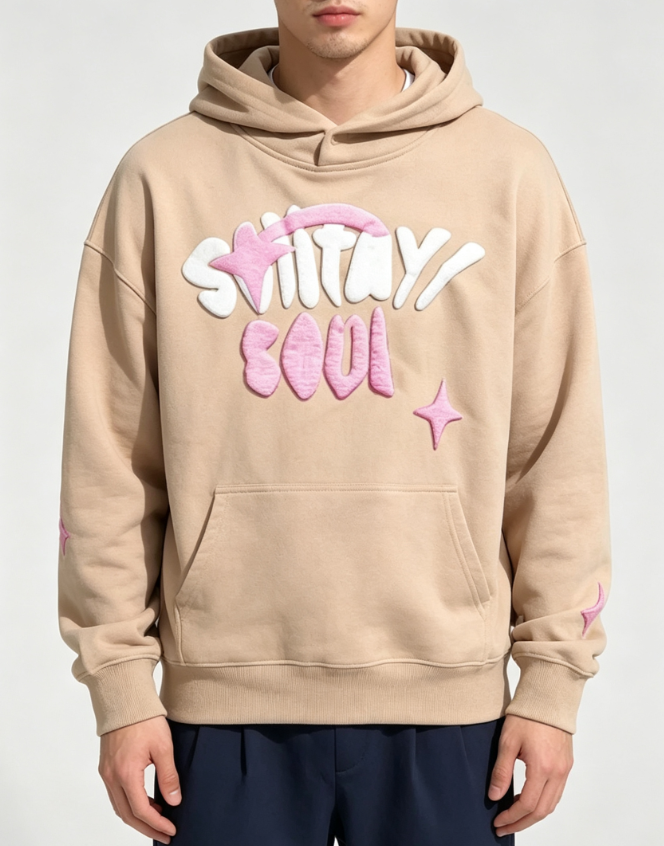
180–220 GSM jersey suits many dyed tees, while 320–450 GSM French terry or fleece supports heavier hoodies; fiber content changes dye uptake. One production-ready tech pack should specify measurements, Pantone references, construction, trims, print or embroidery placement, and wash instructions.
- Request fabric swatches before bulk booking
- Identify ring-spun versus open-end cotton
- Confirm shrinkage allowance and target hand feel
Approve Color And Samples
One dye recipe is developed per approved colorway, then evaluated through a lab dip before cutting a prototype. Agree a shade tolerance, such as a defined approved-standard range, rather than judging bulk goods from screen images. Two signed samples—fit and pre-production—should capture placement, dye variation, measurements, labels, and decoration. Changes after pre-production approval should trigger a revised cost and delivery review.
- Set acceptable tie-dye placement variation
- Record wash-test and colorfastness results
- Keep the approved swatch with order records
Release Bulk And Reorder
100 units per style and color can launch a focused program; larger runs should be split only after confirming color allocation and size curves. Bulk inspection should cover incoming fabric, in-line sewing, measurements, dye appearance, decoration, and packed goods. One final packing approval should verify polybags, carton marks, barcode placement, and export documents before shipment. Retain patterns, graded size sets, recipe records, and approved samples to shorten repeat-order development.
- Confirm balance payment before shipment
- Book freight around the approved ex-factory date
- Plan reorder timing before inventory reaches minimum stock
10. custom tie-dye & garment dyeing pricing
100 units is a practical starting tier for custom tie-dye & garment dyeing, but the lowest unit cost usually arrives once fabric, dye-lot handling, and cutting are spread across 300–500 units. Treat every price as an indicative framework until the supplier reviews the tech pack, artwork, Pantone targets, size breakdown, and an approved sample. 2–4 weeks is a common development window for lab dips, strike-offs, pattern confirmation, and a dyed prototype; bulk timing commonly adds 3–6 weeks after approvals and materials are ready. Multi-color tie-dye, dip dye, acid wash, enzyme wash, discharge printing, and rework-resistant placement controls add labor, yield loss, and approval risk. 8 specification lines should match before comparing quotations: fabric composition and GSM, garment construction, dye method and color count, wash recipe, decoration, labels, packaging, and testing. Ask suppliers to separate sample/setup, garment, dye/wash, decoration, packaging, freight, and OEKO-TEX, GOTS, WRAP, or BSCI-related compliance costs so a low unit quote is genuinely like for like.
| Order tier | Indicative cost position | Typical setup and lead time | Main price drivers |
|---|---|---|---|
| 100–199 units | Highest unit cost | Sample/setup separate; 5–10 weeks total | Custom fabric, 3+ colors, complex washes, embroidery, branded packaging |
| 200–499 units | Mid-range unit cost | Setup spread over more units; 4–8 weeks total | French terry or denim weight, pockets, panels, size range, wash yield |
| 500+ units | Best scaling position | Repeat-approved programs may shorten to 3–6 weeks | Bulk fabric commitment, standardized colorways, fewer decoration passes, consolidated testing |
Start Your Custom Tie-Dye & Garment Dyeing Collection
Send your tech pack, reference garment, or product idea for a production quote, fit guidance, and 100-unit MOQ planning.