
Vintage Washed Sweatshirt Manufacturer for OEM Brands
JUNSHEEN is your vintage washed sweatshirt manufacturer for custom wash development, private labels, and scalable production from 100 units per style and color.
Featured Products for vintage washed sweatshirt manufacturer Development






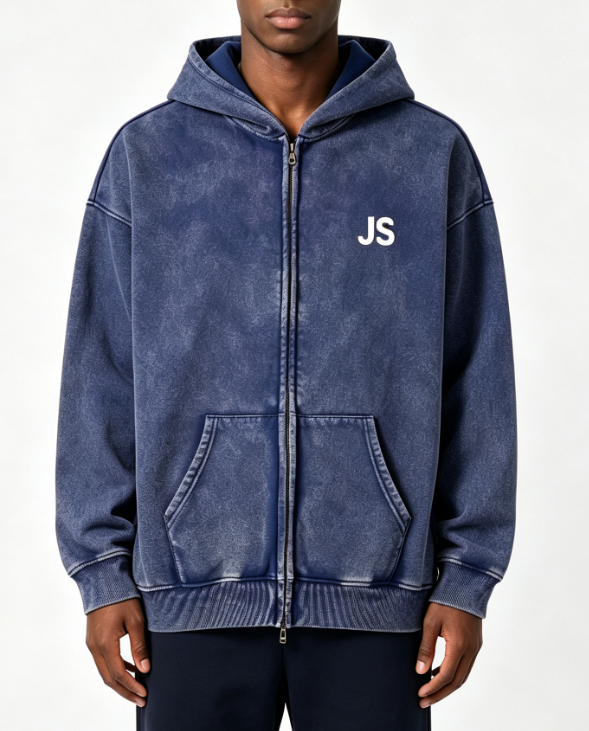
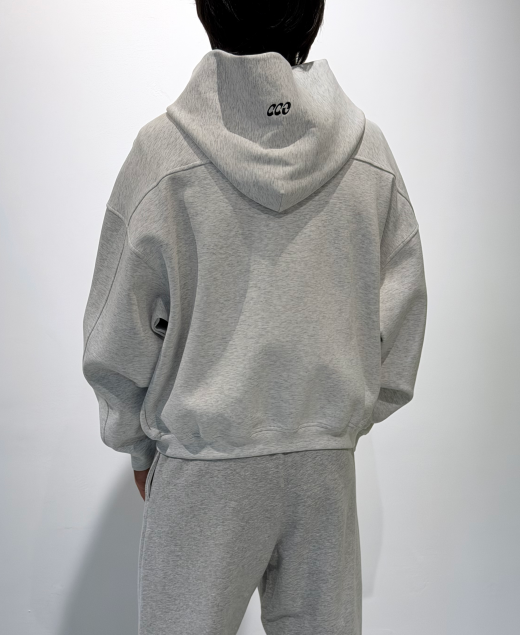

Related Vintage Washed Sweatshirt Catalogue & Quotation

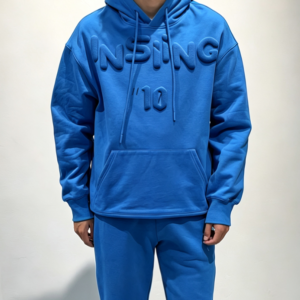


Vintage Washed Sweatshirt Manufacturer for Distinctive Programs
JUNSHEEN combines low-MOQ development, fit-focused pattern work, controlled wash finishing, and scalable production for brand-ready vintage sweatshirt collections.
100-Unit MOQ Launches
Start capsule drops from 100 units per style and color, with sampling and development support before bulk commitment.
Fit-First Size Grading
Refined XS–3XL, plus-size, and oversized grading improves shoulder balance, sleeve proportion, mobility, and consistency across your size range.
Custom Vintage Washes
Develop authentic wash character through garment dye, acid wash, enzyme wash, stone wash, softening, brushing, and anti-pilling finishing.
Integrated Logo Decoration
Coordinate screen printing, puff effects, embroidery, patches, labels, and trims in one production workflow for a cohesive branded sweatshirt.
Scalable Factory Capacity
Move from approved samples to repeat bulk programs with 200+ skilled workers, 80,000+ monthly units, quality control, and global export support.
Custom Vintage-Washed Sweatshirt Manufacturing
Develop fit-focused casualwear, denim, outerwear and knitwear from low-MOQ samples through scalable global production.

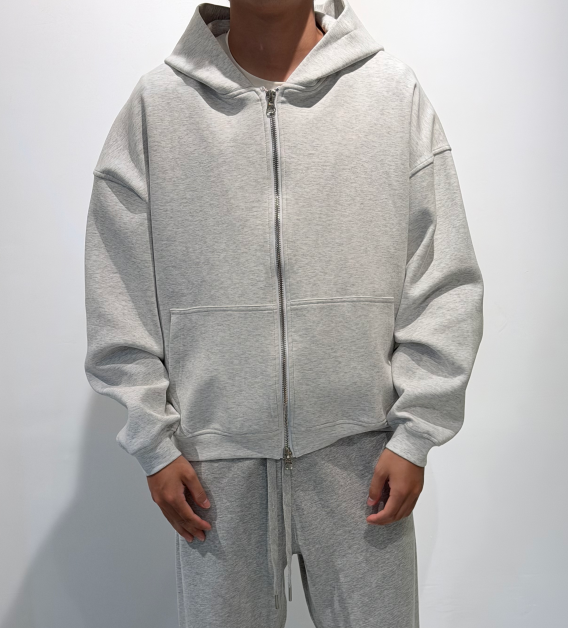
Custom Hoodies
Custom hoodies developed in fleece, French terry or heavyweight jersey, with fit grading from XS–3XL. Support includes pattern making, fabric sourcing, screen printing, embroidery, washes, custom labels and branded packaging from 100 units per style and color.
Request a Quote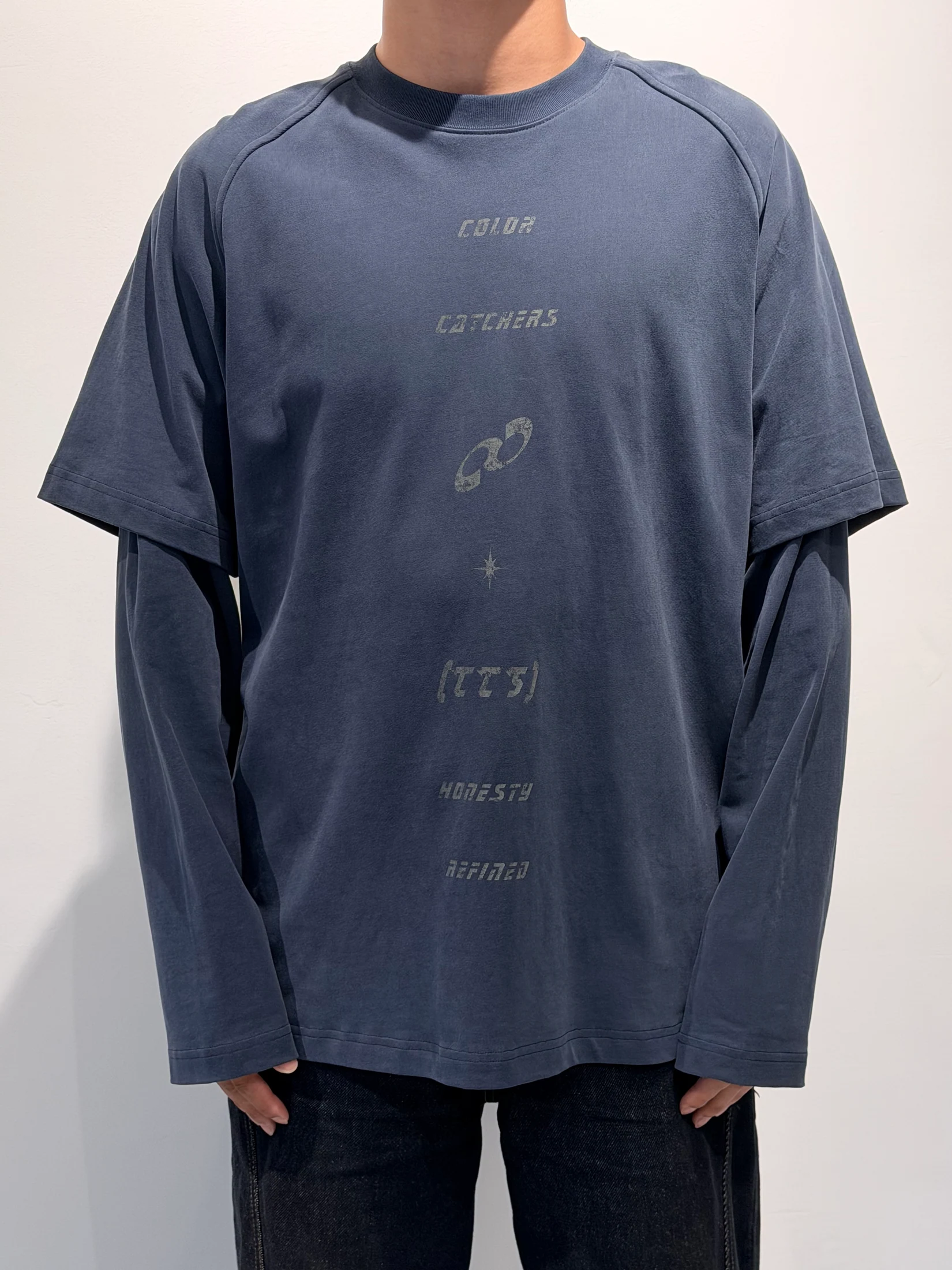
Custom T-Shirts
Produce custom T-shirts in combed cotton, Pima cotton, organic blends or performance jersey. Junsheen reviews specifications, refines fit and grading, and applies DTG, screen print, DTF, embroidery or garment-dye finishes for private-label programs.
Request a Quote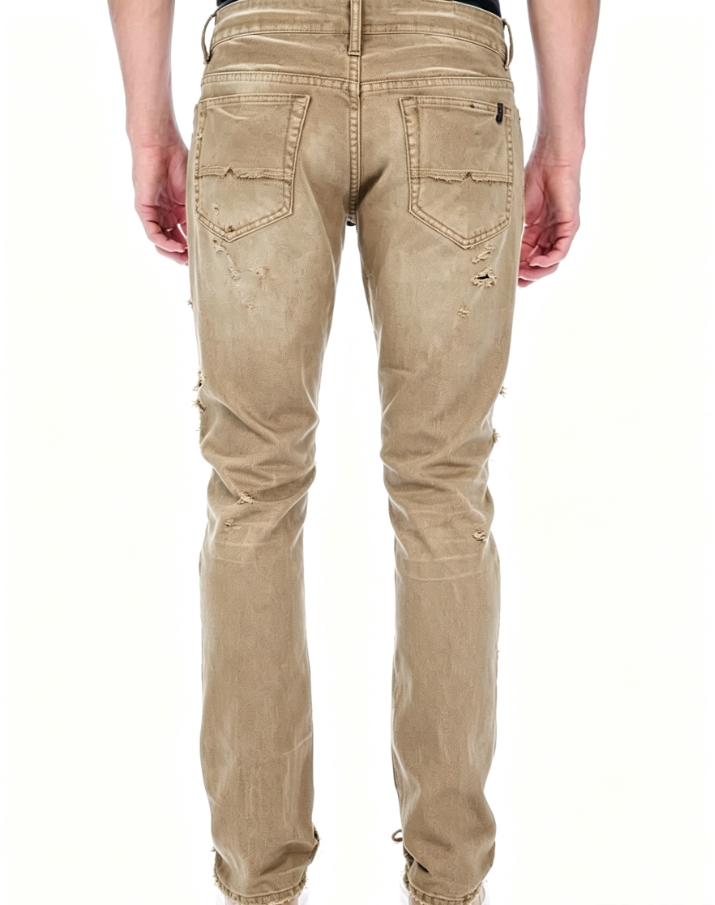
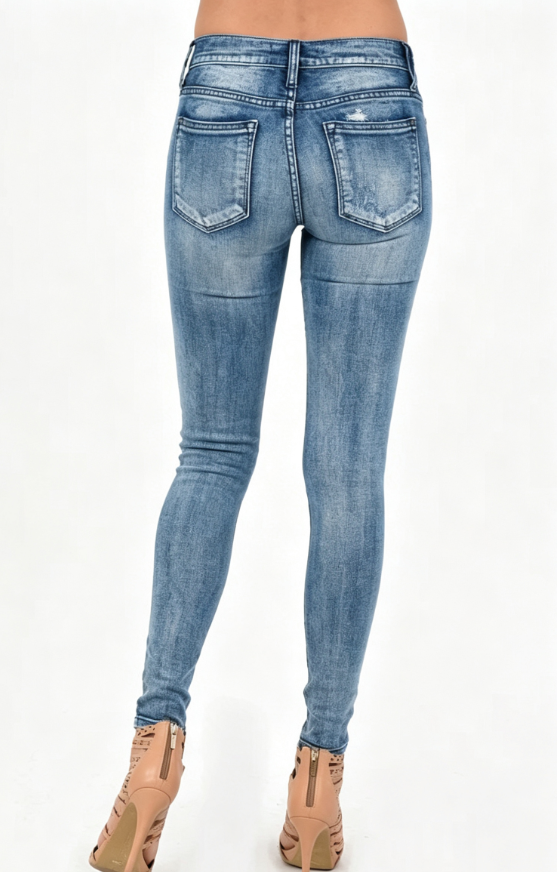
Custom Jeans
Manufacture custom jeans in rigid or stretch denim with brand-specific fits, rises, leg shapes and washes. Pattern makers develop graded size sets, while production covers pockets, hardware, embroidery, distressing, acid wash, stone wash, labels and packing.
Request a Quote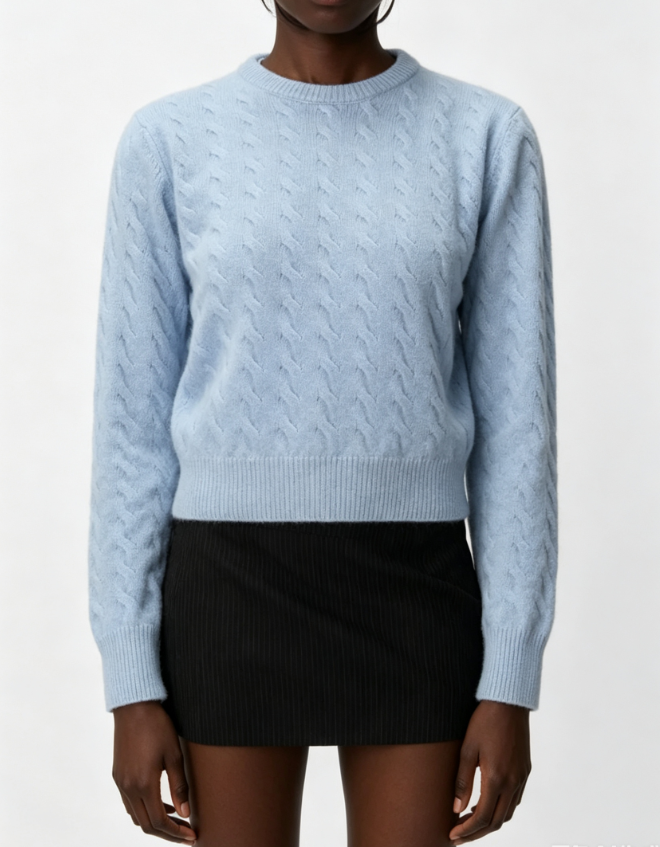
Custom Sweaters
Source and produce turtleneck sweaters in bulk using suitable yarns, gauges and knit constructions for the intended hand feel and price point. Development covers neck shape, body proportion, sleeve balance, size grading, labels and export-ready packing.
Request a Quote
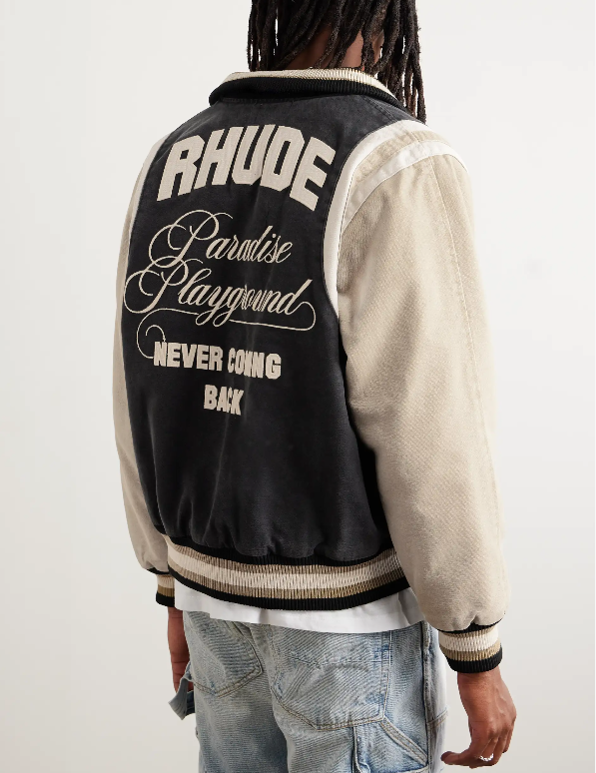
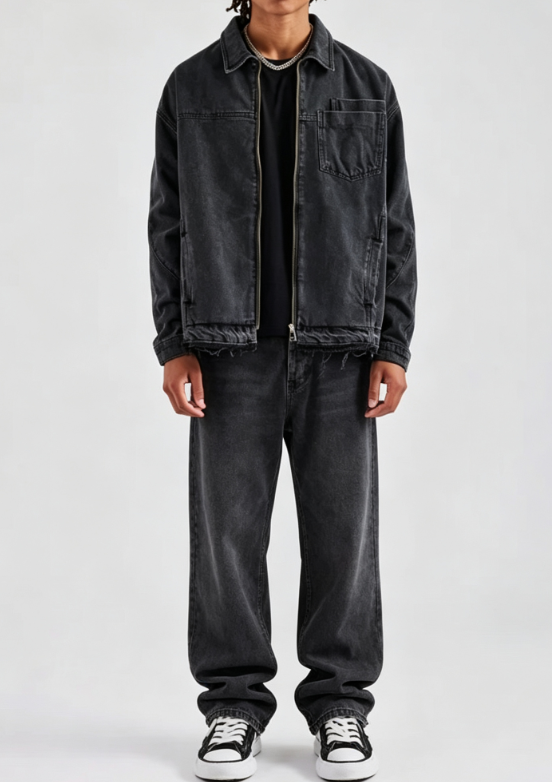
Custom Jackets
Build custom jean jackets in denim or stretch denim with controlled fit, seam construction, pocket placement and branded trims. Teams can develop washes, fading, embroidery, patches, custom buttons, labels and size sets for repeatable bulk production.
Request a Quote
Custom Sweatshirts & Crewnecks
Develop custom crewneck hoodies and sweatshirts for clean essentials, oversized programs or vintage-washed collections. Choose fleece, French terry or jersey, then combine refined grading with rib trims, printing, embroidery, washes and private-label finishing.
Request a Quote
Custom Cardigans
Produce custom cardigans across sweater constructions with guidance on yarn selection, gauge, button specifications and fit. Sampling validates drape, body length and grading before bulk production, with custom labels, trims and packaging available.
Request a Quote
Custom Puffer & Down Jackets
Manufacture custom puffer and down jackets with support for shell fabrics, insulation options, quilting layouts, lining, zippers and reflective or branded details. Development focuses on functional construction, movement, sizing and quality checks before global shipment.
Request a Quote
Custom Denim Shorts
Create custom jean shorts in rigid or stretch denim, with tailored inseams, rises, hems and pocket details. Junsheen supports wash development, distressing, hardware, embroidery, patches, labels and graded fits from XS–3XL.
Request a Quote
Custom Sweater Dresses
Develop custom sweater dresses with controlled silhouette, length, neckline and stretch recovery across the size range. Knitwear teams support yarn and gauge selection, sample review, fit refinements, private labels and bulk-ready quality control.
Request a Quote
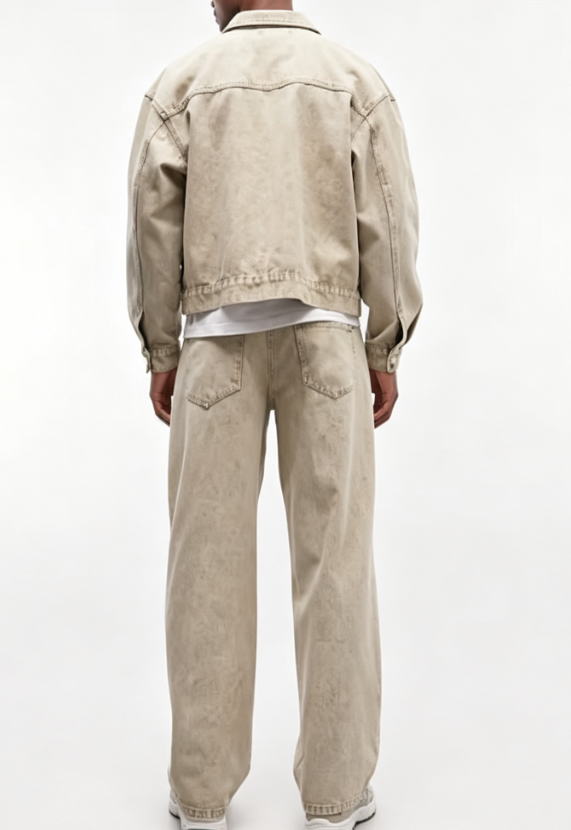
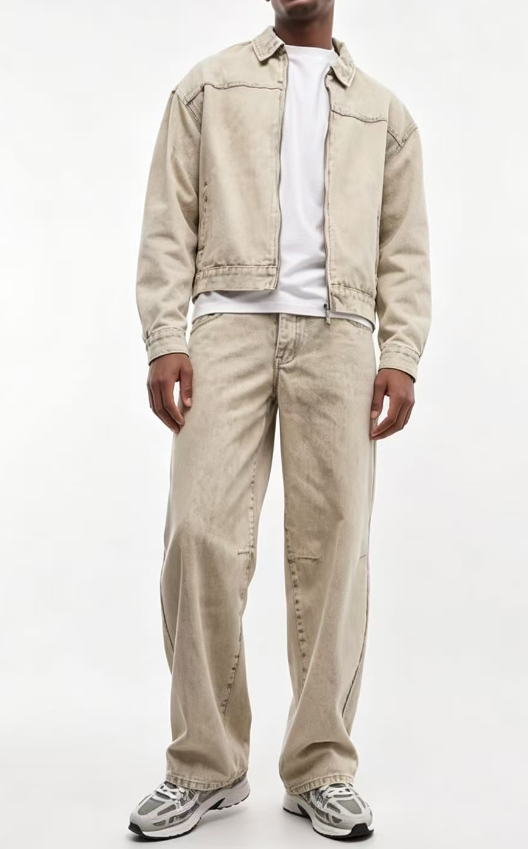
Custom Denim Sets
Produce men’s denim suits for wholesale programs, including coordinated denim jackets and jeans with consistent wash and shade control. Development covers silhouettes, denim selection, hardware, branded trims, grading, sampling and scalable repeat-order production.
Request a Quote
Custom Polo Shirts
Manufacture custom polo shirts in piqué, jersey or performance knits with specified collars, plackets, cuffs and logo placement. Programs include fit development, embroidery or printing, color matching, private labels and MOQ options from 100 units per style and color.
Request a Quote
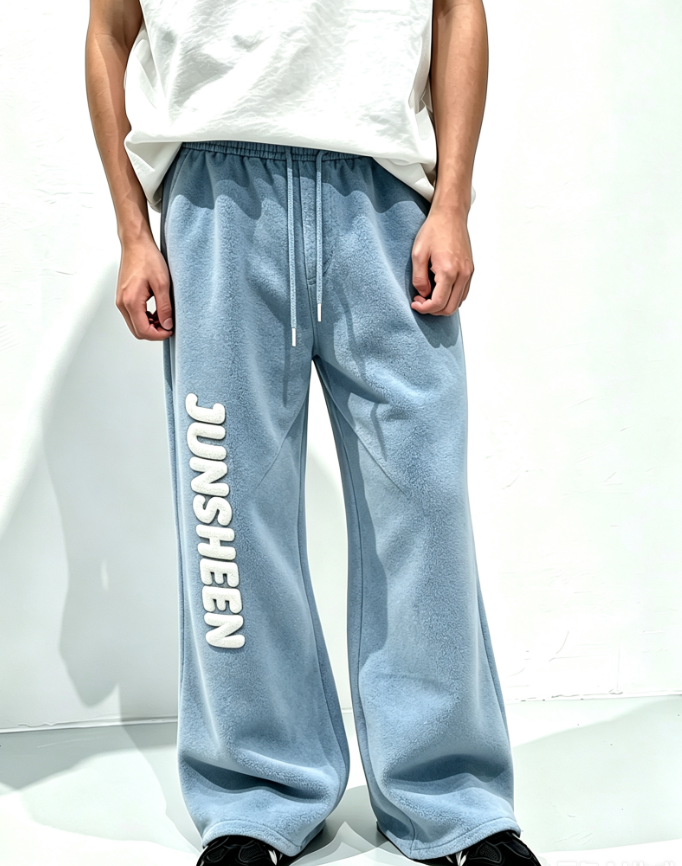
Custom Sweatpants
Produce custom sweatpants in fleece, French terry or jersey with brand-defined rises, leg shapes, cuffs and waistband construction. Pattern grading, drawstrings, pockets, printing, embroidery, washing and private-label details are managed in one supply chain.
Request a Quote
Custom Shorts
Develop custom shorts for jersey, fleece, twill, woven or denim programs. Teams support inseam and fit specification, pocket construction, elastic or tailored waistbands, decoration, washes, labels and packaging for capsule launches or replenishment orders.
Request a Quote
Custom Pullovers
Manufacture custom pullovers in knit, fleece, French terry or jersey constructions, with development support for necklines, fit, rib details and layering weight. Add embroidery, prints, washes, labels and branded trims for production-ready private-label apparel.
Request a QuoteFabrics for Vintage Washed Sweatshirt Manufacturing

Combed Cotton Jersey
Smooth, breathable cotton jersey suits lighter vintage crewnecks and layering styles. Its clean surface supports garment dye and softening washes, while typical 180–240 GSM weights keep the drape relaxed rather than bulky.

French Terry
French terry offers a soft face with absorbent loopback texture, making it a dependable choice for midweight vintage sweatshirts. Commonly 280–360 GSM, it handles enzyme washes well while retaining breathable, year-round comfort.

Brushed Cotton Fleece
Brushed fleece creates the warm, plush interior expected in premium cold-weather sweatshirts. At roughly 320–460 GSM, its substantial hand feel works well with pigment dye, acid wash, and controlled napping for a worn-in look.

Cotton Blend Fleece
Cotton-polyester blended fleece balances a soft cotton face with improved shape retention and production consistency. Often 300–400 GSM, it is suited to oversized silhouettes needing reduced shrinkage and reliable wash performance across bulk orders.

Recycled Cotton Blends
Recycled cotton blends provide a textured, less uniform hand that complements authentic vintage styling. Best for 280–380 GSM casualwear, these fabrics are selected by blend ratio to manage strength, pilling resistance, and wash stability.

Rib Knit Trims
Cotton-rich rib knits finish cuffs, necklines, and hems with recovery that helps vintage sweatshirts hold their intended proportions. We match rib weight, stretch, and color response to the main fabric before wash testing.
Vintage Washed Sweatshirt Manufacturer Processes

Acid Wash
Controlled acid washing creates high-contrast fading and irregular tonal variation for a worn-in streetwear look. Junsheen tests wash recipes on samples to balance visual impact, fabric strength, and production consistency.

Enzyme Wash
Enzyme washing softens the surface, reduces excess fuzz, and develops a naturally broken-in hand feel. It is ideal for heavyweight fleece sweatshirts that need subtle vintage character without harsh abrasion.

Garment Dye
Garment dyeing delivers rich, lived-in color with distinctive seam shading and tonal depth. We align dye selection, fabric composition, and wash testing so the final shade performs reliably through production.

Screen Print
Water-based, plastisol, puff, discharge, and high-density screen prints add bold vintage graphics with the right hand feel. Print methods are matched to the washed garment surface for durable adhesion and visual clarity.

Logo Embroidery
Flat, 3D puff, chain-stitch, applique, and patch embroidery create tactile branding with lasting definition. Our team reviews placement, backing, thread color, and wash compatibility before bulk approval.

Distress Effects
Strategic sanding, grinding, tearing, brushing, and napping create authentic aged details without losing garment structure. Each effect is sampled against your fit, fabric weight, and intended retail presentation.
Custom Trims for Vintage Washed Sweatshirt Programs

Woven Neck Labels
Custom woven main, size, and wash-care labels establish a polished private-label identity. We match label construction and placement to vintage washed sweatshirt necklines while maintaining comfort against the skin.

Tipped Drawcords
Add custom drawcords with contrast tipping, metal ends, silicone aglets, or tonal finishes for hooded sweatshirt styles. Options are selected to withstand garment washing and reinforce your collection’s visual direction.

Custom Zipper Hardware
For zip-up sweatshirt programs, choose branded zipper pullers, custom metal finishes, and dependable zipper constructions. Junsheen coordinates hardware selection with fabric weight, wash treatment, and intended daily wear.

Embroidered Logo Patches
Chenille, woven, leather-look, applique, and embroidered patches add tactile branding to chest, sleeve, hem, or back placements. Our team tests placement and attachment methods to suit washed fleece and French terry.

Branded Hang Tags
Custom hang tags communicate your story, sizing, care, and retail positioning before the garment is worn. Select paper stock, shape, cord, print finish, and barcode-ready layouts for wholesale or direct-to-consumer programs.
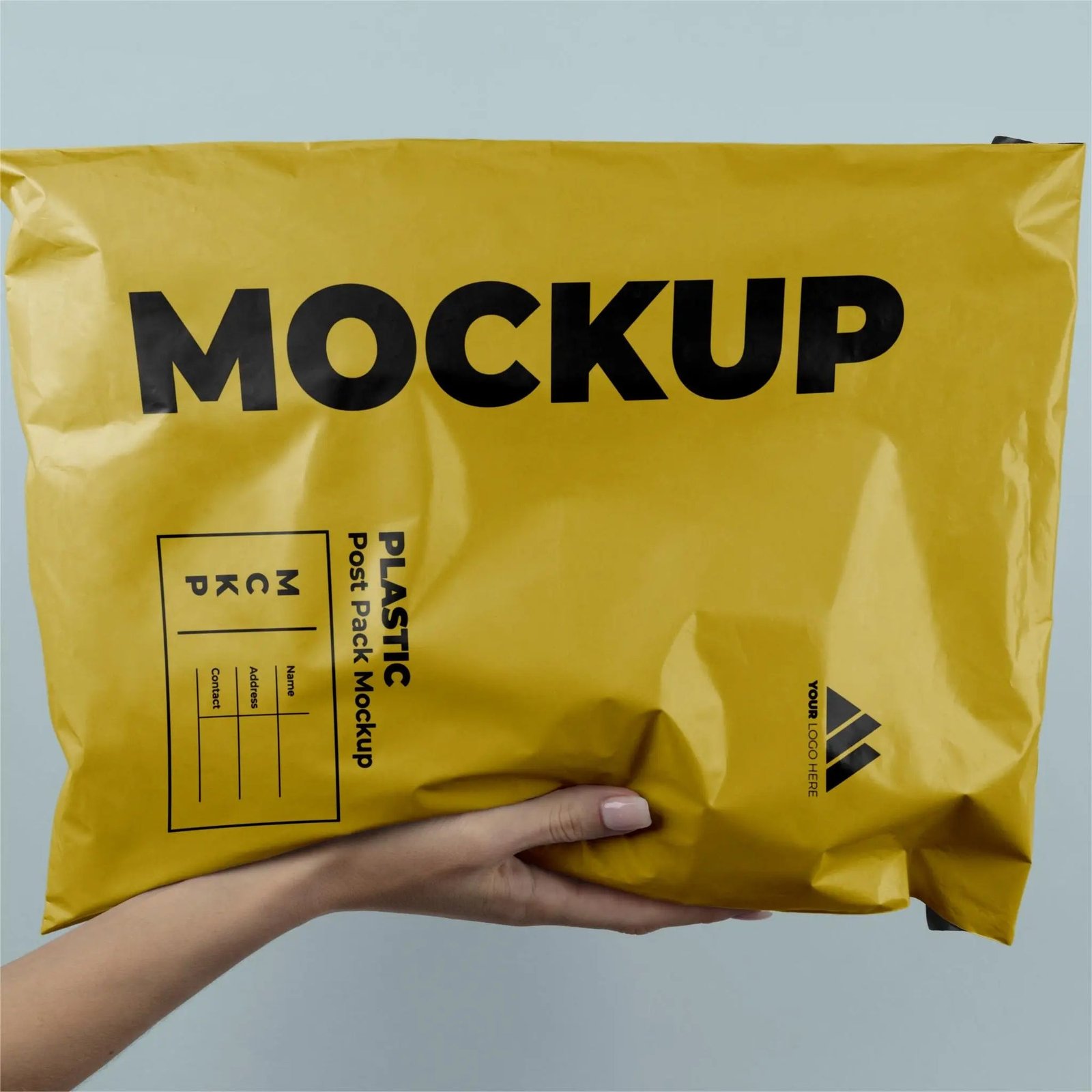
Custom Packaging Sets
Finish each order with branded polybags, tissue paper, stickers, carton marks, and folded presentation requirements. Packaging is coordinated with export shipping needs and the unboxing standards of your vintage sweatshirt collection.
About Our Vintage Washed Sweatshirt Manufacturing Team
Founded in 2010 in Humen Town, Dongguan, JUNSHEEN helps fashion brands turn vintage-wash concepts into production-ready sweatshirts. As a vintage washed sweatshirt manufacturer, we combine OEM, ODM, private-label, and product-development support with a fit-first approach for launches and long-term programs.
Our 200+ skilled workers support monthly capacity above 80,000 units across cut-and-sew casualwear, denim, outerwear, and knitwear. In-house washing, printing, embroidery, labels, trims, packaging, quality control, and global export coordination keep each production stage connected and accountable.
What sets JUNSHEEN apart is development that respects both wash character and wearability. Our team refines patterns and grading from XS to 3XL, including extended-size, plus-size, and oversized fits, so your sweatshirt collection maintains balanced proportions and dependable consistency from sample approval through bulk delivery.

Vintage Washed Sweatshirt Manufacturer Expertise in Every Detail
Fit Development XS–3XL
JUNSHEEN develops vintage washed sweatshirts with pattern adjustments that respect proportion across XS–3XL, extended sizes, plus sizes, and oversized fits. Our team refines shoulder balance, sleeve length, body shape, mobility, and grading increments before bulk production.
- Pattern making from tech packs, references, or concepts
- Fit-focused grading instead of simple size enlargement
- Prototype, size-set, and pre-production approvals
- Oversized, regular, extended-size, and plus-size development

Controlled Wash Character
A convincing vintage look depends on repeatable wash control, not a one-off sample effect. We coordinate fabric choice, garment dye, enzyme, acid, stone, softening, and anti-pilling processes to achieve the intended fade, hand feel, and worn-in character.
- Fabric weights selected for wash response and durability
- Garment dye, acid wash, enzyme wash, and stone wash
- Softening, brushing, napping, and anti-pilling finishing
- Wash references reviewed before bulk approval

Private Label Built In
As a vintage washed sweatshirt manufacturer, JUNSHEEN integrates branding details within the same production workflow. From embroidered logos and specialty printing to woven labels, hang tags, trims, and packaging, each component is coordinated for a cohesive retail-ready garment.
- Embroidery, screen print, DTF, DTG, and specialty effects
- Woven, leather, main, size, and wash-care labels
- Custom drawstrings, rib trims, zippers, patches, and tags
- Branded packaging prepared for wholesale or direct retail

Consistency at Scale
JUNSHEEN combines in-line inspection, measurement checks, decoration review, and final packed-goods control to protect consistency from sampling through repeat orders. With 200+ skilled workers and 80,000+ monthly units of capacity, programs can grow from 100-unit launches with confidence.
- MOQ from 100 units per style and color
- Incoming fabric, construction, fit, and final inspections
- Patterns and material records retained for reorders
- Global export support for growing brand programs

Why Brands Choose Our Vintage Washed Sweatshirt Manufacturer
JUNSHEEN combines low-MOQ development, fit-led grading, controlled washing, and scalable production in one supply chain.
← 左右滑动查看 →
Vintage Washed Sweatshirt Manufacturer Production Process
A controlled development and production workflow for distinctive washed sweatshirts, from initial feasibility through export-ready delivery.
Review Feasibility and Specs
We assess your tech pack, reference garment, target price, size range, decoration requirements, wash direction, and 100-unit MOQ before confirming a practical production route.
Source Fabrics and Trims
Our team recommends fleece or French terry weights, ribbing, labels, drawcords, and trims based on hand feel, durability, wash response, and brand positioning.
Build Patterns and Samples
Pattern makers develop fit-focused XS–3XL grading, then create prototype samples to verify proportions, construction, fabric behavior, and vintage wash expectations before approval.
Produce and Finish Garments
Approved orders move through cutting, sewing, printing or embroidery, then enzyme, garment-dye, acid-wash, stone-wash, or softening processes for the intended worn character.
Inspect Pack and Ship
We check measurements, construction, wash consistency, decoration, and packed goods, then complete private-label packaging and coordinate global shipment for your finished collection.
Start Your Vintage Washed Sweatshirt Project
Move from concept to production with a fit-focused OEM partner supporting 100-unit MOQs, custom wash development, and global export.
Send Your Design Brief
Share a tech pack, sketch, mood board, or reference garment. Our team reviews fit, fabric weight, wash direction, decoration, sizing, and production feasibility.
Confirm Specifications and Quote
Select fabrics, trims, labels, vintage wash effects, size grading, and quantities. We provide clear manufacturing recommendations, lead-time guidance, and a tailored quotation.
Approve Your Development Sample
Receive a prototype for review before bulk commitment. Refine measurements, hand feel, wash character, print or embroidery placement, and XS–3XL fit details as needed.
Launch Controlled Bulk Production
After approval, Junsheen manages cutting, sewing, washing, decoration, finishing, labeling, and in-line quality checks across your approved vintage washed sweatshirt manufacturer program.
Inspect and Ship Globally
Final checks verify construction, measurements, wash consistency, decoration, and packed goods. We coordinate export-ready packaging and shipping support for your destination market.
Custom Clothing Manufacturer Credentials and Compliance Documents




What Fashion Brands Say About Our Vintage Washed Sweatshirt Manufacturing
Junsheen refined our acid-wash sample after the first review and corrected the sleeve balance across XS–3XL. We approved the size set one round sooner than planned and launched our 240-piece capsule on schedule.
We needed a heavyweight vintage washed sweatshirt with a worn-in hand feel that still held its shape. The team matched our reference wash and delivered 600 units with consistent measurements, which led us to reorder two new colors.
Our previous supplier could not keep wash character consistent between samples and bulk. Junsheen’s in-line updates and final QC gave us a 98% first-pass approval rate across our 1,200-unit private-label order.
Vintage Washed Sweatshirt Manufacturer FAQs
Clear answers on MOQ, sampling, wash development, sizing, payments, shipping, and private-label protection.
What is the minimum order quantity for a vintage washed sweatshirt manufacturer?
How long do samples take from a vintage washed sweatshirt manufacturer?
What does a vintage washed sweatshirt manufacturer charge for samples?
Which vintage wash effects can you produce for custom sweatshirts?
Can you develop oversized and plus-size vintage washed sweatshirts?
What payment terms do you offer for custom sweatshirt orders?
Do you ship vintage washed sweatshirts internationally?
How does JUNSHEEN protect my designs and private-label details?
Complete Guide to Choosing a vintage washed sweatshirt manufacturer
Use this decision framework to compare wash capabilities, fabrics, construction, customization, MOQ, pricing, and supplier reliability—while avoiding quality, compliance, sampling, and communication mistakes that can delay your custom sweatshirt launch.
1. What Is a Vintage Washed Sweatshirt Manufacturer?
100-unit programs are where a vintage washed sweatshirt manufacturer differs from a blank wholesaler: it develops the garment, controls the finishing recipe, and produces approved bulk goods rather than simply supplying stock fleece. The role combines fabric selection, pattern and grading, cut-and-sew construction, color standards, wash trials, decoration, labeling, inspection, and export-ready packing. 280–450 GSM French terry or brushed fleece is commonly selected before wash testing because fiber content, yarn type, rib recovery, seam construction, and dye method all change how a garment fades and shrinks. Vintage washing is a controlled finishing sequence—such as enzyme wash, garment dye, acid wash, stone wash, softening, brushing, or napping—using approved time, chemistry, temperature, liquor ratio, and drying parameters to create a worn hand feel and irregular color character without uncontrolled damage. 3 approvals should align before bulk production: the development sample confirms silhouette and construction; the wash sample confirms shade, hand feel, and shrinkage; and the pre-production sample locks trims, placement, measurements, and workmanship. A general cut-and-sew factory may make the base sweatshirt, but specialized coordination is needed to prevent rib distortion, excessive seam abrasion, color variation, decoration failure, or measurement drift after laundering. 2010 is the founding year of Dongguan Junsheen Clothing Co., Ltd., which brings product development, fabric sourcing, pattern making, washing, decoration, quality control, private labeling, and bulk production into one apparel supply chain. For brands, that alignment makes wash results more repeatable from a 100-unit capsule through replenishment orders.
2. Evolution of Vintage-Washed Sweatshirts
1920s collegiate athletic programs helped establish the crewneck sweatshirt as practical training apparel: a warm, absorbent layer designed for repeated wear, laundering, and team identification. The resulting template—substantial cotton knit, rib collar, cuffs and hem, plus reinforced seams—still anchors a credible vintage-washed sweatshirt manufacturer brief. 1930s workwear and military surplus normalized garments that looked better after use rather than pristine at purchase. Sun exposure, abrasion and repeated washing created softer surfaces and uneven color loss, teaching buyers that vintage character should retain structural integrity instead of becoming thin, twisted or weak at stress points. 1970s thrift and heritage demand turned naturally aged college and work garments into a recognizable fashion reference. Buyers now expect a broken-in handfeel, muted pigment, selective highs-and-lows and small visual variation; they should distinguish controlled enzyme, garment-dye or acid-wash results from uncontrolled lot-to-lot inconsistency. 1990s streetwear made intentional wash effects a scalable product language, pairing oversized proportions, heavyweight fleece and bold graphics with aged color. For current programs, the standard is repeatable irregularity: approve a wash standard and shade range, test shrinkage and pilling, and retain fabric, pattern and wash records so a 100-unit launch can be replenished without losing its intended character.
3. Types of Vintage Washed Sweatshirt Manufacturer Products
Six core silhouettes let a vintage washed sweatshirt manufacturer build a coherent program from entry crewnecks to statement outer layers. Each pattern must be approved after washing because shrinkage, seam torque, and color loss alter the intended fit.
| Silhouette | Fit Priority | Best Collection Use |
|---|---|---|
| Crewneck | Post-wash neck and body balance | Core essentials |
| Pullover hoodie | Hood shape and pocket stability | Streetwear capsules |
| Zip hoodie | Zipper flatness after wash | Layering programs |
| Oversized/cropped | Independent grading | Trend-led drops |
| Heavyweight heritage | Structure and rib recovery | Premium seasonal lines |
Classic Crewnecks

320–420 GSM crewnecks suit unisex basics and repeat retail programs. A slightly dropped shoulder and 1×1 rib neck retain shape after enzyme, pigment, or garment-dye washes. 100-unit color/style runs work well for branded essentials, campus capsules, and wholesale assortments. Specify post-wash chest, body length, and rib recovery rather than relying on cut-panel measurements.
Pullover And Zip Hoodies

360–450 GSM pullover hoodies need enough hood depth, a stable neckline, and reinforced kangaroo-pocket corners. Acid and stone washes are compatible when drawcords, eyelets, and embroidery are tested first. YKK zip hoodies serve layering-focused customers and premium casual collections. Pre-wash the zipper sample to check waviness and front-length distortion.
Oversized And Cropped Fits

Oversized fits require purposeful shoulder drop, sleeve volume, and graded body proportions from XS through 3XL. They suit streetwear drops, creator merchandise, and gender-inclusive collections, especially in faded pigment colors. 18–22 inch cropped bodies need separate grading from standard lengths. Pair them with high-rise bottoms and test wash shrinkage before locking the hem position.
Heavyweight Heritage Pieces

450–520 GSM brushed fleece or dense French terry creates the structured, durable feel expected in heritage-inspired pieces. Flatlock-like coverstitch details, wider ribs, and a boxier body hold up best under heavier wash treatments. This silhouette fits premium capsules, workwear-influenced labels, and cooler-season launches. A vintage washed sweatshirt manufacturer should approve hand feel and pilling after multiple wash cycles.
4. Vintage Washed Sweatshirt Manufacturer Fabric Options
Fabric weight and yarn preparation determine whether a wash reads softly faded, structured, or merely worn. A capable vintage washed sweatshirt manufacturer should approve the base fabric before lab dips and garment-wash trials.
| Fabric Base | Typical GSM | Wash Appearance | Best Use |
|---|---|---|---|
| Cotton fleece | 320–380 | Soft, matte fading | Core all-season |
| Cotton-poly fleece | 280–360 | Stable, lower-contrast fade | Value programs |
| French terry | 280–340 | Textured, lighter vintage look | Spring and layering |
| Loopback | 300–360 | Defined face and loops | Premium transitional |
| Brushed fleece | 360–460 | Deep, lofty washed look | Cold-weather oversized |
Core Fabric Comparison
Five common bases deliver distinctly different wash behavior, recovery, and unit cost. Compare finished GSM rather than relying on supplier names such as ‘heavy fleece.’
Yarn And Surface Response

Ring-spun cotton usually creates a cleaner face and softer hand than open-end yarn, allowing pigment, enzyme, and acid washes to fade more evenly. Cotton-poly blends generally resist shrinkage and reduce cost, but polyester can mute abrasion contrast and create a less natural vintage cast. Brushed surfaces show wash highs quickly; loopback surfaces retain more definition.
- Ring-spun: smoother face, softer fade
- Open-end: drier hand, lower cost
- Combed cotton: fewer short fibers, less pilling
Weight, Season, And Cost

280–320 GSM French terry and loopback suit transitional sweatshirts because their unbrushed inner loops breathe and accept garment dye with visible texture. 360–460 GSM brushed fleece delivers warmth, bulk, and a premium washed silhouette, yet consumes more yarn and raises freight cost. Allow controlled shrinkage testing after the intended wash; 3–5% is a common planning range.
5. Customization and Decoration Options
A vintage washed sweatshirt manufacturer should lock artwork, placement, and label construction before approving the wash recipe. Junsheen can develop custom patterns, private labels, and decoration samples so the final finish looks intentionally worn rather than accidentally damaged.
| Technique | Vintage Effect | Wash Consideration |
|---|---|---|
| Water-based screen print | Soft, faded graphic | Test opacity after enzyme wash |
| Tonal embroidery | Durable heritage detail | Use contrast that survives fading |
| Puff ink | Raised accent | Limit heavy abrasion |
| Appliqué or patch | Layered varsity character | Reinforce edges before washing |
Sequence Decoration With Washing

Most pigment, acid, and enzyme washes should be sampled before bulk decoration approval because abrasion can mute ink, fray appliqué edges, and alter thread contrast. A 5–10 cm chest print, oversized back graphic, or sleeve hit needs a placement map that accounts for shrinkage, pockets, seams, and wash variation.
- Wash-test decorated strike-offs before production.
- Keep critical logos clear of high-abrasion zones.
- Approve a washed sample, not only flat artwork.
Choose Vintage-Appropriate Techniques
Water-based screen print, discharge print, chain stitch, and tonal embroidery generally age more credibly than glossy transfers on a faded fleece ground. Puff ink works best as a restrained accent: aggressive stone washing can crack raised surfaces and reduce small-type legibility. Appliqué and custom patches add dimension when edge stitching is specified for abrasion resistance.
Control Labels And Distressing
Woven main labels, printed neck labels, wash-care labels, and hang tags should be finalized with the garment’s final color and neckline shape. Garment dye can stain pale labels unless they are added afterward or tested in the same dye lot. Three controlled distress zones—such as cuff, hem, and pocket edge—usually read more authentic than random all-over damage. Test artwork at production scale to confirm line weight and contrast remain readable after washing.
6. Construction Details That Signal Quality
Three sample stages—prototype, size set, and pre-production—let buyers verify construction before bulk cutting. A vintage washed sweatshirt manufacturer should approve sewing integrity before abrasive washes make small defects highly visible.
Stitching And Stress Points

Eight to 10 stitches per inch is a practical starting range for sweatshirt seams; overly sparse stitching can open after laundering. Inspect shoulder seams, armholes, side seams, and the neck join for even tension and no skipped stitches. Three-point bar tacks or equivalent reinforcement should secure kangaroo-pocket corners and other high-pull areas. Check that cuff and hem coverstitching lies flat, with no tunneling, loose chain loops, or puckering.
Rib, Neck, And Hood Control

1×1 or 2×2 rib should recover after repeated stretch without a permanently waved neckline, cuff, or hem. Ask for a stretch-and-recovery check on the actual rib lot, not only the body-fabric swatch. One neck tape line stabilizes the back-neck seam and improves comfort, while a balanced hood needs matching left-right panels and a clean center seam. Confirm drawcord exits, facing, and hood opening retain shape after washing.
Wash Trials And Size Grading
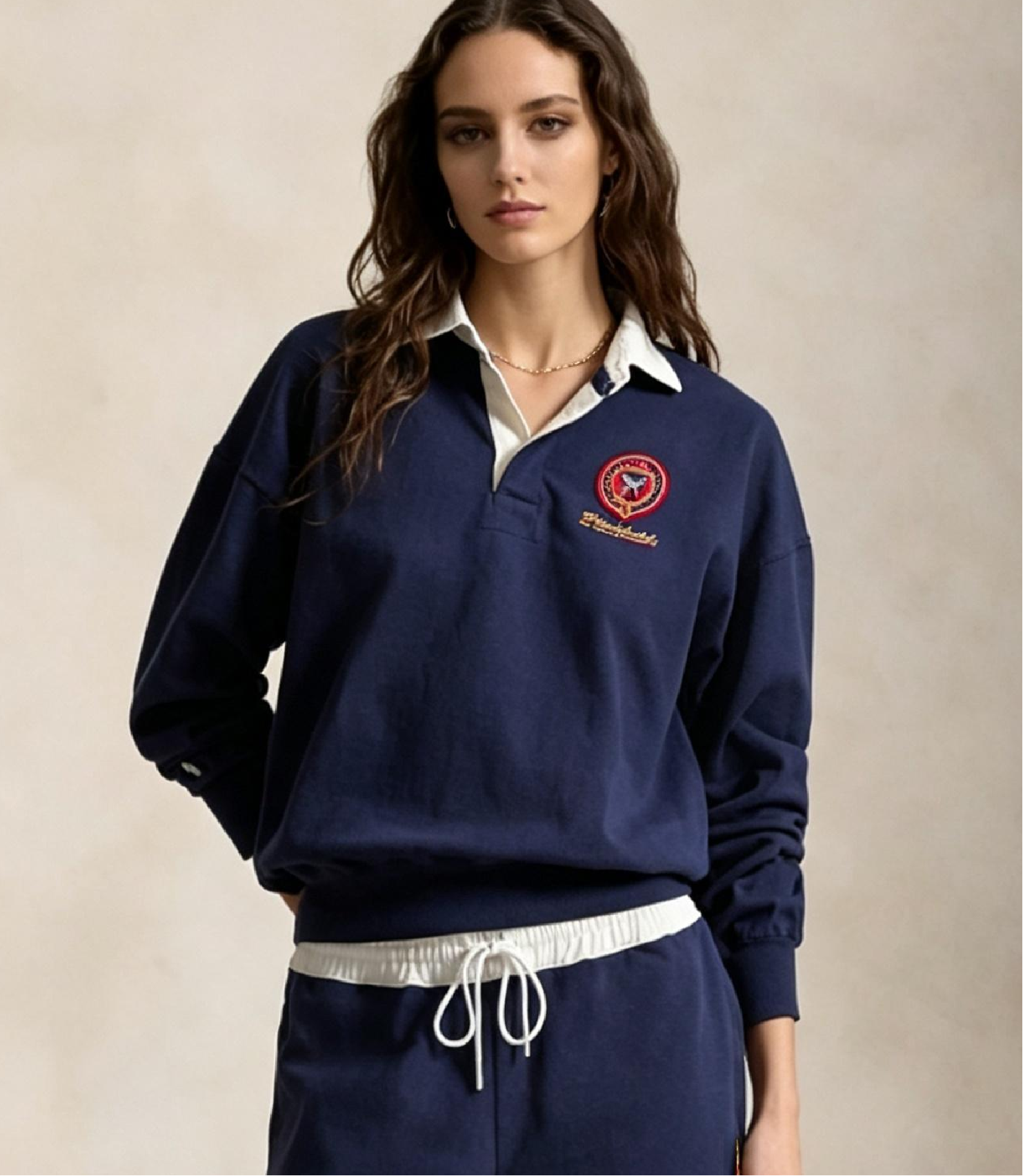
One complete pre-production wash trial should use the approved garment, thread, rib, decoration, and finishing recipe. Enzyme, acid, and stone washes can expose seam slippage, broken stitches, color abrasion, and uneven distortion that were hidden before finishing. XS through 3XL grading requires measured increments for chest, body length, shoulder, sleeve, cuff, and hood dimensions rather than simple pattern enlargement. Approve a graded size set and post-wash measurement tolerance before releasing bulk production.
7. How to Choose a Vintage Washed Sweatshirt Manufacturer
100-unit launch programs require more supplier scrutiny than a bulk reorder because wash variation and fit revisions can consume the margin. Choose a vintage washed sweatshirt manufacturer by reviewing physical evidence, not only a sales quotation.
| Evaluation Area | Question To Ask | Evidence To Request |
|---|---|---|
| Wash capability | Can this finish be repeated across lots? | Washed sample set and test results |
| Capacity | Can output meet launch and reorder dates? | Production plan and line capacity |
| Communication | Who approves changes and updates? | Named contact and revision log |
| Traceability | Can materials be linked to each order? | Fabric lot and inspection records |
| Export support | Can goods ship compliantly to destination? | Document checklist and Incoterm quote |
Verify Wash Development Experience

3 approved wash references should show the supplier can repeat enzyme, acid, stone, or garment-dye effects without uncontrolled shade loss. Ask for before-and-after GSM, shrinkage, colorfastness, and pilling test records from comparable fleece or French terry.
Inspect Samples And Quality Systems
2 samples—a development sample and a pre-production sample—reveal whether measurements, rib recovery, seam appearance, and decoration remain stable after washing. Request the measurement spec, graded size chart, inspection checklist, defect photos, and corrective-action process. OEKO-TEX, GOTS, WRAP, or BSCI documents should be verified for their scope and validity rather than treated as blanket factory claims. Ask which materials, facilities, and production stages each certificate covers.
Confirm Commercial And Export Readiness
100 units per style and color may suit a capsule, but confirm MOQ by fabric, color, wash process, and decoration before approving. Ask who owns pattern files, how fabric lots are traceable, which contact manages revisions, and whether export documents, packing lists, and shipping coordination are included.
8. Common Buyer Mistakes to Avoid
100-unit capsule orders can absorb costly mistakes because wash, fit and decoration issues repeat across every garment. A capable vintage washed sweatshirt manufacturer needs a precise brief and documented sample approval, not an inspirational reference alone.
Define Wash Tolerances
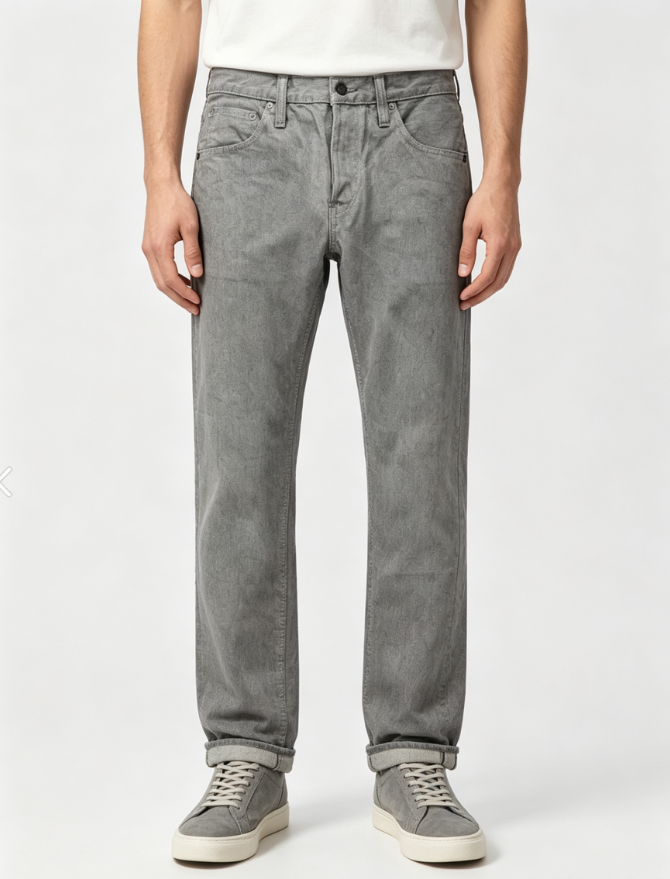
2 approved references can still produce different fades; specify wash zones, abrasion level, color range and acceptable seam torque in writing. 3 photos under consistent lighting, plus a sealed wash standard, let the factory match bulk garments against measurable expectations.
Test Fabric Before Approval

5% shrinkage can alter body length and sleeve balance after washing; require a wash test and post-wash measurement chart before bulk cutting. 280 GSM alone does not define performance: confirm fiber blend, yarn type, fleece versus French terry, hand feel, recovery and pilling expectations.
Align Decoration And Schedule
1 production sample should test screen print, embroidery or patches after the intended wash, since distressing can crack ink, distort placement or affect backing. 4 quote comparisons are meaningful only when fabric, weight, wash, decoration, trims, packaging, size range, MOQ and lead time match line by line.
- Allow sampling, wash approval and bulk-production time separately.
- Approve a size set before releasing graded bulk patterns.
- Record Pantone, placement dimensions and measurement tolerances.
9. Steps to Launch Your Sweatshirt Collection
A 100-unit launch succeeds when the concept is frozen before bulk fabric is committed. Give a vintage washed sweatshirt manufacturer measurable specifications, approval gates, and one accountable decision-maker.
Lock The Product Brief
1 style should begin with a flat sketch, target retail price, color count, size range, and delivery date. Limit a first 100-unit run to one body and one or two colors to avoid fragmented material minimums. 1 tech pack should state garment measurements, tolerance, stitch details, Pantone references, rib composition, label positions, and artwork size. Attach front, back, and detail views rather than relying on a mood board.
- Confirm target cost before sampling
- Name one final approver
- Specify XS–3XL grading if needed
Approve Fabric And Wash
280–420 GSM is a practical sweatshirt range: French terry suits lighter transitional weight, while brushed fleece gives a warmer hand. Request swatches and confirm shrinkage, colorfastness, pilling, and hand feel before choosing the bulk lot. 1 physical wash reference—an approved garment or marked photo set—should define fading, seam abrasion, and inside-out appearance. Approve a wash panel before the full sample; acid, enzyme, and garment dye effects vary by fabric and color.
Sample, Fit, And Size Set
1 prototype reveals whether the pattern, decoration, and wash work together. Review measurements after wash, shoulder balance, sleeve length, rib recovery, print adhesion, and labeling; record all corrections in a dated approval sheet. 1 size set is the gate before bulk cutting, especially for oversized or extended sizes. Check graded chest, body length, sleeve proportion, and mobility rather than approving only the sample size.
Release Bulk With Controls
100 units can move to bulk only after the pre-production sample matches the signed specification. Confirm final quantity by size and color, approved trims, packing method, inspection standard, and shipping address before production starts. 3 checkpoints protect launch timing: incoming fabric inspection, in-line measurement and decoration checks, then final packed-goods inspection. Keep the approved sample, graded measurements, and material records available for repeat orders.
- Approve pre-production sample
- Inspect before bulk packing
- Settle balance before shipment
10. Vintage Washed Sweatshirt Pricing and Cost
100 units is Junsheen’s practical starting point per style and color, but a vintage washed sweatshirt manufacturer can only issue a dependable final quote after fabric, size range, wash recipe, artwork, trims and packing are approved. The table shows planning ranges in USD per unit, ex-factory; freight, duties and destination charges are separate. 280–420 GSM cotton fleece, heavier rib, enzyme or stone washing, distressed seams, puff embroidery and individual branded packaging all increase material, labor, loss allowance and inspection cost. Sampling is quoted separately because pattern work, wash trials and decoration tests occur before bulk approval; request freight as a separate line using the confirmed carton count and Incoterm.
| Quantity per style/color | Indicative ex-factory unit price | Typical bulk lead time | Main price drivers |
|---|---|---|---|
| 100–299 units | US$14–26 | 25–35 days after approvals | 320–380 GSM fleece, 1–2 colors, enzyme wash, basic print |
| 300–499 units | US$12–22 | 25–35 days after approvals | Fabric consolidation, standard rib and shared wash batch improve efficiency |
| 500–999 units | US$10–19 | 30–40 days after approvals | Heavier 400+ GSM fleece, acid wash, embroidery or custom hardware add cost |
| 1,000+ units | US$9–17 | 35–45 days after approvals | Repeatable wash recipe, fewer colorways and bulk trim purchasing lower unit cost |
Start Your Vintage Washed Sweatshirt Collection
Send your tech pack, reference garment, or product idea for fit-focused sampling and scalable bulk production from 100 units per style and color.