
Womens Sweatshirt Manufacturer for Fit-Focused OEM Production
JUNSHEEN is a womens sweatshirt manufacturer offering 100-unit MOQs, OEM/ODM development, private labeling, and XS–3XL fit grading for global brands.
Featured Products for womens sweatshirt manufacturer Development

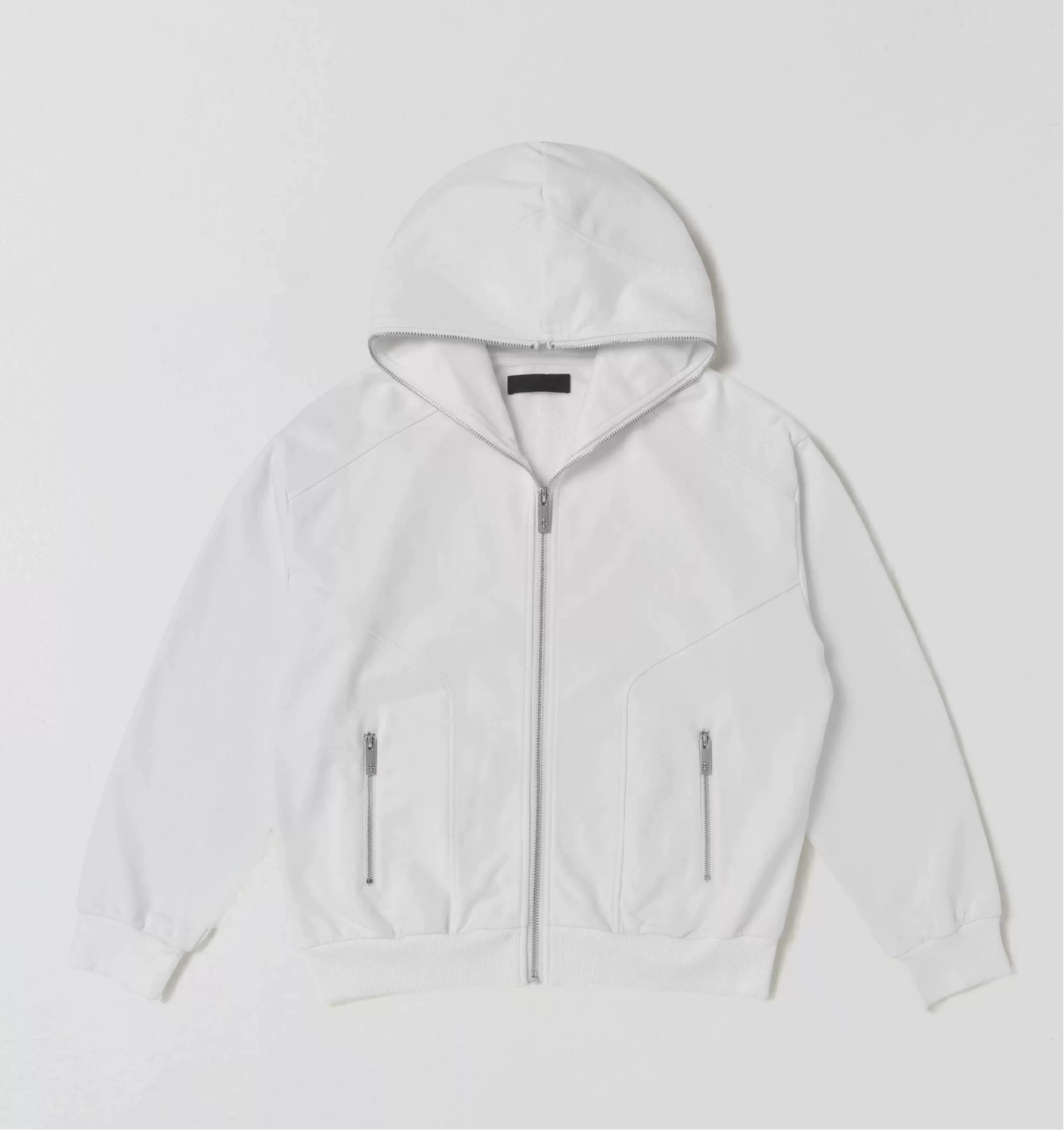


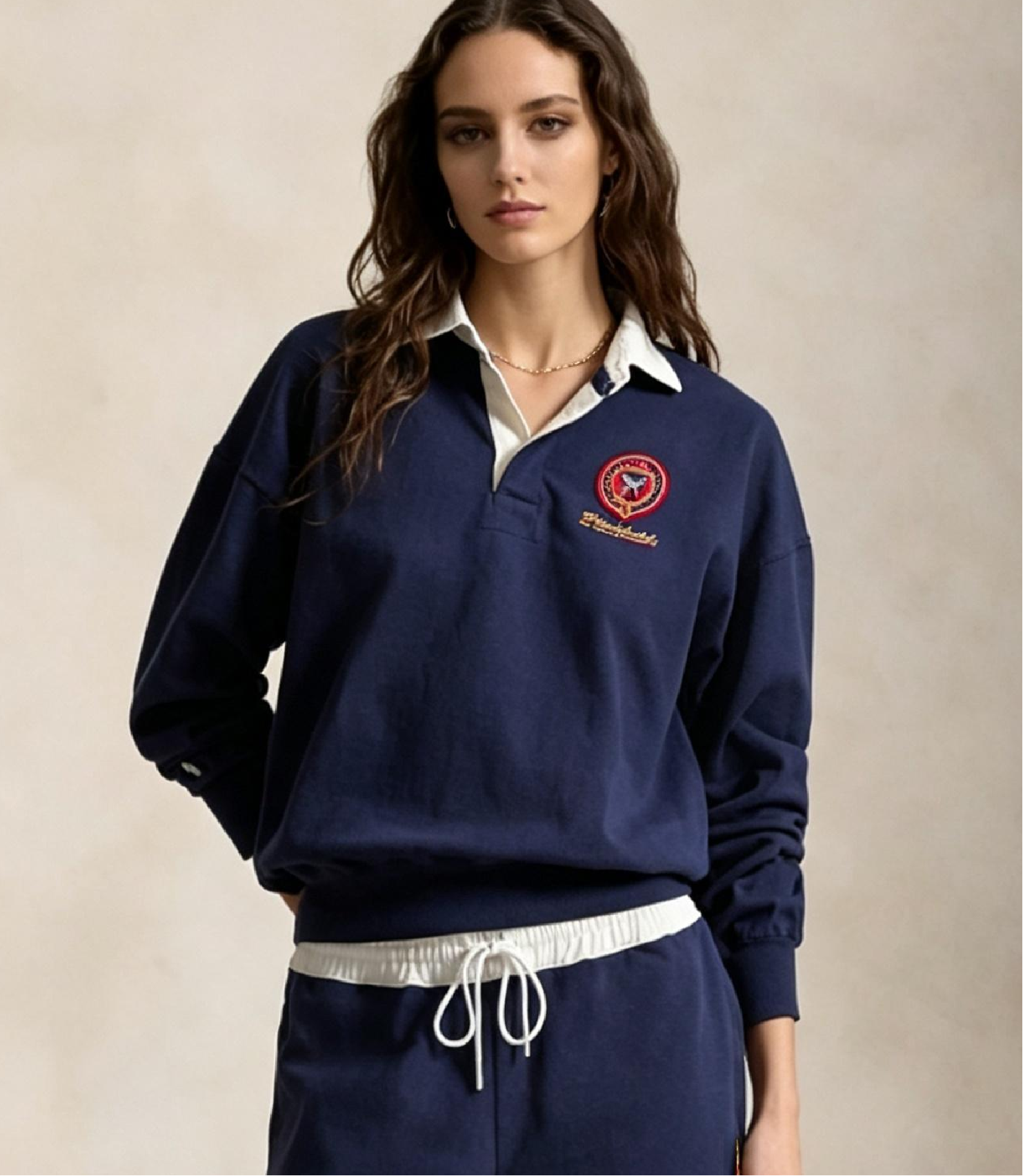
Related Product Catalogue and Quotation




Womens Sweatshirt Manufacturer Advantages
JUNSHEEN combines low-MOQ development, fit-led production, and export-ready support for sweatshirt programs that need room to grow.
100-Unit Starting MOQ
Launch new sweatshirt styles from 100 units per style and color, making capsule collections and market testing more accessible.
XS–3XL Fit Development
Pattern makers refine proportions, mobility, sleeves, and grading increments for regular, extended-size, plus-size, and oversized womens sweatshirts.
One-Stop Custom Details
Coordinate embroidery, printing, washes, labels, drawstrings, rib trims, hang tags, and branded packaging through one production partner.
Scalable Production Capacity
More than 200 skilled workers and 80,000-plus monthly units support dependable transitions from samples to recurring bulk orders.
Global Export Support
Receive organized quality control, packing, and shipping support for sweatshirt orders serving fashion brands across worldwide markets.
Women’s Sweatshirt Styles and OEM Production
Develop coordinated casualwear categories with fit-focused grading, low 100-unit MOQs, and integrated fabric, decoration, finishing, and private-label support.

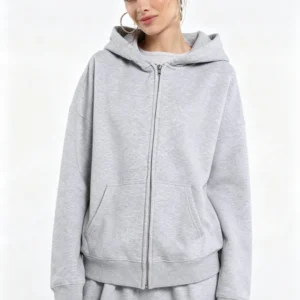
Custom Hoodies
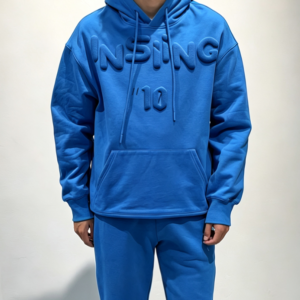
Develop custom hoodies in fleece, French terry, or jersey with custom patterns, graded XS–3XL fits, embroidery or printing, washes, branded drawcords, labels, and packaging. Start from a tech pack, reference sample, or product concept.
Request a Quote
Custom T-Shirts
Produce custom T-shirts in cotton, Pima cotton, organic cotton, and blended jersey. Junsheen supports silhouette development, fabric-weight selection, XS–3XL grading, screen printing, DTG, DTF, embroidery, garment dye, and private-label finishing.
Request a Quote
Custom Jeans
Manufacture custom jeans in rigid or stretch denim with fit development across women’s, plus-size, and oversized ranges. Options include custom washes, distressing, hardware, pockets, contrast stitching, leather labels, patches, and branded packaging.
Request a Quote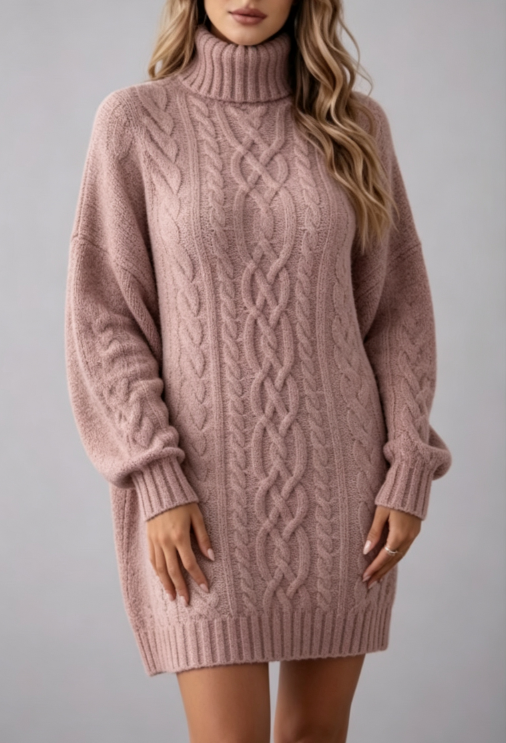
Custom Sweaters
Source and produce turtleneck sweaters in bulk using appropriate yarns and sweater constructions for target hand feel, warmth, and cost. Development includes gauge selection, neck shaping, rib details, size grading, labels, and bulk production coordination.
Request a Quote
Custom Jackets
Develop custom jean jackets in denim, stretch denim, or twill with brand-specific fits and construction details. Add custom washes, distressing, embroidery, patches, snaps, buttons, contrast stitching, labels, and size grading from XS through 3XL.
Request a Quote
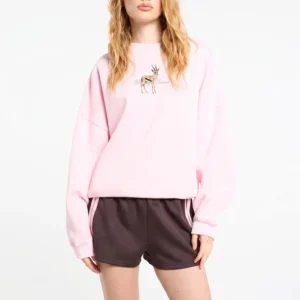
Custom Sweatshirts & Crewnecks
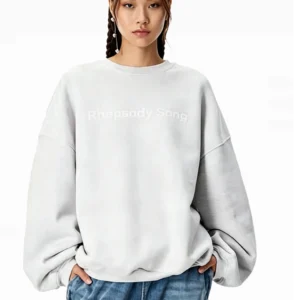
Produce custom crewneck hoodies, sweatshirts, and crewnecks in fleece or French terry. Pattern makers refine body balance, sleeves, rib trims, and grading, while in-house teams handle printing, embroidery, washes, labels, and packaging.
Request a Quote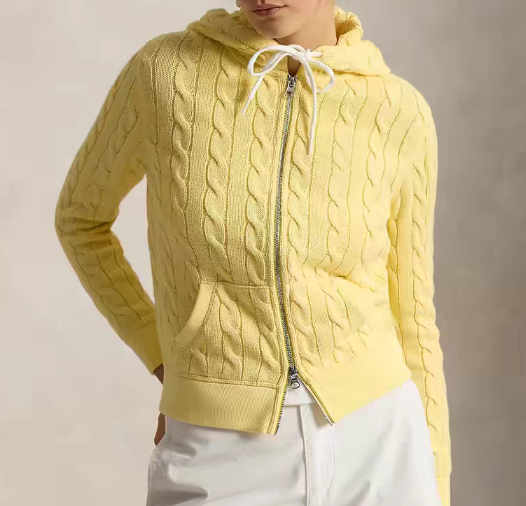
Custom Cardigans
Manufacture custom cardigans with tailored yarn, gauge, button, rib, and silhouette selections. Junsheen supports fitted, relaxed, oversized, and extended-size development, plus custom labels, buttons, embroidery, and coordinated knitwear production.
Request a Quote
Custom Puffer & Down Jackets
Produce custom puffer jackets with practical support for shell fabrics, insulation or down-fill specifications, quilting, linings, zippers, snaps, reflective details, labels, and fit approvals before scalable bulk production.
Request a Quote
Custom Denim Shorts
Develop custom jean shorts in rigid or stretch denim with specified rises, inseams, hems, pocket shapes, and grading. Choose from garment washes, acid wash, stone wash, distressing, embroidery, patches, branded hardware, and private labels.
Request a Quote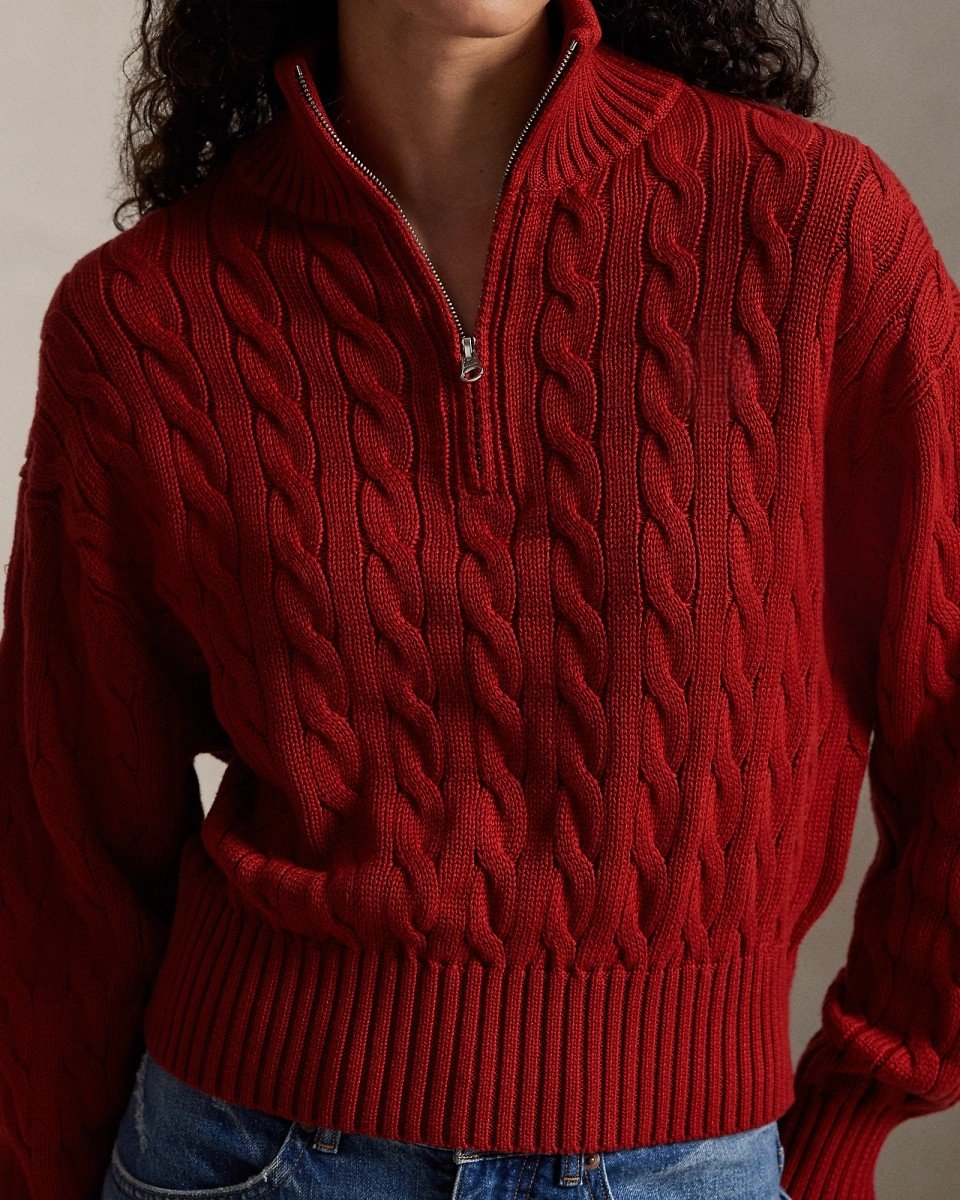
Custom Sweater Dresses
Manufacture custom sweater dresses with yarn and construction choices matched to drape, warmth, stretch, and intended silhouette. Pattern development covers body length, neckline, sleeve proportion, fit grading, rib finishes, labels, and pre-production approvals.
Request a Quote
Custom Denim Sets
Produce mens denim suits wholesale programs as coordinated denim sets, including jackets and matching jeans or trousers. Junsheen manages consistent fabric lots, wash effects, sizing, hardware, stitching, labels, packing, and repeat-order records.
Request a Quote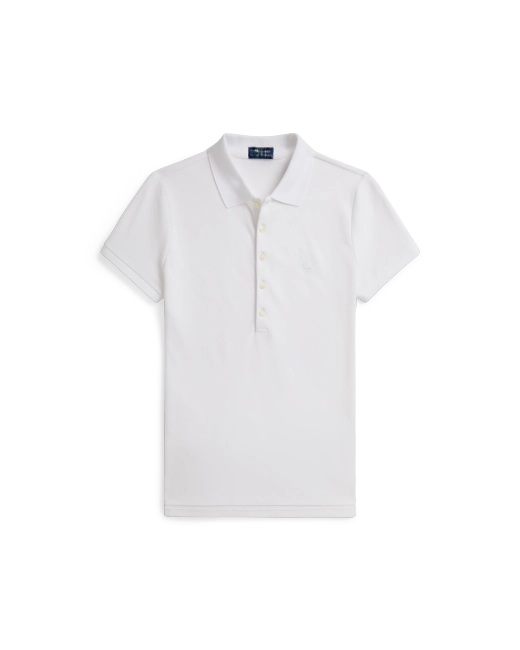
Custom Polo Shirts
Develop custom polo shirts in piqué, jersey, or performance knits with fit-specific patterns, collar construction, plackets, buttons, embroidery, printing, contrast trims, extended-size grading, and private-label finishing for retail or uniform programs.
Request a Quote
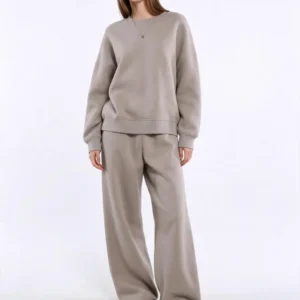
Custom Sweatpants
Manufacture custom sweatpants in fleece, French terry, or performance knit with refined rises, inseams, cuffs, waistbands, and graded XS–3XL sizing. Add embroidery, prints, washes, drawcords, zipper pockets, labels, and matched sweatshirt programs.
Request a Quote
Custom Shorts
Produce custom shorts in jersey, fleece, twill, denim, or performance fabrics for casual and active-inspired collections. Development covers inseam, waistband, pockets, fit grading, decoration, washing, trims, labels, and coordinated set production.
Request a Quote
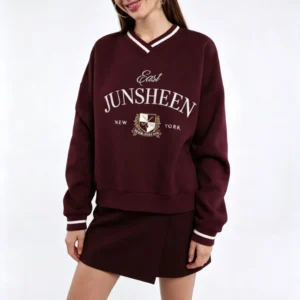
Custom Pullovers
Develop custom pullovers in knit, fleece, French terry, or jersey constructions for lightweight layers or cold-weather assortments. Junsheen supports fit development, neckline and rib details, embroidery, prints, washes, labels, and scalable private-label production.
Request a QuotePerformance-Ready Fabrics for Women’s Sweatshirts

French Terry
A breathable loopback cotton fabric for transitional sweatshirts, relaxed crews and elevated loungewear. Typically 280–400 GSM, it offers a soft face, moderate structure and dependable wash performance without the bulk of brushed fleece.

Brushed Cotton Fleece
Warm, plush and insulating, brushed fleece suits winter crews, oversized sweatshirts and premium athleisure programs. Commonly 320–460 GSM, its brushed inner surface creates a soft hand feel while stable blends help resist pilling after washing.

Cotton Polyester Fleece
A durable, cost-conscious fleece option for branded basics, teamwear and repeat wholesale orders. Cotton supports comfort while polyester improves shape retention, color durability and drying speed; suitable weights typically range from 280–380 GSM.

Combed Cotton Jersey
Smooth, breathable combed cotton jersey works well for lightweight sweatshirts, layering crews and fashion-led transitional styles. Its refined hand feel and low surface fuzz suit clean printing, while elastane blends add recovery and mobility.

Stretch Ponte Knit
Dense, polished ponte knit is ideal for structured women’s sweatshirts, tailored casual sets and refined travelwear. Its stable double-knit construction provides stretch, recovery and wrinkle resistance, helping fitted silhouettes maintain a clean appearance through wear.

Recycled Performance Knit
A resilient recycled polyester blend for active-inspired sweatshirts and moisture-conscious casualwear. The fabric can deliver quick drying, durable color and mechanical stretch, with fabric weight adjusted to create lightweight layers or warmer brushed programs.
Womens Sweatshirt Manufacturer Decoration and Finishing Options

Logo Embroidery
Flat, 3D puff, chain-stitch, applique, and custom patch embroidery add dimensional branding with clean stitch definition. Suitable for chest logos, sleeve details, and premium graphics designed to hold their appearance through repeated wear and washing.

Screen Printing
Plastisol, water-based, puff, flocking, silicone, high-density, foil, and discharge screen prints create bold artwork across fleece and French terry sweatshirts. Our team recommends inks and techniques for opacity, stretch, hand feel, and dependable wash durability.

Digital Print Methods
DTG, DTF, heat transfer, and dye sublimation support detailed multicolor artwork, small runs, and placement-sensitive designs. These methods give women’s sweatshirt collections crisp graphics while allowing decoration choices to suit fabric composition and order quantity.

Garment Dyeing
Garment dye, tie-dye, and acid-wash treatments create rich, individual color character after construction. Junsheen develops samples to assess shade variation, seam effects, shrinkage, and the intended lived-in visual before bulk production begins.

Wash and Softening
Enzyme washes, softening treatments, anti-pilling processes, and stone washing refine surface texture and comfort. Applied with fabric performance in mind, these options help deliver softer hand feel, controlled vintage character, and more reliable wear results.

Brushing and Napping
Brushing and napping raise the fleece surface for a warmer, softer interior or exterior finish. This process is ideal for cozy premium sweatshirts, with sampling used to confirm pile density, softness, appearance, and resistance to excessive shedding.
Custom Trims, Labels and Packaging

Woven Brand Labels
Custom woven main, size and wash-care labels give every sweatshirt a consistent retail identity. JUNSHEEN can develop label artwork, placement and construction to suit private-label, oversized and extended-size programs.

Tipped Drawcords
Match drawcord color, width, aglets and contrast tipping to your hoodie or sweatshirt collection. These functional details add a considered finish while supporting consistent trims across capsule and bulk production.

Custom Metal Zippers
Choose branded zipper pulls, finishes and zipper types for zip-up sweatshirts, jackets and outerwear. Our sourcing team balances appearance, smooth operation and target cost before confirming sample-approved components.

Snap Button Details
Add custom snaps to collar plackets, pockets, detachable components or varsity-inspired styles. Available finishes and logo options help create a durable closure that aligns with your garment’s intended premium position.

Logo Patches
Use embroidered, woven, chenille, leather-look or applique patches to add a distinctive logo placement. JUNSHEEN coordinates patch development and application for cleaner production control and repeatable brand presentation.
Branded Hangtags
Complete retail-ready orders with custom hang tags, strings, barcodes, care information and branded packaging. These final details help your sweatshirts arrive organized, identifiable and ready for wholesale, retail or direct fulfillment.
About JUNSHEEN, Your Womens Sweatshirt Manufacturer
Founded in 2010 in Humen Town, Dongguan, JUNSHEEN helps fashion brands turn women’s sweatshirt concepts into dependable OEM, ODM and private-label production. As a womens sweatshirt manufacturer, we combine product development, fabric sourcing, pattern making, sampling and export support in one responsive supply chain.
Our 200+ skilled workers support monthly output above 80,000 units, from 100-unit capsule orders per style and color to ongoing global bulk programs. Cut-and-sew and knitwear capabilities, in-house decoration, finishing, labels, trims and packaging keep key production details coordinated under one team.
What distinguishes JUNSHEEN is a fit-first approach across XS–3XL, extended-size, plus-size and modern oversized silhouettes. We refine patterns and grading for proportion, mobility and consistency rather than simply scaling a base size. More than 2,000 fashion-brand clients have relied on this practical development discipline and scalable manufacturing support.

Womens Sweatshirt Manufacturer Fit and Production Expertise
Fit-Focused XS–3XL Grading
As a womens sweatshirt manufacturer, JUNSHEEN refines shoulder balance, sleeve length, body proportion and mobility across XS–3XL. Our pattern makers build extended-size, plus-size and oversized fits intentionally, helping your collection maintain a consistent silhouette throughout the complete size range.
- Custom patterns instead of simple size enlargement
- Extended, plus-size and oversized fit development
- Size sets reviewed before bulk approval
- Clear grading records for future reorders

Development From Any Starting Point
Bring a finished tech pack, sketch, reference garment, mood board or early product idea. JUNSHEEN converts it into production-ready sweatshirt specifications through fabric recommendations, trim selection, pattern making and prototype sampling, while identifying manufacturability improvements before bulk commitments.
- Tech-pack review and specification support
- Fabric, weight and hand-feel recommendations
- Prototype and pre-production sample development
- Decoration and finishing feasibility guidance

Integrated Sweatshirt Manufacturing
Our Humen, Dongguan team brings cut-and-sew, knitwear, embroidery, printing, washing, labels and packaging into one coordinated supply chain. This gives brands better visibility from material approval through final inspection, while reducing handoffs that can affect quality and lead time.
- 200+ skilled production workers
- 80,000+ units monthly capacity
- In-house decoration and garment finishing
- Private-label trims and branded packaging

Reliable Repeat-Order Control
JUNSHEEN retains approved patterns, graded size sets and material records to make repeat sweatshirt programs faster and more consistent. Starting from 100 units per style and color, we support capsule launches today and scalable global production as your demand and assortment expand.
- Low MOQ from 100 units per style/color
- Retained specifications for repeat accuracy
- Incoming, in-line and final quality checks
- Global export support for growing brands

Why Choose JUNSHEEN as Your Womens Sweatshirt Manufacturer
Fit-led development, integrated production control, and scalable export support for sweatshirt programs from 100 units per style and color.
← 左右滑动查看 →
Women’s Sweatshirt Manufacturer Production Process
A clear, fit-focused workflow for custom OEM, ODM and private-label sweatshirt programs from 100 units per style and color.
Review Your Product Brief
We assess your tech pack, sketch, reference or idea, confirm feasibility, recommend construction details and align target fit, quantities, budget and delivery requirements.
Source Fabrics and Trims
Our team selects fleece, French terry or jersey, then coordinates colors, ribbing, drawcords, labels, decoration methods and packaging to meet your product goals.
Develop Patterns and Samples
Pattern makers build and grade fit-focused XS–3XL patterns, refine proportions and produce prototype samples or size sets for your approval before production.
Confirm Bulk Production Details
After sample approval, we finalize specifications, materials, artwork, grading, quantities and timelines, then retain approved records for dependable repeat production consistency.
Manufacture and Inspect Orders
Our 200+ skilled workers manage cutting, sewing, decoration and finishing while in-line and final inspections verify measurements, construction, appearance and packed-goods quality.
Pack and Ship Globally
We apply your branded labels and packaging, complete final packing checks and coordinate export-ready shipping support for delivery to your chosen destination.
How to Work With Our Womens Sweatshirt Manufacturer Team
Move from concept to delivery with clear development milestones, fit-focused approvals, and scalable production support.
Share Your Product Direction
Send a tech pack, sketch, reference garment, mood board, or product idea. Our team reviews construction, fit goals, fabric needs, decoration, and target quantities.
Confirm Materials and Quotation
Select sweatshirt fabrics, colors, trims, labels, and finishing options. We confirm manufacturability, 100-unit MOQ feasibility, lead times, and a detailed production quotation.
Approve Your Development Sample
We create patterns and samples with XS–3XL grading requirements in mind. Review measurements, hand feel, artwork, construction, and revisions before approving production.
Launch Controlled Bulk Production
After pre-production approval, our 200-plus-worker team manages cutting, sewing, decoration, finishing, and in-line quality checks for consistent branded sweatshirt production.
Inspect and Arrange Delivery
Final inspections verify measurements, workmanship, decoration, labels, and packed goods. We prepare export-ready orders and coordinate global shipment support for your delivery schedule.
Custom Clothing Manufacturer Credentials and Compliance Documents



Customer Results From Global Fashion Brands
JUNSHEEN corrected the shoulder balance and sleeve grading across our XS–3XL sweatshirt range. We approved the second size set and launched a 1,200-unit order with noticeably fewer fit-related customer returns.
Our first sample round moved from sketch to wearable prototypes in 18 days. Their team clarified fabric weight, rib specifications and puff-print placement early, which eliminated three revisions we had expected to make.
We started at 100 units per color for a test drop, then scaled to 4,800 units without changing the approved hand feel or measurements. Export packing and documentation were ready for our UK delivery window.
Womens Sweatshirt Manufacturer FAQ
Clear answers on MOQ, samples, timelines, payments, shipping, and confidential product development.
What is the minimum order quantity for a womens sweatshirt manufacturer?
Can a womens sweatshirt manufacturer make samples before bulk production?
How long does custom women’s sweatshirt production take?
Can you develop women’s sweatshirt fits from XS to 3XL?
What payment terms does your womens sweatshirt manufacturer offer?
Do you ship custom women’s sweatshirts internationally?
How does JUNSHEEN protect my sweatshirt designs and tech packs?
Can you handle private labels, embroidery, printing, and packaging in one order?
The Complete Buyer’s Guide to womens sweatshirt manufacturer
Use this decision framework to evaluate supplier capabilities, fabrics, customization, quality controls, pricing, and launch readiness—while avoiding common sourcing mistakes that raise costs, delay delivery, or weaken your women’s sweatshirt collection.
1. What Is a womens sweatshirt manufacturer?
2010 is the founding year of Dongguan Junsheen Clothing Co., Ltd., a womens sweatshirt manufacturer that converts a brand concept into production-ready goods. A full-service OEM/ODM partner coordinates design-development review, pattern making and grading, prototype and size-set sampling, fabric and trim sourcing, cut-and-sew production, inspection, packing, and export support from concept through delivery. 100 units per style and color is a practical low-MOQ starting point for a capsule program, whereas a trading company typically brokers orders between buyer and factories. The broker may simplify communication, but the manufacturer owns technical execution: translating a tech pack, sketch, reference garment, or mood board into measurements, construction methods, approved materials, and bulk specifications. 2 supplier models are often confused with manufacturing. A private-label supplier may apply a buyer’s labels to existing silhouettes with limited development, while a blank-garment wholesaler sells finished stock for later decoration; neither necessarily creates a custom fit, pattern, or garment build. 80,000-plus units of monthly capacity matters only after the development path is controlled. Buyers should expect fabric swatches, sample approval, incoming-material checks, in-line measurement and construction checks, final packed-goods inspection, branded labels and packaging, then shipping documents and export coordination.
2. Evolution of the Womens Sweatshirt Market
1930s athletic warm-ups established the sweatshirt as a functional knit layer, but women’s demand now spans athleisure, streetwear, loungewear and fashion-led coordinates. A womens sweatshirt manufacturer must therefore translate one category into several silhouette families: cropped, classic crewneck, relaxed, oversized, zip-through and extended-size fits, each with its own shoulder, body-length and grading requirements. 250–320 GSM French terry commonly supports lighter trans-seasonal programs, while 320–450 GSM brushed fleece signals warmth and a more substantial premium hand feel. Buyers increasingly assess ring-spun cotton, anti-pilling performance, rib recovery, shrinkage control and wash results alongside color approval, because a sweatshirt expected to survive repeated wear cannot be planned as a low-cost blank. XS–3XL demand has made inclusive fit development a product-planning issue rather than a size-chart extension. Suppliers should refine balance, sleeve length, mobility and grading increments across the full size set; simply enlarging a base pattern can distort proportion and create avoidable sample revisions. 4 seasonal capsule windows often require smaller color stories, faster development decisions and repeatable materials instead of one annual bulk buy. Supplier selection should favor transparent fabric sourcing, traceable recycled or organic options when specified, controlled Pantone approvals, sample capacity and retained pattern/material records so successful core styles can be replenished consistently.
3. Types from a womens sweatshirt manufacturer
100-unit capsule orders can test several sweatshirt silhouettes without committing to one fit block. A womens sweatshirt manufacturer should build the mix around customer age, climate, price tier, and whether sales are direct-to-consumer or wholesale.
| Style | Best Customer | Fit Focus | Branding Opportunity |
|---|---|---|---|
| Crewneck | Broad casual | Shoulder balance | Chest embroidery |
| Hoodie | Streetwear | Hood depth | Drawcords |
| Zip-up | Layering buyer | Zipper alignment | Custom pull |
| Cropped | Fashion-led | Body length | Hem label |
| Oversized | Trend shopper | Sleeve volume | Large graphic |
| Fleece pullover | Cold climate | Layering ease | Applique |
| Sweatshirt dress | Boutique customer | Hip mobility | Garment dye |
Core Casual Staples
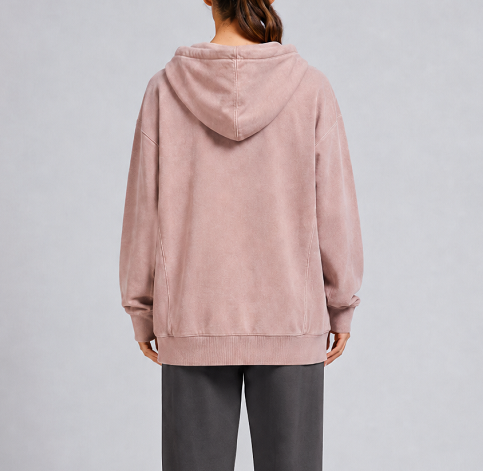
2 core styles—crewnecks and pullover hoodies—suit broad casualwear demand and collegiate, streetwear, or promotional channels. Crewnecks use a rib neck; hoodies add a lined hood, drawcord channel, and kangaroo pocket. 1 fit decision separates regular from relaxed: control shoulder drop, sleeve length, and hem recovery before grading. Chest embroidery, neck labels, printed graphics, and custom drawcords create clear brand distinction.
Layering And Fashion Fits
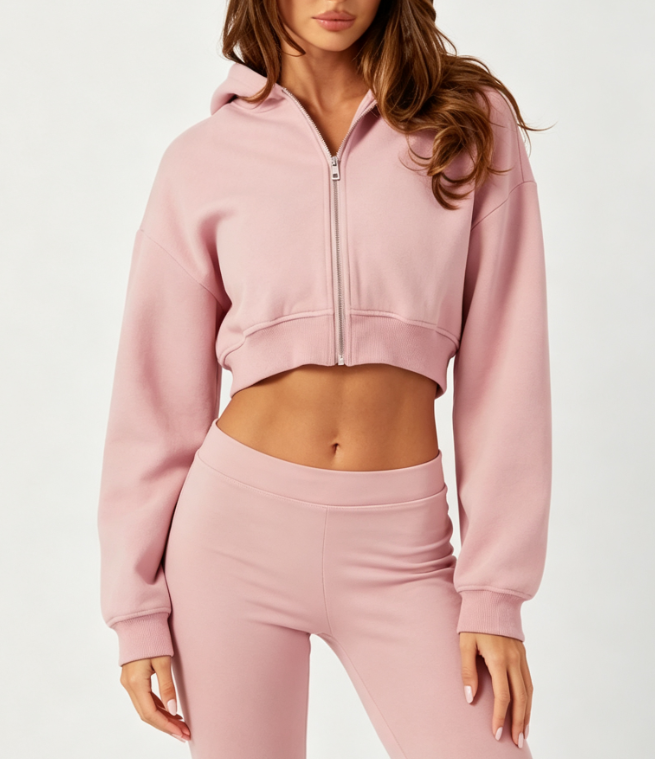
2 layering options—zip-ups and cropped sweatshirts—serve transitional climates, boutiques, and active-lifestyle assortments. Zip-ups require stable zipper tape, pocket alignment, and clean hood joining; cropped blocks need deliberate body length and hem tension. 3 branding points matter on these styles: zipper pull, woven hem label, and contrast paneling. Choose full zip for easy layering and crop length only after confirming the target customer’s rise and coverage expectations.
Volume And Warmth
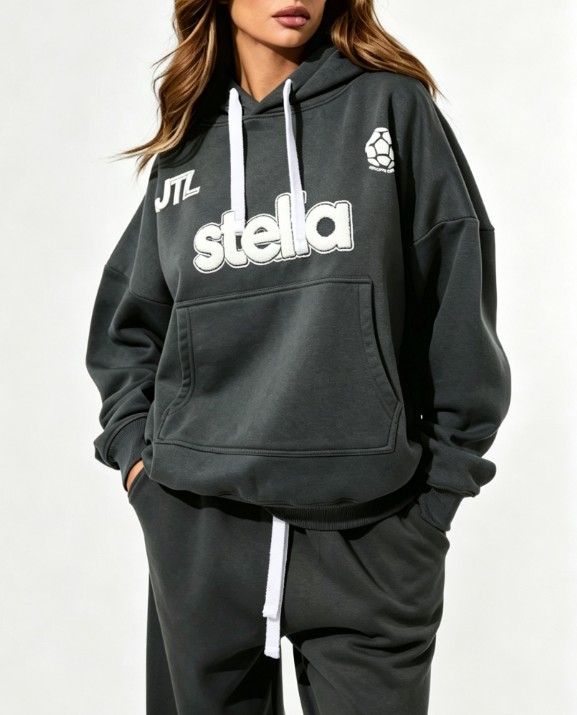
2 silhouette directions—oversized sweatshirts and fleece pullovers—fit colder markets and trend-led DTC drops. Oversized blocks need balanced shoulder drop and sleeve volume, while fleece pullovers need roomy layering ease without bulky armholes. 280 GSM is a common starting point for year-round brushed fleece, with heavier options for winter programs. Large back prints, puff ink, applique, and tonal embroidery suit these broad visual surfaces.
Dress-Led Assortments

1 sweatshirt-dress option gives retailers an outfit-based item for women seeking comfort with more coverage. It needs walk ease, proportioned pockets, a stable neck or hood, and grading that preserves hip mobility. 2 retail routes work especially well: boutique seasonal collections and coordinated loungewear capsules. Branded belts, side slits, embroidered chest logos, and garment-dye finishes can lift perceived value.
4. Fabrics a womens sweatshirt manufacturer uses
Fabric weight and fiber mix determine whether a sweatshirt reads as a light layer, everyday core item, or premium cold-weather piece. A womens sweatshirt manufacturer should confirm a lab dip, hand-feel swatch, and wash test before bulk approval.
| Fabric | Typical GSM | Hand Feel/Warmth | Shrinkage/Durability | Best Use |
|---|---|---|---|---|
| French terry | 240–280 | Dry, breathable, medium warmth | Moderate; stable when pre-shrunk | Spring layers, clean prints |
| Cotton fleece | 280–340 | Soft, warm, cotton-rich | Higher shrinkage risk; test washes | Core casualwear |
| Cotton-poly blend | 280–330 | Soft, resilient, warm | Lower shrinkage; durable | Value programs, repeat orders |
| Heavyweight fleece | 320–380 | Dense, structured, very warm | Durable; confirm rib recovery | Premium oversized styles |
Core Fabric Comparison

240–280 GSM French terry has looped backing, breathable warmth, and a clean face for screen print or embroidery. It suits spring, travel, and elevated lightweight programs. 280–340 GSM brushed-back cotton fleece offers a softer, warmer interior but needs controlled washing to manage surface pilling and shrinkage.
Specification Matrix

60/40 cotton-poly fleece improves abrasion resistance, color retention, and cost control compared with all-cotton fleece. Ring-spun cotton produces a smoother print face than economical open-end yarn.
Match Fabric To Positioning

320–380 GSM heavyweight constructions create structure, drape, and a premium oversized silhouette; specify rib recovery and pre-shrinking for reliable fit. They fit fall/winter drops and higher retail tiers. 20–40% recycled cotton or recycled polyester can support a lower-impact story, but brands should request fiber-content documentation and test print adhesion. Choose lighter French terry for accessible transitional capsules and dense cotton-rich fleece for premium essentials.
5. Customization and Decoration Options
A 100-unit MOQ is enough to justify a coherent identity package, not merely a logo on a blank sweatshirt. A capable womens sweatshirt manufacturer should convert approved artwork into repeatable trim, color, decoration, and packing specifications.
| Method | Artwork Complexity | Durability | Typical MOQ | Setup | Unit-Cost Impact |
|---|---|---|---|---|---|
| Screen print | Simple to detailed | High | 100+ | Screens and strike-off | Low at volume |
| DTG | Photographic, many colors | Medium | Low | File preparation | Higher per unit |
| Heat transfer | Detailed multicolor | Medium | Low | Transfer proof | Medium |
| Embroidery | Bold logos, textured | High | 100+ | Digitizing and sew-out | Medium to high |
| Appliqué or patch | Layered, dimensional | High | 100+ | Pattern and placement sample | High |
Private-Label Identity

Three identity layers commonly include a woven main label, size label, and wash-care label; neck prints can replace or supplement the main label on fleece-backed styles. One approved label pack should define logo scale, fold type, thread color, placement, hangtag stock, barcode, and custom packaging artwork before bulk trims are ordered.
Color And Surface Options

Pantone TCX or a physically approved lab dip should control custom body color, rib color, drawcord, and embroidery thread; screen color on fabric can shift after curing. Four common surface routes are screen printing, DTG, transfers, and embroidery; appliqué and custom patches add dimension but require placement tolerances and edge-finishing decisions.
Sample Approval Locks

One sealed pre-production sample should lock the exact fabric color, artwork file, print dimensions, stitch count, thread shades, patch material, and label positions. Two measurement references matter: decoration placement from high point shoulder and label placement from center back neck. Changing these after sampling can create visible lot-to-lot discrepancies.
6. Womens Sweatshirt Construction Quality Checklist
A pre-production sample is the buyer’s best construction test, not a styling approval. Before bulk release, a womens sweatshirt manufacturer should confirm measurements, wash behavior, trim performance, and inspection tolerances against the approved tech pack.
Fit And Grading
XS–3XL grading needs more than equal circumference increases: shoulder width, sleeve length, bust ease, and body balance must be reviewed on size-set samples. 2–3 cm measurement tolerances should be assigned by critical point. Check that oversized styles retain intended proportions rather than becoming simply wider.
Seams And Rib Recovery

8–12 stitches per inch is a useful starting point for durable knit seams, with clean overlock coverage and reinforced high-stress joins at pockets and hood attachment. 1×1 or 2×2 rib should recover after repeated stretch. Pull cuffs, hem, and neckline by hand; waviness, seam popping, or permanent extension warrants correction.
- Inspect shoulder tape or reinforcement
- Check pocket corners for bar tacks
- Confirm flat, balanced seam allowance
Fabric Stability And Color

280–360 GSM fleece or French terry should be tested after the specified wash method, because shrinkage changes fit and panel alignment. Record allowable length and width shrinkage in the tech pack. AATCC wash and crocking tests help identify dye transfer or fading risks. Compare approved Pantone standards under consistent lighting before cutting bulk fabric.
Hoods, Zippers, And Pockets

2-panel hoods should sit evenly at center back and maintain opening shape when worn; poor drawcord routing or mismatched seams quickly looks low-grade. YKK or an approved equivalent zipper should run smoothly without puckering. Verify kangaroo-pocket height, opening angle, and symmetry on a worn sample, not only a flat table.
Bulk Approval Controls
100% pre-production approval should lock the sealed sample, graded measurement chart, construction photos, fabric lot, trim codes, and wash instructions before sewing begins. AQL inspection standards should define critical, major, and minor defects. Buyers should request in-line measurement checks, final packed-goods inspection, and retained production records for repeat orders.
7. Choosing a womens sweatshirt manufacturer
100 units per style and color can make a capsule viable, but MOQ alone is not a supplier qualification. Evaluate whether a womens sweatshirt manufacturer can reproduce approved fit, fabric, decoration, and delivery performance as orders grow.
Verify Category And Development Depth
2 sample rounds are common before pre-production approval; request photos, measurements, and wash-test results from comparable French terry or fleece work. 1 technical contact should answer questions on pattern corrections, grading, Pantone, and decoration placement in writing. Ask who owns the pattern, how revisions are logged, and what triggers a new sample charge.
- Request a sweatshirt specification sheet
- Review graded size-set measurements
- Confirm sample-to-bulk approval process
Audit Materials And Production Controls

280–360 GSM fleece and French terry require different shrinkage, pilling, and hand-feel checks. Request fabric composition, GSM tolerance, color-lab-dip approval, and available OEKO-TEX, GOTS, WRAP, or BSCI documentation where relevant. 80,000 units of monthly capacity is meaningful only when paired with in-line and final inspection records. Ask for an inspection checklist, defect-policy explanation, factory video, and current production schedule.
- Check incoming-fabric inspection records
- Ask about measurement tolerances
- Confirm final packed-goods checks
Test Commercial Transparency
30–45 days is a typical bulk-production range after approvals, but fabric lead time, print scheduling, and export booking can extend it. Request a dated critical-path schedule from deposit through shipment. 100-unit MOQ programs should retain repeat-order records for patterns, grades, trims, and approved materials. Confirm payment milestones, Incoterms, freight support, export destinations, and the escalation contact before issuing a purchase order.
- Request a written quotation breakdown
- Confirm delivery-date assumptions
- Ask for export shipping examples
8. Common Buyer Mistakes to Avoid
Eight repeatable sourcing errors can erase the margin gained in a low quote. A womens sweatshirt manufacturer should be evaluated against approved specifications, controllable risk, and a delivery plan—not price alone.
Compare Total Landed Cost
Three quotes that differ by 10% may hide different fabric weights, trims, inspection levels, or freight assumptions. Request a line-item quote covering fabric, decoration, packaging, defects allowance, and shipping. 100-unit orders need a margin model before confirmation. Compare sample revisions, duty, payment timing, and air-versus-sea transit alongside unit cost.
Lock Technical Specifications
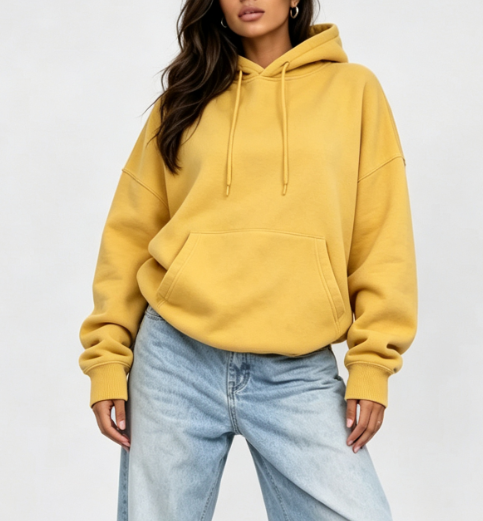
1 cm measurement drift can become visible across a graded XS–3XL size run. Approve a complete tech pack with points of measure, grade rules, construction callouts, Pantone references, and tolerances. 5% fabric shrinkage can invalidate an otherwise correct pattern. Test wash, pilling, colorfastness, and stretch recovery on the selected bulk fabric before approval.
Schedule Decoration And Approval

7–14 extra days are common when embroidery files, puff-print tests, or custom patches need revisions. Submit production-ready artwork early and approve strike-offs for color, placement, hand feel, and wash performance. 1 pre-production sample prevents bulk assumptions from becoming 100-plus finished defects. Sign off on fit, measurements, fabric, decoration, labels, and packing before cutting begins.
Plan Production To Delivery
15–30 days of freight can follow bulk completion depending on lane and shipping method. Work backward from the launch date, reserving time for sampling, materials, production, inspection, customs, and contingency. 2%–3% measurement tolerance should be written by point of measure, not discussed informally. Define acceptable defects, carton counts, inspection standard, and final-balance timing before the purchase order.
9. Launching Your Sweatshirt Collection
A 100-unit-per-style-and-color starting point lets a new label test a focused capsule before expanding. Treat the approved sample as a controlled production specification, not merely a visual reference, when coordinating with a womens sweatshirt manufacturer.
Define The Commercial Brief
Three to five competitor references should identify the intended customer, retail price, silhouette, color count and decoration direction. Send annotated front, back and detail images, then confirm what is inspiration versus a non-negotiable feature. One tech pack should lock garment measurements, Pantone colors, artwork size and placement, label copy, packaging and target ex-factory date. Junsheen can review a finished pack, sketch or reference garment for manufacturability before sampling.
- Target retail price and margin
- Size range and fit intention
- Colorways, logo files and packaging
Approve Materials And Fit

280–360 GSM French terry suits many premium trans-seasonal sweatshirts, while brushed fleece creates a warmer hand feel. Confirm composition, shrinkage expectation, rib recovery, color standard and approved swatch before bulk fabric is reserved. One prototype should be measured after wash and worn across the intended size range, from XS through 3XL where applicable. Record every revision in a dated comment sheet; approve the final pattern, graded specs and pre-production sample in writing.
- Fabric swatch and color approval
- Washed measurement tolerances
- Decoration strike-off approval
Build A Repeatable Program
100-unit capsule orders need a production calendar covering bulk materials, cut-and-sew, decoration, final inspection, packing and freight booking. Provide a single approval contact and respond to factory questions quickly so artwork or trim changes do not reach the line unconfirmed. Final packed-goods checks should compare measurements, stitching, decoration, labels, assortment and carton marks against the approved sample. Retain the pattern, bill of materials, artwork files, packing list and sales data to set replenishment triggers and repeat the proven style efficiently.
- Approve pre-production sample before cutting
- Inspect size and color assortment
- Forecast reorder point by sell-through
10. Womens Sweatshirt Manufacturer Pricing
100 units per style and color is JUNSHEEN’s practical starting point for a capsule program. A reliable quote begins with the fabric composition, 280–420 GSM target, brushed fleece or French terry construction, color count, fit grading, trims, decoration, packaging, order volume, and destination freight. 280–340 GSM cotton-blend French terry usually supports a lighter, year-round sweatshirt, while 360–420 GSM brushed fleece raises material use, weight, and freight exposure. Ring-spun yarns, enzyme or anti-pilling washes, YKK zippers, custom drawcords, woven labels, and individual polybags should be specified before comparing supplier quotes. 2 approvals normally protect the commercial schedule: a development sample confirms construction and artwork, then a pre-production sample locks bulk details. Screen-print colors, puff or high-density effects, embroidery stitch count, and branded cartons can add setup or handling costs; air, sea, and duty are quoted separately by route.
| Order quantity | Indicative unit-price drivers | Sampling or setup cost | Expected lead time |
|---|---|---|---|
| 100–299 units | Higher labor allocation; fabric MOQ, complex trims, and multicolor decoration carry more weight | Development sample; separate screen, embroidery, or transfer setup when applicable | Sample 7–14 days; bulk commonly 20–35 days after approval |
| 300–999 units | Better fabric yield; shared setup reduces unit impact; color splits still affect cost | Sample and artwork setup remain; some setup may be spread across units | Sample 7–14 days; bulk commonly 25–40 days |
| 1,000+ units | Volume improves cutting efficiency and trim buying; heavyweight GSM and packaging remain material drivers | Setup is diluted; confirm repeat-order pattern and material records | Bulk commonly 30–45 days, excluding freight and customs |
Start Your Womens Sweatshirt Manufacturer Sample Today
Send your tech pack, sketch, or reference garment for an OEM quotation and fit-focused development from 100 units per style and color.