
Custom Tshirt No Minimum, Starting at 100 Units
Develop fit-focused private-label tees with OEM/ODM support, from sampling through global production—custom tshirt no minimum programs begin at 100 units per style and color.
Featured Products for custom tshirt no minimum Development
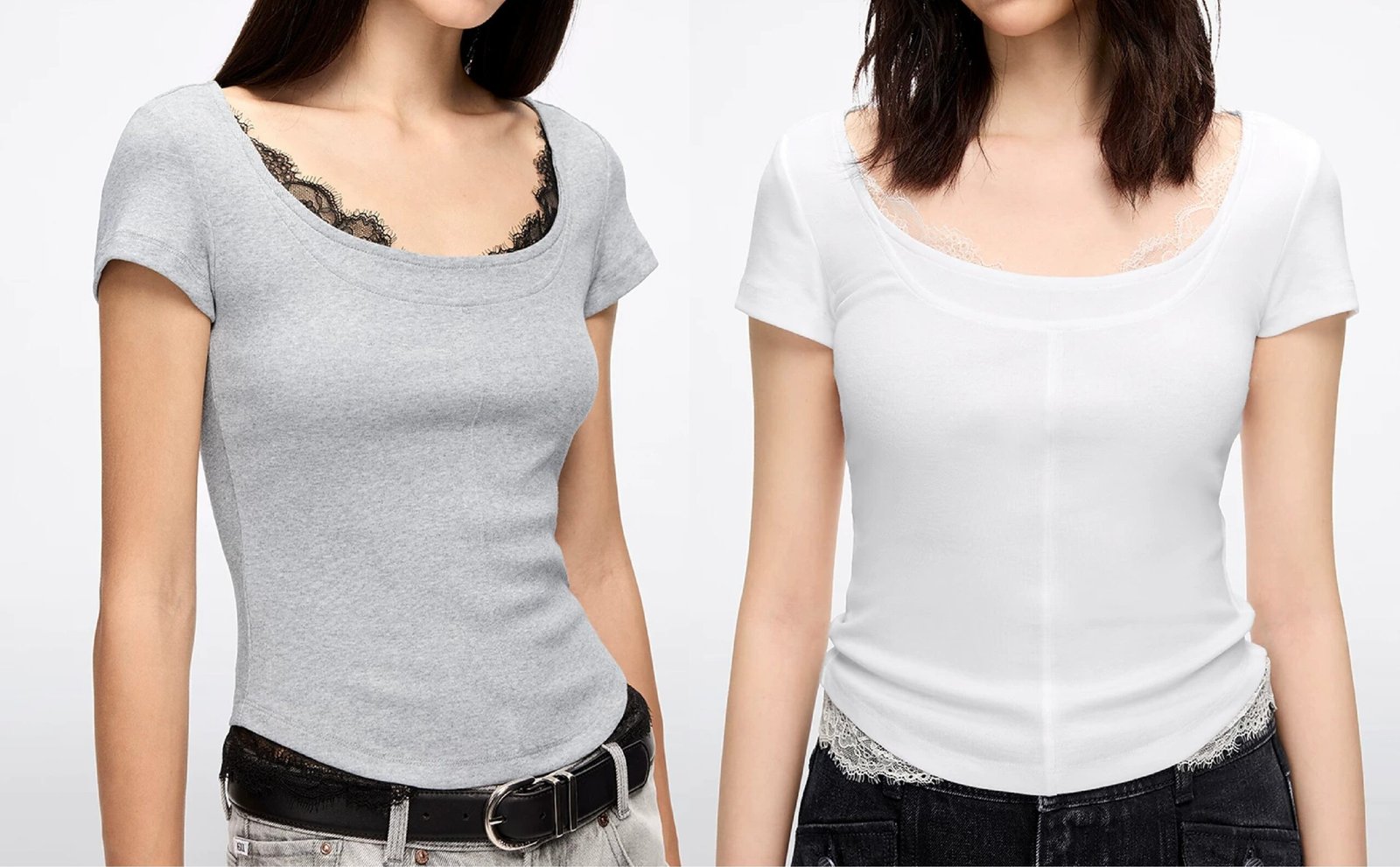


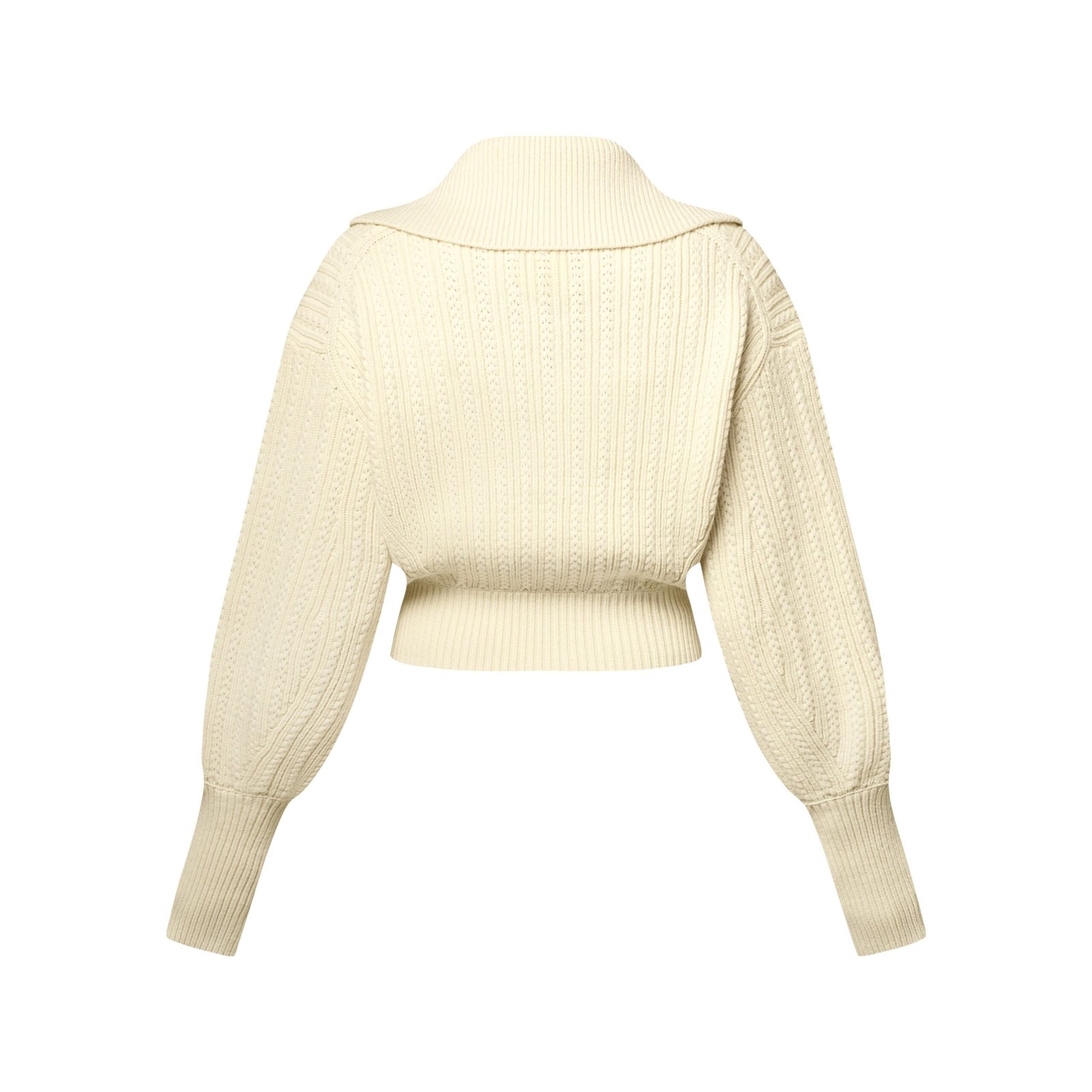


Custom Tshirt No Minimum: Related Product Catalogue and Quotation





Custom Tshirt No Minimum Support for Small Launches and Scalable Reorders
Launch confidently from 100 units per style and color, then scale with a fit-first, fully integrated apparel manufacturing partner.
100-Unit Starting MOQ
Start a capsule collection from 100 units per style and color without sacrificing professional development, production control, or private-label detail.
Fit-Focused XS–3XL
Pattern makers refine proportions, mobility, sleeve balance, and grading increments for standard, oversized, extended-size, and plus-size T-shirts.
Integrated Decoration
Coordinate screen printing, DTG, DTF, embroidery, washes, labels, trims, and packaging through one production team for consistent execution.
From Idea to Sample
Bring a tech pack, sketch, reference garment, or mood board; our team supports specifications, sourcing, patterns, and prototype sampling.
Built to Scale Globally
With 200+ skilled workers and 80,000+ monthly units of capacity, JUNSHEEN supports dependable reorders and worldwide export coordination.
Repeat-Order Consistency
Retained patterns, graded size sets, and material records help speed repeat programs while preserving approved fit, construction, and branding details.
T-Shirt and Casualwear Development
From low-MOQ sampling to scalable production, Junsheen develops branded casualwear with fit-focused patterns, materials, decoration and private-label finishing.

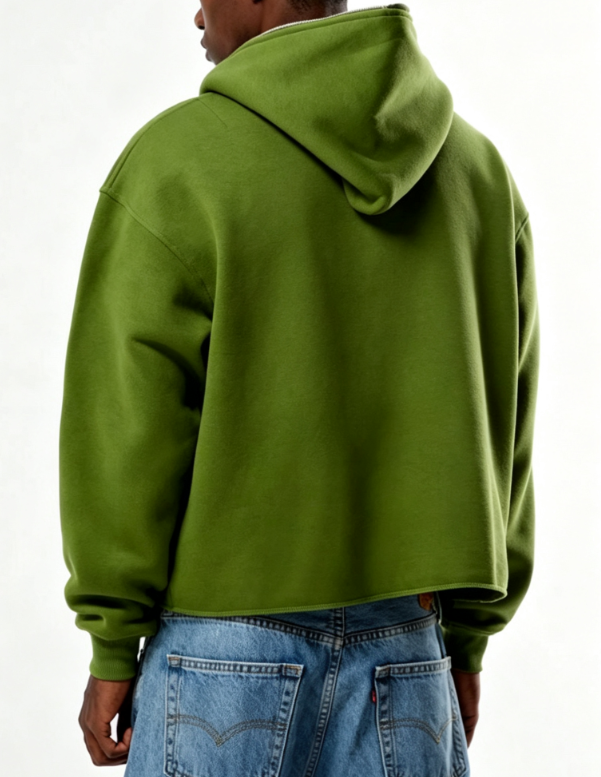
Custom Hoodies
Develop custom hoodies in fleece, French terry or heavyweight jersey with fit-focused XS–3XL grading. Choose pullover or zip styles, oversized proportions, embroidery, screen printing, custom labels, drawcords and packaging from a 100-unit MOQ per style and color.
Request a Quote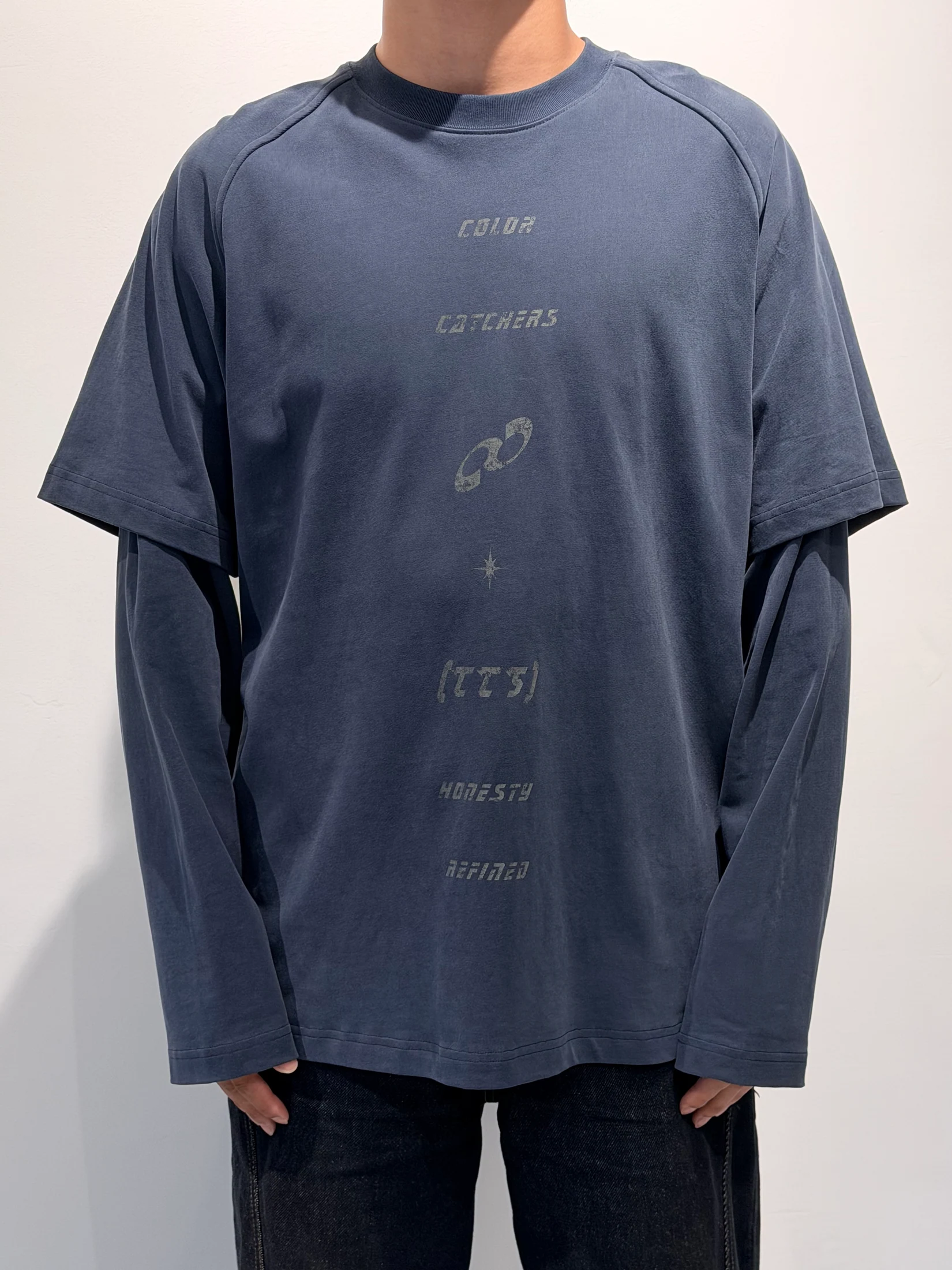
Custom T-Shirts
Produce custom T-shirts from concept, tech pack or reference garment. Junsheen supports jersey selection, neck construction, pattern development, size grading, screen printing, DTG, embroidery and private-label details for retail, wholesale and brand programs.
Request a Quote
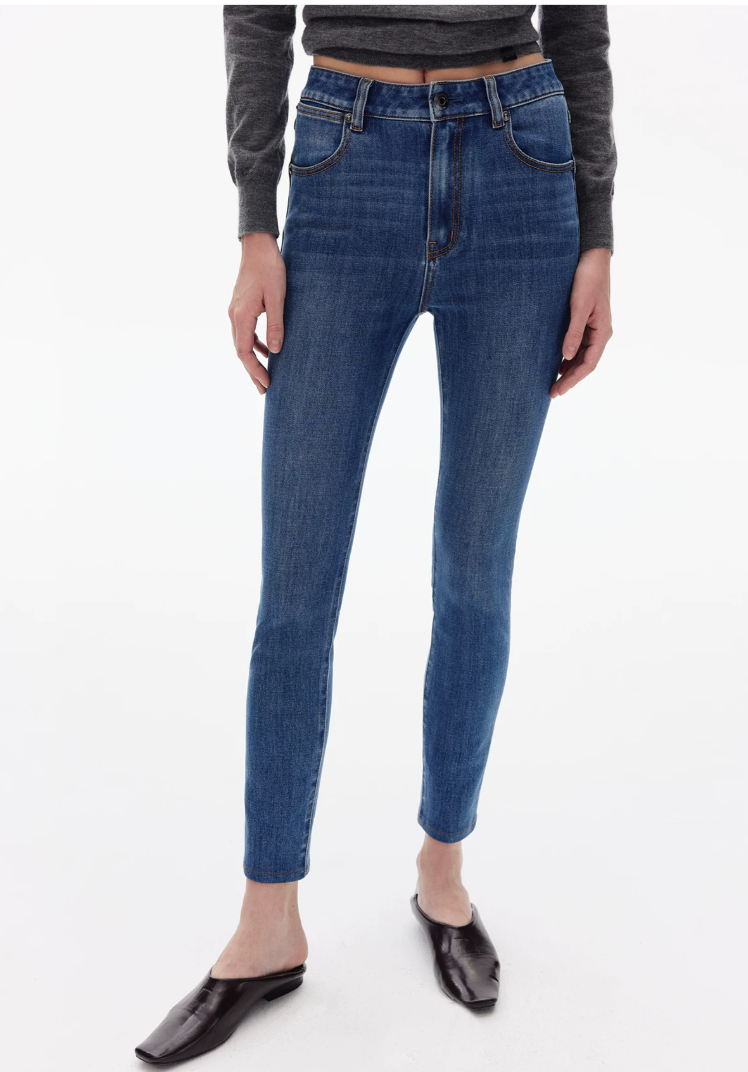
Custom Jeans
Develop custom jeans in rigid, stretch or washed denim with controlled fits, rises, inseams and grading. Production includes pattern making, pocket and trim development, logo details, distressing, garment washes and final quality checks for repeatable bulk programs.
Request a Quote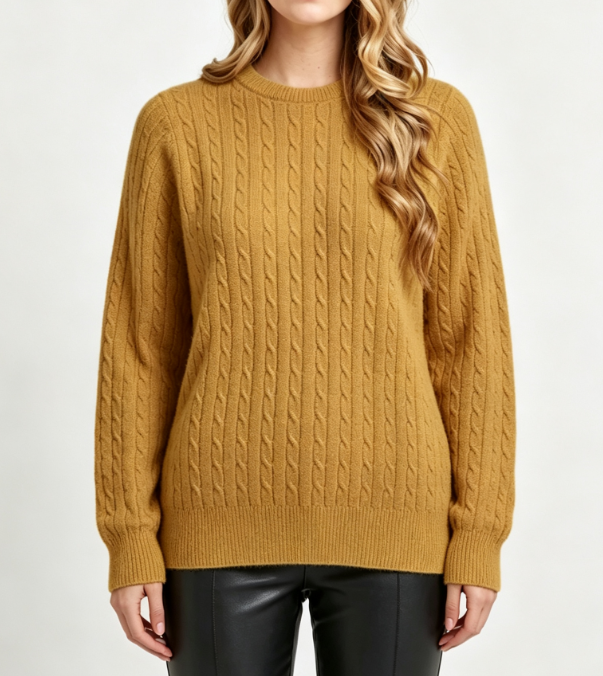
Custom Sweaters
Source turtle neck sweater bulk programs with custom gauges, yarn blends, rib structures and body proportions. Junsheen develops fitted, relaxed and extended-size sweater patterns, then manages knitting, labels, packing and export-ready production.
Request a Quote
Custom Jackets
Create custom jean jackets and other denim outerwear with tailored fits, branded hardware and wash development. Options include rigid or stretch denim, embroidery, patches, contrast stitching, lining, distressing and private-label trims for capsule or bulk orders.
Request a Quote
Custom Sweatshirts & Crewnecks
Build custom crewneck hoodie and sweatshirt programs with French terry, fleece or loopback constructions. Junsheen develops necklines, rib specifications, oversized or standard fits, print and embroidery placement, wash finishes and branded labeling.
Request a Quote
Custom Cardigans
Produce custom cardigans with knitted or cut-and-sew constructions matched to your target hand feel and price point. Develop button fronts, jacquards, rib details, cropped or relaxed silhouettes, extended sizing and private-label finishing.
Request a Quote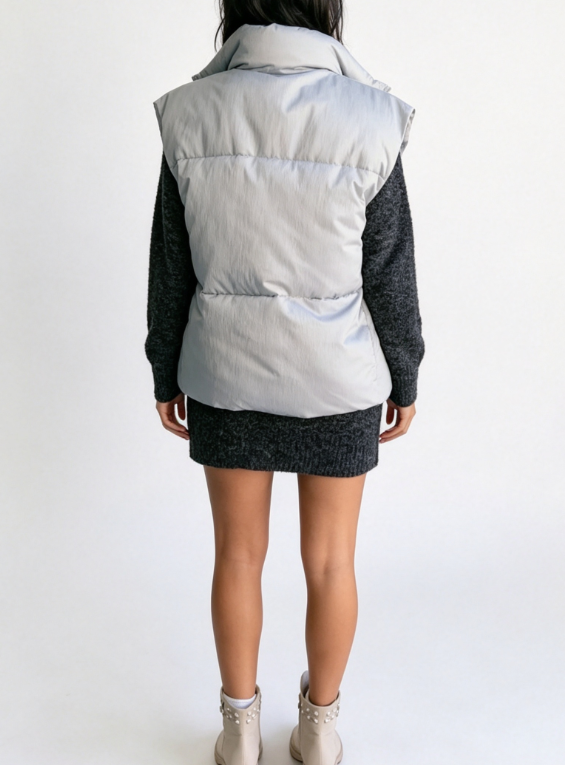
Custom Puffer & Down Jackets
Develop custom puffer jackets with shell, lining, insulation and quilting specifications aligned to your climate and price target. Junsheen supports custom puffer jacket fits, fill distribution, zippers, pockets, reflective details, labels and packed-goods inspection.
Request a Quote
Custom Denim Shorts
Produce custom jean shorts in rigid or stretch denim with controlled rises, inseams and leg openings. Choose raw, stone, acid or enzyme washes, distressed treatments, branded hardware, embroidery and size grading for men’s, women’s or unisex lines.
Request a Quote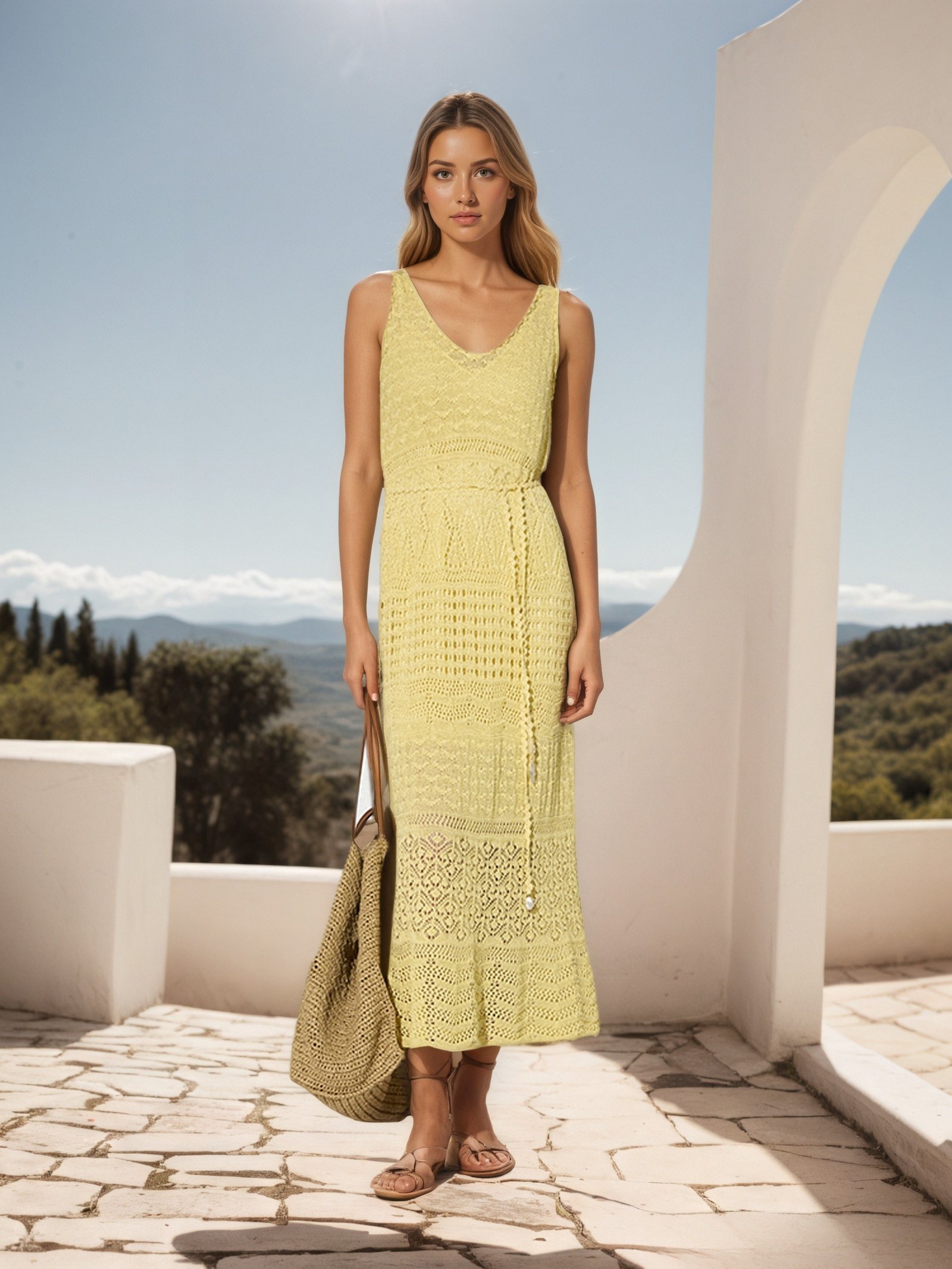
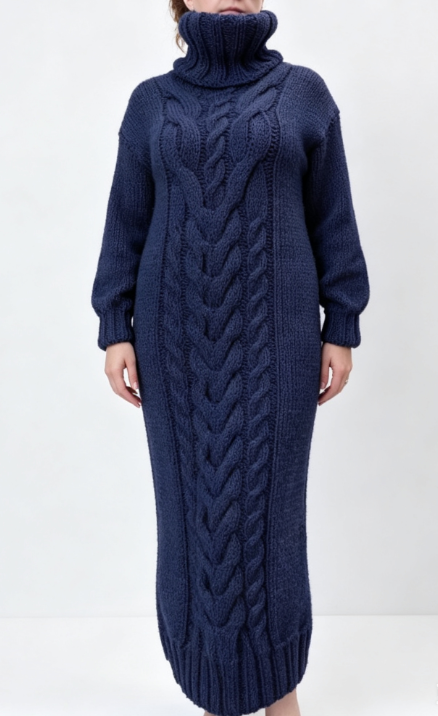
Custom Sweater Dresses
Develop custom sweater dresses with yarn, gauge, silhouette and stretch selected for the intended season and retail position. Pattern makers refine body length, shoulder balance and grading, while production covers ribs, textures, labels and branded packaging.
Request a Quote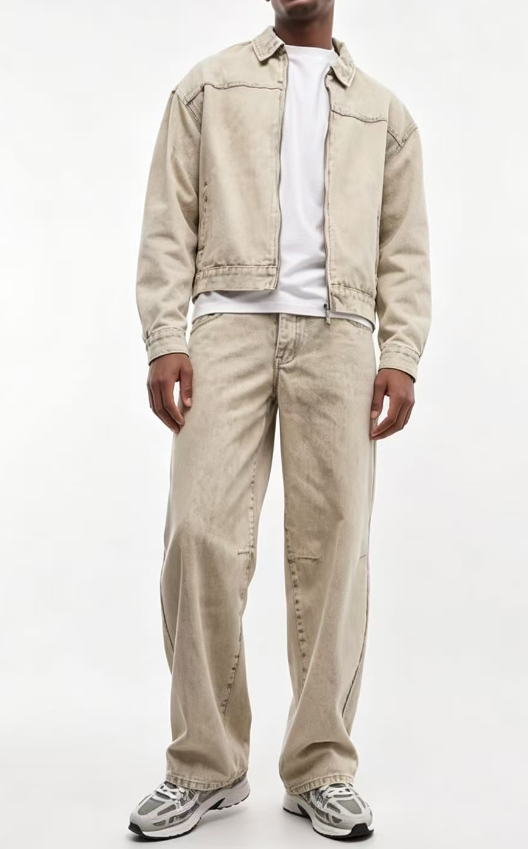
Custom Denim Sets
Create men’s denim suits wholesale programs that coordinate jackets and jeans through consistent fabric, wash and trim specifications. Junsheen manages sample approval, graded size sets, branded hardware, bulk production and quality control for wholesale-ready assortments.
Request a Quote
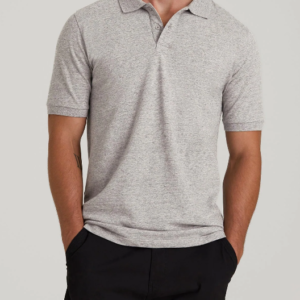
Custom Polo Shirts
Produce custom polo shirts in piqué, jersey or performance knit fabrics with collar, placket and sleeve specifications tailored to your brand. Add embroidery, contrast tipping, woven labels, size grading and packaging for retail or uniform programs.
Request a Quote
Custom Sweatpants
Develop custom sweatpants with fit, rise, inseam and cuff proportions refined across XS–3XL. Choose fleece, French terry or jersey, then add pockets, elastic or drawcord waists, embroidery, printing, washes, labels and matching-set coordination.
Request a Quote
Custom Shorts
Produce custom shorts in woven, jersey, fleece, twill or denim based on the intended use and price point. Junsheen develops inseams, waist construction, pockets and grading, with decoration, washing, trims and private-label packing available.
Request a Quote
Custom Pullovers
Develop custom pullovers in knit, fleece, French terry or jersey constructions for seasonal collections and core programs. Junsheen supports quarter-zip, mock-neck and standard styles with fit development, embroidery, printing, trims, labels and scalable production.
Request a QuoteMaterials for Custom Tshirt No Minimum Production

Combed Cotton Jersey
Smooth, breathable jersey with a clean hand feel for everyday logo tees and premium basics. Available in lightweight to heavyweight constructions, it offers dependable print clarity, comfort, and stable wash performance.

Heavyweight Cotton Jersey
Dense, substantial cotton jersey designed for structured streetwear, oversized silhouettes, and elevated merch tees. Its higher garment weight improves opacity and durability while maintaining a soft, broken-in feel after washing.

Cotton Spandex Jersey
Soft cotton jersey blended with stretch fiber for fitted tees, women’s styles, and active-inspired basics. Controlled recovery helps the garment retain shape, while the flexible hand feel supports comfort through repeated wear.

Organic Cotton Jersey
A natural-feeling jersey option for brands building organic or sustainability-led t-shirt programs. It delivers breathable comfort and a soft hand, with fabric weight, finish, and wash testing selected around your target quality level.

Cotton Polyester Blend
Balanced blend jersey suited to promotional tees, uniforms, and high-repeat essentials requiring added durability. Polyester improves shape retention and drying performance, while cotton preserves a familiar, comfortable hand feel for daily wear.
Custom Tshirt No Minimum Decoration and Finishing

Screen Printing
Plastisol, water-based, puff, silicone, high-density, foil, and discharge screen prints deliver bold color, controlled texture, and reliable wash durability for custom tshirt no minimum launches and scalable branded programs.

DTG and DTF
DTG and DTF transfers reproduce detailed artwork, gradients, and short-run graphics with crisp edge definition. They are practical for sampling, color-rich artwork, and flexible placement before a larger production commitment.

Logo Embroidery
Flat, 3D puff, chain-stitch, and applique embroidery add dimensional detail with durable thread coverage. Ideal for chest logos, sleeve marks, and premium brand identifiers requiring a tactile, long-lasting finish.

Dye Sublimation
Dye sublimation permanently infuses all-over artwork into compatible polyester fabrics, producing vivid, lightweight graphics that will not crack or peel. It suits performance tees, event apparel, and high-impact repeat patterns.

Garment Washing
Enzyme, softening, garment-dye, acid-wash, and brushing treatments alter hand feel and surface character. These finishing options create a worn-in, premium, or fashion-forward look while maintaining controlled quality across production.
Custom Tshirt No Minimum: Trims That Build Your Brand

Woven Brand Labels
Add woven main labels at the neck, hem, or side seam to establish a polished brand signature. We coordinate material, weave detail, fold style, placement, and sewing requirements during sample development.

Custom Size Labels
Size labels and wash-care labels support clearer fit communication across XS–3XL, extended-size, and oversized programs. Junsheen can match your artwork, label format, placement, fiber-content details, and care instructions.

Branded Hang Tags
Custom hang tags give retail-ready T-shirts a stronger first impression before they are worn. Choose card stock, shape, finishes, barcode space, strings, and attachment methods that align with your collection and sales channels.

Embroidered Logo Patches
Use embroidered, woven, leather-look, or applique patches to add dimension to chest, sleeve, hem, or back-neck branding. Our team reviews patch size, backing, stitch detail, and attachment method for reliable bulk production.

Custom Retail Packaging
Finish each order with branded polybags, cartons, tissue, stickers, or insert cards tailored to your fulfillment needs. Packaging specifications are coordinated alongside labels and final inspection to help goods arrive export-ready.
Custom Tshirt No Minimum Manufacturing
Founded in 2010 in Humen, Dongguan, JUNSHEEN helps fashion brands turn custom T-shirt concepts into production-ready collections. Our mission is to provide responsive OEM, ODM and private-label manufacturing for emerging labels and established global buyers, with low MOQs from 100 units per style and color.
More than 200 skilled workers support monthly capacity above 80,000 units across cut-and-sew casualwear, knitwear, denim and outerwear. From fabric sourcing and pattern making to printing, embroidery, washing, labels, packaging and export coordination, our integrated supply chain keeps development and production connected.
What distinguishes JUNSHEEN is fit-first product development from XS through 3XL, including extended-size, plus-size and oversized grading. Rather than scaling one base pattern, we refine proportion, mobility and measurement balance to help brands achieve dependable fits, clearer approvals and consistent reorders.

Custom Tshirt No Minimum, Fit-First Production
Fit Grading From XS–3XL
Custom tshirt no minimum programs still need dependable fit. JUNSHEEN develops normal, extended, plus-size, and modern oversized T-shirts with pattern adjustments that account for proportions, movement, and consistent grading across the full size range.
- Refined shoulder, sleeve, body, and length balance
- Size grading built for XS–3XL assortments
- Fit samples and size sets before bulk approval
- Reduced revisions through technical pattern review

Development Beyond a Tech Pack
Bring a finished tech pack, sketch, reference garment, mood board, or early concept. Our product-development team converts your direction into production-ready specifications, recommending practical fabrics, construction details, trims, and target-cost options before sampling begins.
- OEM, ODM, and private-label development support
- Fabric, weight, hand-feel, and durability guidance
- Pattern making and prototype sample development
- Feasibility review for 100-unit style/color launches

Decoration Under One Roof
Create a branded T-shirt with decoration and finishing selected for the fabric, artwork, and intended retail position. In-house coordination keeps embroidery, printing, washes, labels, trims, and packaging aligned with the approved sample and production schedule.
- Screen printing, DTG, DTF, puff, silicone, and foil
- Flat, 3D, chain-stitch, and applique embroidery
- Garment dye, acid wash, softening, and anti-pilling finishes
- Custom labels, hang tags, packaging, and branded trims

Reliable Reorders at Scale
JUNSHEEN retains approved patterns, graded size sets, and material records to help reorders move with greater consistency. Start with a low-MOQ capsule, then scale through a supply chain backed by 200+ skilled workers and 80,000+ monthly units of capacity.
- Low MOQ from 100 units per style and color
- Incoming, in-line, measurement, and final QC checks
- Retained production records for repeat-order continuity
- Global export support for growing fashion brands

Why Brands Choose JUNSHEEN for Custom Tshirt No Minimum Production
A fit-first, production-ready supply chain for 100-unit launches and scalable global reorders.
← 左右滑动查看 →
Custom Tshirt No Minimum Production Process
A fit-first, end-to-end workflow for 100-unit launches and scalable repeat programs.
Review Your Brief
Share a tech pack, sketch, reference tee or concept. Our team confirms feasibility, fit requirements, target quantities, decoration needs and production specifications.
Source Materials and Trims
We recommend jersey weight, fiber blend, labels, packaging and trims around your target cost, hand feel, durability and intended wash performance.
Develop Samples and Fit
Pattern makers create and grade fit-focused XS–3XL size sets, then produce samples for measurement, construction, fabric and decoration approval before bulk.
Produce and Decorate
Approved orders move into cutting, sewing and in-house printing, embroidery or finishing, with production coordination maintained across every component and process.
Inspect, Pack and Ship
Quality teams check fabric, measurements, construction, decoration and packed goods. We apply private-label packaging requirements and coordinate export-ready global shipping.
How to Start Your Custom Tshirt No Minimum Order
Move from concept to export-ready production with a fit-focused OEM team and 100-unit starting MOQs per style and color.
Send Your Design Brief
Share a tech pack, sketch, reference garment, mood board, or product idea. Our team reviews construction, fit, fabrics, decoration, and manufacturability.
Review Quote and Sample
Confirm specifications, target quantities, and pricing, then develop a prototype sample. Review measurements, XS–3XL grading, materials, print or embroidery, and finishing details.
Approve Production Details
Approve the sample, size set, labels, trims, packaging, and pre-production details. We retain production records to support consistent bulk orders and future reorders.
Receive Quality-Controlled Export
JUNSHEEN manages in-line and final inspections before packing your order. Global export support helps deliver custom T-shirts from Dongguan to your destination.
Custom Clothing Manufacturer Credentials and Compliance Documents



Custom Tshirt No Minimum Results From Global Fashion Brands
JUNSHEEN helped us move from a reference tee to an approved XS–3XL size set in two sampling rounds. Our first 100-unit colorway sold through in six weeks, and the reorder measurements stayed consistent.
We launched two heavyweight T-shirt styles at 100 units per color with custom neck labels, puff print, and branded packaging. The team caught a sleeve-balance issue before bulk production, saving us a third sample and keeping our launch date intact.
For our wholesale program, JUNSHEEN scaled a 300-unit test into a 2,400-unit reorder while maintaining fabric weight, wash feel, and logo placement. Their clear QC updates made international sourcing far easier for our team.
Custom Tshirt No Minimum FAQ for B2B Brands
Clear answers on 100-unit starting quantities, sampling, fit development, payment, shipping, and repeat production.
Does custom tshirt no minimum really mean I can order just one shirt?
What is the minimum order for a custom tshirt no minimum project?
How long does a custom tshirt no minimum sample take and what does it cost?
Can you develop custom T-shirts from a sketch, mood board, or reference garment?
How do you handle XS–3XL, plus-size, and oversized T-shirt grading?
What payment terms apply to a custom tshirt no minimum order?
Can JUNSHEEN ship custom T-shirts internationally?
How do you protect designs and make reorders easier?
The Complete Buyer’s Guide to custom tshirt no minimum
Use this decision framework to evaluate low-MOQ T-shirt options, compare supplier capabilities and cost drivers, and avoid sampling, quality, branding, and production mistakes before placing an order.
1. What Is custom tshirt no minimum?
100 units is JUNSHEEN’s practical OEM starting point for a T-shirt style and color, whereas ‘custom tshirt no minimum’ commonly describes retail services that print one garment at a time. A no-minimum order usually applies an uploaded design to a preselected blank through DTG, DTF, or heat transfer, with no commitment to a production run. 1 piece suits a creator testing artwork, a gift buyer, or a store using print-on-demand because inventory risk is close to zero. The trade-off is limited control: blank-body choices, available colors, print placement, labels, fabric weight, and finishing are generally fixed by the platform, while the per-unit price remains comparatively high. 100 units suits a label that needs a repeatable branded product rather than a decorated blank. JUNSHEEN can develop the pattern, fit, grading, fabric, trims, Pantone-aligned color direction, labels, packaging, and decoration before bulk production; spreading setup, sourcing, and cutting across the run improves unit economics and production control. 2010 is the year JUNSHEEN was founded, and its low-MOQ OEM model is meant to bridge one-off printing and large factory programs. Buyers should choose one-piece printing for immediate flexibility, then move to a 100-unit OEM run when fit consistency, customization depth, margin planning, and reliable reorders matter more than zero inventory.
2. Evolution of custom tshirt no minimum
Before digital workflows, custom T-shirt buying was built around screen-print economics: each color needed a separate screen, setup took time, and orders commonly had to reach several hundred units before the unit cost became practical. That model suited promotional runs and established retail programs, but it left emerging labels with too much inventory risk and little room to test a graphic, fit, or colorway. By the 2000s and 2010s, DTG, DTF, heat-transfer, and web-connected print-on-demand services made single-piece and short-run decoration far more accessible. Ecommerce then shortened the feedback loop: a designer could launch a product page, assess conversion and returns, and revise artwork or size ranges without committing to a full screen-print inventory position. Today, custom tshirt no minimum can describe decoration with no print minimum, but factory-built private-label T-shirts still require a practical production threshold. At Junsheen, capsule programs can begin from 100 units per style and color, allowing brands to pair custom patterns, fabric selection, labels, grading, and controlled decoration with demand testing. 100-unit production is most useful when it protects quality discipline rather than merely lowering quantity. Buyers should expect sample approval, measurement control, fabric and trim confirmation, in-line checks, and final inspection—the factory-grade systems that help a proven ecommerce test become a repeatable bulk program.
3. Types of custom tshirt no minimum
Five purchase models span instant one-piece selling through factory-built programs. The right custom tshirt no minimum route depends on whether demand validation or repeatable fit, fabric, and margin control matters most.
| Model | Typical MOQ | Freedom | Lead Time | Best For | Limitation |
|---|---|---|---|---|---|
| Print-on-demand | 1 | Artwork only | 2–7 days | Demand tests | Highest unit cost |
| Decorated blanks | 12–50 | Blank, print, label | 1–3 weeks | Merch drops | Limited silhouette |
| Stock private label | 50–100 | Existing options | 3–5 weeks | Early brands | Shared base block |
| Semi-custom | 50–100 | Selected changes | 4–6 weeks | Repeat sellers | Restricted construction |
| Full OEM | 100/style/color | Pattern to packaging | 6–10 weeks | Scaling brands | Sampling required |
Print-On-Demand And Decorated Blanks
One-piece print-on-demand is fastest for artwork testing, but unit cost and blank availability constrain margin and consistency. Blank decoration usually starts at 12–50 pieces; choose it for events, merch drops, or proven graphics needing faster replenishment.
Private Label And Semi-Custom
Stock-style private label commonly uses 50–100 units with existing blocks, labels, colors, and approved fabric options. Semi-custom low-MOQ production changes selected elements—Pantone color, trim, print placement, or wash—while retaining a proven base pattern.
Move To Fully Custom OEM

Fully custom OEM normally begins around 100 units per style and color, allowing original patterns, grading, fabric, construction, and packaging. Move after repeat orders expose blank-fit limits or when wholesale margins require a distinctive product; approve a size set before bulk.
4. Fabrics for custom tshirt no minimum
160–260 GSM is the practical starting range for a custom tshirt no minimum program. Fiber quality, knit structure, and finishing determine whether the same graphic reads as a disposable giveaway, a retail basic, or a premium streetwear piece.
| Fabric | Typical GSM | Best Use | Buyer Check |
|---|---|---|---|
| Open-end cotton jersey | 150–170 | Promotional | Economy hand, shrinkage |
| Combed cotton jersey | 180–220 | Retail basics | Softness, print face |
| Heavyweight combed jersey | 230–260 | Streetwear | Collar recovery, drape |
| Recycled cotton blend | 180–220 | Sustainability-led basics | Pilling, certification records |
| Polyester performance blend | 140–180 | Activewear | Wicking, opacity |
Fiber And Hand Feel

Combed ring-spun cotton removes shorter fibers, producing a smoother print face and softer hand than open-end cotton. It suits branded basics where comfort and cleaner decoration matter. Organic cotton should be supported by transaction documentation when GOTS claims are made. Recycled cotton or polyester blends reduce virgin-fiber use, but buyers should test pilling, color variation, and print adhesion.
Weight And Intended Use

180 GSM jersey is a versatile retail-basic weight, while 240 GSM heavyweight jersey gives streetwear more drape resistance and a substantial collar. Request a washed sample because fabric weight and hand change after laundering.
Shrinkage And Performance
3–5% dimensional change is common for untreated cotton jersey, so measurements should be approved after the specified wash test. Compaction, pre-shrinking, and rib recovery requirements belong in the tech pack. 85/15 cotton-poly or polyester-elastane performance blends dry faster and retain shape better than all-cotton jersey. Confirm OEKO-TEX certification scope and test moisture management for active applications.
5. Customization for custom tshirt no minimum
For a custom tshirt no minimum program, decoration choice sets both the first-order cost and the perceived value at unboxing. Match artwork complexity, repeat volume, wash expectations, and private-label details before approving samples.
| Method | Best Run | Setup Cost | Color And Hand | Artwork Requirement |
|---|---|---|---|---|
| Screen print | Repeat or larger runs | Higher per color | Strong color; soft to raised | Separated vector colors |
| DTG | Small detailed runs | Low | Full color; soft hand | High-resolution transparent file |
| DTF | Small mixed-fabric runs | Low | Full color; transfer feel | High-resolution transparent file |
| Embroidery | Premium logos | Digitizing cost | Limited thread colors; textured | Clean vector logo |
| Puff ink | Simple accents | Screen setup | Limited colors; raised | Bold separated shapes |
Choose The Print Method

1-color screen prints offer the lowest unit cost once volume repeats, but each color needs a screen and setup. Use them for bold artwork and scalable reorders. Full-color DTG suits small, detailed artwork on cotton-rich shirts; DTF handles vivid graphics on more fabric blends. Request a wash-tested sample because hand feel differs by transfer, ink, and curing.
- Screen print: scalable, opaque, durable
- DTG: detailed gradients, cotton-rich blanks
- DTF: flexible placement, fuller transfer hand
- Puff ink: raised effect for simple artwork
Compare Decoration Economics

3D embroidery creates a premium, tactile logo but needs digitized artwork and can distort lightweight jersey. Keep embroidery compact on T-shirts and confirm backing, stitch density, and placement on a sample.
Build The Brand Layer

1 Pantone reference is more reliable than a screen image for custom dye, print, thread, or trim matching. Approve physical swatches under your intended lighting before bulk production. 3 private-label touchpoints—neck print or woven label, hangtag, and branded packaging—make a blank feel like a retail product. Neck prints reduce label irritation, while woven labels and structured packaging strengthen a more premium presentation.
- Provide Pantone codes and vector logo files
- Use AI, EPS, PDF, or SVG artwork
- Check care-label content for target markets
6. Construction Quality Buyers Should Inspect
Retail-grade custom tshirt no minimum programs need construction specifications, not just a logo placement. At Junsheen’s 100-unit-per-style-and-color starting scale, lock those details in the tech pack, approved sample, and pre-production sample.
Fabric And Collar Recovery
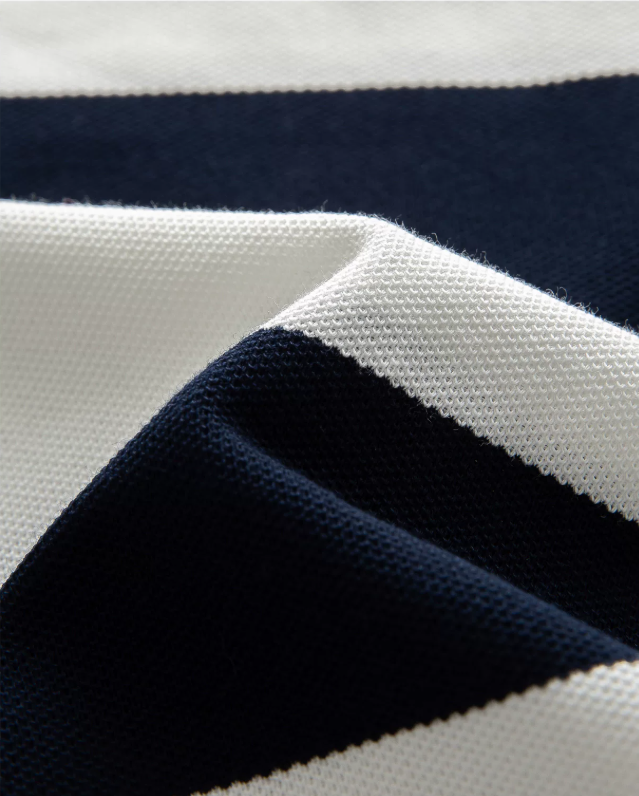
180–240 GSM ring-spun jersey is a common retail starting point; check each panel for consistent shade, weight, and stretch. Request lot swatches when a color-sensitive program matters. 1×1 or 2×1 neck rib should return after repeated stretching without rippling. Specify rib composition, finished neck opening, coverstitch width, and post-wash appearance.
- Compare body and rib color under the same light
- Stretch the collar 10 times during sample review
- Record finished GSM and allowable fabric variation
Seams And Hem Finishing
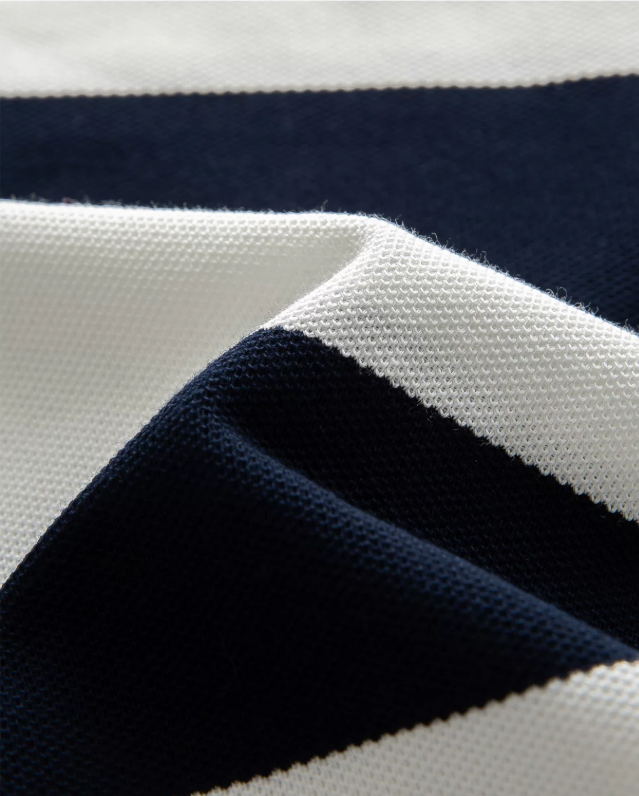
8–10 stitches per inch is a useful starting specification for many jersey seams; the right setting still depends on fabric weight and thread. Inspect shoulder joins, sleeve insertion, and side seams for skipped stitches, puckering, or uneven seam allowance. Single-piece tubular bodies reduce side seams, while side-seamed bodies offer more shape control. Require aligned side seams and even twin-needle sleeve and bottom hems after laundering.
- Shoulder tape width and placement
- Seam type: overlock, coverstitch, or flatlock
- Twin-needle hem spacing and thread color
Approval And Wash Controls
3–5 wash cycles on the approved sample can reveal collar distortion, torque, shrinkage, decoration cracking, and hem twisting before bulk cutting. Define wash method, drying method, and the acceptable result in the tech pack. ±1 cm is a practical tolerance for many adult T-shirt points of measure, with tighter control where fit is critical. Junsheen can retain approved patterns, graded size sets, and material records to support repeat orders.
- Chest width, body length, shoulder, sleeve length
- Shrinkage target by length and width
- Pre-production sample signed against approved measurements
7. How to Choose a T-Shirt Manufacturer
100-unit runs can suit an OEM capsule, but a custom tshirt no minimum offer may also mean a print-on-demand broker. Verify who controls patterns, cutting, sewing, decoration, and final inspection before comparing quotes.
| Supplier Type | Typical Evidence | Main Risk |
|---|---|---|
| OEM manufacturer | Factory audit, patterns, QC records | Capacity varies by season |
| Trading company | Supplier list, coordination plan | Limited production control |
| Print broker | Blank catalog, print proofs | Little fit or construction control |
Confirm Factory Scope
3 production stages—pattern making, cutting, and sewing—should be traceable to a named facility. Ask whether the supplier owns the operation, subcontracts it, or only buys blanks and prints them.
- Factory address and production-floor video
- Sample pattern, measurement sheet, and size grading
- Named decoration and finishing processes
Test Sampling And Communication
1 approved pre-production sample should match bulk fabric, trim, artwork placement, and measurements. Require written replies on Pantone references, tolerances, revision costs, sample timing, and the bulk critical path.
- Dated sample-development schedule
- Annotated approval photos or physical sample
- Single accountable merchandising contact
Verify Quality And Compliance
4 checkpoints—fabric receipt, in-line sewing, measurement, and packed-goods inspection—create a usable quality trail. Request an AQL plan, inspection reports, wash-test results, and current OEKO-TEX, GOTS, WRAP, or BSCI evidence where claimed.
- Measurement tolerance standard
- Defect classification and rework procedure
- Written claim and replacement process
Compare Operating Evidence
80,000 units monthly capacity is meaningful only when paired with confirmed line availability and realistic lead times. Export records, destination-market experience, packaging specifications, and post-shipment claim handling reveal whether a supplier can support repeat orders.
8. Common custom tshirt no minimum Mistakes
A 100-unit custom tshirt no minimum order can fail on details that look minor in a quote. Treat sampling, specifications, timing, and landed cost as production controls—not optional extras.
Price Is Not Landed Cost
A $1 lower unit quote can disappear after fabric substitutions, rejects, freight, duties, and rework. Compare identical GSM, fabric composition, decoration, packaging, Incoterm, and inspection scope before selecting a supplier. A 3% to 5% production tolerance is common, but unbudgeted cartons and air freight can change launch margins sharply. Request a written landed-cost worksheet and retain a contingency of 10% to 15%.
Printing Is Not OEM

One-piece print-on-demand services usually apply artwork to stock blanks; OEM begins with specifications, patterns, materials, and production approval. Confirm whether the supplier can develop the garment or only decorate an existing T-shirt. A 100-unit program needs clear ownership of patterns, graded measurements, and repeat-order records. Prevent confusion by approving a tech pack and pre-production sample before bulk cutting.
Approve Technical Samples

One digital artwork approval does not define a print: Pantone reference, print size, placement, ink type, and tolerance still matter. Send vector files and approve a strike-off or decorated sample under normal viewing light. One base-size fit sample cannot validate XS through 3XL, especially for oversized or extended-size products. Measure a size set after washing and specify acceptable shrinkage, often 3% to 5% for cotton jersey.
Plan Inputs And Timing
Four to eight weeks is a practical planning range after materials and sample approval; custom dyeing, complex trims, and revisions add time. Build backward from the delivery date and lock artwork, fabric, and packing details early. Ten missing tech-pack fields can create ten assumptions about seams, labels, measurements, colors, and finishing. Include a measurement chart, construction notes, Pantone codes, bill of materials, packaging instructions, and destination before requesting a final quote.
9. Steps to Launch Your T-Shirt Brand
A 100-unit OEM order is most useful after the product is specific enough to test real demand, not to discover its basic fit. Lock each decision in sequence so sampling changes do not cascade into fabric, artwork, and grading revisions.
Define Customer And References
One customer profile should define the intended fit, retail price, climate, and use case. Collect 5–10 reference garments, then separate non-negotiable details from inspiration.
- Target customer and competing price point
- Fit photos: body length, shoulder, sleeve
- Color direction and Pantone references
Choose Materials And Specifications
160–180 GSM ring-spun jersey suits a lighter everyday tee, while 220–260 GSM cotton supports a heavier streetwear hand. Approve fabric swatches before costing is finalized, because weight, shrinkage, and dyeing affect both price and measurements. A complete tech pack should state fabric composition, GSM, measurements, tolerances, seams, labels, and packaging. This is the first decision gate: unresolved specifications should not enter prototype making.
Approve Decoration And Prototype

1 approved artwork file should identify print dimensions, placement, Pantone colors, and the chosen method—screen print, DTG, DTF, or embroidery. Test decoration on the selected fabric; an effect that works on paper can distort, crack, or feel too heavy on jersey. 1 prototype review should check fit after wash, construction, print registration, and label placement. Record corrections on one consolidated approval sheet before requesting a revised sample.
Grade, Produce, And Launch
XS–3XL grading must be reviewed as a size set rather than enlarged from one base size. Confirm the graded measurements, production sample, quantity by color and size, and approved packaging before bulk release. 100 units per style and color are appropriate when a brand has validated its customer, retail channel, and approved sample but needs a controlled launch test. Inspect incoming materials, in-line measurements, decoration, and packed goods; schedule photography, product pages, and inventory arrival before shipment.
10. custom tshirt no minimum Pricing
100 units is a practical starting tier for OEM custom T-shirt development at Junsheen, even though ‘custom tshirt no minimum’ searches often describe single-piece print-on-demand services. The ranges below are planning estimates for a standard adult tee and must be replaced by a project-specific quotation after fabric, artwork, measurements, and destination are confirmed. 160–180 GSM combed or ring-spun cotton generally costs less than 220–260 GSM heavyweight cotton because yarn, knitting, cutting yield, and freight weight all rise. A one-color screen print is usually more economical in repeat production than multi-location, puff, foil, silicone, DTG, or embroidery work; each can add screens, digitizing, labor, or setup. 2 label positions, custom neck tape, individual polybags, hang tags, and branded cartons can each change the landed cost, while air freight versus sea or consolidated shipping can outweigh small garment savings. Request pricing with the target quantity, Pantone artwork, fabric composition and GSM, size ratio, trims, packaging specification, and ship-to country so Junsheen can quote accurately.
| Quantity | Garment specification | Decoration complexity | Estimated unit-cost range | Setup costs | Typical lead time |
|---|---|---|---|---|---|
| 100–199 | 160–180 GSM cotton, regular fit | One 1-color chest screen print | US$6.50–11.00 | US$30–100 screens/artwork | Sample plus 20–35 days |
| 200–499 | 180–220 GSM combed cotton, custom labels | One 2–3 color print | US$5.50–9.50 | US$60–180 screens/labels | 20–30 days after approval |
| 500+ | 180–260 GSM, custom fit and packaging | Multi-color or mixed decoration | US$4.50–9.00+ | Quoted by method and artwork | 25–40 days after approval |
Launch Your Custom Tshirt No Minimum Program
Send your tech pack, reference garment, or product idea to JUNSHEEN for a fit-focused OEM production quote from 100 units.