Private Label Knitwear From 100 Units
One-stop OEM, ODM and private label knitwear with fit-focused XS–3XL development, custom labels and scalable global production.
Featured Products for private label knitwear Development

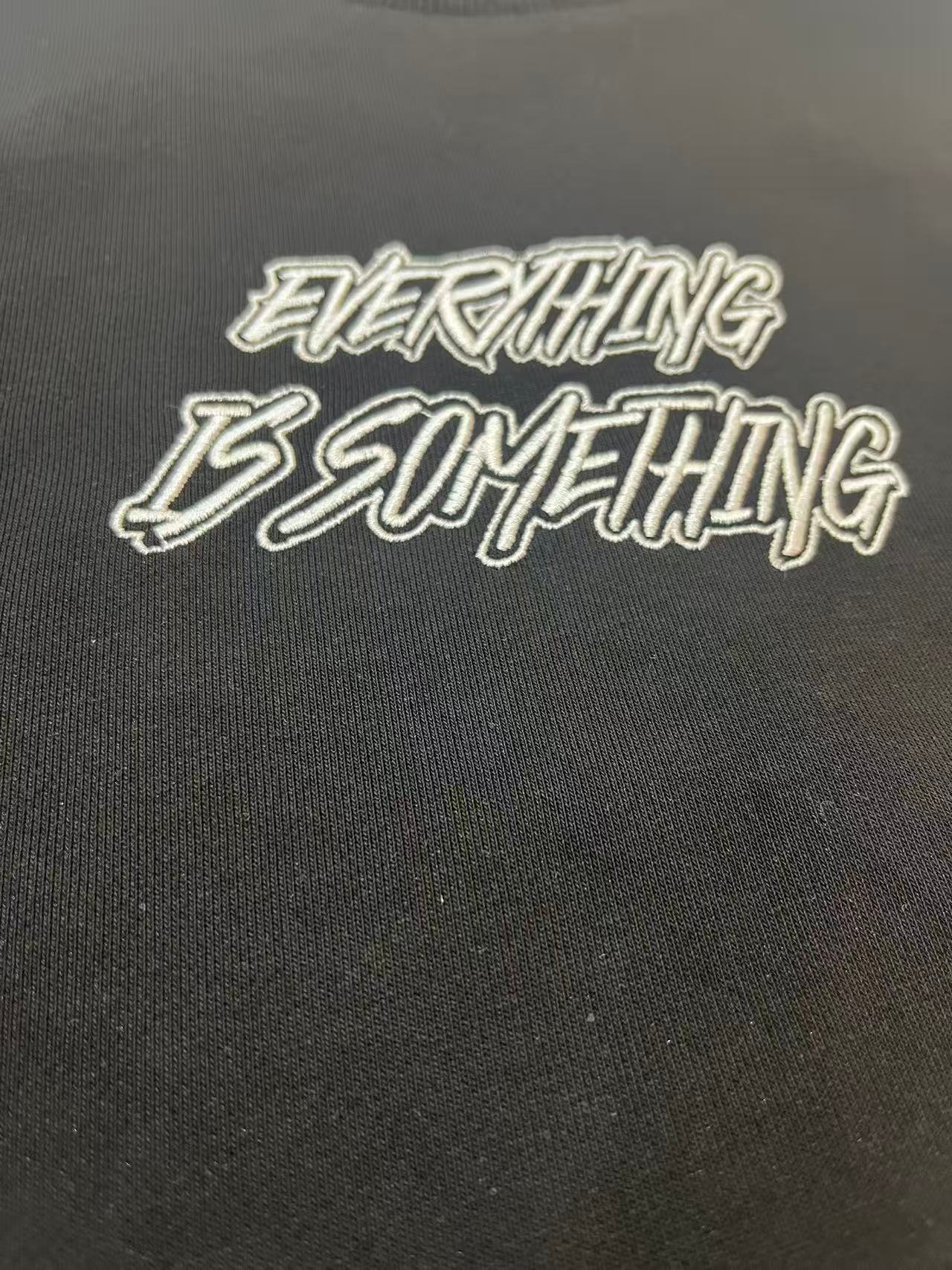

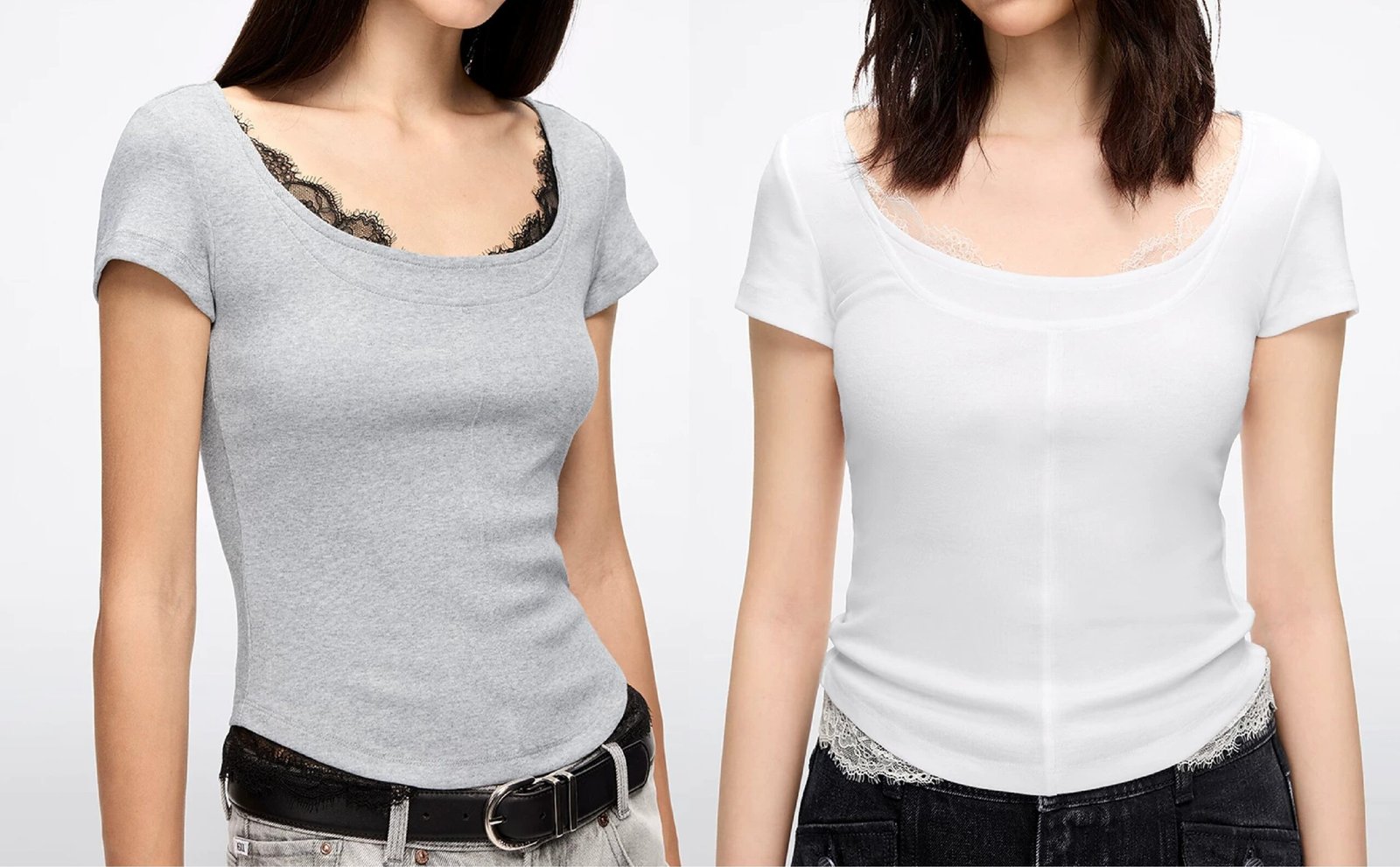


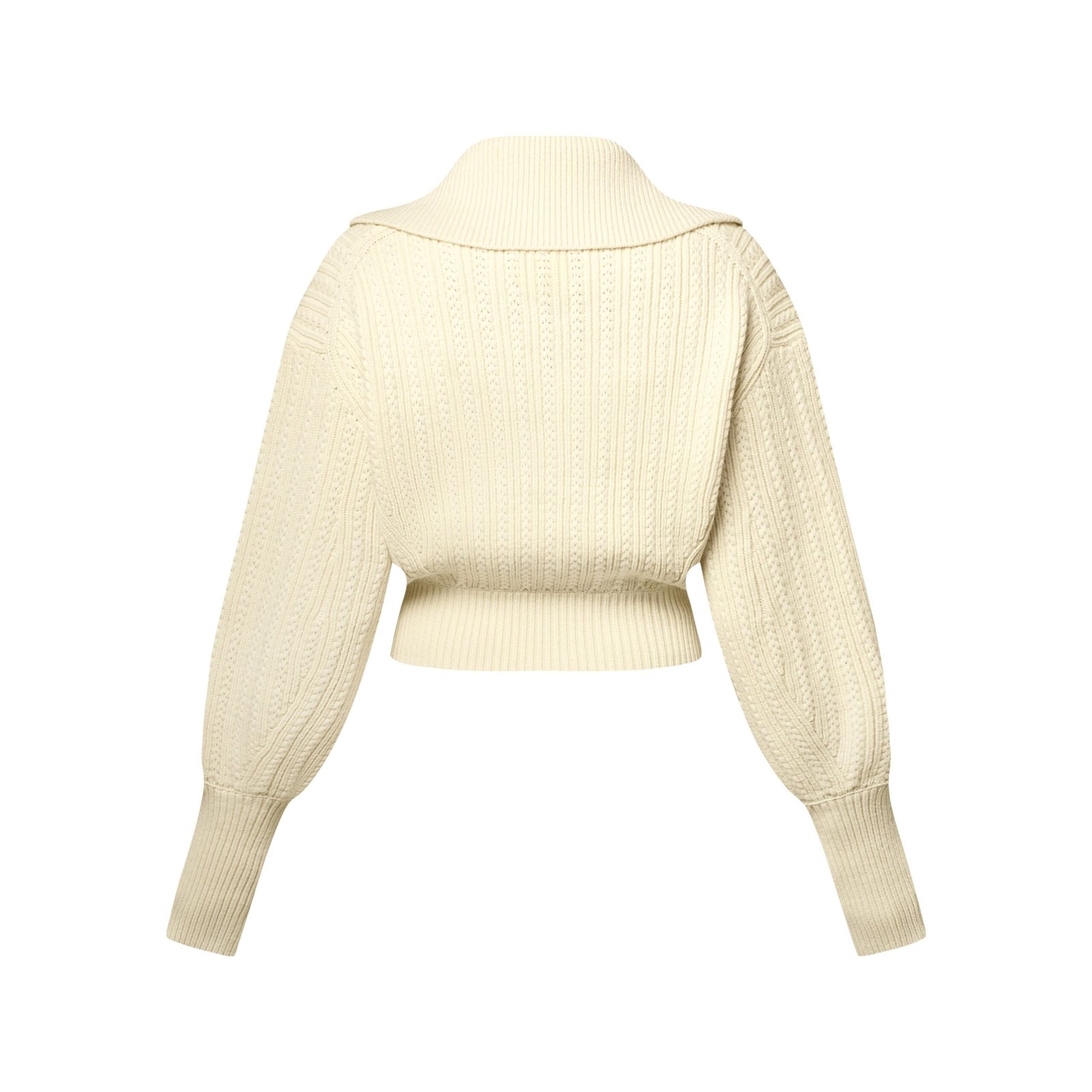


Private Label Knitwear Catalogue & Quotation

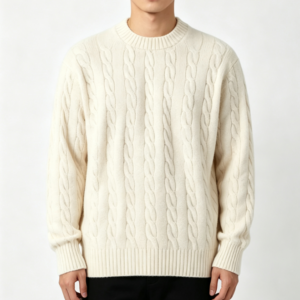
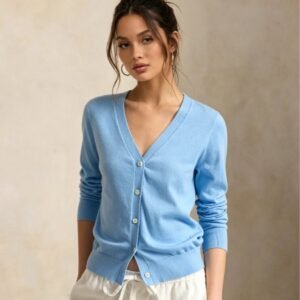


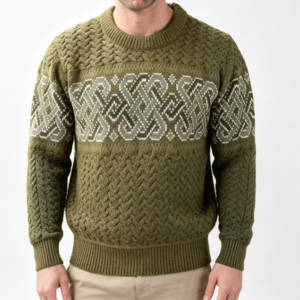


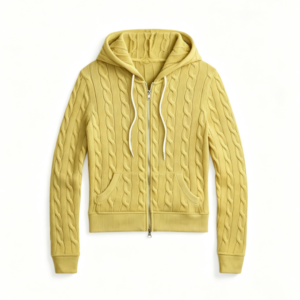
Why Brands Choose JUNSHEEN for Private Label Knitwear
From first sample to global delivery, our integrated team helps knitwear programs launch accurately, scale confidently, and stay on-brand.
100-Unit Knitwear MOQ
Launch private label knitwear capsules from 100 units per style and color, with practical support for emerging labels and focused product tests.
Fit-Focused XS–3XL
Pattern makers refine proportion, shoulder balance, sleeve length, mobility, and grading for standard, oversized, extended-size, and plus-size knitwear.
Integrated Brand Details
Coordinate custom labels, hang tags, embroidery, patches, buttons, zippers, trims, packaging, and garment finishes through one accountable production partner.
Scalable Factory Capacity
More than 200 skilled workers and 80,000-plus monthly units support controlled growth from capsule collections to recurring bulk knitwear programs.
Global Export Support
Receive clear development coordination, quality checks, packed-goods inspection, and export support for shipments serving fashion brands worldwide.
OEM and ODM Development
Bring a tech pack, sketch, reference garment, mood board, or initial idea; our team develops it into production-ready knitwear.
Knitwear and Casualwear, Built for Your Brand
OEM, ODM and private-label development from fit-focused samples to scalable bulk production across knitwear, denim, outerwear and everyday essentials.

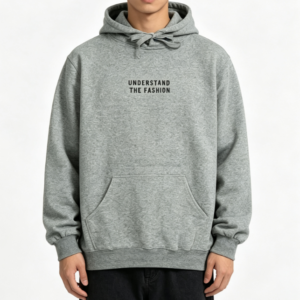
Custom Hoodies
Develop custom hoodies in fleece, French terry or jersey with tailored fits from XS–3XL. Choose heavyweight or brushed fabrics, custom ribbing, drawcords, labels, embroidery, screen printing and garment washes for private-label or wholesale programs starting at 100 units per style and color.
Request a Quote
Custom T-Shirts
Produce custom T-shirts from combed cotton, Pima cotton, organic blends or performance jersey. Junsheen supports neckline, weight, silhouette and size-grading development, plus screen print, DTG, DTF, embroidery, neck labels and branded packaging for retail-ready custom tshirt programs.
Request a Quote
Custom Jeans
Create custom jeans with fabric, wash and fit specifications aligned to your target customer. Development covers stretch denim, rises, inseams, pocket construction, hardware, grading and finishing such as enzyme, stone or acid washes, followed by controlled bulk production.
Request a Quote
Custom Sweaters
Source turtle neck sweater bulk programs with knit structures, yarn blends and gauges selected for hand feel, warmth and target price. Junsheen develops regular, oversized and extended-size fits, then adds branded labels, buttons, trims and packaging for wholesale or private-label delivery.
Request a Quote
Custom Jackets
Build custom jean jacket programs in rigid or stretch denim, with fit development, panel construction, pockets, hardware and wash treatments managed in one workflow. Add logo embroidery, patches, custom buttons, labels and packaging for cohesive brand presentation.
Request a Quote
Custom Sweatshirts & Crewnecks
Develop custom crewneck hoodie and sweatshirt styles in fleece, French terry or heavyweight jersey. Pattern makers refine shoulder balance, body length and grading from XS–3XL, while in-house decoration, washes and private-label trims prepare each style for launch.
Request a Quote
Custom Cardigans
Create custom cardigan collections with yarn, gauge, stitch structure, neckline and closure options suited to your assortment. Junsheen supports fit development, extended-size grading, custom buttons, patches, labels and packaging from sampling through repeat bulk orders.
Request a Quote
Custom Puffer & Down Jackets
Produce custom puffer jacket programs with shell fabrics, insulation, lining, quilting and hardware selected around performance and target cost. Development includes proportionate sizing, mobility considerations, branded zippers, reflective details, labels and export-ready quality control.
Request a Quote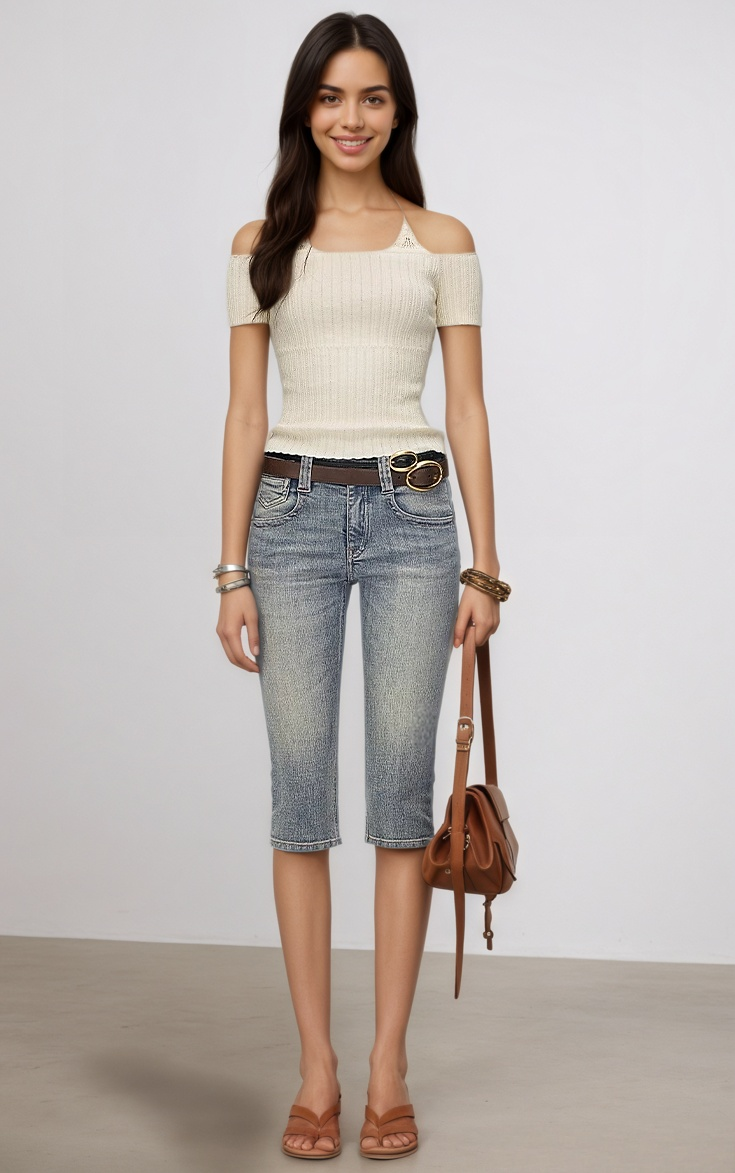
Custom Denim Shorts
Launch custom jean shorts with denim weight, rise, leg opening, pocket details and wash effects developed for your market. Junsheen can apply distressed, acid, stone or garment-wash finishes, then complete private-label hardware, labels and branded packaging.
Request a Quote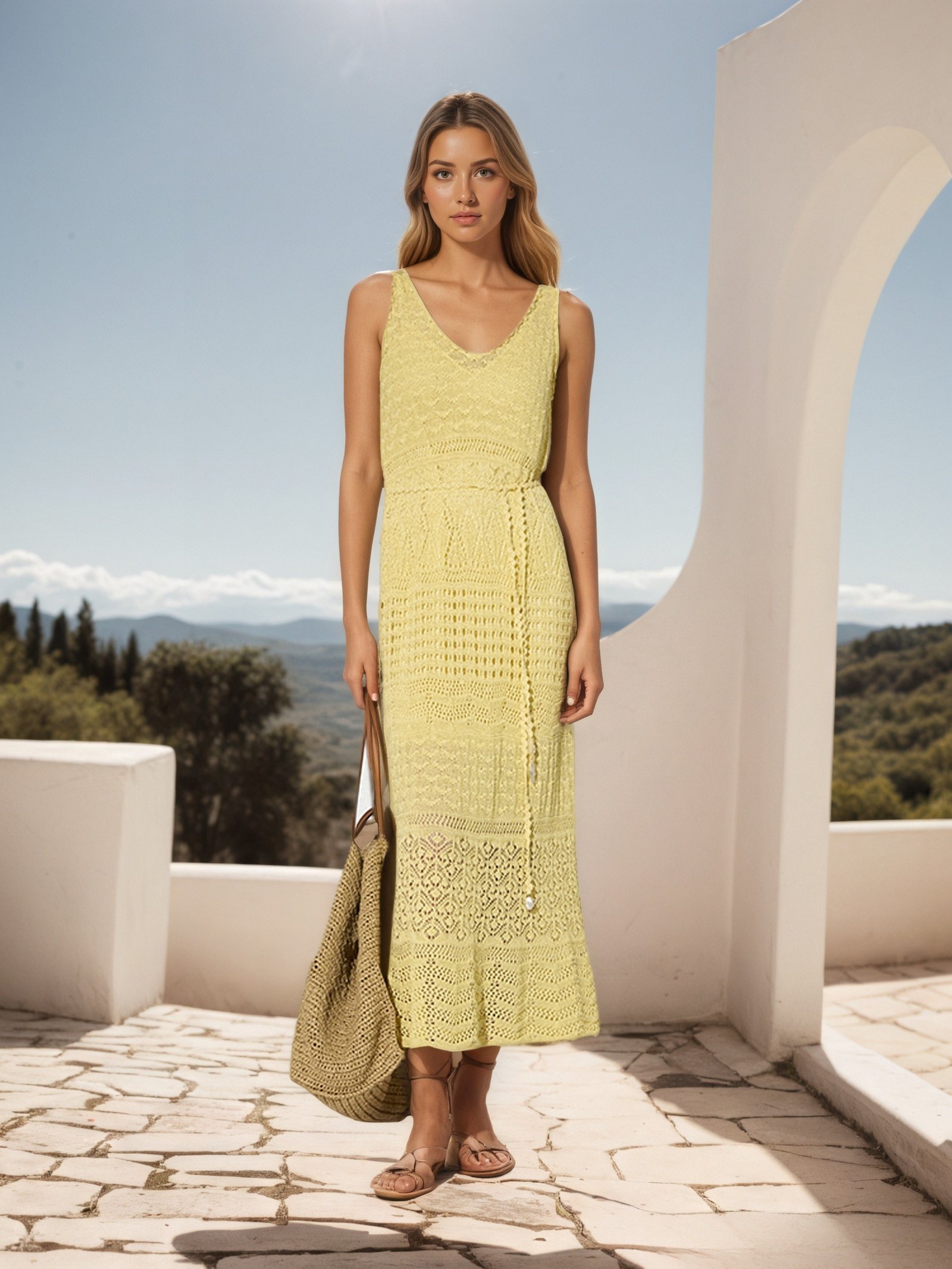
Custom Sweater Dresses
Develop custom sweater dresses with yarn and knit construction chosen for drape, coverage and recovery. The team refines body proportion, sleeve length and grading across XS–3XL, then completes your program with custom labels, trims and packaging for retail or wholesale.
Request a Quote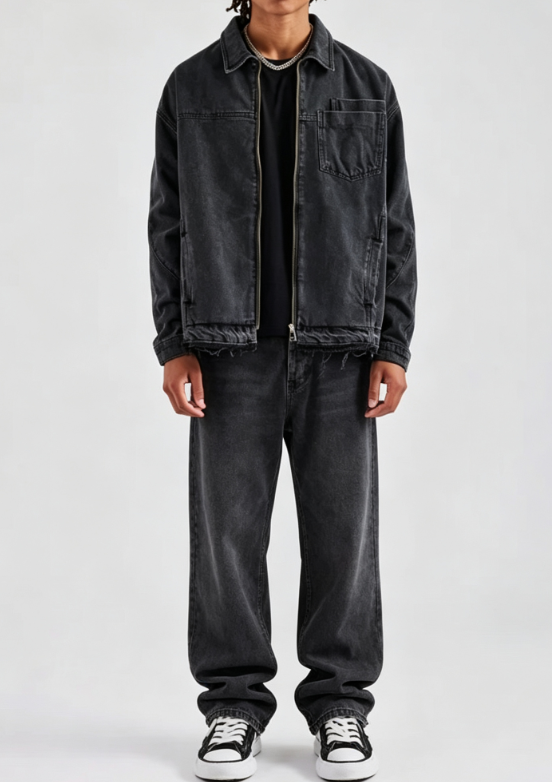
Custom Denim Sets
Build mens denim suits wholesale programs with coordinated denim jackets, overshirts, jeans or tailored separates. Junsheen aligns fabric, wash, color and hardware across the set, supports size grading and sampling, and scales approved styles into repeatable bulk production.
Request a Quote
Custom Polo Shirts
Produce custom polo shirts in pique, jersey or performance knits with collar construction, placket, sleeve and fit specifications matched to your customer. Add embroidered logos, woven labels, custom buttons, contrast trims and packaging for uniform, retail or private-label programs.
Request a Quote
Custom Sweatpants
Create custom sweatpants in fleece, French terry or jersey with tailored, relaxed or oversized proportions. Development covers waistband, cuffs, pockets, drawcords and size grading, while printing, embroidery, washes and labels can match the rest of your casualwear range.
Request a Quote
Custom Shorts
Develop custom shorts for jersey, fleece, twill or woven programs, from lounge and athletic silhouettes to tailored casual styles. Junsheen manages fabric selection, inseam, pocket construction, elastic or fixed waists, decoration and private-label finishing from 100 units per style and color.
Request a Quote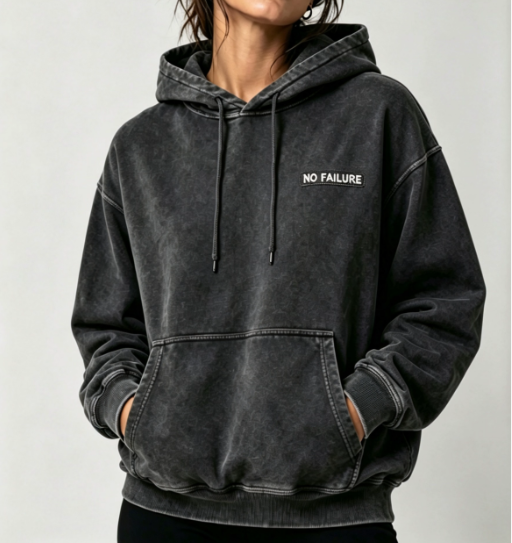
Custom Pullovers
Produce custom pullovers in knit, fleece, French terry or jersey constructions with silhouette, neckline and fabric weight developed for your collection. Fit-focused grading, embroidery, printing, washing, labels and branded trims are managed through sampling and bulk production.
Request a QuotePrivate Label Knitwear Yarns & Materials

Combed Cotton
Soft, breathable combed cotton delivers a clean, smooth hand for everyday pullovers, cardigans, and lightweight sweaters. Its low-irritation feel and dependable moisture absorption make it well suited to spring and year-round knitwear.

Merino Wool
Fine merino wool offers natural warmth, breathability, and a refined soft hand for premium sweaters, polos, and knit dresses. Its resilient fibers help garments recover shape while providing comfortable insulation without excessive bulk.

Cotton Wool Blends
Cotton-wool blends balance breathable comfort with warmth and dimensional texture for versatile private label knitwear. Blend ratios can be adjusted to control cost, weight, softness, and seasonal performance across sweaters and cardigans.

Recycled Fiber Blends
Recycled cotton, recycled polyester, and blended yarn options support sustainability-led collections without sacrificing practical wear. These materials can be engineered for specific weights, surface texture, durability, and color effects, subject to yarn availability.

Performance Knit Blends
Stretch performance blends combine polyester, nylon, viscose, or elastane for active-inspired knits and modern fitted silhouettes. They provide controlled recovery, abrasion resistance, and flexible movement for polos, fitted tops, and technical layering pieces.
Private Label Knitwear Techniques & Custom Finishes

Logo Embroidery
Flat, 3D puff and chain-stitch embroidery adds dimensional logo detail to sweaters, cardigans and knit accessories. Secure stitch construction delivers a refined, durable finish that holds its character through regular wear and washing.

Appliqué Details
Layered fabric appliqué, embroidered patches and custom badges create tactile branding and varsity-inspired graphics. Junsheen matches placement, edge treatment and backing to the knit structure for a clean, long-lasting application.

Knitwear Printing
Screen printing, DTF and heat-transfer options bring bold graphics, color blocks and detailed artwork to compatible knitwear panels. We recommend the right method for yarn content, stretch and intended wash performance.

Garment Dyeing
Garment dye and tie-dye techniques create rich, lived-in color with individual character across knitwear styles. Sampling confirms shade, hand feel and shrinkage before bulk production so your collection remains consistent.

Softening Finishes
Softening, enzyme and anti-pilling finishes improve surface feel while helping knitwear maintain a polished appearance. The selected treatment is tested against the yarn blend, gauge and desired hand feel for dependable wear.
Private Label Knitwear Labels, Trims & Branded Accessories

Woven Brand Labels
Custom woven main labels give private label knitwear a polished retail identity. Add your logo, sizing, origin details, and fiber information at the neck, side seam, or hem for consistent brand recognition.

Hang Tags
Branded hang tags communicate your collection story, care guidance, pricing, and QR-linked digital content at retail. JUNSHEEN can coordinate tag stock, printing, strings, seals, and attachment during final packing.

Custom Zippers
Specify branded zipper pulls, metal finishes, teeth types, and tape colors for zip cardigans, knit jackets, and layered styles. We source options aligned with your target price, garment weight, and intended wear performance.

Buttons And Snaps
Choose custom buttons, snaps, and closures that complement your knitwear silhouette, from refined horn-look buttons to logo-marked metal hardware. Options are reviewed for appearance, durability, attachment security, and wash performance.

Drawcords And Tipping
Add drawcords, aglets, contrast tipping, and branded cord ends to knit hoodies, half-zips, and casual separates. These details create a more distinctive finish while supporting color continuity across your collection.
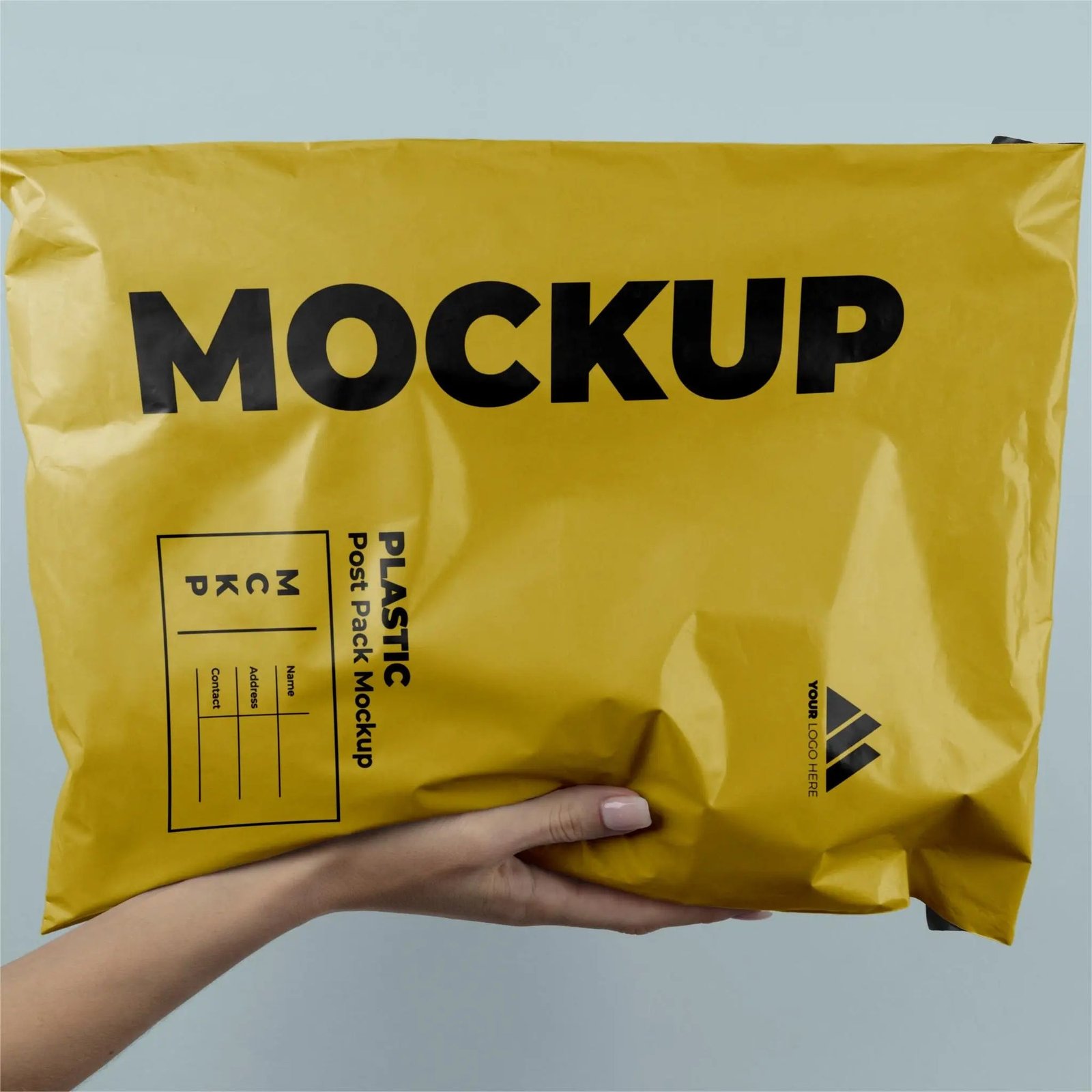
Branded Packaging
Complete your order with custom polybags, tissue, sticker seals, mailers, cartons, and size stickers. Branded packaging protects knitwear in transit and helps deliver a consistent unboxing experience for wholesale or direct-to-consumer sales.
About Our Private Label Knitwear Factory
Founded in 2010 in Humen Town, Dongguan, JUNSHEEN helps fashion brands turn knitwear concepts into production-ready collections. Our private label knitwear service combines OEM, ODM, product development and export support in one responsive manufacturing partnership.
With 200+ skilled workers and monthly capacity above 80,000 units, we support capsule launches from 100 units per style and color through to scalable repeat programs. Our team manages knitting, cut-and-sew coordination, sampling, labels, trims, packaging, quality control and global shipping.
What sets JUNSHEEN apart is a fit-first approach. We develop XS–3XL, extended-size, plus-size and modern oversized knitwear with considered pattern grading, helping brands achieve consistent proportions, clearer approvals and dependable bulk production.

Private Label Knitwear Development, Engineered for Scale
Product Development That Resolves Details
Bring a tech pack, sketch, reference garment, mood board, or early concept. JUNSHEEN turns it into production-ready private label knitwear with specification review, stitch and construction guidance, prototypes, size sets, and clear pre-production approvals.
- Tech-pack review and manufacturability input
- Prototype, fit sample, and size-set development
- Custom silhouettes for sweaters, cardigans, pullovers, and dresses
- 100-unit MOQ per style and color

Fit and Grading Beyond Base Sizes
Our pattern team develops knitwear from XS through 3XL, including plus-size and modern oversized programs. Shoulder balance, sleeve length, body proportion, mobility, and grading increments are refined across the size set instead of simply enlarging one base pattern.
- XS–3XL, extended-size, plus-size, and oversized grading
- Fit review for drape, stretch, and recovery
- Balanced proportions across the full size range
- Retained patterns and grading records for reorders

Yarn Sourcing With Commercial Focus
Material selection begins with your target price, hand feel, gauge, drape, durability, stretch, wash performance, and sustainability goals. Through established suppliers, JUNSHEEN sources wool, cotton, organic and recycled options, performance blends, and other knitwear-ready yarns.
- Yarn and blend recommendations by garment objective
- Swatches and sample garments for approval
- Guidance on weight, texture, pilling, and wash behavior
- Materials aligned with target cost and market positioning

Integrated Control From Knitting to Packing
JUNSHEEN coordinates knitting capability, assembly, decoration, finishing, labels, trims, quality control, packaging, and export support within one supply chain. With 200+ skilled workers and 80,000+ monthly units of capacity, programs can move from capsule launch to repeat bulk production.
- In-line construction, measurement, and final packed-goods inspections
- Custom labels, hang tags, trims, and branded packaging
- Embroidery, printing, washing, and finishing coordination
- Global shipping support for growing fashion brands

Why Choose JUNSHEEN for Private Label Knitwear
Fit-focused development, integrated production, and reliable scale for knitwear brands.
← 左右滑动查看 →
Our Private Label Knitwear Production Process
A clear, fit-focused workflow for developing knitwear from first feasibility review through export-ready delivery.
Review Design Feasibility
We assess your tech pack, sketch or reference, confirming construction, gauge, fit requirements, target cost and the 100-unit MOQ before development begins.
Source Yarns And Trims
Our team recommends suitable yarns, blends, colors, labels and trims based on hand feel, durability, weight, wash performance and brand positioning.
Develop Patterns And Samples
We create knit specifications and fit-focused XS–3XL grading, then produce samples for your review, refinement and pre-production approval.
Confirm Bulk Production
After sample approval, we lock approved materials, measurements, colors, branding details and production specifications for consistent private label knitwear manufacturing.
Inspect, Pack And Ship
Quality teams check construction, measurements, finishing and packed goods before branded packing and coordinated global shipment to your destination.
Start Your Private Label Knitwear Project
Move from concept to approved bulk production with one accountable JUNSHEEN team.
Send Your Product Brief
Share a tech pack, sketch, reference garment, mood board, or concept. Include target quantities, size range, yarn preferences, and intended retail positioning.
Review Specifications Together
Our development team checks knit construction, fit requirements, grading, materials, trims, and manufacturability, then recommends practical refinements for your target cost and market.
Approve Quote and Sampling
Confirm the quotation and sample plan. We source yarns, create patterns, develop the prototype, and coordinate revisions until your private label knitwear meets approval standards.
Confirm Bulk Production
Approve the pre-production details, including labels, packaging, colors, and graded XS–3XL size set. Production begins from 100 units per style and color.
Inspect and Ship Globally
We check materials, measurements, construction, decoration, and packed goods before export. Your finished knitwear is prepared for dependable delivery to your chosen destination.
Custom Clothing Manufacturer Credentials and Compliance Documents



What Fashion Brands Say About Private Label Knitwear
JUNSHEEN refined our cardigan grading from XS to 3XL and secured fit approval after just two sample rounds. We launched a 240-unit capsule on schedule, with consistent sleeve length and body balance across the full size range.
Our first 100-unit private label knitwear run sold through in six weeks, so we reordered three colorways immediately. The repeat production matched the approved sample closely, including labels, rib trims, measurements, and packaging.
JUNSHEEN turned our sketches into launch-ready sweater samples in 28 days and helped us choose yarns that met our target cost. Their communication made it easy to move from prototype to a 600-unit wholesale delivery.
Private Label Knitwear FAQ
Clear answers on development, minimums, timelines, payments, shipping and confidentiality for your knitwear program.
What is the MOQ for private label knitwear?
Can you make private label knitwear from my tech pack or design idea?
How long does private label knitwear sampling and bulk production take?
Do you offer XS–3XL and plus-size knitwear development?
What payment terms do you offer for knitwear orders?
Can JUNSHEEN arrange international shipping for knitwear orders?
How do you protect my designs and private-label details?
Can you add custom labels, packaging and decoration to knitwear?
The Complete Buyer’s Guide to private label knitwear
Use this practical framework to select private label knitwear products, evaluate supplier capabilities, control quality and costs, and avoid the sourcing mistakes that delay launches or weaken your brand.
1. What Is private label knitwear?
A 100-unit starting run can be enough for a brand to place its own label on sweaters, cardigans, pullovers, knit dresses, or knitted polos made to agreed specifications. Private label knitwear means the buyer owns the market-facing brand while the manufacturer produces the garment and can supply labels, hang tags, packaging, approved materials, colors, and sizes. OEM production follows the buyer’s tech pack, measurements, yarn or fabric direction, Pantone colors, trims, and construction requirements; the buyer retains the most control but must provide clearer development input. ODM starts from a manufacturer’s existing knitwear base and adapts details such as colorways, labels, buttons, embroidery, or fit, while wholesale blanks are ready-made unbranded garments with the fastest route but the least product differentiation. Independent designers, capsule labels, retailers, wholesalers, and established brands use private label programs when they need a branded range without operating their own factory. The core sourcing choice is practical: select blanks or ODM for speed and lower development investment, choose OEM for specification control, or fund fully custom development when a new silhouette, engineered knit structure, graded fit, or exclusive trim is central to the collection.
2. Evolution of private label knitwear
1580: The first stocking-frame knitting machine, associated with William Lee, helped move knitwear beyond household handwork toward repeatable production. By the 19th century, mechanized knitting made practical hosiery, underwear and sweaters more available, while later circular and flat-knitting equipment enabled finer gauges, rib structures and more consistent sizing. 1950s: Knitwear became a fashion category rather than only a utility layer, with polos, cardigans, fitted pullovers and later oversized silhouettes responding quickly to changing retail demand. Industrial yarn supply, color matching and standardized gauges let brands build coordinated ranges, but traditional development still required large commitments and slow sampling. 2000s: Digital design files, computerized flat knitting and global material networks reduced the distance between an idea and a production-ready style. Buyers can now coordinate Pantone color direction, yarn options, knit structures and graded specifications with offshore development teams before committing to bulk; sample review remains essential for hand feel, stretch recovery and wash behavior. 100 units: Lower starting quantities make private label knitwear more accessible for capsule launches, market tests and differentiated regional assortments. The trade-off is disciplined sourcing: document fiber content, yarn lot, gauge, approved sample and factory quality controls, then request relevant traceability or certification evidence—such as GOTS, OEKO-TEX, WRAP or BSCI—where the program requires it.
3. Types of private label knitwear
A 100-unit-per-style-and-color opening program works best when it has distinct jobs, not several near-identical pullovers. Prioritize proven silhouettes first, then add fashion or seasonal pieces once fit and sell-through data are available.
Core Sweaters And Layers
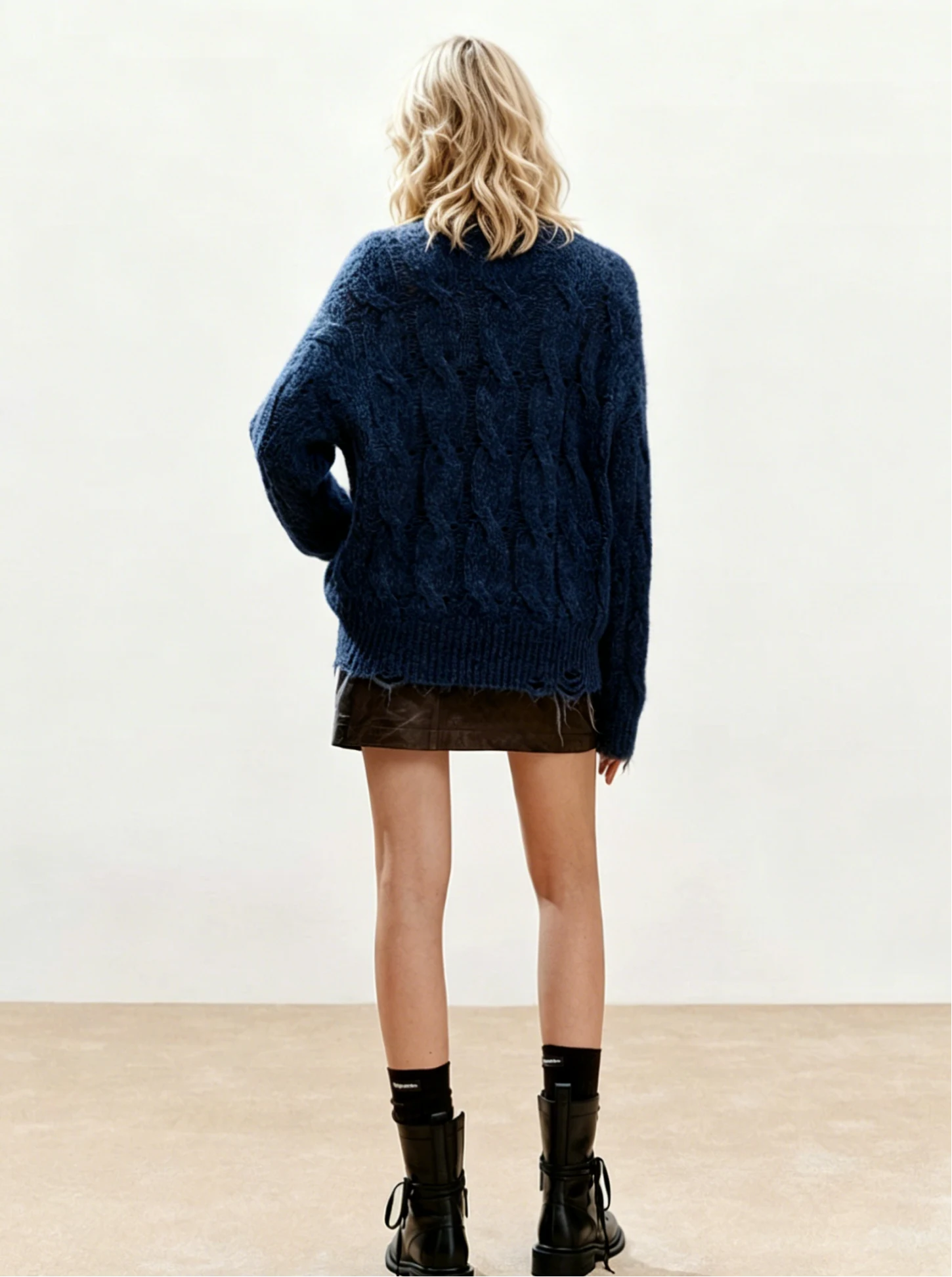
Two anchors—crewneck or V-neck sweaters and cardigans—serve everyday customers across autumn through spring; choose relaxed, classic, or cropped proportions for separate price and age positions. Vests add transitional layering value, but require clean armhole shaping and rib recovery to avoid overlap with cardigans.
- Crewneck: reliable core replenishment style
- Cardigan: layering and color-story driver
- Vest: low-bulk transitional assortment piece
Fashion Knit Coordinates
Three fashion categories—knit tops, dresses, and skirts—give contemporary labels outfit-building options for resort, spring, and early fall. Match a fitted top to a skirt or cardigan only when yarn, gauge, and dye lot can be controlled; matching sets should share one clear silhouette rather than create duplicate separates.
- Knit tops: entry-price, repeat-purchase item
- Dresses: higher-ticket statement silhouette
- Skirts and sets: coordinated merchandising opportunity
Seasonal Accessories
One accessory group, such as beanies, scarves, or gloves, can extend a cold-weather story and use compatible yarn colors without diluting the apparel launch. Confirm gauge, stretch recovery, and label placement early, because small accessories expose finishing inconsistencies quickly.
- Use accessories as add-ons, not opening assortment anchors
- Limit launch colors to the core apparel palette
- Approve one production sample before bulk
4. private label knitwear materials
A 7- to 12-gauge sweater changes both perceived quality and retail seasonality. For private label knitwear, select yarn after defining customer hand-feel expectations, care tolerance, target price, and intended wear frequency.
| Yarn Option | Hand Feel And Performance | Care/Pilling | Best Product Strategy |
|---|---|---|---|
| Cotton | Soft, breathable; medium warmth | Easy care; low–medium pilling | Transitional pullovers, polos |
| Wool | Warm, resilient; moderate breathability | Hand wash; medium pilling | Cold-weather core sweaters |
| Merino | Fine, breathable, high warmth-to-weight | Gentle wash; low–medium pilling | Premium lightweight layers |
| Cashmere Blend | Exceptionally soft, warm | Gentle care; medium–high pilling | Luxury capsules and gifting |
| Acrylic | Soft, warm, economical | Easy care; higher pilling | Value seasonal programs |
| Viscose Blend | Smooth, fluid drape | Gentle wash; moderate pilling | Fashion cardigans and dresses |
| Polyester/Recycled Blend | Durable, colorfast, shape-retaining | Easy care; low pilling | Active-inspired and repeat styles |
| Fiber Blends | Balanced cost, recovery, comfort | Depends on ratio | Commercial best-sellers |
Natural Fiber Priorities

Cotton is breathable, familiar, and machine-washable, but has moderate warmth and may lose shape without reinforcement. Merino wool delivers lighter warmth and moisture management than standard wool; cashmere blends add luxury but require gentler care and stronger anti-pilling specifications.
- Use 5–7 gauge for substantial winter sweaters.
- Use 10–14 gauge for lighter layering pieces.
- Request yarn composition and wash-test swatches before approval.
Man-Made And Recycled Options
Acrylic offers low cost, color consistency, and easy care, although pilling risk is higher in loosely spun yarns. Viscose improves drape and softness, while polyester adds recovery and durability; recycled polyester or recycled cotton supports sustainability-led capsules when traceability documents are available.
- Specify anti-pilling acrylic for everyday knits.
- Use viscose blends for fluid cardigans.
- Confirm recycled-content certification with suppliers.
Blend For Commercial Performance

A 50/50 blend can balance warmth, cost, recovery, and washability better than a single fiber. Brands should test laundering, dimensional stability, and surface fuzzing on the approved gauge before bulk production. Two sample rounds usually reveal whether a yarn meets fit and hand-feel expectations across colors and sizes.
- Wool-nylon improves durability.
- Cotton-polyester improves shape retention.
- Merino-cashmere targets premium gifting.
5. private label knitwear customization
At a 100-unit-per-style-and-color starting point, private label knitwear differentiation should focus on details a customer can see, feel, and recognize. Lock the silhouette and knit specification before adding costly yarn, pattern, or trim changes.
| Customization Route | Best For | Development Impact |
|---|---|---|
| Stock yarn color and woven label | Small capsule launches | Lower complexity |
| Embroidery or sewn patch | Brand recognition | Moderate sample work |
| Engineered jacquard or custom dye | Signature collections | Higher development and minimums |
Choose Visible Product Signatures
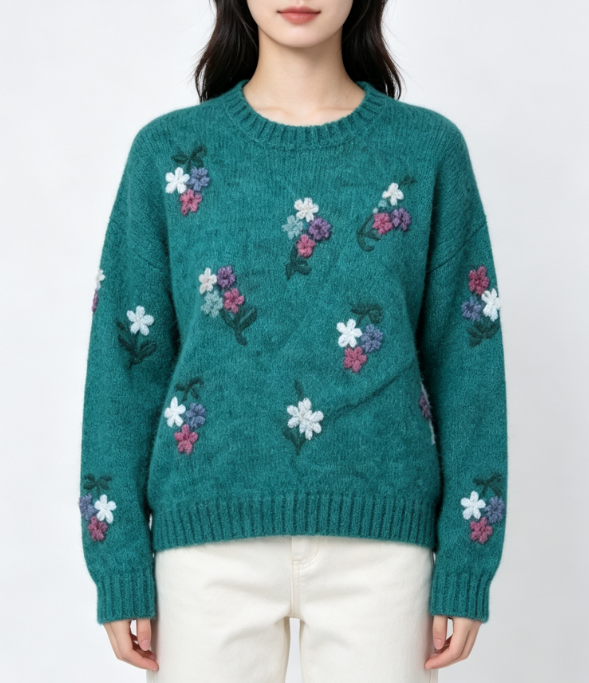
Three high-impact choices are silhouette, neck shape, and rib proportion; a cropped cardigan, relaxed crewneck, or oversized polo communicates a clearer point of view than a logo alone. 2×2 ribs, contrast tipping, engineered stripes, and jacquard motifs require knit programming and development approval. Treat them as core design decisions, not late sample edits.
- Silhouette: body length, shoulder drop, sleeve volume
- Structure: jersey, rib, cable, or pointelle
- Colorwork: solid dye, stripe placement, or jacquard
Match Details To Launch Size

100-unit launches are generally better suited to stock-compatible yarn colors, standard knit structures, embroidery, patches, and custom labels. These additions can personalize an approved base without rebuilding every production variable. Multiple yarn colors, custom-dyed shades, engineered jacquards, unusual gauge changes, and bespoke hardware need more development work and may justify higher minimums. Confirm feasibility before quoting, especially when colors must match Pantone references.
Build A Production-Ready Tech Pack
One clear tech pack should show front and back flats, measurements, gauge, yarn composition, color codes, stitch details, rib dimensions, and grading notes. Add placement artwork for embroidery or patches, plus label, hangtag, and packaging specifications. Three customer-facing priorities are fit, hand feel, and finish; invest there before adding low-visibility extras. Junsheen can review sketches, reference garments, and specifications to identify manufacturability issues during development.
- Provide Pantone or physical color references
- State artwork size and placement coordinates
- Approve labels and packaging with the sample
6. Knitwear construction quality checks
Softness is only a first-touch signal. For private label knitwear, durable quality is verified through stitch structure, shaped components, wash testing, and repeatable measurements before bulk release.
Yarn And Stitch Consistency
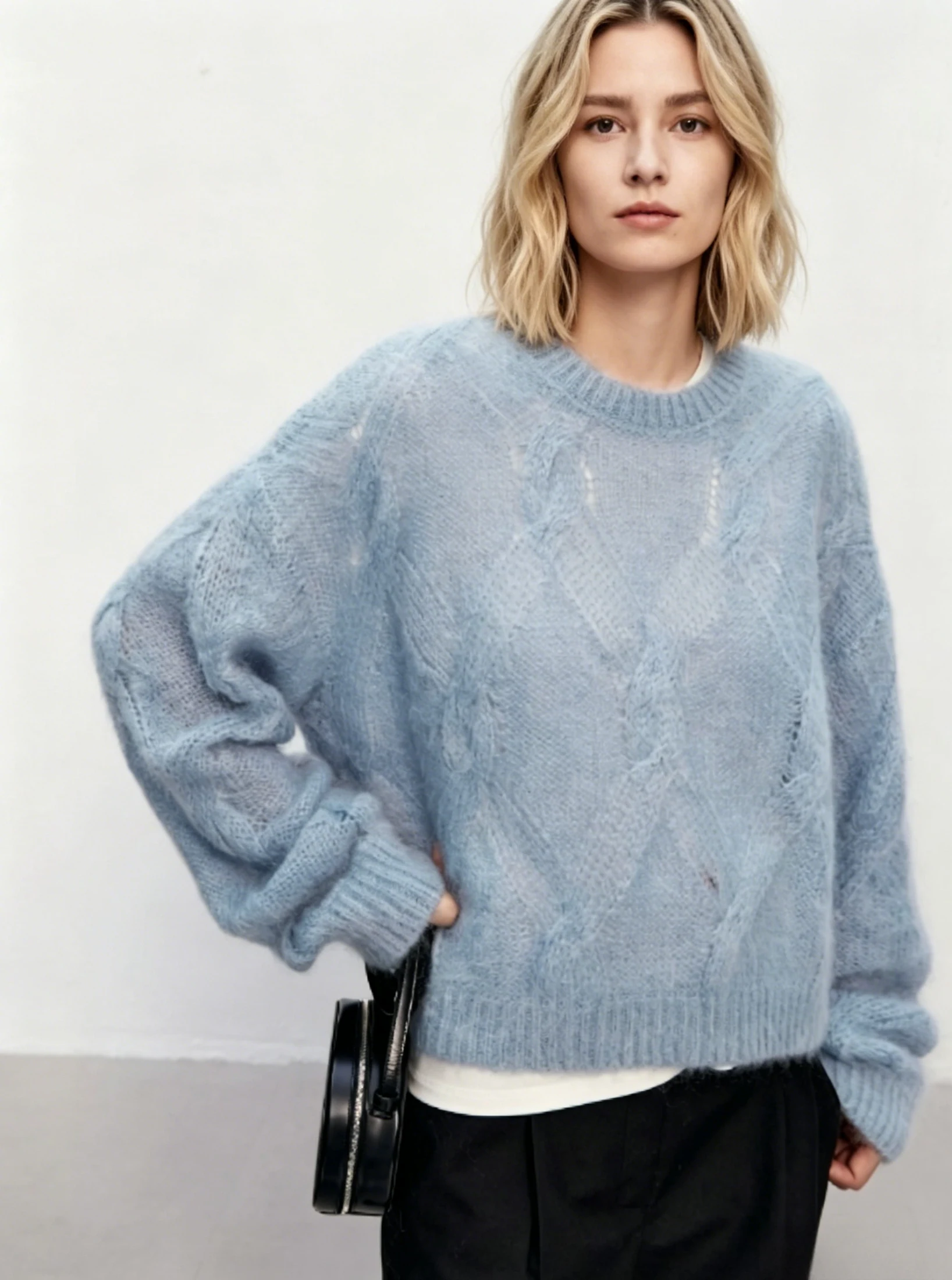
One sample should show even yarn twist, uniform color, and no thick-thin bars across front, sleeves, and ribs. Compare stitch density against the approved sample; loose areas bag sooner, while overly tight areas lose drape. Two panels cut from different garment zones should feel and stretch similarly. Inspect inside surfaces for dropped stitches, needle lines, floats, knots, and uneven tension.
- Check visible courses and wales under angled light
- Compare sleeve, body, and rib color lots
- Pull gently across seams for stitch distortion
Gauge, Linking, And Shaping
5GG to 7GG constructions read heavier and more dimensional, while 12GG to 16GG knits are finer and require tighter consistency control. Confirm the specified gauge, stitch count, and finished garment weight together. Fully fashioned shaping and clean linking at shoulders, armholes, and side seams reduce bulk and improve fit. A neck opening must sit flat without rolling, twisting, or exposing irregular seam joins.
- Check shoulder joins from both sides
- Confirm neckline symmetry on a hanger
- Measure rib width before and after stretch
Wash, Recovery, And QC
Three wash cycles on the approved care setting reveal shrinkage, spirality, color loss, and seam torque that a showroom fitting misses. Measure chest, body length, sleeve length, neck width, and hem after conditioning the garment flat. Rib cuffs and hems should recover close to their original dimensions after repeated extension; weak recovery creates a prematurely worn look. Production inspection should compare every size against approved tolerances and retain wash-test records.
- Assess pilling after abrasion and laundering
- Check colorfastness against adjacent light fabrics
- Record tolerances for key finished measurements
7. Choosing a knitwear manufacturer
A 100-unit MOQ may suit a capsule, but it does not prove a factory can execute your gauge, yarn blend, fit, and delivery window. Compare private label knitwear suppliers against documented capability before treating unit price as the deciding signal.
Verify Relevant Product Experience
Three recent sample references are more useful than a generic factory gallery. Ask for comparable sweaters or cardigans showing gauge, stitch structure, yarn composition, size range, and wash result. One factory audit, customer-approved reference, or anonymized production record can confirm whether development and bulk work occur under controlled conditions.
- Request close-up photos before and after washing
- Ask which gauges and machine types were used
- Confirm extended-size grading experience
Test Development And Materials
Two sampling rounds are common for a new style: a prototype to resolve construction, then a fit or pre-production sample. Require a dated critical path covering yarn booking, knitting, linking, washing, inspection, and packing. OEKO-TEX or GOTS claims should be supported by current supplier certificates where applicable. Request yarn test reports for pilling, colorfastness, dimensional change, and fiber content when performance is important.
- Approve Pantone and hand-feel swatches
- Confirm yarn lot and substitute policy
- Keep signed sample comments
Compare Production Accountability
200-plus workers and monthly capacity above 80,000 units give Junsheen a stated basis for discussing scale, while its 100-unit-per-style-and-color starting point supports smaller programs. Ask every candidate how capacity is allocated during peak months. Seven to 14 days for development updates is more meaningful than a vague promise of fast communication. Require a written quotation separating yarn, knitting, trims, decoration, packaging, freight terms, and sampling charges.
- Confirm final inspection and AQL approach
- Request export destination references
- Name one accountable production contact
8. Common private label knitwear mistakes
Most costly knitwear errors begin before sampling, when a small decision is treated as a cosmetic detail. For private label knitwear, lock performance, specifications, timing, and landed cost before approving production.
Buying Yarn On Price
A $1-per-piece yarn saving can create pilling, poor recovery, or uneven dye lots after retail launch. Specify fiber content, gauge, hand feel, color standard, and a pilling target; compare approved swatches rather than quotes alone.
Skipping Production Samples
One approved development sample does not confirm bulk-ready knitting, measurements, trims, or packing. Require a pre-production sample in final yarn, color, labels, and decoration, then record signed measurement tolerances before cutting begins.
Leaving Specs Ambiguous
A missing Pantone code, stitch density, or size chart forces the factory to interpret intent, producing costly revisions. Issue a tech pack with flat sketches, points of measure, grading rules, yarn composition, label artwork, and construction notes.
Ignoring Tests And Timing
A 3–5% wash shrinkage or failed pilling result can make an otherwise saleable sweater unfit for launch. Test wash, dimensional stability, colorfastness, and pilling on sample fabric; allow sampling, material booking, bulk production, inspection, and freight time.
Overbuilding Small Orders
At a 100-unit MOQ, many custom yarns, colors, labels, and packaging variants spread setup costs across too few pieces. Limit early launches to proven constructions and two or three colorways, while budgeting cartons, hang tags, duties, and freight as landed cost.
9. Launching your knitwear brand
A 100-unit-per-style-and-color starting point makes assortment discipline essential: launch with a clear customer, price band, and two-to-four complementary knitwear styles. Two approval rounds before bulk usually protect cash better than trying to correct fit or color after deposit.
Lock The Commercial Brief
Three decisions should be fixed before supplier outreach: target retail price, landed-cost ceiling, and launch channel. Build a line plan covering silhouettes, color count, gauge or yarn direction, and planned delivery date. One tech-pack package should include measurement specs, graded size chart, stitch references, Pantone colors, artwork, labels, and packaging requirements. Confirm whether 100 units applies per style and color, then reduce colorways if the opening buy cannot support each MOQ.
- Define customer and price architecture
- Approve XS–3XL grading requirements
- Set branded label and packaging needs
Sample Before Deposit
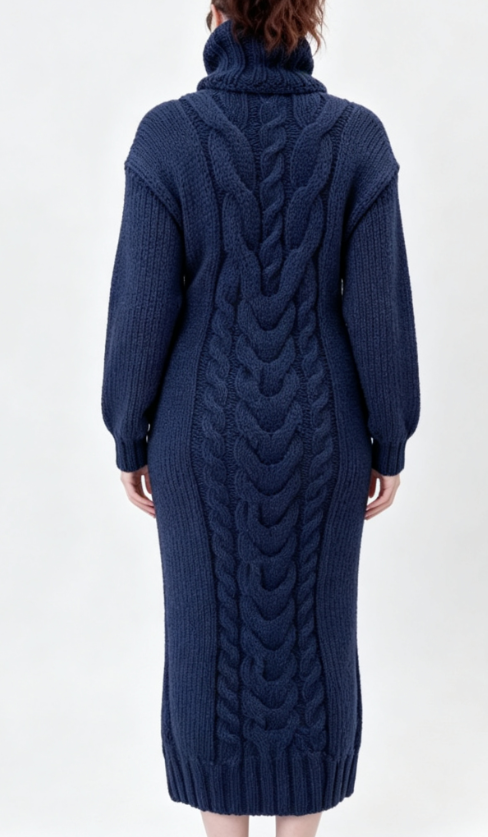
Two sample stages are practical: a development sample for construction and fit, then a pre-production sample in bulk-approved yarn, color, trims, and labels. Record every change in a dated approval sheet rather than relying on chat messages. One final approval gate should verify hand feel, measurements, shrinkage expectations, decoration placement, care label, carton marks, payment terms, and shipping method. Pay a production deposit only after the approved sample and complete purchase order match.
- Measure critical points against tolerance
- Check wash and pilling performance
- Approve packaging with packed samples
Control Production And Launch
Three inspection points reduce late surprises: incoming yarn and trims, in-line measurements and workmanship, and final packed-goods checks. Ask for production updates tied to the approved sample, including quantity, defect findings, and carton count. Four launch assets should be ready before goods depart: e-commerce photography, size guidance, care copy, SKU data, and inventory allocation. Reserve reorder capacity early; retained patterns, graded size sets, and material records make repeat private label knitwear programs faster and more consistent.
- Book freight against launch date
- Plan buffer stock for best sellers
- Review reorder trigger weekly
10. private label knitwear pricing
100-unit capsule orders usually carry the highest unit cost because sampling, machine setup, yarn booking, labeling, and packing are spread across fewer pieces. Treat the ranges below as planning figures only: final private label knitwear quotes depend on gauge, yarn blend, stitch program, colors, trims, testing, destination, and approved sample. 30% of an initial budget can sit outside the garment price when development includes a new pattern, knit-downs, fit samples, size sets, labels, and courier charges. Ask each factory to separate one-time development costs, per-unit production cost, freight, duties, and payment fees before comparing totals. 4 quote checks prevent false savings: confirm yarn composition and weight, gauge and stitch details, color count, decoration, labeling, packaging, inspection standard, and shipment terms. A lower quote may exclude branded trims, wastage allowance, sample revisions, quality inspection, or export packing, making the landed cost higher later.
| Order tier | Indicative unit cost | Typical total investment | Main cost drivers |
|---|---|---|---|
| 100–299 units | US$14–32 | US$1,400–9,600 plus development | Wool or cashmere blends, intarsia, jacquard, multiple colors, custom labels |
| 300–999 units | US$10–25 | US$3,000–25,000 plus development | Cotton or acrylic blends, gauge, stitch complexity, wash and packaging |
| 1,000+ units | US$7–19 | US$7,000–19,000 plus development | Repeat yarn booking, fewer colors, standardized trims, longer planning window |
| Sampling and timing | US$80–250 per sample | Allow 2–6 weeks sampling; 30–60 days bulk | New pattern, knit-down approval, revision rounds, expedited yarn or production |
Ready to Develop Your Private Label Knitwear Line?
Send your tech pack, reference, or product idea for fit-focused development, 100-unit MOQs, and a clear production quote from JUNSHEEN.