
Custom Puffer Jacket OEM From 100 Units
Develop fit-focused XS–3XL custom puffer jacket programs with one partner for OEM, ODM, private label, sampling, trims and scalable production.
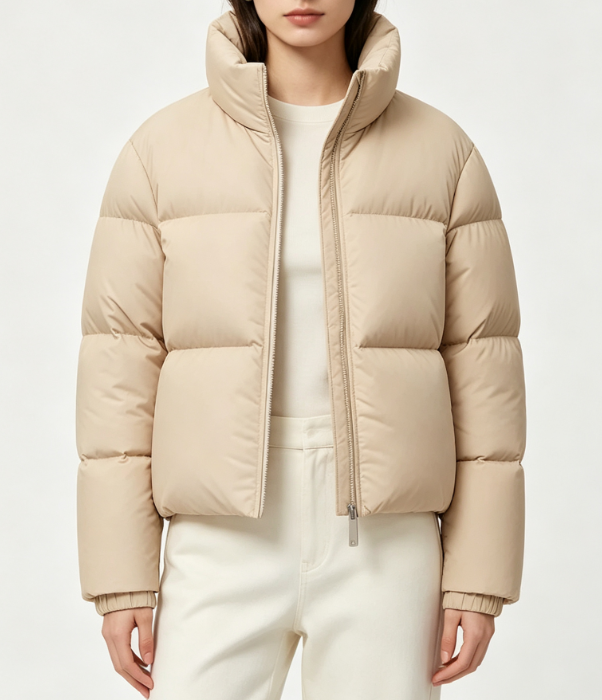
Featured Products for custom puffer jacket Development




Related Product Catalogue and Quotation


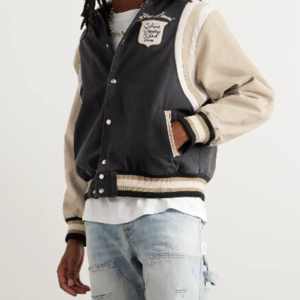

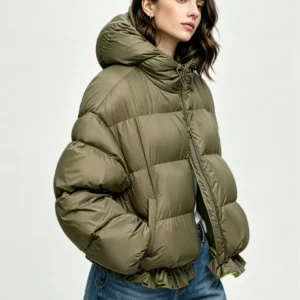


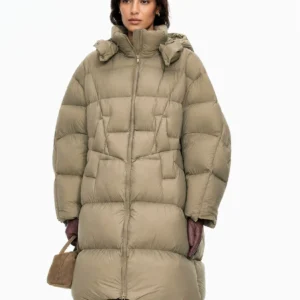


Why Brands Choose JUNSHEEN for Custom Puffer Jacket Production
From launch-ready 100-unit runs to scalable global programs, our integrated outerwear supply chain keeps development, fit and delivery aligned.
100-Unit MOQ
Launch custom puffer jacket capsules from 100 units per style and color, with practical support for emerging labels and tested bulk reorders.
Fit-First Size Grading
Develop XS–3XL, plus-size and oversized fits with refined shoulder balance, sleeve length, mobility and grading increments across the complete size set.
Integrated Branding Details
Coordinate logo embroidery, printing, custom labels, zippers, snaps, patches, hang tags and branded packaging through one experienced production partner.
Scalable Outerwear Capacity
Work with 200+ skilled workers and monthly capacity above 80,000 units, from initial sampling through dependable ongoing outerwear production.
Global Export Support
Move approved orders from quality-controlled production to international shipment with clear communication for brands, retailers, wholesalers and sourcing teams worldwide.
Custom Puffer Jacket and Outerwear Programs
OEM, private-label and wholesale puffer production with fit development, branding, quality control and scalable export support.

Custom Puffer Jackets
Develop custom puffer jackets from sketches, tech packs or reference samples. Junsheen supports shell fabric selection, insulation options, quilting layouts, trims, fit grading and prototype approval from 100 units per style and color.
Request a Quote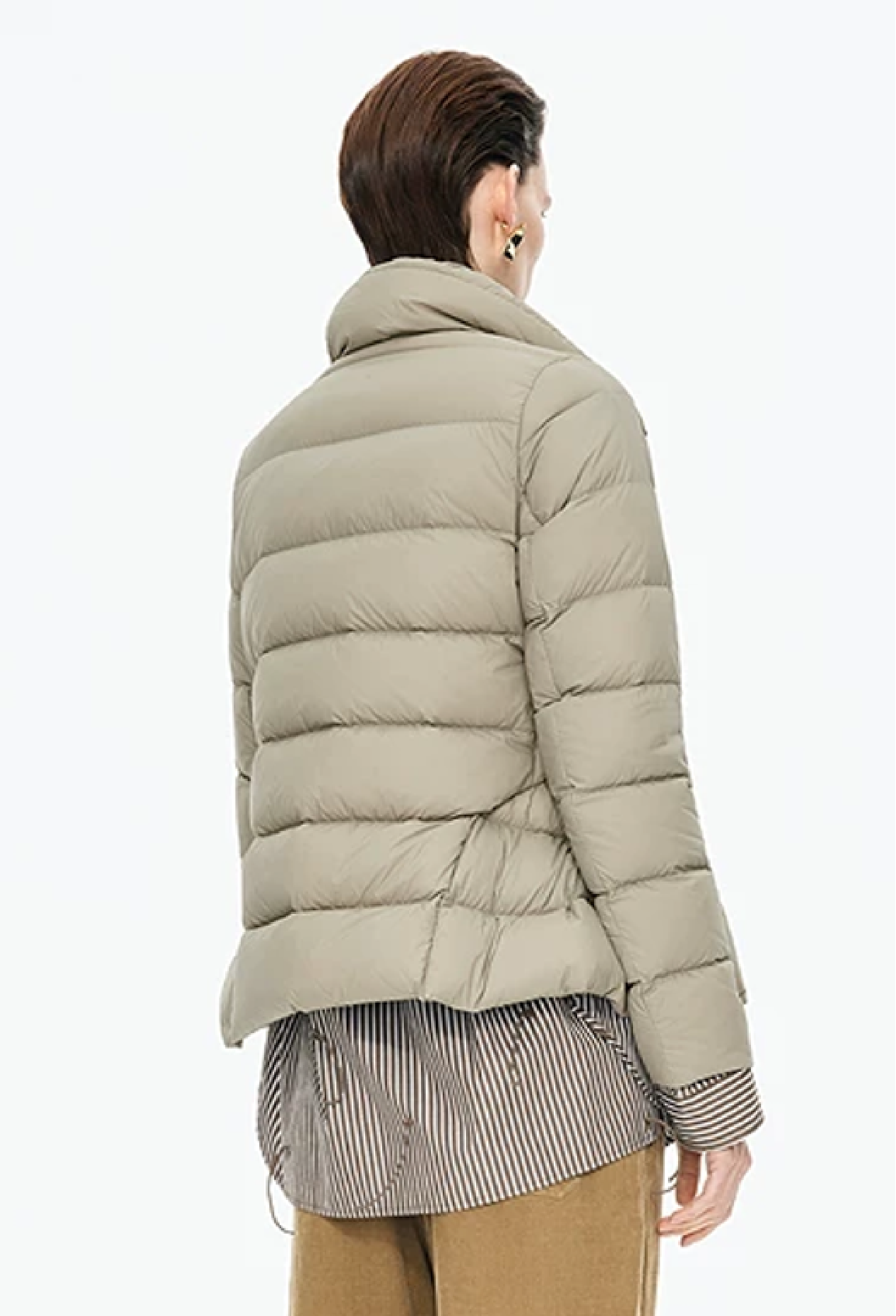
Custom Down Jackets / Coats
Develop down jackets and coats with production-ready specifications for warmth, weight, shell performance and branded finishing. Our team supports pattern development, fabric and trim sourcing, sampling, size grading and bulk export for label-specific outerwear programs.
Request a Quote
Custom Padded / Quilted Jackets
Produce padded and quilted jackets with custom stitch patterns, insulation weights, linings, closures and utility details. Junsheen reviews construction feasibility during development, then manages samples, measurement control, in-line inspection and packed-goods quality checks.
Request a Quote
Custom Embroidered Puffer Jackets
Add durable logo embroidery to custom puffer jackets through in-house flat, 3D/puff, chain-stitch, applique or patch applications. We assess placement and backing requirements early so decoration works with quilted construction, insulation and the intended garment hand feel.
Request a Quote
Custom Womens Puffer Jackets
Develop women’s puffer jackets with fit-focused patterns from XS through 3XL. Pattern makers refine shoulder balance, sleeve length, body proportion and grading increments rather than simply scaling a base size, supporting consistent fits across the full size range.
Request a Quote
Custom Mens Puffer Jackets
Produce men’s custom puffer jackets for contemporary, oversized or standard-fit collections. Junsheen supports technical development for body length, mobility, sleeve proportion, pocket construction, insulation and branded trims, from capsule quantities through ongoing bulk programs.
Request a Quote
Puffer / Down Jacket Manufacturer
Work with a down jacket manufacturer that combines product development and production in one supply chain. Junsheen handles pattern making, fabric sourcing, cut-and-sew assembly, decoration, labels, packaging, quality control and global shipment coordination.
Request a Quote
Puffer Jacket Supplier
Source puffer and down jacket programs through a supplier equipped for low-MOQ launches and scalable replenishment. With 200+ skilled workers and monthly capacity above 80,000 units, Junsheen supports specification review, sampling, production and export documentation.
Request a Quote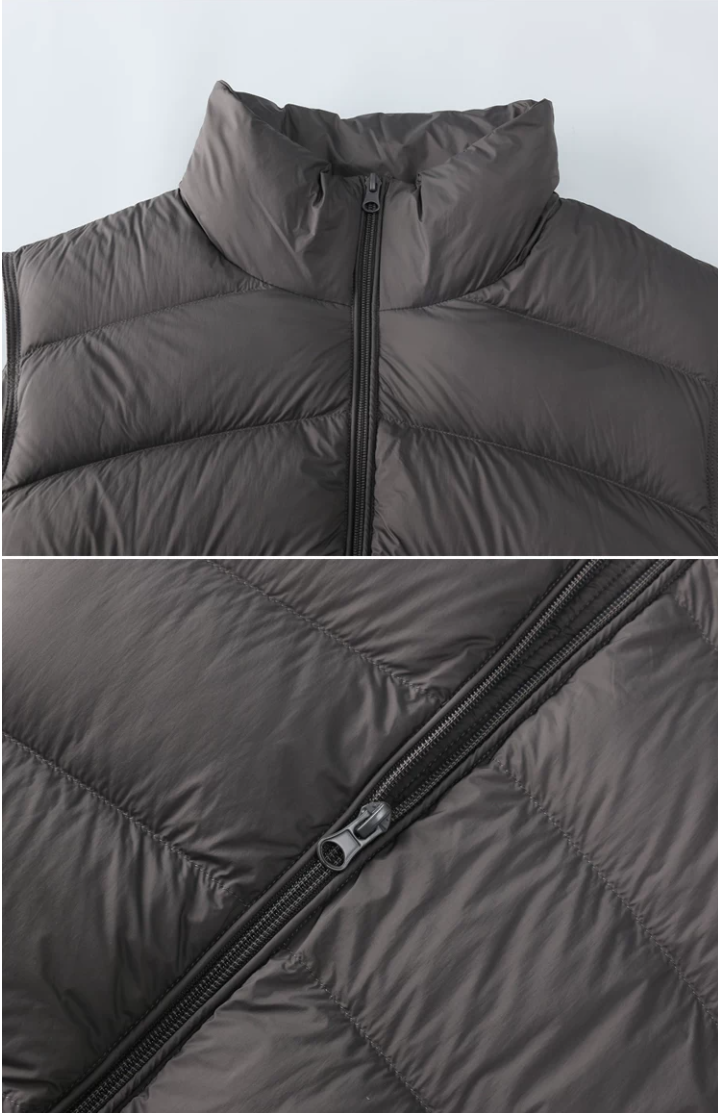
Wholesale Puffer Jackets
Order wholesale puffer jackets for retailers, distributors and brand programs needing consistent construction and repeatable specifications. Junsheen can retain patterns, graded size sets and material records to help improve speed and consistency across future orders.
Request a Quote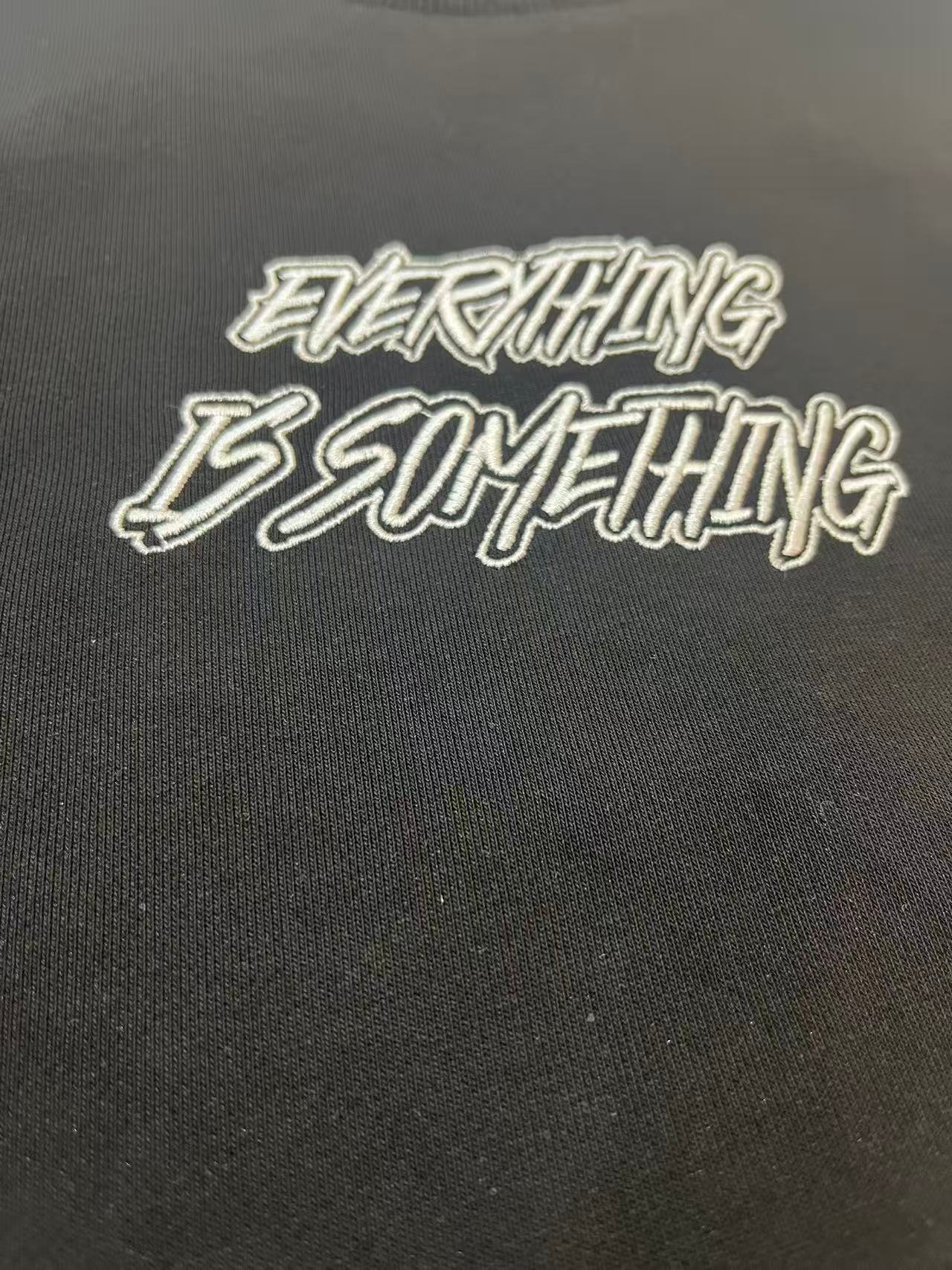
Private Label Puffer Jackets
Launch white-label or private-label puffer jackets with custom main labels, size labels, wash-care labels, hang tags, branded packaging and selected trims. Build from an existing silhouette or develop a new outerwear specification with OEM and ODM support.
Request a QuoteCustom Puffer Jacket Materials for Warmth, Weight and Performance

Recycled Polyester Shell
A lightweight, durable woven shell for everyday custom puffer jacket programs. Available in matte or subtle-sheen finishes, with water-repellent coatings and dependable abrasion resistance for urban outerwear.

Nylon Taslan Shell
Nylon Taslan delivers a soft, cotton-like hand with stronger wind resistance and a premium casual appearance. It suits elevated puffers requiring lightweight durability, structured drape and optional water-repellent performance.

Down Alternative Fill
Polyester fiberfill creates lofted, reliable warmth with easy-care performance. Brands can specify fill weight by climate and silhouette, making it suitable for vegan, washable and consistent bulk-production puffer jackets.

Certified Down Fill
Down insulation offers high warmth-to-weight efficiency and a soft, compressible feel for premium outerwear. Fill power, blend ratio and fill weight can be selected to balance loft, packability and target warmth.

Polyester Taffeta Lining
Smooth polyester taffeta provides a clean, low-friction interior that layers comfortably over knitwear. Its lightweight construction supports easy wear, stable color options and efficient movement inside quilted jacket compartments.

Polar Fleece Lining
Polar fleece adds soft next-to-skin warmth for collars, pockets and full-body lining applications. The brushed pile improves thermal comfort while maintaining a casual hand and dependable durability for cold-weather styles.
Custom Puffer Jacket Decoration and Finishing Options

Logo Embroidery
Flat, 3D puff, chain-stitch, and applique embroidery add dimensional brand marks to custom puffer jacket panels. We reinforce placement areas and match stitch density to the shell for a clean, durable result.

Screen Printing
Plastisol, water-based, puff, silicone, high-density, foil, and discharge screen prints create bold graphics with controlled texture. Our team evaluates fabric coating and panel construction to help artwork retain clarity through regular wear.

Heat Transfers
DTF, heat transfer, and reflective transfer applications deliver detailed multicolor logos, small chest marks, and performance-inspired graphics. Proper temperature and pressure settings help achieve flexible adhesion without compromising the outerwear shell.

Custom Patch Application
Woven, embroidered, leather, silicone, chenille, and rubber patches give custom puffer jackets a distinctive private-label finish. Options include sewn, heat-applied, or hook-and-loop attachment for durable branding and seasonal versatility.

Garment Finishing
Softening, enzyme washing, anti-pilling treatments, brushing, and napping refine hand feel and surface character on compatible fabrics. Junsheen tests finishing methods during development to protect color, construction, and performance expectations.

Functional Effects
Reflective details, waterproof coatings, wind-resistant treatments, and reinforced print effects support branded outerwear built for changing conditions. We recommend compatible applications based on shell material, use case, target cost, and wash requirements.
Custom Trims and Private-Label Details

Branded Zippers
Choose custom zipper pullers, logo sliders, contrast tape, and durable front or pocket zippers matched to your jacket’s weight, finish, and target price point.

Snap Button Sets
Add logo-engraved snaps to storm flaps, cuffs, pockets, and detachable details for secure closure performance and a consistent hardware identity across your outerwear program.

Drawcord and Tipping
Specify elastic drawcords, cord locks, metal tips, and branded aglets for adjustable hems or hoods, balancing weather protection with a refined custom puffer jacket finish.

Woven Brand Labels
Create woven main labels, size labels, care labels, and leather-effect badges with clear brand presentation, compliant information, and placement tailored to your construction and market.

Custom Hang Tags
Pair your garments with custom hang tags, barcode stickers, swing strings, and product cards to communicate insulation, fabric, sizing, and brand story at retail.
Reflective Details
Use reflective piping, printed logos, zipper pulls, or tape on panels and pockets to add visibility, technical character, and a distinctive functional accent without compromising your design.
About JUNSHEEN Custom Puffer Jacket Manufacturing
Founded in 2010 in Humen Town, Dongguan, JUNSHEEN helps fashion brands turn custom puffer jacket concepts into production-ready outerwear. Our mission is to provide dependable OEM, ODM and private-label manufacturing that connects practical development support with clear communication, flexible 100-unit MOQs and global export capability.
With more than 200 skilled workers and monthly capacity above 80,000 units, we support capsule launches, wholesale programs and repeat bulk orders. Our integrated team manages sourcing, pattern making, cut-and-sew production, decoration, labels, packaging and quality control for buyers across North America, Europe, Australia, the Middle East and Southeast Asia.
What distinguishes JUNSHEEN is a fit-first approach from XS to 3XL. Rather than simply scaling a base pattern, we refine proportion, shoulder balance, sleeve length, mobility and grading for normal, extended-size, plus-size and oversized puffer jacket programs—helping brands reduce revisions and build consistent collections.

Production-Ready Custom Puffer Jacket Capabilities
Fit-Led Pattern Development
JUNSHEEN develops each custom puffer jacket from the intended silhouette, fill volume, layer allowance, and wearer movement. Our team reviews tech packs, sketches, or references, then builds production-ready patterns that balance warmth, proportion, and a polished outerwear fit.
- XS–3XL, plus-size, and oversized grading support
- Shoulder, sleeve, body, and mobility refinement
- Tech-pack review and manufacturability recommendations
- Prototype, size-set, and pre-production sample approval

Materials Built Around Performance
Shell, lining, insulation, and trims are sourced as a coordinated system rather than isolated components. JUNSHEEN recommends options based on target price, hand feel, weight, durability, wash performance, and the technical look your outerwear collection requires.
- Woven shells, linings, recycled options, and performance fabrics
- Fill-weight and insulation selection guidance
- Custom zippers, snaps, drawcords, labels, and reflective details
- Swatches and sample garments before bulk confirmation

Sample Control Before Bulk
Sampling is where design intent becomes measurable production standards. JUNSHEEN checks construction, measurements, fit, quilting or panel placement, decoration, and trim function before bulk approval, helping teams resolve issues early and protect consistency across the final order.
- Measurement and fit review at each sample stage
- Construction, quilting, and trim-function checks
- In-line and final quality inspections
- Patterns and material records retained for repeat orders

One Integrated Production Team
From a 100-unit capsule to an ongoing outerwear program, JUNSHEEN coordinates development, sourcing, cut-and-sew production, decoration, labeling, packing, and export support in one supply chain. This gives buyers clearer accountability, faster decisions, and scalable production control.
- MOQ from 100 units per style and color
- 200+ skilled workers and 80,000+ monthly-unit capacity
- OEM, ODM, private-label, and wholesale support
- Global shipping coordination for fashion brands

Why Choose JUNSHEEN for Custom Puffer Jacket Manufacturing
Built for fit accuracy, flexible launches, and dependable scale.
← 左右滑动查看 →
Custom Puffer Jacket Production Process
A fit-focused, production-controlled workflow for OEM, private-label and scalable outerwear programs from 100 units per style and color.
Feasibility and Material Review
We review your tech pack, references, target price and market needs, then recommend shell, lining, insulation, trims and construction details for production.
Patterning and Size Grading
Our team creates production patterns and refines shoulder balance, sleeve length, body proportion and mobility across XS–3XL, plus-size or oversized size ranges.
Prototype Sampling Approval
We develop samples for fit, warmth, construction and branding review, incorporating approved revisions before finalizing specifications, materials and pre-production standards.
Bulk Cutting and Sewing
After approval, we source confirmed materials and begin controlled bulk cutting, quilting, filling, sewing, decoration and private-label trim application for your custom puffer jacket.
Quality Control and Packing
Inspections verify fabric, measurements, construction, fill distribution, decoration and finished appearance before branded labels, hang tags, packaging and final packed-goods checks.
Export and Repeat Orders
We coordinate global shipment after balance settlement and retain approved patterns, graded size sets and material records to streamline consistent repeat production.
How to Work With Our Custom Puffer Jacket OEM Team
Move from concept to approved bulk production with clear technical guidance, fit-focused sampling, and scalable manufacturing from 100 units per style and color.
Submit Your Concept
Send a tech pack, sketch, reference sample, mood board, or product brief with target quantities, markets, sizing, materials, and decoration requirements.
Review Feasibility and Quote
Our team reviews construction, insulation, fabrics, trims, fit grading, and lead-time needs, then recommends workable specifications and provides a detailed quotation.
Approve Development Samples
Confirm fabric swatches, prototype samples, measurements, branding details, and XS–3XL grading before we finalize specifications for your custom puffer jacket production.
Launch Bulk Production
After pre-production approval, we manage sourcing, cutting, sewing, decoration, in-line inspections, final quality control, packing, and global shipment support.
Custom Clothing Manufacturer Credentials and Compliance Documents



Custom Puffer Jacket Production Results
JUNSHEEN translated our sketch into a production-ready custom puffer jacket and reduced our sampling cycle from five revisions to two. The graded XS–3XL size set held its shape and proportion, so we approved bulk with confidence.
Our first 240-unit outerwear launch arrived on schedule with consistent measurements across two colors. The team caught a zipper specification issue before bulk production, saving us an estimated three-week delay and a costly rework.
We reordered the same puffer program six months later and the fit, insulation feel, logo embroidery, and packaging matched our approved reference. That consistency let us expand from 150 units to 900 units without changing suppliers.
Custom Puffer Jacket OEM FAQ
Clear answers for sourcing teams planning sampling, production, sizing, payment, and global delivery with JUNSHEEN.
What is the MOQ for a custom puffer jacket?
How long does a custom puffer jacket sample take, and what does it cost?
Can you develop a custom puffer jacket from a sketch or reference garment?
Can you grade puffer jackets from XS to 3XL?
What payment terms do you offer for custom outerwear orders?
What is the lead time for bulk custom puffer jacket production?
Do you arrange international shipping and export documents?
How do you protect my puffer jacket design and brand details?
The Complete Buyer’s Guide to custom puffer jacket Sourcing
Use this decision framework to specify, sample, and source a custom puffer jacket, compare supplier capabilities and quality controls, understand costs and lead times, and avoid costly development, compliance, and production mistakes.
1. What Is a custom puffer jacket?
100 units per style and color is a practical starting point for a custom puffer jacket program: a buyer specifies the shell, insulation, silhouette, measurements, hardware, labeling and pack-out instead of buying a finished stock coat. The result is brand-specific when those choices work together—for example, recycled polyester shell, synthetic fill, oversized grading, matte snaps, woven labels and custom hang tags. OEM means production to the buyer’s approved tech pack, pattern and specifications; private label usually applies the buyer’s identity to an established or adapted base design. ODM starts with a manufacturer-developed concept that the buyer modifies through color, fabric, fit, quilting, trims and branding, reducing development time when a full technical package is not ready. At a 100-unit MOQ, buyers can commonly customize Pantone-adjacent fabric colors subject to mill availability, embroidery or print, labels, hang tags, zipper pulls, measurement specs and packaging. New custom-dyed shell fabric, exclusive quilt layouts, proprietary molded hardware, down-fill programs, multiple colorways or extensive size curves usually need larger commitments because mills and trim suppliers impose their own minimums. JUNSHEEN can translate a tech pack, sketch, reference garment or product idea into sampling and production, while retaining patterns and graded size sets for repeatability. Early feasibility review should separate achievable low-MOQ changes from components that require consolidated volume.
2. Evolution of the custom puffer jacket
1936 marked a turning point when Eddie Bauer produced one of the first commercially successful quilted down jackets after a winter fishing trip; early puffers were built for warmth, mobility, and low weight rather than seasonal styling. By the 1970s and 1980s, expedition outerwear had refined baffled construction, storm protection, and lighter shell fabrics, creating the performance reference buyers still use. 1990s streetwear and luxury collaborations shifted the puffer from equipment to a highly visible silhouette: cropped bodies, oversized shoulders, glossy nylon, and statement color blocks became commercially relevant. Current custom puffer jacket briefs must decide whether the product is commuter outerwear, ski-adjacent performance, youth streetwear, or a fashion layer, because each use case changes length, ease, pocket layout, hood design, and expected retail price. 2020s sourcing increasingly combines lower-bulk synthetic fills, recycled polyester shells, and traceable material documentation with more restrained branding. A chest embroidery, sleeve patch, back yoke logo, or tonal rubber badge can all work, but placement should follow the brand’s heritage and target market rather than imitate a viral sample; buyers should specify the customer, climate range, intended activity, and visual reference before development starts.
3. Types of custom puffer jacket
Six core silhouettes cover most custom puffer jacket briefs, from commuter layers to severe-cold outerwear. Choose the starting type by end use, climate, desired proportion, and the number of construction variables your sampling budget can absorb.
Packable And Standard Quilting

20D–40D lightweight shells suit travel, transitional weather, and customers who value low bulk; narrow channels, a stow pouch, and elastic binding add sewing precision. Standard quilted jackets use wider baffles for everyday cold climates and allow more forgiving regular or relaxed fits.
Hooded And Cropped Styles

3-piece hoods, stand collars, and storm plackets suit outdoor and streetwear buyers in wet or windy markets, but require careful neckline balance and hood-volume approval. Cropped puffers target fashion-led assortments; shorten the body without restricting arm lift, and control hem drawcord placement around the waist.
Longline Coats

90–120 cm longline coats serve colder regions and modest-fashion or commuter customers, using a two-way zipper, side vents, or snaps for sitting and stride. Their larger panel area increases insulation, lining, quilting, and measurement-control workload, so approve a graded size set before bulk.
Reversible And Performance Options

2-face reversible jackets provide two looks but double visible finishing requirements: pockets, labels, seams, and zipper pullers must work on both sides. Performance styles may add taped seams, reflective trims, waterproof zippers, or ski-inspired pockets; each component raises material testing and production complexity.
4. custom puffer jacket Materials and Insulation
For a custom puffer jacket, shell, lining, fill, and hardware should be specified together: climate, target retail price, and intended wear determine the workable combination. A 100-unit style can still use swatches and sample garments to confirm hand feel, loft, and water performance before bulk approval.
| Option | Durability | Warmth | Care | Best Use |
|---|---|---|---|---|
| Polyester shell | Good | Depends on fill | Easy wash | Value urban puffer |
| Nylon shell | High | Depends on fill | Easy wash | Packable outerwear |
| Synthetic fill | Good | Medium to high | Easy wash | Damp, daily wear |
| Down fill | Needs proofing | High for weight | Special care | Cold premium styles |
Shell And Lining Choices

75–110 GSM polyester is a cost-effective shell for everyday city puffers; it accepts coatings and prints well, but nylon generally gives a smoother, lighter hand and better abrasion resistance. 20D–40D nylon suits packable or premium outerwear, while recycled polyester supports recycled-content goals. Use a smooth polyester or nylon lining for easy layering; breathable finishes reduce clamminess during active wear.
- Specify WR or DWR for light rain, not waterproof performance.
- Request fabric swatches after coating and color approval.
- Match lining denier to shell durability and target hand feel.
Insulation And Fill Weight

80–120 g/m² synthetic fill fits mild conditions and fashion-led silhouettes, while 160–250 g/m² is more suitable for cold-weather commuting. Synthetic insulation retains useful warmth when damp and is simpler to launder than down. 550–700 fill-power down delivers high warmth with less bulk, but needs leak-resistant construction and careful care labeling. Recycled polyester fill is the practical sustainability option when reliable wash performance matters.
Hardware For Real Wear

5# molded or reversed-coil zippers suit most puffers; heavier 8# zippers better support long parkas and frequent use. Specify zipper pull shape, snap finish, cord-lock strength, and pocket construction in the tech pack. 2-way front zippers improve seated mobility on longer jackets, while storm flaps and elastic cuffs help block wind. Confirm hardware corrosion resistance when the collection targets wet or coastal markets.
5. custom puffer jacket Branding Options
A custom puffer jacket needs branding chosen with the shell, baffle map, and wear target in mind. Junsheen can coordinate decoration, private labels, trims, hangtags, and branded packaging from development through bulk production.
| Method | Best Use | Quilted-Surface Limit | Setup Implication |
|---|---|---|---|
| Embroidery | Bold logos | Avoid seams and dense fills | Digitizing required |
| Woven label | Fine text | Sew into seam or flat panel | Loom sampling required |
| Silicone badge | Technical branding | Needs stable flat base | Mold approval required |
| Screen print or transfer | Detailed graphics | Use smooth unquilted panel | Artwork and color setup |
| Patch or zipper puller | Premium detail | Keep clear of baffles | Patch or hardware tooling |
Match Method To Logo

1 mm embroidered strokes and open letter counters generally reproduce more reliably than fine artwork on filled, quilted shells. Embroidery suits durable heritage marks; woven labels suit fine type; silicone badges suit clean, weather-oriented branding.
Plan Quilted Placement

2–4 cm clear zones between baffle seams help prevent distorted logos, punctured insulation channels, and uneven decoration. Chest panels, sleeves, yokes, pocket flaps, and inside neck positions should be confirmed on the approved sample.
Specify Retail Details
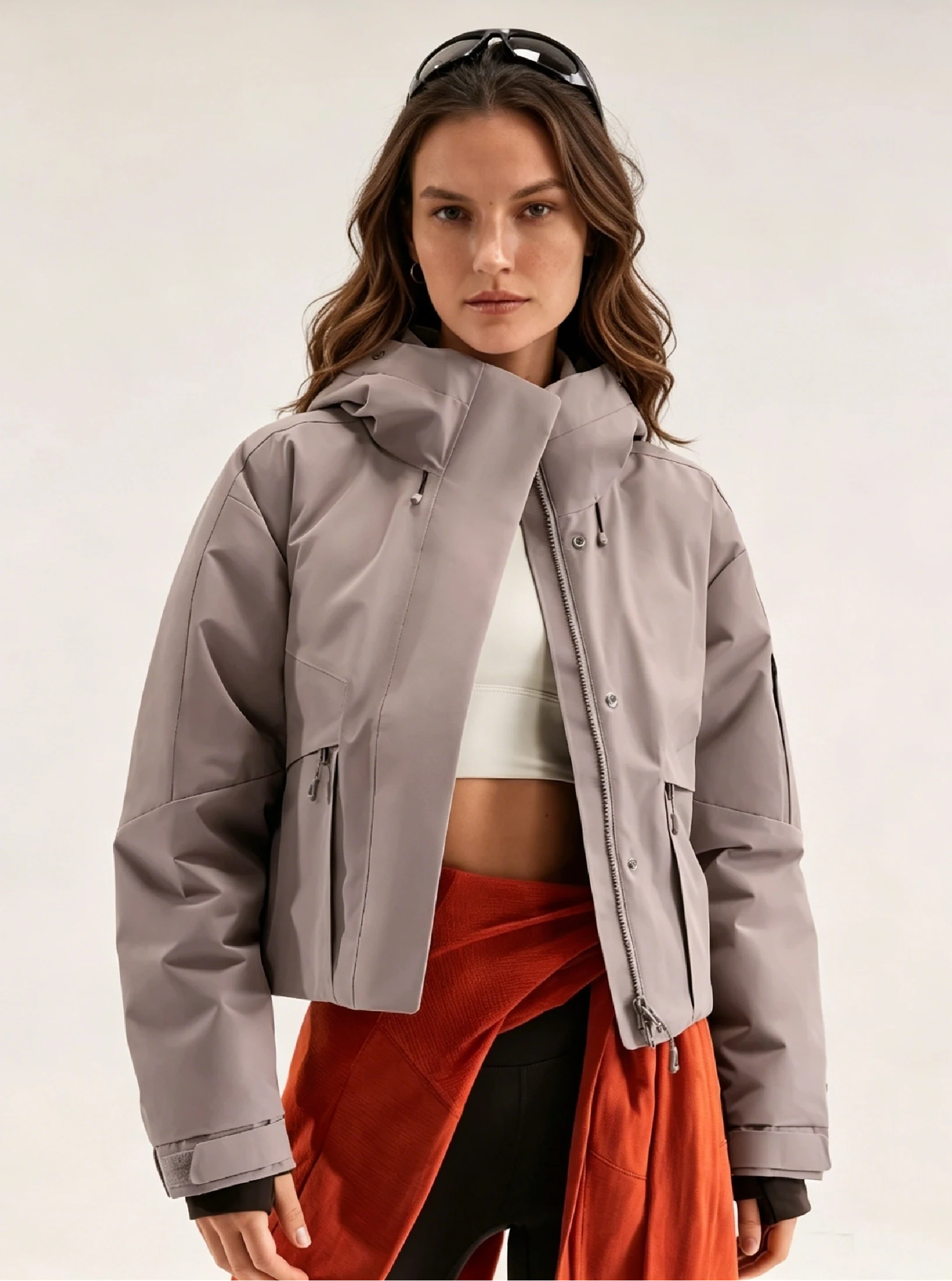
Pantone references, artwork scale, and backing material should be approved before sampling because thread, ink, silicone, and woven yarn render color differently. Screen printing and heat transfers need a smooth panel; patches and custom zipper pullers add perceived value but require tooling review.
Build A Durable Identity

3 checkpoints—wash testing, adhesion testing, and zipper-function testing—help match branding to expected wear conditions. Neck labels, wash-care labels, hangtags, and packaging should carry consistent size, fiber, care, and brand information for the target market.
6. Puffer Jacket Construction Quality Checklist
A puffer’s perceived value is set by repeatable construction details, not shell fabric alone. Inspect the development sample for design feasibility, then approve a pre-production sample only after measurements, insulation behavior, and finishing match the specification.
Baffles And Fill Control
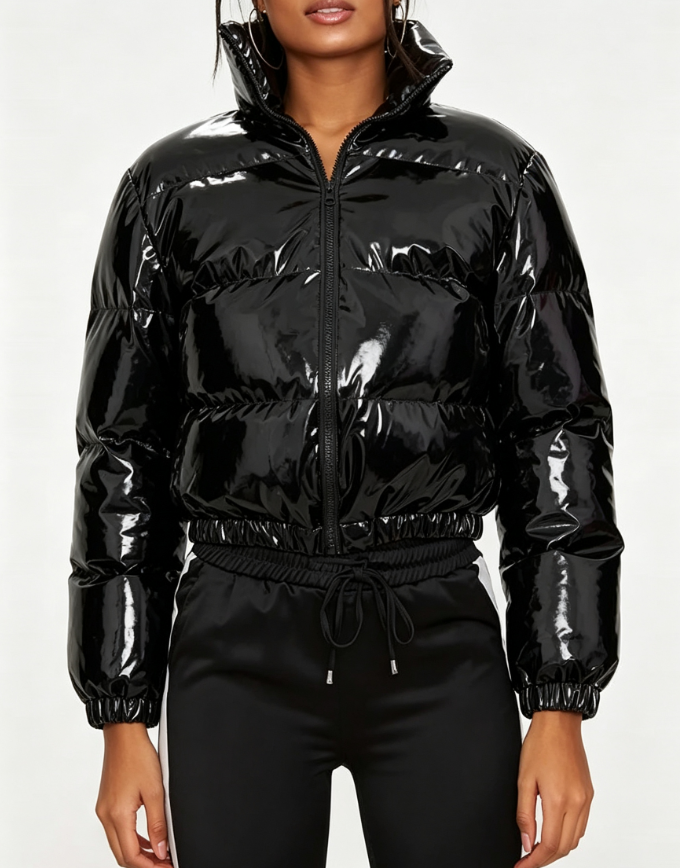
5–8 cm baffle spacing is common for lightweight fashion puffers; wider channels can create cold spots unless fill volume rises accordingly. Check that quilt lines are straight and stitch tension does not pinch the insulation. 10% fill-weight variation between panels is a practical warning sign during sample handling. Shake the garment, inspect corners and underarms, and reject visible clumps, bare channels, or fill escaping through needle holes.
Seams And Edge Sealing
8–10 stitches per inch is a typical balanced range for woven puffer seams. Loose stitches, skipped stitches, puckering, and raw seam allowances signal weak control and can accelerate seam failure. 2 sealed edges matter most at cuffs and hem: elastic, rib, or an internal wind guard should recover evenly. Pull both areas several times and confirm they return without twisting or exposing insulation.
Zippers And Pockets

1 two-way zipper should run smoothly under light tension and stop securely at both ends. Specify a proven supplier such as YKK when reliability is central, and inspect zipper tape for waviness or caught lining. 2 pocket checks reveal workmanship quickly: opening symmetry and secure bag construction. Turn pockets inside out to verify bar tacks, clean seam finishing, and sufficient depth for the intended phone or hand position.
Hood And Wash Approval
2 adjustment points—typically hood opening and back volume—give a hood usable weather protection without distorting the crown. Test cords, cord locks, snap tabs, and any detachable hood attachment for smooth operation. 1 wash test before bulk approval should assess fill migration, seam puckering, shrinkage, zipper function, and color change. Compare the washed sample against the approved pre-production sample; excessive clumping, leaking fill, or warped quilting requires correction.
7. How to Choose a Puffer Manufacturer
A 100-unit MOQ can suit a capsule, but supplier selection should begin with proven outerwear execution. Compare the factory’s development control, sourcing depth, compliance evidence, export readiness, and usable capacity before price.
Verify Outerwear Capability
At 100 units per style-color, confirm the factory can manage puffer-specific patterns, shell handling, insulation fill, baffle construction, and zipper installation. A 200-worker operation may have ample capacity, yet request its monthly outerwear allocation and peak-season booking window. Ask which markets it exports to and who handles freight documents.
- Recent puffer sample photos and measurements
- Available shell, lining, insulation, and trim swatches
- Current WRAP, BSCI, OEKO-TEX, or GOTS documentation
Audit Development And Sampling
One approved pre-production sample should match bulk specifications, Pantone references, labeling, construction, and packing requirements. Request the tech-pack review, pattern timeline, sample charge, revision limit, and signed approval process. Two graded sizes expose more risk than a single fit sample. Ask how shoulder balance, sleeve mobility, body length, and grading are checked across XS through 3XL.
- Pattern and graded measurement chart
- Bill of materials with fiber content
- Sample QC report and approval record
Compare Total Delivered Value
Three quotations can differ because fill weight, fabric testing, hardware grade, inspection scope, and packaging are excluded. Normalize every quote against the same BOM, Incoterm, order quantity, color count, and delivery destination. A 70/30 payment schedule may matter less than delayed corrective action. Evaluate response speed, named project ownership, in-line inspection points, final AQL standard, and remedy terms for defects.
- Unit price and tooling costs
- Sample-to-bulk lead time
- QC standard and defect resolution
- Export terms and destination charges
8. Common custom puffer jacket Buying Mistakes
Most bulk failures are decided before cutting begins, when approvals leave technical or commercial details unresolved. Treat the sample as a test article and lock measurable standards before releasing a custom puffer jacket to production.
Specify The Tech Pack
A one-page sketch rarely defines baffle width, stitch density, zipper length, fill weight, or tolerance. The consequence is supplier interpretation, revision cost, and inconsistent bulk output. Before sampling, issue construction callouts, graded measurements, BOM, artwork files, Pantone references, and ± tolerances. Confirm every deviation in a revised tech pack.
Buy Insulation For Performance

The lowest fill quote can sacrifice loft recovery, warmth-to-weight, and wash durability. A jacket may feel acceptable on arrival but flatten after customer wear. Before bulk, compare fiber type, fill weight, distribution, and post-wash loft in approved samples. Specify the target use temperature and test method rather than buying by price.
Validate Fit And Color
A base-size approval does not validate XS through 3XL, especially for oversized or extended-size fits. Poor grading creates restricted mobility, distorted proportions, and returns. Before bulk, approve a graded size set and conduct movement, layering, zipper, and wash tests. Review shell, lining, rib, and trim colors under daylight and store lighting because materials absorb dye differently.
Lock Packing And Timing

Unspecified polybags, carton marks, hang tags, and folding methods cause rework or retail receiving failures. Late trim, fabric, lab-dip, and sample approvals also compress the production window. Before release, approve a packing mock-up and carton specification, then build calendar slack for sourcing, sampling, revisions, bulk cutting, inspection, and shipping. Freeze artwork and quantities before materials are committed.
9. Steps to Launch Your Puffer Collection
A first collection stays controllable when each approval locks one variable before the next begins. For a custom puffer jacket, define the customer, target retail price, launch date, and 100-unit-per-style-and-color production threshold before requesting development.
Set the Product Brief
Three decisions anchor the brief: silhouette, climate use, and price band. Specify cropped or longline length, intended temperature range, target retail price, color count, and required margin. One tech pack should show front and back flats, measurements, fill weight, stitch lines, pocket construction, zipper, labels, Pantone colors, and packaging. A sketch or reference garment can start development, but approve written specifications before sampling.
- Target customer and sales channel
- Retail price and landed-cost ceiling
- Launch date and approved colorways
Source Materials And Quote

Two to three fabric and insulation options expose the cost-versus-performance tradeoff early. Request swatches, composition, weight, finish, lining, filling, trims, and decoration details before accepting a quotation. 100-unit MOQ applies per style and color; extra colors, custom hardware, and specialty materials can raise minimums or lead time. Confirm sample charges, bulk unit price, payment schedule, packing, shipping terms, and exclusions in writing.
Approve Samples And Sizes
One prototype verifies pattern, construction, hand feel, and visual direction; record every correction on a dated sample comment sheet. Limit revisions to agreed changes so the budget and calendar remain traceable. A full size set should be approved before bulk cutting, especially for XS through 3XL or extended sizing. Check shoulder balance, sleeve length, body proportion, mobility, measurements, and grading increments on relevant fit models.
Lock Production And Delivery
One pre-production sample is the final production standard after fabric, trims, artwork, labels, measurements, and packing are confirmed. Do not authorize bulk cutting until the approval is written and dated. Three inspection gates reduce late surprises: incoming materials, in-line sewing and measurement checks, and final packed-goods inspection. Approve shipment documents and balance payment before dispatch; retain patterns, graded specs, and material records for reorders.
10. custom puffer jacket Pricing and Lead Times
100 units per style and color is a practical starting point for a capsule custom puffer jacket program at JUNSHEEN. Treat the ranges below as planning figures in USD, not an offer: a confirmed tech pack, size range, quantities, material standard, decoration placement, packaging and delivery destination are required for a final quotation. 7–15 calendar days is a typical development window for a first prototype after specifications and materials are agreed, while revised samples can add time. Bulk timing normally starts only after sample, color, trim and pre-production approvals; allow additional time for laboratory testing, booked fabrics, Chinese holiday closures and freight. $8–$35+ per unit reflects the largest specification variables: polyester versus nylon shell, recycled content, down versus synthetic insulation, fill weight, baffle or diamond quilting, and lining. Embroidery, screen print, patches, YKK-class zippers, branded snaps, custom labels, cartons and individual bags add cost; larger runs generally improve material utilization, while air, sea and duty-related freight depend on destination.
| Order quantity | Indicative FOB unit price | Sample timing | Bulk production timing |
|---|---|---|---|
| 100–299 units | $22–$35+ | 7–15 days | 30–45 days |
| 300–999 units | $16–$28+ | 7–15 days | 25–40 days |
| 1,000+ units | $8–$22+ | 7–15 days | 20–35 days |
Start Your Custom Puffer Jacket Project
Send your tech pack, sketch, reference garment, or product idea for fit-focused OEM development and a clear 100-unit MOQ quote.