
Blank Pullovers Wholesale for Private-Label Brands
Launch fit-focused XS–3XL blank pullovers wholesale from 100 units per style and color, with OEM, ODM, custom labeling, and scalable production support.
Featured Products for blank pullovers wholesale Development




Related Product Catalogue and Quotation



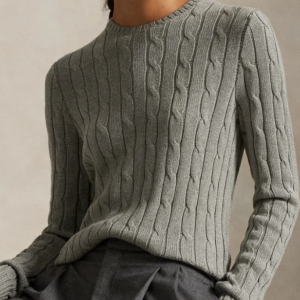
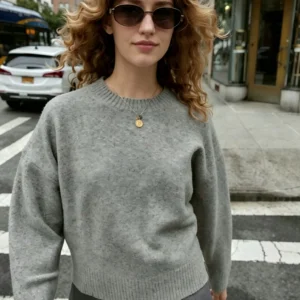


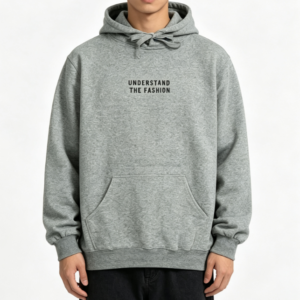
Why Choose JUNSHEEN for Blank Pullovers Wholesale
Built for blank pullovers wholesale buyers who need flexible entry quantities, dependable scale, and fully coordinated private-label production.
100-Unit Launch MOQ
Start color and style programs from 100 units, giving emerging labels a practical path from approved sample to wholesale-ready production.
Scalable Production Capacity
With 200+ skilled workers and 80,000+ monthly units, we scale repeat pullover orders while maintaining coordinated production control.
Fit-Focused Size Development
Pattern makers develop XS–3XL, plus-size, and oversized fits by refining proportions, sleeve balance, mobility, and grading across the full size set.
Integrated Private Labeling
Coordinate labels, embroidery, printing, washes, trims, packaging, and export support through one manufacturing partner for a consistent branded result.
Material Guidance That Fits
Source fleece, French terry, jersey, and sweater constructions with recommendations aligned to target weight, hand feel, durability, and cost.
Custom Apparel Programs for Every Collection
Develop fit-focused casualwear, denim, knitwear and outerwear from 100 units per style and color, with coordinated private-label production support.

Custom Hoodies
Develop custom hoodies in fleece, French terry or jersey with refined XS–3XL grading, custom rib trims, embroidery, screen printing and branded labels. Suitable for capsule drops, wholesale assortments and scalable core programs.
Request a Quote
Custom T-Shirts
Produce custom T-shirts from combed cotton, Pima cotton, organic cotton and blended jersey. Junsheen supports cut-and-sew specifications, oversized or fitted silhouettes, size grading, screen printing, DTG, DTF and private-label finishing.
Request a Quote
Custom Jeans
Build custom jeans in rigid or stretch denim with pattern development, wash testing and consistent grading across XS–3XL. Choose custom pockets, hardware, labels, embroidery, acid wash, stone wash and other denim finishing details.
Request a Quote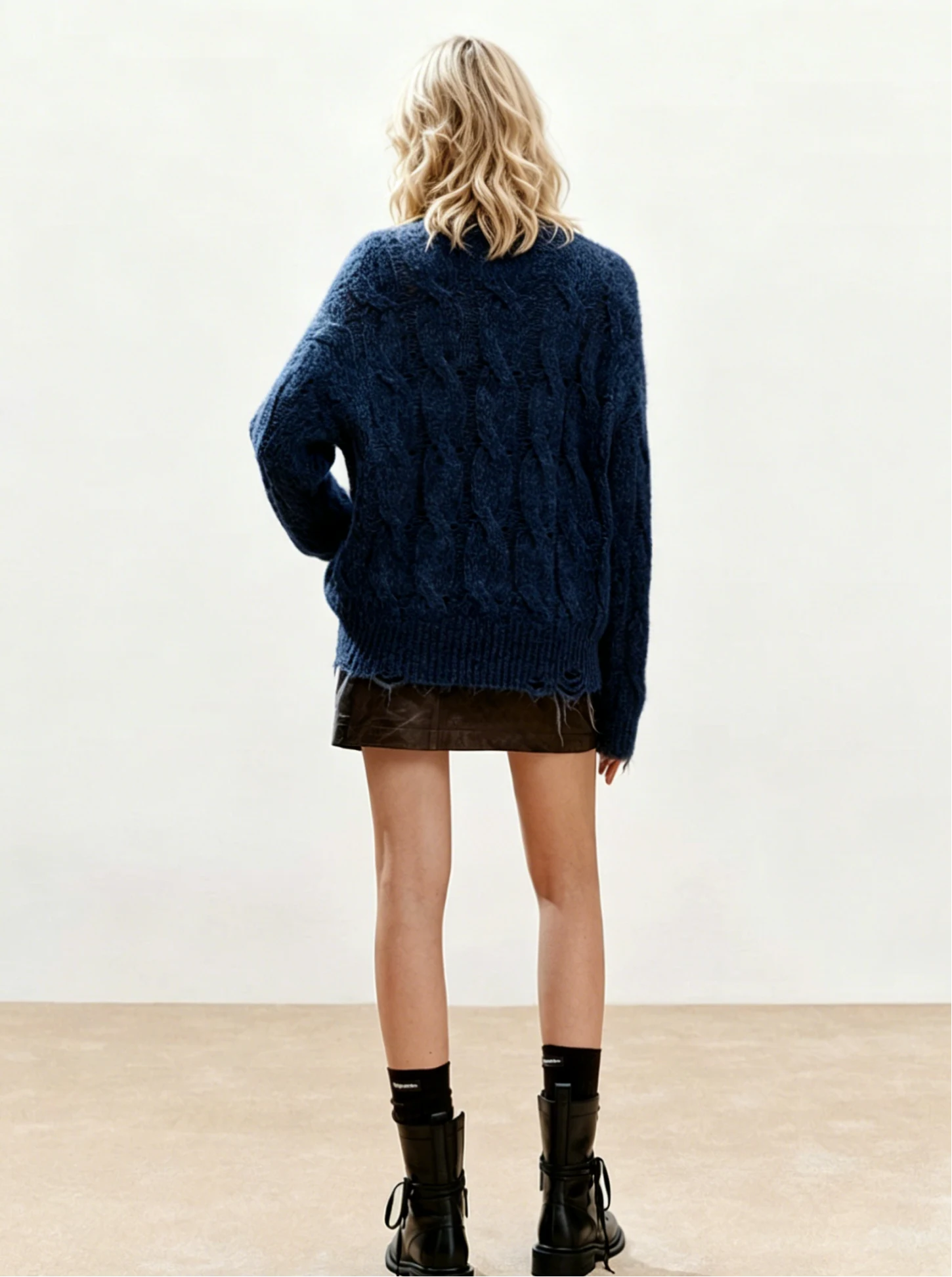
Custom Sweaters
Source turtle neck sweater bulk programs in knit constructions selected for hand feel, warmth, recovery and target cost. Develop neck height, body proportion, sleeve balance and size grading for regular, extended-size or oversized collections.
Request a Quote
Custom Jackets
Manufacture custom jean jackets in denim or stretch denim with tailored pattern development, branded buttons, patches, embroidery and wash effects. The team supports fit review, size sets and coordinated production for retail, wholesale and private-label lines.
Request a Quote
Custom Sweatshirts & Crewnecks
Create custom crewneck hoodie and sweatshirt programs in fleece or French terry, with crewneck, hooded or oversized silhouettes. Add embroidery, puff or high-density prints, garment washes, custom labels and packaging for cohesive branded assortments.
Request a Quote
Custom Cardigans
Develop custom cardigans in sweater constructions matched to your desired weight, texture and drape. Junsheen supports button or zip closures, rib details, logo embroidery, fit-focused grading and private-label trims for wholesale-ready knitwear programs.
Request a Quote
Custom Puffer & Down Jackets
Produce custom puffer jackets with shell, insulation, lining and hardware selected around climate, performance and price targets. Manage quilting layout, fit development, branded zippers, reflective details, labels and export-ready quality control.
Request a Quote
Custom Denim Shorts
Create custom jean shorts in rigid or stretch denim, from clean-cut silhouettes to washed and distressed finishes. Pattern makers refine rise, inseam, leg opening and grading, while production supports custom hardware, patches and branded labels.
Request a Quote
Custom Sweater Dresses
Develop custom sweater dresses with knit structures and yarn blends selected for shape retention, drape and seasonal weight. Fit work addresses body length, shoulder balance and mobility across XS–3XL, with labels, trims and packaging available.
Request a Quote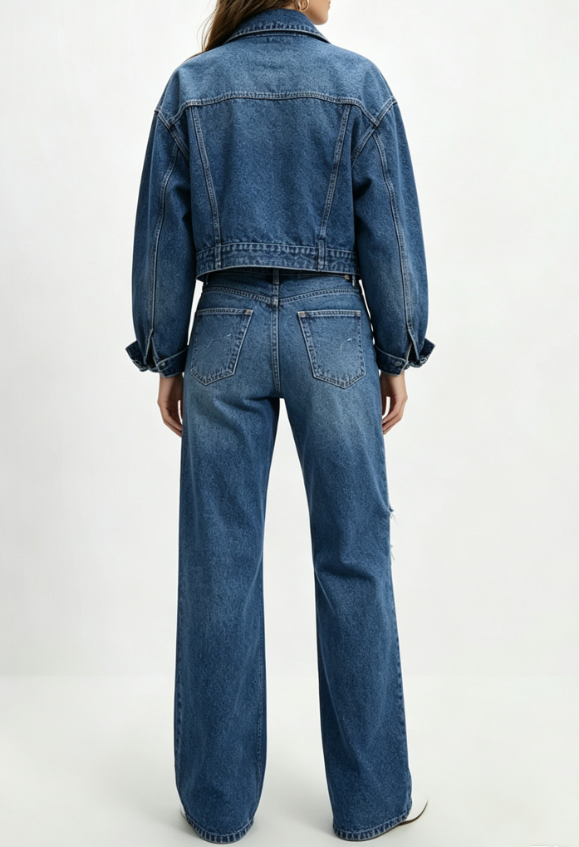
Custom Denim Sets
Produce mens denim suits wholesale programs with coordinated denim jackets and jeans, consistent wash recipes and matched sizing. Junsheen supports fabric sourcing, custom hardware, embroidery, private labeling and bulk quality control for retail-ready sets.
Request a Quote
Custom Polo Shirts
Manufacture custom polo shirts in pique, jersey or performance knits, with collar construction, plackets, rib trims and logo embroidery specified to your brand standard. Develop fitted, regular or oversized proportions with graded size sets.
Request a Quote
Custom Sweatpants
Build custom sweatpants in fleece, French terry or jersey with controlled rise, taper, inseam and waistband proportions. Add embroidered logos, prints, custom drawcords, pockets, washes, labels and matching tops for coordinated collections.
Request a Quote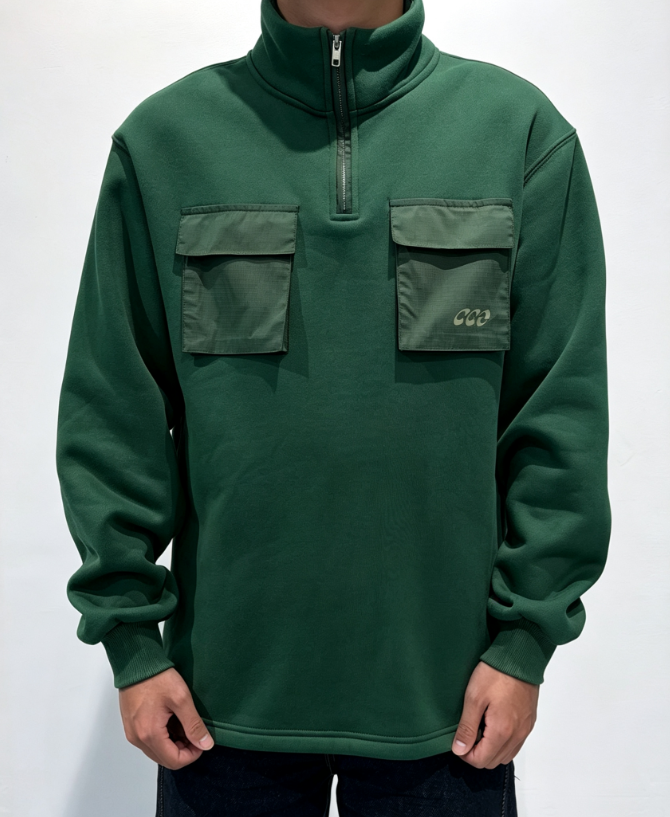
Custom Shorts
Produce custom shorts in jersey, fleece, twill, denim or performance fabrics for seasonal casualwear programs. Junsheen develops inseam, pocket layout, waistband fit and size grading, then applies requested decoration, trims and private-label packaging.
Request a Quote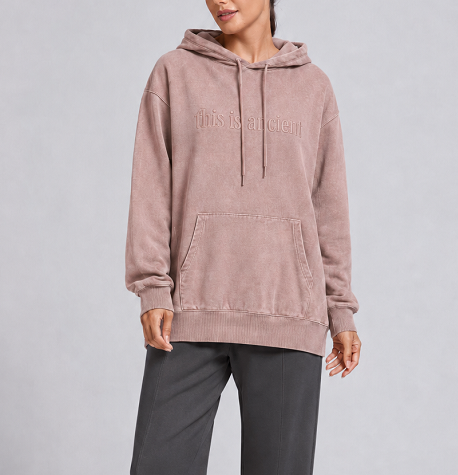
Custom Pullovers
Develop custom pullovers in fleece, French terry, jersey or knit constructions, from lightweight layers to heavier cold-weather styles. Specify neckline, fit, fabric weight, decoration, washes, branded labels and packaging from a 100-unit MOQ.
Request a QuoteBlank Pullovers Wholesale Materials We Source

Brushed Cotton Fleece
Soft, warm, and substantial, brushed cotton fleece suits premium everyday pullovers and cold-weather programs. Available in midweight to heavyweight constructions, its raised interior improves insulation while maintaining dependable shape and wash durability.

French Terry
French terry offers a smooth outer face with breathable loopback texture inside, making it ideal for transitional pullovers and elevated athleisure. Its moderate weight delivers comfort, moisture management, and a clean surface for decoration.

Cotton Polyester Fleece
Cotton-polyester fleece balances a soft cotton hand with enhanced strength, color retention, and reduced shrinkage. A practical choice for wholesale uniform, promotional, and retail pullover programs requiring consistent bulk performance and accessible pricing.

Combed Cotton Jersey
Combed cotton jersey creates a lighter, smooth-hand pullover option for layering, mild climates, or relaxed fashion silhouettes. The refined yarn removes shorter fibers, improving softness, surface clarity, and print readiness without excessive bulk.

Wool Blend Knit
Wool-blend knit provides natural warmth, resilient recovery, and a more refined texture for fashion-led pullovers. Fiber ratios can be adjusted for softness, weight, and care requirements, supporting premium seasonal collections with durable shape retention.
Blank Pullovers Wholesale: Decoration and Garment Finishing

Logo Embroidery
Flat, 3D puff, chain-stitch, and applique embroidery add tactile brand detail to blank pullovers wholesale programs, delivering clean logo definition and durable stitching that holds its appearance through repeated washing.

Screen Printing
Plastisol, water-based, puff, silicone, high-density, foil, flocking, and discharge screen prints create bold graphics with controlled coverage, texture, and wash durability for branded pullover collections.

Digital Print
DTG, DTF, heat-transfer, and sublimation methods support detailed artwork, color-rich graphics, and flexible placement. Our team recommends the best technique for your fabric, artwork, quantities, and desired hand feel.

Garment Washing
Enzyme, softening, anti-pilling, acid-wash, stone-wash, and garment-dye treatments shape color, softness, and character. These processes give pullovers a lived-in finish while helping maintain dependable bulk consistency.

Surface Finishing
Brushing and napping enhance warmth and softness, while specialized finishing can refine hand feel and surface texture. We test samples to align the finished pullover with your quality, comfort, and branding goals.
Private-Label Accessories for Blank Pullovers Wholesale

Custom Woven Labels
Add main labels, size labels, and wash-care labels to blank pullovers wholesale orders for clear brand identification, reliable size communication, and a polished retail-ready interior finish.

Branded Hang Tags
Custom hang tags present your logo, garment story, care information, barcodes, or launch messaging at retail. JUNSHEEN can coordinate tag stock, string, attachment method, and packing requirements.

Drawcord And Tipping
Choose cotton, polyester, flat, round, or contrast drawcords with custom metal, rubber, or dipped tips. They give hooded pullovers a deliberate color accent and stronger private-label identity.

Custom Zippers
Specify zipper type, puller finish, tape color, and branded pulls for quarter-zip or full-zip pullovers. Options are selected for smooth use, durability, and alignment with your target price.

Snap Buttons
Use custom snaps on plackets, collar openings, or utility details. Available finishes can reinforce a sport, workwear, varsity, or premium casual direction while supporting repeatable bulk production.
Rib Trims Packaging
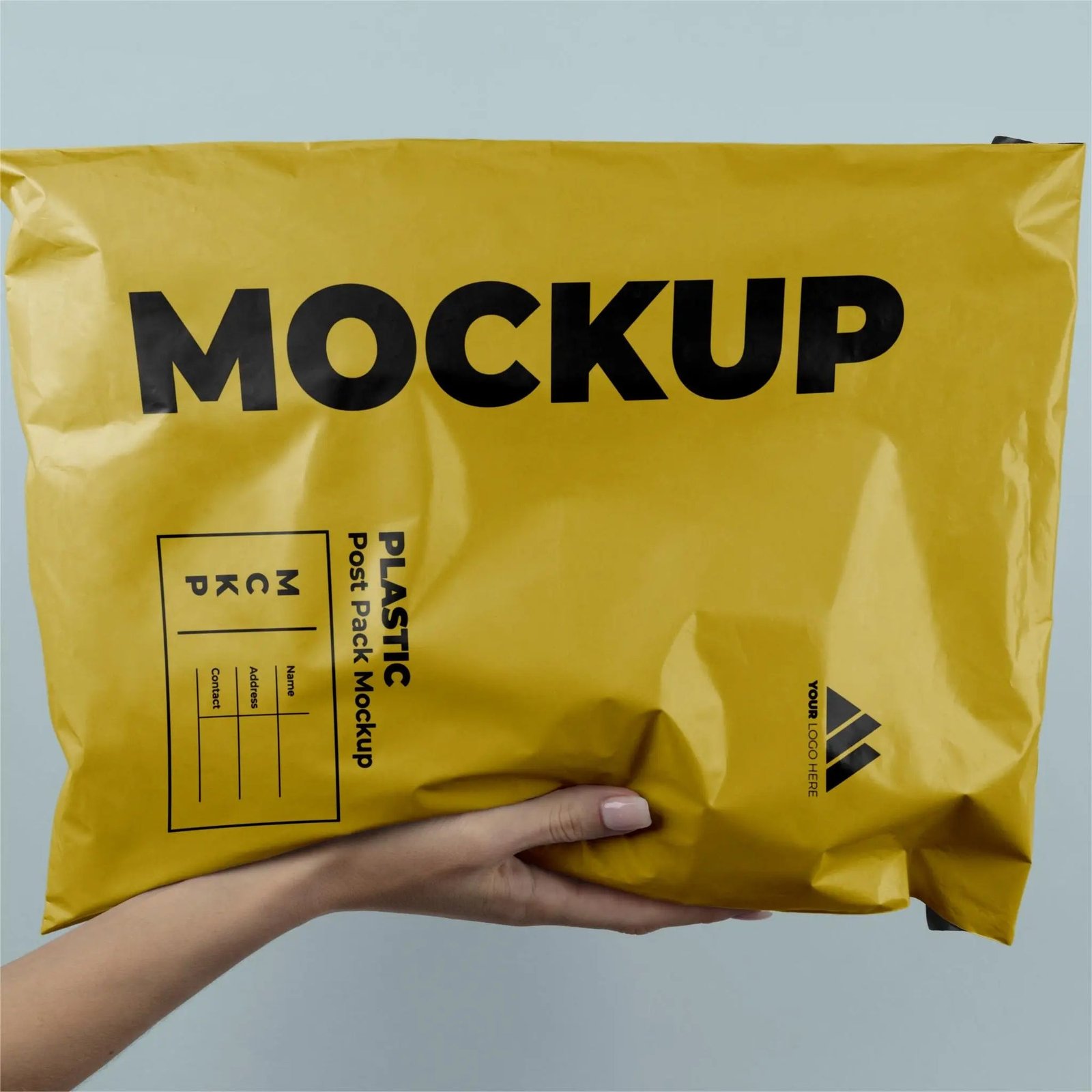
Coordinate rib cuffs and hems with branded polybags, tissue, folding, stickers, or cartons. These finishing details protect garments in transit and make wholesale pullover deliveries ready for your channel.
About JUNSHEEN Apparel Manufacturing
Based in Humen Town, Dongguan, JUNSHEEN has built one-stop apparel manufacturing partnerships for global fashion businesses since 2010. Our mission is to turn product ideas into dependable, production-ready casualwear, including blank pullovers wholesale programs that can grow from a focused launch to repeat bulk orders.
More than 200 skilled workers support cut-and-sew, knitting, product development, fabric sourcing, decoration, quality control, private labeling and export coordination. With monthly capacity above 80,000 units, we support 100-unit MOQs per style and color while maintaining the systems needed for scalable global production.
What distinguishes JUNSHEEN is fit-focused development from XS through 3XL, including extended-size, plus-size and modern oversized grading. We have served over 2,000 fashion-brand clients with technical support, clear production management and flexible OEM, ODM, private-label and wholesale solutions.

Blank Pullovers Wholesale, Built for Consistent Production
Fit-Focused Size Grading
JUNSHEEN develops pullover patterns from XS through 3XL with deliberate adjustments to shoulder balance, sleeve length, body proportion and mobility. Our team supports standard, oversized and plus-size fits without relying on simple pattern enlargement.
- XS–3XL, extended-size and plus-size development
- Balanced grading increments across each size set
- Fit samples and measurement review before bulk approval
- Pattern records retained for repeat-order consistency

Production-Ready Product Development
Whether you provide a tech pack, sketch, reference garment or early concept, our development team turns it into a production-ready pullover program. Fabric, construction, rib specifications and target cost are reviewed before sampling begins.
- OEM, ODM and private-label development support
- Fabric and trim recommendations aligned to your brief
- Cut-and-sew and knitwear capability in one supply chain
- Low MOQ from 100 units per style and color

Integrated Decoration and Branding
Blank pullovers wholesale can remain clean for resale or become fully branded through coordinated decoration and finishing. In-house teams manage embroidery, printing, washes, labels, trims and packaging so artwork and production specifications stay aligned.
- Flat, puff and 3D embroidery options
- Screen print, DTF, DTG and heat-transfer applications
- Custom labels, hang tags, drawstrings and packaging
- Softening, garment dye and anti-pilling finishes

Controlled Scale and Quality
With 200+ skilled workers and monthly capacity above 80,000 units, JUNSHEEN supports capsule orders and recurring wholesale programs. Incoming materials, in-line construction, measurements, decoration and packed goods are checked throughout production.
- Quality checks from fabric receipt to final packing
- 80,000+ units of monthly production capacity
- Global export support for established and emerging brands
- Scalable replenishment backed by retained production records

Why Buyers Choose JUNSHEEN for Blank Pullovers Wholesale
Built for fit-focused development, dependable bulk production, and repeatable private-label programs.
← 左右滑动查看 →
Blank Pullovers Wholesale Production Process
A controlled, fit-focused workflow that moves your pullover program from feasibility review to export-ready delivery.
Review Feasibility and Specs
We assess your tech pack, reference garment, target cost, fit requirements, decoration, and 100-unit MOQ to define a production-ready blank pullover plan.
Source Materials and Sample
Our team recommends fleece, French terry, jersey, or sweater fabrics, develops patterns and XS–3XL grading, then confirms fit through sampling.
Cut Sew and Decorate
Approved materials move into controlled cutting and sewing, followed by requested embroidery, printing, washing, or finishing for your wholesale pullover program.
Inspect Fit and Quality
In-line and final inspections verify measurements, construction, decoration, fabric appearance, and packing details against approved samples before bulk release.
Pack and Ship Globally
We apply private-label trims and branded packaging, prepare export documentation, and coordinate global shipping for dependable delivery to your destination.
How to Start Your Blank Pullovers Wholesale Order
Move from an initial concept to production-ready pullovers with clear development, approval, and delivery milestones.
Share Your Product Brief
Send a tech pack, sketch, reference garment, or concept with target quantities, sizes, fabric preferences, decoration details, and delivery market.
Review Specifications and Quote
Our team confirms manufacturability, recommends materials and construction details, develops fit requirements, and provides pricing from the 100-unit MOQ per style and color.
Approve Your Production Sample
Review prototype samples, fabric swatches, measurements, grading, decoration, labels, and finishing. Refine details before approving the final pre-production standard for bulk.
Confirm Bulk Production
After approval, JUNSHEEN secures materials, schedules cut-and-sew or knit production, and monitors in-line measurements, construction, decoration, and finishing for consistency.
Inspect and Arrange Delivery
Final packed goods undergo quality checks before export support and global shipping. Retained patterns and material records help streamline reliable repeat wholesale orders.
Custom Clothing Manufacturer Credentials and Compliance Documents



Customer Results from Global Apparel Brands
JUNSHEEN turned our reference pullover into an approved size set in two sampling rounds. Their XS–3XL grading reduced fit comments by 40%, and our first 600-unit wholesale run arrived consistent across every color.
We started with a 120-unit blank pullover order and reordered 1,800 units within six months. Fabric weight, rib recovery, and logo embroidery matched the approved sample, which made our retail replenishment far easier to plan.
Their team identified sleeve and shoulder issues before bulk production, saving us an estimated three weeks of revisions. We now run four seasonal pullover colors with reliable repeat specifications and on-time export coordination.
Blank Pullovers Wholesale FAQ
Clear answers on MOQs, sampling, fit, payment, shipping, and confidential production for wholesale pullover programs.
What is the MOQ for blank pullovers wholesale?
Can I order blank pullovers wholesale with my own labels later?
How long does a blank pullovers wholesale sample take?
How much does a wholesale pullover sample cost?
Can you grade blank pullovers wholesale from XS to 3XL?
What payment terms do you offer for wholesale pullover orders?
Do you ship wholesale pullovers internationally?
How do you protect my pullover designs and brand information?
Complete Buyer’s Guide to blank pullovers wholesale
Use this practical framework to select profitable pullover styles, fabrics, customization methods, and reliable suppliers—while comparing production criteria, controlling costs, and avoiding the sourcing mistakes that delay launches or weaken brand quality.
1. What Is Blank Pullovers Wholesale?
100-unit programs illustrate the practical meaning of blank pullovers wholesale: buyers purchase undecorated pullover garments in quantity, ready to resell, embellish, or issue as uniforms. The delivered product is typically a finished body with no customer artwork, although stock-style blanks may be offered in predetermined colors, weights, and size runs. 2 sourcing models must be separated before requesting quotes. Ready-to-brand blanks use an existing pattern and available fabric or color options for faster, lower-development purchasing; fully custom private-label manufacturing creates a new or revised specification, pattern, graded fit, materials, trims, labels, and packaging around the brand’s requirements. 180–400 GSM is a common decision range for pullover programs, from lighter French terry to heavier brushed fleece, and ‘blank’ does not mean every detail is fixed. Wholesalers, print shops, merch teams, emerging labels, and retailers may still select fit, Pantone-approximated color, fabric composition, woven labels, wash-care labels, hang tags, and branded packaging; this route makes commercial sense when proven silhouettes, manageable MOQs, and a clear decoration or resale plan matter more than exclusive product engineering.
2. Evolution of the Modern Pullover
1930s sportswear helped establish the crewneck sweatshirt as a practical training layer, while earlier wool pullovers supplied warmth without a front opening. The category later shifted from heavy knitwear toward cotton-rich jersey, loopback French terry, and brushed fleece, giving buyers distinct options for changing climates and price points. 1970s collegiate and gymwear made relaxed crewnecks familiar off the field; by the 1980s and 1990s, skate, hip-hop, and streetwear brands turned oversized proportions, dropped shoulders, garment dye, and graphic placement into identity-led product choices. A pullover could then carry a team name, artist graphic, retail logo, or private label without requiring the more complex hardware of a zip style. 2000s athleisure further normalized fleece pullovers as everyday wardrobes, so the same core silhouette now moves between uniform programs, promotional merchandise, wholesale retail packs, and seasonal fashion drops. For blank pullovers wholesale planning, that durability matters: a 280–320 GSM French terry crew can anchor spring or transitional assortments, while 320–420 GSM brushed fleece supports colder capsules and premium streetwear weight. 100-unit production runs per style and color let a brand test a classic fit, modern oversized block, or extended-size graded range before expanding proven colors. Treat the pullover as a repeatable platform: retain approved patterns and measurement specs, then refresh fabric weight, color, wash, embroidery, or print rather than rebuilding the assortment every season.
3. Types of Blank Pullovers Wholesale
Six core silhouettes cover most blank pullovers wholesale buying plans. Start with two proven shapes for a 100-unit capsule, then add zip, collar, or knit options when customer segments and seasonal deliveries justify the extra SKUs.
| Style | Silhouette | Best Customer | Merchandising Role |
|---|---|---|---|
| Crewneck | Rib-collar fleece | Broad casual | Core logo base |
| Hoodie | Hood and pocket | Streetwear | Cold-weather anchor |
| Quarter-zip | Zip collar | Sport casual | Premium layer |
| Half-zip | Deeper zip | Fashion casual | Statement variation |
| Mock-neck | Raised collar | Minimalist | Transitional layer |
| Knit pullover | Sweater construction | Elevated casual | Higher-price extension |
Core Fleece Staples
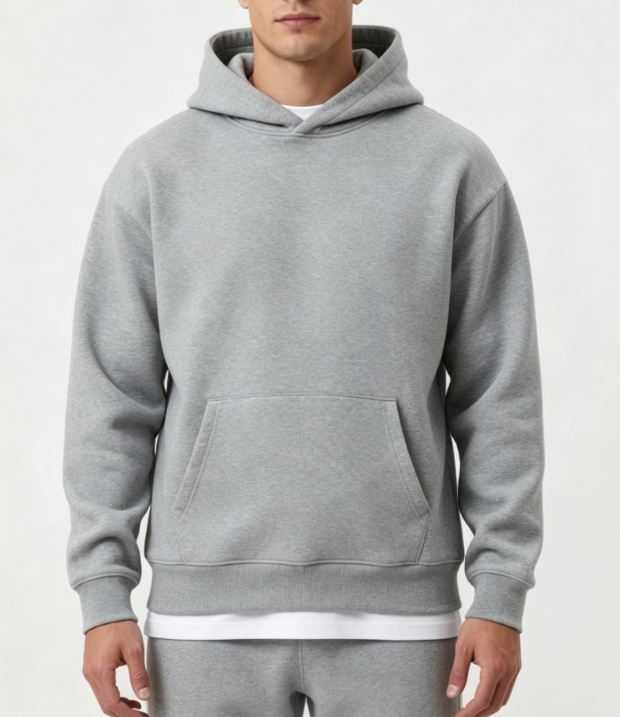
280–360 GSM crewnecks give a clean, gender-flexible silhouette for retail basics, campus programs, and layered autumn assortments. Their flat chest and back panels suit screen print, embroidery, patches, and garment dye. 300–420 GSM hooded pullovers add a kangaroo pocket and hood, making them a stronger cold-weather or streetwear anchor. Open with one crewneck and one hoodie in 2–4 commercial colors; separate them by fit rather than only color.
Zip And Collar Options
Quarter-zips and half-zips create a sportier, more polished layer for transitional weather, golf-inspired assortments, and office-casual customers. Use embroidery on the left chest; zipper selection and collar stand construction need early sample approval. 220–320 GSM mock-necks provide a compact collar without zip hardware and work well under jackets. They broaden a collection after core fleece demand is proven, especially for minimalist branding or tonal decoration.
Knit Pullover Programs
7–12 gauge knit pullovers serve elevated casual, resort, and cooler-season customers with a more refined hand and drape. Jacquard, intarsia, cable, or fully fashioned details can replace large printed graphics. 3 opening styles usually outperform a scattered six-style buy: crewneck, hoodie, and one differentiated option. Add knit pullovers when fabric swatches, shrinkage testing, and size grading support the intended price tier.
4. Fabrics for Blank Pullovers Wholesale
280–420 GSM is the practical starting range for blank pullovers wholesale, but weight alone does not predict comfort. Fiber blend, yarn quality, surface finish, and intended climate determine the better fabric choice.
| Material | Typical Weight | Performance Characteristics | Recommended Positioning |
|---|---|---|---|
| 100% cotton jersey | 280–340 GSM | Breathable, soft; higher shrinkage risk | Premium lightweight pullover |
| Cotton-poly fleece | 300–380 GSM | Stable, warm, lower shrinkage | Core wholesale program |
| French terry | 280–360 GSM | Loopback, breathable, versatile | All-season elevated casualwear |
| Recycled cotton-poly | 300–380 GSM | Resource-conscious; verify blend documentation | Sustainability-led collections |
| Brushed fleece | 330–420 GSM | Soft, insulating; pilling needs testing | Cold-weather streetwear |
| Wool or acrylic knit | 250–350 GSM | Warm, textured; care-sensitive | Refined sweater pullover |
Weight And Hand Feel

280–320 GSM suits transitional-weather pullovers with easier layering and better breathability. 350–420 GSM creates a denser, warmer premium hand, although heavier fabric increases freight and drying time.
- Ring-spun yarn feels smoother than open-end yarn.
- Combed cotton reduces short-fiber fuzz.
- Brushing raises warmth but can increase surface shedding.
Shrinkage And Pilling
5–8% shrinkage can occur in untreated cotton; pre-shrinking and wash testing should be specified before bulk approval. Polyester improves dimensional stability, while long-staple cotton and anti-pilling finishes help protect high-friction areas.
- Approve wash-tested measurements, not cut-panel measurements.
- Check cuffs, hem, elbows, and pocket edges.
- Match care labels to the tested wash method.
Climate And Positioning

100-unit capsule programs benefit from selecting fabric around the retail position first: breathable terry for elevated everyday wear, fleece for cold-weather volume, and knit constructions for refined layering. Recycled blends require supplier documentation when sustainability claims appear on product copy.
- French terry suits mild climates and year-round layering.
- Brushed fleece suits winter and streetwear drops.
- Wool or acrylic knits suit sweater-led assortments.
5. Customization and Decoration Options
Blank pullovers wholesale become a brand asset when decoration, labeling, and packaging are specified before sampling. At Junsheen, artwork, placement, fabric weight, and wash expectations should be reviewed together to avoid cracking, distortion, or costly rework.
| Method | Best Artwork | Placement Limits | Durability And Value | Setup |
|---|---|---|---|---|
| Screen print | Bold vector, 1–6 colors | Large front or back; avoid seams | High; strong commercial value | Screens and Pantone approval |
| DTG or DTF | Photos, gradients, small runs | Flat panels; DTF also supports small details | Medium-high; flexible launch option | Digital file and strike-off |
| Embroidery | Logos, monograms, line art | Chest, sleeve, hem; dense fills add bulk | High; premium tactile value | Digitizing and backing |
| Patch or applique | Heritage graphics, lettering | Chest, sleeve, large back panels | High; dimensional value | Patch sample and stitch approval |
| Labels and packaging | Brand identity, care information | Neck, side seam, hangtag, outer pack | High ownership signal | Artwork, compliance copy, dielines |
Match Method To Artwork

1–3 color vector logos suit screen printing, while photographic art and short-run colorways suit DTG or DTF. Embroidery, patches, and applique add dimension but need stable backing and clearance from bulky seams.
Choose Launch Risk Carefully

100-unit capsule orders usually benefit from DTF, DTG, or heat transfer because they avoid large screen setups and permit design changes. Confirm a wash-tested strike-off on the actual fleece or French terry before approving production. 500-unit repeat programs can justify screen printing, puff ink, embroidery, applique, or custom patches. Their higher setup effort is offset by stronger shelf presence and repeatable brand codes.
Finish The Private Label
3 label layers—main neck label, size label, and wash-care label—make a blank read as an owned product. Add a hangtag, barcode sticker, folded polybag, or custom carton only after confirming retailer packing rules and country-of-origin requirements.
6. Construction Details That Signal Quality
A 320 GSM fleece can still disappoint if seams twist, ribs bag out, or the hood collapses after laundering. For blank pullovers wholesale, construction specifications convert a good hand feel into repeatable fit, comfort, and fewer return-triggering defects.
| Inspection Point | Acceptable Result | Buyer Risk If Missed |
|---|---|---|
| Neck tape | Flat, even, no exposed overlock | Neck irritation and premium-quality complaints |
| Pocket corners | Reinforced bar tacks | Pulled seams and lost pocket shape |
| Cuffs and hem | Even recovery after stretch | Bagging, inconsistent fit, repeat returns |
| Hood opening | Balanced shape and matched drawcords | Poor drape and visible asymmetry |
Seams And Topstitching
Four-thread overlock seams should fully capture both plies without loose loops, skipped stitches, or seam grin under moderate stretch. Request clean inside seam allowances and consistent stitch density across every sample panel. Two-needle coverstitching at hems and cuffs adds stretch recovery and a durable finished edge. Inspect it from both sides; tunneling, waviness, and broken needle holes signal poor tension control.
- Stretch side seams by hand to check seam grin
- Check coverstitch rows stay parallel
- Confirm shoulder seams sit symmetrically
Ribs, Hood, And Hardware
2×1 rib cuffs and waistbands should recover close to their original width after repeated stretching rather than remain visibly flared. Specify rib weight, elastane content where required, finished cuff height, and allowable measurement tolerances. Three-panel hoods generally provide a rounder crown than basic two-panel hoods, while neck tape reduces scratchy seam contact. Check drawcord length, cord-end security, eyelet placement, and pocket-bar-tack reinforcement before approving bulk.
- Pull cuffs 10 times and assess recovery
- Verify hood center seam is straight
- Confirm pocket corners have bar tacks
Sample Wash Testing
One wash-and-dry cycle should be included before signing off a fit-sensitive pullover, using the intended care method. Measure body length, chest, sleeve length, rib opening, seam twist, pilling, and color change before and after. Three production checkpoints—first-off-line, in-line, and final packed-goods inspection—catch different risks. Ask the factory to record defects by style, size, color, and operation so corrective action reaches the right sewing station.
- Set shrinkage limits by measurement point
- Photograph defects with scale references
- Compare washed samples to approved measurements
7. Choosing a Blank Pullovers Wholesale Manufacturer
A 100-unit-per-style-and-color starting point can suit a capsule, but it does not prove factory capability. For blank pullovers wholesale, assess the supplier’s technical ownership, records, and repeat-order process before comparing unit prices.
Factory Partner Or Trader
A trading wholesaler typically buys finished stock or relays orders; a factory partner controls patterns, cutting, sewing, inspection, and corrective action. Ask who issues the tech-pack comments and who approves production samples.
- Request the factory address and production photos
- Confirm pattern-making and grading are in-house
- Ask whether materials and size records are retained
Sampling And Materials

A 250–400 GSM fleece or French terry pullover should be sampled in the intended fabric, color, rib, and decoration before bulk approval. Request swatches, composition, shrinkage expectations, and test or certification documentation where OEKO-TEX, GOTS, WRAP, or BSCI matters.
- Approve a graded size set, not one base size
- Confirm Pantone color and trim availability
- Document wash, pilling, and measurement tolerances
Capacity And Repeatability
A supplier with monthly capacity above 80,000 units can support growth only when its production schedule, in-line checks, and final inspection are visible. Confirm sampling, bulk, and export lead times in writing, then ask how repeat orders use retained patterns and material records.
- Name the QC checkpoints and acceptance standard
- Confirm shipping options and export documents
- Clarify deposit, balance, and change-order rules
8. Common Wholesale Buying Mistakes
A low quote can hide fit revisions, decoration delays, and unsellable inventory. For blank pullovers wholesale, preventable specification mistakes usually cost more than a disciplined approval process.
Buying On Unit Price
A $1 saving can disappear after rework, air freight, or returns. Compare delivered cost, fabric weight, trim, decoration, inspection, and packing—not the ex-factory quote alone. A 100-unit MOQ should still receive a written cost breakdown. Request like-for-like quotations using identical GSM, Pantone colors, labels, and Incoterms.
Skipping Production Approval
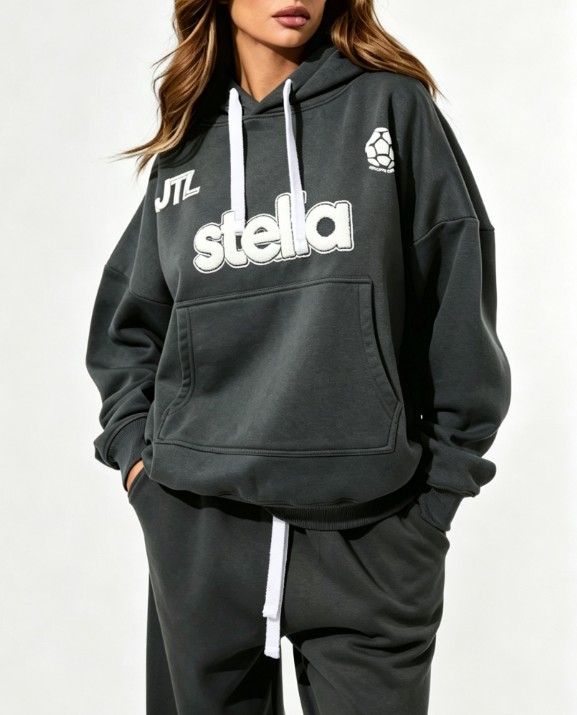
One approved pre-production sample is the bulk-production reference. Skipping it can lock in wrong rib recovery, print placement, or measurements across every unit. A 2–3% shrinkage allowance may alter finished measurements materially. Wash-test the sample and sign off construction, hand feel, color, and measurements before cutting.
Ignoring Grading And Tolerances
XS–3XL cannot be graded by simply enlarging one base pattern. Poor grading creates unbalanced shoulders, sleeves, and body lengths, increasing exchanges and markdowns. A ±1 cm tolerance should be documented by point of measure. Supply a graded spec sheet with chest, length, sleeve, rib, and shrinkage tolerances.
Sending Unprintable Artwork

300 DPI artwork at final print size prevents soft edges and broken details. Low-resolution files, missing fonts, and overly fine lines can force compromises after sampling. A 0.5 mm minimum line is a practical screen-printing checkpoint. Provide editable vector AI, PDF, or SVG artwork plus Pantone references and placement dimensions.
Overextending Colors And Timing
Six colors at a 100-unit MOQ can leave too little depth per SKU. Excess colorways complicate fabric booking, decoration setup, forecasting, and replenishment. A 7–14 day decoration setup window can affect launch dates. Start with two or three proven colors, confirm print or embroidery lead time, and record every approved change in writing.
9. Launching Your Pullover Collection
100-unit MOQs let a first drop test a focused customer, price point, and silhouette without spreading inventory too thin. For blank pullovers wholesale, treat sampling as the point where creative decisions become controlled production specifications.
Define The First Drop
3 core SKUs are usually enough: one hero crewneck or hoodie, one alternate fit, and one proven neutral color. Define the buyer, retail target, channel, and margin before selecting fabric weight or decoration. 2 colorways per style keep a 100-unit MOQ manageable while producing usable launch content. Lock Pantone references, size range, branded labels, packaging, and final unit allocation by color and size.
Build A Production-Ready Tech Pack
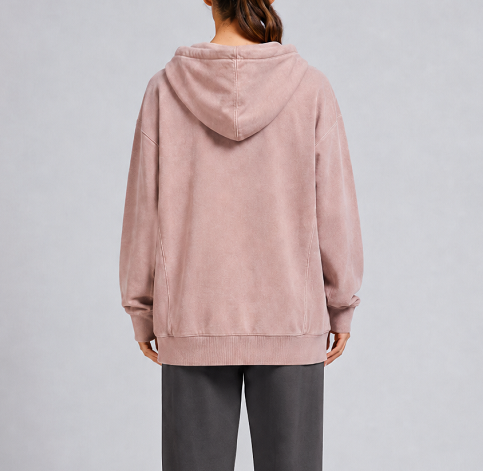
1 complete tech pack should specify garment measurements, tolerances, construction, stitch details, bill of materials, artwork placement, and label positions. Include front, back, and close-up references so sampling does not depend on interpretation. 280–350 GSM fleece or French terry should be approved through swatches and a prototype, not digital photos alone. Record composition, shrinkage expectation, hand feel, rib specification, and approved color standard.
Approve Samples Before Bulk

2 fit rounds are common when grading from XS through 3XL or refining an oversized block. Review shoulder balance, body length, sleeve pitch, neck opening, shrinkage, and measurement tolerances on a size set. 1 pre-production sample should match the approved fabric, trims, artwork, wash, labels, and packing method. Test screen-print adhesion, embroidery density, and colorfastness before issuing written bulk approval.
Plan Logistics And Reorders
30–60 days of launch stock coverage is a practical planning window for a new label, subject to selling channel and replenishment speed. Confirm carton markings, shipping method, delivery deadline, customs documents, and photography samples before goods leave the factory. 100-unit repeat programs move faster when approved patterns, graded measurements, Pantones, and material records are retained. Set a reorder trigger by color and size, then reserve budget for proven sellers rather than expanding the first drop prematurely.
10. Blank Pullovers Wholesale Pricing and Costs
100-unit programs are normally the most expensive entry point because pattern preparation, fabric booking, cutting, and inspection are spread across fewer garments. The ranges below are indicative factory prices in USD for a standard adult blank pullover; final quotes change with specification, destination, Incoterms, and freight mode. 280–500 GSM fabric, brushed fleece versus French terry, embroidery or screen print, custom labels, and branded packaging can each shift the landed cost materially. Compare quotations against one identical tech pack, Pantone color count, size ratio, decoration locations, packing method, testing requirement, and shipping term; the lowest unit figure may omit critical quality controls or setup costs.
| Quantity tier | Indicative factory price per unit | Typical bulk lead time | Main cost considerations |
|---|---|---|---|
| 100–299 units | US$12–22 | 25–35 days | 360–420 GSM fleece, limited colors, stock trims |
| 300–999 units | US$9–17 | 25–40 days | Fabric yield, size grading, labels, individual polybags |
| 1,000–2,999 units | US$7–14 | 30–45 days | Custom dyeing, 280–500 GSM weight, print setup |
| 3,000+ units | US$6–12 | 35–50 days | Container planning, embroidery stitches, destination freight |
Start Your Blank Pullovers Wholesale Sampling Project
Send your tech pack, reference garment, or product idea for a tailored OEM wholesale quotation from 100 units per style and color.