
Custom Puff Print Hoodie Manufacturing From 100 Units
One-stop OEM, ODM and private-label custom puff print hoodie production with fit-focused XS–3XL development, in-house decoration and scalable global delivery.
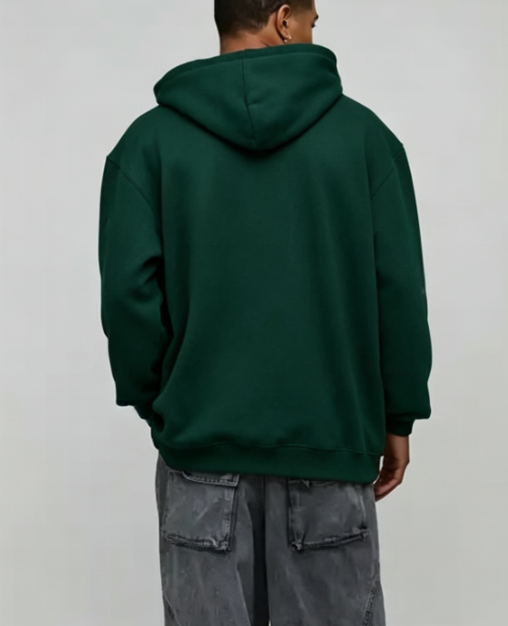
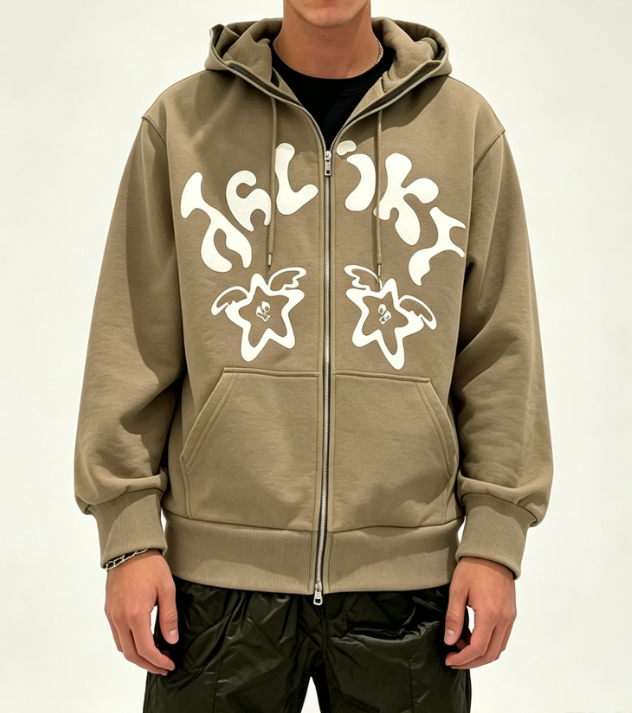
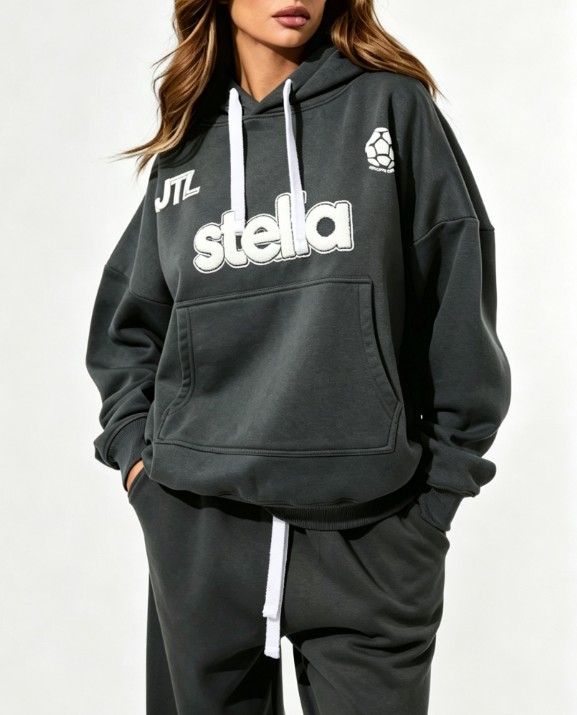
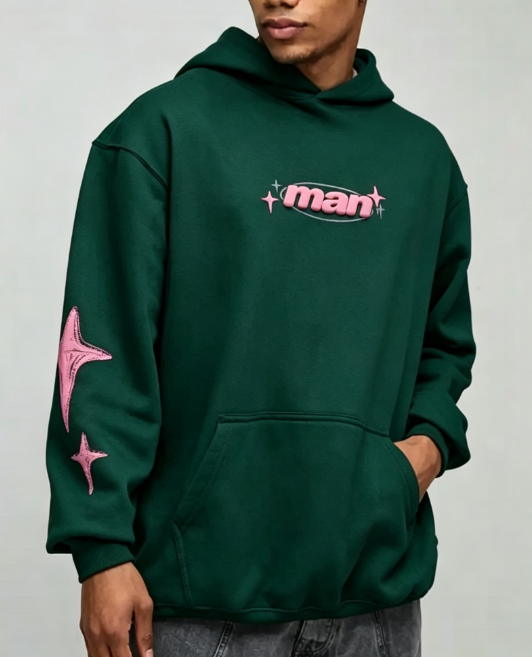
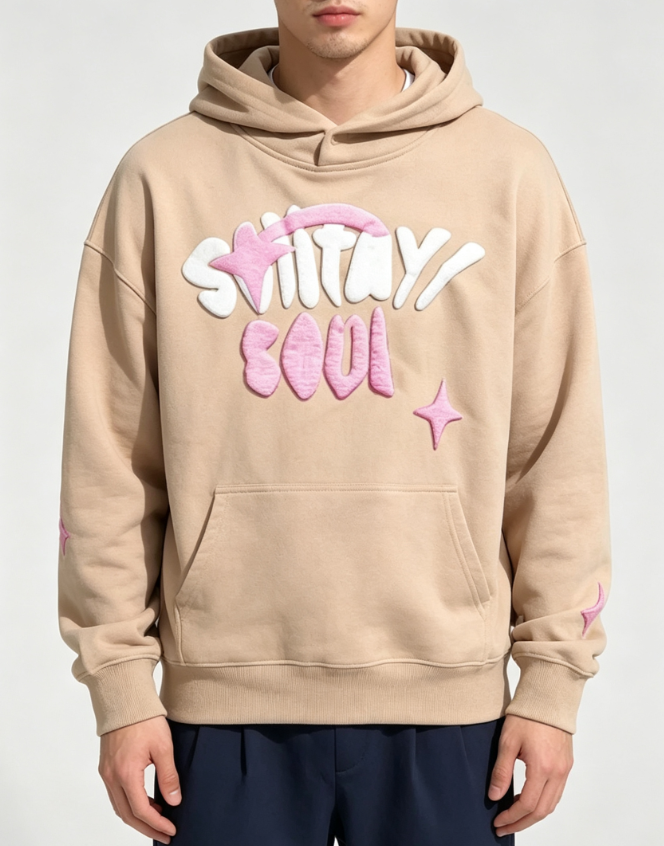
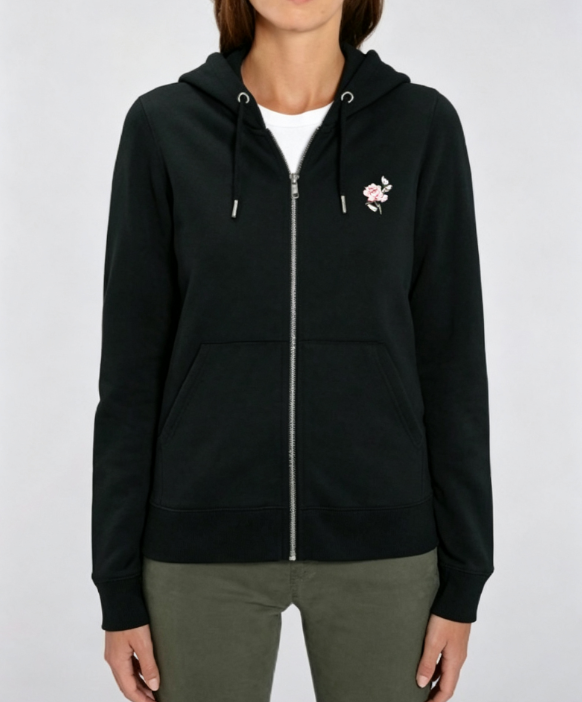
Featured Products for custom puff print hoodie Development




Related Product Catalogue and Quotation



Why Brands Source Custom Puff Print Hoodies From Junsheen
Built for launch-ready hoodie programs, from raised-print development and fit approval to private labeling and worldwide delivery.
100-Unit MOQ
Launch a custom puff print hoodie capsule from 100 units per style and color, then scale confidently into repeat bulk orders.
In-House Puff Printing
Coordinate puff, high-density, silicone, flocking, and screen-print effects with construction checks for clean raised logos and consistent placement.
XS–3XL Fit Development
Refine oversized, standard, extended-size, and plus-size hoodie patterns with balanced grading, mobility, and proportions across the full size run.
Fabric Sourcing Support
Select fleece, French terry, cotton blends, and recycled options against your target weight, hand feel, durability, wash performance, and cost.
Complete Private Labeling
Finish hoodies with custom woven labels, wash-care labels, hang tags, drawstrings, patches, branded packaging, and production-ready trims.
Global Export Readiness
Work with one manufacturing partner for quality control, packed-goods inspection, export coordination, and scalable delivery to international markets.
Custom Casualwear Manufacturing Options
Develop fit-focused hoodie, denim, knitwear and outerwear programs from 100 units per style and color, with integrated sourcing, sampling and production support.

Custom Hoodies
Develop custom hoodies in fleece or French terry with branded labels, custom rib trims, embroidery, screen printing, puff print and garment washes. Junsheen supports fit development from XS–3XL, samples and scalable OEM or private-label production from 100 units per style and color.
Request a Quote
Custom T-Shirts
Produce custom T-shirts in cotton, combed jersey, Pima cotton or blended fabrics matched to your target weight, hand feel and price point. Pattern development, size grading, DTG, DTF, screen printing, embroidery, labels and packing are managed in one production workflow.
Request a Quote
Custom Jeans
Build custom jeans with denim or stretch-denim fabric selection, fit development, wash testing and size grading that accounts for rise, leg shape and mobility. Programs can include custom hardware, leather patches, embroidery, distressing, stone wash, acid wash and branded packaging.
Request a Quote
Custom Sweaters
Source turtleneck sweaters in bulk with yarn, gauge, stitch and silhouette specified for your collection. Junsheen develops fitted, oversized and extended-size knitwear, then manages sampling, grading, labels, trims and production for wholesale or private-label programs.
Request a Quote
Custom Jackets
Create custom jean jackets with denim-weight recommendations, pattern engineering and wash development suited to your target market. Choose standard, oversized or extended-size fits, then add branded buttons, patches, embroidery, printing, distressing and custom labels before bulk production.
Request a Quote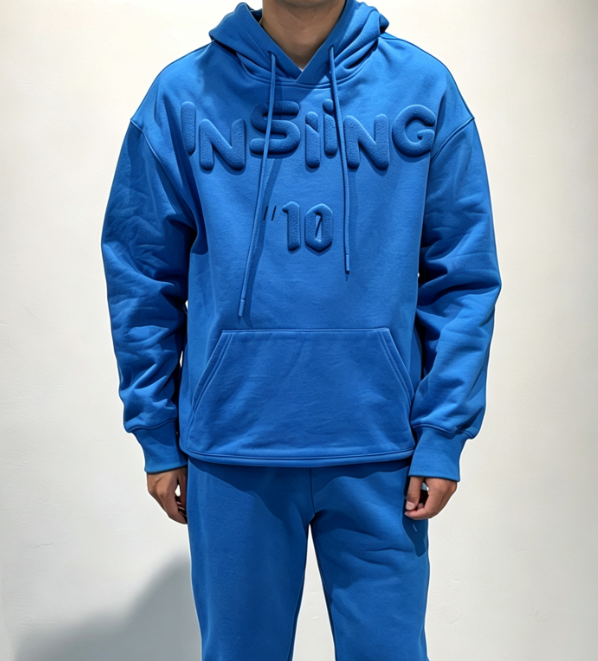
Custom Sweatshirts & Crewnecks
Develop custom crewneck hoodies and sweatshirts in brushed fleece, French terry or jersey, with fit and grading refined across XS–3XL. Decoration options include puff print, high-density print, embroidery, applique and garment finishing, supported by low-MOQ sampling and production.
Request a Quote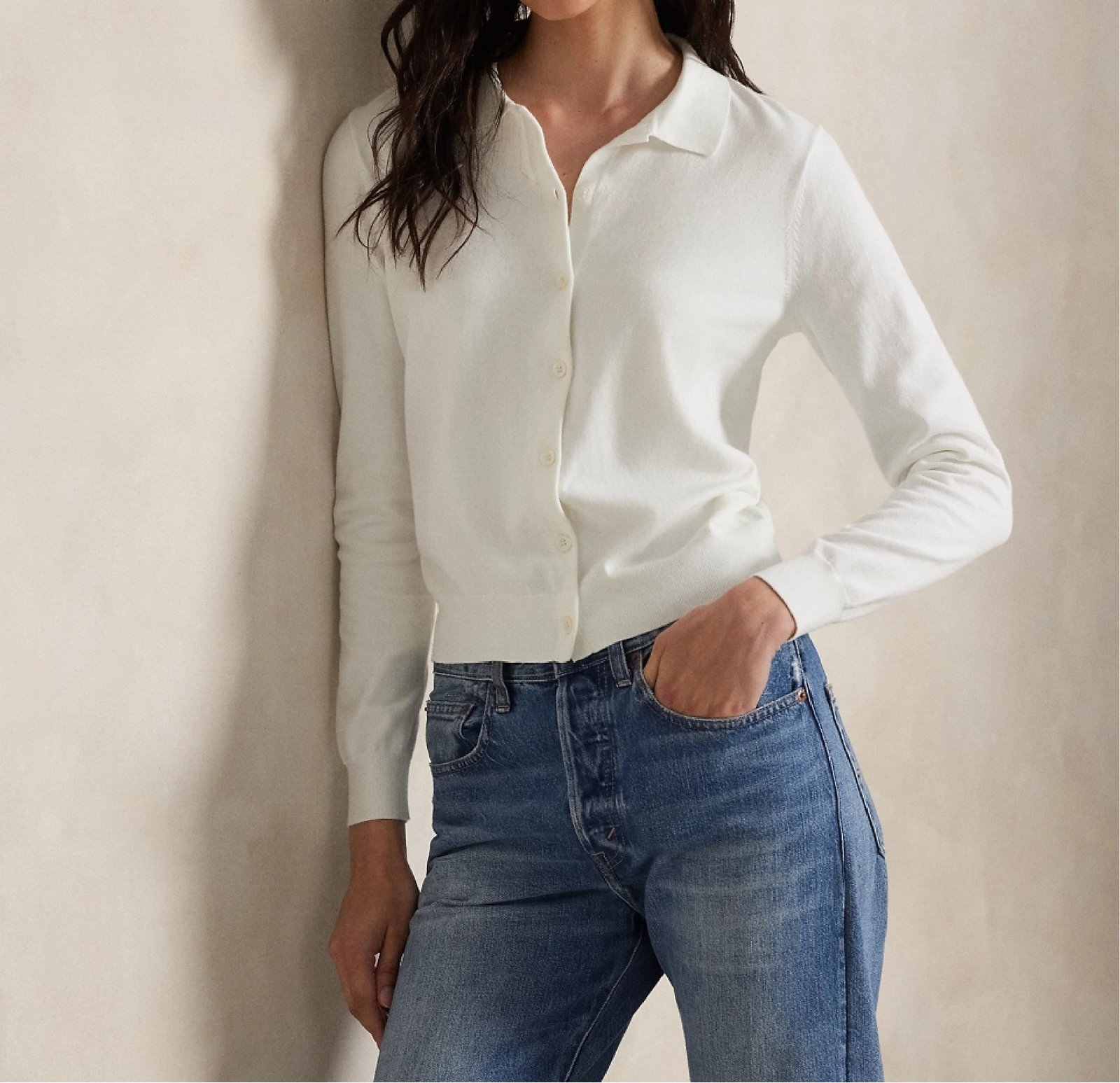
Custom Cardigans
Manufacture custom cardigans in suitable yarns and knit constructions, from lightweight layering pieces to heavier seasonal styles. Junsheen manages gauge selection, button or zipper trims, pattern development, grading, labels and packaging for brand-ready bulk orders.
Request a Quote
Custom Puffer & Down Jackets
Produce custom puffer jackets with shell, lining and insulation specifications aligned to warmth, weight and cost targets. Development covers quilting layout, fit, zippers, snaps, reflective details, branded labels and pre-production samples before scalable outerwear manufacturing.
Request a Quote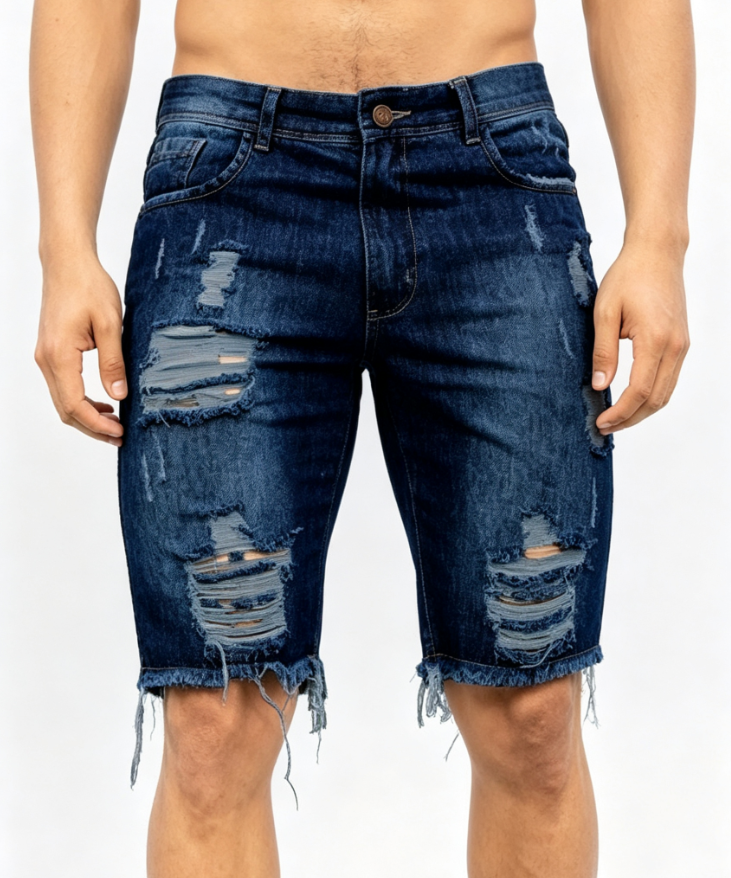
Custom Denim Shorts
Develop custom jean shorts with denim or stretch-denim sourcing, inseam and rise development, and fit grading for intended customers. Add wash treatments, raw hems, distressing, embroidery, custom buttons, patches and labels for a complete private-label denim program.
Request a Quote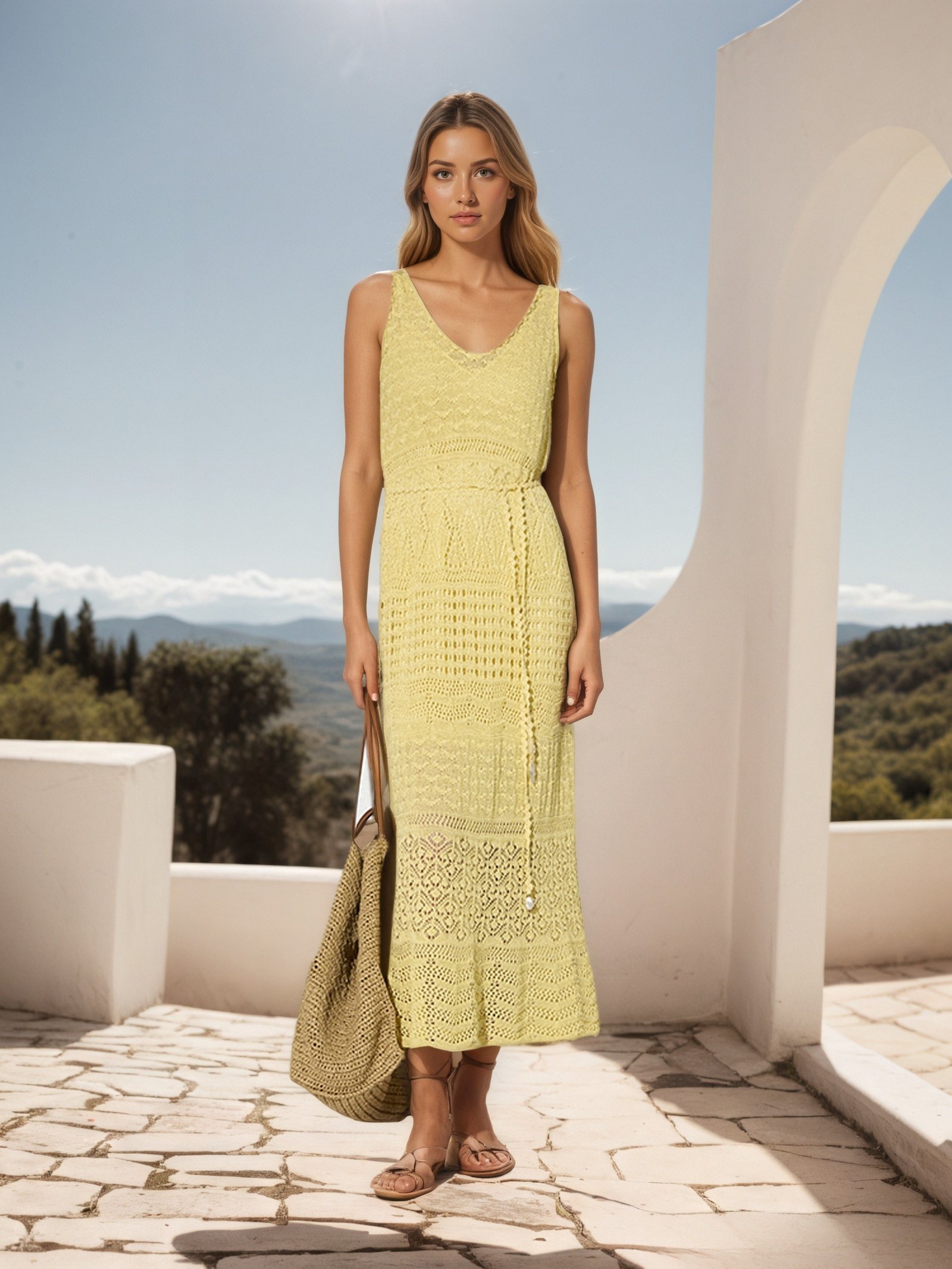
Custom Sweater Dresses
Create custom sweater dresses with the yarn, gauge, stitch texture and silhouette required for your collection. Pattern makers refine body length, shoulder balance and grading across normal, extended and oversized fits, while production includes trims, labels and quality checks.
Request a Quote
Custom Denim Sets
Build men’s denim suits for wholesale programs with coordinated denim jackets and jeans developed as matched sets. Junsheen manages fabric consistency, fit specifications, washes, hardware, labels and repeatable size grading for capsule launches or ongoing bulk supply.
Request a Quote
Custom Polo Shirts
Produce custom polo shirts in pique, jersey or performance-knit fabrics, with collar construction and sizing suited to retail, uniform or fashion programs. Add embroidery, screen printing, custom buttons, woven labels and packaging, with samples available before bulk approval.
Request a Quote
Custom Sweatpants
Develop custom sweatpants in fleece, French terry or jersey with precise rise, leg shape, cuff and waistband specifications. Junsheen supports relaxed, tapered, oversized and extended-size fits, plus drawstrings, pockets, embroidery, printing, labels and wash finishes.
Request a Quote
Custom Shorts
Manufacture custom shorts in jersey, fleece, twill, denim or performance fabrics for casualwear and seasonal collections. Development covers inseam, rise, pocket construction, fit grading, prints, embroidery, trims and branded packaging from low-MOQ sampling through bulk production.
Request a Quote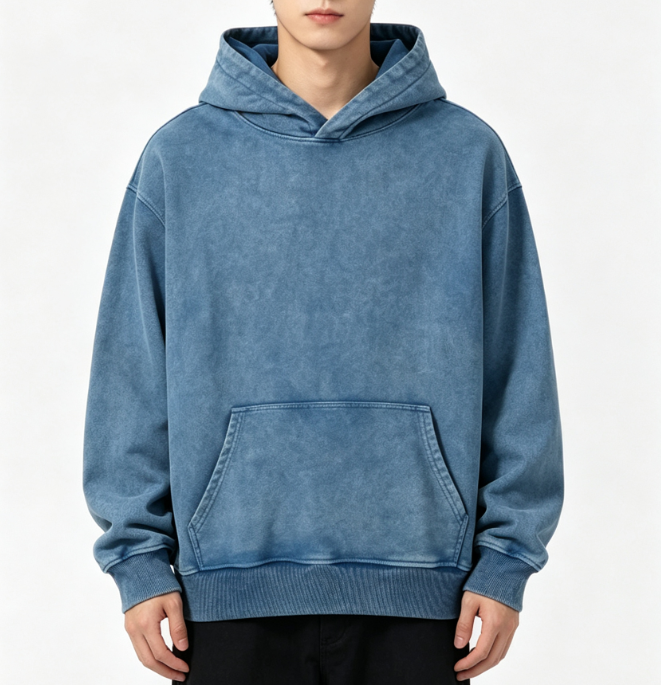
Custom Pullovers
Create custom pullovers in knit, fleece, French terry or jersey constructions, based on a tech pack, reference garment or initial concept. Junsheen handles fabric sourcing, pattern making, XS–3XL grading, decoration, labeling and quality-controlled OEM production.
Request a QuoteCustom Puff Print Hoodie Materials Built for Lasting Dimension

Heavyweight Cotton Fleece
A dense, brushed-back fleece with a substantial, premium hand feel for streetwear and winter capsules. Commonly 360–450 GSM, it provides a stable surface that supports bold puff-print coverage and repeated washing.

Cotton French Terry
Loopback French terry offers breathable comfort with a clean face for year-round hoodies and elevated casual sets. Typically 280–360 GSM, its smooth print surface helps puff inks cure evenly while maintaining flexible drape.

Cotton Polyester Fleece
A durable cotton-polyester fleece balancing soft inner warmth with improved shape retention for promotional, retail, and wholesale programs. Usually 300–400 GSM, the blended face resists excessive shrinkage and accepts high-coverage raised prints.

Combed Cotton Terry
Combed cotton terry delivers a cleaner, softer hand feel for premium private-label hoodies and fashion-led launches. Its refined yarn surface improves print definition, while medium-weight constructions provide comfortable structure without unnecessary bulk.

Organic Cotton Fleece
Organic cotton fleece gives conscious brands a soft, natural feel for elevated custom puff print hoodie collections. Available in heavyweight brushed constructions, it offers dependable durability and a stable face for carefully tested puff-print applications.
Custom Puff Print Hoodie Decoration Techniques


High-Density Print
High-density screen printing builds crisp, structured layers for a sharper three-dimensional effect. It delivers precise edges, durable coverage, and a more defined finish for detailed brand marks and typography.

Silicone Print
Silicone printing produces a smooth, flexible raised surface with excellent stretch recovery and abrasion resistance. It works well for athletic-inspired graphics, tonal logos, and premium tactile hoodie branding.

Puff Embroidery
Puff embroidery uses foam beneath the stitching to elevate selected elements of a logo. The result is a durable, richly textured finish that adds dimension to caps, chest logos, sleeves, and back details.

Heat Transfer
Heat transfer applies full-color or intricate artwork with clean detail and controlled placement. It is a practical route for small graphics, variable designs, photo effects, and mixed-decoration hoodie collections.
Private-Label Trims for Every Custom Puff Print Hoodie

Custom Drawcords
Choose cotton, flat, round, reflective, or tipped drawcords for hood openings. Custom colors, aglets, and lengths help align each custom puff print hoodie with your collection’s intended price point and visual identity.

Branded Zippers
Add metal, nylon, or concealed zippers to zip-up hoodie programs, with custom pulls and finishes available. Junsheen coordinates zipper selection with garment weight, wash treatment, and the placement of raised print artwork.

Woven Labels
Create main labels, size labels, and wash-care labels that support clear retail presentation and compliance. Woven, printed, leather, and silicone label options can be positioned to suit necklines, hems, side seams, or pockets.

Custom Hang Tags
Use branded hang tags to communicate your logo, collection story, sizing, or care guidance at retail. Select paper stock, shapes, cords, eyelets, and finishes that complement the hoodie’s color palette and private-label direction.

Rib Knit Trims
Specify rib quality, weight, stretch recovery, and stripe details for cuffs and hems. Fit-focused development helps keep rib trims balanced across XS–3XL, oversized, and extended-size hoodie patterns through sampling and bulk production.
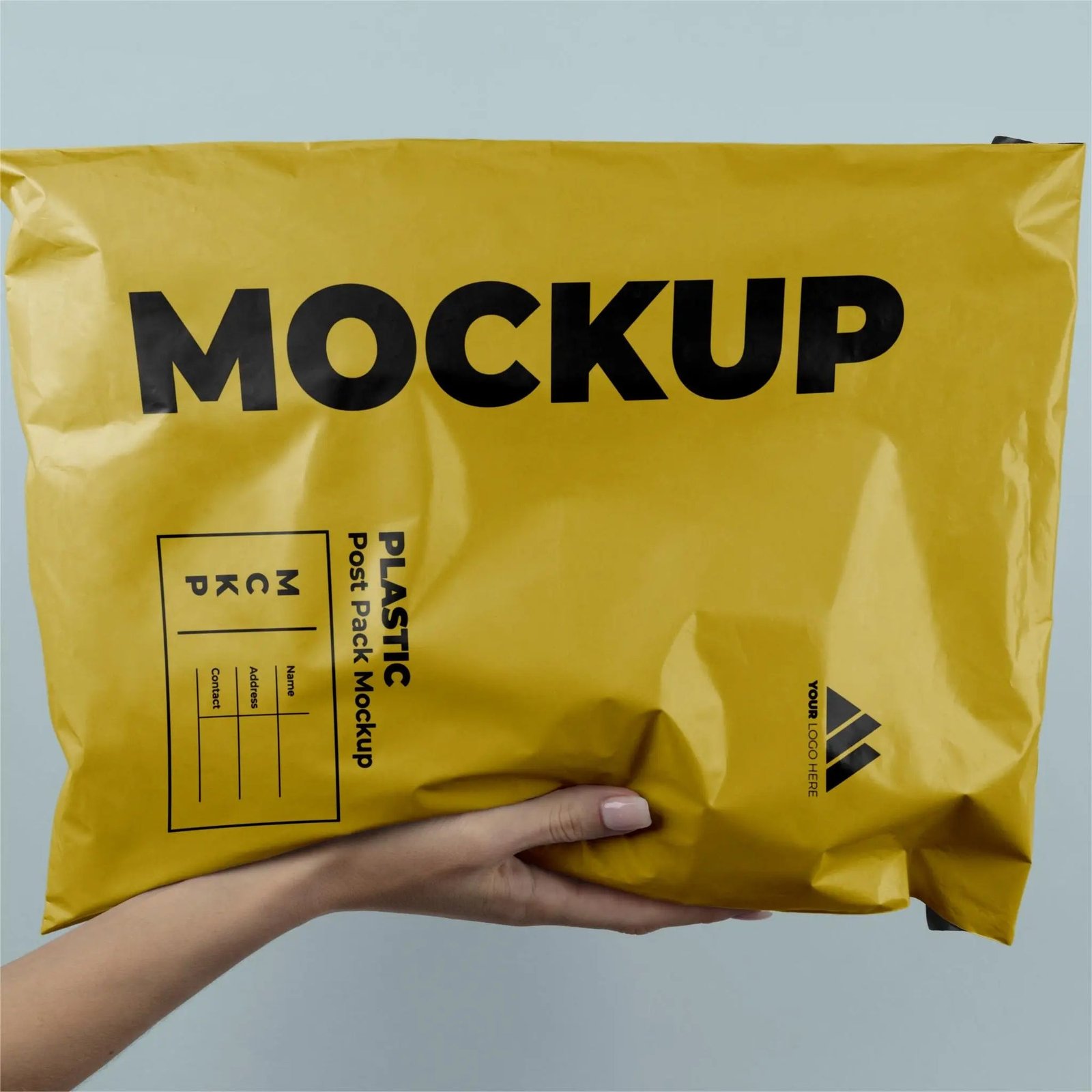
Branded Packaging
Complete your program with custom polybags, folding cards, sticker seals, tissue paper, or shipping cartons. Packaging specifications are coordinated with labeling, final inspection, and export packing to help products arrive retail-ready worldwide.
About JUNSHEEN Apparel Manufacturing
Founded in 2010 in Humen Town, Dongguan, JUNSHEEN helps global fashion brands turn custom puff print hoodie concepts into dependable production programs. Our one-stop OEM, ODM and private-label team supports development from a tech pack, reference garment or early design idea through sampling, approval and export-ready delivery.
With more than 200 skilled workers and monthly capacity above 80,000 units, we balance low-MOQ launches from 100 units per style and color with scalable bulk production. Cut-and-sew, knitting, fabric sourcing, puff printing, embroidery, washing, labels, trims and packaging are coordinated through one experienced apparel supply chain.
Our difference is a fit-first, long-term partnership approach. We develop and grade patterns from XS to 3XL, including extended-size, plus-size and oversized silhouettes, refining proportion and mobility across the size set. Clear technical guidance, controlled quality checks and retained production records help hoodie programs stay consistent as your brand grows.

Custom Puff Print Hoodie Capabilities That Scale
Fit-First XS–3XL Grading
JUNSHEEN develops custom puff print hoodie patterns for standard, extended, plus-size, and modern oversized fits. Our pattern makers refine shoulder balance, body length, sleeves, mobility, and grading increments across the full size range instead of simply enlarging one base block.
- Fit development from XS through 3XL
- Oversized and extended-size proportions refined by size
- Size-set sampling before bulk approval
- Graded patterns retained for repeat programs

Production-Ready Product Development
Bring a finished tech pack, sketch, reference garment, mood board, or early concept. Our development team turns it into a manufacturable hoodie specification, aligning fabric weight, construction, trims, measurements, and raised-print placement with your target price and brand direction.
- OEM, ODM, and private-label support
- Fabric, fleece, and French terry recommendations
- Pattern making and prototype sampling
- Specifications reviewed for production feasibility
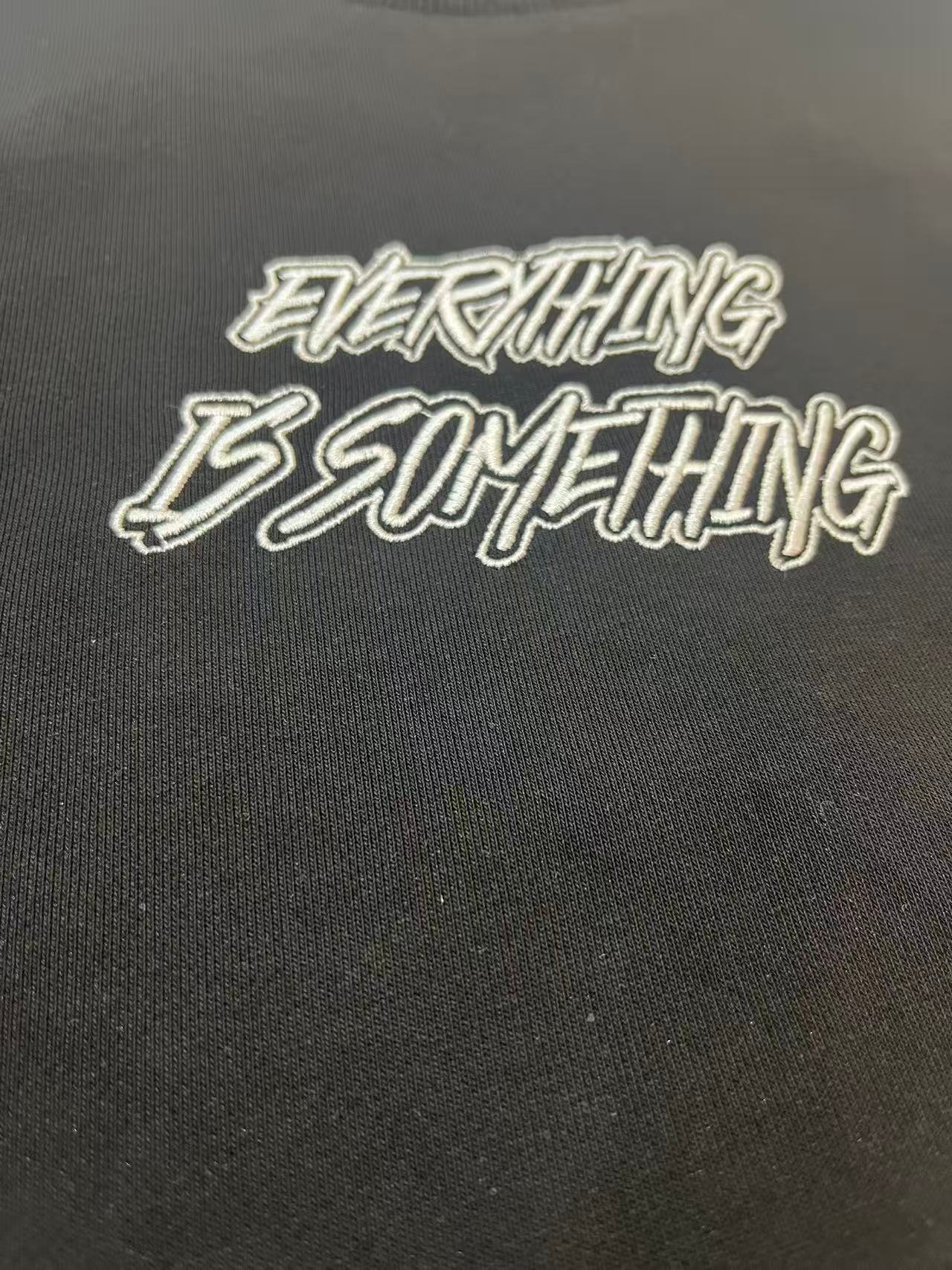
Integrated Raised-Print Decoration
Keep decoration decisions connected to garment construction. JUNSHEEN manages puff printing alongside screen print, silicone, high-density effects, embroidery, patches, labels, and packaging, helping your artwork achieve a dimensional finish that holds up through intended wear and care.
- Puff, plastisol, water-based, and silicone printing
- Print placement matched to garment panels
- In-house embroidery and custom patch options
- Branded labels, hang tags, and packaging

Controlled Capacity, Consistent Quality
From a 100-unit capsule to ongoing bulk orders, JUNSHEEN combines more than 200 skilled workers with monthly capacity above 80,000 units. Incoming materials, in-line construction, measurements, decoration, and packed goods are checked to protect consistency before global shipment.
- MOQ from 100 units per style and color
- Incoming, in-line, and final inspection controls
- Scalable production for repeat orders
- Export support for global fashion brands

Why Choose JUNSHEEN for Custom Puff Print Hoodies
A fit-focused, production-ready partner for hoodie programs from sampling through repeat bulk orders.
← 左右滑动查看 →
Custom Puff Print Hoodie Production, From Sourcing to Shipping
A clear, managed path from your artwork and fit requirements to inspected, private-labeled hoodies ready for global delivery.
Review Design Feasibility
JUNSHEEN reviews your tech pack, artwork, target fit, puff-print placement, quantities and budget, then confirms manufacturability and production recommendations.
Source Materials and Trims
Select fleece or French terry, rib trims, drawcords, labels and packaging with swatches evaluated for weight, hand feel, durability and print performance.
Develop Samples and Fit
Our team creates patterns and graded XS–3XL size specifications, then produces prototype samples for fit, color, construction and raised-print approval.
Approve Bulk Production
After sample confirmation, we lock materials, measurements, artwork and private-label details before cutting, sewing, puff printing and finishing your approved order.
Inspect Pack and Export
Inspections verify fabric, construction, measurements, decoration and packed goods before branded packing and coordinated global export shipment from our Dongguan factory.
How to Start Your Custom Puff Print Hoodie Order
Move from concept to delivery with a clear OEM workflow built for 100-unit launches and scalable repeat production.
Send Your Design Brief
Share a tech pack, sketch, reference garment, mood board, or target specifications. Our team reviews construction, puff print placement, sizing, fabrics, and feasibility.
Confirm Materials and Quote
Select hoodie fabric, colors, trims, labels, and raised-print effects. We recommend production-ready options, confirm the 100-unit MOQ, lead time, and quotation.
Approve Your Sample
Review the prototype for fit, hand feel, print height, color, and workmanship. We refine patterns and details across XS–3XL before bulk approval.
Launch Bulk Production
After approval, our 200-plus-person team manages fabric inspection, cutting, printing, sewing, finishing, and in-line quality checks for consistent custom hoodie production.
Inspect and Ship Globally
We complete final measurement, decoration, and packing inspections, then arrange export-ready delivery. Retained patterns and material records support efficient repeat orders.
Custom Clothing Manufacturer Credentials and Compliance Documents




What Fashion Brands Say About Working With JUNSHEEN
JUNSHEEN turned our sketch into a production-ready custom puff print hoodie in three sample rounds. Their team adjusted the oversized shoulder and sleeve proportions across XS–3XL, and our first 300-unit launch sold through in six weeks.
The puff print came out clean, even, and consistent across our 1,200-piece drop. We received clear photos during development, approved the strike-off quickly, and had no decoration-related rejects reported by our retail partners.
We started with a 100-unit colorway to test demand, then reordered three additional colors. JUNSHEEN retained our patterns and print specifications, which made the repeat order faster and kept fit and raised-logo placement consistent.
Custom Puff Print Hoodie FAQ
Clear answers on MOQ, sampling, production, payment, delivery, print performance and confidentiality for your hoodie program.
What is the MOQ for a custom puff print hoodie?
Can you make a sample before my custom puff print hoodie bulk order?
How long does custom puff print hoodie production take?
Will puff print crack or flatten after washing?
Can you match my artwork and brand colors for a custom puff print hoodie?
How do payment terms work for a first hoodie order?
Do you ship custom puff print hoodies internationally?
How do you protect my hoodie designs and brand information?
Complete Buyer’s Guide to custom puff print hoodie
Use this practical framework to select fabrics, print specifications, construction details, and dependable suppliers while avoiding sampling, pricing, and production mistakes that can compromise your custom hoodie program.
1. What Is a custom puff print hoodie?
3D puff ink is a screen-print ink formulated with a blowing agent that expands during heat curing, leaving a raised, soft-edged graphic on the hoodie surface. A custom puff print hoodie therefore combines a familiar screen-printed artwork process with tactile height that catches light and adds depth without the stitch density of embroidery. 160–170°C is a common cure range for plastisol-based puff systems, although the exact temperature, dwell time, mesh count, ink deposit and garment fabric must be validated on a production sample. Standard screen printing dries flat; embroidery builds a thread-based relief; silicone transfers create a cleaner, rubber-like raised film, while puff print delivers a more inflated, textile-integrated hand feel. 100 units per style and color can make a focused capsule feasible when the artwork is engineered for repeatable production. Bold lettering, outlined logos, simplified mascots, collegiate graphics and selected panel accents suit puff best; very fine lines, tiny type and large solid fills need testing because expansion can close gaps or produce uneven height. For a branded casualwear collection, the sourcing question is whether the factory can translate the intended visual effect into an approved sample with consistent texture, wash performance and placement across bulk garments.
2. Evolution of Puff Print in Streetwear
1970s specialty screen-print shops used expanding inks mainly for novelty graphics, athletic motifs, and point-of-sale pieces. The ink is printed flat, then expands under heat; that raised surface made small logos and lettering readable without adding embroidery or an appliqué layer. 1990s streetwear turned screen printing into a central identity system, while puff remained a selective effect rather than an all-over default. Its renewed use on a custom puff print hoodie reflects buyers’ demand for tactile branding, large chest graphics, tonal marks, and distressed or vintage-inspired artwork that photographs with visible depth. 2020s social commerce made surface texture more commercially useful: short product videos can show the print rising from the fleece, and close-up shots communicate perceived value quickly. For premium merch and label launches, puff works best as a deliberate accent—such as a 1- to 2-color logo, outline, or selected type layer—because oversized solid coverage can feel heavy and may reduce wash durability. 100-unit capsule runs can therefore use puff to differentiate a core silhouette without redesigning the entire garment. Buyers should treat it as a graphic-production choice: approve strike-offs under the intended curing conditions, review the effect after washing, and keep the artwork’s fine detail and spacing suitable for expansion.
3. Types of custom puff print hoodie
Six core silhouettes cover most custom puff print hoodie briefs, from evergreen pullovers to technical layers. Match the body shape and raised artwork scale to the price point, wearer, and channel before sampling.
| Format | Typical Buyer | Best Puff Placement | Best Use |
|---|---|---|---|
| Pullover | DTC labels | Chest or back | Core retail drop |
| Zip-up | Retailers and teams | Sleeve or split chest | Layering program |
| Oversized | Streetwear labels | Large back | Premium capsule |
| Cropped | Fashion brands | Small chest | Youth retail |
| Heavyweight | Premium brands | Dense back print | Higher-ticket retail |
| Performance | Events and teams | Light chest detail | Promotional wear |
Pullover And Zip-Up

70% of logo-hoodie programs start with a pullover: use a centered chest, full back, or sleeve puff print for DTC drops and merch. A 280–360 GSM body supports medium-scale artwork without dominating the garment. 2-panel zip-ups suit teams, retailers, and layering collections; keep puff graphics clear of zipper tape and split chest designs. Pocket placement, zipper quality, and print registration require a production sample.
Oversized And Cropped

10–18 cm oversized chest prints and broad back graphics fit oversized streetwear proportions, especially for unisex labels. Dropped shoulders and longer sleeves need proportioned artwork rather than simply enlarging a standard logo. 45–52 cm cropped bodies target fashion-led women’s and youth assortments; use smaller left-chest or upper-back puff placements. Maintain hem rib recovery so the shortened silhouette does not ride upward after washing.
Heavyweight And Performance
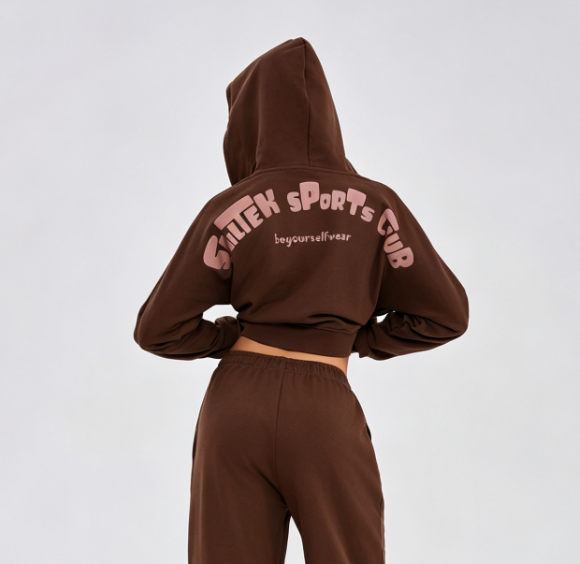
400–500 GSM heavyweight hoodies justify premium streetwear pricing and carry dense, high-impact puff prints well. Reinforced shoulders, substantial rib, and a double-layer hood support retail pieces intended for repeat wear. 180–260 GSM performance styles suit events, fitness teams, and promotional programs; place lighter puff details on the chest or sleeve. Stretch knits and moisture-management finishes need print testing to avoid cracking or restricted recovery.
4. Fabrics for custom puff print hoodie
320–460 GSM is the practical range for a custom puff print hoodie because a stable knit surface helps the ink expand evenly. Fabric must be tested after washing: shrinkage, color migration, and heat response can change the final print height.
| Fabric Type | Recommended GSM | Advantages | Limitations | Ideal Application |
|---|---|---|---|---|
| Cotton-rich brushed fleece | 360–420 | Soft, warm, stable face | Pile needs even brushing | Premium winter hoodie |
| French terry | 320–380 | Smooth face, breathable | Less thermal loft | Transitional hoodie |
| Cotton-poly blend | 330–400 | Durable, lower shrinkage | Heat and dye-migration risk | Repeat core program |
| Recycled blend | 340–420 | Supports recycled-content briefs | Surface variation requires tests | Responsible capsule |
| Heavyweight fleece | 420–500 | Structured, strong puff contrast | Higher cost and bulk | Oversized streetwear |
Surface Stability

80% cotton brushed fleece provides a soft face and substantial loft, but brushing must remain even so the print does not bridge over raised fibers. 100% cotton French terry has a smoother printed face and cooler hand feel. Its loop-back construction suits transitional-weight hoodies, although it offers less insulating bulk than fleece.
Shrinkage And Heat
3–5% residual shrinkage is a sensible pre-production target after the intended wash process. Pre-shrinking and post-print wash tests reveal whether the puff film cracks, flattens, or distorts with the garment. 150–170°C is a common curing window for puff systems, subject to ink supplier instructions. Polyester-rich blends need controlled dwell time to avoid gloss, dye migration, or heat marks.
Color And Hand Feel

Pantone-matched dark grounds can make light puff ink more graphic, while heather and heavily textured faces reduce edge definition. Request strike-offs on the approved bulk color, not only on white test fabric. 400 GSM heavyweight fleece gives a premium, structured hand that supports oversized silhouettes. Softer 320–360 GSM qualities better suit everyday hoodies where drape and lower bulk matter.
5. Custom Puff Print Hoodie Design Options
Two to four puff ink colors usually keep a graphic legible and production-efficient, while Pantone references prevent avoidable color drift. Treat the custom puff print hoodie as one specification system: artwork, placement, trims, labels, packaging, and graded fit must agree.
| Design Choice | Best Use | Production Note |
|---|---|---|
| Single-color puff | Bold logo or icon | Lowest artwork complexity |
| Multicolor puff | Layered streetwear graphic | Separate colors with clear gaps |
| Tonal puff | Minimal premium branding | Confirm contrast under daylight |
| Puff plus high-density | Dimensional outline effect | Require wash-tested strike-off |
Artwork, Color, And Texture

1-color artwork gives the strongest raised silhouette; 2–4 colors allow controlled contrast without turning small details muddy. Tonal puff—ink near the garment color—works especially well for premium minimal branding. 0.5 mm lines, tiny type, and tightly packed halftones need a strike-off because puff expansion can close gaps. Supply vector artwork, named spot colors, dimensions, and a print-size reference.
- Use solid shapes for reliable puff height
- Reserve fine detail for flat screen print
- Test high-density and puff layers separately
Placement And Oversized Graphics

30–35 cm front prints create an oversized chest statement on adult sizes, but placement should be measured from high-point shoulder, not guessed from a flat mockup. Back graphics, sleeves, hoods, and kangaroo pockets can carry secondary identifiers. 2–3 print locations often look more intentional when one is dominant and the others are restrained. Combine raised puff lettering with flat high-density outlines only after testing adhesion, hand feel, and wash behavior.
Branded Trim And Size Specification

1 neck-label package can include a printed or woven main label, size label, and wash-care label; a woven hem label adds brand recognition without competing with the graphic. Match drawcord color, aglets, zipper hardware, and branded packaging to the same visual direction. XS–3XL grading needs more than proportional enlargement: confirm body length, chest, shoulder, sleeve, and hood opening by size. Request a graded spec and size-set review before bulk approval.
- Cotton drawcords or matching flat cords
- Metal or molded zipper pulls for zip styles
- Custom polybag, hang tag, and carton marks
6. Construction Details That Signal Quality
320–420 GSM fleece can look premium, but construction determines whether a custom puff print hoodie survives wear and washing. Sample approval should inspect components, not merely the print face.
Fabric, Rib, And Hood
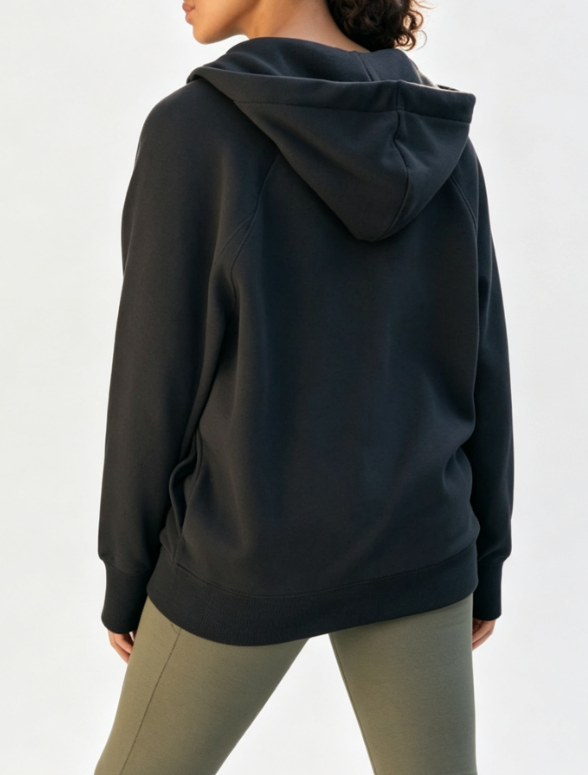
±5% fabric-weight variation between rolls can change drape, warmth, and the apparent quality of one colorway. Check rib cuffs and hem for recovery after a 10-second stretch; weak rib bags out quickly. 2-panel or 3-panel hoods should sit evenly at the neckline and retain a rounded crown. Confirm matching fabric weight, centered hood seams, and a clean neckline seam before approving bulk.
Seams, Pockets, And Hardware

6–8 stitches per inch is a practical visual baseline for durable sweatshirt seams, with bar tacks reinforcing pocket corners and stress points. Inspect kangaroo-pocket placement from the center front; uneven edges are immediately visible. Metal eyelets should be smooth, firmly set, and paired with cleanly tipped drawcords. For zip styles, run the zipper repeatedly, verify tape lies flat, and specify a proven supplier such as YKK when the target price supports it.
- Check flat, even overlock seams
- Pull-test pocket corners and drawcord exits
- Match zipper color, puller, and tape
Shrinkage, Wash, And Measurements
3–5% shrinkage allowance is common for cotton-rich fleece, but the approved spec must state the post-wash measurement standard. Pre-shrinking reduces surprises, while a wash test exposes twisting, pilling, color loss, and distorted puff areas. ±1 cm tolerances suit many key body measurements, though hood opening, sleeve length, and pocket position need separate checkpoints. Junsheen can retain approved patterns and graded size sets to make repeat-order inspections faster and more consistent.
7. Choosing a custom puff print hoodie Manufacturer
A capable custom puff print hoodie manufacturer proves the print, fit, and delivery plan before asking for bulk approval. Compare documented process control against the quoted unit price, especially when a 100-unit launch must be repeatable.
| Comparison Point | Evidence To Request | Why It Matters |
|---|---|---|
| Print capability | Strike-off and wash photos | Validates puff durability |
| Fit development | Graded spec and size set | Reduces costly revisions |
| Quoted price | Timeline and QC scope | Reveals total sourcing risk |
Verify Puff Print Expertise

3D puff ink needs controlled mesh, deposit, flash, and cure settings; a generic screen-print claim is not enough. Request dated close-ups of similar raised prints on fleece or French terry. 5 wash cycles should be shown in test photos, with notes on cracking, expansion, color change, and print height. Approve a physical strike-off before bulk.
- Ask for Pantone-matched color standard
- Confirm print placement tolerance
- Review inside-out wash results
Check Development And Materials
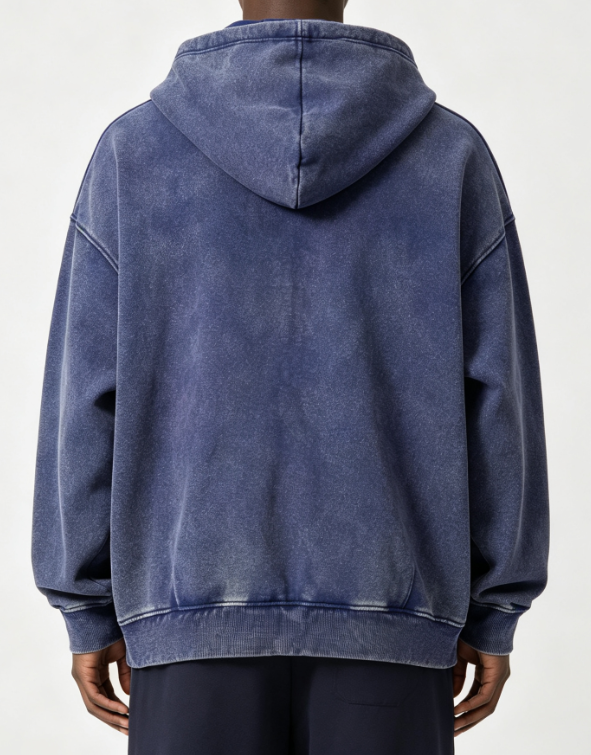
280–420 GSM fabric changes drape, warmth, and how puff ink bonds. Ask for swatches, composition, shrinkage expectations, and sourcing lead time before selecting a blank. XS–3XL grading requires more than scaling one pattern. Request measurement charts, sample photos on relevant fits, and a size-set approval route.
Compare Production Evidence
100 units per style and color can suit a capsule, but confirm whether MOQ applies by color, fabric, and decoration. Obtain a written sampling, material-booking, bulk, inspection, and shipping timeline. Incoming-fabric, in-line, measurement, decoration, and final-packed-goods checks should be defined. Ask which reports and defect thresholds are available.
- Sample revision count and cost
- Final inspection report format
- Export destination experience
Review Commercial Readiness
OEKO-TEX, GOTS, WRAP, or BSCI documentation may matter to your channel, but request current scope and certificate copies rather than relying on logos. Confirm label, packaging, and compliance responsibilities in writing. 24–48 hour responses during development help prevent unapproved substitutions. Assess communication quality through the supplier’s questions, technical comments, and revision records.
8. Common Custom Hoodie Sourcing Mistakes
Most bulk failures are decided before fabric is cut: artwork, fit, color, and tolerance assumptions are often approved too casually. A custom puff print hoodie needs a documented pre-production standard, not a promising reference image.
Test Artwork Before Approval

1 print test can reveal puff height, edge spread, cracking, and color opacity that a digital mockup cannot show. Approve a strike-off on the actual fabric and confirm ink, mesh, cure temperature, placement, and wash result.
Match Details To Capability
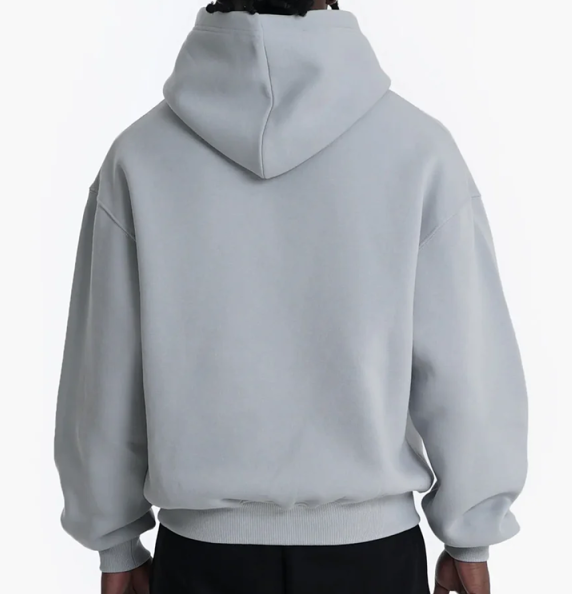
3D puff ink cannot reliably reproduce every hairline, tiny reverse-out, or tightly packed gradient. Provide vector artwork, minimum line-width guidance, and a simplified alternate mark before sampling.
Control Fabric And Fit

5% shrinkage can turn an approved measurement chart into an undersized delivery, especially with cotton-rich fleece. Test wash shrinkage, specify post-wash measurements, and approve a fit sample in every critical size rather than grading only from one base size. 280 GSM alone does not define hand feel, stability, or print behavior; fiber blend, yarn type, knit structure, brushing, and finish matter. Compare swatches and decorated samples under the intended wash standard.
Lock Measurable Standards
±1 cm is not the same risk on every point of measure: chest, body length, sleeve length, and hood opening require written tolerances. Include a graded spec, Pantone references, approved trim samples, and an acceptable color-variation standard. 2 dye lots can vary even when both target the same Pantone, particularly across fleece, rib, and drawcords. Review lab dips or bulk cuttings under agreed lighting before release.
Evaluate Total Supplier Value
100-unit pricing that omits sampling discipline, inspection, or communication often creates higher rework and delay costs later. Compare quotations by fabric specification, decoration method, tolerance control, QC checkpoints, lead time, and shipping terms—not unit price alone.
9. Launching Your Custom Hoodie Collection
100 units per style and color is a workable starting point for a focused launch. Build the custom puff print hoodie around a defined customer, retail price, margin target, and delivery date before requesting samples.
Set The Commercial Brief
3 decisions should be locked first: target wearer, retail channel, and landed-cost ceiling. A $60–$90 direct-to-consumer hoodie needs a different fabric, trim package, and margin plan than a wholesale program. 2 core colors and one seasonal accent usually make early inventory easier to merchandise. Reserve units by size curve, photography samples, seeding, exchanges, and online replenishment rather than allocating every piece to initial sales.
Build A Usable Tech Pack
1 complete tech pack should specify measurements, graded XS–3XL size chart, stitch details, Pantone colors, label positions, and bill of materials. Include front, back, and close-up artwork views with puff-print dimensions in millimeters. 300 dpi artwork or vector files prevent soft edges and ambiguous separations. Name each print color, define placement from neck or side seam, and state whether the artwork requires a raised hand-feel.
Approve Fabric And Samples

320–420 GSM brushed fleece supports a substantial cold-weather hoodie, while 280–360 GSM French terry suits transitional drops. Confirm shrinkage, pilling expectations, rib recovery, and oversized shoulder balance on the development sample. 1 pre-production sample should match approved bulk fabric, color, artwork, labels, and packaging. Sign off measurements, puff height, wash appearance, and placement tolerances before cutting begins.
Prepare The Selling System
4 branded touchpoints—main label, size label, wash-care label, and hang tag—make a capsule feel intentional. Confirm polybag warnings, barcode format, carton marks, and fold method early so fulfillment does not delay dispatch. 6–8 weeks before launch, book studio photography, fit-content, email assets, and retailer line sheets around the approved sample. Schedule freight backward from the launch date, allowing time for final inspection, balance payment, customs, and warehouse receiving.
10. Custom Puff Print Hoodie Pricing
100 units per style and color is a practical starting point for a custom puff print hoodie program, but unit cost falls most noticeably when fabric, colorways, and decoration are consolidated. Request quotes against a locked tech pack, size ratio, fabric composition and GSM, Pantone artwork, print dimensions, label plan, packaging, Incoterm, and destination. 280–320 GSM brushed fleece or French terry generally costs less than a 380–460 GSM heavyweight build because it uses less yarn and may require less robust rib, drawcord, and sewing time. Each additional puff-print color, oversized placement, sleeve or hood print, specialty ink test, woven label, hangtag, polybag, or custom carton adds material, setup, handling, or packing cost. 7–14 days is a reasonable planning range for development sampling after materials and artwork are confirmed; bulk timing begins only after sample approval and deposit. Final pricing depends on approved specifications, order quantity, factory capacity, freight method, duties, and shipping destination, so buyers should treat any early figure as an estimate rather than a landed-cost commitment.
| Order tier | Indicative unit-price drivers | Typical setup or sample cost | Planning lead time |
|---|---|---|---|
| 100–299 units | Highest unit cost; minimize colors and placements | Sample, pattern, and screen/setup charges may apply | Sample 7–14 days; bulk commonly 25–40 days after approval |
| 300–999 units | Fabric and cutting efficiency improve; one or two puff colors help | Setup cost spreads across more units | Bulk commonly 25–35 days after approval |
| 1,000+ units | Best efficiency with shared fabric, color, and packaging specifications | New screens, labels, and cartons still require setup | Bulk commonly 30–45 days after approval |
Ready to Develop Your Custom Puff Print Hoodie?
Send your tech pack, sketch or reference garment for feasibility review, sampling guidance and a tailored OEM quote from JUNSHEEN.