
Custom Denim Shorts Manufacturing From 100 Units
OEM, ODM and private-label custom denim shorts with fit-focused XS–3XL development, dependable sampling and scalable production.
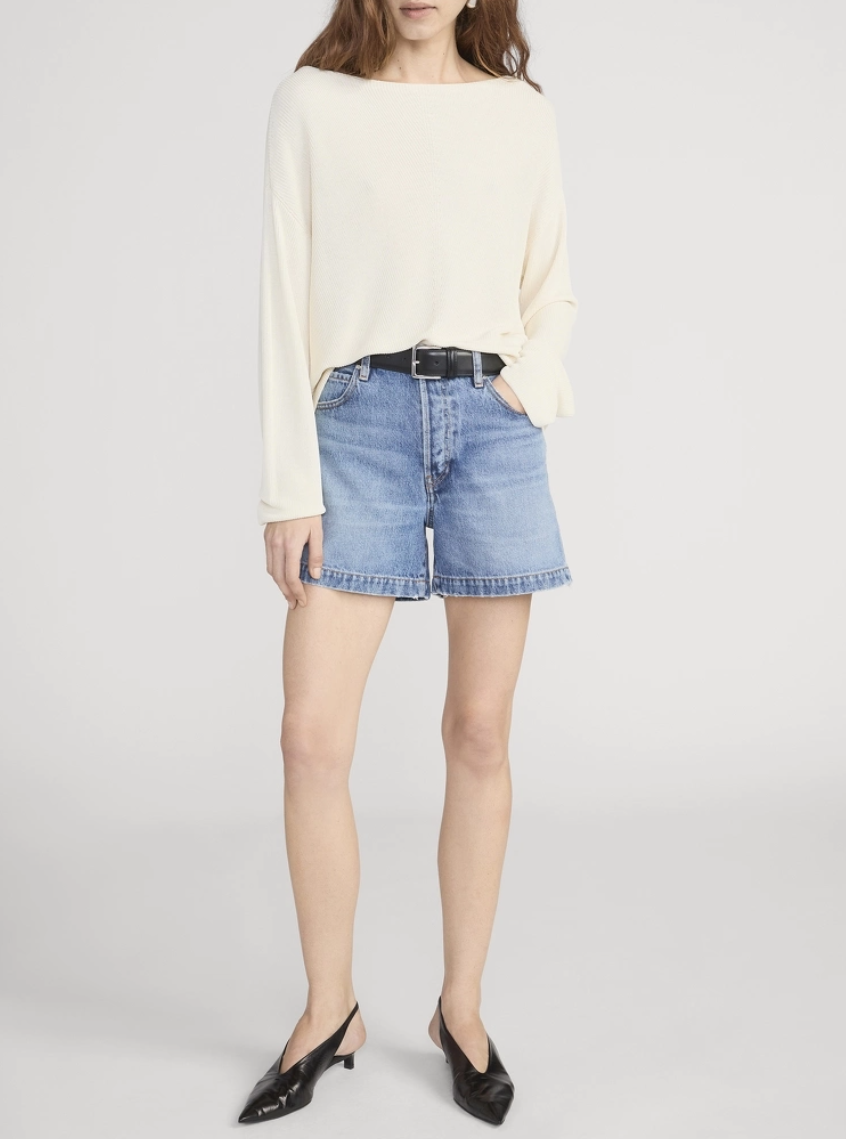
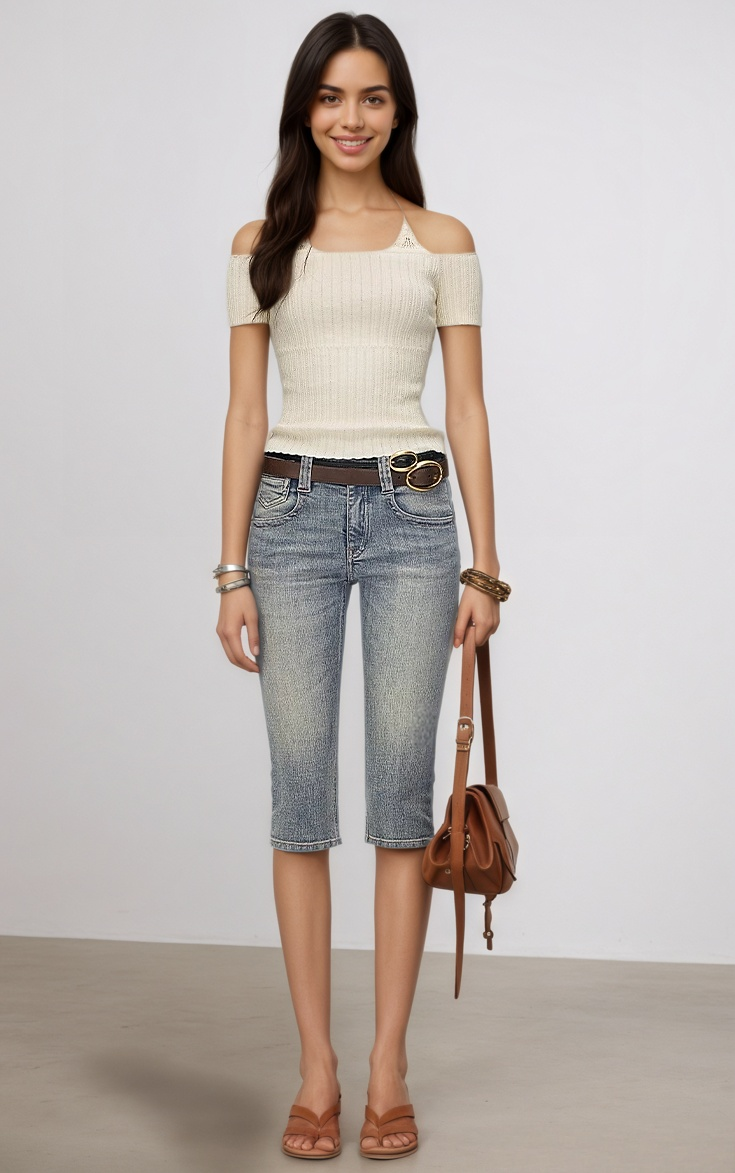
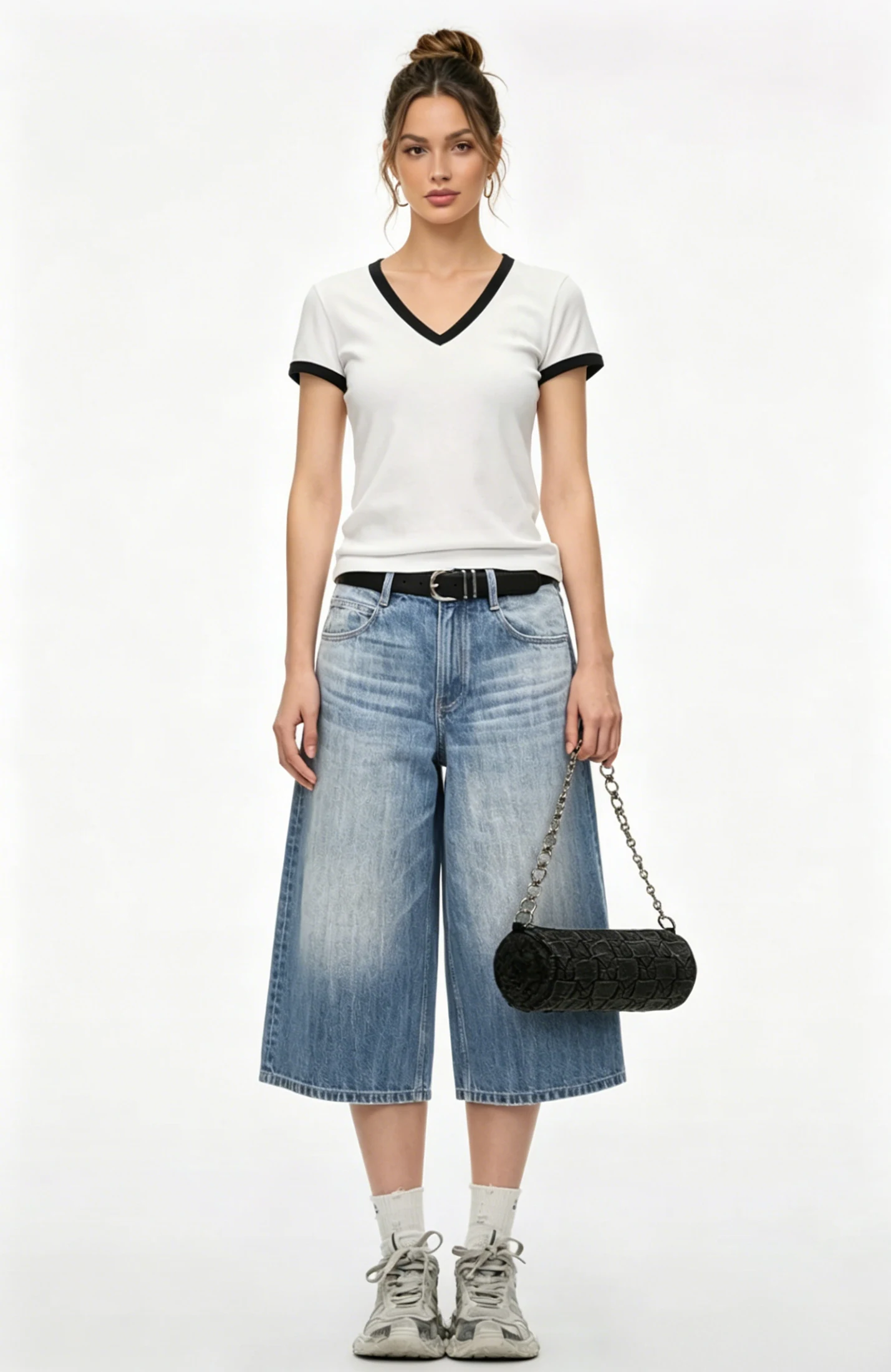
Featured Products for custom denim shorts Development






Related Product Catalogue and Quotation




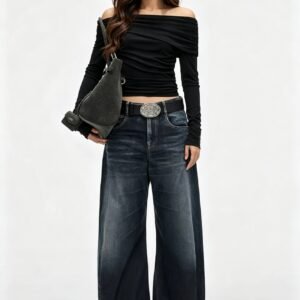


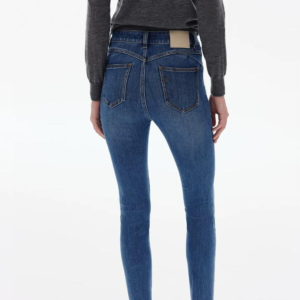
Custom Denim Shorts Built for Fit, Finish and Scale
From first sample to repeat bulk orders, JUNSHEEN combines fit-led development, flexible quantities and integrated production support.
100-Unit MOQ
Launch capsule collections or test new washes from 100 units per style and color, with capacity ready for larger repeat programs.
XS–3XL Fit Development
Pattern makers refine rise, leg balance, mobility and grading increments across normal, extended-size, plus-size and oversized denim short ranges.
Custom Wash Expertise
Build the right denim character with enzyme, acid, stone and garment washes, plus softening and finishing selected for your target hand feel.
Integrated Decoration
Add logo embroidery, screen printing, patches, custom labels, branded trims and packaging through one coordinated apparel production team.
Scalable Global Support
Work with 200-plus skilled workers, 80,000-plus monthly unit capacity and export coordination for fashion brands selling worldwide.
Custom Apparel Programs, Built to Scale
Develop fit-focused casualwear, denim, knitwear and outerwear from 100 units per style and color, with OEM, ODM and private-label support.

Custom Hoodies
Develop custom hoodies in fleece, French terry or jersey with refined XS–3XL grading, custom weights, rib trims, drawcords, labels, embroidery, screen printing and garment washes. Suitable for capsule launches, merch programs and repeat wholesale production.
Request a Quote
Custom T-Shirts
Produce custom tshirt programs from lightweight jersey to heavyweight cotton blends. Junsheen supports pattern development, oversized and extended-size fits, fabric sourcing, neck construction, DTG or screen printing, embroidery, private labels and packed export orders.
Request a Quote
Custom Jeans
Build custom jeans with denim or stretch-denim sourcing, fit development, grading, custom hardware and wash testing. Pattern makers refine rise, leg shape and mobility across XS–3XL, while production supports embroidery, patches, distressing and branded trims.
Request a Quote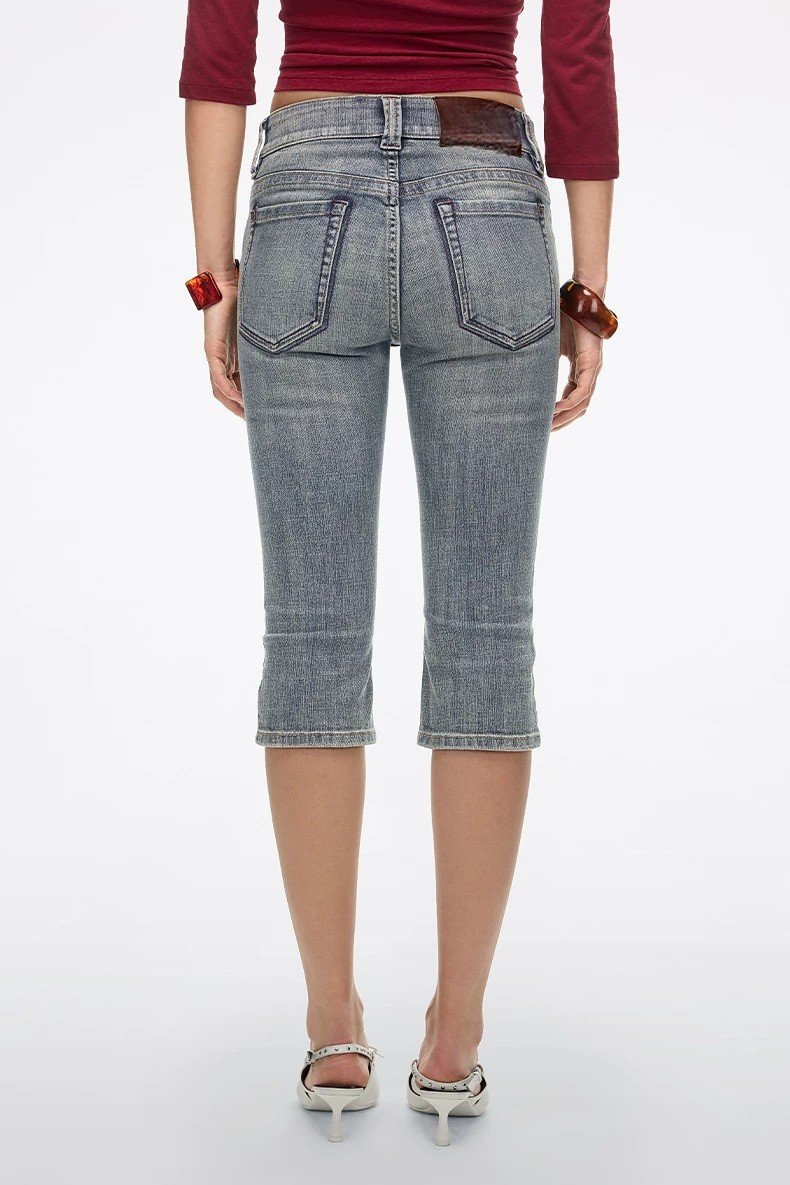
Custom Sweaters
Source turtle neck sweater bulk programs with knit construction, yarn selection and consistent size grading. Junsheen develops gauge, neckline shape, body length and sleeve proportion for fitted, relaxed or oversized sweater collections, then manages labels, packaging and export preparation.
Request a Quote
Custom Jackets
Create custom jean jacket programs with denim weight selection, pattern development, branded buttons and wash finishes. From classic trucker fits to oversized layers, Junsheen manages construction, embroidery, patches, distressing, labels and bulk quality checks.
Request a Quote
Custom Sweatshirts & Crewnecks
Develop custom crewneck hoodie and sweatshirt styles with fleece or French terry options, including crewneck, drop-shoulder and oversized silhouettes. Production covers fit grading, rib details, embroidery, printing, garment dye, washes, labels and private-label packaging.
Request a Quote
Custom Cardigans
Produce custom cardigan collections in knitted or cut-and-sew constructions, with support for yarn sourcing, gauges, button selection and fit development. Junsheen can grade classic, cropped, oversized and extended-size silhouettes for coordinated retail programs.
Request a Quote
Custom Puffer & Down Jackets
Develop custom puffer jacket programs with shell, lining and insulation selection matched to target climate and cost. Junsheen supports pattern engineering, quilting, zippers, snaps, reflective details, branded labels, fit sampling and final inspection before export.
Request a Quote
Custom Denim Shorts
Produce custom jean shorts from 100 units per style and color, addressing seasonal fit, inseam and wash requirements before bulk production. Junsheen develops denim weights, rises, raw hems, distressing, pockets, hardware and XS–3XL graded size sets for consistent repeat orders.
Request a Quote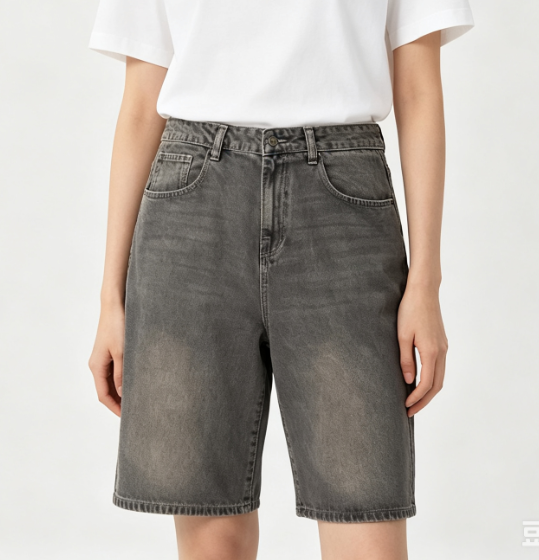
Custom Sweater Dresses
Create custom sweater dresses with yarn, gauge and silhouette development for fitted, straight, ribbed or oversized styles. The team refines length, shoulder balance and mobility across the size range, then completes labels, trims, packaging and bulk quality control.
Request a Quote
Custom Denim Sets
Develop mens denim suits wholesale programs as coordinated denim jacket and trouser or short sets. Junsheen aligns fabric lots, wash recipes, fit blocks, hardware and branded trims across both pieces, helping wholesalers maintain matching color and construction at scale.
Request a Quote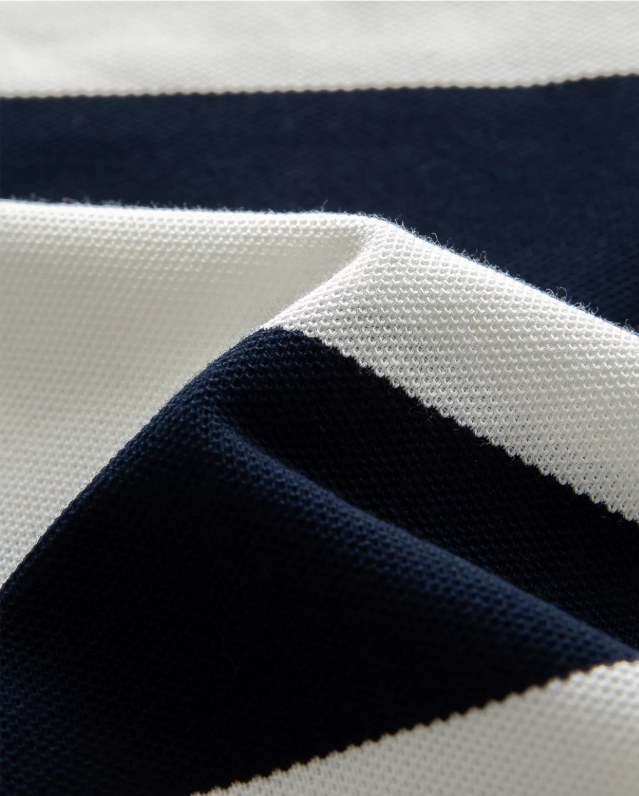
Custom Polo Shirts
Produce custom polo shirts in piqué, jersey or performance knits with collar construction, plackets, contrast tipping and logo decoration. Junsheen supports fit-focused grading, embroidery, printing, private labels and low-MOQ production for retail, uniform or promotional programs.
Request a Quote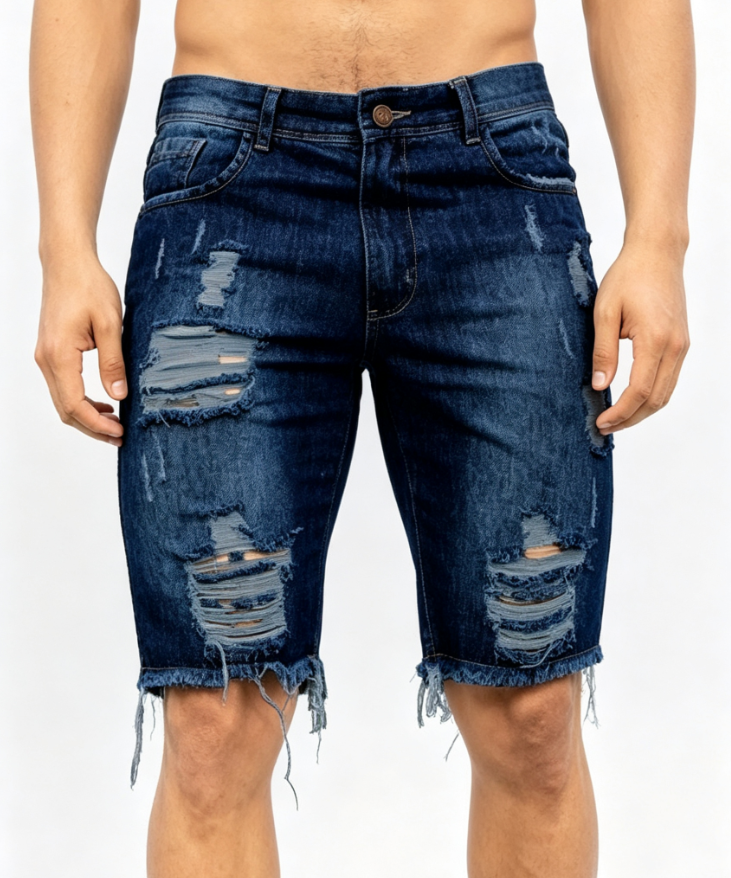
Custom Sweatpants
Build custom sweatpants in fleece, French terry or performance knits with tailored, relaxed or oversized proportions. Development covers rise, inseam, cuff treatment, elastic and drawcord details, XS–3XL grading, decoration, labels and wash finishing.
Request a Quote
Custom Shorts
Produce custom shorts across jersey, twill, fleece and woven fabrics for casual, active and coordinated set programs. Junsheen develops inseam, rise, pocket placement and waistband construction, then adds printing, embroidery, labels, trims and export-ready packaging.
Request a Quote
Custom Pullovers
Develop custom pullovers in knit, fleece, French terry or jersey constructions, including quarter-zip, half-zip and hoodless styles. Junsheen supports fabric selection, fit refinement, collars, zippers, decoration, private labeling and scalable bulk production.
Request a QuoteCustom Denim Shorts Fabrics We Support

Rigid Cotton Denim
A structured, authentic denim with a dry-to-soft hand feel for vintage-inspired cutoffs, carpenter shorts and classic five-pocket styles. Available in midweight constructions, it develops character through stone, enzyme and acid washes.

Stretch Denim
Cotton denim blended with elastane for comfortable recovery and easier movement in fitted, curvy and extended-size shorts. Its controlled stretch supports body-hugging silhouettes while helping the garment retain shape after wear and washing.

Lightweight Denim
A softer, lower-weight denim suited to warm-weather shorts, relaxed pull-on designs and fashion-forward layering pieces. Its fluid hand feel improves drape, while the lighter construction helps create breathable summer-ready garments.

Cotton Twill
A smooth, durable woven cotton with a clean hand feel for chino shorts, utility styles and non-denim color programs. Its diagonal weave provides dependable abrasion resistance and a polished surface for embroidery or printed branding.

Recycled Cotton Denim
A denim option incorporating recycled cotton fibers for brands pursuing lower-impact material stories without losing a recognizable denim appearance. Fiber blends and fabric weight can be matched to your target wash effect, strength and price point.
Custom Denim Shorts Washes, Printing and Decoration

Acid Wash
Acid washing creates high-contrast, worn-in color variation across custom denim shorts. Controlled processing delivers a distinctive vintage appearance while helping preserve garment structure, stitch definition and repeatable results in approved bulk production.

Stone Wash
Stone washing softens denim and develops natural-looking abrasion for a broken-in hand feel. The process can be calibrated for subtle fading or more pronounced character, supporting consistent wash standards across repeat production runs.

Garment Dye
Garment dyeing adds rich, fashion-led color to finished custom denim shorts and can create a softly lived-in tonal effect. Junsheen tests color, wash performance and fabric response before bulk approval for dependable results.

Logo Embroidery
Flat, 3D puff and chain-stitch embroidery add dimensional branding to pockets, hems or back panels. Proper backing, stitch density and placement help logos retain definition and durability through wear and repeated laundering.

Screen Printing
Screen printing applies bold artwork, logos and specialty effects including puff, flocking, silicone and high-density ink. We match ink systems to the denim surface and intended wash treatment for strong adhesion and visual impact.

Custom Patchwork
Applique, woven patches and custom logo badges create layered brand detail with a premium tactile finish. Junsheen can coordinate patch materials, edge treatments and secure attachment methods to complement the denim wash and construction.
Custom Denim Shorts Trims, Labels and Packaging

Custom Snap Buttons
Add branded metal snap buttons at waistbands, pockets or fly closures. Choose finishes, logo engraving and color treatments that complement your custom denim shorts wash, hardware direction and target price point.

YKK Zippers
Specify reliable YKK zippers for fly fronts, cargo pockets or utility details. We help match zipper length, tape color, puller style and metal finish to the garment construction and intended use.

Woven Brand Labels
Create woven main labels, size labels and wash-care labels for a complete private-label presentation. Labels can be sewn into waistbands or pocket areas with clear sizing, fiber content and care information.

Custom Hang Tags
Use custom hang tags to communicate your logo, collection story, sizing and retail information at point of sale. Select paper stock, shape, finishing, strings and barcode-ready layouts for your denim shorts program.

Drawcords and Tipping
Add drawcords for elastic-waist or hybrid denim shorts, with custom colors, aglets and tipped ends. This functional detail supports adjustable fit while reinforcing a sport, streetwear or resort product direction.
Branded Packaging
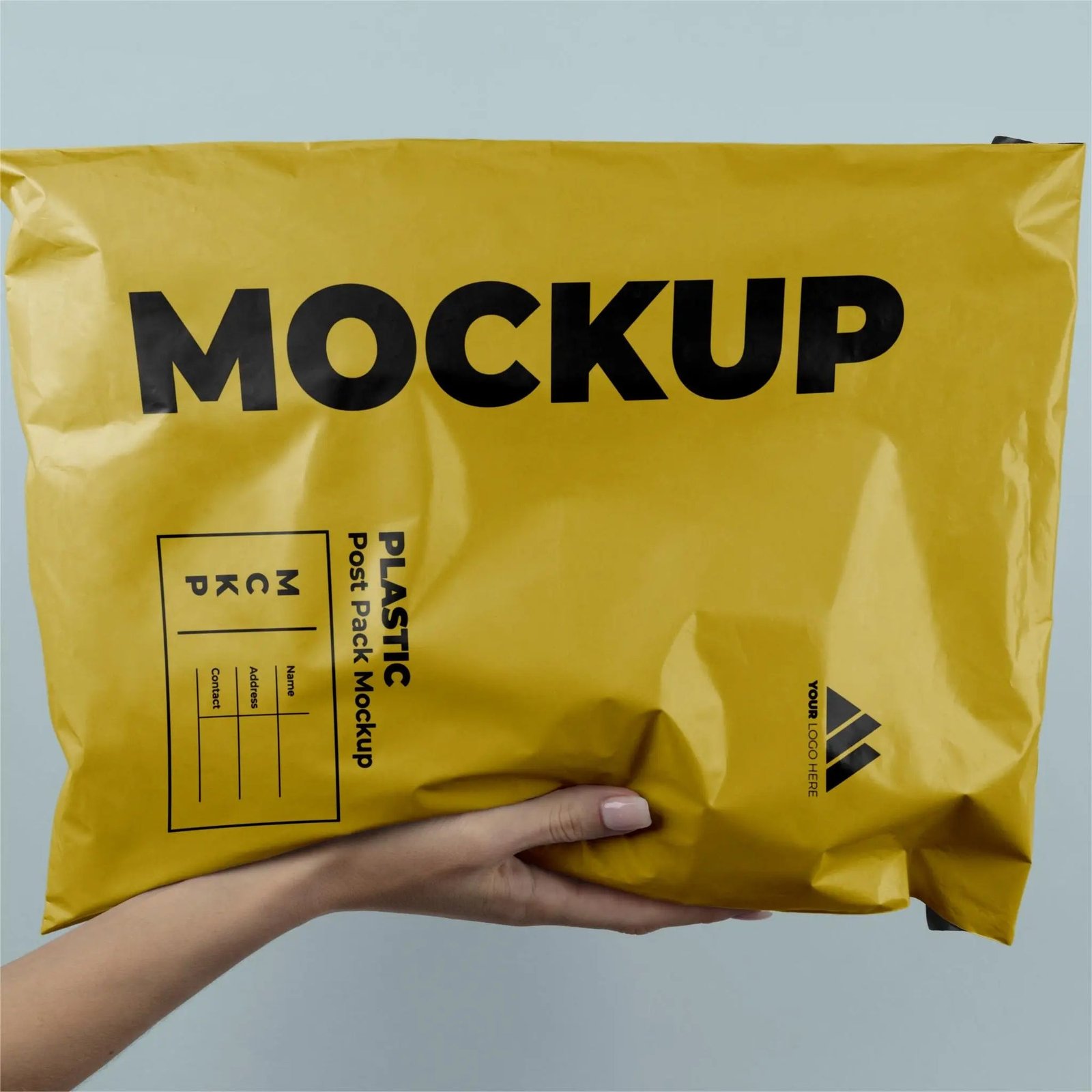
Complete production with branded polybags, tissue paper, stickers, size markers or custom cartons. JUNSHEEN coordinates packaging details to protect finished custom denim shorts and support efficient wholesale or direct-to-consumer fulfillment.
Custom Denim Shorts, Made Fit-First
Founded in 2010 in Humen Town, Dongguan, JUNSHEEN helps fashion brands turn custom denim shorts concepts into production-ready collections. Our one-stop OEM, ODM and private-label team supports everything from product development and fabric sourcing to sampling, bulk production, packaging and global export.
With more than 200 skilled workers and monthly capacity above 80,000 units, we can support a 100-unit style-and-color launch as confidently as an ongoing wholesale program. Cut-and-sew manufacturing, washing, printing, embroidery, trims and quality control are coordinated through one responsive supply chain.
Fit is what distinguishes JUNSHEEN. We develop patterns and grading from XS to 3XL with attention to rise, hip balance, inseam, mobility and proportions rather than simply scaling a base size. That fit-first approach helps emerging labels and established brands reduce revisions and create denim shorts customers return for.

Core Capabilities for Custom Denim Shorts
Fit-Led Pattern Development
JUNSHEEN turns tech packs, sketches, reference garments, and early concepts into production-ready custom denim shorts patterns. Our team refines rise, inseam, leg opening, pocket placement, and overall balance before developing XS–3XL, plus-size, or oversized graded size sets.
- Pattern making from concepts or approved specifications
- Fit review for rise, hip, thigh, and leg proportions
- XS–3XL, extended-size, plus-size, and oversized grading
- Prototype, size-set, and pre-production sample support

Fabric and Wash Engineering
Select denim around the hand feel, weight, stretch, durability, and target price your collection requires. We coordinate swatches, sample approvals, and wash development so color, fading, softness, distressing, and shrinkage are assessed before bulk production begins.
- Rigid, stretch, cotton-blend, and recycled denim options
- Stone, enzyme, acid, garment-dye, and softening washes
- Wash tests for shade consistency, feel, and dimensional stability
- Fabric recommendations aligned with cost and wear expectations

Integrated Private Labeling
Build a finished branded product rather than an unmarked garment. JUNSHEEN integrates labels, hardware, decoration, and packaging within the same custom denim shorts production workflow, helping sourcing teams control brand details, avoid fragmented coordination, and prepare goods for retail or wholesale delivery.
- Woven, leather, main, size, and wash-care labels
- Custom buttons, rivets, zippers, patches, and hang tags
- Embroidery, screen printing, DTF, and specialty effects
- Branded polybags, cartons, and retail-ready packaging

Controlled Bulk Execution
From 100 units per style and color to repeat bulk programs, JUNSHEEN manages production through fabric inspection, in-line checks, measurement review, decoration control, and final packed-goods inspection. Retained patterns and material records support faster, more consistent reorders as your denim program scales.
- Low MOQ from 100 units per style and color
- 200+ skilled workers and 80,000+ monthly units capacity
- In-line, fit, measurement, and final quality inspections
- Global export support for growing and established brands

Why Brands Choose JUNSHEEN for Custom Denim Shorts
A fit-first OEM partner for dependable low-MOQ denim production and global delivery.
← 左右滑动查看 →
Custom Denim Shorts Production Process
A fit-focused OEM workflow that takes your denim shorts from design review through controlled bulk production and export-ready delivery.
Review Design Requirements
Share a tech pack, sketch, reference garment or concept. Our team reviews construction, target fit, washes, decoration, sizing and 100-unit MOQ feasibility.
Source Denim and Trims
We recommend denim weight, stretch, wash performance, hardware, labels and packaging based on your target cost, hand feel, durability and brand direction.
Build Patterns and Samples
Pattern makers develop and grade fit-focused XS–3XL patterns, then produce prototype samples for measurement, mobility, wash effect and construction approval.
Confirm Specs and Pricing
After sample feedback, we finalize measurements, materials, decoration placement, size ratios, production quantities, quotation and pre-production requirements before bulk launch.
Produce and Inspect Bulk
Our 200+ skilled workers manage cutting, sewing, washing, finishing and decoration while in-line inspections verify measurements, workmanship, fit and approved specifications.
Pack and Ship Globally
Final packed-goods checks confirm labels, hang tags, branded packaging and quantities. We prepare your custom denim shorts order for reliable global export shipment.
How to Work With Our Custom Denim Shorts OEM Team
Move from concept to bulk production with a clear, fit-focused process built for global brands and 100-unit launches.
Send Your Design Brief
Share a tech pack, sketch, reference garment, mood board, or product idea, including target quantities, sizes, wash direction, and branding requirements.
Review Feasibility Together
Our development team reviews construction, denim options, grading, trims, decoration, and target costs, then recommends production-ready solutions for your custom denim shorts.
Approve Samples and Pricing
Confirm fabric swatches, prototype samples, measurements, wash effects, and quotation details. We refine fit from XS through 3XL before bulk approval.
Launch Bulk Production
After order confirmation, JUNSHEEN manages material sourcing, cutting, sewing, washing, quality control, packing, and export coordination for dependable global delivery.
Custom Clothing Manufacturer Credentials and Compliance Documents




Custom Denim Shorts Client Results and Manufacturing Stories
JUNSHEEN corrected the rise and leg opening across our XS–3XL size set during sampling. We approved the second revision and launched our first 180-unit custom denim shorts capsule on schedule, with noticeably fewer fit-related returns.
We started with 120 units in two washes to test demand without overcommitting. The samples matched our wash reference, and the first run sold through in seven weeks. We have since placed three repeat custom denim shorts orders.
Our wholesale program needed consistent measurements and branded packaging as volume increased. JUNSHEEN scaled our denim shorts order from 300 to 2,400 units while maintaining approved specs, embroidery placement, and delivery coordination for four markets.
Custom Denim Shorts FAQ
Clear answers on minimums, sampling, fit development, production, payment and delivery for global apparel brands.
What is the MOQ for custom denim shorts?
Can you make a sample before I order custom denim shorts in bulk?
How long does custom denim shorts production take?
Can you grade denim shorts from XS to 3XL?
What denim fabrics, washes and finishes can you source?
What payment terms do you offer for OEM orders?
Do you ship custom denim shorts internationally?
How do you protect my designs and private-label details?
The Complete Buyer’s Guide to custom denim shorts
Use this decision framework to select silhouettes, fabrics, finishes, and reliable production partners for custom denim shorts, evaluate supplier capabilities, control costs and lead times, and avoid the sourcing mistakes that weaken quality, fit, or margins.
1. What Are custom denim shorts?
100 units per style and color is a practical starting point for a custom denim shorts program, but customization means more than adding a logo to a stock blank. A genuinely brand-specific short is developed around the buyer’s intended silhouette, target customer, size range, fabric weight, stretch level, wash character, construction details, and branded presentation. OEM production uses the buyer’s approved tech pack or sample as the production standard; made-to-spec work adds pattern creation, grading, measurements, stitch specifications, and wash targets. Private-label programs generally apply the buyer’s labels and packaging to an existing or adapted base, while ODM starts with manufacturer-led designs that the buyer selects and modifies for market fit. 2010 is the year Junsheen began manufacturing in Dongguan’s Humen garment cluster, supporting development from a sketch, reference garment, mood board, or finished specification. Buyers can customize rise, inseam, leg opening, pocket shape, waistband, distressed areas, enzyme, stone or acid washes, Pantone-thread embroidery, buttons, zippers, leather or woven labels, wash-care labels, hang tags, and branded packaging. 3XL is within Junsheen’s supported size range, alongside normal-size, extended-size, plus-size, and oversized fits. The dividing line is control: if the pattern, grading, materials, wash recipe, components, and identity cues are specified or deliberately approved for your brand, the denim short is custom—not simply decorated inventory.
2. The Evolution of Denim Shorts
1873 marks the workwear origin of riveted denim, built for durability rather than seasonal styling. By the mid-20th century, worn jeans were commonly cut into shorts, creating the raw hems, visible pocket bags, heavy topstitching, and faded indigo associations that still give a custom denim shorts program credible heritage. 1970s youth and surf culture pushed cutoffs from utility into fashion, while the 1980s and 1990s broadened the category through acid washes, stone washes, longer inseams, baggier fits, and distressed finishes. Those eras established a sourcing principle that still matters: silhouette, wash, and finishing must be specified together because a rigid 12-ounce denim short will not drape, fade, or recover like a stretch fashion short. 2020s collections span high-rise and low-rise fits, tailored bermudas, skater-length streetwear, relaxed resort styles, and extended-size assortments. Buyers should preserve the details appropriate to their concept—functional front fly, reinforced belt loops, secure pocket construction, contrast stitching—while using current fit blocks, inclusive grading, wash trials, and approved reference samples to meet modern expectations for comfort, consistency, and visual relevance.
3. Types of custom denim shorts
A nine-SKU starter assortment can cover youth trend, everyday casual, polished resort, and utility demand without duplicating silhouettes. Specify rise, inseam, and leg opening together because each changes fit, target shopper, and seasonal sell-through.
| Type | Target Customer | Inseam | Leg Opening | Season |
|---|---|---|---|---|
| High-rise | Vintage, curve | 2–5 in | Straight/wide | Spring–summer |
| Mid-rise | Everyday | 3–6 in | Regular | Multi-season |
| Low-rise | Y2K, junior | 2–4 in | Slim/regular | Spring–summer |
| Bermuda | Modest, resort | 8–12 in | Straight | Spring–summer |
| Cutoff | Festival | 2–4 in | Raw, regular | Summer |
| Relaxed | Skate, casual | 5–8 in | Wide | Multi-season |
| Tailored | Premium resort | 5–7 in | Controlled | Warm weather |
| Cargo | Streetwear | 6–10 in | Relaxed | Spring–fall |
| Extended-size | Inclusive | Style-specific | Graded | Multi-season |
Rise-Led Trend Shorts

High-rise shorts typically use a 10.5–12.5 inch front rise and suit curve-focused, vintage, and festival assortments. Mid-rise at 9–10.5 inches is the broadest everyday option; low-rise around 7.5–9 inches targets fashion-forward junior and Y2K capsules.
Length And Leg Shape

Cutoffs usually run 2–4 inch inseams with raw hems, making them strongest for spring and summer impulse programs. Bermuda shorts use 8–12 inch inseams, while relaxed fits need wider openings for casual, skate, and menswear-inspired customers.
Polished And Utility Styles
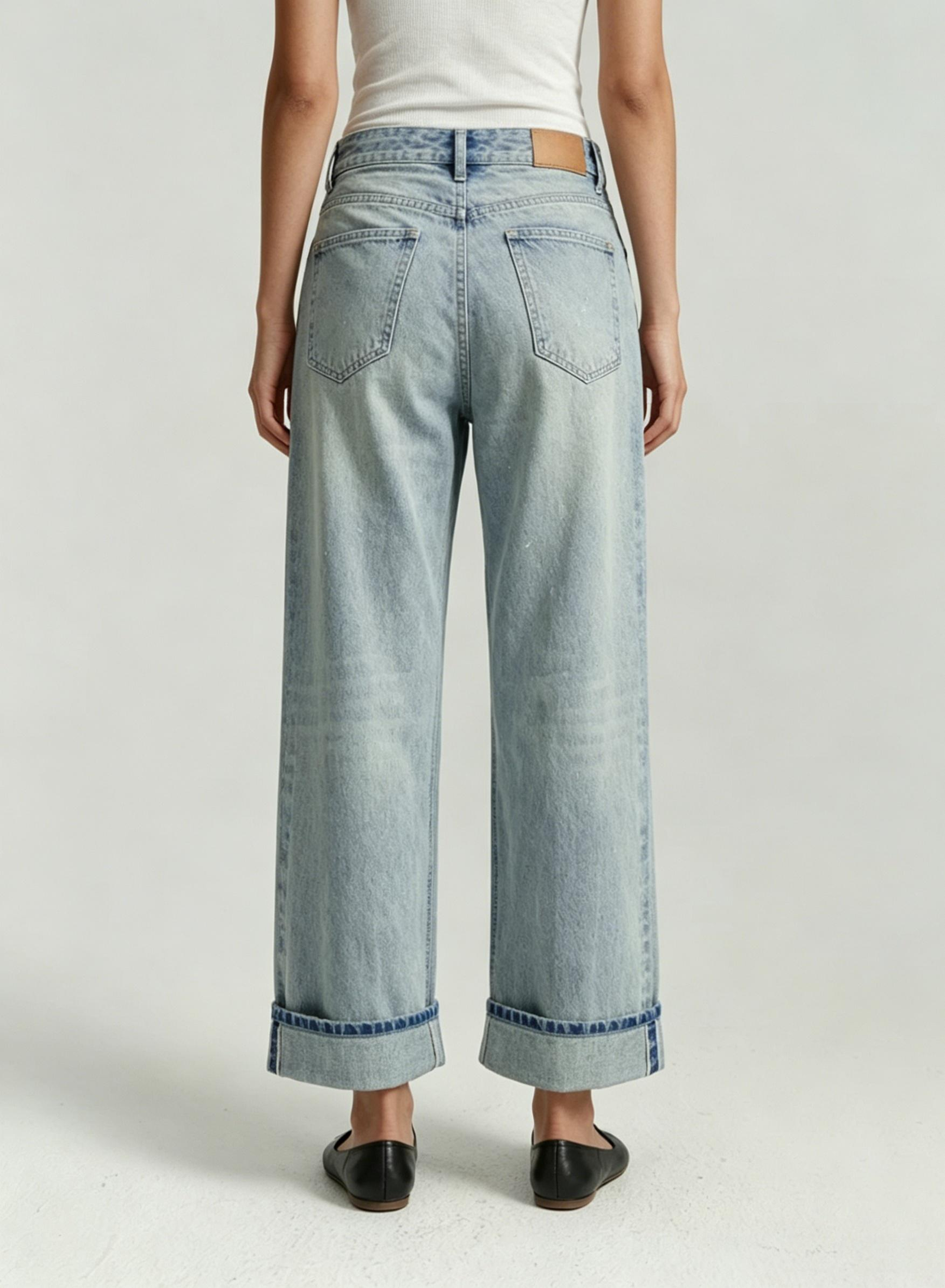
Tailored denim shorts pair a cleaner 5–7 inch inseam with controlled openings, suitable for premium casual and resort accounts. Cargo shorts add patch pockets and a relaxed opening; they support streetwear positioning but require extra sewing operations.
Extended-Size Fit Planning

XS–3XL programs need separate grading decisions for waist, hip, rise, thigh, and leg opening rather than simple pattern enlargement. Three fit samples across the size range reveal waistband comfort and thigh mobility before bulk approval, especially for high-rise and Bermuda styles.
4. Fabrics for custom denim shorts
10–14 oz denim is the usual working range for custom denim shorts: lower weights feel easier in heat, while heavier constructions hold a sharper vintage silhouette. Specify fiber content, finished weight and wash target together, because laundering changes hand feel, shade and dimensions.
| Fabric Direction | Weight | Recovery And Feel | Wash Response | Best Use |
|---|---|---|---|---|
| 100% cotton rigid | 12–14 oz / 407–475 GSM | No stretch; firm, durable | High-contrast fading | Vintage, carpenter shorts |
| Cotton-stretch | 10–12 oz / 339–407 GSM | 1–3% elastane; flexible recovery | Test recovery after wash | Fitted or comfort shorts |
| Recycled cotton blend | 11–13 oz / 373–441 GSM | Varies by blend; textured | Approve pilling and strength | Responsible casual programs |
| Cotton-TENCEL™ blend | 9–12 oz / 305–407 GSM | Soft, drapey, cool | Confirm shrinkage and shade | Relaxed premium shorts |
Choose Weight Before Wash
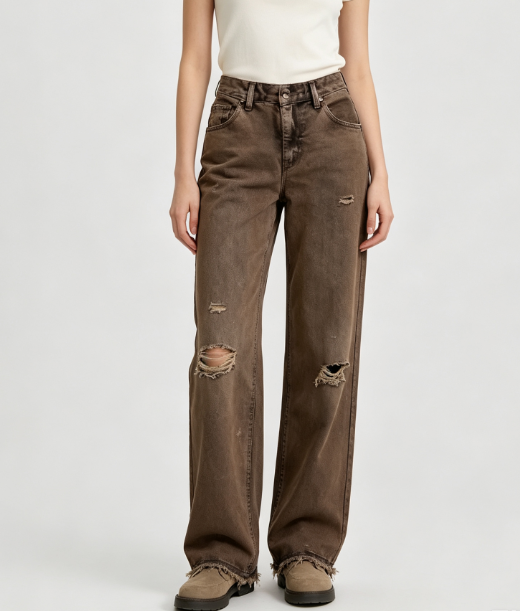
10–11 oz fabrics suit summer shorts and layered styling; 12–14 oz rigid qualities better support structured legs, cuffs and utility details. 1 oz denim equals roughly 33.9 GSM, but mill finishing affects perceived thickness, so approve a washed sample rather than buying by weight alone.
Match Fiber To Fit

100% cotton ring-spun denim gives authentic rigidity, strong abrasion resistance and pronounced fading after enzyme, stone or bleach washes. Cotton-stretch denim commonly uses 1–3% elastane. It improves seated comfort and recovery, but excessive stretch can lose shape after repeated wear and aggressive washing.
Consider Lower-Impact Blends
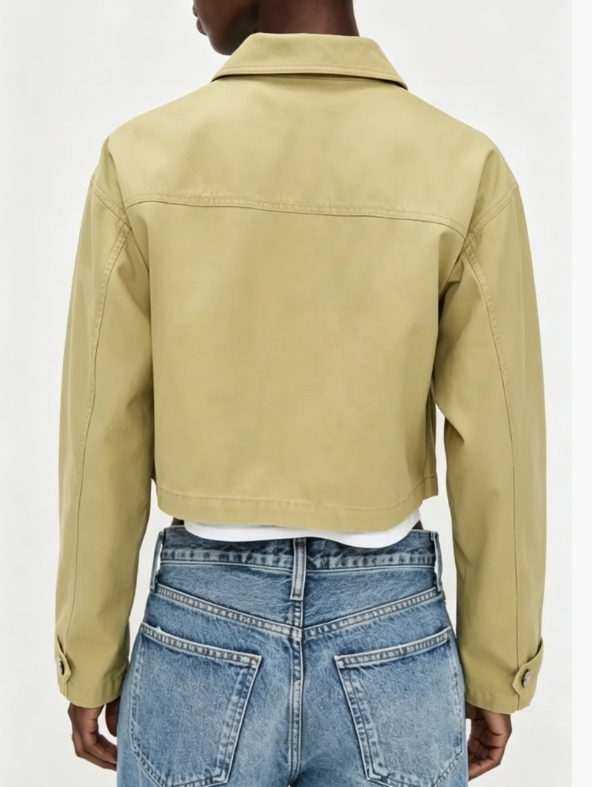
Recycled cotton blends can reduce virgin-fiber use, although shorter recycled fibers may require blending with virgin cotton for strength and a cleaner surface. TENCEL™-blended denim adds softness, moisture management and drape. It suits relaxed or wider-leg shorts, but needs wash trials to control seam puckering and color loss.
5. Custom Denim Shorts Decoration Options
At a 100-unit style-and-color starting point, decoration choices should be locked before sampling because wash recipes and placement affect both cost and repeatability. Custom denim shorts earn their retail position through a controlled combination of surface treatment, branding, and hardware.
| Detail | Visual Effect | Durability | Cost Impact |
|---|---|---|---|
| Enzyme wash | Soft vintage hand | Good with approved recipe | Moderate |
| Stone wash | Abraded heritage look | Can weaken fabric | Moderate to high |
| Laser treatment | Precise faded graphics | No added surface layer | Moderate |
| Embroidery | Raised branded texture | High when stabilized | High |
| Screen printing | Graphic color coverage | Test after washes | Low to moderate |
Wash And Surface Treatments

At 100 units, garment dye, enzyme wash, and stone wash can create washed-black, softened vintage, or high-contrast worn finishes; each needs an approved wash standard. Laser whiskering and controlled distressing place fading and abrasion more consistently than hand work, but excessive tearing reduces seam-life and raises labor cost.
- Enzyme wash: softer hand and lower fuzz
- Stone wash: stronger vintage abrasion
- Garment dye: rich tonal color variation
- Laser: repeatable whiskers and fades
Branding And Applied Details
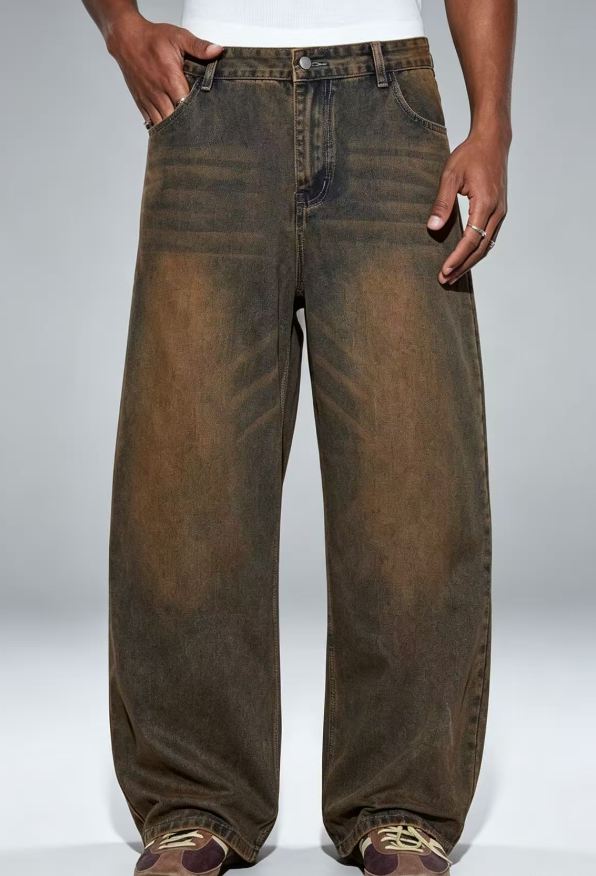
For 100-unit programs, logo embroidery, screen printing, woven patches, and appliqué should be tested after washing so placement, puckering, and colorfastness are confirmed. OEKO-TEX-compliant inks, thread, and patch materials help support retailer compliance requests; discharge and water-based prints require fabric-specific testing.
- Embroidery: premium texture, higher stitch cost
- Screen print: bold graphics, economical repeats
- Patches: flexible branding, extra attachment labor
Hardware Labels And Packaging

At 100 units, custom rivets, buttons, leather labels, hang tags, and branded polybags may require supplier minimums beyond the garment MOQ, especially for new molds. Nickel-release, sharp-point, and pull-strength checks matter for hardware; retain approved samples for repeat orders and bulk inspection.
- Rivets and buttons reinforce premium positioning
- Leather labels add cost but survive laundering
- Custom packaging improves unboxing and shipping presentation
6. Quality Elements in custom denim shorts
Quality in custom denim shorts is decided before the wash: fabric stability, stress-point reinforcement, and repeatable measurements determine whether a pair survives real wear. Buyers should approve a production-standard sample, not only an attractive first prototype.
Fabric And Shrinkage Control

Every roll should be checked for shade variation, width, defects, and usable yield before cutting. Record the approved fabric weight, stretch direction, and wash recipe against a retained swatch. A 3–5% dimensional change is common after washing, but the acceptable tolerance must be written into the specification. Ask: Was shrinkage tested after the exact bulk wash and drying method?
- Match bulk fabric to the approved swatch
- Measure inseam and waist after wash
- Confirm shade bands are controlled by lot
Construction At Stress Points

Eight to 10 stitches per inch is a practical baseline for durable lockstitch seams, subject to fabric weight and seam type. Inspect even tension, secure backtacks, and no broken needles or skipped stitches. Bartacks should reinforce pocket corners, fly ends, belt loops, and other pull points. Test the zipper or button closure repeatedly and confirm pocket opening, depth, and placement against the approved pattern.
- Pull-test belt loops and pocket corners
- Check zipper tape lies flat
- Verify left-right pocket symmetry
Fit, Wash, And Final Audit

XS through 3XL requires graded rises, hips, thighs, and leg openings rather than simple scaling. Review a size set on relevant fit models and compare each point of measure with tolerances. Each wash lot needs comparison against an approved wash standard because abrasion, fading, and hand feel can drift. Before bulk release, ask: Which measurements, appearance defects, and AQL standard will final inspection use?
- Approve waistband recovery after wear
- Compare wash shade under consistent lighting
- Inspect packed units for labels and hardware
7. Choosing a Denim Shorts Manufacturer
Choose a supplier by production evidence, not a denim portfolio alone. For custom denim shorts, verify how the factory controls fit, wash consistency, approvals, and shipment documentation before placing a bulk order.
| Selection Area | Evidence To Request | Decision Signal |
|---|---|---|
| Denim capability | Comparable samples and wash records | Stable shade and measurements |
| Sampling | Pattern, graded chart, fit comments | Revisions documented |
| Export readiness | Packing list and shipping timeline | Dates and responsibilities clear |
Verify Denim Development

1 completed development sample should confirm pattern balance, rise, inseam, pocket placement, and shrinkage after the intended wash. Ask for measurement specifications, graded size charts, and pre- and post-wash sample measurements. 100-unit MOQ programs can suit capsule launches, but confirm whether the minimum applies per style, color, fabric, and wash. Junsheen develops patterns and grading from XS through 3XL rather than simply enlarging a base size.
Audit Wash And Quality Controls
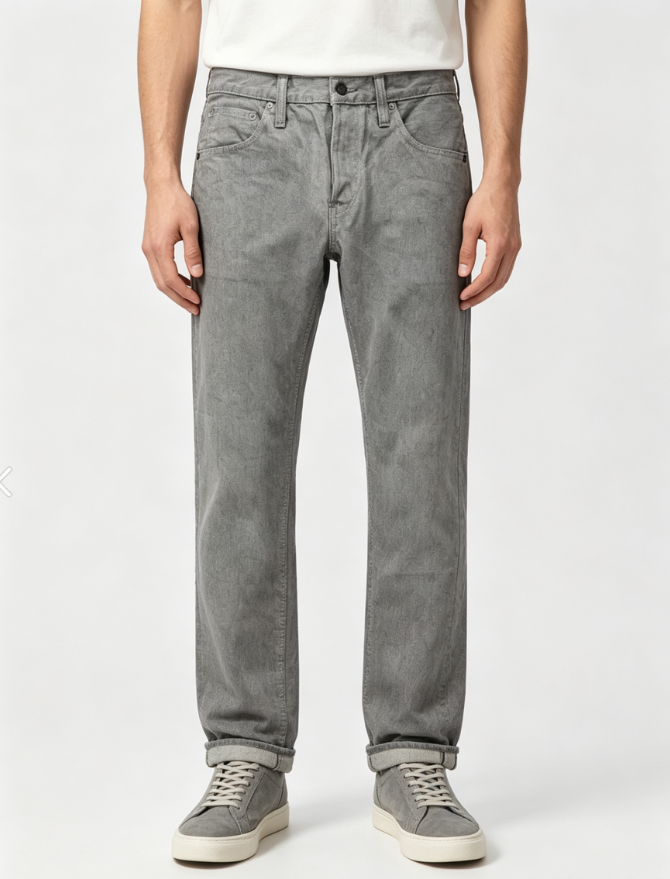
2 wash lots can produce visibly different cast, abrasion, and hand feel if recipes are not controlled. Request wash standards, approved swatches, shade-band rules, and an allowance for wash shrinkage before cutting. 4 inspection stages are useful evidence: incoming fabric, in-line construction, measurement and decoration checks, and final packed-goods inspection. Certifications such as OEKO-TEX, GOTS, WRAP, or BSCI should be verified by current certificate scope, not a logo.
Compare Delivery Evidence
7 to 14 days is a typical sampling range after materials and specifications are confirmed; bulk timing depends on fabric, wash complexity, approvals, and order size. Require a dated critical path showing sourcing, sample sign-off, cutting, washing, QC, packing, and export. 80,000-plus monthly capacity matters only when a supplier identifies available production windows and confirms capacity for your delivery month. Evaluate responsiveness through written technical answers, export documents, and a clear escalation contact.
8. Common custom denim shorts Buying Mistakes
Most preventable denim-short failures are locked in before the purchase order, when visual references replace measurable approvals. A 100-unit run leaves little room to spread the cost of corrections, rework, or unsellable inventory.
Buying Fabric By Appearance

10 oz denim can look right on a hanger yet shrink, twist, or lose recovery after washing. The commercial result is returns or a silhouette that misses the approved sample. Before bulk, specify fiber content, finished weight, stretch percentage, shrinkage limits, and wash test requirements. Review a washed fabric swatch, not only a mill cutting.
Skipping Fit And Grade Approval
XS–3XL shorts cannot be safely produced by simply scaling one base pattern. Poor rise, thigh ease, and pocket placement create inconsistent fit and costly size-specific complaints. Approve a fit sample, graded measurement chart, and at least key-size samples before release. Record front rise, back rise, inseam, hem opening, and tolerances in the tech pack.
Underestimating Wash Variation
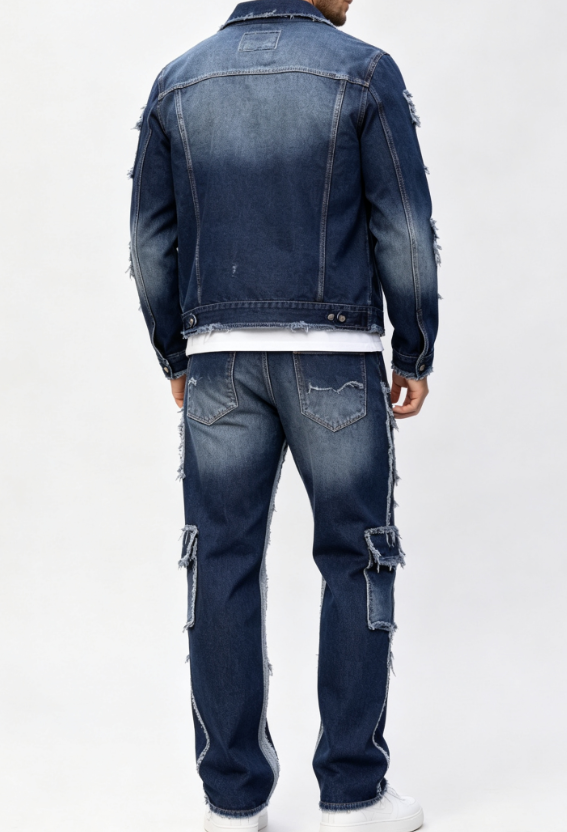
Stone wash, acid wash, and enzyme treatments can change shade, dimensions, and abrasion placement between lots. Uncontrolled variation makes paired sets or repeat orders difficult to match. Approve a sealed wash standard with photos, Pantone-adjacent shade direction, measurements after wash, and acceptable distress range. Require bulk wash panels before final finishing.
Overdesigning Low Volume Orders
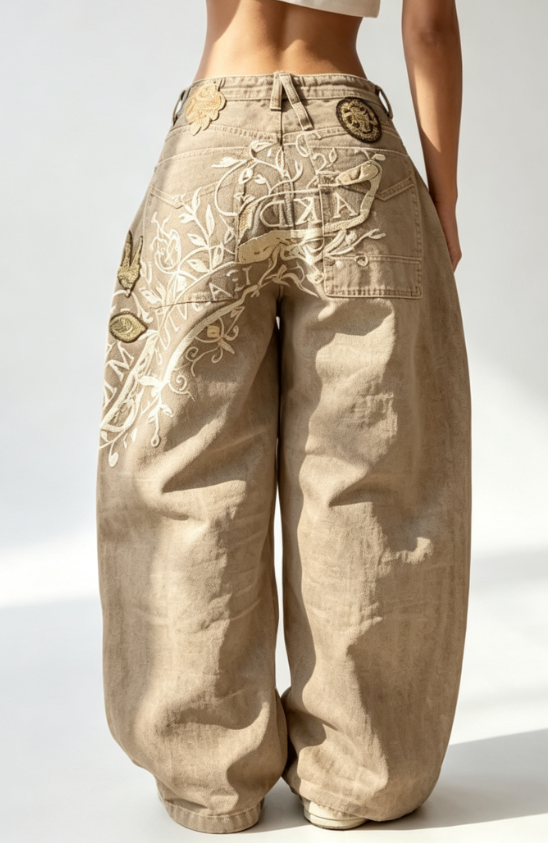
A 100-unit style carrying multiple washes, custom hardware, embroidery, and several colors compounds sampling, setup, and minimum-material exposure. Unit cost rises while delivery risk increases. Limit a launch to one or two colors and prioritize one signature treatment. Confirm every trim MOQ, lead time, and placement method before approving the quotation.
Accepting Price Without Controls
A low quotation can omit inspection scope, measurement tolerance, replacement terms, or packaging details. The apparent saving disappears when goods arrive outside the approved standard. Compare suppliers on a written specification and pre-production sample, not price alone. Define measurement tolerances, AQL approach, final inspection timing, packaging, and shipment-ready balance requirements before production.
9. Steps to Launch Your Denim Shorts Brand
A controlled first order begins with a defined buyer, price band, and delivery date—not a sketch alone. For custom denim shorts, lock each decision gate before the next spend: development, fit, compliance, bulk approval, and freight.
Research The Market
Three to five competitor styles reveal the working retail price, inseam, rise, wash direction, and size range your customer expects. Record comparable SKU prices and review complaints for fit or durability gaps. One target customer profile should set the first launch: occasion, climate, body range, and expected price. The brand owner owns positioning; the factory confirms whether the specification is buildable.
Build A Production Tech Pack
One complete tech pack should specify front and back flats, point-of-measure chart, graded sizes, stitch callouts, Pantone colors, wash reference, artwork, trims, labels, and packing method. Missing measurements create avoidable sample rounds. Two approval gates protect the budget: approve the quoted construction first, then approve prototype measurements and appearance. Junsheen can review a finished pack, sketch, reference garment, or mood board and convert it into production specifications.
Select Materials And Sample
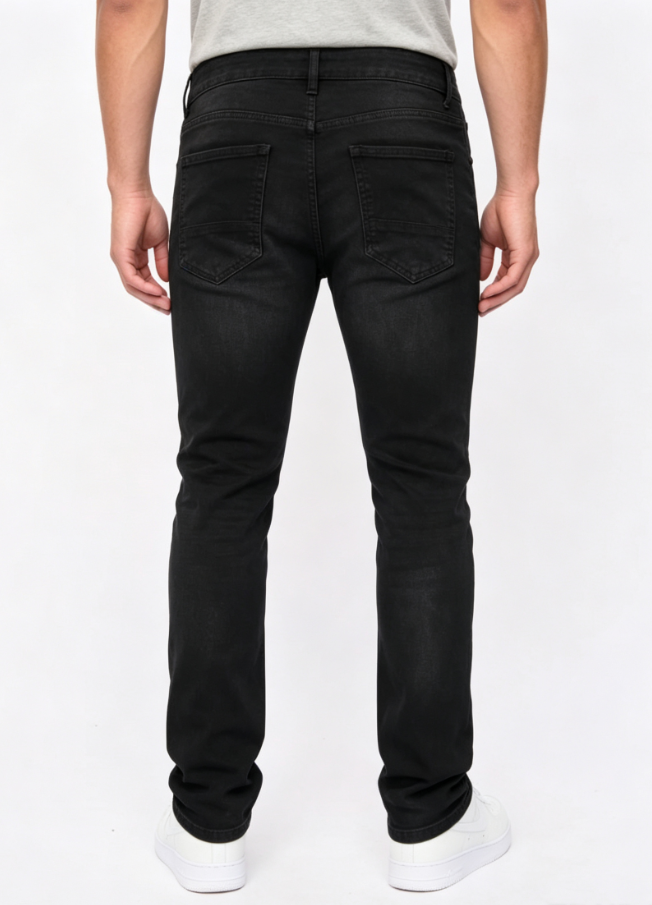
10 to 14 oz denim is a practical starting range for many fashion shorts, while stretch percentage and wash treatment must be tested on the actual fabric. Confirm hand feel, shrinkage, colorfastness, recovery, and trim compatibility before bulk booking. One prototype normally checks construction; a fitted revised sample or size set checks the approved fit across the grade. The designer signs fit and wash; the manufacturer documents changes, retains patterns, and issues the revised quotation.
Approve Bulk And Delivery
100 units per style and color can support a capsule launch, but colorways and complex washes should be limited until sell-through data arrives. Approve a pre-production sample only after measurement tolerances, decoration placement, labels, care content, and packaging are final. 2 to 4 weeks should be reserved for sampling and revisions, followed by bulk timing confirmed against fabric availability and freight cutoff. The brand owner verifies destination labeling, fiber-content rules, and import documents; Junsheen performs incoming, in-line, measurement, decoration, and final packed-goods checks.
10. Custom Denim Shorts Pricing and Costs
100 units per style and color is a practical starting tier for custom denim shorts, but the final unit quote changes most with denim weight and composition, pocket and fly construction, size range, wash recipe, branded hardware, and decoration. A 12–14 oz rigid cotton denim is typically simpler to cost than stretch denim with elastane, multiple abrasions, enzyme treatment, or laser finishing. 2–3 prototype rounds are common when a brand is refining rise, inseam, grading, pocket placement, or plus-size fit; sample development and any custom wash or print screens should be budgeted separately from bulk units. Junsheen can review a tech pack, reference garment, or concept before confirming materials, construction, and a production quote. 30–45 days is a reasonable planning range after approvals and material confirmation for many bulk programs, while custom fabric development, intricate washes, or imported trims can extend it. Landed cost also includes inspection requirements, labels and packaging, freight mode, duties, and destination charges; compare supplier quotes on the same Incoterm, packing specification, and quality standard.
| Quantity tier | Indicative unit-price drivers | Typical planning range |
|---|---|---|
| 100–299 units | Sampling allocation, lower fabric efficiency, standard wash and trims | Prototype plus bulk: 35–55 days |
| 300–999 units | Better fabric utilization; wash, hardware, and decoration remain material drivers | Bulk: 30–45 days |
| 1,000+ units | Volume improves fixed-cost absorption; custom fabric and audit requirements may add cost | Bulk: 35–60 days |
Start Your Custom Denim Shorts Project
Send your tech pack, reference garment or product idea for a tailored quote, fit-focused development and production from 100 units.