Wholesale Cardigan Sweaters with 100-Unit OEM MOQs
Develop fit-focused XS–3XL wholesale cardigan sweaters with OEM, ODM, and private-label support from sampling through scalable global production.
Featured Products for wholesale cardigan sweaters Development




Wholesale Cardigan Sweaters Catalogue & Quotation

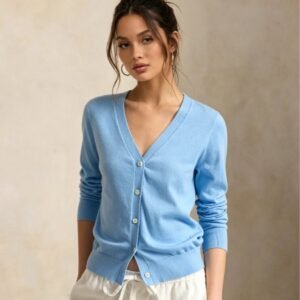


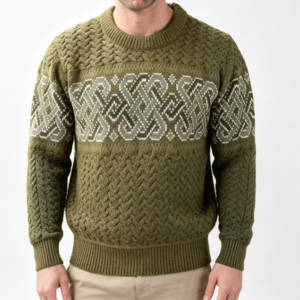


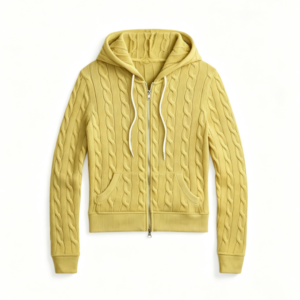
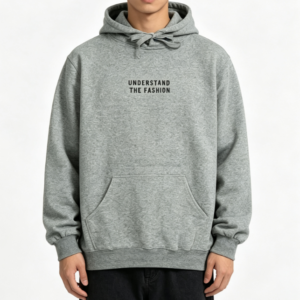
Why Brands Source Wholesale Cardigan Sweaters from JUNSHEEN
Fit-focused knitwear development, flexible order quantities, and integrated private-label production for cardigan programs that scale.
100-Unit MOQ
Launch capsule wholesale cardigan sweaters from 100 units per style and color, then scale proven programs with dependable bulk capacity.
OEM Development Support
Turn tech packs, sketches, references, or mood boards into production-ready cardigans with fabric guidance, sampling, pattern making, and specifications.
XS–3XL Fit Grading
Refine shoulder balance, sleeve length, body proportion, and grading increments for normal, extended-size, plus-size, and oversized cardigan fits.
Specialized Knitwear Capability
Develop custom cardigan constructions with suitable yarns, weights, stitches, rib trims, and finishing options for your target market.
In-House Private Label
Add custom labels, buttons, zippers, patches, embroidery, hang tags, and branded packaging through one coordinated production team.
Global Export Support
Rely on controlled quality checks, retained production records, and export coordination for repeat cardigan orders serving global fashion markets.
Custom Knitwear and Apparel Programs
From knitwear and denim to outerwear and jersey essentials, Junsheen develops production-ready styles with fit, materials, decoration, and private-label details aligned.

Custom Hoodies
Develop custom hoodies from a tech pack, reference sample, or concept. Choose fleece, French terry, or jersey weights, then specify fit, size grading from XS–3XL, pocket construction, rib trims, embroidery, printing, washes, labels, and packaging from 100 units per style and color.
Request a Quote
Custom T-Shirts
Produce custom T-shirts in combed cotton, Pima cotton, organic options, blends, or performance jersey. Junsheen supports silhouette development, neckline and sleeve specifications, fit grading, screen print, DTG, DTF, embroidery, garment dye, labels, and bulk production for branded programs.
Request a Quote
Custom Jeans
Develop custom jeans with denim or stretch-denim recommendations suited to the target fit and price point. The team supports pattern development, rises, inseams, grading, pocket details, hardware, logo trims, embroidery, printing, and wash treatments including stone, acid, and enzyme washes.
Request a Quote
Custom Sweaters
Source turtle neck sweater bulk programs with defined yarn, gauge, hand feel, and fit requirements. Junsheen develops rib structures, neck heights, body proportions, sleeves, and graded XS–3XL size sets, then manages knit construction, trims, labels, sampling, quality control, and export packing.
Request a Quote
Custom Jackets
Build custom jean jacket programs from denim or stretch denim with clear silhouette, wash, and branding specifications. Production can include collars, pockets, seams, buttons, snaps, patches, embroidery, prints, garment finishing, size grading, private labels, and scalable bulk quantities.
Request a Quote
Custom Sweatshirts & Crewnecks
Create custom crewneck hoodie and sweatshirt programs with fleece, French terry, or jersey constructions. Junsheen refines shoulder balance, body length, cuffs, collars, hoods where required, and XS–3XL grading, while handling decoration, washes, branded trims, labels, and packaging.
Request a Quote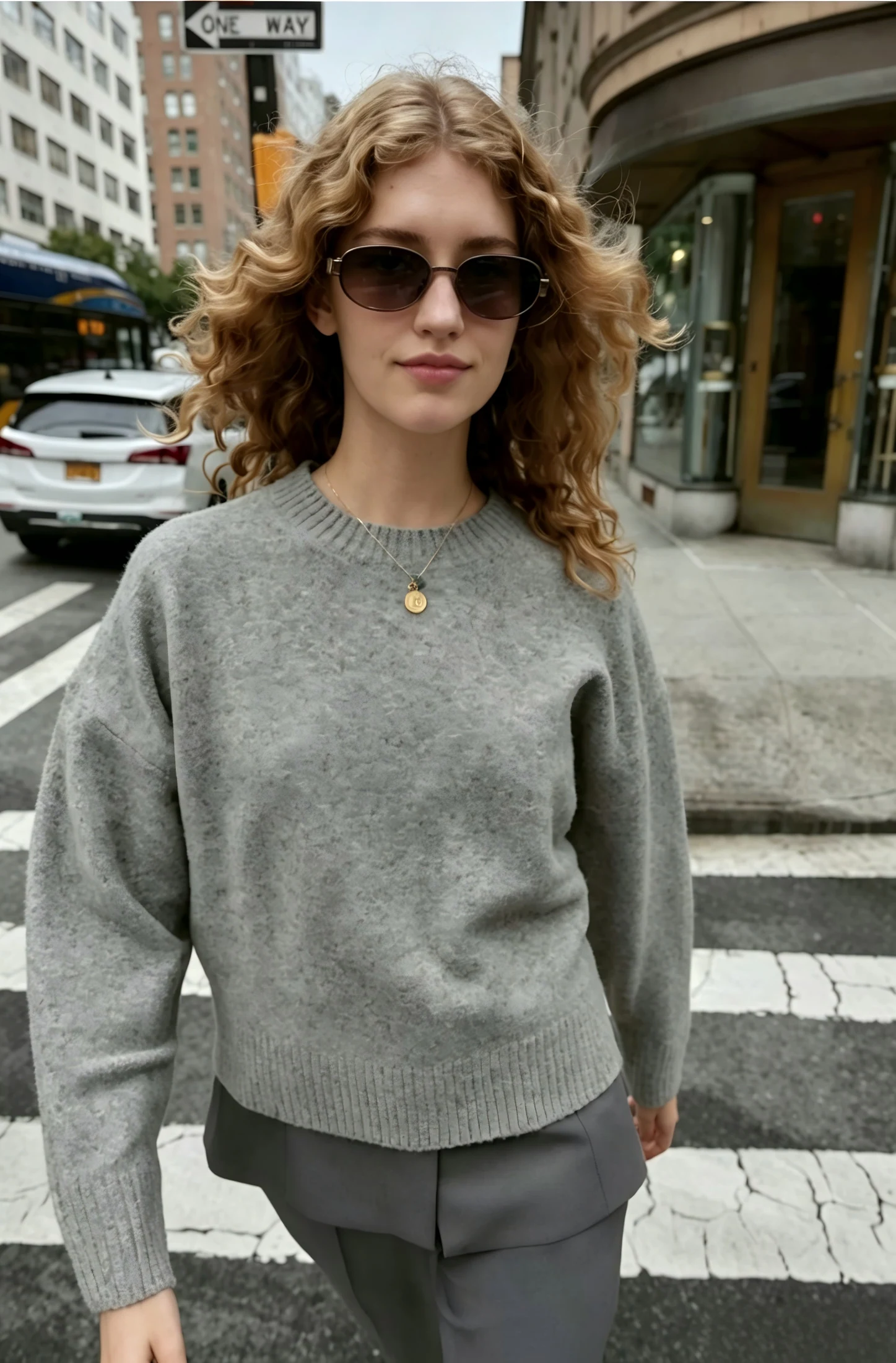
Custom Cardigans
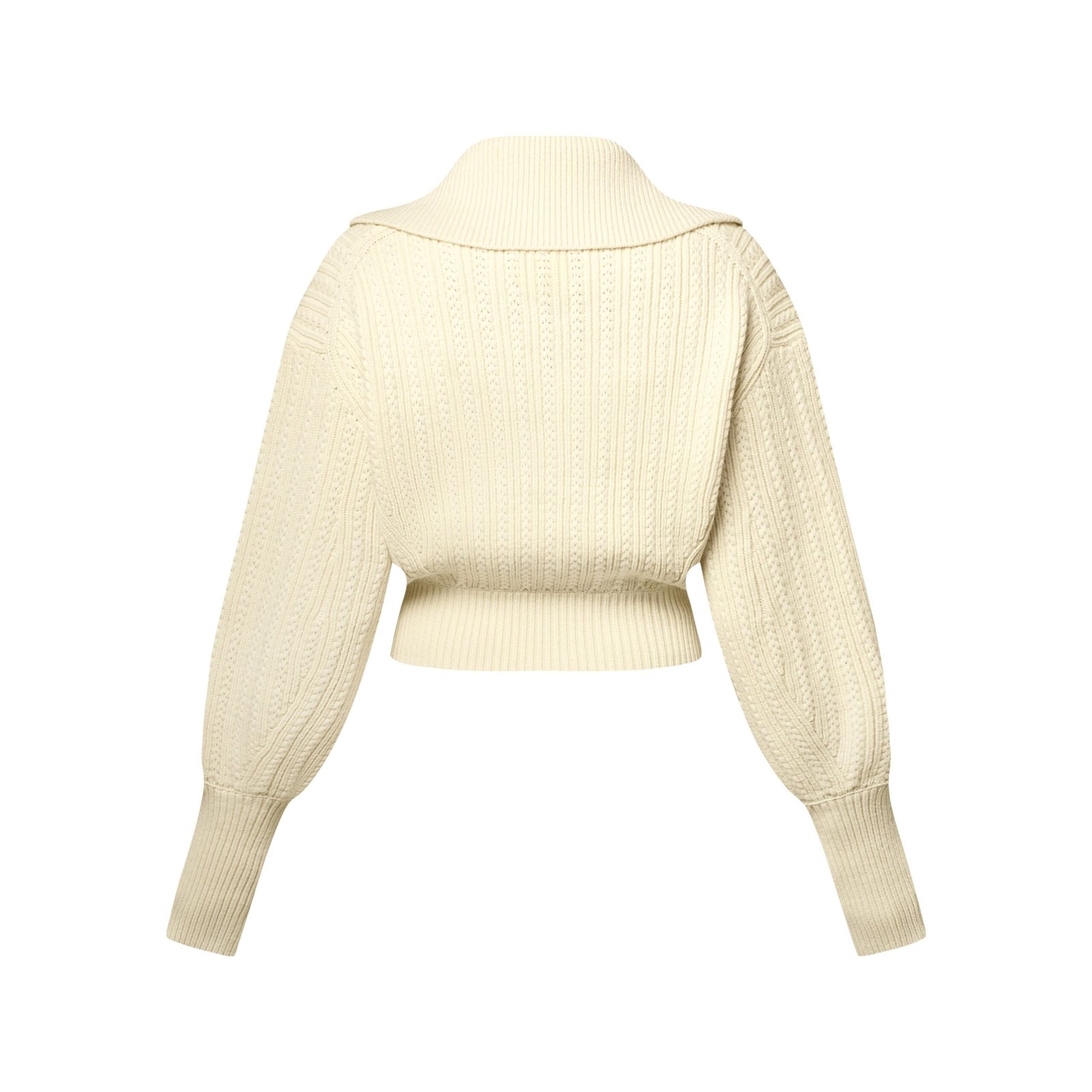
Develop custom cardigan collections with knit gauge, yarn composition, button or zipper closures, plackets, rib details, pockets, and silhouette specified for your market. Pattern and knit development support normal, extended, plus-size, and oversized fits through XS–3XL before bulk approval.
Request a Quote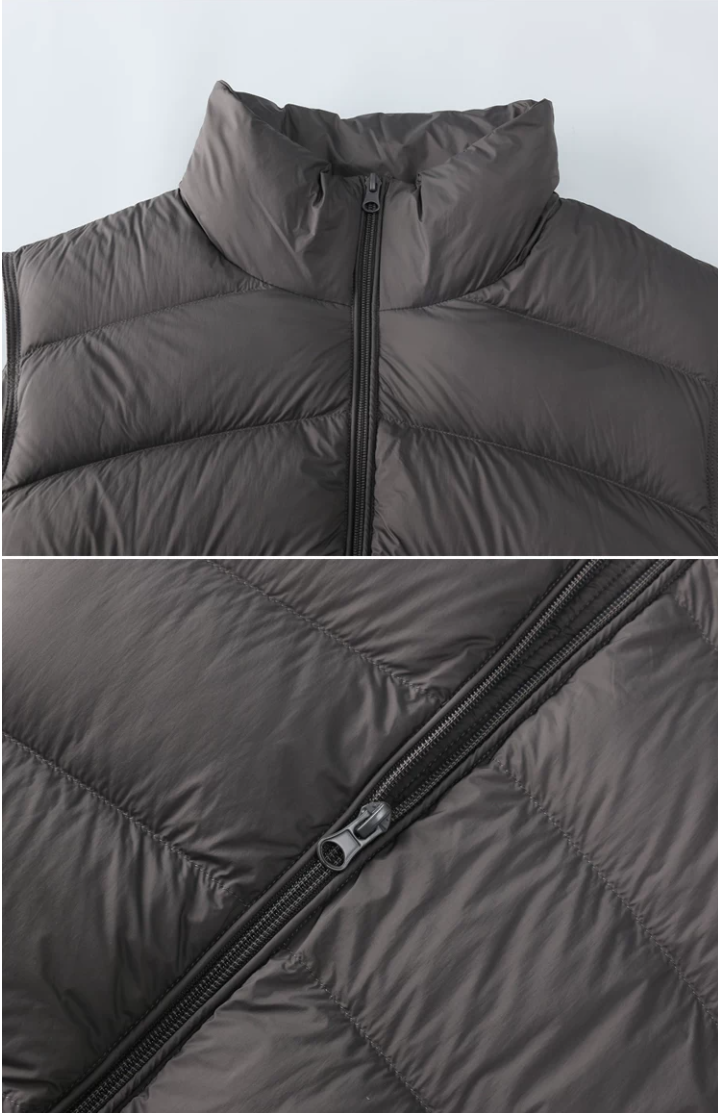
Custom Puffer & Down Jackets
Produce custom puffer jackets with shell, lining, insulation, quilting, pocket, zipper, and hood specifications defined during development. Junsheen supports fit review, sample construction, branded hardware, reflective details, labels, packaging, in-line quality checks, and export-ready bulk production.
Request a Quote
Custom Denim Shorts
Develop custom jean shorts with denim weight, stretch, rise, inseam, hem, pocket, and wash details matched to the intended customer. Production includes size grading, hardware, patches, embroidery, printing, distressing, garment dye, acid wash, labels, and private-label packaging.
Request a Quote
Custom Sweater Dresses
Create custom sweater dresses with defined yarns, knit gauges, necklines, body lengths, shaping, and rib structures. Junsheen develops proportion and mobility across XS–3XL, including extended-size and oversized fits, then manages sample approval, labels, trims, quality control, and bulk production.
Request a Quote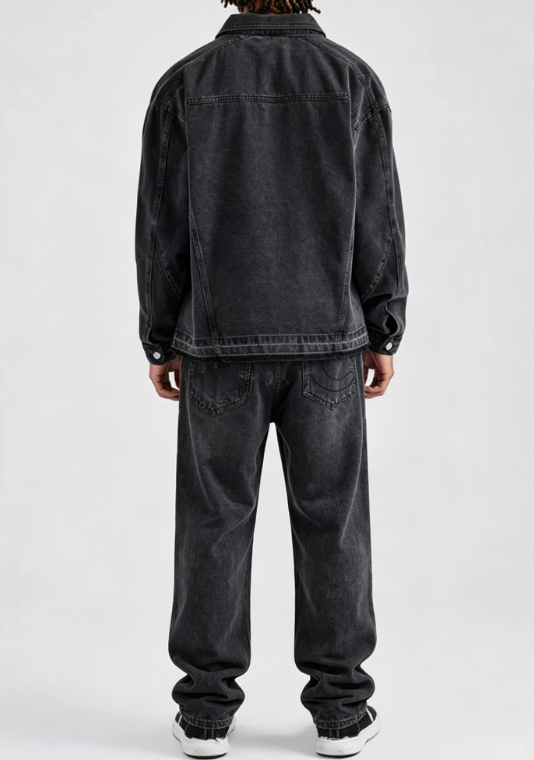
Custom Denim Sets
Produce mens denim suits wholesale programs as coordinated denim jackets and jeans with consistent fabric, wash, color, and fit standards. Junsheen supports pattern development, size grading, pockets, hardware, embroidery, patches, labels, packaging, quality control, and repeat-order records.
Request a Quote
Custom Polo Shirts
Develop custom polo shirts in piqué, jersey, performance knits, or blended fabrics. Specify collar construction, plackets, buttons, sleeve cuffs, fit, grading, logo embroidery or printing, labels, and packaging, with development support from initial specifications through approved bulk production.
Request a Quote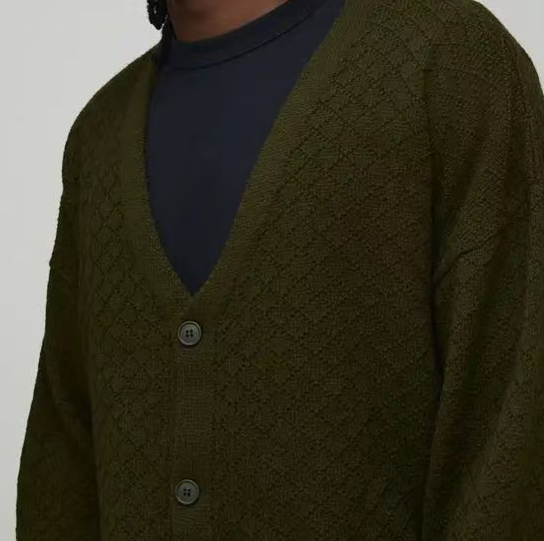
Custom Sweatpants
Build custom sweatpants in fleece, French terry, or jersey with defined rise, leg shape, inseam, waistband, drawcord, pocket, and cuff details. Fit-focused XS–3XL grading, embroidery, printing, washes, branded trims, labels, and packaging are available from low-MOQ sampling onward.
Request a Quote
Custom Shorts
Produce custom shorts for casualwear, active-inspired, twill, jersey, fleece, or denim programs. Junsheen helps define fabric weight, rise, inseam, pocket construction, waist treatment, grading, decoration, washes, labels, and packaging before moving from prototype samples into controlled bulk production.
Request a Quote
Custom Pullovers
Develop custom pullovers across sweater, knit, fleece, French terry, and jersey constructions. The team supports neck shape, rib details, sleeve and body proportions, fit grading from XS–3XL, embroidery, printing, finishing, private labels, custom trims, and export-ready production.
Request a QuoteMaterials for Custom Wholesale Cardigan Sweaters

Cotton Blend Yarn
Soft, breathable cotton blended with nylon or acrylic for everyday button-front cardigans. It delivers a natural hand feel with improved shape retention, making it well suited to lightweight and midweight retail programs.

Wool Blend Yarn
Warm wool blends create a premium, softly textured cardigan for fall, winter, and elevated casual collections. Blending fibers improves durability and can reduce weight or itch while preserving insulating performance.

Viscose Nylon Knit
Smooth, fluid viscose paired with nylon produces polished fine-gauge cardigans with soft drape. The blend offers a refined hand feel, controlled stretch, and better recovery for fitted silhouettes and layering pieces.

Recycled Blend Yarn
Recycled polyester, recycled cotton, or recycled nylon blends support lower-impact cardigan ranges without sacrificing commercial performance. Available in multiple gauges, these yarns provide dependable abrasion resistance, color consistency, and scalable sourcing options.

Performance Knit Blend
Performance yarn blends add stretch, quick-drying comfort, and reliable recovery for active-inspired or travel-ready cardigans. Suitable for modern oversized and fitted styles, they help garments maintain shape through repeated wear and washing.
Wholesale Cardigan Sweaters: Decoration and Finishing

Logo Embroidery
Flat, 3D, puff, and chain-stitch embroidery add durable logo definition to cardigan chests, sleeves, and back panels. Thread colors and stitch density are sampled to protect knit structure while delivering a polished, long-lasting branded finish.

Custom Appliqué
Fabric, chenille, felt, and embroidered appliqué create dimensional varsity-inspired graphics and premium logo treatments. Each placement and edge finish is developed for secure attachment, helping wholesale cardigan sweaters retain a clean, tactile appearance through wear.

Screen Printing
Water-based, plastisol, puff, high-density, foil, and silicone screen prints bring bold artwork to compatible cardigan panels. Junsheen reviews fabric texture, stretch, and print area first, then selects an ink system that balances color impact with dependable adhesion.

Knit Detailing
Engineer contrast tipping, intarsia motifs, jacquard patterns, cable textures, and striped rib trims directly into the knit construction. These integrated details create a refined, durable identity without relying solely on post-production decoration.

Washing Finishes
Softening, enzyme, garment-dye, brushing, and napping treatments adjust hand feel, color character, and surface texture. Sample testing lets your team confirm the intended vintage, soft-touch, or elevated casual result before bulk production begins.

Anti-Pilling Finish
Anti-pilling finishing helps reduce loose-fiber balls and maintain a smoother surface during repeated wear and washing. It is especially valuable for blended yarns and high-contact areas, supporting a more premium appearance across ongoing retail programs.
Custom Trims for Wholesale Cardigan Sweaters

Custom Buttons
Choose resin, corozo, horn-look, metal, or logo-engraved buttons for button-front cardigans. JUNSHEEN matches button size, color, finish, and attachment method to the knit gauge, placket construction, and intended retail position.

Zipper Closures
Add custom metal, nylon, or molded zippers to zip-front cardigan styles. Branded pullers, tape colors, and zipper finishes can be coordinated with yarn, rib trims, and labels for a cohesive private-label garment.

Woven Labels
Create woven main labels, size tabs, and care labels for wholesale cardigan sweaters. Our team can apply your logo, fiber content, country-of-origin details, and placement specifications during final assembly for retail-ready private-label production.

Branded Hang Tags
Use custom hang tags to communicate collection identity, sizing, materials, and care guidance at retail. Select card stock, shape, printing treatment, string, and attachment points that suit your cardigan’s price tier and presentation.

Custom Drawcords
For hooded, waist-cinched, or relaxed cardigan designs, specify drawcord material, aglets, tipping, and logo details. JUNSHEEN aligns the cord weight and finishing with the knit structure to support functional, polished styling.
Retail Packaging
Complete each cardigan order with custom polybags, tissue, size stickers, barcode labels, folding inserts, or branded boxes. Packaging specifications are managed alongside garment labeling to simplify packing, inspection, and export preparation.
About JUNSHEEN Cardigan Manufacturing
Founded in 2010 in Humen Town, Dongguan, JUNSHEEN helps fashion brands turn cardigan concepts into dependable production programs. Our one-stop team supports OEM, ODM, private-label and wholesale cardigan sweaters from feasibility review and yarn selection through samples, bulk production and export.
With more than 200 skilled workers and monthly capacity exceeding 80,000 units, we combine cut-and-sew expertise with knitwear capability for scalable cardigan orders. Brands can begin at 100 units per style and color, then grow into repeat wholesale programs with clear quality controls and responsive production support.
What distinguishes JUNSHEEN is fit-focused development across XS–3XL, extended-size, plus-size and modern oversized silhouettes. Rather than merely scaling a base pattern, our team refines proportion, mobility and grading while coordinating labels, trims, decoration, packaging and global delivery for more consistent brand-ready results.

Wholesale Cardigan Sweaters Built for Consistent Orders
Fit Engineering Across Sizes
JUNSHEEN develops cardigan patterns from XS through 3XL with grading that considers shoulder balance, sleeve proportion, body length and wearing ease. This fit-first approach supports regular, oversized and extended-size programs without relying on simple pattern enlargement.
- XS–3XL grading for regular, oversized and plus-size fits
- Pattern review and size-set sampling before bulk approval
- Refined proportions for movement, layering and repeatable fit

Knitwear and Cut-and-Sew Development
Whether your wholesale cardigan sweaters require sweater-knit construction, cut-and-sew panels or mixed-material details, our development team aligns yarns, gauges, fabric weight and construction methods with your target hand feel, price point and production requirements.
- Sweater knits, jersey, fleece and woven fabric options
- Support from references, sketches, mood boards or tech packs
- Fabric and construction recommendations matched to your market

Private Labels Finished In-House
Turn approved cardigan samples into a branded retail-ready program with coordinated labels, trims, decoration and packaging. In-house execution gives sourcing teams clearer control over logo placement, button selection, care information and the final customer unboxing experience.
- Woven, leather, main, size and wash-care labels
- Custom buttons, zippers, patches, embroidery and printing
- Hang tags and branded packaging prepared for export

Quality Control That Scales
From a 100-unit launch to ongoing bulk replenishment, JUNSHEEN applies inspections across incoming materials, in-line construction, measurements, decoration and packed goods. Retained patterns and material records help keep repeat wholesale cardigan sweaters consistent as order volume grows.
- Low MOQs from 100 units per style and color
- 200+ skilled workers and 80,000+ monthly unit capacity
- Measurement, fit and final-packing checks before shipment

Why Choose JUNSHEEN for Wholesale Cardigan Sweaters
Compare a fit-first, low-MOQ production partner with typical cardigan suppliers.
← 左右滑动查看 →
Wholesale Cardigan Sweaters: From Concept to Global Delivery
A clear, fit-focused production path for private-label cardigan programs from 100 units per style and color.
Review Design Feasibility
Our team reviews your tech pack, sketch, reference or idea, confirming construction, fit requirements, size range, target cost and production feasibility.
Source Yarn and Materials
We recommend yarns, knit gauges, fabrics, buttons, labels and trims based on hand feel, durability, color, drape, budget and wash performance.
Develop Samples and Fit
Pattern makers create prototypes and graded XS–3XL size sets, refining proportions, sleeve balance, mobility and measurements before bulk approval.
Knit, Cut and Decorate
Approved wholesale cardigan sweaters move into knitting or cut-and-sew production, with embroidery, printing, patches, washing and finishing completed to specification.
Inspect, Pack and Ship
We inspect materials, construction, measurements, decoration and packed goods, then complete branded packaging and coordinate export-ready shipment for global delivery.
How to Source Wholesale Cardigan Sweaters with Our OEM Team
Move from concept to dependable bulk production with clear technical feedback, approved samples, and scalable private-label support.
Send Your Design Brief
Share a tech pack, sketch, reference garment, or mood board with target quantities, fit needs, materials, and private-label requirements.
Review Feasibility Together
Our team evaluates construction, yarn or fabric options, grading from XS to 3XL, decoration, target cost, and the 100-unit MOQ.
Approve Your Sample
Receive a development sample for fit, measurements, hand feel, colors, trims, and branding review before confirming production specifications.
Confirm Quote and Order
Approve the final quotation, lead time, materials, and production details. We retain your patterns and records to support consistent repeat orders.
Launch Bulk Production
JUNSHEEN manages knitting or cut-and-sew production, quality checks, labeling, packaging, and export coordination for your finished cardigan order.
Custom Clothing Manufacturer Credentials and Compliance Documents



What Fashion Brands Say About Our Wholesale Cardigan Sweaters
JUNSHEEN corrected the shoulder balance and sleeve grading across XS–3XL in the first size set. We approved fit 12 days faster than our previous program and launched our extended-size cardigan capsule without another sampling round.
Starting at 100 units per style and color let us test two cardigan silhouettes without overcommitting inventory. Sell-through reached 78% in eight weeks, and the patterns were ready when we placed our repeat order.
Our second cardigan shipment matched the approved sample measurements within our tolerance checks, and all 1,200 units arrived in Germany on schedule. Clear production updates made export coordination much easier for our buying team.
Wholesale Cardigan Sweaters FAQ
Clear answers on MOQs, sampling, production timing, payments, shipping, and design confidentiality for custom cardigan programs.
What is the MOQ for wholesale cardigan sweaters?
How long does wholesale cardigan sweaters production take?
Can I order a sample before placing a wholesale cardigan sweaters bulk order?
What payment terms do you offer for cardigan manufacturing?
Do you ship custom cardigan orders internationally?
How do you protect my cardigan designs and brand information?
Can you make plus-size and oversized cardigans from XS to 3XL?
Can you add private labels, embroidery, and custom trims to cardigan orders?
The Complete Buyer’s Guide to wholesale cardigan sweaters
Use this practical framework to select styles, materials, customization routes, and reliable suppliers for wholesale cardigan sweaters, while comparing cost drivers, quality standards, and the sourcing mistakes that can delay a successful collection launch.
1. What Are Wholesale Cardigan Sweaters?
100 units per style and color is a practical low-MOQ starting point for a private-label cardigan program, while ready-stock wholesale commonly sells existing styles by pack, color, or size run. Wholesale cardigan sweaters are not one product category so much as a sourcing format for retailers, wholesalers, labels, and designers buying repeatable knit layers for resale. Four commercial models matter: ready-stock wholesale offers finished inventory; OEM produces a buyer-approved specification; ODM adapts a manufacturer’s existing design; and fully custom development starts with the buyer’s concept, yarn, fit, construction, trims, and branding. Ready-stock can suit small replenishment orders, whereas OEM, ODM, and custom programs usually require a production MOQ because yarn purchase, knitting setup, sampling, and labeling must be allocated across the run. 2 seasons—spring layering and autumn/winter warmth—make cardigans useful across multiple retail calendars, with button-front, zip, cropped, oversized, and extended-size fits serving different assortments. Buyers are purchasing more than garments: they need a graded size set, approved color and hand feel, measurements, decoration or labels, quality standards, packing, replenishment records, and export-ready coordination.
2. Evolution of Wholesale Cardigan Sweaters
1850s knitwear shifted from hand-made, button-front waistcoats toward factory-produced cardigans, making the style practical for uniforms, workwear and everyday layering. That utility still matters in wholesale cardigan sweaters: buyers need a garment that can move between heritage-inspired merchandising and dependable repeat production. 1930s schoolwear and office wardrobes established the fine-gauge V-neck cardigan as a controlled, easily branded layer, while later casual markets widened demand for shawl collars, chunky ribs and relaxed button fronts. Modern assortments translate those references into genderless proportions, with dropped shoulders, longer bodies and XS–3XL grading rather than separate, narrowly gendered blocks. 12-gauge cotton or cotton-blend knits commonly support lightweight spring and indoor programs, while 3–7 gauge wool blends, acrylic blends and brushed yarns suit cooler deliveries and texture-led collections. Seasonal layering now drives buying decisions: retailers often balance a core neutral color range with limited Pantone fashion shades, choosing silhouettes that work over tees, shirts, dresses or lightweight outerwear and therefore reduce the risk of a one-season-only product.
3. Types of Wholesale Cardigan Sweaters
Eight core silhouettes give buyers a practical starting range for wholesale cardigan sweaters. Select the first shape around intended layering depth, customer fit preference, selling season, and whether the assortment needs a polished, collegiate, or relaxed anchor.
Button-Front And Zip-Up

5-button fronts read classic and work over tees, shirts, and dresses; they suit core fall-to-spring programs and broad age ranges. 2-way zip-ups deliver faster closure and a sportier hand, making them useful for streetwear capsules and transitional layering.
- Button-front: polished everyday merchandising
- Zip-up: casual, utility-led styling
- Fitted gauges: cleaner under-jacket layering
Relaxed Length And Volume

18–20 inch cropped cardigans pair naturally with high-rise bottoms and target trend-led customers needing a defined waist. 28–36 inch longline styles create coverage for workwear and extended-size assortments, while oversized bodies prioritize ease, dropped shoulders, and casual layering.
- Cropped: youthful outfit-builder
- Longline: coverage and vertical proportion
- Oversized: relaxed weekend and streetwear
Varsity And Textured Knits

2-color varsity cardigans use contrast ribs, stripes, or chenille-style motifs to create a collegiate statement for resort, back-to-school, and youth retail drops. 3-dimensional cable, rib, waffle, and popcorn textures add shelf value without relying on print; fitted versions support refined styling, while open-front shapes suit easy layering.
- Varsity: color-blocked seasonal focal point
- Open-front: flexible fit and fast try-on
- Textured knit: tactile premium presentation
4. Materials for Wholesale Cardigan Sweaters
12- to 7-gauge knit programs make yarn choice a commercial decision: it sets hand feel, warmth, care claims, and retail position. For wholesale cardigan sweaters, approve swatches and wash-tested samples before locking bulk yarn.
| Fiber Or Blend | Performance Characteristics | Gauge And Care | Recommended Use | Relative Cost |
|---|---|---|---|---|
| 100% cotton | Breathable, soft; moderate warmth and recovery | 7–12 gauge; machine wash after testing | Spring basics, logo cardigans | Low–medium |
| Wool/nylon | Warm, resilient; better abrasion resistance | 5–10 gauge; gentle wash | Cold-weather core programs | Medium |
| Wool/cashmere | Soft, warm; manage pilling | 7–12 gauge; hand wash | Premium boutiques | High |
| Viscose/nylon | Silky drape, smooth surface, stable shape | 12–16 gauge; gentle wash | Fine-gauge fashion layers | Medium |
| Anti-pilling acrylic or recycled blend | Easy care, color-rich; warmth varies by blend | 5–12 gauge; machine wash | Value retail and recycled capsules | Low–medium |
Natural Fiber Foundations

100% cotton feels breathable, familiar, and easy-care; it suits spring layers at 7–12 gauge but can grow after wear unless construction is stabilized. 70/30 wool-nylon blends deliver warmer, more resilient cardigans than pure wool. Wool needs gentler care, while nylon improves recovery and abrasion resistance.
Premium Softness Choices

5–10% cashmere in a wool blend adds softness and premium appeal without making every unit a luxury-price item. Pure cashmere is exceptionally soft but requires careful anti-pilling specifications and hand-wash positioning. 60/40 viscose-nylon blends create a smooth, drapey surface for fine-gauge fashion cardigans. Specify nylon where shape retention and seam durability matter.
Value And Recycled Options
100% acrylic offers bright color, reliable machine care, and accessible cost, but lower-quality grades can pill. Use anti-pilling acrylic for value retail programs. 30–100% recycled polyester or recycled cotton supports recycled-content stories; confirm certification, shade consistency, and blend percentage with the mill before approval.
5. Customizing Wholesale Cardigan Sweaters
At a 100-unit-per-style-and-color starting point, customization must match the knit gauge, artwork scale, and target retail position. For wholesale cardigan sweaters, confirm strike-offs and a fit sample before approving bulk yarns, trims, and branding.
| Customization Level | Typical MOQ | Cost Effect | Sampling Consideration |
|---|---|---|---|
| Stock yarns, woven labels | 100 units/style/color | Lowest added cost | Approve label artwork and placement |
| Stripes or color blocking | 100-200 units/style/color | Moderate yarn and knitting cost | Confirm color sequence on knit strike-off |
| Custom jacquard repeat | 200+ units/style/color | Higher setup and yarn-management cost | Approve scale, colors, and reverse appearance |
| Embroidery, patches, custom packaging | 100+ units/style/color | Varies by stitch count and components | Approve a complete decorated pre-production sample |
Knit Design And Artwork

Pantone-defined stripes and color blocking are the most direct options for capsule programs because each color change affects knitting time and yarn management. Jacquard artwork suits repeat motifs, monograms, and all-over graphics; simplify fine lines and limit colors so the design remains legible at the selected gauge.
- Supply artwork as vector AI, PDF, or EPS files.
- Approve a knit strike-off before bulk yarn booking.
- Keep logo details larger than the stitch scale.
Buttons Zippers And Packaging

Four-hole buttons, horn-look buttons, metal snaps, and zippers change both perceived value and assembly time. Match button diameter, buttonhole length, zipper pull, and spare-button requirements to the approved sample. Custom polybags, tissue, branded boxes, and carton marks should be confirmed before final packing specifications are released.
- Request trim color cards or physical swatches.
- Check zipper smoothness during sample review.
- Include folding and packing instructions in the tech pack.
6. Cardigan Construction Quality Checklist
Approve a cardigan against a signed sample, not a showroom impression. For wholesale cardigan sweaters, require recorded gauge, measurements, wash results, and in-line inspection evidence before bulk release.
Gauge And Stitch Density

7-gauge to 12-gauge constructions should match the approved hand feel and cover. Uneven loops, show-through, or variable stitch rows signal poor machine settings or yarn tension. Request a knit specification showing yarn composition, count, gauge, stitch length, and finished weight. Compare panels under tension and daylight.
- Check front, sleeve, and back panels
- Reject barre, dropped stitches, and loose floats
Ribs And Linked Seams
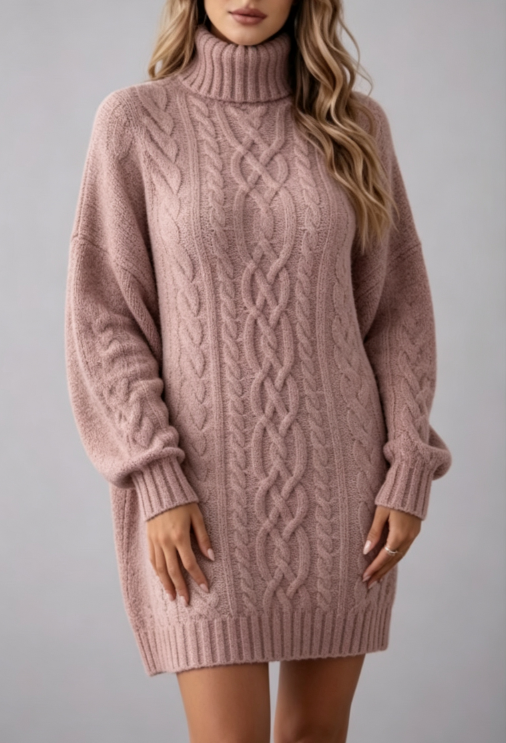
1×1 or 2×2 ribs must recover after a controlled stretch. Bagged cuffs, wavy hems, and seam twisting indicate weak elastane control, incorrect yarn feed, or poor linking. Request stretch-and-recovery photos and inside-out sample images. Linked shoulder and armhole seams should be flat, secure, and free of needle holes.
- Stretch cuffs three times before measuring
- Inspect seam ends for unraveling
Plackets And Closures

Button plackets should lie flat with evenly spaced buttonholes and no gaping when worn. Loose shanks, frayed holes, sharp zipper teeth, or zipper waves are immediate approval blockers. Request button pull-test records and zipper supplier specifications; YKK is a common benchmark where specified. Test every closure through repeated opening cycles.
- Match buttonhole direction to garment design
- Check zipper tape for puckering
Measurements And Wash Testing
100% of pre-production measurements should sit within the agreed tolerance, commonly ±1–2 cm depending on point and size. Measure flat after relaxation, including body length, chest, sleeve length, and opening. Run at least one approved care-label wash test before bulk cutting. Record shrinkage, pilling, color change, spirality, and shape recovery against the sealed sample.
- Request a graded measurement sheet
- Retain wash-test report with sample photos
7. Choosing a Wholesale Cardigan Sweater Manufacturer
A capable supplier for wholesale cardigan sweaters must prove knitwear control before it quotes a unit price. Shortlist factories through evidence: development records, approved samples, traceable yarns, realistic capacity, and shipment planning.
| Shortlist Test | Evidence To Request | Decision Signal |
|---|---|---|
| Yarn sourcing | Mill details and shade bands | Traceable lead-time plan |
| Sampling | Fit and wash sample | Stable measurements |
| Capacity | Production calendar | Dated ex-factory commitment |
| Logistics | Carton and Incoterm quote | Clear landed-cost inputs |
Verify Knitwear Specialization
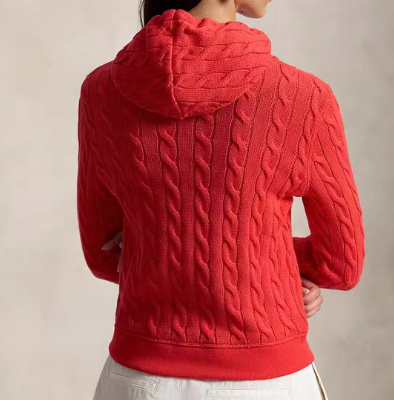
3 gauge, 7 gauge, and 12 gauge programs require different machines, linking methods, and finishing control. Ask which gauges, stitch structures, and button-placket constructions the factory runs in-house. 2 approved reference samples reveal more than a catalog. Compare seam linking, neckline recovery, button alignment, measurements, and wash shrinkage after testing.
Match MOQ And Development
100 units per style and color can suit a capsule, while mills may impose separate yarn-color minimums. Ask for the factory MOQ, yarn MOQ, sampling charge, and replenishment threshold. 1 complete tech pack reduces interpretation risk. Confirm support for yarn selection, stitch specification, pattern grading, Pantone approvals, fit samples, size sets, and pre-production samples.
Audit Controls And Compliance
4 checkpoints—incoming yarn, in-line knitting, measurement inspection, and final packing—should be documented for every order. Ask for AQL standards, defect photos, needle-control procedures, and rework authorization. OEKO-TEX, GOTS, WRAP, and BSCI are scope-specific credentials, not interchangeable claims. Request current certificates and verify that the named mill or factory matches the production site.
- What percentage of pieces receives final measurement checks?
- Who approves shade bands and bulk yarn lots?
- How are failed inspection units isolated?
Confirm Capacity And Delivery
30–60 days is a common bulk window after approvals, but yarn booking, dyeing, and peak-season queues can extend it. Ask for a critical-path schedule from purchase order to ex-factory date. 1 nominated forwarder or factory export team should provide carton data, HS-code support, and shipping options. Confirm Incoterms, balance-payment timing, inspection access, and responsibility for delayed or damaged cargo.
8. Common Wholesale Cardigan Sweater Buying Mistakes
Most margin losses in wholesale cardigan sweaters begin before bulk knitting: a vague approval, an untested yarn, or an assumed delivery date. Lock technical and commercial decisions before purchase orders turn small uncertainties into repeatable defects.
Price-Only Yarn Selection
Two yarns with the same fiber label can differ sharply in pilling, twist, color uptake, and yield. Compare a knitted swatch and landed consumption—not cone price alone—to protect margin. Request composition, yarn count, ply, origin, and test records; confirm whether substitutes require written approval.
Gauge And Shrinkage Control

Five-, seven-, and twelve-gauge cardigans produce different weight, density, and silhouette. Approve gauge, stitch density, finished measurements, and acceptable shrinkage before sampling. Run a wash-and-dry test on the approved sample using the intended care method. Measure body length, chest, sleeves, and placket after conditioning.
Complete The Tech Pack
One missing detail—button spacing, rib height, pocket placement, or grading increment—can create costly revisions. Issue a version-controlled tech pack with construction callouts, BOM, measurements, labels, and artwork. Approve a size set when fit consistency matters from XS through 3XL; do not rely on a single base-size sample.
Control Color And Trims

Pantone references alone do not guarantee a matching cardigan because yarn lots, dye methods, and lighting alter perception. Approve lab dips and bulk trim cards under agreed lighting. Specify button material, size, color, logo, spare-button quantity, and attachment method. Confirm substitutions before production begins.
Schedule Tests And Production
Four milestones need dates: yarn booking, sample approval, bulk completion, and final inspection. Confirm a critical-path timeline before paying a deposit, including buffer for lab dips and revisions. Schedule wash, pilling, and colorfastness checks before bulk release. Early failures are cheaper than rework, air freight, or a late retail launch.
9. Launching a Wholesale Cardigan Sweater Collection
A cardigan launch runs fastest when commercial decisions and technical approvals are locked before yarn is reserved. For wholesale cardigan sweaters, assign one buyer-side owner and one factory contact to control every revision.
Set The Brief
Week 1 should establish target customer, retail price, launch date, color count, size range, and planned units per color. The brand owns trend direction and margin targets; the factory checks feasibility, gauge, construction, and MOQ. Three reference images can communicate silhouette, but they cannot replace measurable specifications. Confirm cardigan length, button count, neckline depth, pocket placement, and Pantone colors before development begins.
- Target retail price and landed-cost ceiling
- Size curve, including XS through 3XL if required
- Reference samples and intended sales channel
Build The Tech Pack
Days 3–7 are the decision gate for a production-ready tech pack. Include graded measurements, stitch or gauge direction, yarn composition, trims, artwork placement, label copy, and packaging requirements. One approved measurement chart prevents sampling from becoming design interpretation. Junsheen can review a sketch or reference garment, then flag manufacturability issues before pattern and yarn work start.
Approve Yarn And Samples
A 7–21 day sample window is typical after materials and specifications are confirmed, subject to yarn availability and knit complexity. Review swatches for hand feel, pilling risk, recovery, shade, weight, and wash performance. One fit sample should be tried on the intended size model, not judged flat. Record revisions in a single dated comment sheet; changing yarn, gauge, or silhouette after approval usually resets timing.
- Approve swatch and color lab dip
- Approve fit, measurements, and grading
- Approve buttons, labels, and packing
Release Bulk Production
Bulk production begins only after the buyer signs off on the pre-production sample and final purchase order. A realistic calendar allows 30–45 days for bulk knitting, linking, finishing, inspection, packing, and export preparation. At least two control points matter: in-line checks catch measurement or linking defects early, while final inspection verifies packed quantities, appearance, labeling, and cartons. Book freight after final balance and shipment documents are aligned.
10. Wholesale Cardigan Sweaters Pricing and Cost
100 units per style and color is a practical starting point for a capsule run, but the lowest quoted price is rarely the lowest landed cost. For wholesale cardigan sweaters, compare like-for-like specifications: yarn composition, gauge, stitch map, button count, labels, folding method and inspection standard. 2.2–3.0× wholesale markup is a useful early margin check after adding sampling, duty, freight and local fulfillment. Request FOB pricing separately from cartonized shipping so a supplier can show which changes—simpler knit panels, stock buttons, fewer colors or consolidated packaging—protect margin without compromising the intended hand feel.
| Order quantity | Indicative FOB unit price (USD) | Typical bulk lead time | Cost drivers |
|---|---|---|---|
| 100–299 units | $18–$32 | 30–45 days | Sampling allocation, low yarn utilization, custom labels |
| 300–999 units | $13–$25 | 30–40 days | Yarn blend, 7GG–12GG gauge, cable or jacquard work |
| 1,000–2,999 units | $10–$20 | 25–35 days | Button quality, embroidery, pockets, wash testing |
| 3,000+ units | $8–$17 | 25–35 days | Bulk yarn booking, standard packaging, freight consolidation |
Launch Wholesale Cardigan Sweaters with JUNSHEEN
Send your tech pack, reference garment, or product idea for a tailored OEM quotation, fit-focused sampling, and 100-unit MOQ planning.