
Tshirt Wholesale OEM From 100 Units
Build private-label tshirt wholesale programs with fit-focused XS–3XL development, fabric sourcing, decoration, quality control, and global shipping.
Featured Products for tshirt wholesale Development
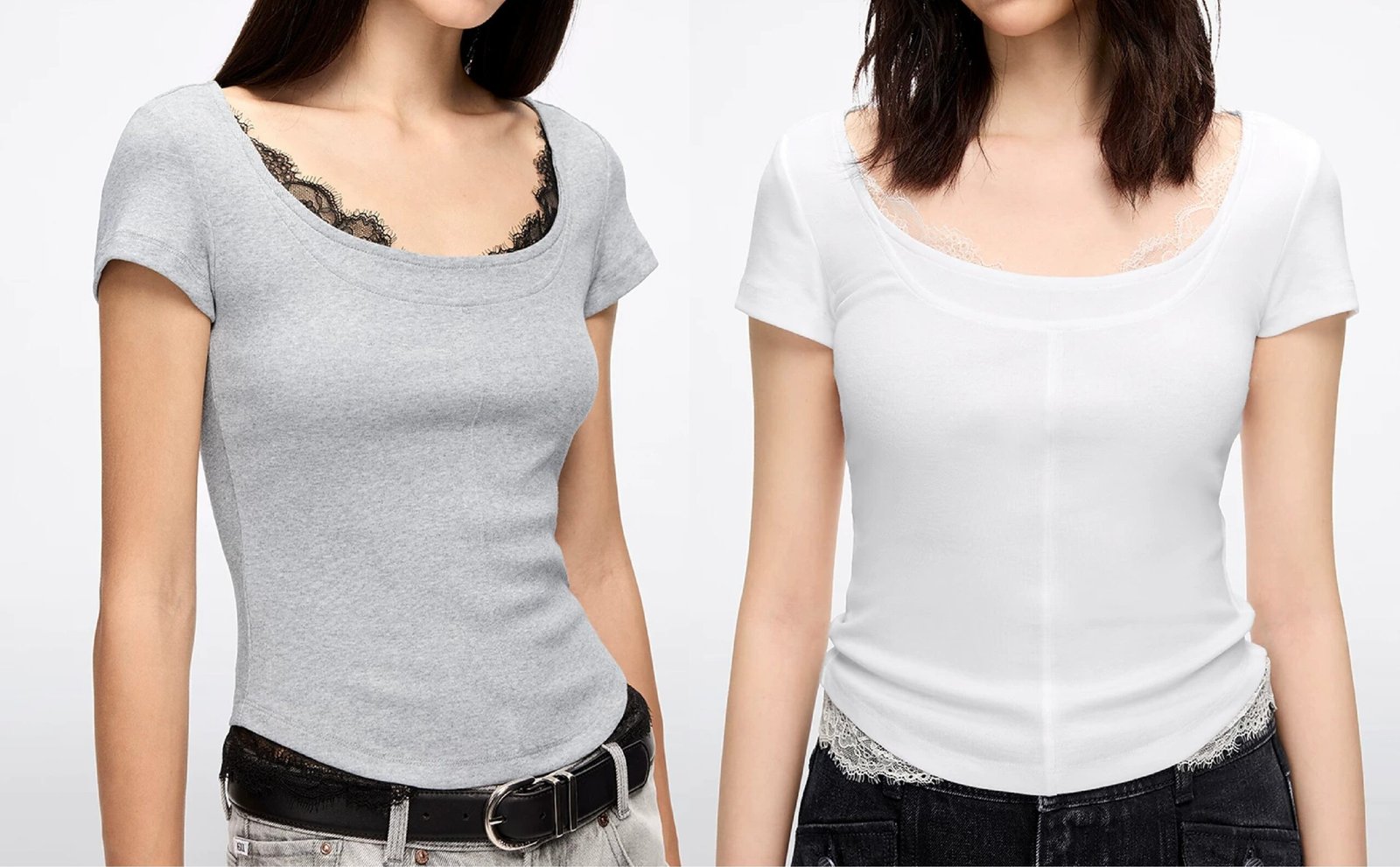


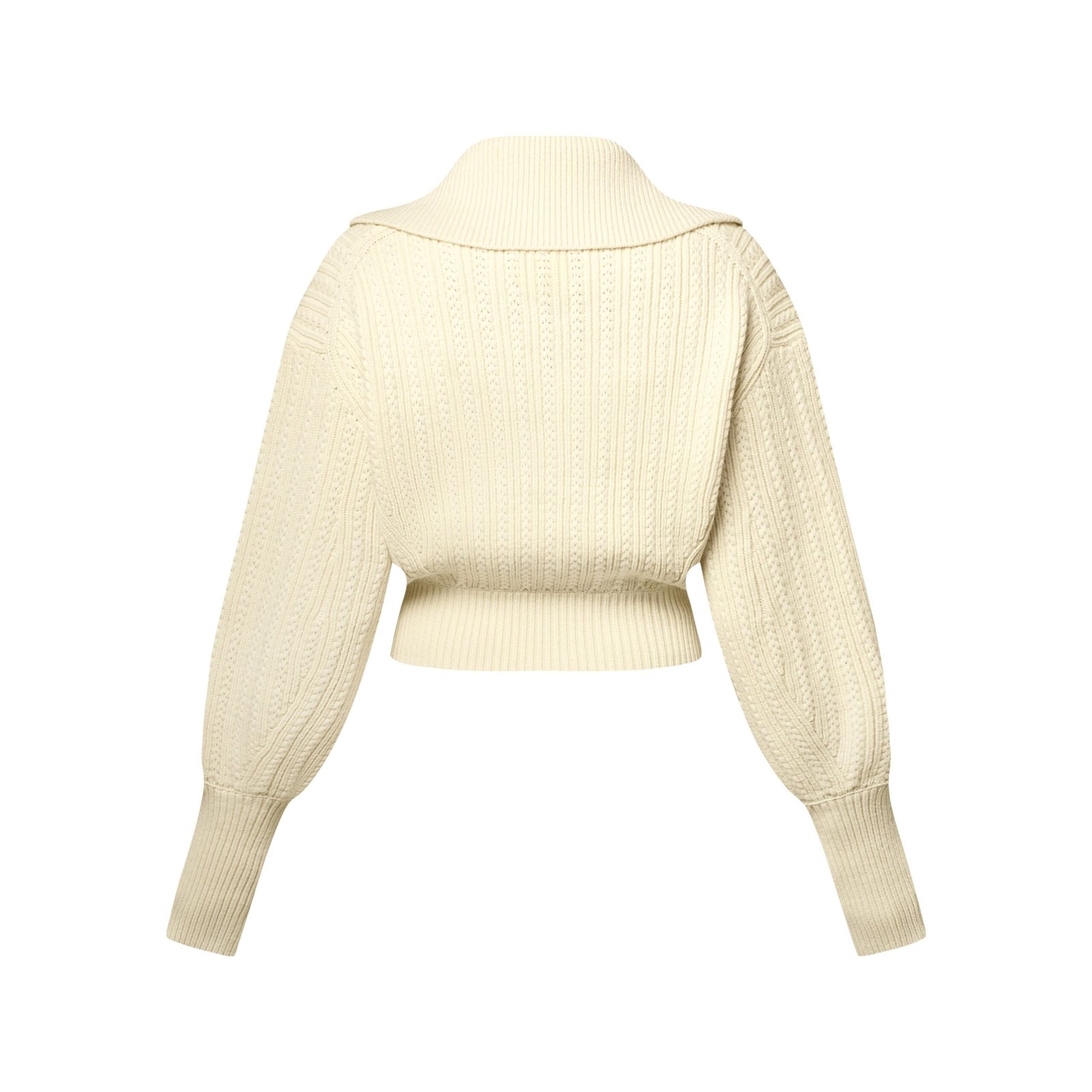


Related Product Catalogue and Quotation





Why Brands Choose JUNSHEEN for tshirt wholesale
One manufacturing partner for low-MOQ launches, fit-led development, reliable bulk production, and global delivery.
100-Unit MOQ
Launch custom T-shirt programs from 100 units per style and color, giving new labels a practical route to test demand.
Fit-Led XS–3XL Grading
Patterns are refined for proportion, mobility, shoulder balance, and grading consistency across normal, oversized, and extended-size fits.
Integrated Product Development
Move from a tech pack, sketch, or reference garment through fabric selection, pattern making, sampling, and production-ready specifications.
Scalable Production Capacity
More than 200 skilled workers and monthly capacity above 80,000 units support capsule launches, repeat orders, and growing wholesale programs.
Decoration and Private Label
Add embroidery, specialty printing, washes, custom labels, trims, hang tags, and branded packaging within one coordinated supply chain.
Global Export Support
Receive responsive order coordination, quality control, packed-goods inspection, and export support for wholesale delivery to international markets.
T-Shirt Wholesale & Apparel Production
From 100-unit capsule runs to scaled programs, develop fit-focused casualwear, denim, knitwear and outerwear with one manufacturing partner.
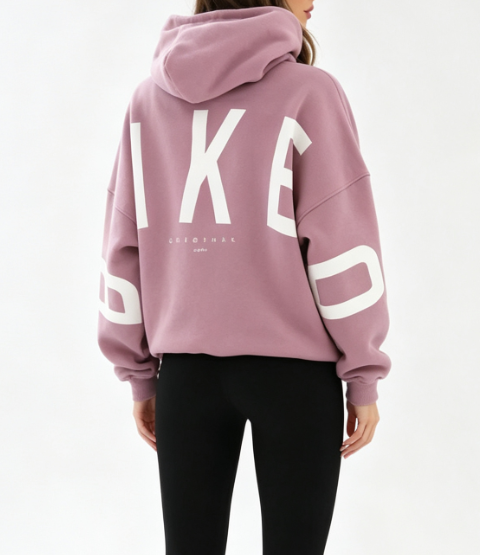
Custom Hoodies
Develop custom hoodies in fleece, French terry or brushed knit with fit-focused grading from XS to 3XL. Choose screen printing, embroidery, washes, custom labels and branded packaging for retail-ready private-label programs.
Request a Quote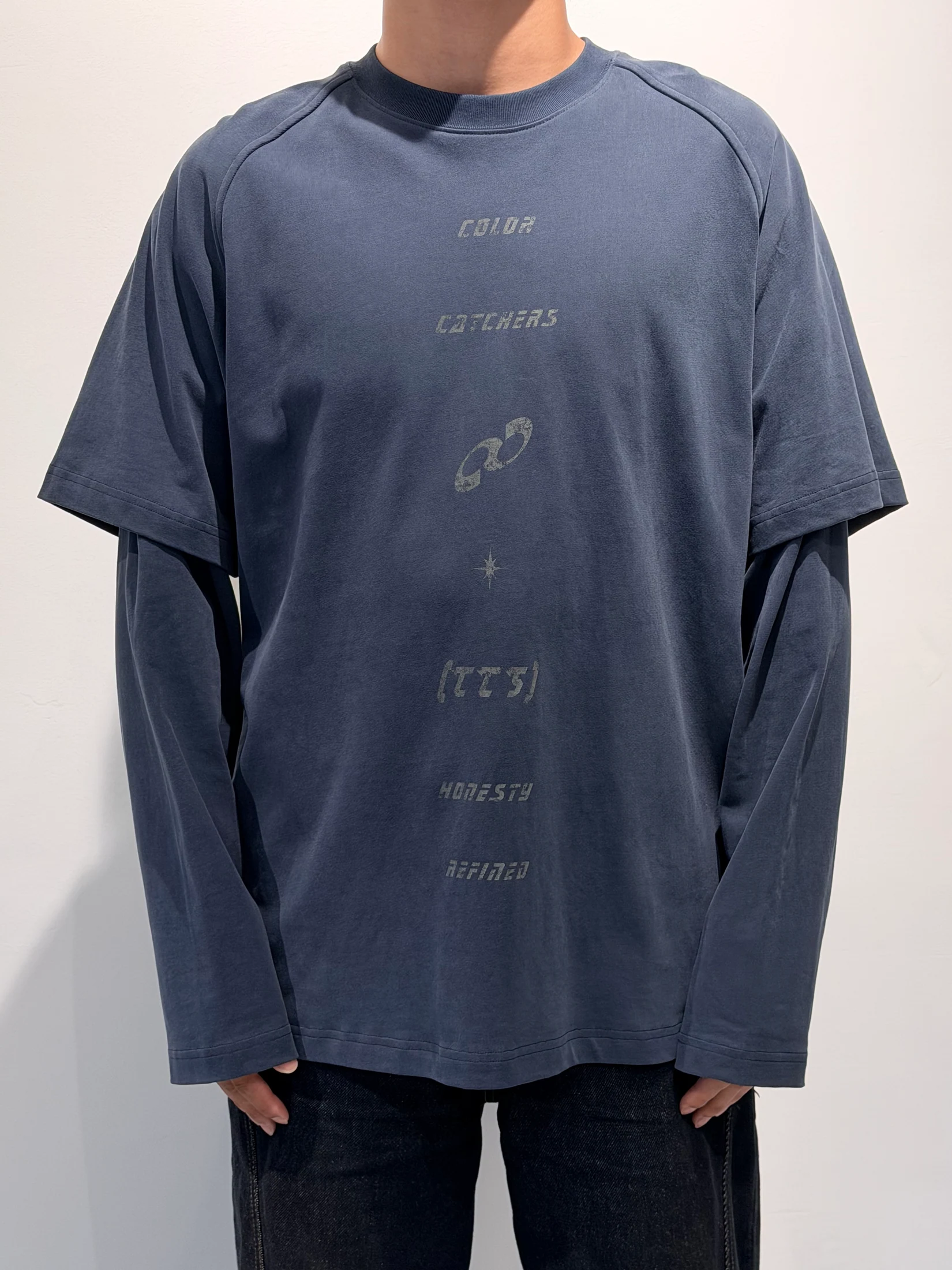
Custom T-Shirts
Produce custom T-shirts in cotton, Pima cotton, organic cotton or blended jersey. Junsheen supports specification review, pattern development, size grading, DTG or screen printing, labels and low-MOQ launches from 100 units per style and color.
Request a Quote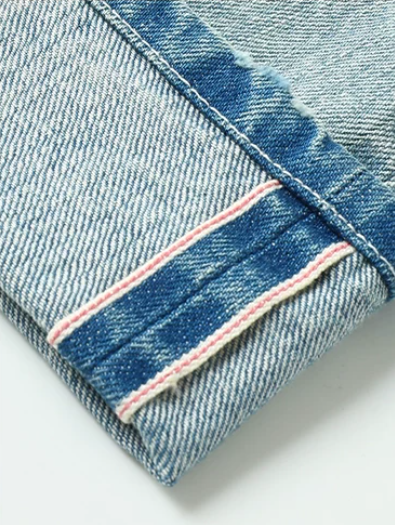
Custom Jeans
Build custom jeans in rigid or stretch denim with approved washes, pocket details, hardware and branded trims. Pattern makers refine rise, leg shape and grading to support consistent normal-size, extended-size and oversized fits.
Request a Quote
Custom Sweaters
Source turtle neck sweater bulk programs in knit constructions suited to your target hand feel, weight and price point. Development covers yarn selection, gauge, rib details, fit samples, size sets, labels and scalable knitwear production.
Request a Quote
Custom Jackets
Create custom jean jackets in denim, twill or stretch woven fabrics with controlled wash effects, embroidery, patches and branded hardware. Sampling verifies construction, fit and measurements before bulk production begins.
Request a Quote
Custom Sweatshirts & Crewnecks
Develop custom crewneck hoodie and sweatshirt programs in fleece or French terry, including crewneck, pullover and hooded silhouettes. Add embroidery, screen printing, washes, rib trims and graded XS–3XL fits for cohesive collections.
Request a Quote
Custom Cardigans
Produce custom cardigans with yarn, gauge, button, placket and rib specifications aligned to your collection. Junsheen supports fit development, size grading, private labels and repeatable knitwear production from sampling through bulk.
Request a Quote
Custom Puffer & Down Jackets
Manufacture custom puffer jackets with shell, lining, fill, quilting, zipper and trim specifications matched to your market. Development reviews insulation, mobility, proportions and packing requirements before scaled outerwear production.
Request a Quote
Custom Denim Shorts
Create custom jean shorts in rigid or stretch denim with selected rises, inseams, hems, pocket treatments and wash finishes. Size grading and fit sampling help maintain proportion across standard, extended-size and oversized ranges.
Request a Quote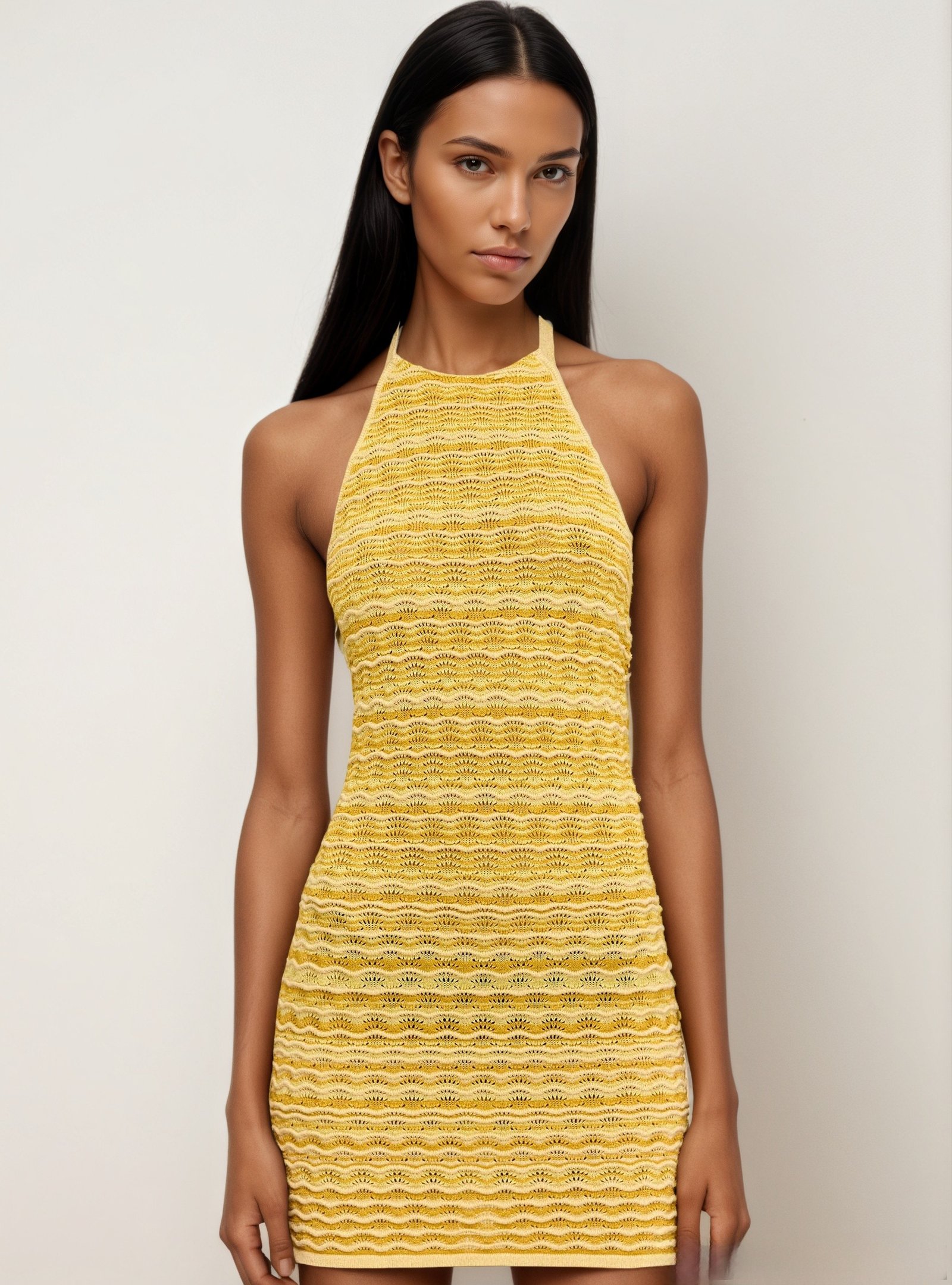
Custom Sweater Dresses
Develop custom sweater dresses with yarn selection, knit structure, length and body shaping tailored to your target customer. Sampling validates drape, stretch, recovery and grading before low-MOQ or ongoing bulk production.
Request a Quote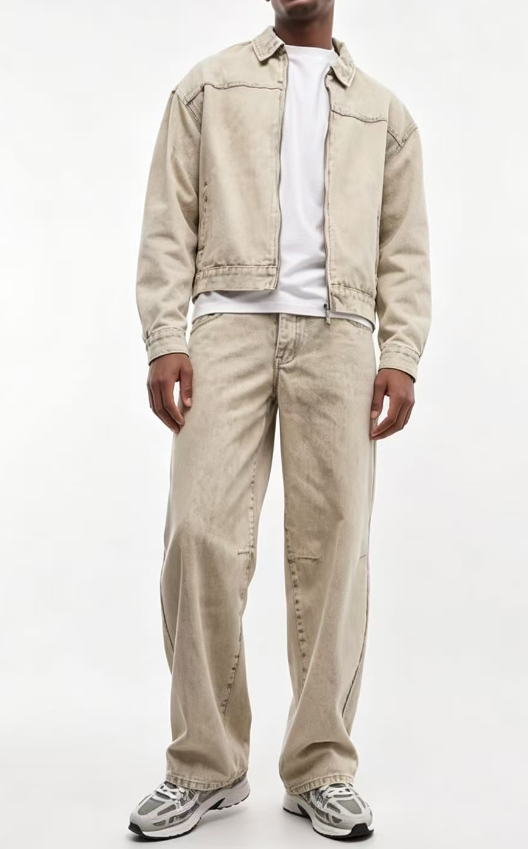
Custom Denim Sets
Produce mens denim suits wholesale programs with coordinated denim jackets and trousers, consistent wash standards and branded details. Junsheen manages pattern development, fabric sourcing, fit approval, size sets and export-ready bulk production.
Request a Quote
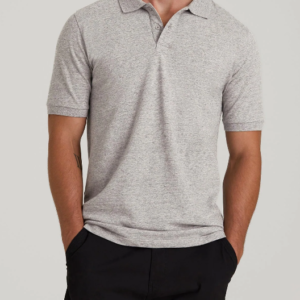
Custom Polo Shirts
Manufacture custom polo shirts in pique, jersey or performance knits with collar, placket, button and logo specifications. Fit-focused grading, embroidery, printing and private-label trims support uniforms, retail collections and wholesale programs.
Request a Quote
Custom Sweatpants
Build custom sweatpants in fleece, French terry or performance knits with tailored rises, leg shapes, pockets and waistband details. Add printing, embroidery, washes and labels while maintaining consistent graded fits from XS through 3XL.
Request a Quote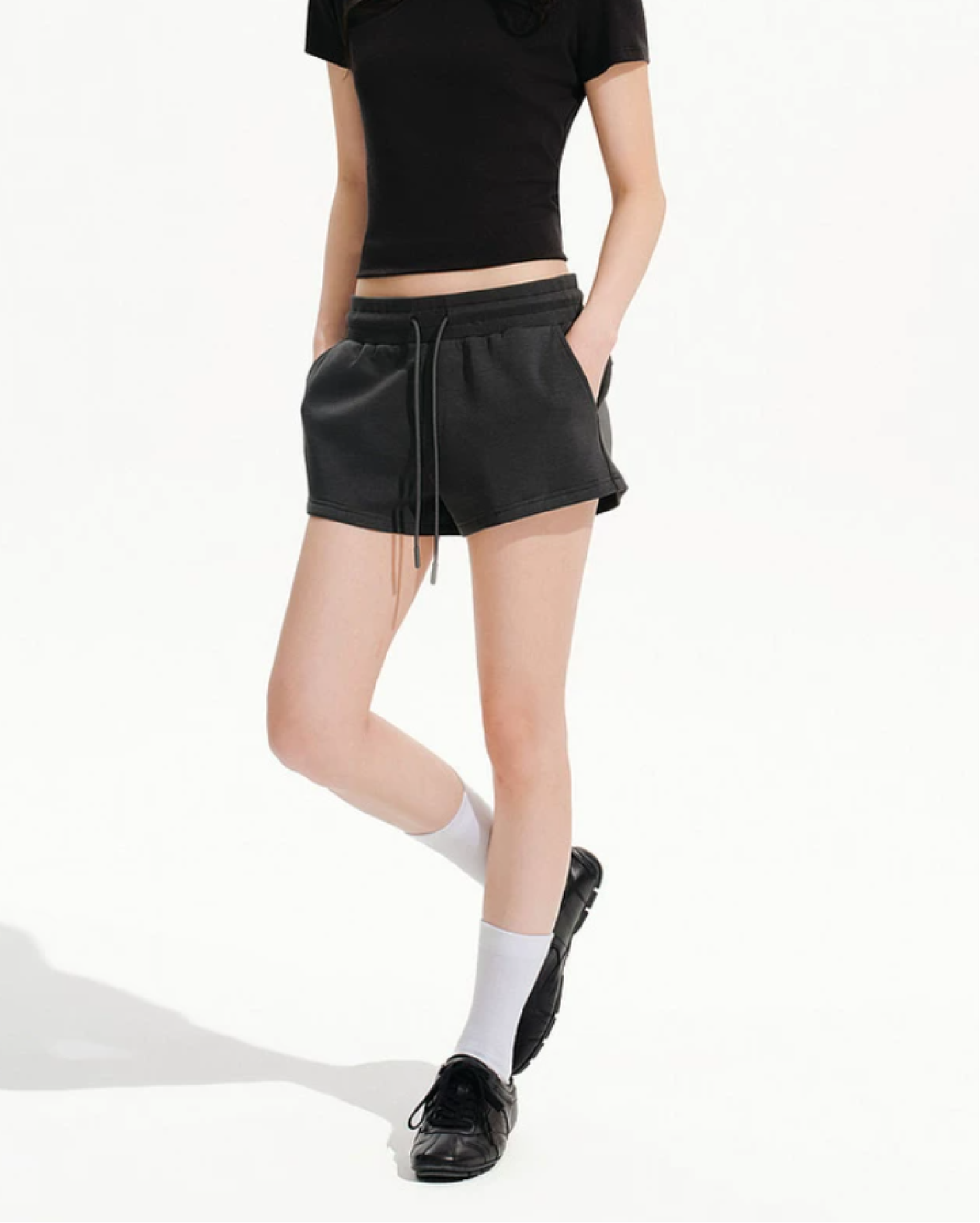
Custom Shorts
Produce custom shorts in jersey, fleece, twill, denim or performance fabrics for casualwear and active-inspired collections. Development covers inseam, pocket construction, waistband, trims, decoration and fit approval before bulk production.
Request a Quote
Custom Pullovers
Develop custom pullovers across fleece, French terry and knit constructions, from lightweight layers to heavier seasonal styles. Junsheen supports pattern making, fabric selection, decoration, washing, labels and scalable production for branded assortments.
Request a QuoteTshirt Wholesale Materials for Fit, Hand Feel & Wash Performance

Combed Cotton Jersey
A soft, breathable staple for everyday custom T-shirts and layered casualwear. Combed yarns create a cleaner hand feel and smoother print surface, with weights selected from lightweight basics to substantial premium jerseys.

Pima Cotton Jersey
Premium long-staple cotton with an exceptionally smooth, refined hand feel for elevated T-shirts and retail-ready essentials. Its stronger, finer fibers support softness and durability through repeated washing while maintaining a polished appearance.

Organic Cotton Jersey
A natural-fiber option for brands prioritizing responsible material stories in custom T-shirt programs. Available in varied jersey weights, it provides breathable comfort, dependable drape, and a soft hand suited to screen printing or embroidery.

French Terry Fleece
Loopback French terry and brushed fleece support heavier tees, sweatshirts, hoodies, and coordinated casualwear. French terry offers breathable structure, while fleece delivers a warmer brushed interior and substantial hand feel for cooler-season collections.

Stretch Performance Knits
Engineered knit blends suit active-inspired T-shirts, fitted silhouettes, and travel-ready casualwear. Controlled stretch improves movement and recovery, while moisture-management, anti-pilling, and lightweight performance options can be matched to your product specification.

Recycled Blended Fabrics
Recycled cotton and polyester blends help brands build lower-impact material options without sacrificing practical durability. Available across jersey, fleece, and woven constructions, these fabrics can balance softness, resilience, weight, and target wholesale cost.
tshirt wholesale Decoration & Garment Finishing

Logo Embroidery
Flat, 3D puff, chain-stitch, applique, sequin and custom patch embroidery add dimensional branding with secure stitch coverage. Ideal for chest logos, sleeve details and premium sweatshirt, polo and outerwear programs.

Screen Print
Plastisol and water-based screen printing delivers bold, repeatable color and durable coverage for high-volume tshirt wholesale programs. Choose standard, soft-hand or opaque ink systems to suit fabric weight, artwork and target cost.

DTG DTF Transfers
DTG and DTF processes reproduce detailed, full-color artwork, gradients and short-run graphics with efficient setup. They are practical for sample development, limited drops and designs requiring fine visual detail across multiple garments.

Dye Sublimation
Dye sublimation permanently bonds all-over color and artwork into compatible performance fabrics, leaving no raised print layer. The result is lightweight, breathable decoration suited to activewear, teamwear and vivid custom graphic programs.

Specialty Print Effects
Puff, flocking, silicone, high-density, foil and discharge printing create tactile contrast, shine or dimensional logo definition. JUNSHEEN helps match the effect to fabric, wash expectations and the intended premium retail presentation.

Garment Washing
Enzyme, softening, anti-pilling, garment dye, acid wash, stone wash, brushing and napping refine color, hand feel and vintage character. Controlled finishing helps private-label pieces achieve a more considered, retail-ready appearance.
Custom Trims, Labels & Packaging

Woven Brand Labels
Custom woven main labels, size labels, and wash-care labels give every T-shirt a consistent private-label identity. Junsheen applies them accurately during production for dependable placement across repeat wholesale orders.

Custom Hang Tags
Branded hang tags communicate your logo, sizing, product story, and care details at retail. Choose stock, shape, finish, string, and attachment options that align with your collection’s positioning.

Zippers And Snaps
Specify branded zippers, snap buttons, pulls, and hardware for pockets, jackets, polos, and layered casualwear. Our sourcing team matches functional requirements, finish, durability, and target cost before bulk approval.

Drawcords And Tips
Custom drawcords, aglets, eyelets, and tipping details add a considered finish to hoodies, sweatpants, shorts, and outerwear. Select colors, materials, lengths, and logo treatments to support your brand system.

Patches And Ribbing
Add embroidered patches, woven badges, applique, or custom rib trims to create recognizable collection details. These components help differentiate private-label styles while maintaining a cohesive fit and construction standard.
Branded Packaging
Finish your order with custom polybags, tissue, stickers, cartons, and packing inserts. Junsheen coordinates packaging specifications with final quality control to help tshirt wholesale orders arrive retail-ready for global distribution.
About JUNSHEEN Apparel Manufacturing
Founded in 2010 in Humen Town, Dongguan, JUNSHEEN helps fashion businesses turn concepts into production-ready apparel. For tshirt wholesale programs and broader casualwear collections, we provide OEM, ODM, private-label, product-development and export support through one responsive manufacturing partner.
Our integrated supply chain brings cut-and-sew production, knitting, fabric sourcing, pattern making, size grading, decoration, washing, quality control, labels, trims and packaging together. With 200+ skilled workers and capacity above 80,000 units monthly, we support focused launches from 100 units per style and color through scalable repeat production.
JUNSHEEN has served 2,000+ fashion-brand clients across global markets, including emerging labels, retailers, wholesalers and established sourcing teams. What distinguishes our approach is fit-focused XS–3XL development, clear technical coordination and dependable manufacturing built for long-term brand growth.

Fit-First tshirt Wholesale Development Through Production
Patterns Built for Real Fits
JUNSHEEN develops T-shirt patterns around intended proportions, movement and brand positioning—not a generic base block. From slim to modern oversized silhouettes, our team reviews specifications and refines shoulder balance, body length, sleeve shape and neckline before sampling.
- Pattern making from tech packs, sketches or reference garments
- Fit review for normal-size, extended-size and oversized programs
- Prototype and size-set samples before bulk approval
- Manufacturability feedback to reduce avoidable revisions

XS–3XL Grading With Purpose
For tshirt wholesale programs that need broader size coverage, each size is graded with deliberate measurement changes. Pattern makers adjust body proportion, sleeve length, shoulder balance and mobility across the range, helping your collection keep a consistent fit from XS through 3XL.
- Fit-focused grading from XS to 3XL
- Plus-size and extended-size development support
- Graded measurement specifications for production control
- Size-set approval before bulk cutting

Fabrics Matched to Your Brief
Our sourcing team recommends jersey, cotton blends, combed cotton and performance knit options against your target hand feel, weight, durability, stretch and price point. Swatches and sample garments help buyers confirm wash performance and appearance before bulk materials are committed.
- Fabric recommendations aligned with cost and end use
- Options for cotton, organic cotton, Pima cotton and blends
- Weight, drape, shrinkage and wash-performance review
- Supplier-network sourcing for scalable repeat programs

Production Records That Repeat
JUNSHEEN retains approved patterns, graded size sets and material records to bring order-to-order consistency to private-label T-shirt production. Integrated printing, embroidery, labels, finishing and final inspection keep critical details controlled within one production supply chain as volume grows.
- Approved production specifications retained for reorders
- In-house decoration, washes, labels and packaging coordination
- Incoming, in-line and final packed-goods inspections
- 100-unit MOQ entry point with 80,000+ monthly-unit capacity

Why Choose JUNSHEEN for tshirt wholesale?
One integrated manufacturing partner from fit development through scalable global delivery.
← 左右滑动查看 →
Tshirt Wholesale From Fabric Sourcing to Global Shipping
A clear production path for private-label T-shirts and casualwear, from feasibility review through export-ready delivery.
Confirm Feasibility and Materials
Junsheen reviews specifications, target pricing, quantities, fit requirements and decoration needs, then recommends suitable fabrics, trims and wholesale production options.
Develop Patterns and Samples
Pattern makers build and grade XS–3XL fits, produce prototypes or size sets, and refine measurements, construction and materials after your approval feedback.
Cut, Sew and Decorate
Approved tshirt wholesale orders move into bulk cutting, sewing, printing, embroidery, washing and finishing, with in-house teams coordinating each production detail.
Inspect In-Line and Final
Quality teams check incoming materials, construction, measurements, fit, decoration and packed goods to help maintain approved standards throughout the production run.
Pack and Export Globally
Finished garments receive branded labels, hang tags and packaging, then Junsheen prepares export documentation and shipping support for delivery to your destination.
Start Your T-Shirt Wholesale OEM Order
Move from an initial concept to approved bulk production with a clear, fit-focused process built for private-label apparel programs.
Send Your Product Brief
Share a tech pack, sketch, reference garment, mood board, or product idea with target quantities, sizes, materials, decoration requirements, and destination market.
Review Feasibility Together
Our team reviews construction, fit, XS–3XL grading, fabric options, trims, decoration, and 100-unit MOQ requirements, then recommends practical manufacturing improvements.
Approve Quote and Sample
Confirm the quotation and development details, then review your prototype or size set for measurements, hand feel, wash performance, branding, and overall fit.
Confirm Bulk Production
Approve the pre-production sample and materials. Junsheen coordinates cut-and-sew, knitting, printing, embroidery, finishing, labels, packaging, and in-line quality control.
Receive Your Finished Order
Final inspections verify measurements, construction, decoration, and packed goods before export support coordinates shipment for your wholesale program or retail launch.
Custom Clothing Manufacturer Credentials and Compliance Documents




tshirt wholesale Results From Growing Brands
JUNSHEEN helped us approve our oversized tee fit in two sampling rounds instead of the five we expected. The graded XS–3XL measurements stayed balanced, and our 300-piece capsule sold through faster than planned.
For our first private-label launch, the 100-unit MOQ made the numbers workable. We received 240 printed T-shirts across two colorways on schedule, with labels, hang tags, and packaging ready for our retail delivery.
We reordered the same heavyweight tee program six months later and the fit, fabric weight, and print placement matched the approved production sample. That consistency let us expand from 500 units to 1,500 units confidently.
Tshirt Wholesale FAQ for OEM Buyers
Clear answers on MOQs, sampling, production, payment, shipping, materials and IP protection for private-label T-shirt programs.
What is your minimum order quantity for tshirt wholesale?
Can I order tshirt wholesale with my own labels, print and packaging?
How long does a tshirt wholesale sample take, and what does it cost?
What are your bulk production lead times for custom T-shirts?
What payment terms do you offer for tshirt wholesale orders?
Can you source custom fabrics and help choose the right T-shirt material?
Do you ship tshirt wholesale orders internationally?
How does JUNSHEEN protect my designs and product information?
The Complete Buyer’s Guide to tshirt wholesale
Use this practical framework to evaluate tshirt wholesale options, compare supplier capabilities and costs, set product specifications, and avoid sourcing mistakes that delay launches, weaken quality, or erode your margins.
1. What Is tshirt wholesale?
100 units per style and color is a practical starting point for made-to-order tshirt wholesale, while blank-stock wholesalers may sell one carton or a few dozen identical garments. Wholesale means buying at trade pricing for resale, team use, or further decoration; it is not retail’s single-garment purchase model or dropshipping, where the supplier ships individual consumer orders. 3 sourcing routes serve different stages. Blank stock suits printers, event operators, and retailers needing fast replenishment in standard fits and colors; private-label programs add a brand’s labels, hang tags, packaging, and selected trims; custom manufacturing builds a new specification from a tech pack, sketch, or reference, including fabric, pattern, grading, and decoration choices. 1 core question should guide the decision: is speed, differentiation, or fit control the immediate constraint? A new label testing demand may use stock blanks or a low-MOQ program, whereas a growing brand needing consistent 180–260 GSM jersey, Pantone color control, extended sizing, or a distinct oversized block should move toward development-led production. For example, Junsheen supports custom programs from 100 units per style and color, with sampling used to approve fit and materials before bulk production.
2. The Evolution of tshirt wholesale
1904 saw the T-shirt move from a practical undershirt into a standardized, machine-made basic; by the mid-20th century, cotton jersey blanks were economical enough for uniforms, promotional programs, and volume retail. Screen printing then turned the blank into a communication surface, making color separations, plastisol inks, and repeatable logo placement central to wholesale buying. 1970s streetwear, music merchandise, and skate culture shifted demand from generic basics toward fashion blanks with distinct weights, silhouettes, washes, and neck constructions. A 160–180 GSM ring-spun tee could serve a softer retail hand feel, while heavier 220–260 GSM jersey and oversized proportions created a more structured contemporary product. 2000s sourcing expanded from container-scale basics to digitally coordinated development across countries, with tech packs, Pantone approvals, digital print files, and remote sample reviews shortening decision cycles. Buyers now expect 100-unit style-and-color entry points, faster prototype sampling, clear fabric and trim records, and private-label options from neck labels to branded packaging. 2020s procurement has added traceability and fit accountability to the brief: brands increasingly ask where cotton, recycled fibers, dyes, and decorations originate, and whether claims can be supported through supplier documentation or standards such as OEKO-TEX or GOTS where applicable. Extended sizing also demands real pattern grading from XS through 3XL—not simply enlarging a base size—so tshirt wholesale programs can preserve balance, mobility, and consistent brand fit.
3. Types of tshirt wholesale Programs
Five tshirt wholesale routes trade speed and unit cost against ownership of fit, materials, and branding. Select the route before requesting quotes, then compare like-for-like fabric weight, decoration, packaging, and freight assumptions.
| Program | Typical MOQ | Indicative Unit Cost | Speed | Best Fit |
|---|---|---|---|---|
| Ready-stock blanks | 12–72 units | US$2–6 | 1–2 weeks | Events, test drops |
| Branded blanks | 24–100 units | US$4–10 | 2–4 weeks | Print-led retailers |
| Contract manufacturing | 100+ units | US$5–14 | 4–8 weeks | Specification-led brands |
| Private label | 100+ units | US$6–16 | 5–9 weeks | Growing labels |
| Custom cut-and-sew | 100+ per style/color | US$8–25+ | 6–12 weeks | Differentiated collections |
Ready-Stock Blanks

Ready-stock blanks use finished, unbranded inventory in standard colors and sizes. Zero pattern development makes them suitable for event merchandise and fast tests.
Wholesale Branded Blanks
Branded blanks offer established fits, size charts, and repeatable base quality. 1–2 decoration placements can create a retail-ready program without changing the garment.
Contract Manufacturing
Contract manufacturing follows the buyer’s approved specifications, materials, and production calendar. 100-unit style-and-color programs can suit emerging labels when factory capability matches the brief.
Private Label Programs
Private-label programs add woven labels, care labels, hangtags, and branded packaging to a selected base. 2 approval points—sample and pre-production—help protect consistency before bulk cutting.
Custom Cut-And-Sew
Custom cut-and-sew builds the pattern, grading, fabric, trims, and finish around the brand’s target customer. XS–3XL development requires fit review across the size set, not simple pattern enlargement.
4. tshirt wholesale Fabrics and Weights
160–220 GSM is the practical starting band for tshirt wholesale, but weight alone never predicts performance. Fiber, yarn, and knit construction together determine opacity, shrinkage control, print results, climate comfort, and delivered cost.
| Fabric | GSM | Best Use | Performance And Cost |
|---|---|---|---|
| Carded cotton jersey | 150–170 | Promotional and hot-climate tees | Light, breathable, lower cost; less opacity |
| Combed ring-spun cotton jersey | 180–220 | Core private-label tees | Smooth printing, balanced durability and price |
| Organic combed cotton jersey | 180–220 | Certified premium programs | Soft hand; certification and fiber cost increase |
| Cotton-polyester blend | 160–200 | Active and value basics | Fast drying, durable; limited discharge-print options |
| Interlock or recycled blend | 200–240 | Premium opaque tees | Stable, substantial hand; higher knitting cost |
Fiber Composition
100% cotton provides a breathable, matte hand and dependable screen-print surface; heavier constructions improve coverage but raise fabric cost. 50/50 cotton-polyester blends dry faster, resist wrinkles, and suit active or value programs, though polyester can affect discharge-print results.
- Organic cotton needs documented certification when claimed
- Recycled polyester supports blends and performance programs
- Long-staple cotton typically pills less than short-staple cotton
Yarn Quality And Shrinkage
Combed ring-spun yarn removes more short fibers than carded open-end yarn, producing a smoother face for DTG, fine screen detail, and softer hand. 3–5% shrinkage is a common allowance without pre-shrinking; require wash testing against approved measurements before bulk cutting.
- Specify finished-GSM tolerance and wash method
- Review spirality after laundering
- Approve a bulk fabric swatch before printing
Knit Structure And Weight
Single jersey has one smooth face, lighter drape, and broad price flexibility; it remains the standard for casual tees. Interlock uses two connected knit layers, giving better opacity, recovery, and a cleaner premium hand, usually at a higher yarn and knitting cost.
- 150–170 GSM favors hot-climate basics
- 180–220 GSM suits core retail tees
- 240 GSM and above creates heavyweight silhouettes
5. Customization and Decoration Options
At a 100-unit starting point, a tshirt wholesale brief should lock silhouette, Pantone color, GSM, size run, labels, and packing before decoration is quoted. Those choices determine the feasible process, unit cost, and approval sample.
| Method | Artwork | Setup | Colors | Durability | Best Quantity |
|---|---|---|---|---|---|
| Screen print | Bold vector | Higher | Spot colors | High | 100+ |
| DTG | Photographic | Low | Full color | Medium-high | Small runs |
| DTF | Detailed multicolor | Low | Full color | High | Small to mid |
| Embroidery | Logos and texture | Moderate | Thread limited | High | Premium details |
Build The Product Brief

For every style, specify regular, oversized, cropped, boxy, or fitted proportions; provide chest, body-length, and sleeve measurements rather than a reference photo alone. For XS–3XL programs, define the grading rule and sales forecast by size. Confirm neck label, hem flag, wash-care label, hangtag, polybag, folding method, and carton marks together.
- Pantone TCX or coated color reference
- Rib width and neckline finish
- Label placement and stitch color
- Individual or retail-ready packaging
Match Decoration To Artwork

For 1–2 solid-color logos, screen printing usually gives the lowest unit cost at volume after screen setup. Water-based inks suit softer hand feel; plastisol delivers opacity on dark jersey. For photographic art and small runs, DTG or DTF avoids multi-screen setup. Request a wash test on the exact fabric, especially for dark garments, stretch blends, and silicone or puff effects.
Approve Specialty Details
For 3D logos, puff embroidery, high-density print, foil, flocking, silicone, discharge, and appliqué need strike-offs before bulk approval. Each effect changes hand feel, stretch recovery, and wash behavior. For branded presentation, approve label artwork and packaging dielines at the same time as the production sample. A sealed approval sample prevents label-position and color-match disputes.
6. Key T-Shirt Construction Quality Checks
At a 100-unit program, repeatable construction matters more than a perfect-looking single sample. For tshirt wholesale, control fabric behavior, seam execution, collar recovery, and graded measurements before bulk cutting begins.
Fabric And Wash Testing
Each fabric lot should be checked for GSM, width, shade, holes, skew, and hand feel against the approved swatch. Request a lot-specific inspection record before cutting. After one home-laundering test, record length and width shrinkage, spirality, pilling, and color change. Set an agreed shrinkage tolerance in the tech pack rather than accepting a verbal target.
- Fabric composition and GSM tolerance
- Wash method and shrinkage allowance
- Pantone or approved shade standard
Collar And Seam Control
A 1×1 rib collar must recover after stretching and sit flat after washing; weak rib leaves a wavy neckline. Approve the collar width, neck opening, and topstitch placement on the fit sample. Shoulder tape should run smoothly from neck to armhole, while overlock seams need even stitch density and no skipped stitches. Inspect shoulder, sleeve, side-seam, and hem alignment on laid-flat garments.
- Collar recovery after stretch
- Even overlock stitch density
- Straight twin-needle hem finish
Measurements And Grading
Every size from XS through 3XL needs a point-of-measurement sheet with tolerances, commonly ±1 cm for key body measurements. Measure chest, body length, shoulder, sleeve, neck opening, and hem after the specified wash condition. Grading should adjust proportions, not merely add width. Request a complete graded size set when extended sizes are part of the order.
- Points of measure diagram
- Size-by-size grading chart
- Washed measurement report
Approval And Inspection Records
Before production, approve a sealed pre-production sample made with bulk-intended fabric, trims, decoration, labels, and packing. Any difference from that sample should require written approval. During final inspection, request AQL results, measurement findings, defect photos, carton counts, and color-shade observations. Retained patterns and material records make repeat orders more consistent.
- Signed pre-production approval
- In-line and final inspection reports
- AQL defect and measurement summary
7. How to Choose a tshirt wholesale Manufacturer
Three comparable supplier files reveal more than a low quote. For tshirt wholesale, evaluate proven product capability, documented controls, commercial clarity, and the team’s response when a sample or shipment needs correction.
| Comparison Item | Evidence To Request | Decision Question |
|---|---|---|
| Certification claims | Current certificate and scope | Does it cover this factory and process? |
| Pricing | Itemized quote and Incoterm | What changes the unit price? |
| Export experience | Shipping documents and market references | Can they support your destination? |
Verify Product And Capacity Fit
100 units per style and color is a workable entry point only when the factory can support your fabric, fit, decoration, and replenishment needs. 80,000 units of monthly capacity means little without a capacity plan showing booked production weeks, line allocation, and peak-season constraints.
- Request recent comparable T-shirt samples
- Confirm MOQ by color, fabric, and print
- Ask for a dated production-capacity plan
Audit Development And Materials
2 sample rounds should normally be planned: a fit or development sample, then a sealed pre-production sample. 1 approved fabric standard should identify composition, GSM, color reference, shrinkage tolerance, and test requirements. Request swatches, test reports, and traceable mill or supplier information.
Compare Controls And Commercial Terms
4 checkpoints—incoming fabric, in-line sewing, measurement, and packed-goods inspection—should appear in the factory’s written quality process. 30 days is not a universal lead time; request a quotation separating sample, material booking, production, inspection, and export transit. Ask how defects, shortages, and rework are documented and resolved after delivery.
8. Common tshirt wholesale Buying Mistakes
Most tshirt wholesale losses originate before a purchase order: a low quote, incomplete brief, or untested sample becomes expensive in bulk. Lock technical, timing, and verification decisions before approving fabric or artwork.
Price-Only Supplier Selection
$1.00 less per unit can disappear through fabric substitution, high rejects, or freight rework. Compare like-for-like quotations with GSM, composition, trim, packing, Incoterms, and inspection scope. 100-unit programs need a realistic cost base; ask for a pre-production sample and approved material swatch before releasing bulk.
Fit And Specification Gaps
XS–3XL is not a grading rule by itself. Skipping fit samples or sending vague sketches causes uneven shoulders, incorrect body length, and inconsistent plus-size proportions. 1 signed tech pack should define POM measurements, tolerances, construction, Pantone colors, label placement, and a graded size chart. Approve a fit sample after wash testing.
Fabric And Decoration Assumptions

5–10% shrinkage can materially alter a 180 GSM cotton tee if wash behavior is not specified. Confirm shrinkage allowance, torque, colorfastness, and final garment measurements on the intended fabric. 12-color art or fine halftones may not suit every screen-print setup. Submit production-size artwork and request a strike-off to confirm ink coverage, registration, hand feel, and cure performance.
Schedule Compliance And Inspection
30-day launch dates often fail when sampling, approvals, fabric booking, and freight are treated as one step. Build separate buffers for development, bulk production, inspection, and transit. OEKO-TEX, GOTS, WRAP, and BSCI claims require current, scope-relevant documents; verify the certificate holder and factory scope. Use an AQL-based final inspection covering measurements, workmanship, decoration, packing, and carton counts before balance payment.
9. Steps to Launch a T-Shirt Brand
A 100-unit-per-style-and-color starting point can turn a focused capsule into a manageable first production run. Protect cash flow by proving fit, artwork, and channel demand before adding colors or silhouettes.
Define The First Capsule
One customer profile should set the price point, fit direction, and selling channel: for example, heavyweight oversized tees for direct-to-consumer streetwear rather than a general unisex range. Three core SKUs usually provide enough choice for a debut while concentrating fabric, trim, and sampling spend.
- Choose one target customer and price band
- Limit launch colors to two or three
- Assign one hero tee and two supporting styles
Build Production-Ready Specifications
One tech pack per style should list measurements, tolerances, construction, Pantone colors, artwork placement, print dimensions, label positions, and packaging. Supply vector artwork such as AI, EPS, or PDF rather than relying on a social-media image. A complete size chart from XS through 3XL, where needed, prevents base-size assumptions and costly grading corrections.
- Front, back, and detail flats
- Bill of materials and trim codes
- Print file with exact dimensions
- Wash and care-label requirements
Approve Materials And Samples
180–220 GSM ring-spun jersey suits many premium everyday tees, while 240–300 GSM creates a more structured heavyweight product. Request swatches first, then approve a prototype for hand feel, shrinkage, print behavior, and fit. One signed pre-production sample should become the bulk reference; record every approved change in writing before cutting begins.
- Confirm fabric composition and GSM
- Measure after the intended wash test
- Approve neck rib recovery and seams
- Lock artwork colors before bulk printing
Control Delivery And Sell-Through
A 100-unit run needs an inspection plan covering measurements, seams, decoration, labeling, and packed quantities before final balance and shipment. Use agreed tolerances and an AQL sampling approach when specifying external inspection. Two sales paths—your own store plus a small wholesale or pop-up test—can reveal demand without committing to a broad second order. Photograph approved samples, prepare SKU data, and set replenishment triggers before goods arrive.
- Reserve budget for freight and duties
- Count cartons against the packing list
- Publish product photos and size guidance
- Reorder proven colors before expanding
10. tshirt wholesale Pricing and Costs
100 units is JUNSHEEN’s starting point per style and color, but a usable quote begins only after the fabric composition, GSM, size range, color count, artwork, print placement, labels, packaging, and destination are locked. Compare supplier offers on the same Incoterm, inspection standard, and carton specification; an apparently lower unit price can exclude development, decoration, freight, or duties. 7–21 days is a common development window after specifications and materials are confirmed, while bulk timing depends on fabric availability, approved sample status, order quantity, and decoration complexity. Ring-spun cotton, 180–220 GSM jersey, Pantone-dyed fabric, oversized grading, water-based prints, custom woven labels, and individual polybags each change the landed cost.
| Quantity tier | Indicative ex-works unit-price drivers | Sample or setup cost | Typical production timing |
|---|---|---|---|
| 100–299 units | Highest unit cost; stock 160–180 GSM cotton, one-color screen print, standard neck label reduce cost | Prototype and pattern work quoted separately; screens usually carry setup charges | Sample: 7–21 days; bulk: 20–35 days after approval |
| 300–999 units | Better fabric and cut-and-sew efficiency; 180–220 GSM ring-spun cotton and 1–3 print colors are common | Additional colors, puff, foil, DTF, embroidery, or Pantone matching add setup | Bulk: commonly 25–40 days, subject to material availability |
| 1,000–3,000 units | Lower unit cost through fabric purchasing and longer runs; custom labels and branded packaging spread across more units | Size-set samples, embroidery digitizing, and custom trims should be listed separately | Bulk: commonly 30–45 days; sea or air shipping is additional |
| 3,000+ units | Best leverage for custom knit, garment dye, specialty wash, or multiple colorways when totals are planned together | Freight, insurance, duties, and destination handling must be quoted separately | Confirm a production slot, inspection plan, and shipping mode before committing |
Start Your tshirt Wholesale Collection With Junsheen
Send your tech pack, sketch, reference garment, or sourcing brief for a tailored OEM proposal built around your fit, MOQ, and production goals.