
Custom Tshirt Design for Private-Label Brands
Launch fit-focused custom tshirt design from 100 units per style and color, with OEM development, printing, labels, and scalable global production.
Featured Products for custom tshirt design Development
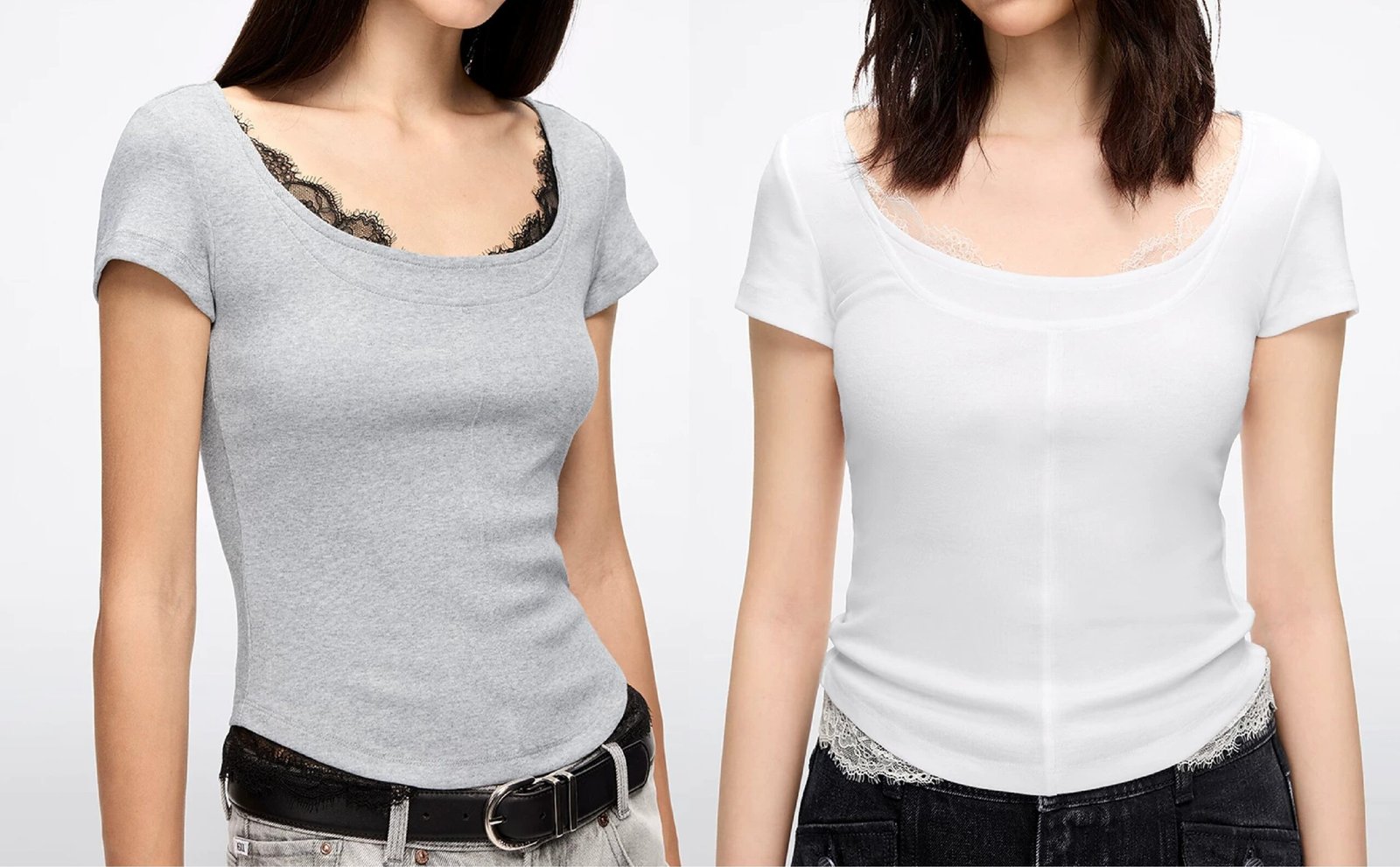


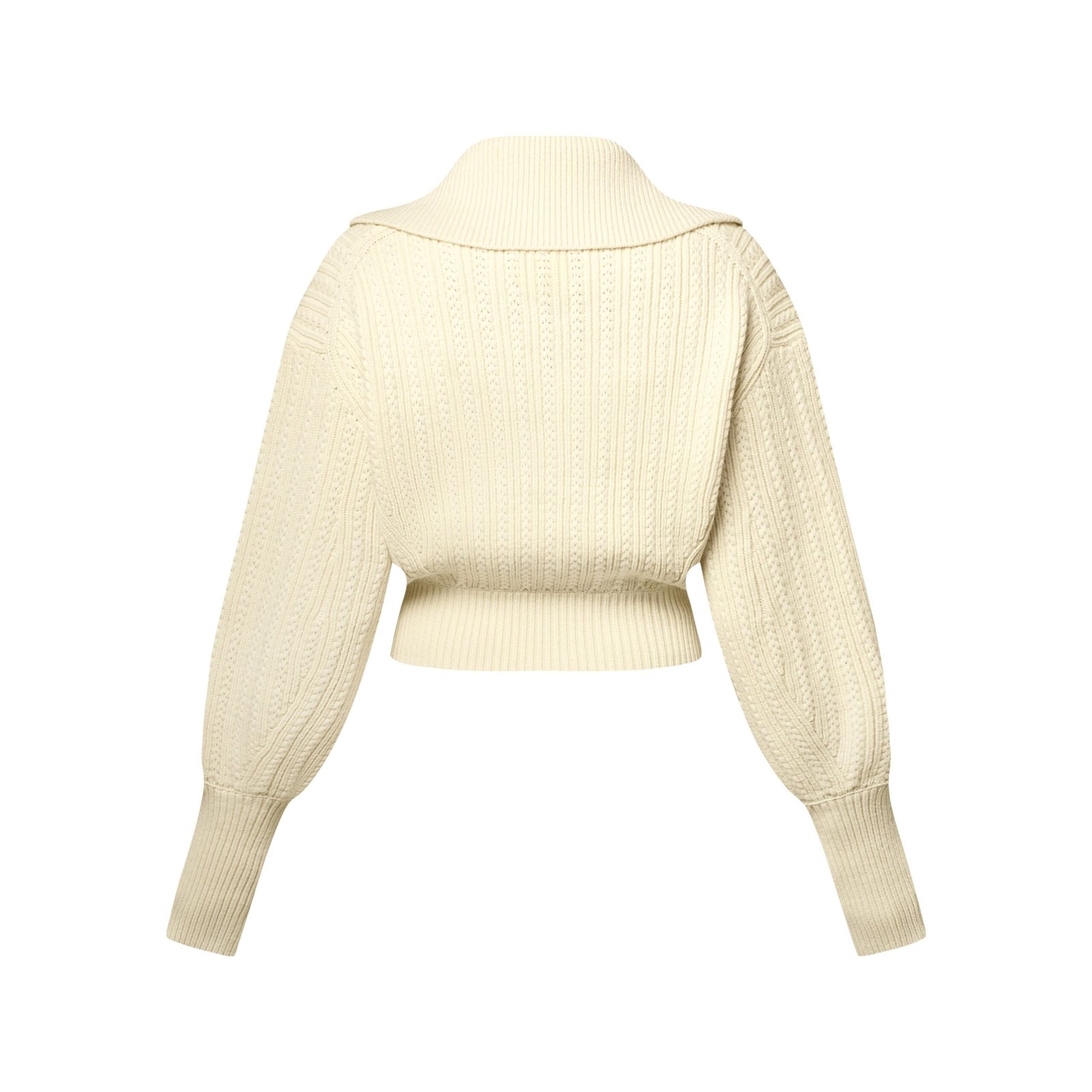


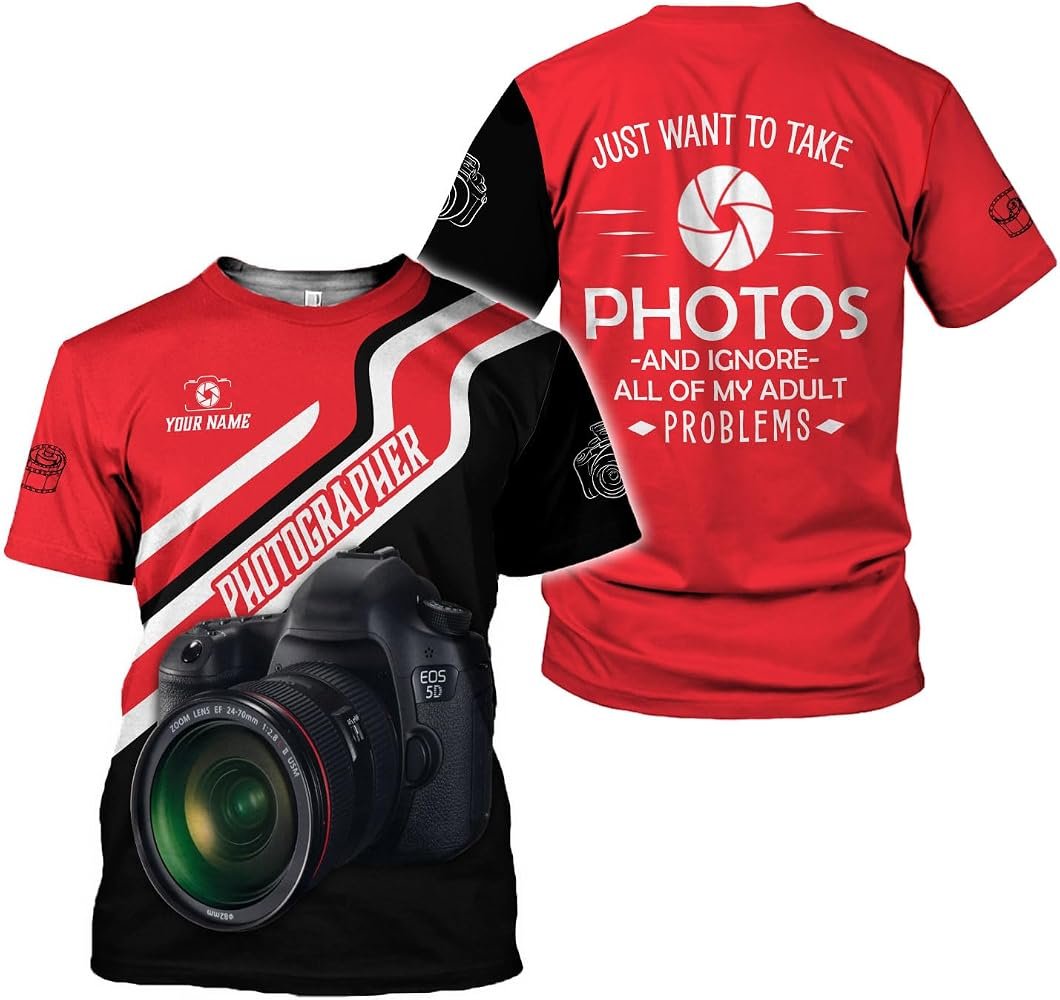
Related Product Catalogue and Quotation
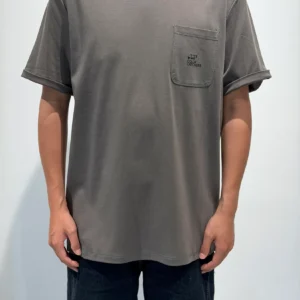


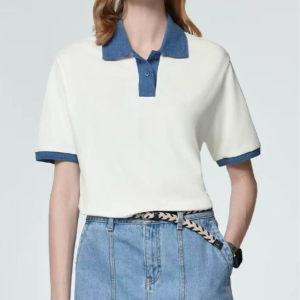

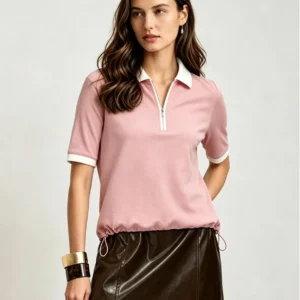


Why Brands Choose JUNSHEEN for Custom Tshirt Design
Built for dependable T-shirt development, low-MOQ launches, and scalable private-label production.
100-Unit Starting MOQ
Launch capsule collections from 100 units per style and color, with production flexibility that supports emerging labels and tested designs.
OEM and ODM Support
Move from tech pack, sketch, reference garment, or concept to production-ready T-shirts with practical development and sourcing guidance.
Fit Development XS–3XL
Refined pattern making and grading support normal, extended-size, plus-size, and oversized T-shirt fits without simply enlarging a base pattern.
Integrated Decoration
Match your custom tshirt design with screen printing, DTG, DTF, embroidery, washes, labels, trims, and branded packaging in one supply chain.
Scalable Production Capacity
More than 200 skilled workers and monthly capacity above 80,000 units help brands grow from initial drops to repeat bulk programs.
Global Export Support
Experienced export coordination helps fashion brands, retailers, and sourcing teams ship approved T-shirt orders reliably to markets worldwide.
Custom Apparel Categories, Developed for Your Brand
From capsule launches to scalable programs, JUNSHEEN develops fit-focused casualwear, denim, outerwear and knitwear for OEM and private-label production.

Custom Hoodies
Develop custom hoodies in fleece, French terry or heavyweight jersey with your preferred fit, fabric weight, pocket construction, rib trims, drawcords, embroidery, printing and private labels. Size grading can cover XS–3XL, including oversized and extended-size programs.
Request a Quote
Custom T-Shirts
Produce custom tshirt programs from a tech pack, reference garment or initial concept. Choose jersey composition, GSM, neckline, silhouette, wash treatment, printing and branding details, then validate measurements and fit through prototype and size-set sampling before bulk production.
Request a Quote
Custom Jeans
Develop custom jeans with selected denim weight, stretch level, wash recipe, rise, leg shape, pocket placement, hardware and branded trims. Junsheen supports pattern development and grading for consistent fit across standard, plus-size and oversized denim ranges.
Request a Quote
Custom Sweaters
Source turtle neck sweater bulk orders with yarn, gauge, stitch structure and collar height matched to your target market. Knitwear development covers pull-on construction, fit refinement, labels and packaging, starting from 100 units per style and color.
Request a Quote
Custom Jackets
Build custom jean jacket collections with denim or twill fabrics, custom washes, seam details, pockets, snaps, buttons and branded labels. Our development team reviews construction and fit before sampling, helping brands move from design references to production-ready specifications.
Request a Quote
Custom Sweatshirts & Crewnecks
Create custom crewneck hoodie and sweatshirt styles in fleece, French terry or jersey, with crewneck, hooded or dropped-shoulder silhouettes. Specify fabric weight, ribbing, brushed finishes, embroidery, screen printing and size grading for your intended customer profile.
Request a Quote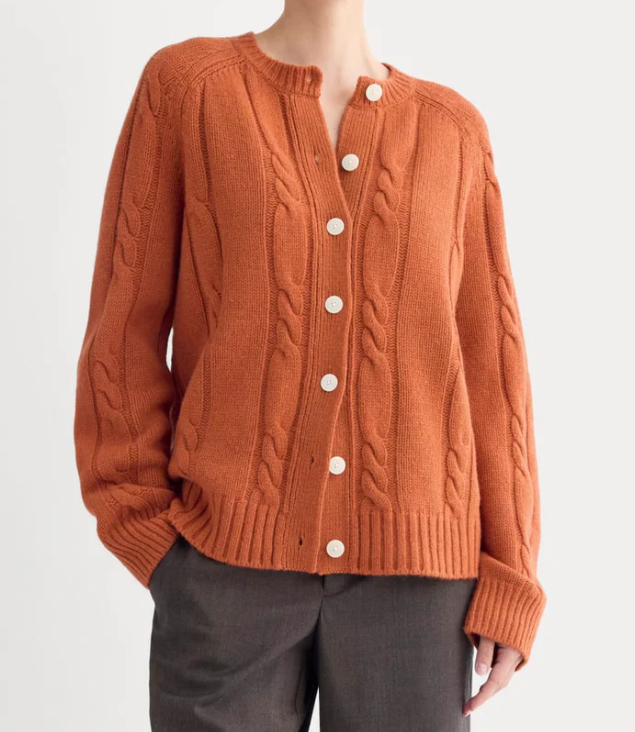
Custom Cardigans
Develop custom cardigan programs in knitted yarns or sweater constructions, with defined gauge, stitch pattern, button or zipper closure, pockets and fit. Sampling confirms drape, proportion and finishing before private-label bulk production begins.
Request a Quote
Custom Puffer & Down Jackets
Produce custom puffer jacket programs with shell fabric, insulation, quilting layout, lining, zippers, snaps, pockets and reflective or branded details specified for your market. Junsheen supports sample review, fit adjustments and scalable outerwear production.
Request a Quote
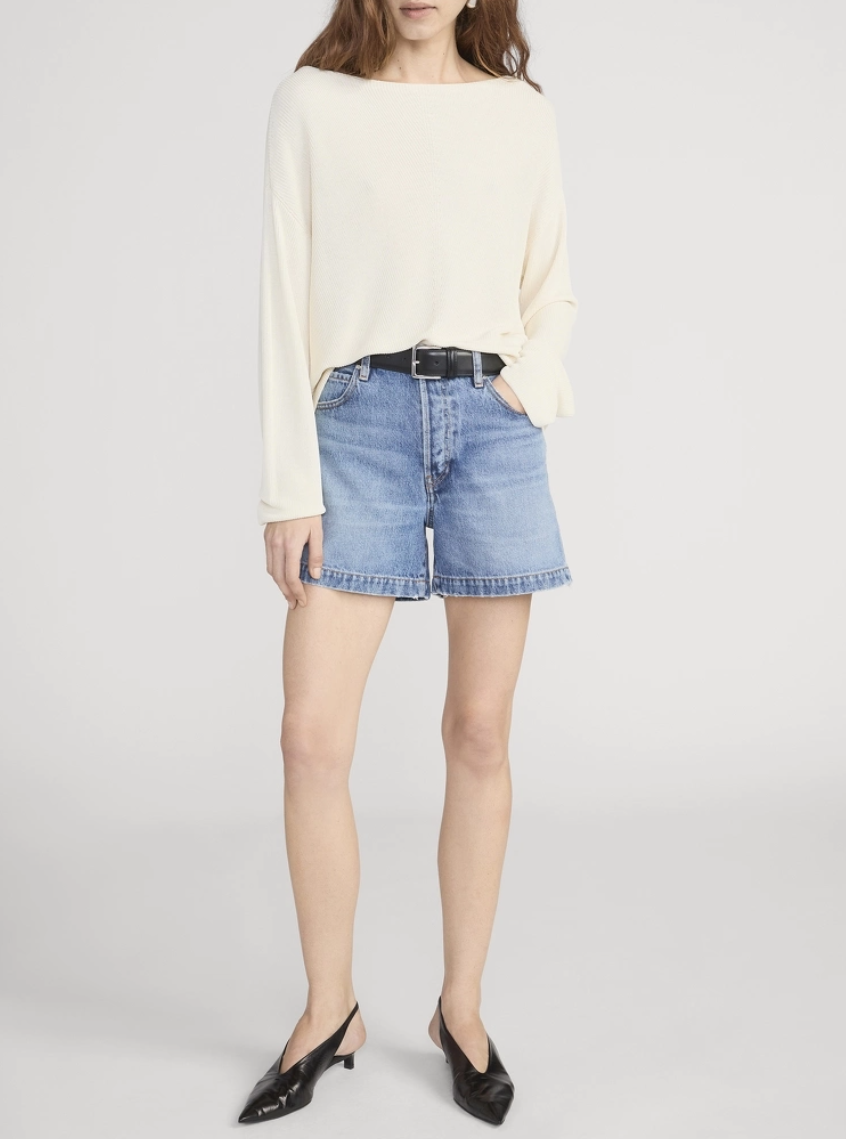
Custom Denim Shorts
Develop custom jean shorts with selected denim, rise, inseam, leg opening, pocket design, hardware and wash finish. Pattern makers refine proportions and grading across the size range, while private-label trims and packaging complete the finished product.
Request a Quote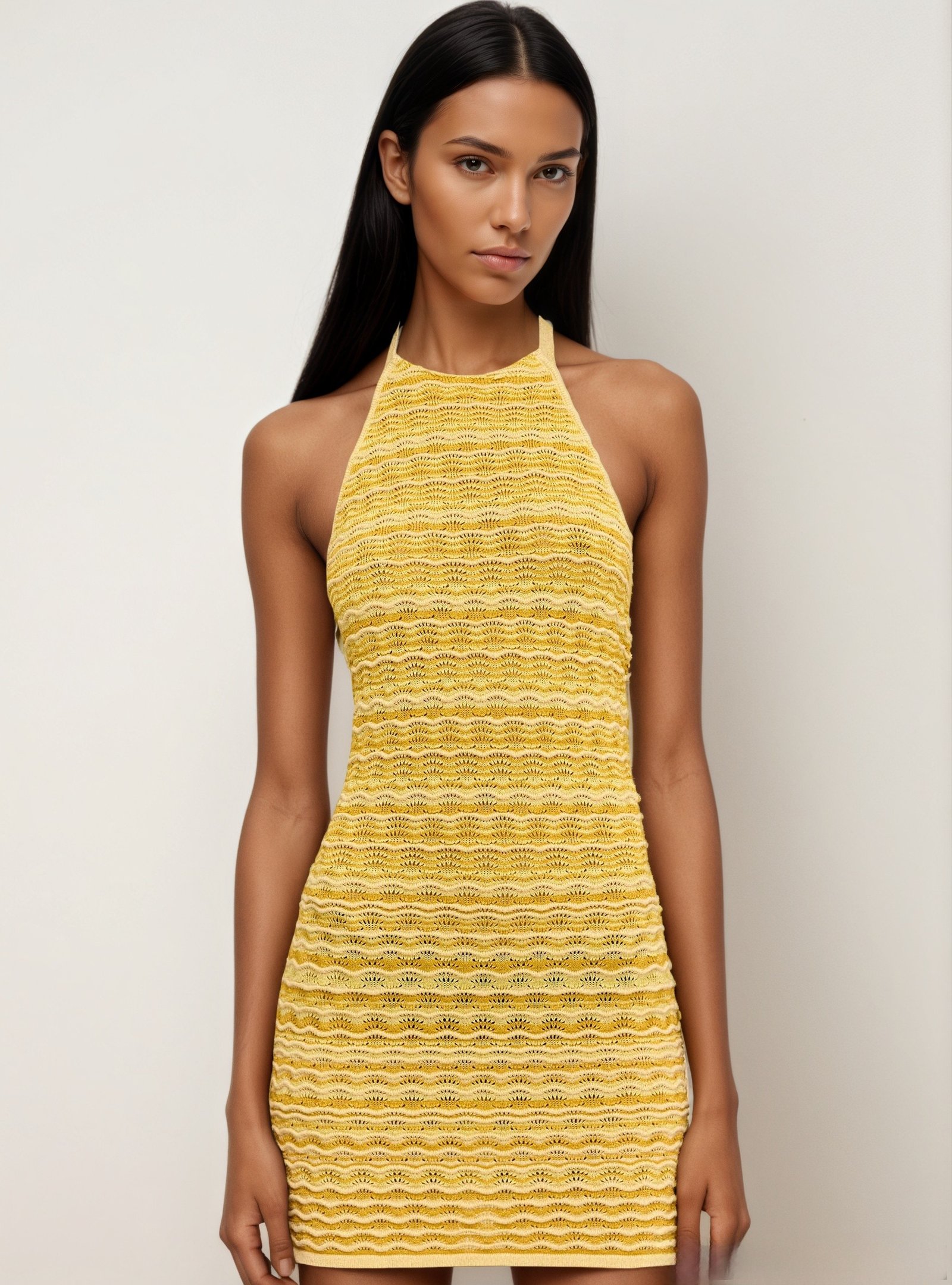
Custom Sweater Dresses
Create custom sweater dresses with yarn selection, gauge, knit construction, neckline, length, silhouette and trim details matched to your collection. Development sampling verifies drape, body proportion and fit before confirming materials for bulk production.
Request a Quote
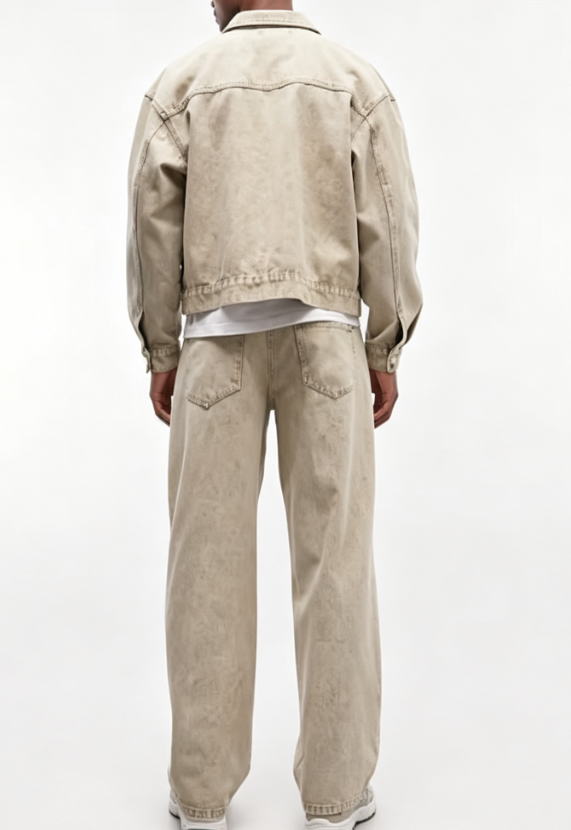
Custom Denim Sets
Produce mens denim suits wholesale programs as coordinated denim jacket and trouser sets, with aligned fabric, wash, stitching, hardware and sizing. Junsheen can develop tailored, relaxed or oversized proportions and deliver branded sets for retail or wholesale channels.
Request a Quote
Custom Polo Shirts
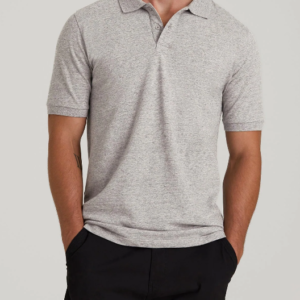
Develop custom polo shirts in piqué, jersey or performance knit fabrics, with chosen collar construction, placket, sleeve finish, embroidery and labels. Fit, fabric weight and color standards are reviewed during sampling to support repeatable OEM production.
Request a Quote
Custom Sweatpants
Produce custom sweatpants in fleece, French terry or jersey with tailored, relaxed or oversized fits. Define waistband construction, drawcords, cuffs, pockets, washes, embroidery or printing, then approve samples and grading before bulk production.
Request a Quote
Custom Shorts
Develop custom shorts across jersey, fleece, twill and denim constructions, with selected inseam, rise, pockets, waistband and finishing. We support matching sets, print or embroidery decoration, private labels and low-MOQ launches from 100 units per style and color.
Request a Quote
Custom Pullovers
Create custom pullovers in knit, fleece, French terry or jersey constructions, with your preferred neckline, silhouette, fabric weight, trims and decoration. Junsheen supports specification review, fit development, sampling and private-label finishing for scalable production.
Request a QuoteMaterials for Custom Tshirt Design Production

Cotton Jersey
A breathable, soft everyday jersey for core graphic tees, retail basics, and casual collections. Available in multiple weights, it offers a familiar natural hand feel with dependable screen-print compatibility.

Organic Cotton
A premium natural option for elevated essentials and sustainability-minded labels. Organic cotton delivers a clean, soft hand feel and breathable comfort, with fabric weight selected to suit lightweight or substantial tees.

Combed Cotton Blends
Smooth, refined jersey suited to fashion tees, fitted silhouettes, and repeat-wear programs. Combed fibers reduce surface fuzz, while optional elastane or polyester blends add recovery, durability, and shape retention.

French Terry
A loopback knit for heavyweight T-shirts, relaxed streetwear, and transitional layering pieces. Its soft face and textured inner loops provide body and moisture comfort, typically in medium-to-heavy fabric weights.

Performance Knits
Technical knits for active-inspired tees, promotional uniforms, and warm-climate programs. These fabrics can provide moisture management, fast drying, and controlled stretch while maintaining a lighter, smooth hand feel.

Recycled Blends
Recycled cotton and polyester blends support responsible capsule collections without sacrificing commercial performance. Material ratios can be specified for the desired hand feel, durability, stretch, and print-ready surface.
Custom Tshirt Design Decoration & Finishing Options

Screen Printing
Plastisol, water-based, puff, flocking, silicone and high-density screen prints deliver saturated color, sharp logo detail and reliable wash durability for scalable branded T-shirt production.

DTG DTF Printing
DTG and DTF printing reproduce full-color artwork, gradients and detailed graphics with flexible hand feel, making them effective for complex custom tshirt design concepts and smaller runs.

Logo Embroidery
Flat, 3D puff and chain-stitch embroidery add dimensional texture and a premium branded finish. Our team stabilizes each placement for clean stitching and durable logo definition.

Heat Transfer
Heat-transfer decoration applies precise multicolor graphics, names and specialty logos with consistent placement. It creates a clean, smooth result suited to targeted artwork and performance fabric applications.

Dye Sublimation
Dye sublimation permanently infuses all-over artwork into compatible polyester fabrics, producing vivid color, lightweight breathability and exceptional resistance to cracking, peeling or fading through repeat washing.

Wash Effects
Garment dye, acid wash, enzyme wash, softening and anti-pilling finishes create distinctive color, hand feel and vintage character while supporting the durability standards of commercial T-shirt programs.
Custom Tshirt Design Labels, Trims & Packaging

Woven Brand Labels
Custom woven main labels give every custom T-shirt a polished private-label finish. Choose woven text, logo artwork, size placement, folds, colors, and materials suited to neck seams, side seams, or hem branding.

Care Size Labels
Wash-care and size labels communicate fiber content, care instructions, origin details, and fit information clearly. JUNSHEEN can coordinate label layouts for XS–3XL grading, regulatory needs, and a clean interior garment presentation.

Custom Hang Tags
Branded hang tags add retail-ready storytelling at point of sale. Select custom shapes, stocks, finishes, strings, safety pins, barcodes, and product details to match your collection positioning and wholesale packaging requirements.

Zippers And Snaps
Add functional branded hardware to pocket tees, overshirts, jackets, and layered casualwear programs. We source zippers, snap buttons, custom pulls, and finishes that support your target cost, use case, and visual direction.

Drawcords And Tipping
Coordinate drawcords, aglets, and contrast tipping for T-shirts, hoodies, sweatpants, and matching sets. These details can introduce signature color, texture, or logo treatment while maintaining dependable construction and wash performance.
Branded Packaging
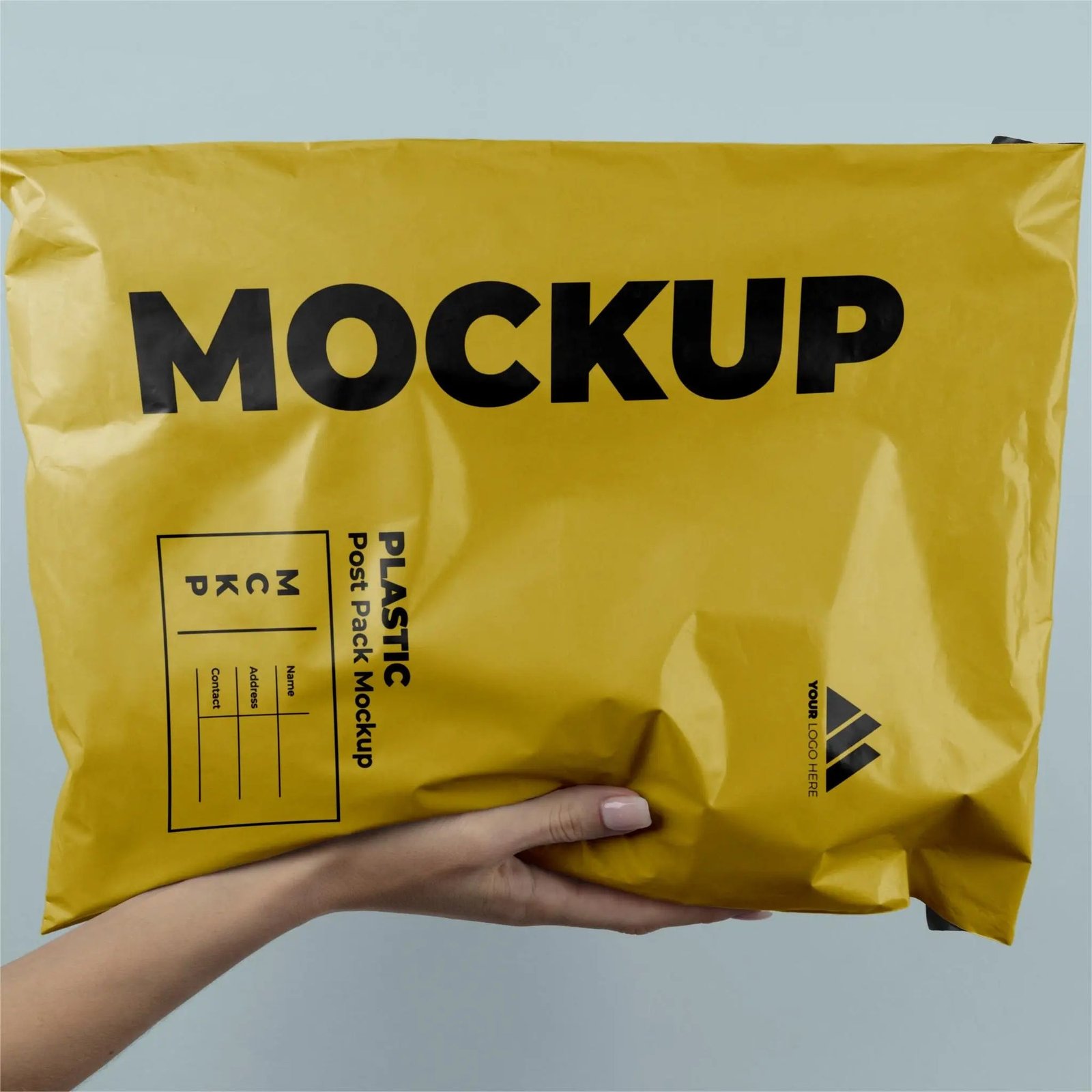
Finish orders with custom polybags, tissue paper, stickers, cartons, inserts, and shipping marks. JUNSHEEN aligns packaging details with your brand standards and export workflow, helping goods arrive organized and ready for fulfillment.
About JUNSHEEN Custom Tshirt Design
Founded in 2010 in Humen Town, Dongguan, JUNSHEEN helps fashion brands turn custom tshirt design concepts into production-ready collections. Our mission is to provide responsive OEM, ODM and private-label manufacturing that connects creative direction with clear technical development, dependable quality and global export support.
Our integrated supply chain combines product development, pattern making, fit grading, fabric sourcing, cut-and-sew production, printing, embroidery, finishing, labels, trims and packaging. With 200+ skilled workers and monthly capacity above 80,000 units, we support capsule launches from 100 units per style and color through scalable repeat programs.
What sets JUNSHEEN apart is a fit-first, long-term partnership approach. We refine XS–3XL, extended-size, plus-size and oversized patterns for proportion and wearability, then retain development records to make repeat orders more consistent. More than 2,000 fashion-brand clients have trusted our team to build casualwear programs that can grow.

Custom Tshirt Design, Fit-Focused From Idea to Production
Technical Development That Resolves Details
Bring a tech pack, sketch, reference garment, mood board, or initial concept to JUNSHEEN. Our development team reviews construction, measurements, fabrics, trims, and manufacturability before creating samples that move your custom tshirt design toward production-ready approval.
- Specification and construction review
- Pattern creation and prototype sampling
- Fabric, trim, and weight recommendations
- Pre-production approval support

XS–3XL Grading With Real Fit
A larger size range needs more than a scaled-up base pattern. JUNSHEEN refines shoulder balance, body proportion, sleeve length, mobility, and grading increments from XS through 3XL to support normal-size, extended-size, plus-size, and oversized custom T-shirts.
- XS–3XL and extended-size development
- Fit-focused pattern adjustments
- Size-set sampling available
- Oversized and plus-size proportions

Decoration Managed Under One Roof
Coordinate garment construction and visual treatment through one manufacturing partner. JUNSHEEN combines cut-and-sew T-shirt production with screen printing, DTG, DTF, heat transfer, embroidery, washes, labels, trims, and branded packaging for a more controlled custom tshirt design program.
- Screen print, DTG, DTF, and transfers
- Flat, 3D, and puff embroidery
- Garment dye and wash finishes
- Private labels and custom packaging

Repeat Orders Stay Controlled
After approval, retained patterns, graded size sets, and material records help preserve consistency on reorders. With 200+ skilled workers and monthly capacity above 80,000 units, JUNSHEEN can support 100-unit launches as well as scalable global production programs.
- Retained production specifications
- Incoming, in-line, and final inspections
- Low MOQ from 100 units per style/color
- Global export and repeat-order support

Why Choose JUNSHEEN for Custom Tshirt Design?
A production partner built for fit, scale, quality control, and global delivery.
← 左右滑动查看 →
Custom Tshirt Design Production, Step by Step
A clear, fit-focused workflow for OEM and private-label T-shirt programs from 100 units per style and color.
Feasibility and Specification Review
Share your tech pack, sketch, reference garment, or concept. Our team reviews construction, fit, quantities, decoration, target cost, and production feasibility.
Source Materials and Sample
We recommend jersey, trims, and print methods, then develop patterns, grading, and prototype samples for your approval before bulk materials are confirmed.
Cut, Sew, and Decorate
Approved specifications move into cutting and sewing, with in-house screen printing, embroidery, labels, washes, and finishing coordinated across the production workflow.
Monitor In-Line Quality
Our quality team checks incoming fabrics, construction, measurements, fit, and decoration during production to address issues before garments reach final inspection.
Final Inspection and Packing
Finished custom T-shirts undergo final measurement, appearance, workmanship, and packed-goods checks before branded labels, hang tags, and export-ready packaging are completed.
Ship Globally With Support
After balance settlement, we arrange global shipment and retain patterns, graded size sets, and material records to support reliable repeat orders as your brand scales.
How to Start Your Custom Tshirt Design Project
Move from concept to shipment with a clear, fit-focused development process built for 100-unit MOQ launches and scalable repeat production.
Send Your Design Brief
Share a tech pack, sketch, reference garment, mood board, or product idea. Our team reviews construction, fit, fabric, decoration, sizing, and manufacturability requirements.
Review Quote and Sample
Confirm recommended materials, trims, MOQ, pricing, and lead time, then evaluate a prototype sample. Refine measurements, XS–3XL grading, artwork, and finishing before approval.
Approve Production Details
Approve the pre-production sample, color standards, labels, packaging, and final specifications. We retain pattern and material records to support consistent bulk and repeat orders.
Receive Quality-Controlled Shipment
JUNSHEEN manages in-line checks, measurements, decoration, and final packed-goods inspection, then provides export and global shipping support for your completed custom T-shirt order.
Custom Clothing Manufacturer Credentials and Compliance Documents



Custom Tshirt Design Results From Fashion Brands
JUNSHEEN turned our oversized tee concept into a production-ready size range from XS to 3XL in two sampling rounds. The first 300-unit capsule sold through in six weeks, and repeat sizing has stayed consistent.
Their team identified a shoulder and body-length issue in our tech pack before sampling. After the correction, our 500-piece launch reduced fit-related customer returns by 18% compared with our prior T-shirt supplier.
We started with 100 units in two colorways, then scaled to 2,400 units across four repeat orders. Fabric, screen-print placement, labels, and packing remained reliable as our wholesale program grew.
Custom Tshirt Design FAQ for B2B Buyers
Clear answers on MOQ, sampling, fit development, production, payment, shipping and confidentiality for private-label T-shirt programs.
What is the MOQ for a custom tshirt design order?
Can I order a sample before bulk custom tshirt design production?
How long does custom tshirt design sampling and production take?
Which fabrics can you source for custom T-shirts?
Can you develop T-shirt fits from XS to 3XL?
What payment terms do you offer for OEM T-shirt orders?
Do you provide global shipping and export support?
How do you protect my custom tshirt design, logo and product details?
The Complete Buyer’s Guide to custom tshirt design
Use this decision framework to select fabrics, decoration methods, construction standards, and a capable supplier while avoiding costly specification, sampling, pricing, and production mistakes.
1. What Is custom tshirt design?
100 units per style and color can be enough to launch a custom tshirt design program, but the purchase is far more than a logo placed on a blank. Artwork creation defines the visual file—placement, scale, colors and print effect—while product development defines the garment that must repeatedly fit, feel and perform as approved. 180–220 GSM single jersey, for example, may suit a substantial everyday tee, whereas 240 GSM creates a heavier silhouette; ring-spun cotton, open-end cotton, blends and finishing each change hand feel, shrinkage and print results. Buyers specify fabric composition and weight, Pantone color, body and sleeve measurements, neck-rib width, seam construction, grading from XS through 3XL, and wash expectations in one production-ready package. 1 approved sample becomes the reference for bulk production. That specification also records screen print, DTG, DTF or embroidery artwork; label positions and wash-care content; hang tags; polybags or branded cartons; and acceptable measurement tolerances, so the factory, inspection team and brand evaluate the same product. 2010 is the year Junsheen began manufacturing in Dongguan’s Humen garment cluster, and its process connects these decisions from pattern making and fabric sourcing through sampling, quality control and export packing. In practical terms, buyers are purchasing a controlled, repeatable T-shirt system—not merely a graphic—with the documented materials, fit, decoration and presentation needed for replenishment.
2. The Evolution of custom tshirt design
1913 marked the U.S. Navy’s adoption of the cotton crew-neck undershirt, establishing the lightweight tubular or side-seamed blank that later became retail apparel. Mid-century screen printing turned that basic layer into souvenir, band, sports, and promotional merchandise; open-end cotton and simple one-color plastisol kept high-volume programs economical. 1970s streetwear and skate culture made the T-shirt a fashion product rather than a disposable blank. Buyers began specifying heavyweight 180–260 GSM ring-spun jersey, oversized blocks, garment dye, washed effects, neck-rib recovery, woven labels, and Pantone-controlled multi-color artwork—choices that affect fit, hand feel, and repeat-order consistency as much as the graphic. 2000s e-commerce and DTG/DTF shortened test cycles, allowing small launches, creator drops, and replenishment driven by actual sell-through instead of one large speculative order. Current custom tshirt design also requires decisions on organic or recycled fibers, water-based versus plastisol inks, print placement, grading from XS to 3XL, packaging, and QC; a logo alone cannot define the garment, customer experience, or margin structure of a brand-owned program.
3. Types of custom tshirt design
Six design routes cover most commercial briefs, but each changes the base garment, decoration method, and approval risk. Define the customer and sales channel before choosing artwork; that decision keeps sampling focused.
Logo Basics

1-color chest logos suit startups, staff programs, and repeat wholesale. Use a 180–240 GSM ring-spun jersey tee with screen print or embroidery. 2 placements—left chest and back neck—keep setup costs controlled. Approve Pantone references, print dimensions, and a placement tolerance before sampling.
Graphic And Type Tees

3–6 ink graphics suit artist drops, streetwear, and licensed-style storytelling. A 220–280 GSM oversized tee gives illustration, halftone, and discharge effects a stronger canvas. 2 typographic rules matter: confirm font licensing and convert final artwork to outlines. Fine lines, distressed textures, and multiple ink colors require a production-sized test print.
All-Over And Performance

100% coverage concepts fit resort, sports, and promotional programs. Polyester interlock or sublimation-ready jersey is the practical base because cut pieces are printed before sewing. 4 panels—front, back, and sleeves—need repeat alignment and seam allowances in the artwork. Performance or uniform tees also need colorfastness, logo legibility, and consistent reorders.
Premium Fashion Tees

240–320 GSM premium tees target contemporary labels and higher retail price points. Choose combed cotton, boxy proportions, dropped shoulders, and restrained branding rather than a crowded front graphic. 3 development checks protect the result: collar recovery, wash shrinkage, and graded proportions from XS through 3XL. Garment dye, enzyme wash, embroidery, or appliqué should be tested on the approved fabric.
4. Fabrics for custom tshirt design
Fabric choice determines how a custom tshirt design drapes, prints, survives laundering, and earns its price point. Specify fiber, GSM, knit structure, finish, and acceptable shrinkage before sampling—not merely a fabric name.
| Fabric | Typical GSM | Hand And Performance | Best Use |
|---|---|---|---|
| Open-end cotton | 160–180 | Dry hand; breathable; higher shrink risk | Promotional basics |
| Combed ring-spun cotton | 180–220 | Soft, smooth, print-friendly | Core fashion tees |
| Organic cotton jersey | 180–220 | Natural hand; verify lot certification | Premium responsible lines |
| Cotton-poly blend | 160–200 | Quick-dry; stable; manage dye migration | Active and uniform tees |
| Recycled blend | 180–220 | Variable hand; verify content | Sustainability capsules |
| Heavyweight cotton | 240–300 | Opaque, structured, durable | Oversized streetwear |
Cotton Fiber Choices

100% cotton jersey is breathable and familiar, but open-end yarn feels drier and may shrink more than ring-spun or combed cotton. Ring-spun 180–220 GSM gives a smoother hand and cleaner screen-print surface. Organic cotton follows the same performance logic, while certification scope must be verified for the actual fabric lot. Ask for pre-shrunk or compacted finishing when post-wash measurement stability matters.
Blends And Recycled Fibers
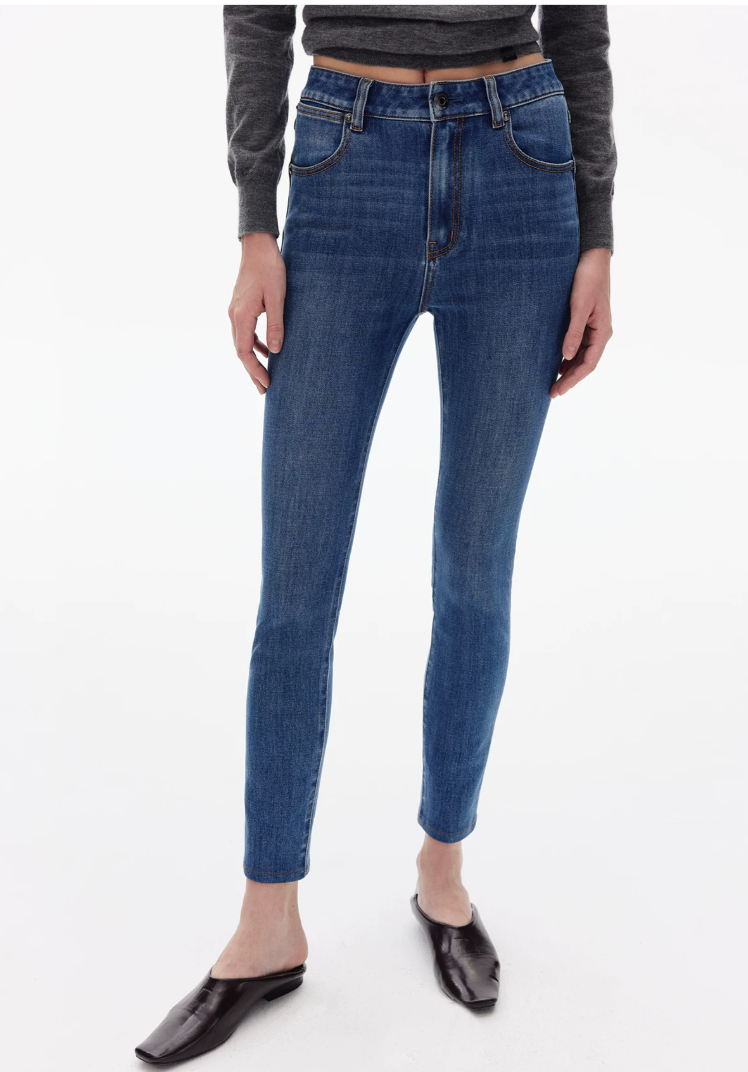
60/40 cotton-poly blends dry faster, resist wrinkles, and hold shape better than all-cotton jersey, but polyester can reduce water-based ink opacity. Use low-migration inks or blockers for dark polyester blends. 50/50 recycled-content fabrics support sustainability positioning, yet recycled fiber percentages, certification documents, and color consistency should be reviewed per lot. Polyester-rich jerseys suit activewear; cotton-rich blends suit everyday retail.
Weight, Knit, And Opacity

140–160 GSM single jersey suits lightweight promotional tees but can become translucent in pale colors. 180–220 GSM offers dependable opacity and mainstream retail versatility. 240–300 GSM heavyweight jersey creates a structured oversized silhouette and premium hand, though rib, neck tape, and shrinkage testing must match the body fabric. Single jersey is standard; interlock is denser, smoother, and more stable.
5. Customization and Decoration Options
At 100 units per style and color, decoration choices should be locked before sampling because artwork, fabric and placement determine both cost and retail feel. For custom tshirt design, test the chosen finish on the actual jersey weight and color.
| Method | Setup and color | Feel and durability | Best fit |
|---|---|---|---|
| Screen print | Screens; spot colors | Soft to raised; highly durable | 100+ repeat graphics |
| DTG | Minimal setup; full color | Soft on cotton; wash-test | Detailed small runs |
| DTF/transfer | Low setup; full color | Film-like; durable when applied correctly | Variable low-volume art |
| Embroidery/appliqué | Digitizing; thread colors | Dimensional; premium | Small logos and elevated styles |
Choose the Print Method
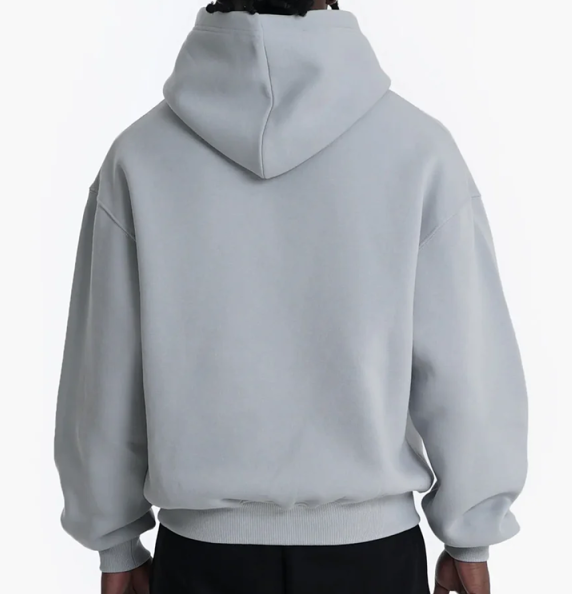
1–2 spot-color logos suit screen print: it delivers a durable, opaque finish and economical unit cost once screens are set. DTG suits detailed artwork or photographic color blends on cotton, while DTF and heat transfer handle small runs, variable artwork and difficult placements. 3D puff, high-density, silicone, foil, flocking and discharge create distinct retail cues, but require strike-offs to confirm adhesion, color and wash behavior.
- Screen print: best for repeat bulk artwork
- DTG: soft photographic cotton prints
- DTF: versatile low-setup multicolor graphics
- Heat transfer: names, numbers and small placements
Compare Production Tradeoffs
100-unit capsules can use DTF, transfers or embroidery without spreading a large screen charge across too few garments. Screen printing becomes increasingly efficient for stable, repeated artwork as volume rises.
Build a Branded Finish
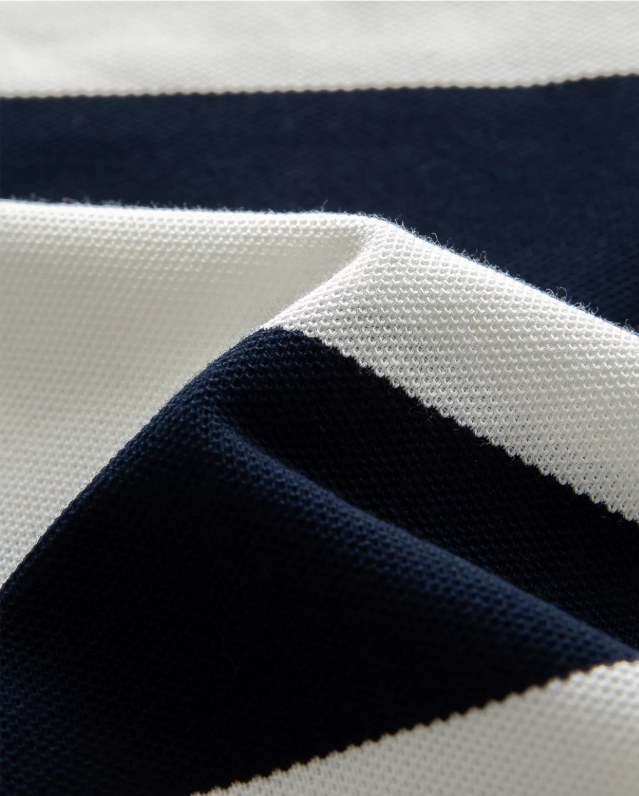
1 neck print can replace a sewn main label for a cleaner, lower-bulk interior; confirm ink opacity on dark garments. Woven main, size and wash-care labels, hang tags and branded packaging give a stronger private-label presentation. 2 decoration zones—such as left chest plus back—need measured placement from seams, not visual estimates. Appliqué and embroidery add dimension but can stiffen lightweight jersey, so reserve them for logos or structured areas.
- Specify Pantone references where color matching matters
- Approve wash-tested samples before bulk production
- Match packaging protection to fold and shipping method
6. Construction Details That Signal Quality
A T-shirt’s perceived quality is usually decided by repeatable construction tolerances, not a logo or fabric label. For custom tshirt design, specify these details in the tech pack before approving the production sample.
Fit Blocks And Shoulders

Three fit blocks—regular, relaxed, and oversized—need separate chest, body-length, sleeve, and shoulder specifications. A dropped shoulder changes drape and mobility; it should never be created merely by upsizing a regular block. Across XS–3XL, grade increments should be stated for every key point of measure. Confirm shoulder slope, armhole shape, and sleeve opening on a full size set to prevent distorted proportions.
- List finished-garment tolerances, commonly ±1 cm
- State shoulder seam position from high-point shoulder
- Approve base size and graded size-set measurements
Neckline Recovery And Taping
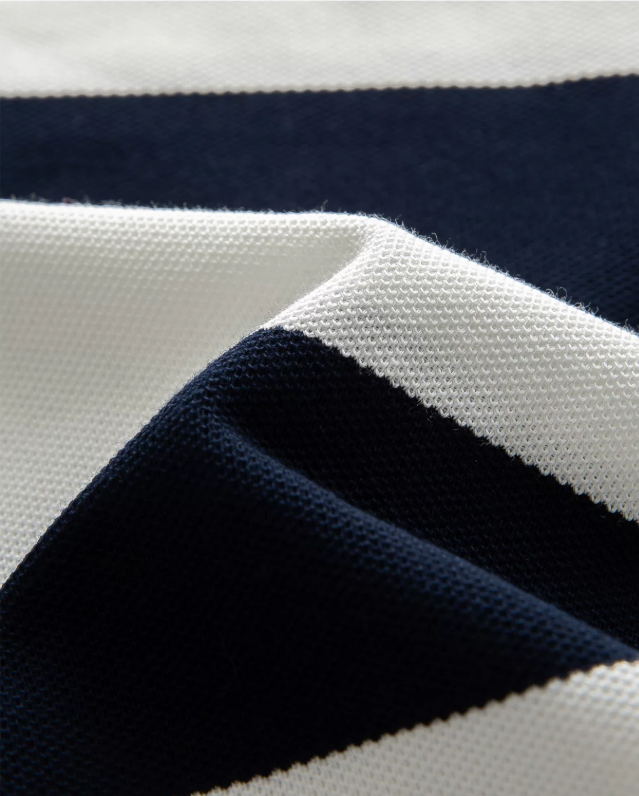
A 1×1 or 2×1 rib collar should have a defined finished width and recovery target after stretch. Specify collar height, rib composition, and neck-opening measurement rather than requesting a ‘premium collar.’ One shoulder-to-shoulder neck tape stabilizes the neckline and covers seam allowances. Require clean tape ends, even attachment, and no twisting at the back-neck join.
- Define collar width in centimeters
- Specify rib weight and elastane content
- Request stretch-and-recovery wash checks
Seams, Hems, And Durability
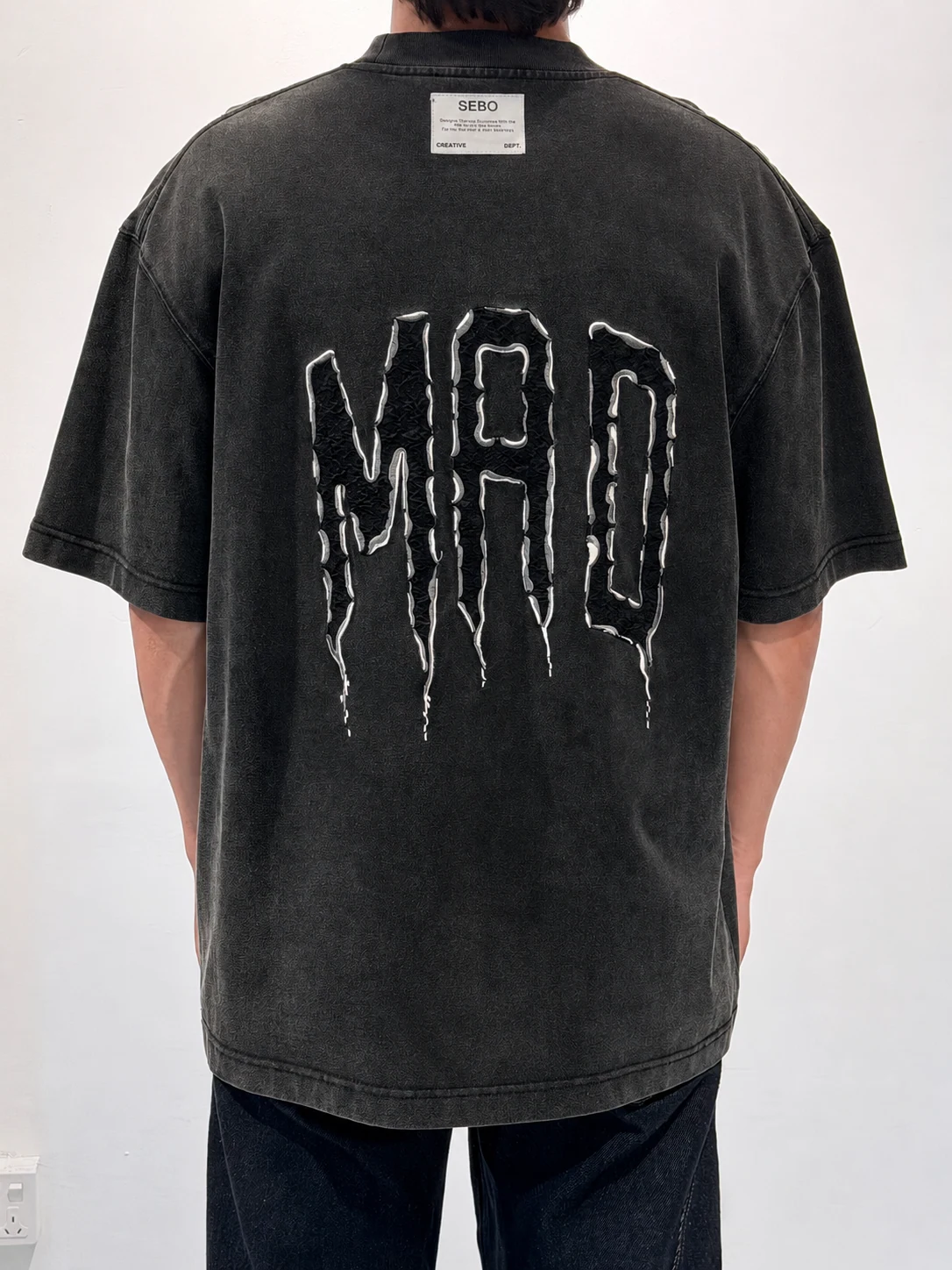
Eight to 10 stitches per inch is a useful starting range for jersey seams, subject to fabric weight and machine type. Uneven stitch density, skipped stitches, or excessive seam puckering shorten service life and look inexpensive. A twin-needle hem with an agreed depth improves shape retention at sleeves and bottom hems. State side-seam construction, label placement, thread color, and whether a flatlock seam is required.
- Set hem depth and twin-needle gauge
- Inspect side seams for twisting after wash
- Match thread strength to fabric weight
Shrinkage And Wash Approval
Three wash cycles at the intended care condition provide a practical early check for shrinkage, twisting, color loss, and collar deformation. Set maximum acceptable length and width shrinkage in the tech pack before bulk cutting. A pre-production sample should be measured before and after washing against approved points of measure. Retain the wash method, detergent condition, and results with the pattern and material records for repeat orders.
- Record length and width shrinkage separately
- Check spirality on tubular-knit bodies
- Photograph neckline and hem after washing
7. How to Choose a T-Shirt Manufacturer
A 100-unit MOQ can suit a capsule launch, but it does not prove a factory can repeat the same fit, shade and print quality at scale. Compare the supplier’s technical evidence, process ownership and delivered-risk profile—not only its quoted unit price.
Verify Category Experience

Three recent production references should show comparable jersey weight, silhouette and decoration, with photos of inside seams and finished packing. Ask for factory location, core equipment, operator count and examples of normal, oversized or extended-size grading. A manufacturer that can review a tech pack, sketch or reference garment is usually better positioned to identify construction risks before sampling.
- Comparable sample garments
- Production-reference photos
- Pattern and grading examples
Audit Development And Materials

Two rounds of samples are common before pre-production approval; confirm the sample calendar, revision method and who signs off measurements. Request fabric swatches, composition and GSM, Pantone approval method, shrinkage or colorfastness reports where relevant, and decoration strike-offs. Screen print, DTG, DTF and embroidery need separate artwork, placement and wash-performance controls.
- Fabric specification sheet
- Decoration strike-off
- Wash-test documentation
Compare Production Control
A 2–4 week bulk window means little without stated checkpoints for incoming fabric, in-line measurements, final inspection and export packing. Ask which standard is used for final AQL inspection and how defects, replacements and shipment delays are handled. Confirm compliance documentation—such as OEKO-TEX, GOTS, WRAP or BSCI—only when applicable and current. Junsheen’s integrated development, sourcing, decoration, QC and export support can reduce handoff risk when the program requires coordinated ownership.
- Written production timeline
- Inspection reports
- Export and packing plan
8. Common custom tshirt design Mistakes
Eight preventable decisions can turn a viable custom tshirt design into delayed inventory or margin loss. Define wearers, specifications, and approval criteria before fabric is booked or decoration files enter production.
Start With The Wearer
Three wearer inputs—body profile, climate, and use case—should precede silhouette selection. Designing first often produces a flattering sample but weak sell-through; document target fit, size range, and price point in the brief.
Specify Fabric Beyond GSM
180 GSM can feel radically different in ring-spun cotton, open-end cotton, and cotton-poly jersey. Choosing by appearance alone risks unexpected drape, opacity, shrinkage, or cost; approve a washed swatch with fiber content, knit, GSM tolerance, and shrinkage target.
Prepare Production-Ready Artwork

300 DPI artwork at final print size and vector logos reduce redraws and registration errors. Low-resolution files, unseparated colors, or unsupported effects can delay sampling; supply AI, EPS, PDF, or transparent PNG files plus Pantone references and print dimensions.
Control Sample And Compliance Risks
5% shrinkage and normal dye-lot variation can alter measurements and color matching after washing. Test a finished sample, set measurement tolerances, approve decoration after wash, and confirm required fiber, care, country-of-origin, size, and brand labels before bulk approval.
9. Steps to Launch Your T-Shirt Brand
100 units per style and color is a workable starting point for a focused capsule, but the customer, retail price, and target margin must be fixed first. Three approval gates—prototype, size set, and pre-production sample—prevent an unapproved design from reaching bulk cutting.
Set The Commercial Brief
Two customer decisions drive the brief: who will wear the shirt and at what retail price. The brand owns the silhouette, competitive reference, price ceiling, size range, color plan, and launch date. One feasibility review should follow before sampling. Junsheen can flag construction, fabric, decoration, MOQ, and grading risks, while the brand decides which compromises preserve the product position.
- Target customer and retail price
- Style, colorway, and size range
- Reference garment or design direction
- Required delivery date and market
Build A Production-Ready Pack

One tech pack should specify measurements, tolerances, stitch details, Pantone colors, artwork placement, labels, and packaging. A sketch alone can begin development, but measurable specifications are needed before bulk approval. 150–220 GSM jersey commonly suits standard tees, while 220–280 GSM supports heavier streetwear. The brand selects hand feel and intended use; the factory sources swatches and confirms decoration compatibility.
Approve Samples And Sizes
One prototype verifies silhouette, fabric, print or embroidery, and workmanship before revisions are closed. The brand records corrections in writing; the factory updates patterns, specifications, and sample materials. XS through 3XL requires a graded size set rather than simply enlarging one base size. The brand approves fit on intended wearers, and Junsheen confirms measurement tolerances before the bulk order is released.
Release Bulk With Controls
100-unit MOQ production should start only after price, approved sample, size set, artwork, labels, and shipping marks are signed off. The brand issues the purchase order and deposit; the factory confirms materials and production timing. Three inspection points—incoming fabric, in-line sewing, and final packed goods—should cover measurements, decoration, defects, and count. The brand must reserve time for final approval, balance payment, freight booking, and customs documents.
10. custom tshirt design Pricing and Cost
100 units per style and color is a practical low-MOQ starting point, but its unit cost carries pattern, cutting, print-screen, and setup work across fewer garments. Treat the ranges below as planning ranges only; fabric, fit, decoration, labels, packaging, inspection, and destination freight determine the confirmed quote. 180–220 GSM ring-spun cotton, one or two Pantone screen-print colors, and standard neck labels usually cost less than heavyweight fabric, puff/high-density effects, all-over print, wash treatments, or individual mailers. An accurate request should state quantity by color and size, fabric/GSM, measurements or tech pack, decoration artwork and placements, trims, packaging, target Incoterm, and required delivery date.
| Quantity tier | Indicative ex-factory unit range | Cost and lead-time tradeoff |
|---|---|---|
| 100–299 units | US$7–15 | Low MOQ; setup and sampling have the greatest per-unit impact. |
| 300–999 units | US$5–11 | Better fabric and print purchasing; commonly supports 20–35 day bulk planning after approval. |
| 1,000+ units | US$4–9 | Fixed costs spread further; consolidate colors and print placements for strongest efficiency. |
| Prototype/sample | US$50–150+ per style | Pattern revisions, specialty fabric, embroidery digitizing, or new screens add cost and time. |
| Freight and duty | Quoted separately | Air is faster but higher-cost; sea or rail usually lowers landed cost with longer transit. |
Start Your Custom Tshirt Design Sampling Project
Send your tech pack, sketch, reference garment, or product idea for feasibility review, fit-focused development, and sampling from 100 units per style.