Plastisol Screen Printing for Custom OEM Apparel
Launch custom apparel with plastisol screen printing, OEM/ODM development, private labeling, and 100-unit minimums from JUNSHEEN.
Featured Products for plastisol screen printing Development






Related Product Catalogue and Quotation





Why Brands Choose JUNSHEEN for Plastisol Screen Printing
A production-ready partner for durable decoration, fit-led development, flexible order quantities, and dependable global delivery.
100-Unit Starting MOQ
Launch capsule collections or test colorways from 100 units per style and color without compromising on professional screen-print production.
Durable Print Effects
Choose reliable plastisol finishes, including high-density, puff, foil, flock, and silicone effects engineered for strong color coverage and wash performance.
Fit-Focused Development
Develop XS–3XL, plus-size, and oversized garments with refined patterns, grading, and sampling that support consistent proportions across your full size range.
Integrated Decoration
Coordinate printing, embroidery, washes, labels, trims, packaging, and quality checks through one apparel manufacturing supply chain.
Scalable Production Capacity
Move confidently from small launches to repeat bulk programs with 200+ skilled workers and monthly capacity exceeding 80,000 units.
Global Export Support
Work with an experienced team serving 2,000+ fashion-brand clients worldwide, with clear production coordination and export-ready shipment support.
Core Apparel Manufacturing, Built for Scale
From capsule launches to bulk programs, Junsheen develops fit-consistent casualwear, denim, knitwear and outerwear from 100 units per style and color.
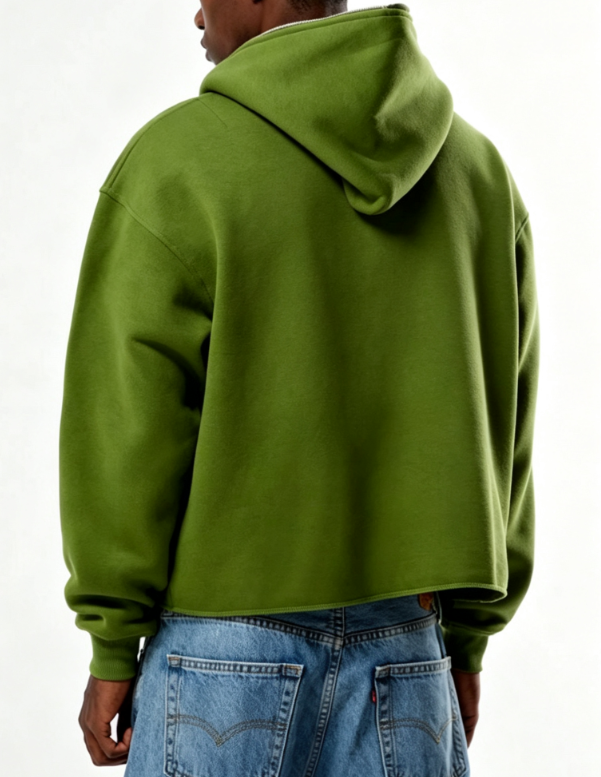
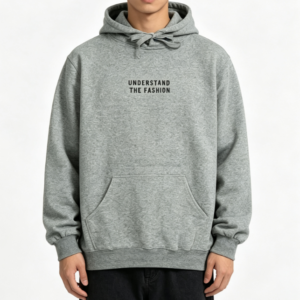
Custom Hoodies
Custom hoodies developed in fleece, French terry or heavyweight jersey, with pattern making, XS–3XL grading, and options for screen printing, embroidery, custom labels and branded trims.
Request a Quote
Custom T-Shirts
Custom T-shirt production for retail, promotional and private-label programs. Choose jersey weight, cotton blend, fit profile and print method, then validate measurements and hand feel through sampling before bulk production.
Request a Quote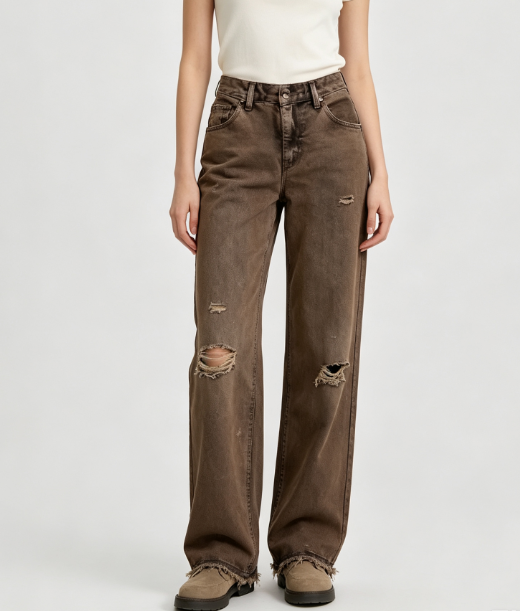
Custom Jeans
Custom jeans built with fabric sourcing, fit development and wash planning in one workflow. We refine rise, leg shape, stretch recovery and grading, then manage trims, labels and denim finishing for bulk consistency.
Request a Quote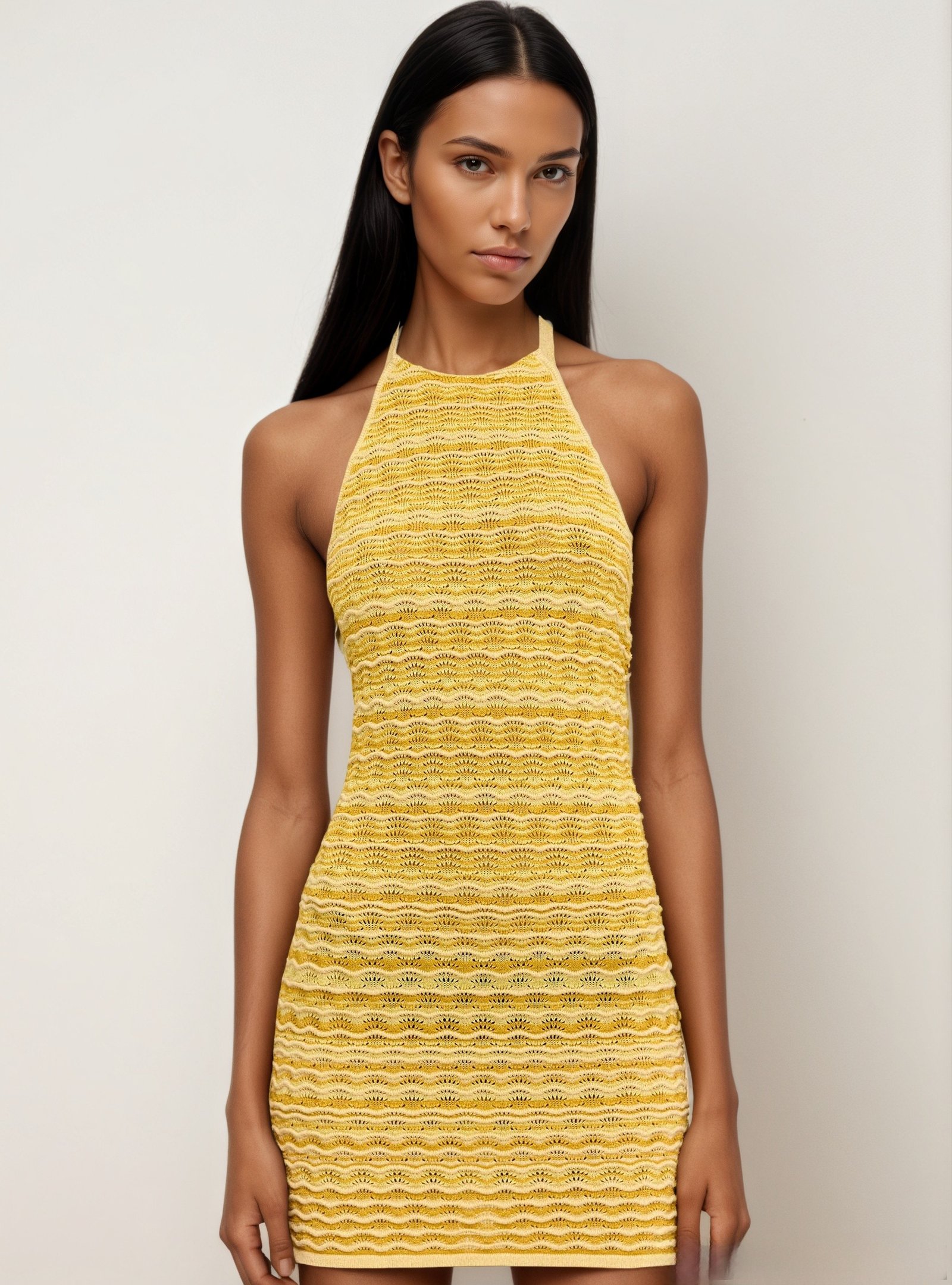
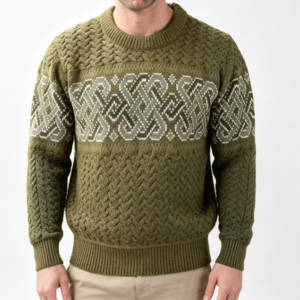
Custom Sweaters
Turtleneck sweater bulk programs supported by knit construction guidance, yarn sourcing and fit grading. Develop gauges, rib finishes, body proportions and colorways for repeatable wholesale or private-label production.
Request a Quote
Custom Jackets
Custom jean jackets developed with denim weight, wash effect, construction and hardware specified for your brand. Support includes pattern making, size grading, embroidery or printing, labels and final finishing.
Request a Quote
Custom Sweatshirts & Crewnecks
Custom crewneck hoodie and sweatshirt programs with fleece or French terry options, fit-focused grading and decoration support. Build clean essentials, oversized silhouettes or branded layers with approved samples before production.
Request a Quote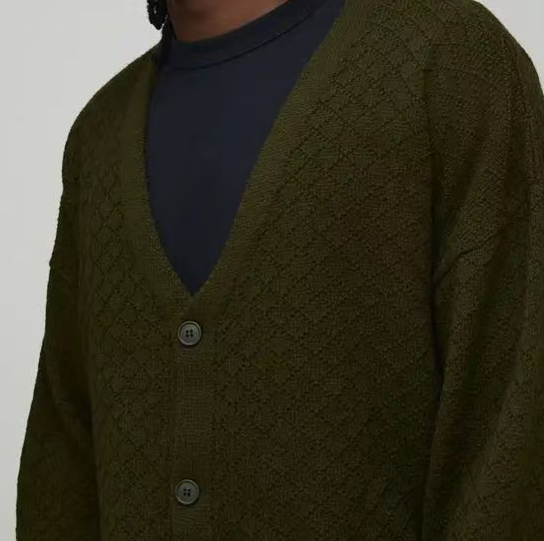
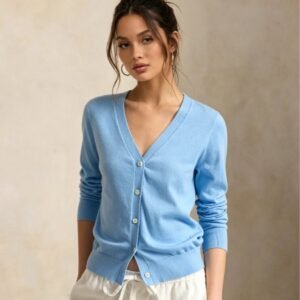
Custom Cardigans
Custom cardigans produced with knitwear capability for yarn selection, gauge development, button specifications and fit control. We support contemporary, oversized and extended-size proportions from sampling through bulk delivery.
Request a Quote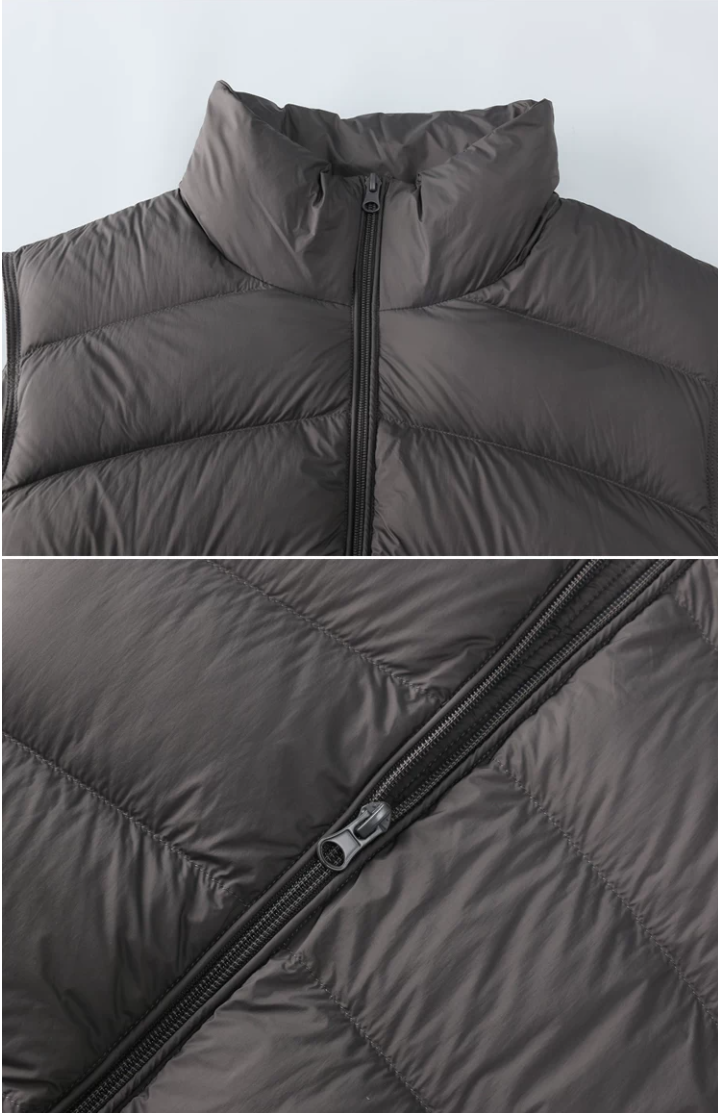
Custom Puffer & Down Jackets
Custom puffer jackets developed around insulation, shell fabric, quilting layout and functional trims. Sampling verifies fit, fill distribution, pocket construction and branding details before scalable outerwear production.
Request a Quote
Custom Denim Shorts
Custom jean shorts manufactured with denim sourcing, rise and inseam development, wash treatments and trim selection. Fit reviews help maintain consistent proportions across regular and extended-size ranges.
Request a Quote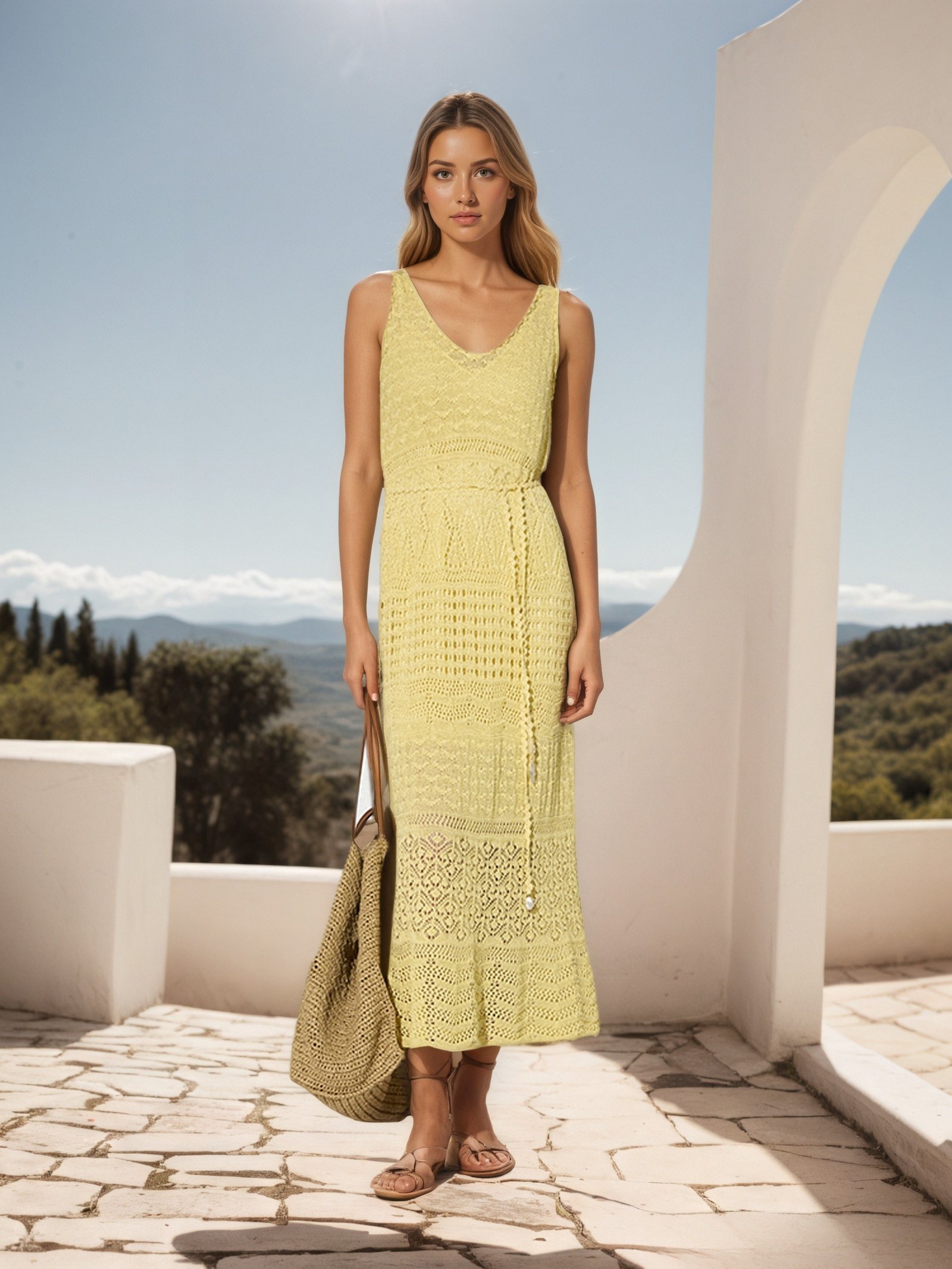
Custom Sweater Dresses
Custom sweater dresses developed with knit construction, yarn weight and silhouette requirements aligned to your market. Pattern and grading support address body length, stretch, shape retention and XS–3XL fit consistency.
Request a Quote
Custom Denim Sets
Men’s denim suits wholesale programs combining coordinated denim jackets and bottoms with consistent fabric, washes and sizing. Junsheen supports low-MOQ development, private labels and repeat bulk production.
Request a Quote
Custom Polo Shirts
Custom polo shirts made in piqué, jersey or performance knits, with collar construction, placket details and logo decoration specified to suit uniforms, retail collections or branded merchandise.
Request a Quote
Custom Sweatpants
Custom sweatpants developed in fleece, French terry or jersey with fit-focused grading, waistband engineering and trim options. Add embroidery, screen printing, labels and coordinated color programs for matching sets.
Request a Quote
Custom Shorts
Custom shorts produced across jersey, fleece, twill and denim, with inseam, pocket and waistband details tailored to your target wearer. Sampling confirms fit, fabric performance and decoration placement before bulk approval.
Request a Quote
Custom Pullovers
Custom pullovers developed in knit, fleece or jersey constructions for seasonal layers and core programs. We support fabric or yarn selection, pattern development, grading, decoration and private-label finishing.
Request a QuoteSupported Fabrics for Plastisol Screen Printing

Combed Cotton Jersey
Soft, breathable, and smooth against the skin, combed cotton jersey is a reliable choice for premium T-shirts and lightweight long sleeves. Its clean surface supports sharp plastisol screen printing detail, while 180–220 gsm options provide everyday structure.

Heavyweight Cotton Jersey
Dense with a substantial, premium hand feel, heavyweight cotton jersey suits streetwear tees, oversized silhouettes, and elevated merchandise. Typical 240–300 gsm constructions create a stable print surface for opaque plastisol graphics and help garments retain their shape.

French Terry
French terry combines a smooth face with soft loopback texture, making it ideal for hoodies, crewnecks, and joggers. Midweight 280–360 gsm fabric accepts plastisol screen printing well on the outer face while offering breathable comfort between seasons.

Brushed Cotton Fleece
Warm, plush, and insulating, brushed cotton fleece is made for heavyweight hoodies and cold-weather sweatshirts. Its stable outer face supports bold plastisol designs, and 320–420 gsm weights give the garment a substantial feel without sacrificing wearable softness.

Cotton Polyester Blend
A practical balance of cotton softness and polyester resilience, this blend works well for performance-inspired tees, sweatshirts, and uniform programs. Controlled stretch and improved shape retention help maintain consistent plastisol decoration placement through repeated wear and washing.

Stretch Denim Twill
Structured with a durable woven hand feel, stretch denim twill is suited to jackets, overshirts, denim sets, and workwear-inspired pieces. Moderate elastane content improves mobility, while a properly prepared surface supports durable plastisol logos and graphic accents.
Plastisol Screen Printing Techniques and Decoration Effects

Standard Plastisol
Classic plastisol screen printing delivers opaque, color-accurate artwork with strong wash durability on cotton, blends, fleece and jersey. It is a dependable choice for bold logos, detailed graphics and scalable branded apparel programs.

Puff Plastisol
Puff plastisol expands under heat to create a soft raised surface with visible dimension. Use it for standout lettering, graphic accents and logo details that add tactile interest while retaining reliable adhesion through repeated wear.

High-Density Print
High-density plastisol is built up through controlled screen printing to form crisp, structured relief. The result is a premium three-dimensional graphic with sharp edges, ideal for contemporary logos, emblems and statement placements.

Silicone Print
Silicone printing creates a smooth, flexible finish with excellent stretch recovery and a modern rubberized hand feel. It suits performance-inspired apparel, stretch fabrics and logos requiring resilient color and a clean technical look.

Foil and Flocking
Foil adds a reflective metallic sheen, while flocking produces a velvety, suede-like texture. These specialty finishes help limited collections, fashion graphics and logo applications achieve contrast, depth and a more elevated visual identity.

Complementary Print Methods
DTG, DTF, heat transfer, water-based and discharge printing complement plastisol screen printing when artwork, fabric or order needs differ. JUNSHEEN reviews the design and garment construction to recommend the most suitable finish.
Custom Trims for Plastisol Screen Printing Apparel

Woven Brand Labels
Add woven main labels, size labels and wash-care labels to screen-printed tees, hoodies and sweatshirts for consistent private-label identity, clear garment information and a polished retail presentation.


Zippers and Snaps
Choose branded zipper pulls, metal snaps or concealed closures for jackets, denim pieces and outerwear. We source hardware to suit your target cost, garment function and intended finish.

Logo Patch Applications
Use embroidered, woven, leather-look or rubber patches alongside plastisol screen printing for dimensional branding on hoodies, denim jackets, caps and casualwear collections.

Branded Hangtag Packaging
Finish each order with custom hang tags, polybags, sticker seals and branded packaging. These details support wholesale presentation, retail fulfillment and a more cohesive unboxing experience.
About JUNSHEEN Apparel Manufacturing
Founded in 2010 in Humen Town, Dongguan, JUNSHEEN is a one-stop OEM, ODM and private-label apparel manufacturer for fashion brands worldwide. We turn tech packs, references and early concepts into production-ready casualwear, denim, outerwear and knitwear with fit-focused development from XS through 3XL.
Our 200+ skilled workers support monthly production capacity above 80,000 units, while low MOQs from 100 units per style and color make us practical for capsule launches as well as repeat bulk programs. Cut-and-sew, knitting, fabric sourcing, plastisol screen printing, embroidery, washing, labels and packaging are coordinated through one supply chain.
What sets JUNSHEEN apart is a fit-first manufacturing approach backed by responsive product development and global export experience. We refine patterns and grading for normal, extended, plus-size and oversized apparel, then maintain quality from sampling through final inspection. More than 2,000 fashion-brand clients have relied on us to scale with confidence.

Plastisol Screen Printing Capabilities, Developed In-House
Fit-First XS–3XL Development
JUNSHEEN develops screen-printed apparel with balanced proportions from XS through 3XL, including extended-size, plus-size and modern oversized fits. Pattern makers refine grading, sleeve length, body balance and mobility before bulk production, helping protect print placement across the full size range.
- Fit development for XS–3XL and extended sizes
- Size grading tailored to each garment silhouette
- Print placements reviewed across the size set
- Prototype and size-set approval before bulk

Print and Wash Coordination
Plastisol screen printing is planned alongside fabric selection and garment finishing, not added as an afterthought. Our team evaluates fabric weight, hand feel, print coverage and wash process so the intended color, texture and durability carry through sampling and production.
- Plastisol inks matched to fabric construction
- Puff, high-density, foil and specialty effects available
- Wash testing for appearance and adhesion
- Coordination with enzyme, acid and garment-dye finishes

Private-Label Details Controlled
Build a finished branded program around your plastisol screen printing with coordinated labels, trims, packaging and decoration. JUNSHEEN manages the production details in one supply chain, reducing handoffs while keeping samples, material records and approved specifications aligned for repeat orders.
- Woven, leather, main and wash-care labels
- Custom hang tags, packaging and branded trims
- Embroidery, patches and print combinations
- Approved material and specification records retained

Scalable Production Quality Control
From a 100-unit capsule to ongoing wholesale volume, JUNSHEEN applies production controls at fabric receipt, in-line sewing, print execution, measurement review and final packing. With 200+ skilled workers and capacity above 80,000 units monthly, brands can scale with a consistent manufacturing partner.
- MOQ from 100 units per style and color
- 200+ skilled workers supporting production
- 80,000+ units of monthly capacity
- Global export support for growing brands

Why Choose JUNSHEEN for Plastisol Screen Printing
Fit-focused development, integrated decoration and scalable export support for custom apparel programs.
← 左右滑动查看 →
Plastisol Screen Printing Production Process
A controlled OEM workflow for custom apparel programs from 100 units per style and color.
Review Specs and Artwork
We assess your tech pack, reference garment, artwork, target quantities, fit requirements, and print placement to confirm manufacturability before development begins.
Source Fabrics and Components
Our team selects fabrics, inks, trims, labels, and packaging around your target hand feel, durability, garment weight, budget, and wash-performance requirements.
Sample, Cut, and Print
After sample approval, we finalize patterns and graded sizes, cut production panels, then apply plastisol screen printing with controlled color and cure settings.
Inspect During Production
In-line teams check measurements, construction, print registration, opacity, adhesion, and curing throughout sewing and decoration to catch issues before final packing.
Finalize, Pack, and Ship
Finished garments receive final quality inspection, folding, labeling, and branded packaging before export coordination and global shipment to your selected destination.
Start Your Plastisol Screen Printing Project
Move from concept to production with one coordinated apparel manufacturing team.
Send Your Product Brief
Share a tech pack, sketch, reference garment, or mood board. Our team reviews fit, fabric, artwork, sizing, and plastisol screen printing requirements.
Confirm Materials and Quote
Select suitable fabrics, trims, print effects, and private-label details. We confirm feasibility, 100-unit MOQ options, sampling scope, lead time, and pricing.
Approve Development Samples
Review prototype and print samples for color, hand feel, placement, fit, and grading from XS to 3XL before authorizing bulk production.
Produce and Inspect Orders
JUNSHEEN manages cutting, sewing, plastisol printing, finishing, labels, packing, and in-line quality checks to maintain approved standards throughout production.
Receive Global Delivery
Final goods undergo measurement, decoration, and packing inspection before export coordination, giving your team production-ready apparel for launch, retail, or wholesale fulfillment.
Custom Clothing Manufacturer Credentials and Compliance Documents



Results From Global Fashion Brand Clients
JUNSHEEN matched our approved plastisol screen printing colors across 12 hoodie and tee SKUs, then delivered our 2,400-unit launch on schedule. The fit corrections in the XS–3XL size set cut our resample cycle from three rounds to one.
For our first wholesale drop, we needed a factory comfortable with a 100-unit MOQ per color and detailed puff-print placement. The samples were production-ready in 18 days, and our sell-through reached 76% in the first six weeks.
Our sourcing team consolidated cut-and-sew, plastisol screen printing, labels, and packing with JUNSHEEN. Moving those steps into one program reduced supplier handoffs from four to one and helped us launch 8,000 retail-ready sweatshirts with consistent decoration quality.
Plastisol Screen Printing FAQ
Clear answers on MOQ, sampling, artwork, durability, payments, shipping, and confidential OEM production.
What is the MOQ for plastisol screen printing at JUNSHEEN?
How long do plastisol screen printing samples take, and what do they cost?
How durable is plastisol screen printing on custom apparel?
What artwork files do you need for plastisol screen printing?
Can you match Pantone colors and create specialty plastisol print effects?
What are your payment terms for a first apparel order?
Do you ship screen-printed apparel internationally?
How do you protect artwork and private-label information?
The Complete Buyer’s Guide to plastisol screen printing
Evaluate plastisol screen printing with a practical framework for print performance, fabric compatibility, supplier capabilities, production costs, and avoidable sourcing mistakes before approving samples or placing an OEM order.
1. What Is plastisol screen printing?
Plastisol screen printing uses PVC-resin particles suspended in a plasticizer-based ink. A printer pushes that ink through a mesh screen, one color and stencil at a time, then cures the deposited layer—commonly around 160°C/320°F—so it fuses into an opaque, flexible film on the garment. 100% cotton jersey, cotton-rich fleece, French terry, and many cotton/poly blends are common applications because plastisol delivers strong color coverage over dark grounds. Buyers are purchasing separated artwork, screens, color-matched inks, print placement, and a cured decoration engineered to retain stretch and adhesion through normal laundering; it is especially useful for bold logos, athletic graphics, large fills, and precise spot colors. 1 trade-off is hand feel: a heavy ink deposit can feel more raised and less breathable than water-based printing, whose ink penetrates the fabric more readily. Digital methods such as DTG or DTF can suit short runs or highly detailed multicolor artwork with less screen setup, while plastisol is often the more repeatable production choice for consistent bulk graphics—provided curing, ink thickness, and fabric compatibility are controlled.
2. Evolution of plastisol screen printing
1907 is commonly cited for Samuel Simon’s patented silk-screen stencil process, but textile printers had already adapted mesh, squeegees, and hand-cut stencils to place opaque color on fabric. Early work depended heavily on the operator’s screen tension, ink deposit, flash timing, and curing judgment—variables that still determine whether a print survives repeated laundering. 1950s-era PVC plastisol systems helped make garment printing more practical because the ink remains usable on screen until heated, then fuses into an opaque, durable film at its specified cure temperature. Modern low-bleed, stretch, puff, high-density, foil-adhesive, and soft-hand formulations build on that chemistry; the supplier must match ink, mesh count, underbase, flash sequence, and cure profile to the fabric and desired effect. 6- to 12-color automatic presses, computer-to-screen artwork separation, Pantone references, controlled squeegee settings, and conveyor dryers now make large repeat programs far more consistent than manual production. For sourcing teams, repeatability also means requesting approved drawdowns or strike-offs, recording ink and screen specifications, and confirming applicable chemical-compliance documentation such as restricted-substance requirements; a decoration partner with legacy process knowledge can diagnose bleed, dye migration, poor adhesion, or color drift before bulk output is at risk.
3. Types of plastisol screen printing
Plastisol screen printing is not one finish: ink deposit, additives, and the curing profile determine the look and wear. Choose the effect from the collection brief, then test it on the final garment fabric before bulk approval.
Standard And Soft-Hand Plastisol

Standard plastisol produces opaque, sharp color with a smooth-to-medium hand after a full cure, typically around 160°C. It suits logos, line art, and multicolor graphics on T-shirts, sweatshirts, and fleece. A thinner deposit improves hand feel but can reduce opacity; use a test wash to confirm adhesion and crack resistance.
High-Density And Puff Prints

High-density plastisol builds a crisp raised edge, while puff expands into a softer dimensional surface during curing. Both work best with bold lettering, simplified symbols, and controlled negative space. High-density needs accurate off-contact and layered deposits; puff needs tightly controlled heat because overcuring can flatten the effect. Use them for heavyweight hoodies, streetwear, and limited capsules.
Discharge Underbase Combinations

A discharge underbase removes dye in suitable 100% cotton garments before plastisol color is printed, reducing the heavy feel of a conventional white base. Vintage graphics and soft-hand dark tees are its strongest use cases. Results vary with reactive-dyed fabric, and discharge requires ventilation plus correct activation and curing. Approve a production-fabric sample because dye discharge is never perfectly uniform.
Metallic, Glow, And Specialty Effects
Metallic plastisol gives reflective sparkle, glow ink charges under light, and foil, flock, or silicone additives create distinct tactile finishes. Keep artwork broad and uncomplicated: fine detail can lose clarity or effect. Special effects require effect-specific mesh, deposit, and cure tests; metallic and foil may show earlier abrasion than standard ink. Reserve them for event tees, nightlife graphics, kidswear accents, and statement outerwear.
4. Fabrics for plastisol screen printing
Fabric choice determines opacity, hand feel and wash durability in plastisol screen printing. At Junsheen, fabric GSM, fiber content and dye behavior are reviewed before sampling so the ink system matches the garment’s intended use.
| Fabric | Recommended Ink Approach | Primary Risk | Best End Use |
|---|---|---|---|
| Cotton jersey | Standard plastisol; underbase on darks | Low | T-shirts and polos |
| Cotton-poly blend | White underbase; migration test | Medium | Sweatshirts and hoodies |
| Polyester | Low-bleed ink; blocker base | High | Performance apparel |
| Fleece or French terry | Heavier deposit; texture test | Medium | Hoodies and sweatpants |
| Rib or stretch knit | Stretch plastisol; flexible underbase | Medium | Fitted tops and cuffs |
| Denim | Flexible plastisol; wash trial | Medium | Jeans and denim jackets |
Fiber Content And Opacity
100% cotton jersey at 180–240 GSM is the most predictable base: standard plastisol adheres well and often needs no underbase on light colors. 50/50 cotton-poly blends usually need a white underbase for bright artwork; test it because polyester content can introduce dye migration.
Heat And Dye Migration
100% polyester and sublimated polyester carry the highest migration risk because disperse dyes can rise through white ink during curing. Use low-bleed plastisol, a blocker underbase, and cure testing at the lowest verified temperature. 24-hour post-cure checks should include color shift inspection before approving production.
Texture, Stretch And Wash

280–400 GSM fleece and French terry require enough deposit to bridge the surface texture without creating a boardy print. Rib knits and stretch fabrics need stretch plastisol with controlled ink coverage so the print recovers with the garment. Denim benefits from flexible inks and test prints across seams, washes and abrasion-prone areas. Run wash tests after approved cure; inspect cracking, adhesion, migration and color loss.
5. Custom plastisol screen printing options
Pantone references, garment color, and intended hand feel should be locked before separations begin. For plastisol screen printing, a production brief turns a logo or illustration into approved colors, screens, placement measurements, and construction notes.
| Decoration Route | Best For | Artwork Requirement | Production Note |
|---|---|---|---|
| Spot colors | Logos and flat graphics | Vector colors and Pantone codes | One screen per ink color |
| Simulated process | Detailed tonal artwork | Separated halftones and proof | More screens and tighter registration |
| Specialty inks | Tactile brand accents | Effect-specific line weight | Sample on final garment fabric |
Specify Color And Separation

1–6 spot colors are the most direct route for clean logos and bold graphics; each color normally requires its own screen. Provide Pantone references, a vector file, print dimensions, underbase instructions, and the intended garment color. 4–8 colors can support simulated-process artwork with halftones, but the proof must show trapping, highlight detail, and ink order. Tiny type, gradients, and distressed effects need a physical strike-off on the actual fabric.
Plan Placement With Construction

12–14 inch front prints may cross the chest area, while oversized back graphics can approach side seams or hem ribs. Confirm placement from high-point shoulder, center front, and seam allowances before cutting is finalized. 2–3 cm clearance from seams, zippers, pockets, and thick rib joins reduces distortion and missed contact. Sleeve prints, seam-adjacent artwork, and all-over panels should be sampled on the finished garment, not only on test fabric.
Coordinate Specialty Branding

3D puff, high-density, silicone, foil, flock, and discharge-style effects change screen mesh, cure settings, and artwork detail. Specify whether the print must stretch, feel raised, resist abrasion, or match embroidery, patches, woven labels, and hang tags. 100-unit capsule orders benefit from one approved decoration pack: final art, color callouts, screen count, placement map, garment spec, label artwork, and wash-test standard. JUNSHEEN can review this package alongside pattern, fabric, and sample decisions before bulk approval.
6. Plastisol screen printing quality controls
A plastisol screen printing approval should control the screen-making, press, and cure variables that determine whether a sample survives production. Buyers should approve a defined standard before bulk printing begins, not rely on a single attractive strike-off.
Prepress And Screen Setup
Each spot color needs a clean separation, correct trapping, and a stencil with sharp edges; weak separations create halos and dirty overprints. Mesh count and stencil thickness must suit the detail, ink, and desired deposit. 230–305 mesh commonly suits fine detail, while lower mesh can deliver a heavier opaque deposit. Require Pantone references, approved artwork size, and registration tolerances on the sample record.
Press And Cure Controls
Every color station requires stable registration, controlled squeegee pressure, and enough flash time to prevent wet-on-wet pickup. Excessive flash can impair intercoat adhesion; insufficient flash can smear the next color. Plastisol must reach its supplier-specified fusion temperature throughout the ink film, often around 160°C. Confirm conveyor time, garment temperature, and ink deposit rather than approving only dryer settings.
Stretch And Wash Testing

A 10–20% hand-stretch check should show no unacceptable cracking, edge lift, or color separation after recovery. Test the actual fabric, since stretch jersey, fleece, and rib behave differently. One sample should complete the agreed wash procedure before approval. Reject tackiness after cure, poor opacity on dark goods, visible color variation, or dye migration from polyester dyes.
Approval Acceptance Criteria
The approval sheet should identify garment color, fabric composition, artwork revision, ink system, placement, print dimensions, Pantone targets, and approved sample date. It should also state the inspection lighting and acceptable variation. Set pass/fail limits for registration, opacity, cure, stretch recovery, wash adhesion, and migration. JUNSHEEN can retain the approved artwork, material, and sample records to support repeat-order consistency.
- No visible cracking after agreed stretch test
- No tacky surface after full cure
- No objectionable migration after wash test
7. Choosing a plastisol screen printing manufacturer
A 100-unit style-and-color starting point suits capsule brands, but supplier selection should center on repeatability. Confirm the factory can manage the garment, print process, approval path, and export handoff as one controlled program.
Match Garments And Print Workflow
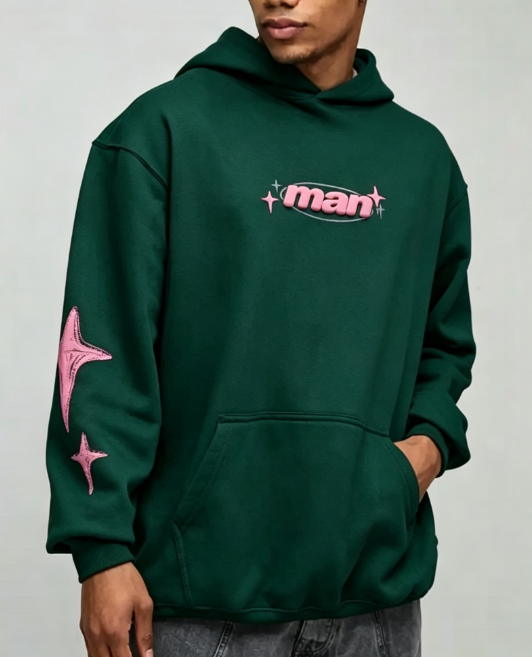
Jersey T-shirts, fleece hoodies, French terry sweats, denim, and outerwear require different curing, platen, and adhesion controls. Ask which categories the supplier prints routinely and whether plastisol screen printing is in-house or managed through a named specialist. One production sample should show the actual fabric, ink system, underbase, mesh count, and curing conditions. Ask: Who owns color approval, screens, and responsibility if an outsourced print run fails?
Verify Color And Sampling Controls
Pantone references, approved strike-offs, and a retained signed sample create a usable color-management chain. Ask for tolerance procedures, artwork separation review, white-underbase testing, and wash-test records before bulk approval. Two sample stages—development and pre-production—reduce surprises between prototype and shipment. Ask whether the factory retains screens, recipes, graded patterns, and material records for repeat orders.
Audit Scale, Compliance, And Communication
Junsheen supports programs from 100 units per style and color to monthly capacity above 80,000 units, with incoming, in-line, measurement, decoration, and final-packed-goods inspection. Buyers should request the relevant compliance documents rather than assume OEKO-TEX, GOTS, WRAP, or BSCI coverage. Three operational checks reveal reliability: response speed, written change control, and export documentation experience. Ask for a production timeline, defect-handling process, final inspection standard, shipping terms, and a single accountable contact.
- Request recent wash-test and inspection examples.
- Confirm MOQ by style, color, and print placement.
- Approve a sealed pre-production sample before bulk.
8. Common plastisol screen printing mistakes
Most plastisol screen printing failures are locked in before bulk production: at artwork review, color approval, or sample sign-off. A 100-unit launch still needs the same technical decisions as a larger program, because reprints and screens add cost quickly.
Match Fabric And Ink
180–280 GSM cotton jersey, fleece, and French terry generally accept standard plastisol well; dye-migrating polyester requires a low-bleed system. Specify fabric composition, color, and finish before approving inks. 1 approved strike-off on the final fabric prevents cracking, migration, or a heavy hand feel. Confirm stretch requirements for rib, spandex blends, and performance knits.
Prepare Production-Ready Artwork
300 DPI raster art at final print size and vector spot-color files give the separator usable information. Hairlines, soft shadows, and accidental transparencies can plug screens or disappear on press. 4–6 spot colors are usually more controllable than an untested simulated-process file. Ask for a separation proof showing halftone frequency, minimum line weight, and intended print size.
Approve Colors And Underbases
1 white underbase changes the appearance of every color printed above it on dark garments. A digital Pantone reference cannot confirm opacity, flash behavior, or the final garment color. 1 physical strike-off should show the approved underbase, print order, and Pantone targets. Mark acceptable variation before bulk production, especially across garment-dyed lots.
Test Cure And Wash Durability
320°F is a common plastisol cure target, but actual dwell time and ink-film temperature determine fusion. Under-cured prints crack or wash off; excessive heat can scorch fabric or cause dye migration. 3–5 wash-and-dry cycles on the approved sample reveal adhesion, color bleed, and hand-feel changes. Require a cure test on the actual fabric, not only a shop standard.
Budget Screens And Sampling
1 screen is required for each spot color and often another for an underbase, so a six-color design can mean seven screens. Small runs absorb this setup cost more heavily than repeat orders. 100-unit buyers should consolidate colorways, avoid unnecessary screens, and approve a washed production sample. Do not expect photographic detail unless the separator validates simulated-process or CMYK capability first.
9. Launching a printed apparel collection
A 100-unit OEM launch succeeds when commercial decisions are locked before screens and bulk fabric are committed. Start with the target customer, retail price, fit direction, decoration placement, and delivery date, then use approvals as gates rather than informal feedback.
Build The Development Brief
One brief should specify customer, garment category, size range, colorways, target FOB, fabric hand feel, and intended retail price. 100 units per style and color is a practical starting point for a capsule, but splitting quantity across too many colors raises material and setup risk.
- Include front, back, sleeve, and neck artwork placements
- State XS–3XL grading or oversized-fit requirements
- Set a non-negotiable delivery date and sales channel
Confirm Materials And Artwork
180–220 GSM ring-spun jersey suits many printed tees, while 280–350 GSM French terry supports heavier hoodies and sweatshirts. Pantone references, vector artwork, print dimensions, underbase instructions, and color count must be preflighted before quotation; revised art after screen preparation creates avoidable delay.
- Confirm fabric composition and shrinkage tolerance
- Separate spot colors from simulated-process artwork
- Approve artwork scale on each garment size
Approve Samples In Sequence
A prototype verifies construction and fit before a print sample verifies plastisol screen printing color, opacity, registration, and hand feel. 24–72 hour wash testing on the approved sample should check cracking, adhesion, color migration, and dimensional change before the bulk production approval is released.
- Approve fit sample measurements and grading
- Approve physical color proof under consistent lighting
- Record every approved revision in the tech pack
Protect The Production Timeline
2–4 weeks is a common sampling window once fabric and artwork inputs are complete; bulk timing begins only after final approvals and material availability align. 1 production approval should lock bill of materials, size set, print specification, labels, packaging, carton marks, inspection standard, and shipping method before cutting starts.
- Reserve fabric only after color and quantity confirmation
- Use pre-production approval as the final change gate
- Allow time for final inspection and export booking
10. Plastisol screen printing pricing and cost
100 units per style and color is a practical starting point for OEM plastisol screen printing, but it is not a universal price point. The garment base—such as a 180 GSM ring-spun jersey tee versus a 400 GSM brushed fleece hoodie—usually has more cost impact than the print alone. 1 color at one location requires one screen and a simpler press setup; each added Pantone color, print location, underbase, or special ink adds preparation, production time, and curing risk. Puff, high-density, foil, flocking, silicone, detailed halftones, sample revisions, individual polybags, hang tags, and custom cartons should be quoted as specified line items rather than absorbed into a headline unit price.
| Quantity tier | Typical setup assumption | Relative unit-cost direction | Typical lead-time impact |
|---|---|---|---|
| 100–299 units | 1–2 colors, one chest or full-front location, standard garment | Highest; screens spread across few units | Sampling plus bulk scheduling; allow added setup time |
| 300–999 units | 2–4 colors, one or two locations, approved artwork | Moderates as screen and make-ready costs distribute | More efficient runs after pre-production approval |
| 1,000–2,999 units | 2–5 colors, repeatable placements, bulk fabric reserved | Lower for the same garment specification | Stable production planning; effects can extend curing |
| 3,000+ units | Standardized colorways, consolidated sizes, repeat packaging | Lowest relative cost when specifications remain fixed | Best press efficiency; custom packing and inspections add time |
Start Your Custom Plastisol Screen Printing Project
Send your tech pack, reference garment, or product idea for sampling and a tailored OEM quotation from JUNSHEEN.